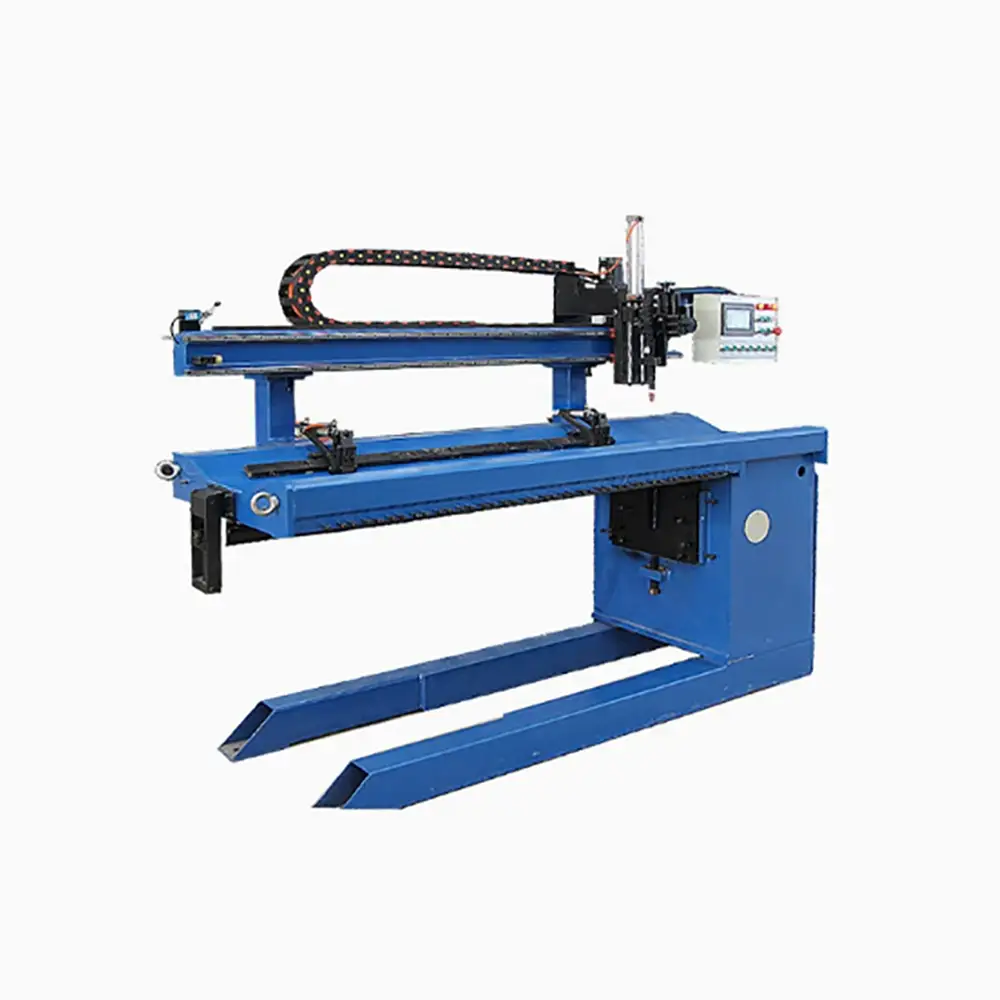
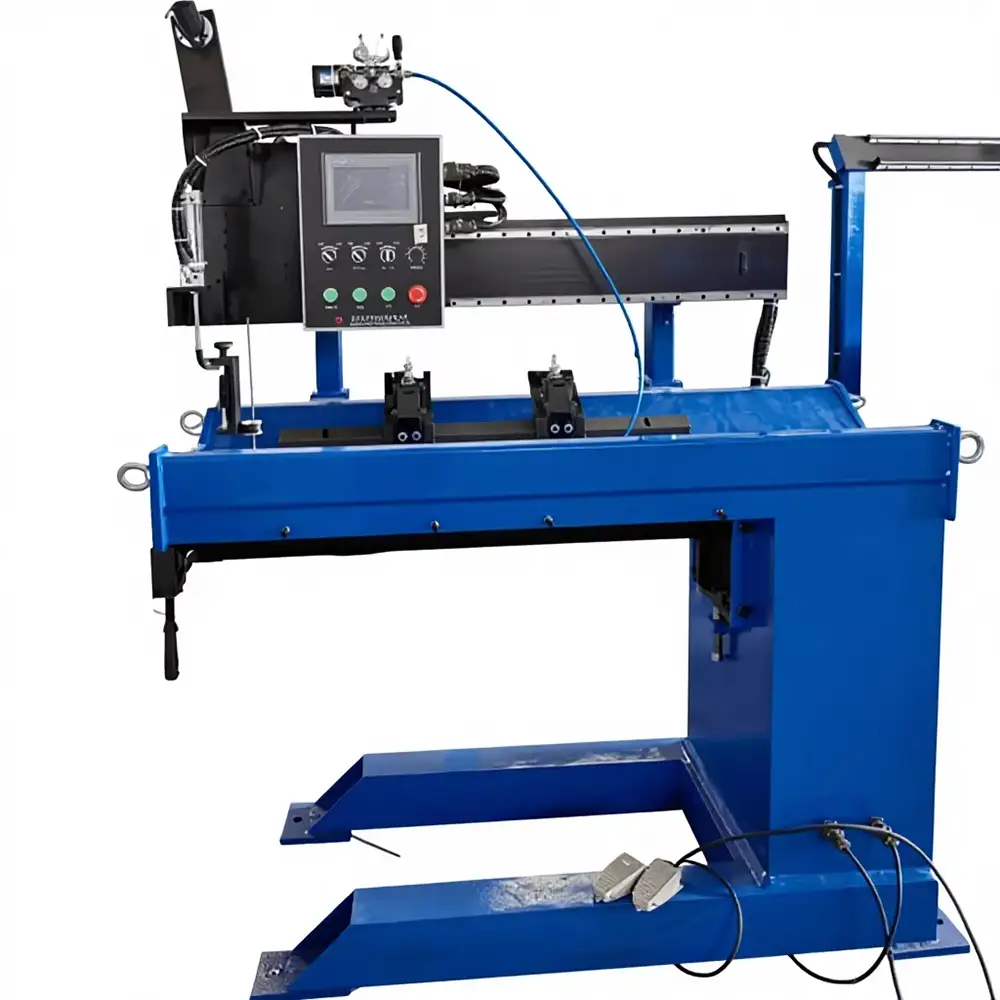
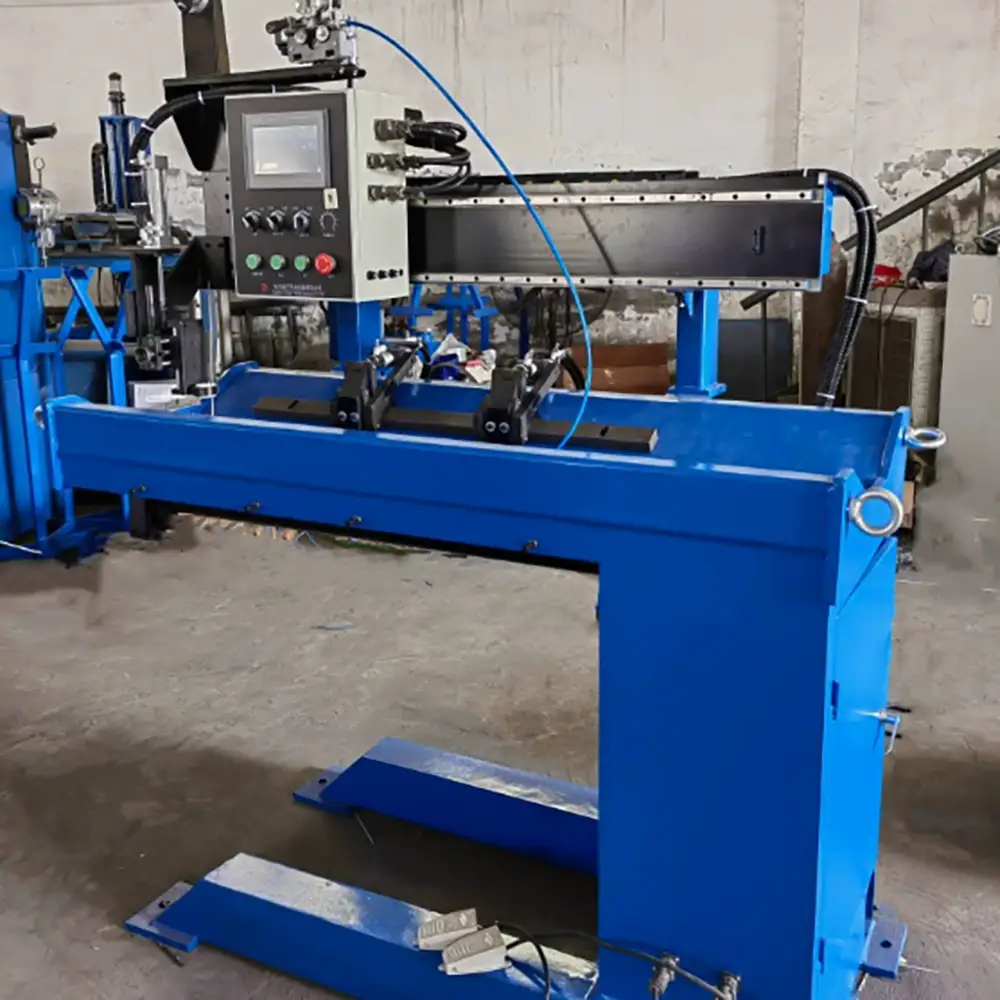
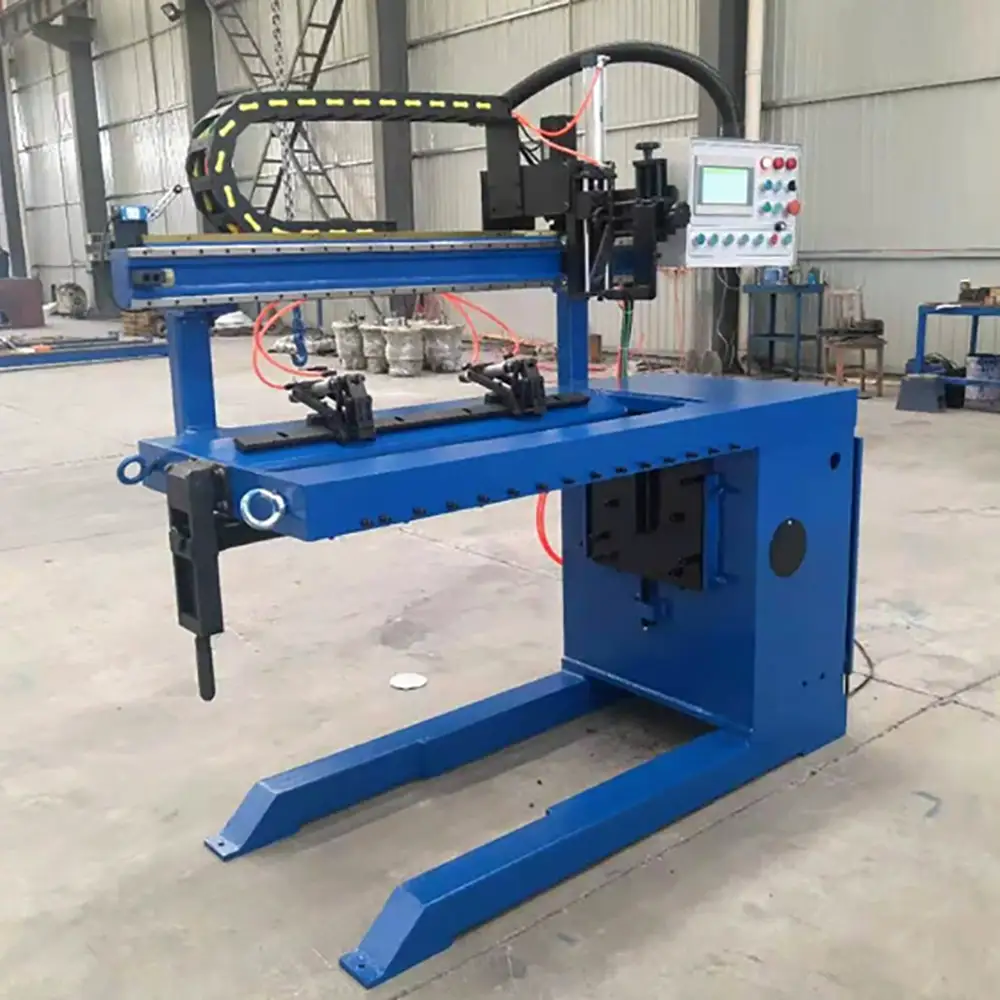
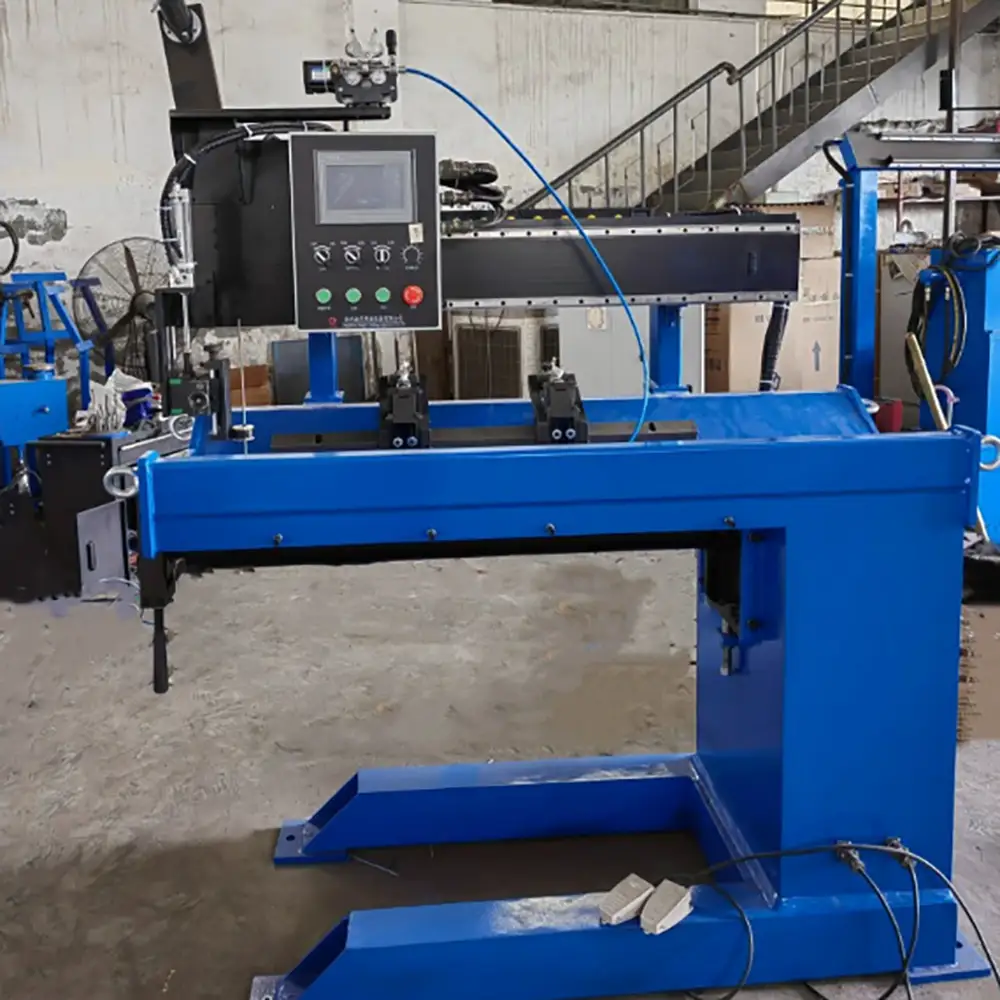
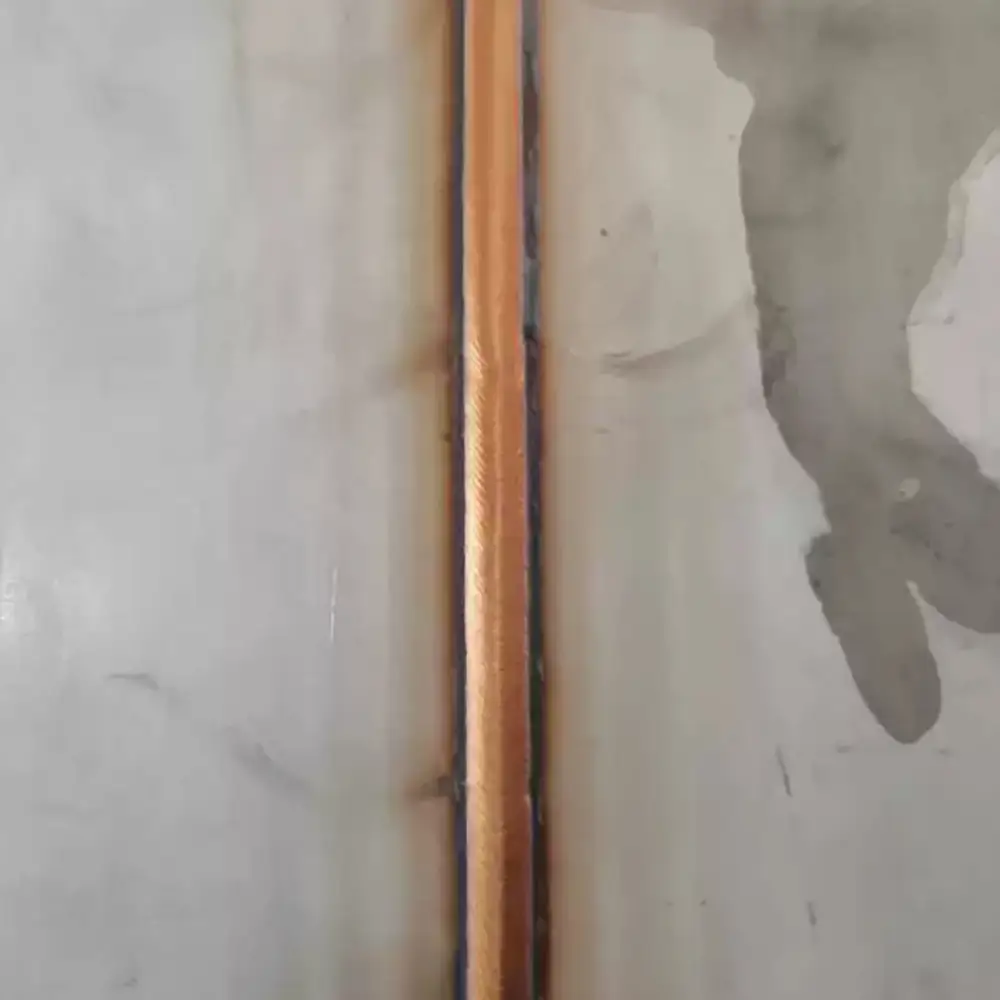
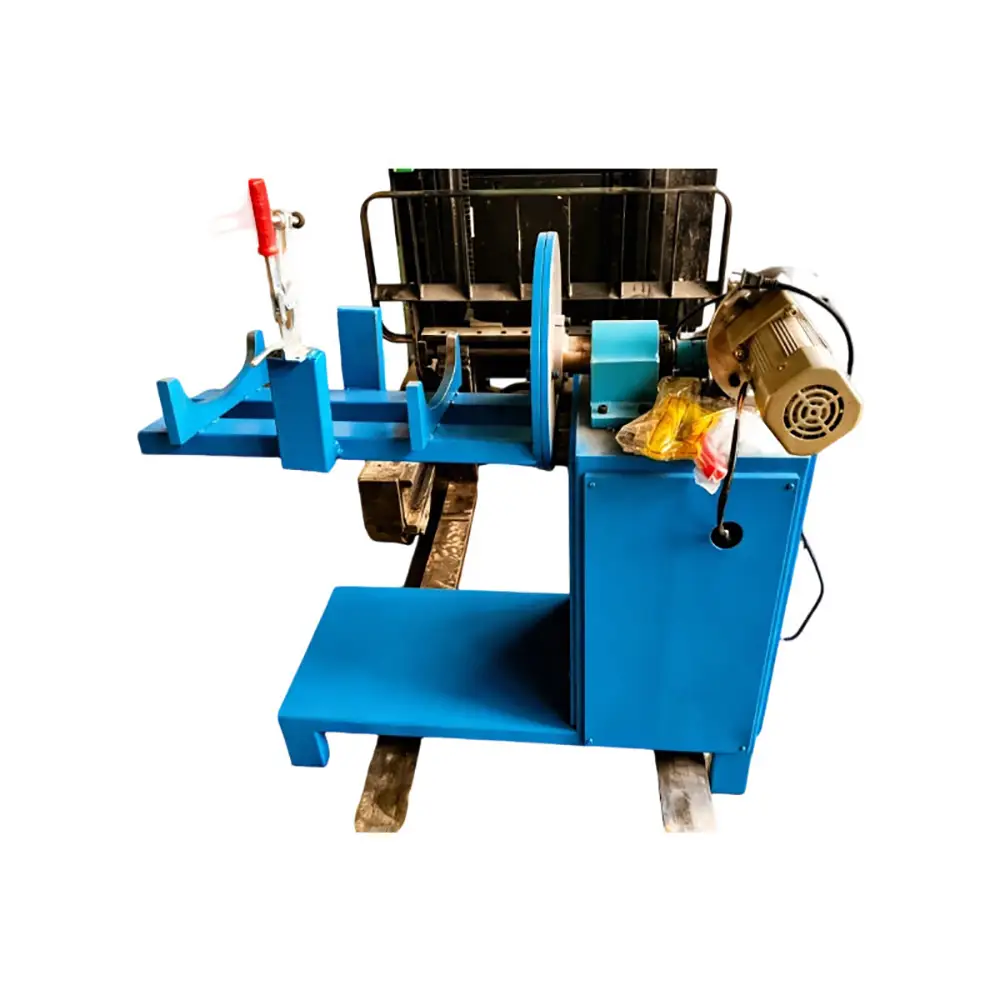
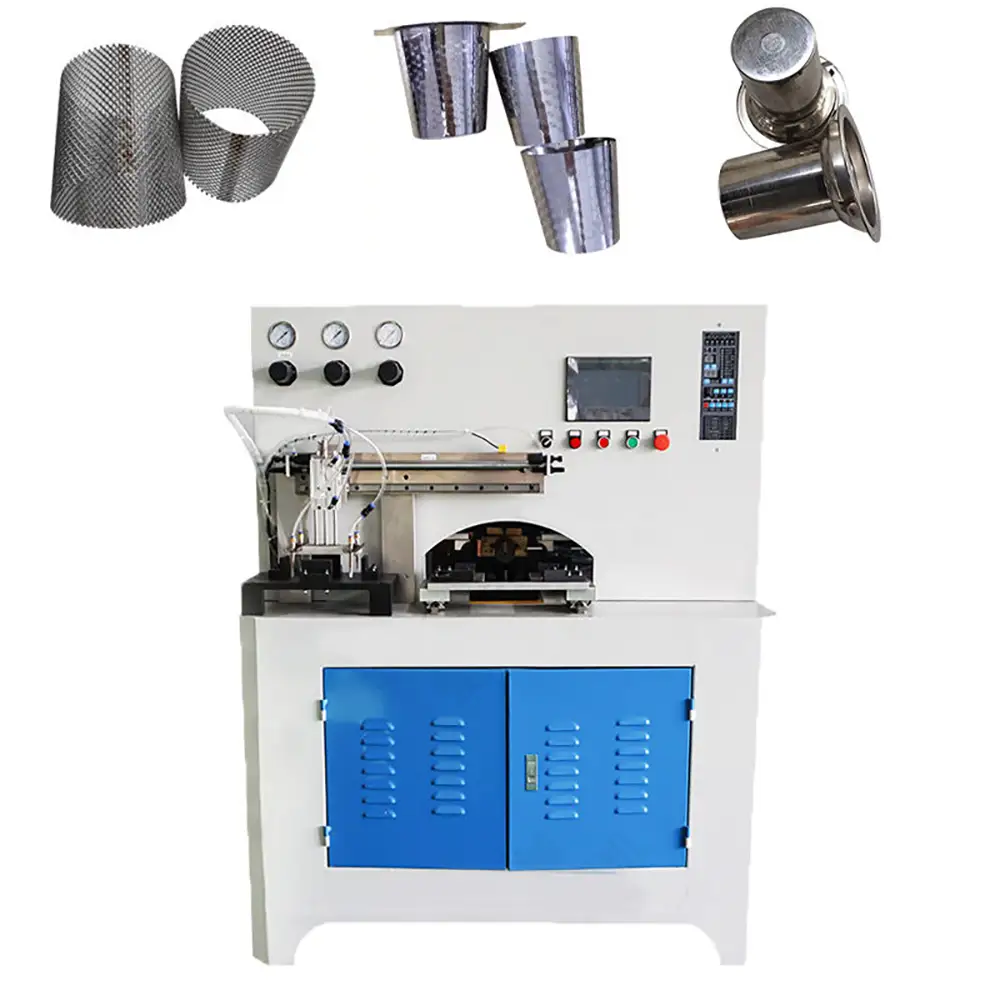
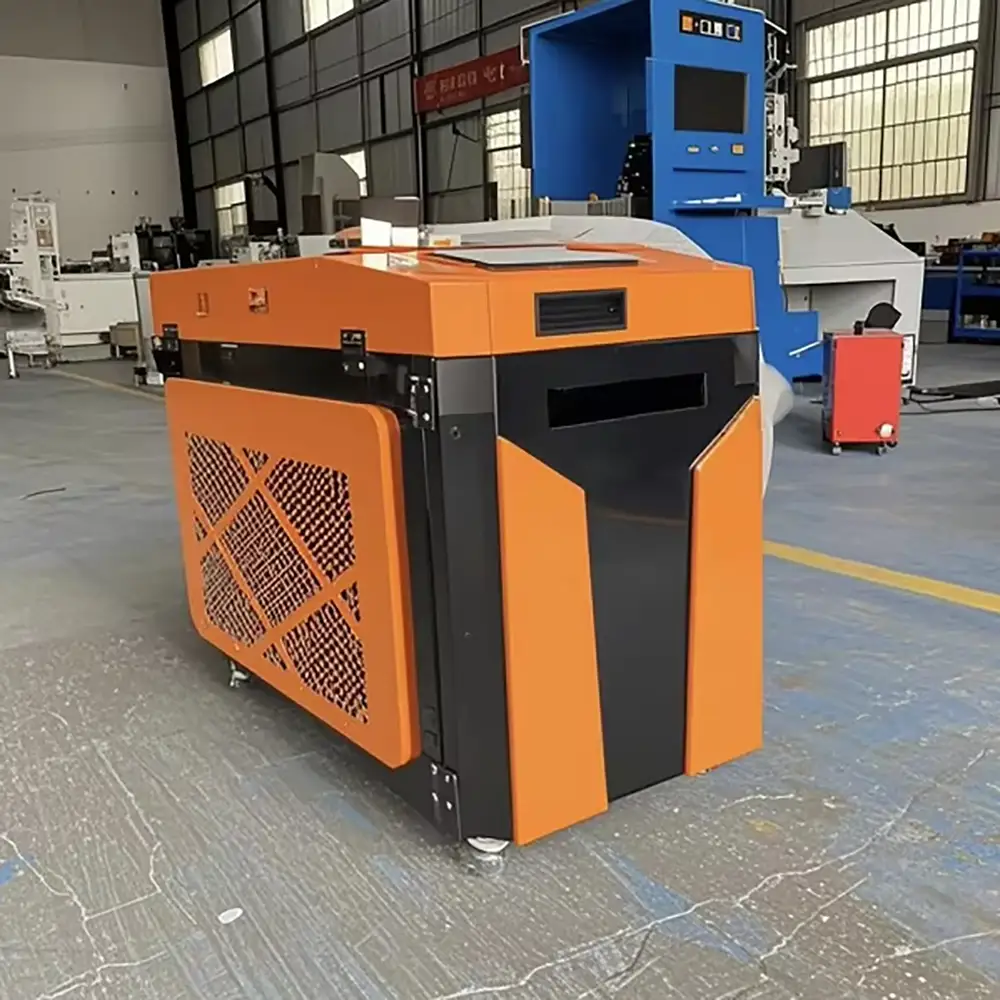
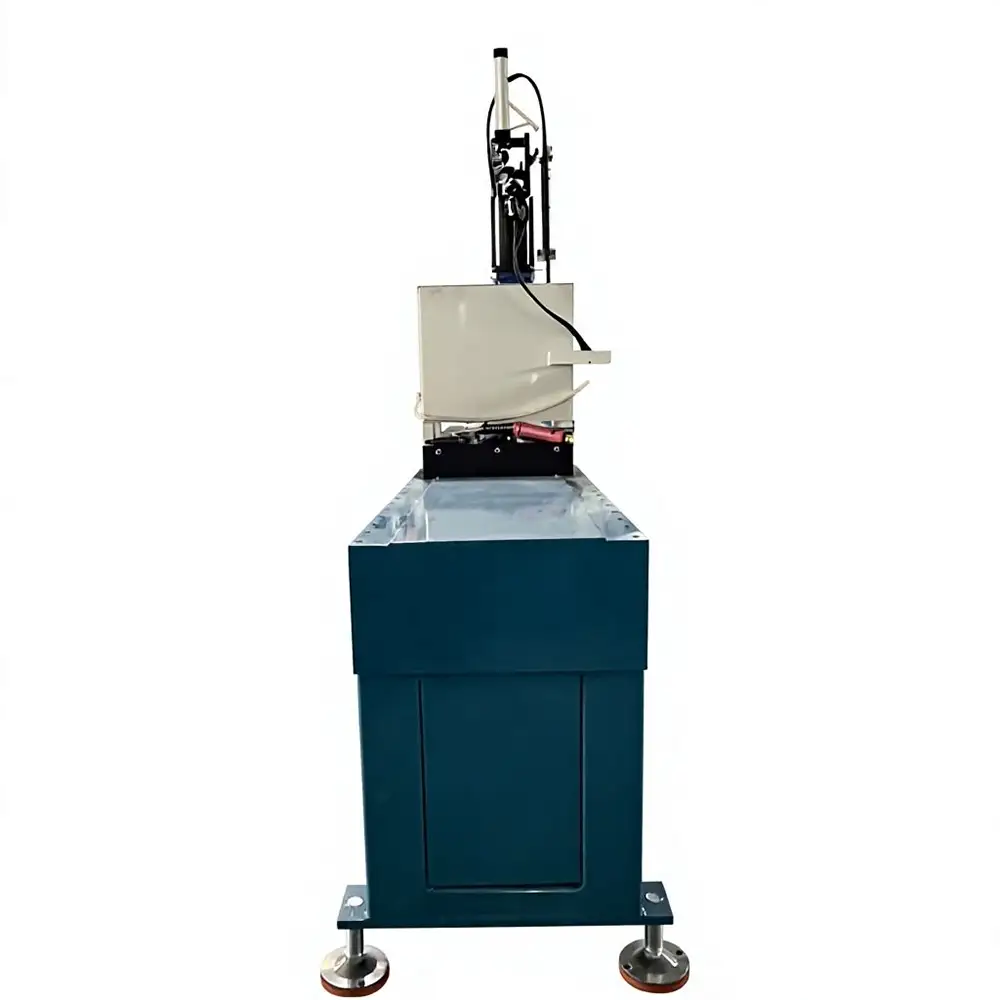
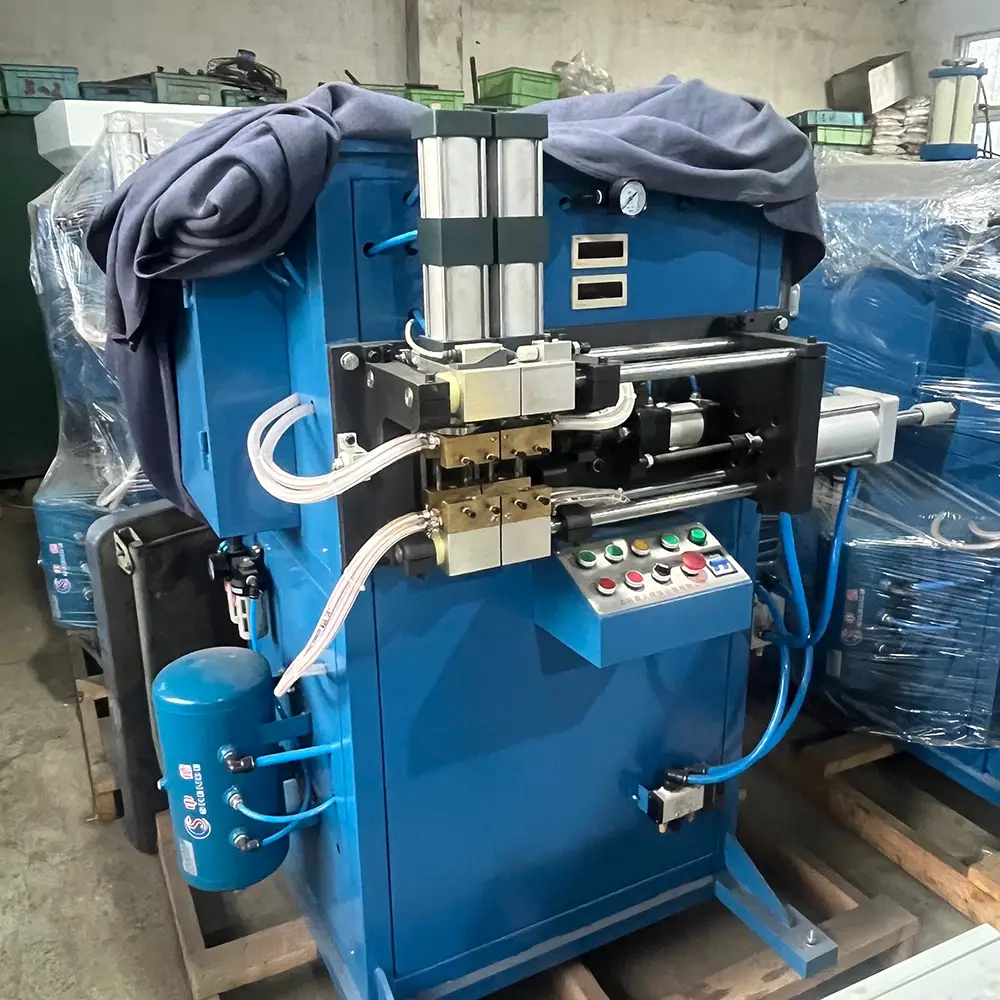
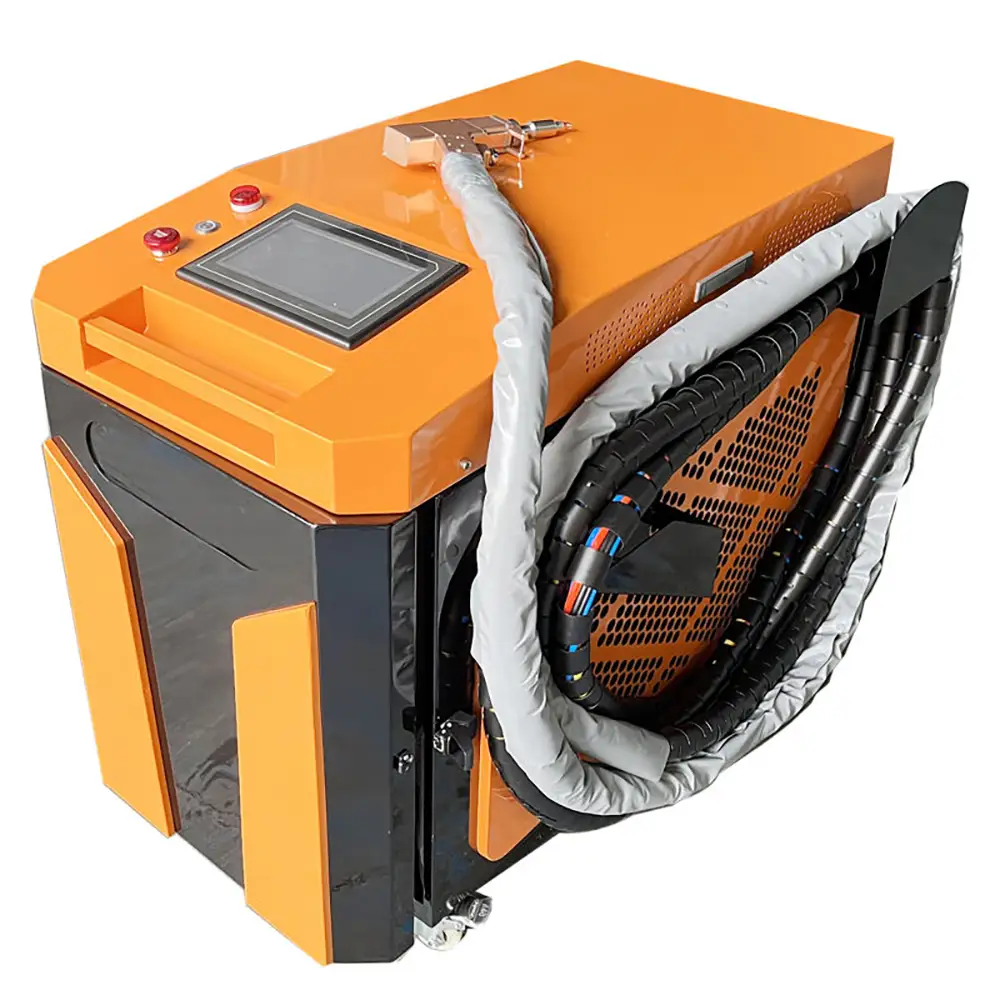
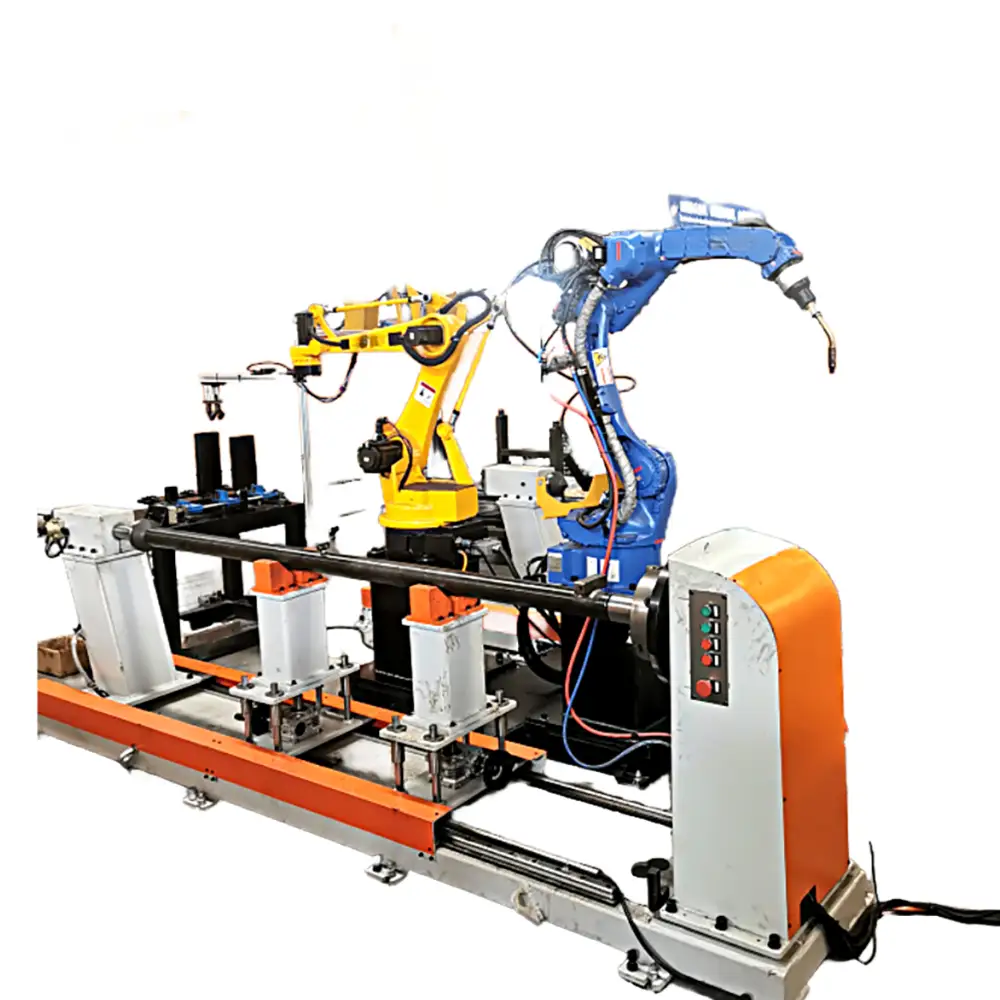
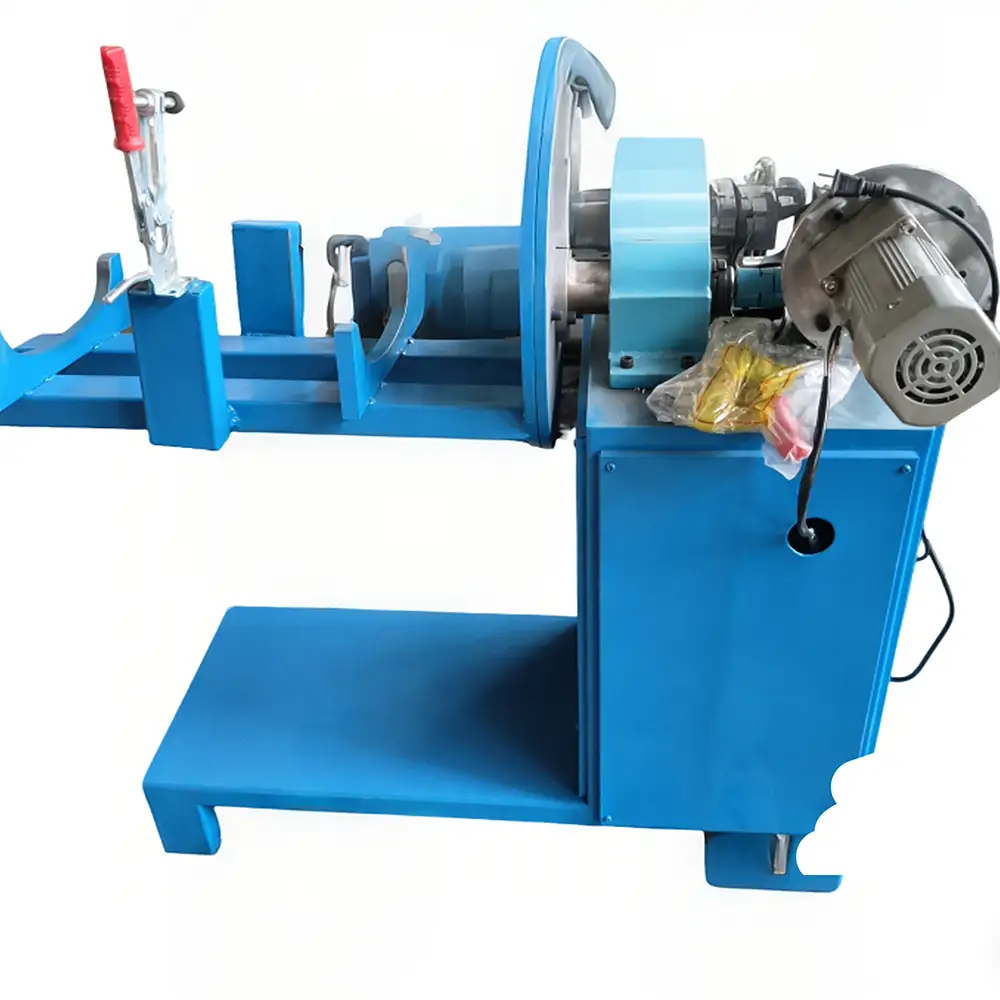
CNC Longitudinal Seam Welding Machine for Exhaust Pipe & Cylinder Production
The CNC Longitudinal Seam Welding Machine is an automated welding system designed for precise and repeatable welding of longitudinal seams on cylindrical, tubular, and formed metal workpieces. Also known as a Longitudinal Seam Welder, Long Seam Welding Machine, or Automatic Longitudinal Welding Machine, this equipment is widely used for manufacturing exhaust pipes, metal cylinders, tanks, tubes, ducts, and other fabricated products requiring a straight and consistent longitudinal weld.
During the production of a cylindrical or tubular component, a flat sheet is typically rolled or formed into the required shape before the two edges are joined along a longitudinal seam. Maintaining accurate alignment and consistent welding parameters is essential for producing a reliable finished component. The CNC longitudinal seam welding machine combines controlled workpiece positioning, clamping, welding movement, and programmable operation to improve production consistency and reduce dependence on manual welding.
The machine is suitable for industrial manufacturers looking for a more efficient alternative to conventional manual longitudinal seam welding. Depending on the configuration, it can be integrated with suitable welding power sources, cooling systems, pneumatic or mechanical clamping systems, and CNC controls to meet different production requirements.
What Is a Longitudinal Seam Welding Machine?
A longitudinal seam welding machine is designed to weld a straight seam running along the length of a cylindrical, rectangular, or specially formed metal workpiece.
Unlike circumferential welding, which follows the circumference of a round component, longitudinal seam welding creates a seam parallel to the workpiece axis. This makes the machine particularly suitable for products manufactured by rolling sheet metal into tubes, cylinders, shells, or other elongated structures.
The workpiece is positioned in a dedicated fixture, and the seam edges are accurately aligned before welding. The welding torch then travels along the longitudinal joint at a controlled speed. Depending on the application, the machine can use different welding processes and configurations.
CNC control allows important operating parameters and movement sequences to be managed more precisely, helping manufacturers establish repeatable production procedures.
Exhaust Pipe Welding Applications
One important application of this equipment is exhaust pipe manufacturing.
Automotive and industrial exhaust components often require tubular metal sections with accurately welded longitudinal seams. A stable welding process can help manufacturers achieve consistent joint quality while maintaining production efficiency.
The machine can be used for suitable exhaust-related components such as:
Automotive Exhaust Pipes
Muffler Components
Exhaust Tubes
Stainless Steel Exhaust Pipes
Industrial Exhaust Tubes
Tubular Metal Components
Custom Exhaust Pipe Assemblies
For exhaust pipe production, the appropriate welding method, fixture design, material compatibility, and dimensional range should be selected according to the specific product.
Cylinder Production
The CNC Longitudinal Seam Welding Machine is also suitable for various metal cylinder production applications.
When sheet metal is rolled into a cylindrical shell, the longitudinal edges need to be joined accurately. Automated welding provides controlled movement along the seam and can help manufacturers maintain repeatable welding conditions.
Potential applications include:
Metal Cylinders
Stainless Steel Cylinders
Steel Tubes
Cylindrical Shells
Small Tanks
Industrial Containers
Filter Housings
Pressure Vessel Components
HVAC Duct Components
Fabricated Metal Tubes
The machine configuration should be selected according to the diameter, length, material, thickness, joint design, and welding requirements of the cylinder.
CNC Controlled Welding Operation
CNC control is an important feature of the machine because it allows welding movement and operating sequences to be programmed or adjusted according to the production requirements.
Once the workpiece has been properly positioned, the machine can perform the programmed welding movement along the longitudinal seam. Controlled travel speed helps maintain a consistent welding process throughout the joint.
Depending on the selected configuration, the control system may manage functions such as:
Welding Start And Stop
Welding Torch Travel
Welding Speed
Workpiece Clamping
Welding Current
Wire Feeding
Gas Flow
Cooling Functions
Programmed Welding Cycles
The actual functions depend on the machine configuration and selected welding system.
Suitable Materials
Longitudinal seam welding machines can be configured for different weldable metals depending on the welding process and power source.
Common materials may include:
Carbon Steel:
Used for many general industrial tubes, pipes, cylinders, ducts, and fabricated components.
Stainless Steel:
Widely used for exhaust systems, food-processing equipment, chemical equipment, tanks, and decorative or corrosion-resistant tubular products.
Aluminum Alloys:
Certain configurations can be adapted for aluminum applications when the welding system and process are suitable.
The correct welding wire, shielding gas, current, voltage, travel speed, and joint preparation should always be selected according to the material and application.
Key Features
CNC Programmable Control
The CNC control system allows manufacturers to establish repeatable welding movements and operating sequences for different products.
Precision Longitudinal Welding
The dedicated machine structure and clamping system are designed to keep the workpiece and welding seam properly positioned during the welding process.
Consistent Welding Speed
Controlled torch travel helps reduce variations caused by manual welding movement and provides a more repeatable production process.
Suitable for Tubular Products
The machine can be used for cylindrical and tubular products within its designed dimensional range.
Reduced Manual Welding
Automated welding movement reduces repetitive manual torch operation and can improve production efficiency.
Flexible Production
Different fixtures, welding systems, and machine configurations can be selected according to the product dimensions and manufacturing requirements.
Applications
The CNC Longitudinal Seam Welding Machine can be used in a variety of industries.
Automotive
Suitable for manufacturing exhaust pipes, muffler components, tubular brackets, and other automotive metal parts requiring longitudinal seams.
HVAC
The machine can be used for suitable duct components, cylindrical housings, ventilation products, and fabricated sheet-metal tubes.
Industrial Equipment
Applications include tanks, cylinders, housings, pipes, tubular structures, and fabricated metal components.
Stainless Steel Products
Manufacturers of stainless steel tubes, cylinders, containers, kitchen equipment, and industrial components can use longitudinal welding equipment for suitable products.
Chemical And Process Equipment
The machine may be used for manufacturing cylindrical shells, vessels, containers, and related components where the material and welding specifications are compatible.
General Metal Fabrication
It is also suitable for custom tube, cylinder, pipe, duct, and sheet-metal product manufacturing.
Advantages Over Manual Longitudinal Welding
Manual welding requires an operator to continuously control torch movement, welding speed, and seam alignment. Production quality can therefore be affected by operator technique and fatigue.
An automatic longitudinal seam welding machine provides controlled mechanical movement and repeatable welding sequences. Once the correct parameters have been established, manufacturers can use the same basic process for multiple workpieces.
Potential production benefits include:
More Consistent Welding Movement
Improved Seam Repeatability
Reduced Operator Fatigue
Better Production Efficiency
More Stable Welding Parameters
Easier Repetitive Production
Reduced Manual Torch Operation
Improved Manufacturing Consistency
Actual results depend on the product design, welding method, machine configuration, operator skill, and production conditions.
Why Choose Our CNC Longitudinal Seam Welding Machine?
1. Designed for Longitudinal Seams
The machine is specifically designed around straight longitudinal welding applications, making it suitable for tubular, cylindrical, and formed sheet-metal products.
2. CNC Controlled Operation
Programmable movement helps manufacturers establish consistent welding procedures for repetitive production.
3. Multiple Application Possibilities
The machine can be used for exhaust pipes, cylinders, tubes, tanks, ducts, housings, and other compatible products.
4. Production Efficiency
Automated welding movement can reduce repetitive manual operations and help improve production workflow.
5. Flexible Machine Configuration
Machine specifications can be evaluated according to workpiece diameter, length, material, thickness, welding method, and required production capacity.
6. B2B Manufacturing Solution
The equipment is suitable for industrial manufacturers, metal fabrication companies, exhaust system producers, cylinder manufacturers, HVAC manufacturers, and custom metalworking businesses.
7. Customization Support
Different products may require different fixtures, welding torches, clamping systems, control functions, and welding power sources. The machine can be configured according to specific production requirements.
How to Choose a CNC Longitudinal Seam Welder
Before selecting a machine, buyers should provide detailed information about the products to be welded.
Workpiece Length:
Determine the required maximum welding length.
Workpiece Diameter:
For cylindrical products, provide the minimum and maximum diameter.
Material:
Specify whether the workpiece is carbon steel, stainless steel, aluminum, or another weldable alloy.
Material Thickness:
Sheet thickness directly affects welding parameters and welding equipment selection.
Joint Type:
The seam design and edge preparation should be considered when selecting the welding process.
Welding Method:
Different products may require TIG, MIG, or other suitable welding processes.
Production Volume:
High-volume manufacturers may benefit from greater automation and dedicated fixtures.
Product Drawings:
Providing drawings, dimensions, material specifications, and sample photos helps determine the appropriate machine configuration.
Maintenance And Safety
Regular maintenance is important for reliable operation. Operators should inspect the welding torch, cables, clamping components, guide mechanisms, drive system, electrical connections, and cooling system according to the machine manufacturer's maintenance recommendations.
The welding area should be kept clean and free from excessive metal dust, oil, and other contaminants. Welding consumables should be stored correctly and replaced when required.
Operators should use suitable personal protective equipment and follow applicable welding safety procedures. Proper ventilation, electrical protection, shielding from welding radiation, and safe handling of hot workpieces are important during operation.
Conclusion
The CNC Longitudinal Seam Welding Machine provides an automated solution for manufacturers producing exhaust pipes, cylinders, tubes, tanks, ducts, and other metal products requiring straight longitudinal seams. With CNC-controlled movement, dedicated workpiece positioning, and configurable welding systems, the equipment can help manufacturers establish a more consistent and efficient production process.
For manufacturers looking to automate longitudinal seam welding, the correct machine should be selected based on workpiece dimensions, material, thickness, welding method, seam design, production volume, and required automation level. With the appropriate configuration, a Longitudinal Seam Welder can become an important part of a modern tube, cylinder, exhaust pipe, and sheet-metal fabrication line.
FAQs
1. What is a CNC Longitudinal Seam Welding Machine?
It is an automated welding machine designed to weld straight seams along the length of cylindrical, tubular, or formed metal workpieces using controlled and programmable welding movement.
2. What products can it weld?
Typical applications include exhaust pipes, metal cylinders, tubes, tanks, ducts, housings, stainless steel containers, and other compatible fabricated metal products.
3. Can it weld exhaust pipes?
Yes. The machine is suitable for appropriate exhaust pipe production applications, particularly tubular components requiring a longitudinal seam.
4. Can it weld stainless steel cylinders?
Yes. With a suitable welding process, power source, fixture, and parameters, the machine can be configured for stainless steel cylinder and tubular product production.
5. What welding processes can be used?
The appropriate process depends on the material, thickness, joint design, and product requirements. TIG and MIG-based configurations are common options for different industrial applications.
6. Is the machine fully automatic?
The welding movement can be automated and CNC controlled. Loading, unloading, initial setup, workpiece positioning, and parameter adjustment may still require operator involvement depending on the machine configuration.
7. What information should I provide for a quotation?
Provide the workpiece length, diameter or width, material, thickness, seam type, welding method if known, required production capacity, and preferably product drawings or photos.
8. Can the machine be customized?
Yes. Machine configuration can be discussed according to workpiece dimensions, fixture requirements, welding system, control functions, automation level, and production requirements.
9. Does CNC control improve welding consistency?
CNC-controlled travel provides repeatable machine movement and can help maintain consistent welding conditions when the correct welding parameters and workpiece setup are established.
10. Is this machine suitable for high-volume production?
It can be suitable for repetitive industrial production when the machine capacity, fixture design, welding system, and cycle time match the manufacturer's production requirements.
Prev:
Exhaust Pipe Support Bracket with Motor 1 Year Warranty 250kg Heavy Duty for Reliable Welding Operations
Next:
Automatic Spiral Blade Welding Machine | Auger Flight Welder for Screw Conveyor & Solar Helical Pile
TAG:
Exhaust Pipe Welding Machine,
Industrial Seam Welding Machine,
Stainless Steel Tube Welding Machine,
Automatic Seam Welding Machine,
CNC Longitudinal Seam Welding Machine,
Metal Tube Welding Machine,
Longitudinal Seam Welding Machine,
Longitudinal Seam Welding Equipment,
Automatic Longitudinal Welding Machine,
Cylinder Seam Welding Machine,
Long Seam Welding Machine,
Tube Seam Welding Machine,
Metal Cylinder Welding Machine,
Pipe Welding Machine,
Tube Welding Machine,
CNC Welding Machine,
Automatic Cylinder Welding Machine,
Sheet Metal Seam Welding Machine,
Stainless Steel Cylinder Welding Machine,
CNC Cylinder Welding Machine,
Long Seam Welder,
Automatic Long Seam Welder,
Cylinder Welding Machine,
Seam Welding Machine,
Longitudinal Seam Welder,
Seam Welding Equipment,
CNC Long Seam Welder,
Longitudinal Welding Machine,
Exhaust Tube Welding Machine,
Exhaust Welding Machine,
Related Category:
CNC Longitudinal Seam Welding Machine,Longitudinal Seam Welding Machine,Longitudinal Seam Welder,Long Seam Welding Machi China, suppliers, manufacturers, factory, customized, wholesale, quotation, made in China