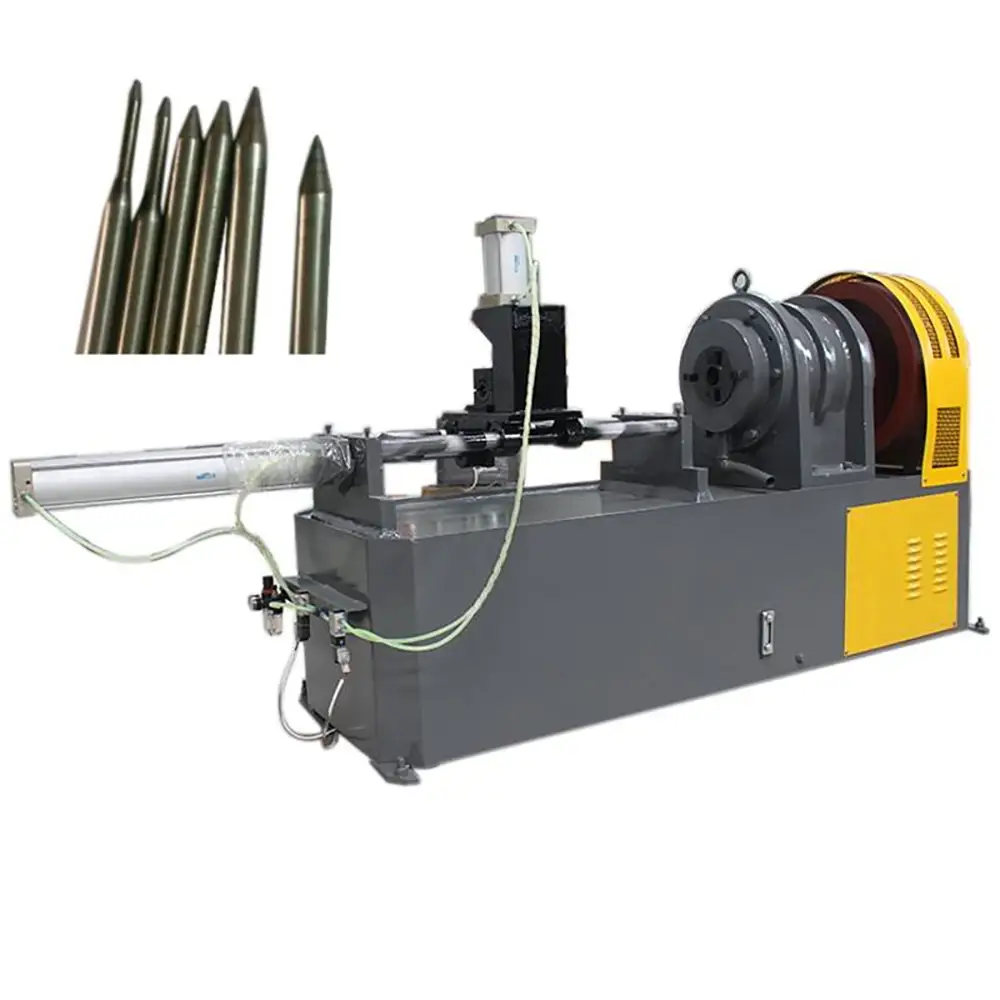
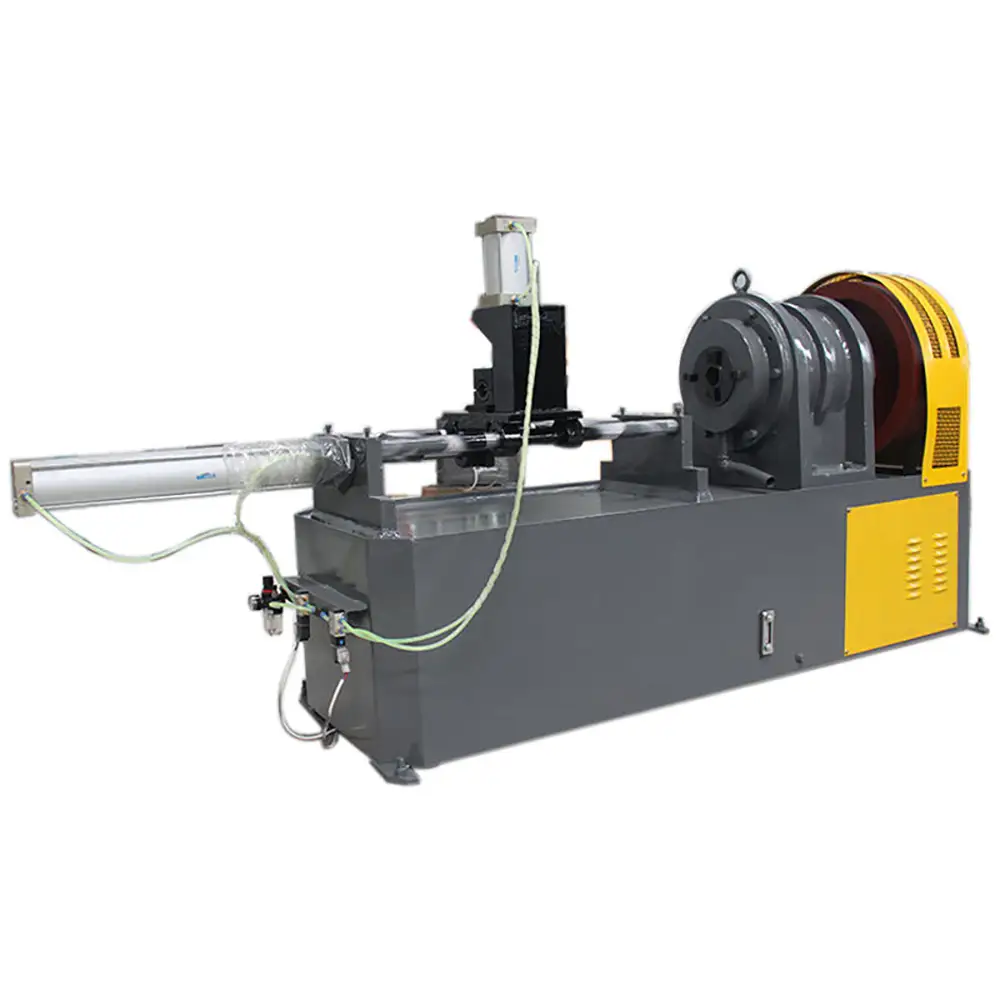
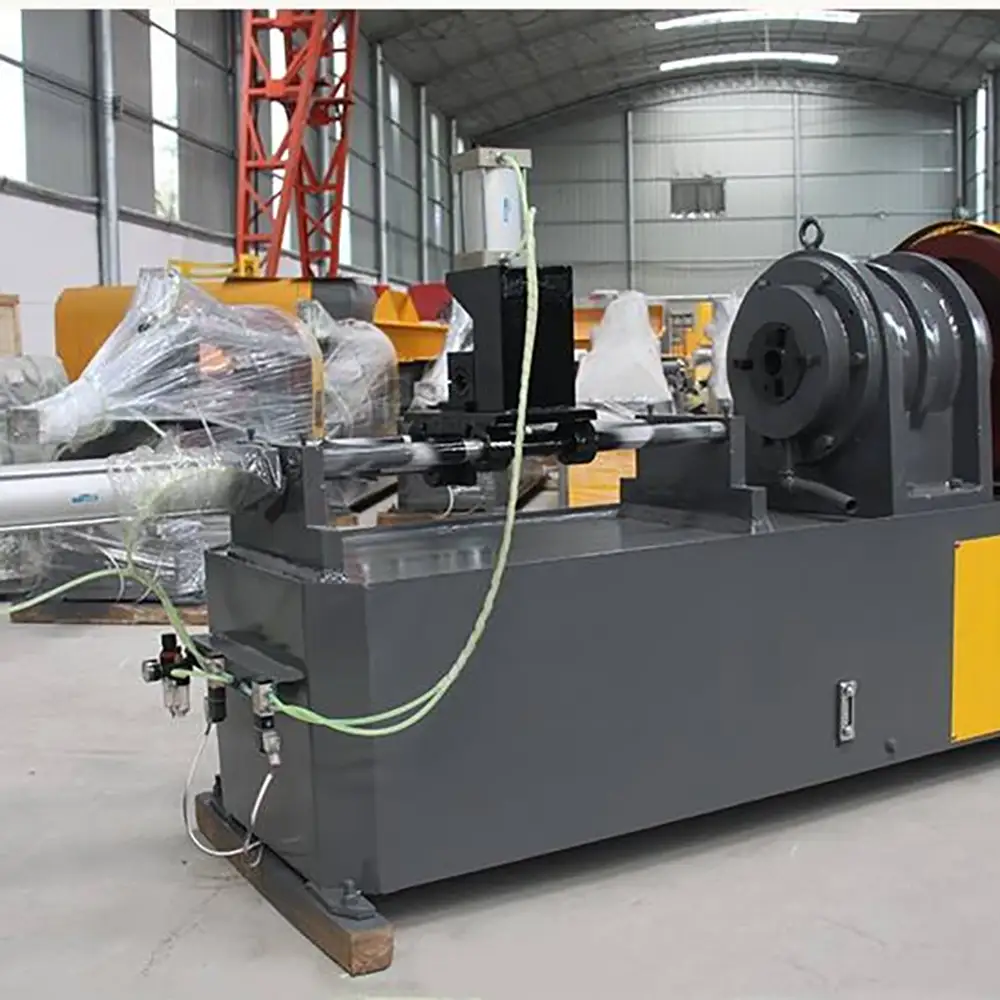
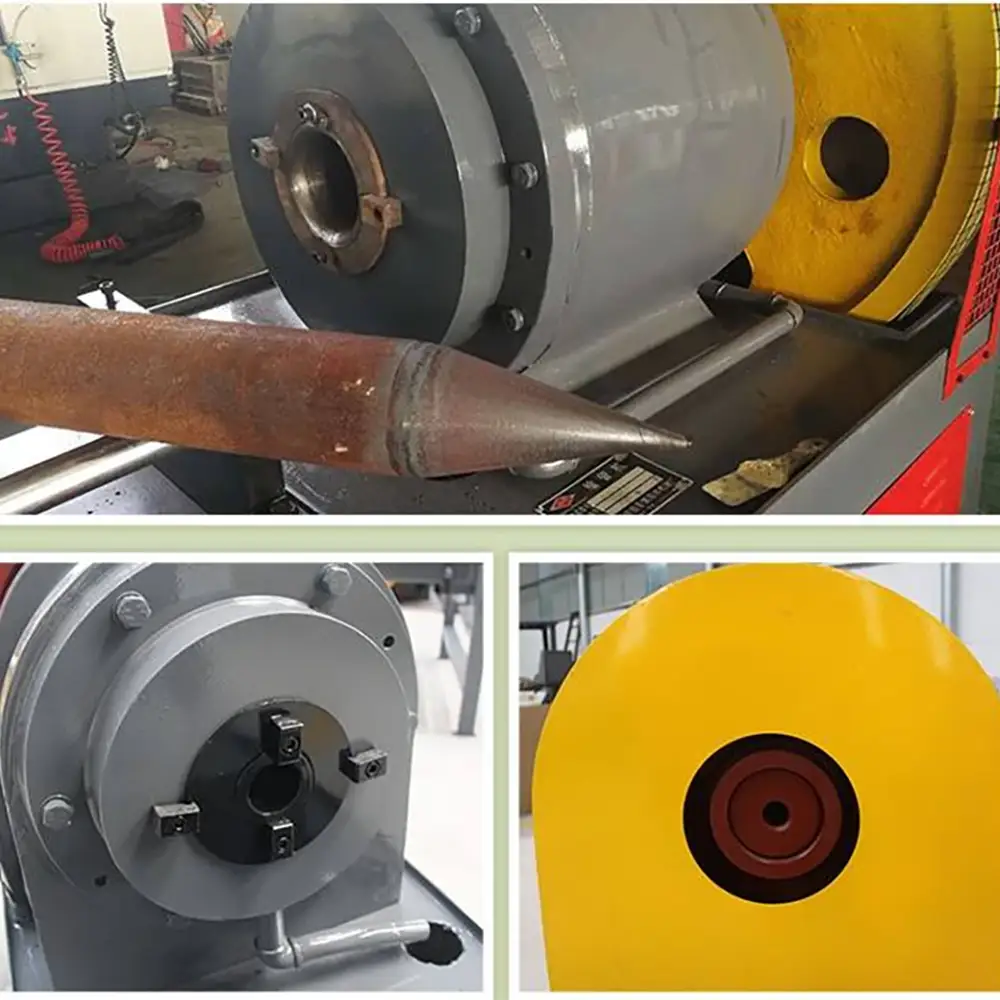
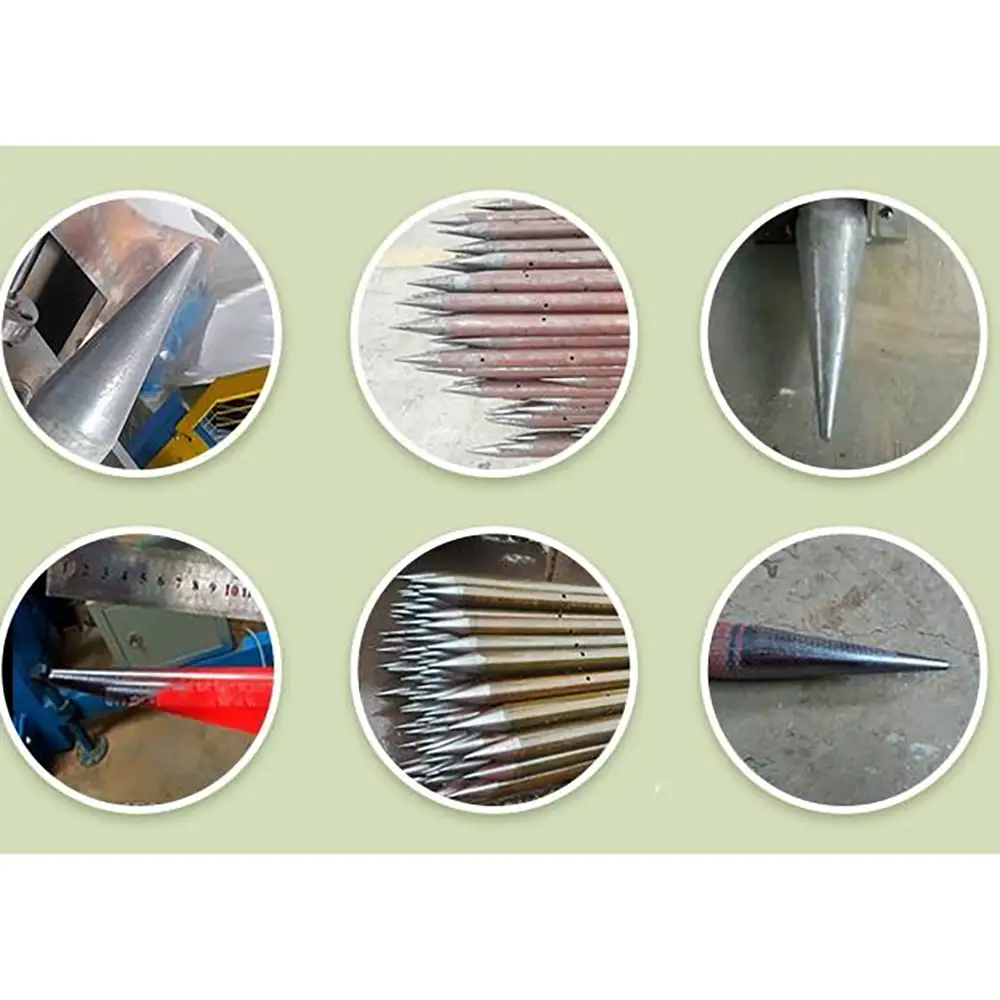
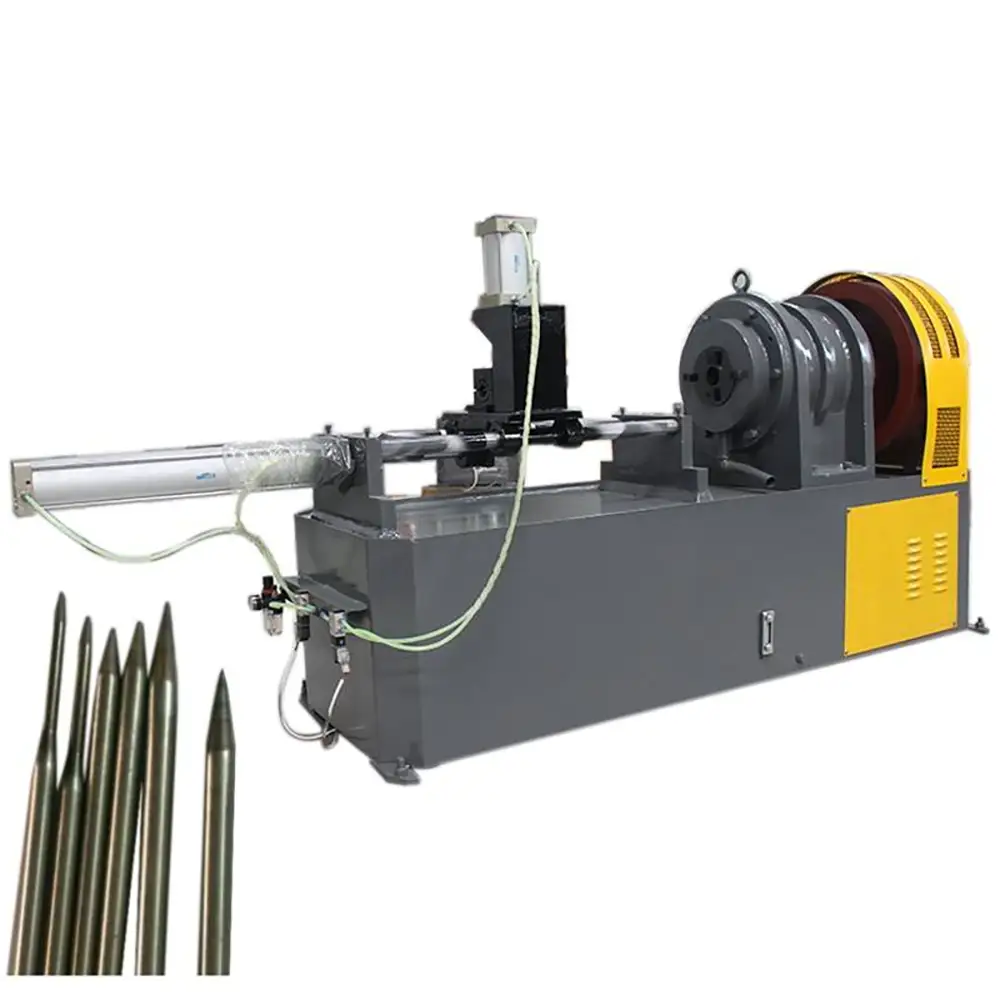
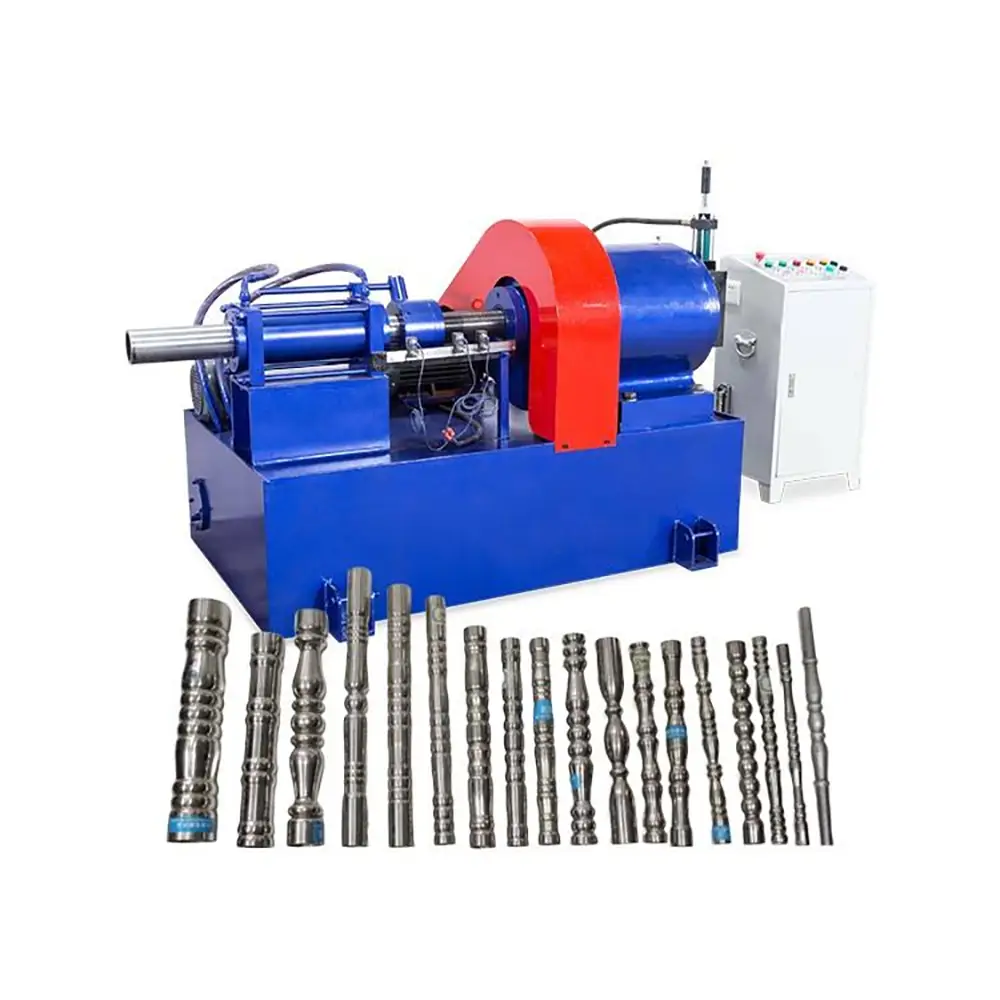
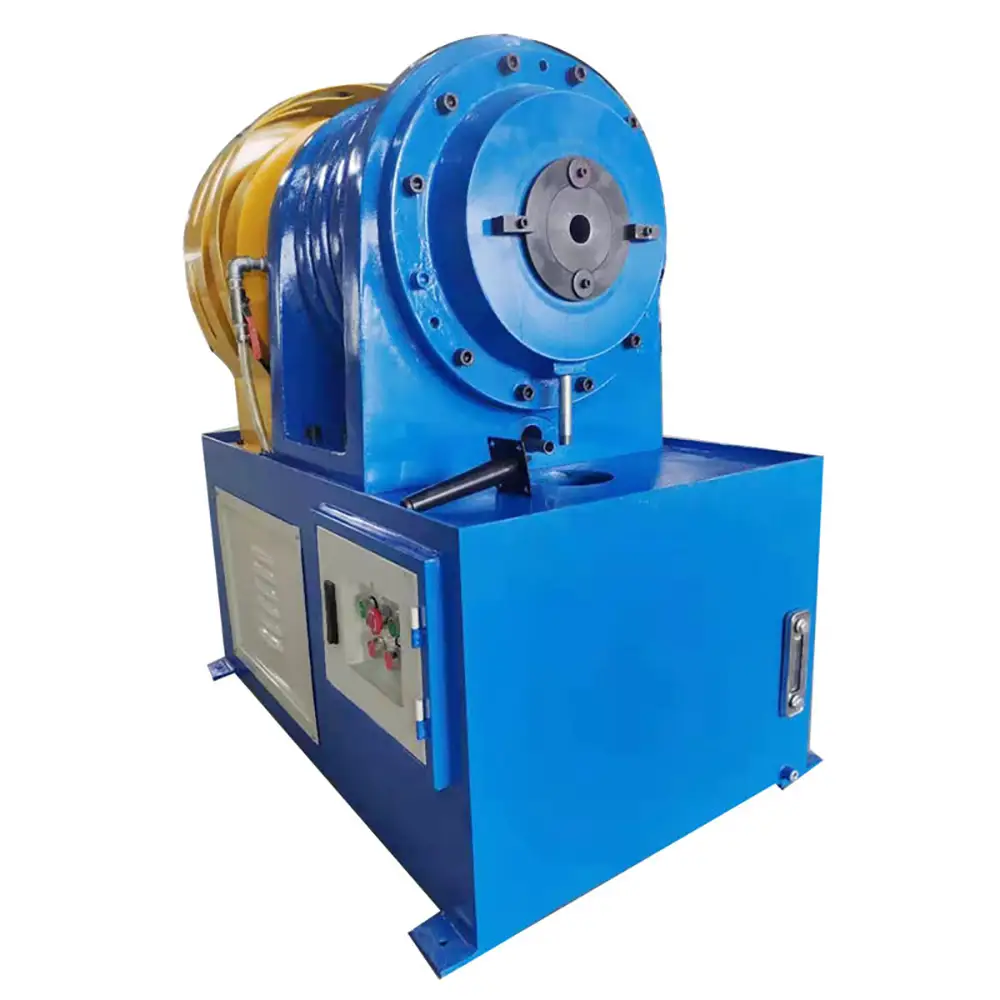
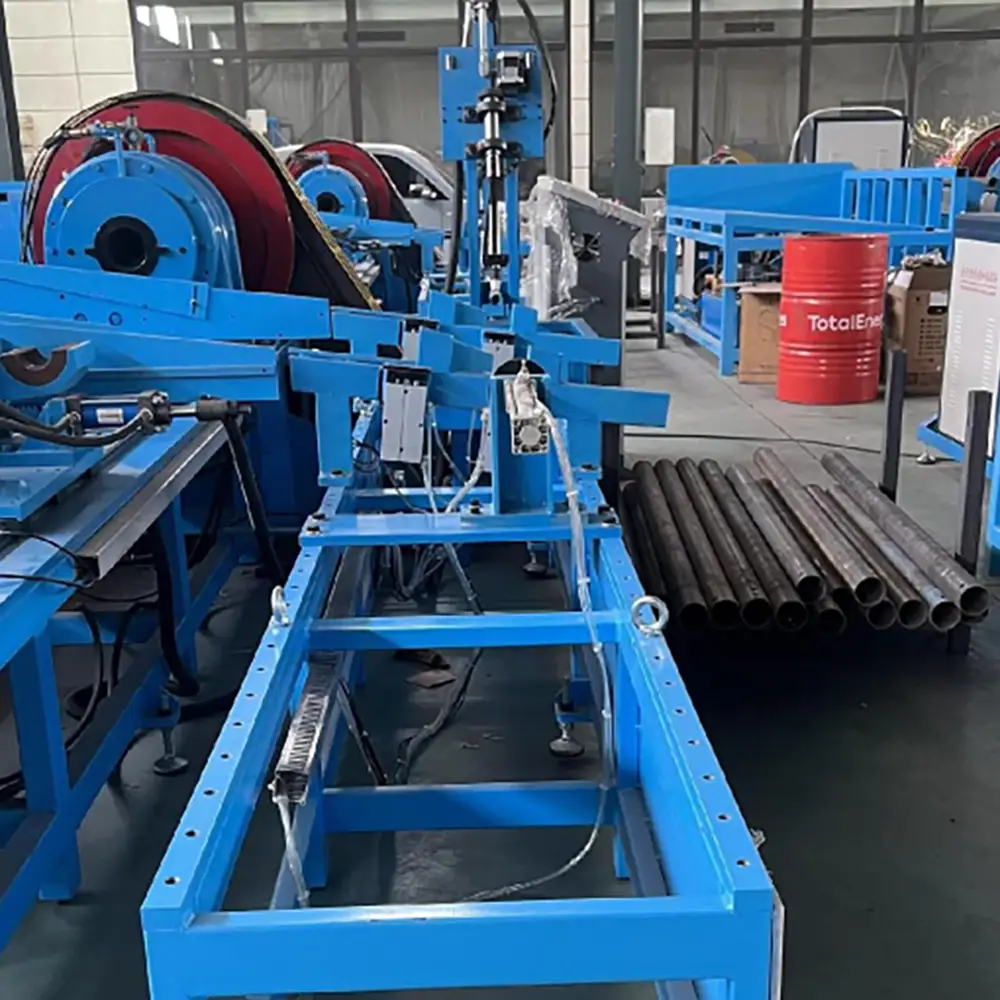
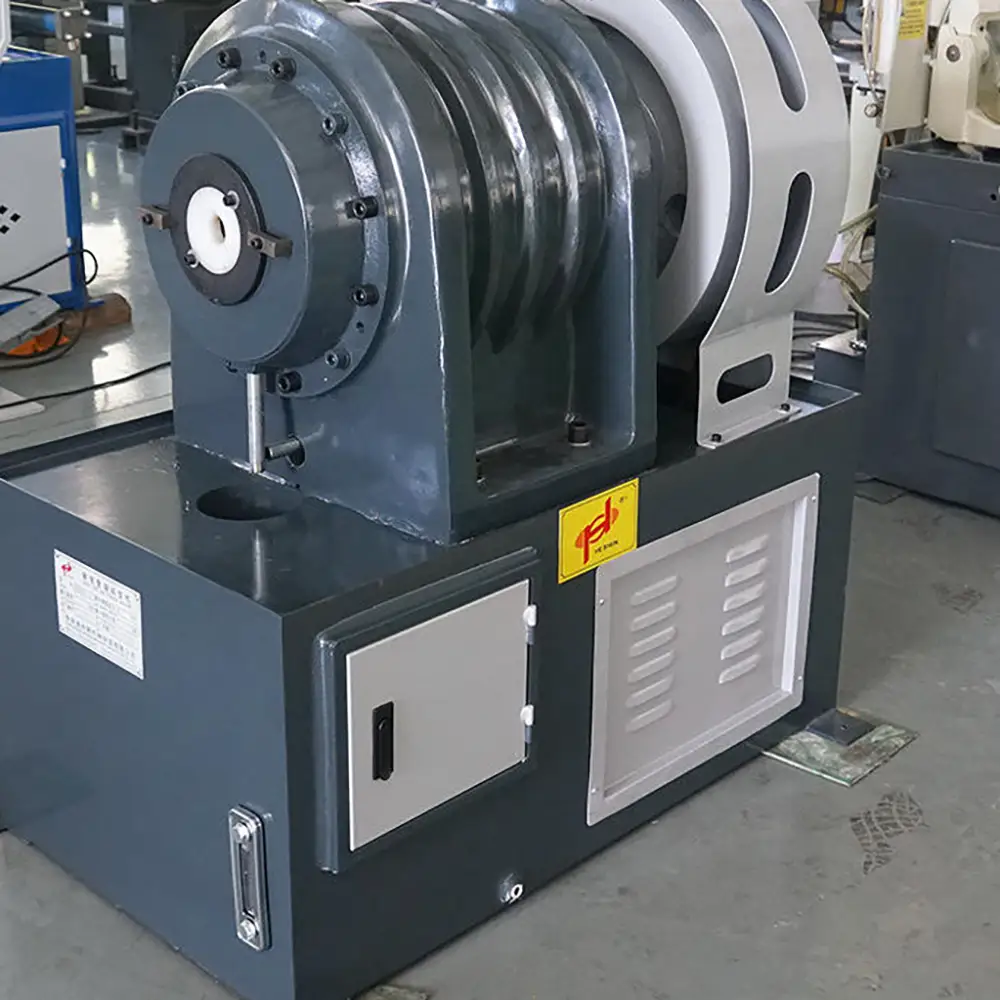
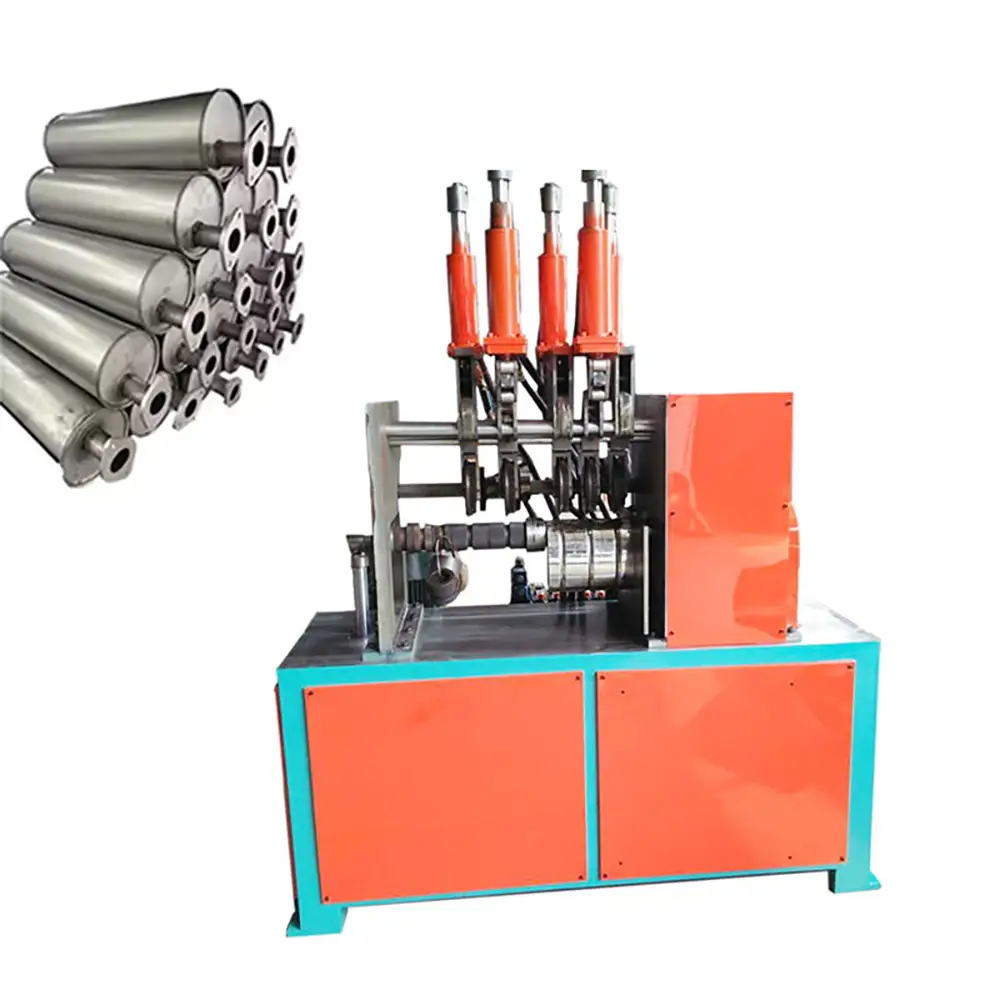
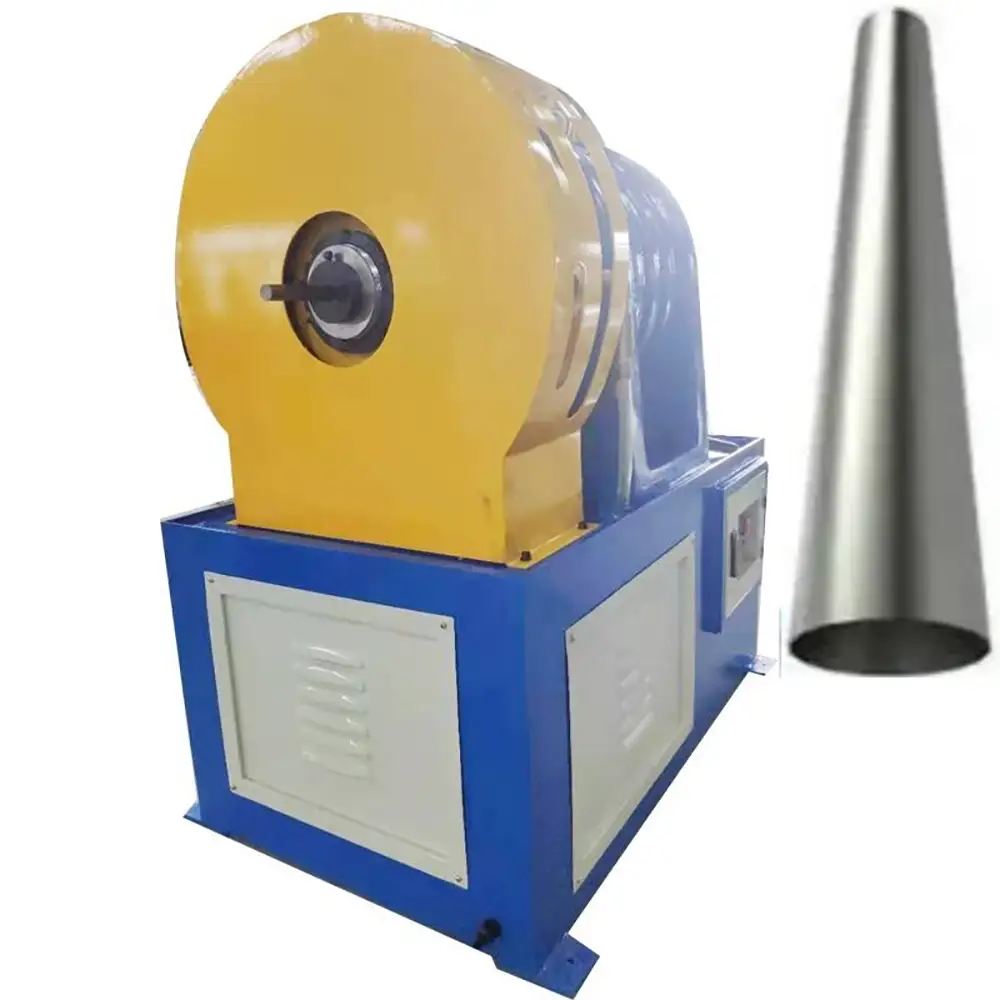
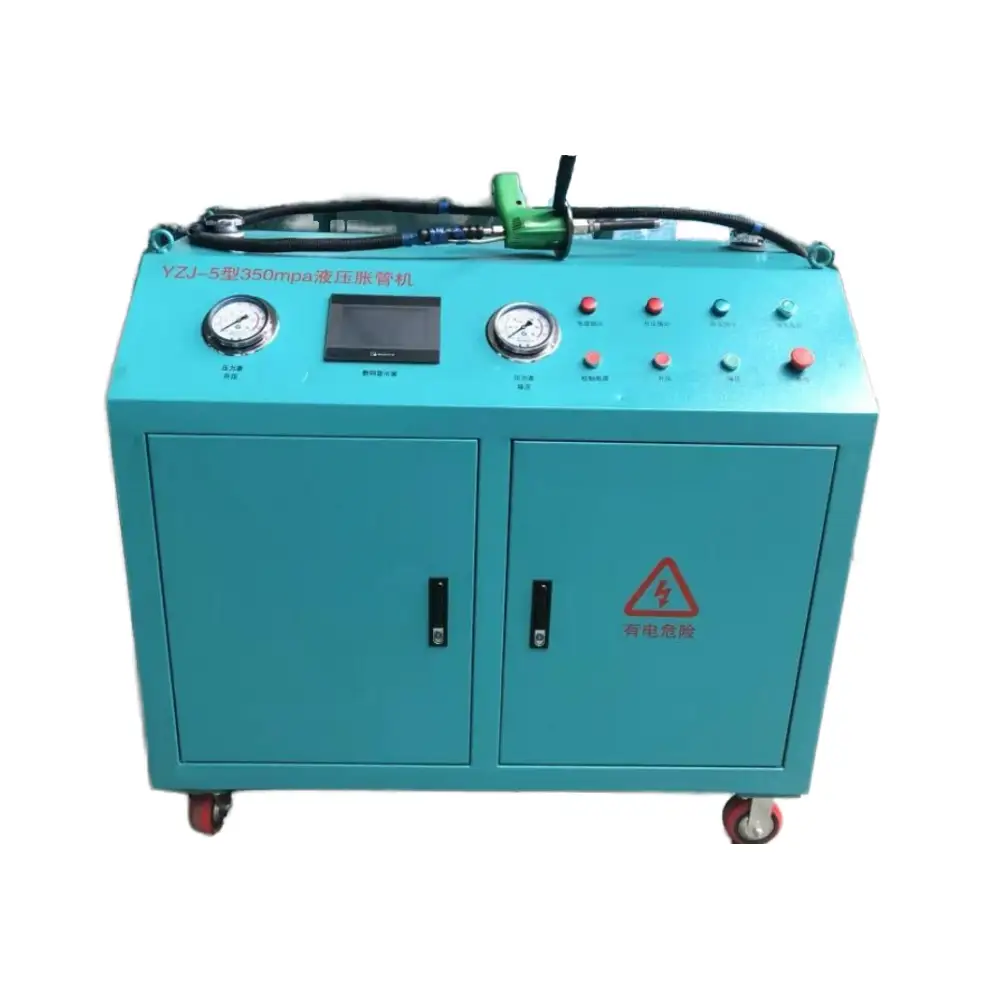
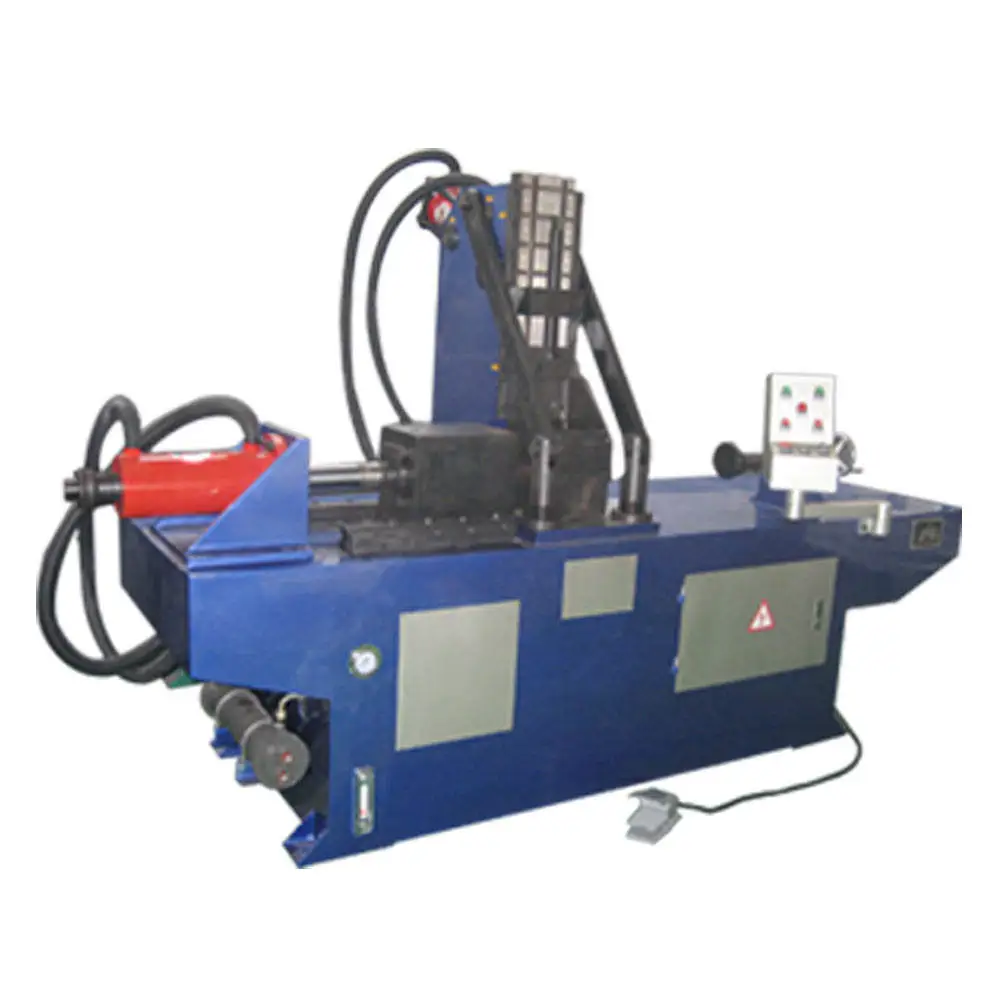
Tube shrink machine is abbreviated as taper tube machine, which is specially developed to make taper pins of hardware furniture sofa. Can also be used as a cone tube for a dining bar.
|
model |
YL50 |
|
voltage |
380V 50HZ |
|
Maximum cone diameter |
50*6mm |
|
length of cone |
150mm |
|
Molding time |
7-30s/time |
|
Motor power |
4KW |
|
Mould opening and closing volume |
50mm |
|
size |
3600*800*1400 |
Heating Tube Taper Machine for Pipe Taper Reducing and End Forming
The Heating Tube Taper Machine is a multifunction metal tube end-forming solution designed for tapering,reducing,and shaping suitable pipes and tubes. By combining controlled heating with tube forming,the machine can process metal tube ends that may require additional formability before tapering or diameter reduction.
This type of equipment is useful for manufacturers processing steel tubes,stainless steel pipes,carbon steel tubes,aluminum tubing,and other compatible metal materials. It can be applied to industrial components,automotive parts,furniture tubes,structural components,and customized tubular products.
The heating process can soften or increase the formability of selected materials before mechanical forming. This can be useful when a cold-forming process alone is not suitable for the required tube geometry or reduction ratio.
Actual heating temperature,forming capacity,tube diameter range,reduction ratio,and production cycle depend on the machine configuration,material properties,heating system,forming tooling,and workpiece dimensions.
Heating Tube Forming Process
Heating-assisted tube forming uses controlled heat to improve the formability of a selected section of the tube before mechanical tapering or reducing.
The process may involve positioning the tube,heating the required area,placing the workpiece into the forming tooling,and applying controlled forming force to produce the required taper or reduced end.
Heating parameters must be matched to the material and forming requirements. Excessive or uneven heating can affect surface quality,dimensional consistency,or material properties.
For this reason,the actual heating method and temperature range should be established according to the tube material,wall thickness,forming geometry,and production requirements.
Tube Tapering and Pipe Reducing
Tube tapering reduces or reshapes the diameter of a tube section to create a gradual or defined transition.
Pipe reducing generally refers to decreasing the diameter of a selected tube end or section. Depending on the tooling,the resulting shape can be straight-reduced,tapered,stepped,or customized.
Typical applications include:
Pipe end diameter reduction
Tube taper forming
Tube end shrinking
Tube necking
Swaging
Step reduction
Custom end forming
Connection preparation
The exact finished geometry is determined by the forming die and machine configuration.
Multifunction Tube End Forming
The multifunction design allows the machine to be evaluated for several tube end-forming operations using appropriate tooling.
Depending on the selected configuration,the equipment may support processes related to:
Tapering
Reducing
Shrinking
Necking
Swaging
Expanding
Flanging
Custom end shaping
Not every machine configuration performs all of these processes. The actual functions depend on the forming head,heating system,tooling,and machine structure.
For OEM projects,custom dies can be designed around the required finished tube profile.
Advantages of Heating Before Forming
Heating can improve material formability in applications where cold forming may require excessive force or may produce unwanted deformation.
For suitable materials and forming conditions,controlled heating can help make a tube section easier to reshape.
Potential benefits include:
Improved forming flexibility
Reduced forming resistance
Support for larger diameter reductions
Better suitability for selected difficult-to-form materials
Expanded range of custom tube profiles
Reduced risk of excessive mechanical loading
However,heating does not automatically improve every tube-forming application. The correct process depends on material grade,wall thickness,forming ratio,heating method,and finished-product requirements.
Sample testing is recommended for applications involving critical dimensions or specialized materials.
Steel and Stainless Steel Tube Applications
Steel and stainless steel are common materials for industrial tube forming.
Carbon steel tubes can be used in structural components,automotive parts,machinery,and general fabrication. Stainless steel tubes are commonly used where corrosion resistance,appearance,or specific mechanical properties are required.
Heating parameters should be selected according to the material grade. Stainless steel can have different thermal and forming characteristics from carbon steel,so process settings should not simply be transferred from one material to another.
The machine can be configured with suitable tooling according to the tube diameter,wall thickness,and required finished geometry.
Aluminum Tube Tapering and Reducing
Aluminum tubing can also be considered for suitable heating-assisted tube forming applications.
Because aluminum alloys vary significantly in strength and ductility,the appropriate forming temperature and process parameters depend on the specific alloy and tube dimensions.
Controlled heating can be used to improve formability in selected applications,but overheating should be avoided because it can affect the material and surface condition.
Customers should provide the aluminum alloy,outer diameter,wall thickness,and target end profile when evaluating the machine.
Automotive and Exhaust Applications
Tube tapering and reducing are common in automotive and exhaust component manufacturing. A reduced or tapered tube end can provide a connection area or transition between components with different diameters.
Potential applications include:
Automotive exhaust tubes
Motorcycle exhaust components
Muffler tubes
Resonator components
Engine-related tubes
Air intake components
Custom vehicle tubing
The machine can be configured around the required tube material,diameter,wall thickness,and finished end geometry.
For exhaust applications,customers should provide the mating component dimensions when determining the required reduction and taper profile.
Furniture and Structural Tube Processing
Tube tapering is also useful in furniture and structural metal fabrication.
Potential products include:
Chair legs
Table legs
Furniture frames
Handrails
Decorative tubes
Display stands
Metal supports
Structural tubular components
A tapered or reduced tube end can simplify component assembly and create a cleaner transition between connected parts.
For visible furniture components,the tooling should be designed to minimize surface marks and maintain the desired appearance.
Heating System and Temperature Control
The heating system is an important part of a heating-assisted tube forming machine.
Depending on the machine configuration,the heating method may use an appropriate electrical or industrial heating technology designed for the target material and forming process.
Temperature control should provide suitable heating of the required tube section while avoiding unnecessary heating of the remaining workpiece.
Actual heating speed,temperature range,and control accuracy depend on the selected heating system and machine configuration.
Customers should provide the tube material,diameter,wall thickness,and production cycle when evaluating heating requirements.
Tooling and Custom Forming Dies
Forming dies determine the final shape of the tapered or reduced tube end.
Different tube sizes and profiles normally require dedicated tooling. Custom tooling can be developed for specific applications such as:
Round tube tapering
Pipe end reducing
Step reduction
Necking
Swaging
Exhaust tube forming
Furniture tube forming
Custom OEM profiles
For tooling design,customers should provide original tube dimensions,target finished dimensions,forming length,material grade,and production requirements.
Production Efficiency and Repeatability
A dedicated multifunction tube-forming machine can help standardize repetitive tapering and reducing operations.
Once the heating parameters,forming position,tooling,and machine settings have been established,similar tubes can be processed using a repeatable production procedure.
Actual production output depends on heating time,forming time,tube dimensions,material properties,tool changes,loading method,and operator workflow.
For higher-volume production,the machine may be evaluated for integration with feeding,positioning,or unloading systems where appropriate.
Quality Control
Quality control is important for heating-assisted tube forming because both thermal and mechanical parameters affect the finished component.
Important inspection points may include:
Finished tube diameter
Taper angle
Reduction length
Wall deformation
Roundness
Concentricity
Surface condition
Tube straightness
Finished profile
First-piece inspection can be used to establish suitable heating and forming parameters. Periodic inspection can help identify tooling wear or process variation.
For precision applications,the required dimensional tolerances should be established before production.
Maintenance and Safety
Heating and forming equipment requires regular maintenance and appropriate safety procedures.
Operators should inspect heating components,temperature controls,electrical connections,forming dies,fixtures,hydraulic or mechanical systems,and moving parts according to the manufacturer's recommendations.
The heating zone may involve high temperatures,while the forming system can contain moving components and pinch points. Operators should use appropriate protective equipment and keep hands away from the forming area.
Emergency stops,guards,thermal protection,and other safety features depend on the machine configuration. Operators should follow the manufacturer's operating instructions and applicable workplace requirements.
OEM and Custom Tube Forming Solutions
The Heating Tube Taper Machine can be customized for different tube materials,dimensions,and finished profiles.
Potential customization may include:
Custom tapering dies
Pipe reducing tooling
Heating system configuration
Temperature control
Tube fixtures
Positioning systems
Hydraulic or mechanical forming systems
PLC control
Automatic feeding
Custom workholding
Customers should provide tube material,outer diameter,wall thickness,target reduced diameter,taper angle,forming length,production volume,and drawings or samples.
This information helps determine the appropriate machine configuration and tooling solution.
Why Choose Us
Heating-Assisted Tube Forming — Controlled heating can support forming applications that require improved material formability.
Tapering and Reducing — Designed for suitable pipe end tapering,diameter reduction,and tube end shaping.
Multifunction End Forming — Can be configured for selected reducing,shrinking,necking,swaging,and other forming operations.
Multiple Material Applications — Suitable configurations can be developed for steel,stainless steel,aluminum,and other compatible tubes.
Custom Forming Dies — Tooling can be designed according to tube dimensions and required finished profiles.
Flexible Industrial Applications — Suitable for automotive,exhaust,furniture,structural,and general metal tube manufacturing.
OEM & ODM Support — Machine configurations can be developed around customer drawings,samples,and production requirements.
B2B Manufacturing Solution — Suitable for manufacturers,distributors,wholesalers,and international buyers sourcing tube end-forming equipment.
FAQs
1. What is a heating tube taper machine?
A heating tube taper machine is equipment that uses controlled heating and mechanical forming to taper,reduce,or reshape suitable metal tubes.
2. Why is heating used before tube forming?
Heating can improve the formability of selected materials and may reduce forming resistance in applications requiring significant diameter reduction or specialized tube profiles.
3. Can it reduce pipe diameter?
Yes. With suitable forming dies,the machine can perform pipe end reducing and other diameter-reduction operations.
4. Can it make tapered tube ends?
Yes. Tapering dies can be designed to produce a gradual or defined transition in the tube diameter.
5. What materials can be processed?
Depending on the configuration,the machine may process carbon steel,stainless steel,aluminum,mild steel,and other compatible metal tubes.
6. Can stainless steel tubes be heated and formed?
Yes,when the heating system,tooling,and forming parameters are properly matched to the stainless steel grade and tube dimensions.
7. Can aluminum tubes be processed?
Potentially yes. Aluminum alloy,wall thickness,diameter,and required forming temperature should be evaluated before selecting the machine.
8. What other tube-forming operations are possible?
Depending on the tooling,the machine may support reducing,shrinking,necking,swaging,tapering,expanding,flanging,or custom end forming.
9. Is the heating temperature the same for every material?
No. Heating requirements vary according to material grade,tube dimensions,forming process,and desired finished geometry.
10. Can it be used for exhaust pipes?
Yes. Suitable automotive and motorcycle exhaust tubes can be processed when the machine capacity and tooling match the tube specifications.
11. Can custom dies be supplied?
Yes. Custom tapering,reducing,and other tube end-forming dies can be developed according to drawings,samples,and finished dimensions.
Prev:
Multifunction Pipe Sealing Machine Metal Baseball Bat Making Machine
Next:
Semi Automatic Pneumatic Rotary Thin Pipe Flared Tube Expander End Forming Machine
TAG:
Industrial Pipe End Forming Machine,
Carbon Steel Tube Forming Machine,
Hydraulic Tube Forming Machine,
Tube End Forming Equipment,
Hydraulic Pipe Forming Machine,
Pipe Flaring Machine,
Pipe End Forming Equipment,
Pipe Beading Machine,
Tube Beading Machine,
Pipe Tapering Machine,
Pipe End Reducing Machine,
Tube Flaring Machine,
Tube Swaging Machine,
Pipe Swaging Machine,
Pipe Necking Machine,
Tube Necking Machine,
Tube Tapering Machine,
Tube End Reducing Machine,
Pipe Reducing Machine,
Pipe End Expanding Machine,
Pipe Shrinking Machine,
Tube Shrinking Machine,
Tube Reducing Machine,
Tube End Shrinking Machine,
Pipe End Shrinking Machine,
Tube End Forming Machine,
Pipe End Forming Machine,
Tube End Expanding Machine,
Pipe Expanding Machine,
Tube Expanding Machine,
Related Category:
Heating Tube Taper Machine,Tube Taper Machine,Pipe Taper Reducing Machine,Tube Taper Reducing Machine,Tube End Forming M China, suppliers, manufacturers, factory, customized, wholesale, quotation, made in China