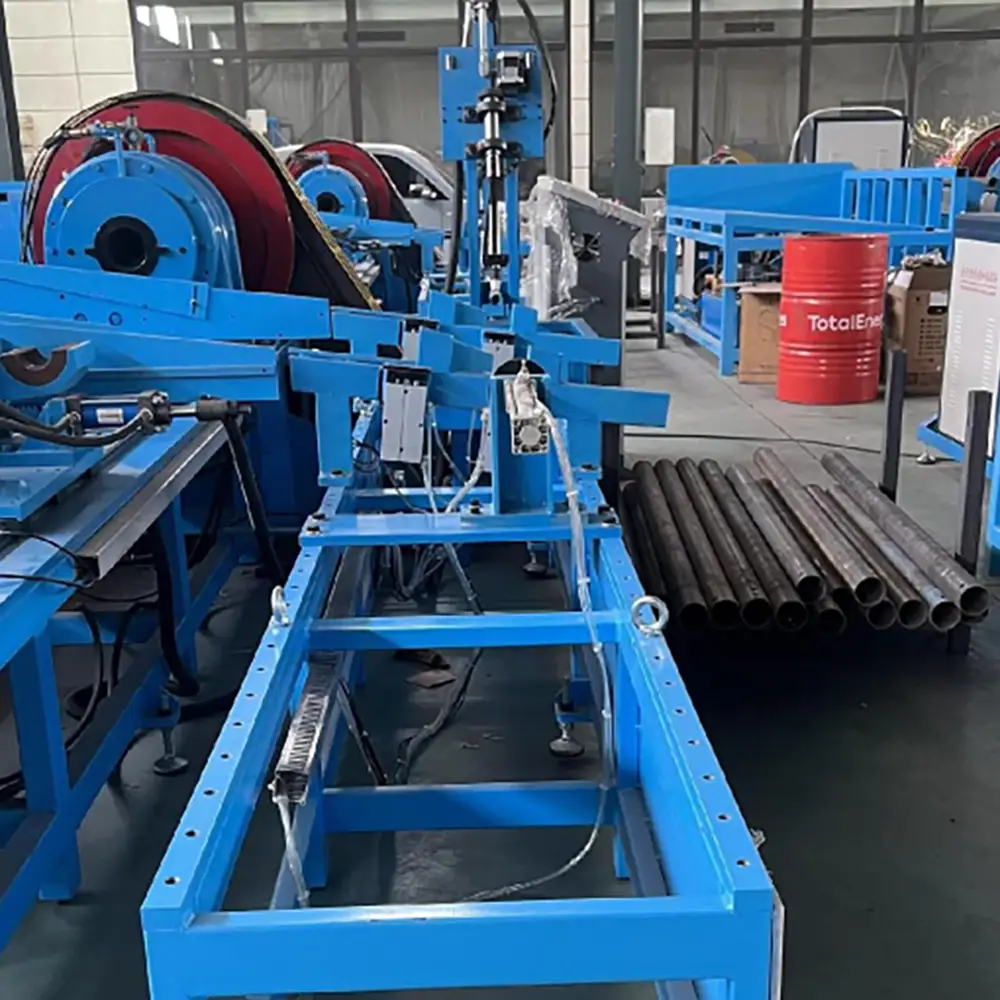
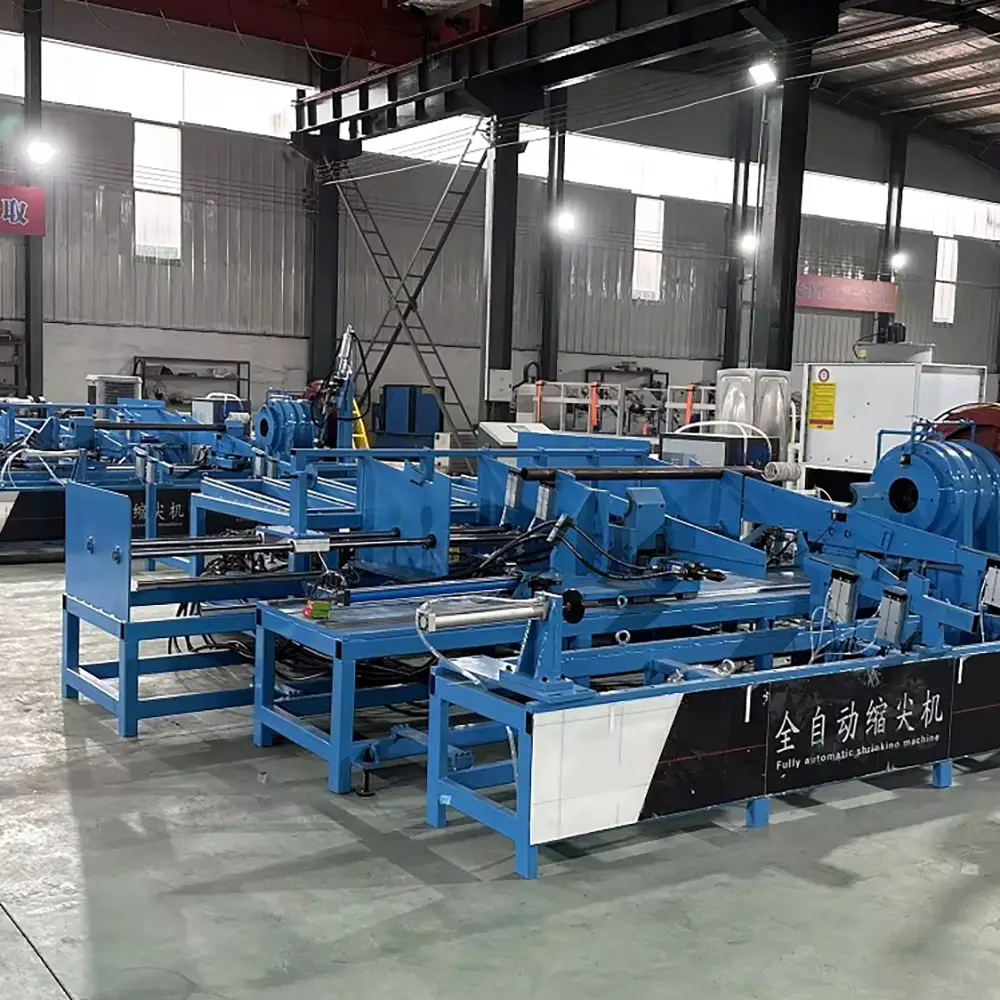
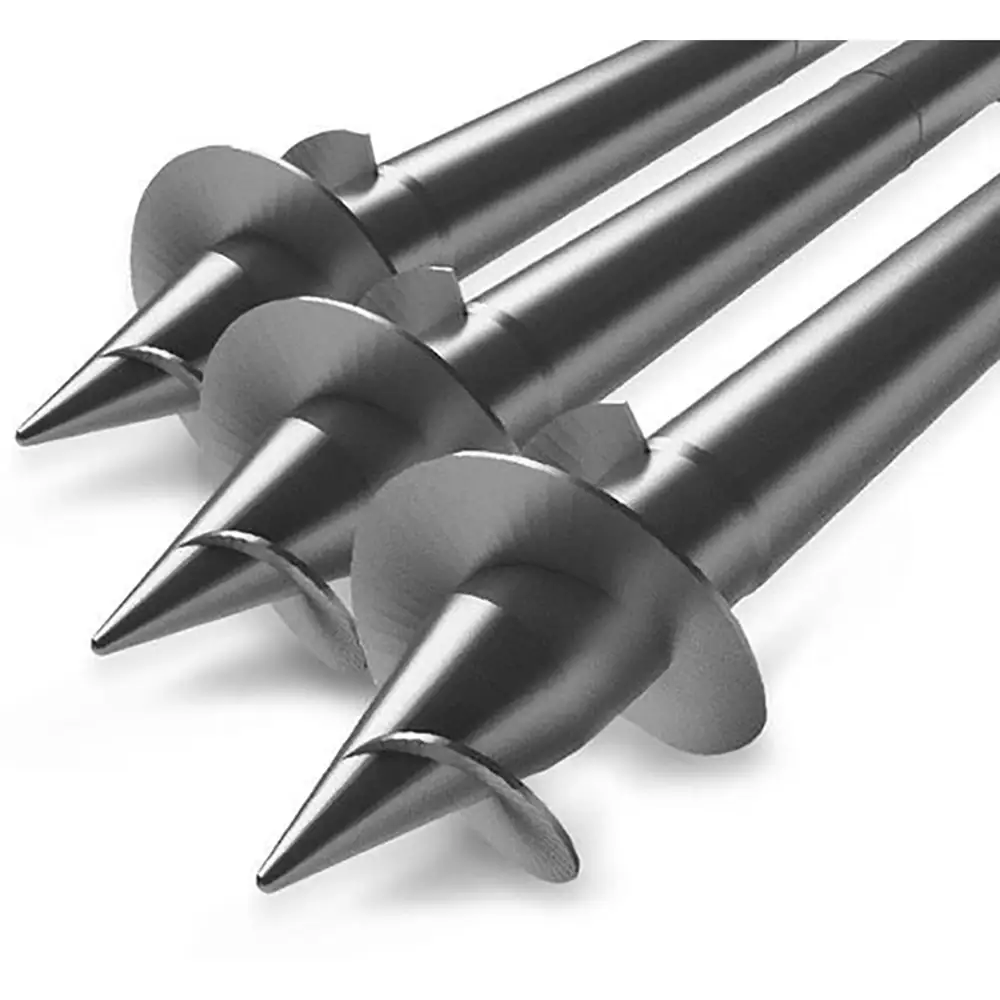
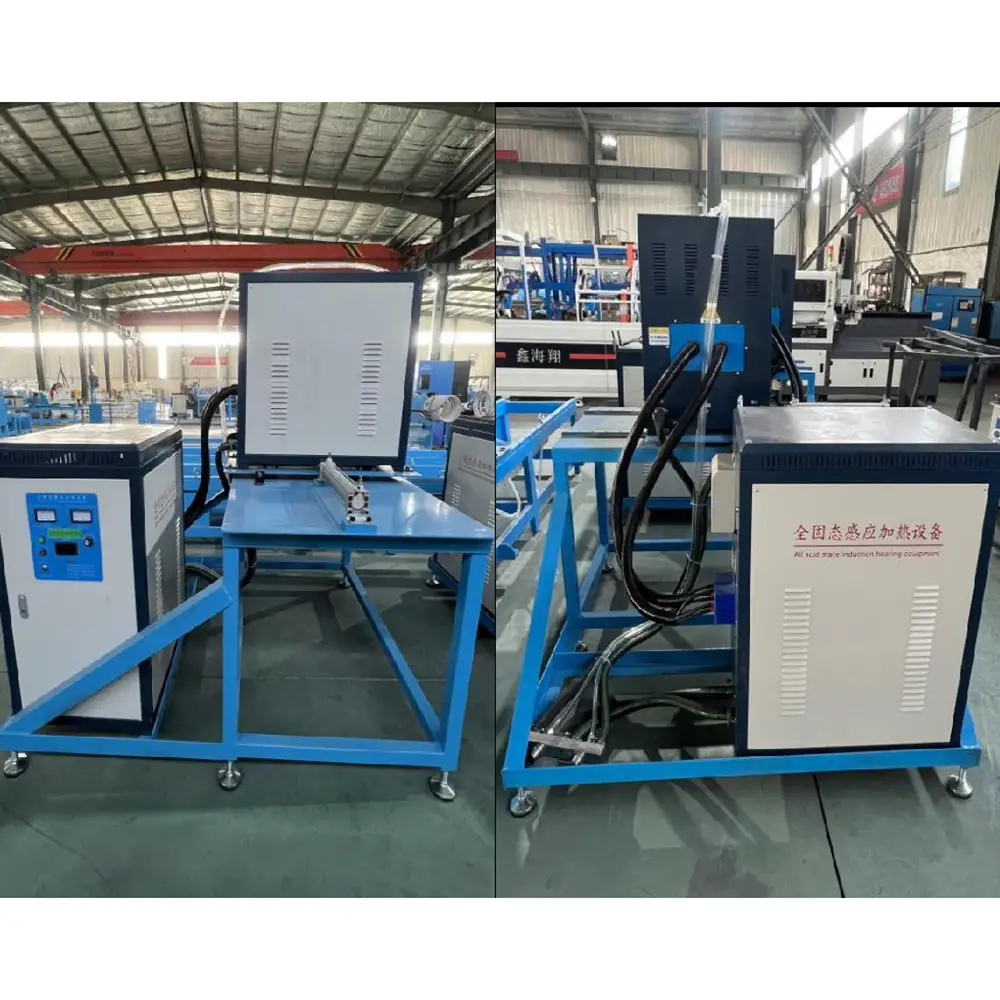
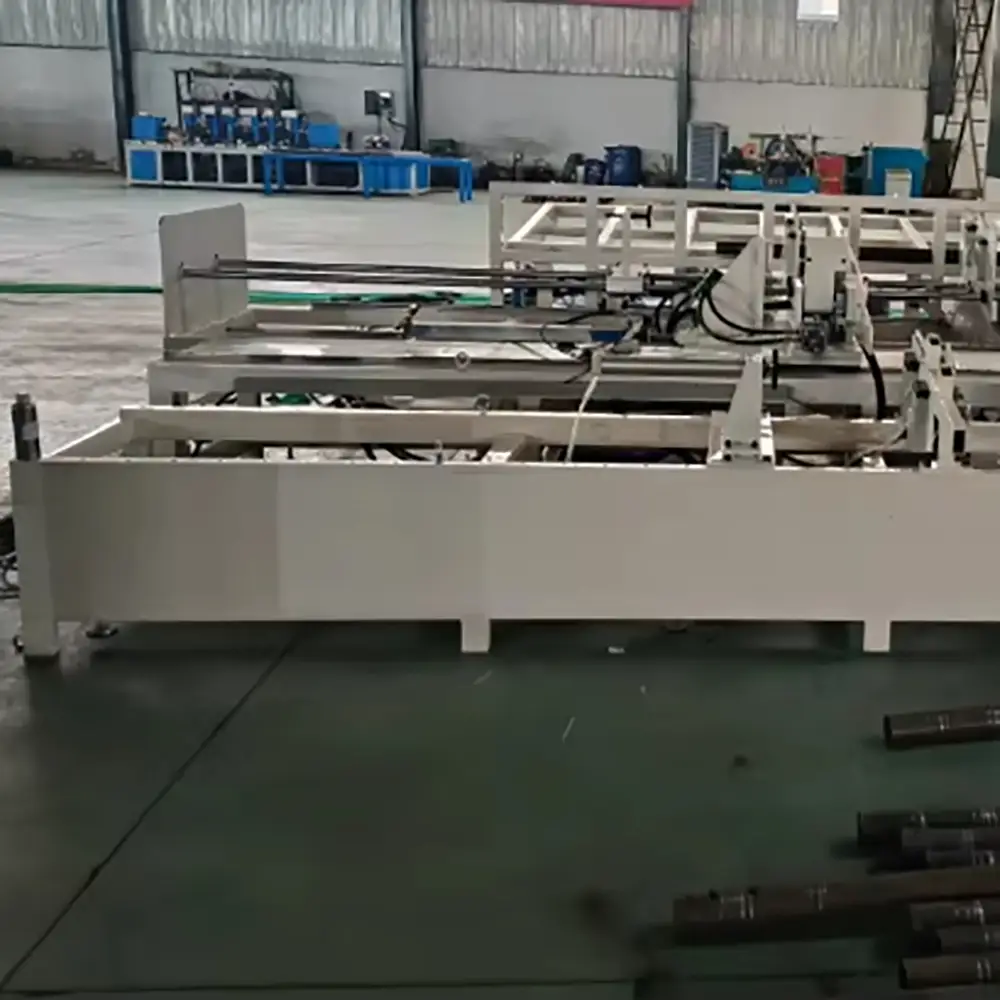
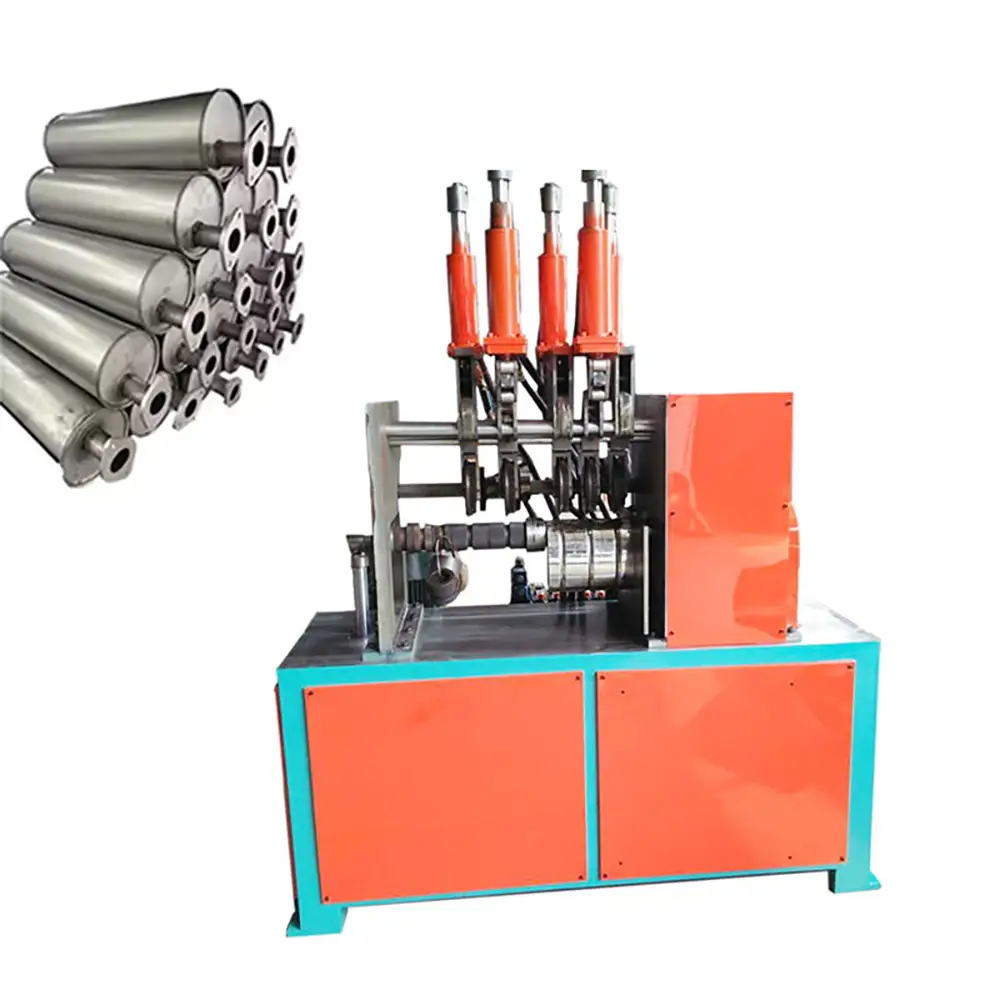
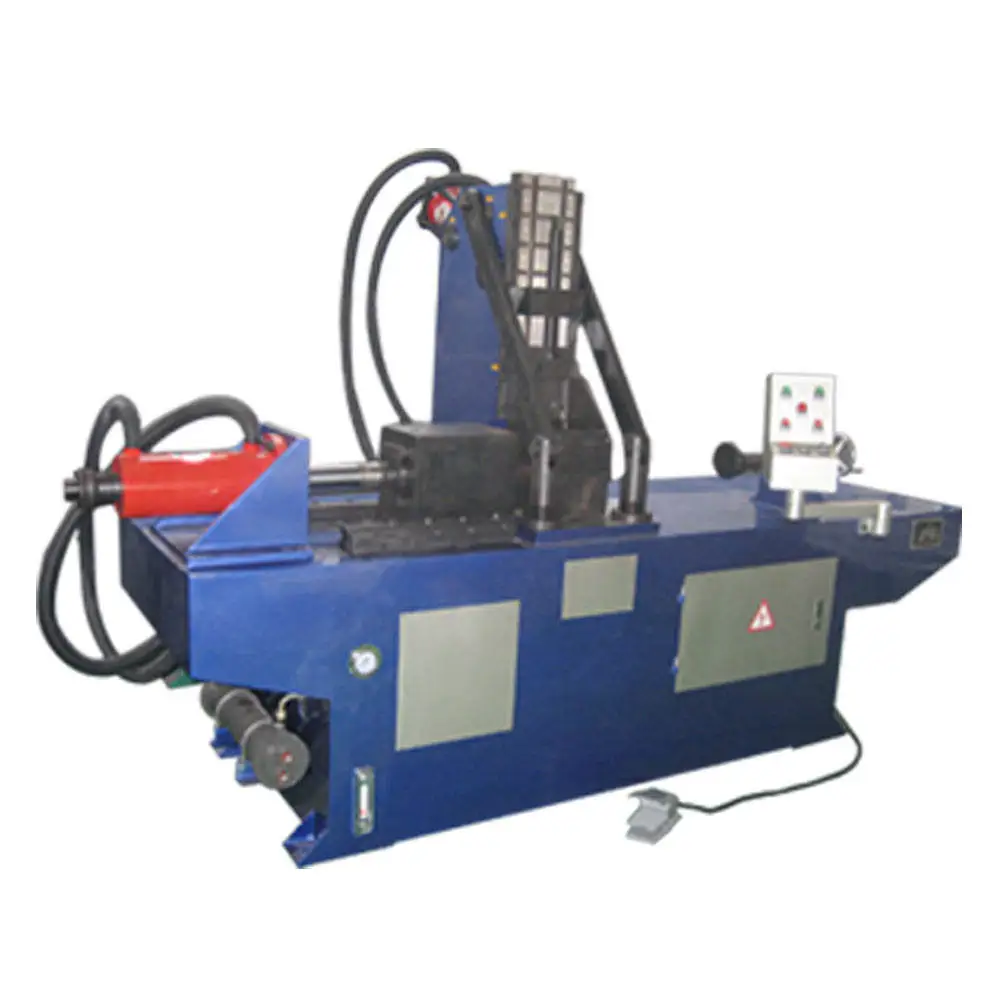
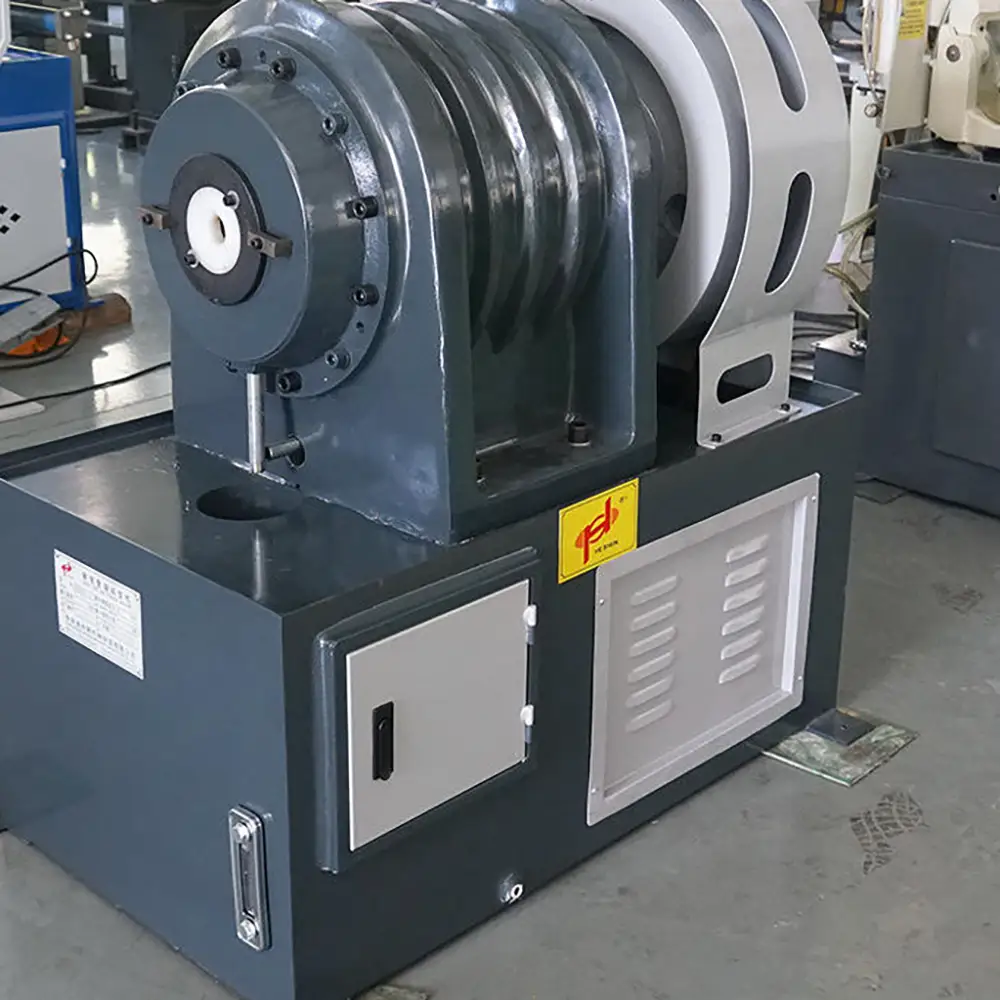
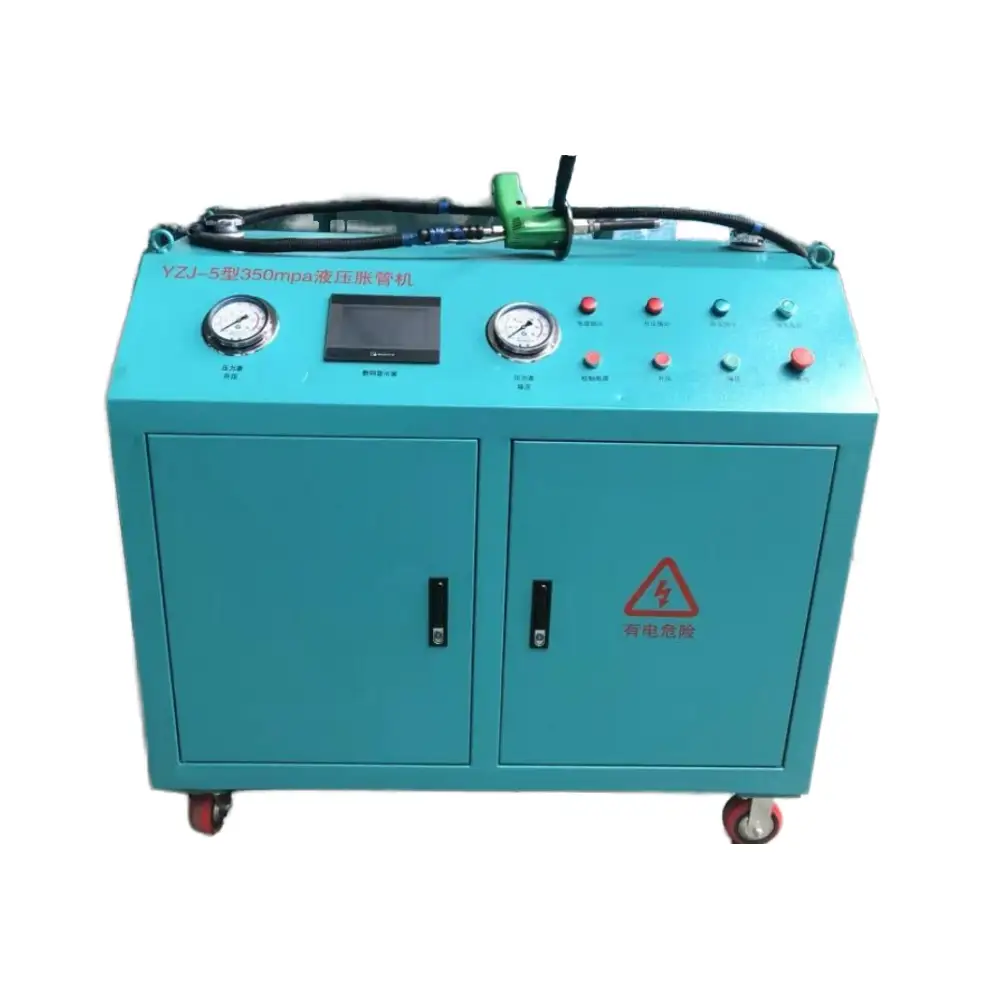
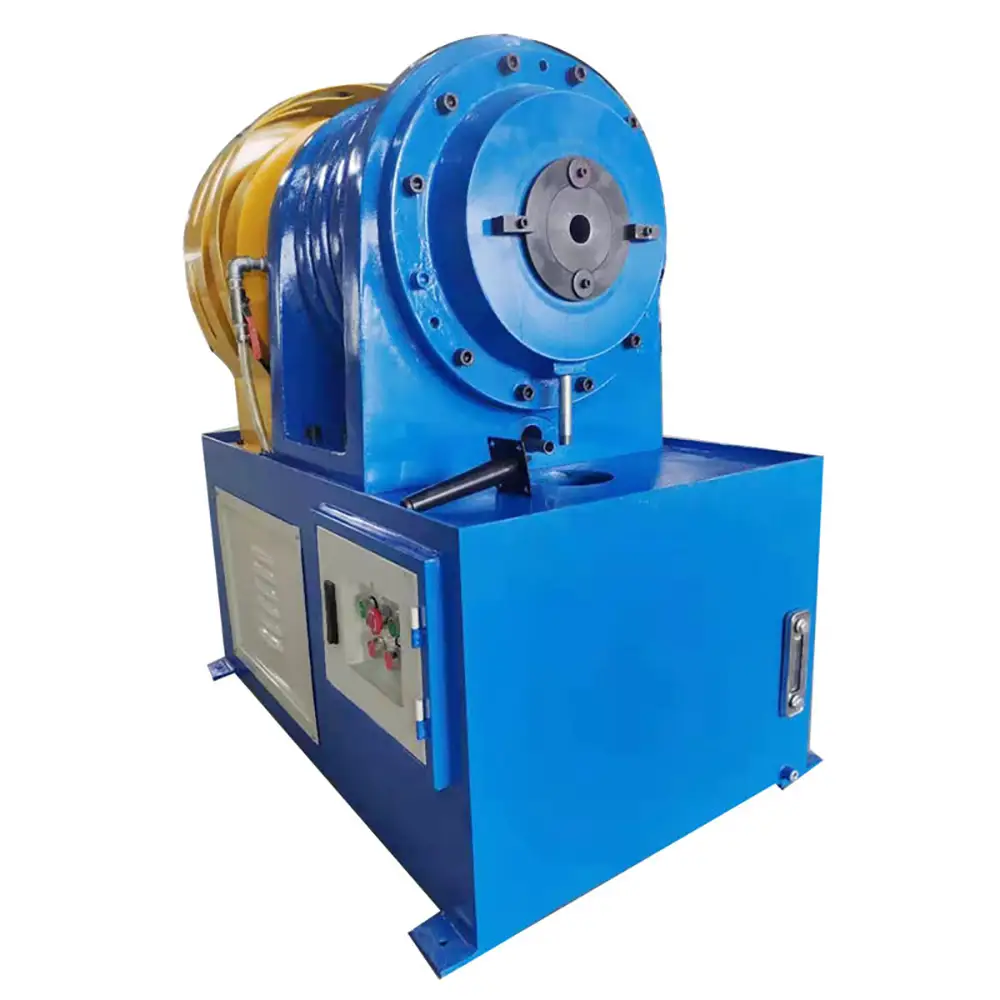
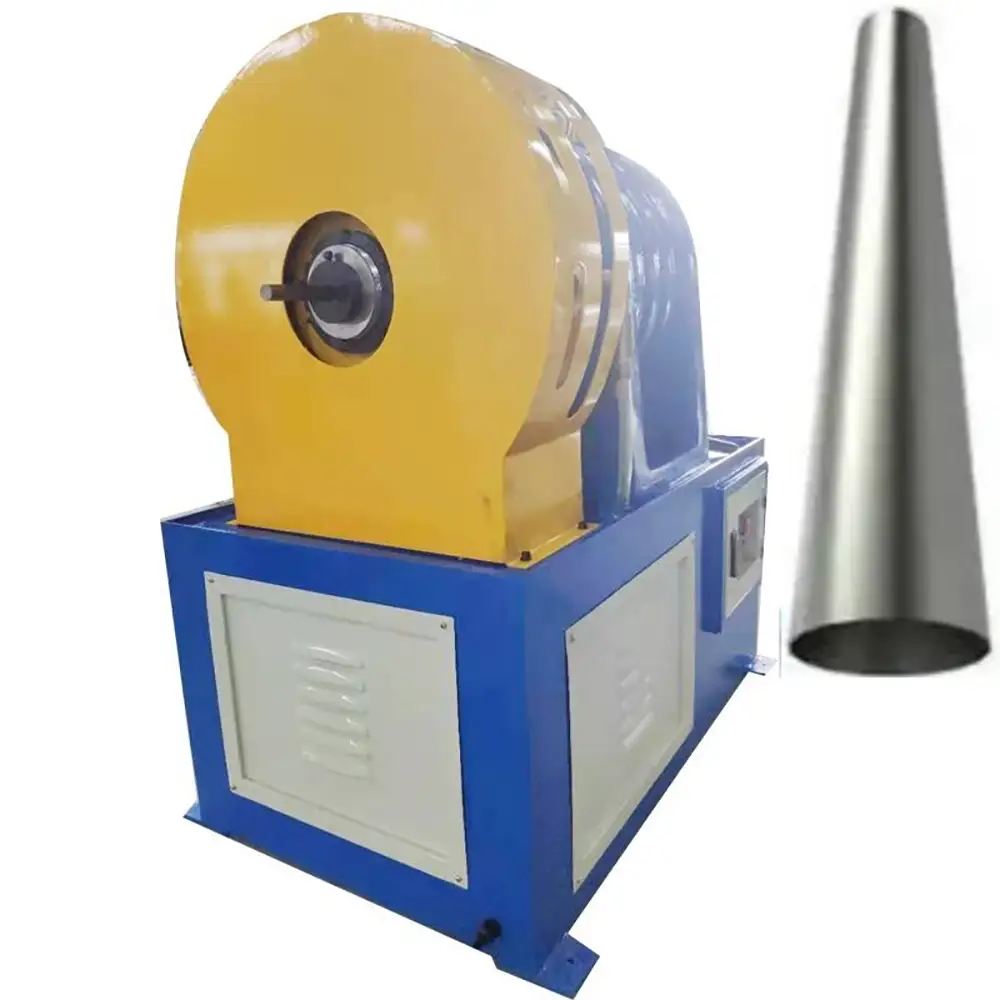
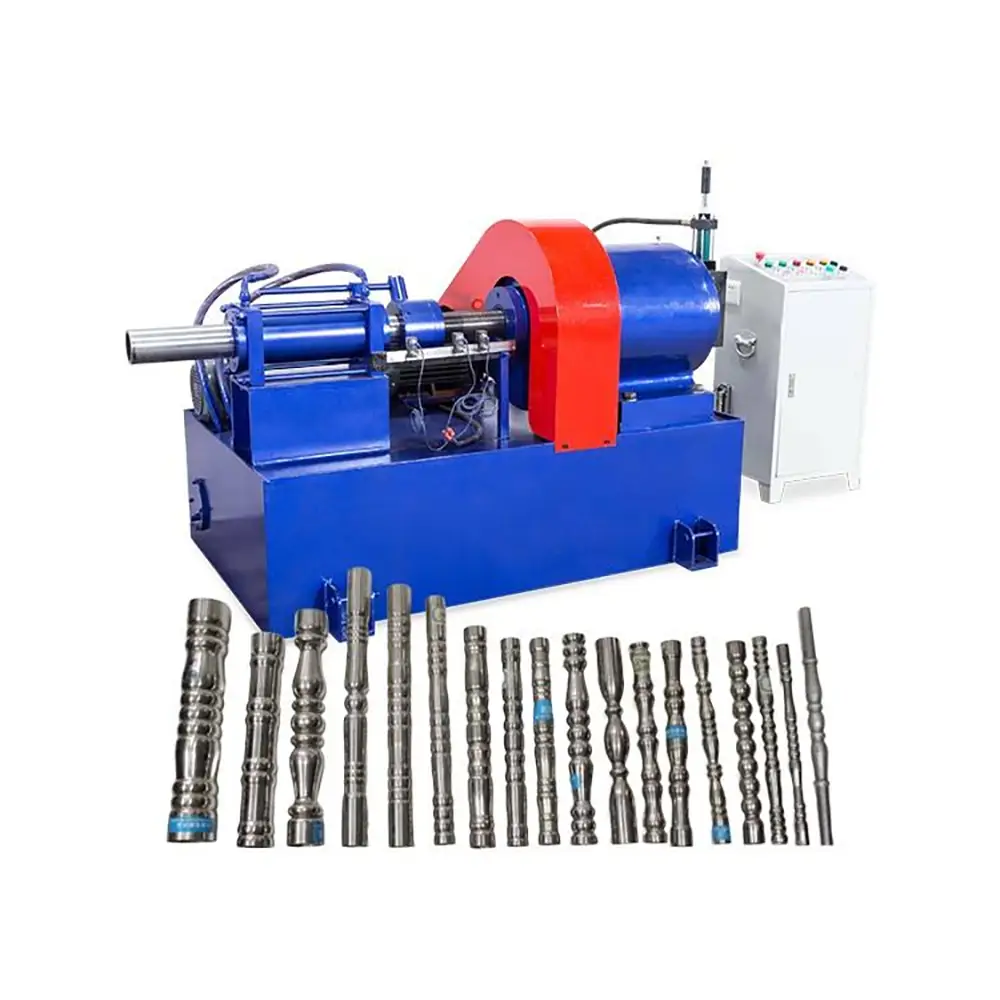
Automatic Tapered Pipe Machine – Efficient and Versatile Tube Forming Solution
The Automatic Tapered Pipe Machine is a high-performance industrial equipment designed for precision tapering of metal tubes, widely used in automotive parts, motorcycles, strollers, steel furniture, air-conditioning supports, sports equipment, sanitary ware, and decorative applications. Combining automation with user-friendly operation, this machine delivers exceptional efficiency, durability, and cost-effectiveness for modern manufacturing needs.
The machine accommodates diverse metals, making it suitable for various sectors:
Automotive & Motorcycles: Exhaust pipes, frames.
Furniture & Decor: Handrails, structural tubes.
HVAC & Sanitary Ware: Custom-fitted piping.
Sports & Leisure Equipment: Lightweight tapered components.
Precision: Consistent taper angles and smooth finishes.
Durability: Robust construction for long-term industrial use.
|
No. |
Component Name |
Specification |
Qty |
Origin/Maker |
|
1 |
Electric Motor |
- |
1 |
Baoding Haoye |
|
2 |
Contactor |
- |
8 |
Chint |
|
3 |
Time Relay |
- |
2 |
Tengen |
|
4 |
Relay |
- |
2 |
Xinmei |
|
5 |
Proximity Switch |
- |
3 |
Xinmei |
|
6 |
Push Button Switch |
- |
10 |
Heli |
|
7 |
Power Cabinet Enclosure |
- |
1 |
- |
|
8 |
Indicator Light |
- |
5 |
Sen'ao |
|
9 |
Clamping Cylinder |
50*120mm |
1 |
Taiwan Youshun |
|
10 |
Feeding Cylinder |
50*650mm |
1 |
Taiwan Youshun |
|
11 |
Solenoid Valve |
- |
1 |
Taiwan Chaotian |
|
12 |
Hydraulic Motor |
- |
1 |
Taiwan Qunce |
|
13 |
Oil Pump |
- |
1 |
Taiwan Chaotian |
Double-Ended Tapering Machine for Advance Small Duct Tunnel Support Ducts
The Double-Ended Tapering Machine for Advance Small Duct Tunnel Support Ducts is designed for metal duct and tube end forming applications used in tunnel engineering,underground construction,and specialized support component manufacturing. The double-ended configuration provides a practical solution for processing two ends of a suitable duct or tubular workpiece according to the required tapering and forming process.
In tunnel construction,small metal ducts and tubular support components may require specially shaped ends for connection,installation,alignment,assembly,or integration with other structural components. A dedicated tapering machine can provide a more controlled alternative to manual end forming methods.
The machine can be configured according to the workpiece material,duct dimensions,end geometry,production requirements,and required forming process. Actual processing capacity depends on the machine structure,tooling,forming force,and material specifications.
Double-Ended Tapering Design
The main feature of this equipment is its double-ended tapering configuration. Instead of processing only one end at a time with a single-head machine,the equipment is designed around two forming positions or two processing heads according to the specific machine structure.
This configuration can help improve workflow efficiency when both ends of a duct require similar or coordinated tapering operations.
The exact working method may vary between machine models. Depending on the design,the two ends may be processed in a coordinated sequence or through separate forming actions.
For tunnel support duct production,the double-ended design can help standardize the end geometry of repeated workpieces and reduce repetitive manual handling.
Small Duct Tapering for Tunnel Engineering
Small ducts used in tunnel and underground engineering can require controlled end geometry for installation and connection. Tapered sections may help prepare the duct for joining with another component or allow the finished workpiece to meet a specific engineering design.
The machine can be used for suitable metal ducts,tubes,and tubular support components where the required tapering process falls within the machine's forming capability.
Typical applications may include:
Tunnel support ducts
Underground construction ducts
Small metal ventilation ducts
Tunnel service components
Construction support tubes
Metal connection ducts
Structural tubular components
Specialized engineering tubes
The exact application should be evaluated according to the duct shape,material,wall thickness,and required finished geometry.
Controlled Metal Tube End Forming
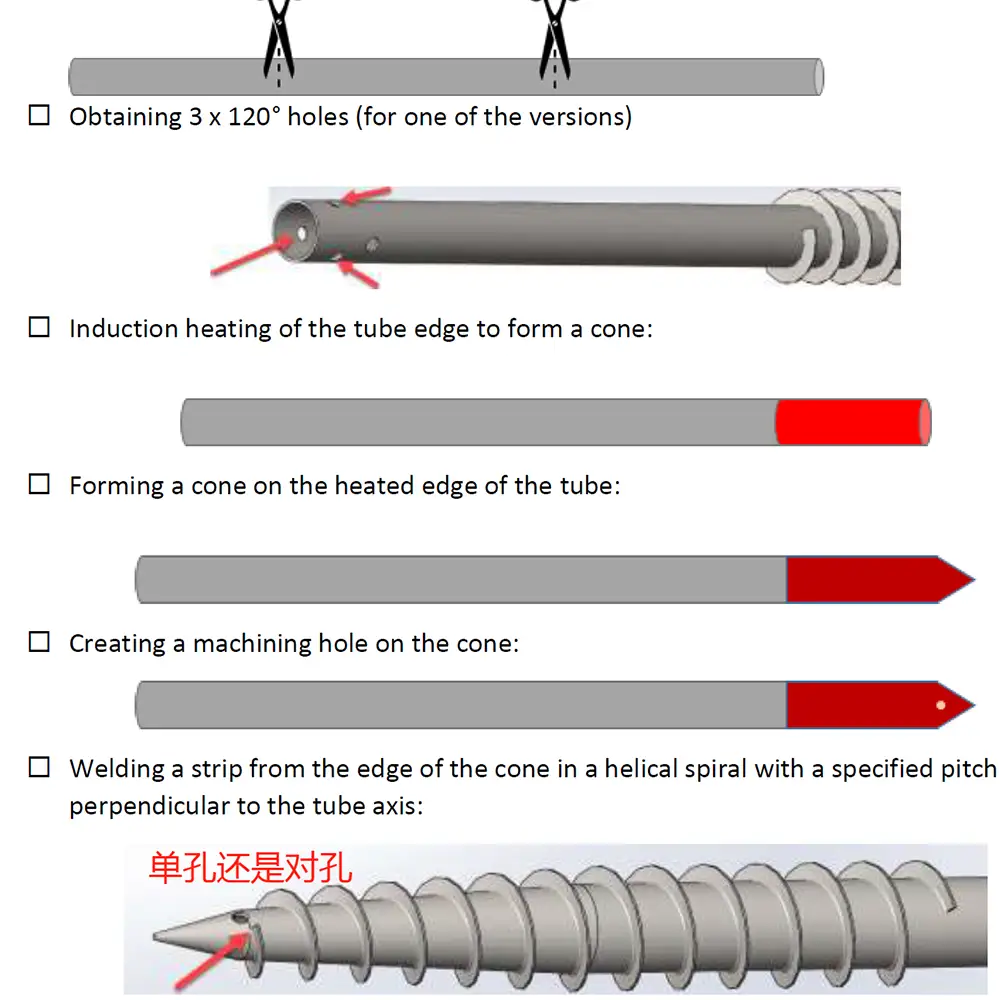
Tapering is a metal forming process used to reduce or reshape a selected section of a tube or duct. The forming operation can create a gradually reduced end or another specified profile according to the tooling.
Compared with manual forming,using dedicated tooling can provide a more repeatable process for production work.
The final taper shape depends on the die design,forming force,material properties,workpiece dimensions,and machine configuration. Different materials may require different tooling and forming parameters.
For stainless steel,carbon steel,and other metal materials,the appropriate forming method should be selected according to material strength and duct dimensions.
Tunnel Support Duct Manufacturing
Tunnel construction involves many specialized components that must be prepared according to project requirements. Ducts and tubular components can be used for ventilation,service routing,temporary support systems,installation structures,and other tunnel-related functions.
A dedicated duct tapering machine can be integrated into a production workflow where repeated end forming is required.
For manufacturers producing tunnel support ducts in batches,the machine can help establish a consistent forming procedure. Operators can use suitable fixtures and tooling to position the workpiece before starting the forming operation.
The actual suitability of the machine should be confirmed using the customer's duct drawings,samples,and technical requirements.
Double-Head Processing Efficiency
A double-ended configuration can reduce unnecessary workpiece repositioning when both ends require processing.
In repetitive production,the operator can load a suitable duct into the machine,position it using the designated workholding system,and perform the programmed or controlled forming operation according to the machine configuration.
This can help simplify the production workflow compared with moving the same workpiece between multiple independent forming stations.
Actual production efficiency depends on workpiece dimensions,material,forming depth,tooling design,loading method,cycle time,and operator workflow.
Tooling and Taper Geometry
Tooling is one of the most important factors in duct tapering. The forming dies determine the shape and dimensions of the finished duct end.
Different tunnel support ducts may require different taper angles,lengths,diameters,or transition profiles. Therefore,the machine can be equipped with dedicated tooling for specific products.
Custom tooling may be developed according to:
Duct diameter
Duct wall thickness
Taper length
Taper angle
End diameter
Material grade
Required connection geometry
Production quantity
Customers should provide drawings or samples when requesting a customized tapering solution.
Suitable Metal Materials
The machine can be configured for suitable metal duct and tube materials,depending on the forming requirements.
Potential materials include:
Carbon steel
Mild steel
Stainless steel
Galvanized steel
Aluminum
Other compatible metal alloys
Material strength and duct thickness directly influence the forming force required.
For higher-strength materials,the tooling and forming system may need to be designed accordingly. Stainless steel may also require different forming parameters from mild steel because of its material characteristics and springback behavior.
Material testing is recommended for applications involving special alloys or demanding dimensional requirements.
Tunnel and Underground Construction Applications
The machine is particularly relevant to specialized tunnel and underground construction supply chains.
Potential applications include:
Tunnel support duct production
Underground engineering components
Tunnel ventilation components
Small duct fabrication
Construction support systems
Mine and underground infrastructure
Metal service ducts
Customized tunnel components
For projects involving large quantities of standardized ducts,the ability to repeat the same end-forming operation can help manufacturers maintain consistent production procedures.
The machine can also be considered for other industrial tube-forming applications when the workpiece geometry is compatible with the available tooling.
Accuracy and Repeatability
The dimensional quality of a tapered duct depends on machine rigidity,tooling precision,workpiece positioning,forming force,material properties,and operator procedures.
Consistent workholding is particularly important for double-ended processing. The workpiece should be positioned correctly before forming so that the finished ends maintain the required relationship.
For critical tunnel engineering components,customers should provide dimensional tolerances and technical drawings before selecting the equipment.
First-piece inspection can be used to verify the taper dimensions and end geometry before continuing batch production.
Hydraulic or Mechanical Forming Configuration
Depending on the machine design,the tapering process may use hydraulic,mechanical,or other controlled forming technology.
Hydraulic forming can provide controlled forming force and may be suitable for applications requiring substantial deformation force. Mechanical forming systems can also provide repeatable movement for suitable workpieces.
The appropriate configuration depends on the duct dimensions,material properties,production volume,and required taper geometry.
Customers should evaluate the complete machine specification rather than selecting equipment based only on the drive method.
Maintenance and Safety
Regular maintenance helps maintain stable tapering performance. Operators should inspect forming dies,fixtures,mechanical components,hydraulic systems if equipped,electrical connections,and other wear parts according to the manufacturer's maintenance schedule.
The forming area should be kept clear of unnecessary materials during operation.
Operators should receive appropriate training and follow machine-specific safety procedures. Guards,emergency-stop systems,and other protective features depend on the machine configuration and applicable local requirements.
Before production,the tooling and workholding system should be checked to ensure that the duct is securely positioned.
Custom and OEM Tunnel Duct Solutions
Different tunnel engineering projects may use different duct dimensions and end configurations. For this reason,the machine can be evaluated as a Custom & OEM manufacturing solution.
Customers can provide duct drawings,material specifications,wall thickness,end dimensions,taper angles,production quantities,and installation requirements.
Based on these details,the machine configuration can be developed around the required forming process. Custom dies,fixtures,positioning systems,and control functions may also be considered.
This makes the equipment suitable for tunnel equipment manufacturers,metal fabrication companies,construction component suppliers,engineering contractors,and industrial machinery distributors.
Why Choose Us
Double-Ended Tapering Design – Designed for efficient processing of suitable duct or tube ends in a double-ended configuration.
Tunnel Engineering Application – Suitable for manufacturing specialized small ducts and tubular components used in tunnel and underground construction.
Controlled End Forming – Dedicated tooling helps create repeatable taper profiles according to the required workpiece geometry.
Production-Oriented Workflow – Double-ended processing can help reduce unnecessary workpiece handling during repetitive production.
Custom Tooling Support – Tapering dies,fixtures,and workholding systems can be developed for specific duct designs.
Multiple Metal Materials – Can be configured for suitable carbon steel,stainless steel,galvanized steel,aluminum,and other compatible materials.
Flexible Industrial Applications – Suitable for tunnel construction,underground engineering,metal fabrication,and other tube-forming applications.
OEM & ODM Manufacturing Support – Machine configurations can be developed according to drawings,samples,material specifications,and production requirements.
FAQs
1. What is a double-ended tapering machine?
A double-ended tapering machine is a metal tube or duct forming machine designed to process suitable workpieces using two end-forming positions or heads according to the machine configuration.
2. What are small duct tapering machines used for?
They are used to reshape or reduce selected duct or tube ends for connection,installation,assembly,or specialized engineering applications.
3. Is this machine suitable for tunnel support ducts?
Yes. It can be configured for suitable metal ducts and tubular components used in tunnel and underground engineering applications.
4. Can both ends of a duct be tapered?
The double-ended configuration is designed for processing two ends according to the machine's specific forming arrangement. The exact operating sequence should be confirmed for the selected model.
5. What materials can be tapered?
Depending on machine capacity and tooling,the machine may process suitable carbon steel,mild steel,stainless steel,galvanized steel,aluminum,and other compatible metals.
6. Can the taper angle be customized?
Yes. Taper geometry is primarily determined by the forming tooling. Custom dies can be designed for specific taper angles,end diameters,and forming lengths.
7. Is the machine fully automatic?
Not necessarily. The actual operating method may be manual,semi-automatic,or automated depending on the machine configuration and control system.
8. What affects tapering quality?
Tooling design,material properties,wall thickness,forming force,workpiece positioning,machine rigidity,and operator settings can all affect the final taper geometry.
9. Can custom tooling be supplied?
Yes. Custom tapering dies,fixtures,and workholding systems can be developed according to customer drawings or samples.
10. Is the machine suitable for stainless steel ducts?
It can be suitable when the machine and tooling are properly matched to the stainless steel grade,wall thickness,and required forming geometry.
11. What information is needed for a quotation?
Provide duct material,outer diameter or dimensions,wall thickness,taper angle,taper length,end dimensions,production quantity,and drawings or samples if available.
12. Can the machine be customized for tunnel projects?
Yes. Machine configuration,tooling,fixtures,positioning,and forming functions can be evaluated according to specific tunnel engineering requirements.
Double-Ended Tapering Machine,Small Duct Tapering Machine,Tunnel Support Duct Tapering Machine,Duct End Tapering Machine China, suppliers, manufacturers, factory, customized, wholesale, quotation, made in China