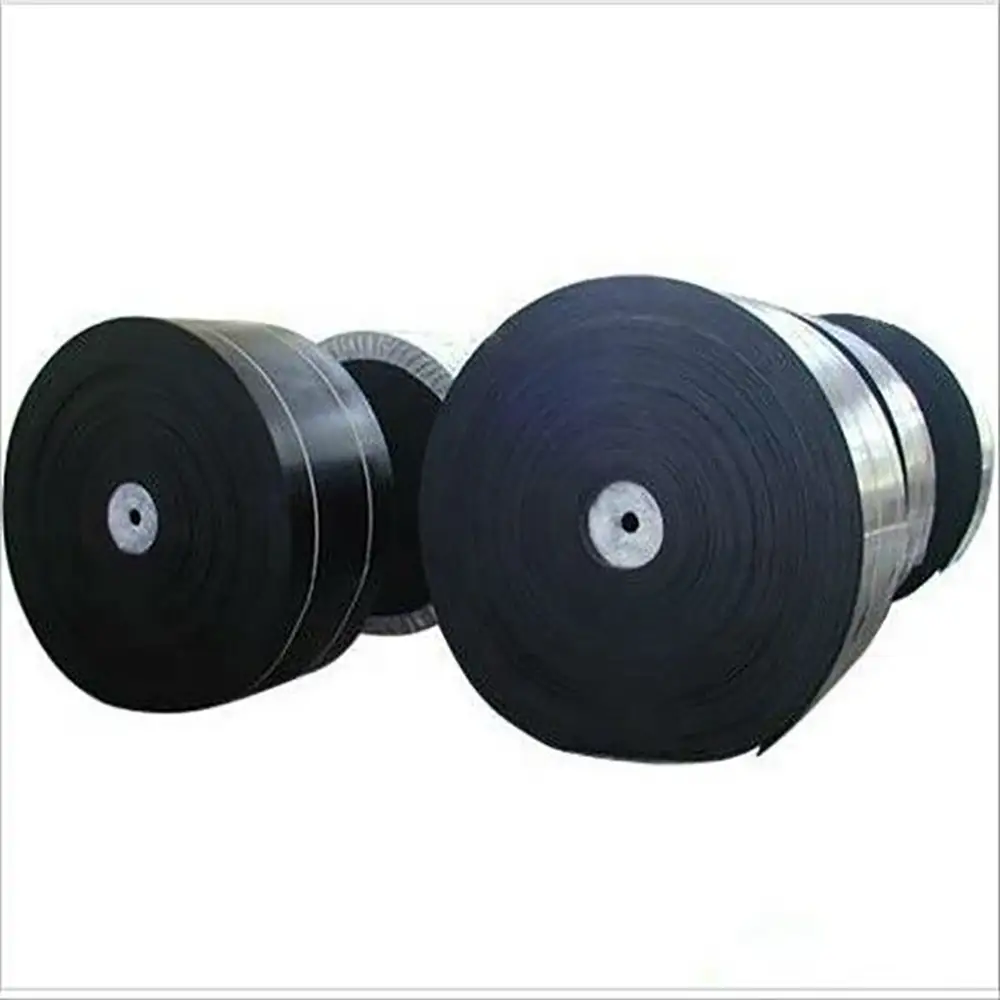
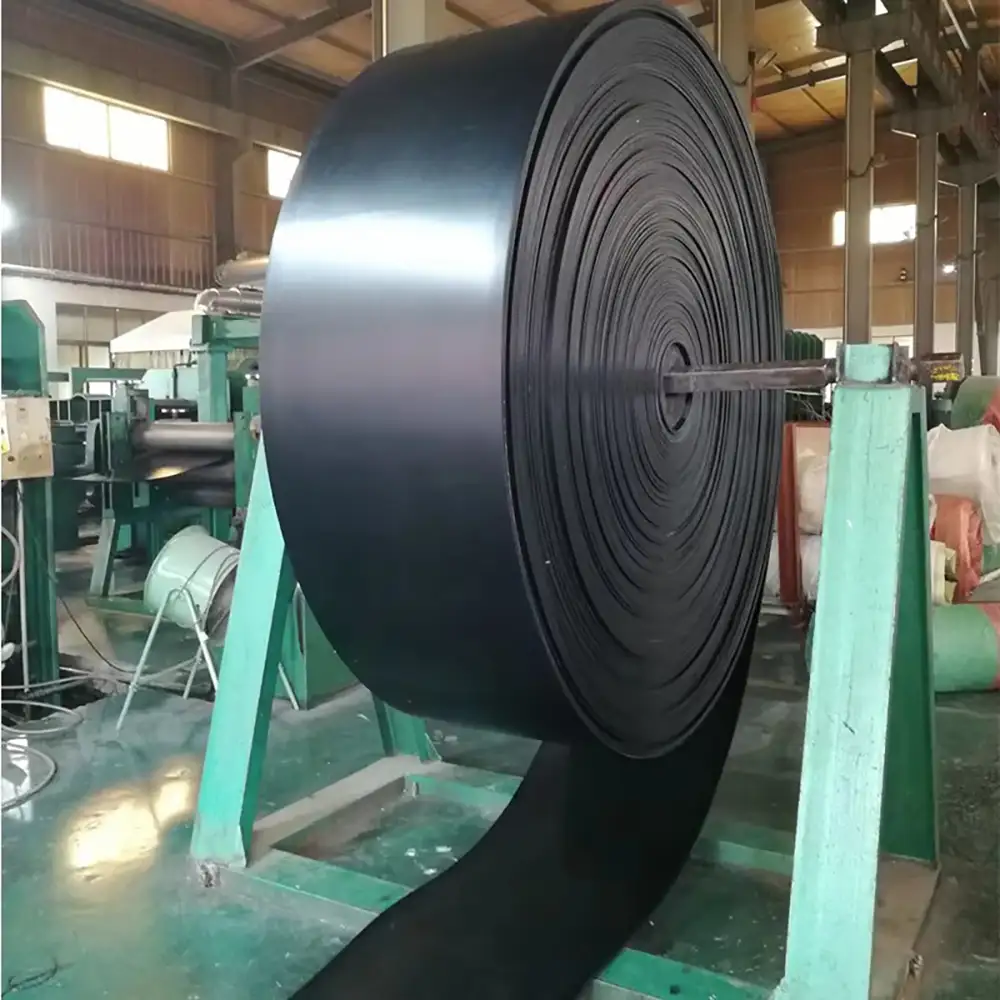
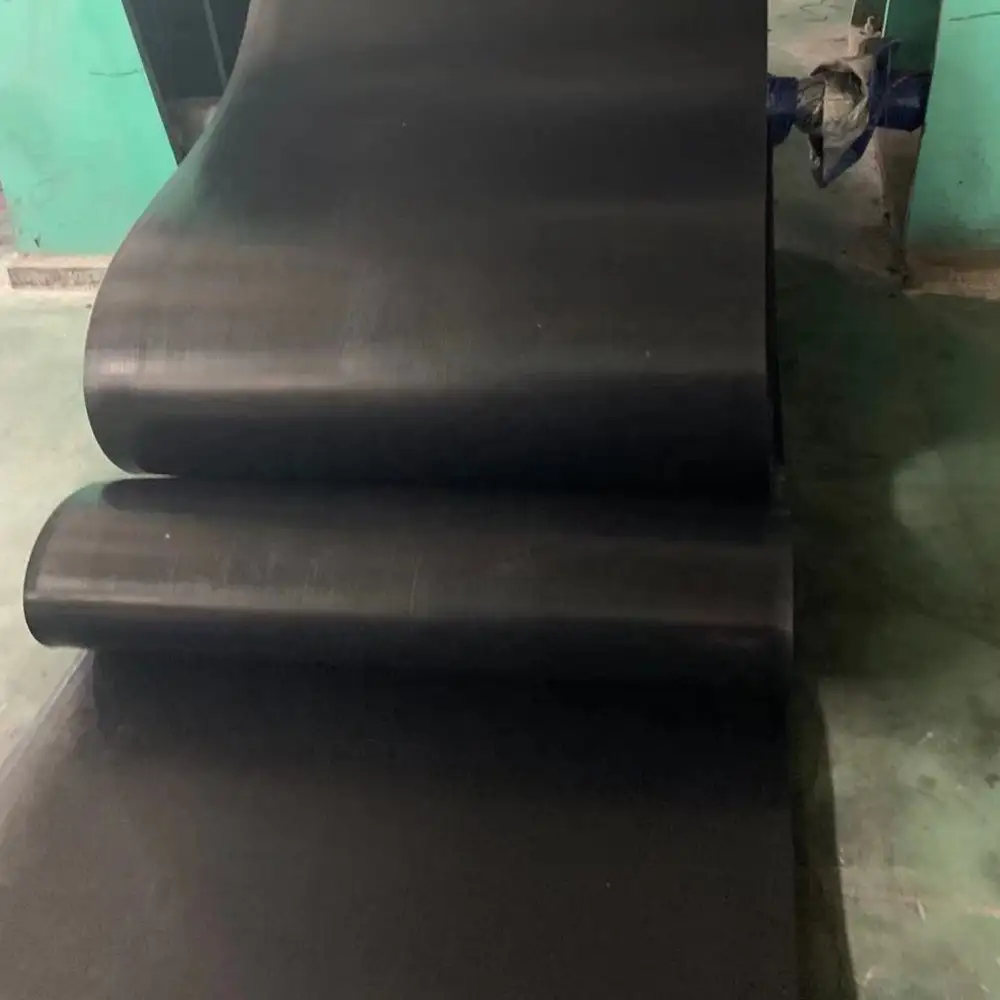
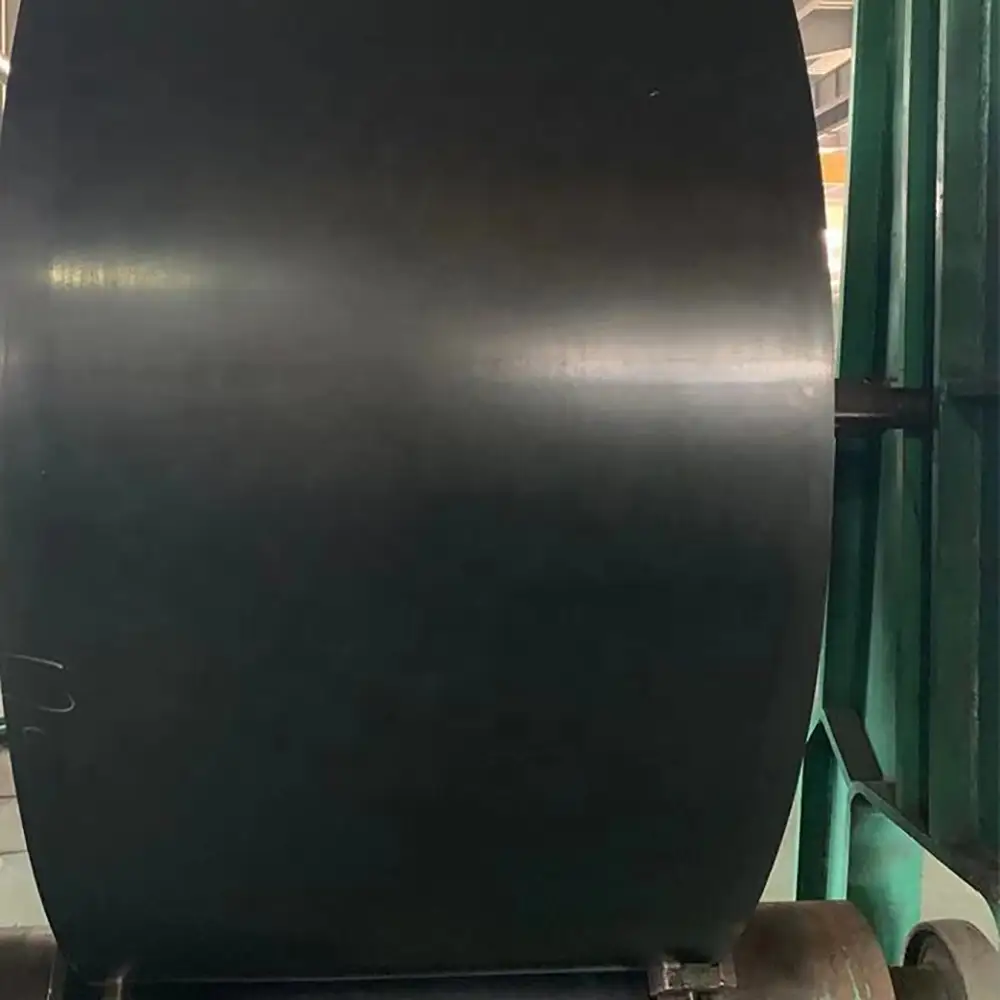
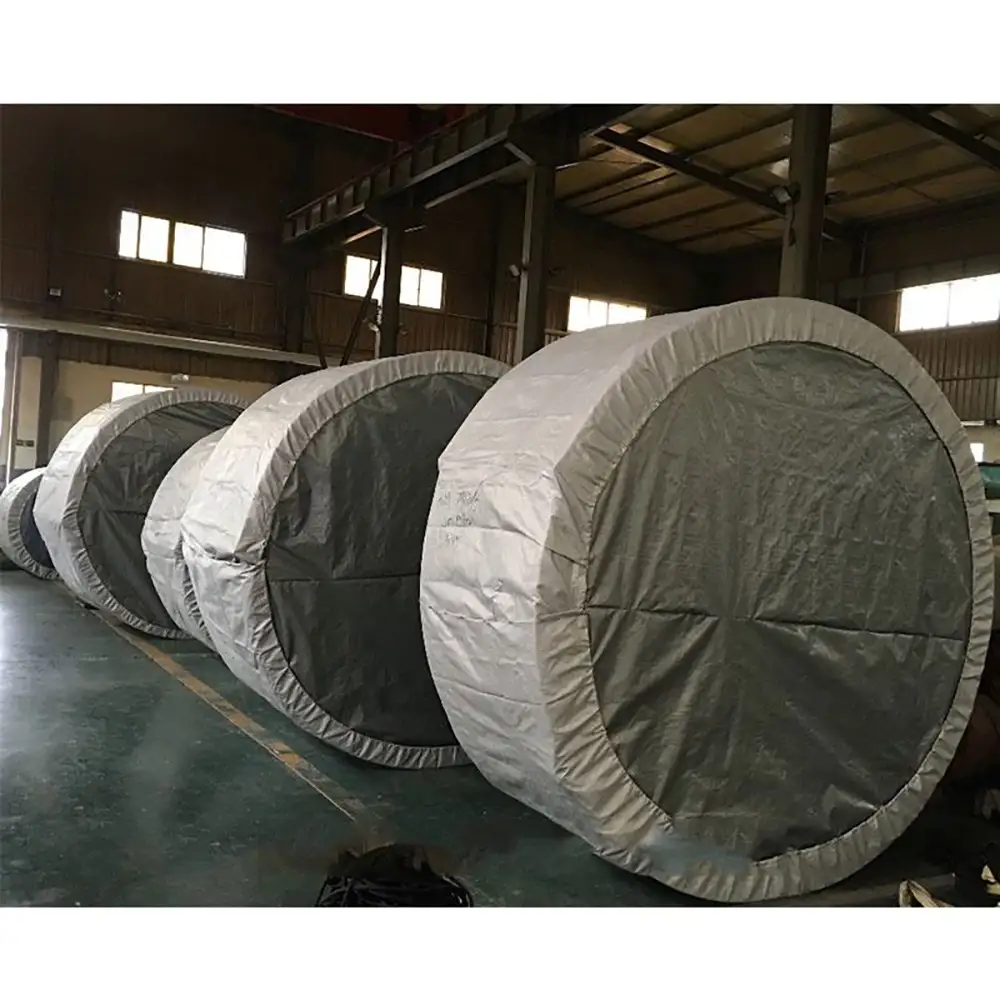
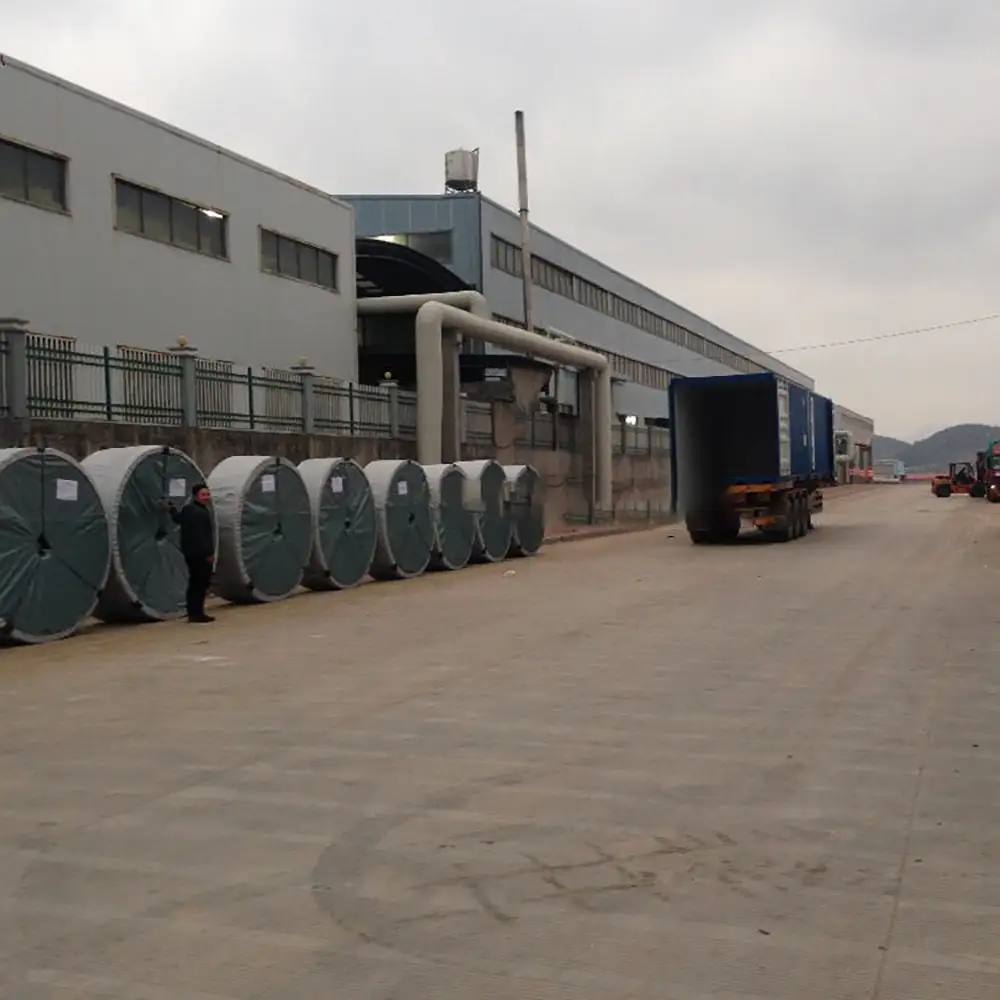
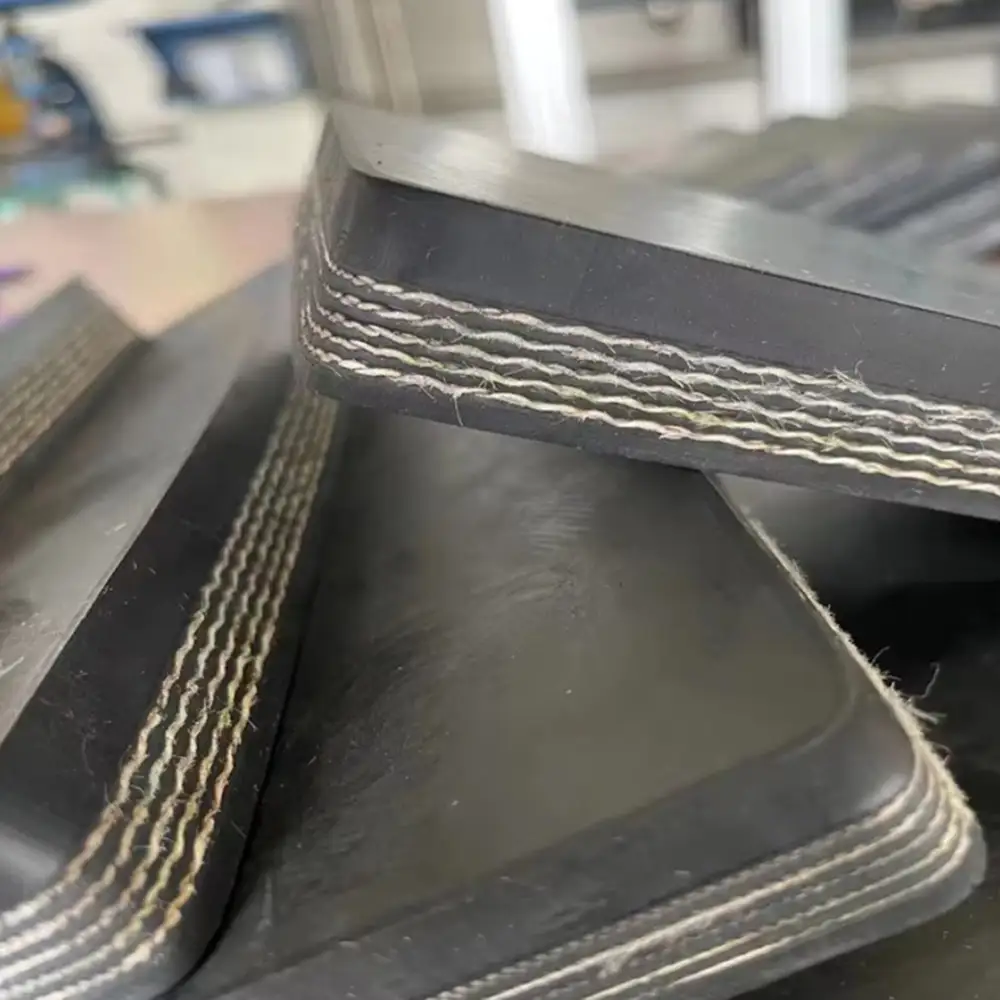
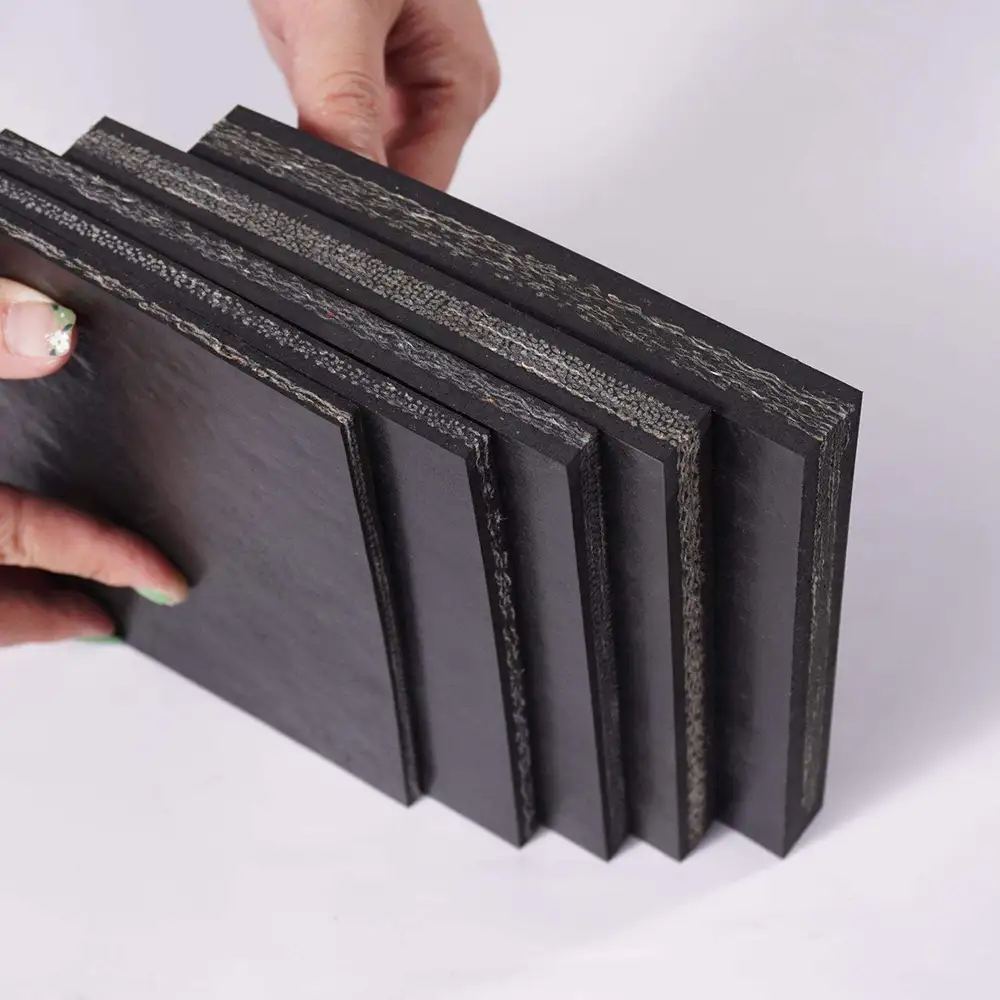
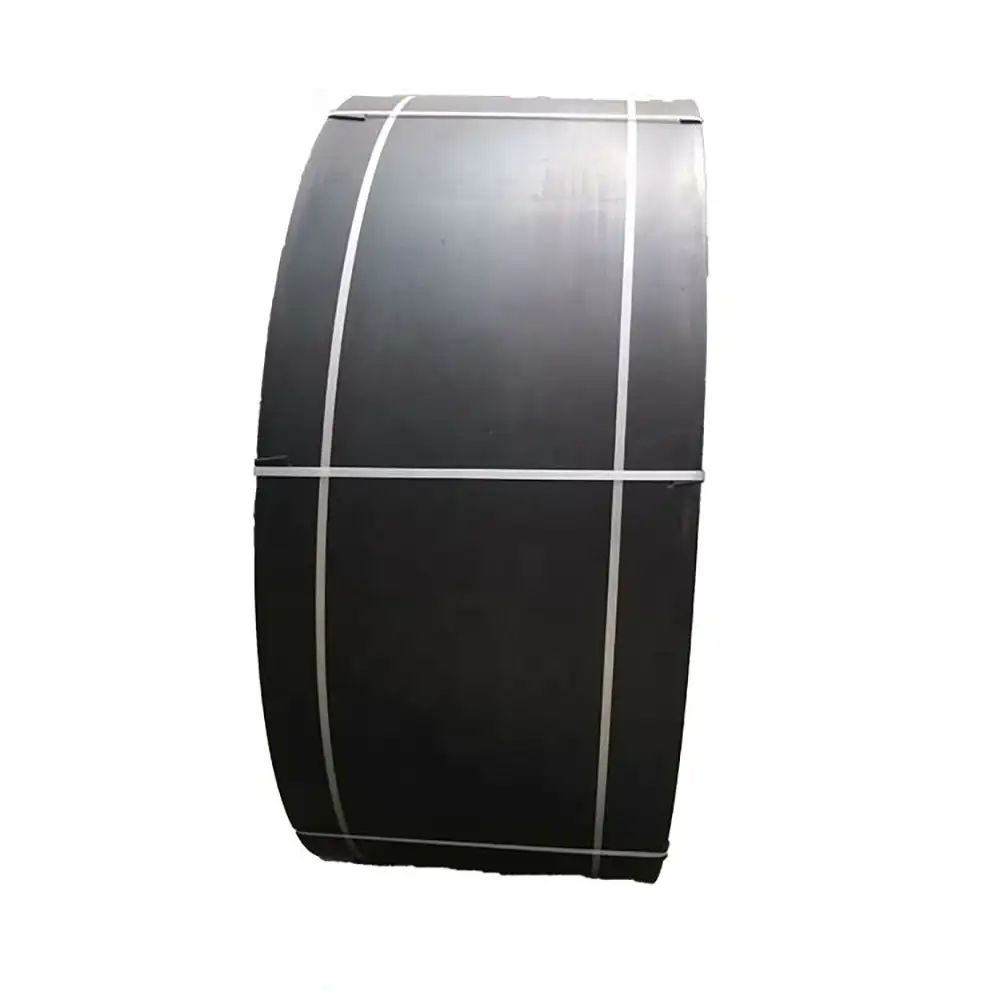
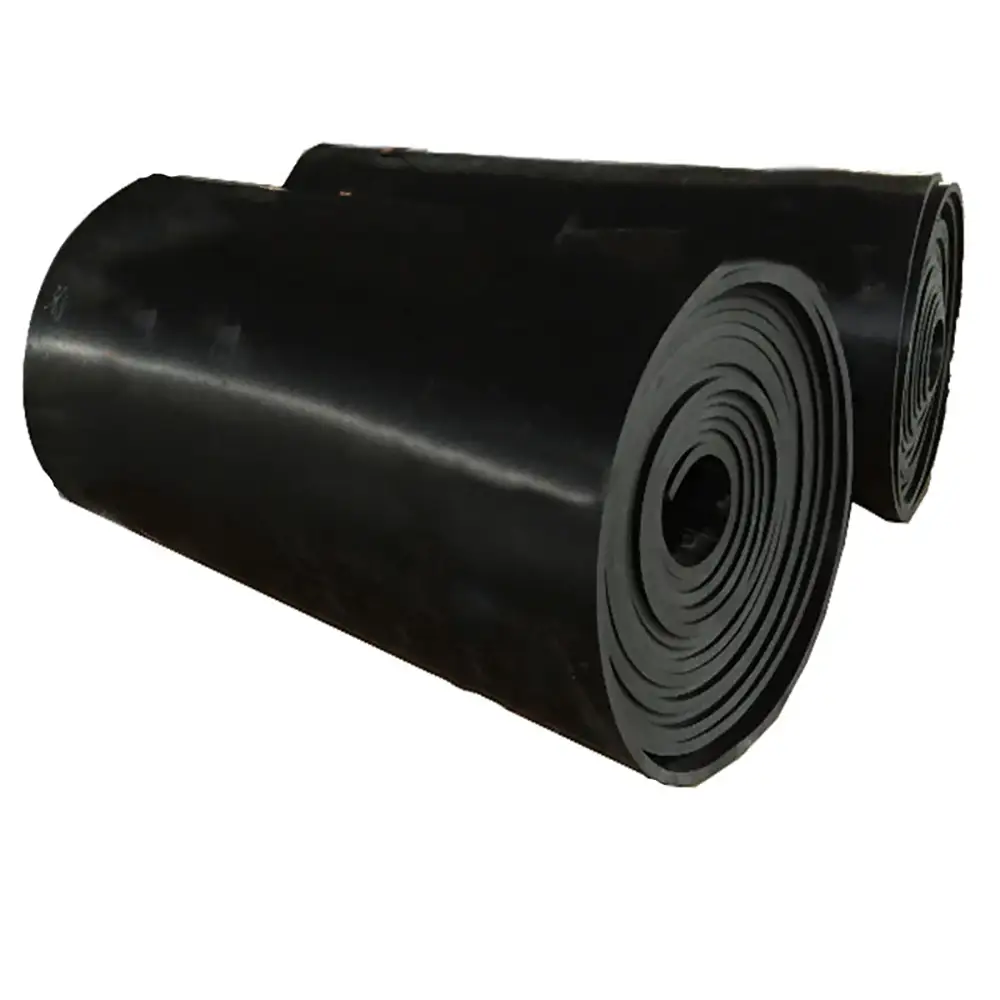
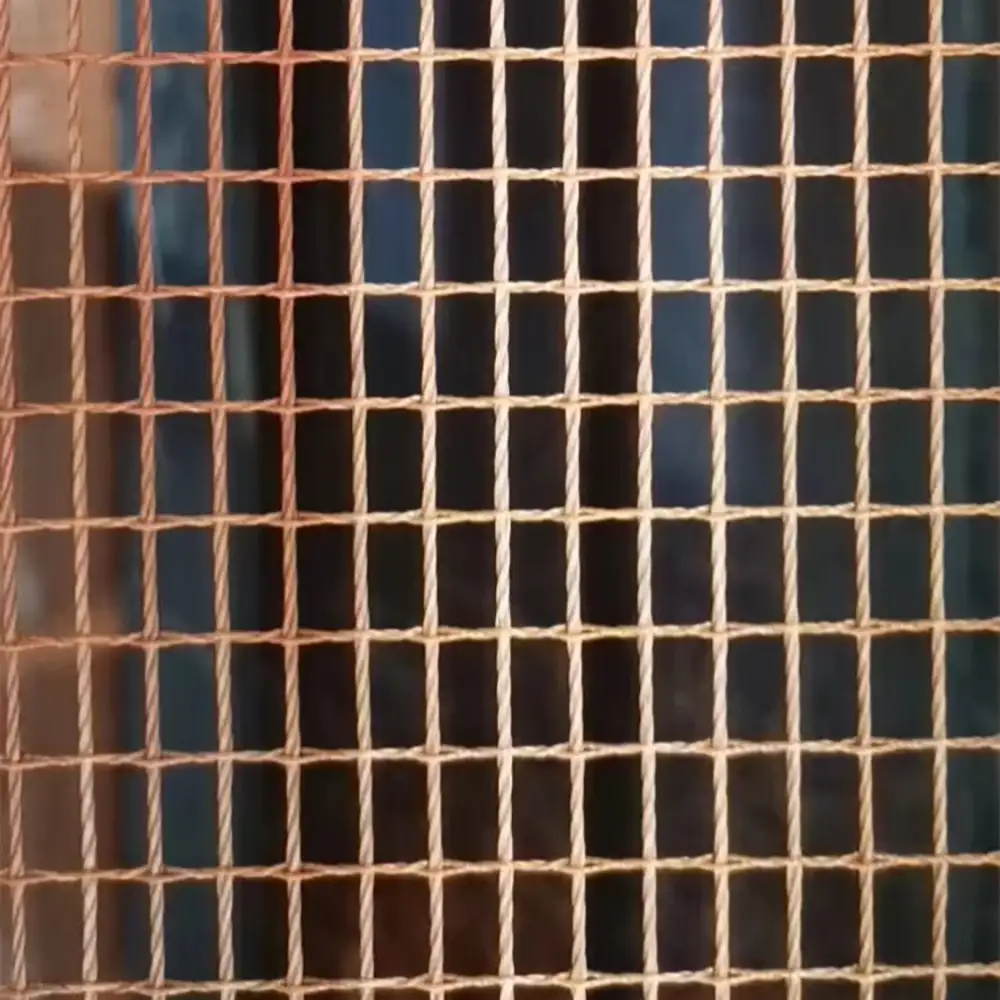
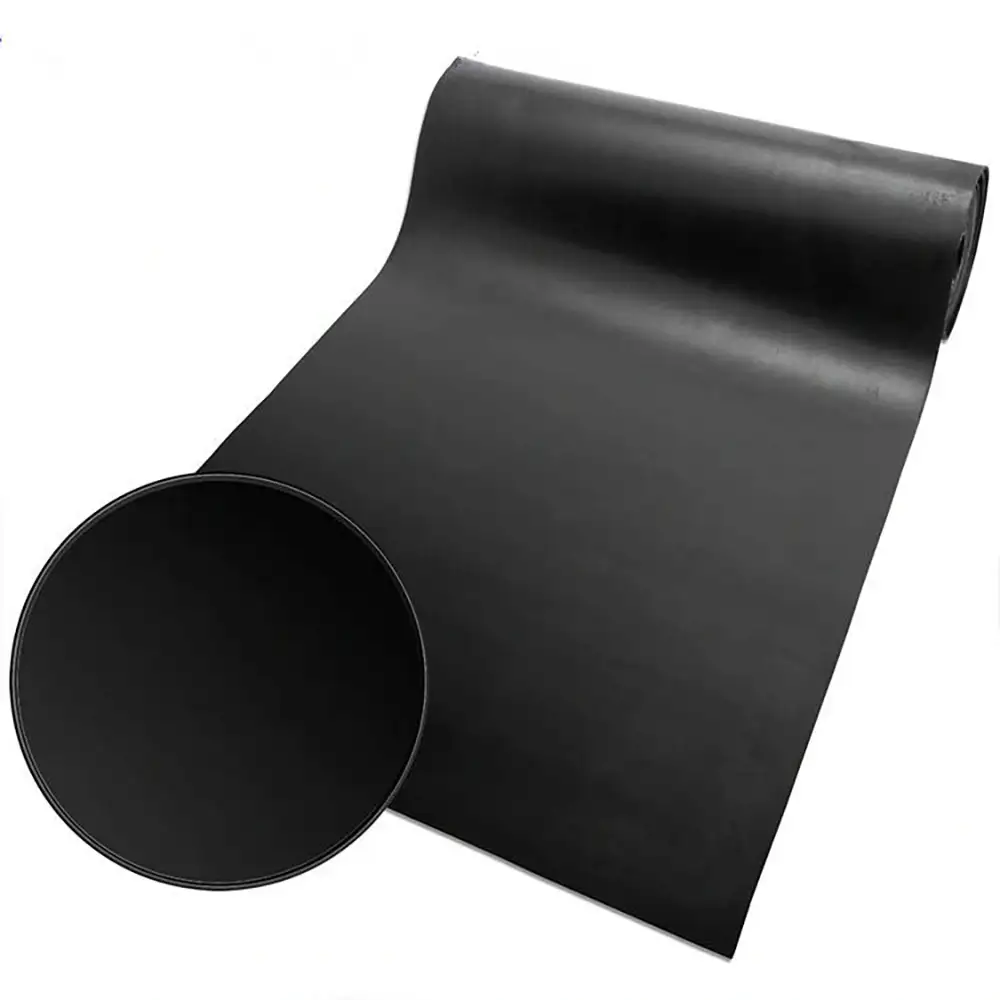
Product characteristics:
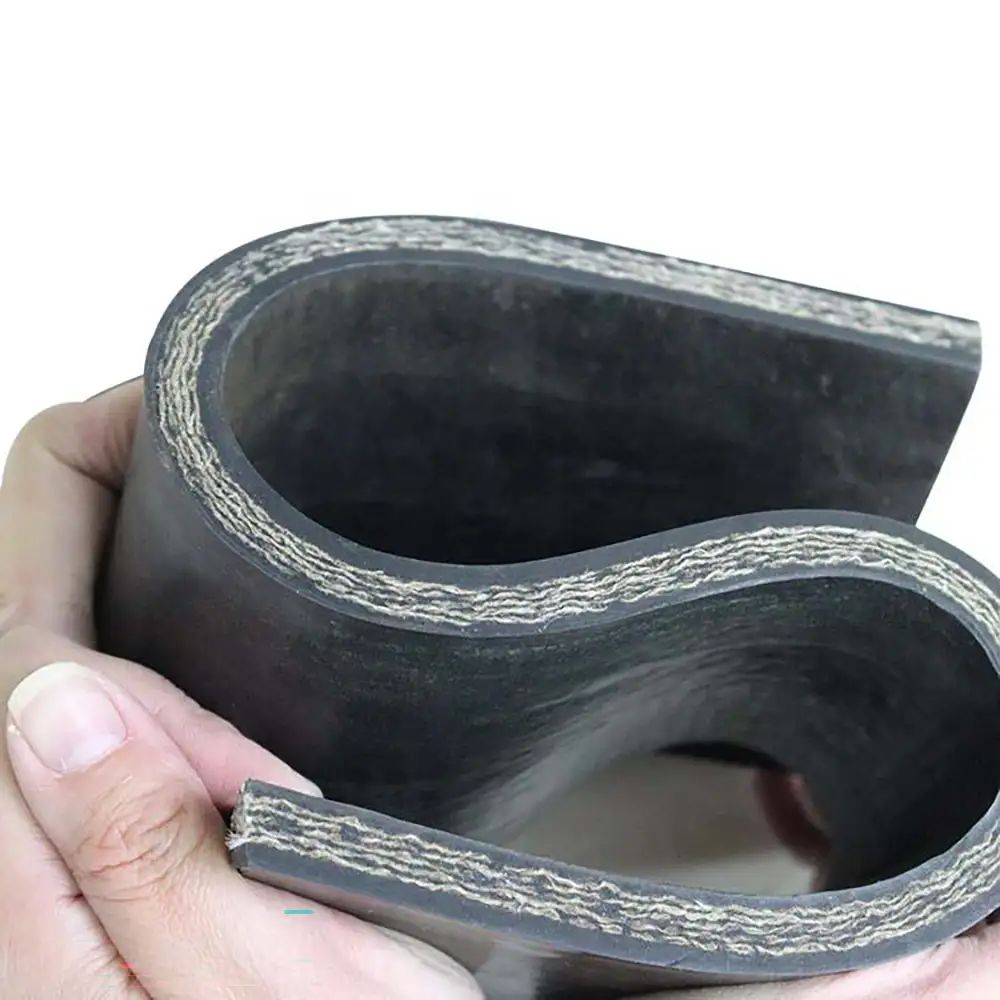
The product selects cotton canvas,nylon canvas or EP canvas as carcass.Cover rubber selects a blend of NR and BR,which has the properties of high elasticity, shock resistance,cold resistance and etc.It can work normally under the conditions of -40oC.
No.1 uses
Suitable for conveying mae rials outdoors in freezing a rea, cold storage etc.
No.2 Teshnical indexes
1. Cold resistant conveyor belt can be divided into three types ,according to the properties of cover: Laceration
resistant type(H),Anti-abrasive type(D)and Ordinary type(L).
2. According to the different cold resistant , it can be divided into two types of C1 and C2 - Working temperature:-45-+50.
Cold Resistant Rubber Conveyor Belt
A cold resistant rubber conveyor belt is a specialized industrial conveyor belt designed to maintain flexibility and reliable conveying performance in low-temperature environments. Standard rubber belts can become harder and less flexible when exposed to cold conditions, which may increase the risk of cracking, stiffness, tracking problems, and premature wear. Cold resistant conveyor belts use specially formulated rubber compounds designed to perform more reliably under low-temperature operating conditions.
Cold resistant rubber conveyor belts are commonly used in mining, coal handling, quarrying, aggregate processing, outdoor stockyards, ports, agriculture, and other material handling systems exposed to cold weather or refrigerated environments.
The belt normally consists of a reinforced carcass and specially formulated rubber covers. Fabric reinforcement such as EP or NN can be selected according to conveyor tension, belt length, flexibility requirements, and application conditions. For high-tension applications, other belt constructions may be considered.
The cold resistance of a conveyor belt depends on its specific rubber formulation, construction, temperature range, exposure duration, conveyed material, and operating conditions. Therefore, the required low-temperature specification should be confirmed for the actual application rather than relying on a general "cold resistant" designation.
What Is A Cold Resistant Conveyor Belt?
A cold resistant conveyor belt is manufactured with rubber compounds designed to retain useful flexibility and mechanical performance when operating in low-temperature environments.
The belt carcass provides tensile strength and dimensional stability, while the rubber cover protects the reinforcement and provides the working surface. Depending on the product design, the carcass may use EP polyester fabric, NN nylon fabric, or other reinforcement constructions.
Cold-resistant compounds are particularly useful in environments where conventional rubber may become excessively stiff. Maintaining suitable flexibility is important because the belt continuously bends around drive pulleys, tail pulleys, return rollers, and other conveyor components.
A properly specified cold resistant rubber conveyor belt can therefore help reduce problems associated with low-temperature operation and provide more stable material handling performance.
Key Features Of Cold Resistant Rubber Conveyor Belt
Low Temperature Flexibility
The rubber compound is formulated to maintain useful flexibility under low-temperature conditions. This helps the belt operate around pulleys and idlers without excessive stiffness.
Resistance To Cold-Related Cracking
Suitable cold-resistant rubber can reduce the risk of cracking associated with low-temperature exposure. Actual performance depends on the compound, temperature, mechanical stress, and exposure conditions.
Flexible Fabric Reinforcement
EP and NN fabric carcasses provide a combination of tensile strength and flexibility. NN construction can be considered when repeated bending and flexibility are important.
Durable Rubber Covers
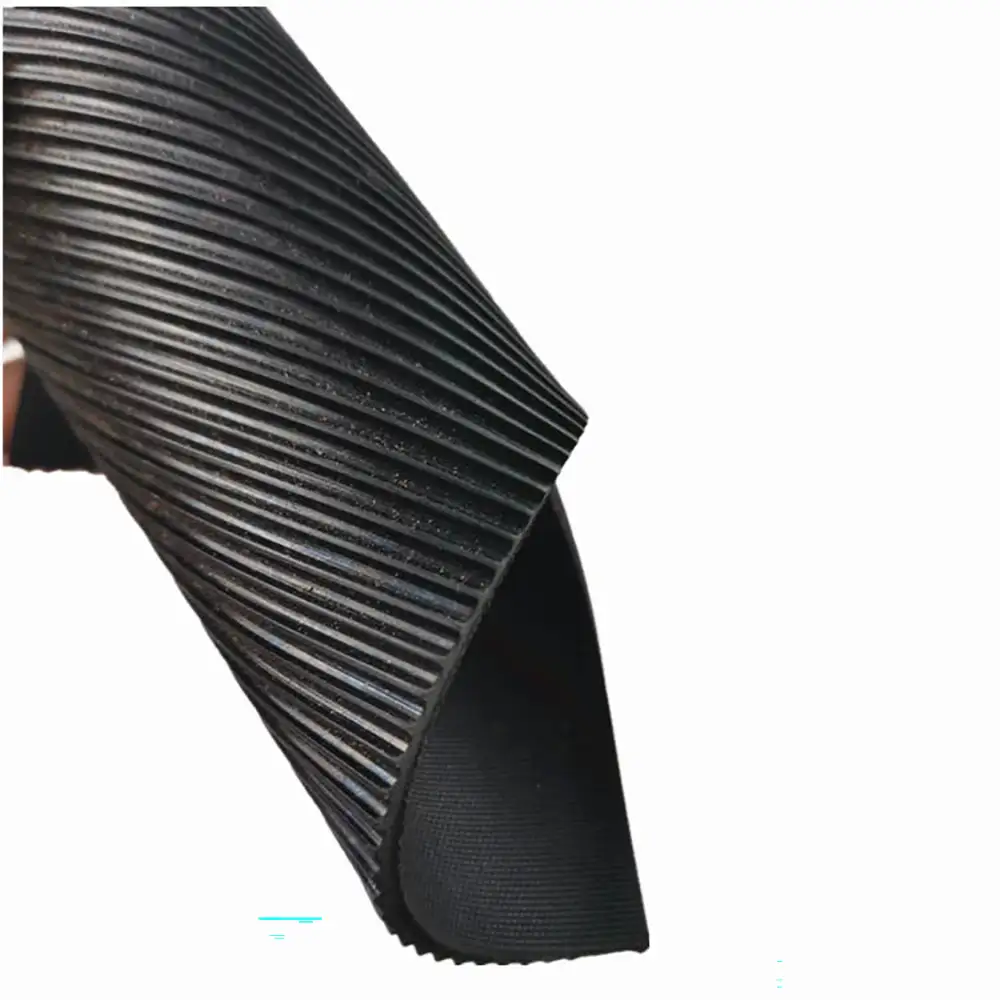
The top and bottom covers can be designed for different industrial environments. Depending on the compound, additional properties may include abrasion resistance, oil resistance, heat resistance, weather resistance, flame resistance, or antistatic performance.
Heavy-Duty Material Handling
Cold resistant conveyor belts can be manufactured for demanding bulk material applications such as coal, ore, rock, gravel, sand, aggregate, and other industrial materials.
Applications
Mining
Mining operations in northern regions and cold climates may require conveyor belts capable of maintaining performance under low temperatures. Cold resistant belts can be used for transporting coal, ore, rock, overburden, and other bulk materials.
For underground mining, additional flame-resistant and antistatic requirements may apply depending on the mine and local regulations.
Coal Handling
Coal stockyards and handling facilities may operate outdoors during winter conditions. A cold resistant conveyor belt can be considered when low ambient temperatures could affect conventional rubber belting.
Quarry And Aggregate
Quarry and aggregate plants located in cold regions may use cold-resistant rubber conveyor belts for crushed stone, gravel, sand, limestone, and other materials.
If the conveyed material is highly abrasive, an abrasion-resistant cover should be considered in addition to the required low-temperature properties.
Outdoor Conveyor Systems
Outdoor conveyors can experience significant seasonal temperature changes. Cold resistant belting can be selected for systems exposed to winter weather, snow, ice, and low ambient temperatures.
Ports And Bulk Terminals
Bulk material terminals and ports in cold climates may use conveyor systems for coal, minerals, grain, fertilizer, and other materials. Belt selection should account for both environmental temperature and conveyed material characteristics.
Agriculture
Agricultural processing and storage facilities in cold regions can use cold resistant conveyor belts for grain, seeds, feed, and other bulk products when low-temperature flexibility is required.
Refrigerated And Low-Temperature Facilities
Certain industrial applications may expose conveyor belts to controlled low-temperature environments. In these applications, the belt compound should be specifically evaluated for the actual operating temperature.
Cold Resistant Conveyor Belt Construction
Cold resistant conveyor belts can be produced using different carcass configurations depending on the application.
EP fabric construction uses polyester in the longitudinal direction and polyamide in the transverse direction. It provides a useful balance of tensile strength, dimensional stability, flexibility, and relatively low elongation.
NN fabric construction uses nylon reinforcement and is often selected for applications where flexibility and resistance to repeated bending are important.
For long-distance or high-tension conveyors, steel cord construction may be considered where appropriate.
The rubber cover is equally important. The selected compound should provide the required low-temperature characteristics while also meeting other requirements such as abrasion resistance or oil resistance.
Cold Resistant Belt Selection
When selecting a cold resistant rubber conveyor belt, consider more than ambient temperature.
Important factors include:
Minimum Operating Temperature
Material Temperature
Belt Width
Belt Length
Tensile Strength
Number Of Plies
Carcass Construction
Top Cover Thickness
Bottom Cover Thickness
Conveyor Speed
Conveyor Inclination
Pulley Diameter
Material Lump Size
Impact Conditions
Abrasion Level
Oil Or Chemical Exposure
Outdoor Weather Conditions
The minimum temperature should be evaluated together with mechanical conditions. A belt that is exposed to cold temperatures while repeatedly bending around small pulleys may experience different stresses from a belt operating under the same temperature on a different conveyor design.
Cold Resistance And Other Rubber Properties
Cold resistance is only one performance characteristic of conveyor belting.
A mining conveyor transporting sharp rock may need both cold and abrasion resistance. A coal conveyor may require cold resistance together with flame-resistant or antistatic properties depending on the application. A conveyor handling oily materials may require a compatible oil-resistant compound.
These properties should be specified together with the actual operating conditions.
Using a belt with the correct cold resistance but an unsuitable cover compound for the conveyed material may still result in premature deterioration. Therefore, belt selection should consider the complete material handling environment.
Installation And Maintenance
Proper installation is especially important in cold climates. The conveyor structure, pulleys, idlers, and take-up system should be properly aligned and maintained.
Inspect the belt regularly for surface cracking, edge damage, abnormal stiffness, cover wear, tracking problems, and splice deterioration.
Cold weather can also affect mechanical components such as bearings, lubricants, and drive systems. Maintaining the complete conveyor system helps reduce unnecessary loads on the belt.
Before starting a conveyor after prolonged exposure to extremely cold conditions, inspect the belt and conveyor components and follow the equipment manufacturer's operating procedures.
Custom Cold Resistant Rubber Conveyor Belt
We can provide customized cold resistant conveyor belt solutions according to specific conveyor requirements. Customization may include belt width, length, tensile grade, number of plies, cover thickness, rubber compound, carcass type, edge configuration, and surface design.
Additional properties can be considered according to the application, including abrasion resistance, oil resistance, heat resistance, weather resistance, flame resistance, and antistatic characteristics.
Customers should provide the minimum operating temperature, conveyed material, conveyor dimensions, belt speed, capacity, inclination, pulley diameter, and other available system information when requesting a quotation.
Why Choose Us?
We provide cold resistant rubber conveyor belt solutions for mining, quarrying, coal handling, aggregate processing, outdoor conveying, and industrial material handling.
Cold Resistant Rubber Solutions: Rubber compounds can be selected for suitable low-temperature applications.
Multiple Carcass Options: EP, NN, and other reinforcement constructions can be considered according to conveyor requirements.
Application-Based Selection: Belt specifications are matched to temperature, material, conveyor design, and operating conditions.
Custom Manufacturing: Width, length, tensile grade, ply construction, cover thickness, and rubber compound can be customized.
Multiple Performance Properties: Cold resistance can be combined with abrasion, oil, heat, weather, flame, or antistatic properties where required.
Industrial B2B Supply: We support distributors, conveyor system integrators, contractors, and industrial end users.
OEM & Custom Service: Customized conveyor belt specifications can be discussed for individual projects.
Quality-Focused Production: Manufacturing and inspection procedures are designed to provide consistent belt construction.
Frequently Asked Questions
1. What Is A Cold Resistant Rubber Conveyor Belt?
It is a conveyor belt manufactured with rubber compounds designed to retain useful flexibility and performance in low-temperature environments.
2. Why Is Cold Resistance Important For Conveyor Belts?
Low temperatures can make ordinary rubber harder and less flexible. A suitable cold-resistant compound helps the belt maintain flexibility and reduces the risk of cold-related deterioration.
3. Where Are Cold Resistant Conveyor Belts Used?
Typical applications include mining, coal handling, quarrying, aggregate processing, outdoor stockyards, ports, agriculture, and selected low-temperature industrial facilities.
4. Can Cold Resistant Belts Be Used In Mining?
Yes. They can be used for mining conveyors in cold climates. The required belt construction should be selected according to the material, temperature, conveyor design, and applicable mining requirements.
5. Are Cold Resistant Belts Suitable For Coal?
Yes. Cold-resistant belts can be used for coal handling, particularly in outdoor or cold-region applications. Additional flame-resistant or antistatic properties may be required for certain mining applications.
6. Can A Cold Resistant Belt Also Be Abrasion Resistant?
Yes. A rubber compound can be selected to provide both cold resistance and abrasion resistance when the application involves abrasive materials such as rock, gravel, or ore.
7. What Fabric Is Used In Cold Resistant Conveyor Belts?
EP polyester fabric and NN nylon fabric are common carcass options. The appropriate reinforcement depends on tensile strength, flexibility, conveyor length, pulley configuration, and other factors.
8. Can Cold Resistant Conveyor Belts Be Customized?
Yes. Belt dimensions, tensile grade, number of plies, cover thickness, carcass construction, rubber compound, and other specifications can be customized depending on the product design.
9. What Is The Lowest Temperature A Cold Resistant Belt Can Handle?
There is no single temperature rating applicable to every cold-resistant belt. The allowable temperature depends on the specific rubber compound, construction, mechanical conditions, and exposure duration. The manufacturer's specification should be confirmed for the intended application.
10. How Do I Order A Cold Resistant Conveyor Belt?
Provide the belt width, length, conveying material, minimum operating temperature, conveyor speed, capacity, inclination, pulley diameter, tensile requirement, and any abrasion, oil, flame, or antistatic requirements.
Request A Quote
Looking for a Cold Resistant Rubber Conveyor Belt Manufacturer, Supplier, or OEM Factory? Send us your conveyor dimensions, operating temperature, conveyed material, and application requirements. We can help select a suitable cold resistant rubber conveyor belt construction for your project.
Prev:
Muti Ply Conveyor Belt, Multi-ply Fabric Conveyor Belt
Next:
Heat Resistant Chevron Rubber Conveyor Belt with Steel Cord for Oil Coal Mining and Manufacturing Plant
TAG:
Heavy Duty Cold Resistant Conveyor Belt,
Cold Resistant Mining Conveyor Belt,
Cold Resistant Rubber Conveyor Belt,
Cold Resistant Conveyor Belting,
Heat Resistant Conveyor Belt,
Cold Resistant Conveyor Belt,
Fire Resistant Conveyor Belt,
Mining Conveyor Belt,
Industrial Conveyor Belt,
Antistatic Conveyor Belt,
Flame Resistant Conveyor Belt,
Weather Resistant Conveyor Belt,
Bulk Material Conveyor Belt,
Ore Conveyor Belt,
Rock Conveyor Belt,
Coal Conveyor Belt,
Quarry Conveyor Belt,
Aggregate Conveyor Belt,
Mining Rubber Conveyor Belt,
Coal Mining Conveyor Belt,
Stone Crusher Conveyor Belt,
Abrasion Resistant Conveyor Belt,
Heavy Duty Conveyor Belt,
Abrasion Resistant Cold Resistant Conveyor Belt,
Cold And Abrasion Resistant Conveyor Belt,
Oil Resistant Cold Resistant Conveyor Belt,
Rubber Conveyor Belt,
Rubber Conveyor Belting,
Cold Resistant Conveyor Belts,
Cold Temperature Conveyor Belt,
Related Category:
Cold Resistant Rubber Conveyor Belt,Cold Resistant Conveyor Belt,Cold Resistant Belt,Low Temperature Conveyor Belt China, suppliers, manufacturers, factory, customized, wholesale, quotation, made in China