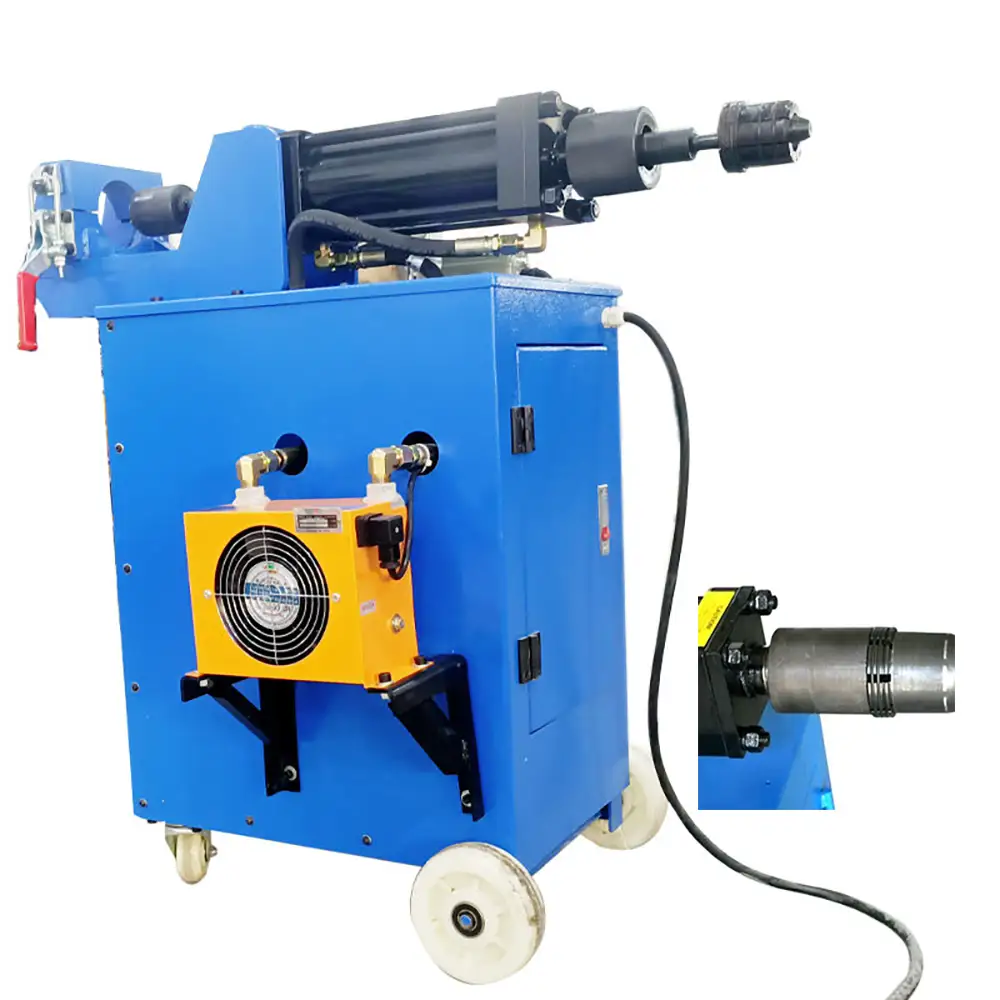
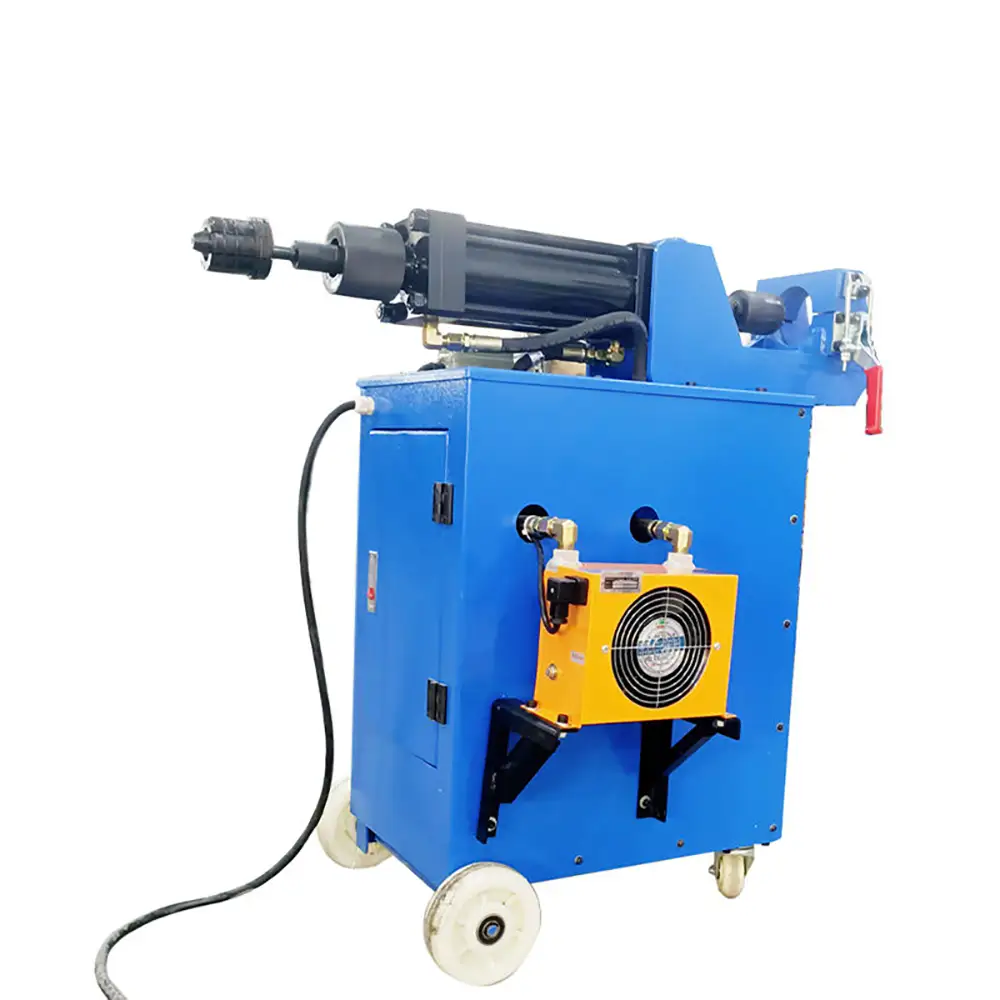
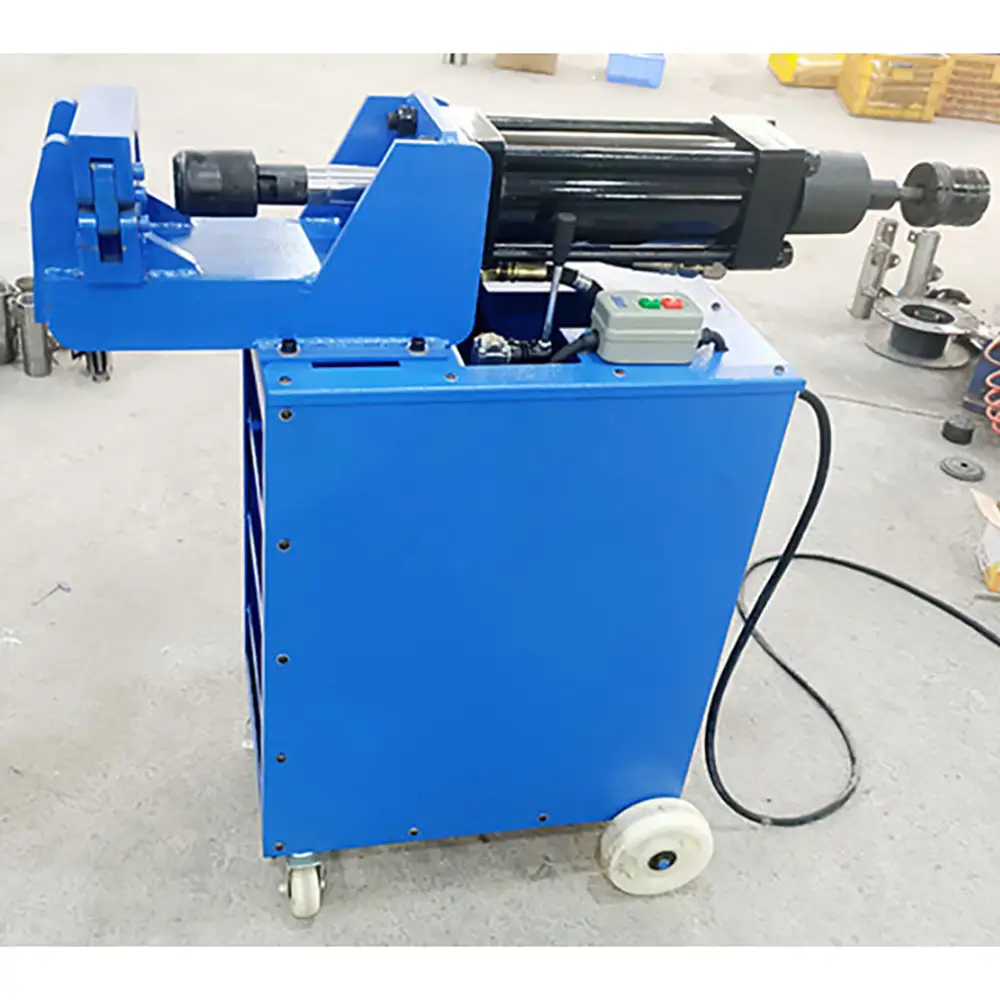
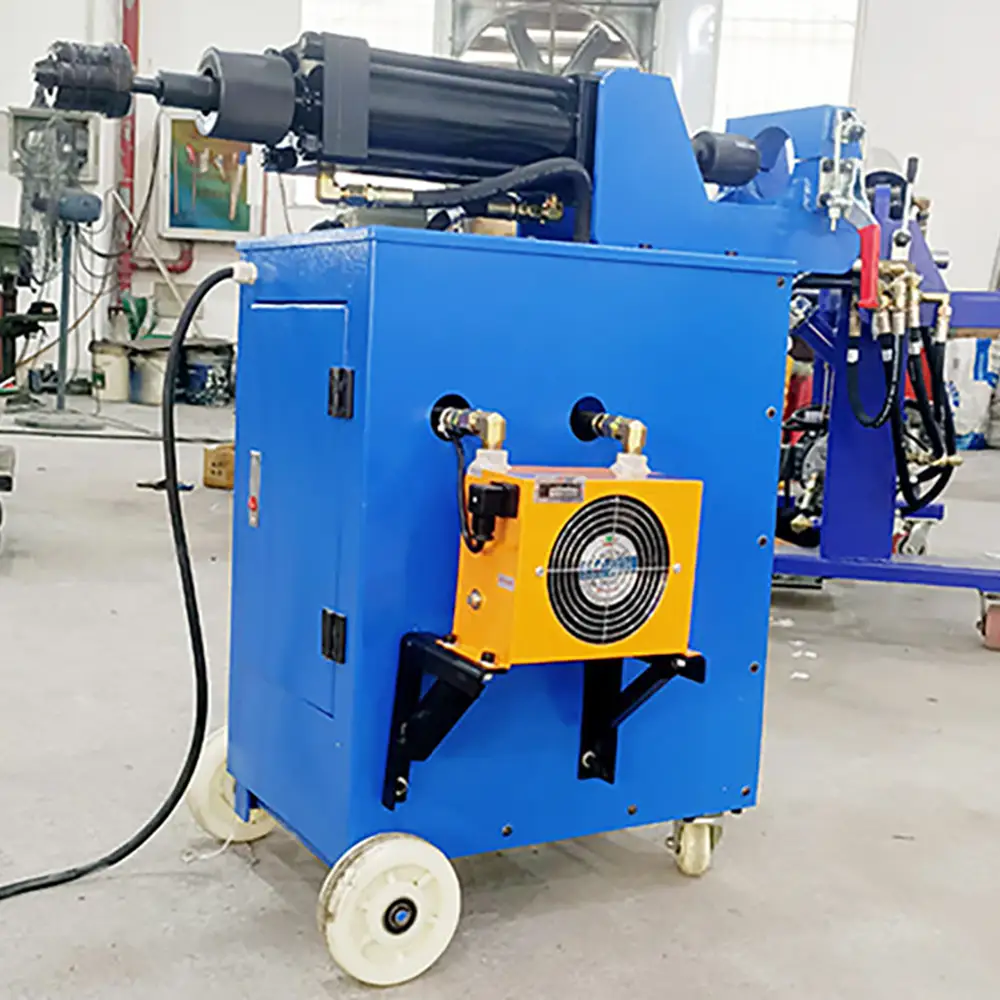
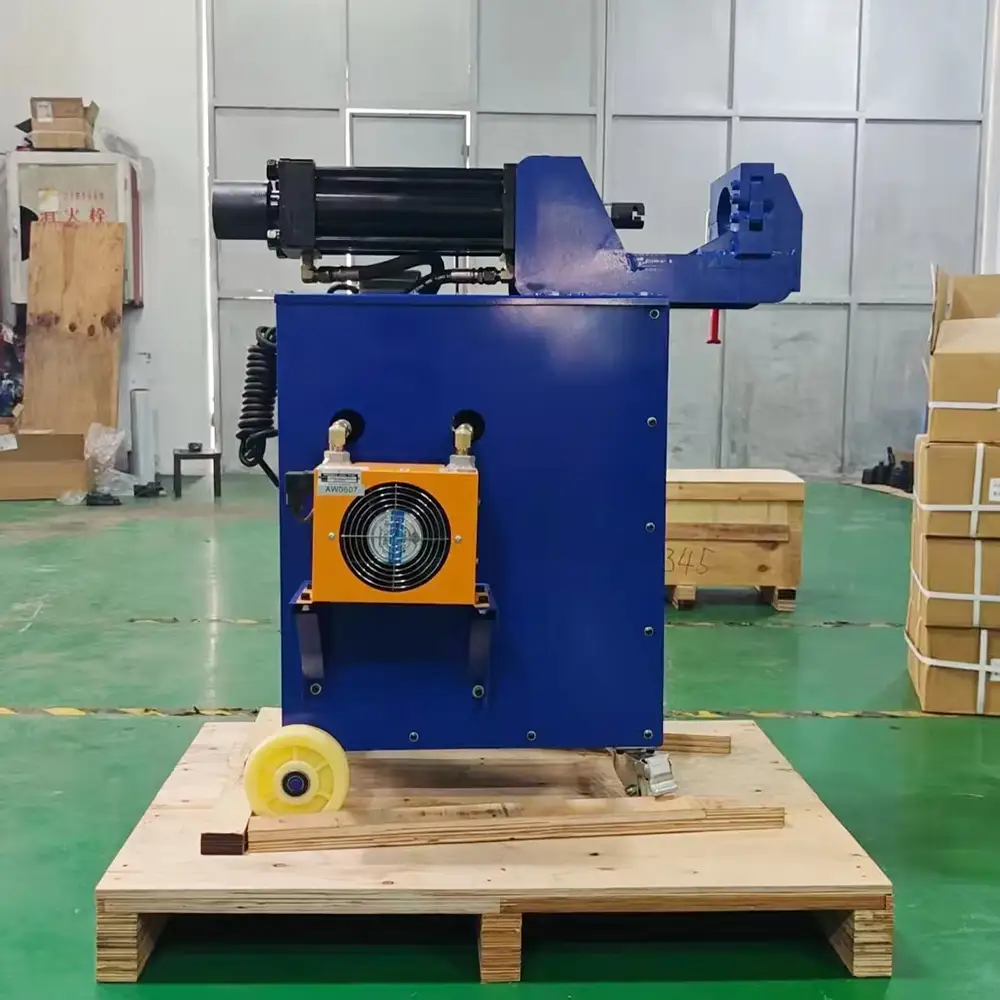
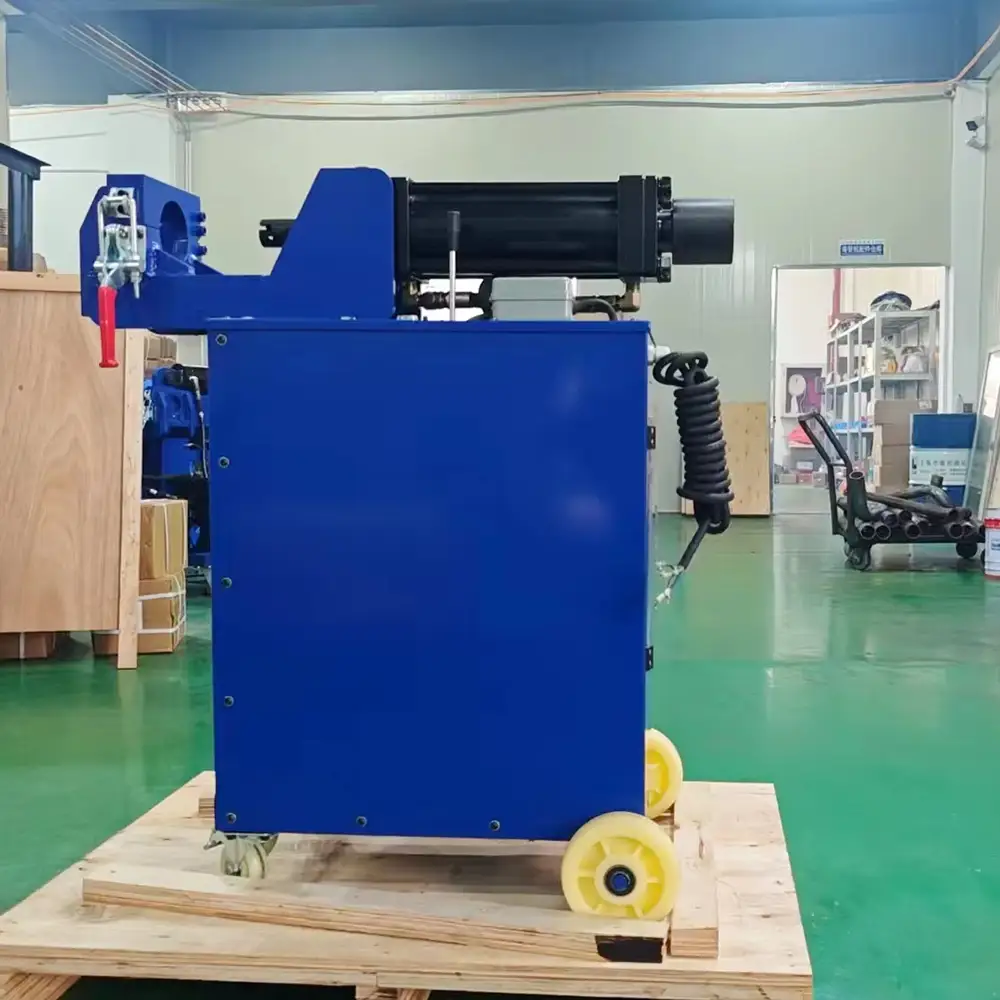
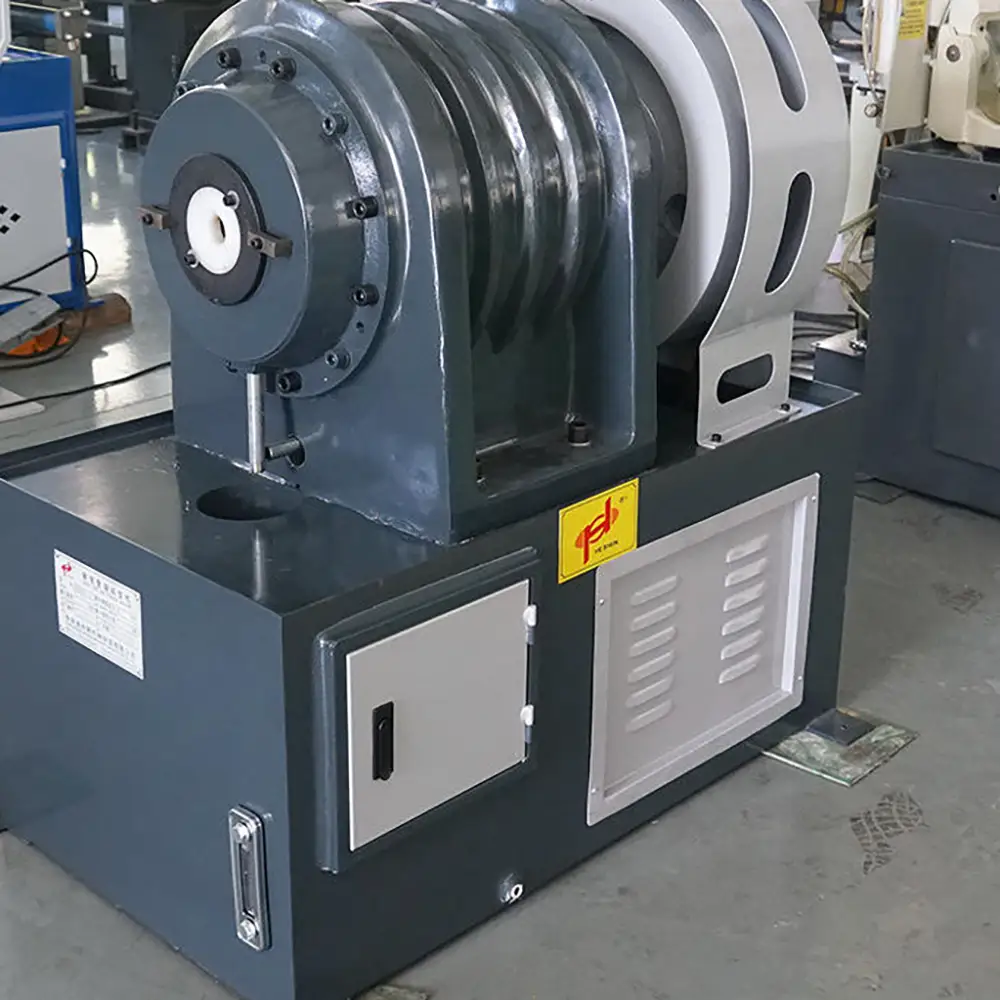
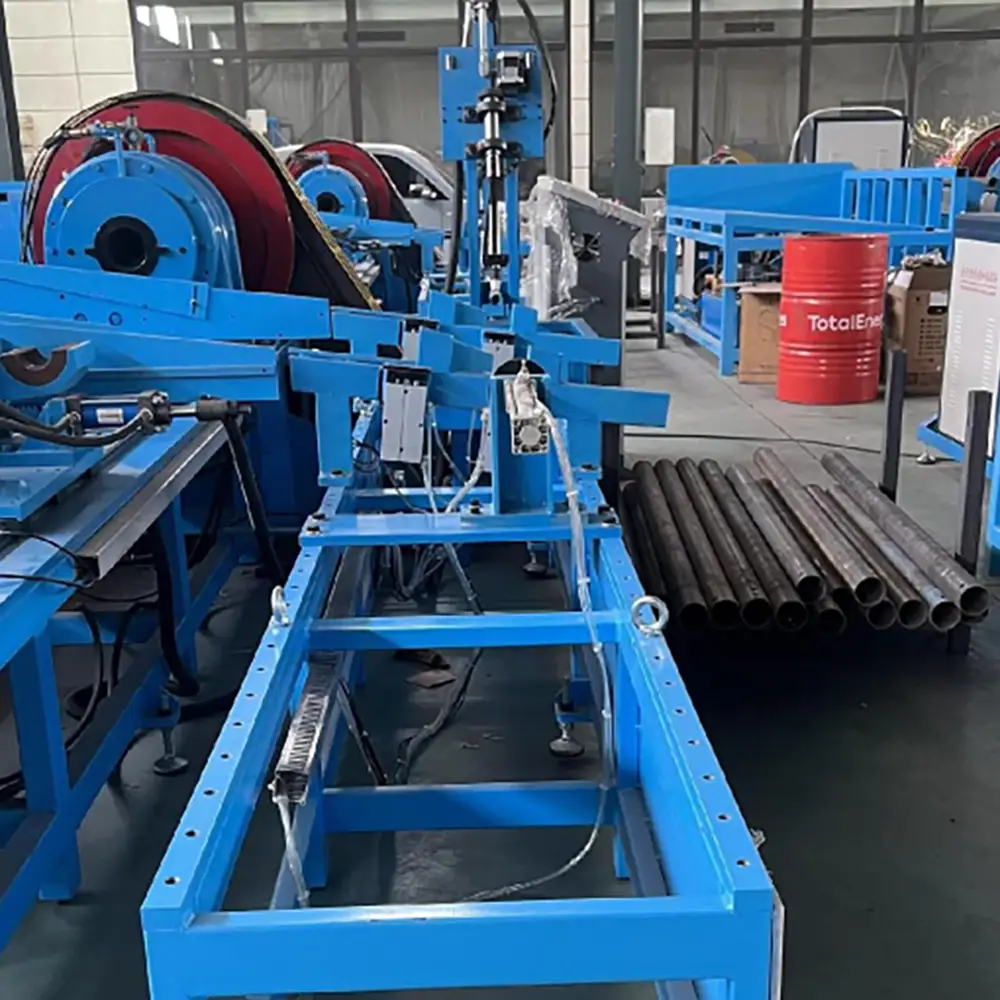
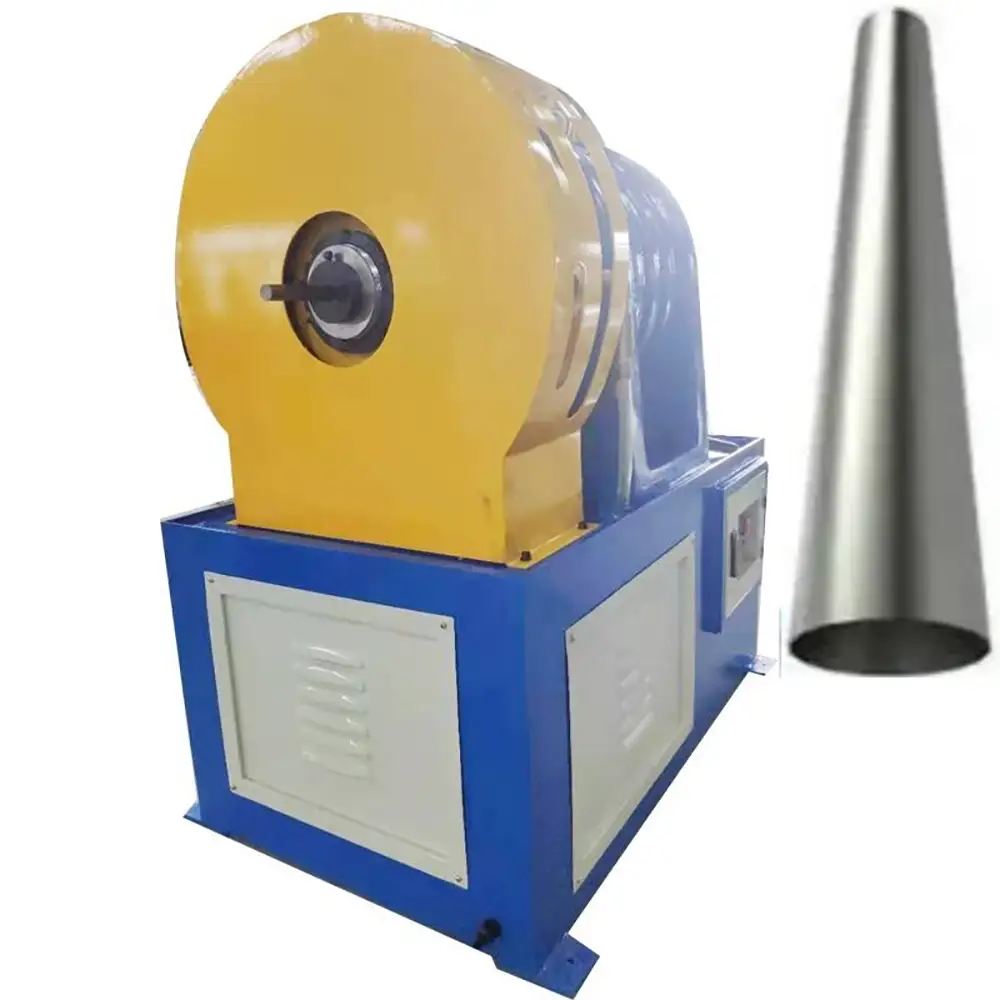
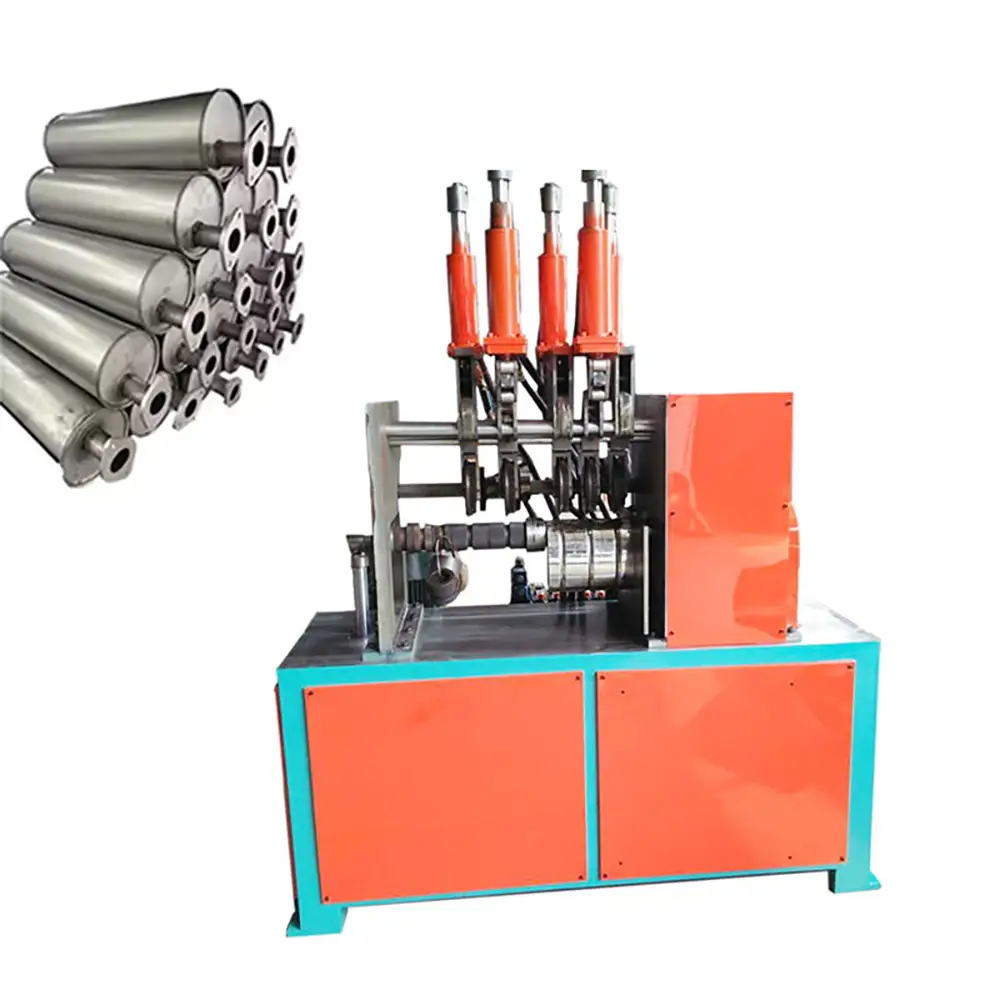
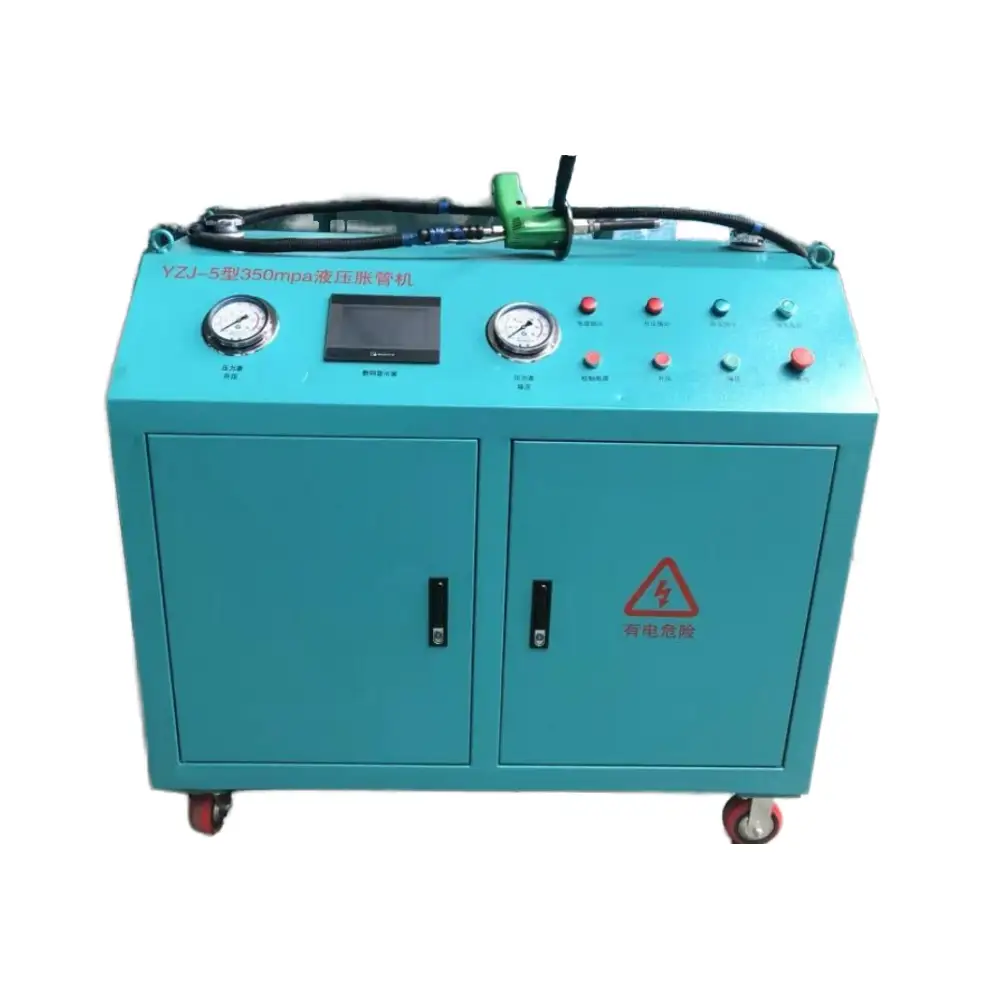
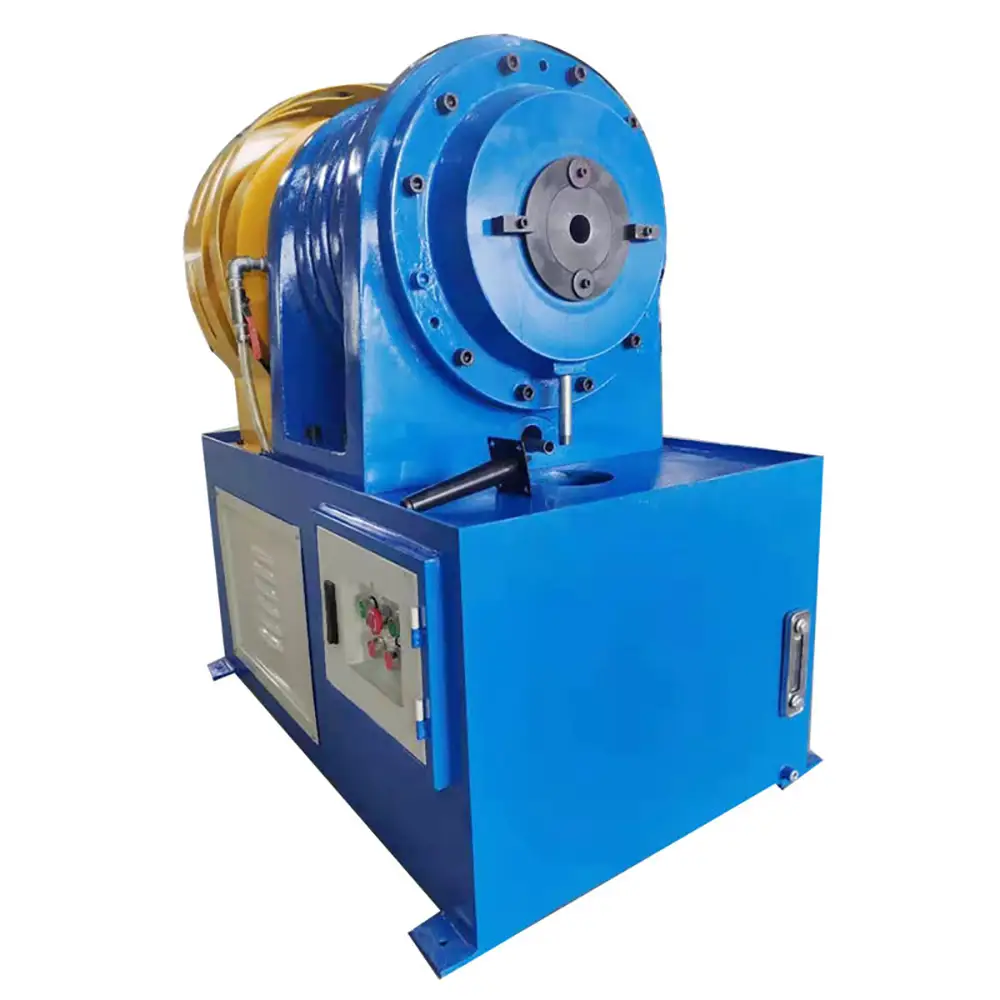
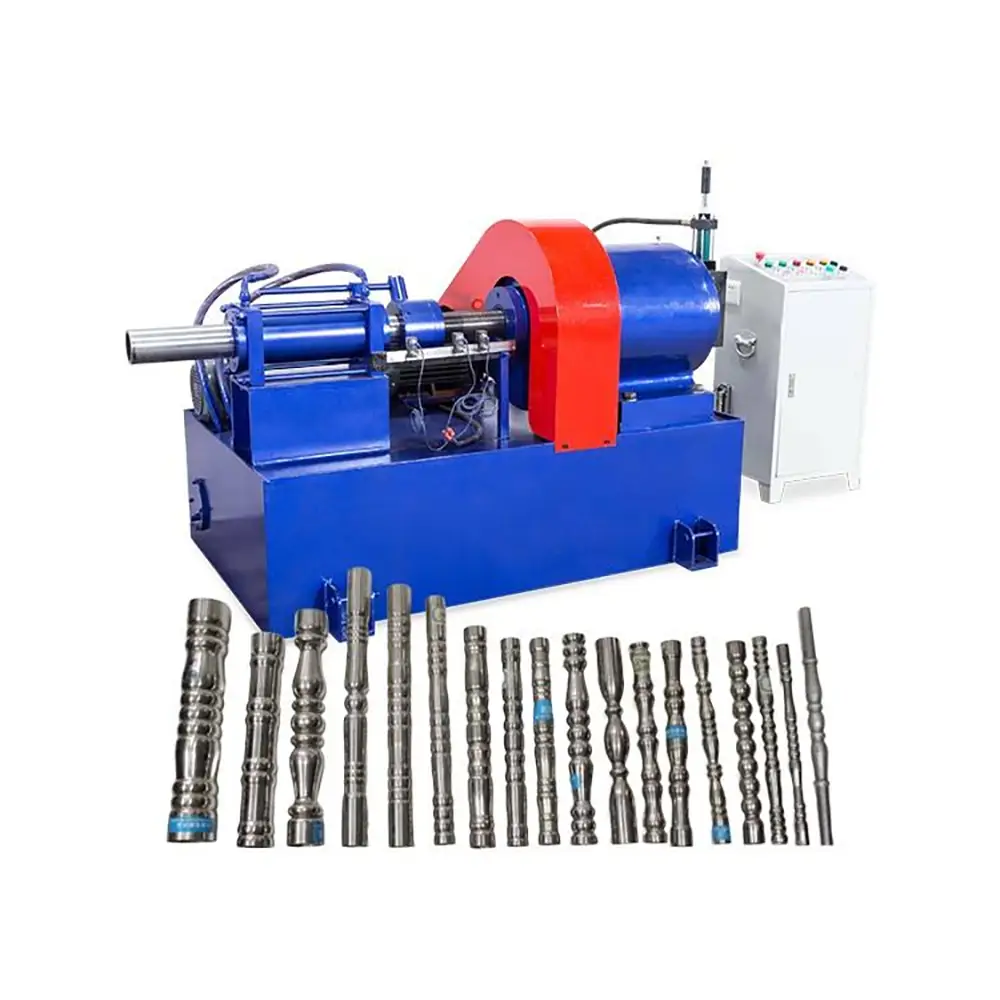
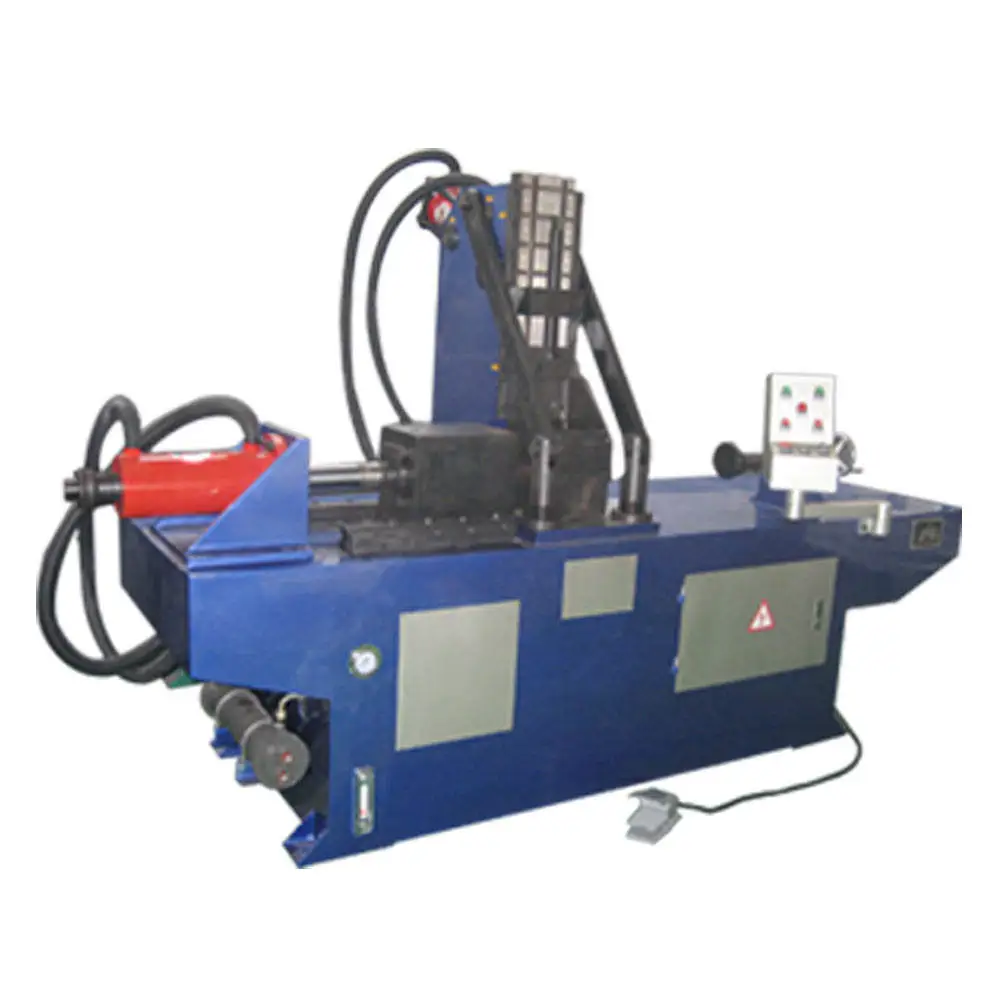
High-Efficiency Tube Expanding Shrinking Machine for Auto Repair & Modification Shops
This expanding machine is one of the standard and essential equipment for: Car body repair shops, Exhaust repair workshops, Automotive modification and customization centers.
Easy Operation: Simple control design allows even non-professionals to handle it efficiently.
Wide Application: Suitable for expanding, reducing various types of exhaust pipes and mufflers.
Expansion and reduction range: 1/2 inch to 3 inch, 12mm to 76mm
Compatible materials: Stainless steel, iron, aluminum, carbon steel, galvanized steel, etc
Suitable for: Exhaust systems, mufflers, car repair & modification
Auto Exhaust Pipe Expanding Reducing Machine for Muffler Repair and Modification
The Auto Exhaust Pipe Expanding Reducing Machine is designed for automotive exhaust repair,customization,modification,and fabrication applications. The machine is used to expand or reduce suitable metal exhaust tubes so that different pipe sections can be fitted,joined,or adapted during muffler and exhaust system work.
Exhaust repair shops and performance exhaust fabricators frequently encounter pipes with different diameters,damaged ends,or components that require modification before assembly. A dedicated tube expander can help reshape the end of an exhaust pipe to achieve a more suitable connection.
The machine can be used for applications such as muffler repair,custom exhaust fabrication,pipe fitting,exhaust system modification,and replacement component preparation.
Actual pipe diameter range,wall thickness,forming force,expansion amount,and reduction capability depend on the specific machine configuration and tooling.
Exhaust Pipe Expanding
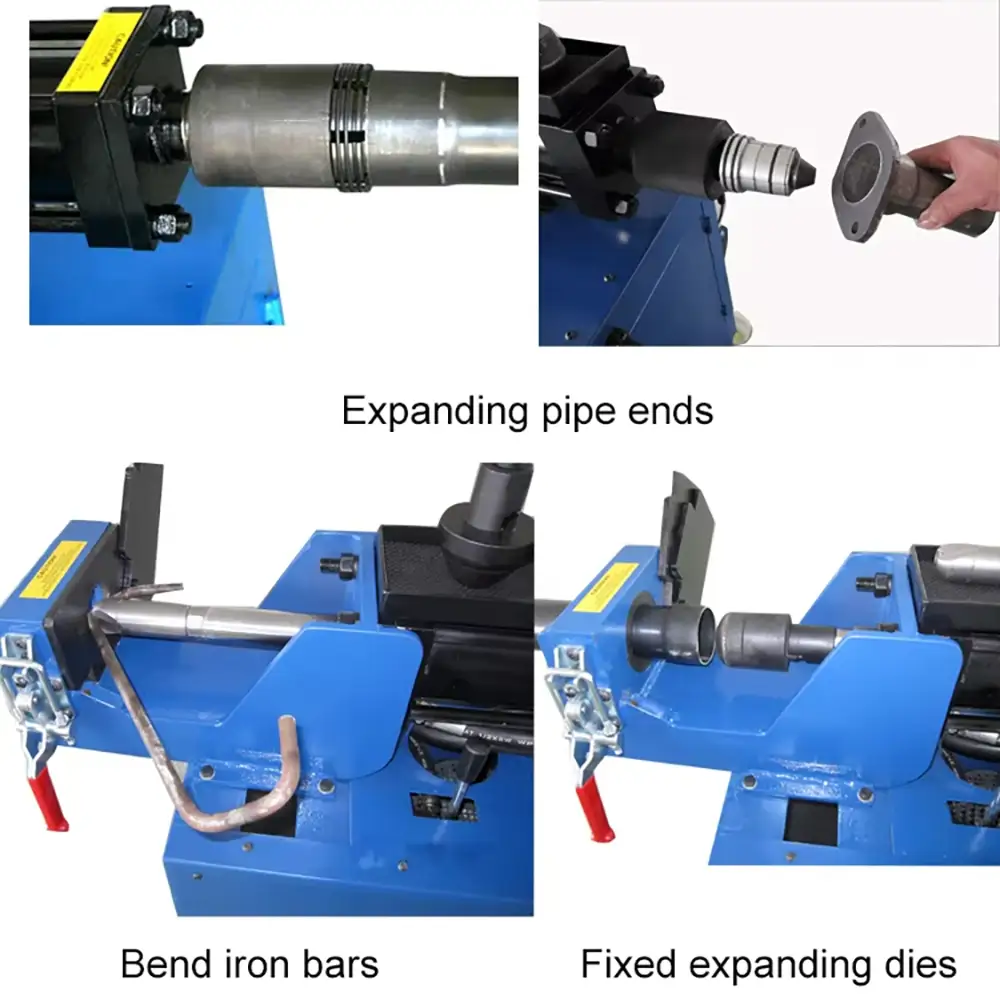
Pipe expanding is a metal forming process that increases the diameter of a selected section of a tube or pipe.
In automotive exhaust work,expanding can be useful when one pipe needs to fit over another pipe with a smaller outside diameter. The expanded section can create an overlap that facilitates fitting and subsequent welding or clamping.
A typical operation involves positioning the exhaust tube over or around the appropriate forming tooling,clamping the workpiece,and applying controlled forming force.
The actual expansion amount depends on the tube material,diameter,wall thickness,tooling geometry,and machine capacity.
For thin-wall exhaust tubing,controlled forming is particularly important because excessive expansion can cause cracking,wrinkling,or permanent deformation.
Exhaust Pipe Reducing
The machine can also support suitable reducing or shrinking applications when configured with the appropriate tooling.
Pipe reducing decreases the diameter of a selected tube section. This can be useful when adapting one exhaust component to another with a different diameter.
Common applications include:
Muffler Pipe Fitting
Exhaust Tube Adaptation
Custom Exhaust Fabrication
Pipe Diameter Conversion
Replacement Exhaust Assembly
Performance Exhaust Modification
Expansion and reduction capabilities can make the machine more flexible for exhaust fabrication shops that handle different pipe sizes and custom exhaust designs.
Car Muffler Repair Applications
Automotive exhaust systems can become damaged through corrosion,impact,heat,and long-term use. Repair shops may need to replace sections of tubing or modify existing components.
The exhaust pipe expander can help prepare pipe ends for repair and replacement work.
Potential applications include repairing or modifying:
Muffler Pipes
Exhaust Tubes
Tailpipes
Intermediate Pipes
Resonator Connections
Exhaust Adapters
Custom Exhaust Sections
The machine does not replace welding,cutting,or leak testing. Instead,it provides a dedicated tube-forming operation that can make fitting and assembly more practical.
Exhaust Modification and Custom Fabrication
Performance and custom exhaust shops often work with non-standard pipe configurations. Different mufflers,resonators,headers,and tailpipe components may have different connection diameters.
An exhaust pipe expanding and reducing machine can help fabricators adapt tubing to the required dimensions.
Typical modification work may include creating expanded pipe ends,adjusting tube diameters,preparing slip-fit connections,and producing custom exhaust adapters.
The final exhaust design should always be checked for appropriate fitment,clearance,structural integrity,and application requirements.
Tube Expander Tooling
Tooling determines the shape and size of the formed tube end. Different exhaust pipe diameters may require different expanding or reducing tooling.
Tooling can be designed according to:
Tube Outside Diameter
Tube Wall Thickness
Expansion Diameter
Reduction Diameter
Forming Length
End Profile
Material Type
For shops working with multiple exhaust sizes,interchangeable tooling can provide greater flexibility where supported by the machine configuration.
Customers should provide the pipe dimensions and required finished geometry when selecting the appropriate tooling.
Hydraulic or Mechanical Forming
Depending on the machine configuration,the forming operation may use hydraulic or mechanical force.
Hydraulic systems can provide controlled force for tube forming applications,while mechanical systems may be suitable for specific smaller or lighter-duty applications.
The appropriate machine structure depends on the required pipe diameter,material thickness,forming amount,production volume,and operating method.
Motor power or hydraulic pressure alone should not be treated as a direct indication of forming capacity. The complete machine structure,tooling,actuation system,and workholding arrangement should be considered.
Suitable Exhaust Pipe Materials
The machine can be configured for suitable metal exhaust tubing such as:
Stainless Steel
Mild Steel
Carbon Steel
Aluminized Steel
Other Compatible Exhaust Tubing
Stainless steel is widely used in automotive exhaust applications because of its corrosion resistance,but its forming characteristics can differ from mild steel.
Material hardness,wall thickness,and workpiece condition can influence the amount of expansion or reduction that can be performed without damaging the tube.
Testing representative samples is recommended when processing unfamiliar materials or specialized exhaust tubing.
Pipe Fitting and Welding Preparation
One important benefit of exhaust tube expansion is the ability to prepare pipe ends for joining.
An expanded tube end may allow another pipe section to fit inside or over the formed section,depending on the selected assembly method.
After forming,the parts can be positioned and joined through a suitable welding or clamping process.
The forming operation should produce a sufficiently consistent geometry to support downstream assembly. However,welding quality depends on the welding process,material preparation,joint fit-up,and operator technique.
Repair Shop and Workshop Use
The compact and dedicated nature of an exhaust tube expander can make it useful in different working environments.
Potential users include:
Automotive Repair Shops
Muffler Shops
Exhaust Repair Shops
Performance Exhaust Shops
Custom Fabrication Shops
Automotive Service Centers
Motorsport Fabricators
Automotive Parts Workshops
Metalworking Shops
Exhaust Manufacturers
For repair shops,the machine can reduce the need to improvise tube expansion manually.
For fabrication shops,it can become part of a broader exhaust pipe processing workflow.
Production Efficiency
A dedicated tube expanding and reducing machine can make repetitive exhaust pipe forming more consistent.
For repair work,the operator can select suitable tooling and form the pipe end according to the required fitting dimensions.
For small-batch production,the same tooling setup can be used across multiple similar workpieces.
Actual production efficiency depends on loading,clamping,forming time,tool changes,workpiece dimensions,and operator workflow.
The machine should therefore be evaluated according to the complete application rather than a single forming parameter.
Quality Control
Finished exhaust tubes should be inspected after forming to verify the required dimensions and shape.
Important inspection points may include:
Expanded Diameter
Reduced Diameter
Forming Length
Roundness
Wall Condition
Surface Condition
Connection Fit
Overall Workpiece Dimensions
Excessive forming can produce cracks,wrinkles,or unwanted deformation. Correct tooling and controlled forming parameters can help reduce these risks.
For critical automotive components,dimensional inspection and leak testing may be required as part of the overall production process.
Maintenance and Safety
Routine maintenance should include inspection of forming tooling,clamping components,hydraulic or mechanical drive components,fasteners,and electrical systems according to the manufacturer's recommendations.
Tooling should be kept clean and checked for wear. Worn tooling may affect the final tube diameter and surface condition.
Operators should receive appropriate training and keep hands away from moving forming components during operation.
Emergency stops,guards,and other protective systems depend on the actual machine configuration and should be checked before operation.
Custom & OEM Exhaust Tube Expanding Solutions
Different exhaust manufacturers and repair shops may require different forming diameters,expansion amounts,pipe lengths,and tooling profiles.
The machine can therefore be customized according to the intended application.
OEM and ODM options may include custom expanding dies,reducing dies,fixtures,clamping systems,hydraulic configurations,controls,and workpiece supports.
For an accurate quotation,customers should provide tube material,outside diameter,wall thickness,required expansion or reduction diameter,forming length,production volume,and drawings or samples when available.
Why Choose Us
Exhaust Tube Expansion & Reduction — Designed for controlled diameter adjustment of suitable automotive exhaust tubing.
Car Muffler Repair Applications — Suitable for muffler repair shops,exhaust service centers,and automotive workshops.
Custom Exhaust Fabrication — Supports pipe fitting,custom exhaust modification,and component preparation.
Flexible Tooling — Expanding and reducing dies can be selected or customized for different tube sizes.
Multiple Metal Materials — Suitable configurations can process compatible stainless steel,mild steel,carbon steel,and aluminized exhaust tubing.
Repeatable Tube Forming — Dedicated forming equipment can help provide more consistent results than improvised manual methods.
Workshop-Friendly Solution — Suitable for automotive repair shops,performance exhaust shops,and small fabrication businesses.
OEM & ODM Support — Custom tooling,fixtures,and machine configurations can be developed according to customer requirements.
FAQs
1. What is an exhaust pipe expanding machine?
It is a machine designed to increase the diameter of a selected section of suitable exhaust tubing for fitting,joining,or fabrication applications.
2. What is an exhaust pipe reducing machine?
It is equipment used to decrease the diameter of a selected tube section using suitable forming tooling.
3. Can it be used for car muffler repair?
Yes. It can be used to prepare suitable exhaust tube ends for muffler repair,replacement,and custom exhaust fabrication.
4. Can it expand stainless steel exhaust pipes?
Yes,when the machine,tooling,and forming parameters are suitable for the stainless steel grade,diameter,and wall thickness.
5. Can it reduce exhaust pipe diameter?
Yes,with appropriate reducing tooling and a machine configuration designed for the required reduction operation.
6. What types of exhaust components can be processed?
Potential applications include muffler pipes,resonator pipes,tailpipes,exhaust tubes,adapters,and other compatible cylindrical exhaust components.
7. Can the machine process different pipe sizes?
Yes. Different pipe sizes can generally be processed with suitable tooling,provided they fall within the machine's operating range.
8. Does it replace exhaust welding?
No. The machine performs tube forming. Welding,clamping,cutting,and leak testing are separate processes that may follow the forming operation.
9. What materials can be processed?
Depending on the machine configuration,it can process suitable stainless steel,mild steel,carbon steel,aluminized steel,and other compatible exhaust tubing.
10. What affects expansion quality?
Tube material,wall thickness,diameter,tooling design,forming force,forming amount,clamping,and workpiece condition all affect the result.
11. Can custom expanding dies be made?
Yes. Custom tooling can be designed according to the required pipe diameter,expansion amount,forming length,and end profile.
Prev:
Premium Tube Expanding & Shrinking Machine - Precision Tube End Forming Equipment
Next:
Hydraulic Muffler End Flanging Forming Machine Motorcycle Car Exhaust Silencer Molding Flanging Manufacturing Machines
TAG:
Exhaust Pipe End Forming Machine,
Exhaust Tube Reducing Machine,
Metal Tube Expanding Machine,
Stainless Steel Tube Expanding Machine,
Hydraulic Tube Forming Machine,
Hydraulic Tube Expander,
Pipe End Reducing Machine,
Tube End Reducing Machine,
Pipe End Expanding Machine,
Tube End Expanding Machine,
Pipe Expanding Machine,
Tube Expanding Machine,
Automotive Tube Forming Machine,
Exhaust Pipe Swaging Machine,
Exhaust Pipe Reducing Machine,
Hydraulic Pipe Reducing Machine,
Exhaust Pipe Expanding Machine,
Exhaust Tube Forming Machine,
Exhaust Tube Expander,
Automotive Tube Expander,
Mild Steel Tube Expander,
Exhaust Pipe Expander,
Metal Tube Expander,
Hydraulic Pipe Expanding Machine,
Muffler Pipe Forming Machine,
Exhaust Tube Swaging Machine,
Exhaust Pipe Forming Machine,
Metal Pipe Expanding Machine,
Automotive Exhaust Pipe Expander,
Custom Exhaust Pipe Machine,
Related Category:
Auto Exhaust Pipe Expanding Machine,Exhaust Pipe Expanding Machine,Exhaust Pipe Reducing Machine,Car Muffler Repair Mach China, suppliers, manufacturers, factory, customized, wholesale, quotation, made in China