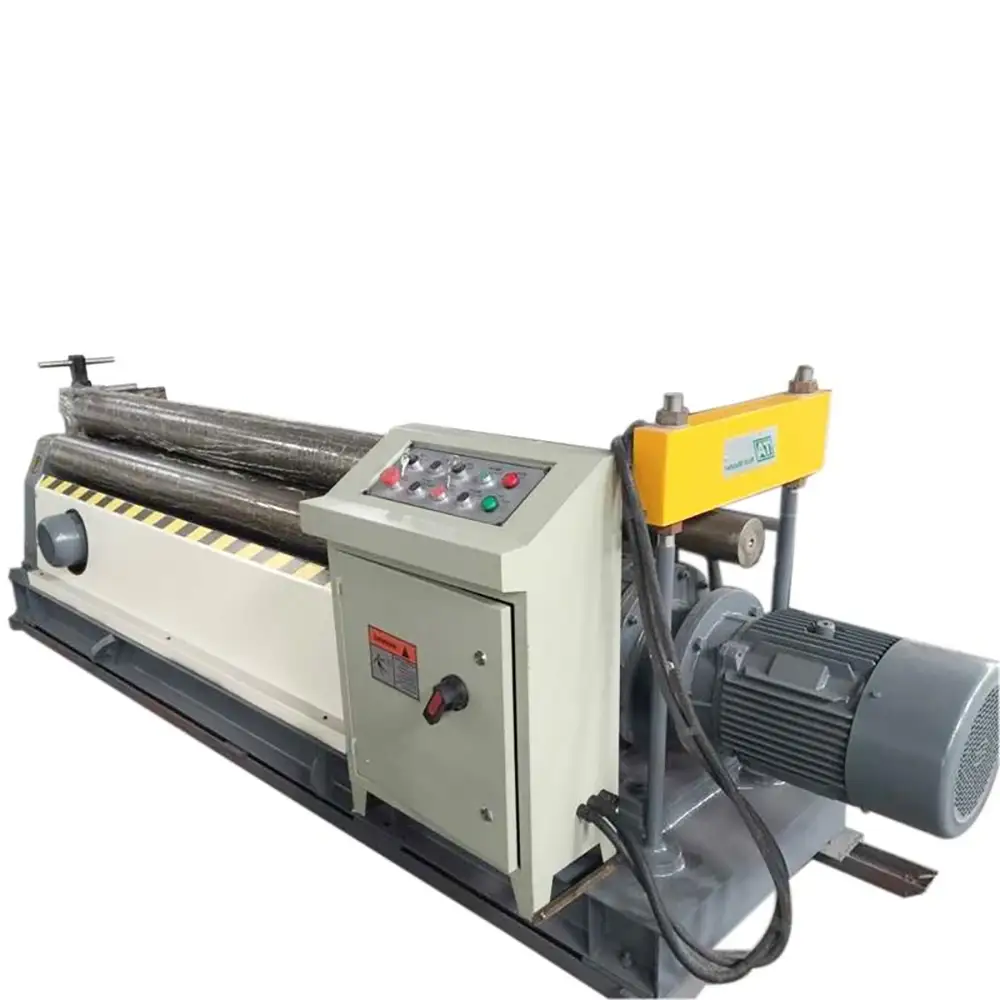
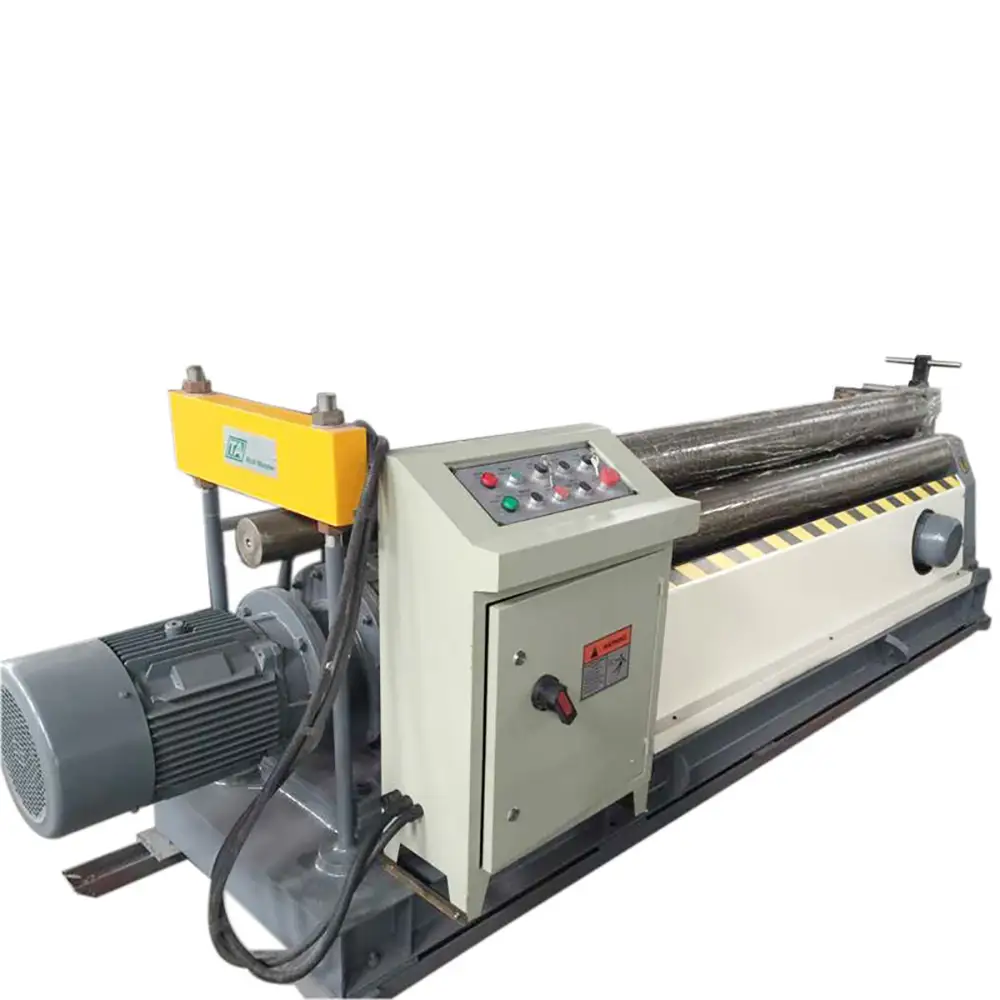
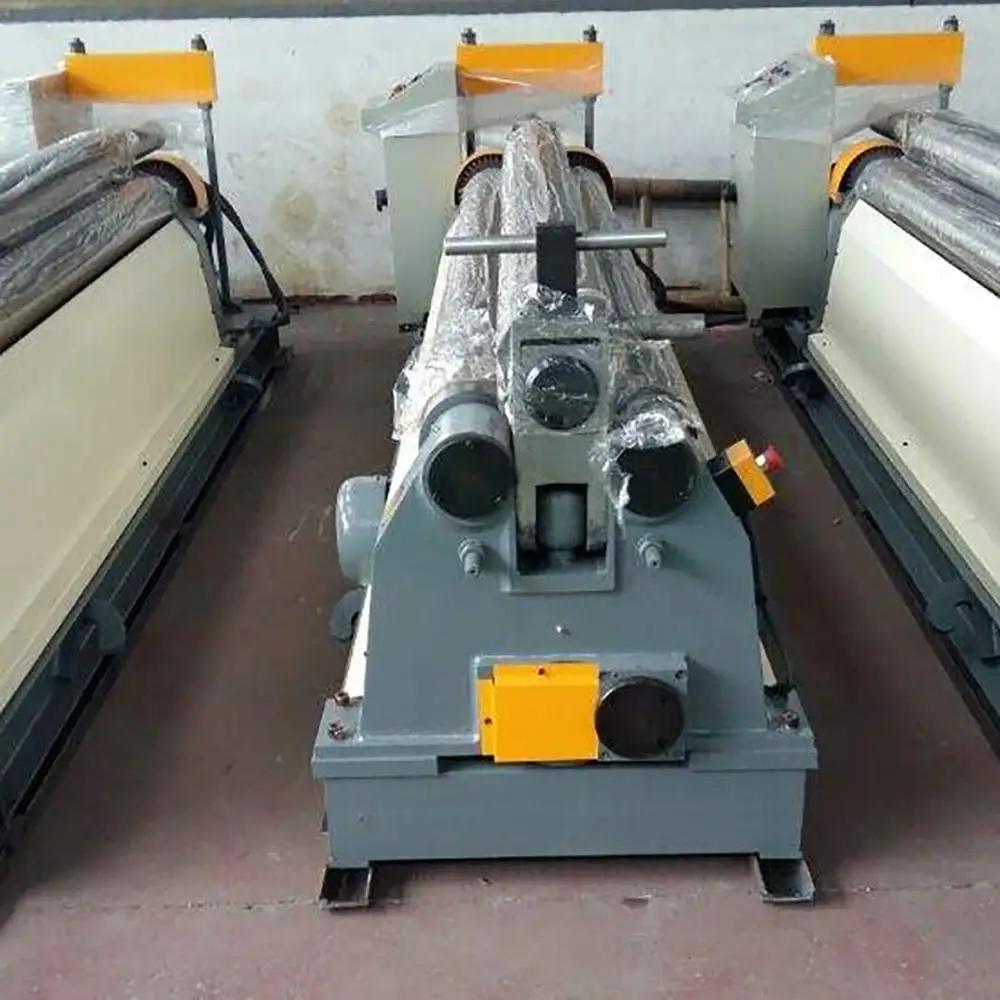
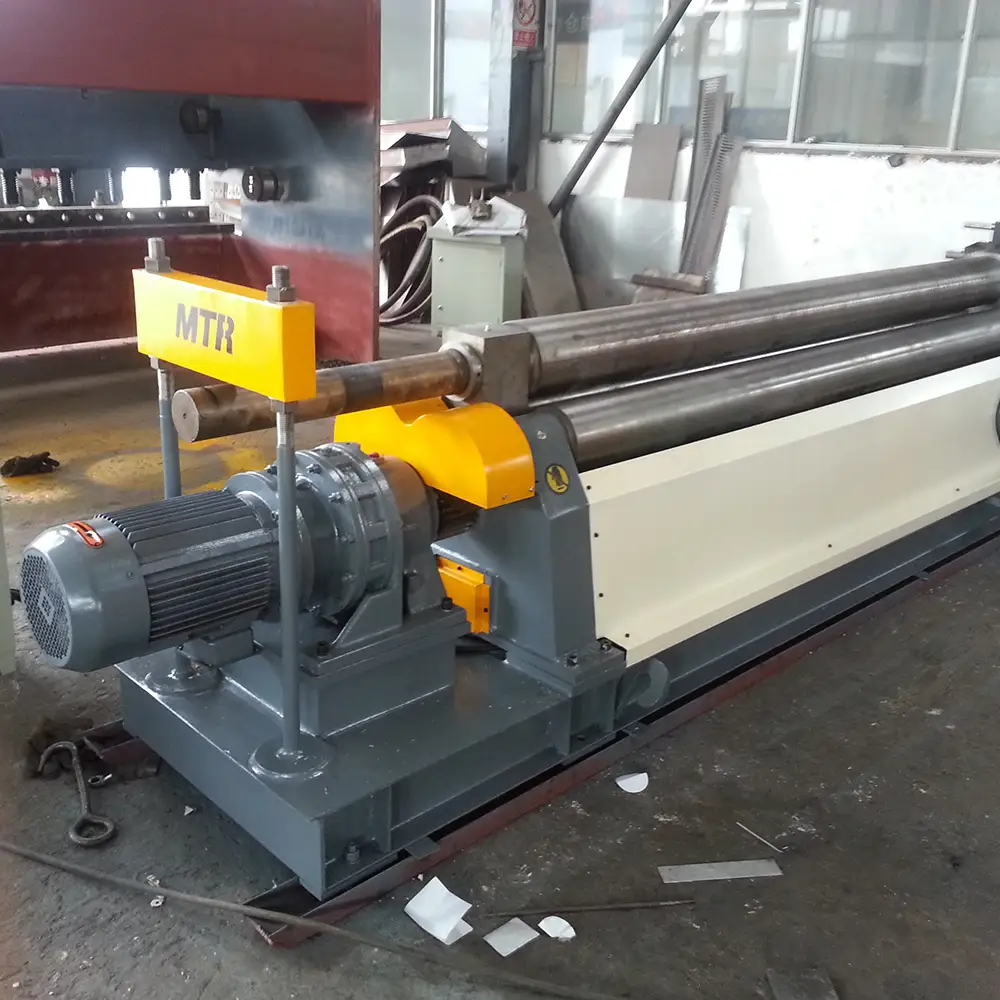
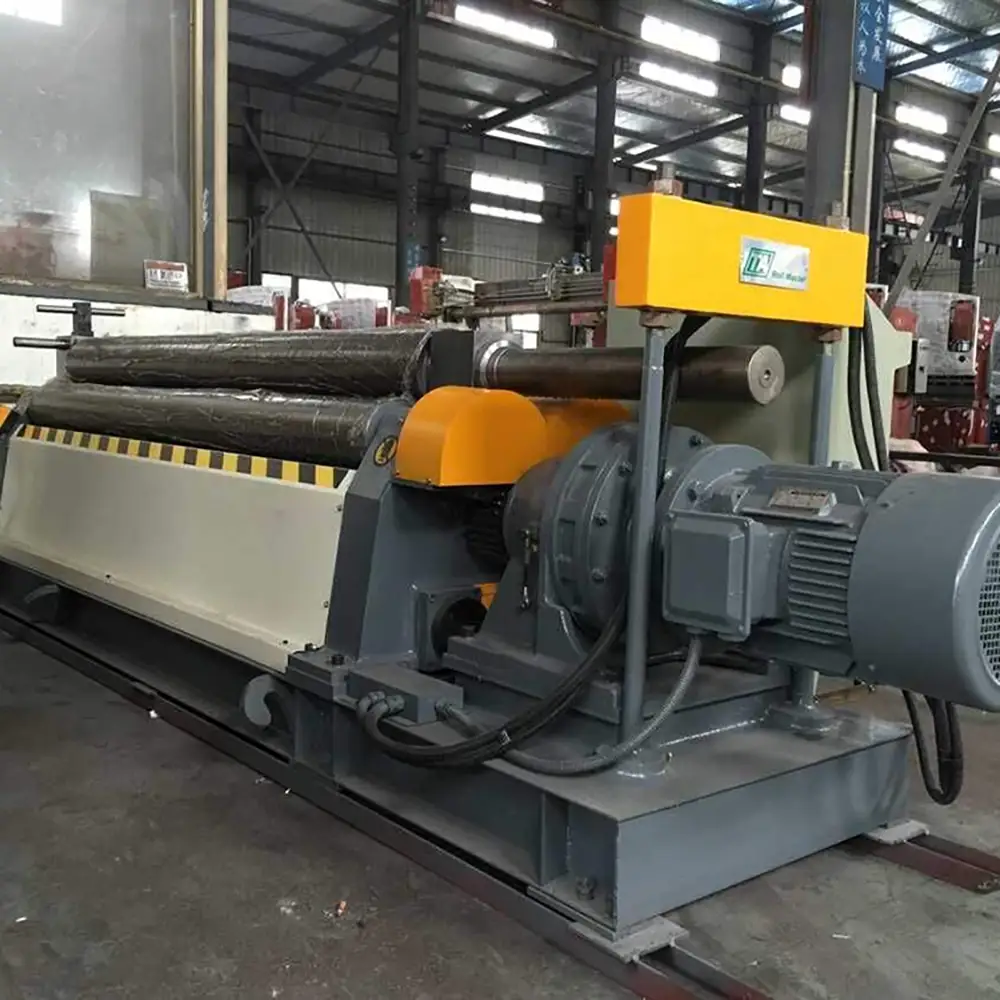
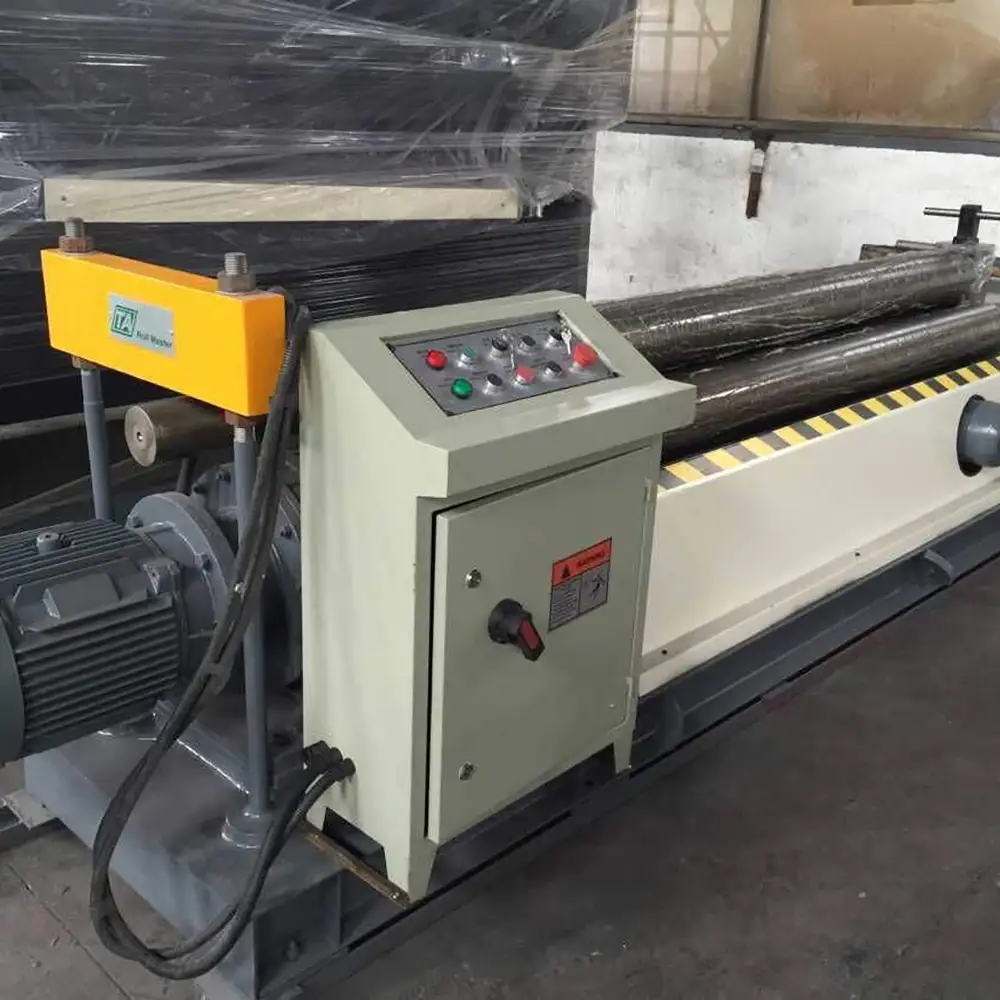
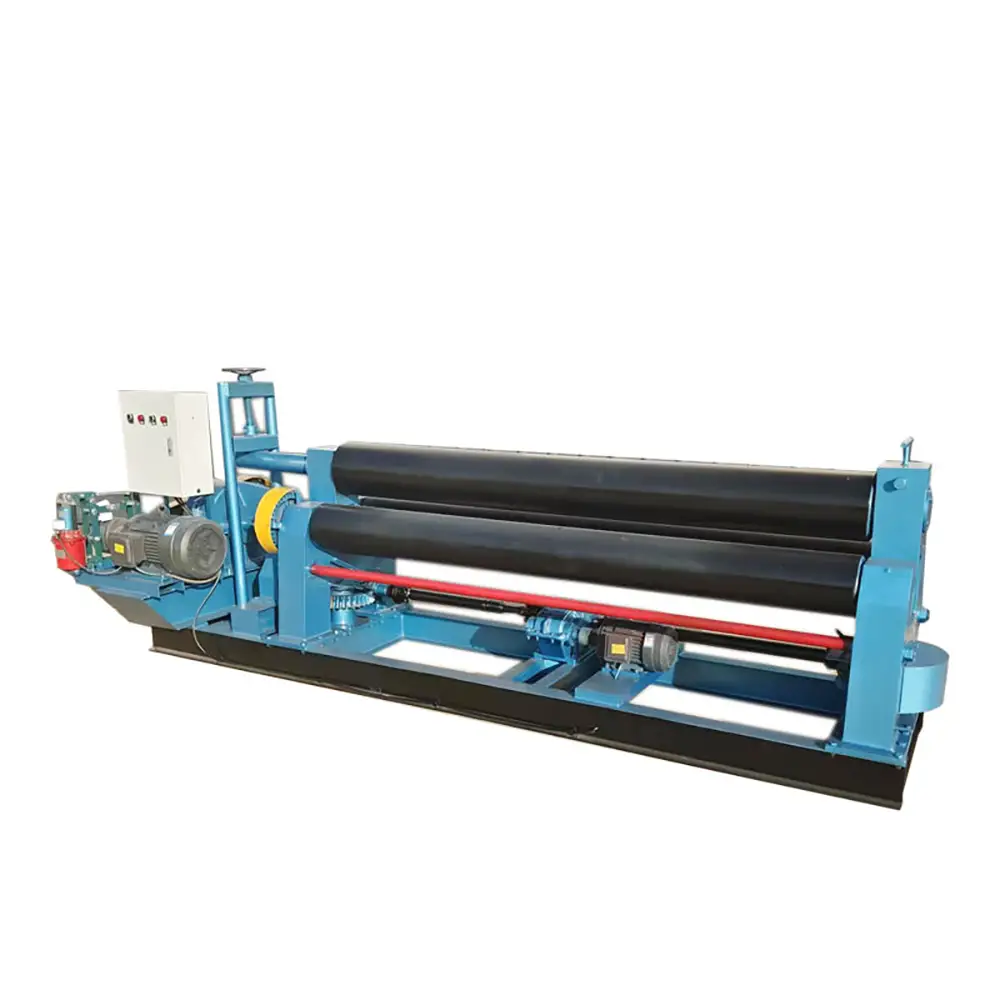
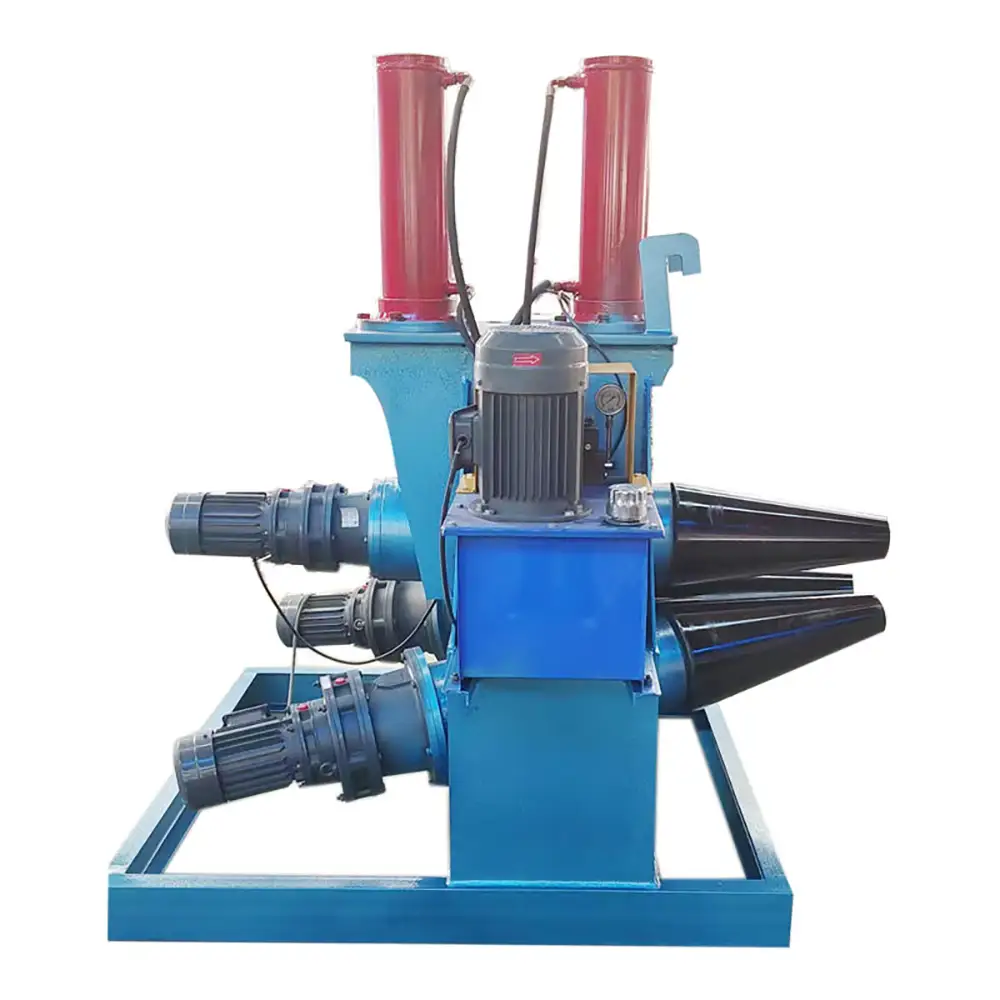
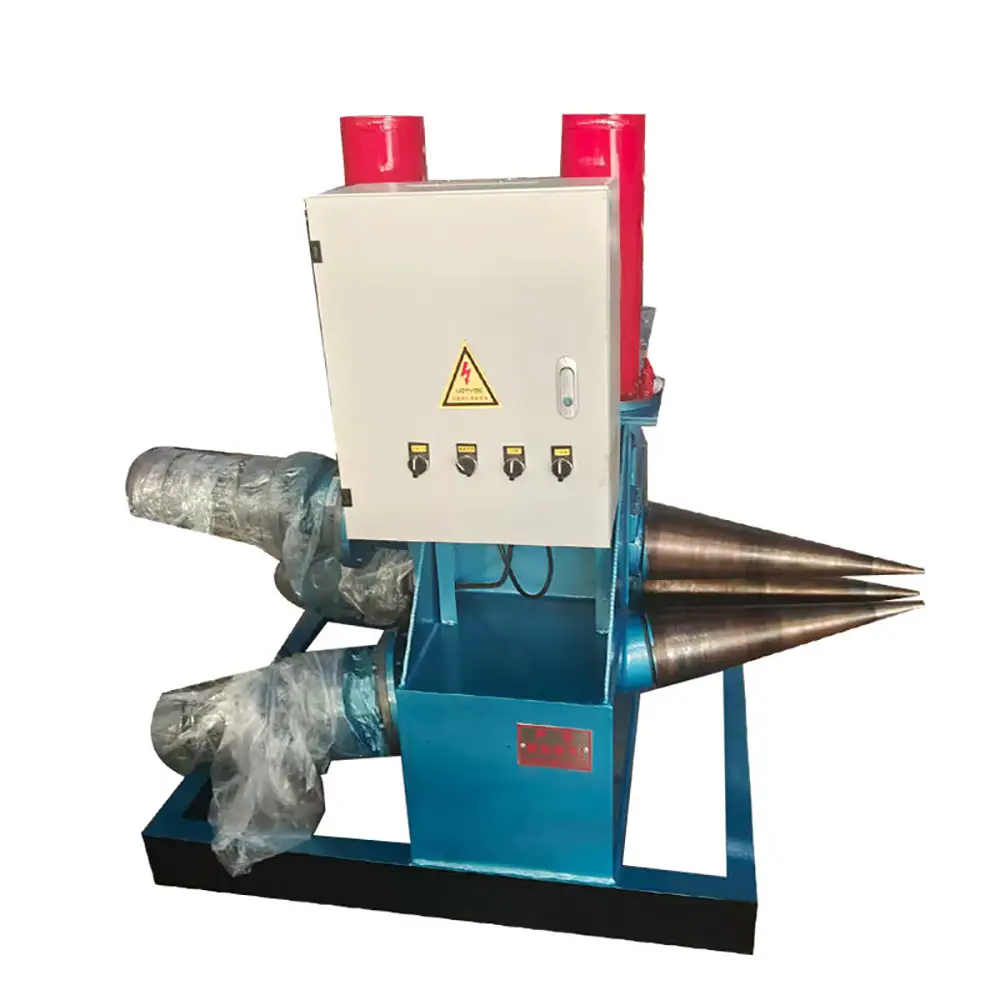
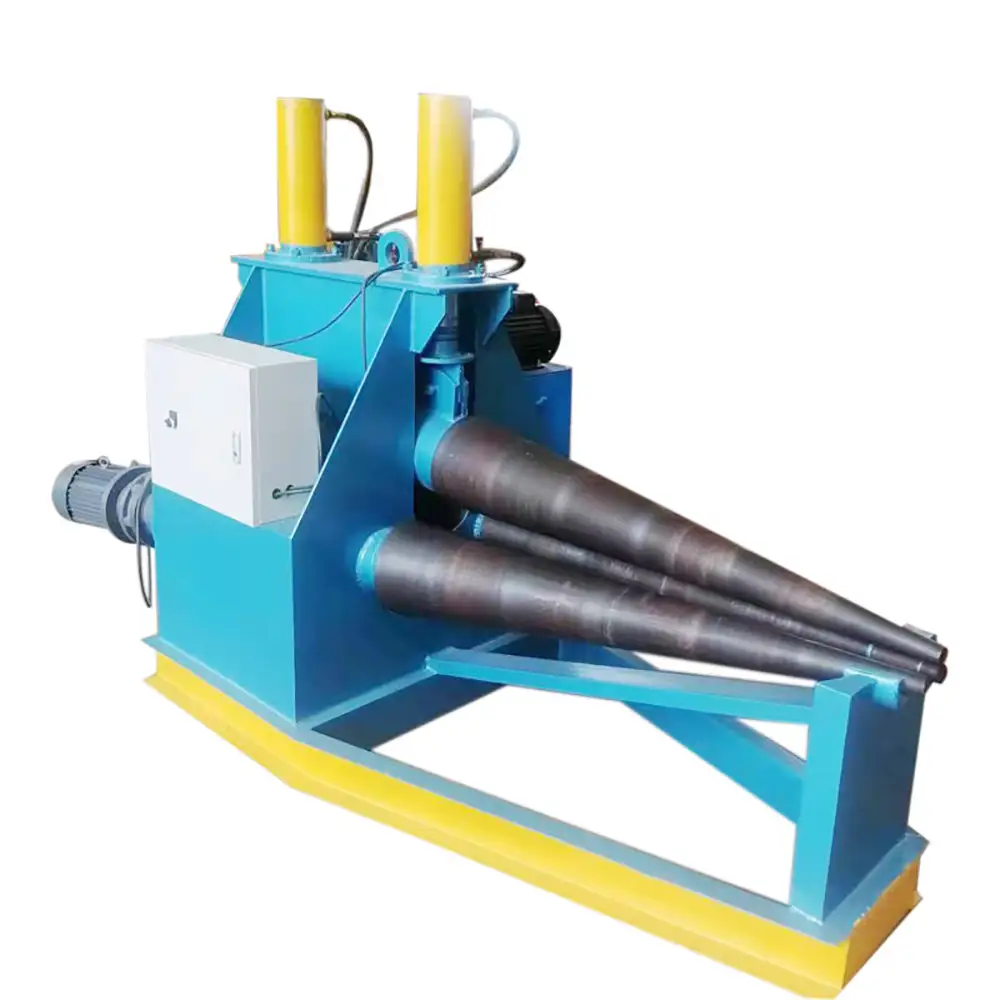
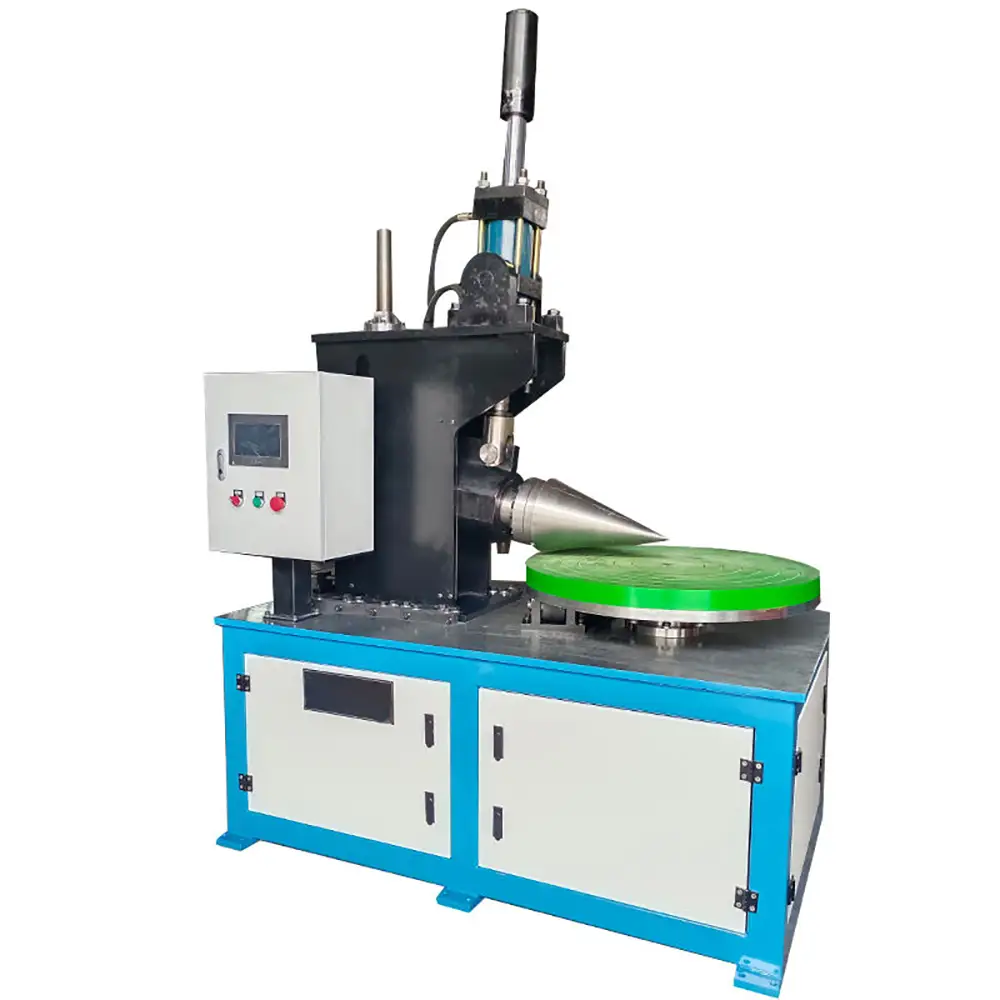
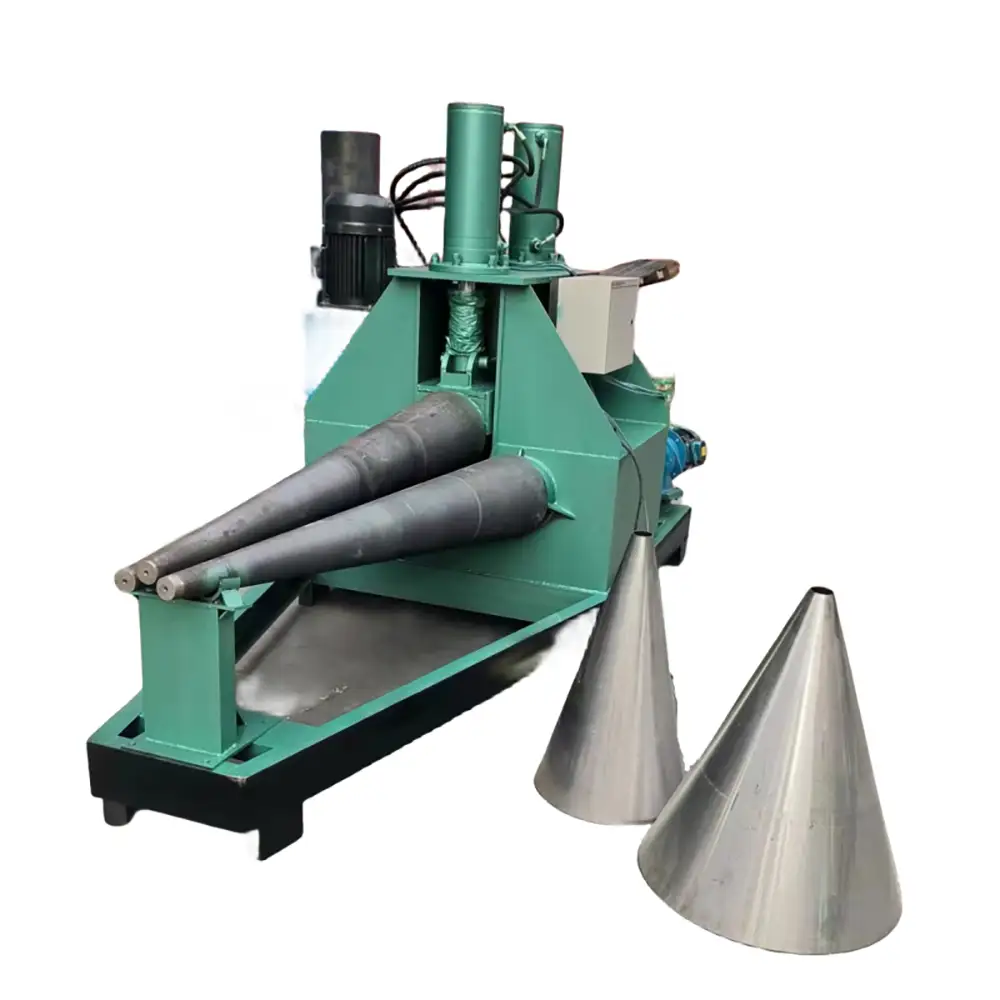
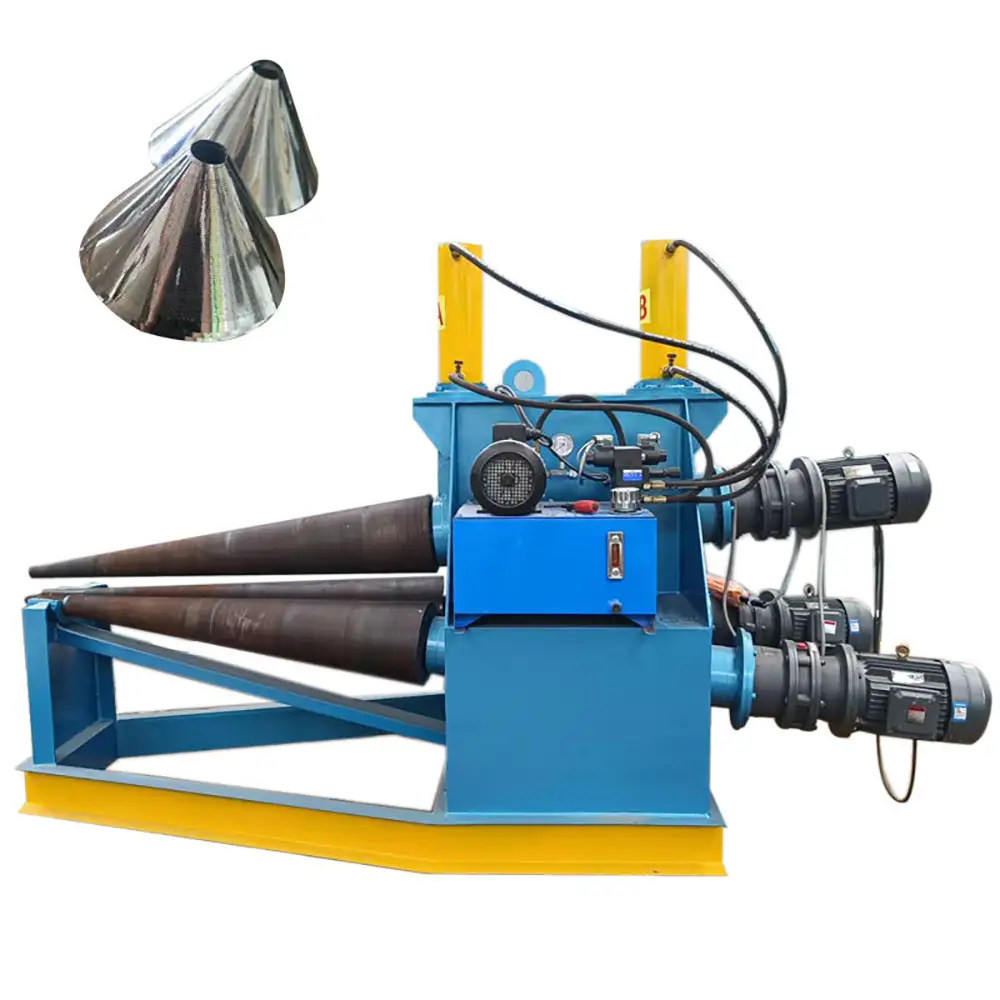
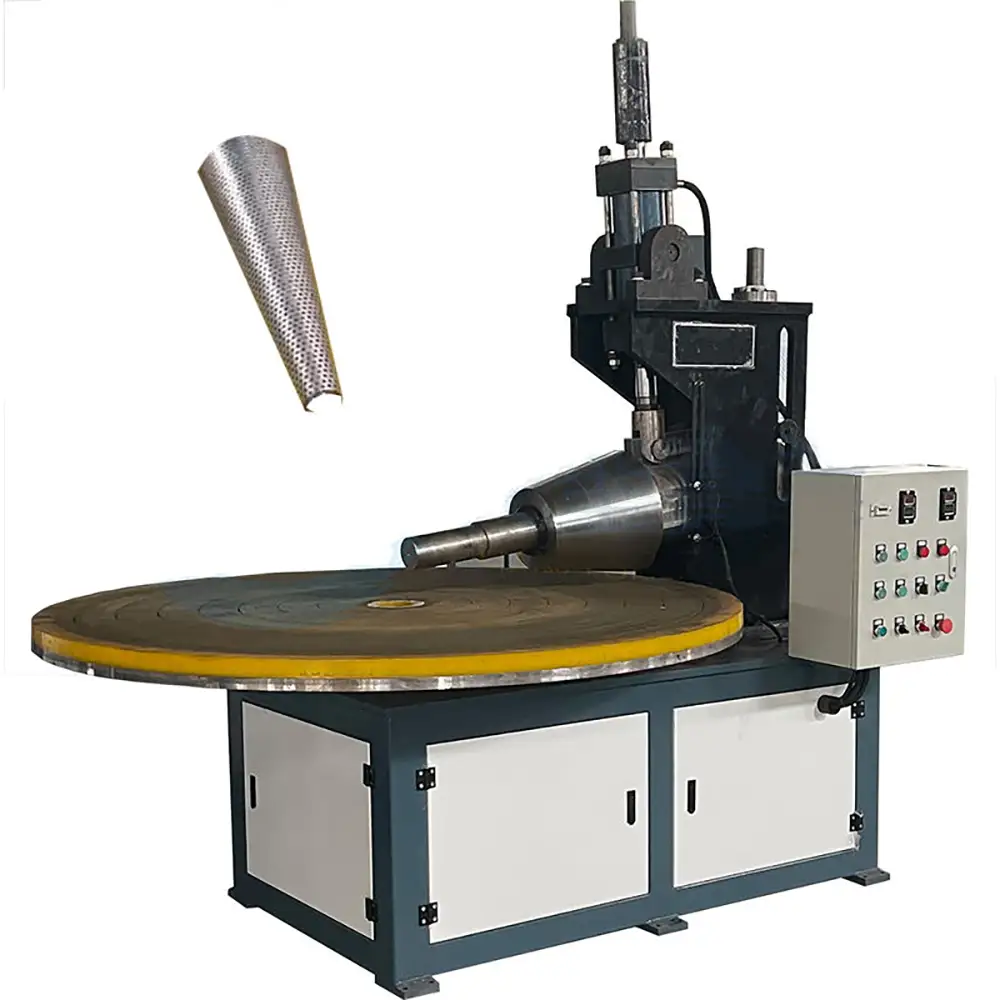
3 Roller Sheet Metal Rolling Bending Machine for Cylinder Forming
The 3 Roller Sheet Metal Rolling Bending Machine is a practical metal forming solution designed to roll and bend flat sheet metal into cylindrical,round,and curved sections. Also known as a Three Roller Rolling Machine,3 Roller Bending Machine,or Cylinder Rolling Machine,this equipment is widely used in general metal fabrication,industrial manufacturing,tank production,duct fabrication,and custom sheet metal processing.
The machine uses three forming rollers to progressively bend the workpiece. As the sheet passes through the rollers,the forming radius is gradually reduced until the required cylindrical or curved shape is achieved. This progressive forming method makes the machine suitable for producing round shells,cylinders,arcs,and other curved metal components.
Depending on the machine configuration,the equipment can process carbon steel,stainless steel,aluminum,and other formable sheet metals. The actual working capacity depends on the material type,material strength,plate thickness,working width,roller diameter,and required finished diameter.
For manufacturers that need a flexible machine for sheet metal cylinder rolling,a three-roller design provides a useful balance between forming capability,operation,and production flexibility.
The machine is electric rolling and hydraulic pressing.
|
Maximum coil width |
2500mm |
|
Maximum plate thickness |
16mm(235) |
|
Upper roll diameter |
255mm |
|
Lower roll diameter |
205mm |
|
Coiling speed |
About 4.5m/min |
|
Main reducer |
400 |
|
Sub-reducer |
250 |
|
Main motor power |
11KW |
|
Sub-motor power |
4KW |
|
Machine size |
4400*1600*1700mm |
|
weight |
4000kg |
Three Roller Sheet Metal Rolling Machine
The basic working principle of a Three Roller Sheet Metal Rolling Machine is to pass a flat metal blank between three rollers while controlling the roller positions. The upper and lower rollers support and form the sheet while the workpiece is progressively curved.
The machine can be used for different rolling tasks depending on the selected model and roller configuration. Common applications include cylindrical shells,large-radius curves,duct sections,tank components,and other round metal parts.
Unlike manual bending methods,the three-roller rolling process provides mechanical control over the forming radius. This can improve production repeatability and reduce the physical effort required to form thicker or larger sheet metal.
The operator normally establishes the desired forming radius through roller adjustment and then performs multiple passes when necessary. The number of passes depends on material properties,thickness,required diameter,and machine capacity.
Sheet Metal Cylinder Rolling
One of the primary applications of the machine is Sheet Metal Cylinder Rolling. A flat sheet is progressively rolled until its two edges approach the required cylindrical configuration.
Typical cylindrical products include:
Tank shells
Metal cylinders
Pipe sections
Duct sections
Industrial housings
Rollers
Storage containers
Cylindrical covers
Structural shells
Custom fabricated components
The final cylinder can remain open as a curved shell or be joined along the longitudinal seam by welding or another appropriate joining method.
For a welded cylinder,the sheet dimensions and blank length must be calculated according to the required finished diameter and joining allowance. Proper blank preparation helps improve dimensional consistency during rolling.
3 Roller Bending Process
The rolling process normally begins with material preparation and blank cutting.
Step 1: Material Preparation
The operator identifies the material type,thickness,and mechanical characteristics. Carbon steel,stainless steel,and aluminum may require different forming parameters.
Step 2: Blank Preparation
The sheet is cut to the required width and length. The blank should be checked for excessive distortion before being loaded into the machine.
Step 3: Plate Alignment
The workpiece is positioned correctly between the rollers. Proper alignment helps maintain a consistent cylinder and reduces the risk of uneven forming.
Step 4: Initial Bending
The sheet is progressively bent to establish the initial curvature. Depending on the machine configuration,the plate ends may require pre-bending.
Step 5: Progressive Rolling
The workpiece passes through the rollers repeatedly while the forming position is adjusted. Multiple passes allow the operator to gradually reach the required radius.
Step 6: Cylinder Inspection
The finished workpiece is checked for diameter,roundness,length,and edge alignment.
Step 7: Seam Welding
If a closed cylinder is required,the longitudinal edges can be welded after rolling. Welding equipment is normally a separate process unless an integrated production system has been specified.
Applications of the Cylinder Rolling Machine
A Metal Cylinder Rolling Machine can be used across many fabrication industries.
Tank Fabrication
Cylindrical tank shells can be formed from suitable carbon steel or stainless steel plate. The machine capacity should be selected according to the required material thickness and tank diameter.
HVAC and Duct Manufacturing
Sheet metal can be rolled into round duct sections and other curved ventilation components.
Industrial Equipment
Cylindrical housings,covers,and process equipment components can be produced using appropriate sheet metal.
Pipeline Fabrication
The machine can form cylindrical plate sections used in fabricated piping systems and related components.
Agricultural Machinery
Hoppers,containers,guards,and other curved metal parts can be produced using suitable sheet material.
General Fabrication
Fabrication shops can use a three-roller machine for custom cylinders,arcs,curved covers,and prototype components.
Boiler and Vessel Fabrication
Suitable rolling machines can be used for forming shells and related components. Actual pressure equipment manufacturing must follow applicable engineering,inspection,and regulatory requirements.
Materials for 3 Roller Sheet Rolling
The machine can be configured for different metal materials depending on the required forming capacity.
Carbon Steel:
Carbon steel is commonly used for general structural and industrial fabrication. Its forming characteristics depend on grade and thickness.
Stainless Steel:
Stainless steel can be rolled into cylinders for applications requiring corrosion resistance or a specific surface finish. Higher forming force and springback may need to be considered.
Aluminum:
Aluminum is suitable for lightweight cylindrical components when the selected machine and roller surfaces are appropriate.
Other Formable Metals:
Other sheet materials may also be processed when their mechanical properties fall within the machine's forming capability.
Material thickness should always be considered together with material strength and working width rather than as an isolated specification.
Advantages of a 3 Roller Rolling Bending Machine
Progressive Forming
Three rollers allow the material to be formed gradually into the desired radius.
Cylinder Production
The machine is well suited to producing cylindrical shells and round sheet metal components.
Flexible Applications
It can support tank shells,ducts,pipes,covers,rollers,and other curved components.
Multiple Materials
Depending on capacity,the machine can process carbon steel,stainless steel,aluminum,and other suitable metals.
Reduced Manual Labor
Mechanical forming reduces the physical effort required compared with manual sheet bending.
Repeatable Production
Consistent roller settings and operating procedures can improve repeatability between workpieces.
Workshop Versatility
The same machine can be used for prototypes,custom fabrication,and batch production.
Downstream Process Compatibility
Rolled components can be transferred to welding,trimming,grinding,polishing,and inspection operations.
Cylinder Diameter and Machine Selection
The correct machine should be selected based on the actual production requirements.
Important factors include:
Maximum sheet thickness
Maximum working width
Minimum cylinder diameter
Material type
Material yield strength
Roller diameter
Required production volume
Required finished tolerance
Whether pre-bending is required
A machine rated for a particular thickness of mild steel may not have the same practical capacity when processing high-strength steel or stainless steel.
The minimum rolling diameter is also influenced by roller diameter and machine configuration. Customers requiring small-diameter cylinders should confirm the required dimensions before selecting equipment.
For special applications,the customer can provide drawings or samples so the manufacturer can evaluate the appropriate configuration.
Cylinder Rolling Quality Control
Good cylinder quality starts with accurate material preparation. The sheet should be cut correctly and checked for flatness before rolling.
During operation,the plate should remain properly aligned. Uneven feeding can result in a tapered or distorted cylinder. Progressive forming and appropriate roller adjustment can help achieve a more consistent radius.
After rolling,the workpiece should be checked for:
Cylinder diameter
Roundness
Overall width
Straightness
Edge alignment
Surface condition
Seam alignment
If the cylinder is welded,the weld seam should be inspected according to the applicable production requirements.
For high-precision applications,additional calibration or finishing operations may be necessary after rolling.
Maintenance and Safe Operation
Routine maintenance helps maintain stable machine performance. Depending on the machine design,maintenance may include inspection of rollers,bearings,drive components,lubrication points,fasteners,and electrical components.
Operators should follow the manufacturer's operating instructions and use appropriate protective equipment. Hands and clothing should be kept away from moving rollers,and the machine should be stopped before adjustment or maintenance work.
Emergency stop devices,guards,and electrical protection may vary according to the machine configuration and applicable local requirements.
Custom OEM 3 Roller Rolling Machines
Different fabrication businesses require different working widths,rolling thicknesses,and finished diameters. We can support OEM and Custom Three Roller Rolling Machine solutions according to customer drawings,material specifications,and production requirements.
For machine selection,customers should provide:
Material type
Maximum material thickness
Maximum working width
Minimum cylinder diameter
Desired cylinder dimensions
Production volume
Required forming accuracy
This information allows the machine configuration to be matched more closely to the actual application.
Why Choose Us
Professional Metal Rolling Solutions – We provide practical rolling and bending equipment for industrial sheet metal fabrication.
Three Roller Expertise – Our equipment solutions cover cylindrical,curved,and selected conical forming applications.
Multiple Material Compatibility – Suitable configurations are available for carbon steel,stainless steel,aluminum,and other formable metals.
Custom Machine Selection – We evaluate machine capacity according to material,thickness,width,and required diameter.
OEM & ODM Support – Customized configurations can be discussed according to drawings,samples,and production requirements.
B2B Manufacturing Focus – We serve industrial manufacturers,fabrication shops,distributors,and international equipment buyers.
Application-Based Recommendations – We consider the complete production process rather than only one machine parameter.
Technical Support – We provide technical specifications,application guidance,and communication throughout the purchasing process.
FAQs
1. What is a 3 Roller Rolling Machine?
A 3 Roller Rolling Machine is a metal forming machine that uses three rollers to progressively bend sheet metal or plate into cylindrical,curved,and certain conical shapes.
2. What can a three-roller machine make?
It can produce cylinders,round shells,curved plates,duct sections,tank shells,and other suitable rolled components.
3. Can it roll sheet metal into a cylinder?
Yes. Cylinder rolling is one of the primary applications of a three-roller plate rolling machine.
4. Can stainless steel be rolled?
Yes,provided the machine has sufficient capacity for the stainless steel grade,thickness,and required cylinder diameter.
5. Can aluminum sheet be rolled?
Yes. Aluminum can be rolled when the machine configuration and roller surfaces are appropriate for the material.
6. Does the machine weld the cylinder seam?
Normally,no. The machine forms the cylindrical shape. Longitudinal seam welding is generally performed as a separate downstream operation.
7. Can the machine make small-diameter cylinders?
The achievable minimum diameter depends on the roller diameter,machine configuration,material thickness,and material properties.
8. Does the plate need pre-bending?
Some three-roller rolling processes require plate-end pre-bending or a suitable rolling sequence to reduce straight sections at the ends.
9. What is the difference between a 3 roller machine and a 4 roller machine?
Both are used for plate rolling,but their roller arrangements and operating methods differ. A four-roller machine can provide different advantages for plate positioning and pre-bending depending on the application.
10. Can this machine roll tank shells?
Yes. Suitable models can form cylindrical tank shells when the material dimensions and machine capacity are appropriate.
11. How do I choose the correct machine?
Consider maximum thickness,working width,minimum diameter,material type,material strength,production volume,and required finished geometry.
12. Can you provide a customized three-roller rolling machine?
Yes. OEM and custom configurations can be evaluated based on drawings,samples,material specifications,and production requirements.
Prev:
Hydraulic 3 Rollers Sheet Metal Cone Rolling Machine Cone Bending Rolls for Making Drum
Next:
Mechanical Plate Rolling Machine W11 for Metal Sheet Roll Cones Bending Sections Rounding Machine
TAG:
Sheet Metal Forming Machine,
Sheet Metal Rolling Machine,
Cylindrical Metal Forming Machine,
Metal Forming Machine,
Metal Rolling Equipment,
Arc Bending Machine,
Pipe Rolling Machine,
Plate Rolling Equipment,
Sheet Metal Rolling Equipment,
Metal Rolling Machine,
Three Roller Cone Rolling Machine,
Metal Plate Bending Machine,
Hydraulic Plate Rolling Machine,
CNC Plate Rolling Machine,
Cone Rolling Machine,
Metal Sheet Bending Machine,
Cone Bending Machine,
Heavy Duty Plate Rolling Machine,
Conical Plate Rolling Machine,
Metal Plate Rolling Machine,
Industrial Plate Rolling Machine,
Metal Sheet Rolling Machine,
Carbon Steel Sheet Rolling Machine,
Three Roll Plate Rolling Machine,
Three Roll Bending Machine,
Carbon Steel Plate Rolling Machine,
Tapered Plate Rolling Machine,
Metal Bending Machine,
Sheet Metal Bending Machine,
Plate Rolling Machine,
Related Category:
3 Roller Rolling Machine,Three Roller Rolling Machine,Sheet Metal Rolling Machine,Sheet Metal Bending Machine,3 Roller B China, suppliers, manufacturers, factory, customized, wholesale, quotation, made in China