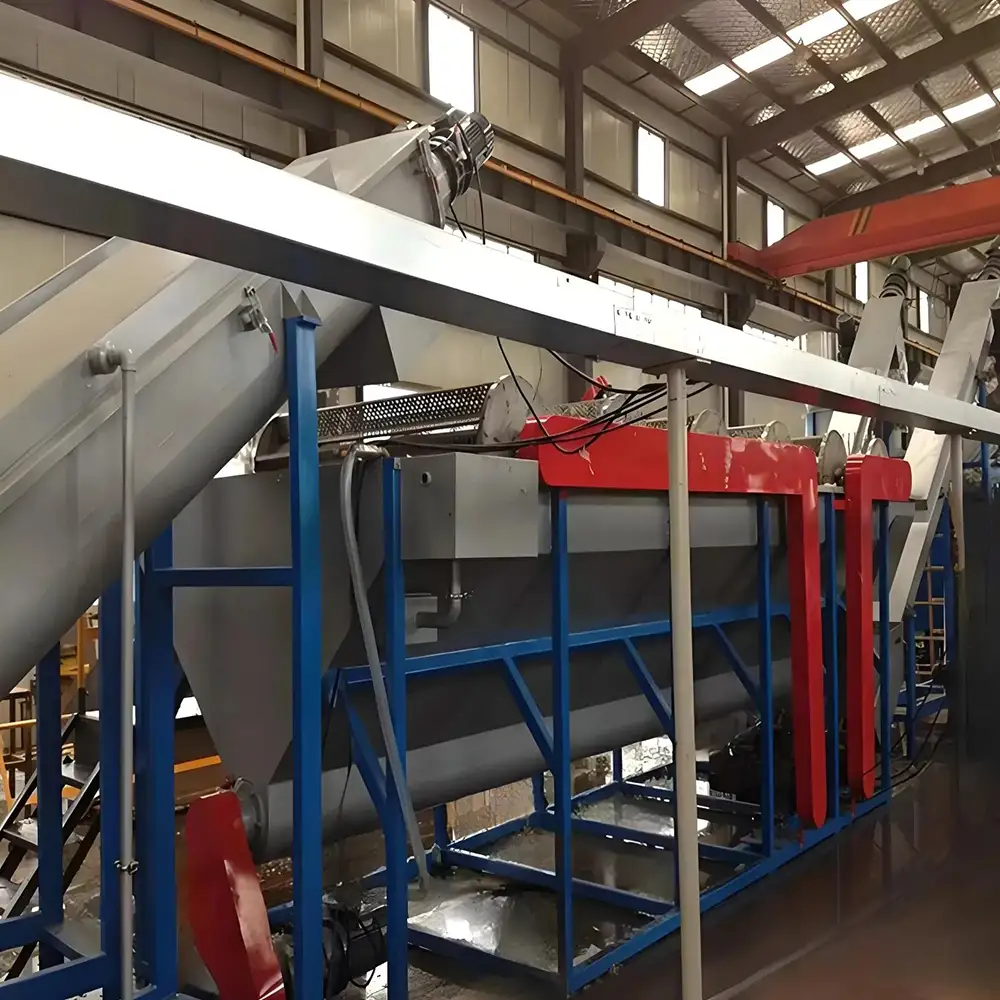
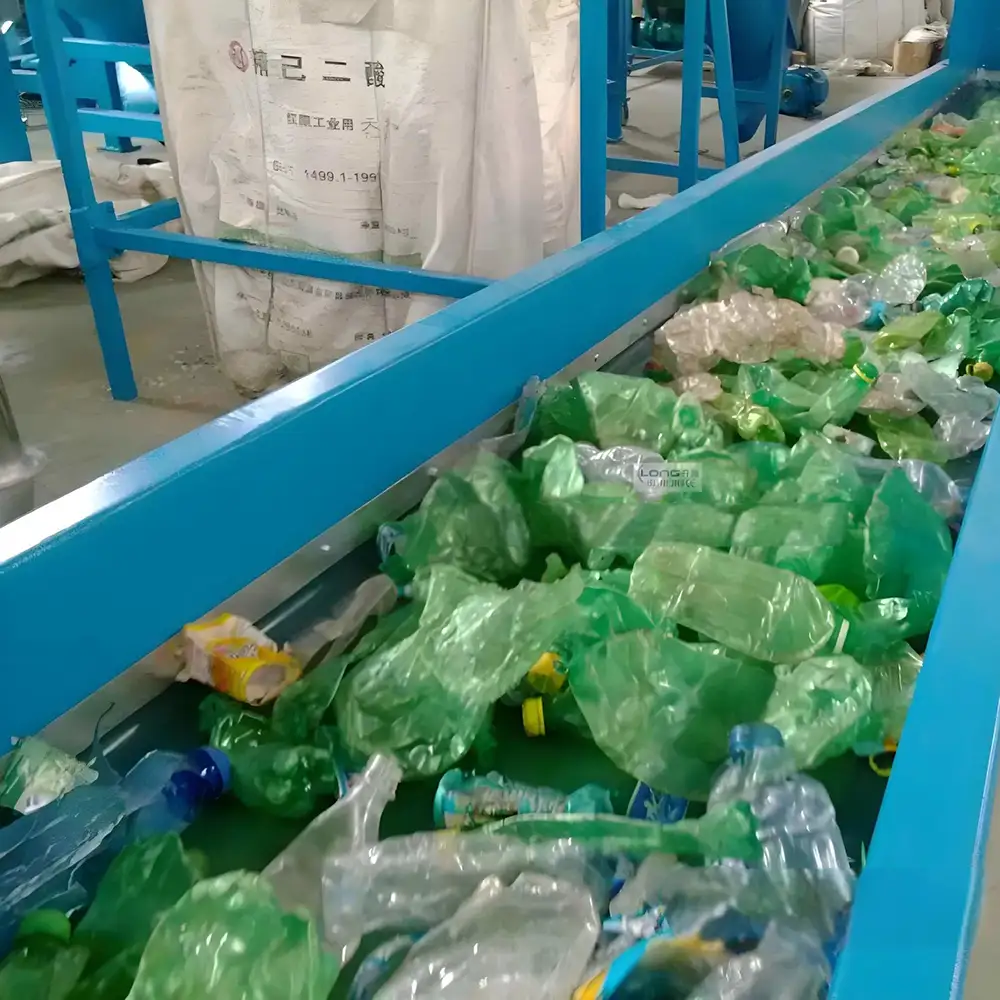
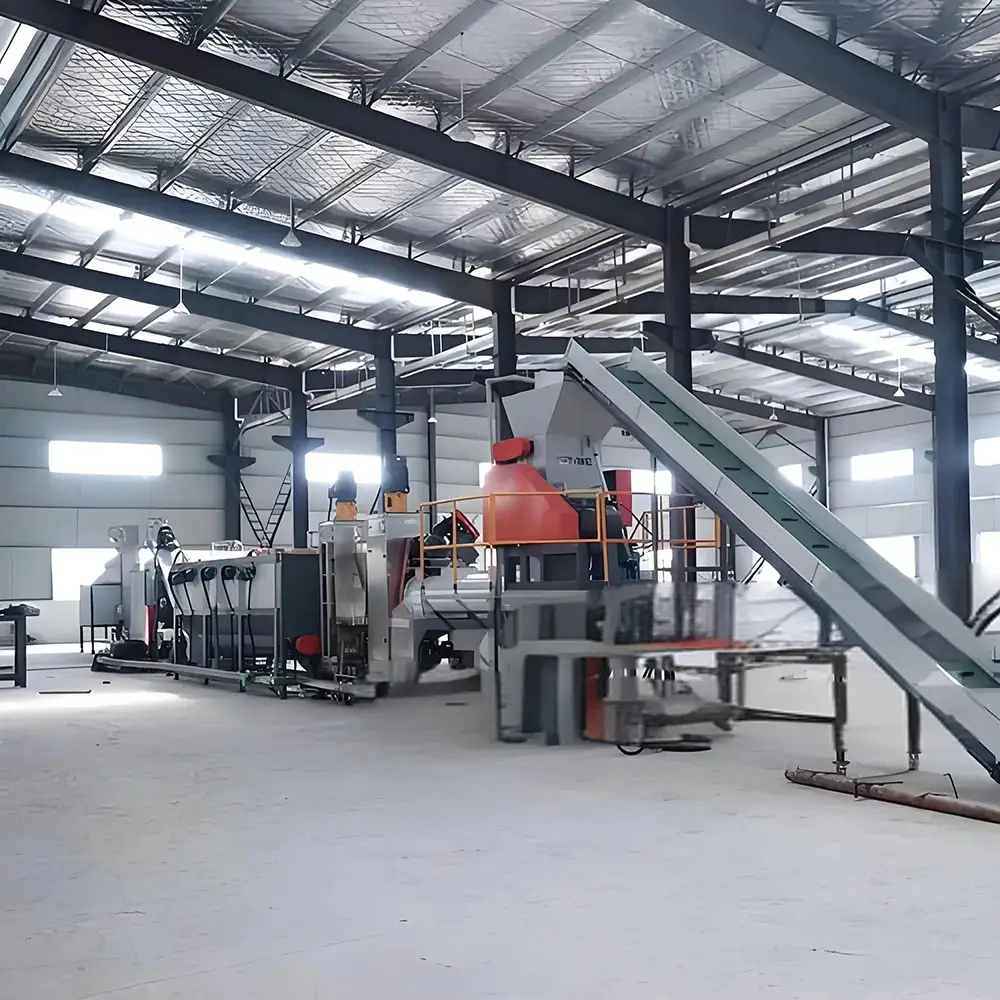
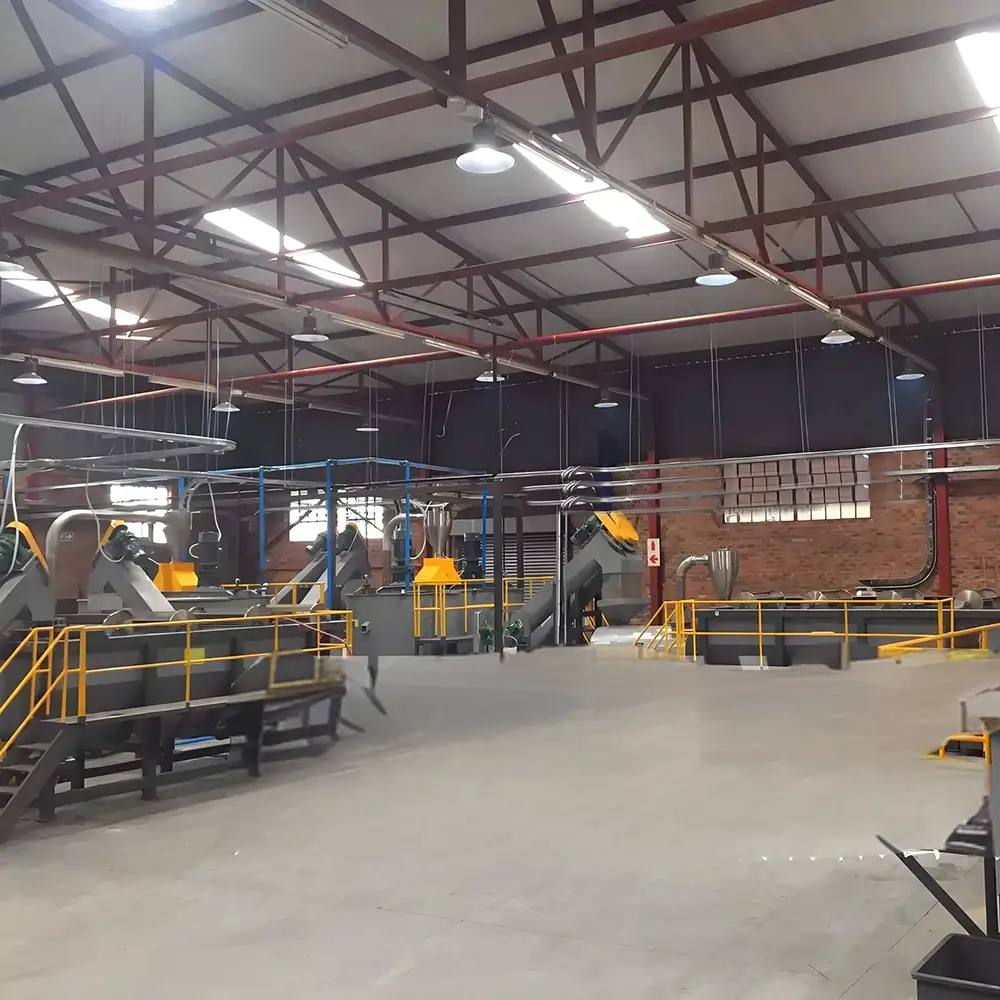
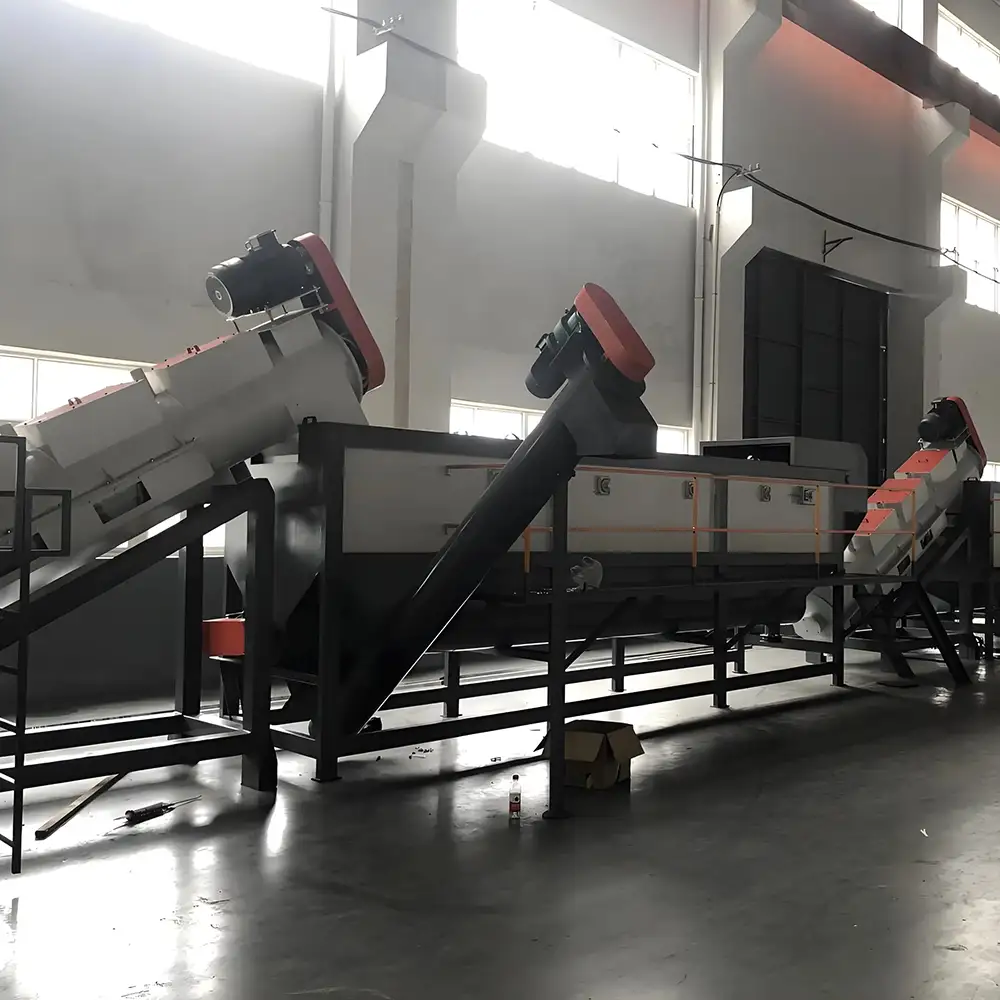
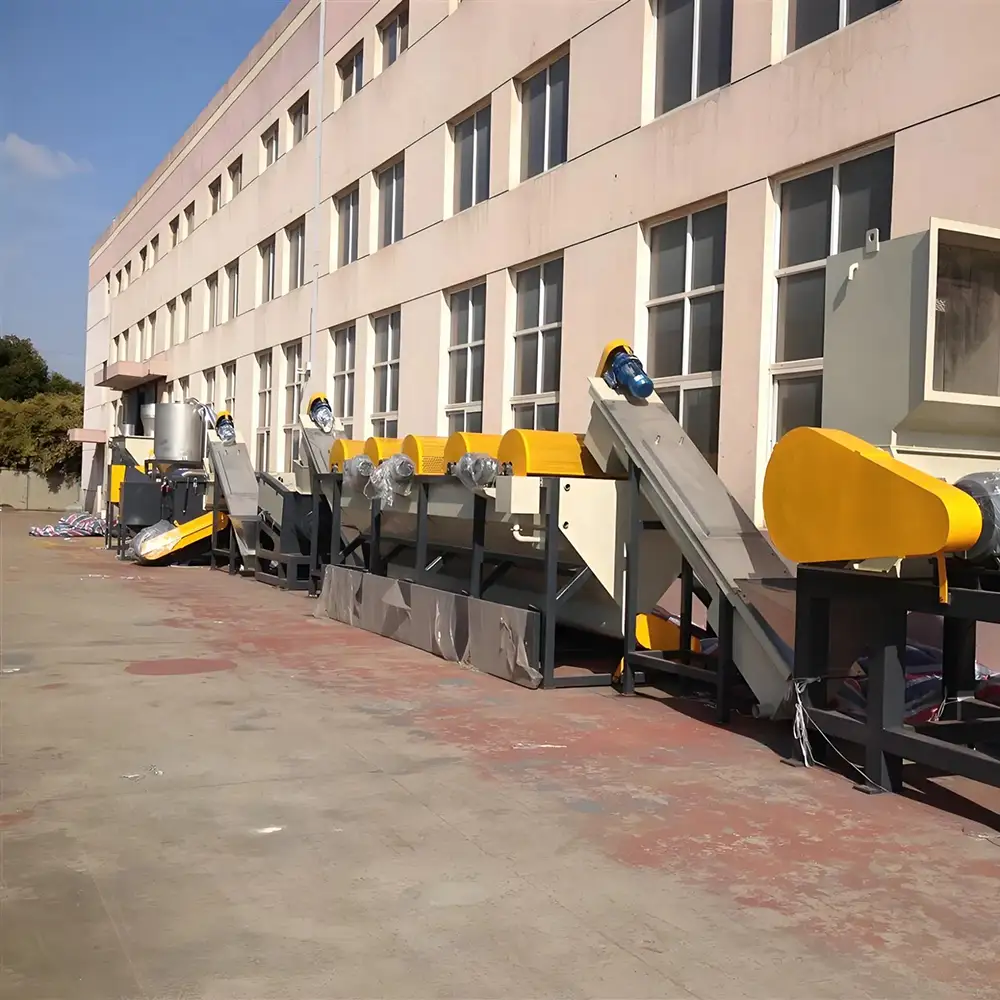
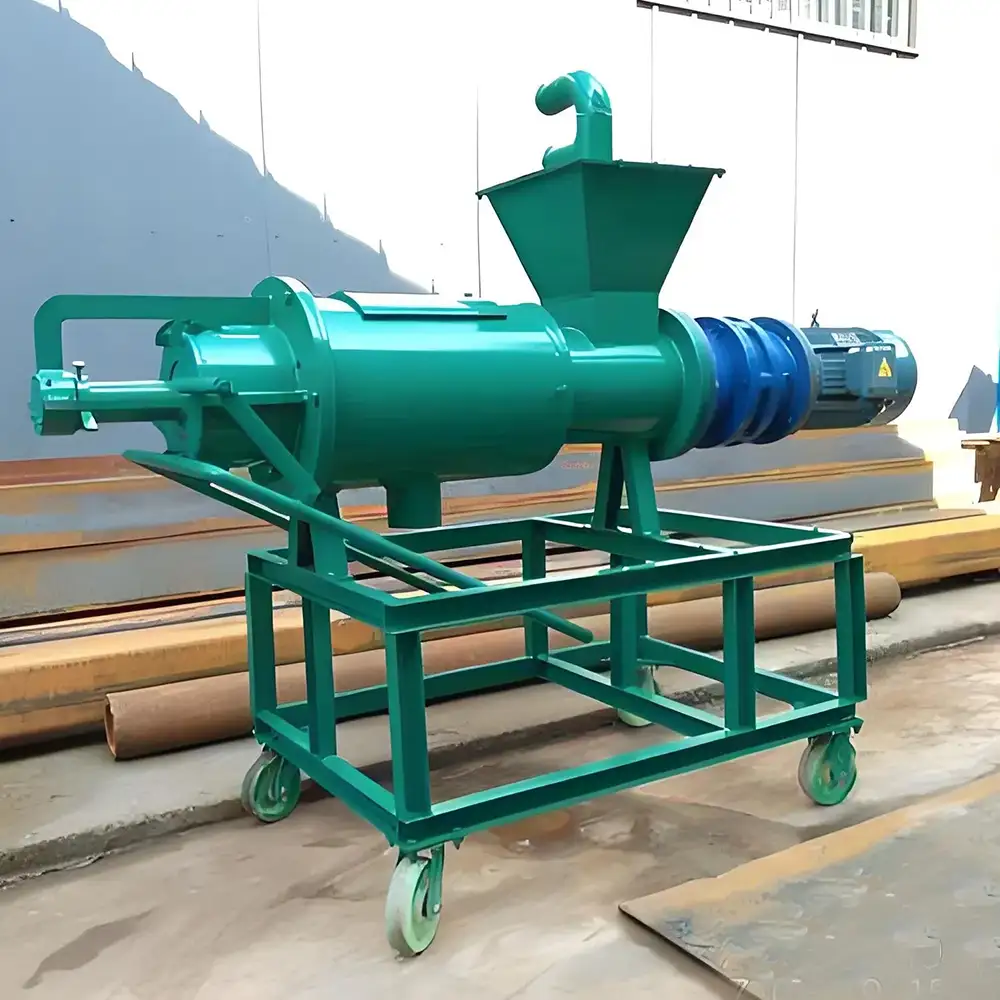
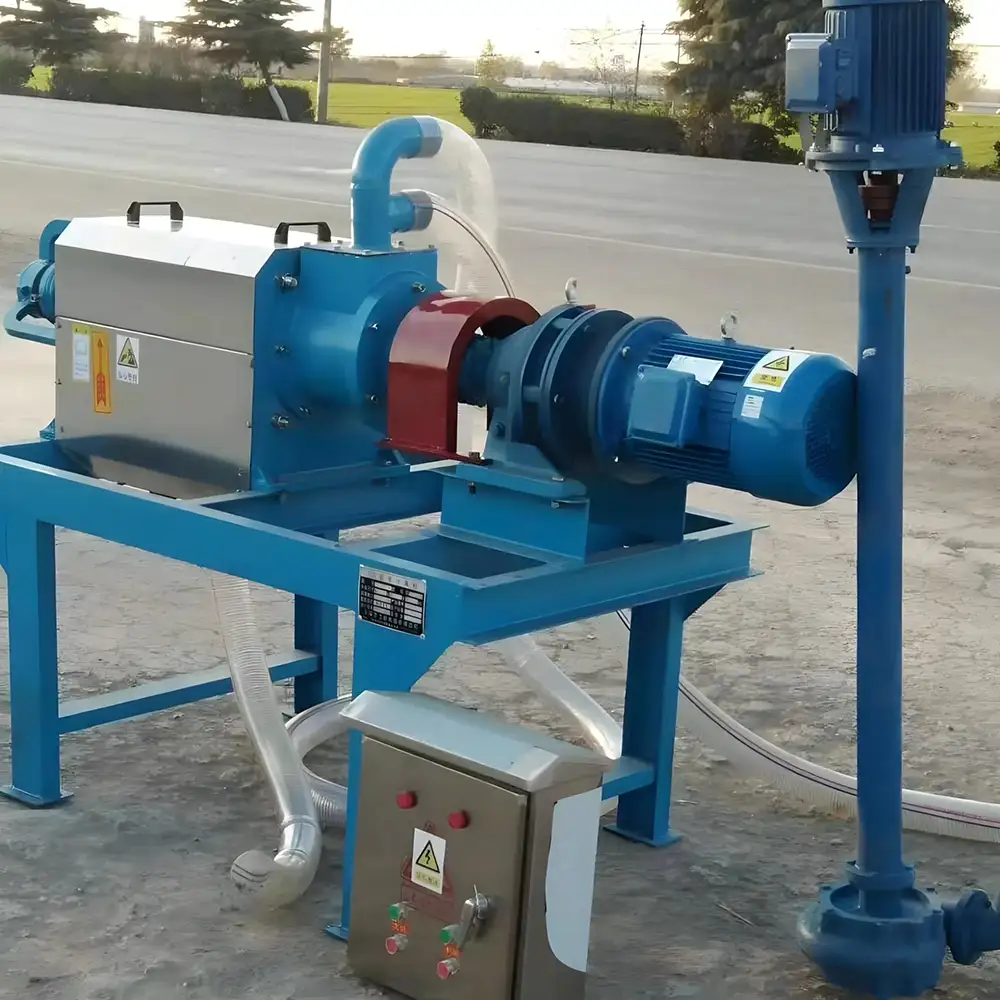
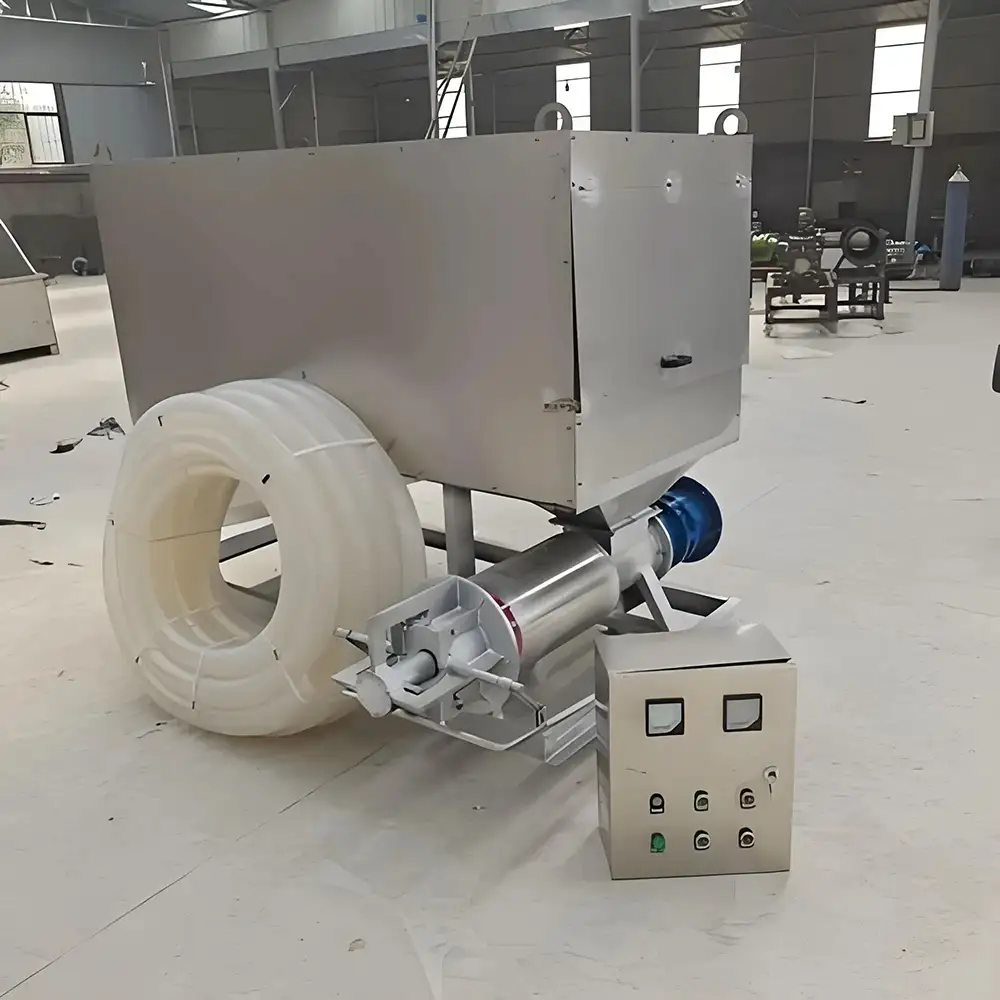
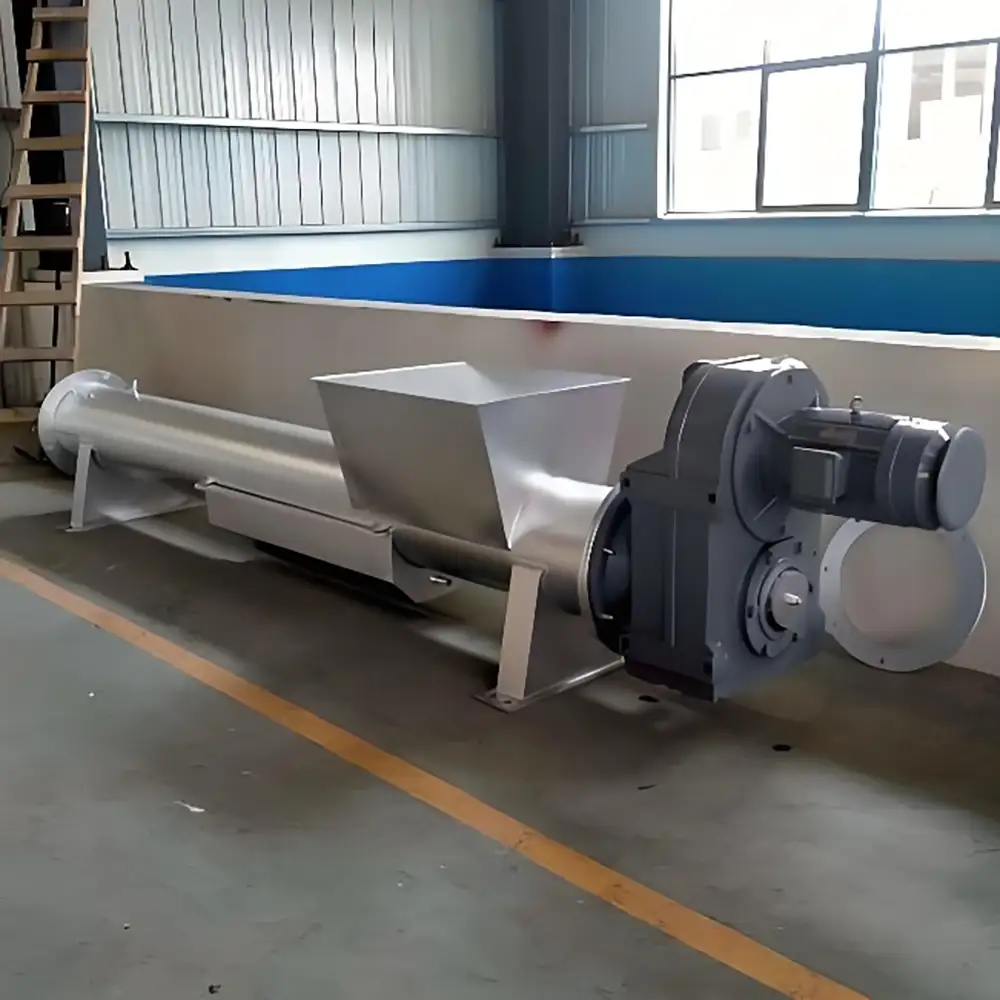
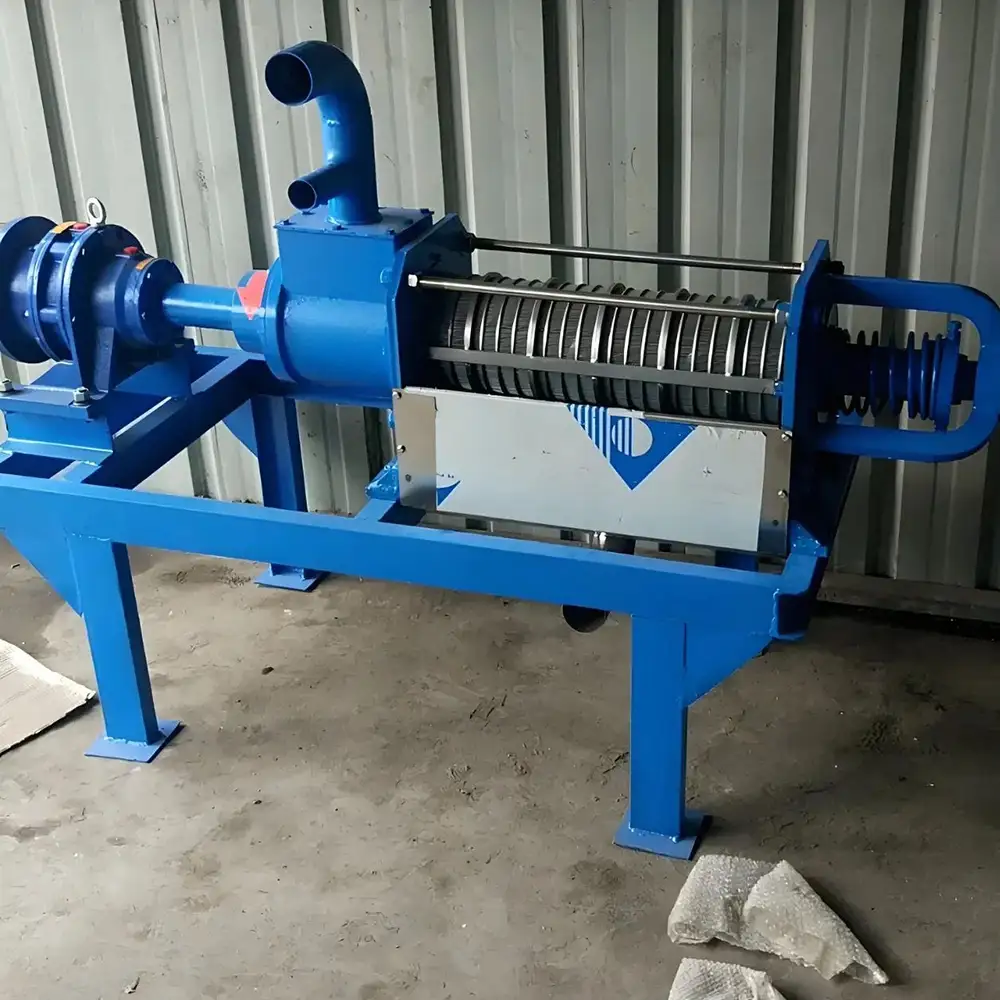
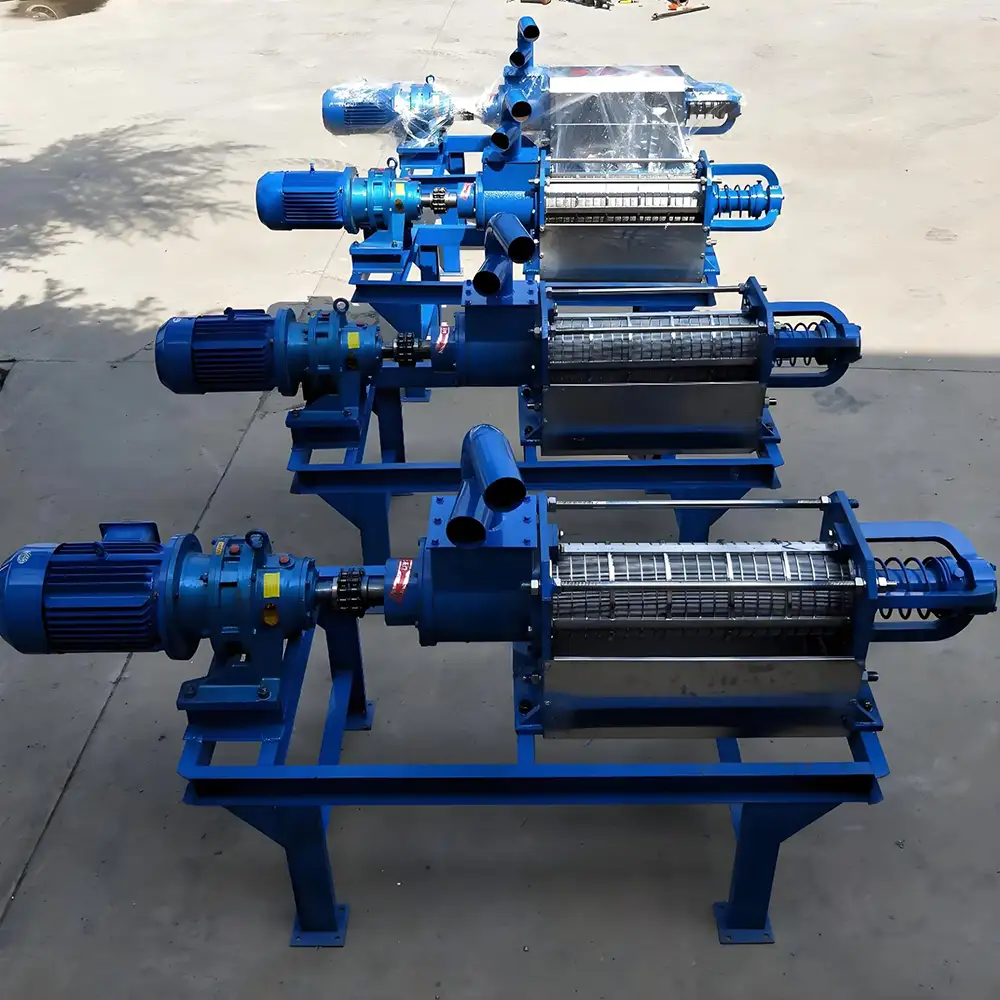
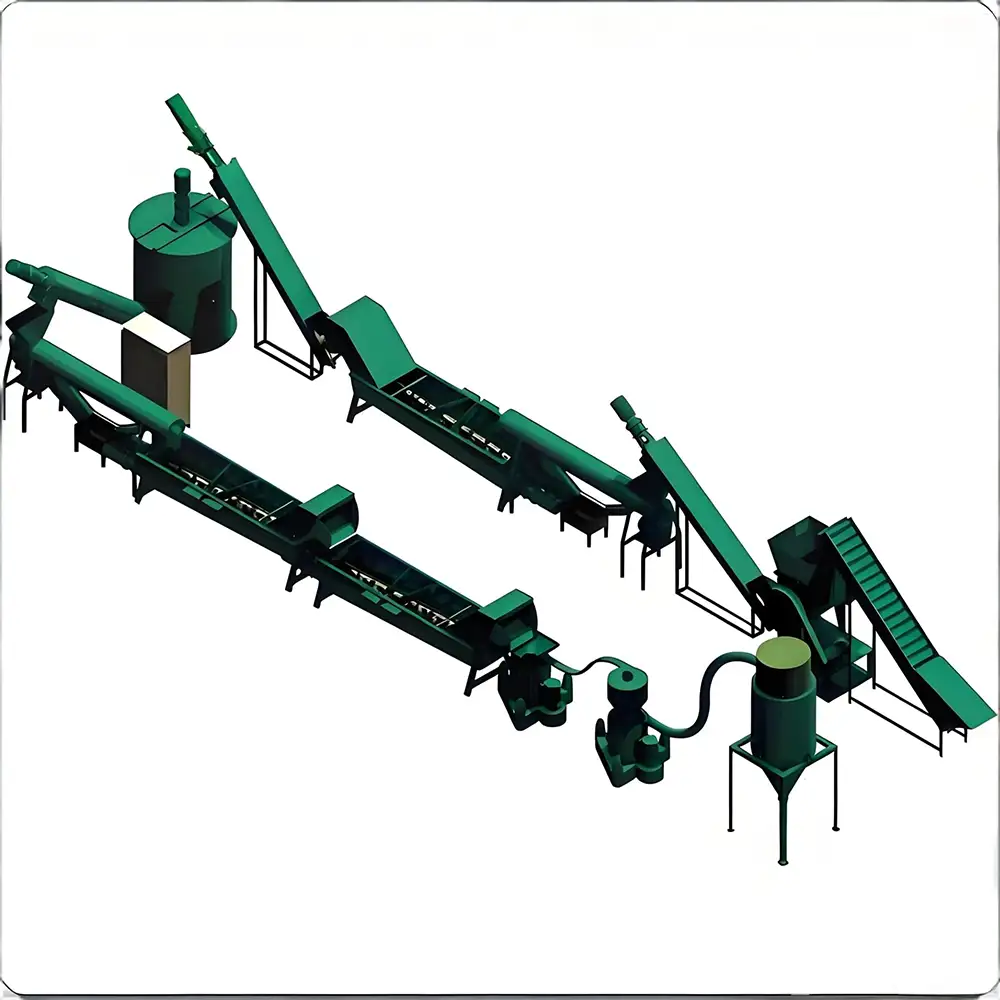
Our waste plastic cleaning line equipment is an advanced equipment designed for efficient recycling and treatment of all types of waste plastics. It can transform waste plastics into high-quality recycled plastic raw materials that can be reused, effectively solve the problem of environmental pollution, and provide an economical source of raw materials for plastic processing enterprises to help the development of circular economy.
Equipment characteristics
Efficient cleaning: The use of advanced cleaning technology, combined with physical and chemical cleaning methods, can completely remove the dirt, impurities and residual additives on the surface of waste plastics, to ensure that the cleaned plastics meet the high quality standards and meet the needs of subsequent processing.
Strong adaptability: It can handle many types of waste plastics, such as polyethylene (PE), polypropylene (PP), polyvinyl chloride (PVC), polystyrene (PS) and other common plastic materials, whether it is plastic film, plastic bottles, plastic pipes or plastic injection parts, etc., it can be effectively cleaned.
High degree of automation: equipped with intelligent control system to realize the automatic operation of the entire cleaning production process, from the feeding, cleaning, dehydration to drying, discharging of waste plastics, all links are closely connected, reduce manual intervention, improve production efficiency, reduce labor intensity.
Energy conservation and environmental protection: fully consider energy utilization and environmental protection in the design, reduce energy consumption by optimizing the equipment structure and process parameters, and equipped with a perfect sewage treatment system, recycle and reuse the wastewater generated during the cleaning process, reduce water resources waste and environmental pollution.
Stable and reliable: the main body of the equipment is made of high-quality steel, and the key components are selected from internationally renowned brands. Through strict quality inspection and performance testing, the equipment is stable and reliable during long-term continuous operation, reducing the occurrence of failures and extending the service life
Plastic Recycling Equipment and Plastic Recycling Machines are designed to help recycling companies, plastic processors, waste management businesses, and manufacturing facilities convert discarded plastic materials into reusable resources. A complete plastic recycling system can integrate shredding, crushing, washing, separation, dewatering, drying, conveying, and other processing stages according to the type and condition of the incoming plastic.
Plastic waste can come from many sources, including post-consumer bottles, packaging materials, agricultural film, industrial plastic scraps, containers, household plastic products, and manufacturing waste. Because different plastics have different shapes, sizes, contamination levels, densities, and material properties, the recycling process needs to be matched to the specific feedstock.
Our Plastic Recycling Machine solutions are designed for flexible processing and can be configured as individual machines or complete recycling lines. The equipment can help reduce manual handling, improve processing consistency, and prepare recovered plastic for further production, pelletizing, extrusion, or other recycling applications.
Complete Plastic Recycling Process
A typical plastic recycling line begins with feeding and material preparation. Depending on the raw material, the system may include a conveyor, sorting station, shredder, crusher, washing machine, friction washer, separation tank, dewatering machine, dryer, and collection system.
The exact process depends on whether the material is PET bottles, PP containers, PE film, agricultural plastic, industrial scrap, or another type of recyclable plastic.
A complete system can be designed around the customer's feedstock and required final material quality. This allows manufacturers to avoid unnecessary equipment while creating a practical processing flow for their recycling operation.
Plastic Shredding And Crushing
Size reduction is an important part of plastic recycling. Large plastic products, containers, films, and production scraps can be difficult to wash or process efficiently in their original form.
A plastic shredder can reduce bulky materials into smaller pieces, while a plastic crusher can further reduce the material to a more suitable size for washing and separation.
The selection of shredding and crushing equipment depends on the material type, thickness, shape, moisture content, and required output size. Proper size reduction helps create a more stable material flow through the following stages.
Plastic Washing Equipment
Waste plastic often contains dirt, dust, soil, labels, organic residues, oil, adhesives, and other contaminants. Washing equipment can be incorporated into the recycling system to improve the cleanliness of the recovered plastic.
Different washing stages may be used depending on the material. Cold washing, hot washing, friction washing, and intensive washing can be selected according to contamination conditions and recycling requirements.
For example, PET bottles may require washing and label separation, while agricultural film may contain soil and organic contamination. Industrial plastic scrap may require a different cleaning process.
Separation And Sorting
Efficient separation is important when the incoming material contains different plastic types or non-plastic contaminants.
A plastic recycling system can use mechanical sorting, manual sorting, density-based separation, float-sink tanks, or other separation technologies depending on the application.
Density separation is particularly useful for certain mixed plastic streams. Materials with different densities can be separated through controlled water-based processes, helping improve the consistency of the recovered plastic fraction.
Additional sorting equipment can also be considered when higher material purity is required.
Dewatering And Drying
After washing, plastic materials contain residual water that needs to be removed before storage or further processing.
Mechanical dewatering equipment can remove a significant portion of surface and free water from the plastic material. Thermal or air-based drying systems can then be incorporated when a lower moisture level is required for subsequent processing.
The appropriate drying method depends on the plastic type, production capacity, washing process, and final application.
A properly designed dewatering and drying section helps stabilize the recycled material and improves its suitability for storage, extrusion, pelletizing, or other downstream processes.
PET Plastic Recycling
PET bottles are one of the most common materials processed by plastic recycling equipment. A PET recycling line may include bottle feeding, sorting, label removal, crushing, washing, separation, dewatering, drying, and collection.
The final PET flakes can be prepared for further processing depending on the required quality and end-use application.
Because bottle labels, caps, dirt, adhesives, and other materials can affect the recycling process, the equipment configuration should be selected according to the incoming PET feedstock.
PP And PE Plastic Recycling
PP and PE plastics are widely used in containers, packaging, household products, industrial components, and agricultural applications.
A PP PE Plastic Recycling Machine can be configured for crushing, washing, separating, dewatering, and drying suitable PP or PE materials.
For rigid PP and PE products, shredding and crushing are commonly important preparation stages. For films and flexible materials, special feeding and cutting equipment may be required to maintain stable material flow.
Waste Plastic Film Recycling
Waste plastic film can include agricultural film, packaging film, shopping bags, industrial film, and other flexible plastic materials.
Film recycling presents different processing challenges because thin plastic can wrap around rotating components or interfere with conventional feeding systems.
A suitable recycling line can incorporate specialized feeding, shredding, washing, squeezing, dewatering, and drying equipment according to the characteristics of the film.
For agricultural film, additional washing and separation may be necessary because the material can contain significant amounts of soil and organic contamination.
Industrial Plastic Scrap Recycling
Plastic manufacturing facilities generate runners, rejected products, injection molding scraps, extrusion waste, trimming waste, and other production residues.
Recycling this material can help factories recover usable plastic resources and reduce waste handling requirements.
Industrial plastic scrap is often relatively consistent compared with mixed post-consumer waste, making it suitable for customized recycling systems based on the specific production material.
The recycling process can be designed around materials such as PP, PE, PET, ABS, PS, and other compatible thermoplastics, subject to material characteristics and equipment configuration.
Water Recycling System
Plastic washing lines may consume substantial amounts of process water depending on the feedstock and washing requirements.
A complete recycling system can incorporate water collection, sedimentation, filtration, circulation, and other water management equipment to support process-water reuse.
The appropriate water treatment configuration depends on contamination levels, washing intensity, water quality requirements, and local operating conditions.
Integrating water management into the plastic recycling line can help create a more controlled and practical production process.
Automatic Material Conveying
Conveyors and material handling systems connect individual machines within the recycling line.
Automatic conveying can reduce manual material handling and create a more continuous production flow between shredding, crushing, washing, separation, dewatering, drying, and collection stages.
The conveyor configuration can be adapted to the layout of the customer's facility, available installation space, material characteristics, and production process.
Flexible Recycling Line Configuration
Not every plastic recycling project requires the same equipment combination.
A small recycling operation may need only a crusher, washing machine, dewatering machine, and dryer. A larger facility processing heavily contaminated plastic may require shredding, multiple washing stages, sorting, density separation, dewatering, drying, water treatment, and automated conveying.
This modular approach allows the system to be configured according to actual production requirements rather than using a fixed equipment package.
Improved Recycling Efficiency
Automation can reduce repetitive manual operations and help maintain a stable material flow.
Automatic feeding, controlled conveying, mechanical separation, and continuous dewatering can contribute to more consistent operation. Proper equipment matching is especially important when processing large quantities of waste plastic.
Production efficiency depends on the material type, contamination, moisture, required cleanliness, equipment configuration, and operating conditions.
Durable Industrial Construction
Plastic recycling equipment is designed for demanding industrial environments where machines may operate continuously for extended periods.
Depending on the application, equipment can be configured with wear-resistant components, corrosion-resistant materials, reinforced cutting systems, durable screens, and suitable washing components.
Regular cleaning, inspection, lubrication, and maintenance help maintain reliable operation and extend equipment service life.
Customized Plastic Recycling Solutions
Plastic recycling projects differ significantly according to feedstock and final product requirements.
Before selecting equipment, customers should provide information such as plastic type, material size, contamination level, moisture content, expected processing capacity, desired output, and available installation space.
Based on these factors, the recycling system can be configured with suitable shredders, crushers, washing equipment, separation units, dewatering machines, dryers, conveyors, and auxiliary systems.
Wide Range Of Applications
Plastic recycling equipment can be used by recycling plants, plastic manufacturers, packaging companies, waste management businesses, agricultural operations, material recovery facilities, and industrial production facilities.
Typical materials include PET bottles, PP containers, PE film, agricultural film, plastic packaging, industrial scraps, household plastic products, and other recyclable thermoplastics.
By converting waste plastic into a cleaner and more manageable recycled material stream, the system supports a more organized approach to plastic resource recovery.
Key Features
Complete Plastic Recycling Solutions
Automatic Plastic Processing
Plastic Shredding And Crushing
Plastic Washing And Cleaning
Density-Based Material Separation
Mechanical Dewatering
Plastic Drying System
Automatic Material Conveying
PET Recycling Applications
PP And PE Recycling Applications
Waste Plastic Film Processing
Industrial Plastic Scrap Recycling
Customized Recycling Line Design
Integrated Water Management
FAQs
1. What Is Plastic Recycling Equipment?
Plastic recycling equipment is a group of machines used to process waste plastic through stages such as shredding, crushing, washing, sorting, separating, dewatering, drying, and collection.
2. What Is A Plastic Recycling Machine Used For?
A plastic recycling machine is used to process recyclable plastic waste into cleaner and more manageable plastic flakes or other intermediate materials for further recycling and manufacturing.
3. What Types Of Plastic Can Be Recycled?
Depending on the machine configuration, suitable materials can include PET, PP, PE, agricultural film, packaging plastic, industrial plastic scraps, and other compatible thermoplastics.
4. Can The Equipment Process Dirty Waste Plastic?
Yes. Washing and separation equipment can be configured for contaminated plastic. The required cleaning stages depend on the type and amount of contamination.
5. Can PET Bottles Be Processed?
Yes. PET bottle recycling systems can include sorting, label removal, crushing, washing, separation, dewatering, and drying stages according to the required output quality.
6. Can The Machine Recycle Plastic Film?
Yes. Plastic film recycling systems can be configured for suitable agricultural film, packaging film, and industrial film. Specialized feeding and dewatering equipment may be used for flexible materials.
7. Can PP And PE Plastic Be Recycled?
Yes. Suitable PP and PE products can be processed using customized shredding, crushing, washing, separation, dewatering, and drying systems.
8. Can A Complete Recycling Line Be Customized?
Yes. Equipment configuration can be customized according to plastic type, contamination, required capacity, final product requirements, factory layout, and available utilities.
9. Does The Recycling Line Include Water Treatment?
A water management system can be incorporated when required. The appropriate configuration depends on washing conditions, contamination levels, water quality requirements, and process design.
10. What Information Is Needed To Select Plastic Recycling Equipment?
Customers should provide the plastic type, material form, contamination level, moisture condition, expected capacity, desired output, and available installation space. Material samples or videos can also help with equipment evaluation.
Why Choose Us
Complete Plastic Recycling Solutions
We provide integrated plastic recycling equipment covering material preparation, shredding, crushing, washing, separation, dewatering, drying, conveying, and collection.
Application-Based Equipment Selection
Different plastic materials require different processing methods. We evaluate the feedstock and production requirements to recommend a suitable equipment configuration.
Customized Recycling Lines
Recycling lines can be designed according to material type, production capacity, required cleanliness, final product specifications, factory layout, and process requirements.
Practical B2B Manufacturing Support
We support recycling companies, plastic processors, waste management businesses, and industrial manufacturers with equipment selection, technical communication, process planning, and installation guidance.
Stable Industrial Operation
Durable machine structures, appropriate wear components, controlled material handling, and suitable automation help create a stable recycling process for demanding production environments.
International Export Service
We provide technical documentation, equipment configuration support, export packaging, shipping coordination, installation guidance, and after-sales technical assistance for international customers.
Prev:
Farm Dewatering Machine Extrusion Separator Pig/Cow/Duck Manure Dry Wet Separator
Next:
Screw Press Machine - High-Efficiency - Sludge Dewatering
TAG:
Plastic Waste Processing Equipment,
Plastic Recycling Equipment,
Plastic Recycling Plant,
Plastic Recycling Machinery,
Plastic Recycling System,
Plastic Washing Line,
Plastic Recycling Line,
Plastic Recycling Washing Machine,
Waste Plastic Washing Line,
Waste Plastic Recycling Line,
Waste Plastic Recycling Equipment,
Waste Plastic Recycling Machine,
PET Recycling Equipment,
PET Bottle Recycling Line,
PET Bottle Recycling Machine,
Plastic Dryer Machine,
Plastic Reprocessing Equipment,
Plastic Recovery Equipment,
Plastic Waste Treatment Equipment,
Plastic Waste Processing Machine,
Plastic Recycling Production Line,
Plastic Recycling System Equipment,
Plastic Recycling Solution,
Plastic Recycling Technology,
Plastic Scrap Recycling Machine,
Industrial Plastic Recycling Equipment,
Industrial Plastic Recycling Machine,
Plastic Scrap Recycling Equipment,
Recycled Plastic Processing Equipment,
Plastic Dewatering Machine,
Related Category:
Plastic Recycling Equipment, Plastic Recycling Machine, Plastic Recycling Equipment Line, Plastic Recycling Machinery, W China, suppliers, manufacturers, factory, customized, wholesale, quotation, made in China