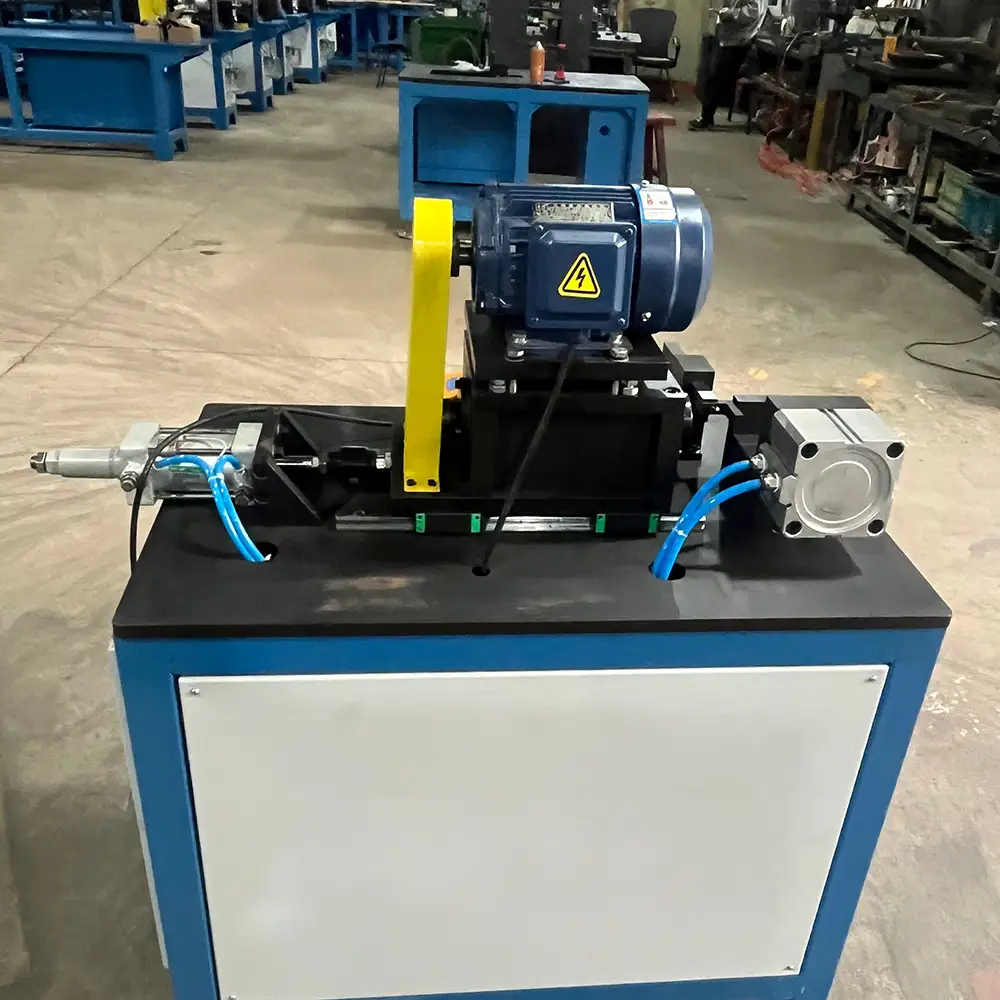
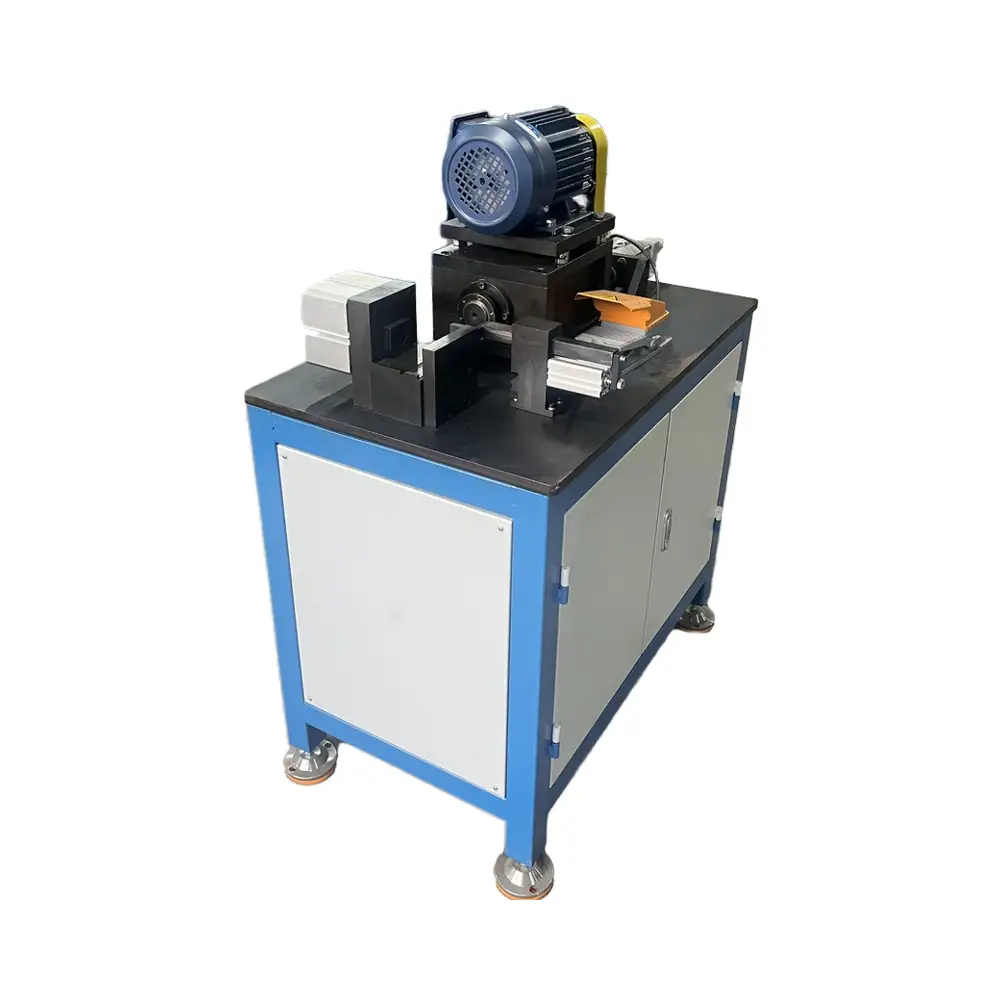
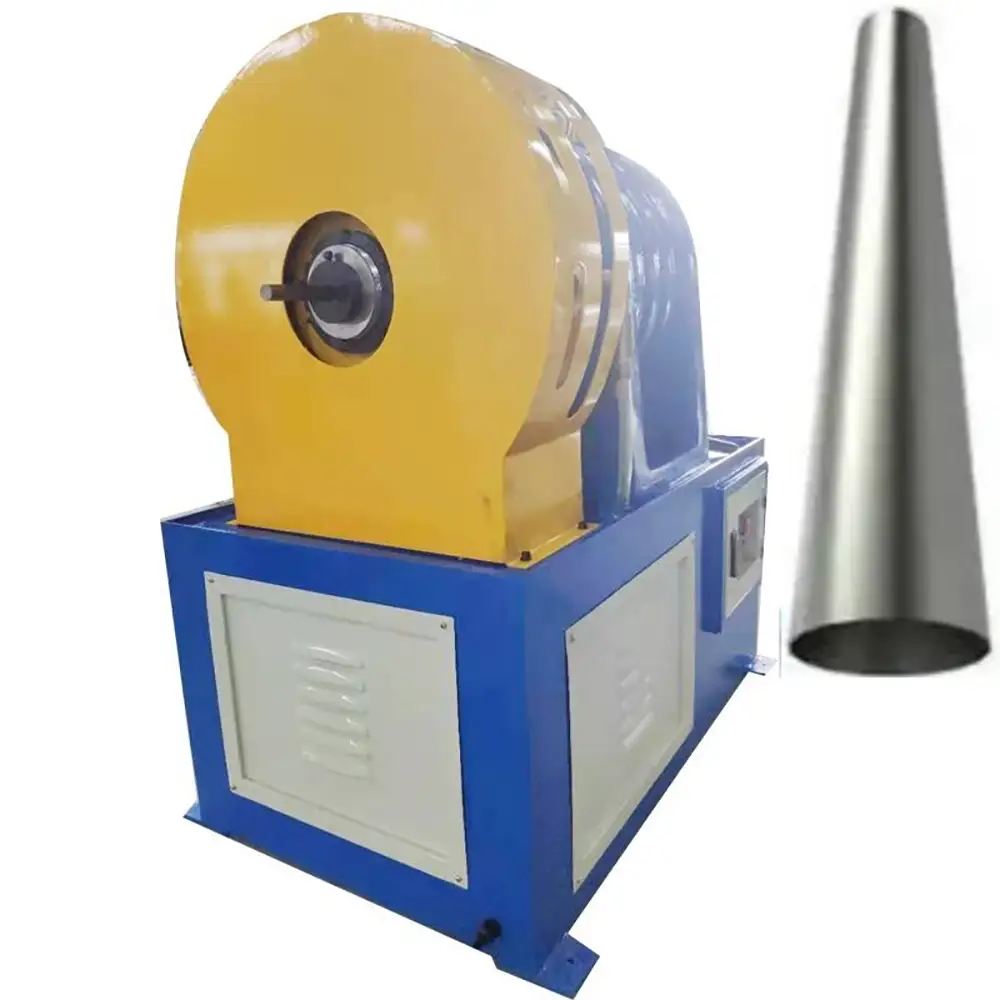
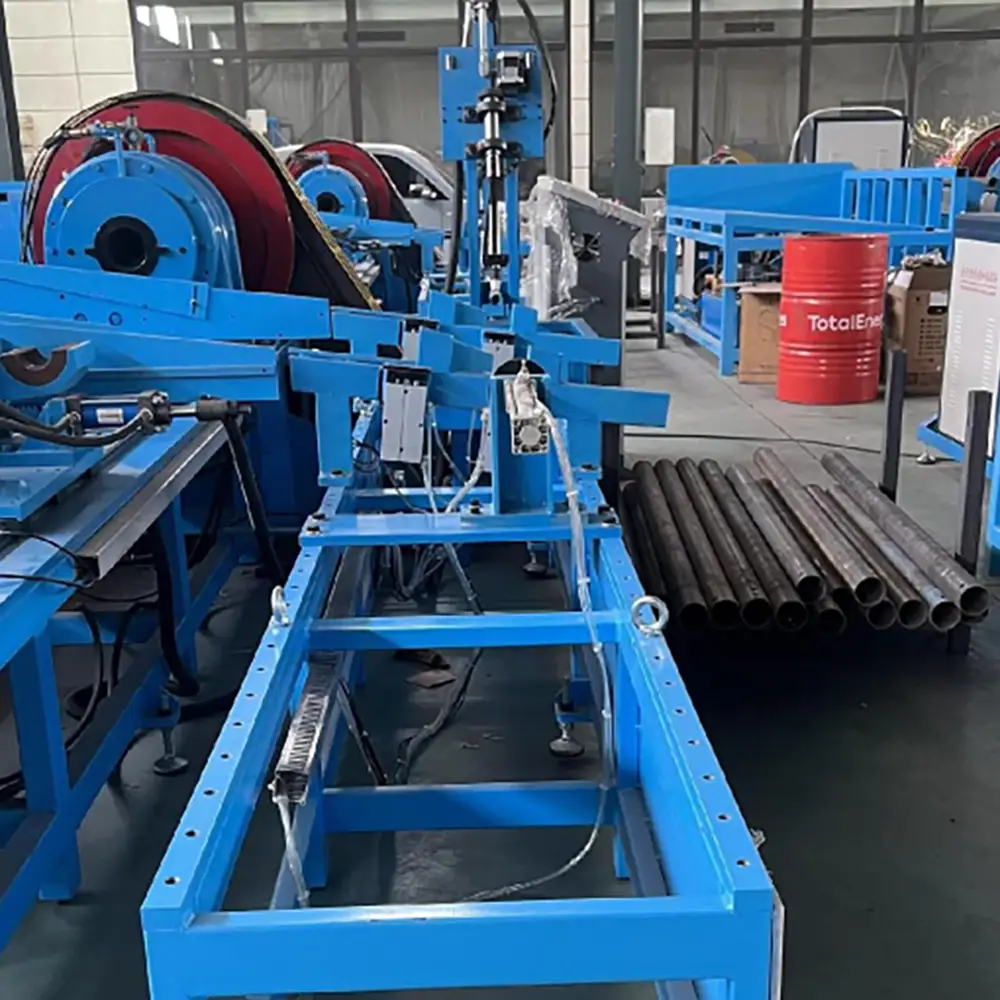
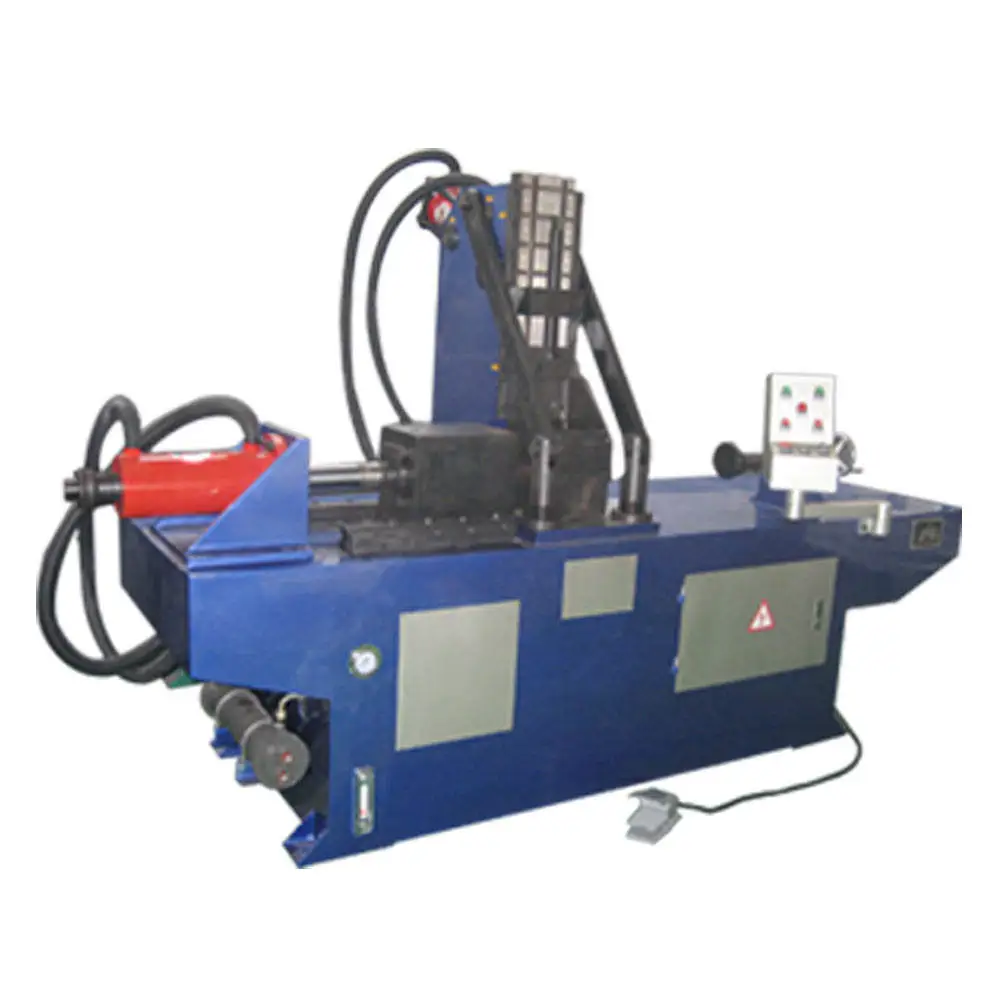
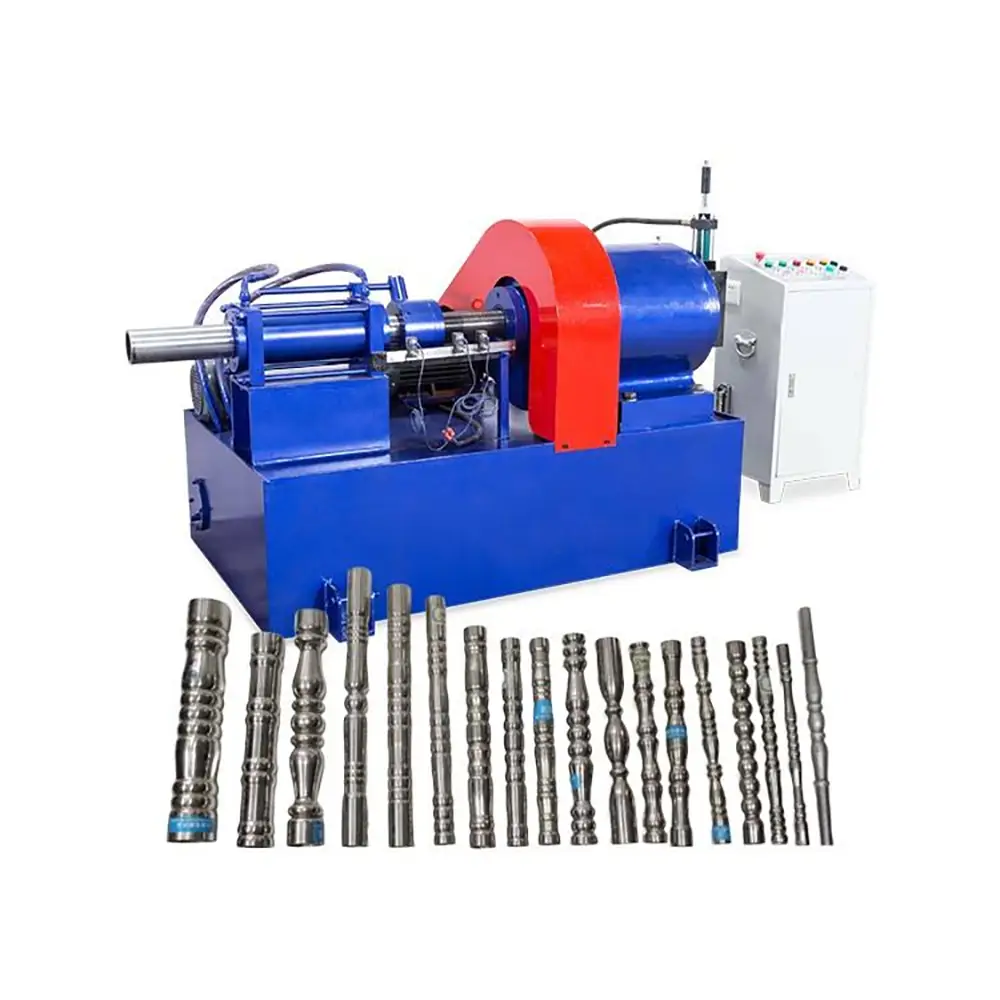
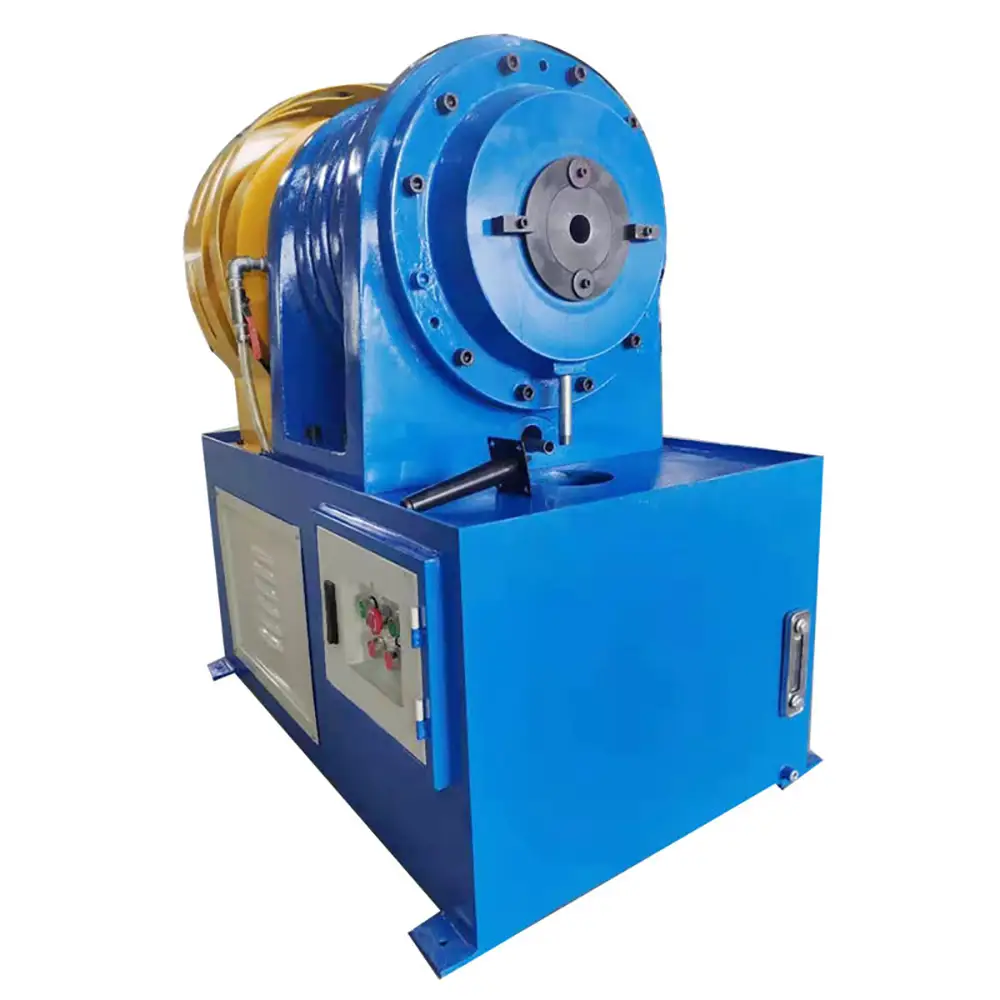
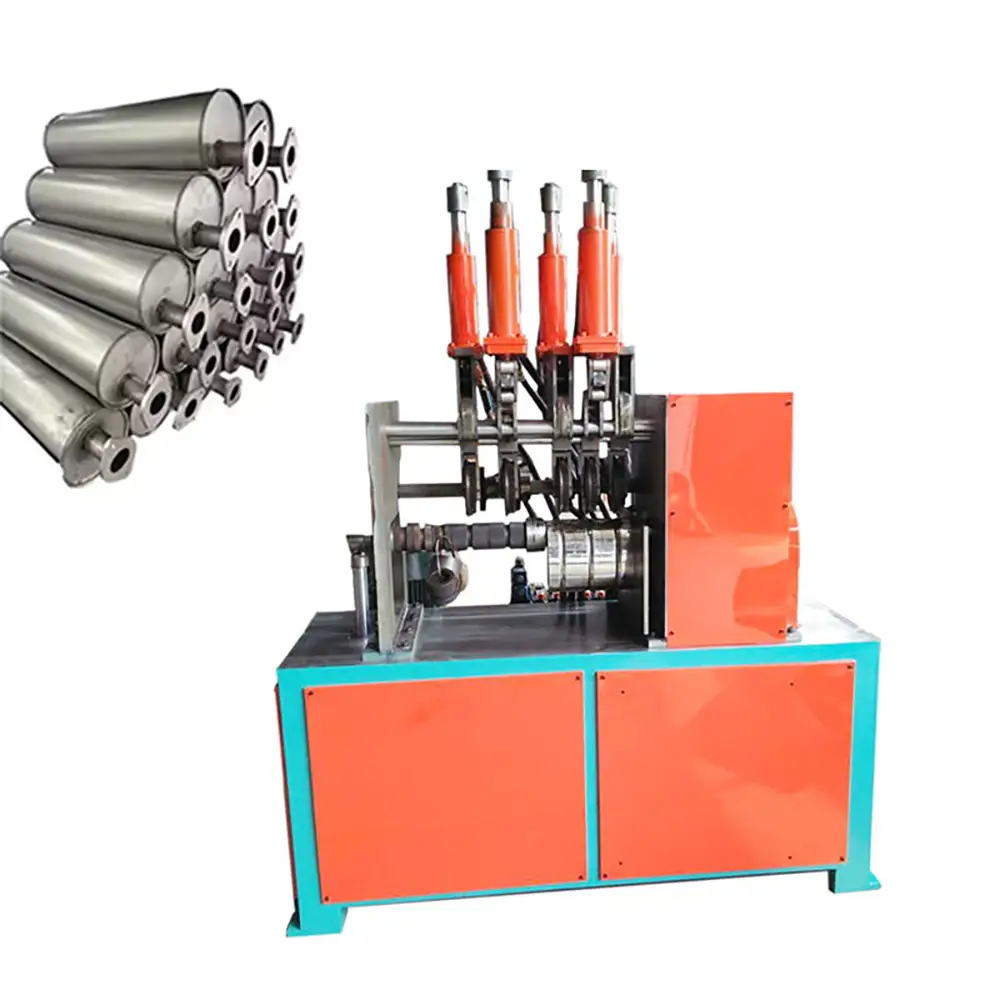
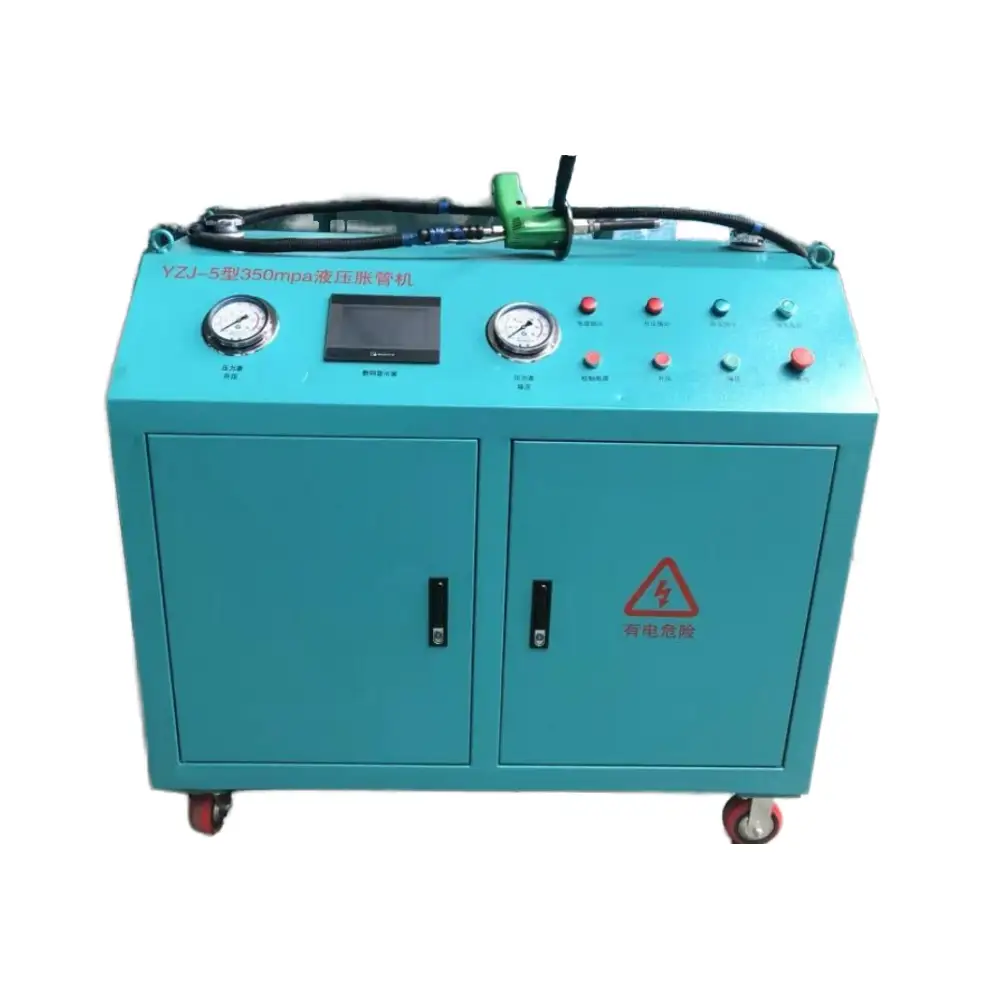
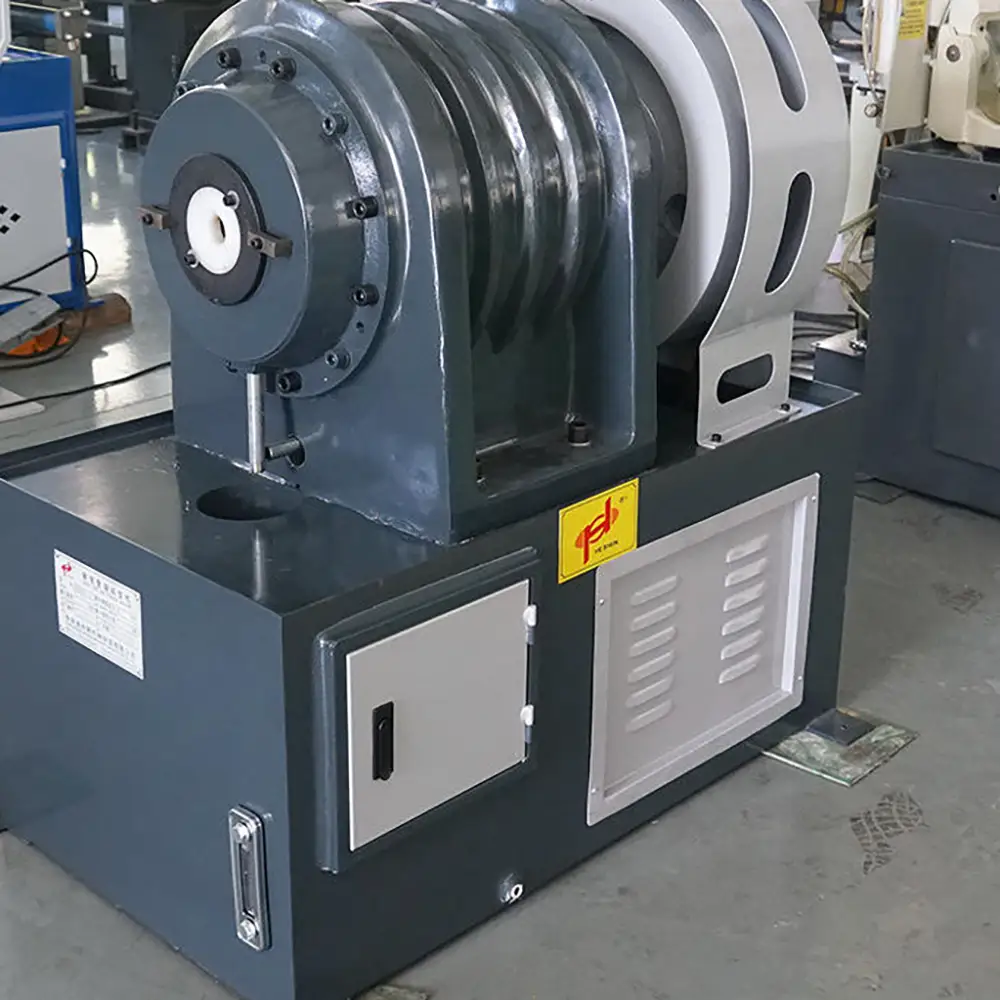
Pipe end flaring machine
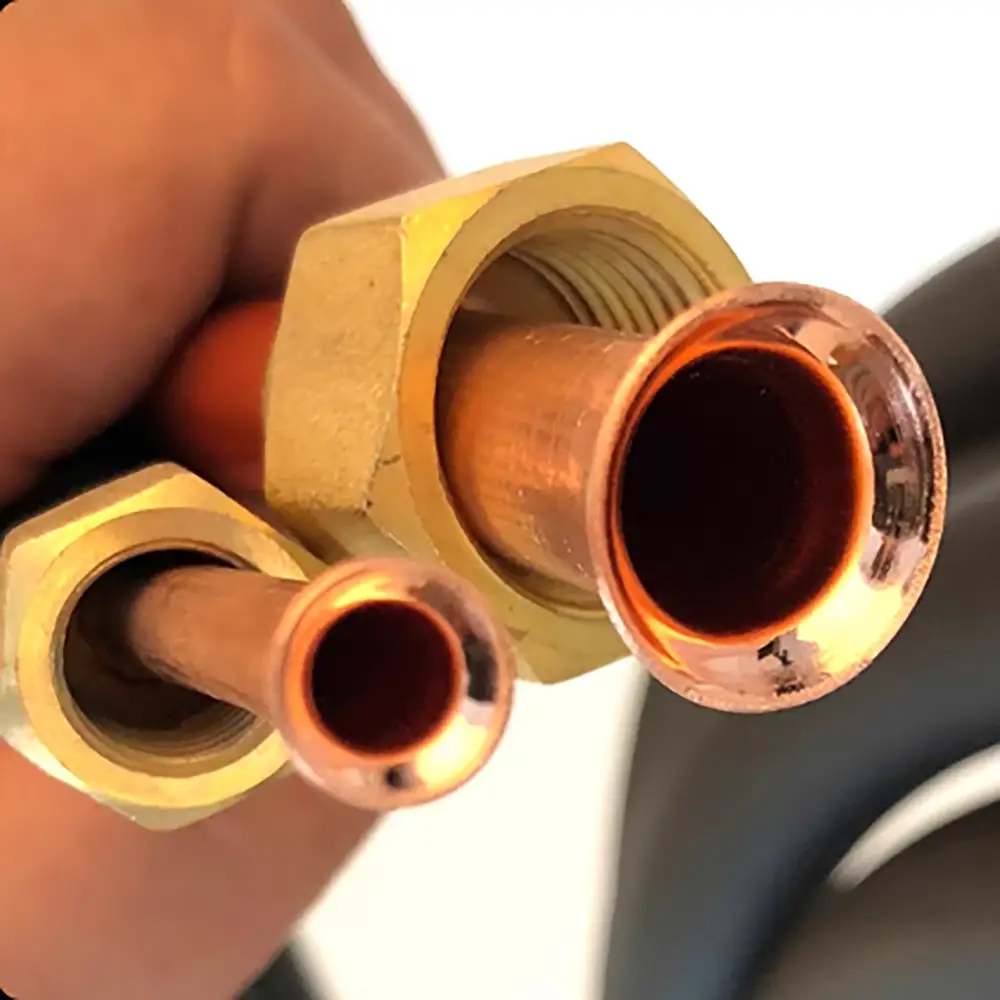
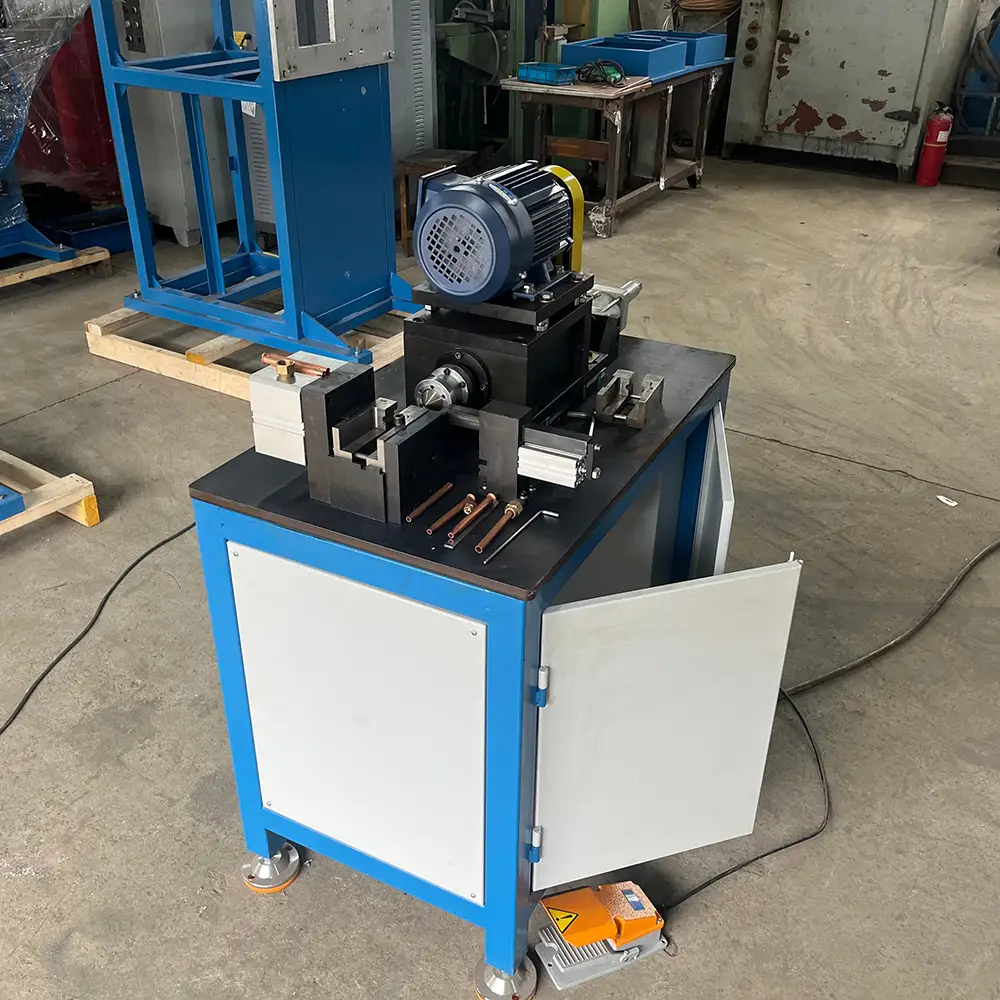
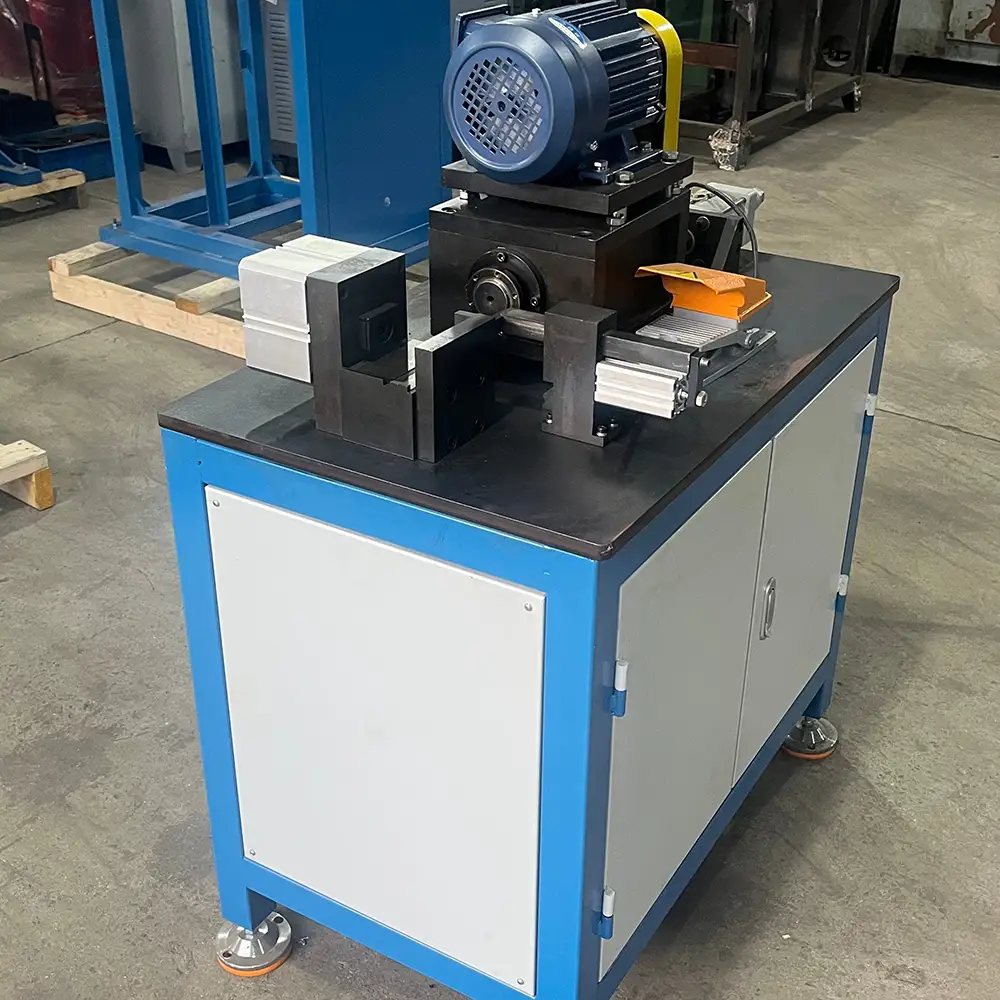
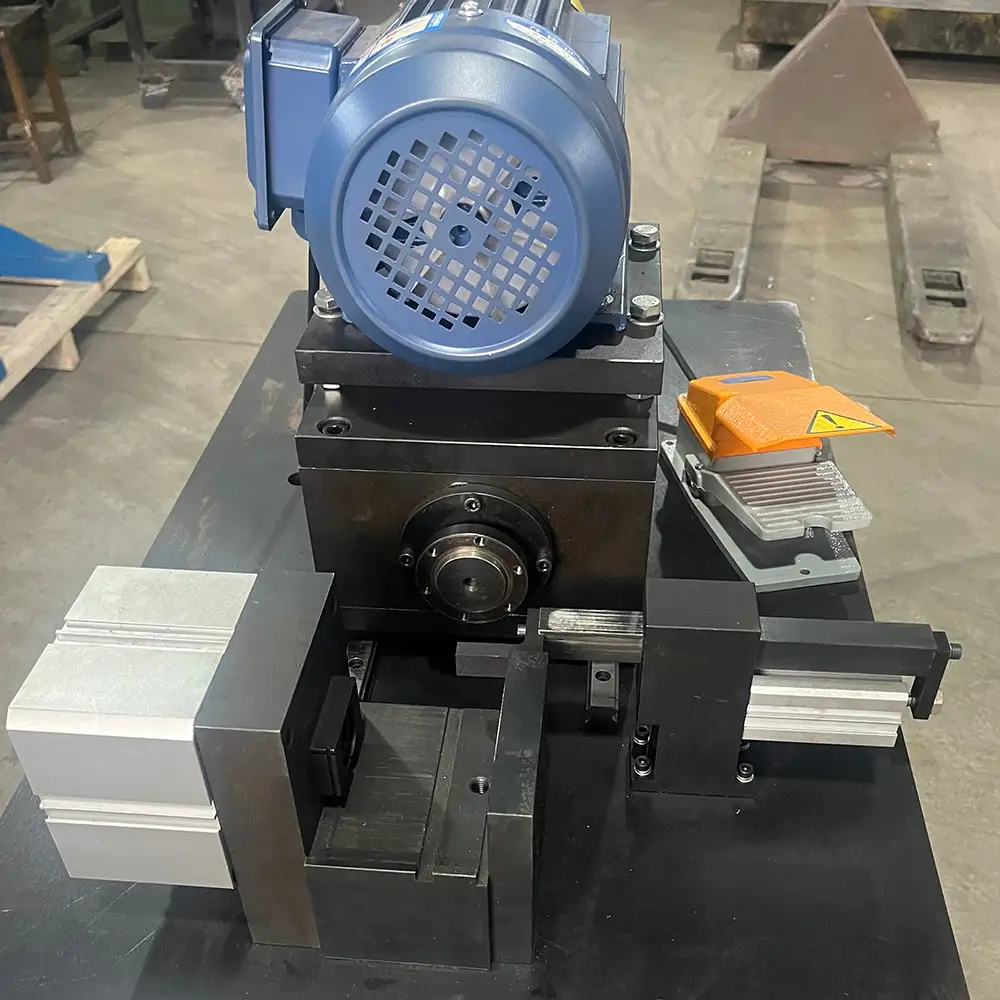
The Pipe End Flaring Machine is a professional equipment specially designed for flaring processing of metal pipe ends. It processes the pipe ends into a flared shape, ensuring the sealing performance and assembly accuracy during pipe connection. It is widely used in fields such as air conditioning refrigeration, HVAC engineering, and automotive pipelines, and is particularly suitable for the flaring needs of metal pipes such as copper pipes, aluminum pipes, and galvanized steel pipes.
|
material / metal processed |
Brass / Copper |
|
power (kw) |
4 |
|
warranty |
1 Year |
|
weight (kg) |
200 |
|
Model Number |
KTLBK |
|
max.shrinking capacity (thickness)(mm) |
2 |
|
video outgoing-inspection |
Provided |
|
machinery test report |
Provided |
|
tube contracting cycle (s) |
|
|
brand name |
|
|
extra services |
End Forming |
|
key selling points |
Easy To Operate |
|
Function |
Pipe end flaring |
|
Voltage |
220v |
|
Usage |
Air Condition pipe connection |
|
Color |
Blue |
AC Refrigerant Line Flaring and Shaping Machine
The Machine for Flaring and Shaping AC Refrigerant Lines with Leak-Proof Accuracy is designed for controlled tube-end processing in air conditioning,refrigeration,and HVAC applications. The machine combines tube flaring and shaping functions to help prepare refrigerant lines for compatible mechanical connections.
Flaring is a widely used method for joining copper tubing to compatible flare fittings without brazing or welding at the connection point. A correctly prepared tube end provides the intended contact surface between the flare and fitting. Proper tube preparation,tooling alignment,forming parameters,and final assembly are essential for achieving a reliable connection.
The machine is suitable for HVAC manufacturers,refrigeration equipment producers,air conditioning installation companies,service workshops,and other businesses that require repeatable refrigerant tube processing.
The term leak-proof accuracy describes the goal of producing consistent tube-end geometry for leak-resistant connections. Actual sealing performance depends on the tube material,fitting design,flare dimensions,assembly torque,surface condition,and complete installation procedure.
Refrigerant Line Flaring Technology
Flaring reshapes the end of a tube into a conical or specified connection profile. The formed end is then assembled with a compatible flare fitting.
For AC and refrigeration applications,copper tubing is commonly used because it can be formed with appropriate tooling and is widely used in refrigerant systems.
A controlled flaring machine can help standardize the forming process compared with inconsistent manual tube preparation. The tube is positioned and secured before the forming tool creates the required flare.
The exact forming mechanism depends on the machine design. Different machines may use mechanical,hydraulic,pneumatic,or other forming methods.
Customers should confirm the required tube diameter,wall thickness,flare angle,and fitting standard before selecting the appropriate tooling.
Shaping AC Refrigerant Lines
In addition to flaring,the machine can perform selected tube-shaping or end-forming operations depending on its configuration.
Tube shaping may be used to modify the end profile,diameter,or geometry of a refrigerant line before connection or assembly. Controlled shaping can help prepare the tube for a particular fitting or downstream forming operation.
The required process depends on the tube material and application. Soft copper tubing may require different forming parameters from aluminum or harder metal tubing.
For production applications,the machine should be tested with representative tube samples to verify the desired geometry.
Copper Tube Flaring for HVAC
Copper tube flaring is commonly associated with residential and commercial air conditioning,refrigeration,and heat pump systems.
The quality of a copper tube flare depends on several factors,including:
Tube Cut Quality
Tube Alignment
Deburring
Flare Tool Condition
Forming Force
Flare Angle
Tube Wall Thickness
Assembly Procedure
A tube should be cut cleanly before forming. Excessive burrs or deformation can affect the finished flare.
During machine operation,the tube must be positioned at the correct depth and secured properly. Incorrect positioning can result in an uneven or improperly sized flare.
After forming,the flare should be inspected for cracks,uneven surfaces,excessive deformation,and other visible defects.
Leak-Resistant Refrigerant Connections
The purpose of accurate tube flaring is to create the appropriate geometry for a compatible mechanical connection. A properly formed flare can help provide the contact surface required by the fitting design.
However,no flaring machine alone can guarantee a leak-proof refrigeration system. System sealing performance depends on the entire connection assembly.
Important factors include the tube material,the fitting condition,the flare geometry,cleanliness,alignment,and tightening procedure. Over-tightening can damage components,while insufficient tightening can result in an inadequate connection.
For this reason,operators should follow the fitting or equipment manufacturer's recommended installation procedure.
Air Conditioning Service Applications
The machine can be useful for professional HVAC installation and maintenance operations.
Typical applications include:
Residential AC Installation
Commercial HVAC Installation
Refrigeration Equipment
Heat Pump Systems
Refrigerant Line Repair
Air Conditioning Maintenance
Copper Tube Assembly
HVAC Component Manufacturing
Refrigeration Service Workshops
AC Line Fabrication
For service environments,the machine can provide a repeatable tube preparation method when multiple refrigerant lines or replacement components need to be processed.
Manual and Production Use
Depending on the machine configuration,the equipment may be used in manual,semi-automatic,or automated production environments.
Manual operation can provide flexibility for repair shops and technicians working with different tube sizes. Semi-automatic or automated configurations can be considered for manufacturers processing larger quantities of similar components.
A typical production process includes tube cutting,deburring,positioning,clamping,flaring,shaping,and inspection.
The actual production cycle depends on tube size,forming depth,tooling changes,operator workflow,and machine configuration.
Tube End Forming
Flaring is one type of tube end forming. Other end-forming operations may include expanding,reducing,beading,swaging,necking,and end sizing.
A machine configured for multiple operations can provide greater flexibility for manufacturers producing different HVAC or refrigeration components.
However,the available functions depend on the forming mechanism and tooling. Customers requiring multiple end-forming operations should provide detailed drawings and samples so the machine configuration can be evaluated.
Tooling and Fitting Compatibility
Tooling must match the tube dimensions and required flare geometry.
Different tube outside diameters may require different clamps,forming cones,or dies. The material and wall thickness can also influence the forming process.
For OEM production,custom tooling can be developed for specific refrigerant line components.
Customers should provide:
Tube Outside Diameter
Tube Wall Thickness
Material Grade
Required Flare Angle
End Profile
Fitting Type
Production Quantity
Finished Part Drawing
This information helps determine suitable forming tooling and machine configuration.
Production Quality Control
Consistent tube-end geometry is important when producing refrigerant line components in batches.
Quality control can include inspection of flare diameter,flare angle,forming length,surface condition,and tube deformation.
For production runs,first-piece inspection can help confirm that the selected tooling and machine parameters are correct. Periodic inspection can then identify tooling wear or changes in process conditions.
Visual inspection should also check for cracks,folds,uneven forming,and other defects.
For critical HVAC components,dimensional inspection methods should be selected according to the required engineering tolerances.
Material Compatibility
The machine can be configured for suitable tube materials depending on the forming system and tooling.
Common materials may include:
Copper Tubing
Aluminum Tubing
Brass Tubing
Other Compatible Non-Ferrous Tubes
Copper is particularly common in refrigerant-line applications. Aluminum may require different tooling and forming parameters because its mechanical properties differ from copper.
Stainless steel and harder materials may require a different forming approach.
Material compatibility should therefore be confirmed before production.
Maintenance and Safety
Regular maintenance helps maintain consistent forming performance. Operators should inspect forming tools,clamps,mechanical components,bearings where applicable,and other wear parts.
Tooling should be kept clean and replaced when excessive wear affects the finished flare.
Operators should keep hands away from moving forming components during operation. Appropriate eye protection and other PPE should be used according to the working environment.
When changing dies or performing maintenance,the machine should be stopped and secured according to the manufacturer's procedures.
For HVAC service work,the machine should be used as part of appropriate refrigerant-system safety and service procedures.
Custom & OEM HVAC Tube Processing
Different HVAC manufacturers may use different tube dimensions,fitting systems,and component designs. A customized machine configuration can therefore be developed for specific production requirements.
OEM and ODM options may include custom flaring tools,forming dies,clamps,fixtures,feeding systems,positioning components,and control functions.
Manufacturers can provide drawings,samples,material specifications,and production targets for evaluation.
The machine is suitable for B2B applications involving HVAC manufacturers,refrigeration equipment suppliers,air conditioning service companies,distributors,wholesalers,and industrial purchasing agents.
Why Choose Us
AC Refrigerant Line Flaring — Designed for controlled flaring of compatible refrigerant tubing used in HVAC and air conditioning applications.
Tube Shaping & End Forming — Supports selected tube shaping and end-forming processes according to machine configuration and tooling.
Precision-Oriented Processing — Controlled tube positioning and forming can help improve consistency between processed workpieces.
Copper Tube Compatibility — Suitable tooling can be configured for copper tubing commonly used in refrigeration and AC systems.
Leak-Resistant Connection Preparation — Helps produce consistent flare geometry for compatible mechanical connections when correct assembly procedures are followed.
Flexible HVAC Applications — Suitable for manufacturing,installation,maintenance,and repair-related tube processing.
Custom Tooling — Forming cones,clamps,dies,and fixtures can be developed according to tube dimensions and required profiles.
OEM & B2B Support — Suitable for HVAC manufacturers,refrigeration suppliers,distributors,wholesalers,and international industrial buyers.
FAQs
1. What is an AC refrigerant line flaring machine?
It is a machine designed to form the end of compatible refrigerant tubing into a flare profile for use with suitable mechanical fittings.
2. Can it flare copper refrigerant lines?
Yes. The machine can be configured for suitable copper tubing commonly used in air conditioning and refrigeration systems.
3. Does it make connections completely leak-proof?
The machine is designed to produce consistent tube-end geometry for leak-resistant connections,but final sealing depends on the tube,fitting,flare quality,alignment,and correct assembly procedure.
4. What does tube shaping mean?
Tube shaping refers to controlled modification of the tube end or section to achieve a specified diameter,profile,or geometry.
5. Can the machine process aluminum tubes?
Suitable aluminum tubing can be processed when the machine and tooling are correctly configured for the material and tube dimensions.
6. What industries use this machine?
Typical applications include HVAC manufacturing,air conditioning installation,refrigeration equipment production,heat pump assembly,and professional service operations.
7. What affects flare quality?
Tube condition,cut quality,deburring,alignment,tooling,forming force,flare geometry,wall thickness,and assembly procedures can all affect the finished result.
8. Can different tube sizes be processed?
Potentially. Different tube sizes may require different clamps,forming tools,or dies. The available size range depends on the machine configuration.
9. Can it perform other tube end-forming operations?
Depending on the machine design and tooling,it may support selected operations such as shaping,expanding,reducing,beading,or swaging.
10. Is it suitable for HVAC repair shops?
Yes. A compact or manual configuration can be useful for service and repair environments that require controlled refrigerant tube preparation.
11. Can custom tooling be supplied?
Yes. Custom flaring and end-forming tooling can be developed according to tube dimensions,flare geometry,and fitting requirements.
12. What information should I provide for a quotation?
Provide the tube material,outside diameter,wall thickness,required flare angle,end profile,fitting type,production volume,and application. Drawings or samples are recommended for customized projects.
Prev:
Pipe End Forming Machine for Flaring | AC Refrigerant Line | Air Conditioner Connecting Pipe
Next:
AC Line Manual Pipe Flaring Machine with Bearing and End Forming
TAG:
Pipe End Processing Machine,
Tube End Processing Machine,
Tube End Forming Equipment,
Pipe Flaring Machine,
Pipe End Forming Equipment,
Pipe Beading Machine,
Tube Beading Machine,
Tube Flaring Machine,
Tube Swaging Machine,
Pipe Swaging Machine,
Pipe Necking Machine,
Tube Necking Machine,
Pipe Reducing Machine,
Tube Reducing Machine,
Tube End Forming Machine,
Pipe End Forming Machine,
Pipe Expanding Machine,
Tube Expanding Machine,
Metal Pipe End Forming Machine,
Precision Tube End Forming Machine,
Pipe End Shaping Machine,
Tube End Shaping Machine,
Tube Forming Equipment,
Pipe Forming Equipment,
Metal Tube End Forming Machine,
Tube End Flaring Machine,
Pipe End Flaring Machine,
Refrigeration Tube Flaring Machine,
HVAC Tube Flaring Machine,
Copper Tube Flaring Machine,
Related Category:
AC Refrigerant Line Flaring Machine,Refrigerant Line Shaping Machine,AC Pipe Flaring Machine,AC Tube Flaring Machine China, suppliers, manufacturers, factory, customized, wholesale, quotation, made in China