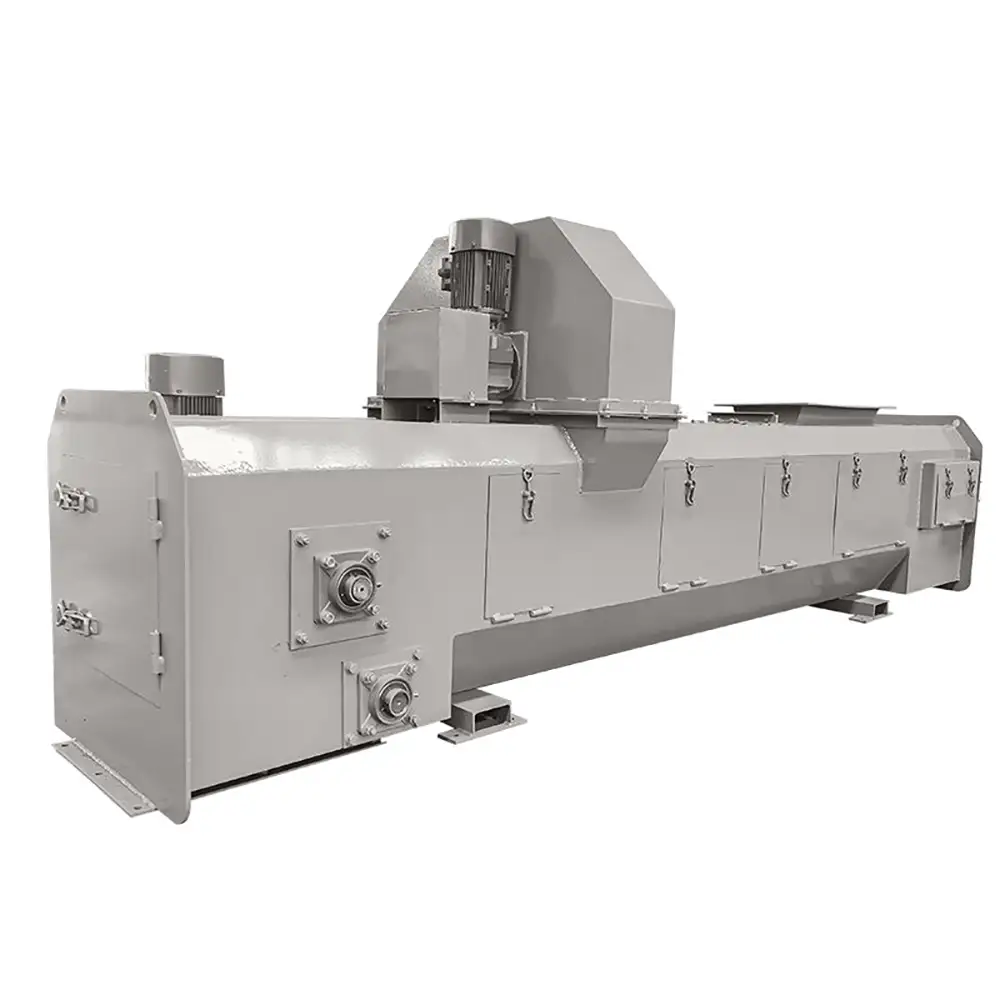
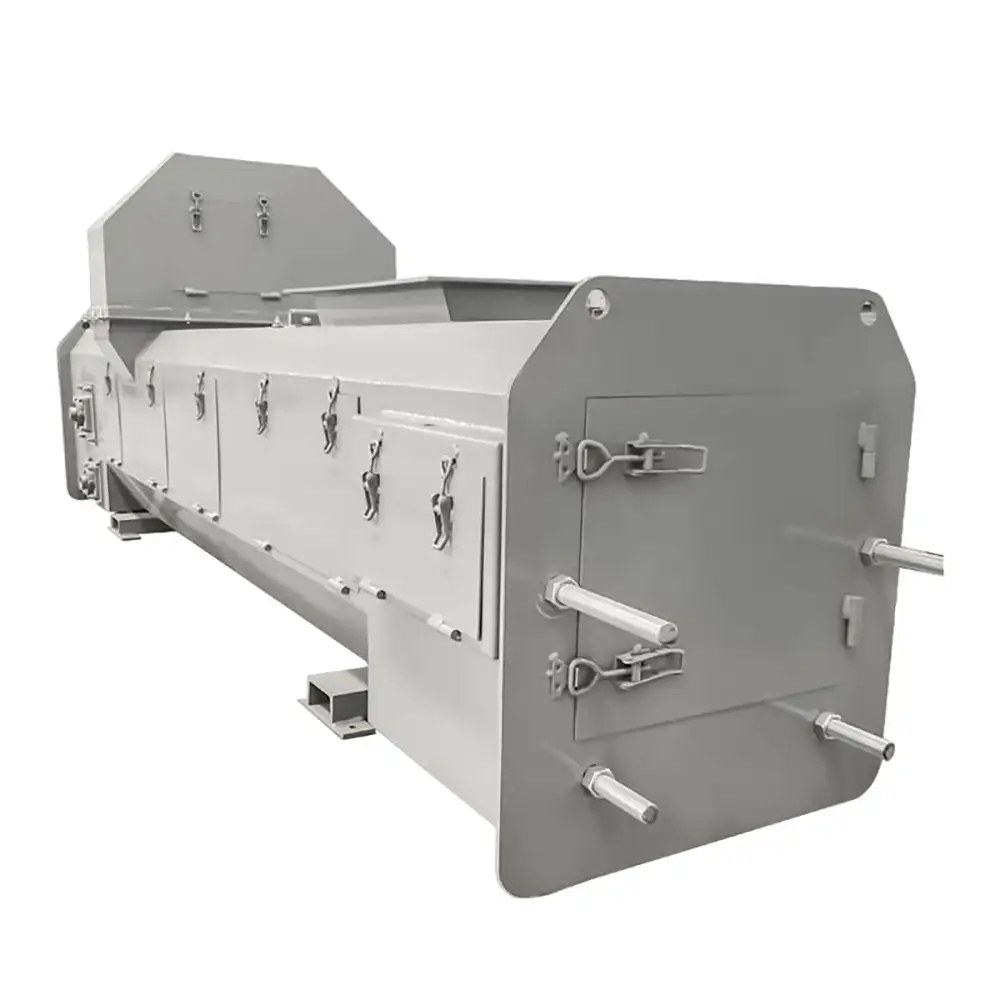
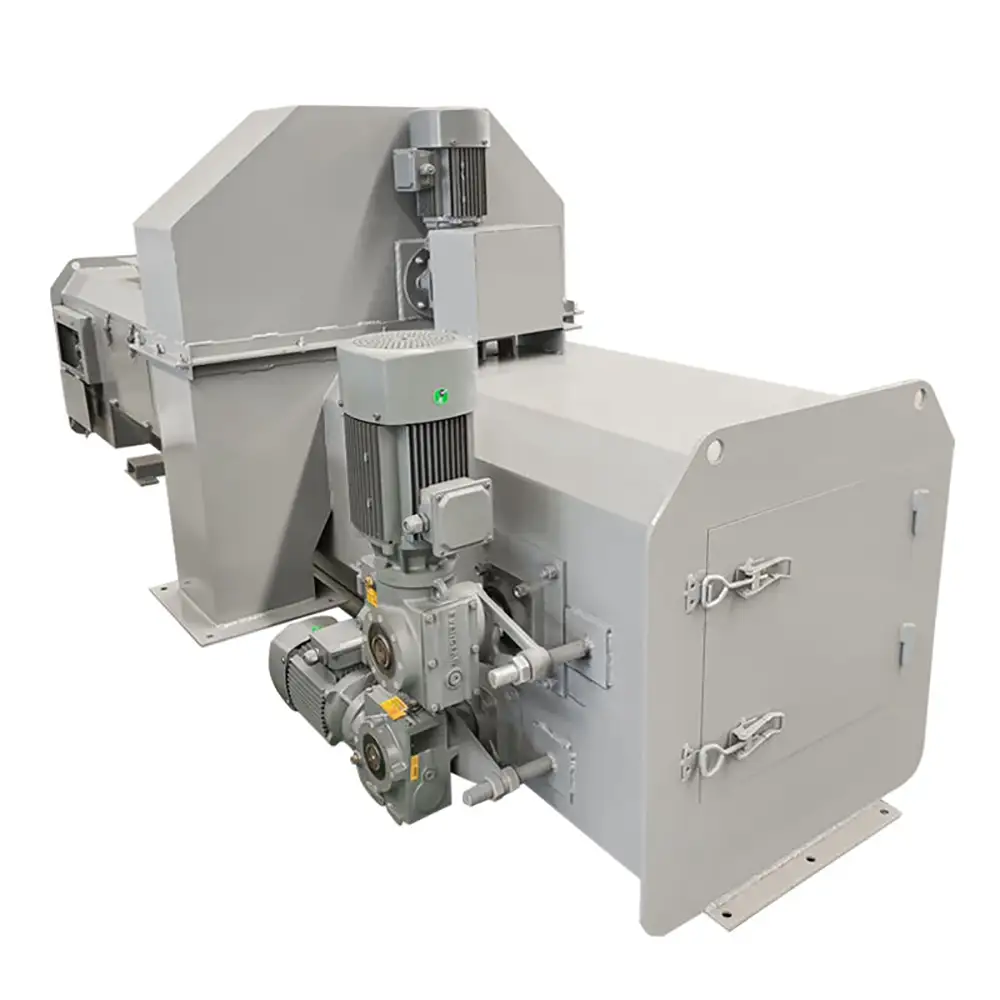
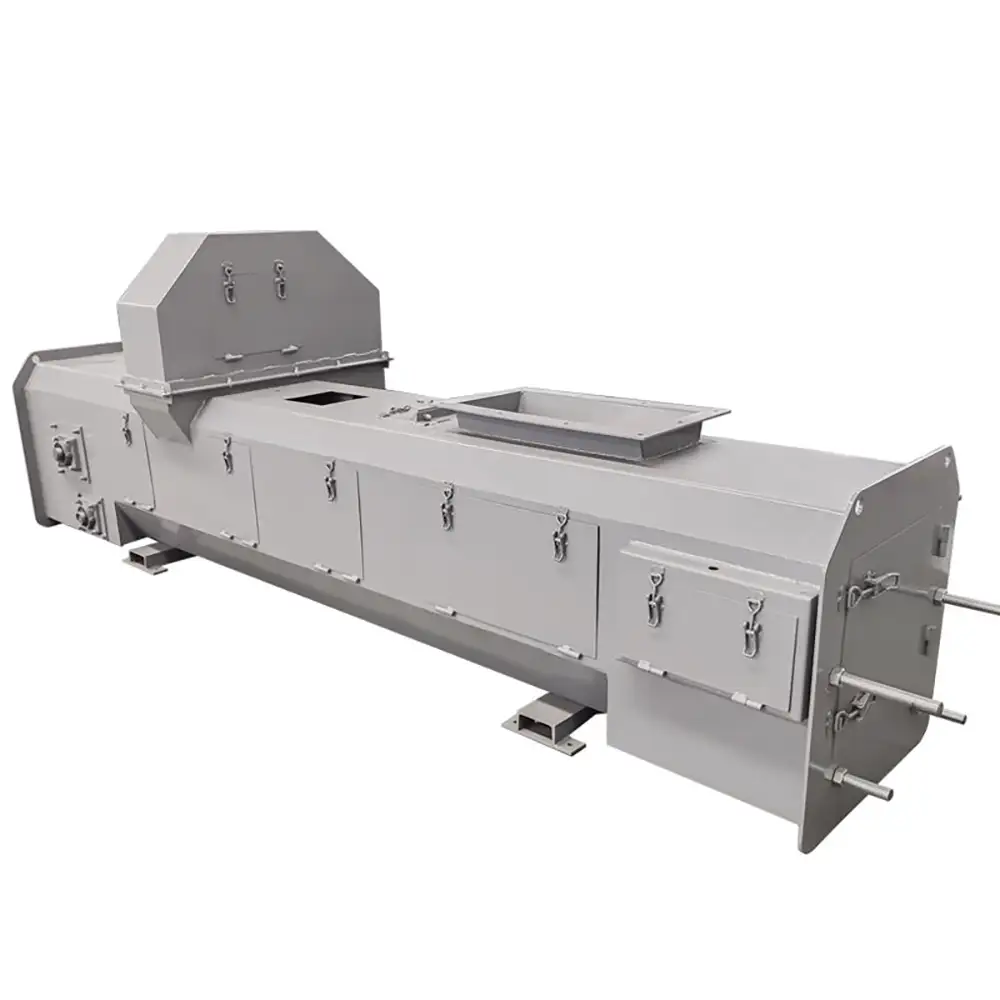
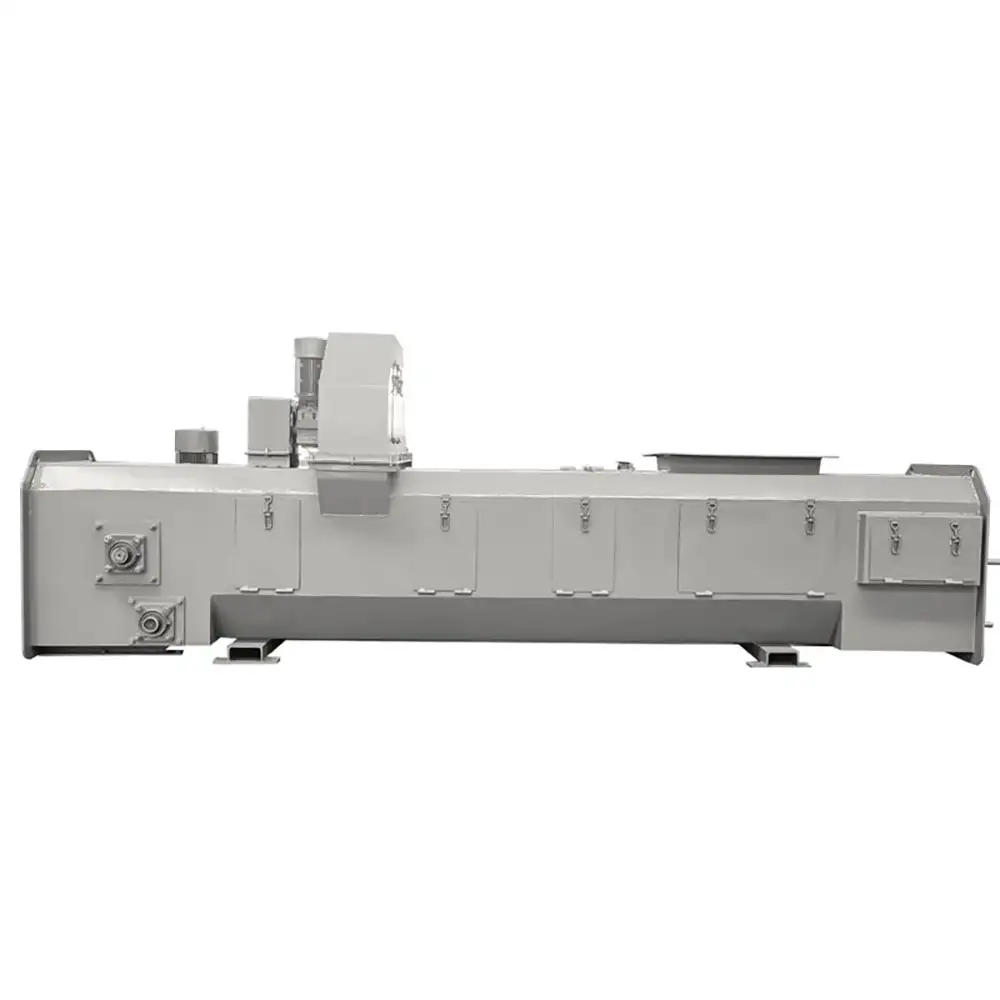
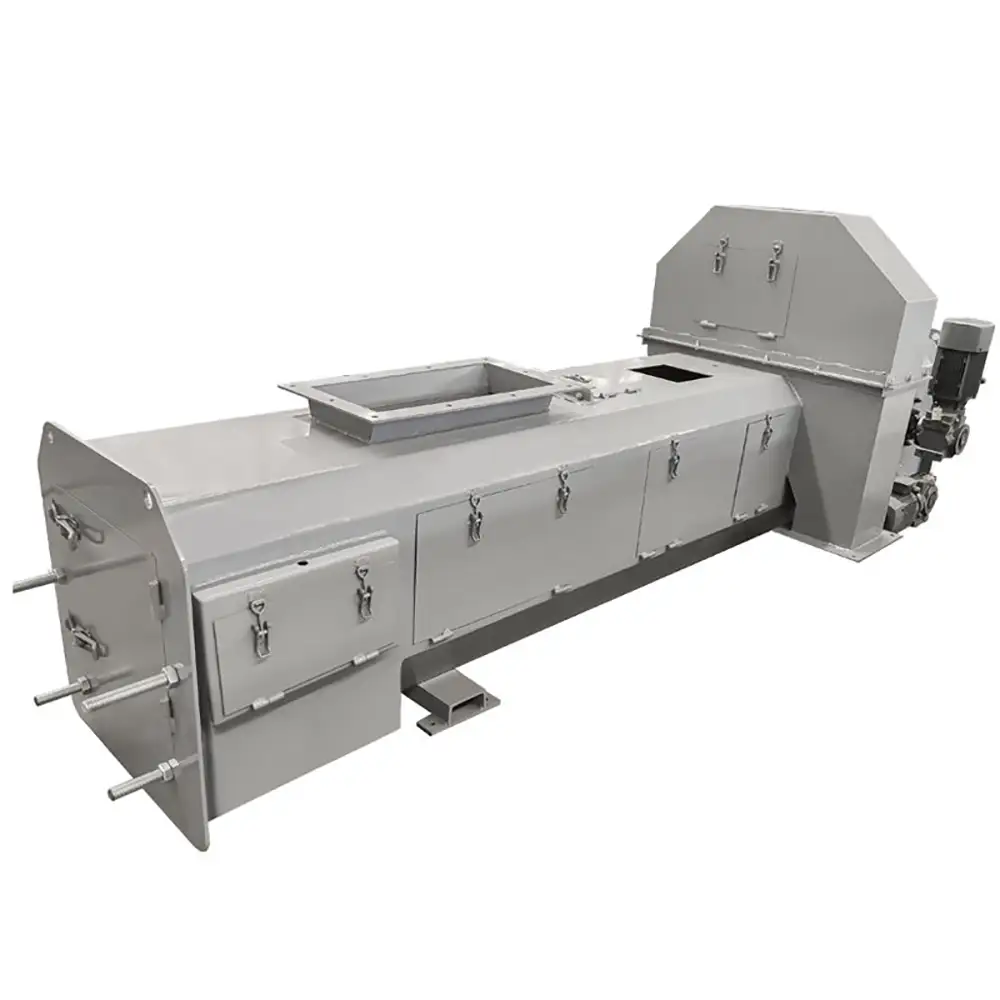
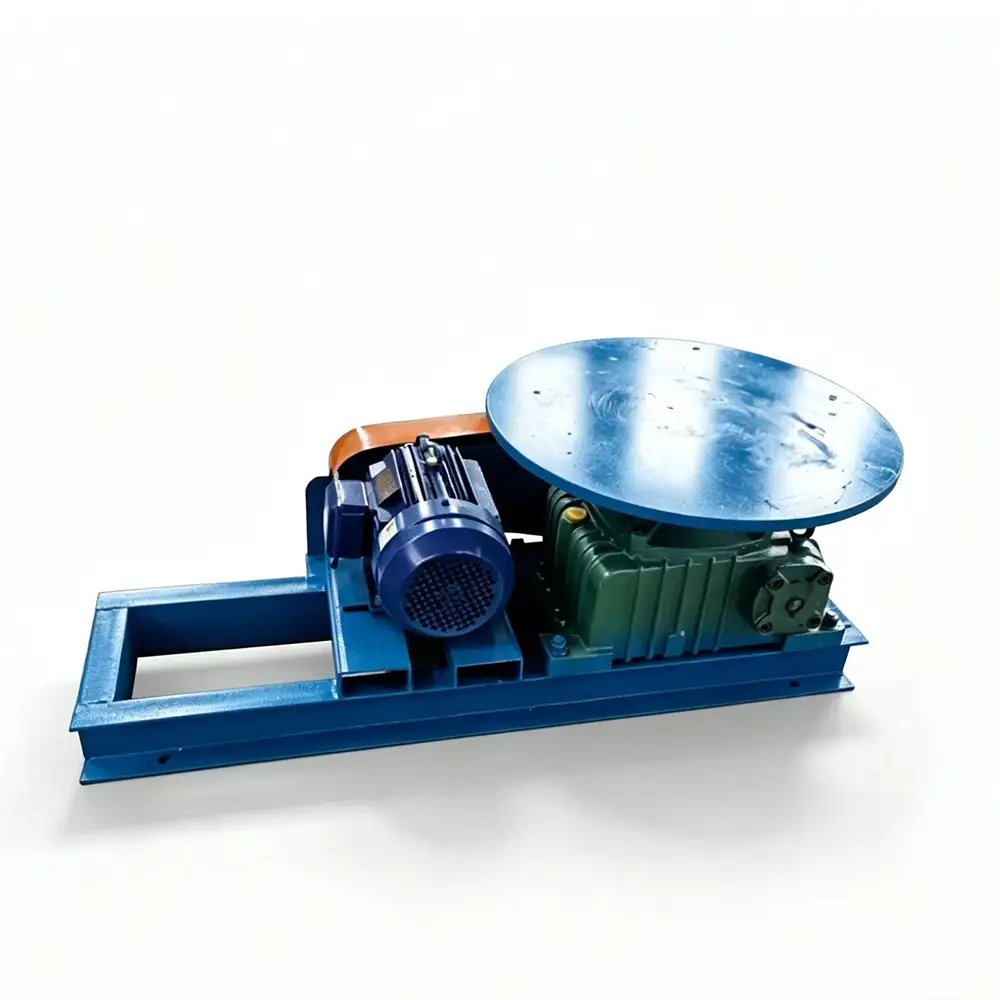
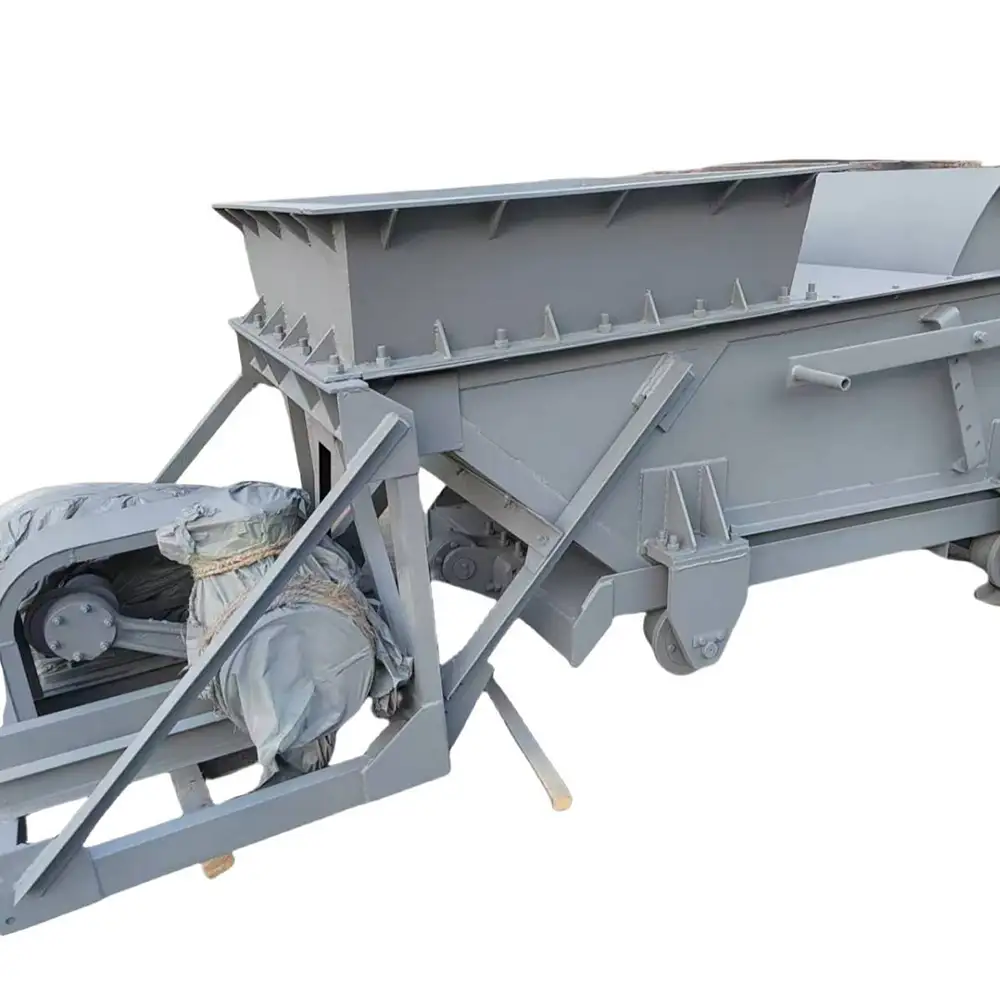
JGC weighing coal feeder is the main equipment in milling system of thermal power plant. In sealed condition, it can not only convey coal evenly and continuously, but also measure each furnace individually, which is an ideal equipment that can achieve a positive balance coal consumption. JGC weighing coal feeder is also suitable for continuous conveying and measurement of bulk materials in other industry sites. And it can achieve open-loop and closed-loop flow control and network management within the area, according to user requirements
|
Main technical parameters: |
|
Measuring Accuracy |
±0.5% or±0.25% |
|
Delivery Capacity |
1-1000t/h |
|
Conveyer Belt Width |
500-1400mm |
|
Center Distance of Entrance and Exit |
≥1000mm |
|
Range of Speed Regulation |
0.05-0.5m/s |
|
Total Power |
1.1-10kw |
|
Output Interface of Instrument |
RS232/485,Simulate 4-20mA,Soild-state relay pulse output |
|
Alarm Point |
Alarm points of temperature ,coal Interruption,coal blockage and belt deviation,etc. |
|
Main Interface |
Interfaces of seal air, clean air, safety barrier wind, and fire water, etc. |
JGC Weighing Coal Feeder | Universal Cement Coal Belt Weighing Apron Feeder
Product Overview
The JGC Weighing Coal Feeder is an industrial material handling and metering system designed to deliver coal and other suitable bulk materials at a controlled rate while continuously measuring material flow. It combines a feeding conveyor, weighing components, a speed sensor, and a control system to support consistent material supply and process monitoring.
JGC weighing feeders are commonly used in coal-fired power plants, cement production, mining, metallurgy, and other industries that require reliable bulk material feeding. In a typical coal application, the equipment transfers material from a storage bunker to a coal mill or another downstream process. Depending on the project, the system can support automatic feed-rate adjustment and connect with plant control equipment. <Cite refs={["turn269579search0","turn269579search3"]}/>
What Is a JGC Weighing Coal Feeder?
A JGC Weighing Coal Feeder is generally a belt-type weighing feeder that meters material as it moves along a conveyor belt. Material enters from a hopper or storage bin, travels across a weighing section, and discharges into the next piece of equipment.
The system measures the material load on the belt and combines that measurement with belt speed to calculate the instantaneous feed rate and accumulated quantity. This information helps operators monitor throughput and regulate the supply of coal or other bulk materials.
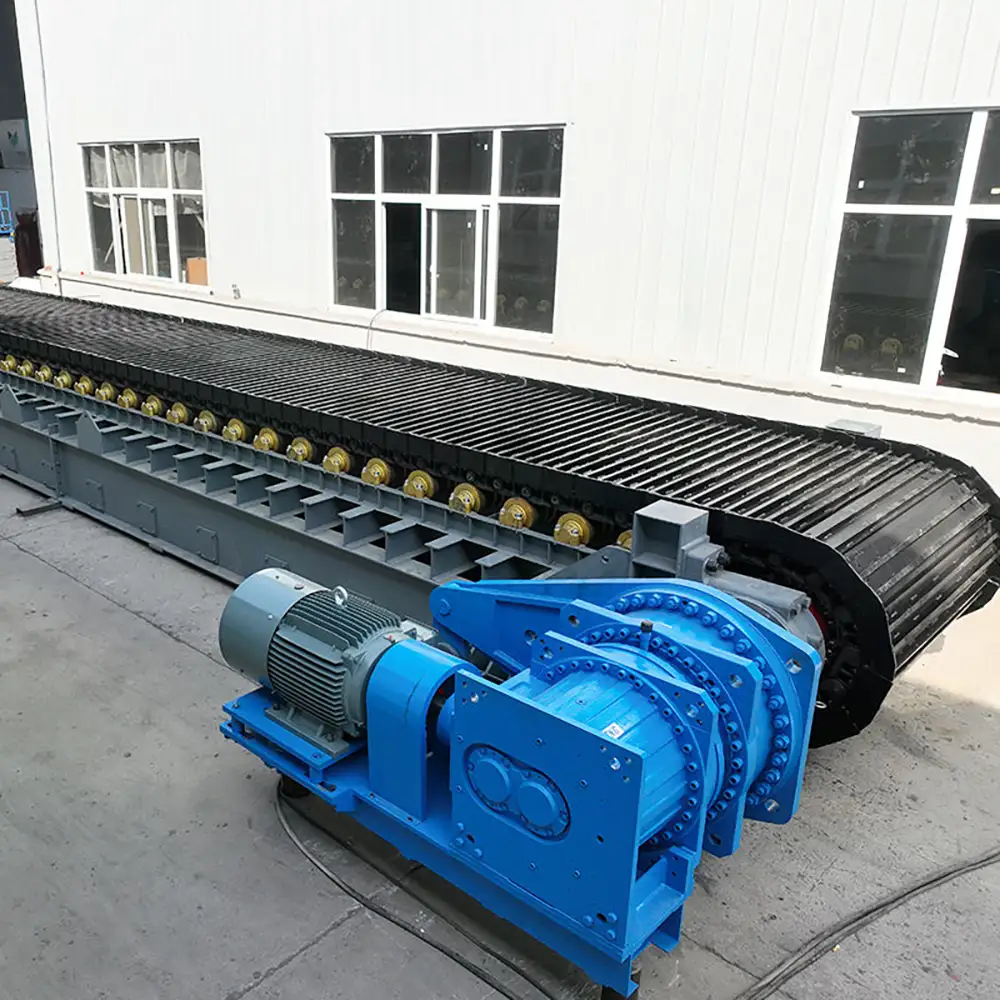
The phrase Apron Feeder refers to a different conveying arrangement that uses overlapping metal pans or plates mounted on chains. If your project requires an actual apron feeder rather than a belt-type JGC weighing feeder, the drive, weighing arrangement, and duty specifications should be confirmed separately.
Working Principle
The JGC weighing system uses material weight and conveyor speed to determine flow.
-
Material Loading: Coal or another suitable bulk material flows from a bunker through an inlet opening onto the feeder belt.
-
Continuous Conveying: A drive motor moves the belt, carrying material toward the discharge point.
-
Weight Measurement: Load cells beneath the weighing frame measure the load applied by the material passing over the weighing section.
-
Speed Detection: A speed sensor measures belt movement and supplies a signal to the weighing controller.
-
Flow Calculation: The controller processes the weight and speed signals to calculate the instantaneous feed rate and cumulative material quantity.
-
Feed-Rate Regulation: When configured for automatic control, the system compares actual flow with the target and adjusts belt speed to help maintain the required feed rate. <Cite refs={["turn269579search0","turn269579search3"]}/>
Main Components
A typical JGC weighing coal feeder may include:
-
Feeder Belt: Carries coal from the inlet to the discharge point.
-
Drive Motor and Transmission: Provides the power needed to move the belt.
-
Weighing Frame: Supports the weighing section and transfers material load to the sensors.
-
Load Cells: Convert the measured load into electrical signals for the weighing controller.
-
Speed Sensor: Detects belt speed for flow-rate calculation.
-
Inlet Hopper and Gate: Guide incoming material and help regulate its loading.
-
Control Instrument: Displays flow and totalized weight and supports feed-rate adjustment.
-
Enclosure and Sealing Components: Help contain dust and reduce material leakage where an enclosed design is specified.
-
Belt Cleaning and Tracking Components: Help maintain belt condition and alignment.
The exact equipment arrangement depends on the selected model and the process requirements.
Applications in Cement, Coal, and Bulk Material Handling
Coal-Fired Power Plants
Feed coal from storage bunkers to pulverizing systems and support controlled fuel supply to boiler operations. Enclosed feeder configurations may be selected where dust containment is important.
Cement Plants
Meter coal and other suitable bulk materials used in cement production. A weighing feeder can help maintain a target feed rate and provide throughput data for process monitoring.
Mining and Mineral Processing
Control the supply of suitable ores, minerals, and granular materials from storage hoppers to conveyors, crushers, mills, or other processing equipment.
Metallurgy and Industrial Furnaces
Provide measured material delivery to processes that require a controlled and repeatable supply of bulk solids.
Chemical and Building Materials
Feed compatible granular or powdered materials into production equipment, batching systems, and industrial conveying lines.
Coking and Bulk Material Facilities
Support material transfer and quantity monitoring in systems handling coal and other suitable bulk solids.
Key Features and Benefits
1. Continuous Weighing and Feeding
The integrated weighing section measures material as it moves, allowing feeding and weighing to take place in one process.
2. Adjustable Feed Rate
A variable-speed drive and compatible controller can regulate the belt speed to change material output according to production demand.
3. Process Monitoring
Instantaneous flow and cumulative weight information help operators review material consumption, throughput, and production performance.
4. Enclosed Equipment Options
For applications where dust containment is required, an enclosed feeder arrangement can help limit material escape and protect internal components.
5. Integration With Plant Controls
Depending on the electrical and control configuration, the feeder can exchange signals with plant automation systems for coordinated operation.
6. Multiple Industrial Applications
The weighing-feeder concept can be configured for different suitable bulk materials, provided the selected belt, hopper, weighing system, and drive meet the required operating conditions.
Belt Weighing Feeder vs. Apron Feeder
A belt weighing feeder uses a conveyor belt and weighing sensors to measure material flow. It is suited to applications where continuous metering and adjustable feed-rate control are required.
An apron feeder uses heavy-duty metal pans or plates carried by chains. It is commonly considered for demanding applications involving large lumps, high impact, or heavy-duty extraction from storage. Weighing can be added as a separate or integrated measurement solution, depending on the design.
For a product listing that includes both terms, confirm the actual conveying mechanism before specifying the equipment. A belt-type JGC feeder should not be described as a metal-pan apron feeder unless it genuinely uses that construction.
How to Select the Right Feeder
Before requesting a quotation, prepare the following information:
-
Material: Coal type or other material, including its flow characteristics and abrasiveness.
-
Capacity: Minimum, normal, and maximum feed rate, typically expressed in tons per hour.
-
Particle Size: Typical and maximum lump size, including any risk of oversized pieces.
-
Bulk Density and Moisture: Important for hopper flow, belt loading, and measurement performance.
-
Installation Layout: Inlet and outlet positions, available space, mounting arrangement, and connection details.
-
Control Requirements: Local or remote operation, automatic feed-rate control, signal interfaces, and data reporting.
-
Operating Conditions: Ambient temperature, dust exposure, and any special safety or electrical requirements.
If an apron feeder is required, also provide the expected impact loading, pan dimensions, chain arrangement, and extraction duty. Model capacity and measurement accuracy should be confirmed against the actual application rather than assumed from the product name.
Installation, Calibration, and Maintenance
Install the feeder on a stable structure and align the inlet and discharge connections with the process layout. Ensure that the hopper and surrounding structure do not impose unintended loads on the weighing section. Electrical installation and safety checks should be completed by qualified personnel.
Before production use, calibrate the weighing system according to the manufacturer's instructions. Check belt tracking, tension, weighing-frame movement, sensor connections, and speed feedback. Periodically inspect the belt, rollers, drive components, seals, and material buildup around the weighing area.
For reliable measurement, keep the weighing section free from material accumulation and investigate changes in belt alignment, vibration, or loading conditions. Isolate power and follow the plant's lockout procedures before maintenance.
Customization and OEM Supply
JGC weighing feeder configurations can be discussed according to the project’s material, capacity, layout, and control requirements. Potential options include belt width, feeder length, inlet and outlet arrangements, enclosure, drive configuration, weighing instrumentation, and control interfaces.
For cement, coal, or other bulk handling projects, provide process drawings and operating data so the supplier can review the required arrangement. If the application calls for a true apron feeder, specify that requirement clearly to avoid confusion with belt-type weighing equipment.
Why Choose Us?
-
Project-Based Configuration: Equipment recommendations can be reviewed against material properties, target throughput, and installation conditions.
-
Weighing and Control Options: Discuss load-cell arrangements, speed sensing, display functions, and automatic feed-rate control.
-
Industrial Application Support: Solutions can be evaluated for coal, cement, mining, metallurgy, and other bulk material processes.
-
OEM and Customization: Discuss dimensions, interfaces, enclosure, and electrical options to suit your production line.
-
B2B Export Communication: Technical requirements, drawings, and project details can be coordinated for equipment purchasing and integration.
Our focus is to help buyers specify a suitable feeding and weighing arrangement that meets their process needs and can be integrated into the wider material handling system.
Frequently Asked Questions
1. What is a JGC Weighing Coal Feeder?
It is a belt-type feeder with a weighing system that measures material flow while conveying coal from a bunker or hopper to downstream equipment.
2. What is the main purpose of a weighing coal feeder?
It provides controlled coal feeding and monitors the quantity delivered, helping operators manage fuel supply and production processes.
3. How does the feeder measure coal flow?
Load cells measure the material load on the weighing section, while a speed sensor measures belt movement. The controller combines these signals to calculate flow.
4. Can the feeding rate be adjusted automatically?
Yes, if the selected model includes a compatible variable-speed drive and automatic control system.
5. Can it be used in a cement plant?
It can be used for suitable coal and bulk material feeding duties in cement production. Confirm material characteristics and process requirements before selection.
6. Is a belt weighing feeder the same as an apron feeder?
No. A belt feeder conveys material on a belt, while an apron feeder uses metal pans or plates carried by chains. Their construction and application requirements differ.
7. Can the feeder operate with a plant automation system?
Depending on the controller and electrical configuration, it can be connected to plant control systems for monitoring and feed-rate regulation.
8. What information is needed to select a model?
Capacity, material type, particle size, bulk density, moisture, installation layout, power supply, and control requirements are important.
9. How often should the weighing system be calibrated?
Calibration frequency depends on operating conditions, measurement requirements, and the manufacturer's maintenance recommendations. Recheck after relevant mechanical or electrical changes.
10. Can the JGC feeder be customized?
Configuration options may include dimensions, enclosure, drive, weighing instrumentation, and control interfaces. Confirm the available options for the specific model.
Prev:
GZD Vibrating Feeder, Conveyor Belt Feeder Crush Machine Vibrating Feeder
Next:
GZ Vibrating Feeder, Vibrating Feeder Conveyor
TAG:
Coal Belt Conveyor,
Bulk Material Handling Equipment,
Chain Apron Feeder,
Bulk Material Feeder,
Industrial Material Feeder,
Industrial Apron Feeder,
Apron Feeder,
Heavy Duty Apron Feeder,
Coal Feeding Conveyor,
Automatic Material Feeder,
Coal Conveyor Feeder,
Adjustable Coal Feeder,
Heavy Duty Coal Feeder,
Coal Bunker Feeder,
Coal Hopper Feeder,
Mining Coal Feeder,
Automatic Coal Feeder,
Coal Feeding System,
Coal Feeding Equipment,
Coal Feeding Machine,
Industrial Belt Feeder,
Heavy Duty Belt Feeder,
Mining Weigh Feeder,
Conveyor Weighing System,
Industrial Weighing Equipment,
Conveyor Weigh Feeder,
Ore Weigh Feeder,
Mineral Weigh Feeder,
Aggregate Weigh Feeder,
Industrial Conveyor Feeder,
Related Category:
GC Weighing Coal Feeder,Universal Cement Coal Belt Weighing Apron Feeder China, suppliers, manufacturers, factory, customized, wholesale, quotation, made in China