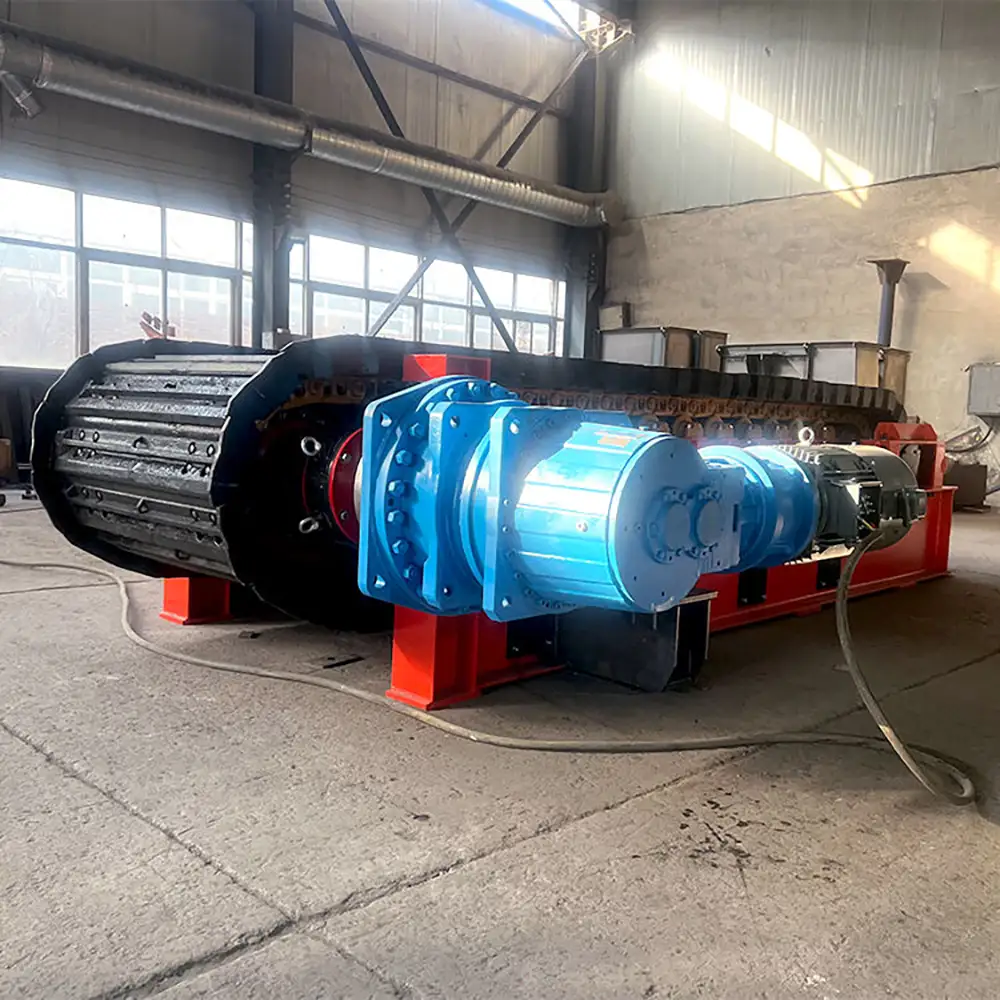
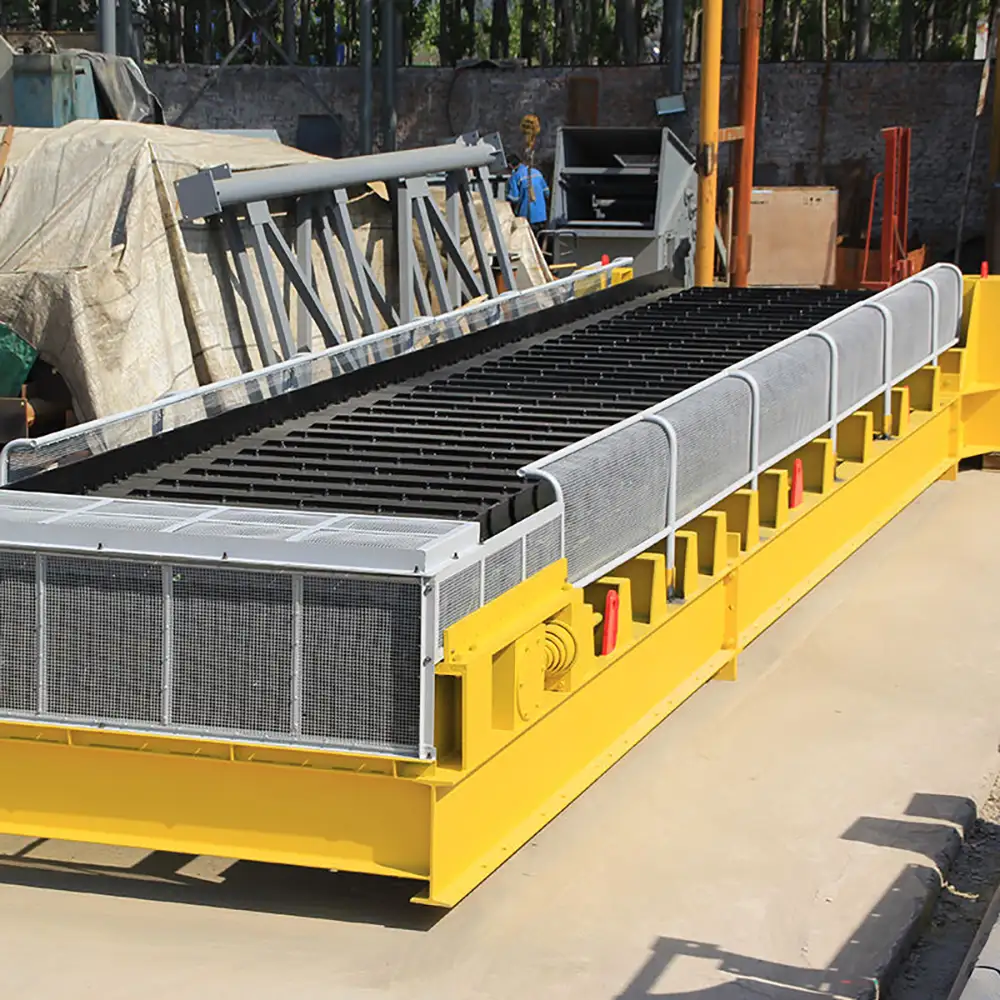
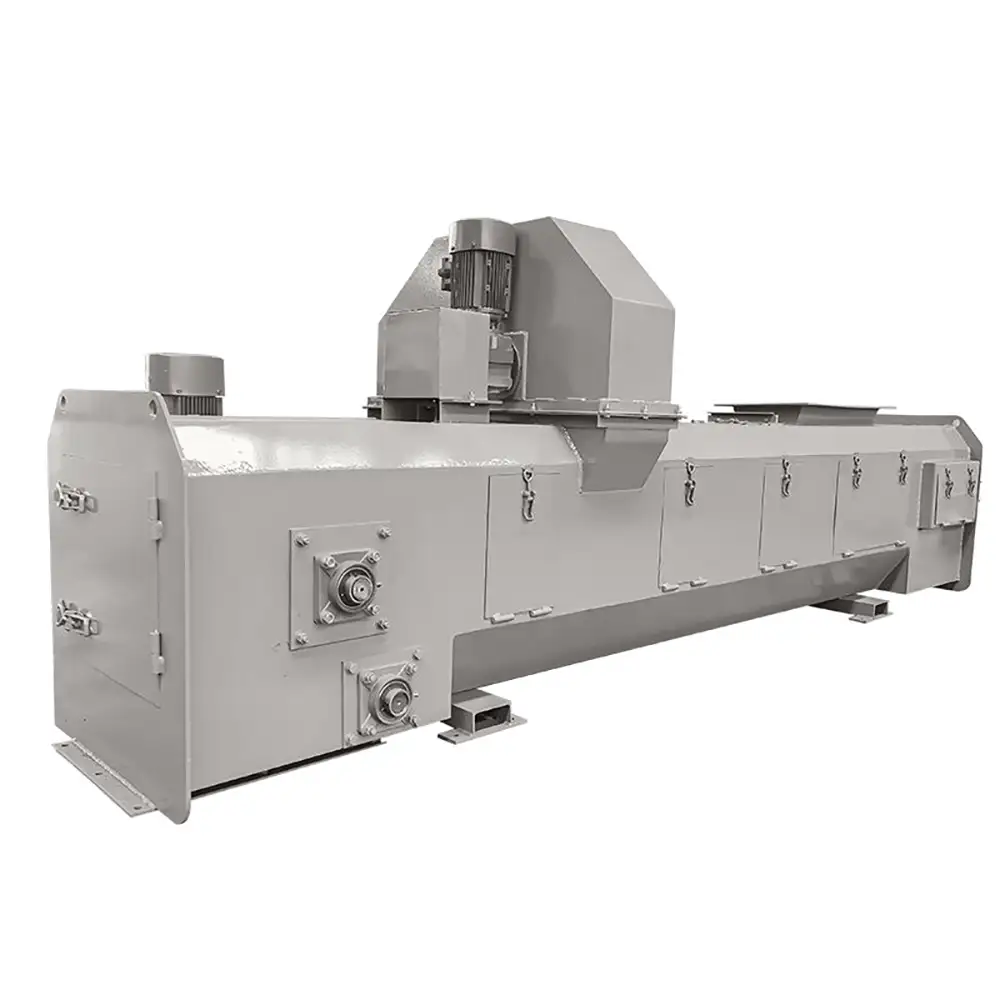
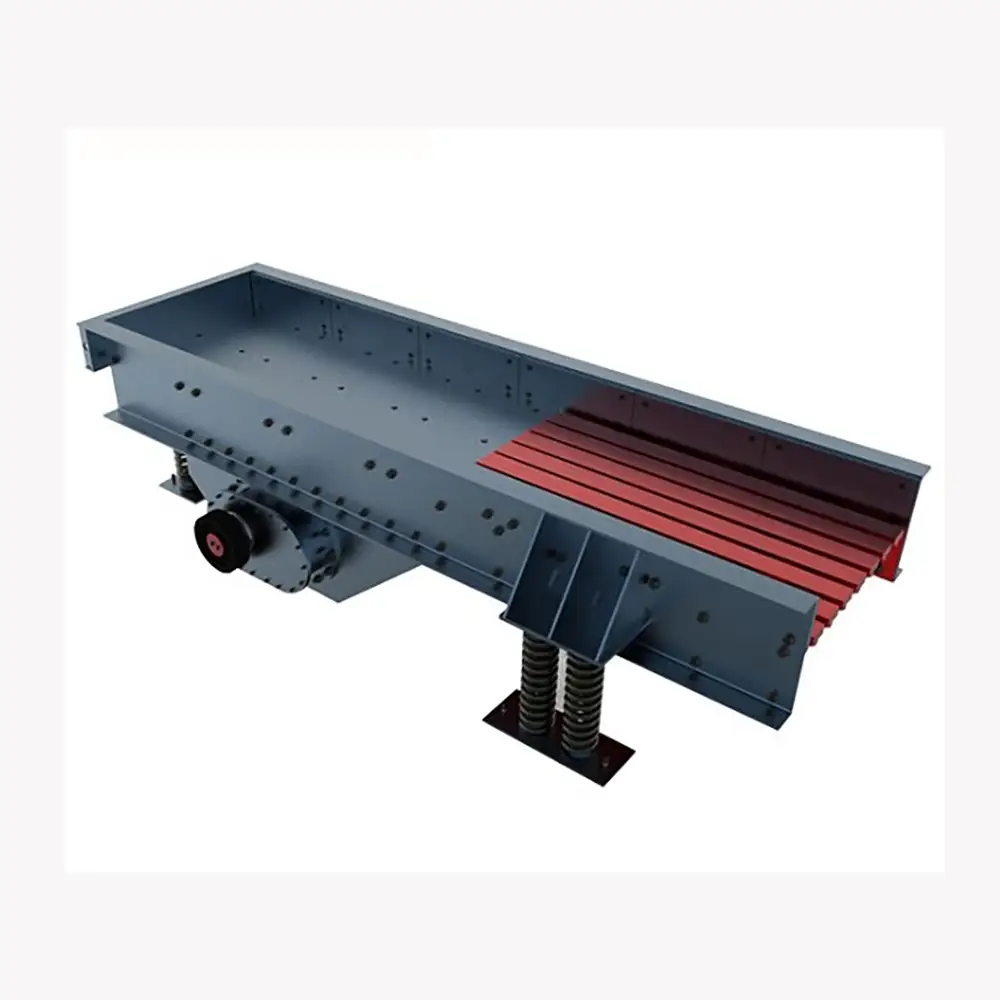
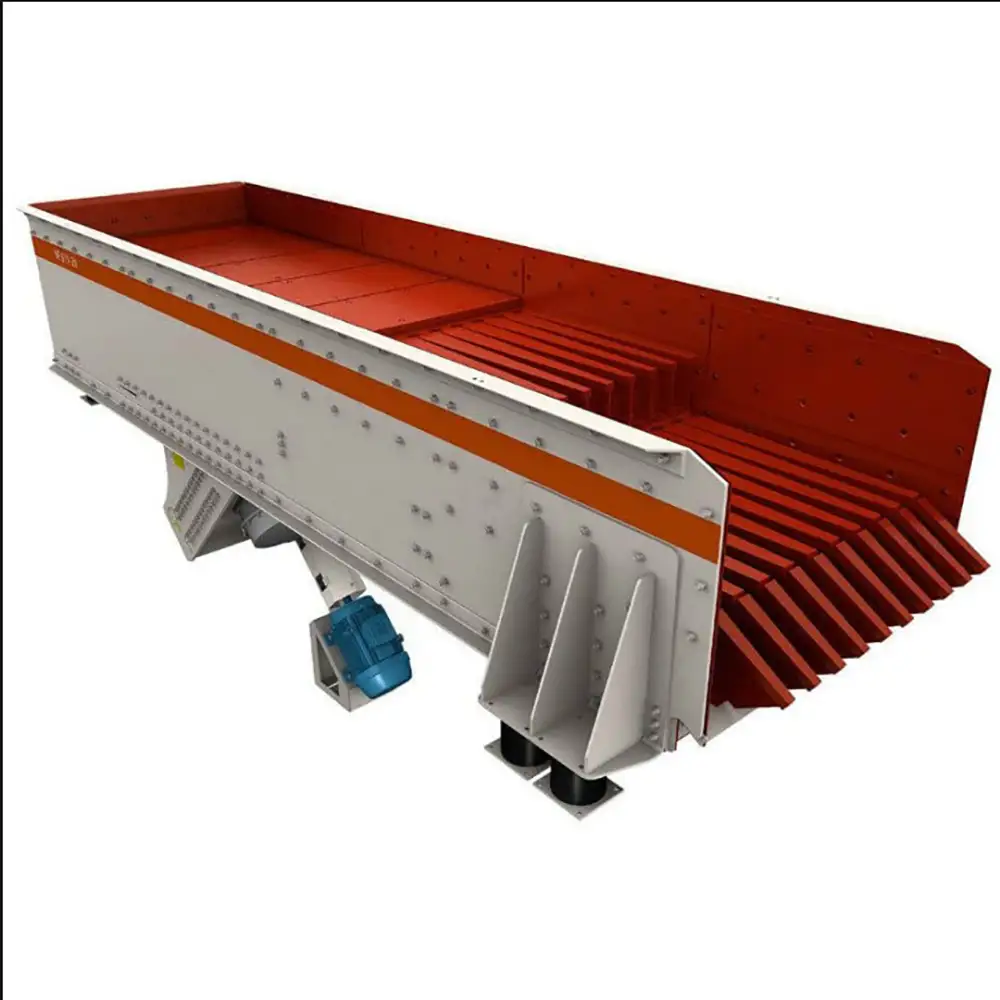
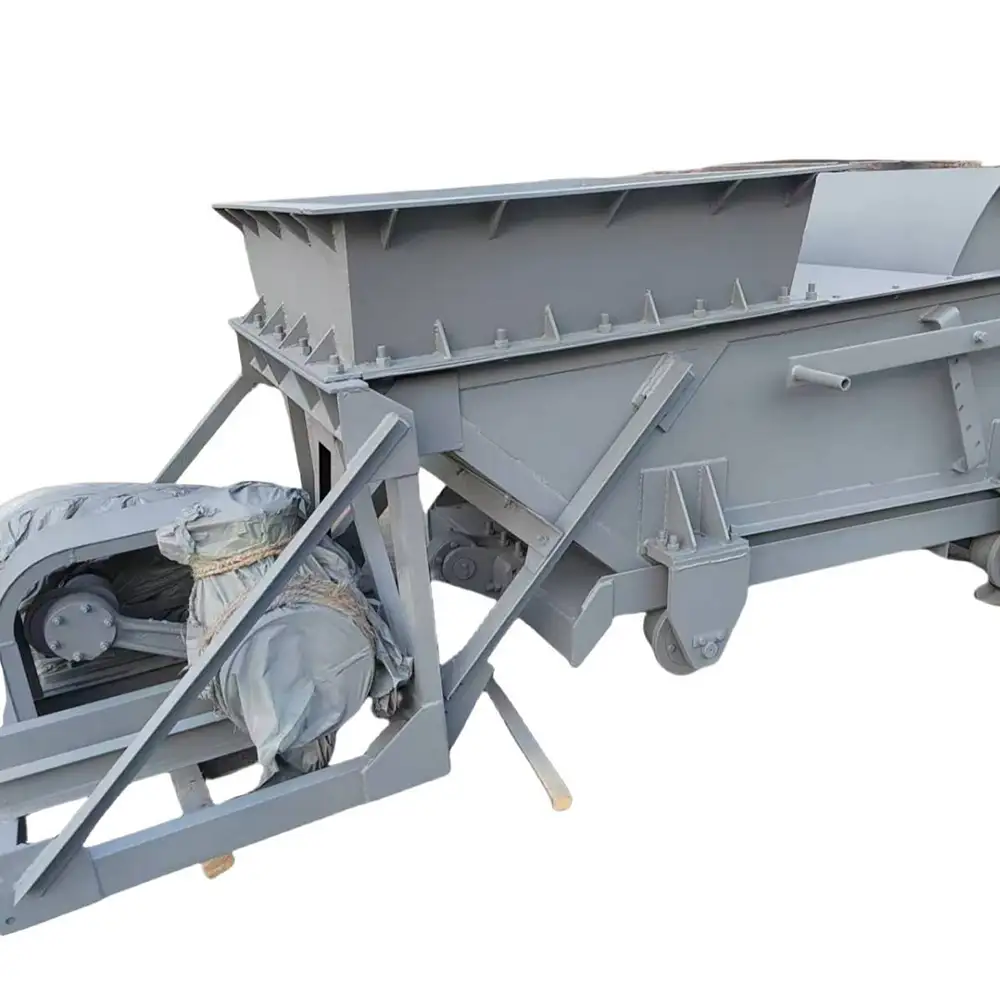
BWH Apron Feeder Introduction
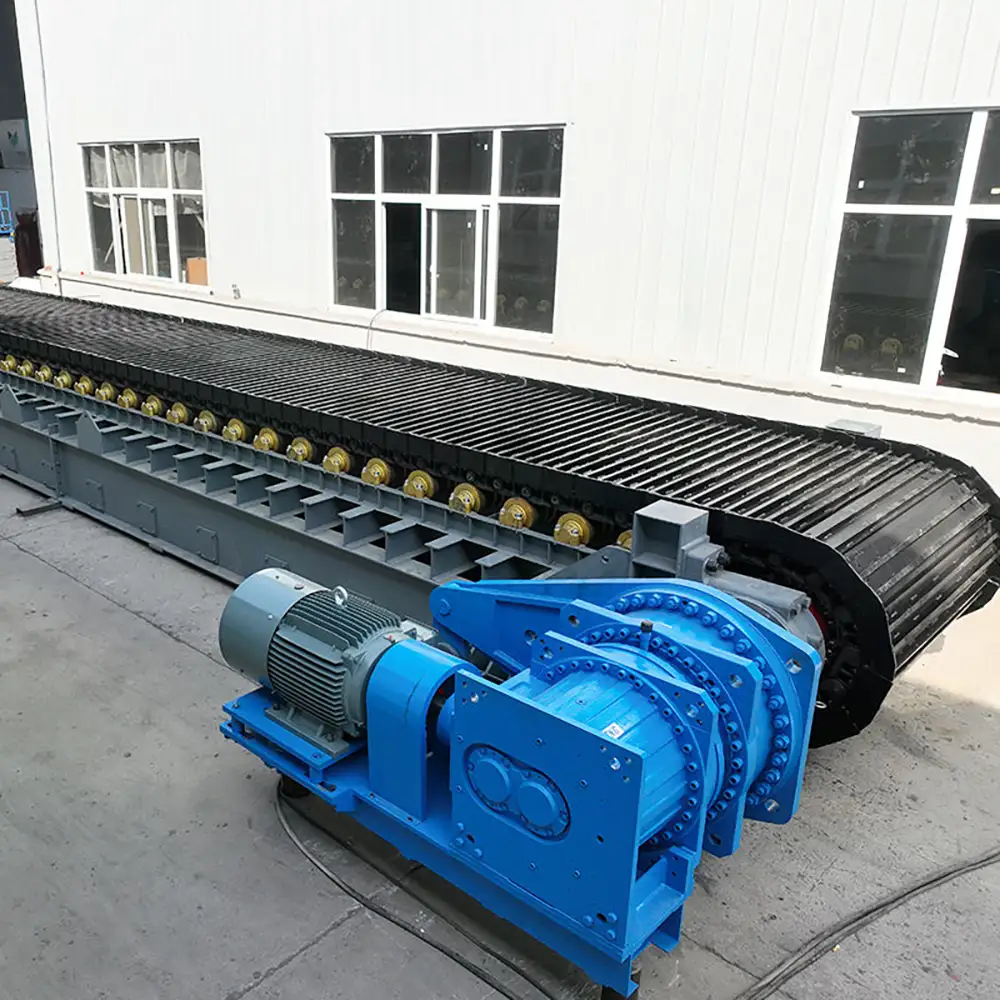
BWH Apron Feeder are engineered for heavy-duty operation and for primary or subsequent application stages. These custom-built machines are designed to suit individual requirements of capacity, size and material handled.
BW Apron Feeder Features
1. Impact loads are absorbed by pans of rolled alloy/ cast alloy/ manganese steel material depending on application and are similar to heavy-duty track-type undercarriage shoes.
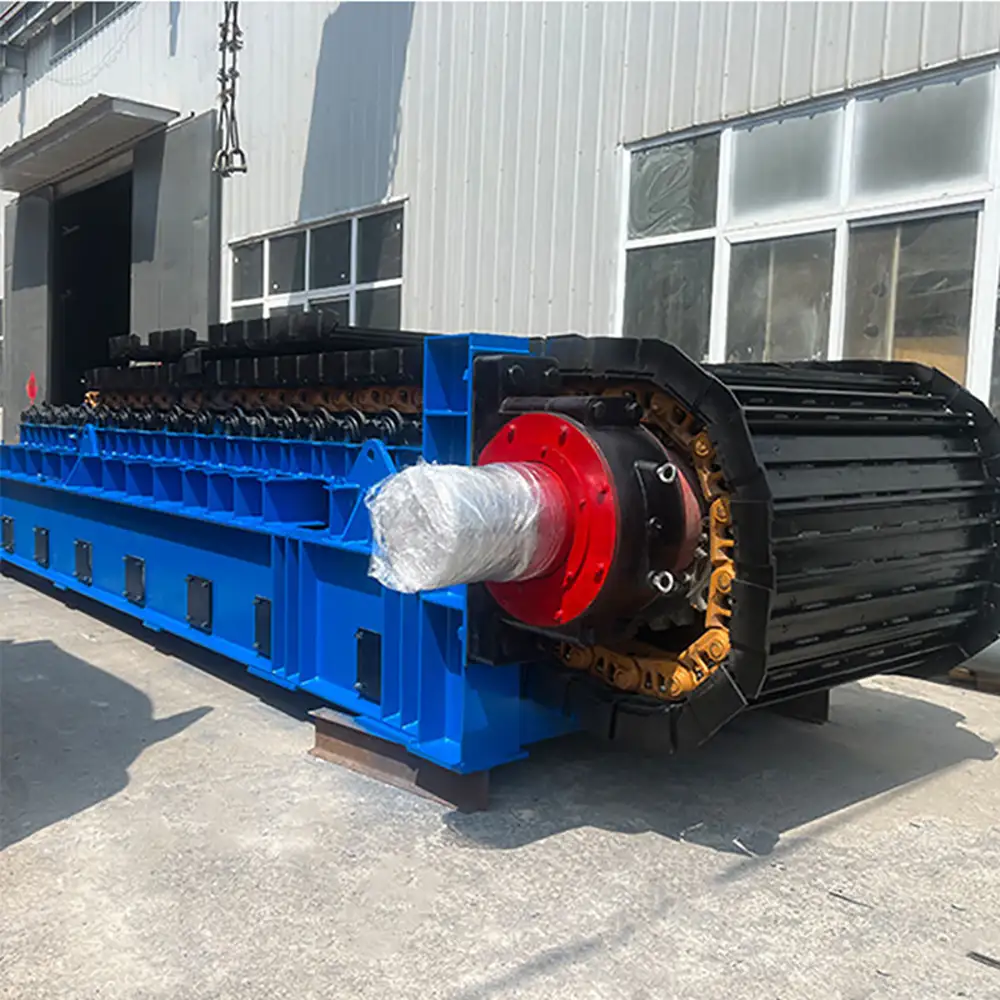
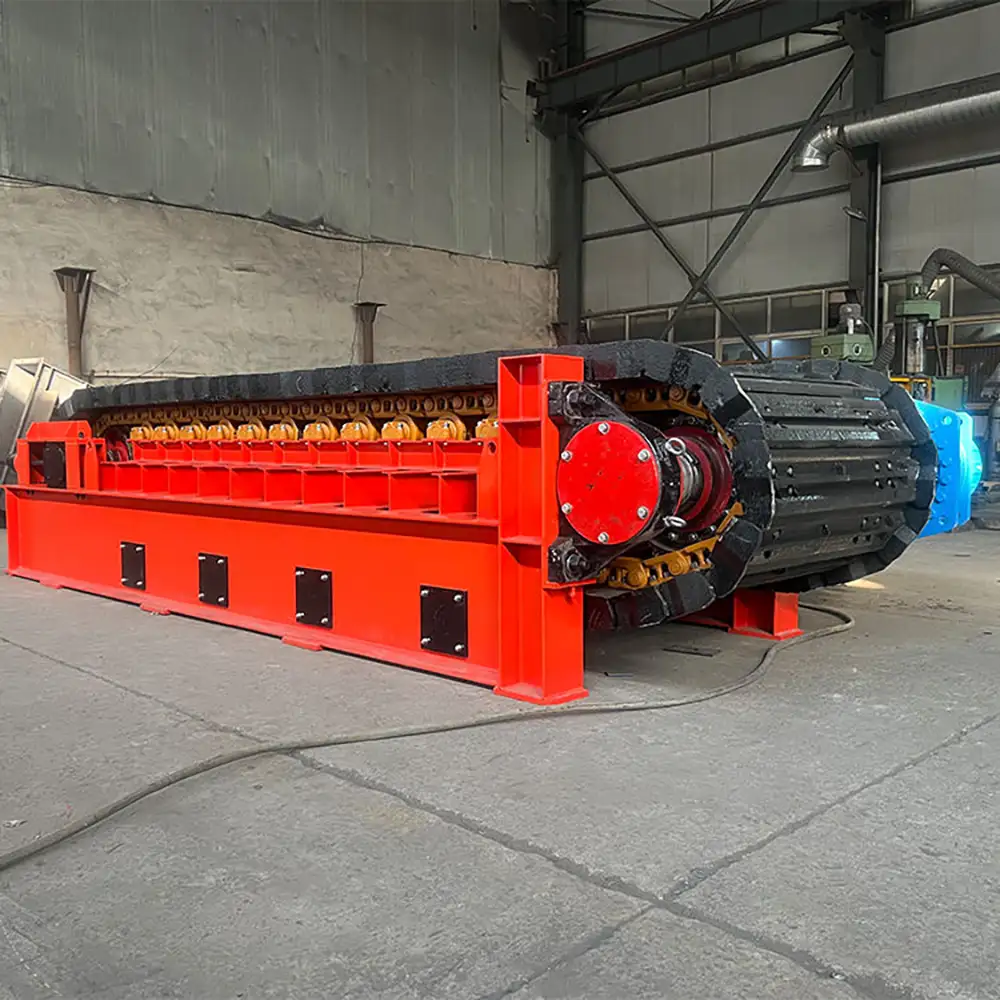
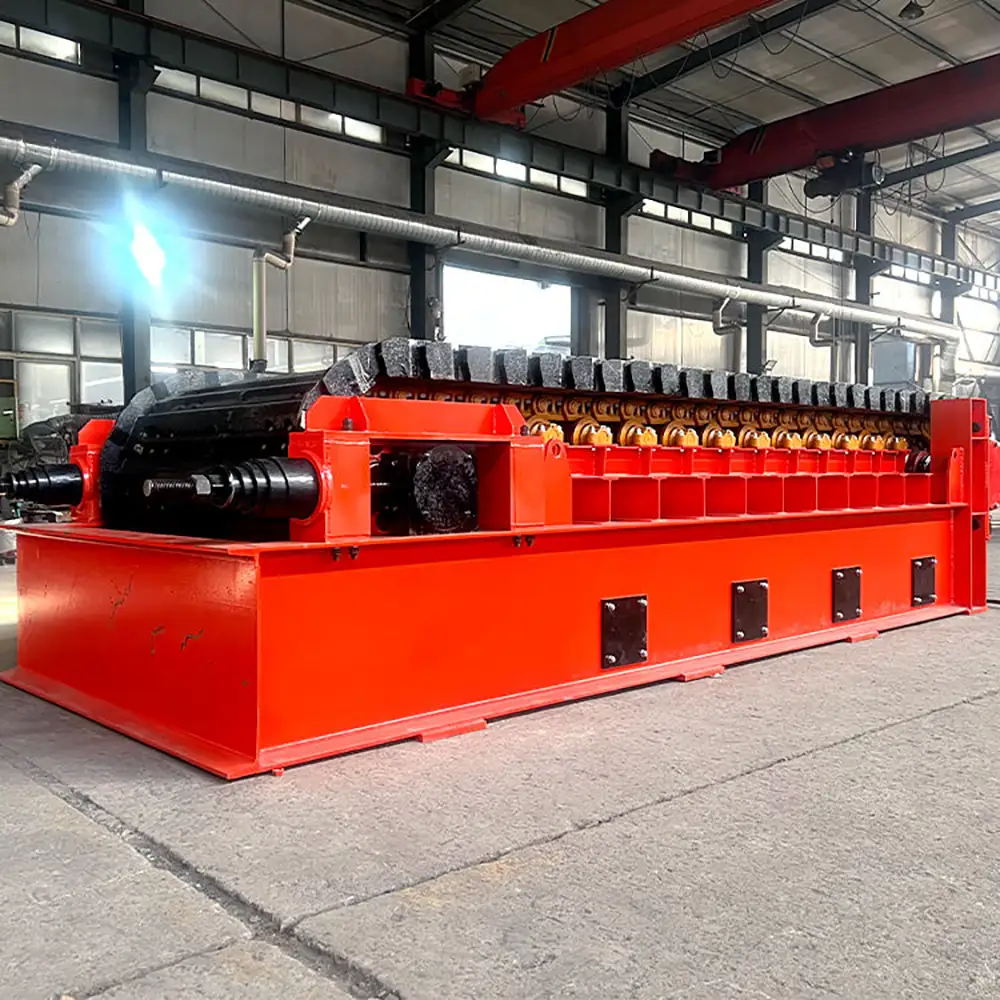
2. Pans are bolted to forged link chains supported on heavy-duty lifetime lubricated rollers.
3. High strength pans resist abrasion and withstand heavy impact loads.
4. Short pitch and precision-machined chain provides noise-free discharge of material with negligible impact on receiver.
5. Chain and roller flanges maintain rigid alignment of pans in relation to skirt.
BW Apron Feeder Application
Our apron feeder also has an integral matching scraper conveyor with built-in drive to handle spillage. This system ensures an economic layout and increased belt conveyor length vis-a-vis a conventional system with spillage chute. The feeders are specially designed to minimize maintenance.
Apron Feeder Model
BWH100-6~12, BWH(Z)120-4~20, BWH52-5~12, BWH(Z)150-4~15, BWZ180-8~12, BWZ220-10, BWZ240-10
|
Model |
Slot Width (mm) |
Feeding Size (mm) |
Capacity (t/h) |
Power (kw) |
Weight (t) |
|
BWH100-6~12 |
1000 |
≤ 500 |
60~160 |
11~15 |
13.5~20 |
|
BWH(Z)120-4~20 |
1200 |
≤ 600 |
45~160 |
11~30 |
13.2~43.5 |
|
BWH52-5~12 |
1250 |
≤ 800 |
60~160 |
11~18.5 |
18~32 |
|
BWH(Z)150-4~15 |
1500 |
≤ 700 |
100~200 |
15~45 |
18.5~60 |
|
BWZ180-8~12 |
1800 |
≤ 800 |
160-350 |
37~55 |
52~68 |
|
BWZ220-10 |
2200 |
≤ 1200 |
200-650 |
45 |
80.5 |
|
BWZ240-10 |
2400 |
≤ 1500 |
260-750 |
45 |
83.5 |
The BWH Apron Feeder is a heavy-duty material feeding solution designed for mining, quarrying, mineral processing, cement, metallurgy, and other bulk material handling applications. It provides a controlled and continuous flow of material from a hopper, stockpile, or feed bin to downstream equipment such as crushers, screens, conveyors, and processing systems.
In mining operations, raw materials can be large, heavy, abrasive, wet, or irregularly shaped. Conventional belt or light-duty feeding equipment may not be suitable for severe impact and high-load conditions. An apron feeder uses heavy-duty plates or pans supported by chains and rollers to move material forward, making it well suited to demanding feeding duties. Industry references describe apron feeders as robust feeders for applications ranging from mining and aggregates to severe-duty primary feeding.
The BWH series is designed for short-distance, continuous, and relatively uniform feeding or transferring of bulk materials. Depending on plant layout and process requirements, the feeder can be installed horizontally or with an inclination. Typical applications include feeding crushed stone, iron ore, coal, limestone, mineral raw materials, and other bulk solids to the next processing stage. BWH specifications vary by model, with different widths, lengths, feed sizes, speeds, and capacities available for different operating conditions.
What Is a BWH Apron Feeder?
A BWH Apron Feeder is a mechanical plate-type feeder in which a series of durable steel pans are connected to a chain drive. As the chains move, the pans carry bulk material from the loading point toward the discharge end.
This construction provides several advantages when handling large or abrasive materials. The steel pans can withstand impact from material discharged into a hopper, while the chain-and-roller system provides positive mechanical movement rather than relying on vibration alone.
For mining applications, the feeder can be positioned beneath a hopper or receiving bin to regulate the material entering a primary crusher or conveyor. This helps reduce uncontrolled surges and provides a more stable material flow to downstream equipment.
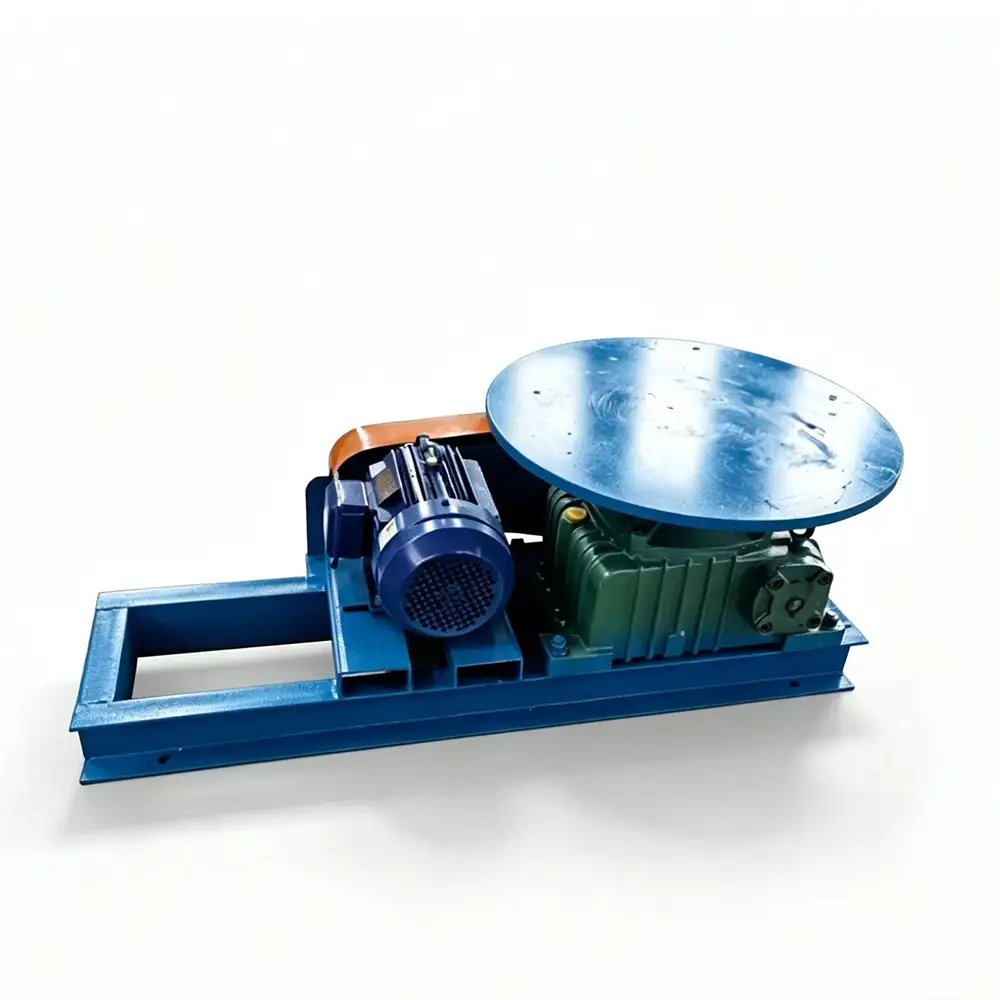
BWH Apron Feeder vs. Disk Feeder
BWH Apron Feeder and Disk Feeder are related to industrial bulk-material feeding, but they are not the same machine.
An apron feeder transports material on moving steel pans driven by chains. It is particularly suitable for coarse, heavy, abrasive, and impact-loaded materials.
A disk feeder, also called a disc feeder in many product catalogs, uses a rotating disc to discharge material from a hopper or storage bin. It is generally selected according to material characteristics, required feeding rate, installation arrangement, and process conditions.
Therefore, when selecting between an apron feeder and a disk feeder, engineers should consider feed particle size, bulk density, moisture, abrasiveness, impact load, required capacity, hopper configuration, and downstream equipment.
Heavy-Duty Design for Mining
Mining applications often expose feeding equipment to severe mechanical loads. Large rocks can create substantial impact when they enter the feed hopper, while abrasive ore can accelerate component wear.
The BWH Apron Feeder is designed around a heavy-duty plate and chain conveying structure. Wear-resistant components can be selected according to the characteristics of the handled material. The robust frame, chain system, rollers, sprockets, and drive assembly work together to provide stable material movement.
Apron feeders are widely used for iron ore, coal, gold ore, copper ore, limestone, overburden, aggregates, and other difficult bulk materials.
Controlled and Continuous Material Feeding
A stable feed rate is important for crushers, screens, mills, conveyors, and mineral processing systems. If material enters a crusher too quickly, the equipment may become overloaded. If the feed is too slow, overall production can be reduced.
A properly selected apron feeder helps create a controlled material flow between the feed hopper and downstream machinery. Variable-speed drive options can also allow operators to adjust feeding speed according to actual process requirements. Apron feeder systems are commonly used to provide regulated material flow and help match upstream storage with downstream processing equipment.
Main Features
Heavy-duty steel apron plates for demanding material handling
Strong chain-driven conveying mechanism
Suitable for coarse and abrasive bulk materials
Designed for continuous and controlled feeding
Suitable for installation beneath hoppers and feed bins
Horizontal or inclined installation options
Adjustable feeding speed according to system requirements
Robust structure for mining and quarry applications
Easy access to major wear and drive components
Customizable dimensions and feeding capacity
Mining and Industrial Applications
The BWH Apron Feeder can be integrated into a variety of bulk material processing systems.
Mining
It can be used for feeding run-of-mine materials, iron ore, copper ore, gold ore, coal, and other minerals from receiving hoppers to crushers or conveyors.
Quarrying and Aggregates
Quarries can use apron feeders to transfer large quantities of blasted rock, limestone, granite, and other aggregates toward primary crushing equipment.
Cement Plants
The feeder can be used for handling limestone and other raw materials in cement production and material preparation systems.
Metallurgy
Heavy-duty feeding equipment is commonly required for ore handling and metallurgical raw material processing.
Mineral Processing
The feeder can provide a stable flow between storage, crushing, screening, and subsequent processing equipment.
How to Select the Right Apron Feeder
Correct feeder selection should be based on actual operating conditions rather than model name alone. Important parameters include:
Material type and bulk density
Maximum feed particle size
Required feeding capacity
Hopper dimensions and loading height
Feeder width and conveying length
Installation angle
Material moisture and flow characteristics
Abrasiveness and impact conditions
Required operating hours
Downstream crusher or conveyor capacity
BWH model specifications can differ considerably. For example, published BWH series data shows different maximum feed sizes, speeds, capacities, dimensions, and motor powers across feeder sizes, demonstrating why equipment should be selected according to the actual application.
Maintenance Considerations
Regular inspection helps maintain stable feeder performance. Operators should periodically inspect chains, sprockets, rollers, apron plates, bearings, drive components, and fastening points.
Wear parts should be checked according to operating conditions. Abrasive ore and large impact loads may require more frequent inspection than lighter-duty applications. Proper lubrication of applicable components and timely replacement of worn parts can help reduce unexpected downtime.
A practical maintenance program should also include checking chain alignment, drive condition, abnormal vibration or noise, material buildup, and the condition of the feed hopper and discharge area.
Custom BWH Apron Feeder Solutions
Every mining plant has different material characteristics and layout requirements. We can provide customized apron feeder configurations based on required capacity, material size, feeder dimensions, installation conditions, motor requirements, hopper design, and downstream equipment.
Our engineering team can help select the appropriate feeder configuration for mining, quarrying, cement, aggregate, metallurgy, and mineral processing applications.
Why Choose Us?
Mining Industry Experience: Solutions designed for demanding bulk material handling environments.
Heavy-Duty Construction: Robust plates, chains, rollers, frames, and drive components for continuous operation.
Application-Based Selection: Equipment recommendations are based on material properties and process requirements.
Custom Manufacturing: Feeder width, length, drive configuration, and other specifications can be customized.
Complete System Integration: Suitable for connection with hoppers, crushers, screens, conveyors, and processing equipment.
OEM Support: Custom OEM designs are available for distributors, engineering companies, and mining projects.
Export-Oriented Service: Technical documentation, equipment configuration, spare parts, and after-sales support can be provided for international projects.
Frequently Asked Questions
1. What is a BWH Apron Feeder?
A BWH Apron Feeder is a heavy-duty plate-type mechanical feeder that uses chains and steel apron plates to continuously transport and regulate bulk materials.
2. Where is an apron feeder used?
Apron feeders are commonly used in mining, quarrying, aggregates, cement, metallurgy, and mineral processing applications where robust material feeding is required.
3. What materials can a mining apron feeder handle?
Depending on the design, apron feeders can handle iron ore, copper ore, gold ore, coal, limestone, rock, aggregates, overburden, and other bulk materials.
4. Is a Disk Feeder the same as an Apron Feeder?
No. A Disk Feeder uses a rotating disc for material discharge, while an Apron Feeder uses moving steel pans driven by chains. They should be selected according to different process requirements.
5. Can the BWH Apron Feeder be installed at an angle?
Yes. Certain BWH configurations can be installed horizontally or at an inclination. The final installation angle should be determined according to the material, capacity, feeder design, and plant layout.
6. Can the feeding speed be adjusted?
Depending on the drive configuration, variable-speed control can be incorporated to regulate material flow and coordinate the feeder with downstream equipment.
7. Is an apron feeder suitable for large rocks?
Yes. Apron feeders are specifically used in many heavy-duty applications involving coarse and impact-loaded materials. The actual maximum feed size depends on the selected feeder model and design.
8. How do I choose an apron feeder capacity?
Capacity selection should consider material density, feed size, required throughput, feeder dimensions, speed, loading conditions, and downstream equipment capacity.
9. Can you customize a BWH Apron Feeder?
Yes. Customization can be provided for feeder dimensions, capacity, drive configuration, installation arrangement, wear components, and project-specific requirements.
10. What information is needed for a quotation?
Please provide material type, bulk density, maximum particle size, required capacity, feeder length, installation conditions, hopper information, and downstream equipment details. These parameters allow engineers to recommend a suitable configuration.
Prev:Sorry, no information
Next:
DK Feeder, DB Feeder, KR Feeder, BR Disc Feeder
TAG:
Rotary Disc Feeder,
Rotary Disk Feeder,
Mining Disc Feeder,
Mining Disk Feeder,
Ore Disc Feeder,
Industrial Disc Feeder,
Disk Feeding Machine,
Disc Feeding Machine,
Disk Feeder Machine,
Disc Feeder Machine,
Ore Disk Feeder,
Bulk Material Handling Equipment,
Mining Material Handling,
Crusher Feeding Equipment,
Primary Feeding Equipment,
Industrial Disk Feeder,
Disc Feeder,
Disk Feeder,
Rock Crushing Feeder,
Ore Handling Equipment,
Chain Plate Feeder,
Apron Conveyor,
Chain Apron Feeder,
Mining Feeding Equipment,
Industrial Feeder Equipment,
Aggregate Feeder,
Mining Hopper Feeder,
Apron Chain Feeder,
Steel Apron Feeder,
Steel Plate Feeder,
Related Category:
BWH Apron Feeder,Disk Feeder,Apron Feeder In Mining,Mining Apron Feeder China, suppliers, manufacturers, factory, customized, wholesale, quotation, made in China