Helmet and Hinge Riveting Machine for Industrial Production
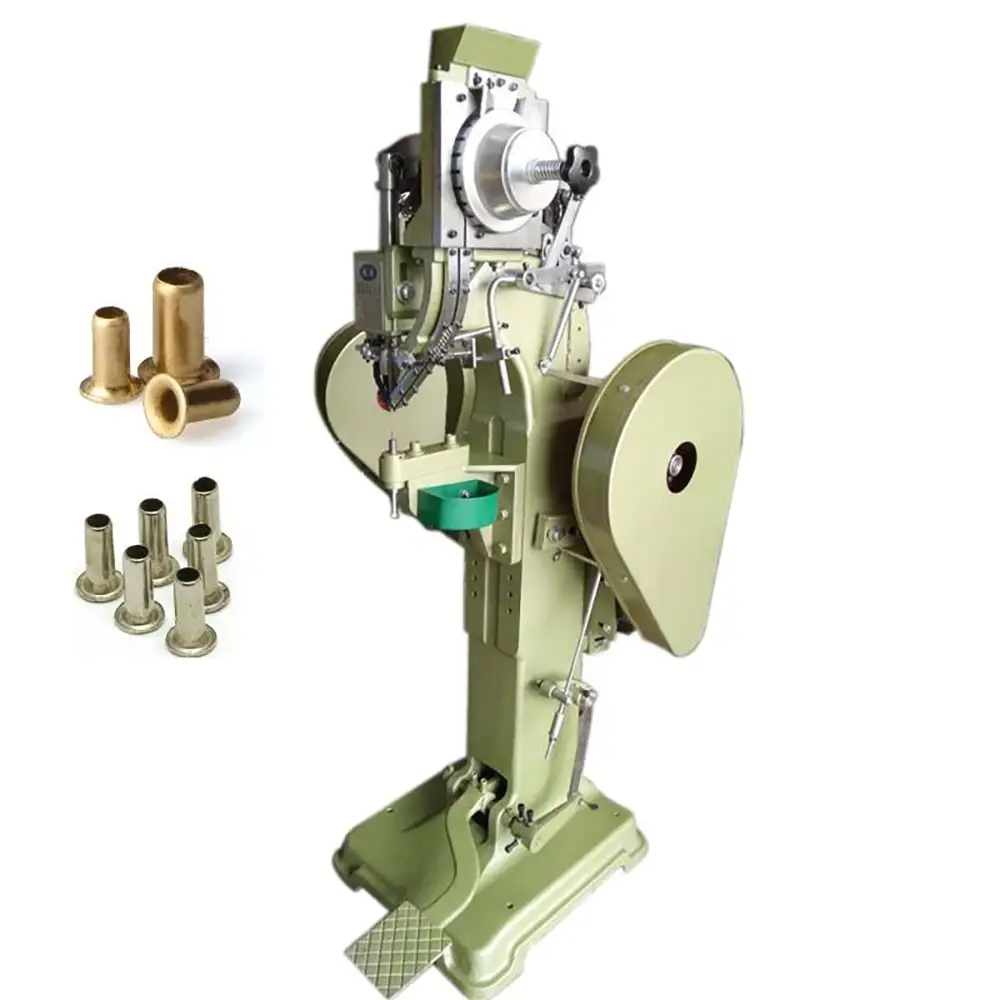
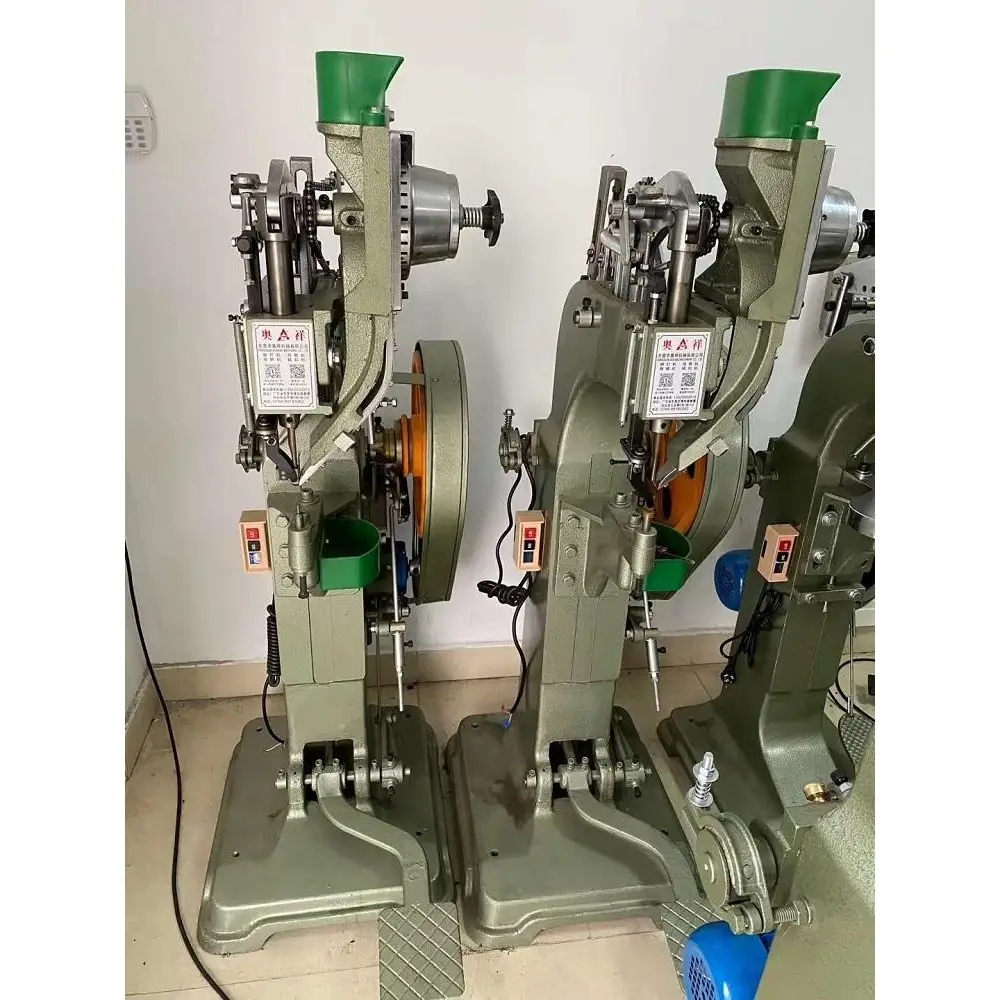
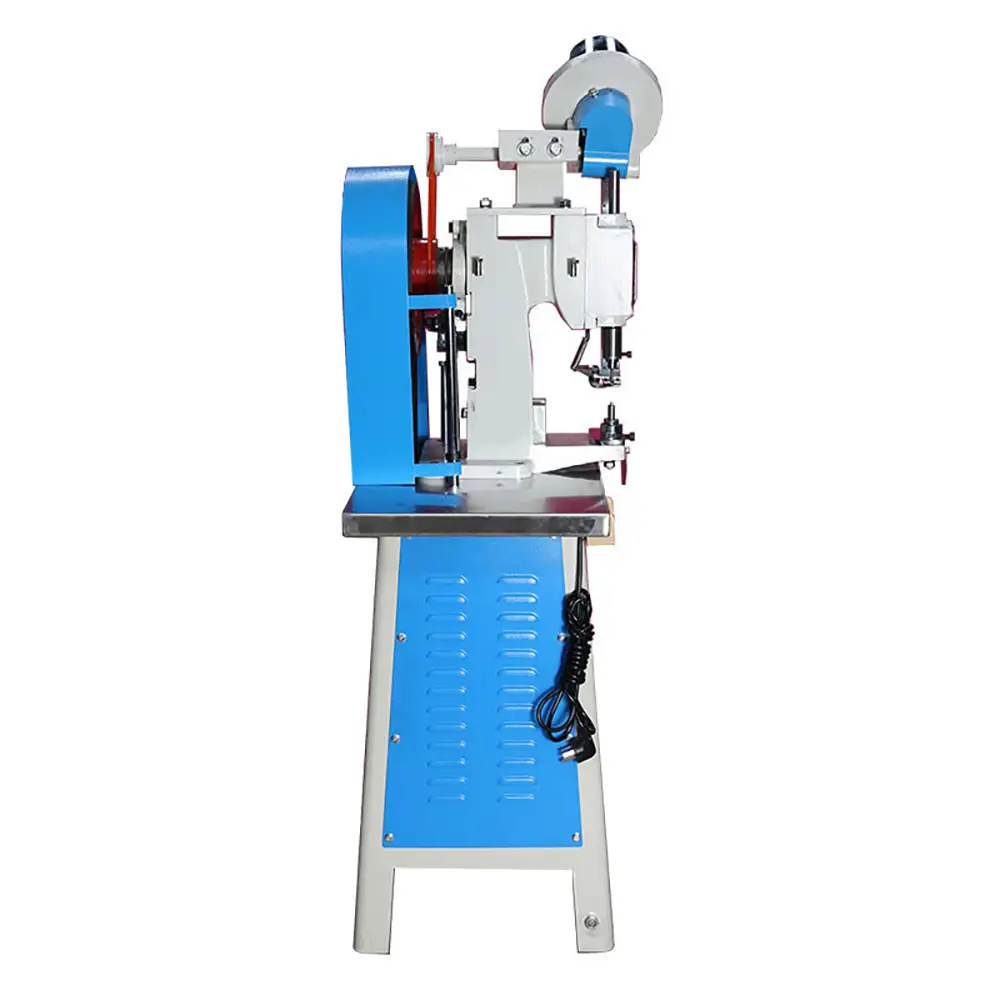
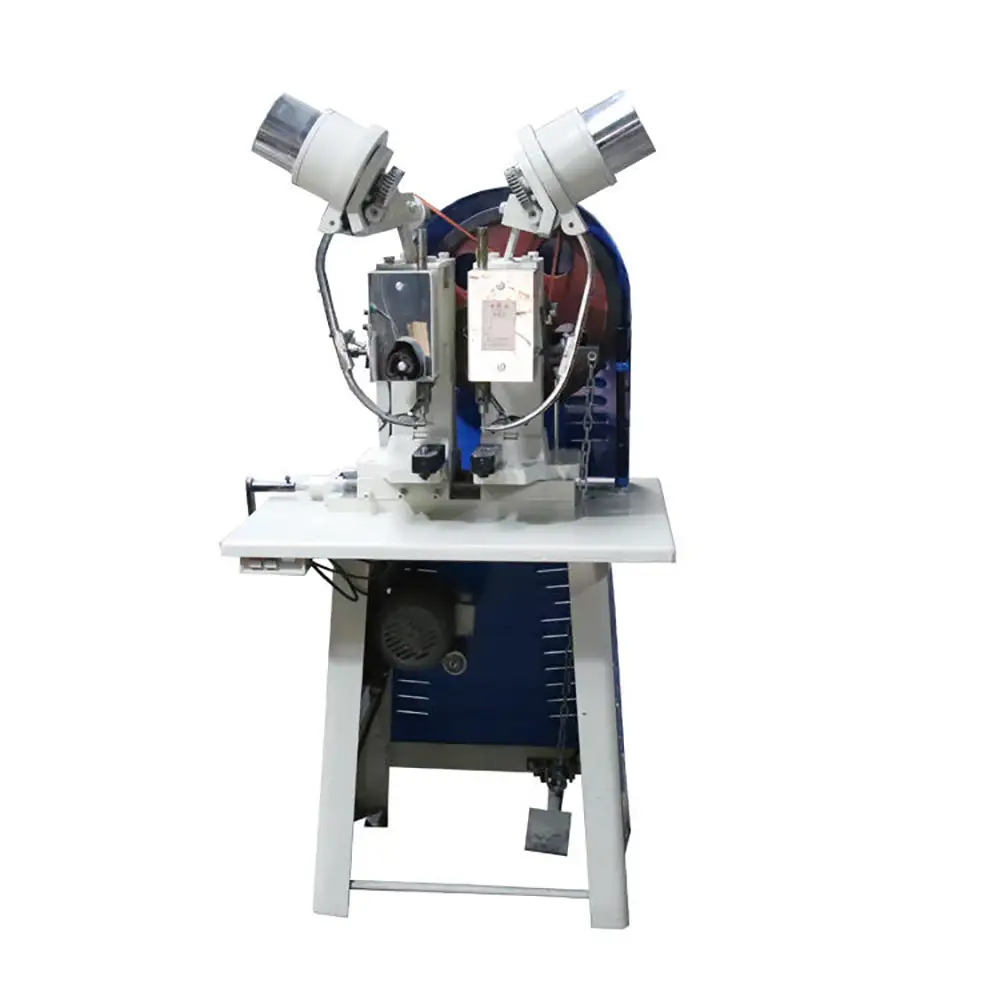
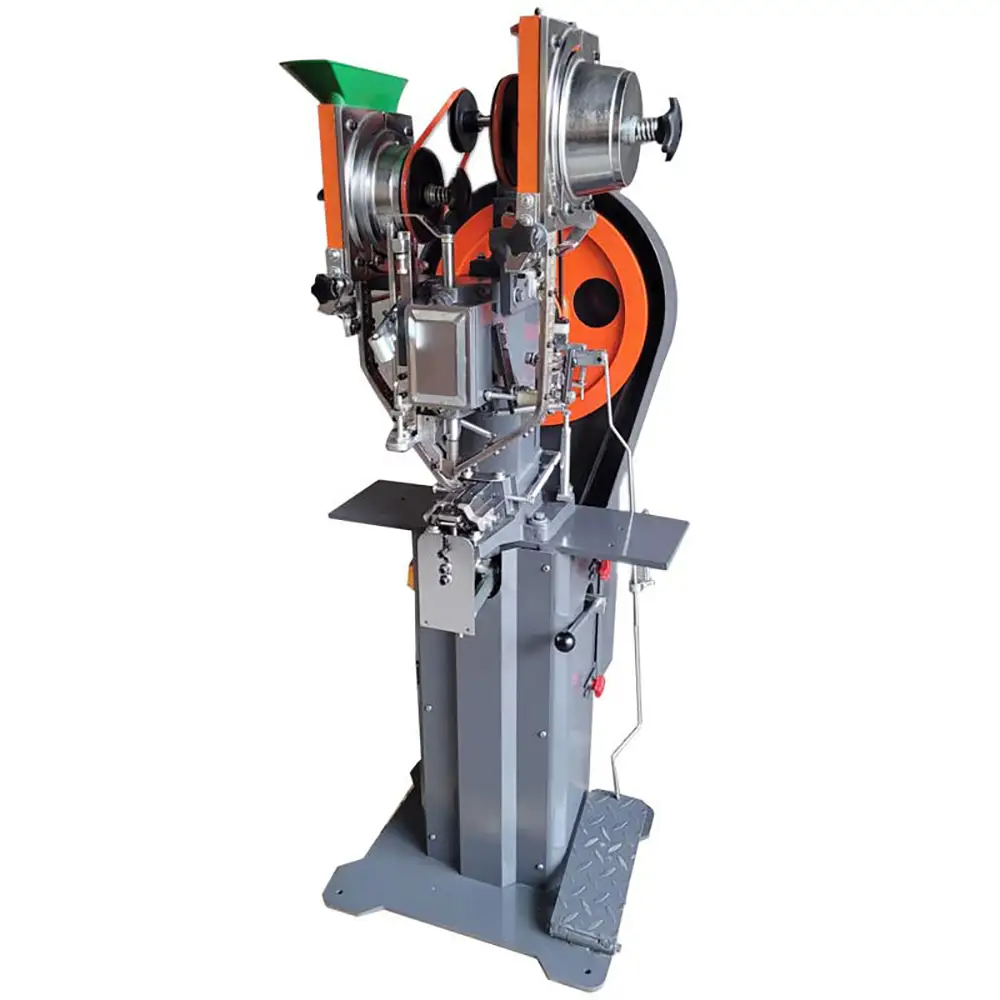
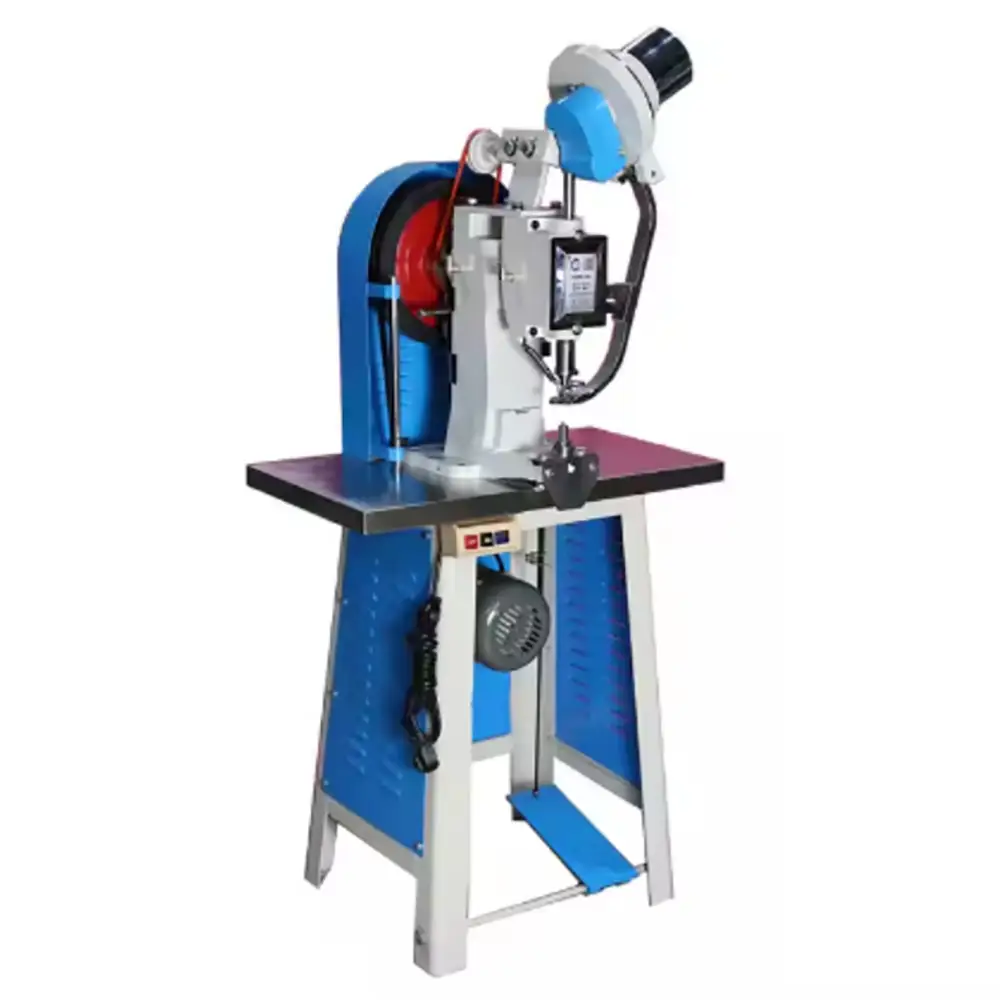
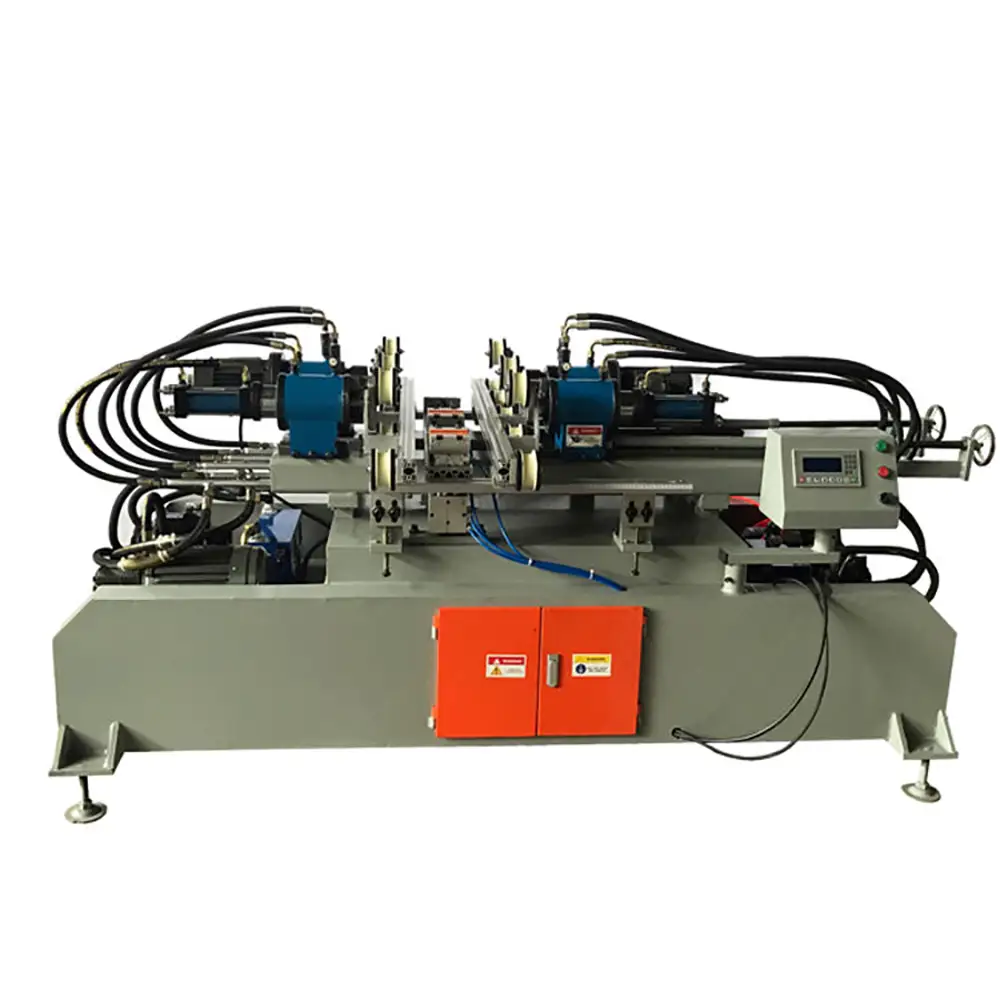
The Helmet and Hinge Riveting Machine Pneumatic Press Riveting Machine is designed for efficient riveting and fastening of helmet components, hinges, brackets, hardware, and other small or medium-sized parts. Using pneumatic pressing technology, the machine provides a controlled riveting process that can help manufacturers achieve consistent fastening results in repetitive production.
Helmet manufacturing requires reliable installation of hardware components such as hinges, brackets, adjustment mechanisms, straps, buckles, and other fastening parts. Many of these components require accurate rivet positioning and controlled forming force. A dedicated pneumatic press riveting machine can simplify these operations and reduce reliance on manual riveting.
The machine can also be used for hinge riveting applications in products outside the helmet industry. With suitable dies, fixtures, and tooling, it can support different component shapes and production requirements.
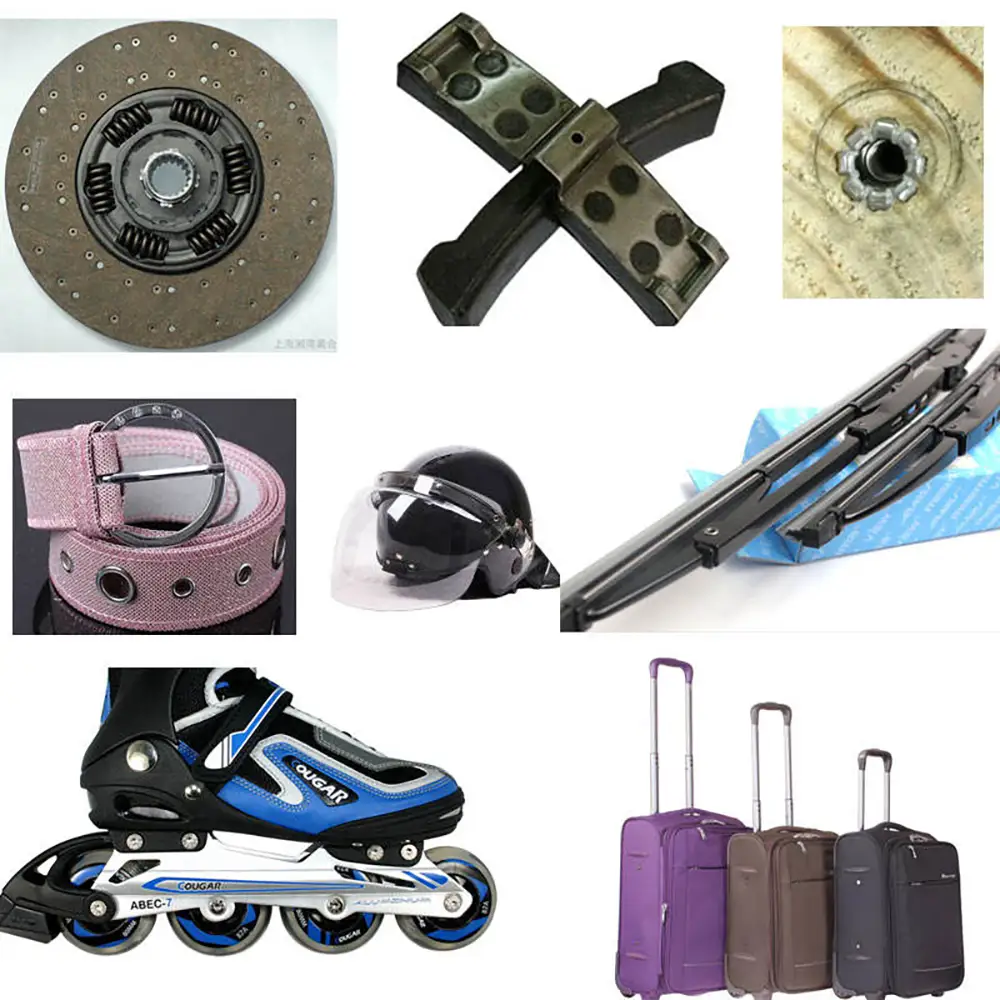
1 Suitable for brake block clutch , ladder and so on.
2 With automatic feeding device, which can rivet continuously
3 The clamp and punch of high-performance is of a high riveting capability
4 Can rivet clinch of various specifications if the die is changed.
Application:Suitable for riveting of belts, uppers and various materials.
Features:Automatic feeding with above and below, once for all
Products Description
|
Model |
10RPA |
|
riveting diameter |
Φ1-6mm for Aluminum, steel, iron, copper, hollow , or semi hollow |
|
riveting length |
5-45mm |
|
Machine throat depth |
255mm |
|
Machine size |
950x550x1480/1680mm |
|
N W |
180kg |
|
G W |
190kg |
Pneumatic Press Riveting Machine
A pneumatic press riveting machine uses compressed air to generate the force required for riveting operations. Compared with manual riveting tools, pneumatic operation provides a more repeatable working process and can be suitable for continuous production environments.
The pneumatic pressing system allows the operator to position the workpiece and activate the riveting cycle. The appropriate tooling then applies pressure to form or secure the rivet.
This type of machine is commonly used when manufacturers need consistent riveting quality across large numbers of products.
Helmet Riveting Machine
Helmet production involves multiple assembly steps, and reliable hardware fastening is essential to the finished product. The helmet riveting machine can be used for installing rivets in suitable helmet components and accessories.
Potential applications include helmet hinges, adjustment hardware, brackets, mounting components, strap fittings, and other riveted connections.
The machine can be configured with dedicated fixtures that hold the helmet or component securely during the riveting process. Proper positioning helps reduce movement and supports consistent rivet installation.
Helmet Hinge Riveting
Helmet hinges are important components in certain helmet designs and related protective headgear products. Their connection points need to be properly aligned so that the hinge can operate correctly after assembly.
The helmet hinge riveting machine provides a dedicated process for installing hinge rivets into the corresponding components. With suitable dies and fixtures, the riveting process can be adapted to different hinge and rivet configurations.
Before production, manufacturers should confirm the hinge dimensions, rivet size, material, and required forming method to determine the appropriate tooling.
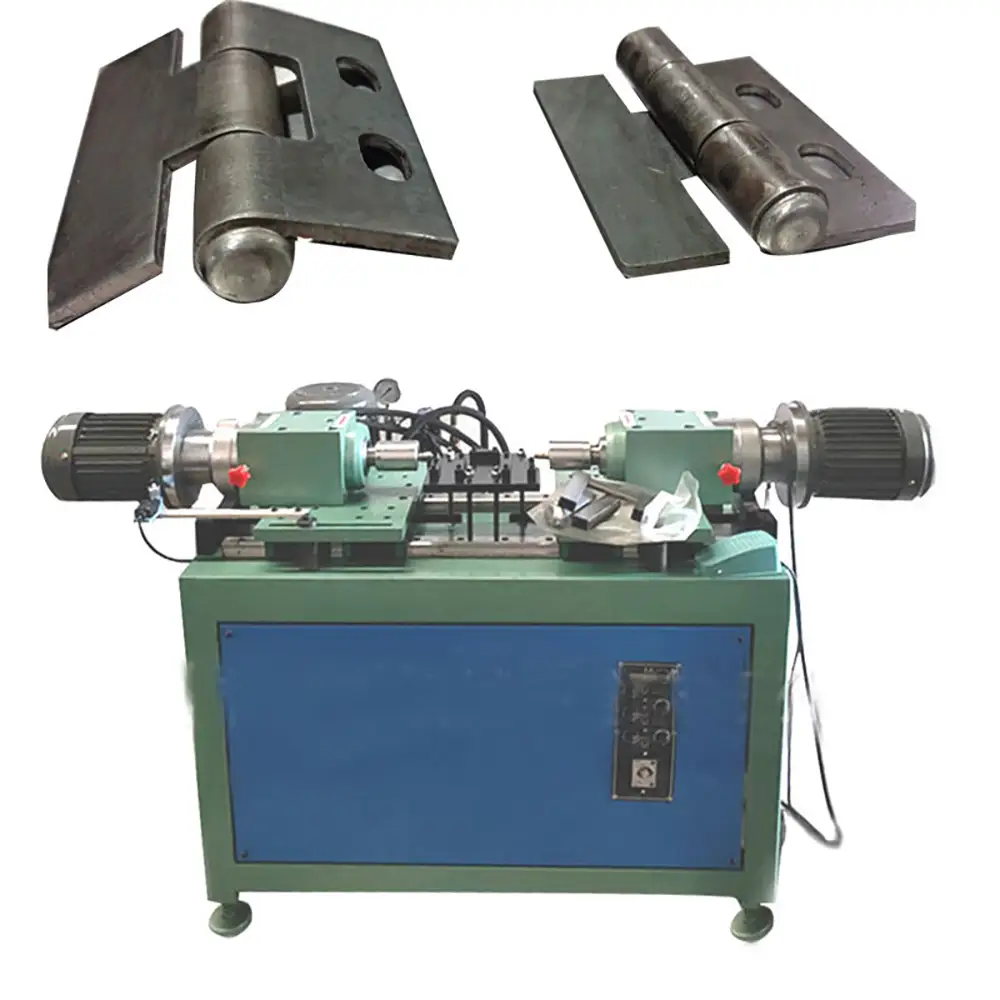
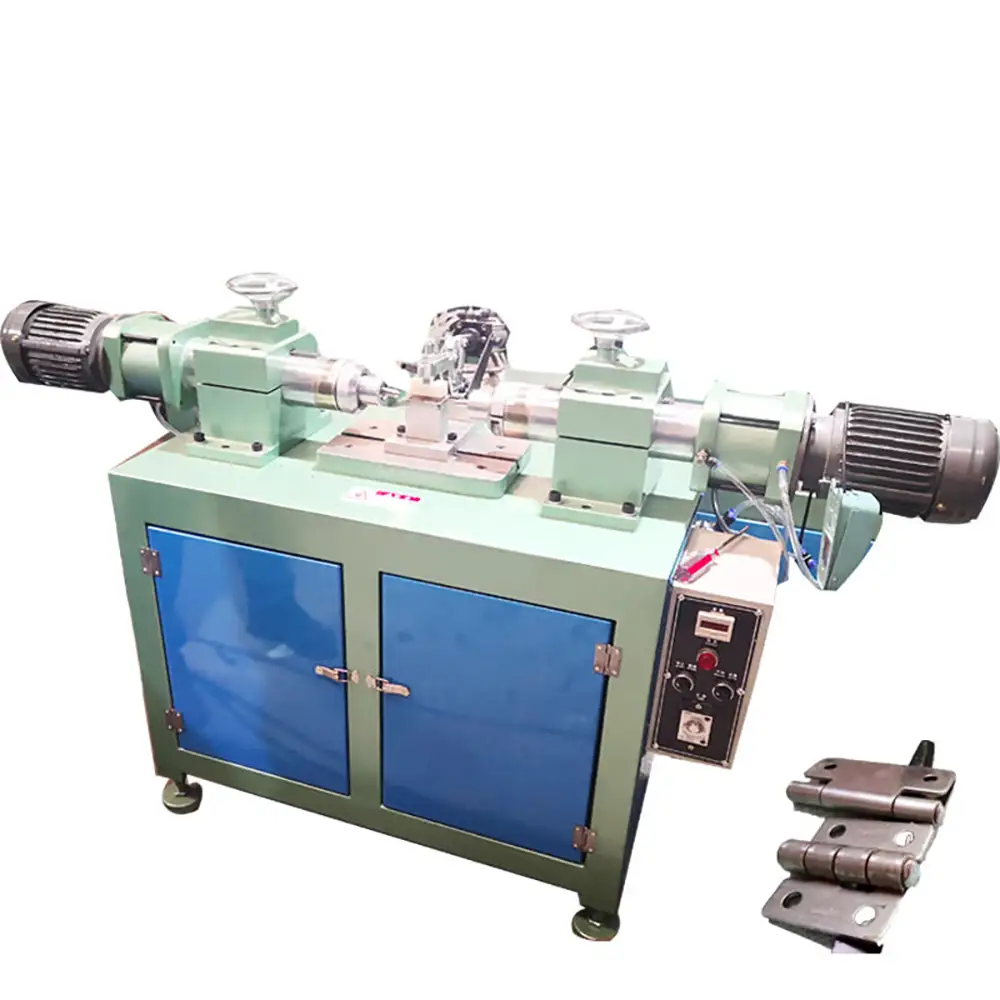
Hinge Riveting Machine
A hinge riveting machine is used to join hinge components to products or assemblies using rivets. Hinges are found in helmets, cases, boxes, bags, hardware products, metal assemblies, and various consumer and industrial products.
The pneumatic press design makes the machine suitable for repetitive hinge installation. A dedicated fixture can help hold the hinge and workpiece in the correct position while the rivet is formed.
This provides manufacturers with a more controlled alternative to manual hammering or individual hand riveting.
Pneumatic Helmet Riveter
The pneumatic helmet riveter is designed for manufacturers that need repeatable riveting of helmet components. Pneumatic operation can reduce physical effort for operators and provide a stable working cycle.
For production environments, the machine can be positioned as a dedicated riveting workstation. Operators can load the component, align it with the fixture, activate the machine, and then remove the completed part.
The actual operating procedure depends on the machine configuration, tooling, and production requirements.
Riveting Small Metal Components
In addition to helmets and hinges, pneumatic riveting equipment can be used for a wide variety of small metal parts.
Possible applications include:
Metal brackets
Hinges
Helmet hardware
Buckle components
Mounting plates
Small sheet metal assemblies
Hardware fittings
Protective equipment components
Metal accessories
Fabric and leather hardware
The machine's suitability for a specific application depends on the component geometry, rivet type, material, thickness, and required fastening method.
Consistent Rivet Positioning
Correct rivet positioning is essential for reliable assembly. A rivet that is installed too close to an edge, at an incorrect angle, or away from the designed hole may affect the finished product.
Dedicated fixtures and dies can help maintain consistent positioning. During high-volume manufacturing, repeatable positioning also helps reduce variation between production cycles.
Manufacturers can develop application-specific fixtures based on helmet models, hinge dimensions, and workpiece geometry.
Stable Pneumatic Pressing
The pneumatic pressing system provides controlled force for the riveting operation. This makes it suitable for production environments where repeated pressing cycles are required.
The appropriate pressure and tooling configuration should be determined according to the rivet material, rivet diameter, workpiece structure, and desired finished rivet shape.
Before continuous production, testing should be performed to verify that the riveting process produces the required fastening quality without damaging the workpiece.
Flexible Tooling and Fixtures
Different helmets and hinge assemblies may have different shapes and dimensions. A universal fixture may not be suitable for every product.
The machine can be equipped with application-specific dies and fixtures to support different components. Customized tooling can help position curved helmet shells, hinge assemblies, brackets, or other irregularly shaped workpieces.
For OEM projects, customers can provide product samples, drawings, rivet specifications, or component dimensions so the appropriate tooling solution can be evaluated.
Improve Helmet Production Efficiency
Manual riveting can require significant operator effort when hundreds or thousands of components must be assembled. Pneumatic riveting equipment can streamline this repetitive process.
A dedicated helmet riveting workstation can help manufacturers establish a consistent production sequence while reducing repetitive hand operations.
The machine can be used by helmet manufacturers, protective equipment suppliers, hardware manufacturers, and companies producing related components.
Production Quality and Process Control
A stable riveting process depends on correct machine setup, tooling alignment, rivet selection, and workpiece positioning.
Manufacturers should check:
Rivet diameter
Rivet material
Rivet length
Helmet material
Hinge dimensions
Workpiece thickness
Hole diameter
Rivet positioning
Finished rivet shape
Joint strength requirements
Regular inspection during production can help identify tooling wear or alignment problems before they affect a large batch.
OEM and Custom Riveting Solutions
Helmet manufacturers often produce multiple models with different shell shapes, hinge designs, and hardware configurations. For this reason, customized tooling may be required.
We can support OEM and custom machine configurations based on the customer's product structure and riveting requirements. Dedicated fixtures, dies, and other components can be considered according to actual samples.
For custom projects, customers should provide helmet components, hinge samples, rivets, drawings, and production requirements whenever possible.
Why Choose Our Helmet and Hinge Riveting Machine?
Pneumatic Press Technology
The pneumatic system provides a practical solution for repetitive riveting and pressing applications.
Dedicated Helmet Applications
The machine can be configured for helmet hinges, brackets, hardware, and related components.
Consistent Riveting
Suitable fixtures and tooling help improve repeatability during continuous production.
Flexible Application Range
The machine can also be used for hinges, brackets, metal fittings, and other riveted components.
Custom Tooling
Application-specific dies and fixtures can be developed according to product requirements.
Industrial Production Design
Suitable for factories and manufacturers that require repeatable riveting operations.
OEM Support
Custom machine configurations can be evaluated according to samples, drawings, and production requirements.
Main Applications
The Helmet and Hinge Riveting Machine can be used for:
Helmet Hinge Riveting
Helmet Hardware Riveting
Helmet Bracket Riveting
Helmet Component Assembly
Protective Helmet Manufacturing
Safety Helmet Production
Hinge Riveting
Metal Hinge Installation
Hardware Riveting
Bracket Riveting
Small Metal Part Assembly
Metal Component Fastening
Industrial Riveting Applications
How to Choose the Right Helmet Riveting Machine?
Start by identifying the exact helmet component or hinge that needs to be riveted. The shape and dimensions of the workpiece determine the required fixture.
Next, confirm the rivet specifications, including diameter, length, material, and finished rivet shape.
The helmet or component material should also be considered. Different materials may require different riveting forces and tooling configurations.
Production volume is another important factor. Manufacturers with continuous production requirements may benefit from pneumatic or automatic operation.
Finally, provide samples whenever possible. Testing the actual helmet component, hinge, and rivet can help determine the appropriate dies and fixture configuration.
FAQS
Q1: What is a helmet riveting machine?
A helmet riveting machine is equipment designed to install rivets into helmet components, hinges, brackets, and related hardware.
Q2: Can this machine rivet helmet hinges?
Yes. With suitable tooling and fixtures, the machine can be configured for helmet hinge riveting.
Q3: What is a pneumatic press riveting machine?
It is a riveting machine that uses compressed air to generate pressing force for forming or securing rivets.
Q4: Can the machine be used for other hinge applications?
Yes. With appropriate tooling, it can be used for different hinge assemblies and other small metal component riveting applications.
Q5: Can the machine be customized for different helmet models?
Yes. Customized fixtures and dies can be developed according to helmet shapes, hinge dimensions, and rivet specifications.
Q6: Can it work with different rivet sizes?
Different rivet sizes may require different tooling. The exact configuration should be confirmed according to the rivet specifications.
Q7: Is pneumatic operation suitable for mass production?
Pneumatic riveting is commonly suitable for repetitive industrial production where consistent pressing cycles are required.
Q8: What materials can be riveted?
The suitable material combination depends on the rivet, workpiece, thickness, and tooling. Metal components and other compatible materials can be evaluated through sample testing.
Q9: What information is needed for a quotation?
Provide the helmet or hinge component, rivet dimensions, workpiece material, thickness, production quantity, and product drawings or samples if available.
Q10: Can you provide OEM riveting solutions?
Yes. Custom fixtures, dies, and machine configurations can be evaluated according to specific helmet and hinge riveting requirements.
Conclusion
The Helmet and Hinge Riveting Machine Pneumatic Press Riveting Machine provides an efficient solution for manufacturers that require consistent riveting of helmet hardware, hinges, brackets, and other small components. Pneumatic press operation, application-specific tooling, and dedicated fixtures can help establish a stable and repeatable riveting process.
Prev:
Small Hardware Auto Feeding Hollow PCB Circuit Board Clutch Plate Pneumatic Mini Eyelet Riveting Press Machine
Next:
Furniture Bifurcated Four Claw Nuts T Nut Riveting Machine
TAG:
Industrial Riveting Machine,
Industrial Riveting Equipment,
Metal Riveting Machine,
Rivet Fastening Machine,
Rivet Setting Machine,
Precision Riveting Machine,
Pneumatic Rivet Press,
Pneumatic Riveting Machine,
Automatic Riveting Machine,
Helmet Riveting Machine,
Metal Fastening Machine,
Rivet Fastening Equipment,
Rivet Press Machine,
Hardware Riveting Machine,
Metal Bracket Riveting Machine,
Bracket Riveting Machine,
Hardware Fastening Machine,
Pneumatic Hardware Riveting Machine,
Hinge Assembly Machine,
Hinge Fastening Machine,
Hinge Assembly Equipment,
Hinge Riveting Machine,
Automatic Hinge Riveting Machine,
Automatic Pneumatic Riveting Machine,
Pneumatic Riveter,
Pneumatic Riveting Press,
Pneumatic Press Machine,
Hardware Assembly Machine,
Automatic Riveter,
Industrial Riveter,
Related Category:
Helmet Riveting Machine, Helmet Hinge Riveting Machine, Hinge Riveting Machine, Pneumatic Press Riveting Machine, Pneuma China, suppliers, manufacturers, factory, customized, wholesale, quotation, made in China