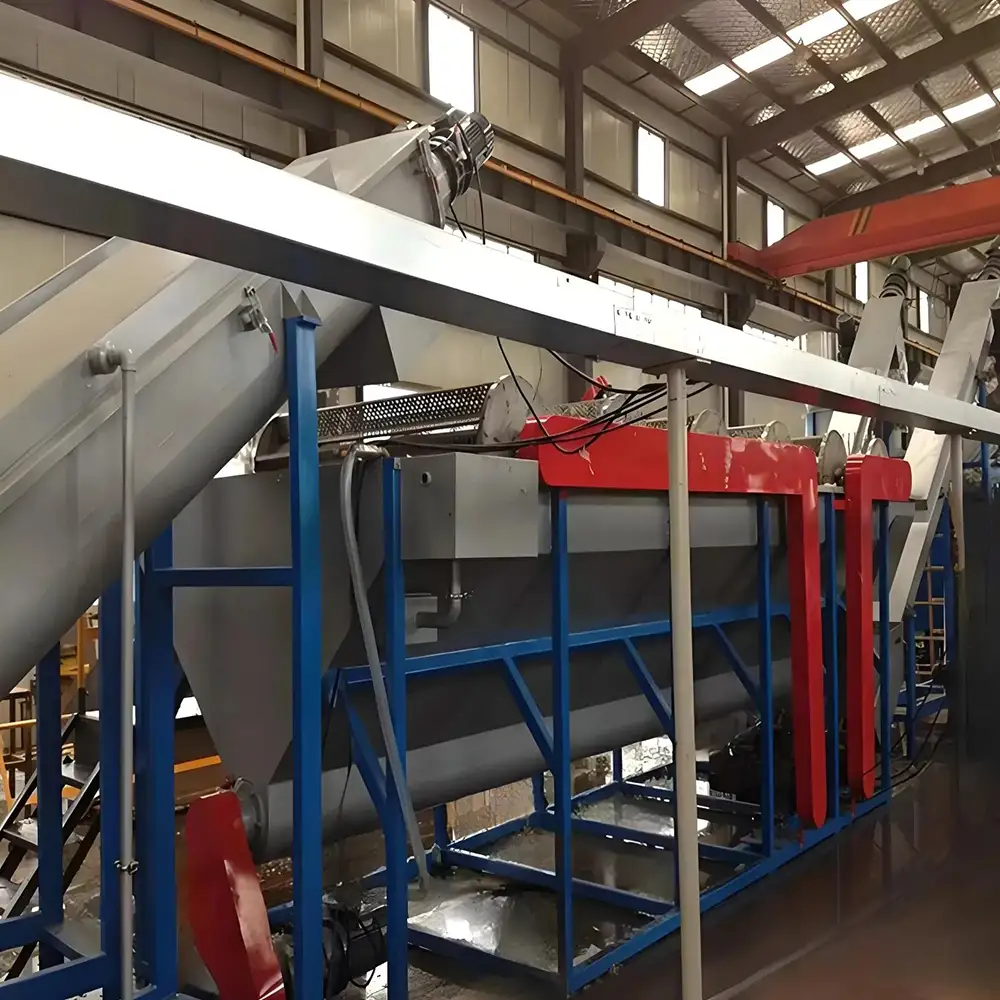
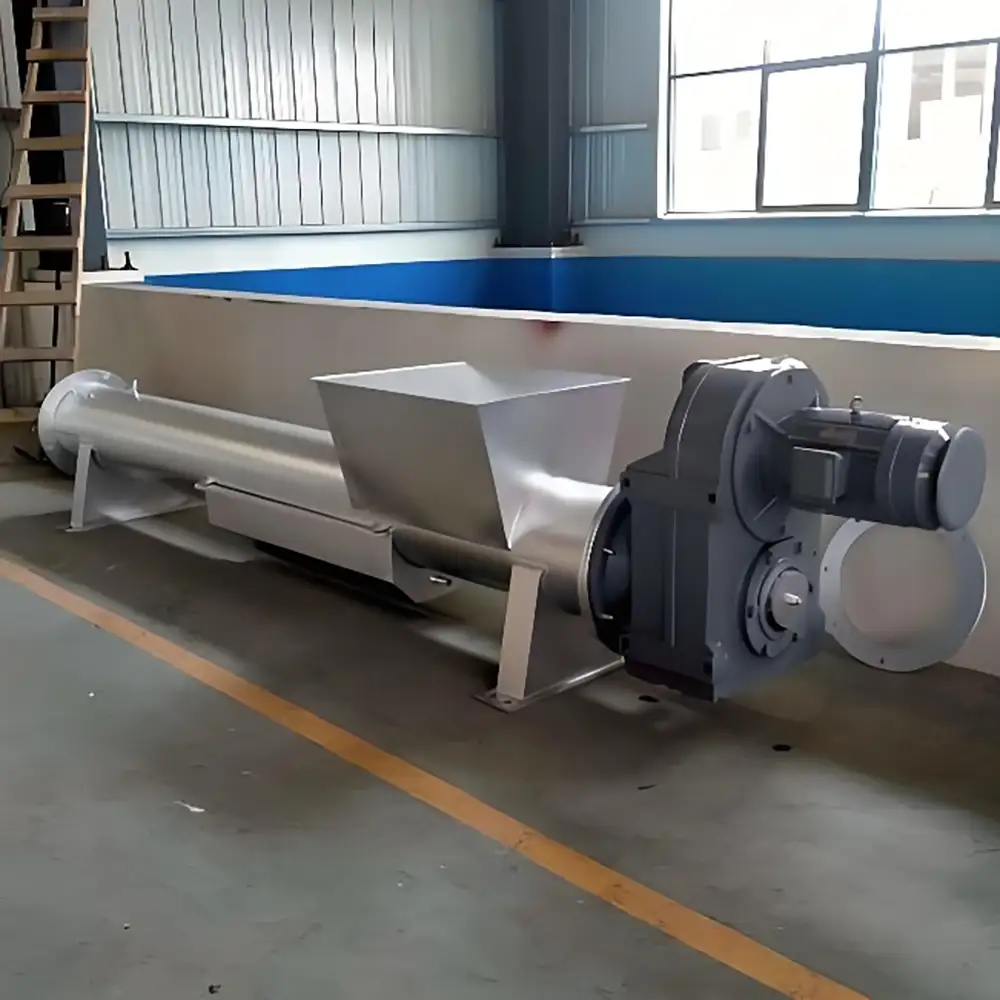
The oil trap is a wastewater pretreatment structure that uses the density difference between oil droplets and water to produce a floating effect to remove floating oil substances in oily wastewater. The structure of the grease trap mostly adopts the advection type. The oily wastewater enters the rectangular grease trap through the water distribution tank and flows slowly in the horizontal direction. During the flow, the oil floats on the water surface and is pushed by the oil collection pipe or the oil scraper installed on the pool surface. into the oil collecting pipe and flows into the dehydration tank. The heavy oil and other impurities precipitated in the grease trap accumulate in the sludge hopper at the bottom of the tank and enter the sludge pipe through the sludge discharge pipe. The wastewater treated by oil separation overflows into the drainage channel and drains out of the pool, and is subject to subsequent treatment to remove emulsified oil and other pollutants.
Product Parameters
|
Whether to support processing customization |
yes |
Layout form |
rectangle |
Material |
Stainless steel |
|
operating pressure |
0.1Pa |
processing power |
10 tons/hour |
Processing water volume |
50m²/day |
|
Motor Power |
3KW |
Rated speed |
2900RPM |
Operating temperature |
36ºC |
|
work pressure |
0.1MPa |
Nominal diameter |
1500mm |
Specification |
2000mm |
|
Filtration accuracy |
80% |
structure and separation beg |
80% |
Feed particle size |
10cm |
|
type |
FOOD |
Sieve hole size |
0.5mm |
Number of screen layers |
3-4 floors |
|
Screen material |
stainless steel filter |
production capacity |
100 units |
Suitable |
Catering wastewater |
|
Scope of application |
Catering oil and water |
Wire mesh type |
304 stainless steel |
Tower diameter |
2m |
|
Extract gas state |
none |
Dimensions |
custom mademm |
Net block thickness |
1.5mm |
|
Material movement track |
automatic |
model |
wxya |
performance |
Stablize |
|
style |
cuboid |
Application areas |
Shopping malls, supermarkets, hotels, restaurants, etc. |
Scope of use |
Various kitchens |
|
Types of oil-water separation equipment |
Catering oil and water |
Effective filter area |
2m² |
principle |
Gravity separation method |
|
weight |
200kgkg |
Drum diameter |
100mm |
Drum speed |
2900RPM |
|
Installed capacity |
1m² |
Loading limit |
0-500kg |
degree of automation |
high |
|
Product Features |
Environmental friendly |
Processing oil and water volume |
1-50m³/h |
water inlet and outlet |
DN150 |
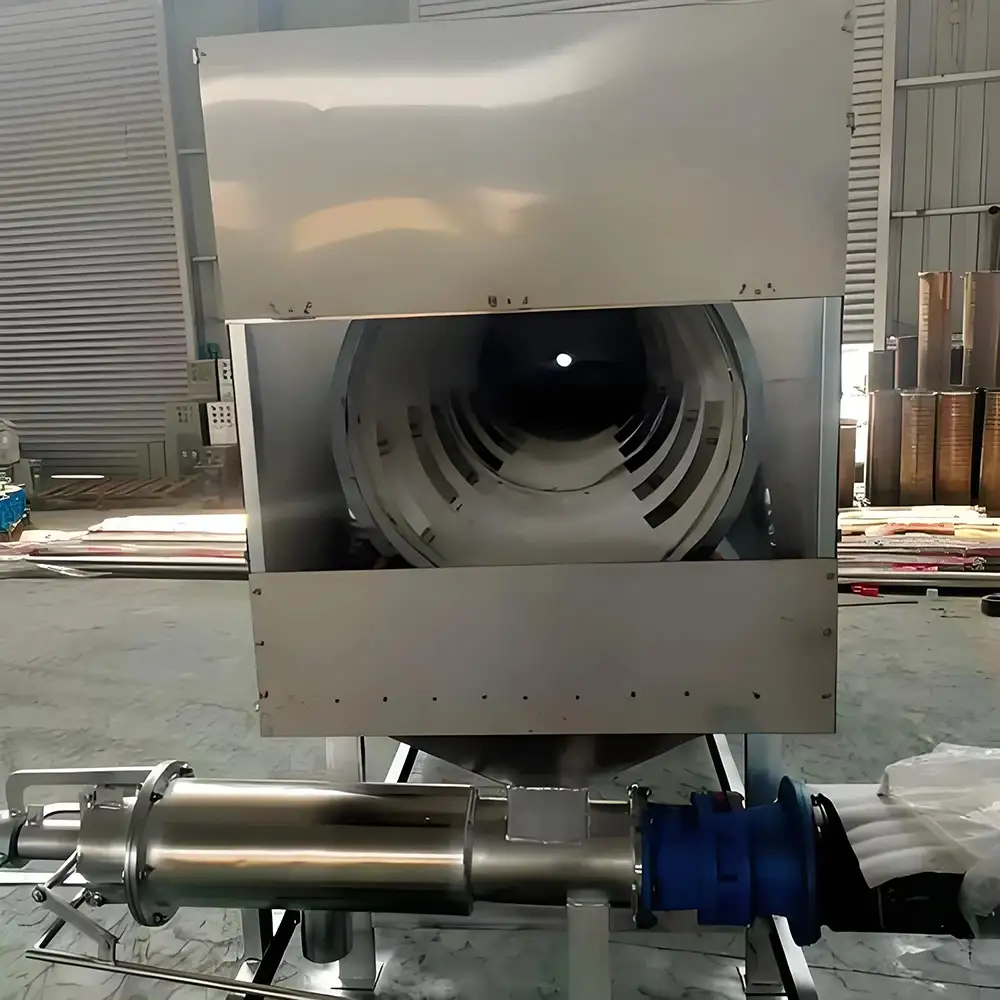
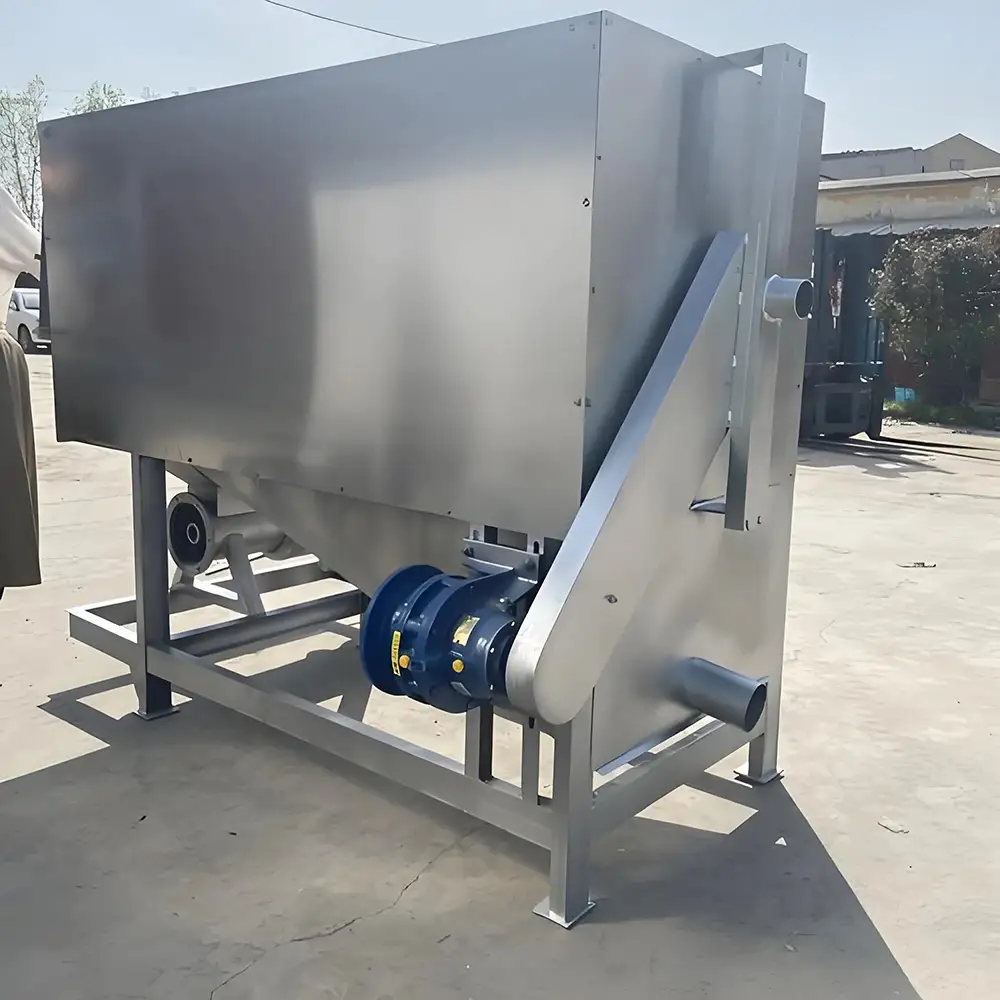
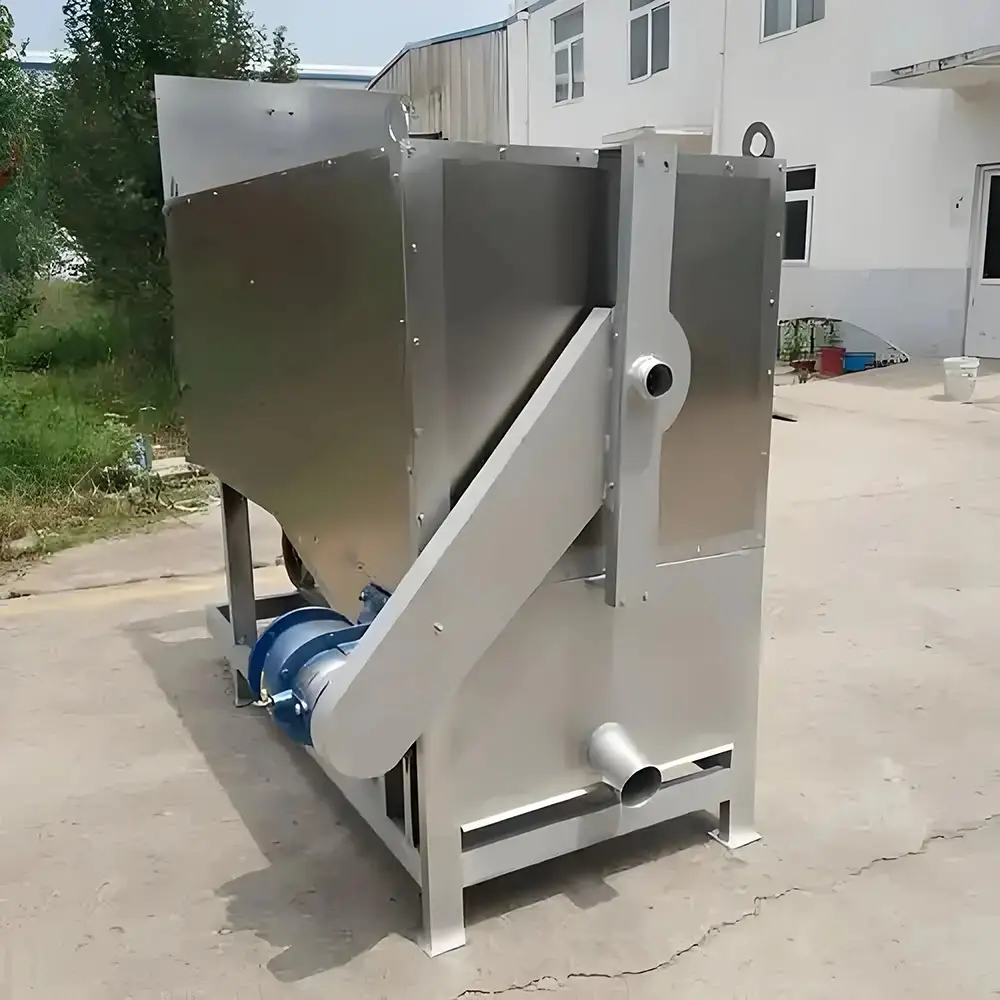
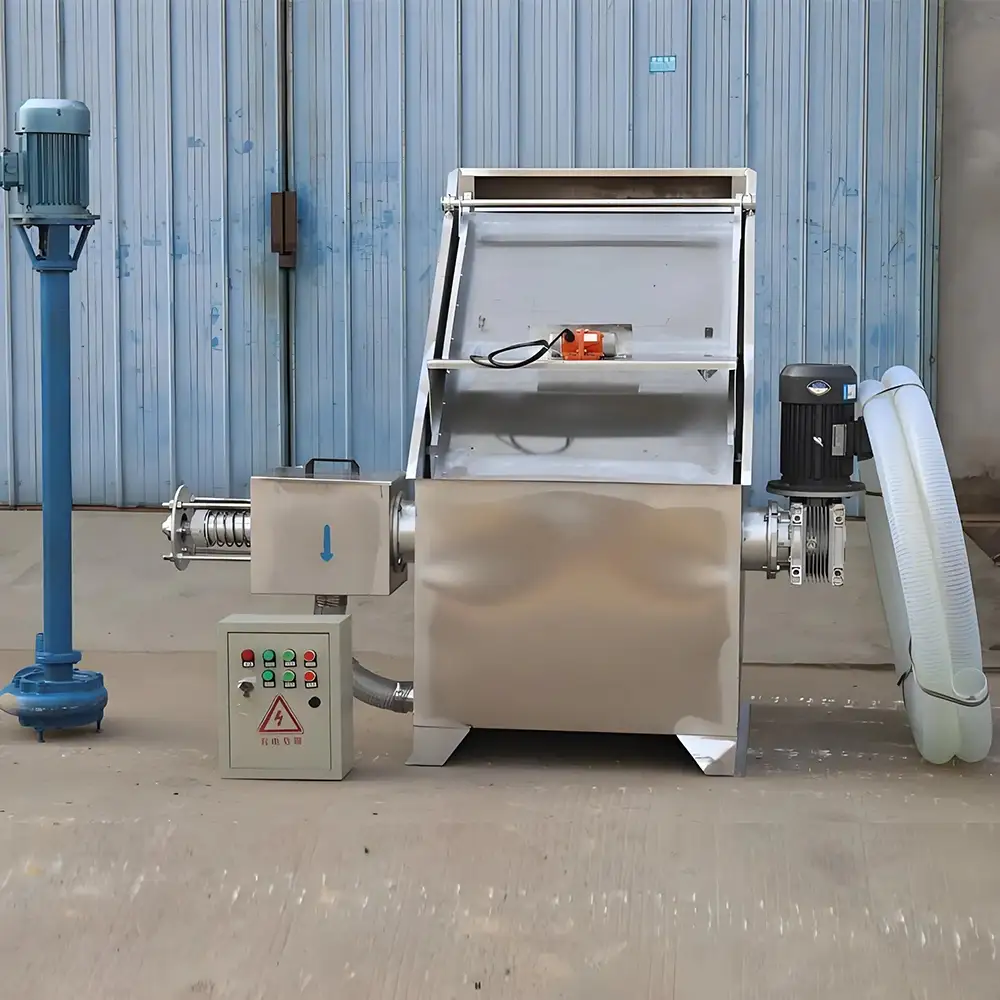
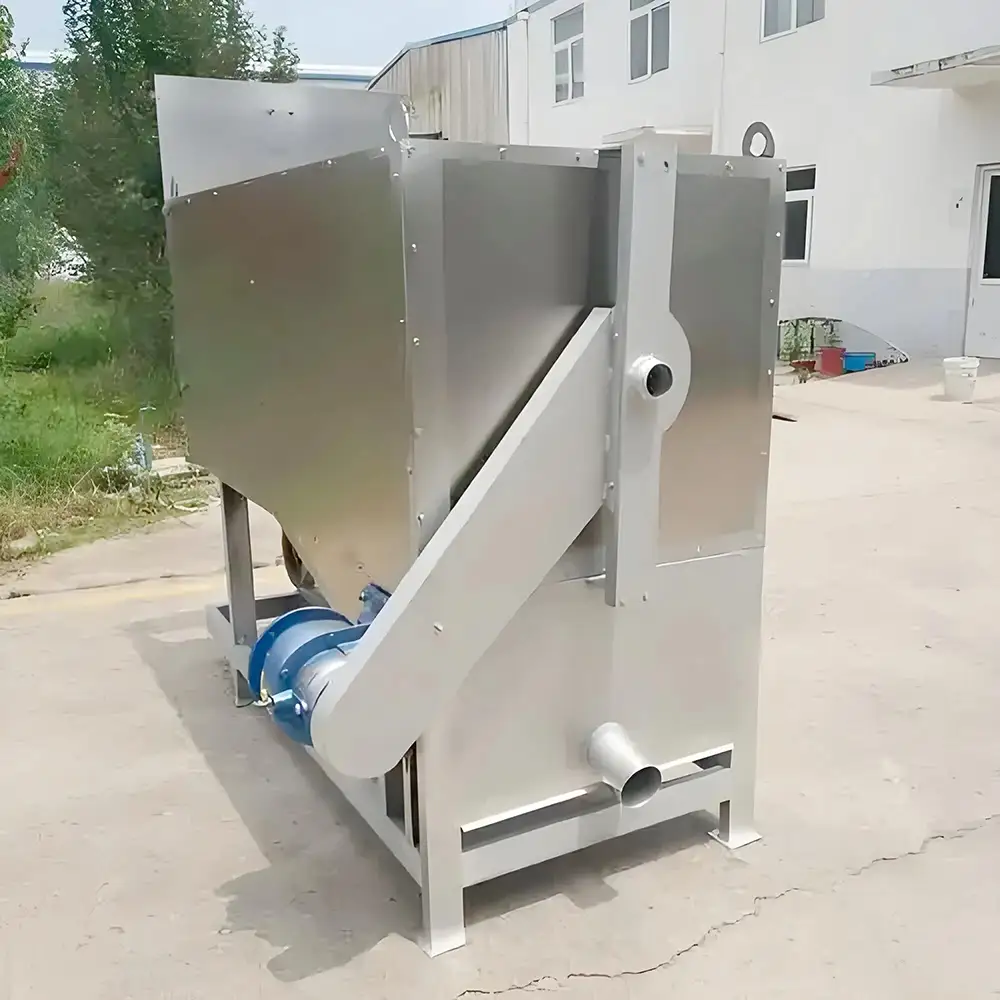
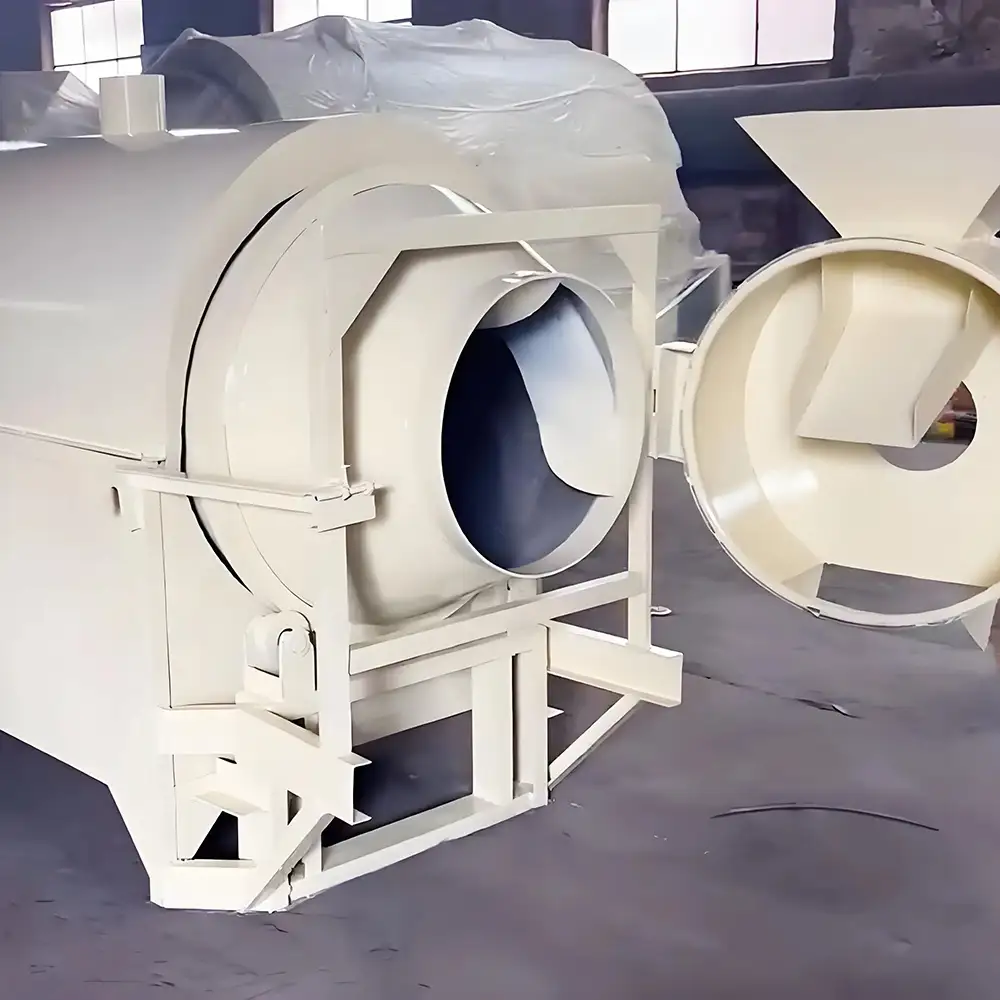
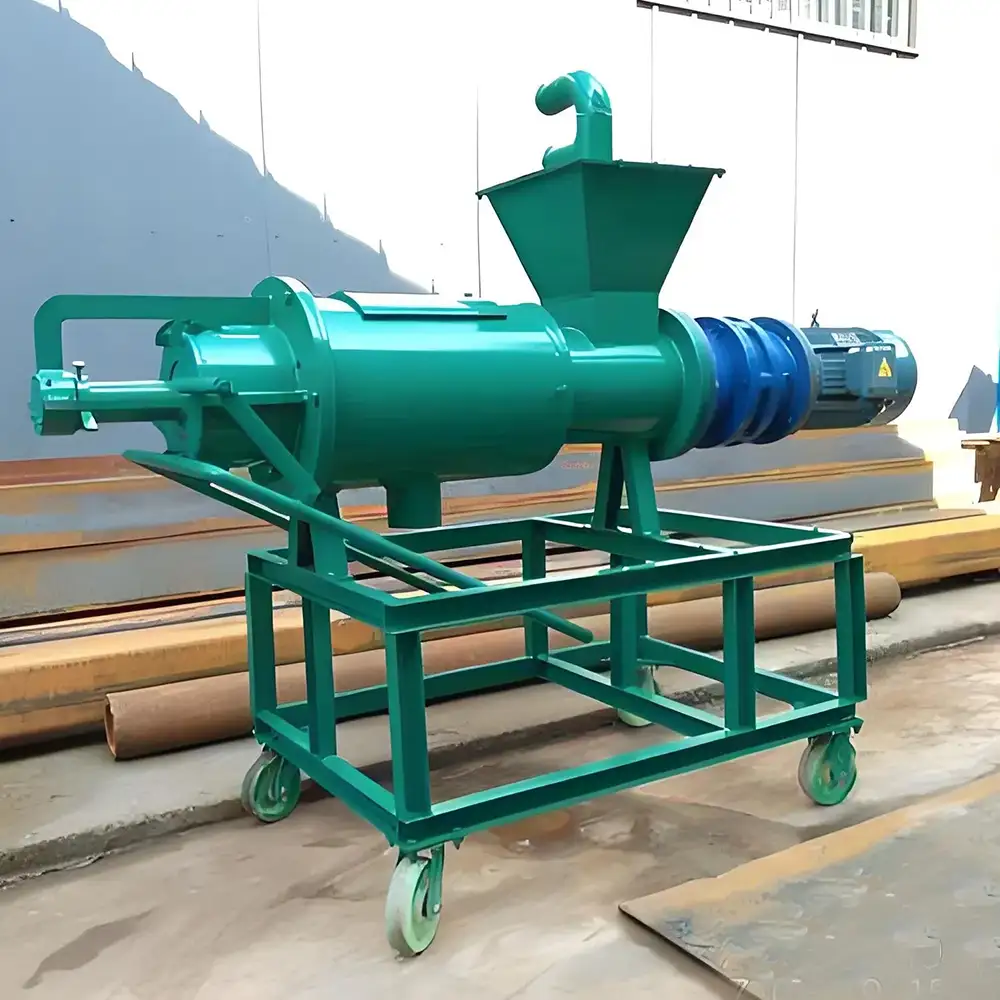
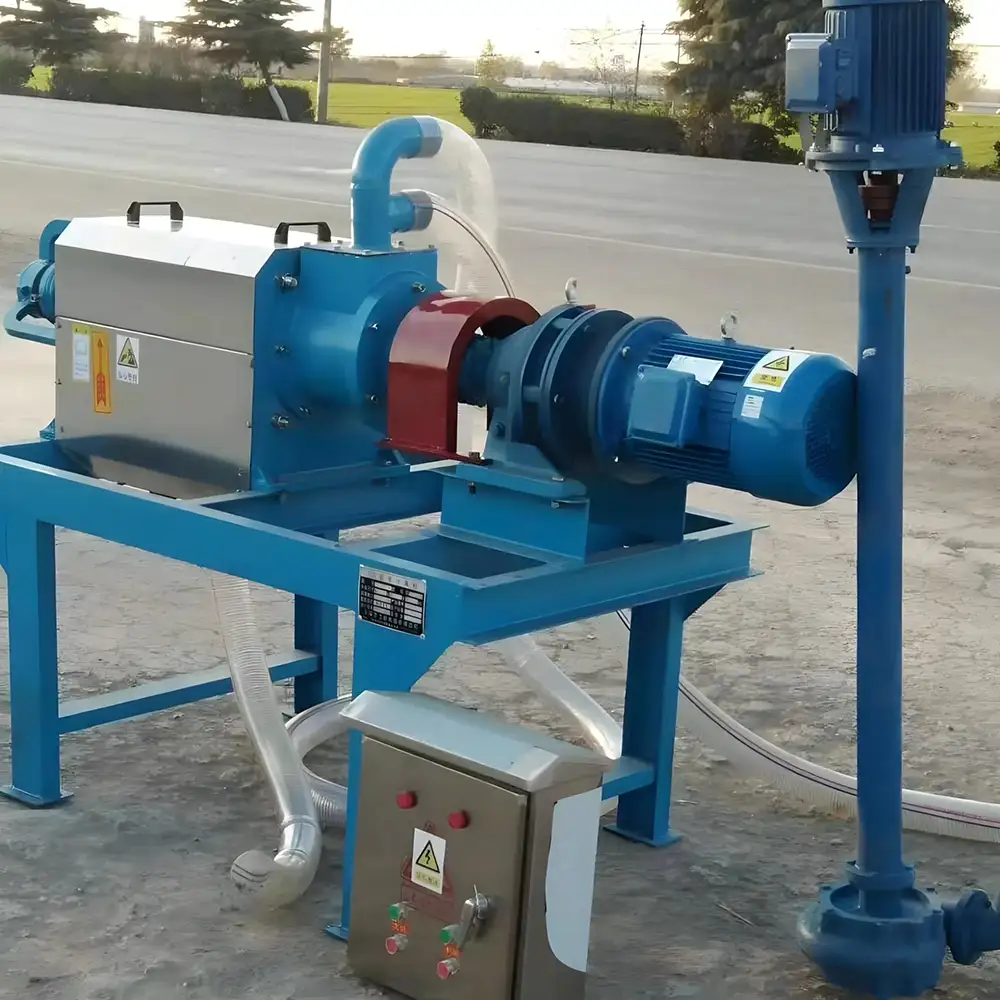
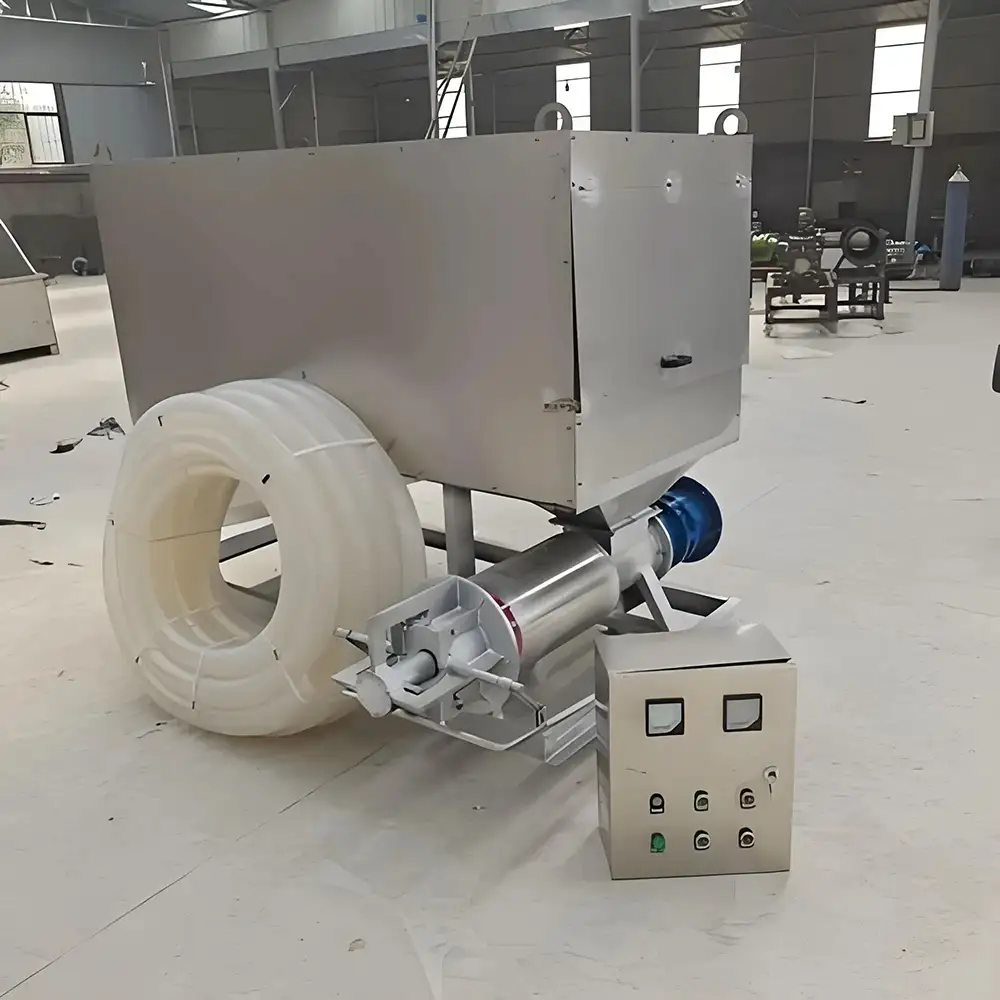
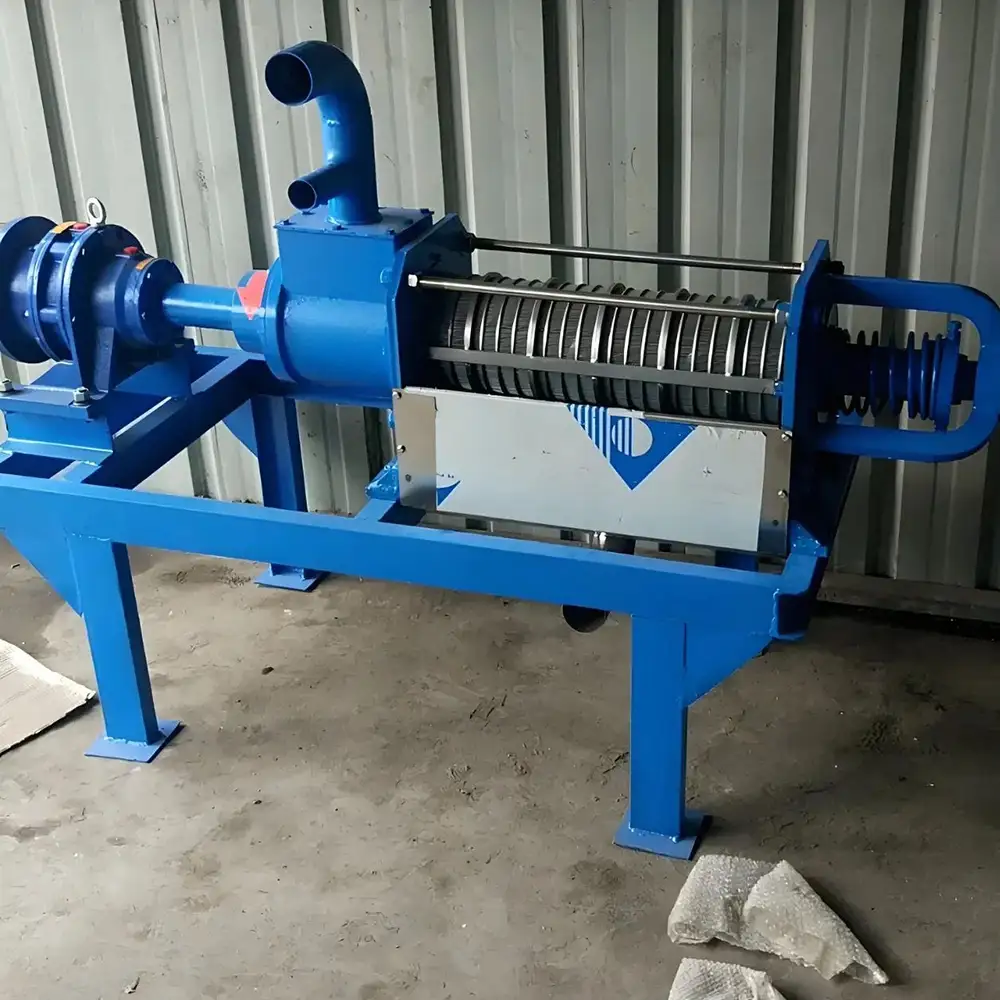
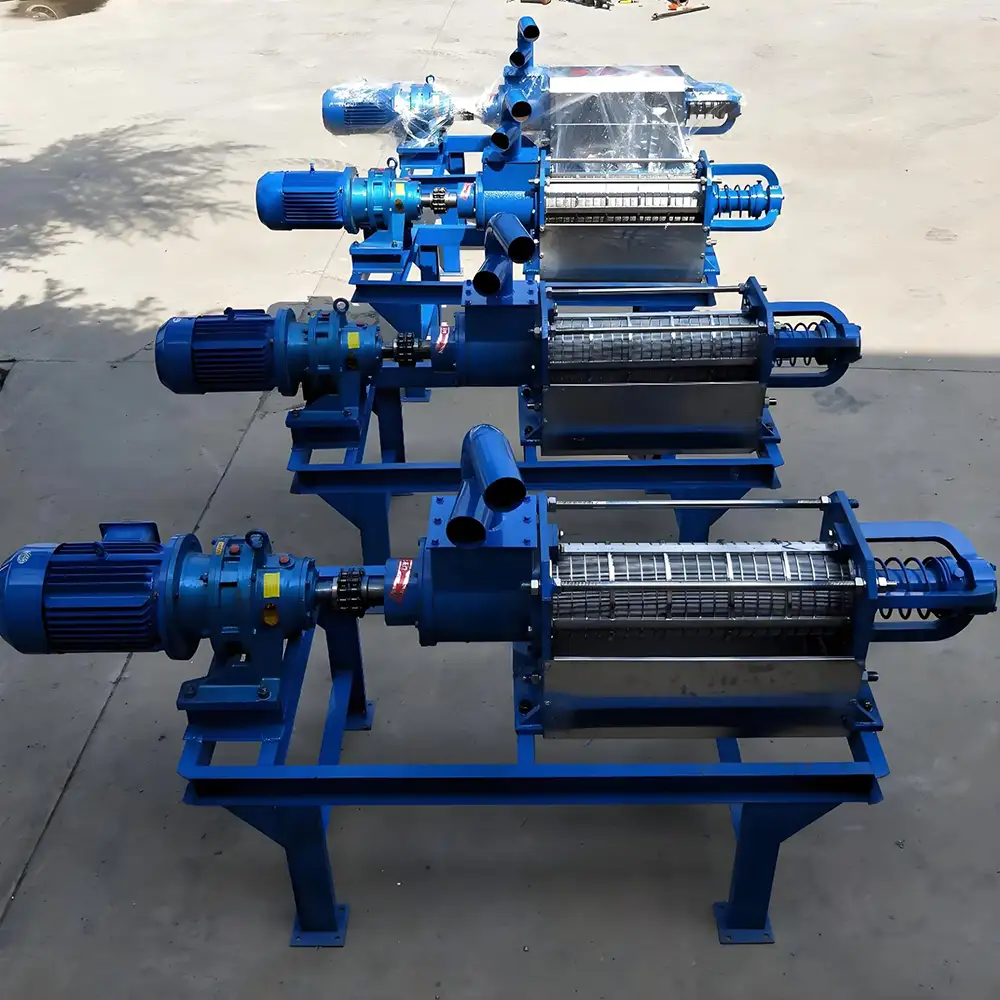
The Drum Dry and Wet Separator for Pig Cow Duck Manure is designed for solid-liquid separation and dewatering of livestock manure and other suitable agricultural organic waste. It provides a practical mechanical solution for farms, livestock operations, agricultural enterprises, manure treatment facilities, composting projects, and organic fertilizer production systems that need to separate wet manure into solid and liquid fractions.
Pig, cow, and duck manure can contain significant amounts of water, organic solids, fibers, suspended particles, and nutrients. Handling untreated manure can be difficult because of its high moisture content and variable consistency. A suitable drum separation system can help separate solid material from liquid manure, making the different fractions easier to collect, transport, store, and process.
The machine can be used as a standalone separation unit or integrated into a complete manure management system. Depending on the material characteristics and downstream process, separated solids can be directed toward composting, fermentation, organic fertilizer production, or other suitable applications, while the liquid fraction can be transferred to storage, wastewater treatment, anaerobic digestion, or nutrient management systems.
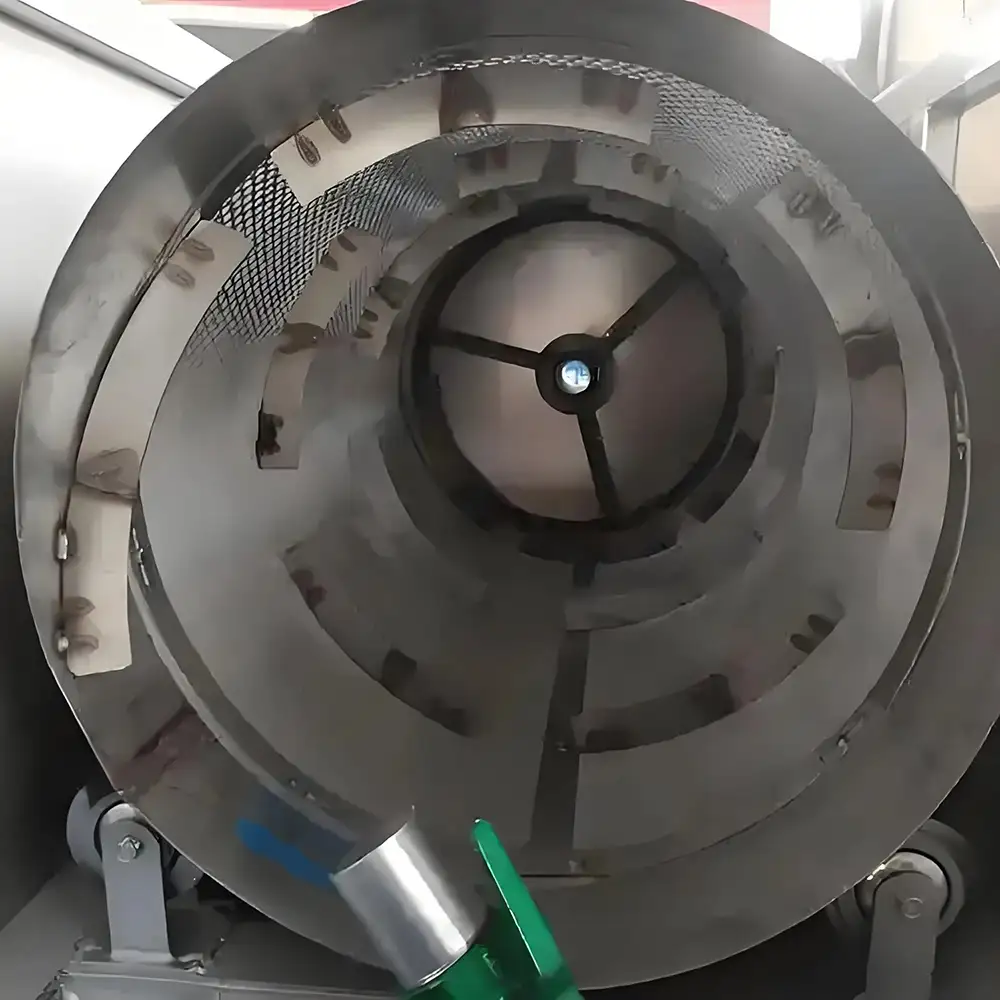
Drum-Type Manure Separation
The drum structure provides a continuous screening and separation surface through which liquid and smaller particles can pass while larger solid material is retained and conveyed toward the appropriate discharge section.
The separation process depends on the characteristics of the incoming manure, screen specifications, drum configuration, feeding conditions, and operating parameters.
A drum separator can be considered for farms that need continuous processing of manure slurry without relying entirely on manual screening.
Pig Manure Separation
Pig manure is typically a mixture of water, organic solids, suspended particles, and fibrous materials. The Pig Manure Separator can be integrated into a pig farm manure management system to separate suitable slurry into solid and liquid streams.
The separated solid fraction may be used for composting, fermentation, organic fertilizer processing, or other suitable agricultural applications. The liquid fraction can be collected and directed to an appropriate storage or treatment system.
Actual separation performance depends on the solids concentration, moisture content, particle characteristics, and machine configuration.
Cow Manure Separation
Cow and dairy manure can contain relatively high levels of fibers and organic solids. A drum manure separator can help divide suitable cattle manure slurry into more manageable solid and liquid fractions.
Where bedding materials or long fibers are present, feed preparation and screen selection become particularly important. Customers should provide information about the actual manure composition before selecting the final equipment configuration.
The separated solids can potentially be used as composting material or organic fertilizer feedstock when suitable.
Duck Manure Separation
Duck farms can produce manure with relatively high moisture levels, especially when water is introduced into the collection system. A suitable Duck Manure Separator can help process compatible manure slurry and separate solid materials from the liquid fraction.
Because duck manure characteristics can differ from pig or cow manure, machine selection should consider moisture content, particle size, solids concentration, and feeding conditions.
Dry and Wet Manure Separation
The term Dry And Wet Separator refers to equipment that can handle suitable manure streams with different moisture and consistency characteristics. The actual operating range depends on machine design and the physical properties of the feed material.
Wet slurry can be fed into the separation system for mechanical screening, while more concentrated material may require different feeding or preconditioning arrangements.
The machine should be selected based on actual material testing rather than assuming that all manure types have the same separation characteristics.
Solid-Liquid Separation Principle
The separator creates two material streams during processing. The solid fraction is retained or conveyed through the drum separation area, while liquid and smaller particles pass through the screening surface.
This separation can simplify downstream treatment because solid and liquid manure fractions can be managed independently.
The solid stream may be transported to composting, fertilizer processing, or storage, while the liquid stream can be directed to a wastewater treatment, digestion, or storage system.
Continuous Processing
A drum separator can be integrated into a continuous manure handling process. Manure can be supplied through a pump, hopper, collection tank, pipeline, or other feeding equipment depending on the system configuration.
Continuous separation can reduce manual screening and handling requirements, particularly for commercial farms with regular manure production.
The separator can be connected to conveyors or other discharge equipment to transport separated solids to the next stage.
Manure Dewatering
In addition to separating solids and liquid, the machine can assist with mechanical dewatering of manure. Removing part of the free liquid can make the solid fraction easier to handle and transport.
The final moisture content depends on the incoming material, screen design, operating conditions, and separation configuration. The machine should not be considered a complete drying system when very low moisture is required.
Additional mechanical or thermal drying equipment may be used for applications requiring a specific final moisture level.
Agricultural Waste Management
Proper manure management requires an organized approach to collection, separation, storage, treatment, and utilization.
The drum separator can serve as an initial separation stage in an agricultural waste management system. By producing separate solid and liquid streams, the equipment can provide greater flexibility for subsequent processing.
The solid fraction can be composted or processed into organic fertilizer, while the liquid fraction can be treated or stored according to the farm's waste management plan.
Organic Fertilizer Production
Manure from pigs, cows, ducks, and other livestock can be used as raw material for organic fertilizer production after suitable treatment.
The drum separator can be installed before fermentation or composting to help prepare the solid manure fraction.
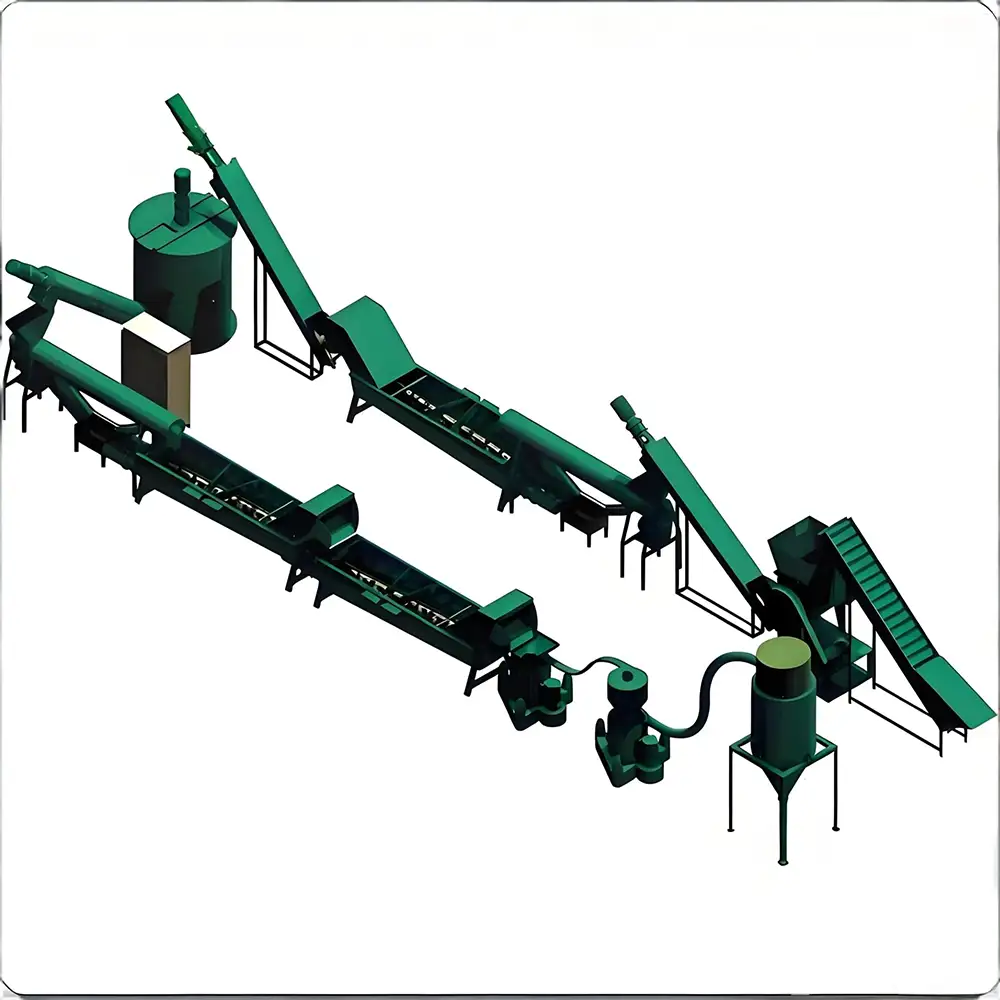
A complete organic fertilizer line may include fermentation equipment, compost turners, crushers, mixers, dryers, granulators, screening machines, and packaging equipment.
The required process depends on the raw material, fertilizer formulation, target moisture, production capacity, and final product requirements.
Composting Preparation
High-moisture manure may be difficult to aerate and handle during composting. Mechanical separation can remove part of the liquid fraction and create a more manageable solid feedstock.
However, composting moisture requirements vary according to the feedstock and process. Additional dry carbon-rich materials may still be required to achieve suitable composting conditions.
The separator should therefore be viewed as a pretreatment or moisture-management unit rather than a complete composting system.
Farm Wastewater Management
The liquid fraction separated from manure can contain dissolved and suspended organic matter. It may require further treatment before discharge, reuse, or other final management.
The separator can therefore be installed upstream of suitable wastewater treatment systems.
Depending on the project, downstream equipment may include storage tanks, biological treatment systems, anaerobic digestion, filtration, or other treatment technologies selected according to the liquid's characteristics and final water-quality requirements.
Durable Construction
Manure processing environments are typically wet and may contain corrosive or abrasive materials. Equipment construction should therefore be selected according to the actual operating conditions.
Depending on the application, corrosion-resistant materials, stainless steel contact parts, reinforced screening components, wear-resistant parts, and other options can be considered.
Regular cleaning and inspection are important for maintaining stable separation performance and reducing material buildup.
Easy System Integration
The drum manure separator can be integrated into existing farm manure collection systems.
Upstream equipment may include manure collection channels, slurry tanks, pumps, pipelines, screens, or feeding hoppers. Downstream equipment may include conveyors, composting systems, fertilizer production equipment, storage areas, biogas systems, or wastewater treatment equipment.
The complete system can be configured according to farm layout, manure volume, processing requirements, and available installation space.
Flexible Application
Different livestock farms have different manure characteristics. Pig manure may have different solids content from cow manure, while duck manure may have different moisture and particle characteristics.
For this reason, the separator should be selected according to the actual feed material.
Customers can provide manure type, approximate moisture content, daily processing volume, solid concentration, particle characteristics, and intended use of the separated material for technical evaluation.
B2B Manure Processing Solution
The Drum Dry and Wet Separator for Pig Cow Duck Manure is suitable for livestock farms, agricultural enterprises, manure management projects, organic fertilizer plants, composting facilities, and equipment integrators.
For B2B projects, the machine can be supplied as an individual separator or integrated into a complete manure processing system.
Application-based configuration, sample testing, feeding system selection, screening design, and downstream equipment integration can be discussed according to project requirements.
Key Features
Drum-Type Manure Separation
Solid-Liquid Separation
Pig Manure Processing
Cow Manure Processing
Duck Manure Processing
Manure Dewatering
Dry And Wet Manure Separation
Continuous Screening
Agricultural Waste Processing
Organic Fertilizer Preparation
Composting Pretreatment
Flexible Feeding Options
Corrosion-Resistant Material Options
Easy System Integration
Continuous Solid Discharge
Main Applications
Pig Farms
Cow Farms
Dairy Farms
Duck Farms
Livestock Farms
Agricultural Waste Treatment
Manure Management Systems
Organic Fertilizer Plants
Composting Facilities
Farm Wastewater Management
Biogas Projects
Agricultural Organic Waste Processing
FAQs
1. What Is a Drum Dry and Wet Manure Separator?
It is a mechanical separation machine designed to separate suitable livestock manure and agricultural organic waste into solid and liquid fractions using a drum-type screening system.
2. Can It Separate Pig Manure?
Yes. The machine can be configured for suitable pig manure and pig slurry applications. Actual separation performance depends on manure concentration, moisture content, particle characteristics, and screen configuration.
3. Can It Process Cow Manure?
Yes. Suitable cow and dairy manure can be processed. Fiber content, bedding material, and other solids should be considered when selecting the equipment.
4. Can It Process Duck Manure?
Yes. The machine can be evaluated for suitable duck manure applications. Because duck manure can have high moisture content, actual feed characteristics should be provided for equipment selection.
5. Does the Machine Completely Dry the Manure?
No. The machine provides mechanical solid-liquid separation and dewatering rather than complete drying. The final moisture content depends on the feedstock and machine configuration.
6. What Happens to the Separated Solid?
The solid fraction can potentially be used for composting, organic fertilizer processing, fermentation, storage, or other suitable agricultural applications depending on its characteristics.
7. What Happens to the Separated Liquid?
The liquid can be collected and directed to storage, wastewater treatment, anaerobic digestion, or another suitable downstream process.
8. Can the Machine Be Used in an Organic Fertilizer Plant?
Yes. It can serve as a manure pretreatment and solid-liquid separation unit before fermentation, composting, drying, granulation, and other fertilizer production stages.
9. Can the Separator Be Customized?
Yes. Screen specifications, drum configuration, feeding system, discharge arrangement, machine materials, and auxiliary equipment can be evaluated according to the application.
10. What Information Is Needed for Equipment Selection?
Provide the manure type, approximate moisture content, daily processing volume, solids concentration, particle characteristics, feeding method, installation conditions, and intended downstream process. Sample testing can also be considered.
Why Choose Us
Professional Manure Separation Equipment
We provide equipment solutions for livestock manure separation, agricultural waste processing, solid-liquid separation, dewatering, and organic fertilizer preparation.
Multi-Material Application
The equipment can be evaluated for pig, cow, dairy, duck, and other suitable livestock manure streams according to actual material characteristics.
Application-Based Configuration
Screen specifications, drum design, feeding arrangements, discharge systems, and construction materials can be selected according to the specific feedstock and operating environment.
Sample-Based Technical Support
Customers can provide manure samples, photos, videos, processing volume, moisture information, and downstream application requirements for technical evaluation.
Complete Waste Processing Integration
The separator can be integrated with manure pumps, collection tanks, conveyors, composting equipment, organic fertilizer lines, biogas systems, and wastewater treatment equipment.
Prev:
Farm Manure Processing Machine Solid-Liquid Separator
Next:
High Efficiency and Energy - Conserving Waste Plastic Cleaning Line
TAG:
Organic Fertilizer Production Equipment,
Organic Fertilizer Processing Equipment,
Livestock Waste Treatment Equipment,
Manure Treatment Equipment,
Solid Liquid Separation Equipment,
Solid Liquid Separation Machine,
Organic Waste Separator,
Animal Waste Separator,
Agricultural Waste Dewatering,
Organic Waste Dewatering,
Pig Manure Separator,
Dairy Manure Separator,
Dairy Manure Dewatering,
Pig Manure Dewatering,
Cow Manure Separator,
Cow Manure Dewatering,
Manure Solid Liquid Separator,
Manure Dewatering Machine,
Manure Dewatering Equipment,
Livestock Manure Separator,
Livestock Manure Dewatering,
Manure Management Equipment,
Farm Waste Treatment Equipment,
Organic Fertilizer Separator,
Organic Waste Separation Machine,
Agricultural Waste Separator,
Agricultural Waste Separation Equipment,
Agricultural Manure Separator,
Animal Manure Separator,
Farm Waste Separator,
Related Category:
Drum Dry And Wet Separator For Pig Cow Duck Manure, Drum Manure Separator, Pig Manure Separator, Cow Manure Separator China, suppliers, manufacturers, factory, customized, wholesale, quotation, made in China