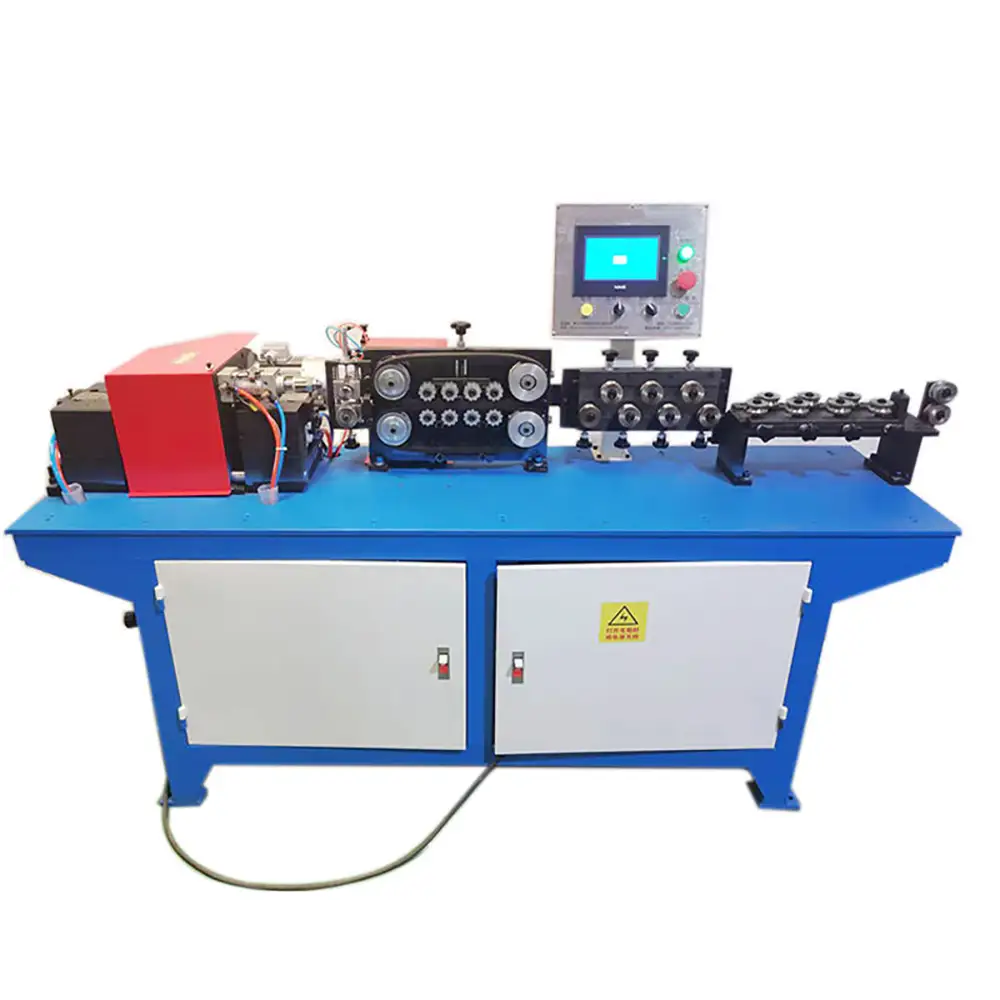
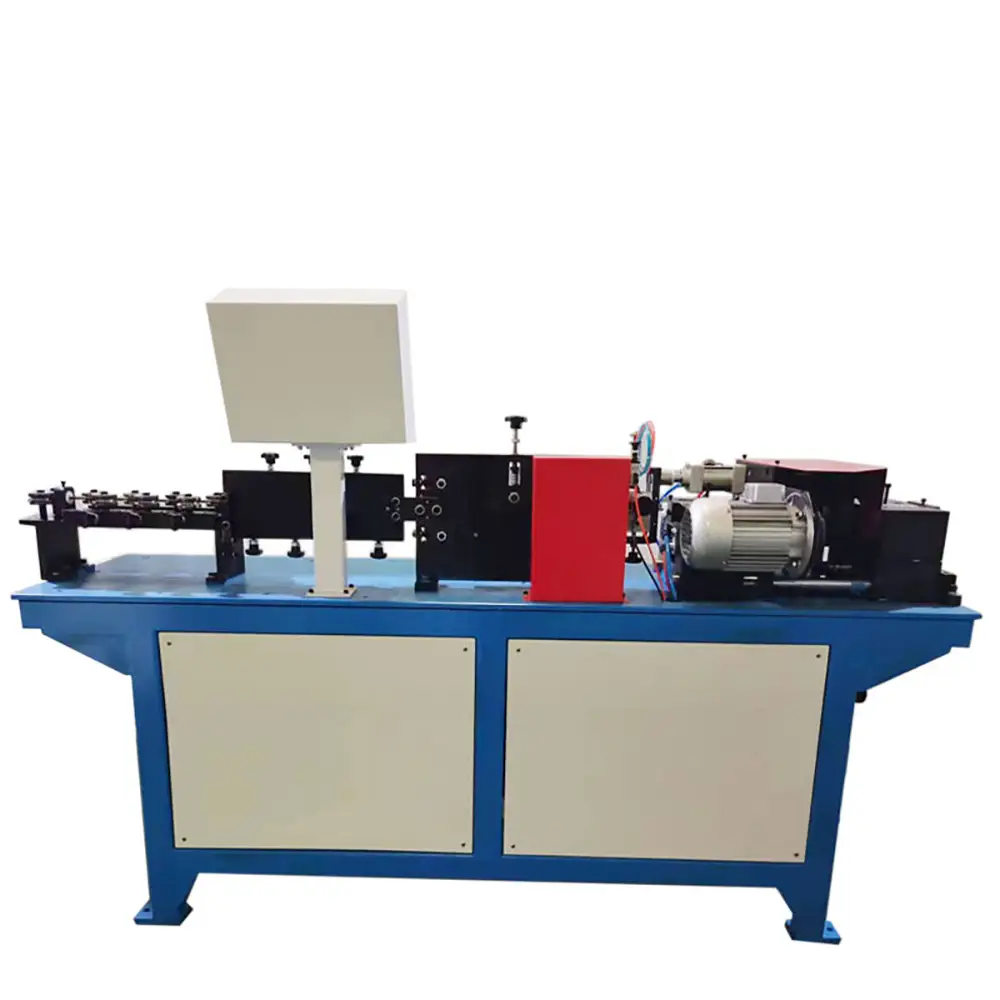
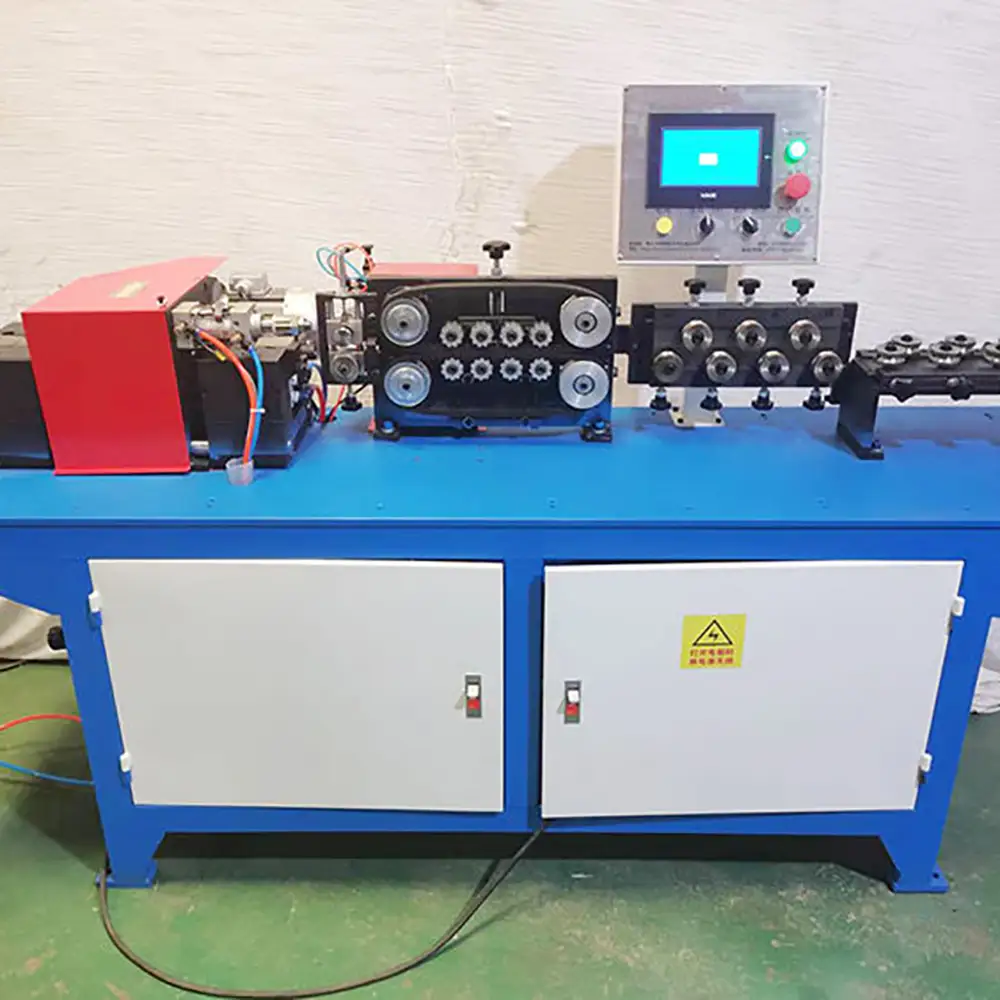
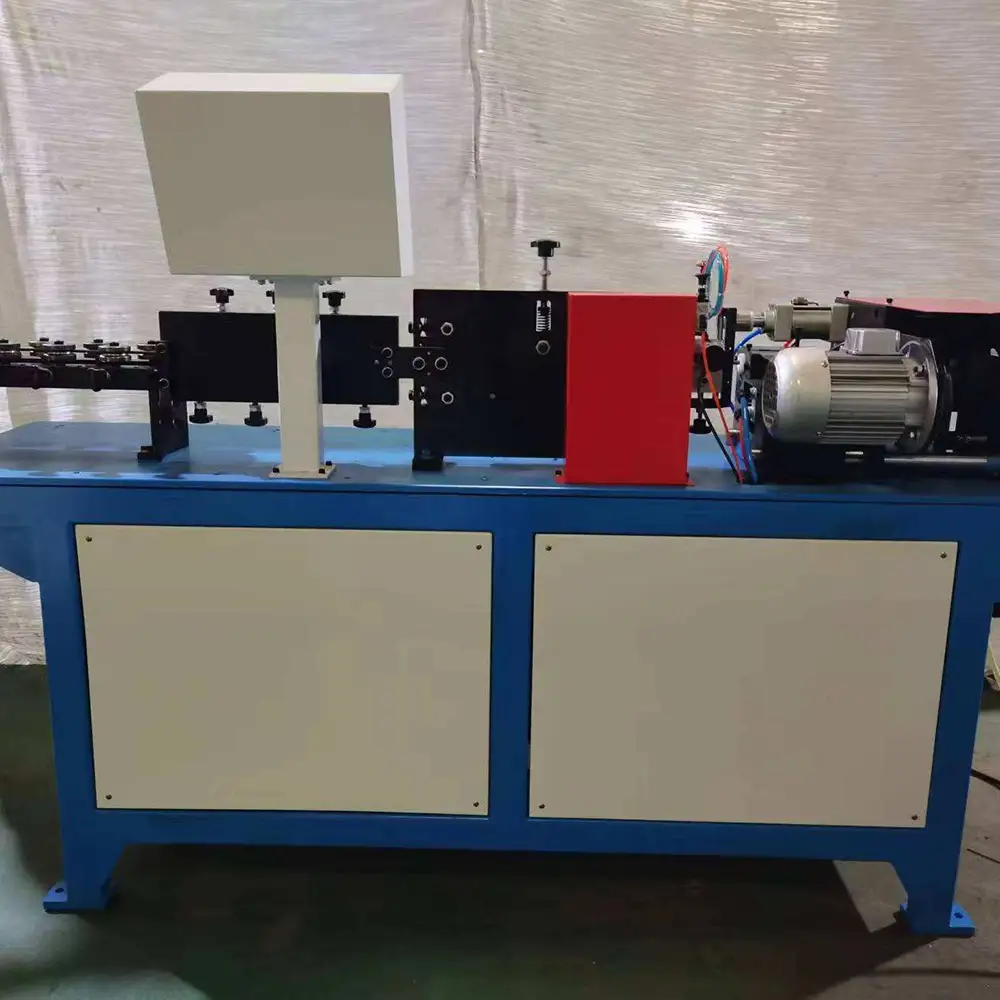
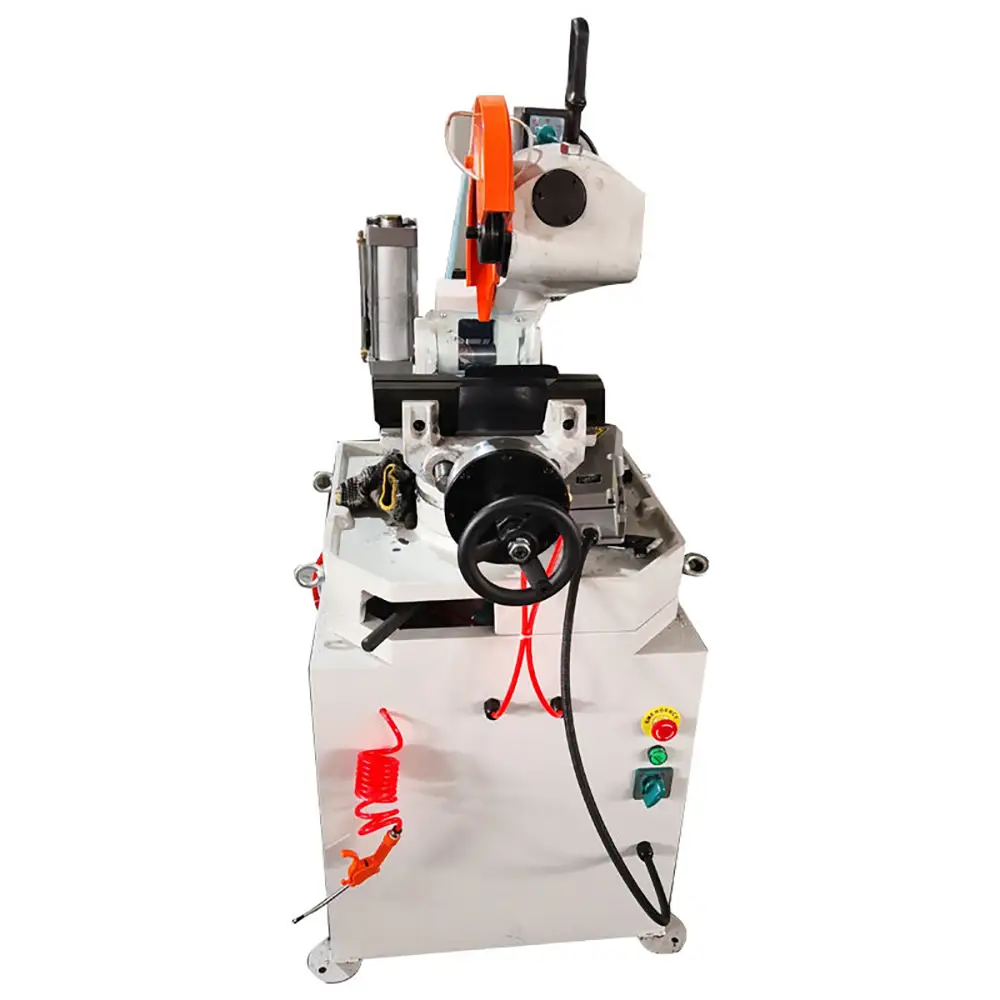
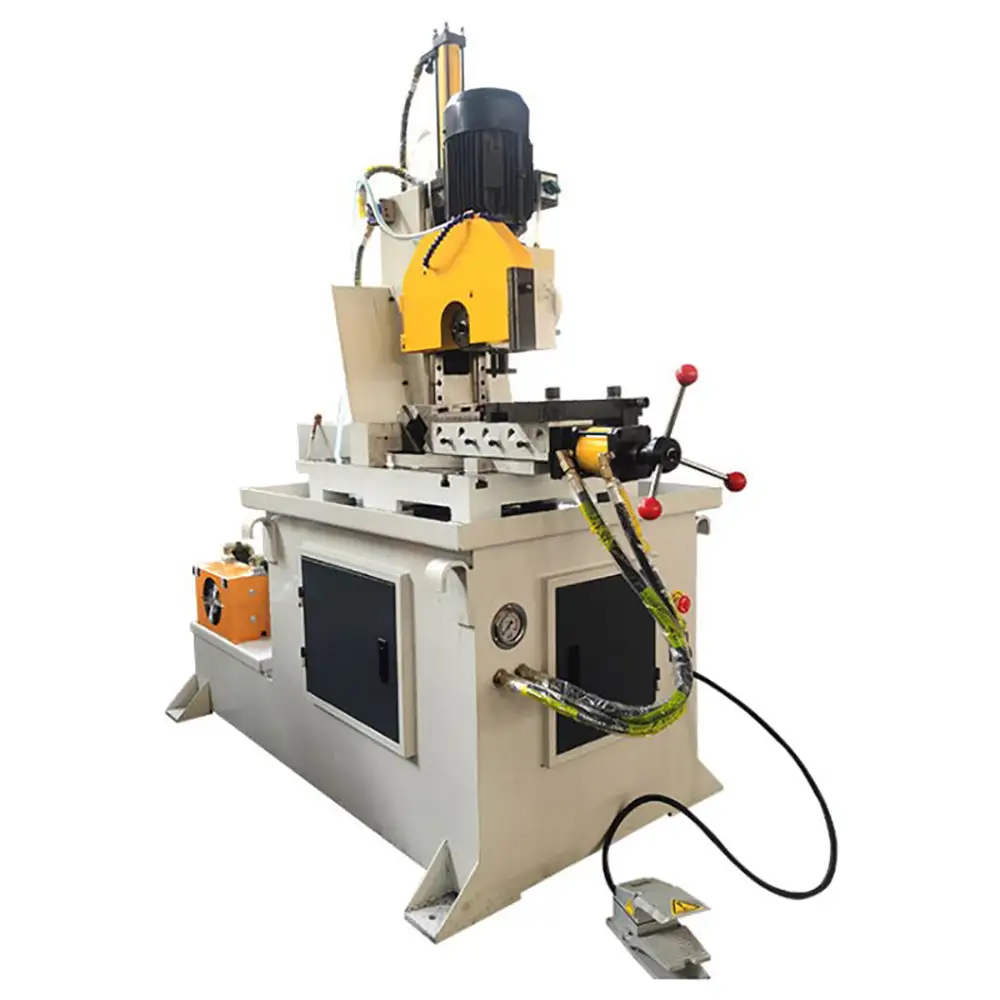
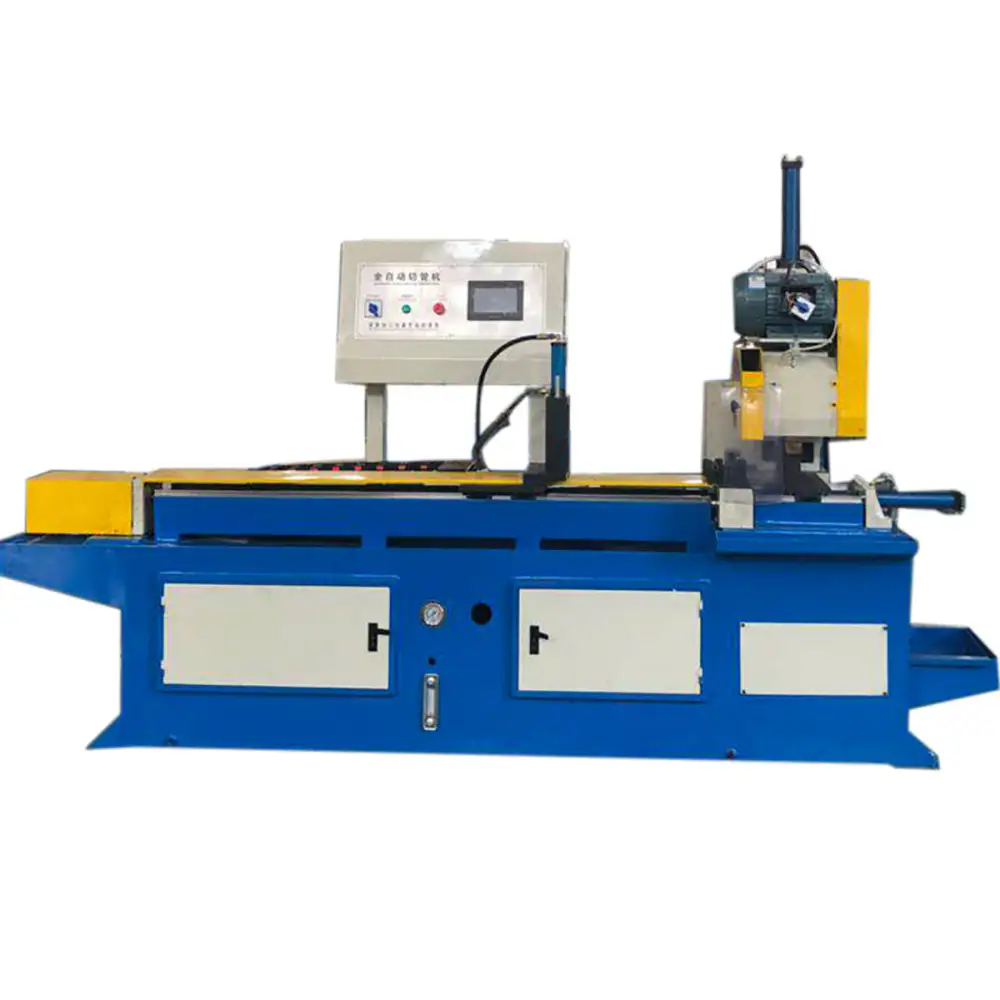
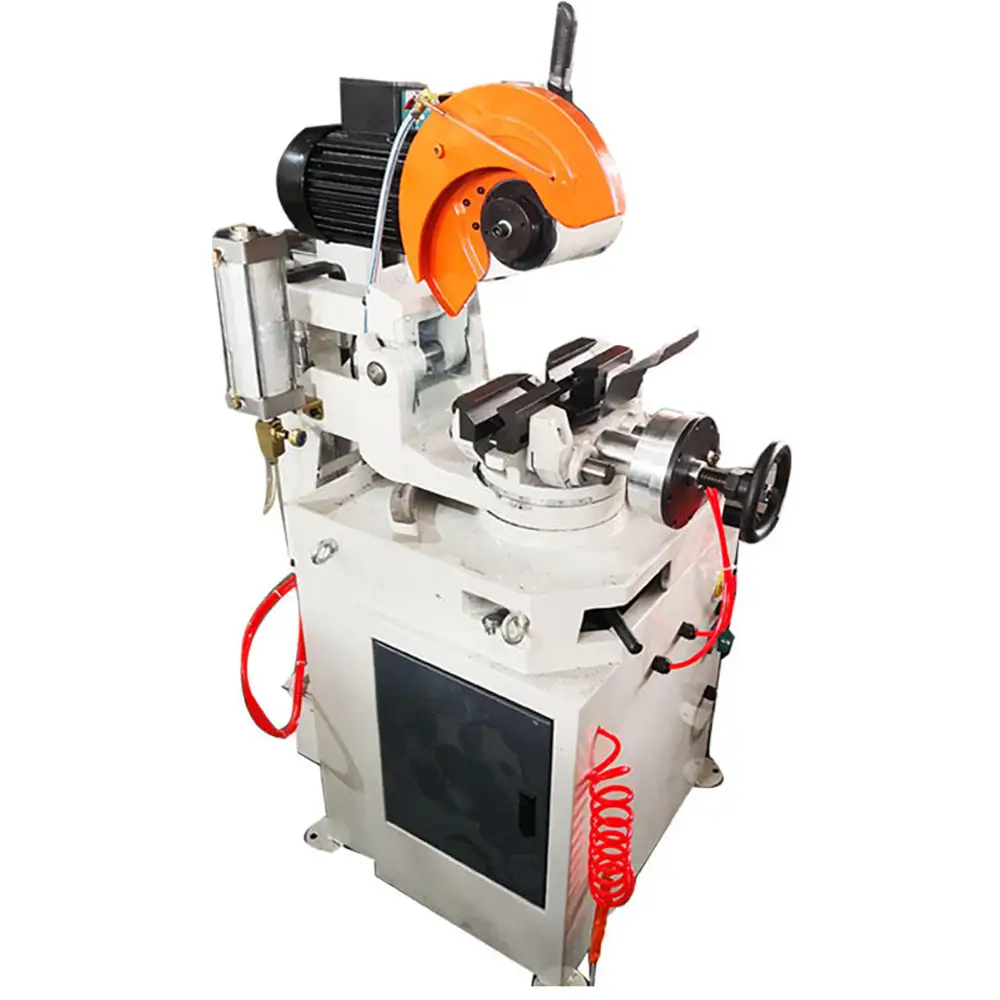
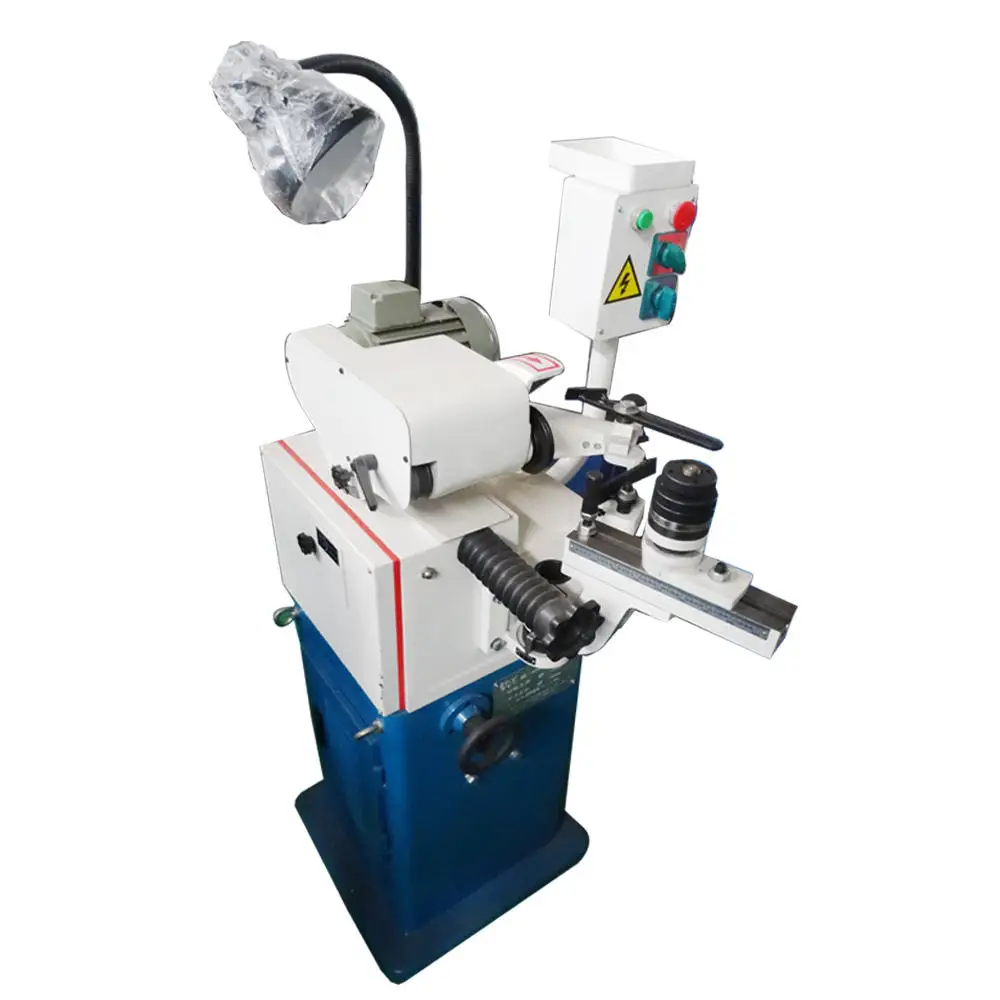
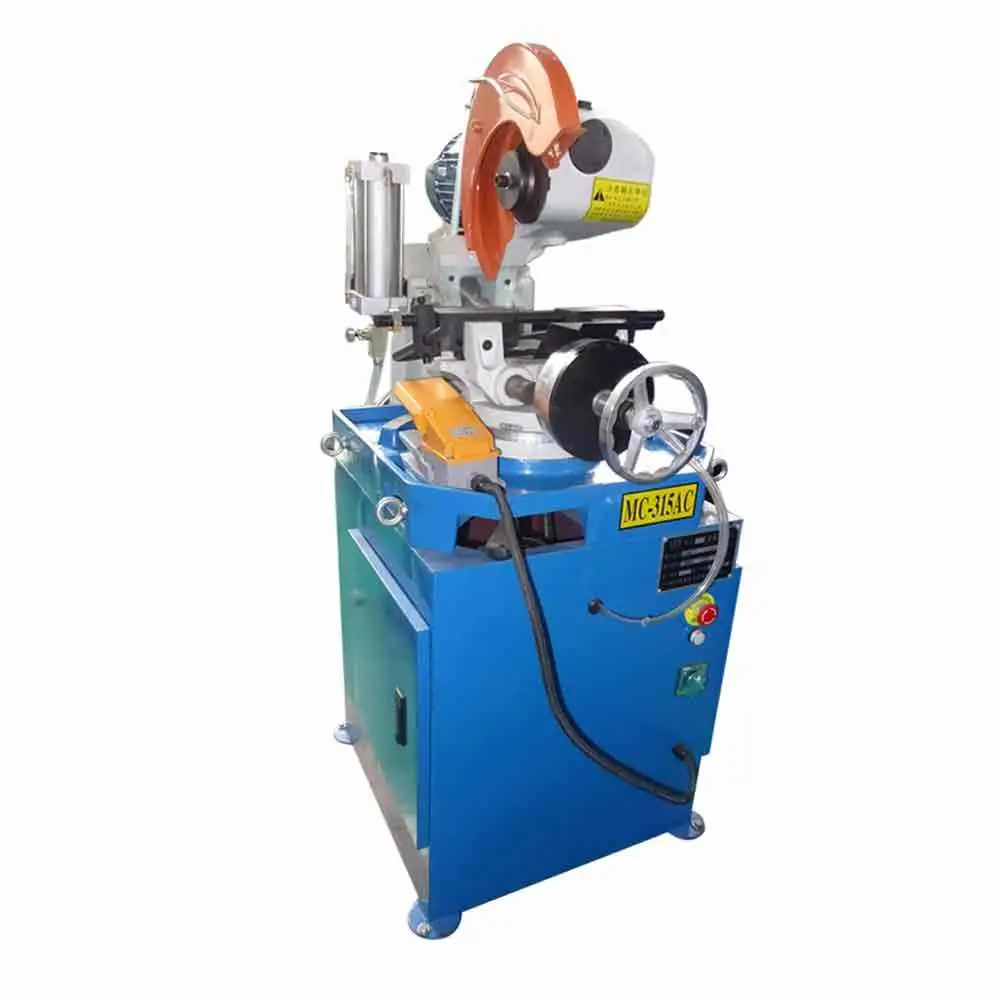
Non-Chip Copper Tube Cutting Machine for Clean Pipe Cutting
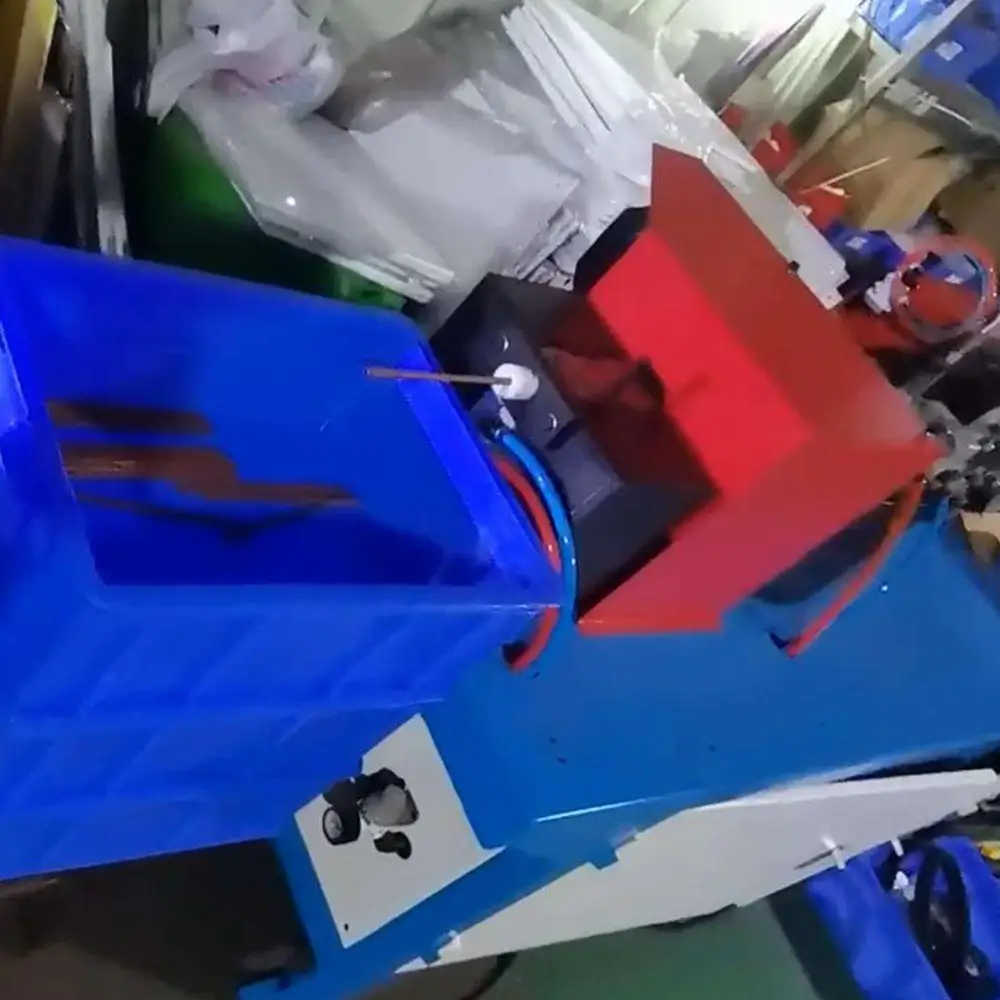
The Copper Tube Pipe Non Chip Copper Tube Cutting Machine is designed specifically for efficient and clean cutting of copper tubes and pipes. Unlike conventional sawing methods that generate chips and cutting debris, a non-chip cutting process can provide a cleaner tube-cutting operation and help reduce the amount of loose metal waste around the production area.
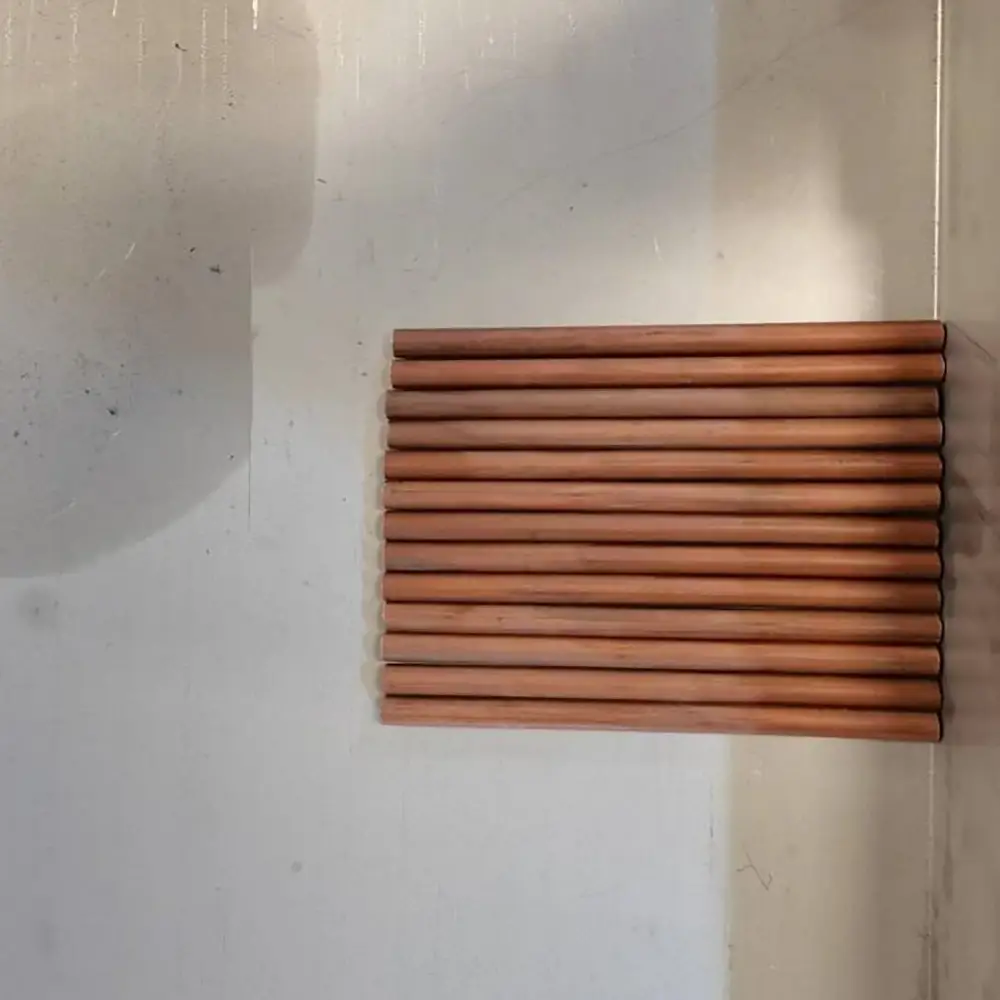
Copper tubing is widely used in HVAC and refrigeration systems, heat exchangers, condensers, plumbing, automotive thermal systems, and industrial equipment. In these applications, the quality of the cut tube end can directly affect subsequent processes such as bending, flaring, expansion, brazing, welding, and assembly.
The machine is intended to provide a controlled and repeatable method for copper pipe cutting. Depending on the configuration, it can incorporate automatic feeding, positioning, clamping, cutting, and finished-tube collection functions.
Actual tube diameter range, wall thickness, cutting length, production speed, dimensional accuracy, and automation level depend on the selected machine configuration.
|
model |
18B |
|
Applicable pipe |
Copper tube, |
|
Pipe diameter |
Φ4-Φ19mm |
|
Pipe wall thickness |
0.3-1.0mm |
|
Cutting length |
55 mm minimum, unlimited |
|
Feeding length |
60mm-any lenght |
|
working pressure |
0.6-0.8MPa |
|
Cutting blade specification |
φ32.2*Φ15*10.2 |
|
Way of working |
Automatic feeding, fixed length encoder |
|
way to control |
LCD display frequency, PLC control, frequency conversion operation |
|
moulds |
Clamping die, guide sleeve, feeding belt, straightening wheel |
|
Motor Power |
2KW, 3 phase |
|
size |
2150*650*1350mmmm |
What Is Non-Chip Copper Tube Cutting?
Non-chip tube cutting refers to a cutting method designed to separate the copper tube without producing the conventional chips associated with saw blade cutting.
For copper tube production, reducing loose chips can provide several practical benefits:
Cleaner working conditions
Less loose metal debris
Reduced chip collection requirements
Cleaner tube ends
More efficient downstream processing
Better material utilization in suitable applications
Reduced risk of chips entering tubing
The exact cutting principle depends on the machine design. Customers should confirm the required tube-end condition and cutting method before ordering, particularly for applications involving refrigeration or fluid systems.
Copper Pipe and Tube Applications
Copper is an important material for heat-transfer and fluid-handling applications because of its thermal conductivity, corrosion resistance, formability, and suitability for many joining processes.
The machine can be used for suitable copper tubing used in:
HVAC Systems
Copper tubes are commonly used in air conditioning and heating systems. Consistent tube lengths simplify subsequent bending, connection, and installation processes.
Refrigeration Equipment
Refrigeration systems often require accurately prepared copper tubes for connecting components and assemblies.
Heat Exchangers
Copper tubes can be used in heat-transfer equipment, where consistent tube preparation is important for downstream manufacturing.
Condensers and Evaporators
Tube sections can be prepared for condenser and evaporator manufacturing according to the required dimensions.
Plumbing Systems
Suitable copper pipes can be cut into predetermined lengths for plumbing components and assemblies.
Automotive Thermal Systems
Copper and copper-alloy tubes may be used in selected automotive thermal-management applications.
Clean Cutting Performance
One of the main advantages of a non-chip copper tube cutter is its ability to reduce the amount of cutting debris compared with conventional sawing.
A cleaner cutting process can be particularly useful in applications where the tube interior needs to remain relatively free from loose particles. However, the actual finished tube condition depends on tube material, wall thickness, cutting method, tooling condition, machine setup, and production parameters.
Depending on the application, additional tube-end operations such as deburring, chamfering, cleaning, or end forming may still be required.
Automatic Feeding and Positioning
For production environments that process many copper tubes, automatic feeding can significantly reduce repetitive manual measuring and positioning.
A typical automated workflow may include:
Loading copper tube material.
Feeding the tube toward the cutting station.
Straightening or guiding the tube if required.
Positioning the required cutting length.
Clamping or supporting the tube.
Performing the non-chip cutting operation.
Releasing the finished tube section.
Collecting or transferring the cut tube.
Repeating the cutting cycle.
The exact automation functions depend on the machine configuration.
Automatic operation should not necessarily be interpreted as completely unmanned production. Material loading, unloading, inspection, tooling replacement, and maintenance may still require operator participation.
Tube Size and Wall Thickness
Copper tubes are available in many diameters and wall thicknesses. Small-diameter thin-wall tubing requires different handling considerations from larger and thicker copper pipes.
Clamping force must be properly controlled to prevent deformation. Feeding rollers and guides should also be selected according to the tube dimensions.
Before purchasing the machine, customers should provide:
Outside diameter
Wall thickness
Tube material or alloy
Required cut length
Tube supply form
Production quantity
Required dimensional tolerance
Required tube-end quality
This information allows the machine configuration and cutting method to be evaluated more accurately.
Copper Tube Cutting Accuracy
Consistent tube length is important for many industrial manufacturing applications. Repeatable cutting can reduce the need for additional manual measurement and improve the efficiency of downstream operations.
Actual cutting accuracy depends on the machine structure, feeding mechanism, positioning method, tooling, tube condition, material properties, and machine setup.
If a specific tolerance is required, it should be provided during the quotation stage. Representative tube samples can also be useful for evaluating the cutting process.
Material Compatibility
The primary application of this machine is copper tube and pipe cutting. Depending on the cutting mechanism and configuration, some copper alloys or other suitable non-ferrous tubing may also be processed.
Copper, brass, aluminum, and other non-ferrous materials have different mechanical properties and cutting characteristics. A cutting configuration designed for copper should not automatically be assumed to be suitable for every alloy.
For this reason, customers should provide the exact material grade when requesting a machine.
Production Efficiency
A dedicated copper tube cutting machine can help manufacturers establish a more standardized production process. Automatic feeding and controlled cutting can reduce repetitive labor and improve consistency between workpieces.
For high-volume production, the machine may be integrated with tube straightening, feeding, end forming, deburring, cleaning, bending, or other downstream equipment depending on the production process.
Actual production capacity depends on tube diameter, wall thickness, cutting length, feeding method, machine cycle, material handling, and required finished-tube quality.
Reduced Metal Waste
Because non-chip cutting does not rely on conventional saw-tooth material removal in the same way as sawing, it can reduce loose chip generation.
This may simplify housekeeping and waste collection. However, the actual amount of material loss depends on the cutting method and machine design.
For high-volume copper processing, even small differences in cutting loss can become significant over time, so customers should evaluate the actual cutting method according to their material cost and production requirements.
Installation and Maintenance
The machine should be installed on a stable working surface according to the manufacturer's requirements. Sufficient space should be provided for tube loading, finished-product collection, machine inspection, and maintenance.
Routine maintenance should include inspection of cutting tooling, feeding rollers, guides, clamps, drive components, bearings, electrical connections, and other wear parts.
Copper debris and production residue should be removed regularly. Cutting components should be inspected for wear because worn tooling can affect tube-end quality and dimensional consistency.
Operators should follow the manufacturer's operating procedures and use appropriate personal protective equipment.
OEM and B2B Copper Tube Cutting Solutions
For copper tube manufacturers, HVAC suppliers, refrigeration equipment manufacturers, heat-exchanger producers, and metal-processing companies, customized cutting solutions can be evaluated according to the production application.
OEM and ODM cooperation may include machine configuration, feeding arrangements, cutting tooling, automation functions, branding, packaging, technical documentation, and other project requirements where available.
Providing actual copper tube samples or detailed tube specifications can help determine the most suitable cutting configuration.
Frequently Asked Questions
1. What is a non-chip copper tube cutting machine?
It is a copper tube cutting machine designed to separate tubing while minimizing or avoiding the conventional chips produced by standard saw cutting.
2. What copper tubes can it cut?
The machine is primarily designed for suitable copper tubes and pipes. The compatible diameter and wall thickness depend on the specific machine configuration.
3. Is it suitable for HVAC copper pipes?
Yes. It can be used for suitable copper tubing used in HVAC and air-conditioning manufacturing, subject to the tube specifications and cutting requirements.
4. Can it be used for refrigeration tubes?
Yes. Clean and repeatable copper tube cutting is useful for refrigeration component manufacturing. The required tube-end condition should be confirmed for the specific application.
5. Does non-chip cutting mean zero material loss?
Not necessarily. Non-chip cutting can reduce conventional chip generation, but the actual cutting loss depends on the cutting principle and machine design.
6. Can the machine cut thin-wall copper tubes?
Suitable configurations can process thin-wall copper tubes. Proper feeding, guiding, and clamping are important to minimize deformation.
7. Can the machine feed copper tubing automatically?
Depending on the configuration, automatic feeding and positioning can be included to support repetitive production.
8. Does the cutting process require deburring?
The need for deburring depends on the cutting method and required tube-end condition. Some applications may require additional end finishing.
9. Can it cut copper alloys?
Some suitable copper alloys may be processed, but compatibility should be confirmed because different alloys have different mechanical and cutting characteristics.
10. What information is needed before purchasing?
Provide tube material, outside diameter, wall thickness, tube length, required cut length, production volume, accuracy requirements, and desired automation level.
11. Can the machine be integrated into a production line?
Yes. Depending on the configuration, it can potentially be integrated with feeding, straightening, bending, end forming, cleaning, or other tube-processing equipment.
12. Can you provide customized solutions?
Yes. Machine configuration and automation can be evaluated according to the customer's copper tube specifications and production requirements.
Why Choose Us
Dedicated Copper Tube Solution – The machine is designed around the specific requirements of copper pipe and tube cutting.
Non-Chip Cutting Concept – The cutting method is designed to minimize conventional chip generation and provide a cleaner processing environment.
Suitable for HVAC and Refrigeration – The equipment can support copper tube preparation for HVAC, refrigeration, condenser, and heat-exchanger manufacturing.
Automatic Production Options – Feeding, positioning, clamping, and cutting functions can be configured according to production requirements.
Thin-Wall Tube Consideration – Feeding, guiding, and workholding can be evaluated according to small-diameter and thin-wall copper tube requirements.
Flexible Machine Configuration – Tube diameter, wall thickness, cut length, material, and production volume can be considered when selecting the machine.
OEM and ODM Support – Customized machine configurations, branding, packaging, and technical requirements can be discussed for B2B projects.
Technical Service – We provide support for machine selection, application evaluation, operation guidance, maintenance, and after-sales technical requirements.
Prev:
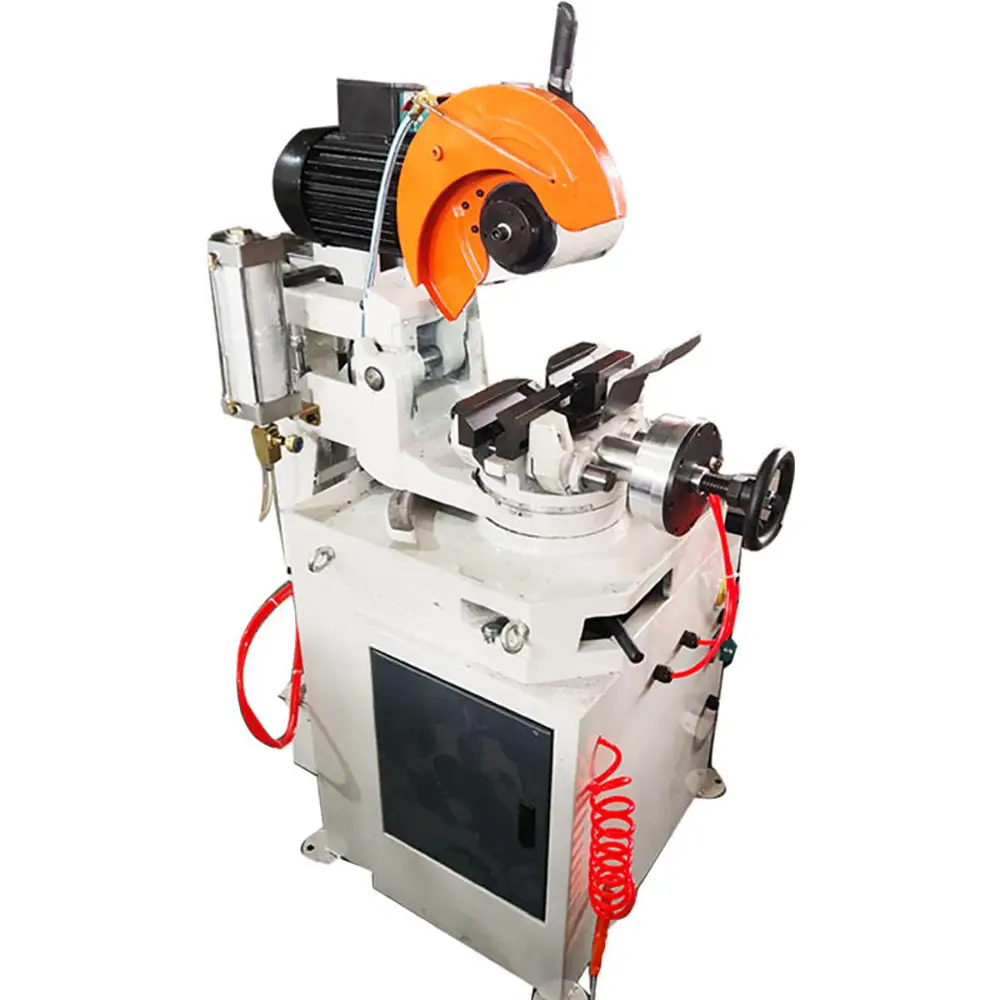
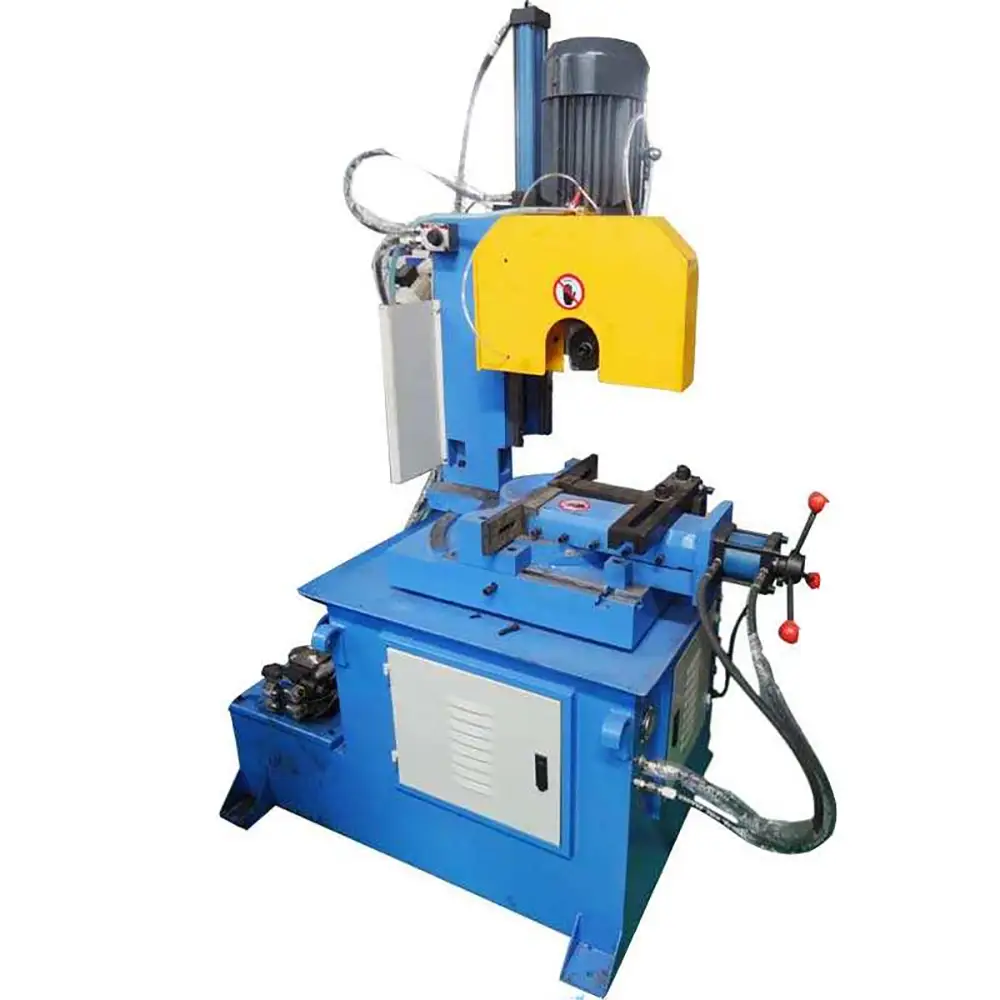
Pipe Cutting Machine Circular Sawing Metal Machine
Next:Sorry, no information
TAG:
Copper Tube Processing Machine,
Copper Pipe Processing Machine,
Tube Cutting Equipment,
Pipe Cutting Equipment,
Metal Tube Cutting Machine,
Automatic Tube Cutting Machine,
Automatic Pipe Cutting Machine,
Copper Tube Cutting Machine,
Copper Pipe Cutting Machine,
Automatic Copper Tube Cutting Machine,
Automatic Metal Tube Cutting Machine,
Non-Ferrous Tube Cutting Machine,
Copper Tube Precision Cutter,
Copper Pipe Precision Cutter,
Heat Exchanger Tube Cutting Machine,
Copper Tube Production Equipment,
Copper Capillary Tube Cutting Machine,
Copper Pipe Cutting Equipment,
Copper Tube Cutting Equipment,
Precision Copper Tube Cutting Machine,
Industrial Copper Tube Cutter,
HVAC Copper Tube Cutting Machine,
Refrigeration Copper Tube Cutting Machine,
Copper Tube Manufacturing Equipment,
Automatic Copper Tube Cutter,
Precision Copper Pipe Cutting Machine,
Clean Copper Tube Cutting Machine,
No Chip Tube Cutting Machine,
Chipless Copper Tube Cutting Machine,
Chipless Tube Cutting Machine,
Related Category:
Copper Tube Cutting Machine,Copper Pipe Cutting Machine,Non-Chip Copper Tube Cutting Machine,Non-Chip Copper Pipe Cutter China, suppliers, manufacturers, factory, customized, wholesale, quotation, made in China