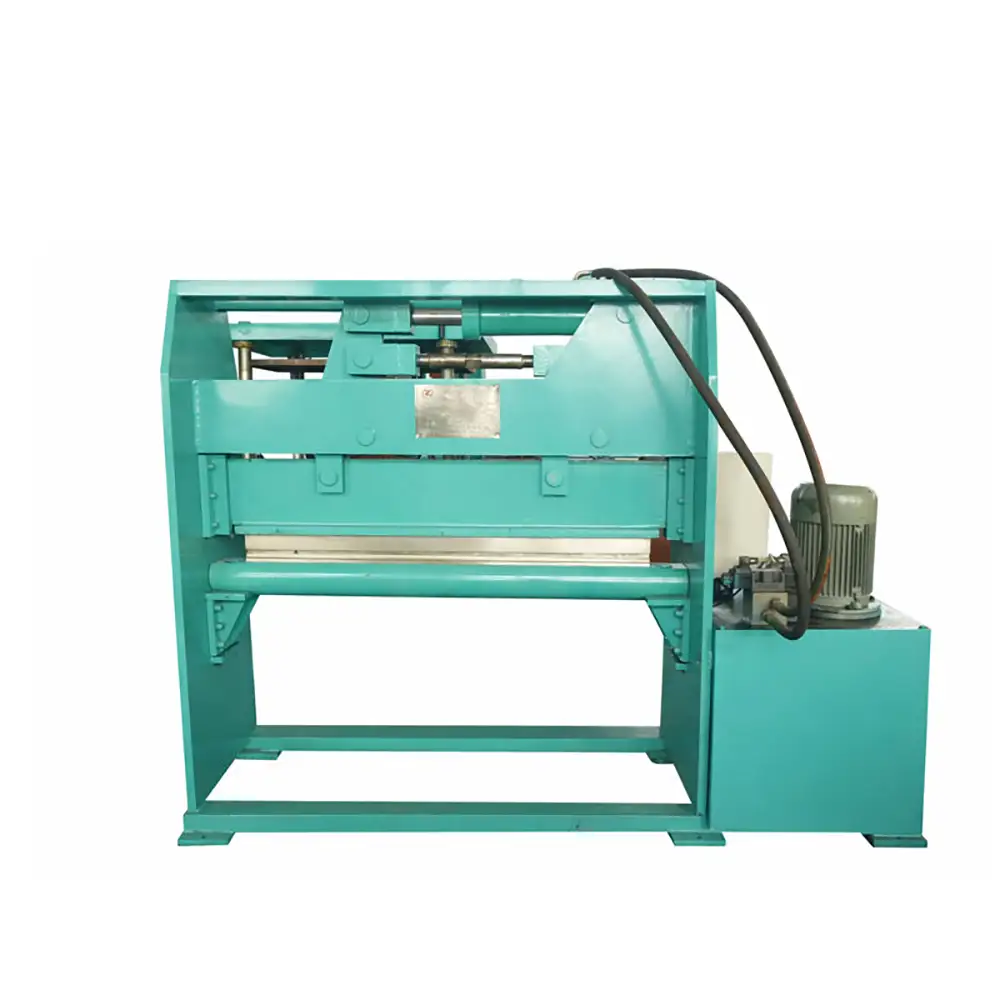
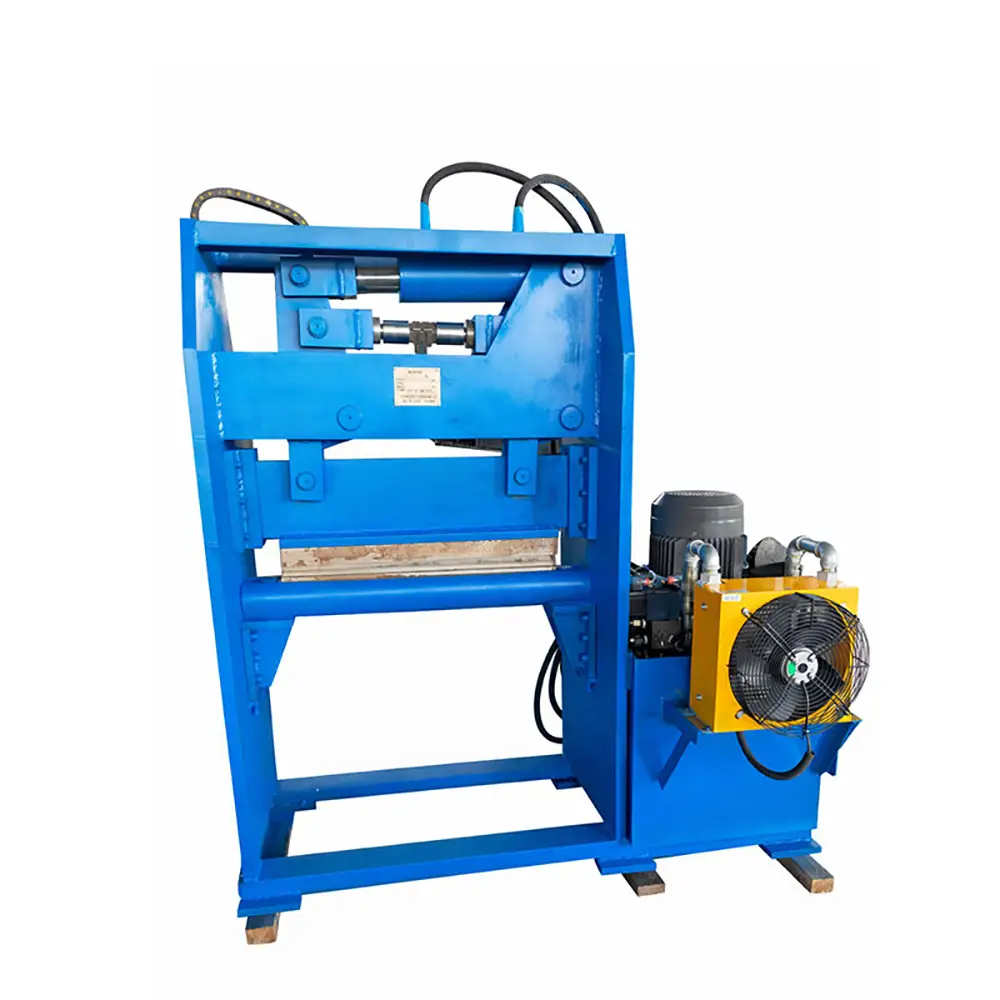
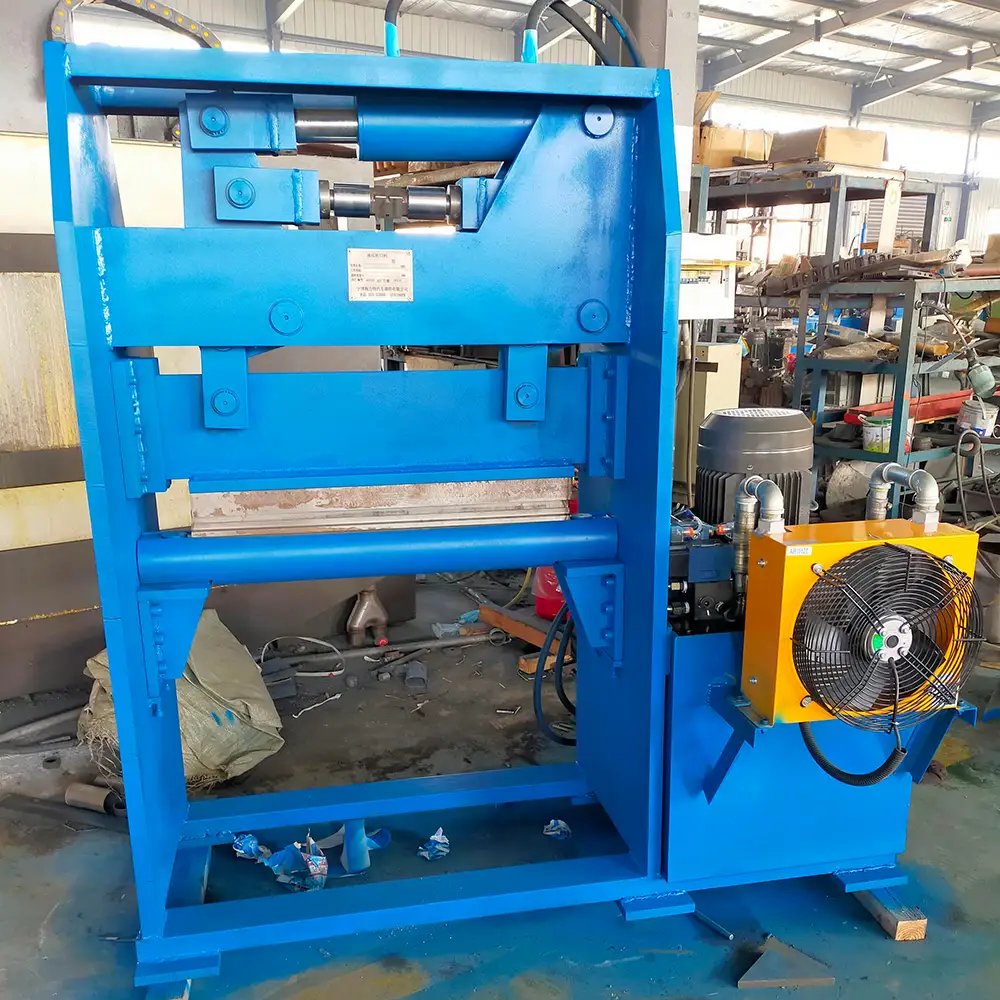
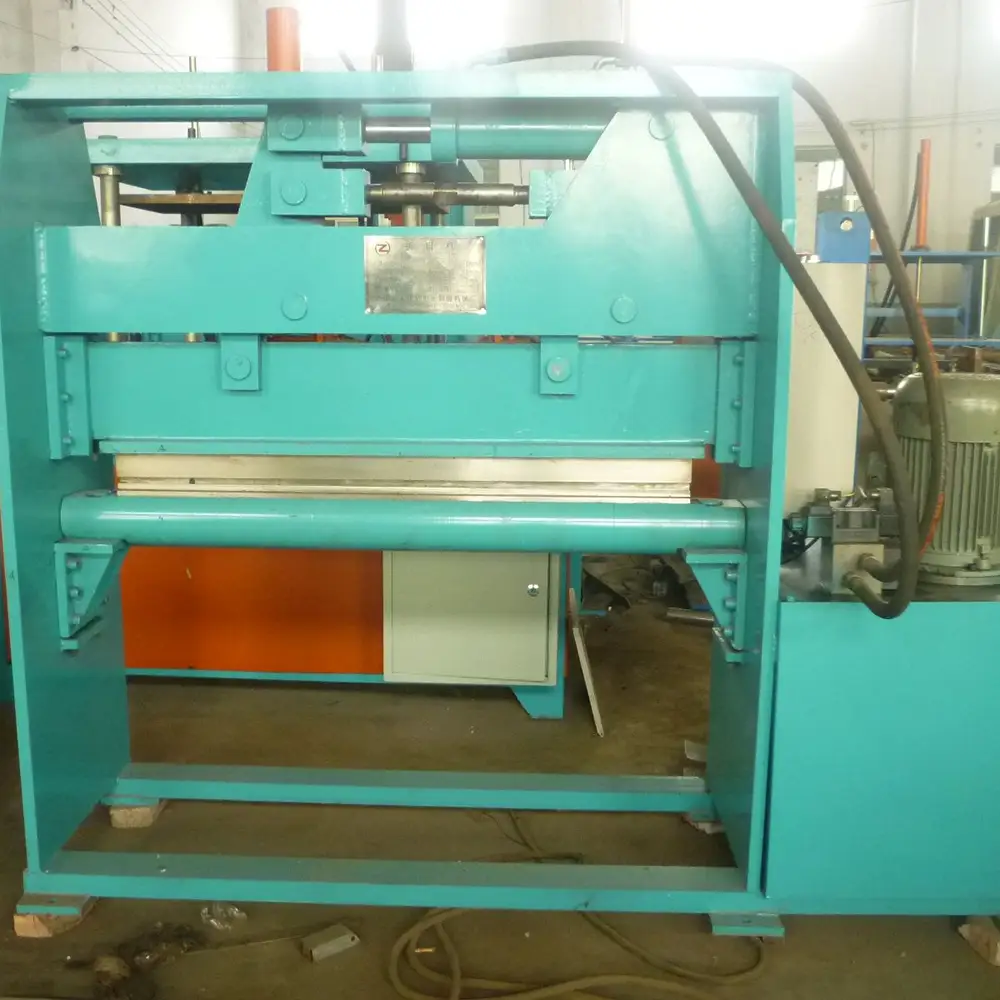
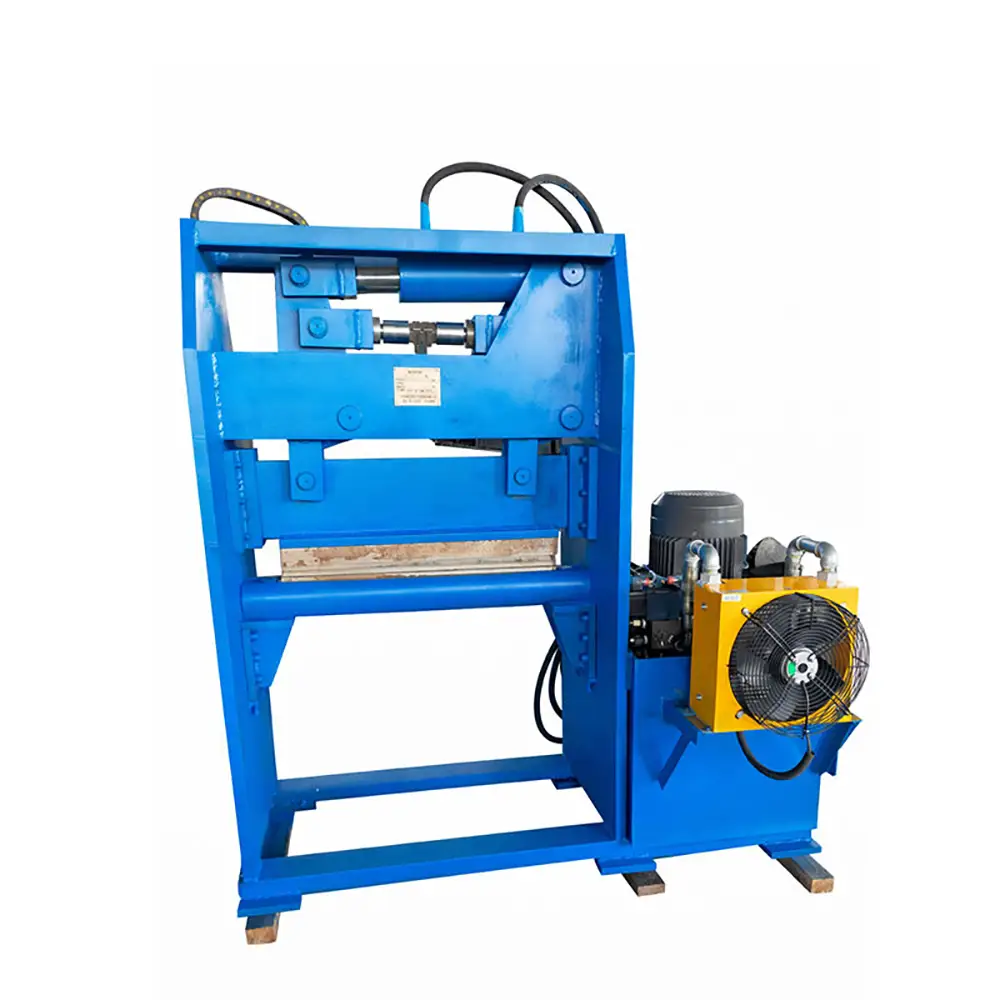
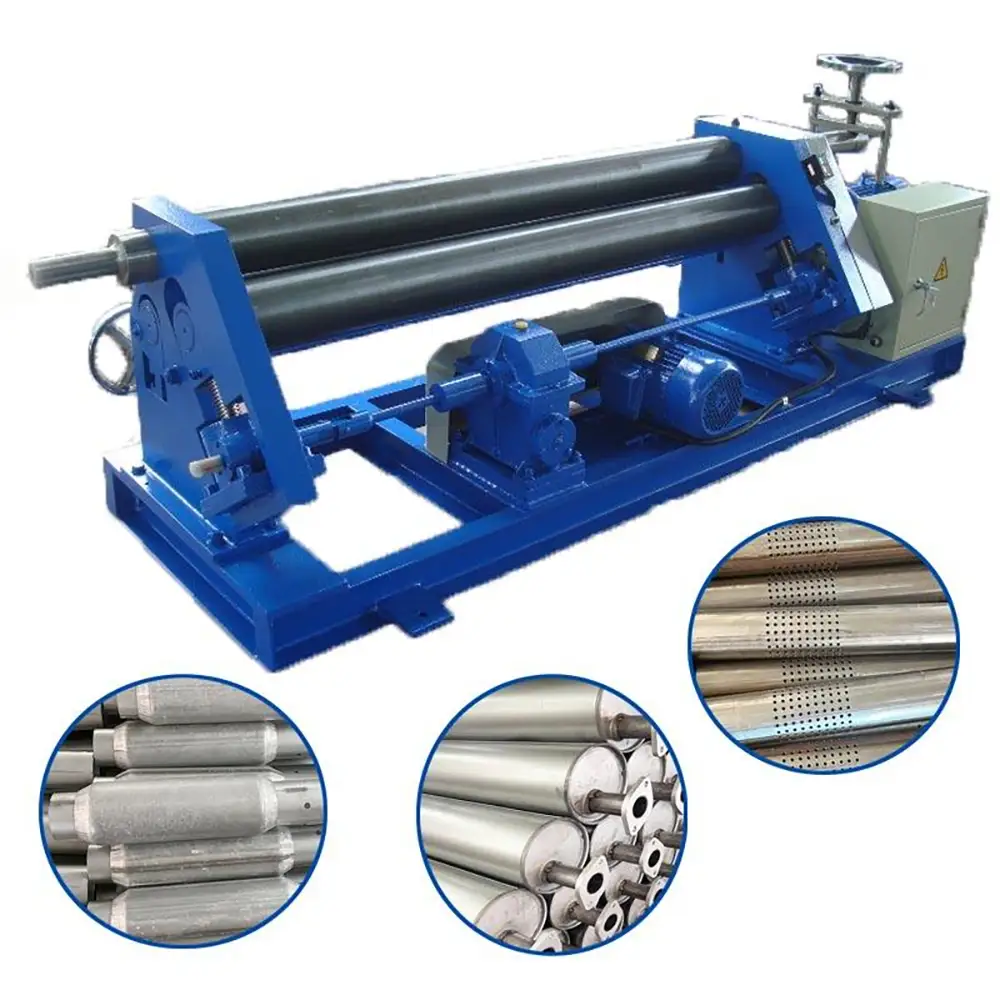
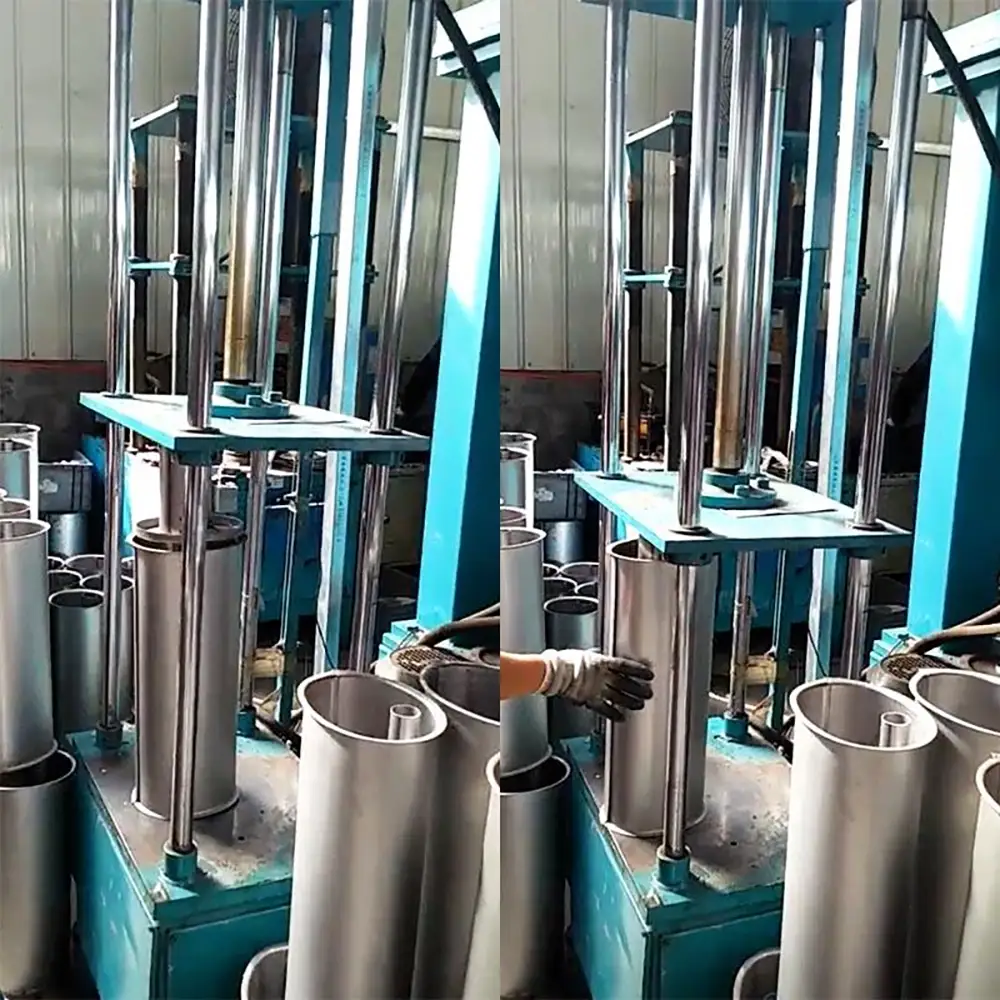
Strong Hydraulic Power System: Stable and powerful hydraulic pressure ensures accurate and smooth bending performance for various metal sheets.
High Precision CNC Control: Advanced CNC controller provides precise angle control and easy operation, improving working efficiency.
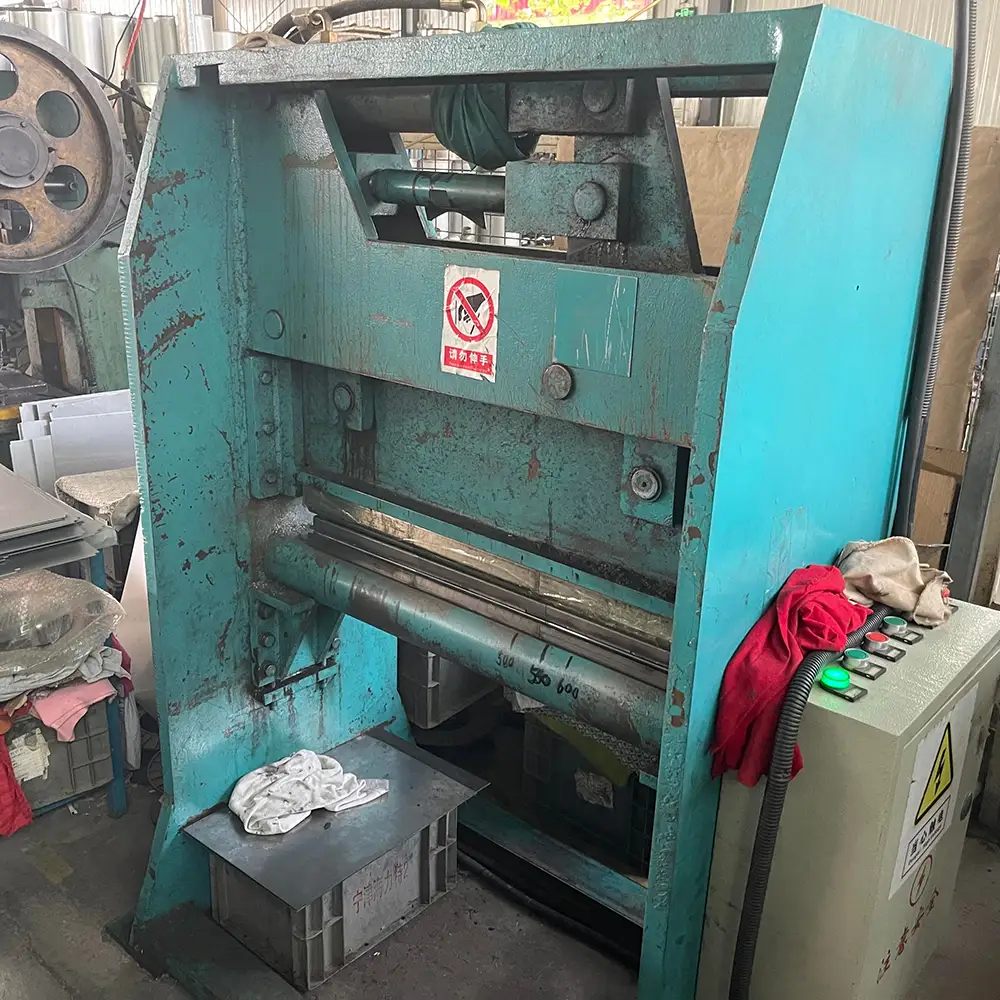
Durable Frame Structure: Heavy-duty welded steel frame ensures long service life and reliable performance under continuous working conditions.
Wide Application Range: Suitable for stainless steel, carbon steel, galvanized sheet, aluminum plate, and other metal materials.
Customizable Design: Support OEM/ODM service for different bending lengths, tonnage, and tooling requirements.
Safety and Energy Saving: Equipped with safety light curtain and efficient hydraulic system for safe and low-noise operation.
Factory Direct Price: Manufacturer price with fast delivery and professional after-sales service.
Hydraulic folding machine, hydraulic bending machine, hydraulic press brake, sheet metal folding machine, CNC hydraulic press brake, CNC sheet metal bending machineCNC Hydraulic Press Brake Bending Machine for Sheet Metal and Plate Bending
The CNC Hydraulic Press Brake Bending Machine is an industrial metal fabrication solution designed for precision bending, folding, and forming of sheet metal and metal plates. Combining hydraulic power with CNC control, the machine provides controlled bending force, programmable operation, and repeatable results for a wide range of manufacturing applications.
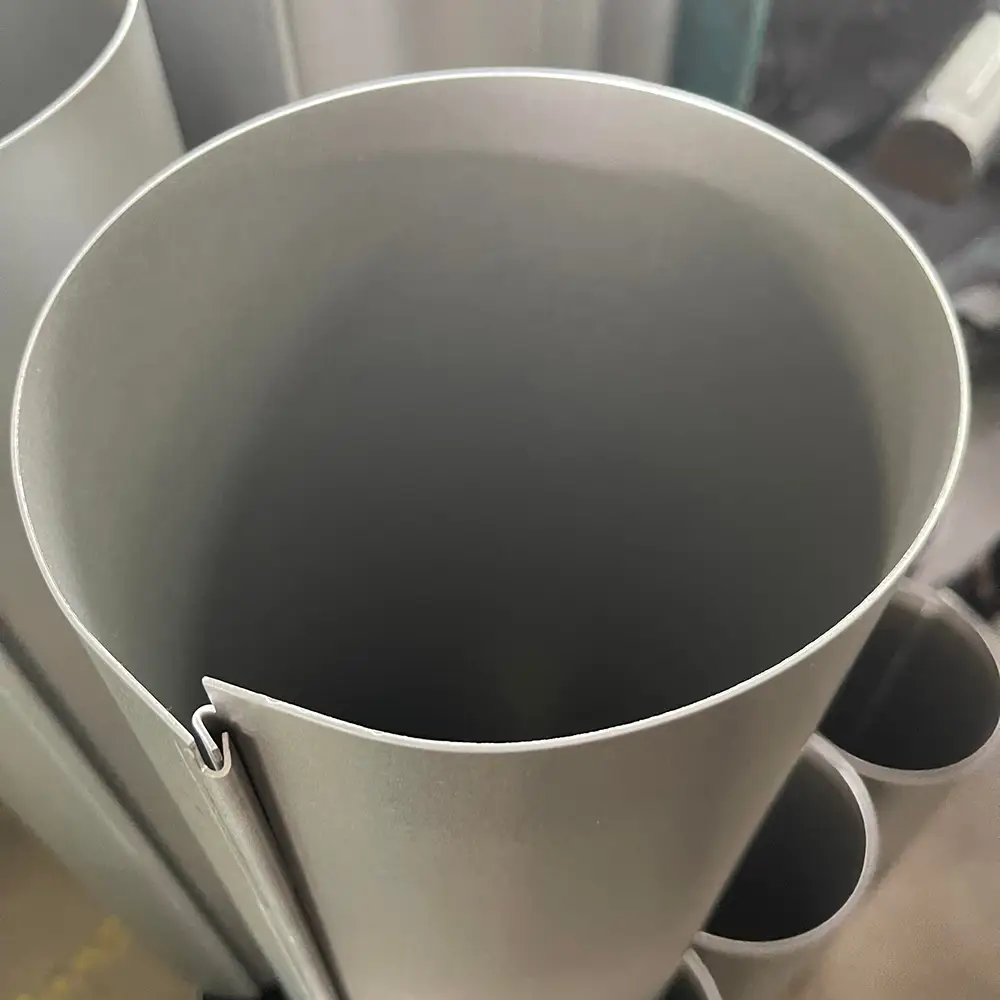
Press brakes are widely used in sheet metal fabrication because they can form flat metal sheets into angles, channels, boxes, brackets, frames, enclosures, and other three-dimensional components. Compared with manual bending equipment, a CNC hydraulic press brake provides greater control over bending parameters and is well suited to professional fabrication shops and industrial production lines.
The machine can be configured according to bending force, working length, maximum plate thickness, throat depth, stroke, back gauge configuration, CNC control system, tooling, and production requirements. Different machine configurations can accommodate different sizes and types of metalwork.
CNC-Controlled Sheet Metal Bending
The CNC control system is one of the key features of the machine. It allows operators to program bending sequences and manage important parameters such as bending angle, back gauge position, stroke, and repeat operations.
Once the appropriate program has been established, the machine can perform repeated bending operations with consistent positioning.
This is especially useful for manufacturers producing multiple identical parts or complex components requiring several bending steps.
For production environments, CNC programming can also reduce setup time and help operators manage different jobs more efficiently.
Hydraulic Press Brake Technology
The hydraulic system provides the force required to bend sheet metal and plate.
During operation, hydraulic cylinders drive the upper beam or ram downward while the workpiece is positioned between the upper punch and lower die. The applied force causes the metal to deform into the desired angle or shape.
Hydraulic press brakes are suitable for a wide range of metal thicknesses because the machine can be configured with different pressure capacities and working lengths.
The actual bending capacity depends on material type, thickness, width, tooling, machine tonnage, and bending method.
Sheet Metal Folding and Bending
The machine can perform a variety of sheet metal bending operations, including:
Air bending
Bottom bending
V bending
Angle bending
Multiple-step bending
Box and channel forming
Flange bending
Bracket forming
Custom profile bending
The appropriate bending method depends on the material, thickness, required angle, tooling, dimensional tolerances, and production requirements.
For manufacturers producing different components, CNC control allows multiple bending operations to be programmed within the same production cycle.
Plate Bending Applications
In addition to thin sheet metal, appropriately configured press brakes can process thicker metal plates.
Typical materials may include carbon steel, stainless steel, aluminum, galvanized steel, and other suitable metals.
Plate bending applications can include:
Industrial equipment panels
Structural components
Steel brackets
Machine frames
Electrical cabinets
Enclosures
Automotive components
HVAC components
Agricultural machinery parts
Construction components
Metal furniture
Custom fabricated parts
The machine should be selected according to the maximum thickness and width of the material to be processed.
Precision Back Gauge System
The back gauge is an important component for accurate sheet metal bending.
It positions the workpiece at the required distance before bending, helping establish consistent flange dimensions and repeatable part geometry.
Depending on the machine configuration, different back gauge arrangements and CNC-controlled axes may be available.
More advanced configurations can provide greater flexibility for complex bending sequences and multi-step components.
The number of controlled axes should be selected according to the complexity of the parts being produced rather than simply choosing the maximum available configuration.
CNC Bending for Repeatable Production
Repeatability is particularly important in industrial sheet metal manufacturing.
When the same component needs to be produced in large quantities, manually positioning every workpiece can introduce variations between parts.
CNC control helps standardize the programmed bending sequence, while the back gauge system provides controlled workpiece positioning.
This combination can improve production consistency and reduce operator-dependent variations.
For OEM manufacturers, repeatable CNC bending can be particularly valuable when supplying standardized components to equipment manufacturers, construction companies, automotive suppliers, and industrial customers.
Flexible Tooling
Press brake tooling determines the type of bend that can be produced.
Common tooling includes upper punches and lower V-dies in different sizes and configurations. Specialized tooling can also be considered for particular profiles or difficult-to-form components.
Tool selection depends on material thickness, bending angle, inside radius, flange dimensions, machine capacity, and product geometry.
For customers producing multiple types of products, a flexible tooling system can allow the same press brake to support a broader range of applications.
Suitable Materials
The CNC hydraulic press brake can be configured for a variety of commonly used sheet metals and plates.
Potential materials include:
Mild steel
Carbon steel
Stainless steel
Aluminum
Galvanized steel
Copper
Other suitable metal alloys
Material strength has a direct influence on the required bending force. For example, stainless steel generally requires different bending parameters than mild steel of the same thickness.
Therefore, machine tonnage should be selected based on both material thickness and material strength.
Industrial Production Efficiency
A CNC hydraulic press brake can improve production efficiency by combining programmable operation, hydraulic power, controlled positioning, and flexible tooling.
For repetitive jobs, operators can recall established programs rather than manually calculating and setting every bending position.
For mixed production, CNC programming also makes it easier to switch between different part designs.
The actual production cycle time depends on the number of bends, material handling, machine stroke, back gauge movement, operator workflow, and automation level.
Custom Press Brake Configuration
Different manufacturers have different production requirements. A machine designed for small sheet metal parts may not be appropriate for large structural plates.
For this reason, the press brake can be selected or configured according to:
Required bending force
Maximum bending length
Maximum plate thickness
Material type
Throat depth
Stroke length
Back gauge configuration
CNC control system
Tooling
Production volume
Automation requirements
Customers can provide product drawings, material specifications, maximum thickness, bending length, required angles, and expected production volume for machine selection.
OEM and Metal Fabrication Applications
The machine is suitable for OEM manufacturers, contract metal fabricators, sheet metal workshops, machinery manufacturers, construction equipment suppliers, agricultural machinery manufacturers, and industrial component producers.
For OEM production, CNC programming can help manufacturers maintain consistent bending processes across repeated production batches.
For job shops, the flexibility of programmable CNC bending allows one machine to handle a variety of customer orders and component designs.
Main Applications
The CNC Hydraulic Press Brake Bending Machine can be used for:
Sheet Metal Bending
Steel Plate Bending
Stainless Steel Bending
Aluminum Sheet Bending
Metal Folding
Box Bending
Channel Bending
Bracket Forming
Machine Frame Manufacturing
Electrical Cabinet Production
HVAC Sheet Metal Fabrication
Automotive Components
Agricultural Machinery Parts
Construction Metal Components
Custom OEM Metal Fabrication
Why Choose Us
1. CNC-Controlled Bending
Programmable CNC operation helps improve bending consistency and production repeatability.
2. Hydraulic Bending Power
The hydraulic system provides controlled force for processing a wide range of sheet metals and plates.
3. Flexible Machine Configuration
Working length, bending force, back gauge, CNC system, tooling, and other specifications can be selected according to production requirements.
4. Suitable for Different Metals
The machine can be configured for mild steel, stainless steel, aluminum, galvanized steel, and other suitable materials.
5. Precision Positioning
CNC-controlled back gauge positioning helps improve dimensional consistency between repeated parts.
6. Suitable for OEM Production
The machine supports programmable production for manufacturers producing standardized components and custom metal parts.
7. Professional B2B Solution
The equipment is suitable for fabrication shops, machinery manufacturers, OEM suppliers, construction manufacturers, and industrial metalworking companies.
Frequently Asked Questions
1. What is a CNC hydraulic press brake?
A CNC hydraulic press brake is a machine that uses hydraulic force and computer-controlled positioning to bend sheet metal and metal plates into precise angles and profiles.
2. What materials can a press brake bend?
Depending on machine capacity and tooling, it can process mild steel, carbon steel, stainless steel, aluminum, galvanized steel, copper, and other suitable metals.
3. What is the difference between a press brake and a sheet metal folding machine?
A press brake uses a punch and die to apply controlled bending force to the workpiece. The term sheet metal folding machine can refer to several different forming technologies, while a CNC hydraulic press brake is specifically designed around punch-and-die bending.
4. Can this machine bend stainless steel?
Yes. Stainless steel can be processed when the machine has sufficient bending force and the appropriate tooling and parameters are selected.
5. Can it bend aluminum?
Yes. Aluminum sheet and plate can be bent using suitable tooling and bending parameters.
6. Can the machine bend thick steel plate?
Yes, when the machine's tonnage, working length, throat depth, stroke, and tooling are suitable for the required plate thickness and material strength.
7. What does CNC control do?
CNC control allows operators to program bending angles, back gauge positions, bending sequences, and other machine functions according to the selected configuration.
8. How do I choose the correct press brake tonnage?
Tonnage depends on material type, material thickness, bending length, bending method, die opening, and required bend geometry. Machine selection should consider the actual production application rather than thickness alone.
9. Can the machine be customized?
Yes. Machine dimensions, bending force, working length, CNC control, back gauge, tooling, and other configurations can be selected according to customer requirements.
10. Can you recommend a machine based on our products?
Yes. Product drawings, material type, thickness, maximum bending length, required angles, and production quantity can be used to evaluate a suitable press brake configuration.
11. Is the machine suitable for mass production?
Yes. CNC programming and repeatable positioning make hydraulic press brakes suitable for both batch production and high-volume manufacturing, depending on the component and production process.
12. What information is needed for a quotation?
The most useful information includes material type, maximum thickness, maximum bending length, typical bend angles, workpiece dimensions, production volume, and any special tooling or automation requirements.
Prev:
Hydraulic Sheet Metal Folding Machine CNC Hydraulic Press Brake Bender for Metal Stainless Steel Carbon Steel Plate
Next:Sorry, no information
TAG:
Sheet Metal Fabrication Machine,
Sheet Metal Forming Machine,
Hydraulic Metal Forming Machine,
Metal Forming Machine,
Metal Bending Equipment,
Steel Bending Machine,
Steel Plate Bending Machine,
Hydraulic Plate Bending Machine,
Hydraulic Metal Bending Machine,
Metal Fabrication Bending Machine,
Industrial Metal Bending Machine,
Aluminum Sheet Bending Machine,
Sheet Metal Bending Machine,
Sheet Metal Folding Machine,
Metal Folding Machine,
Sheet Metal Bender,
Industrial Sheet Metal Bending Machine,
Stainless Steel Bending Machine,
CNC Sheet Metal Bending Machine,
Precision Metal Bending Machine,
Sheet Metal Folding Equipment,
CNC Plate Bending Machine,
Plate Bending Machine,
Steel Sheet Bending Machine,
Sheet Metal Bending Equipment,
Sheet Metal Press Brake,
Metal Press Brake,
Metal Sheet Folding Machine,
Press Brake Bending Machine,
Precision Sheet Metal Bending Machine,
Related Category:
CNC Hydraulic Press Brake, CNC Press Brake Bending Machine, Hydraulic Press Brake Machine, Sheet Metal Bending Machine China, suppliers, manufacturers, factory, customized, wholesale, quotation, made in China