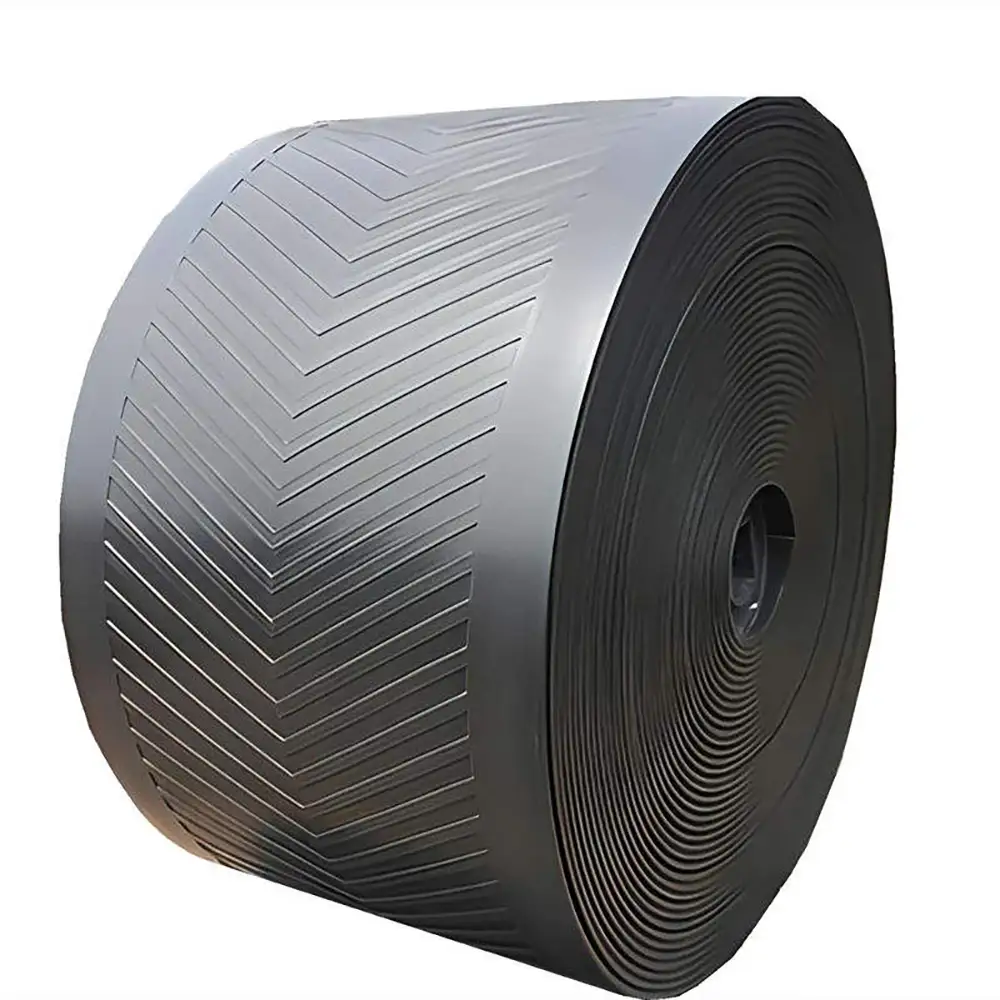
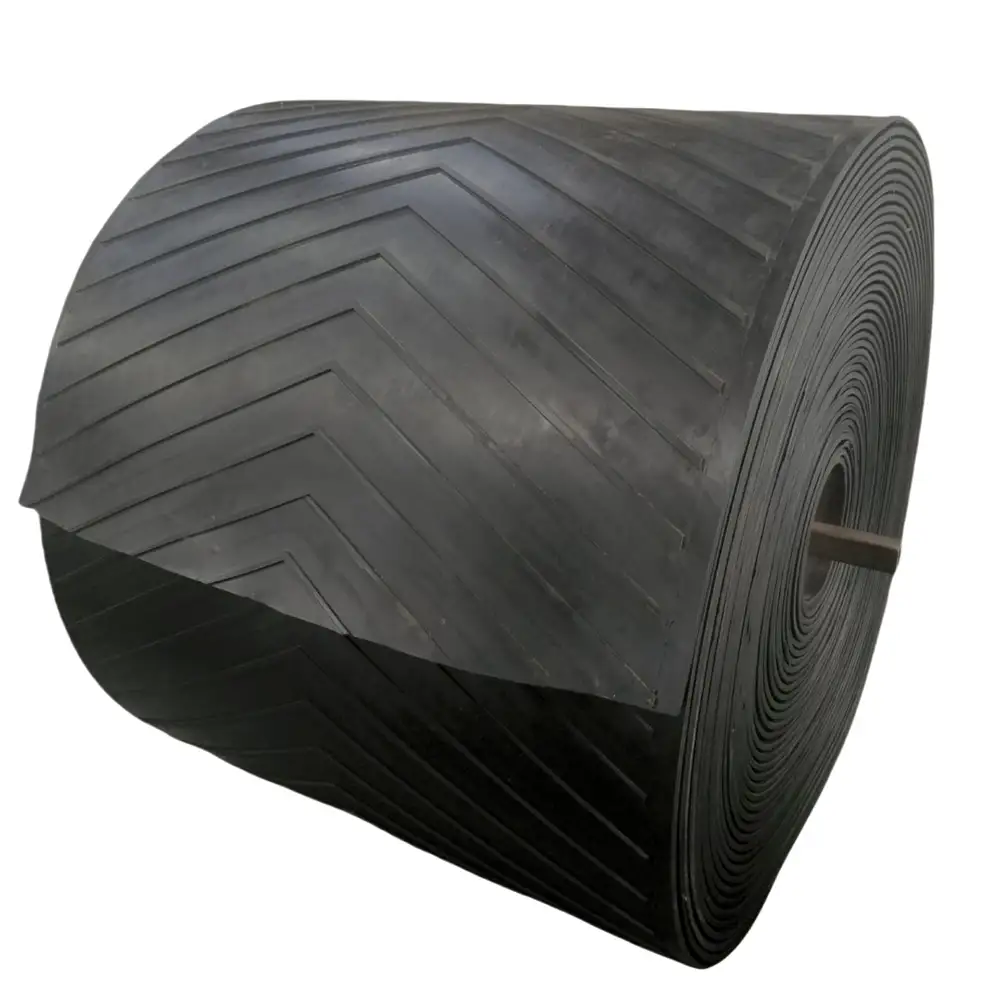
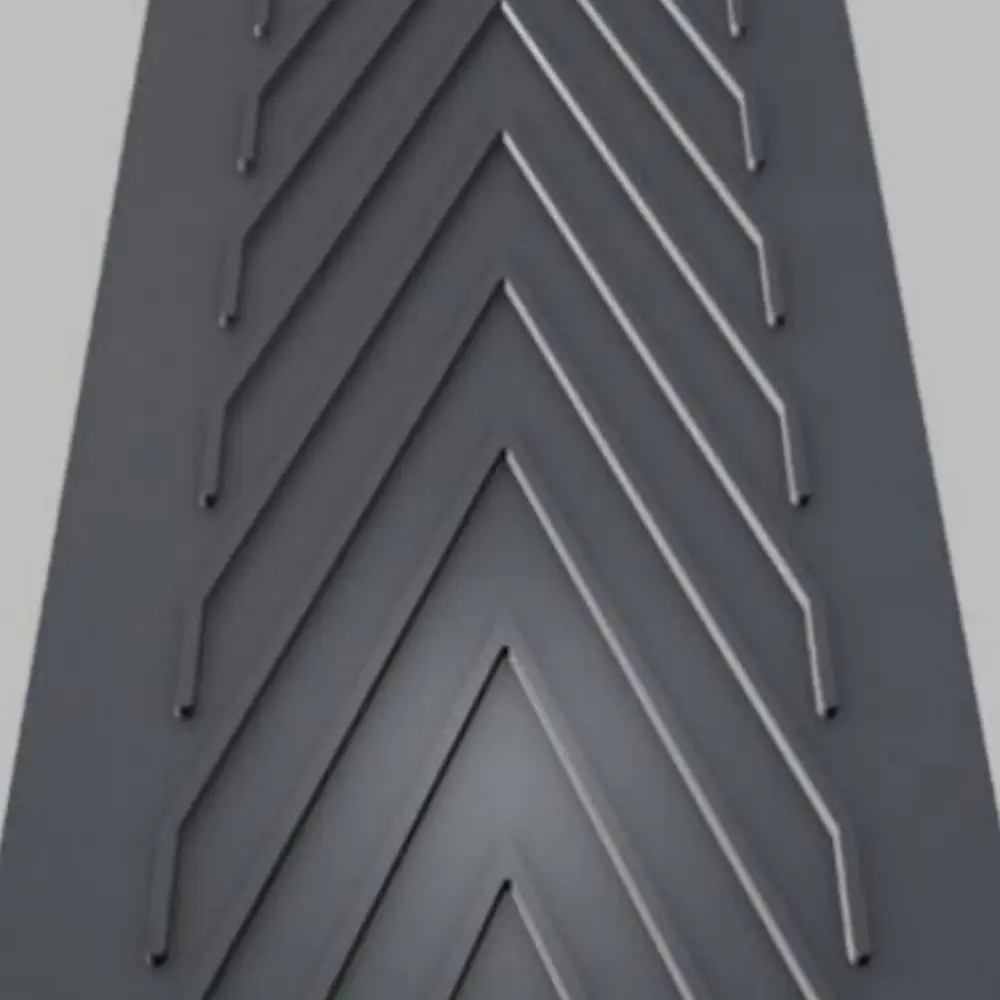
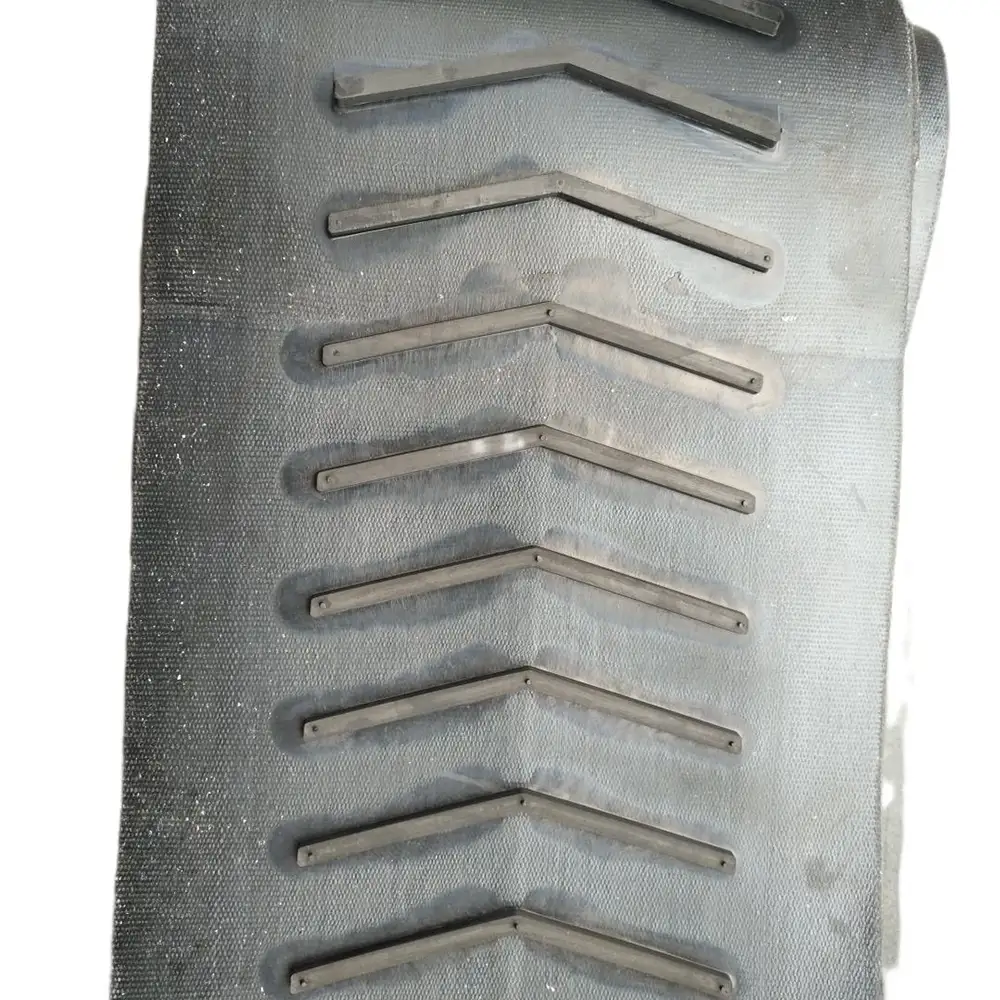
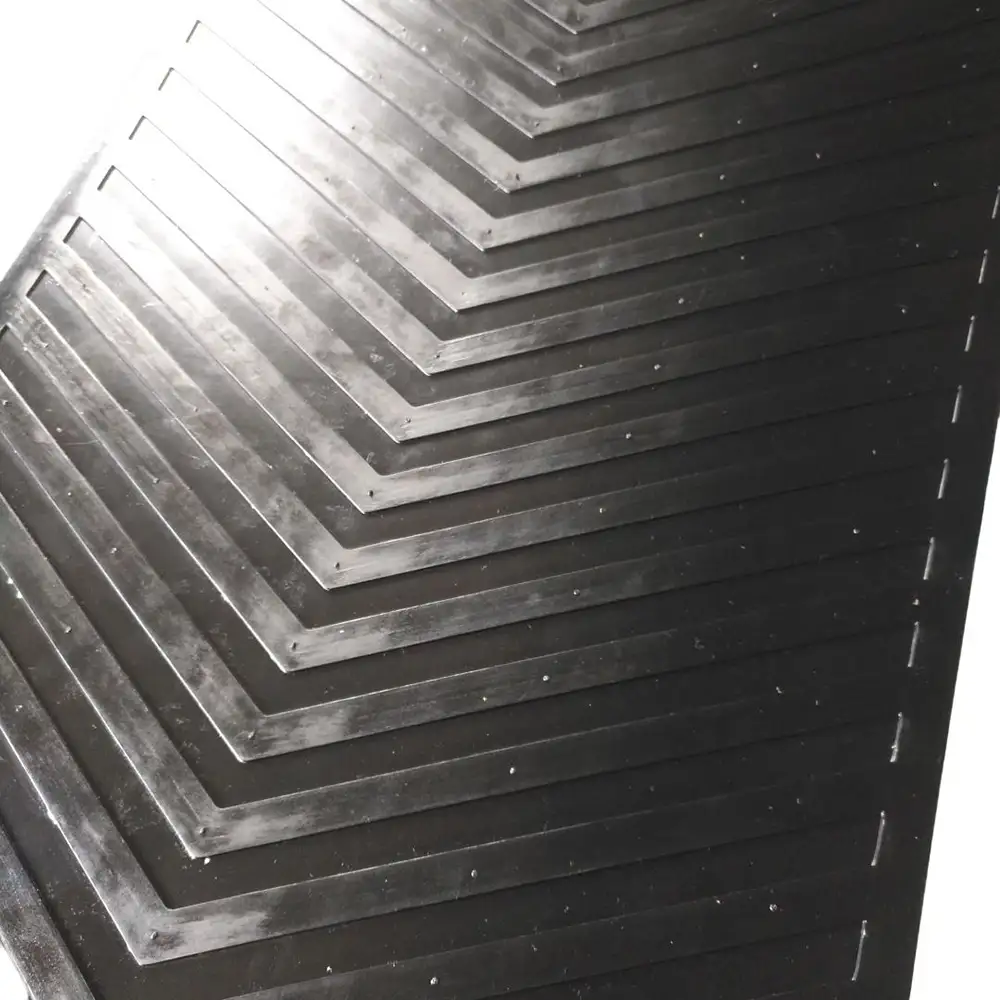
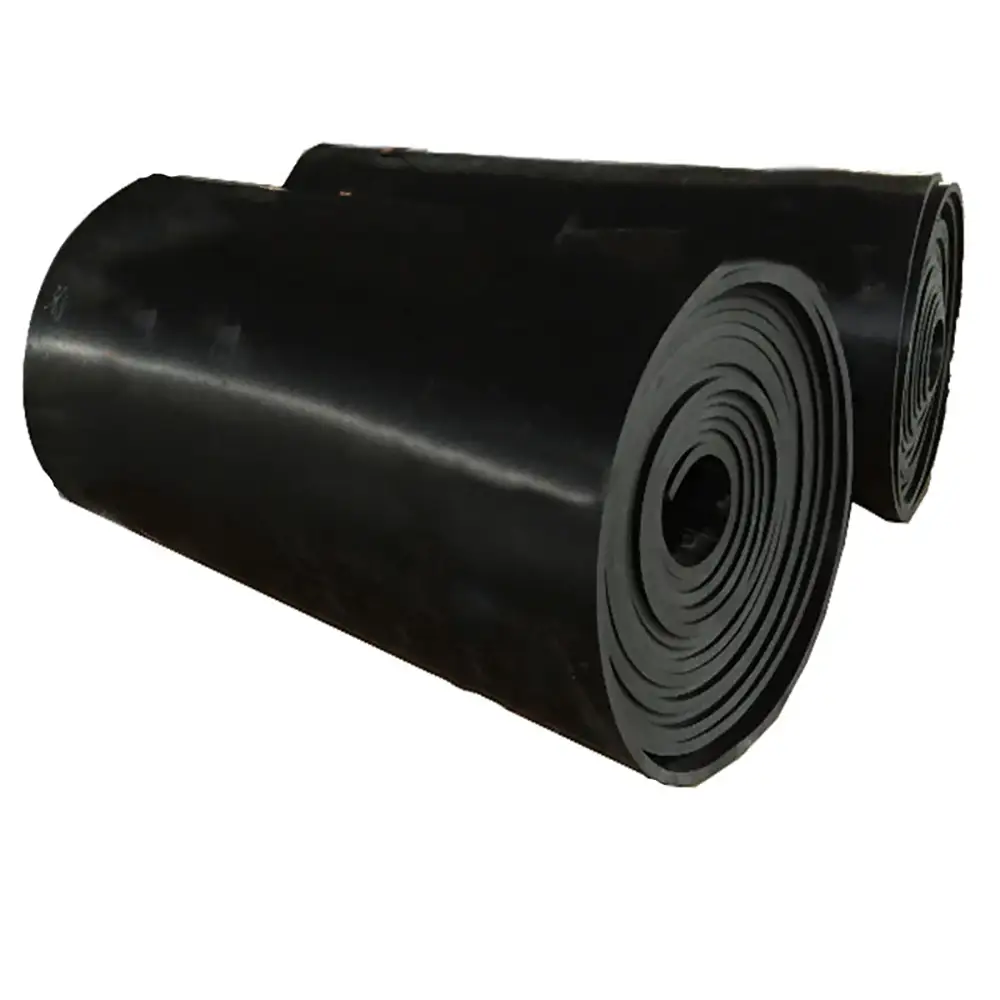
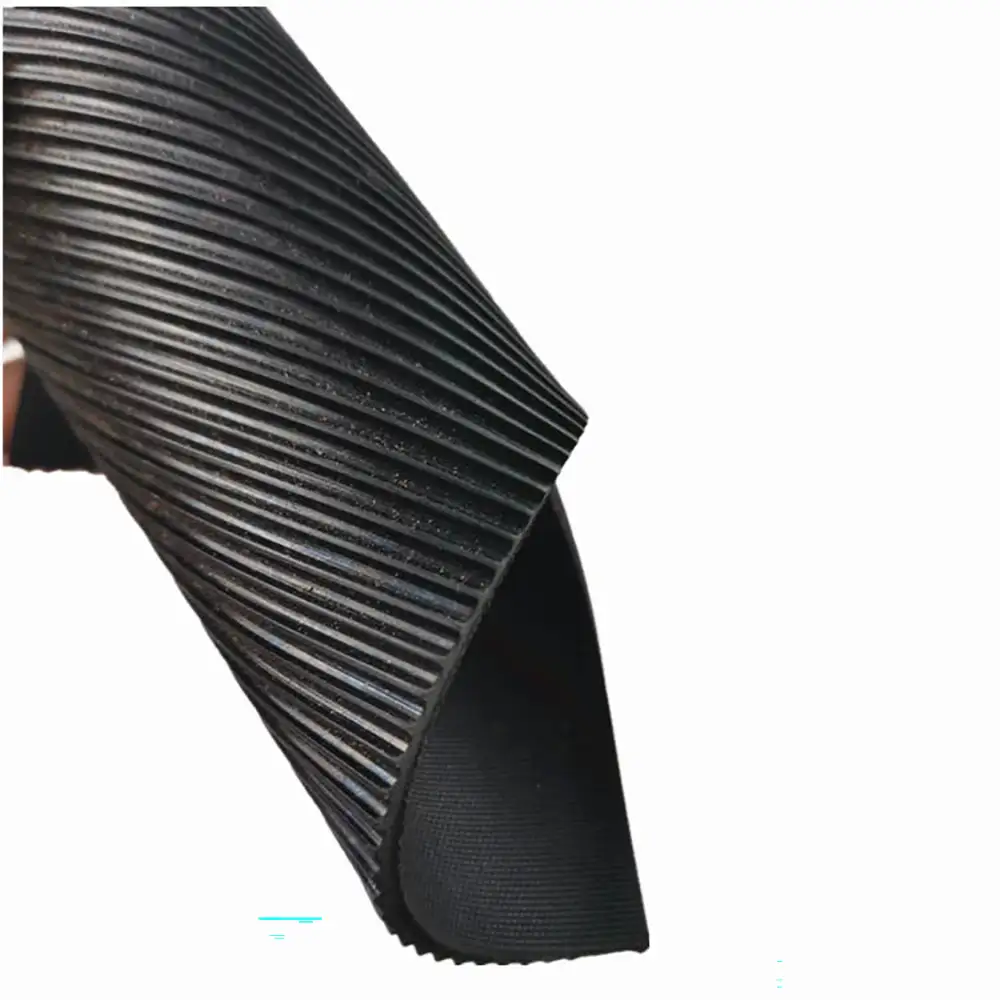
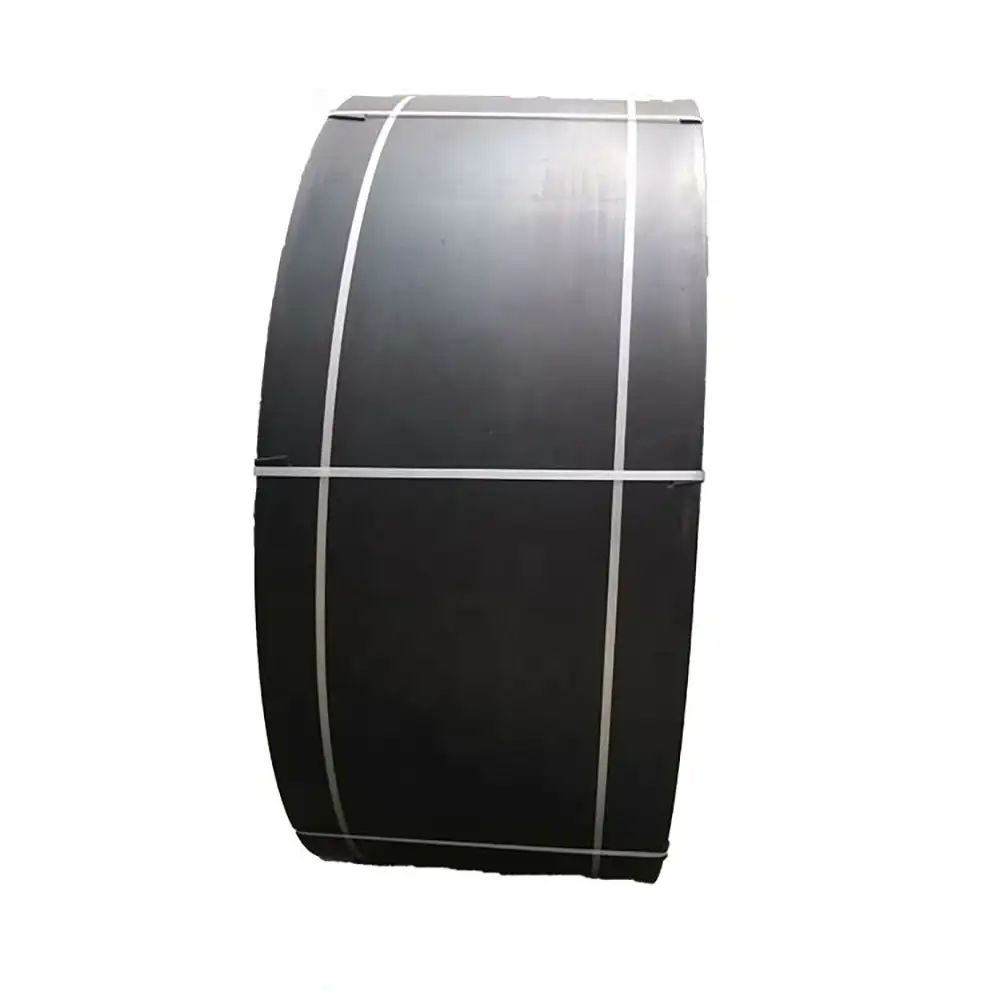
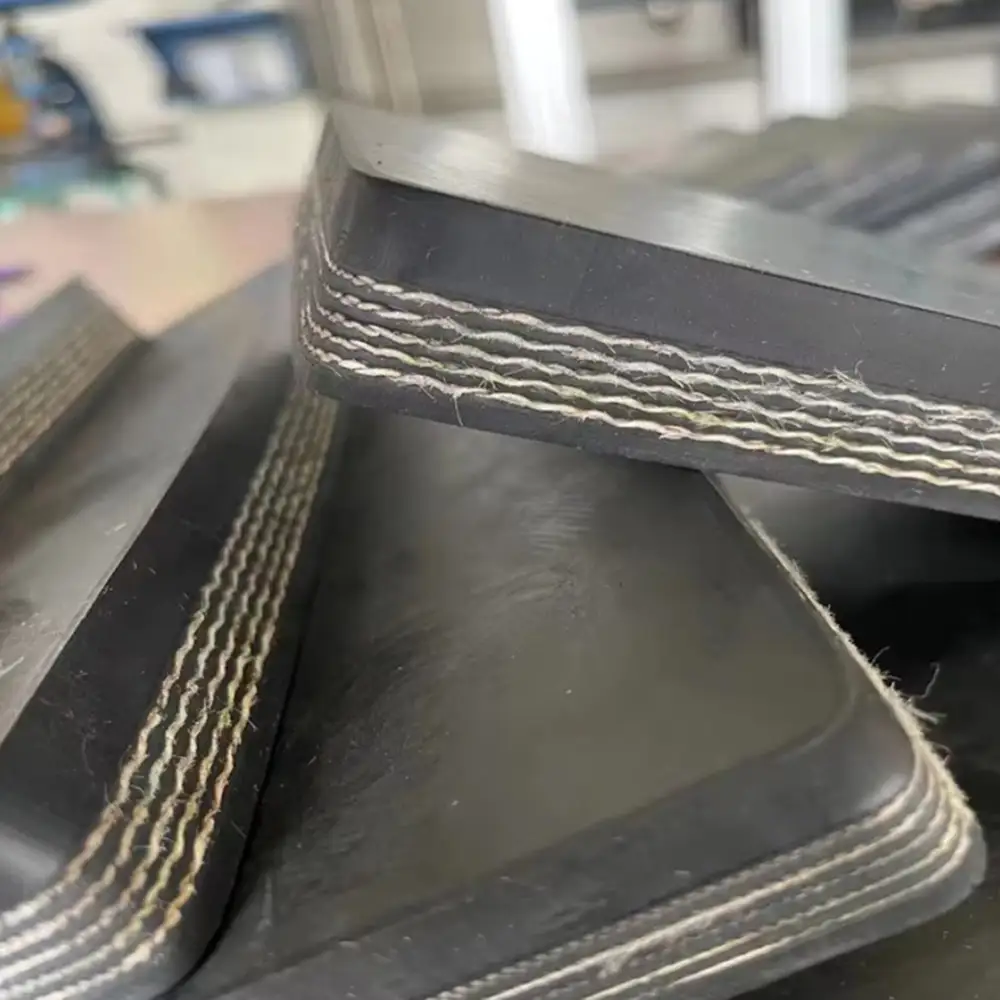
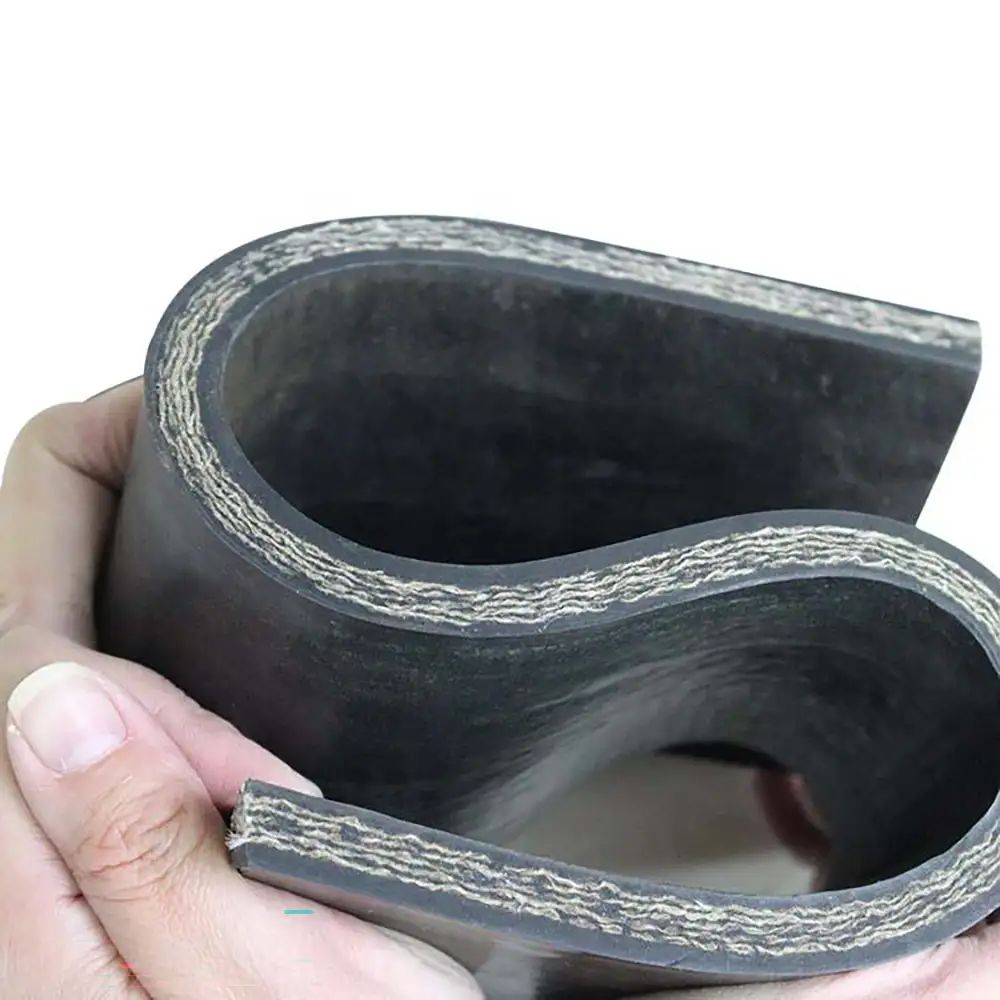
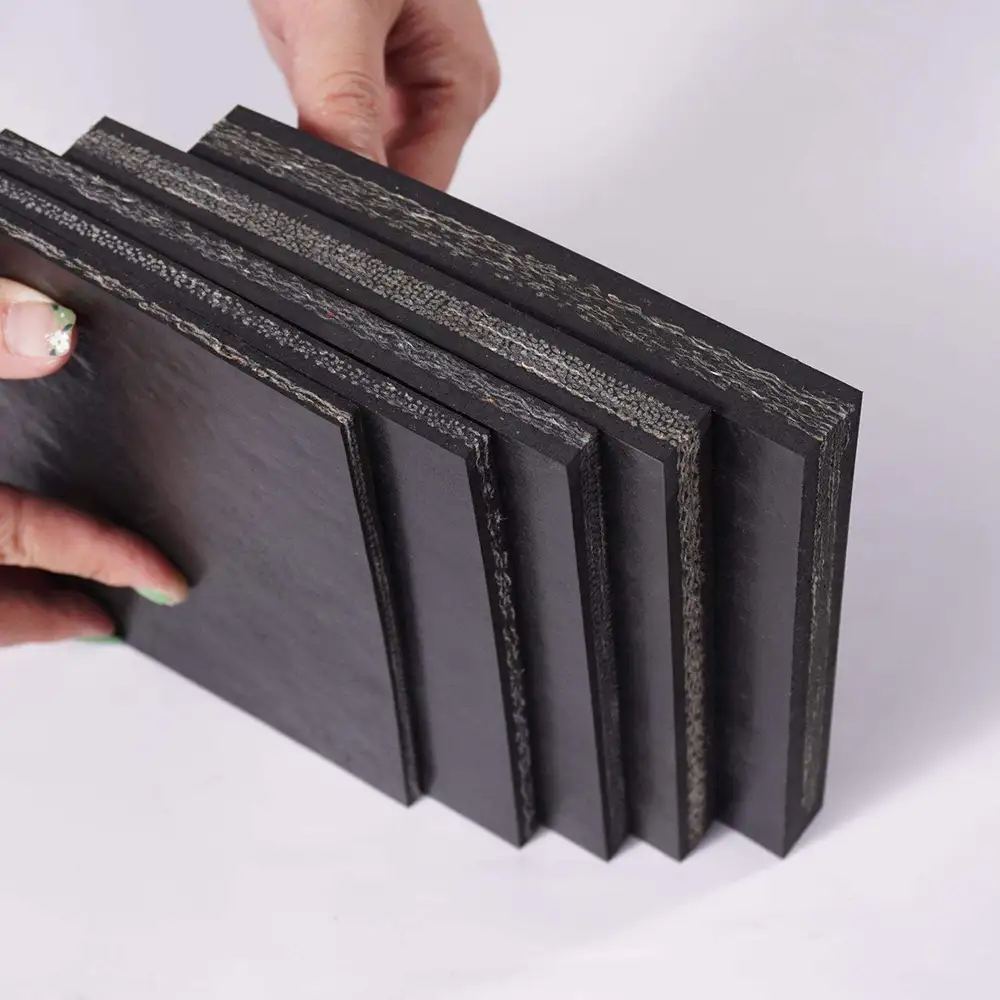
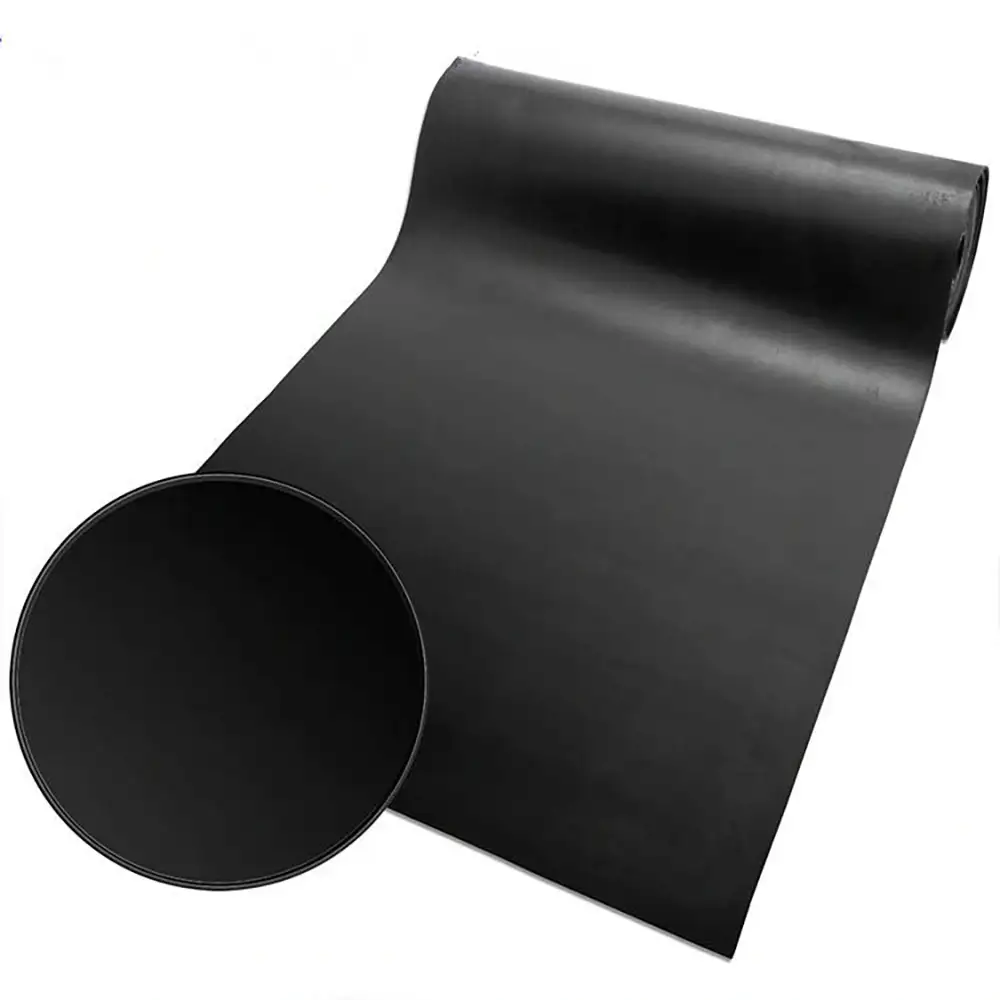
Conveyor Belt's are most commonly made of EP (Rubber Polyester) or NN (Nylon) fabric. It is finished through the processes of calendering, firming and vulcanizing.
It is suitable for conveying under normal room temperature and can be used on various non-corrosive pointless lumps, granular or powders such as coal, coke, sand and cement in either bulk or packaged products.
The edges of the belt are custom made and depending on the required use, can either be cut-edged or
mould-edged.
All the belts we provide meet cover grades and are in accordance with International standards (e.g. DIN 22102, RMA, AS 1332, SABS 1173/2000,IS 1891, BS 490, JIS K 6322 etc)
APPLICATIONS :Acid,Alkali Resistance Conveyer Belt is used for acidic or alkali materials conveying in chemical plant, pulp, cement, chemical fertilizer industry.
CHARACTERISTIES:
1.Prevent from acid or alkali corrosion to conveyer belt;
2.Good bonding property, no layers separation;
3.Cotton, polyester-cotton, nylon etc. materials are used for the belt core.
Major variety and oil resistance indicatrix
|
Type of Acid or Alkali |
Concentration |
Type of Acid or Alkali |
Concentration |
|
Hydrochloric Acid |
20% |
Carbonic Acid |
Any Concentration |
|
Nitric Acid |
10% |
Sulfurous Acid |
Any Concentration |
|
Sulfuric Acid |
20% |
Acetic Acid |
Any Concentration |
|
Boric Acid |
40% |
Severe Acid |
Any Concentration |
|
Phosphoric Acid |
40% |
Caustic Potash |
Any Concentration |
|
Arsenic Acid |
Any Concentration |
|
Acid And Alkali Resistant Conveyor Belt
An acid and alkali resistant conveyor belt is a specialized rubber conveyor belt designed for material handling environments where the belt may be exposed to acidic, alkaline or chemically aggressive substances. Compared with a standard general-purpose conveyor belt, a chemical-resistant belt uses a rubber cover compound selected to provide improved resistance to the specific chemical environment.
These conveyor belts are commonly considered for chemical plants, fertilizer facilities, mining operations, metallurgy, chemical processing, salt production, aggregate processing and other industrial applications where conventional rubber belts may experience accelerated deterioration.
The correct belt should always be selected according to the actual chemical, concentration, temperature, exposure duration and conveying conditions. Acid and alkali resistance is not a universal property against every chemical.
What Is An Acid And Alkali Resistant Conveyor Belt?
An acid and alkali resistant conveyor belt is generally constructed from a reinforced carcass with specially formulated rubber covers. The carcass provides the belt with tensile strength and dimensional stability, while the top and bottom covers provide protection against the conveyed material and surrounding environment.
Depending on the conveyor design, the reinforcement may use polyester fabric, nylon fabric, multi-ply textile construction or other suitable structures. For demanding long-distance and high-tension systems, steel cord construction may be considered when compatible with the application.
The rubber compound is the most important part of the belt's chemical resistance. Different formulations provide different levels of resistance to acids, alkalis, oils, solvents, moisture, heat and abrasion.
Acid Resistant Conveyor Belt
Acid-resistant conveyor belts are designed for applications involving acidic materials or acidic environments. Examples can include selected chemical raw materials, mineral processing materials, fertilizers and industrial products.
However, acids vary significantly in concentration and chemical behavior. A belt suitable for one acid may not be suitable for another, particularly at elevated temperatures or high concentrations.
Before ordering, buyers should provide information about the chemical name, concentration, operating temperature, contact frequency and material characteristics. This allows the belt manufacturer to evaluate compound compatibility more accurately.
Alkali Resistant Conveyor Belt
Alkali-resistant conveyor belts are designed for material handling environments involving alkaline materials. They may be used in selected chemical, mineral, fertilizer, industrial and processing applications.
As with acid resistance, alkali resistance depends on the actual rubber formulation and operating environment. Strong alkaline chemicals, high temperatures and prolonged exposure can impose substantially different requirements from mild or intermittent contact.
For this reason, the belt should be specified based on the actual application rather than simply using a general "chemical resistant" description.
Chemical Resistant Rubber Cover
The rubber cover protects the internal reinforcement from the conveyed material and environmental exposure. For an acid and alkali resistant conveyor belt, the cover compound is formulated to reduce degradation caused by the intended chemical environment.
Depending on the application, other properties may also be required, including:
Abrasion resistance
Heat resistance
Oil resistance
Weather resistance
Ozone resistance
Flame resistance
Antistatic performance
Impact resistance
Tear resistance
These properties should be treated separately. For example, a chemically resistant belt is not automatically heat resistant or oil resistant.
Key Features And Benefits
An acid and alkali resistant conveyor belt can provide several advantages for demanding industrial conveying systems.
Chemical Resistance: A suitable rubber compound helps protect the belt against specified acidic and alkaline materials.
Durable Reinforcement: Textile or steel reinforcement provides the mechanical strength required for continuous conveying.
Surface Protection: The rubber cover helps protect the carcass from chemical contact, abrasion and mechanical wear.
Flexible Construction: Fabric-reinforced versions can provide useful flexibility for conventional conveyor systems.
Industrial Versatility: Chemical-resistant belts can be adapted to different bulk-material handling applications.
Custom Manufacturing: Belt width, length, tensile grade, ply construction and cover specifications can be customized according to system requirements.
Industrial Applications
Acid and alkali resistant conveyor belts are used in a variety of industrial environments.
Chemical Plants
Chemical manufacturing and processing facilities may transport raw materials, powders, granules and other bulk products that can expose conveyor components to corrosive substances.
Fertilizer Industry
Fertilizer production and handling can involve chemically active materials. A suitable resistant belt can help protect the conveying system from material-related degradation.
Mining And Mineral Processing
Mining operations may handle ores, concentrates, mineral products and process materials with chemical characteristics that require specialized conveyor covers.
Metallurgy
Metal-processing facilities may use conveyor systems for raw materials, mineral products and process residues where chemical and mechanical resistance are important.
Salt And Chemical Material Handling
Salt, chemical raw materials and other bulk products may require belt compounds selected for moisture and chemical exposure.
Industrial Material Handling
Chemical-resistant conveyor belts can also be used in selected recycling, processing, manufacturing and bulk-material handling systems.
Acid And Alkali Resistant Vs General Conveyor Belt
A general-purpose conveyor belt is designed for common bulk material handling applications where chemical exposure is limited. An acid and alkali resistant conveyor belt is intended for environments where chemical compatibility is an important design factor.
The difference is primarily related to the rubber compound and its interaction with the working environment. A chemically resistant belt should not simply be selected because the conveyed material is described as "chemical."
The exact chemical should be identified before selecting the belt.
How To Select The Right Conveyor Belt
Several factors should be considered when purchasing an acid and alkali resistant conveyor belt.
Chemical Type: Identify the specific acid, alkali or chemical substance.
Concentration: Chemical concentration can significantly affect rubber compatibility.
Temperature: Higher temperatures may change the chemical resistance and mechanical behavior of rubber.
Exposure Duration: Continuous contact can create different requirements from occasional contact.
Material Characteristics: Consider particle size, moisture, sharp edges, density and abrasiveness.
Belt Width: Select the width according to required conveying capacity and conveyor structure.
Tensile Strength: The required tensile grade depends on belt length, loading, tension and conveyor design.
Cover Thickness: Cover thickness should correspond to the mechanical and environmental conditions.
Conveyor Speed: Belt speed influences material impact, flexing and overall operating conditions.
Pulley And Take-Up: Pulley diameters and take-up systems should be compatible with the selected belt construction.
Custom Acid And Alkali Resistant Conveyor Belt
A professional conveyor belt manufacturer can customize the belt according to the customer's conveyor system and operating environment.
Customization may include belt width, belt length, tensile strength, number of plies, carcass construction, top and bottom cover thickness, rubber compound, edge configuration and surface characteristics.
For specific chemical applications, providing the chemical name, concentration, temperature and exposure conditions is especially important. This information allows the supplier to recommend a more appropriate compound rather than relying on a generic chemical-resistant specification.
OEM and ODM services can also be provided for distributors, conveyor system integrators, mining companies, chemical manufacturers and industrial equipment suppliers.
Installation And Maintenance
Proper installation helps maximize conveyor belt service life. Before installation, inspect the belt for transportation or storage damage and confirm that the conveyor structure, pulleys and idlers are properly aligned.
During operation, regularly inspect the belt surface for cracking, swelling, softening, hardening, delamination, abnormal wear or other signs of chemical incompatibility.
Splices should be manufactured using an appropriate method for the belt construction and application. Belt cleaners, loading points and transfer chutes should also be maintained properly to reduce unnecessary material buildup and mechanical damage.
If the chemical environment changes, the belt should be reevaluated rather than assuming that the original specification remains suitable.
Why Choose Us
As a professional acid and alkali resistant conveyor belt manufacturer and supplier, we provide customized rubber conveyor belt solutions for industrial bulk-material handling.
Application-Based Selection: We evaluate chemical and mechanical working conditions before recommending a belt.
Custom Rubber Compounds: Suitable chemical-resistant compounds can be discussed according to application requirements.
Multiple Carcass Options: EP, NN and other suitable reinforcement constructions are available depending on the conveyor system.
Custom Dimensions: Belt width, length, tensile grade and cover thickness can be customized.
Industrial Applications: Solutions are available for chemical, mining, fertilizer, metallurgy and other industries.
OEM & ODM Service: Customized production is available for distributors and industrial buyers.
Export Support: We provide B2B product support for international customers and conveyor system projects.
Quality-Focused Production: Manufacturing and inspection processes are designed to maintain consistent belt construction and dimensions.
FAQs
1. What Is An Acid And Alkali Resistant Conveyor Belt?
It is a rubber conveyor belt manufactured with a cover compound selected to provide resistance to specified acidic and alkaline materials.
2. Is The Belt Resistant To All Acids?
No. Different acids, concentrations and temperatures can have different effects on rubber. Chemical compatibility should be confirmed for the specific application.
3. Is An Alkali Resistant Belt Suitable For Strong Alkalis?
Suitability depends on the exact alkali, concentration, temperature and exposure conditions. Technical confirmation should be obtained for aggressive applications.
4. Can This Conveyor Belt Be Used In Chemical Plants?
Yes, suitable chemical-resistant conveyor belts can be used in selected chemical processing and material handling applications.
5. Can The Belt Also Be Abrasion Resistant?
Yes. A rubber compound and construction can be selected to address both chemical exposure and mechanical wear when the application requires both properties.
6. Is Chemical Resistance The Same As Oil Resistance?
No. Acid/alkali resistance and oil resistance are different material properties. A belt should be selected according to the actual substances it contacts.
7. What Reinforcement Is Available?
Fabric-reinforced constructions such as EP or NN can be considered for many applications. Steel cord construction may be considered for suitable high-tension conveyor systems.
8. Can You Customize The Conveyor Belt?
Yes. Belt width, length, tensile grade, plies, cover thickness, rubber compound and other specifications can be customized.
9. What Information Should I Provide For A Chemical Resistant Belt?
Provide the chemical name, concentration, temperature, exposure duration, material characteristics, belt width, conveyor length, speed and conveying capacity whenever available.
10. Can You Provide OEM Conveyor Belts?
Yes. OEM and ODM production can be arranged for conveyor system manufacturers, distributors, mining companies, chemical plants and industrial buyers.
Request A Quote
Send us your chemical type, concentration, operating temperature, belt width, belt length, conveyor speed, conveying material and application. Our team can help evaluate the appropriate acid and alkali resistant conveyor belt construction for your project.
Prev:
Fire/Heat/Cold/ Oil/Resistant Conveyor Belt
Next:
Silicone Rubber Sheet, Silicone Rubber UV Resistance and Moderate Mesistance
TAG:
Industrial Rubber Conveyor Belt,
Heavy Duty Rubber Conveyor Belt,
Multi Ply Conveyor Belt,
Conveyor Equipment,
Conveyor Belt,
Mining Conveyor Belt,
Industrial Conveyor Belting,
Acid Resistant Conveyor Belting,
Alkali Resistant Conveyor Belting,
Corrosion Resistant Conveyor Belt,
Acid And Alkali Resistant Conveyor Belt,
Acid Resistant Conveyor Belt,
Alkali Resistant Conveyor Belt,
Chemical Resistant Conveyor Belt,
Chemical Resistant Rubber Conveyor Belt,
Acid Resistant Rubber Conveyor Belt,
Alkali Resistant Rubber Conveyor Belt,
Acid Alkali Resistant Rubber Belt,
Chemical Resistant Conveyor Belting,
Chemical Resistant Rubber Belt,
Industrial Chemical Resistant Conveyor Belt,
Heavy Duty Chemical Resistant Conveyor Belt,
Chemical Resistant Belt For Mining,
Acid Resistant Belt For Mining,
Alkali Resistant Belt For Mining,
Chemical Resistant Belt For Fertilizer,
Chemical Resistant Belt For Chemical Plants,
Chemical Resistant Belt For Mineral Processing,
Related Category:
Acid And Alkali Resistant Conveyor Belt, Acid Resistant Conveyor Belt, Alkali Resistant Conveyor Belt China, suppliers, manufacturers, factory, customized, wholesale, quotation, made in China