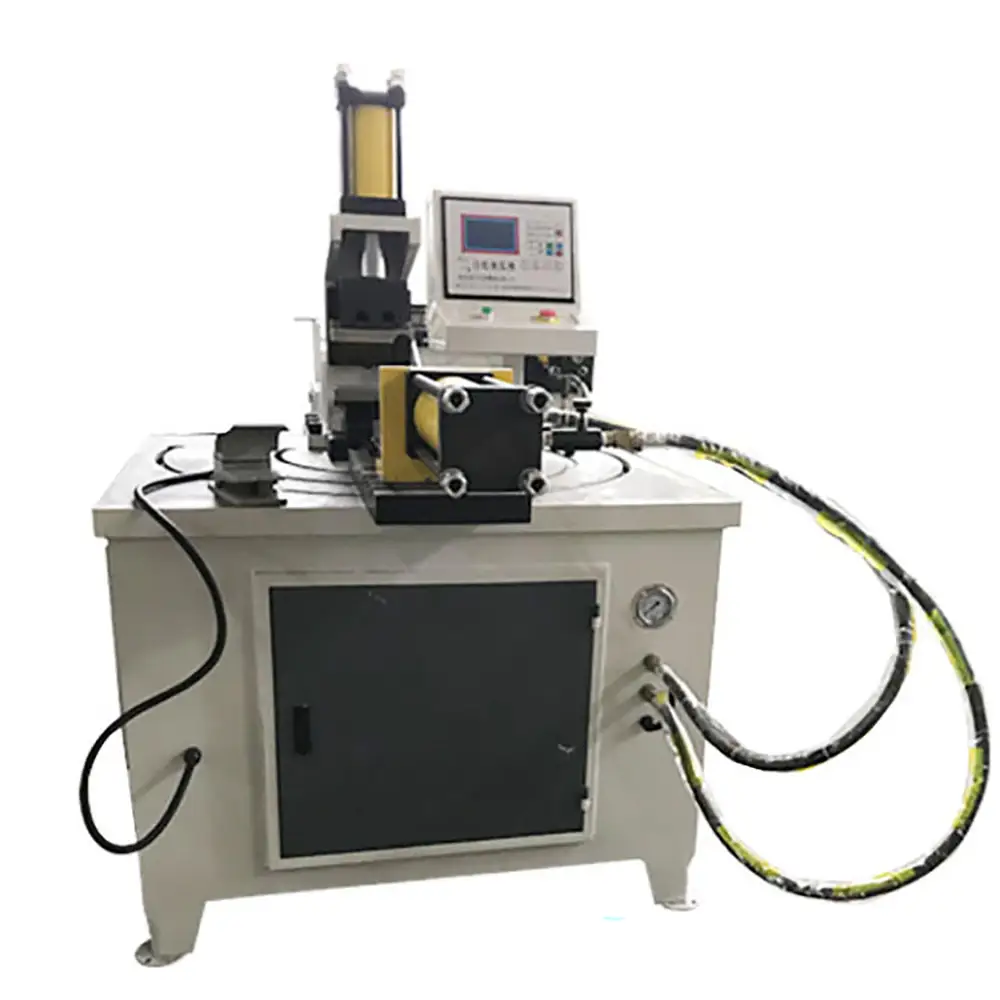
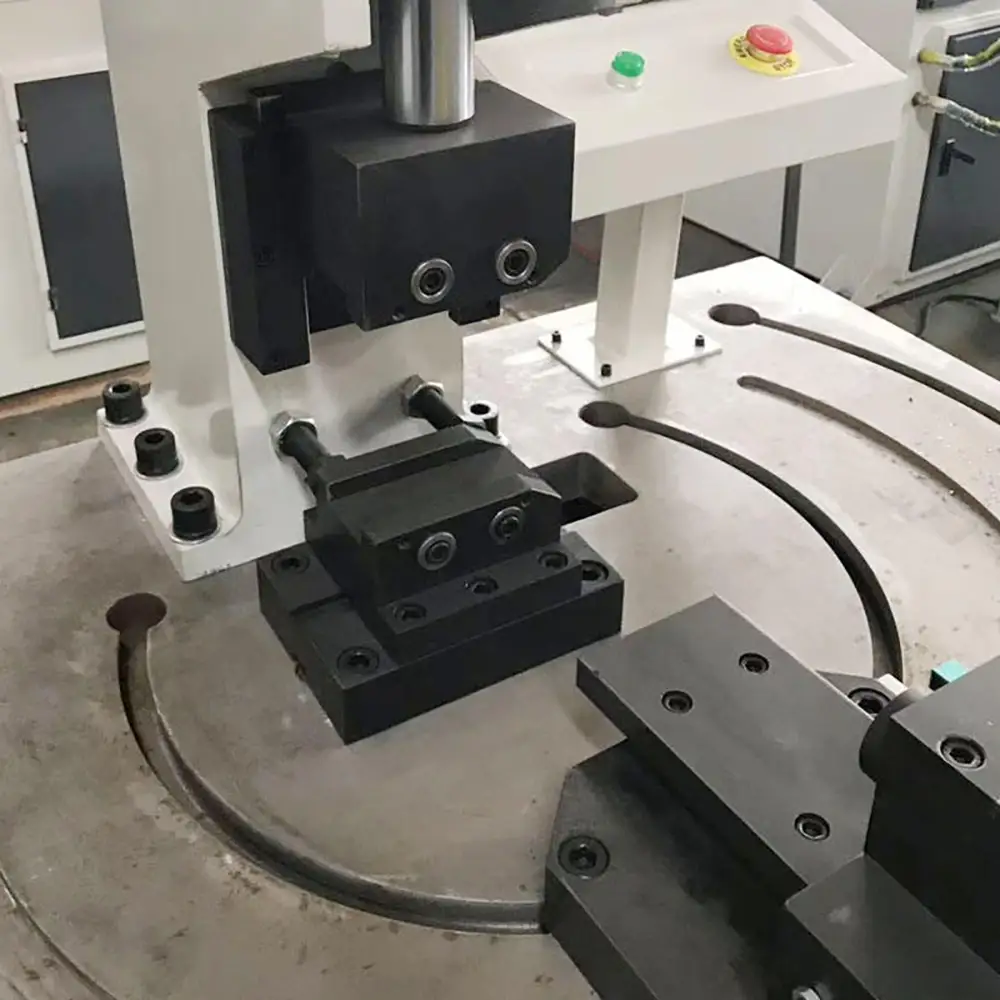
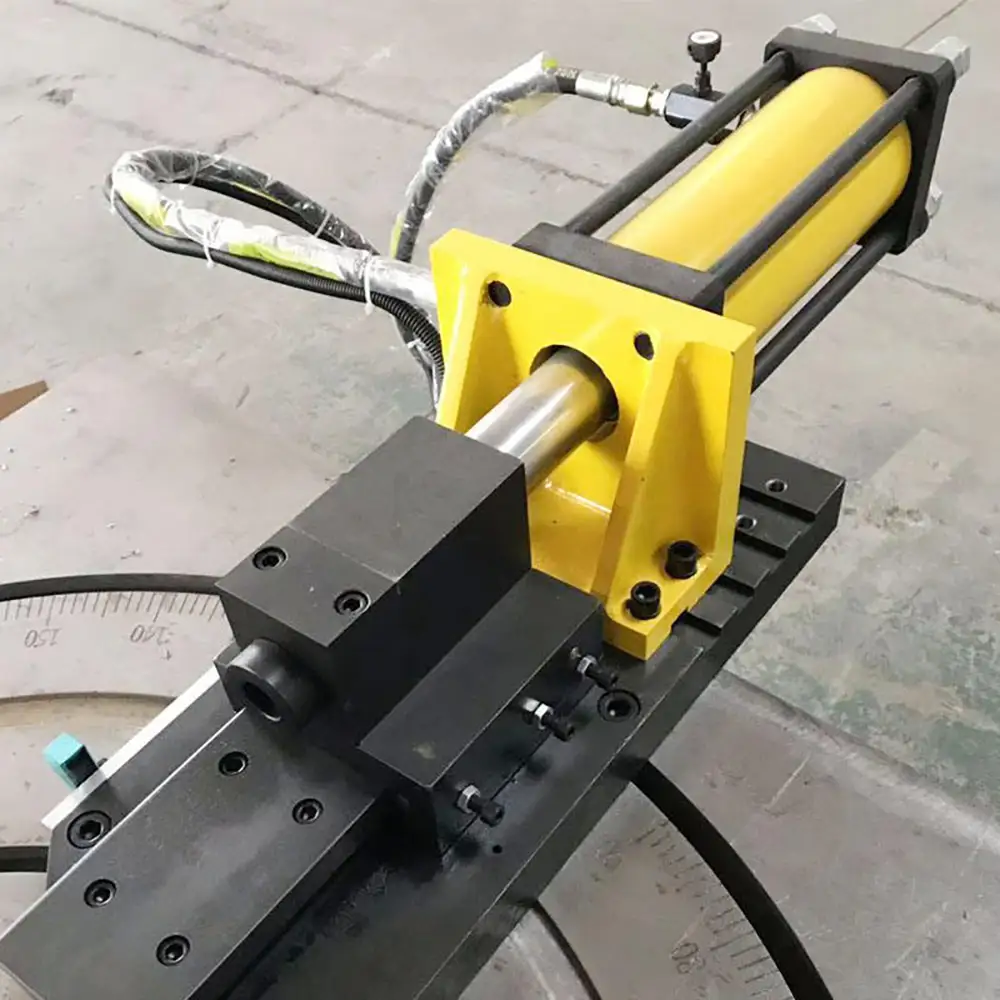
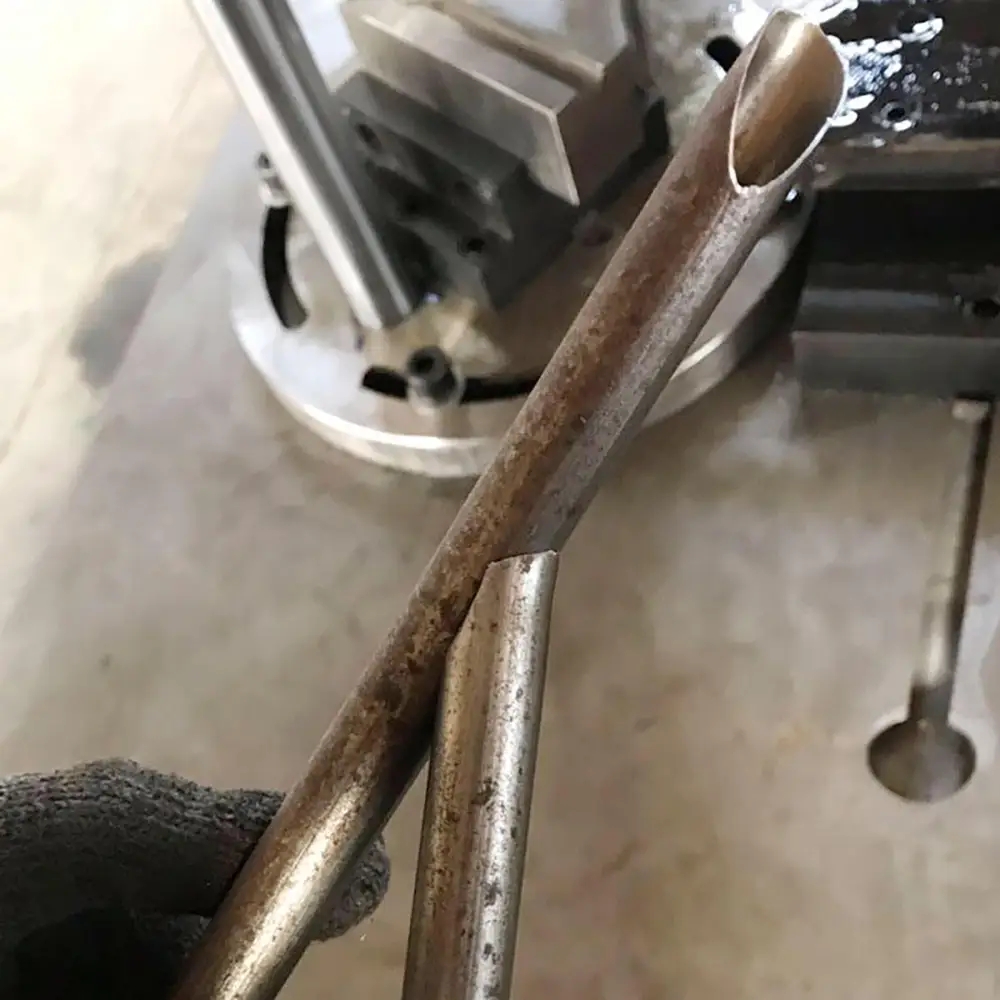
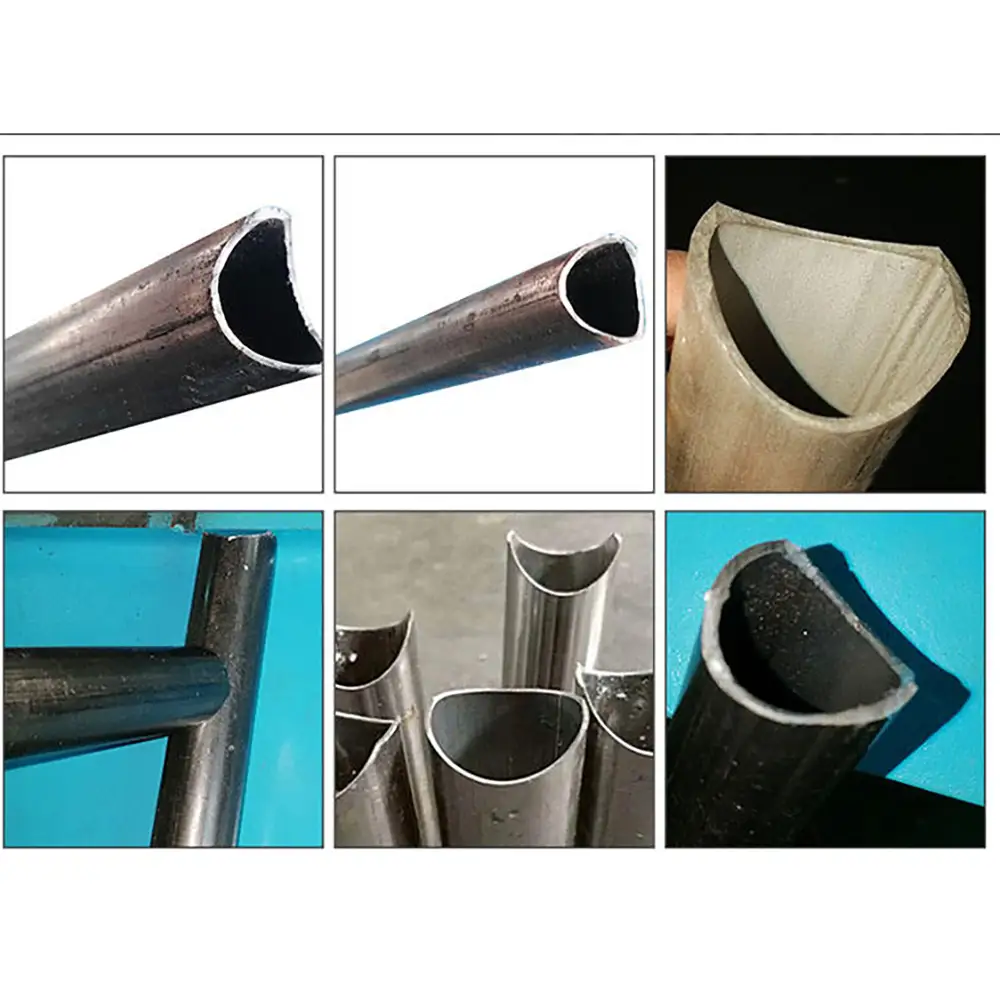
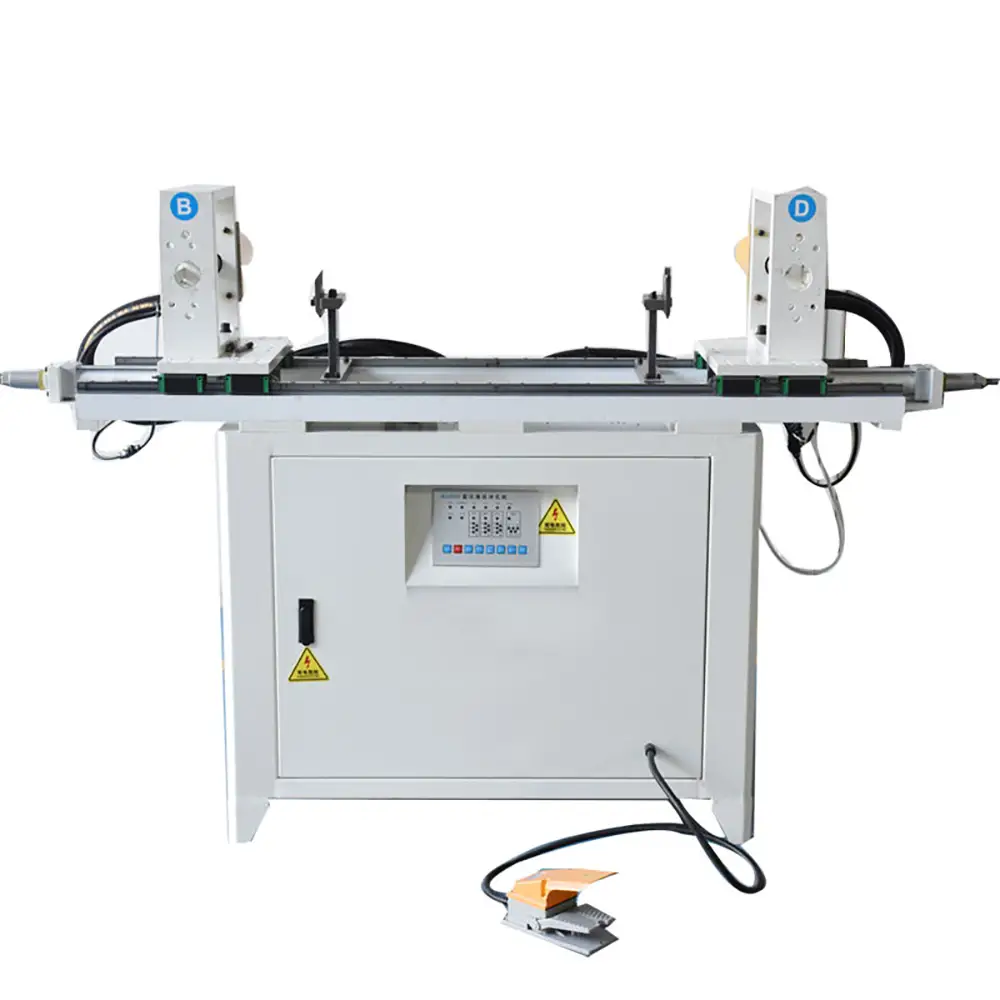
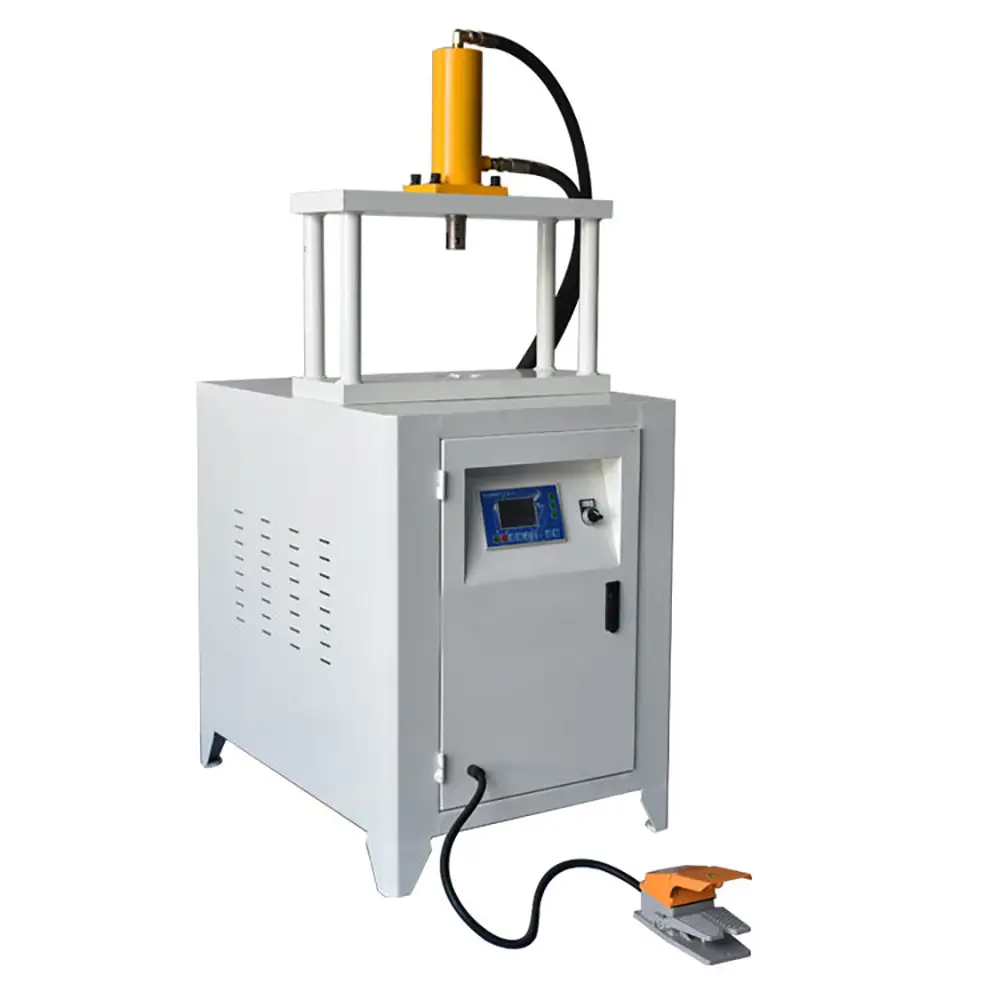
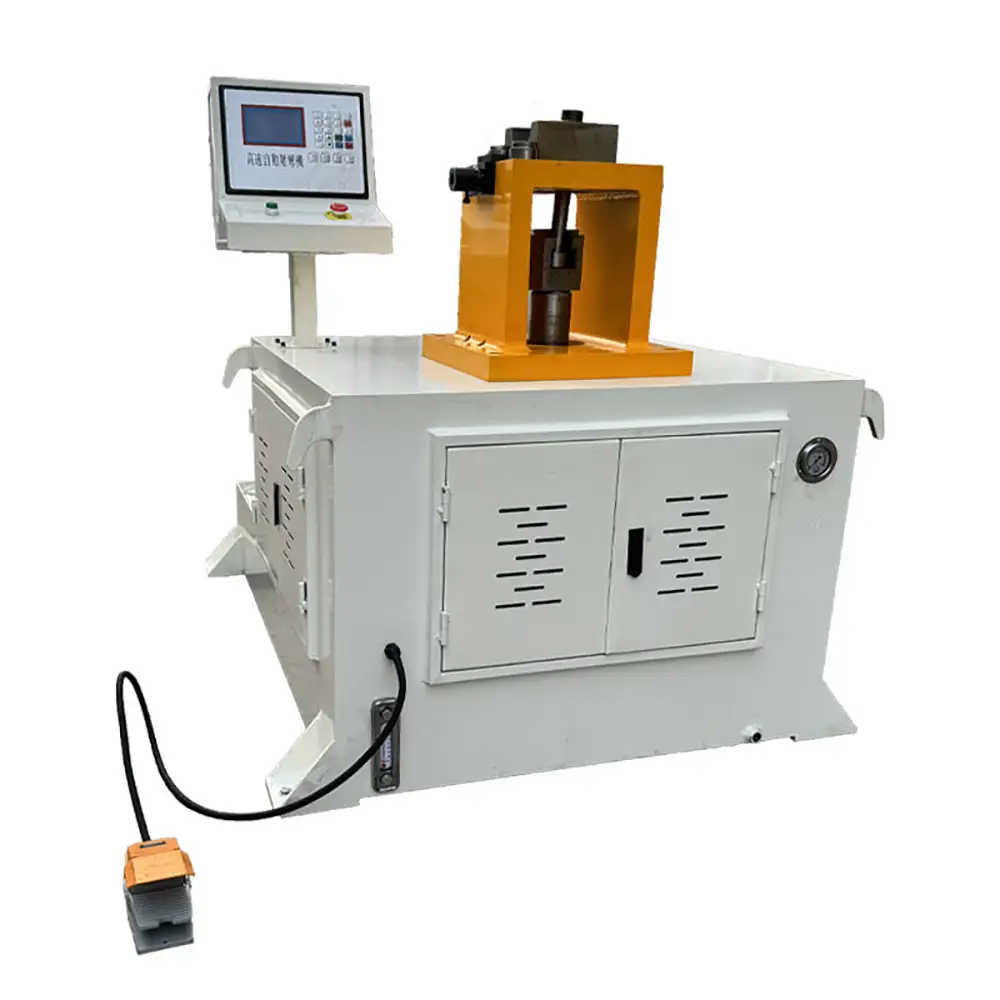
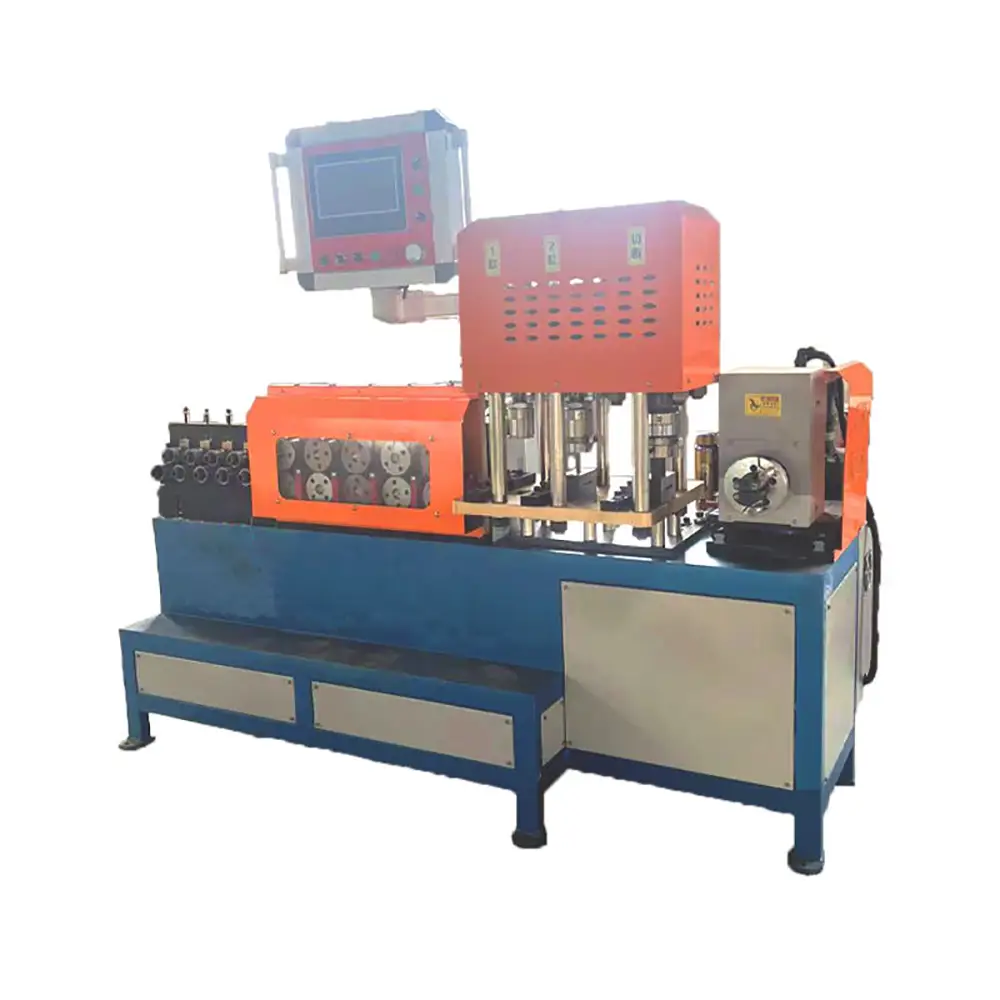
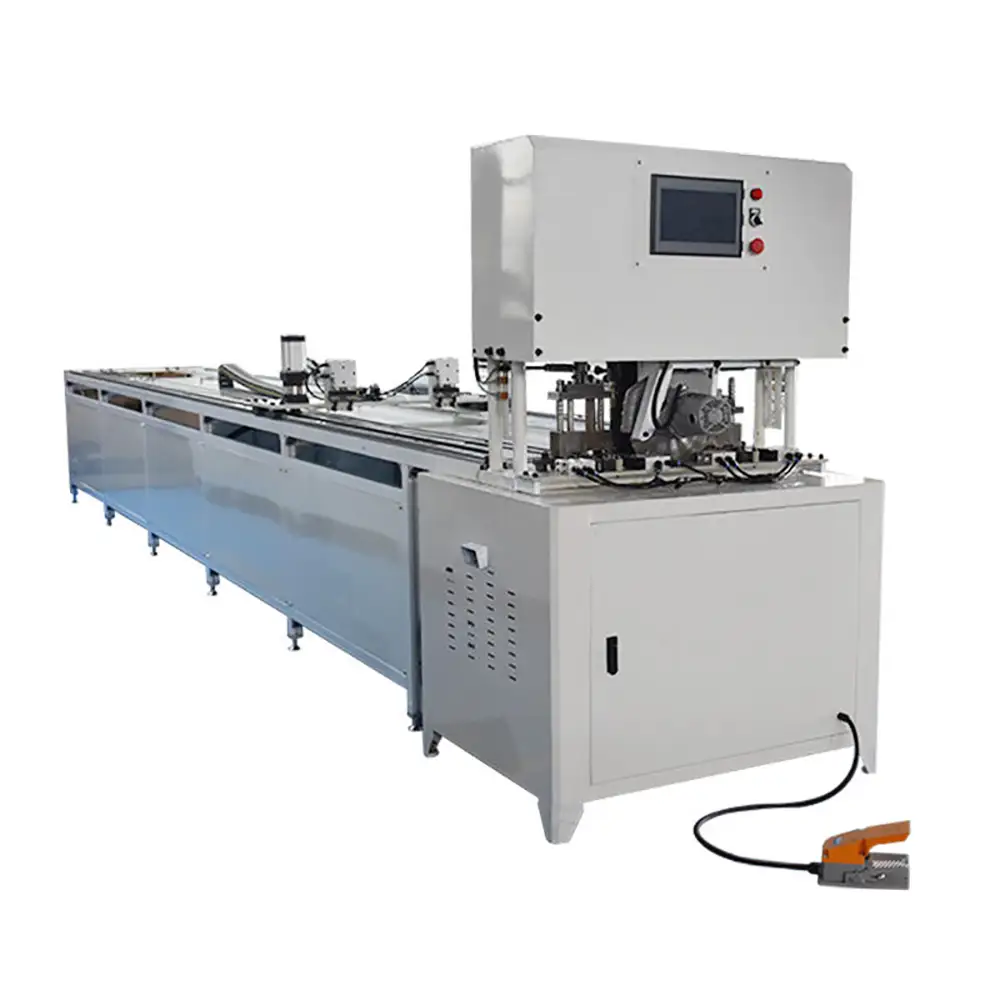
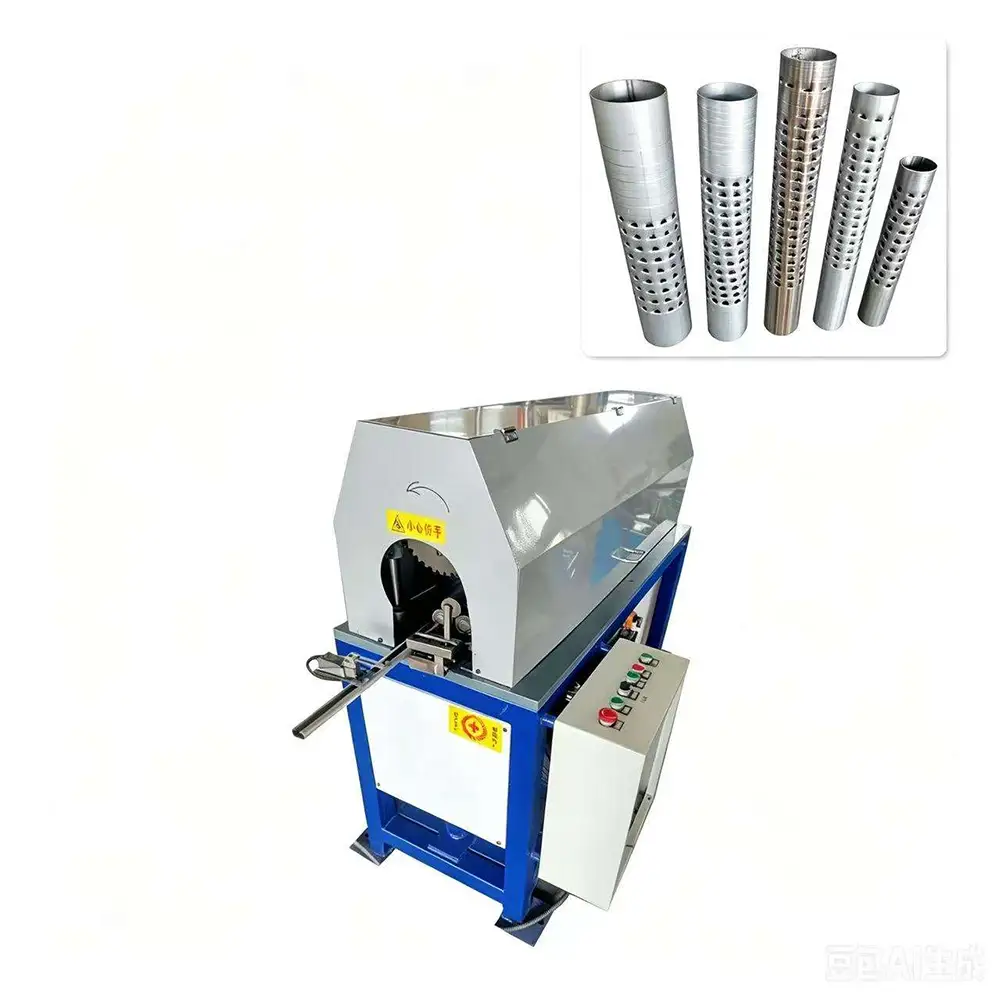
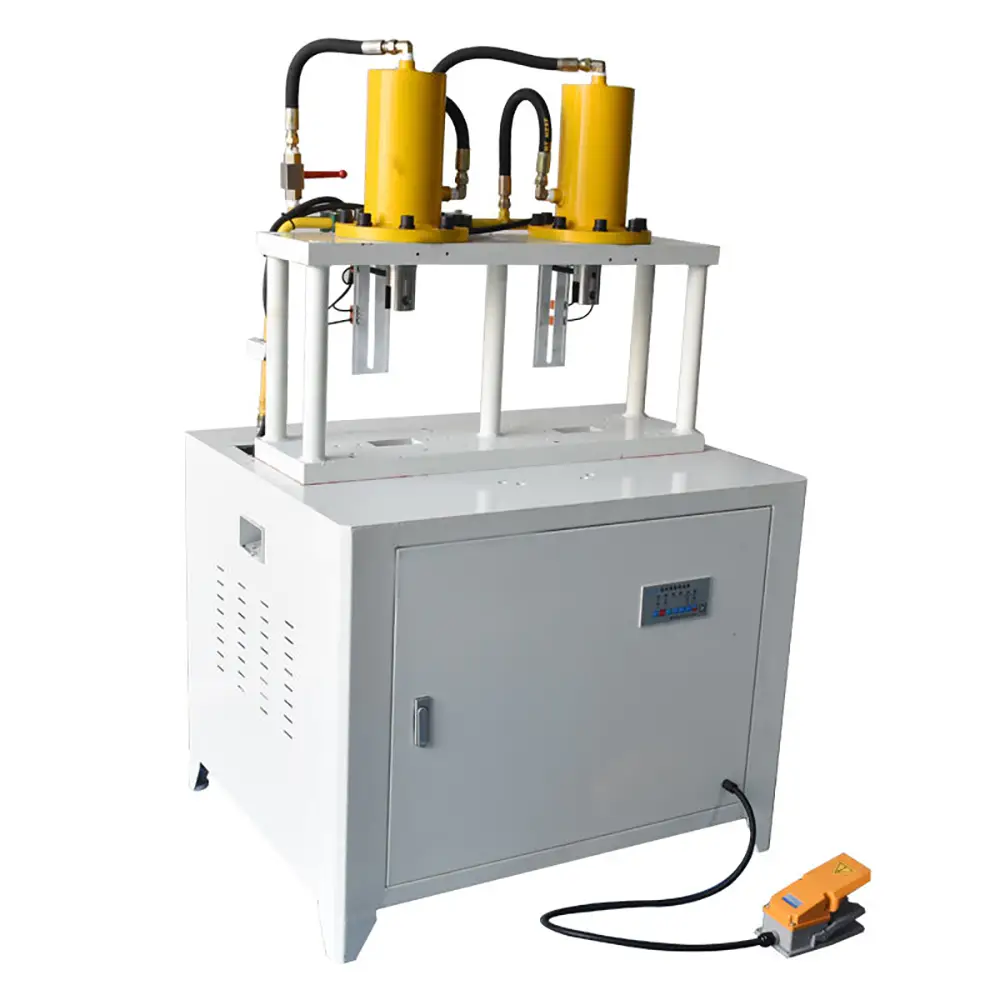
1 The notching range is 30-90 degrees, which can be adjusted arbitrarily
2 Semi-automatic NC control
|
Model |
60nc |
|
The max processing tube |
60x2mm |
|
Angle of notching |
30-90 degree |
|
Cylinder Stroke |
200mm |
|
Power |
5.5kw |
|
Measure |
1800x1100x1600mm |
|
Weight |
900kg |
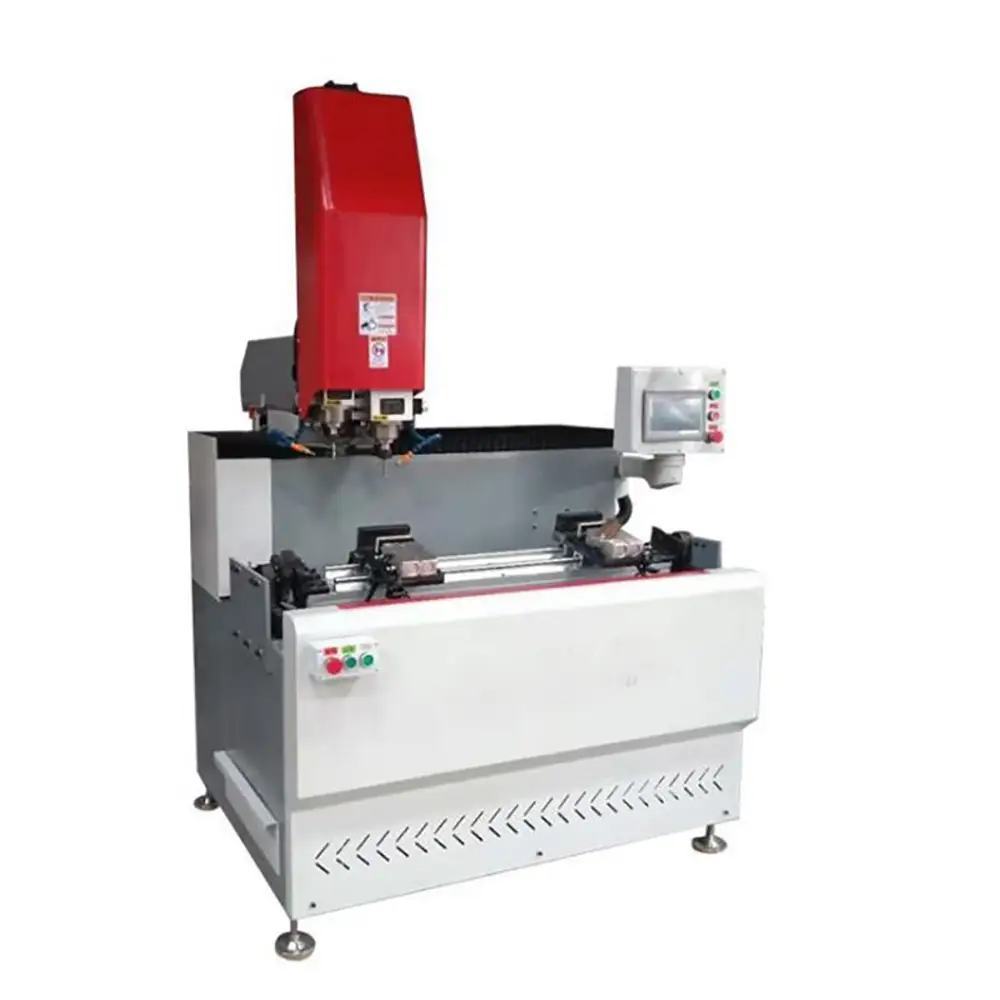
The Edge Angle Pipe End Notching Machine with Core Components Bearing Engine Motor Pump is a specialized metal tube processing machine designed for pipe end notching, edge angle processing, and related tube-end fabrication applications. It provides a practical solution for manufacturers that need to create controlled notches, edge cuts, or specially shaped openings at the ends of metal pipes and tubes.
Pipe end notching is commonly required before welding, joining, assembly, or fitting. A properly processed pipe end can help create the desired connection geometry and improve the consistency of downstream fabrication operations. Compared with manual cutting and grinding, a dedicated end notching machine can provide a more standardized production process.
The machine can be configured for different pipe sizes, materials, end geometries, and tooling requirements. Actual processing capacity depends on pipe diameter, wall thickness, material strength, notch dimensions, tooling, motor and pump configuration, and the overall machine design.
Pipe End Notching and Edge Processing
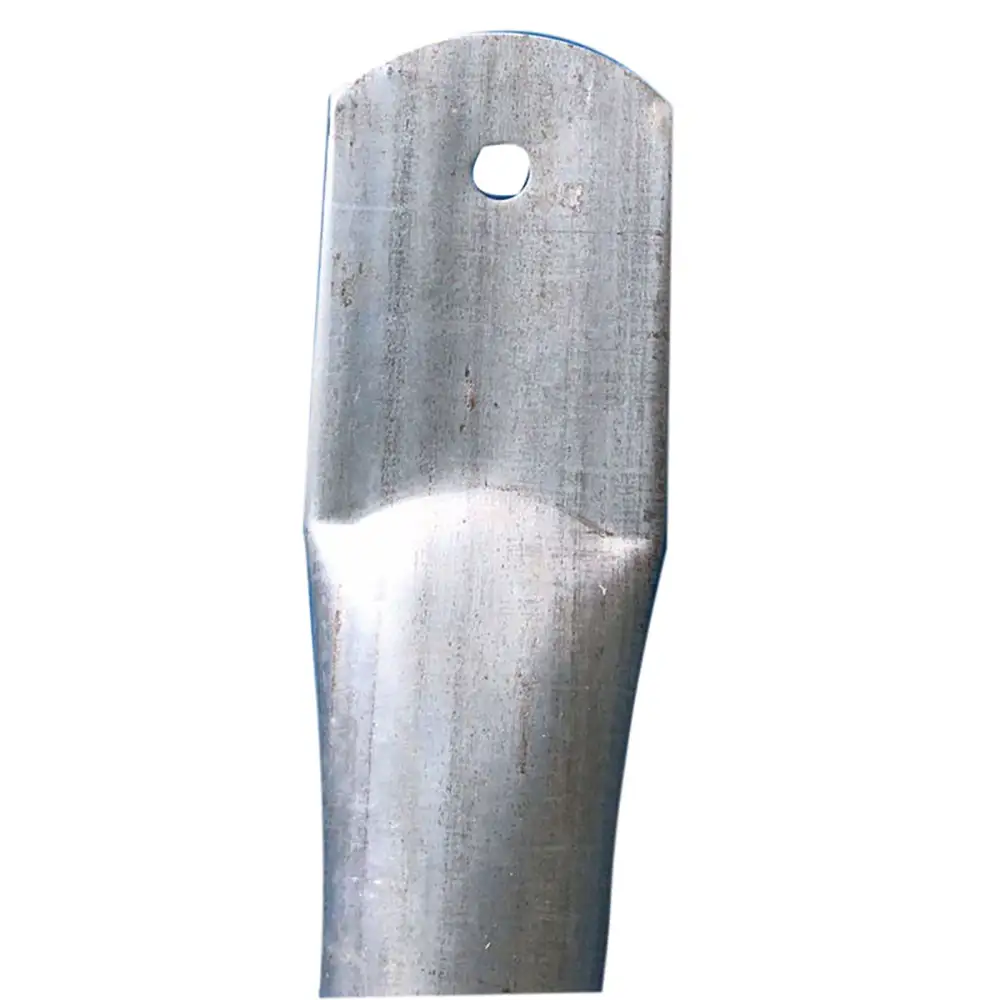
The primary function of the machine is to process the edge or end of a metal pipe. Depending on the tooling configuration, the machine can produce notches, edge cuts, or other customized end shapes.
End notching can be important when two tubes need to fit together or when a pipe must connect with another structural member. Properly shaped tube ends can reduce excessive gaps during assembly and provide a more consistent preparation condition for welding.
The exact notch shape depends on the selected tooling. Standard or customized cutters and fixtures can be considered according to the customer's tube design.
Angle Pipe End Notching
Angle notching is useful for applications where the pipe end needs to accommodate another tube, profile, frame component, or structural connection. An edge-angle configuration can help create a more suitable contact area between mating components.
This type of processing can be used for round tubes, pipes, and other compatible metal profiles depending on the machine configuration.
For specialized applications, customers can provide tube drawings, notch dimensions, required angles, and connection details so the appropriate tooling and workholding method can be evaluated.
Tube End Processing Applications
The machine can be used in a variety of industries that require accurate tube-end preparation. Potential applications include:
Metal furniture frame manufacturing
Steel tube frame fabrication
Automotive tube components
Motorcycle frame components
Bicycle frame production
Agricultural machinery
Construction structures
Guardrail manufacturing
Metal fencing
Machinery frames
Storage rack production
General metal fabrication
It can also be considered for custom tube assemblies where consistent end notching is required before welding or mechanical joining.
Core Components
Reliable core components are important for maintaining stable machine operation. Depending on the specific configuration, key components may include bearings, motor, hydraulic or mechanical pump systems, transmission components, tooling, workholding fixtures, and electrical controls.
Bearings
Bearings support rotating or moving components and can help maintain smooth mechanical operation. Proper lubrication and inspection are important for extending bearing service life.
Motor
The motor provides the driving power for the machine's mechanical or hydraulic system, depending on the machine design. Actual motor power should be confirmed according to the specific machine configuration.
Pump
Where a hydraulic system is used, the pump transfers hydraulic fluid to generate the required pressure and flow. Hydraulic pump performance should be evaluated together with the cylinder, valves, reservoir, and complete hydraulic circuit rather than as an isolated component.
Tooling and Fixtures
Cutting and notching tools directly affect the final shape and quality of the processed pipe end. Proper workholding is equally important because the tube must remain stable during the cutting operation.
Suitable Metal Materials
The machine can be configured for suitable metal tubes and pipes such as carbon steel, mild steel, stainless steel, aluminum, and other compatible materials.
Different materials require different cutting conditions. Stainless steel, for example, may have higher strength or work-hardening characteristics than mild steel, while aluminum requires appropriate tooling to prevent excessive material buildup or deformation.
Customers should provide the exact material grade, pipe diameter, wall thickness, and required notch geometry before selecting the machine.
Workholding and Positioning
Stable workholding is essential for pipe end notching. The tube should be securely supported so that it does not rotate, shift, or vibrate during the operation.
Suitable fixtures can be designed around the outside diameter, profile shape, tube length, and end-processing requirements.
For repetitive production, dedicated fixtures can reduce setup variation and help operators position each tube consistently.
Production Efficiency
A dedicated end notching machine can simplify the tube fabrication workflow by combining positioning and end processing into a standardized operation.
For repeated production, the operator can load the tube, secure it in the fixture, perform the notching operation, inspect the processed end, and remove the finished component.
Compared with manual marking, cutting, and grinding, a dedicated machine may reduce repetitive preparation steps. Actual production efficiency depends on tube dimensions, notch geometry, cycle time, loading method, tooling, and operator workflow.
Edge Quality and Welding Preparation
The quality of a notched pipe end can influence subsequent welding and assembly operations. A consistent notch can help create a more predictable fit between mating tube components.
After notching, additional deburring or finishing may be required depending on the material, cutting method, tooling condition, and final product requirements.
For welding applications, manufacturers should verify the finished tube geometry and joint fit according to their production drawings and welding procedures.
Maintenance
Regular maintenance is important for reliable machine performance. Operators should inspect bearings, motor components, pump systems, hydraulic connections where applicable, tooling, fixtures, fasteners, and moving parts according to the manufacturer's recommendations.
Cutting and notching tools should be checked for wear. Dull or damaged tooling can increase cutting resistance, affect edge quality, and place additional load on the machine.
Hydraulic systems should be checked for leaks, abnormal pressure changes, and hose or fitting damage where applicable.
Safety and Operation
Pipe end notching involves cutting forces and moving machine components. Operators should follow appropriate safety procedures and keep hands away from the cutting and clamping areas during operation.
Depending on the machine configuration, safety-oriented features may include protective guards, emergency-stop functions, electrical protection, and other safeguards. The actual safety configuration should be confirmed for the selected machine.
Operators should also use appropriate personal protective equipment and follow applicable workplace safety regulations.
Custom & OEM Solutions
Tube processing requirements vary widely between manufacturers. Different customers may require different pipe diameters, wall thicknesses, notch shapes, cutting angles, production volumes, and fixture designs.
We support Custom & OEM solutions for specialized pipe end notching applications. Customization may include cutting tools, fixtures, positioning systems, motor and pump configurations, hydraulic components, controls, and other application-specific options.
Customers can provide product drawings, pipe dimensions, material specifications, notch geometry, and production requirements for machine evaluation.
Why Choose Us
Dedicated Pipe End Notching Solution
Designed for repeatable edge, angle, and end notching applications in compatible metal tubes and pipes.
Reliable Core Components
Key components such as bearings, motors, pumps, tooling, and fixtures can be selected according to the machine configuration.
Flexible Tube Processing
Suitable for a range of compatible pipe and tube applications in fabrication, construction, furniture, machinery, and structural manufacturing.
Custom Notching Tooling
Tooling can be configured for specific pipe diameters, notch shapes, cutting angles, and end geometries.
Stable Workholding
Appropriate fixtures help secure tubes during processing and support repeatable positioning.
Efficient Production Workflow
Provides a dedicated process for tube-end preparation, reducing repetitive manual cutting and marking operations.
OEM & Custom Support
Machine configurations, tooling, fixtures, motors, pumps, and other components can be discussed for application-specific projects.
B2B Industrial Manufacturing Support
Suitable for manufacturers, distributors, wholesalers, contractors, tube fabricators, and industrial machinery buyers.
FAQs
1. What is a pipe end notching machine?
A pipe end notching machine is equipment designed to remove or shape material at the end or edge of a metal pipe or tube to create a specific connection or assembly geometry.
2. What is edge angle notching?
Edge angle notching refers to creating an angled or shaped cut at the edge or end of a tube so that it can fit another component or meet a specified fabrication design.
3. What pipes can this machine process?
Depending on the configuration, it may process suitable round pipes, tubes, and other compatible metal profiles within the machine's working range.
4. Can it process stainless steel?
Potentially, yes. Stainless steel processing depends on the grade, wall thickness, pipe dimensions, tooling, and machine configuration.
5. Can it process aluminum tubes?
Compatible aluminum tubes may be processed with suitable tooling and cutting conditions. The actual material range should be confirmed before ordering.
6. What are the main core components?
Depending on the design, core components may include bearings, motor, pump, hydraulic components, tooling, fixtures, transmission parts, and electrical controls.
7. Can the notch angle be customized?
Yes. Custom tooling can be considered for different notch angles, shapes, and pipe-end geometries.
8. Can the machine process different pipe sizes?
Potentially, depending on the machine's working range and available fixtures or tooling. Multiple pipe sizes may require different setup or tooling.
9. Is the machine suitable for welding preparation?
Yes. Pipe end notching can be used as part of tube preparation before welding, although the final joint geometry should be verified according to the production drawing and welding process.
10. How is pipe quality maintained during notching?
Proper workholding, correct tooling, suitable cutting conditions, and regular tool inspection help maintain consistent end geometry and edge quality.
11. What information is needed for machine selection?
Provide pipe material, outside diameter, wall thickness, pipe length, notch shape, notch angle, required dimensions, and expected production volume.
12. Can you provide Custom & OEM solutions?
Yes. Custom tooling, fixtures, positioning systems, motor and pump configurations, hydraulic components, and other machine options can be developed or configured according to the application.
Prev:
Punching Machine for Stainless Steel / Steel Aluminium Profile Punch Hole Machine
Next:
Automatic Single Station Feed Pipe Hole Punching Machine Pipe Hole Cutting Machine
TAG:
Tube End Processing Machine,
Pipe End Forming Machine,
Metal Pipe End Processing Machine,
Pipe Notching Equipment,
Tube Notching Equipment,
Tube End Cutting Machine,
Pipe End Notcher,
Stainless Steel Pipe Notching Machine,
Metal Tube End Notcher,
Industrial Pipe Notching Machine,
Automatic Pipe End Notching Machine,
Custom Pipe Notching Machine,
Tube End Notching Machine,
Pipe End Cutting Machine,
Pipe End Notching Machine,
Metal Tube Notching Machine,
Hydraulic Tube Notching Machine,
Hydraulic Pipe Notching Machine,
Pipe Edge Notching Machine,
Edge Angle Pipe Notching Machine,
Angle Pipe Notching Machine,
Metal Pipe End Notcher,
Pipe Edge Cutting Machine,
Pipe End Angle Cutting Machine,
Hydraulic Pipe End Processing Machine,
Related Category:
Edge Angle Pipe End Notching Machine,Pipe End Notching Machine,Tube End Notching Machine,Pipe Edge Notching Machine China, suppliers, manufacturers, factory, customized, wholesale, quotation, made in China