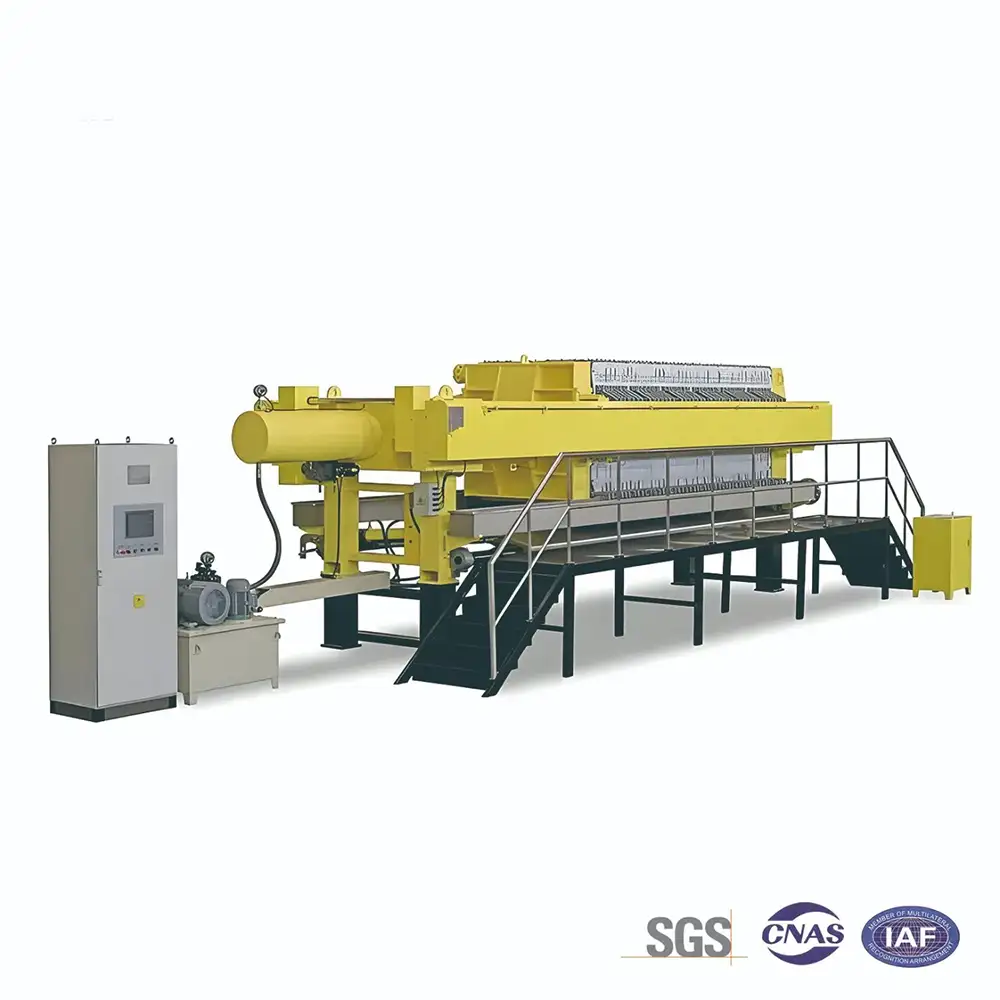
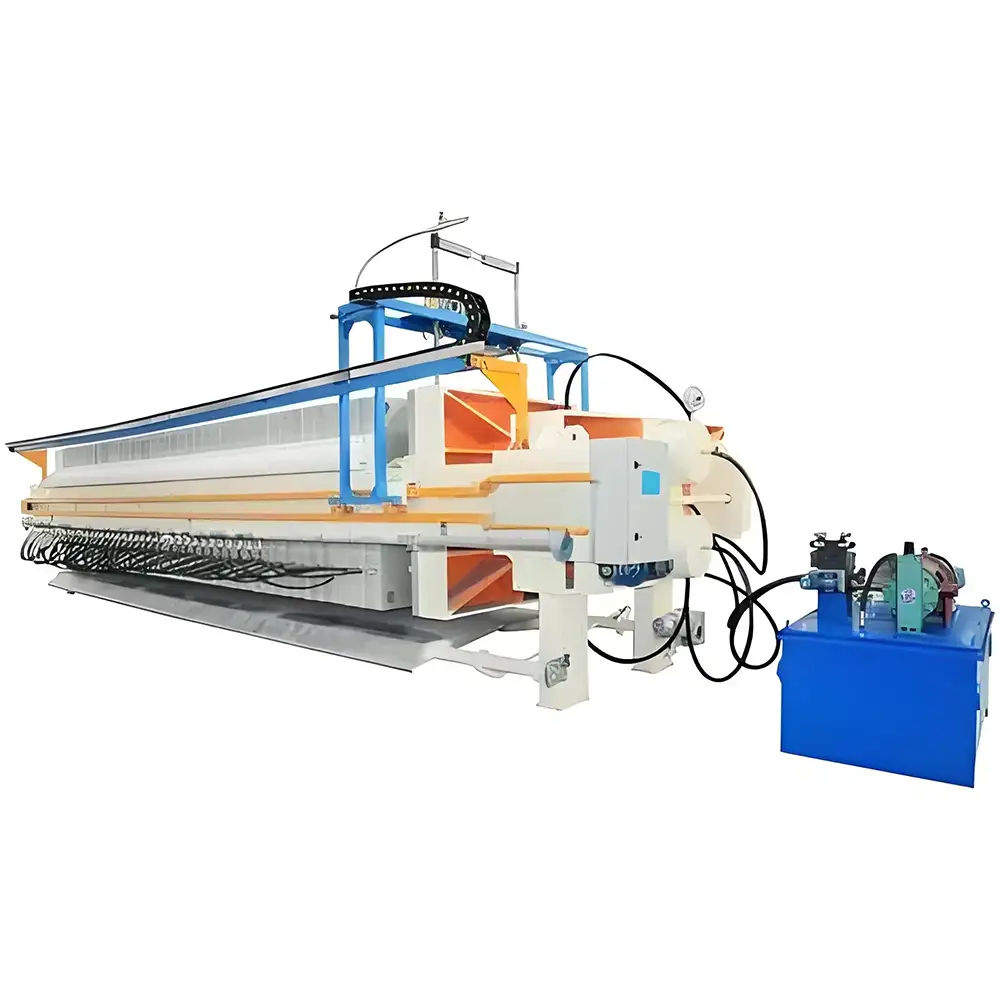
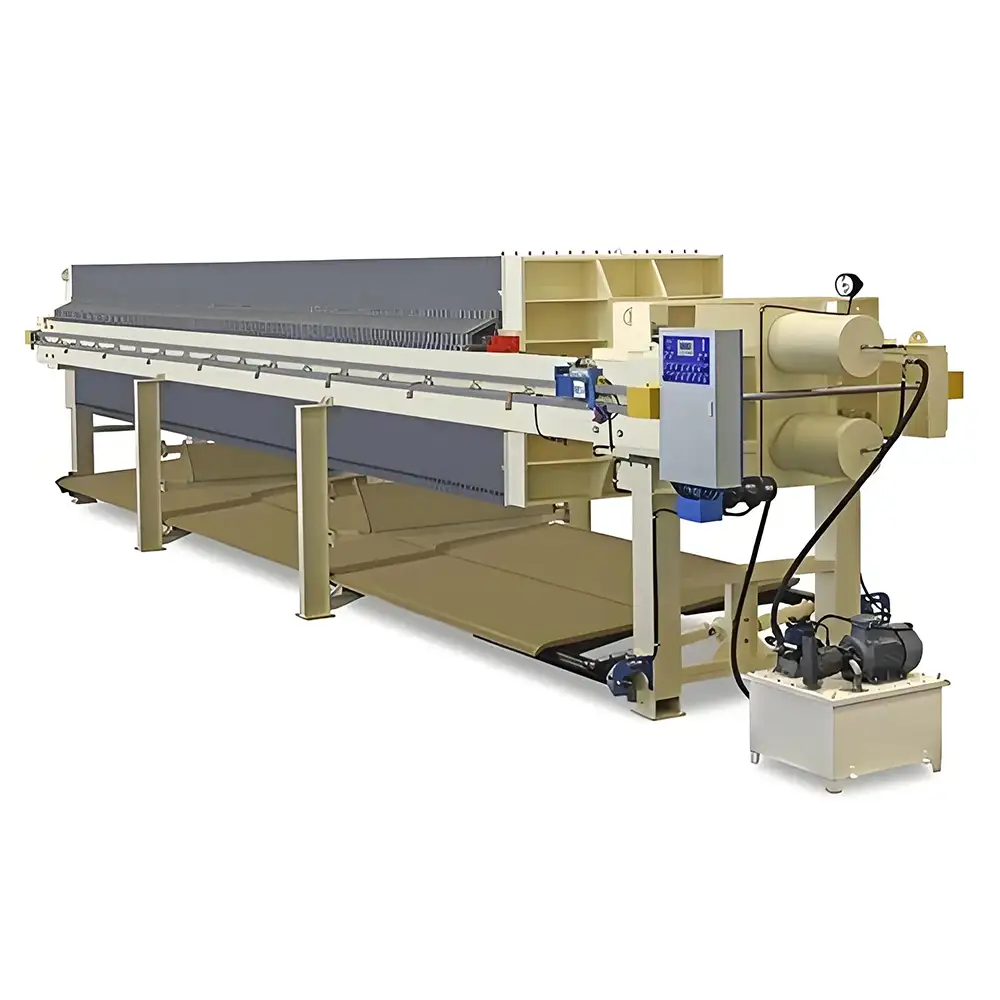
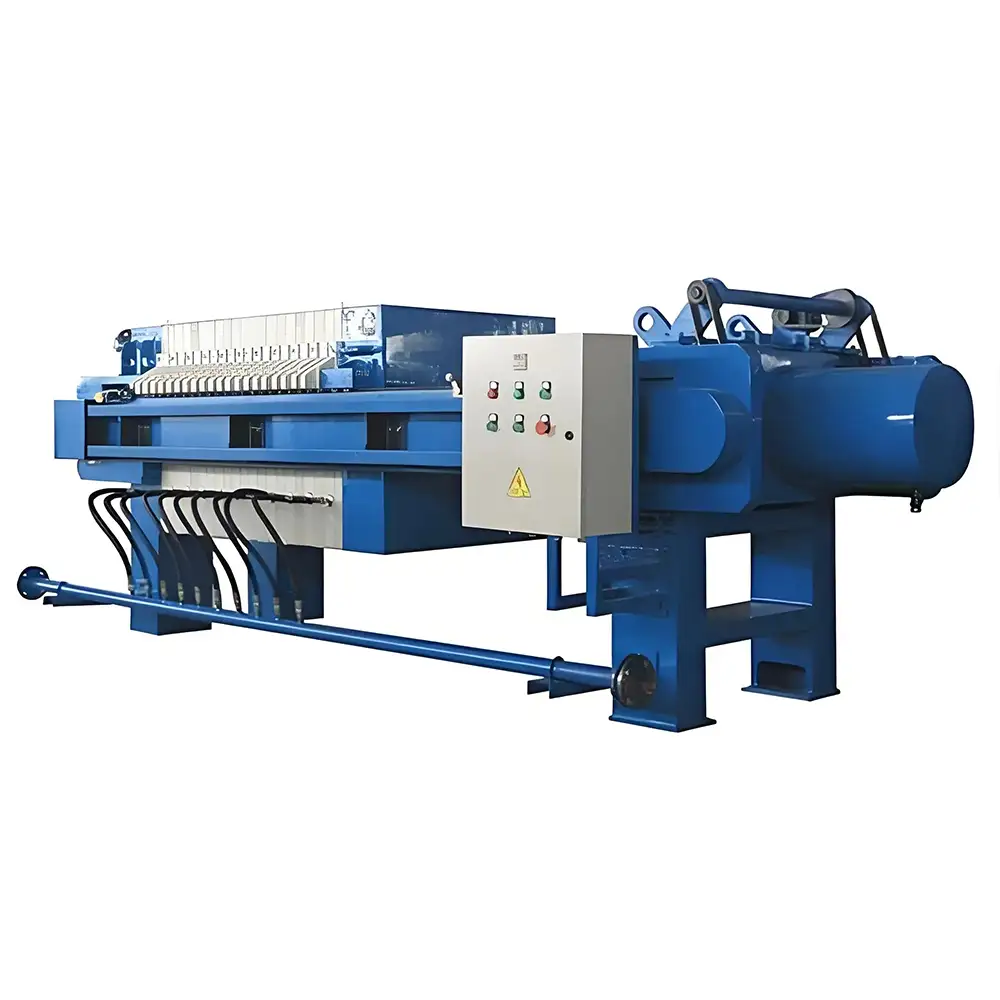
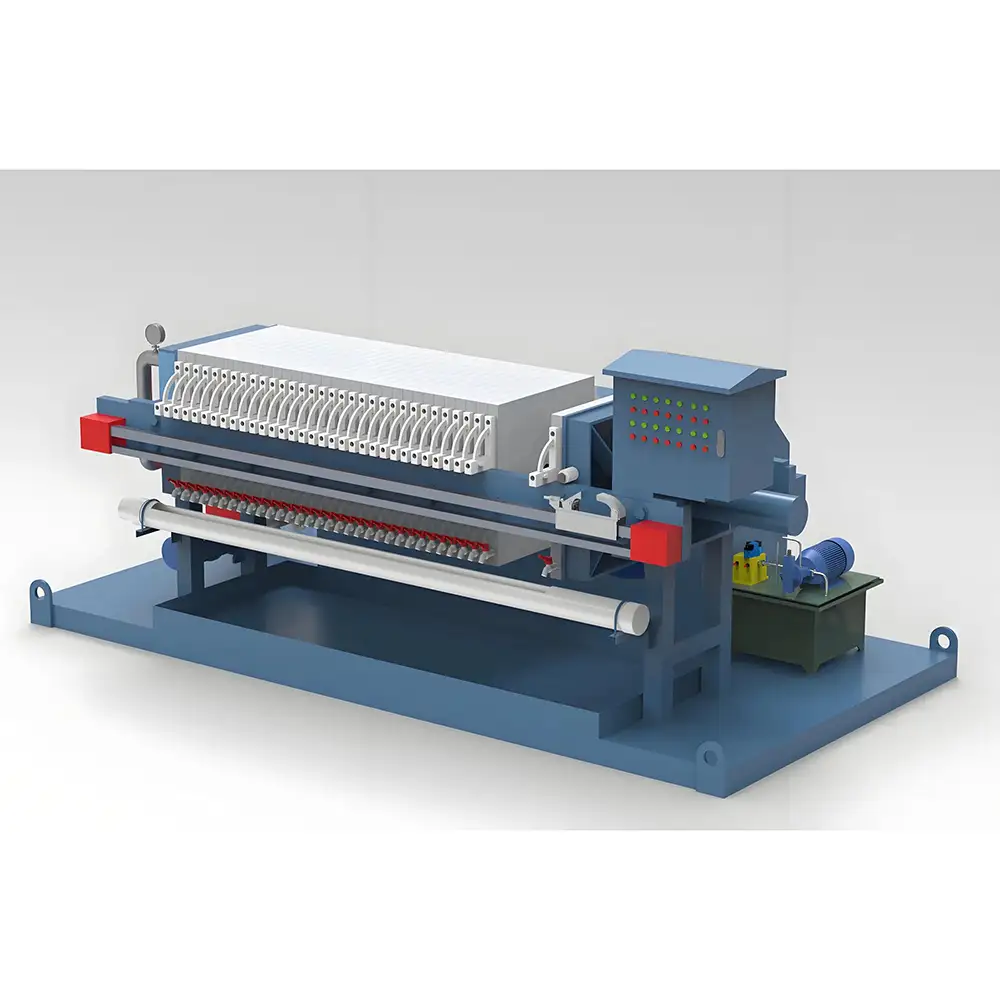
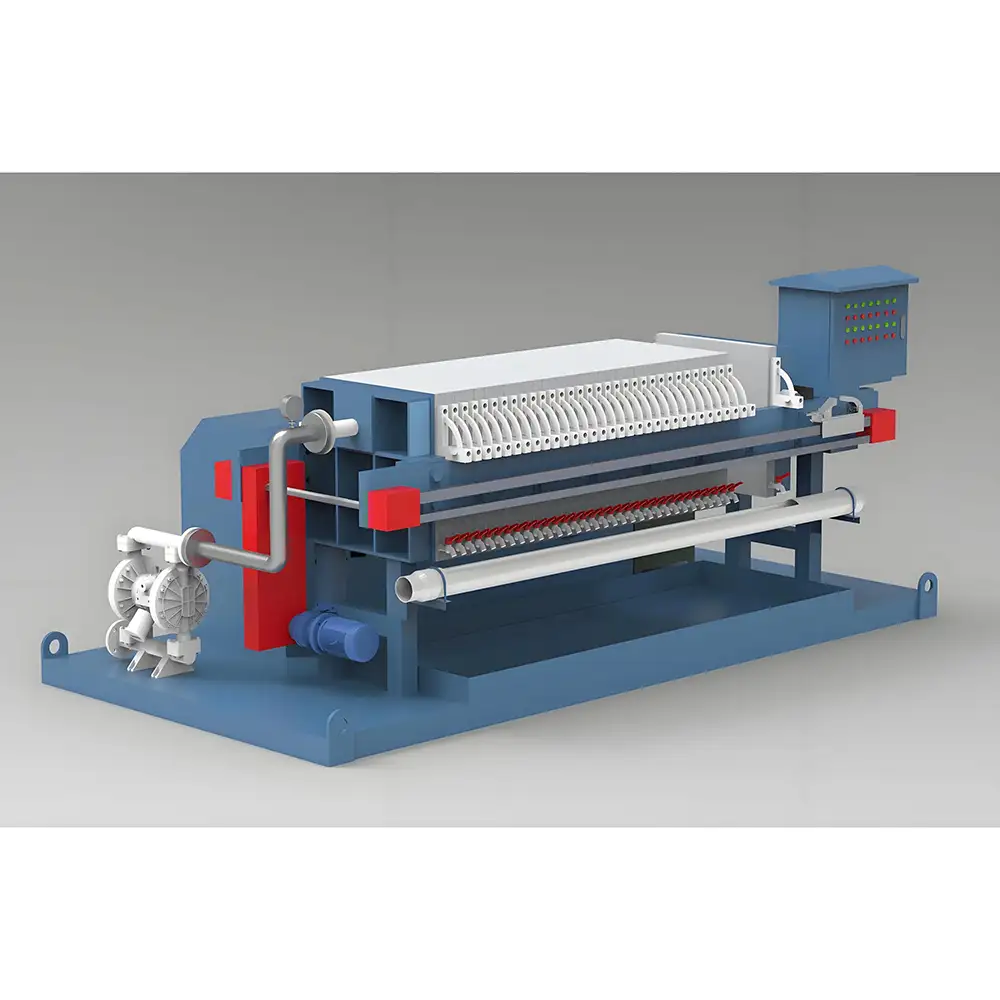
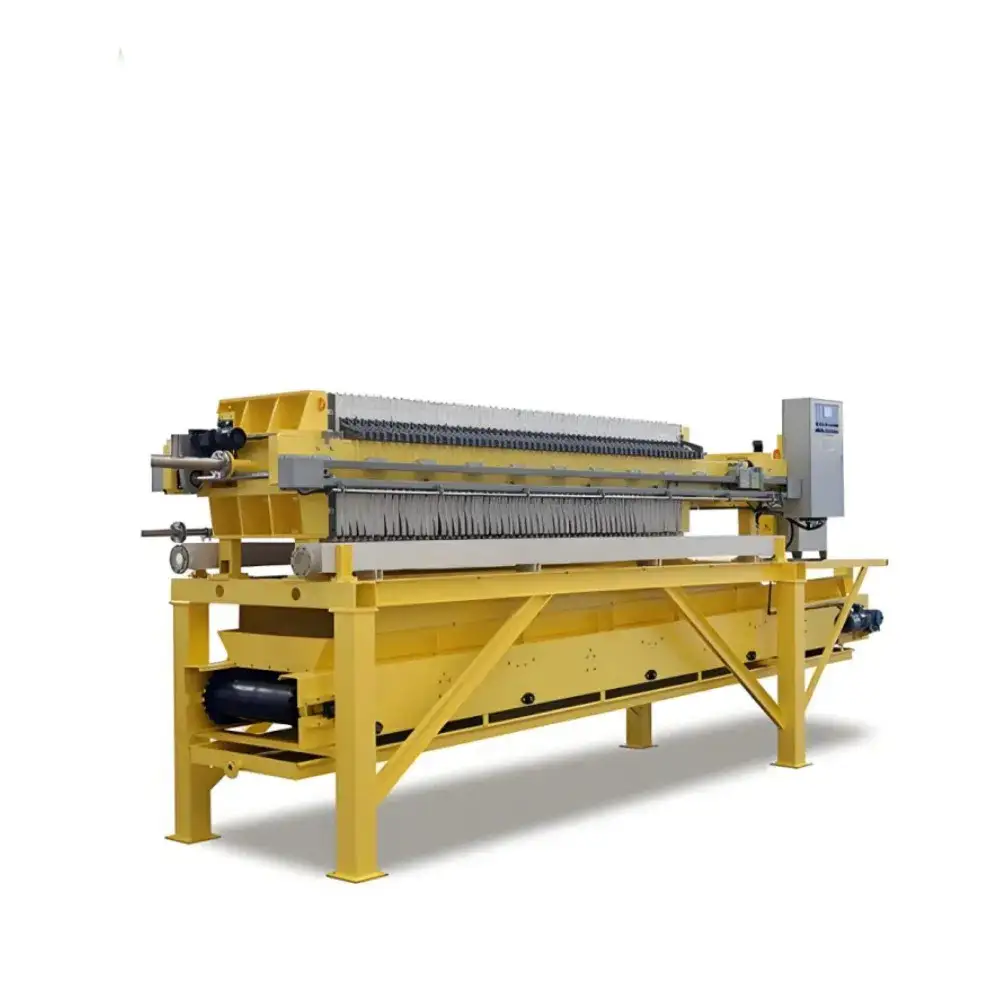
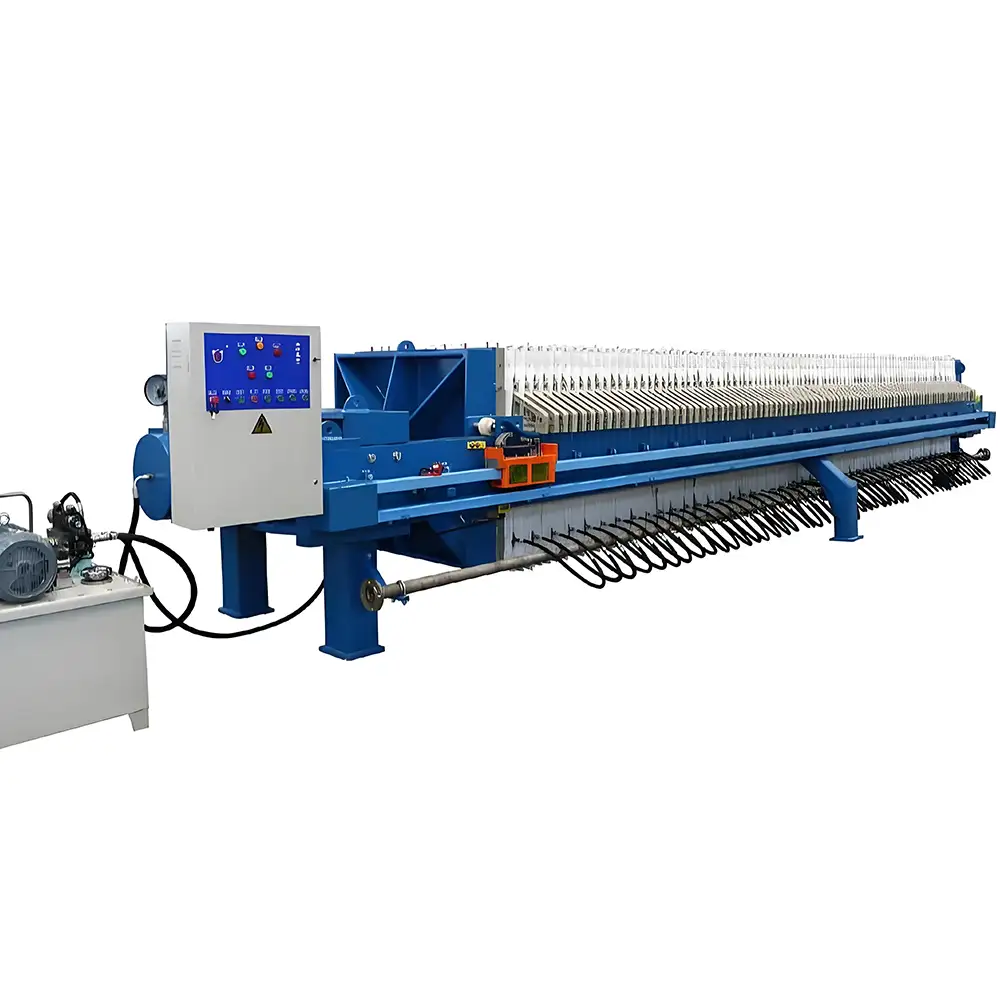
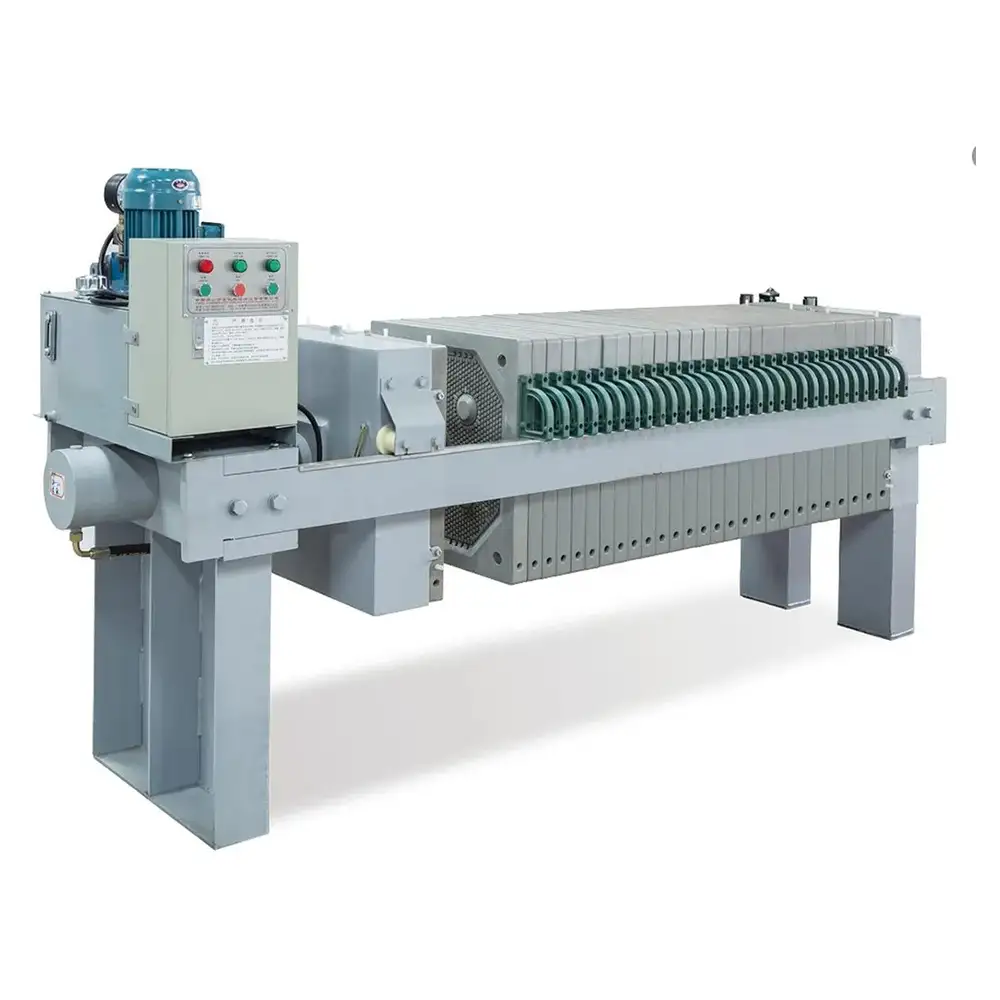
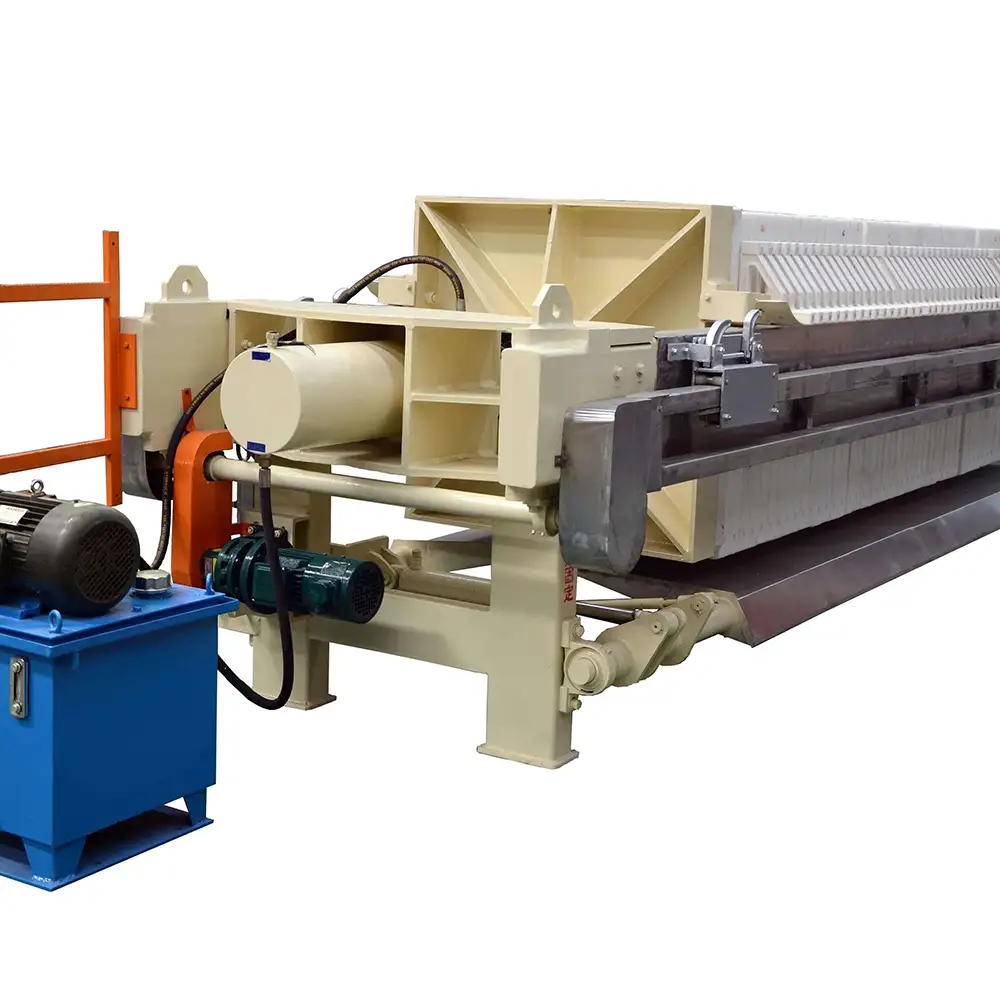
Sludge Treatment Equipment For Metal, Industrial Water Treatment, Electroplating And Leather Industries is designed for industrial wastewater treatment processes where sludge, suspended solids, dissolved contaminants, and process residues need to be separated, concentrated, dewatered, or further treated.
Metal processing, electroplating, surface finishing, leather production, and other industrial operations can generate wastewater with different chemical and physical characteristics. Depending on the production process, wastewater may contain suspended solids, metal-containing compounds, oils, chemicals, organic matter, high or low pH streams, and other process contaminants. Therefore, industrial wastewater treatment systems generally need to be selected according to the actual wastewater composition rather than using one universal treatment method.
Our sludge treatment and industrial water treatment equipment can be configured as part of a complete wastewater treatment line. Depending on the application, the system may incorporate screening, equalization, pH adjustment, coagulation, flocculation, sedimentation, dissolved air flotation, filtration, sludge thickening, sludge dewatering, membrane treatment, evaporation, or other suitable treatment technologies.
Sludge Dewatering Solutions/Sludge Thickening Tanks/Industrial Dewatering Equipment/Environmental Protection Equipment/Sludge Treatment Equipment Uses
|
filter area |
1-500 square meters |
|
Weight |
1800kg |
|
Material |
carbon steel/stainless steel |
|
filter pressure |
0.6mpa |
|
Way of working |
Manual/Hydraulic |
|
weight |
1800kg |
Mainly filters impurities and suspended matter, filtration precision 0.1-200μm optional
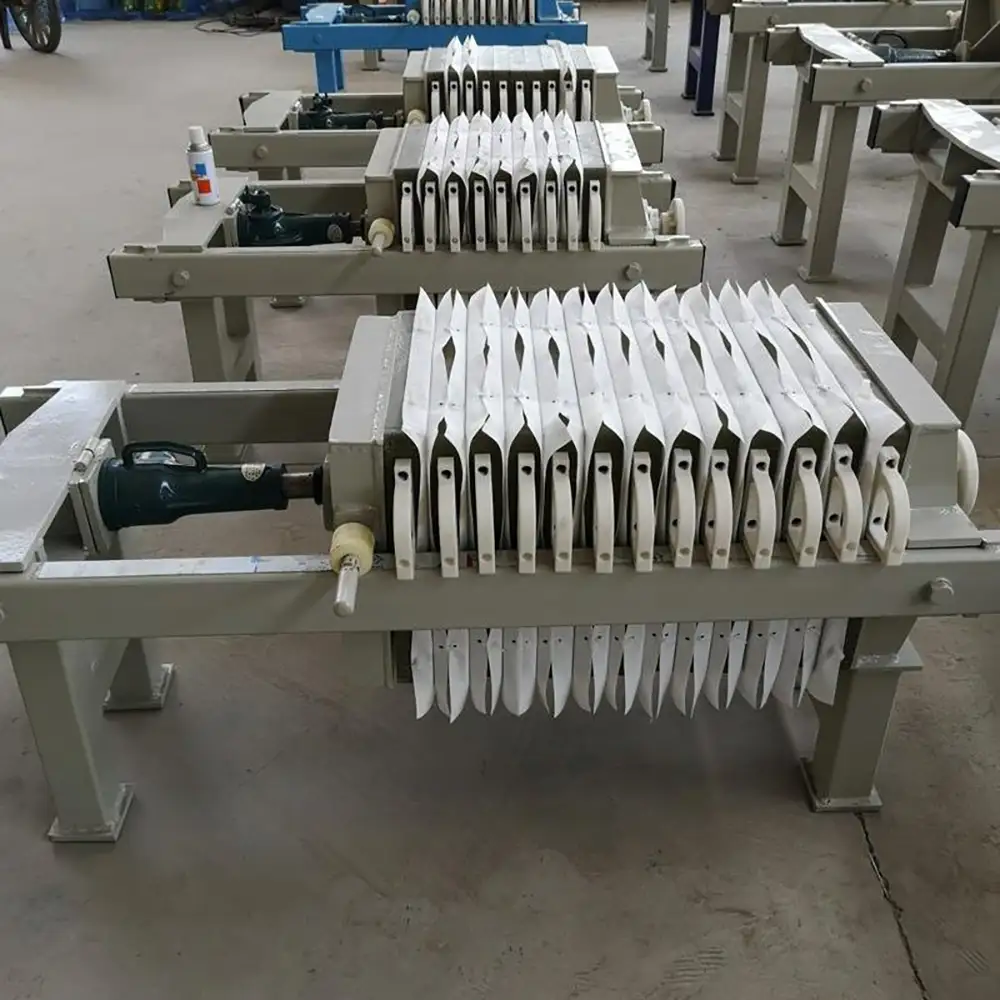
Plate and frame filter press is suitable for sludge dewatering in wastewater treatment processes in urban sewage treatment plants, pharmaceuticals, electroplating, papermaking, leather, printing and dyeing, metallurgy, chemical industry and environmental protection projects. It can also be used for solid-liquid separation in industrial production. It is an ideal environmental protection Ideal equipment for remediation and resource recovery
Industrial Sludge Treatment
Sludge is commonly generated during industrial wastewater treatment. Chemical precipitation, coagulation, biological treatment, filtration, and other processes can produce concentrated solids that require further handling.
Sludge treatment equipment can help reduce sludge volume, separate liquid from solids, and prepare the resulting sludge cake for transportation, further processing, disposal, or other downstream applications.
Depending on sludge characteristics, suitable equipment may include sludge thickening systems, screw press dewatering machines, plate and frame filter presses, belt filter presses, centrifuges, or other solid-liquid separation equipment.
The correct selection depends on sludge concentration, particle characteristics, moisture content, chemical composition, and required treatment performance.
Metal Industry Wastewater Treatment
Metal processing industries can generate wastewater during cutting, grinding, polishing, pickling, cleaning, surface treatment, and other production processes.
Metal wastewater may contain suspended metal particles, process chemicals, oils, and other contaminants. The appropriate treatment process depends on the specific metalworking operation and wastewater composition.
A customized industrial wastewater treatment system can combine physical, chemical, and mechanical treatment stages to separate suspended solids and suitable target contaminants.
Pretreatment and sludge separation can help improve the performance of downstream filtration or polishing systems.
Electroplating Wastewater Treatment
Electroplating and surface finishing operations can generate wastewater from rinsing, cleaning, plating, stripping, and other process steps.
Electroplating wastewater may contain dissolved metals, suspended solids, acids, alkalis, salts, and process chemicals. Different production lines can produce wastewater with significantly different characteristics.
For this reason, an Electroplating Water Treatment System may use several treatment stages, such as wastewater collection, equalization, pH adjustment, chemical precipitation, coagulation, flocculation, sedimentation, filtration, and sludge dewatering.
Where appropriate, additional treatment such as membrane filtration, ion exchange, or other polishing technologies can be integrated according to the required water quality.
Leather Industry Wastewater Treatment
Leather processing can produce wastewater containing organic matter, suspended solids, salts, fats, chemicals, and other process-related substances.
Wastewater characteristics can vary between soaking, liming, tanning, dyeing, washing, and finishing operations.
A suitable Leather Wastewater Treatment System can combine pretreatment and biological or physicochemical treatment technologies according to the wastewater characteristics.
Sludge generated during the treatment process can then be thickened and dewatered using suitable sludge treatment equipment.
Industrial Wastewater Pretreatment
Pretreatment is an important part of many industrial wastewater treatment systems.
Coarse screening can remove larger particles and debris, while grit or solid separation systems can remove heavier suspended materials. Equalization tanks can help balance fluctuations in wastewater flow and concentration.
Oil separation or other specialized pretreatment may also be used where required.
Proper pretreatment can help protect downstream treatment equipment and provide more stable operating conditions.
pH Adjustment And Chemical Treatment
Many metal and electroplating wastewater streams require pH adjustment before subsequent treatment.
A chemical treatment system can be configured with dosing equipment, mixing tanks, reaction tanks, pH monitoring, and associated control components.
For suitable wastewater streams, chemical precipitation can convert dissolved contaminants into particulate forms that can then be separated through sedimentation, flotation, or filtration.
Chemical dosing should be determined according to wastewater analysis and process testing.
Coagulation And Flocculation
Fine suspended particles may be difficult to remove through simple settling. Coagulation and flocculation can help destabilize fine particles and form larger flocs that are easier to separate.
A treatment system may include rapid mixing, chemical dosing, flocculation, and clarification stages.
The appropriate chemicals and dosing conditions depend on wastewater characteristics and should be evaluated through laboratory or pilot testing where necessary.
Sedimentation And Solid Separation
After chemical treatment, formed flocs and suspended solids can be separated using sedimentation or other solid-liquid separation methods.
Clarifiers, settling tanks, lamella separators, dissolved air flotation units, and filtration equipment may be considered depending on the application.
The separated solids become treatment sludge and can be transferred to a dedicated sludge handling system.
Sludge Thickening And Dewatering
Industrial sludge often contains a high percentage of water. Dewatering can reduce the volume of sludge that needs to be transported or handled.
Suitable equipment can include screw press dewatering machines, plate and frame filter presses, belt filter presses, or centrifuge systems.
A sludge dewatering system can be positioned after sedimentation, flotation, or other treatment stages. The filtrate or separated liquid can be returned to an appropriate treatment stage when suitable.
Metal-Containing Sludge Handling
Wastewater treatment in metal processing and electroplating industries can generate sludge containing concentrated process residues.
The composition of this sludge depends on the production process and chemical treatment method.
Sludge should therefore be characterized before selecting a disposal or recovery route. Appropriate collection, dewatering, storage, transportation, and downstream handling procedures should be established according to the actual material and applicable local requirements.
Filtration And Water Polishing
After primary and secondary treatment, additional filtration may be required to reduce remaining suspended solids.
Depending on the required water quality, multimedia filters, cartridge filters, ultrafiltration, nanofiltration, reverse osmosis, activated carbon, or other suitable technologies can be integrated.
The choice of polishing process depends on the treated water quality and whether the water will be discharged, reused, or returned to a production process.
Water Reuse Applications
Industrial water treatment systems can be designed to support process water reuse where appropriate.
Treated water may potentially be reused for suitable washing, cooling, rinsing, cleaning, or other industrial processes after meeting the required water quality.
For electroplating and metal processing facilities, water reuse can be evaluated as part of a broader wastewater reduction and resource management strategy.
Actual reuse suitability depends on feedwater quality, treatment technology, target contaminants, and the requirements of the production process.
Modular Industrial Treatment System
Different factories have different wastewater flows, floor space, production schedules, and treatment objectives.
The treatment system can therefore be designed as a modular process consisting of separate treatment units connected through pumps, pipelines, tanks, controls, and sludge handling equipment.
This approach allows individual treatment stages to be selected according to the customer's actual wastewater characteristics.
Automatic Monitoring And Control
Modern industrial wastewater systems can incorporate sensors and control equipment for monitoring important operating parameters.
Depending on system configuration, monitoring may include pH, flow, tank level, pressure, conductivity, turbidity, or other process parameters.
Automatic dosing and control can help maintain more stable operating conditions and reduce the amount of manual intervention required.
Corrosion-Resistant Construction
Industrial wastewater can be chemically aggressive, especially in metal finishing and electroplating applications.
Equipment materials should therefore be selected according to wastewater chemistry, temperature, pH, chemical concentration, and operating conditions.
Suitable materials may include stainless steel, coated carbon steel, FRP, PP, PVC, or other application-specific materials.
The final material selection should be based on the actual wastewater analysis.
Complete Sludge Treatment Solution
Sludge management is an important part of a complete industrial wastewater treatment plant.
A typical sludge treatment process may include sludge collection, concentration, conditioning, dewatering, cake discharge, filtrate collection, and final handling.
Depending on the sludge type, additional drying, stabilization, thermal treatment, recovery, or disposal processes may be required.
Customized Industrial Water Treatment
There is no single wastewater treatment configuration suitable for every metal, electroplating, or leather production facility.
The system should be designed according to wastewater flow, COD, BOD, suspended solids, TDS, pH, temperature, metal concentration, oil content, chemical composition, and required treated water quality.
Customers can provide wastewater analysis, process information, daily flow, peak flow, production details, and target treatment requirements for system evaluation.
B2B Wastewater Treatment Equipment Solution
For industrial factories, wastewater treatment contractors, environmental engineering companies, equipment distributors, and international project developers, our Sludge Treatment Equipment can be configured as part of a complete industrial wastewater treatment solution.
The system can combine pretreatment, chemical treatment, solid-liquid separation, sludge dewatering, filtration, membrane treatment, and other technologies according to the application.
From individual sludge dewatering machines to integrated industrial wastewater treatment systems, equipment configuration can be adapted to different industrial processes and project requirements.
Key Features
Industrial Sludge Treatment
Metal Wastewater Treatment
Electroplating Wastewater Processing
Leather Wastewater Treatment
Industrial Water Treatment
Solid-Liquid Separation
Sludge Thickening And Dewatering
Chemical Precipitation
Coagulation And Flocculation
Industrial Filtration
Modular System Configuration
Customized Treatment Solutions
Main Applications
Metal Processing Industry
Electroplating Industry
Surface Treatment Industry
Steel Processing
Metal Finishing
Machinery Manufacturing
Leather Processing
Tanning Industry
Industrial Wastewater Treatment
Chemical Manufacturing
Food Processing
Pharmaceutical Production
Mining And Mineral Processing
FAQs
1. What Is Sludge Treatment Equipment?
Sludge treatment equipment is used to concentrate, separate, dewater, dry, stabilize, or otherwise process sludge generated by wastewater treatment and industrial production processes.
2. Can This Equipment Be Used For Electroplating Wastewater?
Yes. Suitable sludge and wastewater treatment equipment can be incorporated into electroplating wastewater treatment systems. The specific configuration depends on the metals, chemicals, pH, flow, and other wastewater characteristics.
3. Can It Treat Metal Industry Wastewater?
Yes. The equipment can be configured for suitable metal processing wastewater applications involving suspended solids, process residues, oils, and other contaminants.
4. Is It Suitable For Leather Wastewater?
Yes. Leather wastewater treatment systems can combine physicochemical, biological, filtration, and sludge dewatering technologies according to the specific production process and wastewater composition.
5. What Treatment Processes Can Be Included?
Depending on the application, a system may include screening, equalization, pH adjustment, coagulation, flocculation, sedimentation, flotation, filtration, sludge thickening, sludge dewatering, membrane treatment, or other suitable processes.
6. How Is Industrial Sludge Dewatered?
Industrial sludge can be dewatered using equipment such as screw presses, plate and frame filter presses, belt filter presses, or centrifuges. Equipment selection depends on sludge properties and treatment requirements.
7. Can Treated Water Be Reused?
Potentially. Water reuse depends on the treated water quality, production requirements, contaminants, and required reuse standard. Additional polishing treatment may be necessary.
8. How Do I Select The Right Treatment System?
Important information includes wastewater flow, peak flow, pH, COD, BOD, suspended solids, TDS, metal concentration, temperature, chemical composition, and required treated water quality.
9. Can The System Be Customized?
Yes. Treatment tanks, pumps, chemical dosing systems, sludge dewatering equipment, filters, membranes, controls, and other components can be configured according to the project requirements.
10. Do You Provide Complete Industrial Water Treatment Solutions?
Yes. Individual sludge treatment equipment or integrated industrial wastewater treatment systems can be configured depending on the application, project scale, wastewater characteristics, and treatment objectives.
Why Choose Us
Industry-Specific Treatment Design
We develop wastewater and sludge treatment solutions based on the characteristics of metal, electroplating, leather, and other industrial wastewater rather than applying a one-size-fits-all process.
Complete Process Integration
Pretreatment, chemical treatment, solid-liquid separation, sludge dewatering, filtration, membrane systems, and other treatment stages can be integrated into a complete process line.
Customized Equipment Configuration
Tanks, pumps, dosing systems, clarifiers, filters, sludge dewatering machines, pipelines, controls, and material selections can be configured according to individual project requirements.
Application-Based Technical Support
Customers can provide wastewater analysis, process information, flow data, and target water quality so that suitable treatment technologies and equipment configurations can be evaluated.
Prev:
High-Efficiency Plate and Frame Filter Press Equipment for Sludge Dewatering
Next:
Sludge Dewatering Solutions / Sludge Incineration / Solid-Liquid Separation / Environmental Protection Equipment
TAG:
Industrial Water Treatment System,
Industrial Wastewater Treatment Equipment,
Industrial Wastewater Treatment System,
Industrial Wastewater Treatment,
Industrial Wastewater Treatment Plant,
Wastewater Treatment Equipment,
Sludge Solid Liquid Separation,
Industrial Sludge Dewatering,
Sludge Filtration Equipment,
Industrial Sludge Treatment Equipment,
Industrial Sludge Dewatering Machine,
Sludge Dewatering System,
Sludge Dewatering Equipment,
Industrial Sludge Dewatering Equipment,
Sludge Treatment Equipment,
Sludge Treatment System,
Sludge Treatment Machine,
Solid Liquid Separator,
Solid Liquid Separation Equipment,
Solid Liquid Separation Machine,
Sludge Separator Machine,
Sludge Filter Press,
Sludge Dewatering Machine,
Plate And Frame Filter Press,
Belt Filter Press,
Sludge Centrifuge,
Screw Press Dewatering Machine,
Screw Press Sludge Dewatering,
Industrial Sludge Treatment,
Wastewater Filtration Equipment,
Related Category:
Sludge Treatment Equipment, Industrial Water Treatment Equipment, Metal Wastewater Treatment Equipment, Electroplating W China, suppliers, manufacturers, factory, customized, wholesale, quotation, made in China