Sludge Dewatering Solutions / Laboratory-Specific / Sludge Incineration / Solid-Liquid Separation / Environmental Protection Equipment
Sludge Dewatering Solutions / Sludge Incineration / Solid-Liquid Separation / Environmental Protection Equipment provides a range of technologies for reducing, separating, concentrating, dewatering, and treating sludge generated by wastewater treatment and industrial processes.
Sludge is a common byproduct of municipal wastewater treatment, industrial wastewater treatment, chemical processing, food production, mining, paper manufacturing, textile production, and other industries. Because sludge usually contains a high proportion of water along with concentrated solids and organic or inorganic substances, effective sludge management is an important part of an overall environmental protection strategy.
Depending on the sludge characteristics and final treatment objectives, a complete sludge management system may include solid-liquid separation, sludge thickening, conditioning, mechanical dewatering, drying, thermal treatment, incineration, ash handling, and other downstream processes.
|
filter area |
1-500 square meters |
|
Weight |
1800kg |
|
Material |
carbon steel/stainless steel |
|
filter pressure |
0.6mpa |
Our Sludge Dewatering Solutions and environmental protection equipment can be configured according to sludge composition, moisture content, production volume, treatment capacity, available space, and final disposal or recovery requirements.
|
Way of working |
Manual/Hydraulic |
|
weight |
1800kg |
Sludge Dewatering Solutions
Sludge dewatering is designed to reduce the amount of free water contained in sludge before transportation, drying, disposal, incineration, or further treatment.
Mechanical dewatering equipment separates liquid from solids using pressure, gravity, centrifugal force, or other physical separation principles.
Depending on the application, sludge dewatering solutions may include screw press dewatering machines, plate and frame filter presses, belt filter presses, decanter centrifuges, or other suitable separation equipment.
The appropriate technology depends on sludge concentration, particle characteristics, viscosity, organic content, filtration properties, and required cake condition.
Solid-Liquid Separation
Solid-liquid separation is an important stage in many wastewater and sludge treatment processes.
The objective is to separate suspended solids from liquid streams or concentrate solids before further processing. Depending on particle size and process requirements, suitable technologies may include screening, sedimentation, filtration, flotation, centrifugation, or mechanical pressing.
Effective separation can reduce the load on downstream equipment and improve the overall efficiency of the treatment system.
Screw Press Sludge Dewatering
A screw press is commonly used for continuous mechanical sludge dewatering.
The sludge enters the equipment and is conveyed through a gradually compressed screw chamber. As the sludge moves forward, pressure increases and liquid passes through the filtration elements while solids are retained and transported toward the discharge end.
Screw press systems can be suitable for municipal sludge, industrial sludge, food processing residues, livestock waste, and other compatible materials.
They are often considered where continuous operation, relatively compact equipment, and automated sludge handling are important.
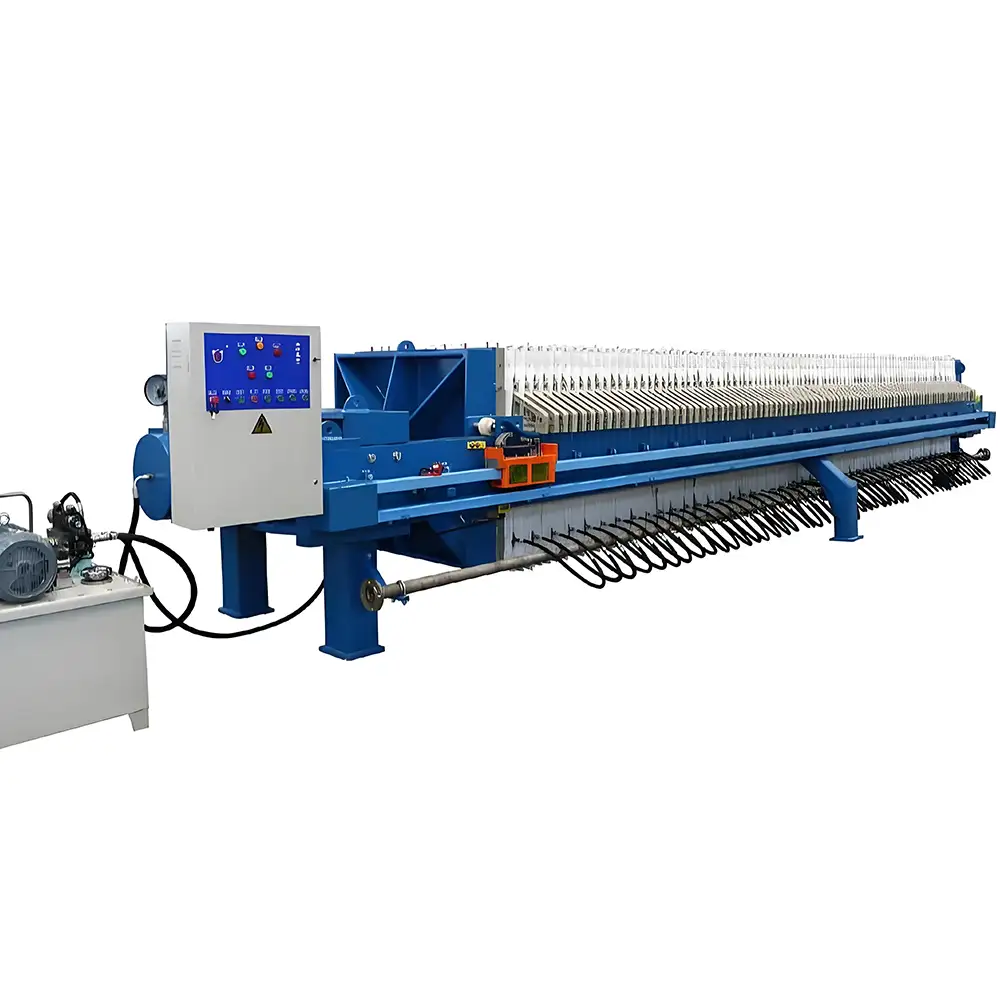
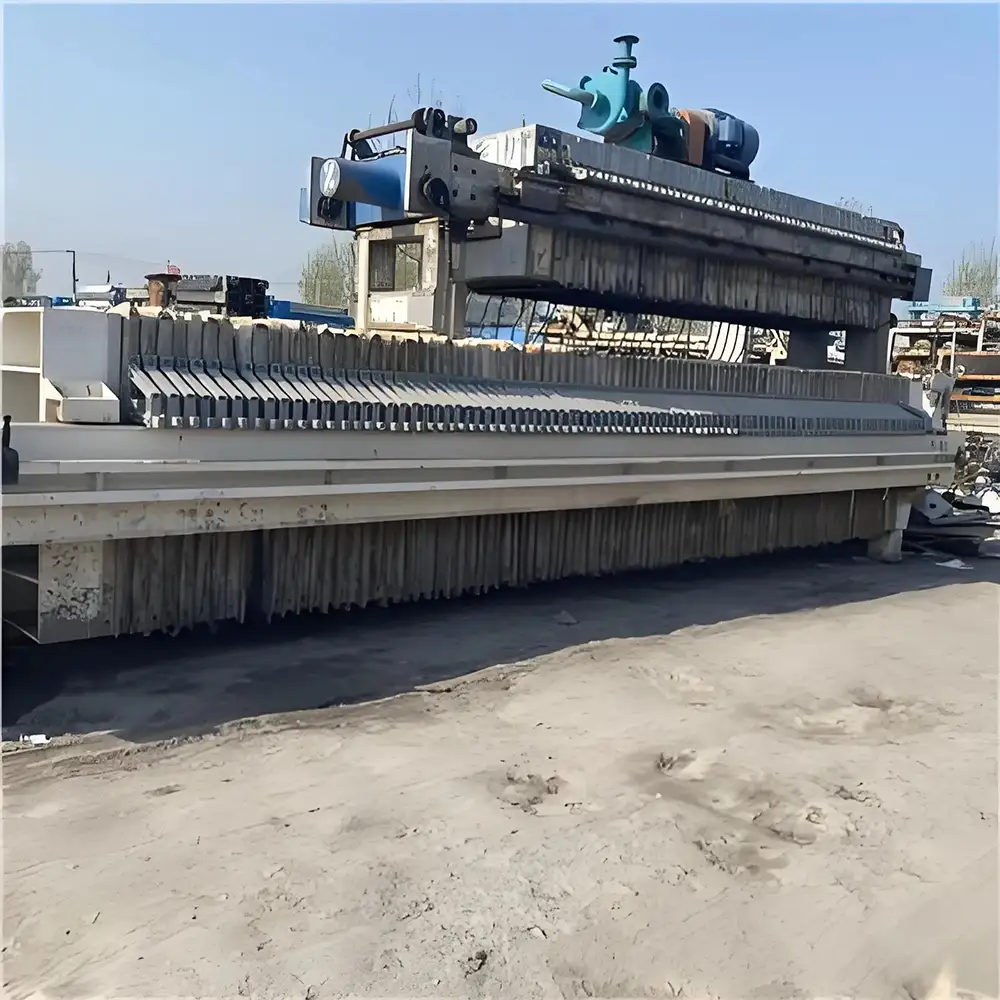
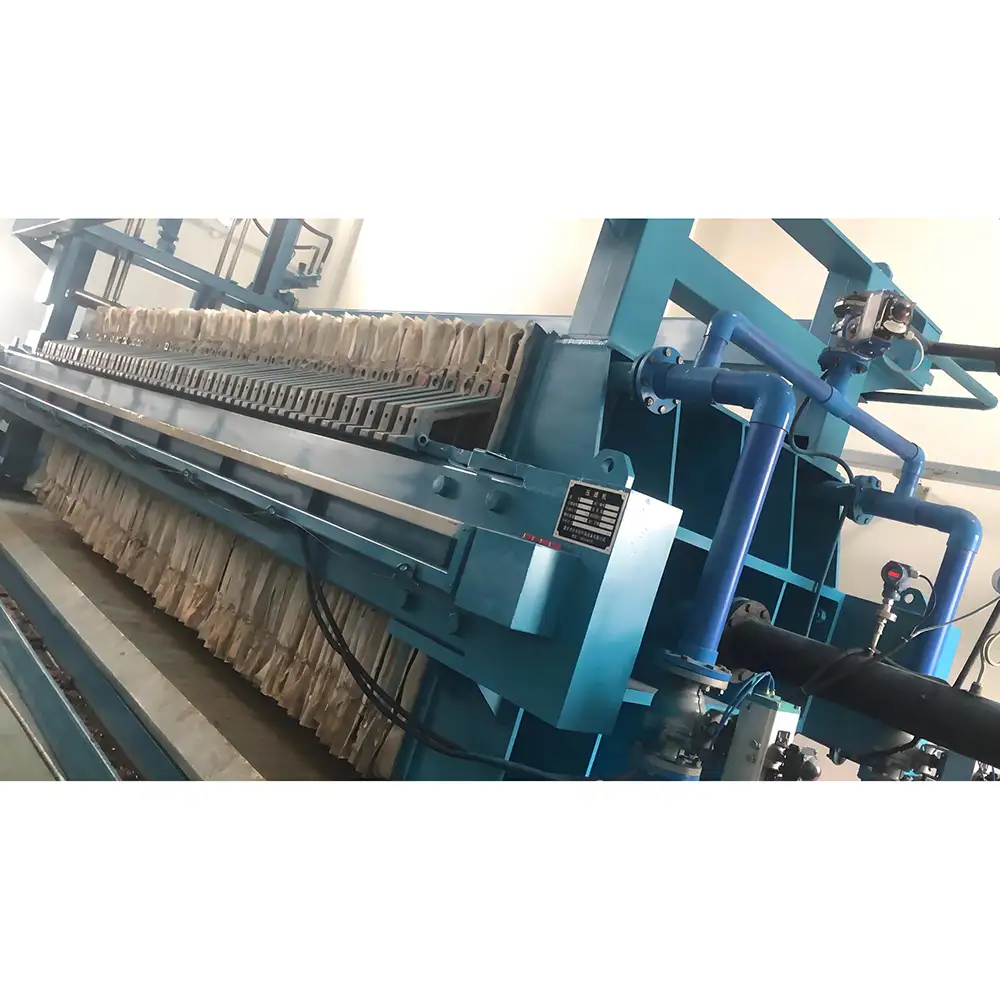
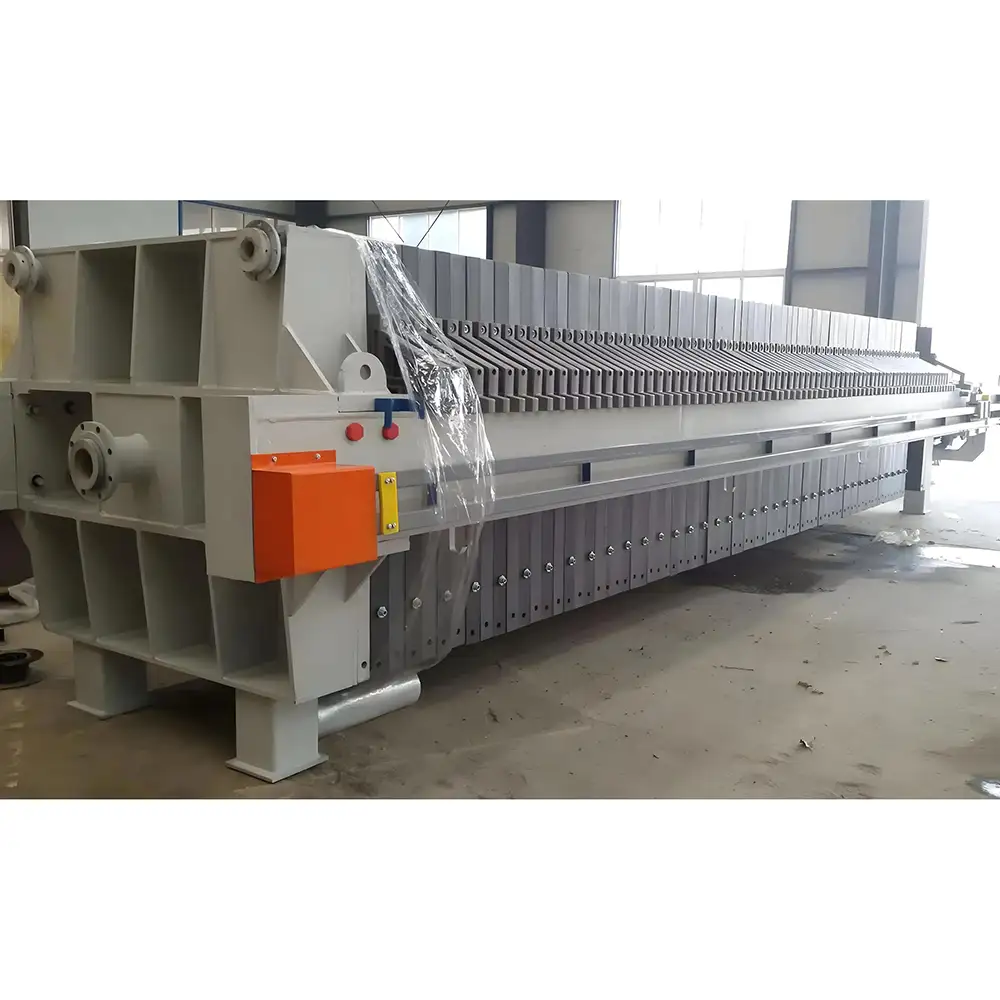
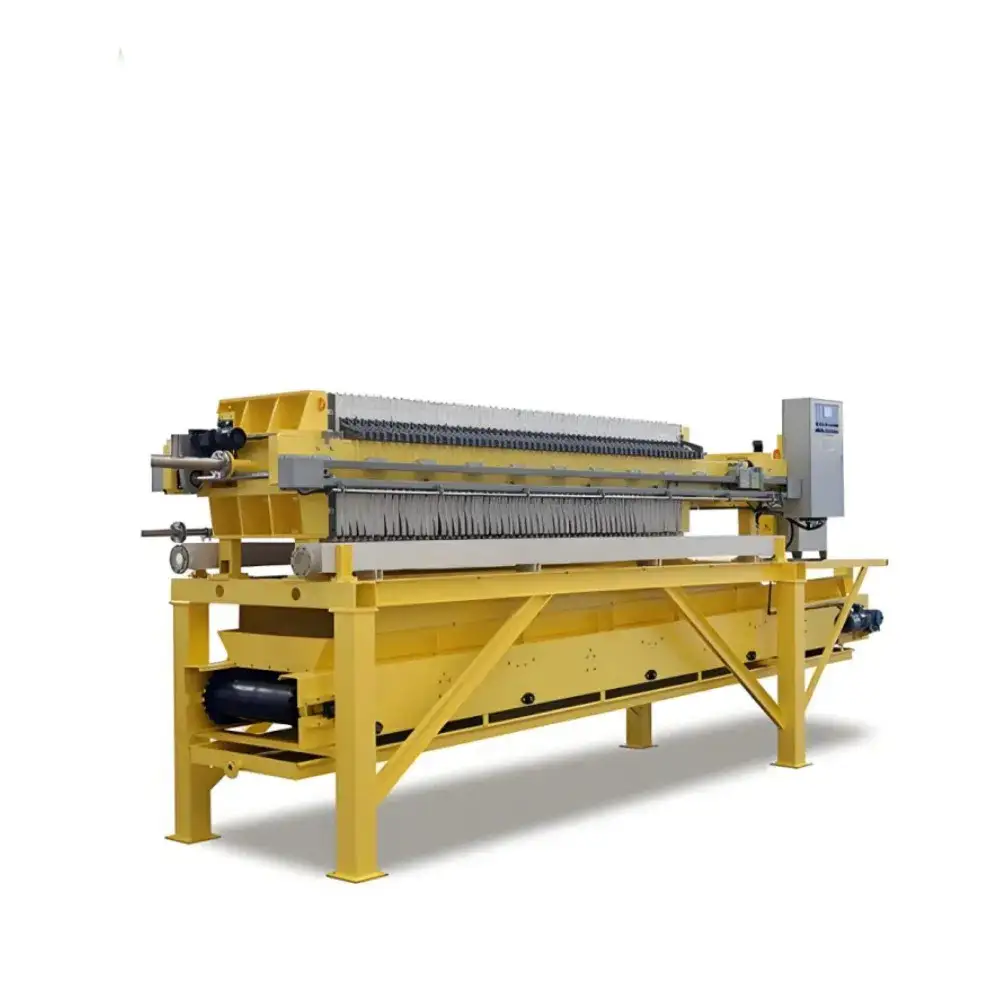
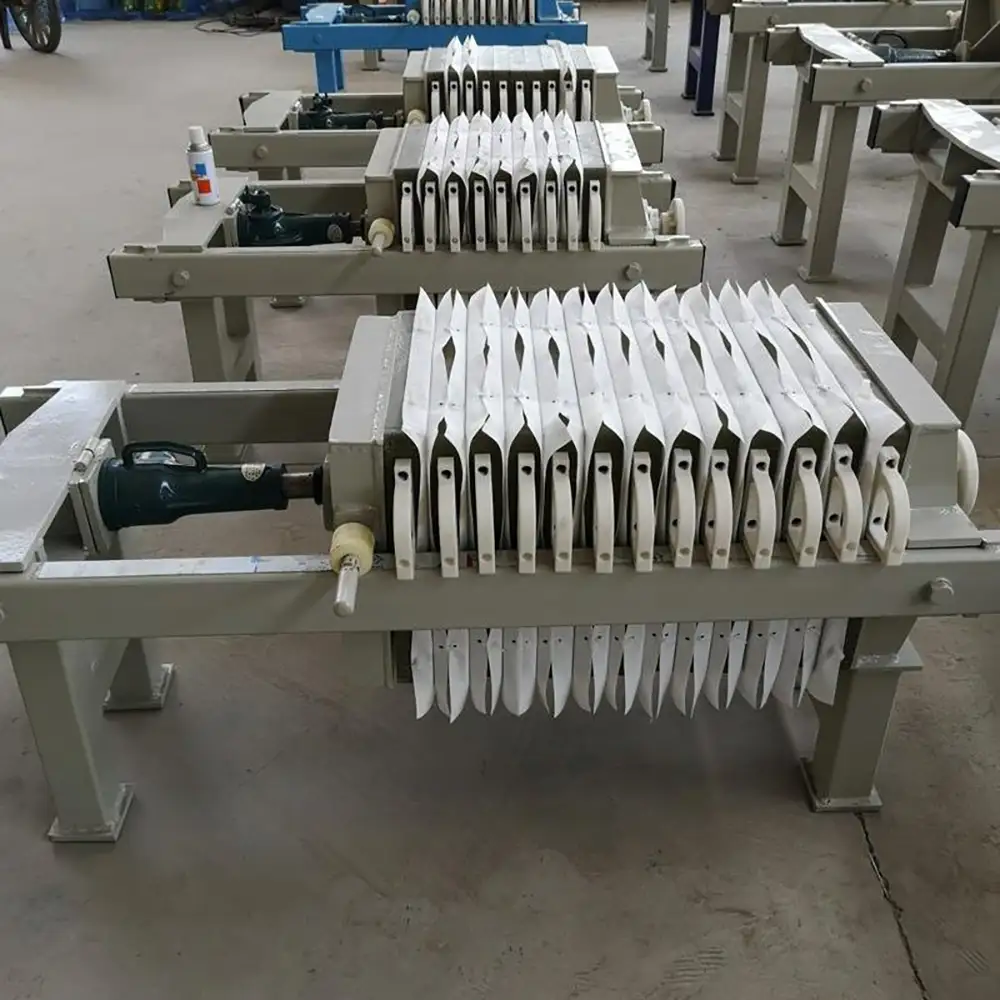
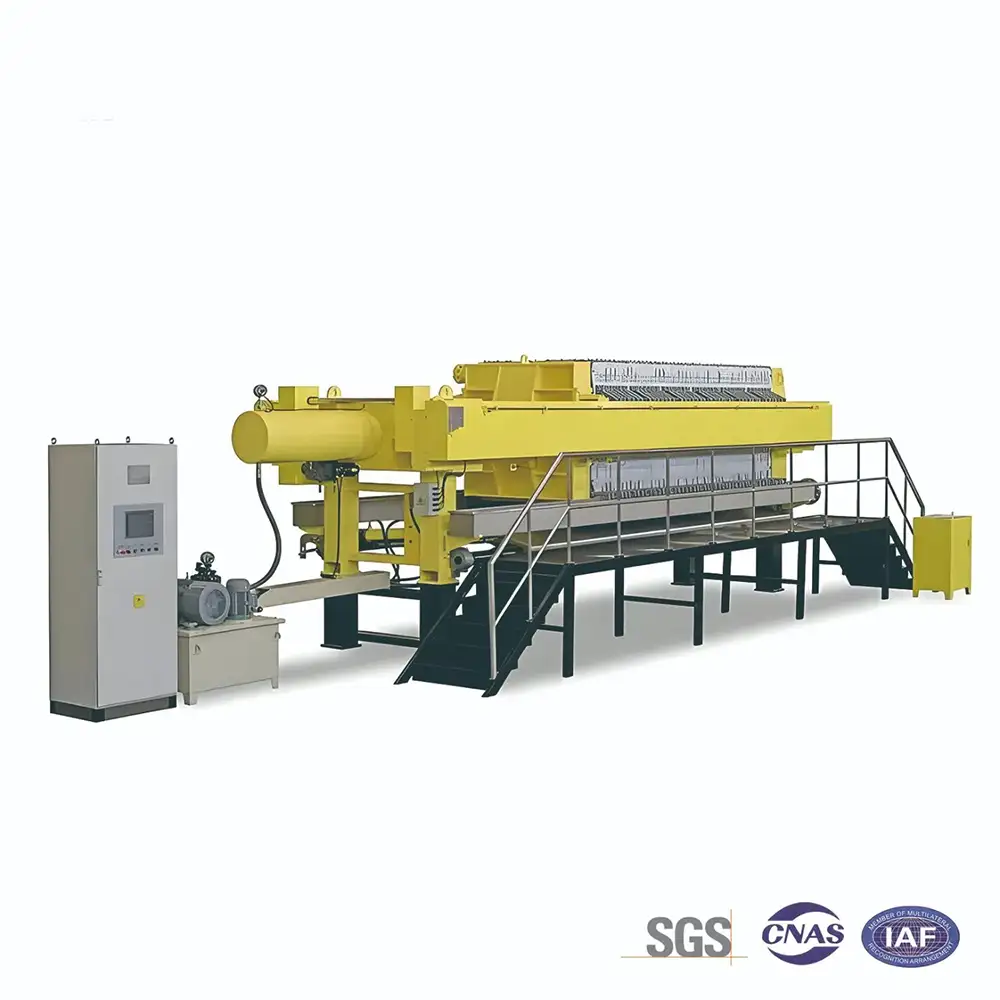
Plate And Frame Filter Press
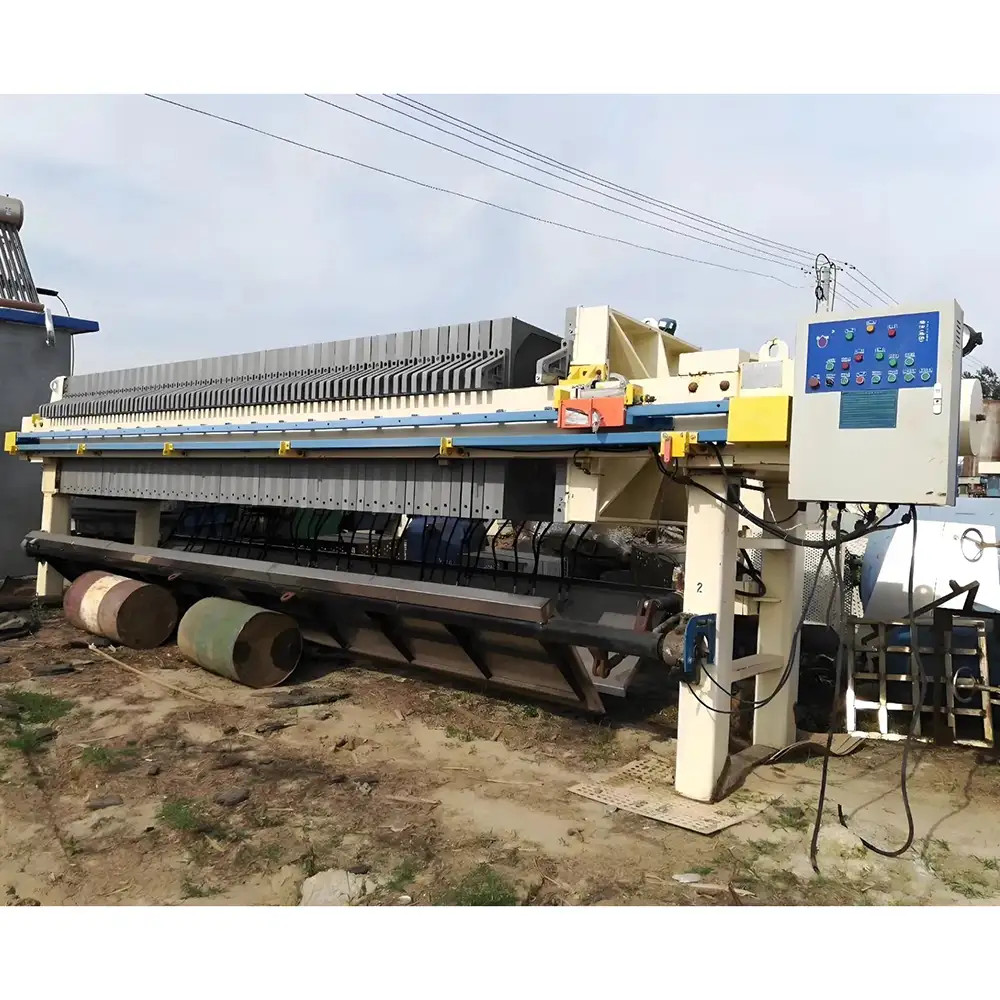
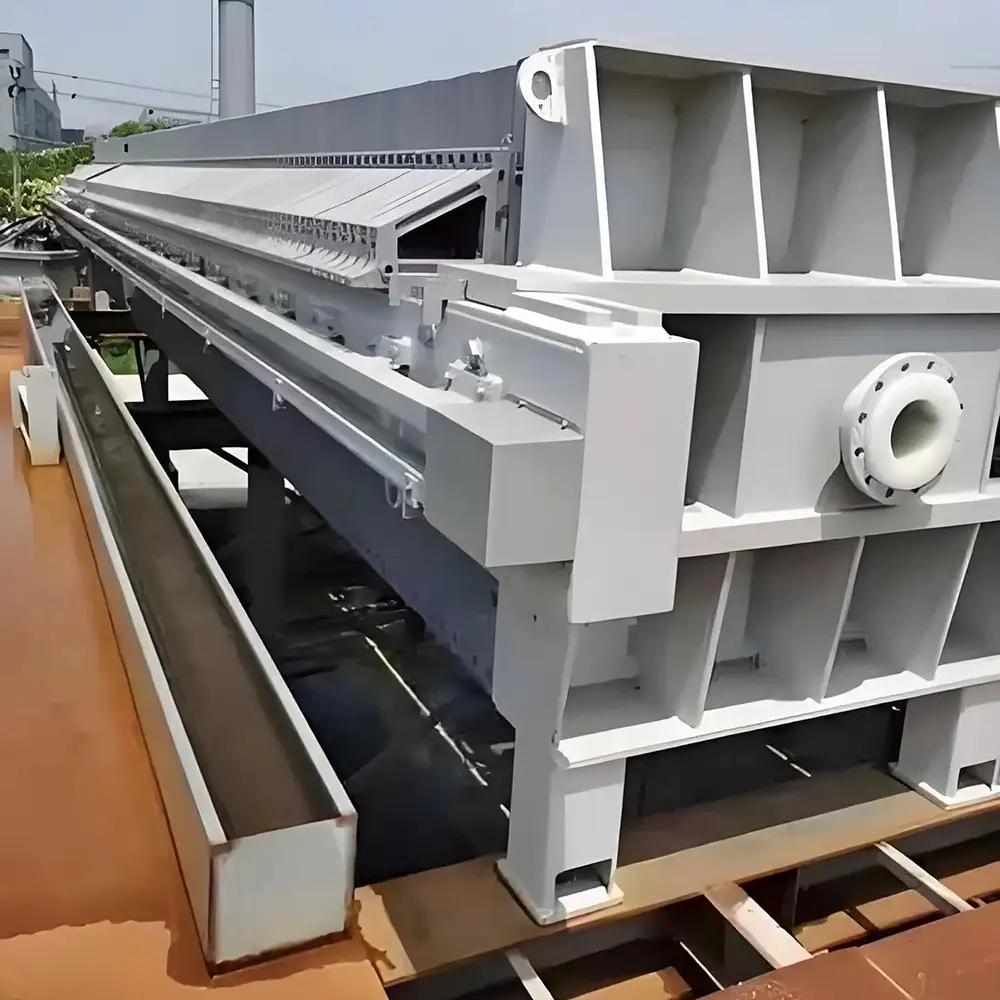
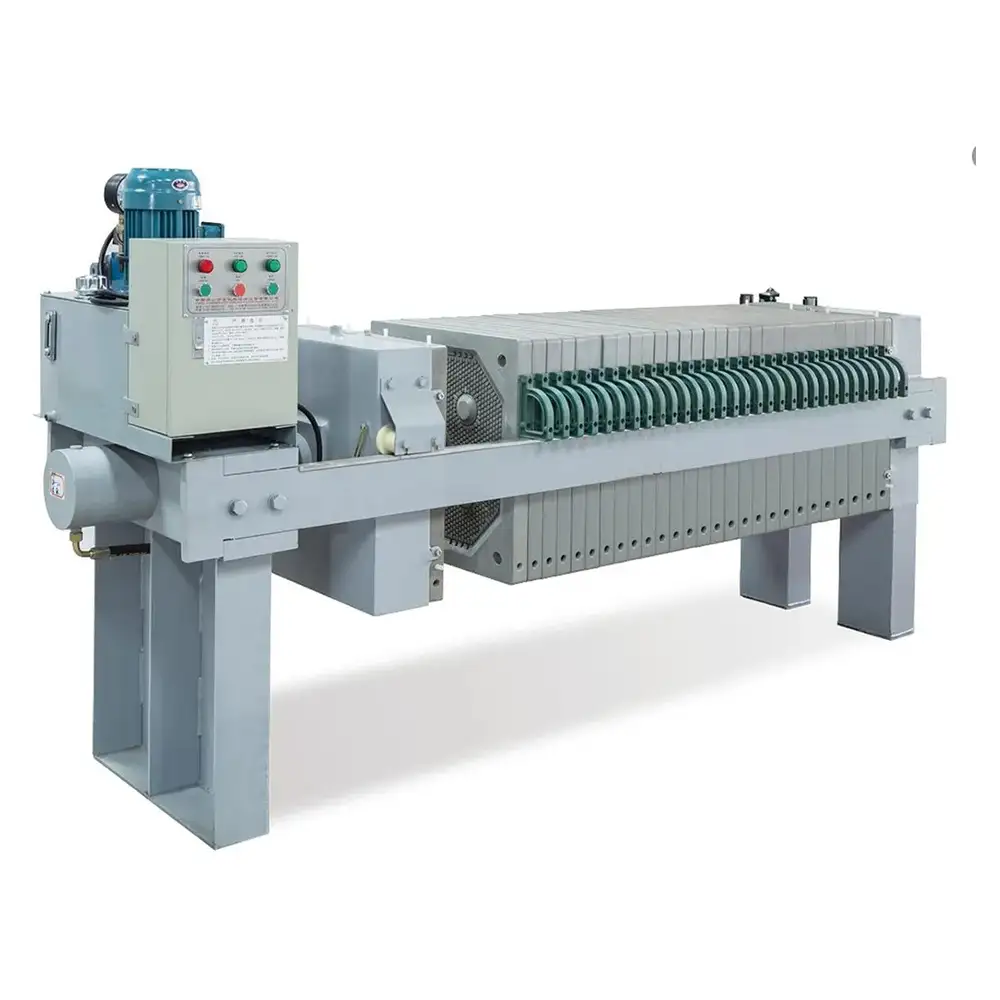
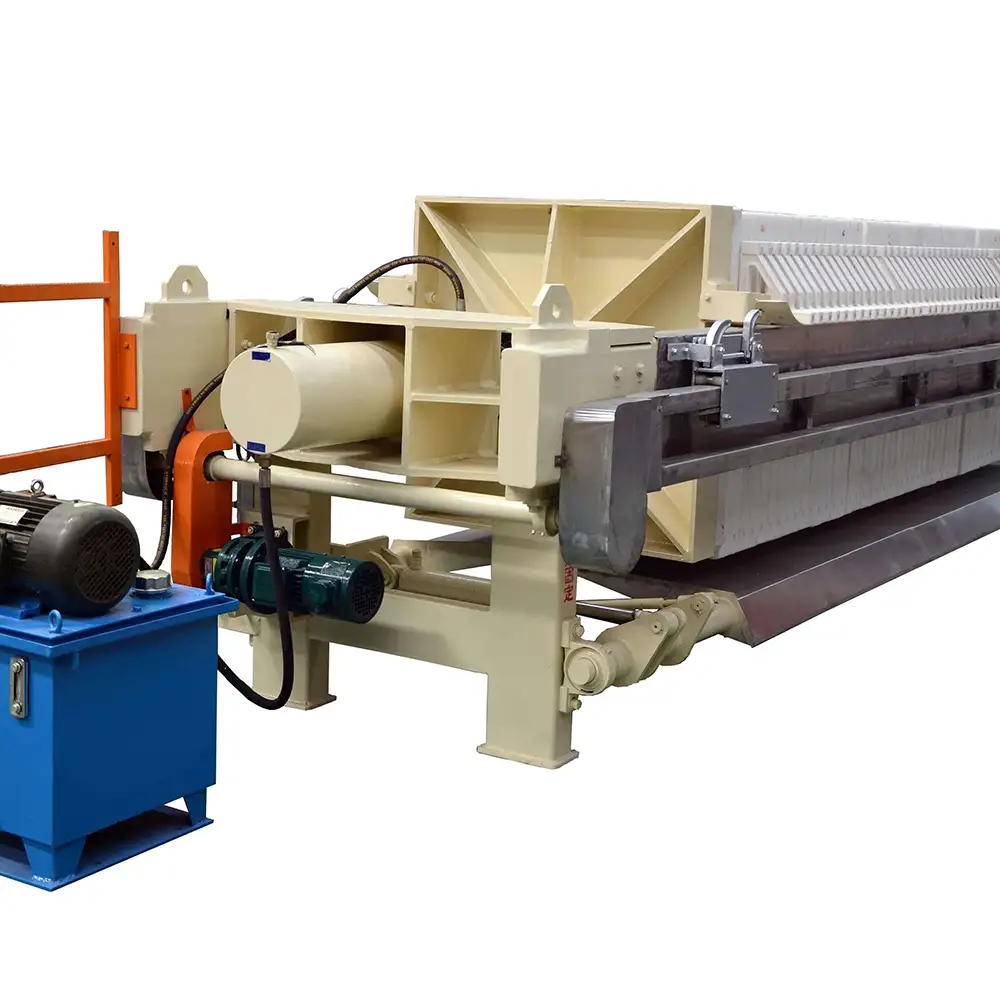
Plate and frame filter presses use pressure filtration to separate liquid from solids.
Sludge is pumped into filtration chambers between plates and frames containing filter cloths. Liquid passes through the cloth while solids accumulate to form a filter cake.
After the filtration cycle is completed, the plates are opened and the filter cake is discharged.
Plate and frame filter presses are suitable for applications requiring pressure filtration and can be configured with different filtration areas, filter cloths, plate materials, and hydraulic systems.
Belt Filter Press
A belt filter press uses gravity drainage and mechanical compression to remove water from sludge.
The sludge passes through different treatment zones where free water drains away before mechanical pressure is applied between filter belts.
Belt filter presses can provide continuous dewatering and are suitable for wastewater treatment plants and industrial applications where continuous sludge processing is required.
Actual dewatering performance depends on sludge properties, polymer conditioning, belt configuration, pressure, and operating conditions.
Decanter Centrifuge Dewatering
Decanter centrifuges use centrifugal force to separate solids from liquid.
The sludge is introduced into a rotating bowl, where centrifugal force causes denser solids to move toward the bowl wall while clarified liquid forms an inner layer.
A differential screw conveyor transports the separated solids toward the discharge outlet.
Decanter centrifuges can be considered for applications requiring continuous processing, relatively high throughput, and automated solid-liquid separation.
Sludge Conditioning
Some sludge types require conditioning before mechanical dewatering.
Polymer dosing, chemical conditioning, or other pretreatment methods can improve floc formation and help release water from sludge particles.
The appropriate conditioning method depends on the physical and chemical properties of the sludge.
Laboratory or pilot testing can help determine suitable chemicals and operating conditions before full-scale equipment selection.
Sludge Cake Handling
After dewatering, sludge is discharged as a partially dewatered cake.
The cake can be transported using screw conveyors, belt conveyors, pumps designed for suitable solids, or other material handling systems.
Depending on the final treatment route, the dewatered sludge may be sent for composting, drying, thermal treatment, incineration, recovery, or disposal.
Reducing the water content before downstream treatment can help reduce the volume and handling requirements of the sludge.
Sludge Incineration
Sludge incineration is a thermal treatment process used to significantly reduce the organic fraction and volume of suitable sludge.
Unlike mechanical dewatering, incineration does not primarily separate water from solids. Instead, it uses controlled combustion at elevated temperatures to thermally treat combustible components of the sludge.
A sludge incineration system may include sludge feeding, drying or pre-drying, primary combustion, secondary combustion, flue gas treatment, ash collection, exhaust handling, and control systems.
The actual configuration depends on sludge composition, moisture content, calorific value, required treatment capacity, and applicable environmental requirements.
Sludge Drying Before Incineration
Dewatering and drying can be important preparation stages for sludge incineration.
Mechanical dewatering removes a portion of the water, while thermal drying can further reduce moisture before combustion.
Lower moisture content can improve the thermal characteristics of suitable sludge and may affect the overall energy balance of the incineration process.
The need for pre-drying depends on sludge moisture, calorific value, combustion technology, and system design.
Multi-Stage Combustion
A sludge incineration system can use controlled combustion zones to improve thermal treatment.
Depending on the design, a primary chamber can support initial combustion while a secondary chamber provides additional residence time and controlled conditions for further oxidation of combustible gases.
Combustion air distribution, temperature, feed rate, and residence time are important operating parameters.
The actual combustion configuration should be selected according to the properties of the sludge and the applicable project requirements.
Flue Gas Treatment
Thermal treatment produces exhaust gases that require appropriate handling and treatment.
A complete sludge incineration system may include cooling, dust collection, gas cleaning, adsorption, neutralization, or other flue gas treatment technologies according to the characteristics of the exhaust gas and applicable environmental requirements.
The specific flue gas treatment configuration should be determined through engineering design and emissions analysis.
Ash Handling
After incineration, inorganic materials remain as ash.
The ash handling system can collect, cool, convey, and temporarily store the resulting material.
Depending on its composition and local requirements, ash may require further treatment, recovery, transportation, or disposal.
Ash characteristics should be analyzed before determining the appropriate downstream handling method.
Environmental Protection Equipment
Environmental protection equipment covers a wide range of technologies designed to reduce pollutants, control emissions, manage waste, and improve resource utilization.
For sludge management, equipment can include solid-liquid separators, sludge dewatering machines, drying systems, incinerators, dust collectors, flue gas treatment systems, pumps, conveyors, tanks, and control systems.
These components can be combined into an integrated treatment line according to the project requirements.
Integrated Sludge Treatment System
A complete sludge treatment process may combine several technologies.
A representative process could include sludge collection, thickening, conditioning, mechanical dewatering, drying, thermal treatment or incineration, flue gas treatment, and ash handling.
Not every project requires all stages. The process should be selected according to sludge properties, treatment objectives, local environmental requirements, and final disposal or recovery options.
Industrial Applications
Sludge treatment equipment can be used in municipal wastewater plants and many industrial sectors.
Potential applications include chemical manufacturing, food processing, paper mills, textile production, pharmaceutical manufacturing, mining and mineral processing, petrochemical operations, livestock waste treatment, and other industries that generate sludge.
Different industries produce sludge with significantly different characteristics, so equipment selection should be based on actual material analysis.
Automatic Control And Monitoring
Modern sludge treatment systems can incorporate automatic control to improve process stability and reduce manual operation.
Depending on the equipment configuration, monitoring may include sludge feed rate, pressure, temperature, moisture, motor load, liquid level, combustion conditions, exhaust parameters, and other operating variables.
Automation can coordinate feeding, dewatering, thermal treatment, conveying, and auxiliary systems.
Durable Industrial Construction
Sludge treatment equipment operates in environments where moisture, abrasion, chemicals, heat, and continuous mechanical movement may be present.
Equipment materials and components can therefore be selected according to the specific application.
Wear-resistant components may be considered for abrasive sludge, while corrosion-resistant materials can be used where the process contains aggressive chemicals. High-temperature components and suitable refractory materials are important for thermal treatment systems.
Customized Sludge Treatment Solutions
Every sludge treatment project has different requirements.
Important design factors include sludge type, daily production, solids concentration, moisture content, particle size, organic content, calorific value, chemical composition, temperature, required cake moisture, final disposal method, and available installation space.
Customers can provide sludge analysis, process information, treatment capacity, and final treatment objectives for equipment evaluation.
B2B Environmental Protection Equipment
For wastewater treatment contractors, environmental engineering companies, municipal treatment facilities, industrial factories, waste management companies, and international equipment distributors, our sludge treatment equipment provides flexible options for solid-liquid separation, sludge dewatering, thermal treatment, and environmental management.
Individual machines can be supplied for specific treatment stages, or multiple technologies can be integrated into a complete sludge treatment system.
From mechanical dewatering to thermal treatment and flue gas management, the equipment configuration can be adapted to the specific characteristics of the project.
Key Features
Efficient Sludge Dewatering Solutions
Industrial Solid-Liquid Separation
Sludge Dewatering Equipment
Screw Press Dewatering
Plate And Frame Filter Press
Belt Filter Press Options
Decanter Centrifuge Separation
Sludge Incineration System
Controlled Multi-Stage Combustion
Flue Gas Treatment Integration
Automatic Process Monitoring
Customized Environmental Protection Equipment
Main Applications
Municipal Wastewater Treatment
Industrial Wastewater Treatment
Chemical Industry
Food Processing Industry
Paper Mill Sludge Treatment
Textile Industry
Pharmaceutical Industry
Mining And Mineral Processing
Petrochemical Industry
Livestock Waste Treatment
Industrial Sludge Management
Environmental Protection Projects
FAQs
1. What Are Sludge Dewatering Solutions?
Sludge dewatering solutions use mechanical or other physical separation methods to remove water from sludge and produce a more concentrated solid cake for subsequent handling or treatment.
2. What Is Sludge Incineration?
Sludge incineration is a thermal treatment process that uses controlled combustion to treat suitable sludge and significantly reduce its organic content and volume.
3. Can Dewatering And Incineration Be Used Together?
Yes. Mechanical dewatering can be used as a preparation stage before drying or incineration. The appropriate process depends on sludge moisture, calorific value, composition, and the selected thermal treatment technology.
4. What Equipment Can Be Used For Sludge Dewatering?
Common options include screw press dewatering machines, plate and frame filter presses, belt filter presses, and decanter centrifuges. The correct choice depends on sludge characteristics and project requirements.
5. What Is Solid-Liquid Separation Used For?
Solid-liquid separation is used to remove or concentrate suspended solids from liquid streams. It can be used in wastewater treatment, sludge processing, industrial filtration, and many other applications.
6. Does Sludge Need To Be Dried Before Incineration?
Not necessarily. The need for drying depends on sludge moisture, calorific value, combustion technology, and system design. Some applications may use mechanical dewatering followed by thermal drying, while others may use suitable combustion configurations directly.
7. Does A Sludge Incinerator Require Flue Gas Treatment?
A properly engineered thermal treatment system generally requires appropriate exhaust and flue gas management. The specific equipment depends on the combustion process, feed material, emissions characteristics, and applicable environmental requirements.
8. What Happens To The Ash After Incineration?
Ash is collected and handled through an appropriate ash management system. Its final treatment, recovery, transportation, or disposal depends on its composition and applicable local requirements.
9. Can The Sludge Treatment System Be Customized?
Yes. Dewatering equipment, sludge conditioning, drying, incineration, flue gas treatment, ash handling, conveyors, pumps, and control systems can be configured according to the project.
10. What Information Is Needed For Equipment Selection?
Important information includes sludge type, daily volume, solids concentration, moisture content, organic content, chemical characteristics, calorific value, desired dewatering performance, final disposal method, and available installation conditions.
Why Choose Us
Complete Sludge Treatment Solutions
We provide equipment options covering solid-liquid separation, sludge dewatering, drying, thermal treatment, incineration, flue gas treatment, and ash handling.
Application-Based Equipment Selection
We evaluate sludge properties, moisture content, solids concentration, production volume, and final treatment requirements to recommend a suitable process configuration.
Customized System Integration
Individual machines or complete treatment lines can be configured with pumps, conveyors, conditioning systems, dewatering equipment, thermal equipment, controls, and auxiliary components.
Industrial-Grade Equipment
Equipment can be selected with suitable materials and components for abrasive, corrosive, wet, or high-temperature operating environments.
Environmental Process Support
We help customers develop practical treatment configurations based on wastewater sludge characteristics and the intended treatment or disposal route.
Prev:
Sludge Treatment Equipment / Metal / Industrial Water Treatment / Electroplating Water Processing Industry / Leather
Next:
Wastewater Treatment Plate Mud Press Filter Sludge Dewatering Machine Filter
TAG:
Industrial Wastewater Treatment Equipment,
Industrial Wastewater Treatment System,
Wastewater Treatment Equipment,
Sludge Solid Liquid Separation,
Industrial Sludge Dewatering,
Sludge Filtration Equipment,
Industrial Sludge Treatment Equipment,
Industrial Sludge Dewatering Machine,
Sludge Dewatering System,
Sludge Dewatering Equipment,
Industrial Sludge Dewatering Equipment,
Screw Press Dewatering Equipment,
Sludge Press Machine,
Sludge Separation Equipment,
Sludge Treatment Equipment,
Sludge Treatment System,
Sludge Treatment Machine,
Industrial Solid Liquid Separation,
Solid Liquid Separator,
Solid Liquid Separation Equipment,
Solid Liquid Separation Machine,
Sludge Separation Machine,
Sludge Separator Machine,
Sludge Filter Press,
Sludge Dewatering Machine,
Sludge Filter Press Machine,
Plate And Frame Filter Press,
Dust Collection Equipment,
Flue Gas Cleaning System,
Thermal Waste Treatment Equipment,
Related Category:
Sludge Dewatering Solutions, Sludge Dewatering Equipment, Sludge Incineration Equipment, Sludge Incinerator, Solid-Liqui China, suppliers, manufacturers, factory, customized, wholesale, quotation, made in China