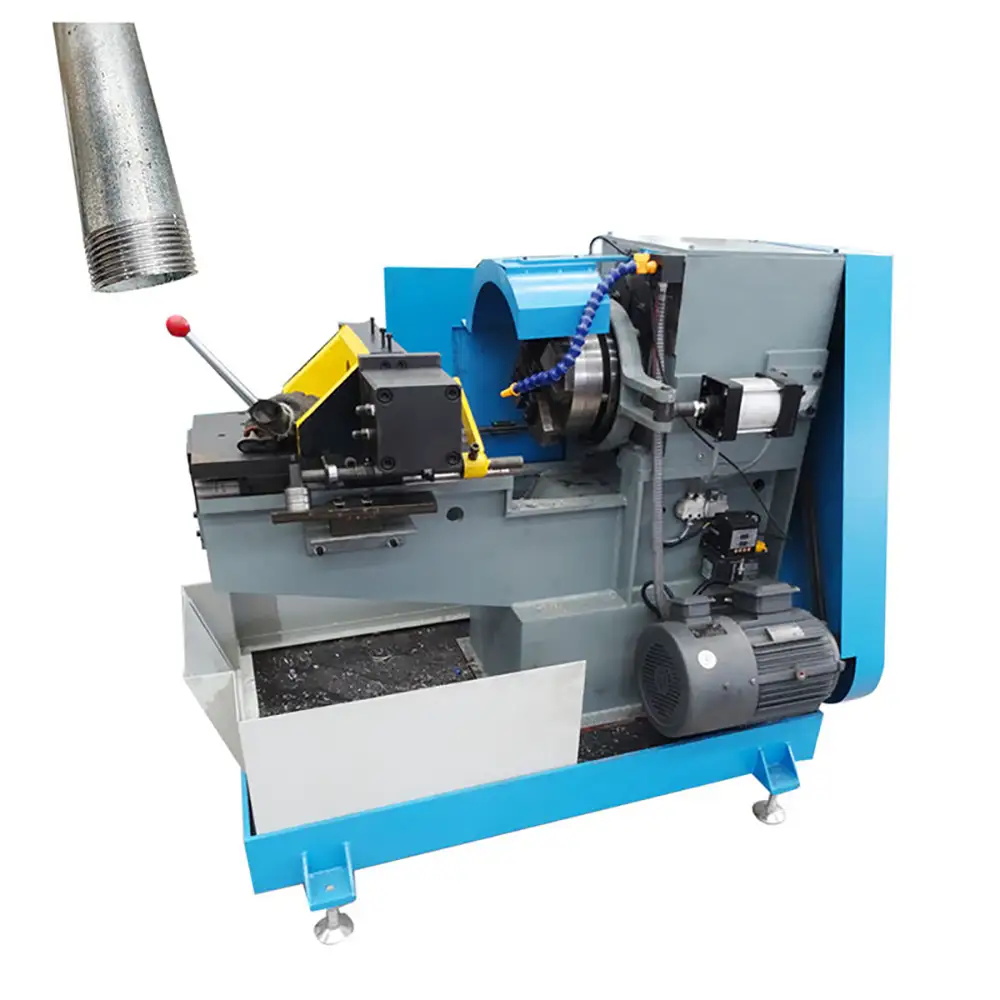
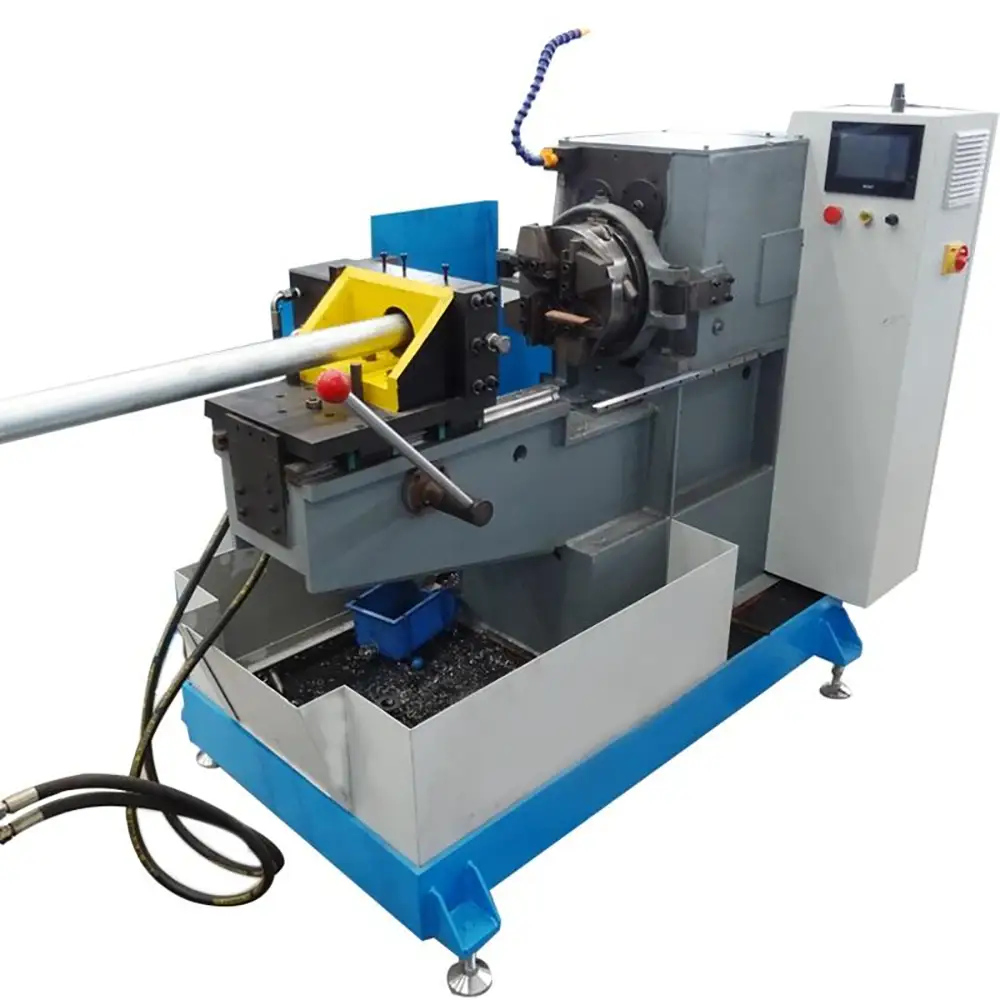
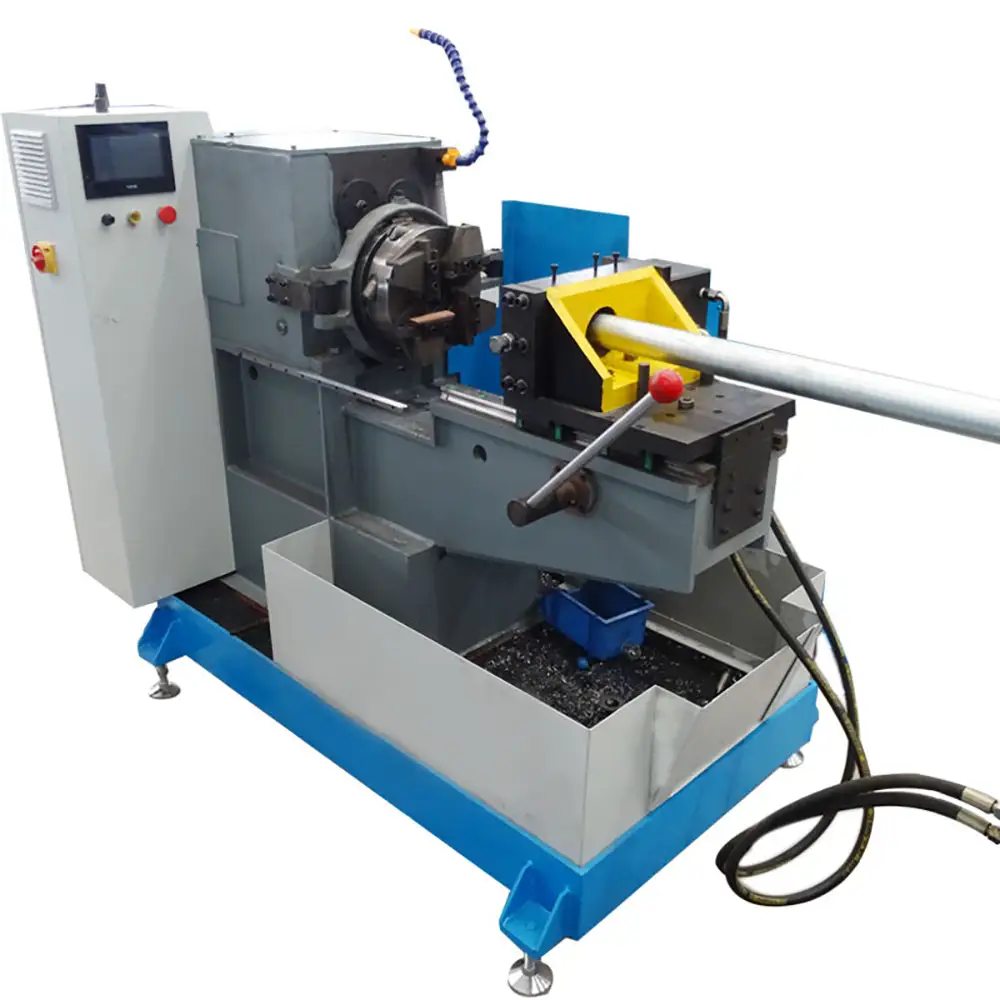
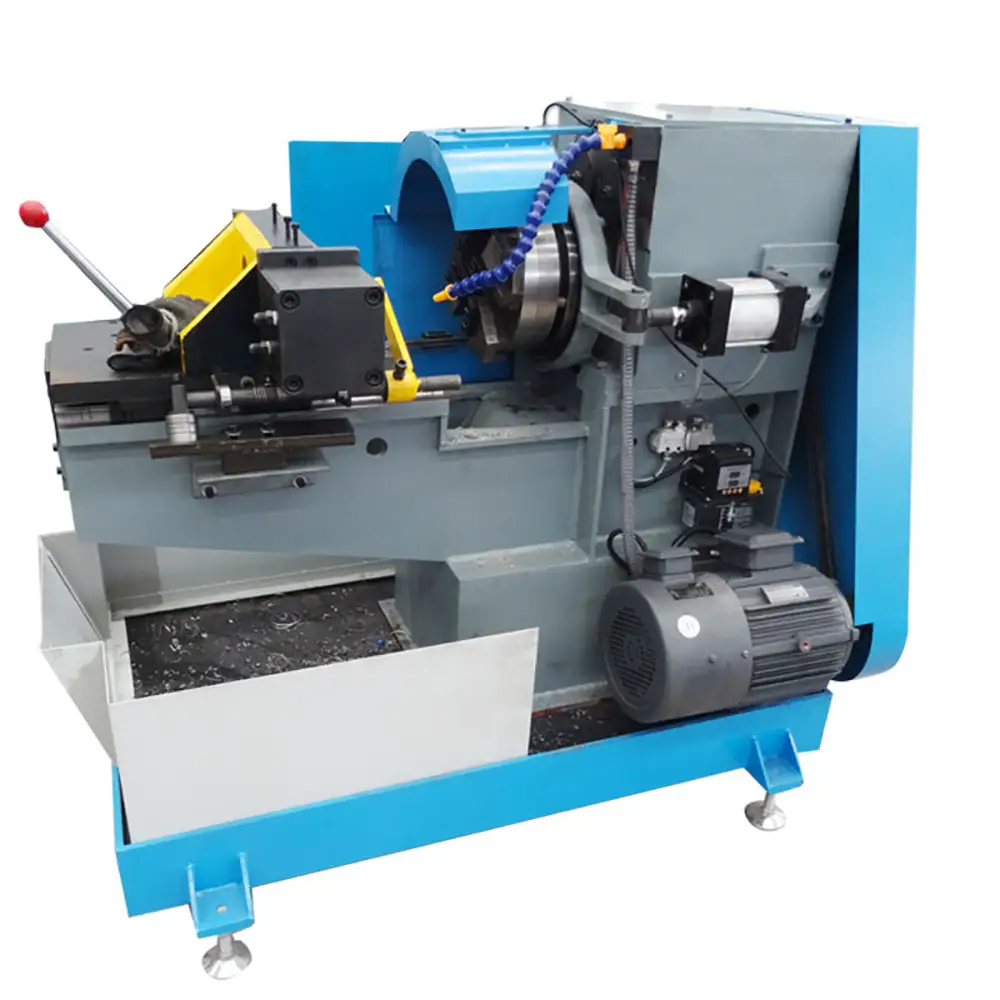
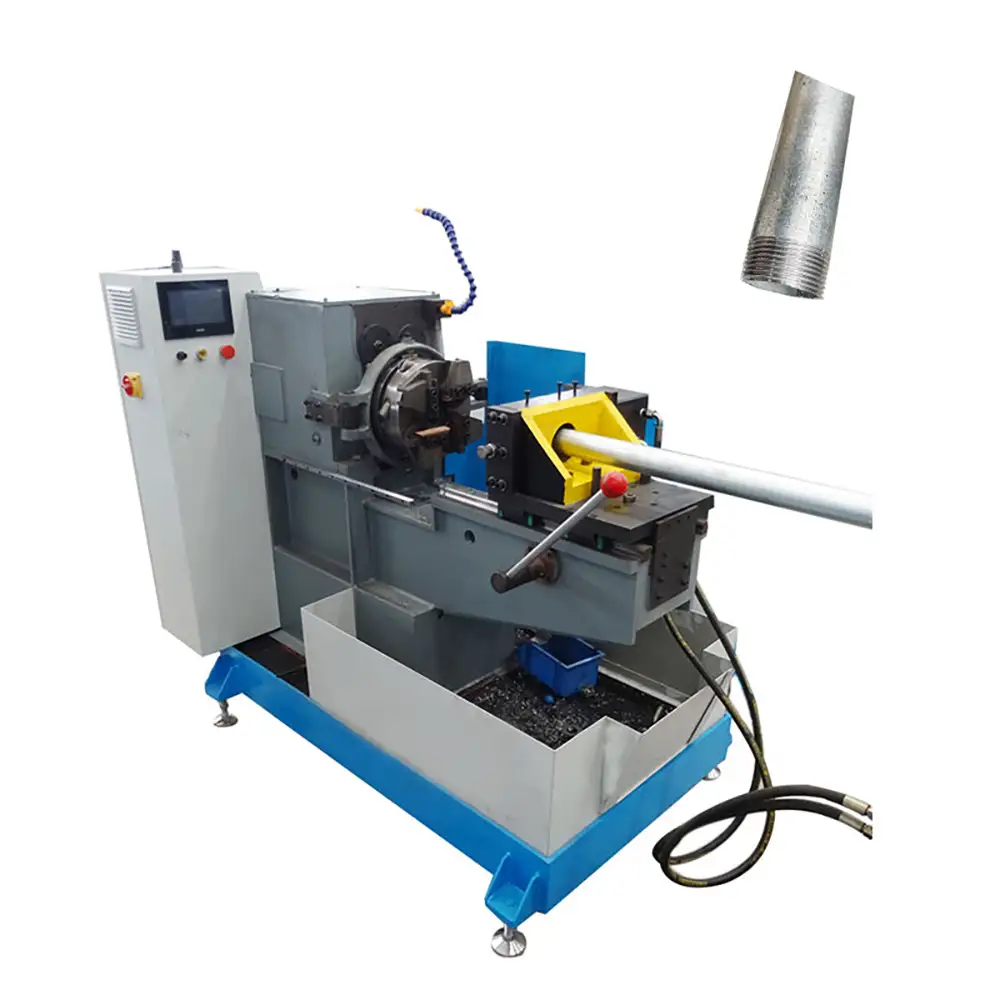
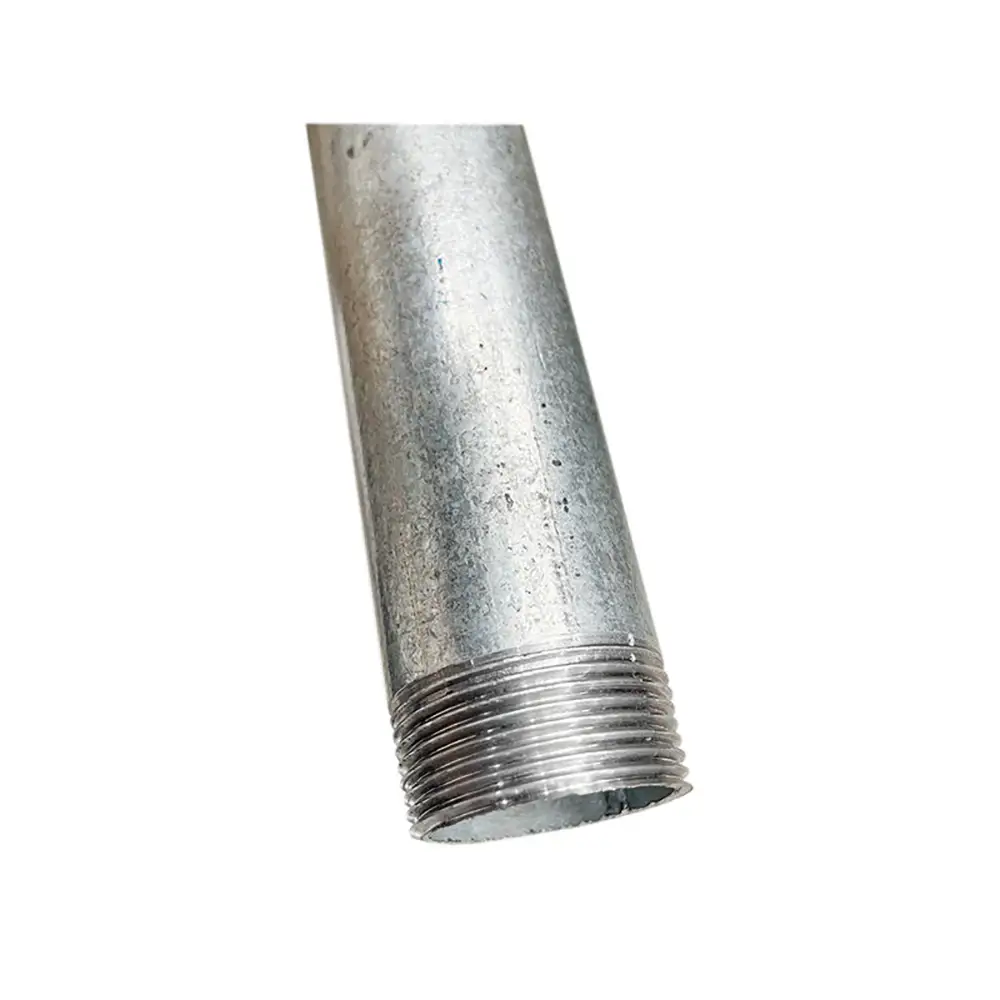
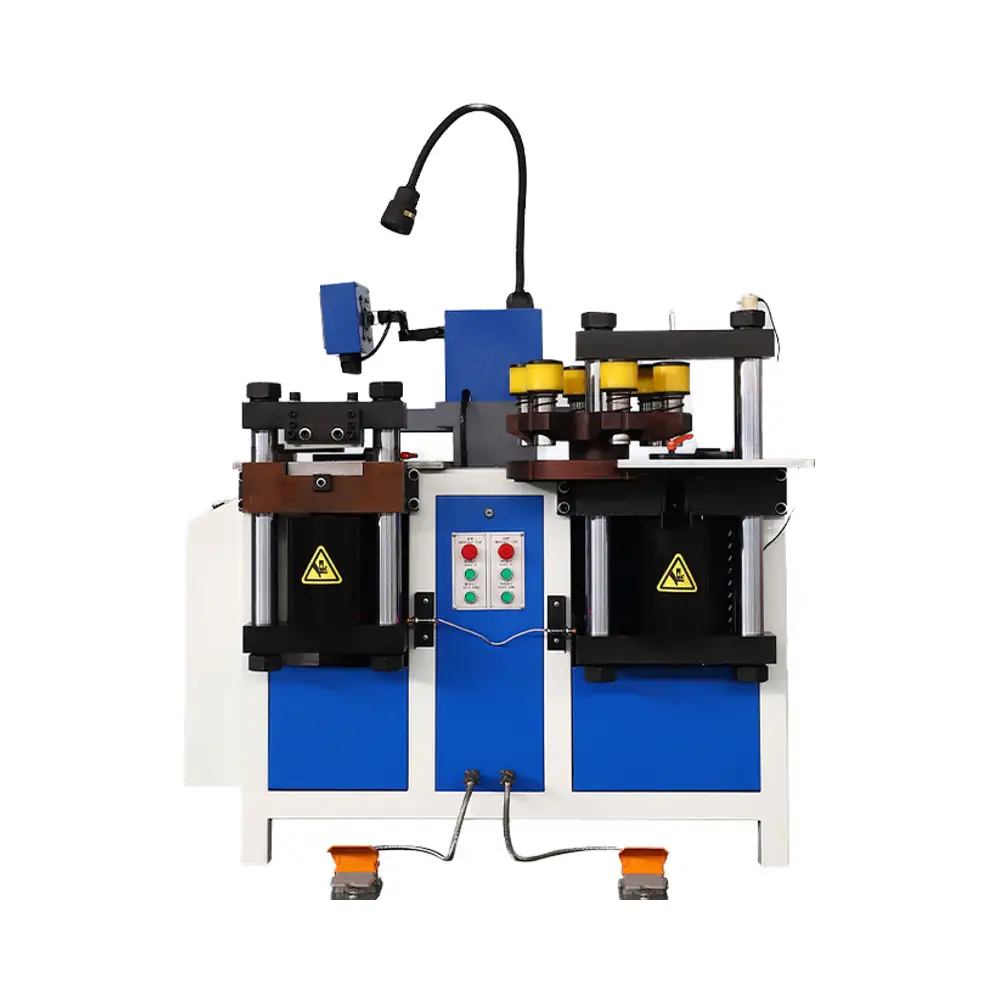
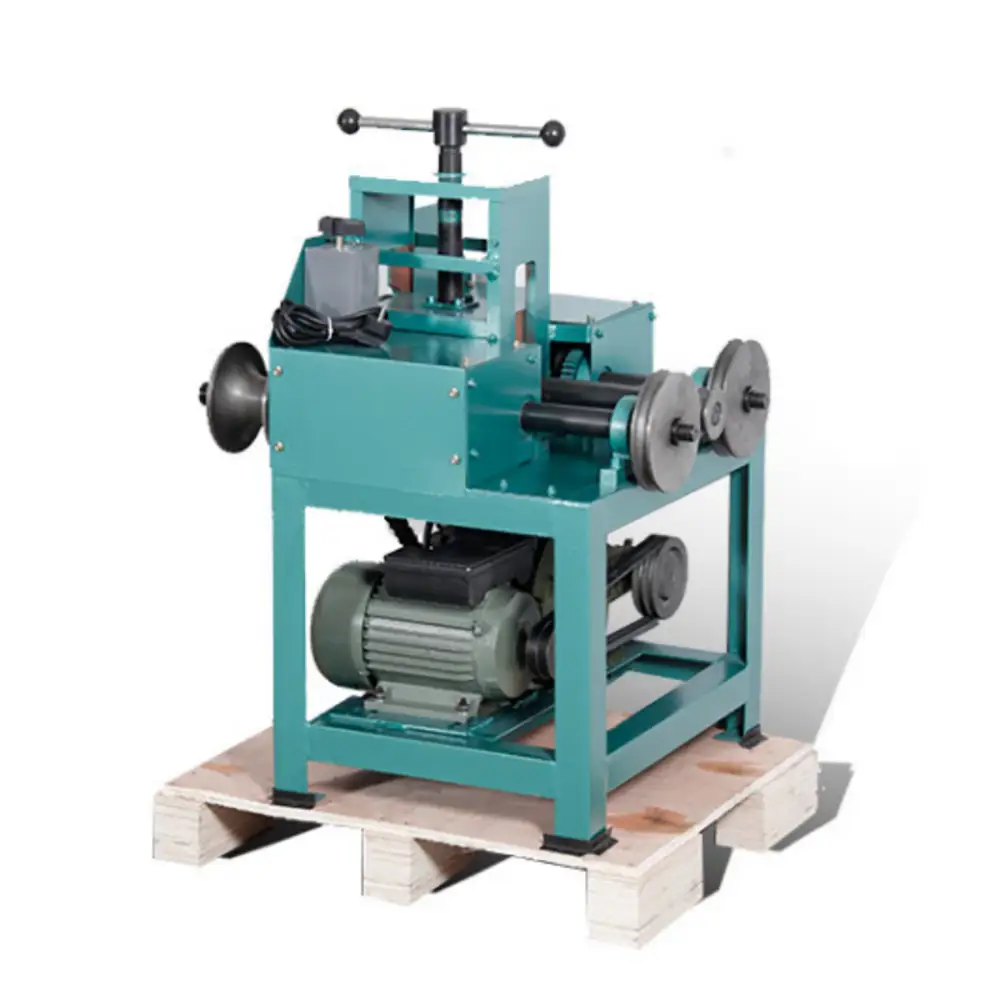
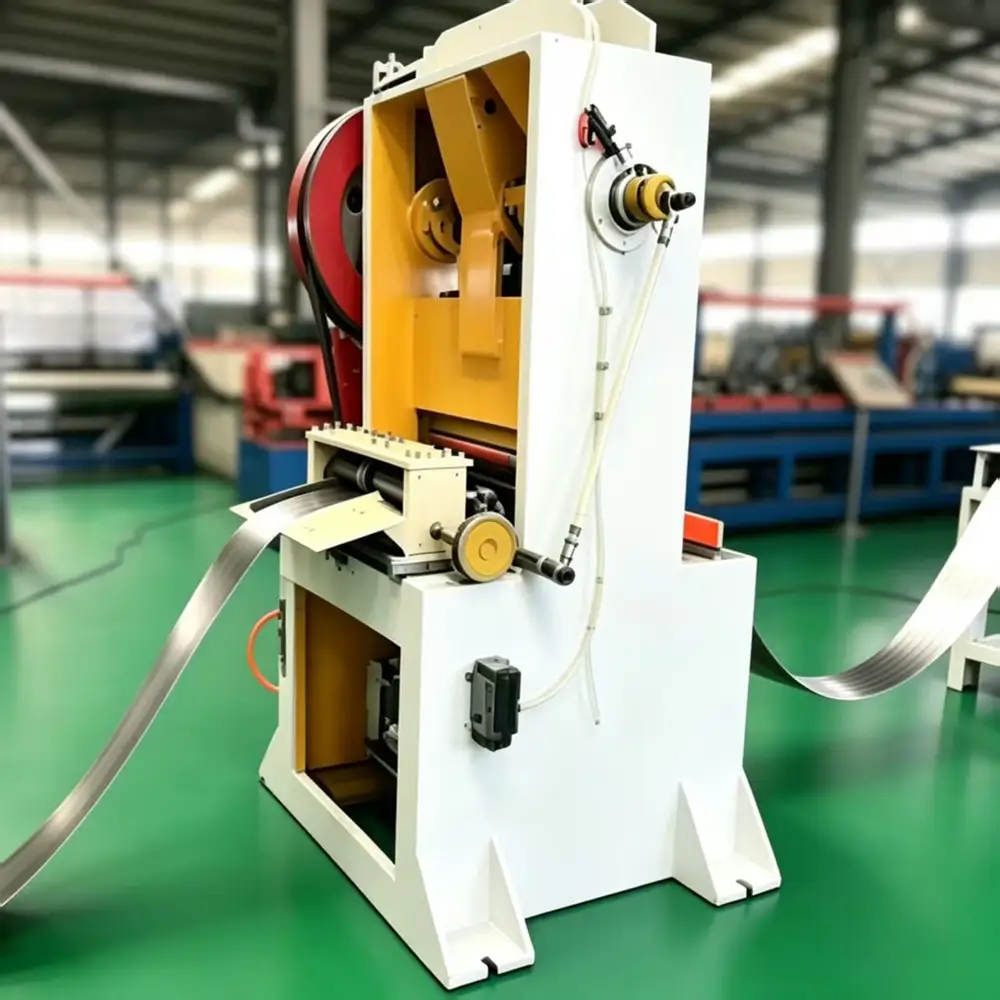
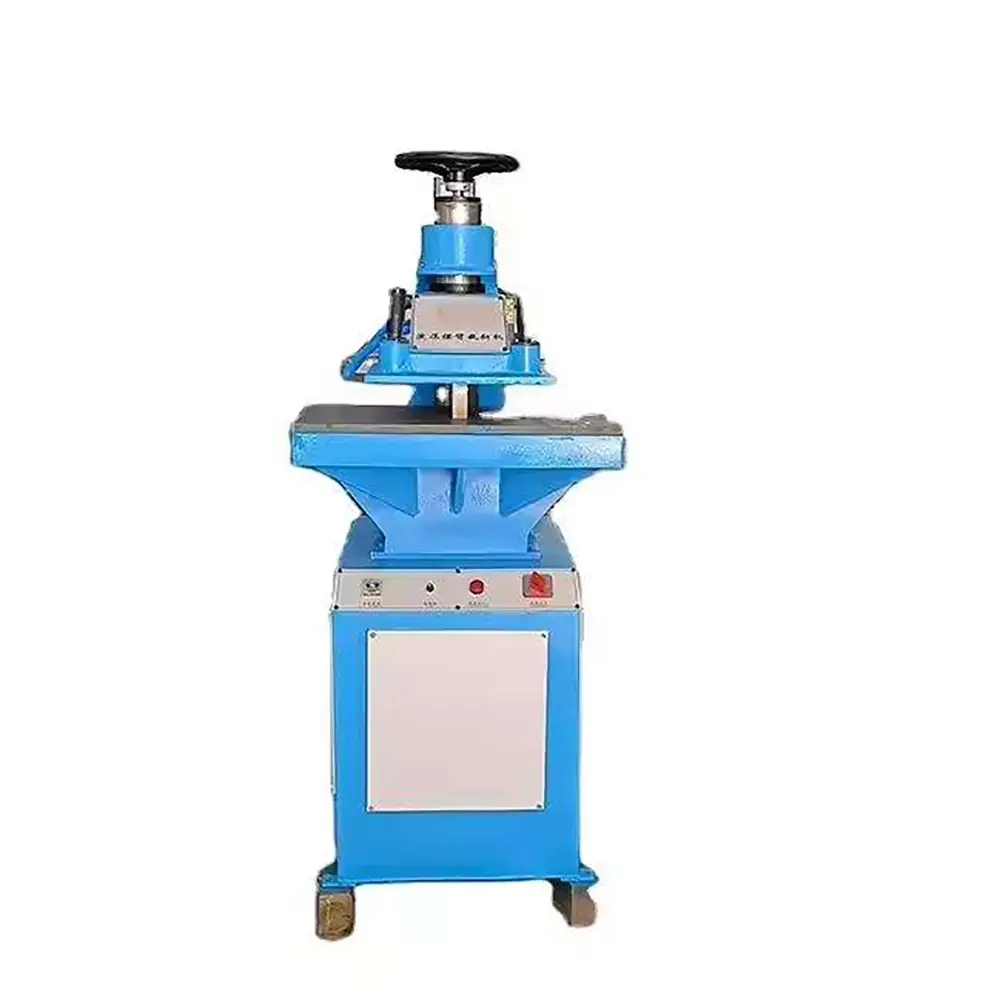
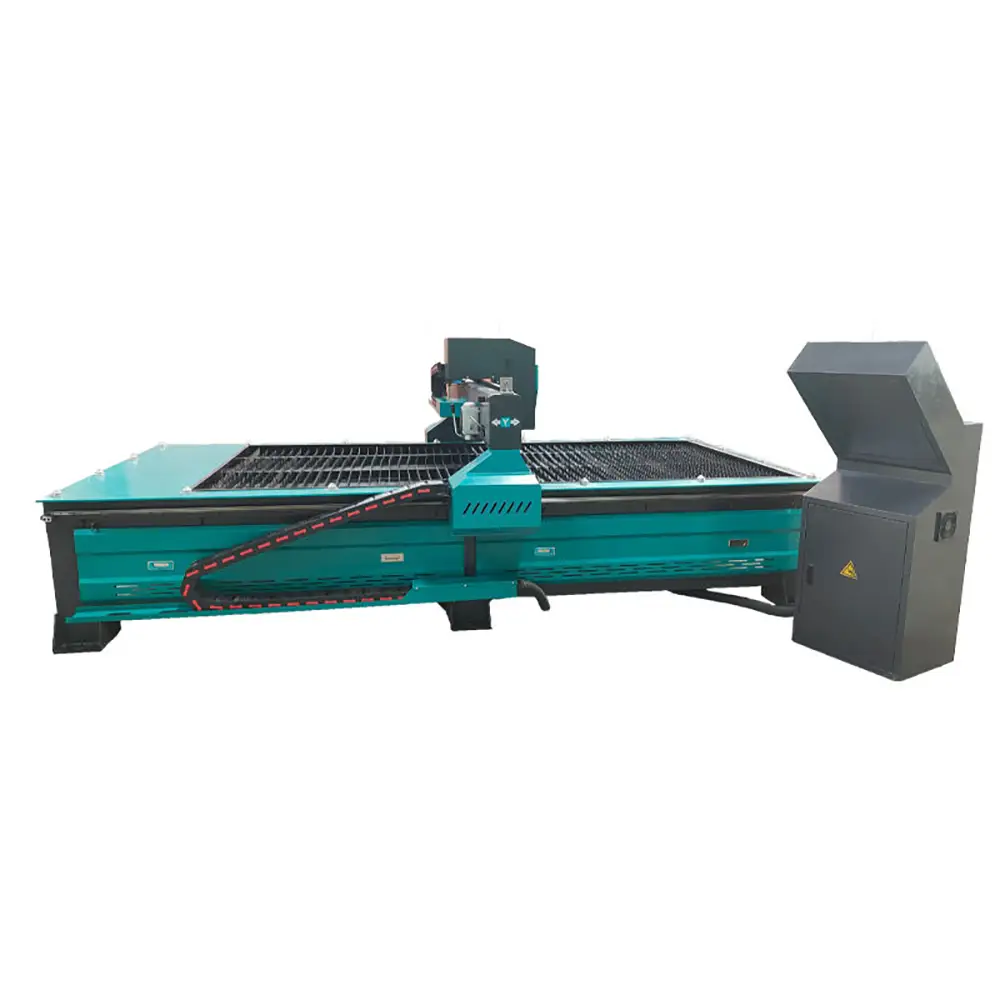
1, single-headed manual feed pipe, suitable for short pipes
2, the machine is simple to operate, high efficiency
3, the threading tool can be used 30,000-50,000 times
4, light weight and small size of the machine, can be moved at will
|
Model |
65 |
|
Control type |
NC, semi automatic |
|
Power |
8.2kw |
|
Threading capacity |
DN25-DN65 |
|
Processing efficiency |
10 S/ pieces |
|
Tool life |
30,000-50,000 pieces |
|
Size |
1600x600x115mm |
|
Weight |
900kg |
Product Description
A Screw Thread Rolling Machine is an efficient metal forming solution for producing external threads on screws, bolts, pipes, rods, studs, and other cylindrical workpieces. Instead of removing material through traditional cutting operations, thread rolling forms the thread profile by pressing and displacing metal between hardened rolling dies. This cold-forming process can provide consistent thread geometry, productive cycle times, and a strong surface finish when the machine, tooling, material, and workpiece dimensions are properly matched.
This machine is suitable for manufacturers looking for a reliable screw making machine, pipe thread rolling equipment, fastener production machinery, or industrial thread forming solution. Depending on the machine configuration and tooling, it can be used for different thread profiles, workpiece diameters, thread lengths, and production requirements.
Efficient Thread Forming for Screws and Pipes
The main purpose of a thread rolling machine is to create accurate external threads through controlled forming pressure. During operation, the workpiece is positioned between thread rolling dies. As the dies rotate and apply pressure, the metal flows into the required thread profile.
For screw and fastener manufacturers, this process can reduce reliance on conventional thread cutting and provide a repeatable production method. For pipe-related applications, suitable tooling can be selected for external pipe threads and other cylindrical threaded components.
The exact processing range depends on the machine model, rolling die configuration, workpiece material, diameter, thread specification, and required production speed.
Cold Thread Rolling Technology
Cold thread rolling is a metal forming process performed without intentionally heating the workpiece to forming temperature. The rolling dies apply pressure to the surface of the material and form the thread profile through plastic deformation.
Compared with cutting-based thread production, rolling can provide several manufacturing advantages:
Efficient external thread forming
Consistent thread profiles
Smooth formed surfaces
Reduced material removal
High repeatability in batch production
Suitable for automated production workflows
Effective processing of many ductile metal materials
The suitability of cold thread rolling depends strongly on material properties. Materials must have sufficient ductility and forming characteristics for the intended thread specification.
Screw Making Machine for Industrial Production
When configured as a screw making machine, the thread rolling machine can be integrated into a larger fastener manufacturing process. It can be used after operations such as cutting, heading, forging, or blank preparation, depending on the product design.
Typical applications include:
Screws
Bolts
Studs
Threaded rods
Fasteners
Pins with external threads
Automotive threaded components
Construction hardware
Machinery components
Electrical hardware
General industrial threaded parts
For high-volume manufacturing, the machine can help establish a repeatable thread-forming operation and reduce manual processing between production stages.
Pipe Thread Rolling Applications
Pipe thread rolling requires appropriate dies and machine configuration for the target pipe or tube dimensions. The process can be used for selected external-threaded pipe components where the material and geometry are suitable for rolling.
Typical applications may include pipe fittings, threaded tube components, mechanical connections, industrial piping components, and fabricated metal parts.
Because pipe standards and thread profiles vary by market and application, buyers should provide the required thread standard, outside diameter, pitch, thread length, material, and workpiece drawings when requesting a machine configuration.
Thread Rolling Dies and Tooling
Thread rolling dies are one of the most important components of the complete system. The die profile must match the required thread specification and workpiece geometry.
Different tooling configurations can support different thread types, pitches, diameters, and production requirements. Depending on the machine design, customers may select tooling based on the specific products they manufacture.
Proper die installation and alignment are essential. Incorrect tooling setup can lead to uneven thread profiles, dimensional variation, excessive forming pressure, or premature die wear.
For customized orders, providing product drawings or sample workpieces allows the manufacturer to evaluate the appropriate rolling process and tooling requirements.
Stable Machine Construction
A thread rolling machine needs a rigid structure because the forming process generates substantial pressure between the workpiece and rolling dies. A stable machine frame helps maintain die alignment and consistent forming conditions during production.
The machine can be configured with appropriate mechanical, hydraulic, electrical, or automated control systems according to the model and production requirements. Controls can be designed to support repeatable operating sequences and convenient adjustment.
For industrial customers, machine configuration can be selected according to required production volume, workpiece dimensions, thread specifications, and automation level.
Production Efficiency
For manufacturers producing large quantities of threaded components, thread rolling can be an effective production method. Once the machine and tooling are properly set up, operators can process repeated workpieces with consistent forming conditions.
Production efficiency depends on the workpiece size, thread length, material, machine configuration, loading method, tooling, and operator setup. Automatic feeding or integration with upstream and downstream equipment may also be considered for higher-volume production lines.
This makes the machine suitable for fastener factories, metalworking companies, automotive component manufacturers, machinery manufacturers, hardware suppliers, and other industrial producers.
Material Compatibility
Thread rolling can be used with various metal materials when their mechanical properties are suitable for cold forming. Common candidate materials may include certain carbon steels, alloy steels, stainless steels, copper alloys, aluminum alloys, and other ductile metals.
However, not every material is suitable for every rolling application. Hardness, tensile properties, ductility, diameter, thread geometry, and required forming pressure should be evaluated before production.
Customers should provide the exact material grade and workpiece specifications so the machine and tooling can be matched appropriately.
Applications Across Multiple Industries
A Pipe Thread Rolling Machine or screw thread rolling system can serve many industrial sectors.
In the automotive industry, threaded shafts, studs, fasteners, and other components may require repeatable external threads.
In construction hardware manufacturing, the machine can process selected bolts, threaded rods, anchors, and other threaded products.
In machinery manufacturing, it can be used for threaded mechanical components and customized industrial parts.
For pipe and tube manufacturers, suitable tooling can support selected external-threading applications.
Hardware and fastener wholesalers can also use thread rolling equipment to establish in-house production for customized threaded components.
Easy Integration Into Production Lines
A modern thread rolling machine can be used as a standalone production machine or incorporated into a broader manufacturing line. Depending on the application, material feeding, workpiece loading, thread rolling, inspection, and collection can be organized into a repeatable workflow.
Automation can be considered when customers need higher production efficiency or reduced manual handling. Sensors, automatic feeding systems, counting systems, and other auxiliary equipment may be available depending on the machine model and project requirements.
Installation and Setup
Before installation, the production area should provide a suitable foundation, sufficient working space, electrical power, and safe access for operators and maintenance personnel.
After positioning the machine, the rolling dies should be installed according to the manufacturer's instructions. Die alignment, workpiece positioning, forming pressure, and rolling parameters should be checked before regular production.
Trial production is recommended when introducing a new material, thread profile, or workpiece dimension.
Maintenance and Operating Considerations
Regular maintenance helps keep the machine operating consistently. Operators should inspect rolling dies, moving components, lubrication points, fasteners, electrical connections, and other wear components according to the maintenance schedule.
Rolling dies should be kept clean and inspected for damage or abnormal wear. Lubrication should be performed using the recommended lubricant and maintenance procedure.
If thread quality changes during production, the operator should check workpiece material, die condition, alignment, machine settings, and forming parameters before continuing large-scale production.
OEM, ODM, and Custom Thread Rolling Solutions
For international B2B customers, machine configurations can be customized according to product requirements. OEM and ODM cooperation may include machine specifications, rolling dies, feeding systems, electrical configurations, working ranges, automation features, and other project-specific requirements.
As a Thread Rolling Machine Manufacturer, Factory, and Supplier, we can support customers with machine selection, technical consultation, tooling matching, production requirements, and export-oriented equipment solutions.
Customers are encouraged to provide product drawings, thread standards, material grades, workpiece dimensions, thread diameter, thread length, required production volume, and other relevant specifications when requesting a quotation.
Frequently Asked Questions
1. What is a screw thread rolling machine?
A screw thread rolling machine forms external threads by pressing and displacing metal between specially designed rolling dies instead of cutting the thread profile away.
2. Can this machine make screws?
Yes. With suitable tooling and a compatible workpiece configuration, a thread rolling machine can be used for screw, bolt, stud, threaded rod, and other external-threaded component production.
3. Can it be used for pipe threading?
It can be used for selected external pipe-threading applications when the pipe material, diameter, thread profile, and machine configuration are suitable.
4. What materials can be thread rolled?
Suitable materials can include various ductile steels, stainless steels, copper alloys, aluminum alloys, and other metals. Exact compatibility should be confirmed based on the material grade and thread design.
5. Is thread rolling different from thread cutting?
Yes. Thread cutting removes material to create the thread, while thread rolling forms the thread through controlled plastic deformation.
6. Do I need special rolling dies?
Yes. Rolling dies need to match the required thread profile, pitch, diameter, workpiece geometry, and production process.
7. Can the machine be customized?
Yes. Machine configuration, tooling, automation, feeding systems, electrical specifications, and other features can be discussed according to the customer's production requirements.
8. Is the machine suitable for high-volume production?
Thread rolling is widely used for repeated production of threaded components. Actual output depends on workpiece size, thread length, machine model, tooling, feeding method, and operating conditions.
9. What information should I provide before purchasing?
Provide the workpiece drawing or sample, material, outside diameter, thread specification, pitch, thread length, production quantity, and any required automation features.
10. Can you provide OEM and ODM service?
Yes. OEM/ODM cooperation can be arranged for customized machine configurations, tooling, production requirements, and related thread rolling solutions.
Why Choose Us
Industrial Thread Rolling Expertise – Equipment is developed for practical metal forming and industrial thread production applications.
Flexible Machine Configuration – Machine specifications can be selected according to workpiece dimensions, thread requirements, production volume, and automation needs.
Custom Tooling Support – Suitable rolling dies can be matched to the required thread profile and workpiece design.
Screw and Pipe Applications – Solutions can be developed for screws, bolts, threaded rods, pipe components, and other external-threaded parts.
B2B Manufacturing Support – We work with manufacturers, distributors, wholesalers, and industrial buyers looking for production equipment.
OEM and ODM Service – Customized equipment configurations can be discussed for specific production projects.
Export-Oriented Service – Technical information, machine configuration, packaging, and international shipment requirements can be coordinated for overseas customers.
Application-Based Recommendations – Product drawings and workpiece specifications can be reviewed to help select a suitable machine and tooling configuration.
Prev:
Brake Pad Scraper Machine for Heavy-Duty Trucks with Brake Pad Braking
Next:
High Precision Copper Busbar Bending Punching Machine for Electrical Industry
TAG:
Pipe Threading Machine,
Thread Rolling Press,
Cold Thread Rolling Machine,
Thread Rolling Machine Manufacturer,
Thread Rolling Machine Supplier,
Metal Threading Machine,
Bolt Thread Rolling Machine,
Screw Thread Rolling Machine,
Threaded Rod Rolling Machine,
Stud Thread Rolling Machine,
Fastener Manufacturing Machine,
Fastener Making Machine,
Thread Forming Machine,
Thread Rolling Equipment,
Thread Rolling Machinery,
External Thread Rolling Machine,
External Thread Forming Machine,
Metal Thread Forming Machine,
Automatic Thread Rolling Machine,
Thread Rolling Machine,
Metal Thread Rolling Machine,
Industrial Threading Machine,
Pipe Threading Equipment,
Bolt Threading Machine,
Stud Threading Machine,
Automatic Thread Forming Machine,
Screw Threading Machine,
Pipe Thread Rolling Machine,
Industrial Thread Forming Machine,
Hydraulic Thread Rolling Machine,
Related Category:
Screw Thread Rolling Machine,Pipe Thread Rolling Machine,Screw Making Machine,Thread Rolling Machine China, suppliers, manufacturers, factory, customized, wholesale, quotation, made in China