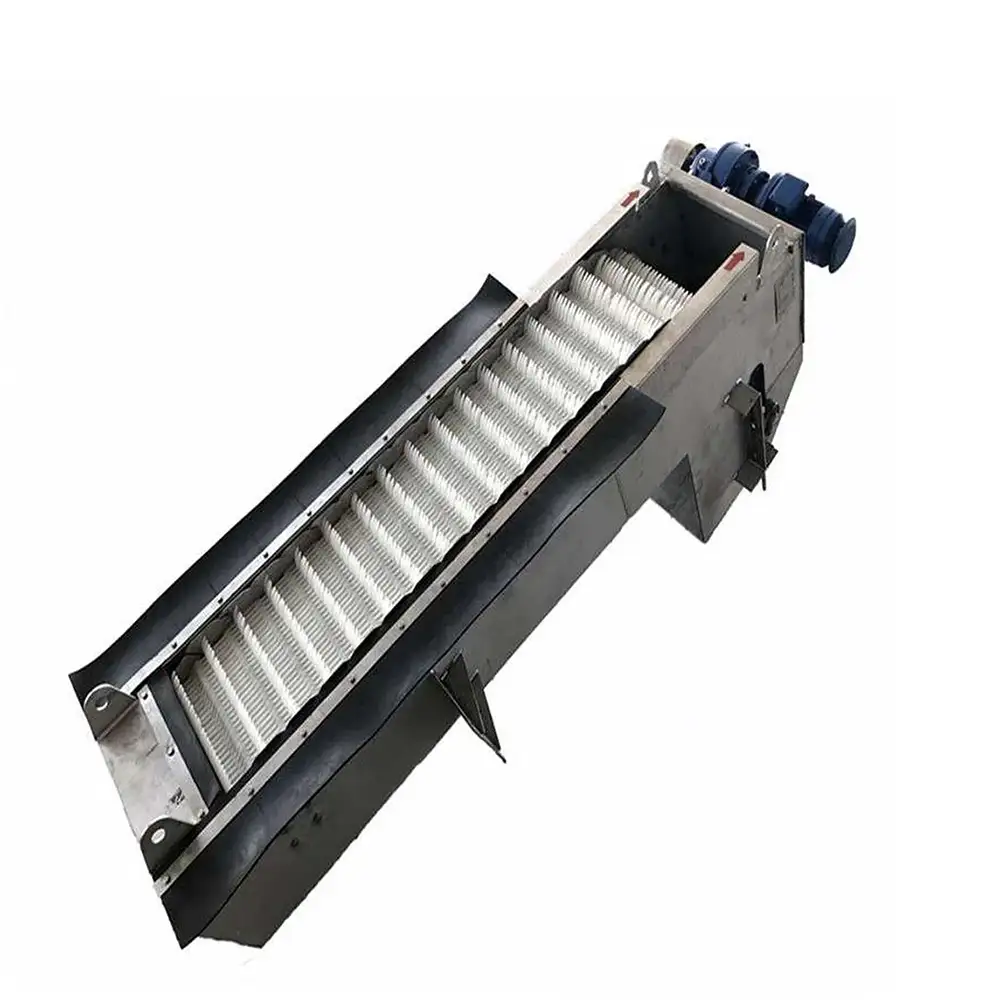
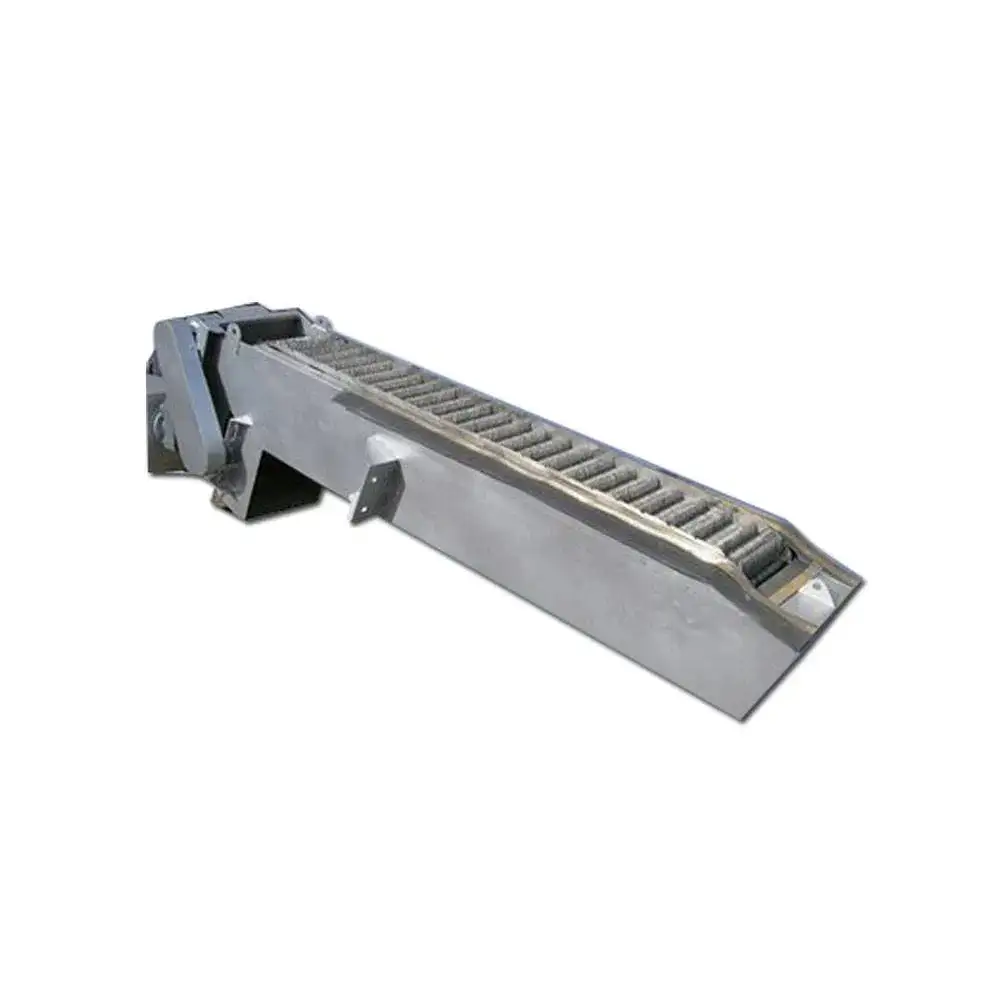
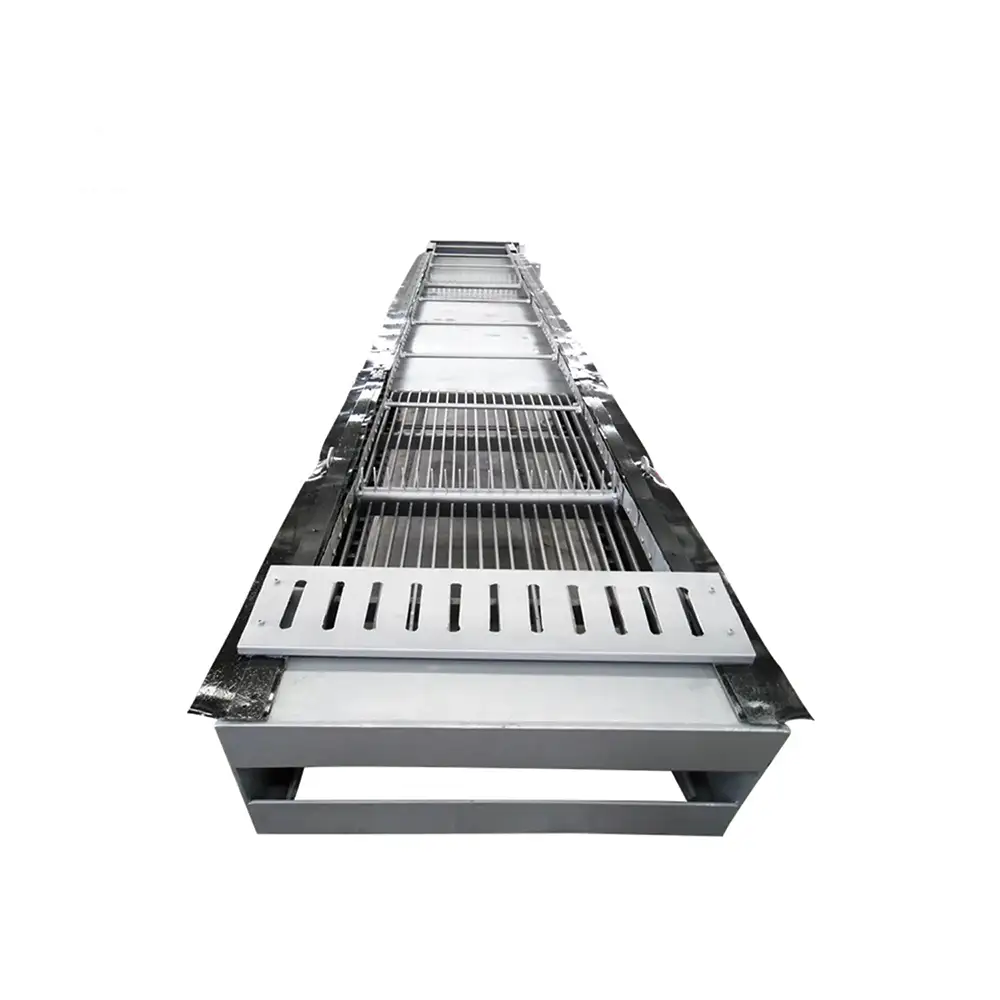
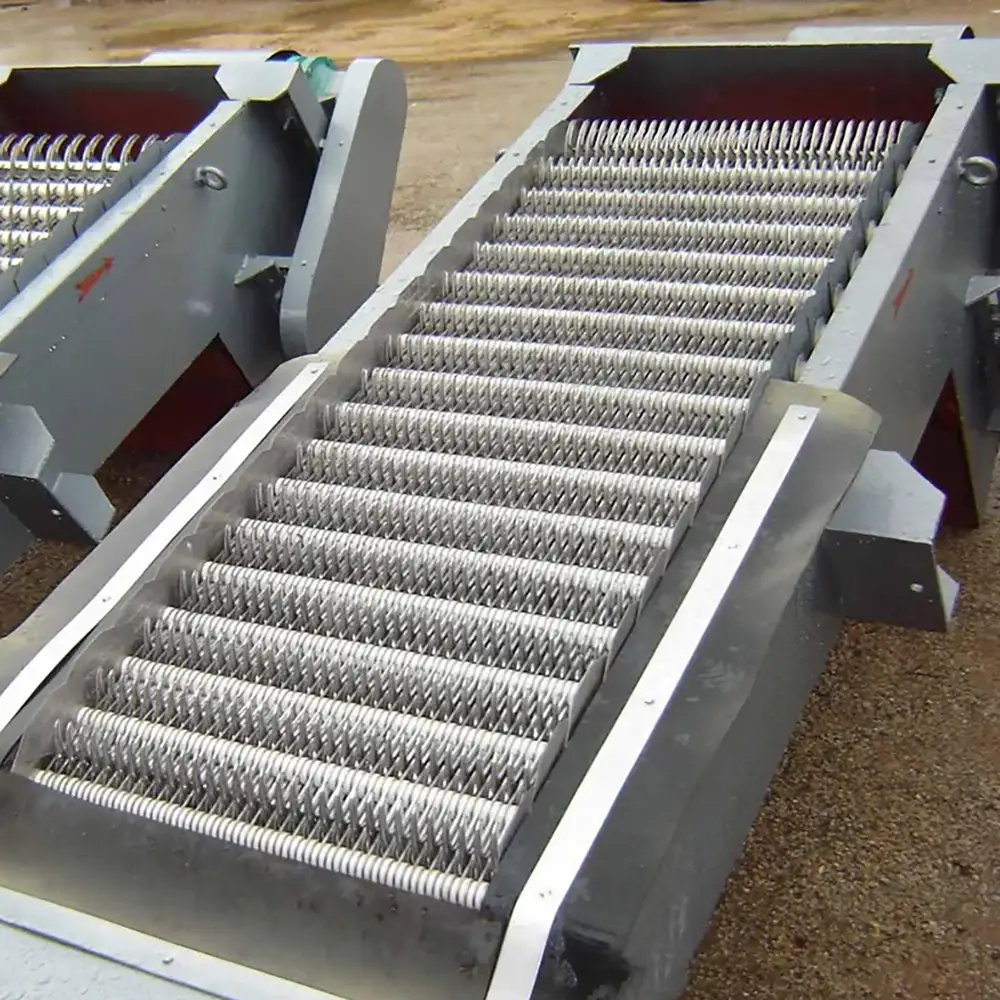
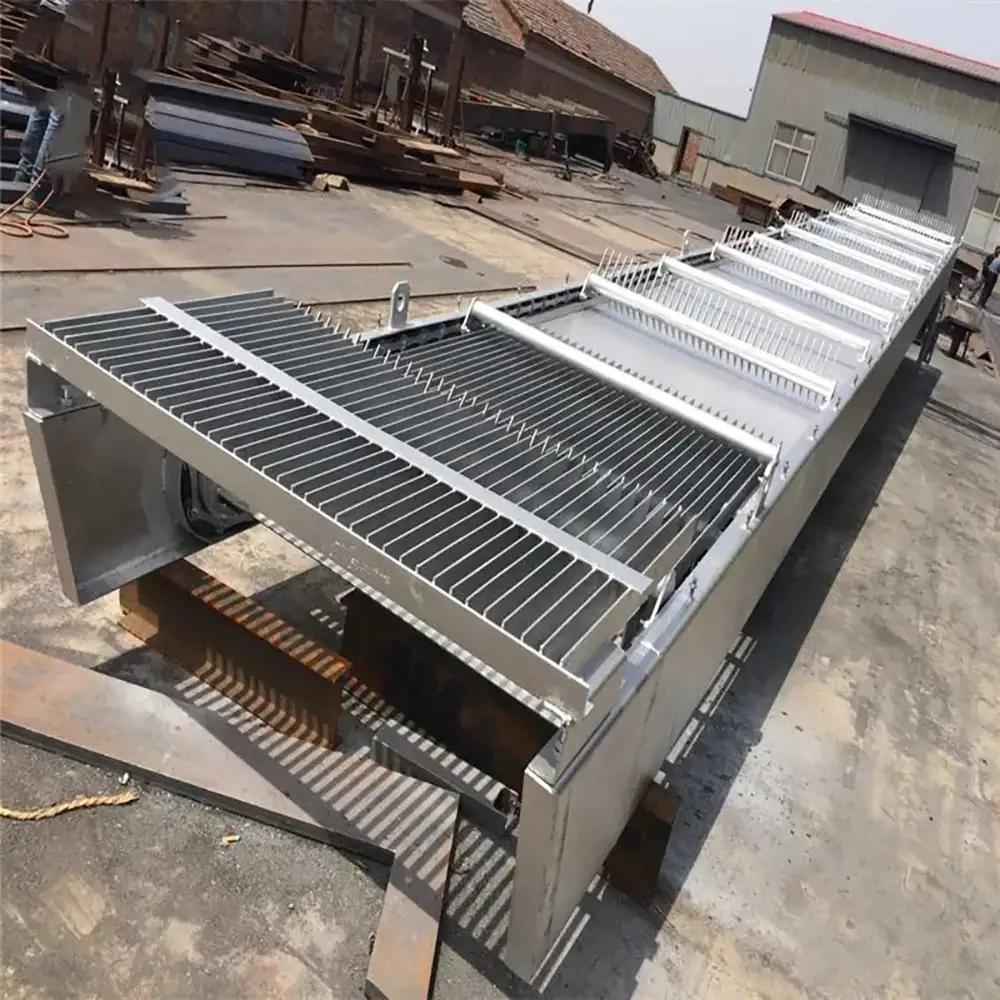
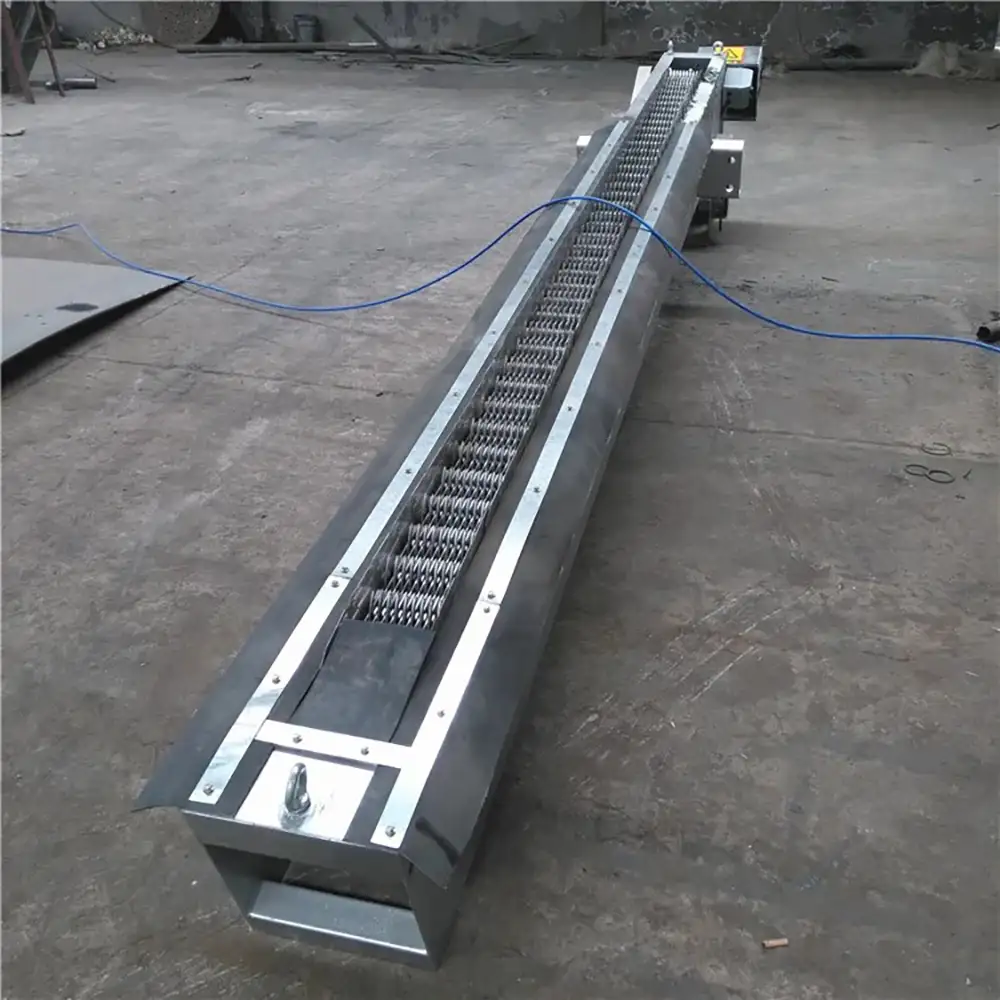
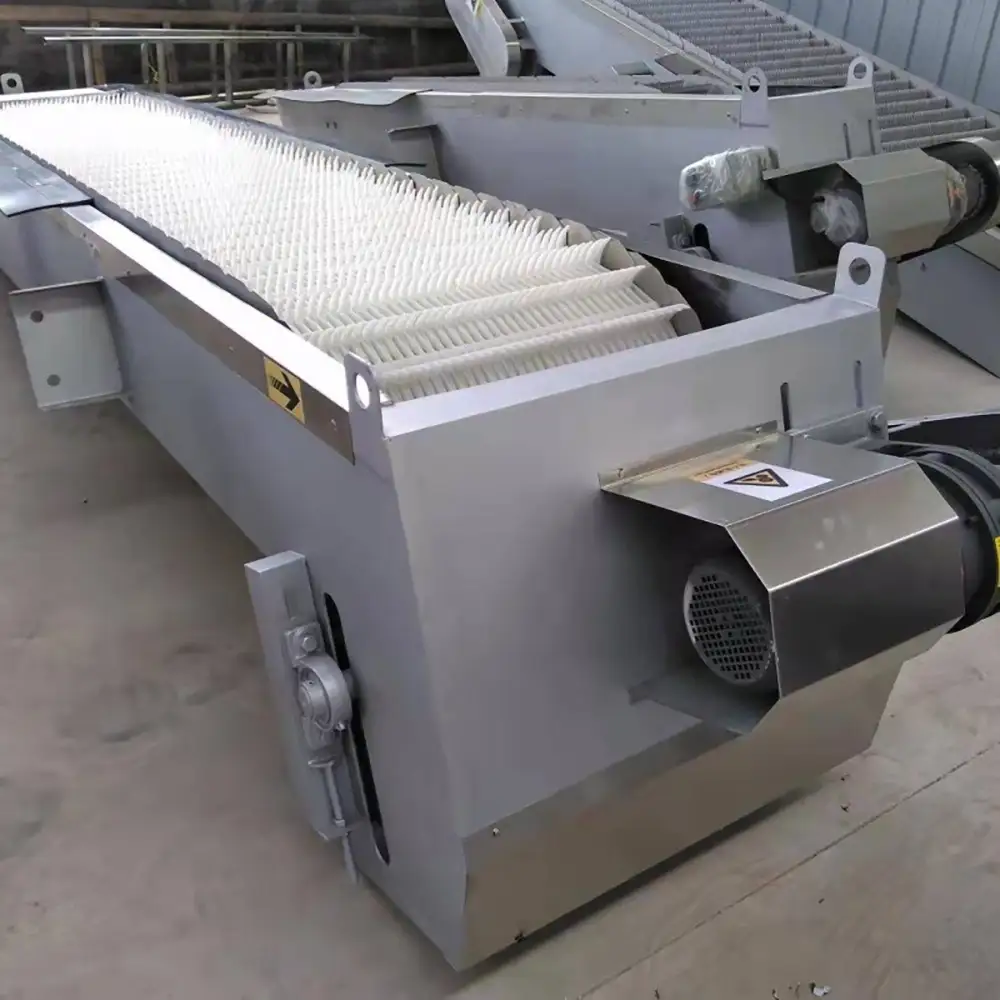
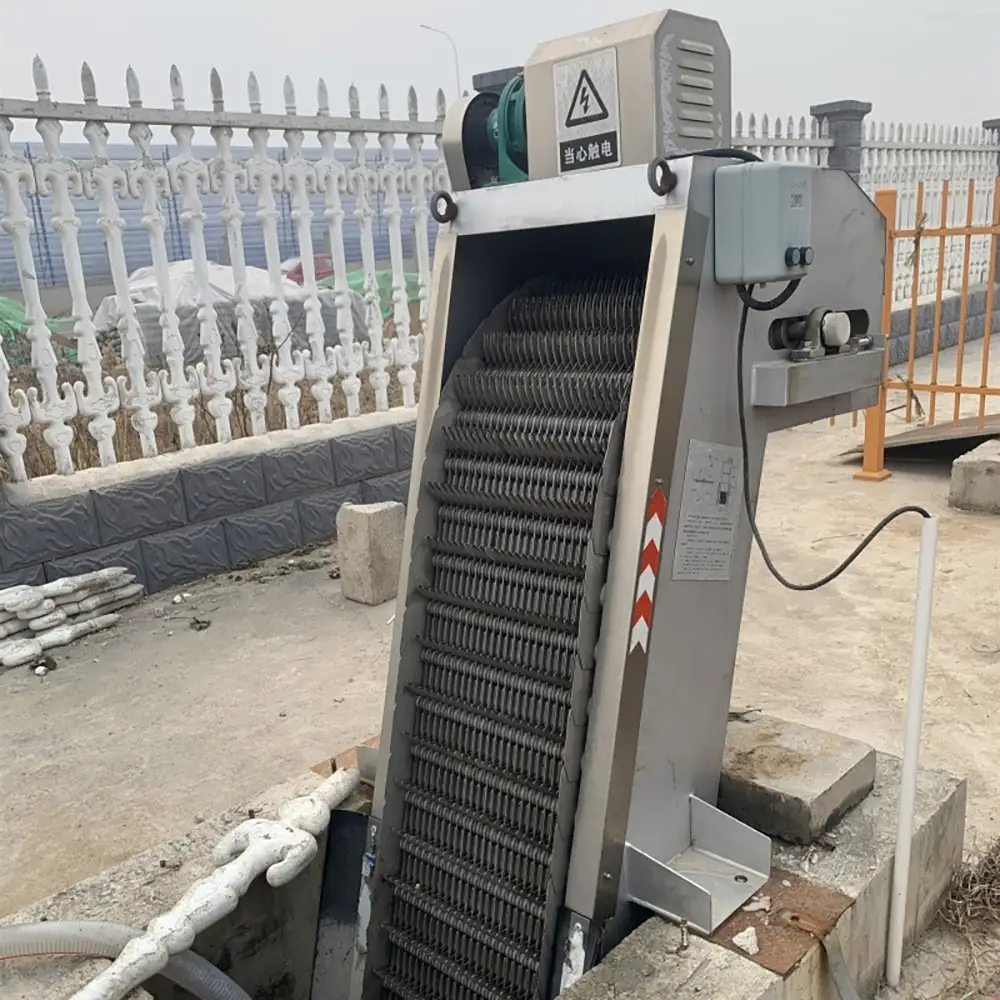
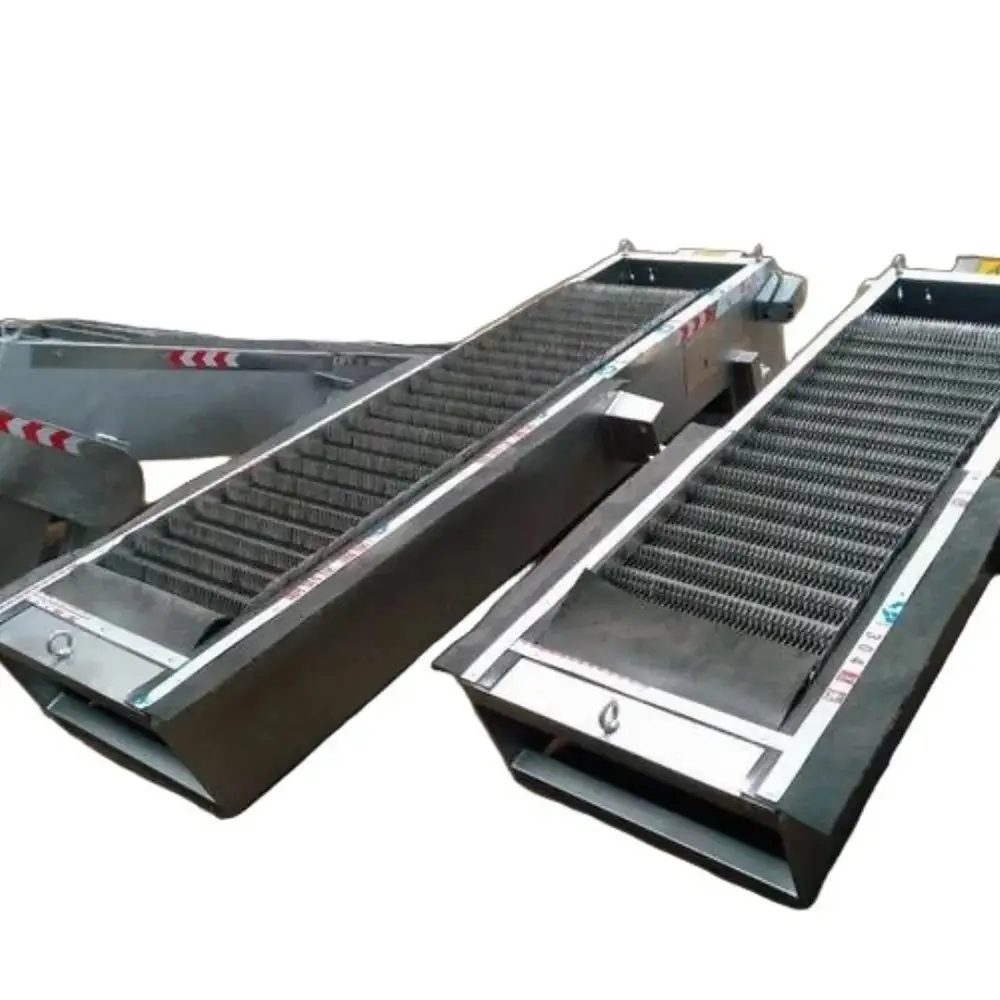
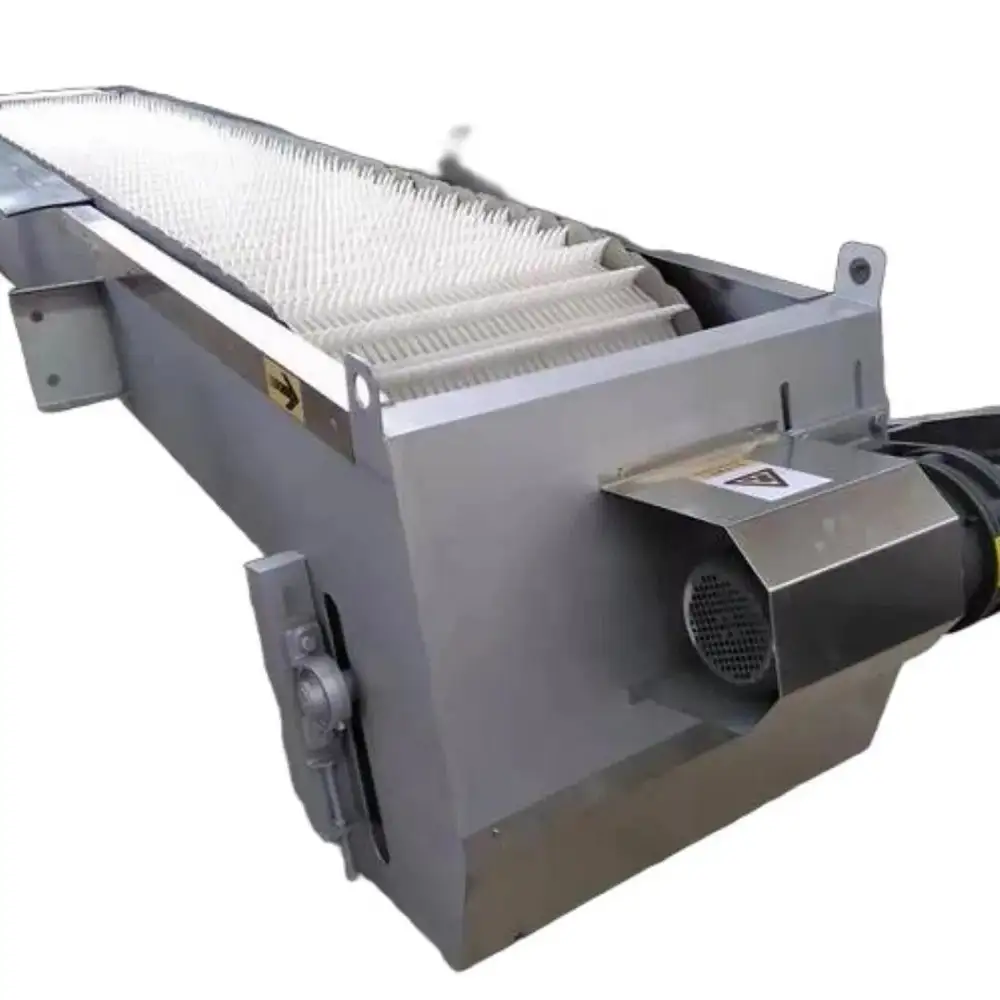
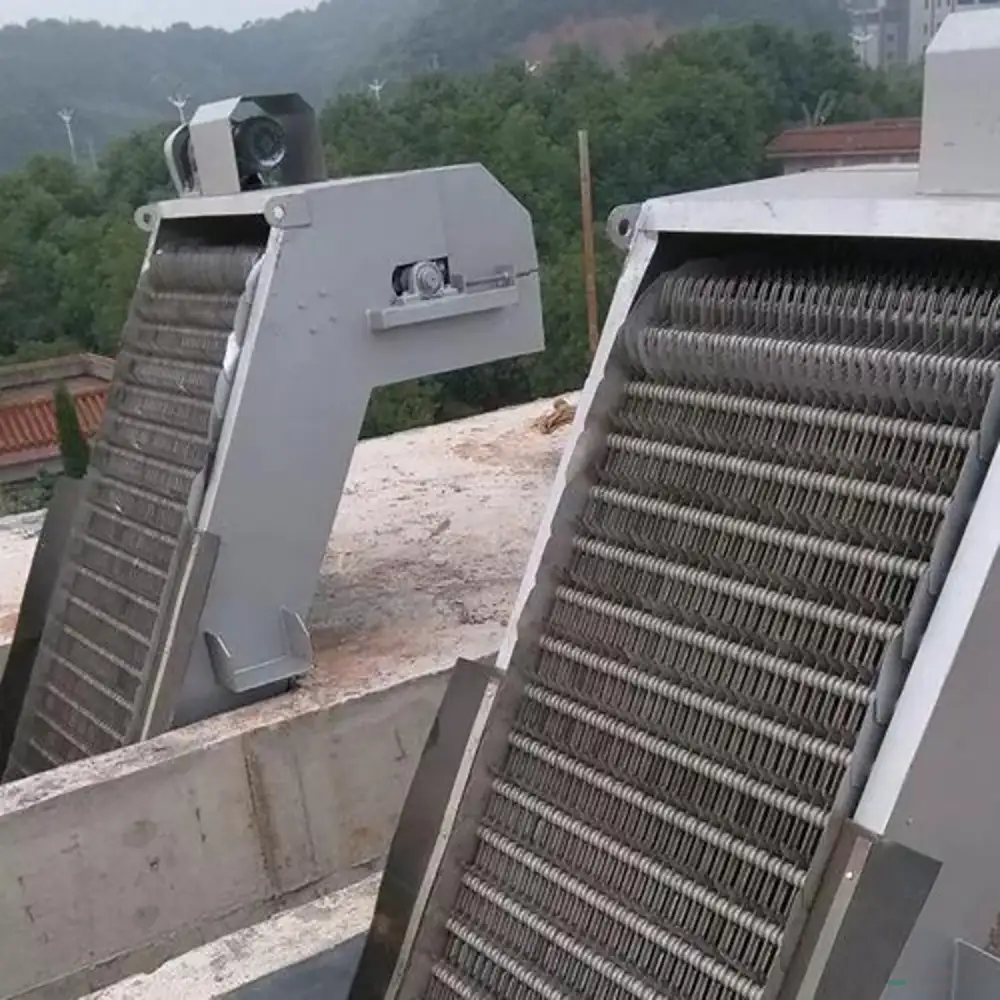
Mechanical grille is a type of grille equipment that can automatically remove garbage attached to the grille.
Mechanical grille is one of the early purification equipment in water supply and drainage treatment technology. It greatly reduces the labor intensity of workers, protects their physical health, reduces the head loss of water inflow, and improves the efficiency of pump stations
Rotating Mechanical Grid Cleaning Machine Equipment for Water Treatment Plants
The Rotating Mechanical Grid Cleaning Machine Equipment for Purified Water Plants is an automatic screening solution designed to remove floating debris, large suspended solids, fibers, rags, plastics, leaves, and other coarse materials from incoming water or wastewater. It is commonly installed at the front end of water treatment systems as a preliminary screening device to protect pumps, pipelines, filtration equipment, biological treatment units, and other downstream equipment.
Mechanical screening is an important part of preliminary treatment because large solids can cause clogging, equipment damage, hydraulic restrictions, and unnecessary maintenance. Mechanically cleaned bar screens are widely used for removing large solids, rags, and debris from wastewater streams.
Automatic Rotating Mechanical Screening
The rotating mechanical grid cleaning machine uses a motor-driven cleaning mechanism to continuously or intermittently remove material retained on the screen surface. As the cleaning components move through the grid, captured solids are lifted from the water flow and discharged into a collection area.
Compared with manually cleaned screens, an automatic mechanical screen can reduce routine manual labor and help maintain stable hydraulic flow. EPA guidance describes mechanically cleaned screens as systems that use electrically driven or mechanically operated rake mechanisms to remove material retained on the screen.
The exact configuration can vary according to water flow, channel dimensions, solid loading, required screening accuracy, and installation conditions.
Mechanical Grid Cleaning Process
During operation, untreated water flows toward the screening grid. Water passes through the openings between the bars or screening elements, while larger solids are retained on the upstream surface.
The rotating cleaning mechanism then engages with the grid and removes accumulated material. The captured solids are lifted above the water level and discharged into a collection container, conveyor, hopper, or other solids-handling system.
A typical operating sequence is:
Influent Water → Mechanical Grid Screen → Automatic Cleaning → Screening Discharge → Downstream Treatment
This continuous screening process helps reduce the accumulation of debris and supports stable operation of the treatment plant.
Protecting Downstream Treatment Equipment
One of the main purposes of mechanical screening is equipment protection. Large debris entering a treatment plant can interfere with pumps, valves, pipes, mixers, aeration systems, membrane equipment, and other process units.
By removing coarse solids at the beginning of the treatment process, the mechanical grid cleaning machine provides a physical barrier between incoming water and downstream equipment.
This is particularly valuable for wastewater plants with high concentrations of rags, plastics, fibers, packaging materials, plant debris, and other coarse contaminants.
Applications in Water Treatment Plants
The machine can be used in a wide range of water and wastewater applications, including:
Municipal Wastewater Treatment Plants
Industrial Wastewater Treatment Plants
Water Purification Plants
Sewage Treatment Plants
Food Processing Wastewater Systems
Textile and Dyeing Wastewater Plants
Chemical Industry Wastewater Treatment
Mining Water Treatment
Slaughterhouse Wastewater Treatment
Agricultural Wastewater Treatment
Commercial Wastewater Treatment
Water Reuse and Pretreatment Systems
For industrial applications, the screen opening and cleaning mechanism should be selected according to the characteristics of the incoming wastewater. Fibrous materials, long rags, plastics, and irregular solids may require a different screening configuration than relatively uniform mineral particles.
Different Screening Requirements
Mechanical screens can be configured for different levels of solids removal. Coarse mechanical bar screens are generally used to capture larger solids and debris, while finer screening systems are selected when smaller particles must be removed to protect sensitive downstream processes.
EPA technical guidance identifies mechanically cleaned bar screens as a common type of coarse screening equipment and notes that fine screens may be used to address materials that could create downstream operation and maintenance problems.
Therefore, the machine should not be selected only according to nominal flow capacity. Bar spacing, screen angle, channel width, hydraulic loading, headloss, solids characteristics, and required downstream protection should all be considered.
Robust Mechanical Construction
The rotating mechanical grid cleaning machine can be manufactured using corrosion-resistant materials such as stainless steel or other materials selected for the wastewater environment. Structural components, screen bars, shafts, cleaning mechanisms, bearings, motor assemblies, and protective guards can be configured according to the application.
For corrosive industrial wastewater, material selection becomes particularly important. Stainless steel construction can provide improved resistance to corrosion and facilitate routine cleaning.
The drive system can be equipped with appropriate protection against overload, blockage, and abnormal operating conditions. Automatic control can also be integrated with the overall water treatment plant.
Automatic Operation and Control
The equipment can operate continuously or according to a preset cleaning cycle. Depending on the system design, operation can be controlled by timers, differential water level, motor load, or signals from the plant control system.
Automatic operation reduces the need for constant operator intervention. It can also help maintain consistent screening performance when influent flow or solids loading changes.
For larger treatment facilities, the mechanical screen can be integrated with conveyors, screening compactors, washing systems, collection bins, or other solids-handling equipment.
Low-Maintenance Screening Solution
Routine inspection and maintenance are still important even with automatic cleaning. Operators should periodically inspect the screen bars, cleaning mechanism, drive assembly, bearings, protective devices, and discharge system.
EPA operating guidance emphasizes proper maintenance and adjustment of mechanically cleaned screening equipment to maintain efficient operation.
Removing accumulated debris from collection areas and checking for abnormal noise, vibration, or motor overload can help identify potential problems before they affect plant operation.
Compact and Flexible Installation
The mechanical grid cleaning machine can be designed for installation in open channels, intake structures, wastewater headworks, or customized treatment equipment assemblies.
Depending on the project, the screen can be supplied as an independent machine or integrated into a complete preliminary treatment system.
The design can be adapted according to:
Treatment Flow Rate
Channel Width
Water Depth
Screen Opening
Installation Angle
Material Type
Cleaning Capacity
Discharge Height
Motor Power
Automatic Control Requirements
This flexibility allows the equipment to be used in both municipal and industrial treatment projects.
Why Choose Us
Automatic Mechanical Cleaning: Reduces manual screening work and supports continuous operation.
Reliable Solid Removal: Efficiently captures large debris, rags, fibers, plastics, and suspended materials.
Downstream Equipment Protection: Helps reduce clogging and damage to pumps, pipes, filters, and treatment units.
Flexible Screen Configuration: Screen spacing and mechanical structure can be selected according to project requirements.
Industrial-Grade Construction: Suitable materials can be selected for different water and wastewater environments.
Easy Process Integration: Can connect with conveyors, compactors, pumps, and complete treatment systems.
Automatic Control: Supports timer-based, level-based, or integrated plant control operation.
Wide Application Range: Suitable for municipal, industrial, commercial, agricultural, and water purification applications.
FAQ
1. What is a rotating mechanical grid cleaning machine?
It is an automatic screening machine that uses a mechanical cleaning mechanism to remove solids and debris retained on a water treatment screen.
2. What does a mechanical grid screen remove?
It can remove large solids, rags, plastics, fibers, leaves, floating debris, and other coarse materials depending on the selected screen opening.
3. Where is the machine installed?
It is normally installed at the preliminary treatment or intake stage of a water or wastewater treatment plant.
4. Can it be used in a purified water plant?
Yes. It can be used as a preliminary screening device where incoming source water contains coarse debris that needs to be removed before subsequent purification processes.
5. Can it be used for industrial wastewater?
Yes. It can be designed for many industrial wastewater applications, including food processing, textile, chemical, agricultural, and manufacturing wastewater.
6. Does the machine operate automatically?
Yes. Depending on the control configuration, the cleaning cycle can operate automatically through timers, level signals, or plant control systems.
7. What is the difference between a mechanical screen and a manual screen?
A mechanical screen uses a powered cleaning mechanism to remove captured solids, while a manual screen requires operators to remove accumulated material manually.
8. How do I select the correct screen opening?
Selection depends on the wastewater characteristics, required solids removal, downstream equipment, hydraulic flow, and process objectives.
9. Can the machine be integrated with a conveyor?
Yes. Screenings can be discharged to a conveyor, collection hopper, compactor, washing system, or other solids-handling equipment.
10. Is stainless steel available?
Stainless steel construction can be specified for applications where corrosion resistance and long-term durability are important.
11. Can the equipment handle high-solids wastewater?
It can be engineered for different solids loading conditions, but the correct design depends on influent characteristics, flow rate, debris type, and required cleaning frequency.
12. What information is needed for equipment selection?
Important information includes flow rate, channel dimensions, water depth, solids characteristics, required screen opening, installation conditions, and desired automation level.
Prev:
220V/ 380V/ Customerized Microfiltration Machine Screw Press Filter
Next:Sorry, no information
TAG:
Water Purification Equipment,
Wastewater Treatment Equipment,
Industrial Water Treatment Equipment,
Wastewater Pretreatment Equipment,
Industrial Screening Equipment,
Fine Screening Equipment,
Wastewater Screening Equipment,
Wastewater Treatment Plant Equipment,
Sewage Treatment Equipment,
Rag Removal Screen,
Water Treatment Screening Equipment,
Water Intake Screen,
Debris Removal Equipment,
Wastewater Pretreatment System,
Coarse Bar Screen,
Industrial Wastewater Screening,
Municipal Wastewater Screening,
Wastewater Screening Machine,
Sewage Screening Equipment,
Sewage Screening Machine,
Rotary Wastewater Screen,
Rotary Screening Machine,
Mechanical Rake Screen,
Mechanical Bar Screen,
Rotary Bar Screen,
Automatic Bar Screen,
Preliminary Wastewater Treatment,
Automatic Wastewater Screen,
Mechanical Screening Equipment,
Wastewater Screen,
Related Category:
Rotating Mechanical Grid Cleaning Machine,Mechanical Grid Cleaning Machine,Mechanical Bar Screen,Rotary Bar Screen China, suppliers, manufacturers, factory, customized, wholesale, quotation, made in China