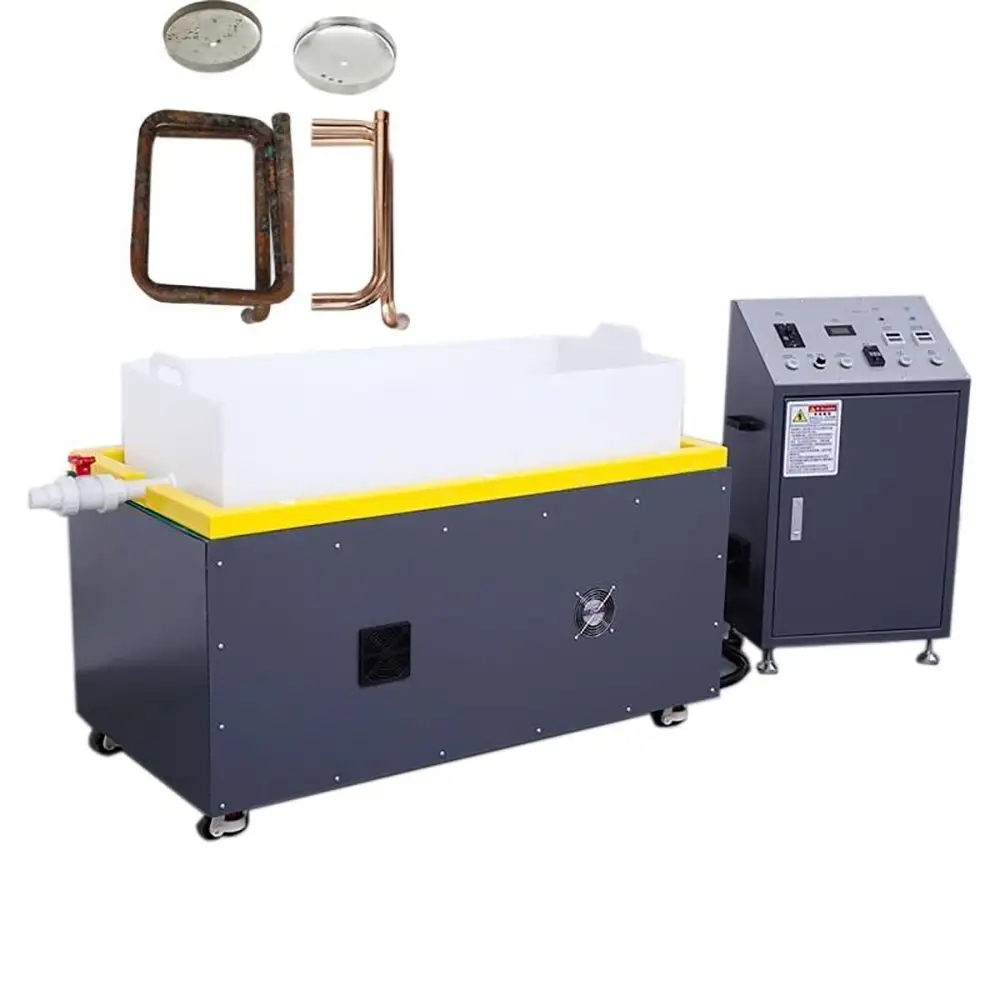
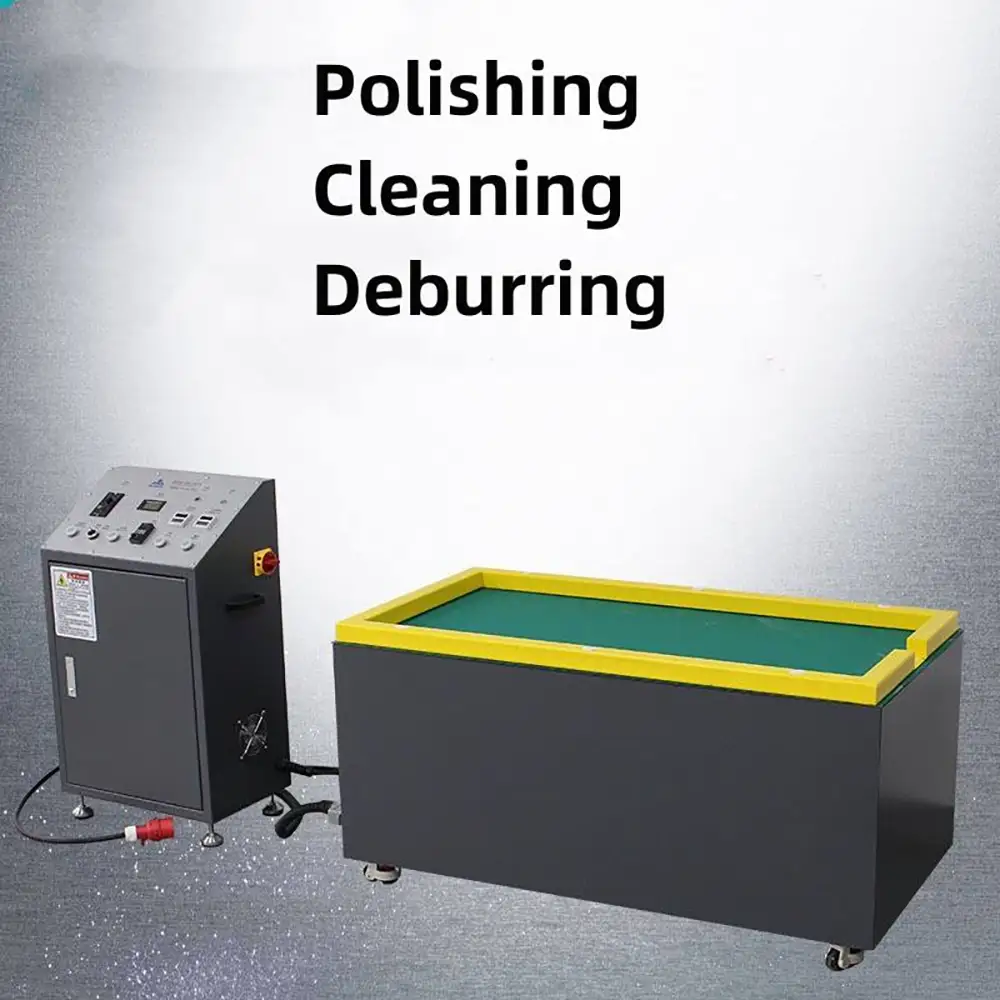
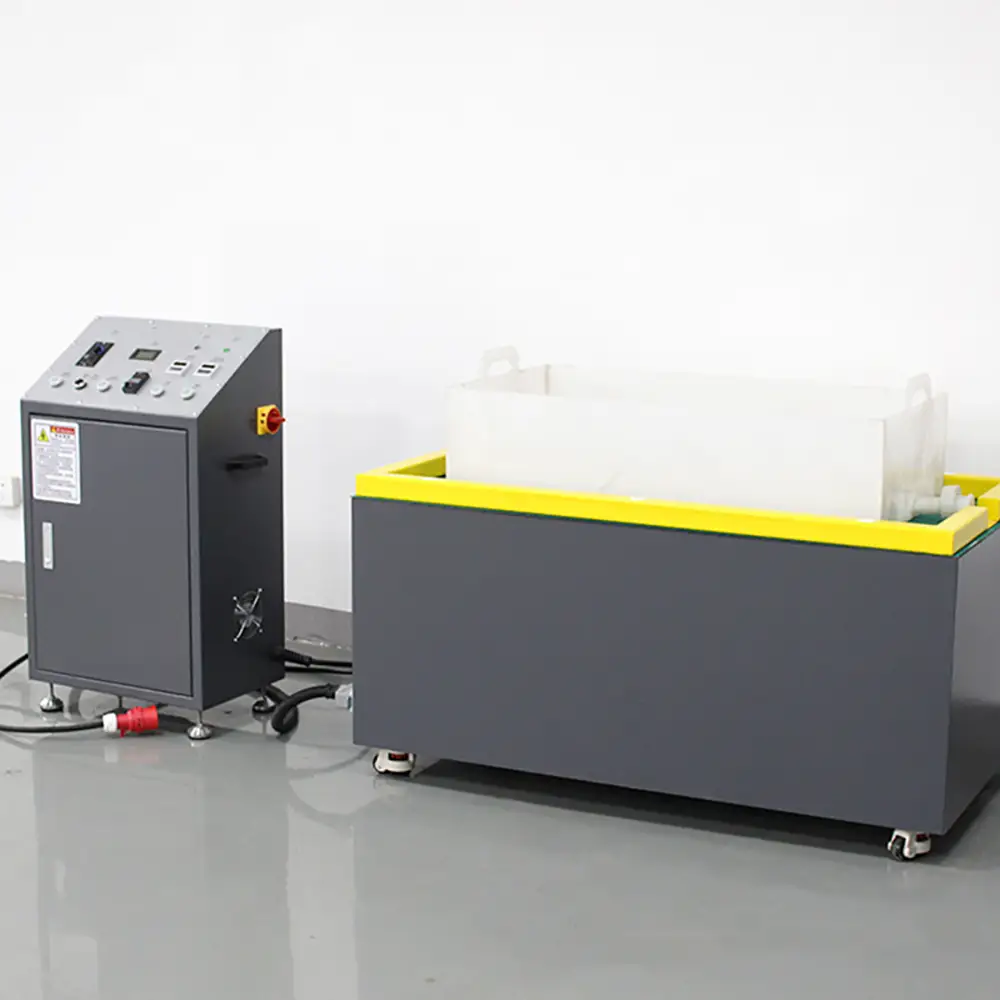
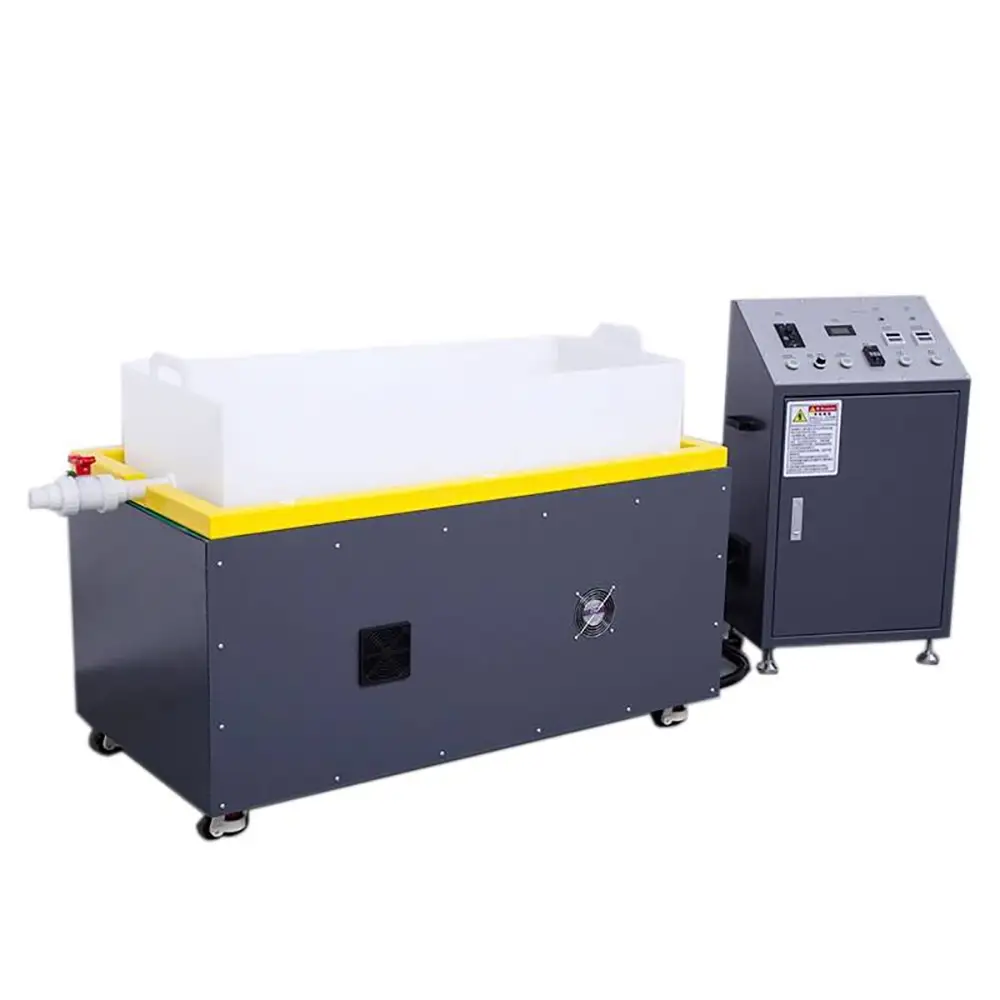
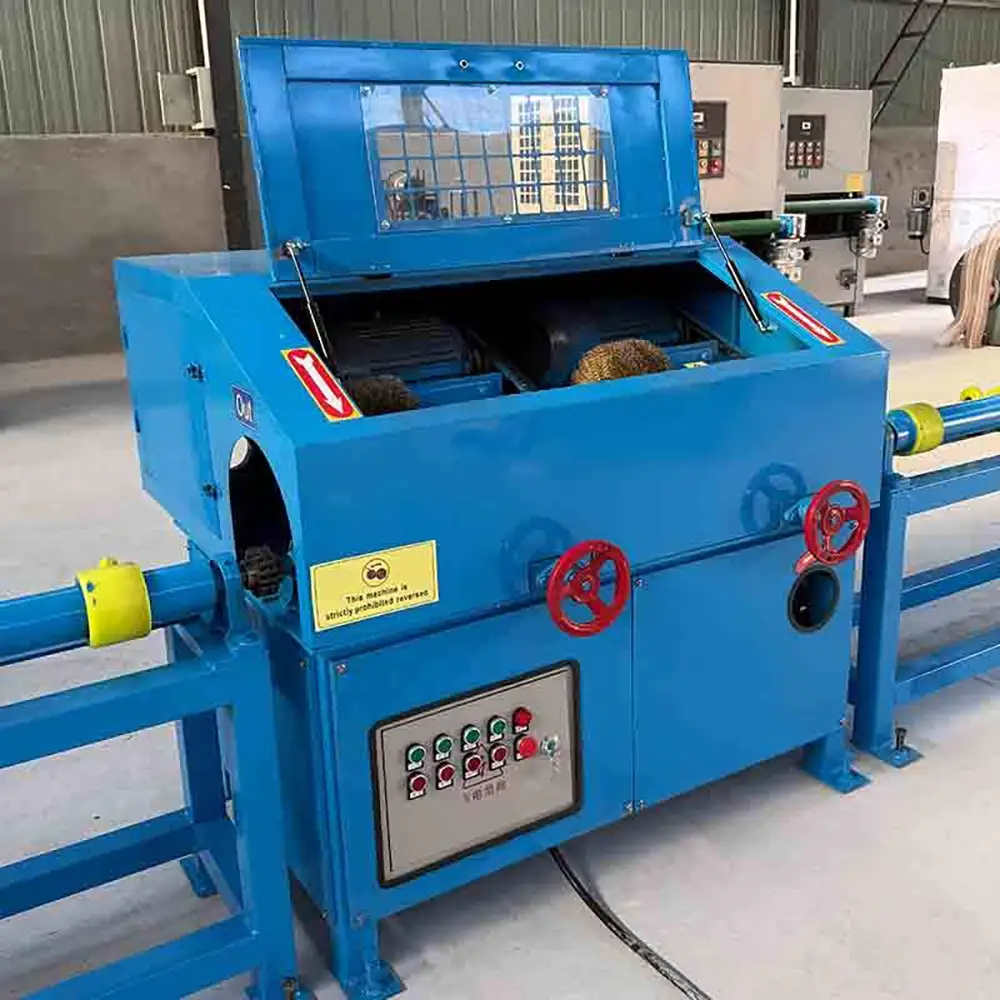
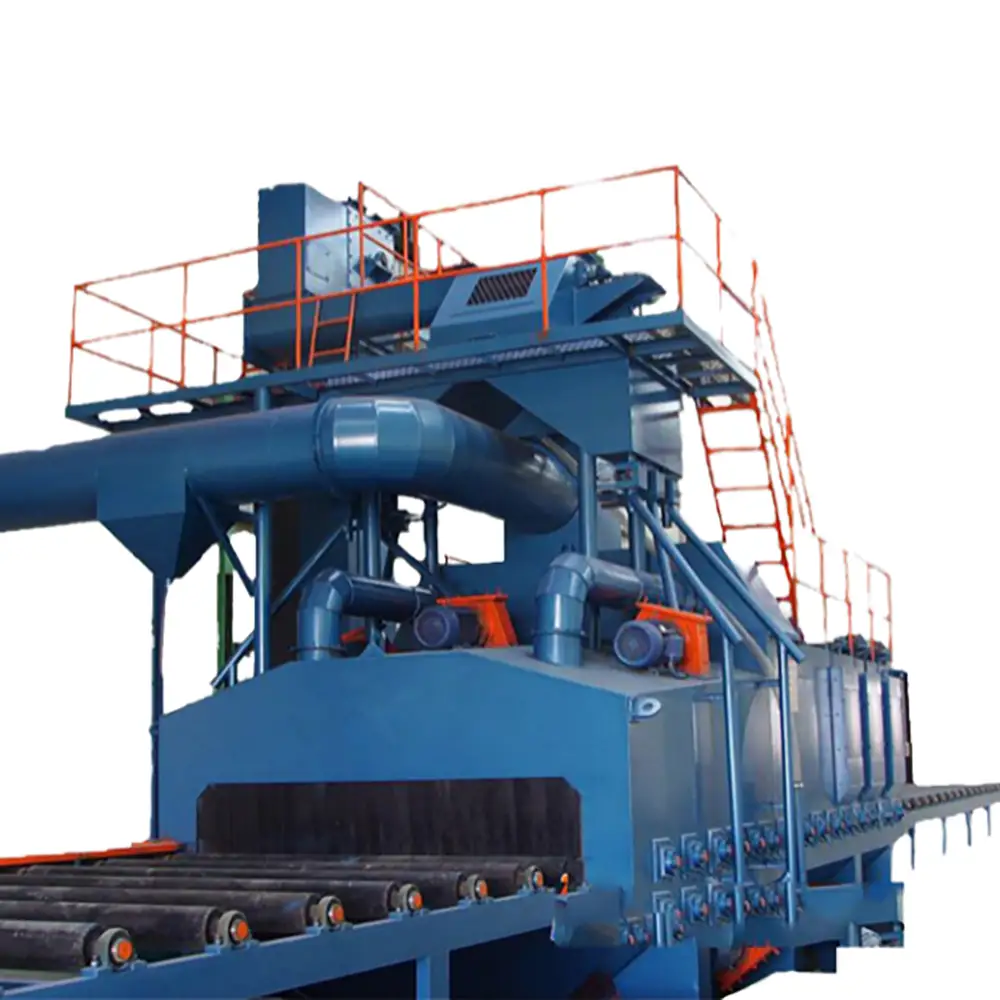
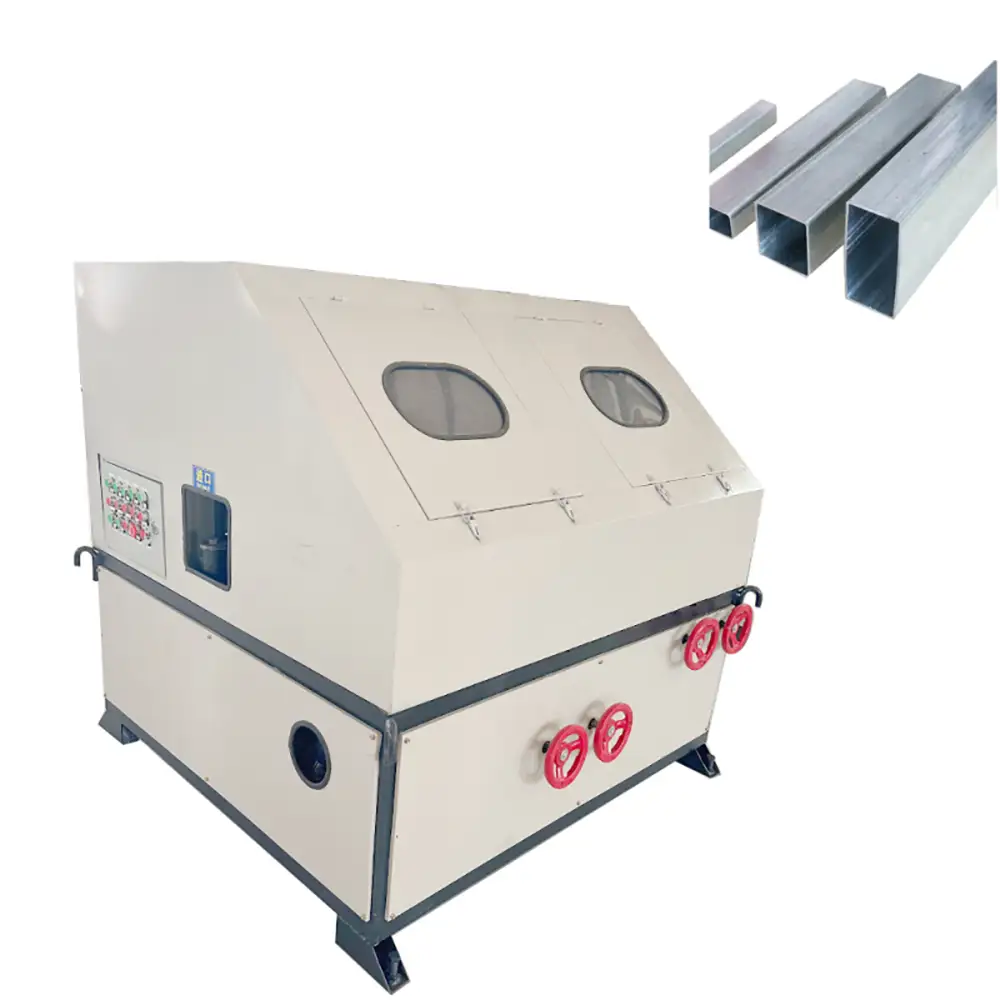
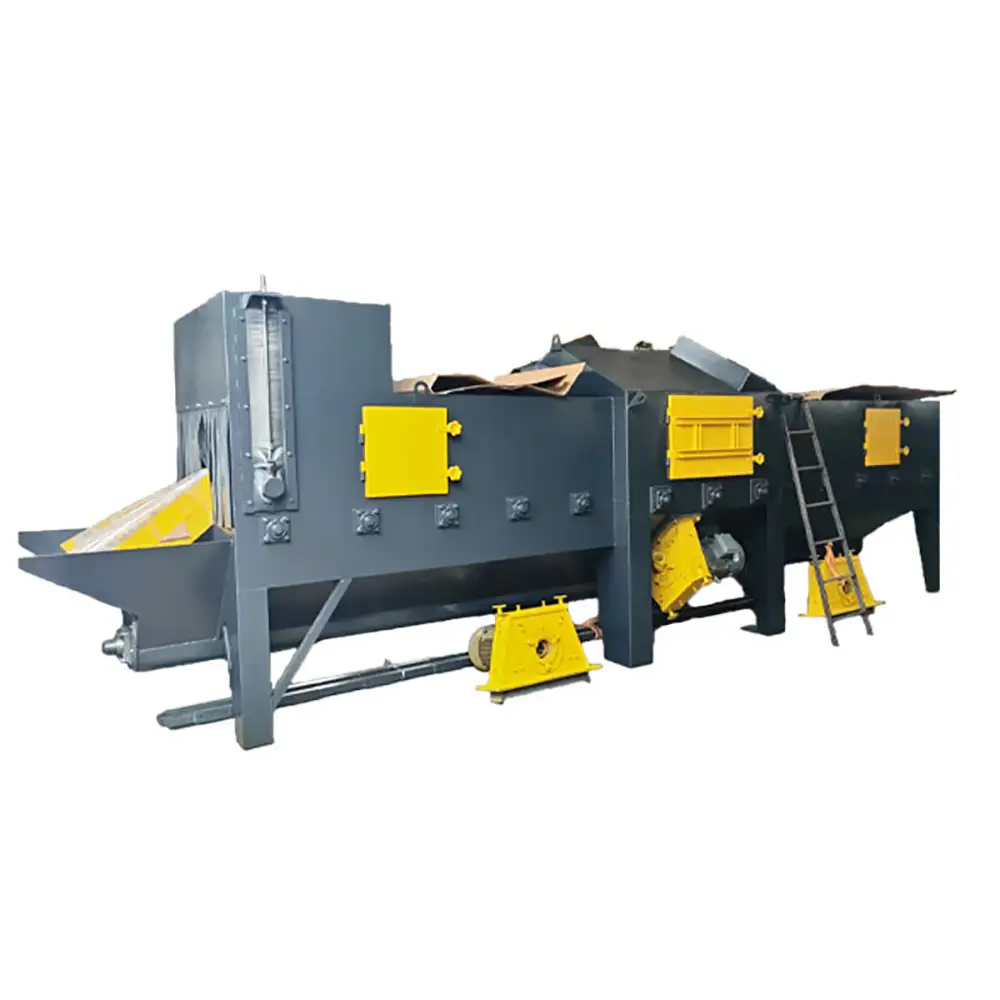
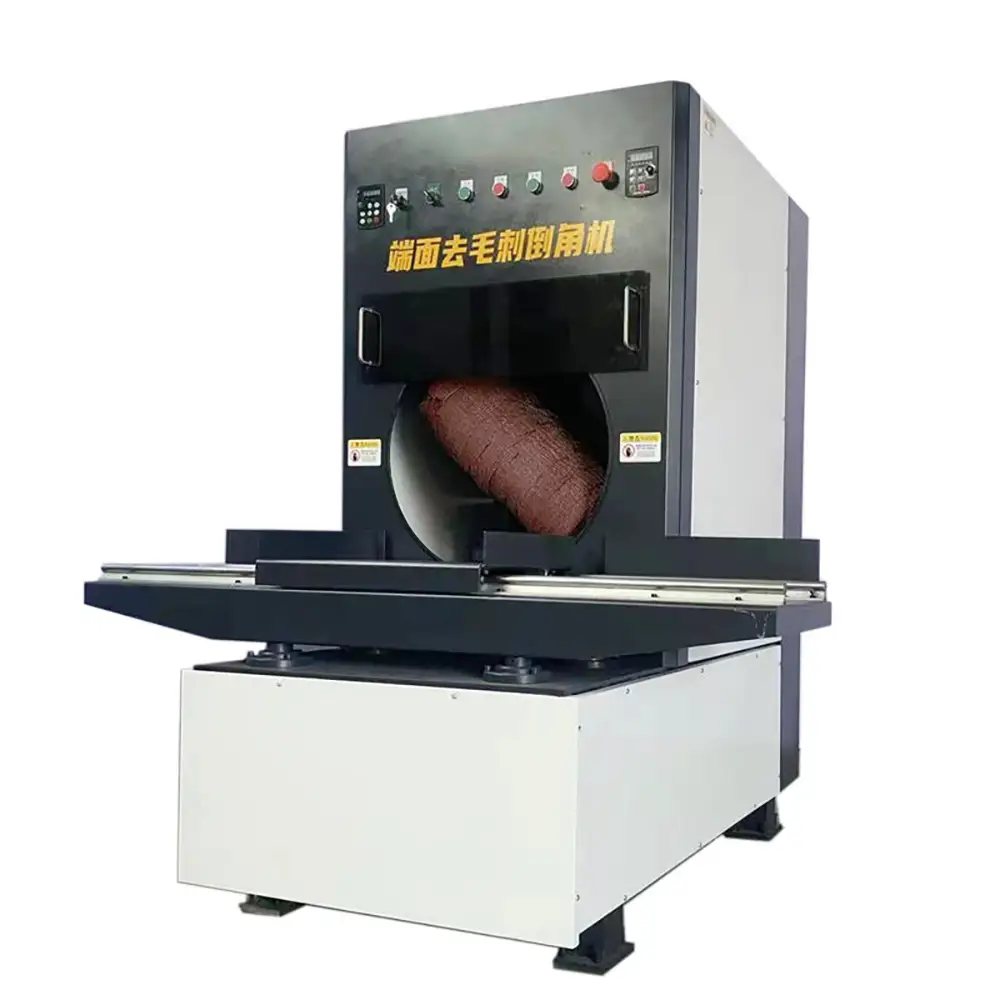
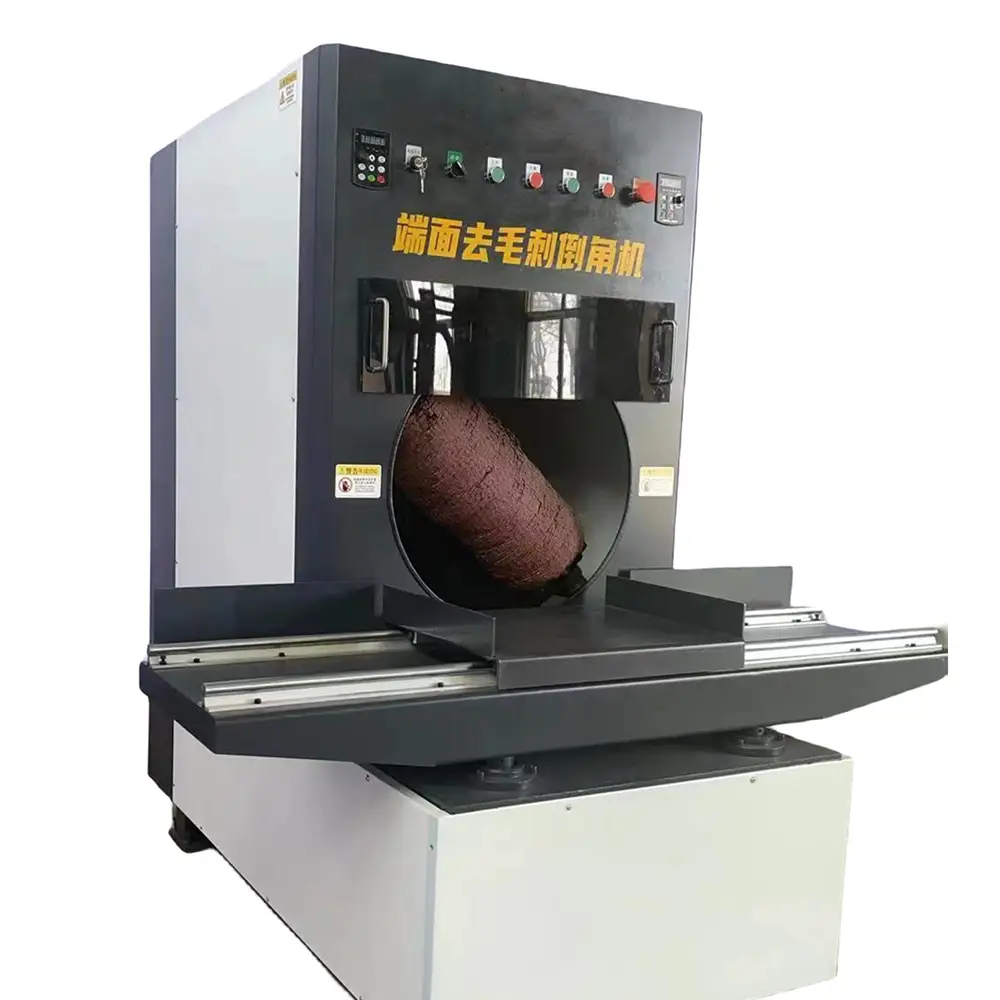
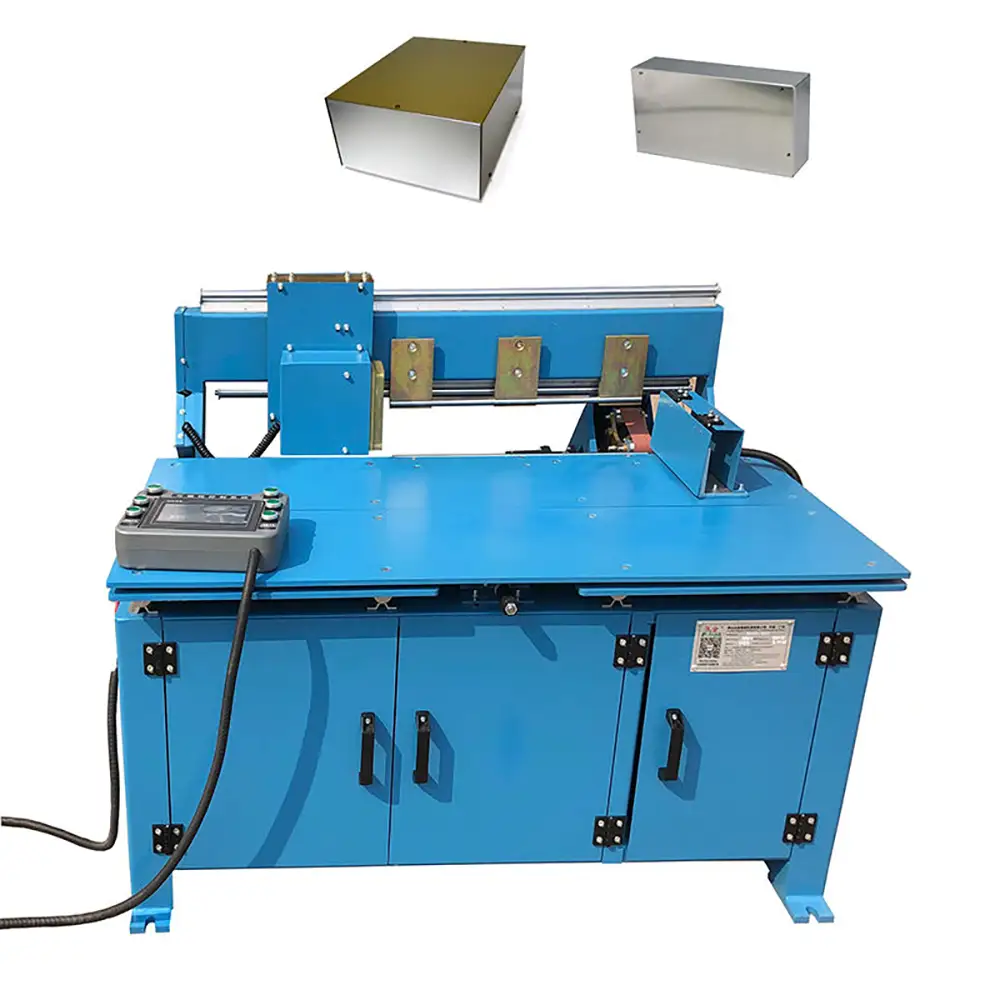
Product feature:
1. Light iron metal and other precision parts finished products, remove the metal workpiece burrs,
chamfering, burrs, polishing, cleaning and other precision grinding work completed in one go
2. Irregular-shaped metal parts, holes, tubes, dead ends, seams, etc. can be ground and processed
3. Magnetic polishing and cleaning speed, simple and safe operation, low cost
4. The finished polishing and grinding workpiece is not deformed, does not affect the accuracy
5. Guangu magnetic polishing machine machine type complete, can design custom polishing equipment.
Suitable for industry products:
1. Precision hardware stamping parts
2. Stainless steel parts, 304 stainless steel screws and nuts.
3. Magnesium and aluminum die-casting parts
4. Zinc and aluminum die-casting parts
5. Precision spring, shrapnel parts
6. Electronic, computer, communication parts
7. Centering, tooling, CNC automatic lathe parts
8. Aerospace, medical equipment parts pipe polishing machine Products Description
|
model |
GG1380 |
GG1980 |
GG2380 |
Power
supply |
AC380V(50\60HZ)
16A |
AC380V(50\60Hz)
16A |
AC880V(50\60HZ)
16A |
Machinery
Size |
1380*720*1088 |
1980*720*1088 |
2880*800*1088 |
Grinding
tank size |
1200*520
(Square barrel) |
1800*520
(Square barrel) |
2200*720
(Square barrel) |
Motor
power |
4.0KW*1 |
4.0KW*2 |
5.5KW*2 |
|
weight |
410KG |
580KG |
880KG |
Operatio
mode |
Forward and reverse
rotation and translation |
Forward and reverse
rotation and translation |
Forward and reverse
rotation and translation |
Maximum
capacity |
25-85KG |
40-60KG |
50-70KG |
Magnetic Tumbler Polishing Machine for Rust Removal and Metal Deburring
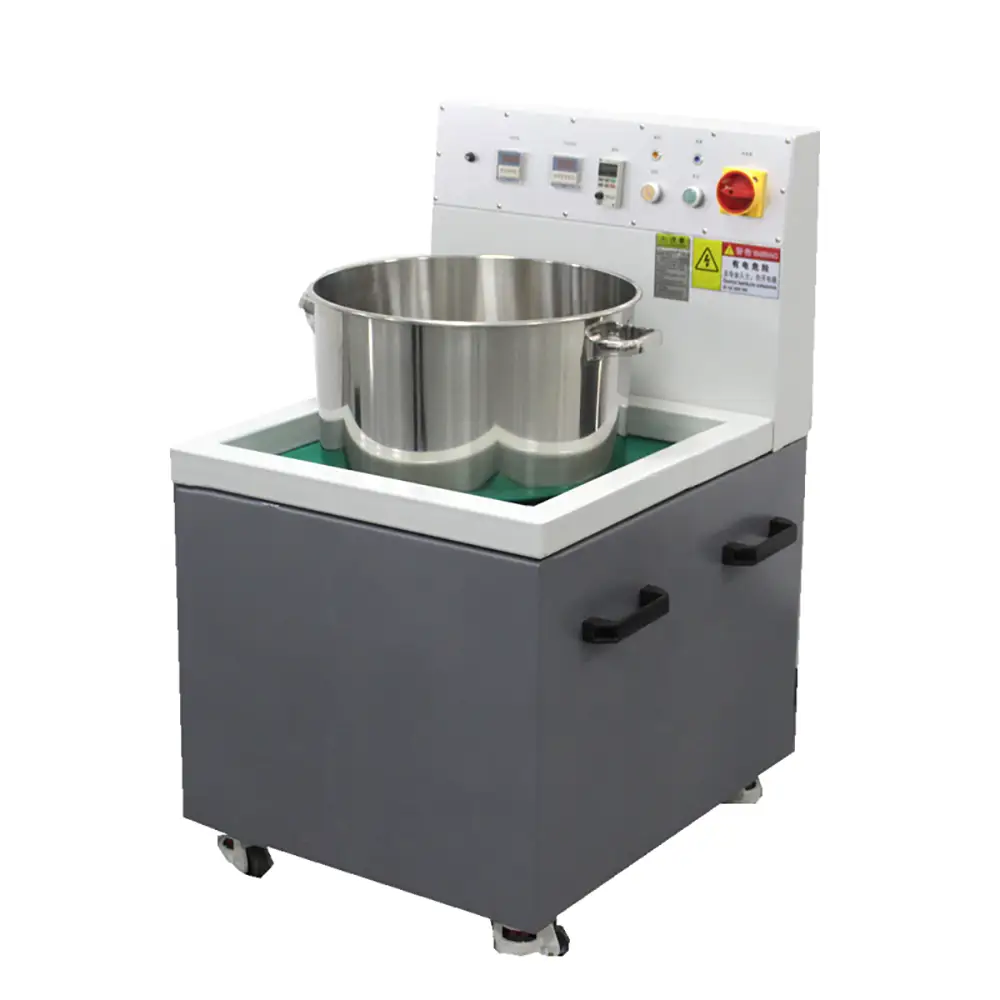
The Magnetic Tumbler Polishing Machine is a compact and efficient metal finishing solution designed for deburring, polishing, cleaning, rust removal, and surface finishing of small metal components. Using magnetic finishing technology, the machine creates rapid movement of magnetic pins and finishing liquid around the workpieces, allowing it to reach small holes, narrow grooves, internal corners, and other difficult-to-access areas.
Also known as a magnetic polishing machine, magnetic deburring machine, magnetic finishing machine, magnetic tumbler, or magnetic pin tumbler, this equipment is particularly suitable for precision components that require detailed finishing without extensive manual polishing.
Compared with conventional manual deburring methods, magnetic finishing provides a more automated process and can handle multiple small components in a single batch. The high-speed movement of magnetic pins produces repeated contact with the workpiece surface, helping remove burrs, dirt, oxidation, rust, and minor surface imperfections while improving the overall appearance of finished parts.
Efficient Magnetic Finishing Technology
The working principle of a magnetic tumbler is based on the movement of small magnetic finishing pins inside a rotating or magnetically driven finishing chamber. When the magnetic field is activated, the stainless-steel magnetic pins move rapidly through the finishing liquid and around the workpieces.
This creates a controlled polishing and deburring action. Because the magnetic pins are extremely small, they can enter areas that larger abrasive media cannot easily reach.
This makes magnetic finishing particularly useful for components with:
Small Holes
Narrow Slots
Internal Grooves
Fine Threads
Complex Edges
Recessed Areas
Small Cavities
Detailed Profiles
The process can provide effective finishing while maintaining a relatively compact equipment footprint.
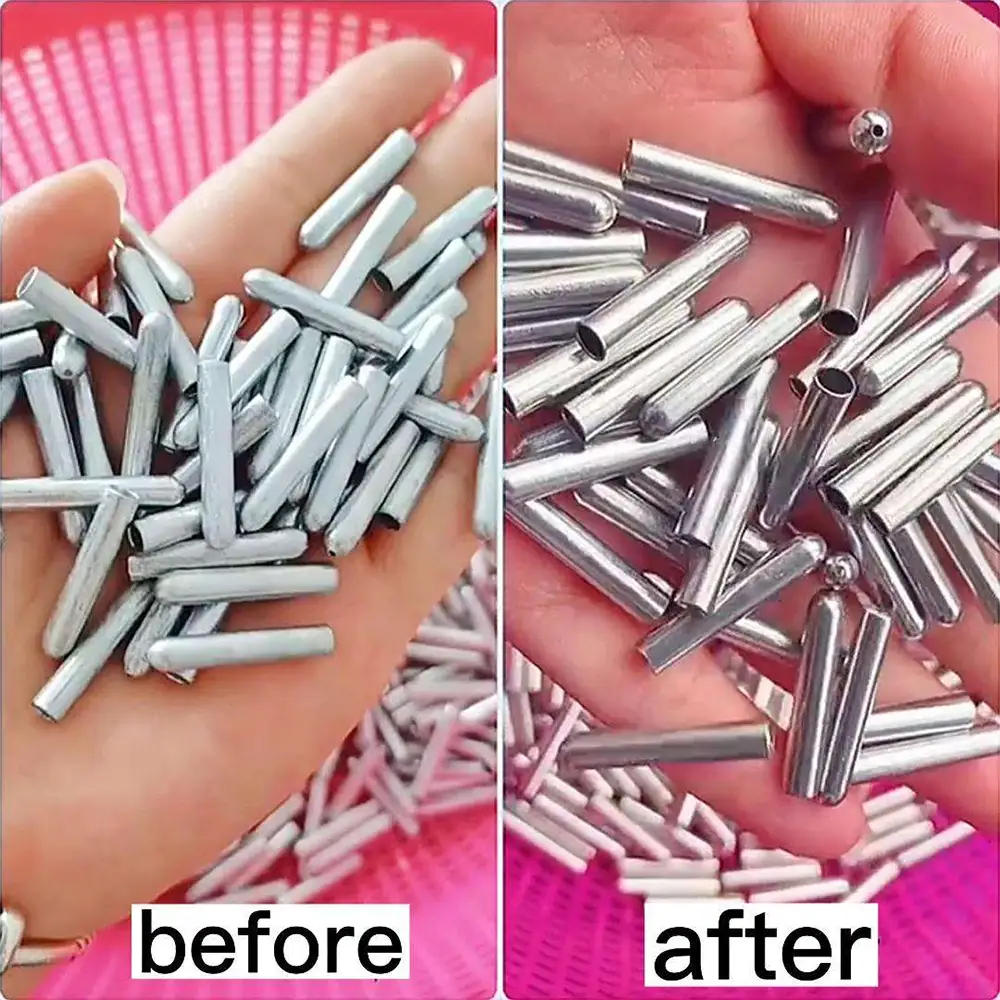
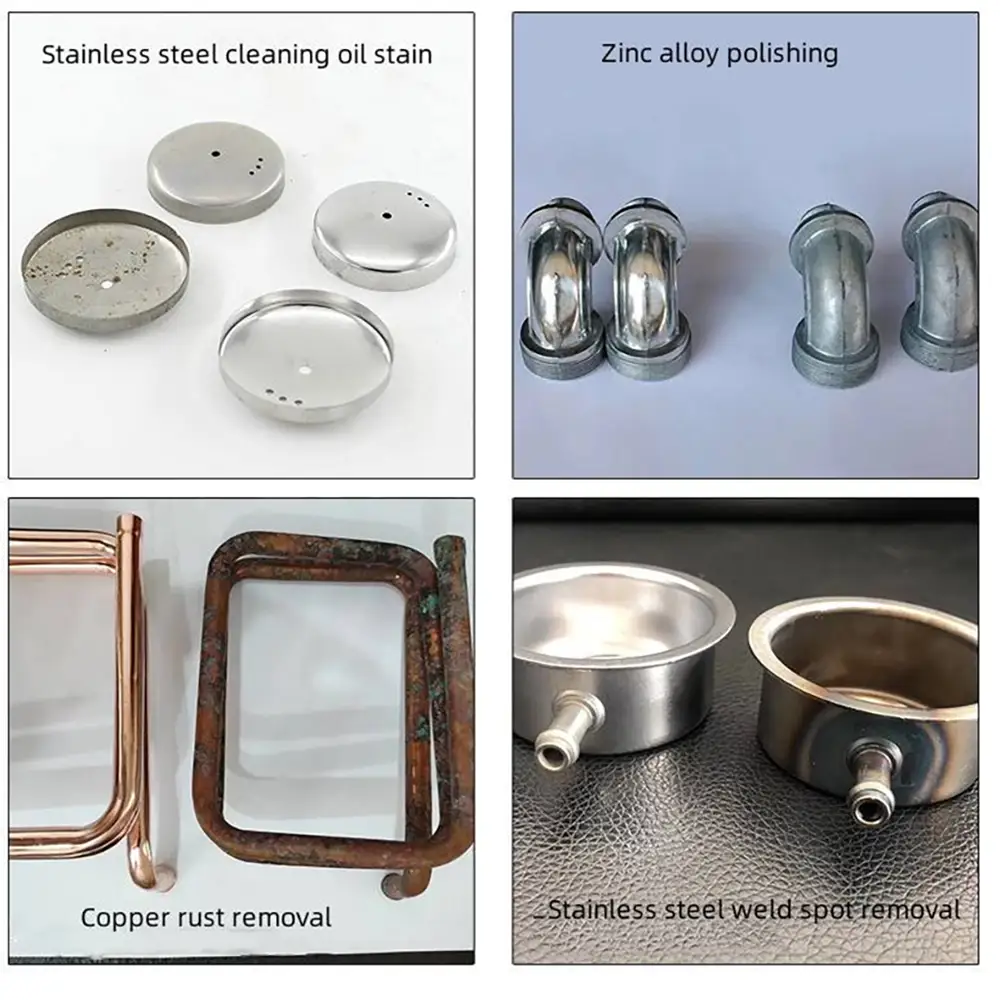
Rust Removal and Metal Surface Cleaning
One important application of this machine is rust removal and surface cleaning.
Metal components can develop oxidation or surface contamination during manufacturing, storage, transportation, or handling. Magnetic finishing can help remove light rust, oxidation, dirt, and other unwanted surface deposits when the appropriate finishing liquid and process parameters are used.
The process can help prepare metal parts for subsequent operations such as coating, plating, painting, assembly, or final inspection.
For heavy corrosion or deeply embedded rust, additional chemical or mechanical treatment may be necessary. The machine is primarily intended for suitable light-to-moderate surface cleaning and finishing applications.
Precision Metal Deburring
Deburring is one of the most common applications for magnetic polishing equipment.
CNC machining, drilling, milling, grinding, stamping, cutting, and other manufacturing processes can leave small burrs on component edges. These burrs may affect assembly, appearance, dimensional performance, or safe handling.
The fine magnetic pins can reach difficult areas around holes and edges, making the technology particularly useful for precision metal parts deburring.
Unlike larger vibratory media, small magnetic pins can enter very small openings and intricate geometries, helping improve finishing results on miniature components.
Fine Polishing for Small Components
The machine can also be used for fine polishing applications. After deburring and cleaning, an appropriate polishing process can improve the smoothness and visual appearance of compatible metal parts.
It is commonly considered for small components made from materials such as:
Stainless Steel
Carbon Steel
Copper
Brass
Aluminum
Zinc Alloys
Titanium And Other Suitable Metals
The exact results depend on the material, initial surface condition, magnetic pin size, finishing liquid, processing time, and operating parameters.
Ideal for Small and Complex Parts
Magnetic finishing is especially useful when the workpiece is too small or complicated for conventional finishing equipment.
For example, small precision components may contain tiny holes and narrow internal channels. Larger abrasive media may not enter these areas effectively, leaving burrs or contaminants behind.
Magnetic pins can be significantly smaller than conventional tumbling media, allowing them to reach many detailed areas of the component.
Potential applications include:
CNC Precision Parts: Remove fine burrs left after machining and drilling.
Automotive Components: Finish small metal components and hardware.
Electronics Hardware: Process suitable small metal connectors and precision components.
Medical Components: Provide finishing for compatible small metal components where process requirements allow.
Jewelry Components: Polish and clean small metal pieces with suitable finishing parameters.
Fasteners and Hardware: Improve edge quality and remove machining residues.
Wear-Resistant Finishing System
A durable finishing machine is important for continuous industrial operation. Wear-resistant components and a properly designed working chamber can help support repeated production cycles.
The machine is intended for manufacturers that need a repeatable finishing process rather than relying entirely on manual polishing.
The combination of magnetic pins, finishing liquid, and controlled mechanical movement can provide a relatively fast process for small components.
Proper maintenance, cleaning, replacement of worn consumables, and regular inspection can help maintain stable finishing performance over time.
Magnetic Tumbler vs. Traditional Vibratory Finishing
Traditional vibratory finishing machines use larger ceramic, plastic, or other media to process parts inside a vibrating bowl. They are suitable for many general deburring, grinding, and polishing applications.
Magnetic tumblers use much smaller magnetic pins. This gives them an advantage when processing miniature components, small holes, fine grooves, and intricate surfaces.
However, magnetic finishing is not intended to replace every type of mass-finishing machine. For larger workpieces, aggressive material removal, or high-volume heavy deburring, vibratory or centrifugal finishing may be more appropriate.
Selecting the correct technology depends on workpiece dimensions, material, burr size, geometry, surface requirements, and production volume.
Applications in Metal Manufacturing
The Magnetic Tumbler Polishing Machine can be used across a variety of industries where small metal components require precise surface finishing.
CNC Machining
Suitable for removing fine burrs after turning, milling, drilling, and other machining processes.
Hardware Manufacturing
Useful for cleaning, smoothing, and polishing small hardware components.
Automotive Parts
Can be used for finishing compatible precision components, fittings, and small hardware.
Electronics Components
Suitable for selected small metal components requiring detailed deburring and surface cleaning.
Jewelry Manufacturing
Magnetic finishing technology can be used for certain jewelry components and small decorative metal parts.
Precision Engineering
Useful for components where small burrs and surface imperfections need to be removed from complex geometries.
Advantages of Magnetic Deburring
Fine Finishing
Small magnetic pins can reach narrow and difficult areas that conventional media may not access effectively.
Efficient Deburring
Rapid pin movement provides repeated contact with edges and surfaces to help remove fine burrs.
Rust and Oxidation Removal
Suitable finishing solutions can assist with removing light rust, oxidation, and surface contamination.
Small Footprint
The compact design can be suitable for workshops and production environments with limited floor space.
Batch Processing
Multiple small components can be processed during one cycle, reducing repetitive manual finishing work.
Improved Surface Appearance
With suitable media and processing conditions, the machine can produce smoother and cleaner finished surfaces.
How to Choose Magnetic Polishing Pins
Magnetic pins are available in different diameters and shapes. Choosing the appropriate pin size is important for both finishing efficiency and part protection.
For very small holes and narrow channels, finer pins may be required. Larger pins may provide stronger contact on more accessible surfaces.
The pin geometry also influences how the media moves through the workpiece. For precision components, the finishing process should be tested with representative samples before full production.
The finishing liquid is another important factor. Different liquids and compounds can provide different cleaning, lubrication, deburring, and polishing effects.
Production Process
A typical magnetic finishing cycle involves several steps.
First, the workpieces are cleaned or inspected and loaded into the machine. Appropriate magnetic pins and finishing liquid are then added.
After starting the machine, the magnetic field creates rapid movement of the pins around the workpieces. The pins repeatedly contact edges, surfaces, holes, and recessed areas.
After the desired processing time, the machine is stopped. The workpieces are separated from the magnetic pins, rinsed, and dried if necessary.
For production applications, processing time should be established through sample testing based on the desired surface condition.
Why Choose Us
Professional Magnetic Finishing Solutions
We provide magnetic polishing and deburring equipment designed for small and precision metal components requiring detailed surface treatment.
Suitable for Complex Parts
Our magnetic finishing solutions are suitable for components containing small holes, grooves, edges, and intricate profiles.
Multiple Finishing Applications
The machine can support deburring, polishing, cleaning, rust removal, edge smoothing, and surface preparation depending on the application.
Industrial-Oriented Design
The equipment is designed for repeated production use, helping manufacturers reduce dependence on manual finishing processes.
Flexible Processing
Magnetic pins, finishing liquids, processing time, and operating conditions can be selected according to different workpiece requirements.
B2B and OEM Support
We support manufacturers, machinery distributors, importers, and industrial buyers with magnetic finishing equipment and application-based solutions.
Application Testing
For demanding precision-finishing applications, sample testing is recommended to determine the appropriate magnetic pin size, finishing liquid, and processing cycle.
FAQ
What is a magnetic tumbler polishing machine?
A magnetic tumbler polishing machine uses magnetic finishing pins and controlled magnetic movement to deburr, polish, clean, and finish small metal components.
What is a magnetic deburring machine used for?
It is mainly used for removing fine burrs, smoothing edges, cleaning surfaces, removing light oxidation, and polishing small or complex metal components.
Can a magnetic tumbler remove rust?
Yes, it can help remove light rust and oxidation from suitable metal parts when combined with an appropriate finishing liquid and process. Heavy or deeply embedded rust may require additional treatment.
What types of parts can be processed?
It is especially suitable for small and precision metal parts, including CNC machined components, hardware, fasteners, automotive components, jewelry components, and other small parts with complex geometries.
Can it polish parts with small holes?
Yes. One of the major advantages of magnetic finishing is that very small magnetic pins can enter small holes, grooves, and narrow areas that conventional finishing media may not reach.
What are magnetic polishing pins?
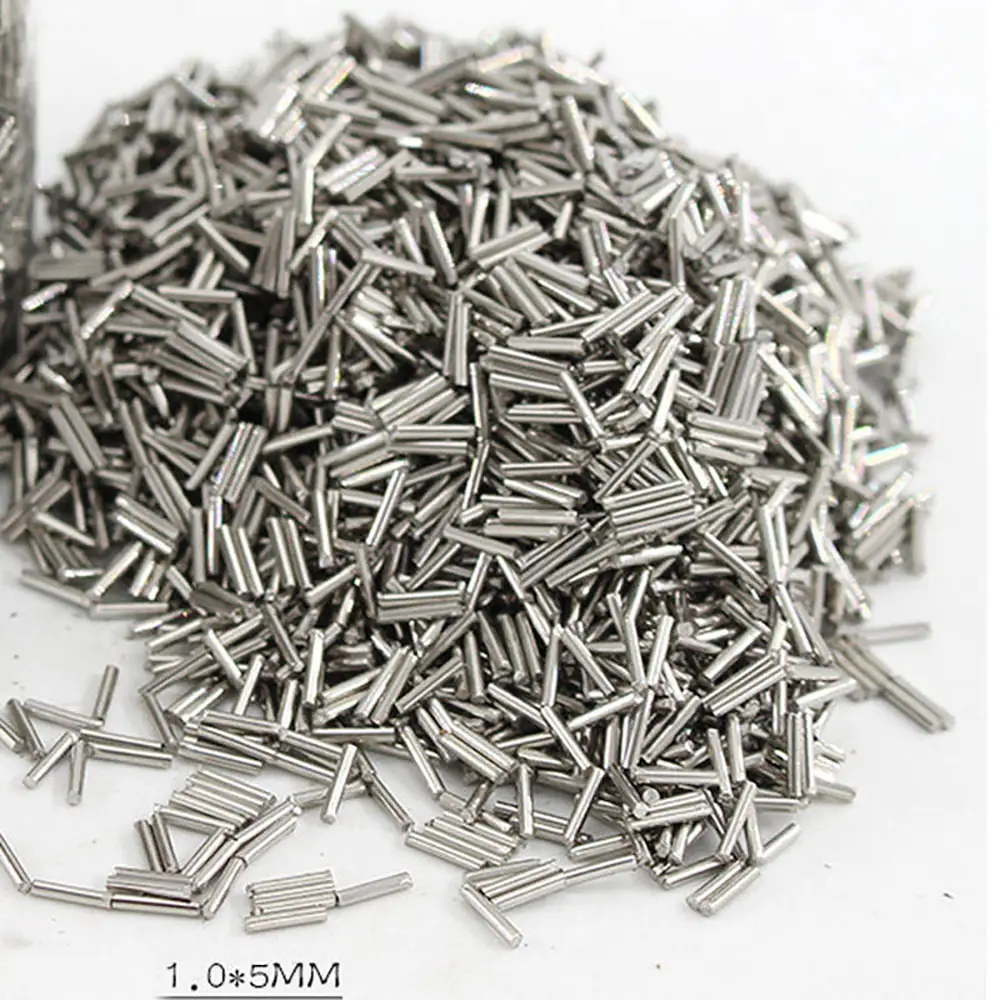
Magnetic polishing pins are small stainless-steel finishing media driven by a magnetic field. They move rapidly around the workpieces to provide fine deburring and polishing action.
Is magnetic polishing suitable for stainless steel?
Yes. Stainless steel is commonly processed using magnetic finishing technology. The appropriate pin size, liquid, and processing parameters should be selected according to the desired finish.
Can aluminum parts be processed?
Some aluminum components can be processed, but the finishing process should be carefully selected because aluminum is relatively soft. Sample testing is recommended before production.
How long does magnetic polishing take?
Processing time varies according to the material, part geometry, burr condition, desired finish, magnetic pin size, finishing liquid, and machine settings.
Can it replace manual deburring?
For many suitable small components, magnetic finishing can significantly reduce manual deburring work. However, some parts may still require manual inspection or secondary finishing.
Is it suitable for mass production?
Yes. Magnetic finishing can process multiple small components in batches and is suitable for many production environments.
How do I choose the right magnetic finishing machine?
Provide the part material, dimensions, hole sizes, approximate batch quantity, current surface condition, burr type, and desired final finish. These details help determine the appropriate machine and finishing configuration.
Prev:
Metal Parts Tumbler Vibratory Finishing Machines Ceramic Polishing Machine
Next:
200L Centrifugal Barrel Finishing Vibratory Polishing Machine
TAG:
Metal Deburring Machine,
Small Parts Deburring Machine,
Metal Polishing Machine,
Industrial Deburring Machine,
Precision Deburring Machine,
Automatic Deburring Machine,
Metal Rust Removal Machine,
Metal Rust Cleaning Machine,
Rust Removal Machine,
Precision Metal Polishing,
Metal Finishing Machine,
Metal Surface Finishing Machine,
Industrial Polishing Machine,
CNC Parts Deburring Machine,
Precision Parts Deburring Machine,
Small Parts Polishing Machine,
Precision Parts Polishing Machine,
CNC Parts Polishing Machine,
Micro Parts Polishing Machine,
Small Component Polishing Machine,
Rust Removal Polishing Machine,
Electrolytic Metal Deburring Machine,
Electrolytic Polishing Machine,
Electrolytic Metal Polishing,
Electrolytic Deburring Machine,
Electrolytic Finishing Machine,
Precision Metal Finishing,
Small Metal Parts Finishing,
Small Metal Parts Polishing,
Metal Parts Finishing Equipment,
Related Category:
Magnetic Tumbler Polishing Machine, Magnetic Polishing Machine, Magnetic Deburring Machine China, suppliers, manufacturers, factory, customized, wholesale, quotation, made in China