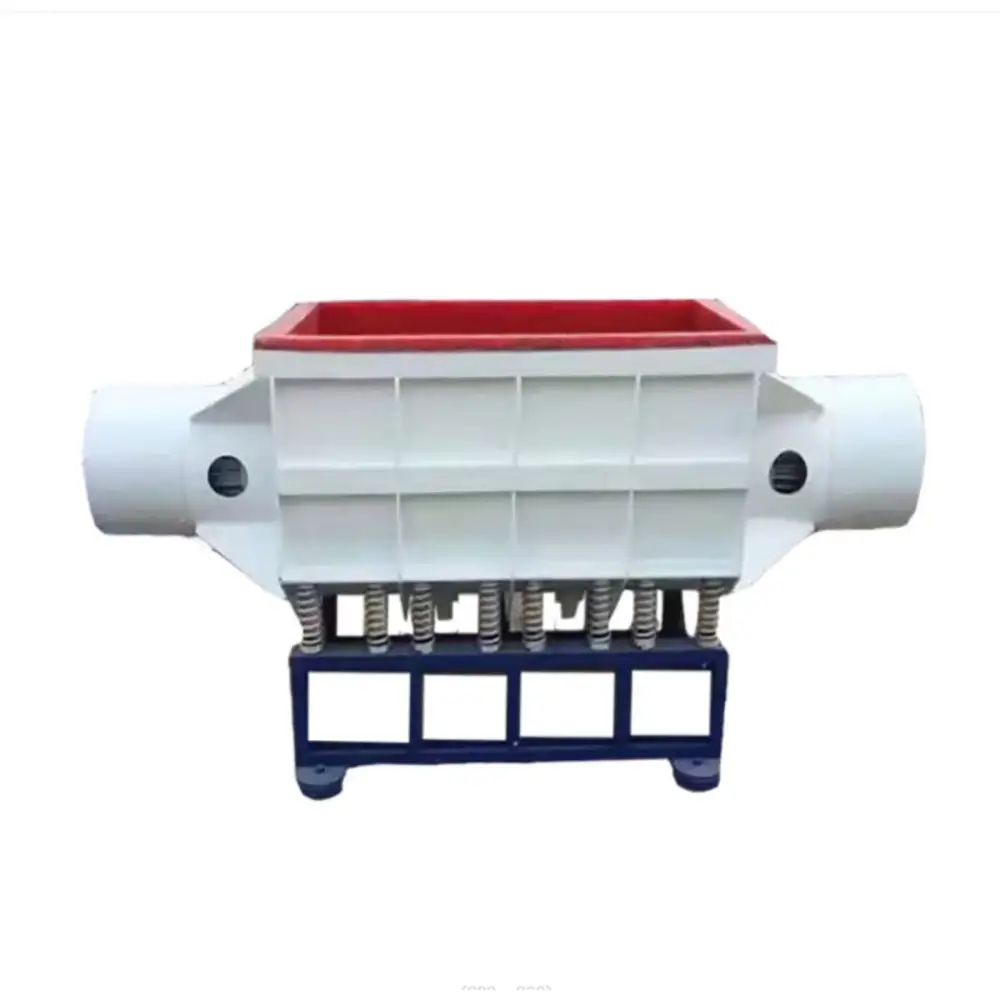
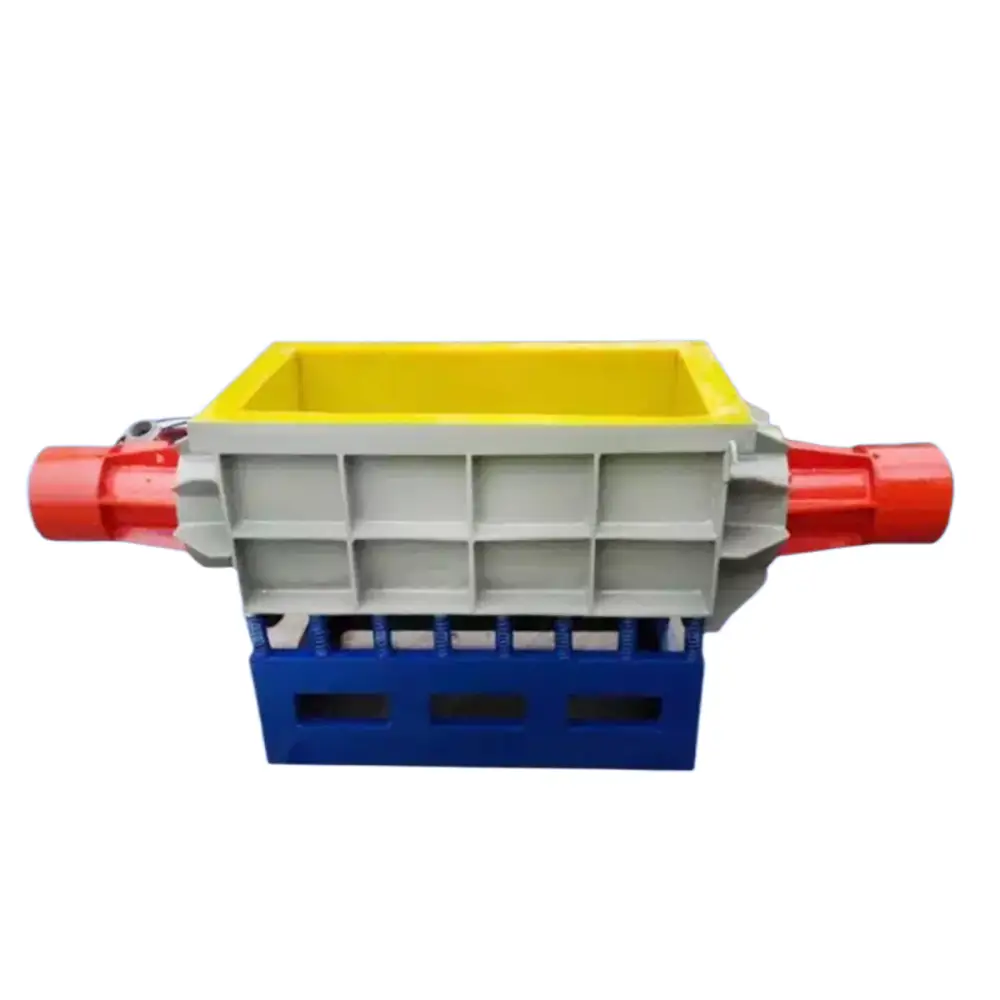
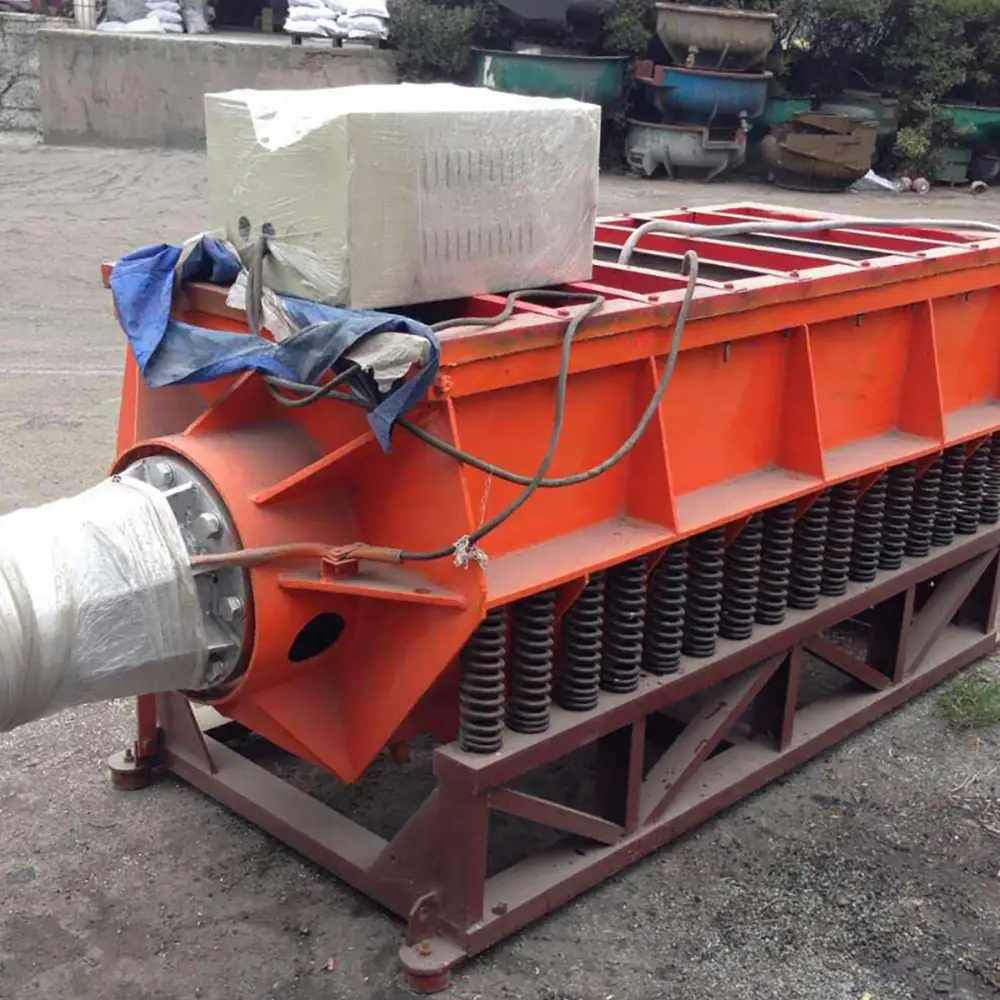
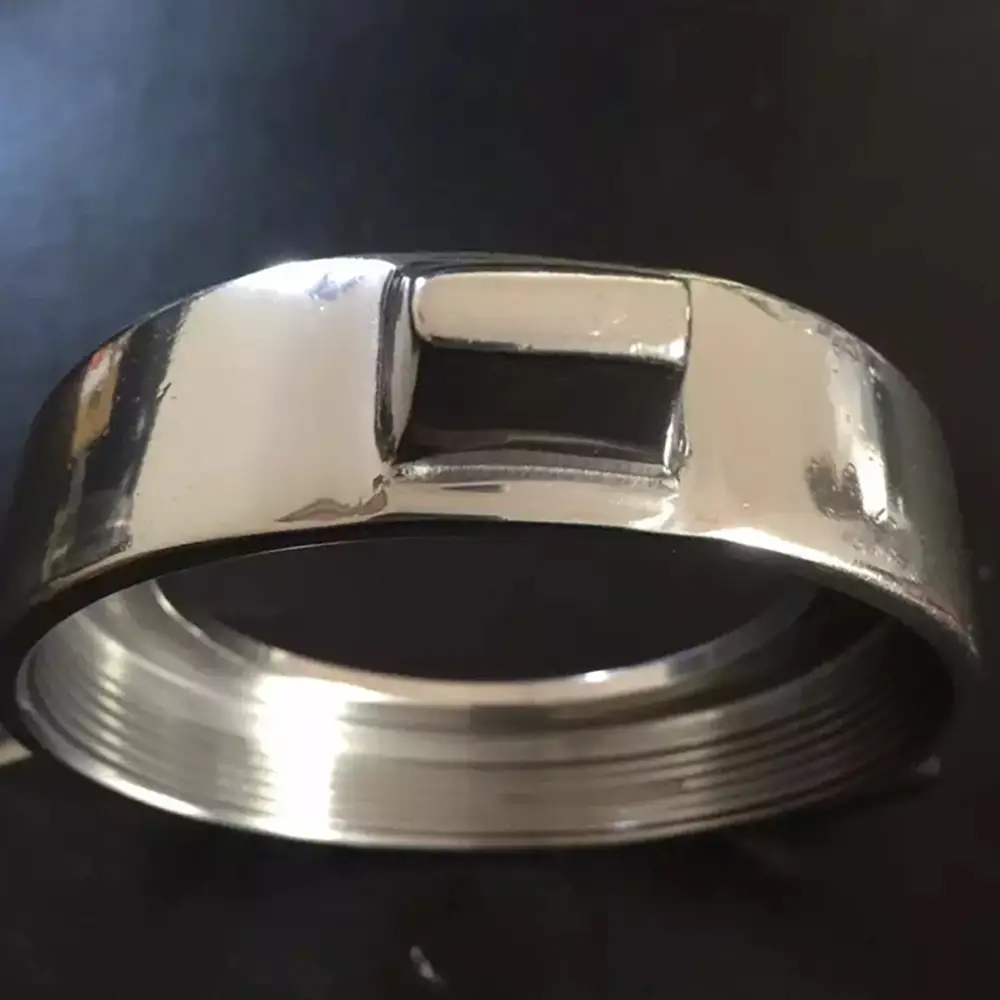
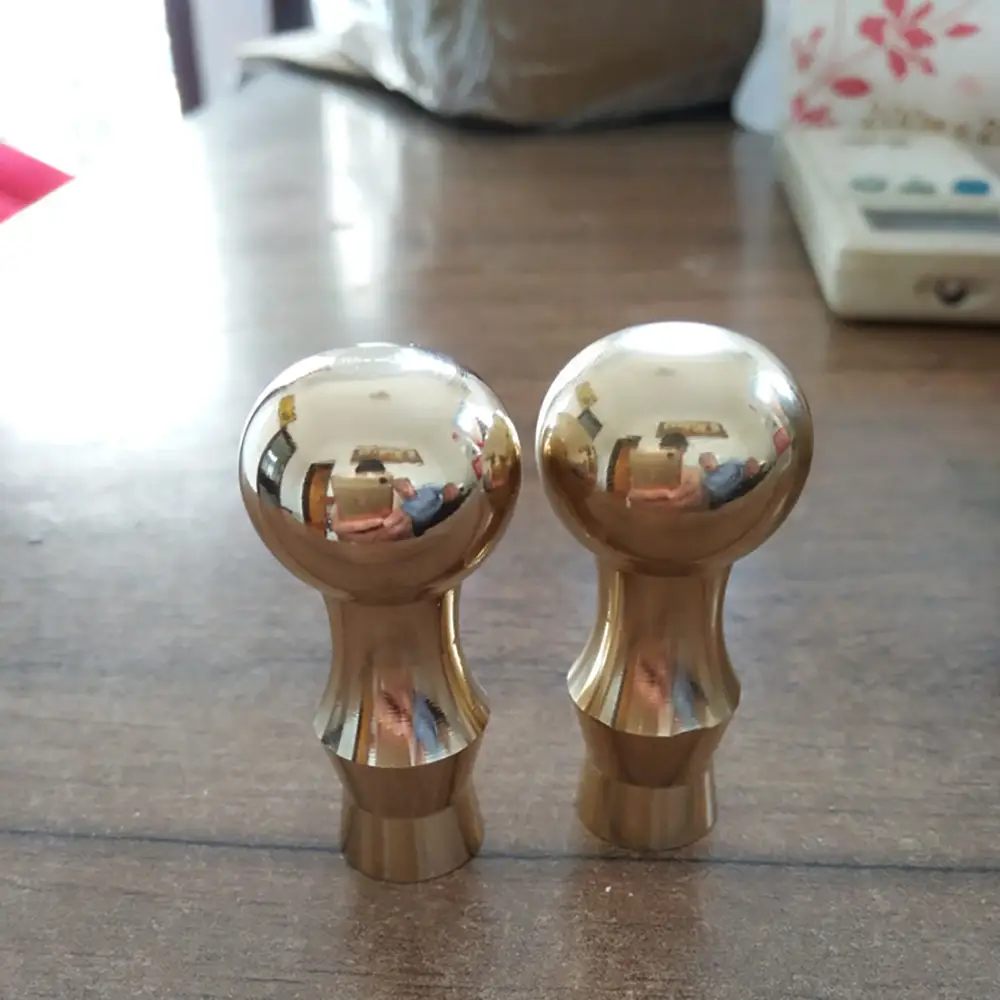
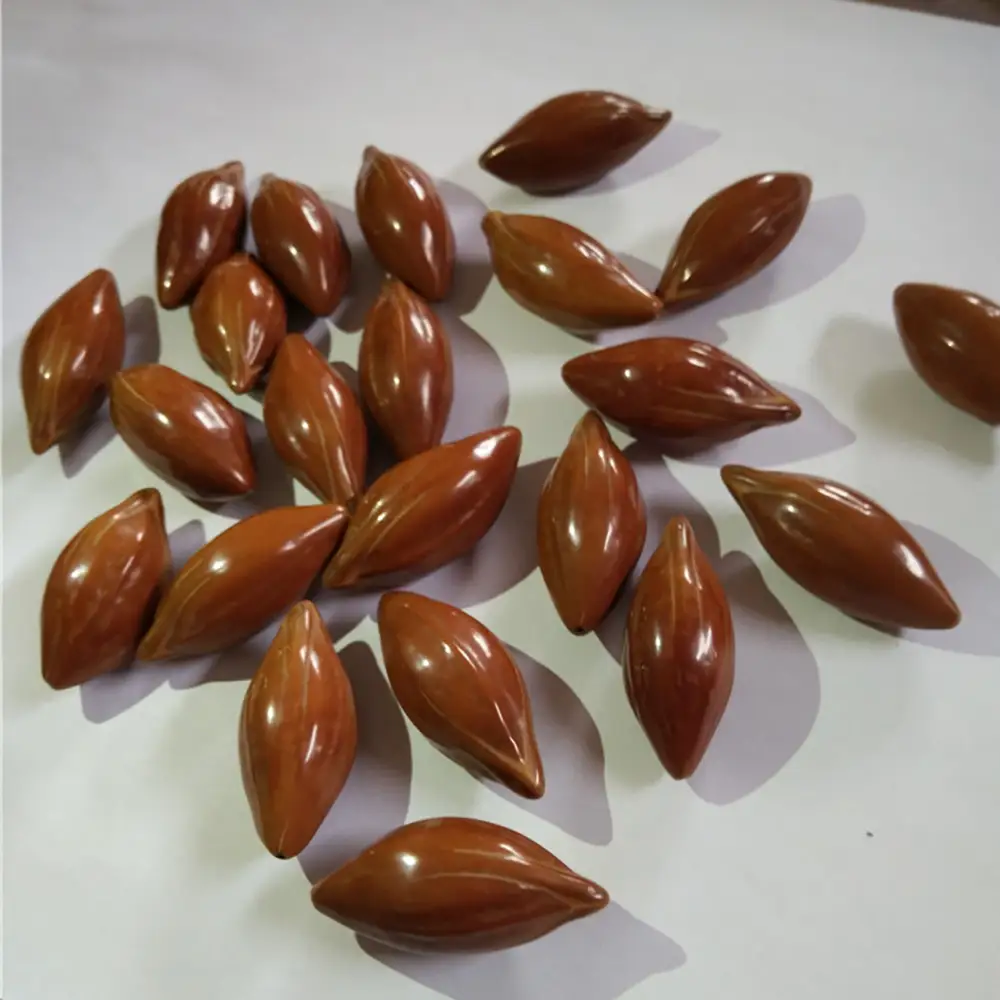
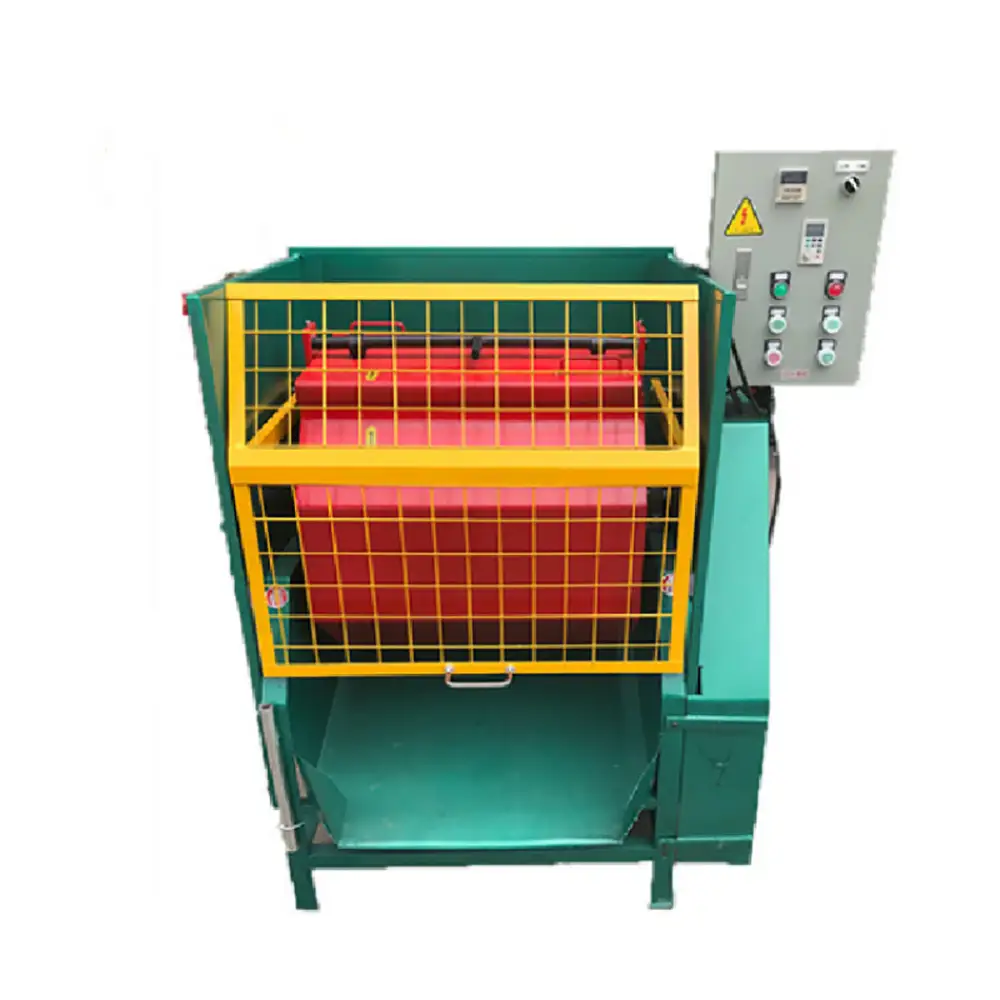
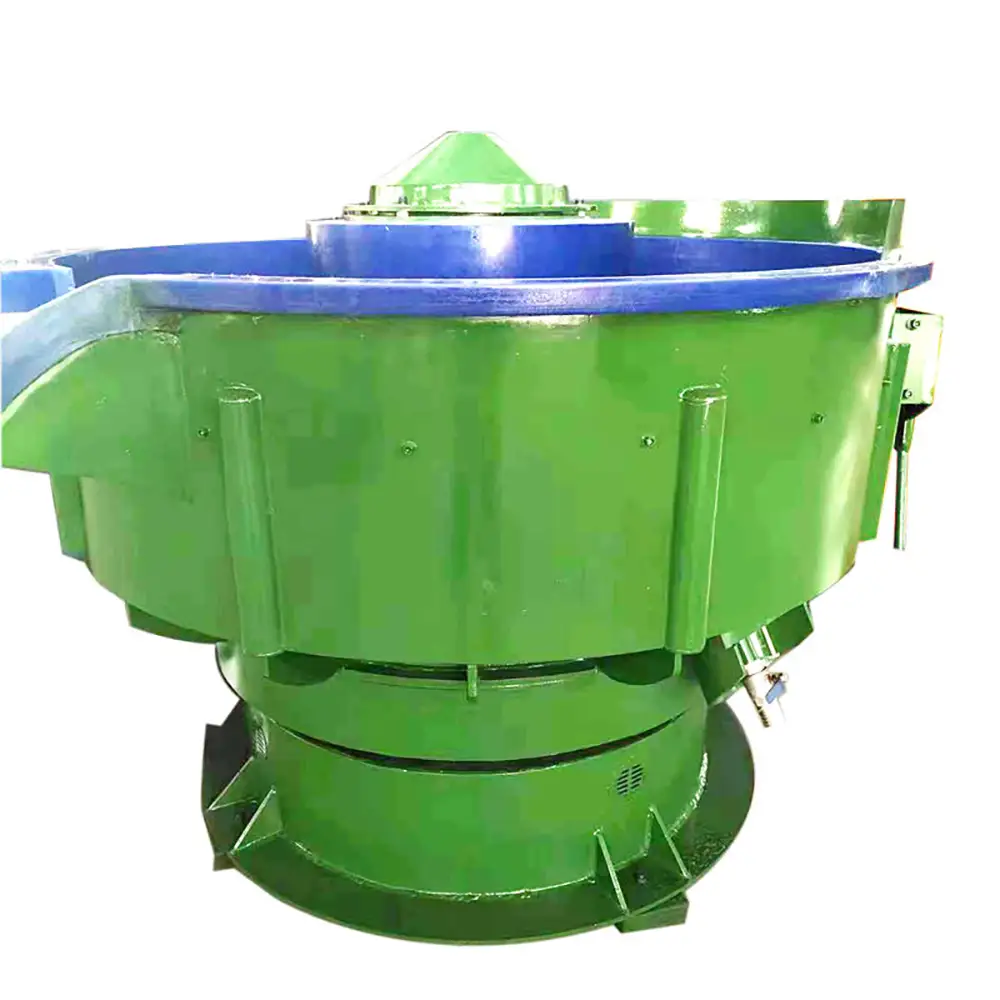
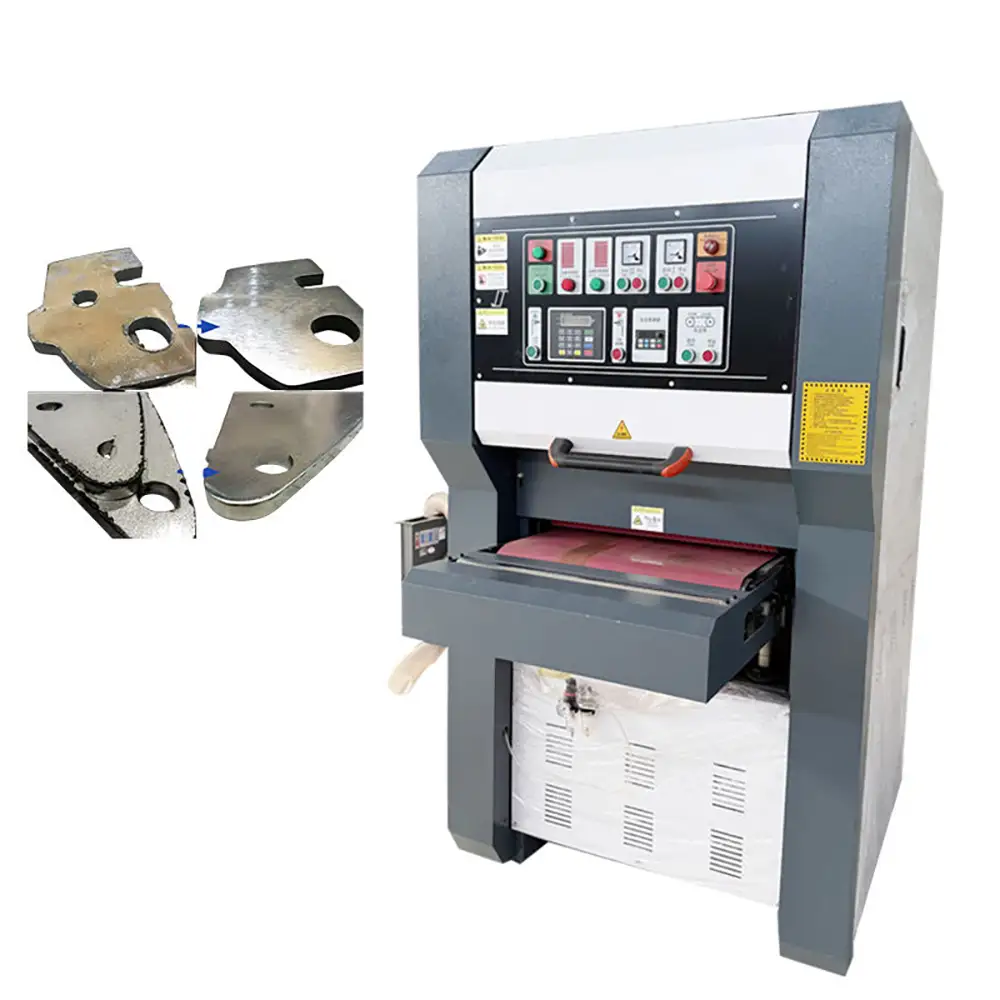
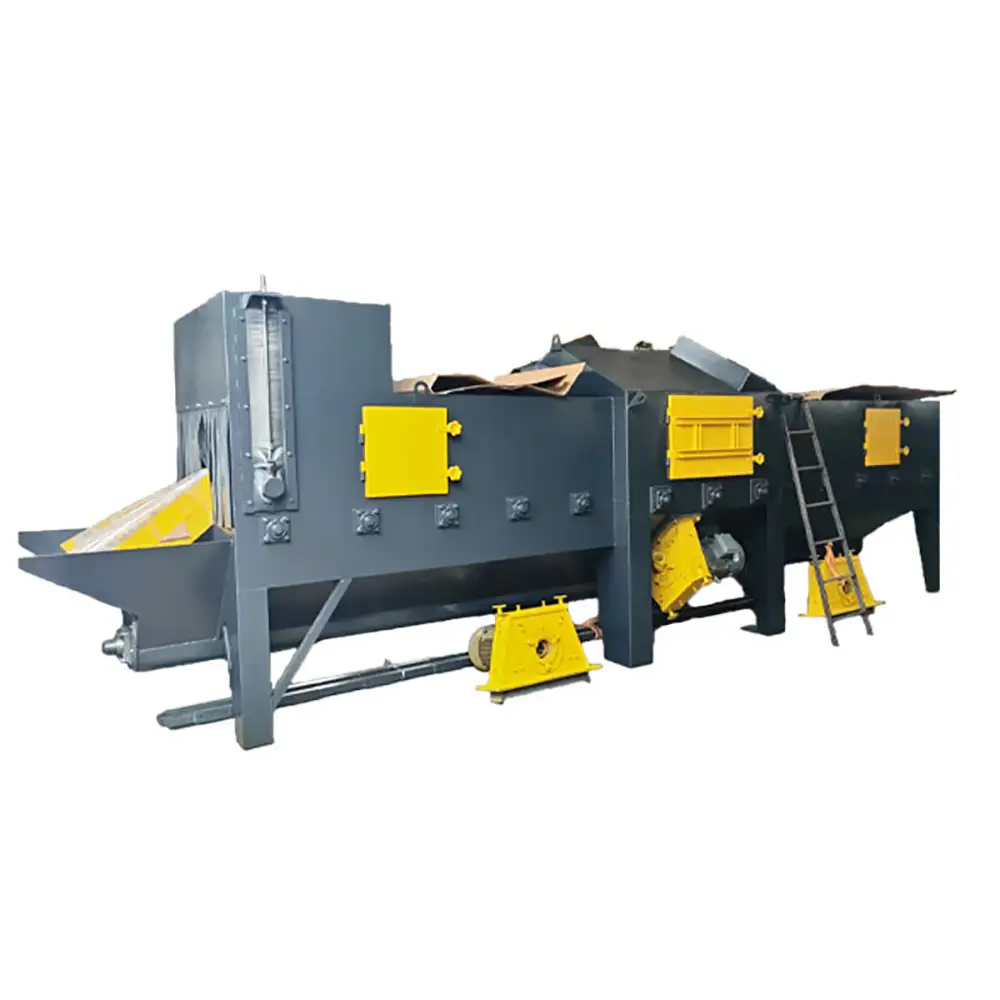
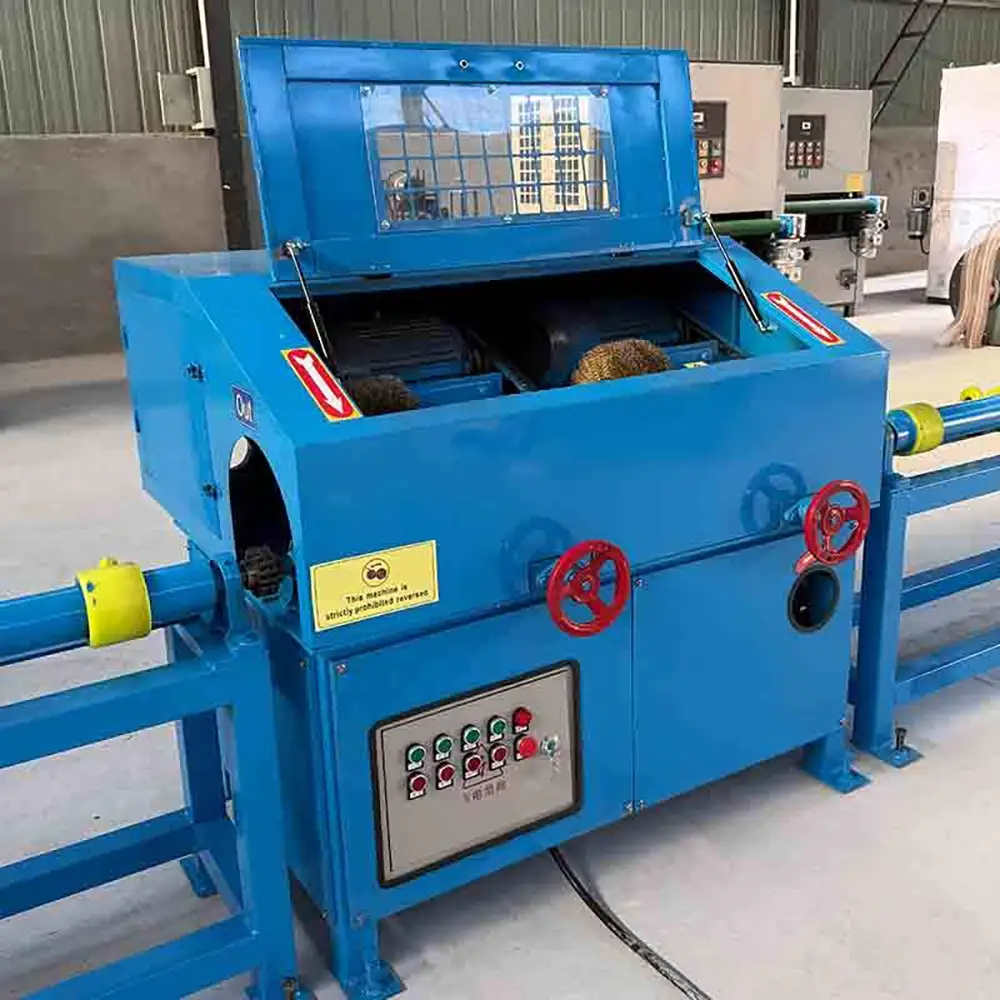
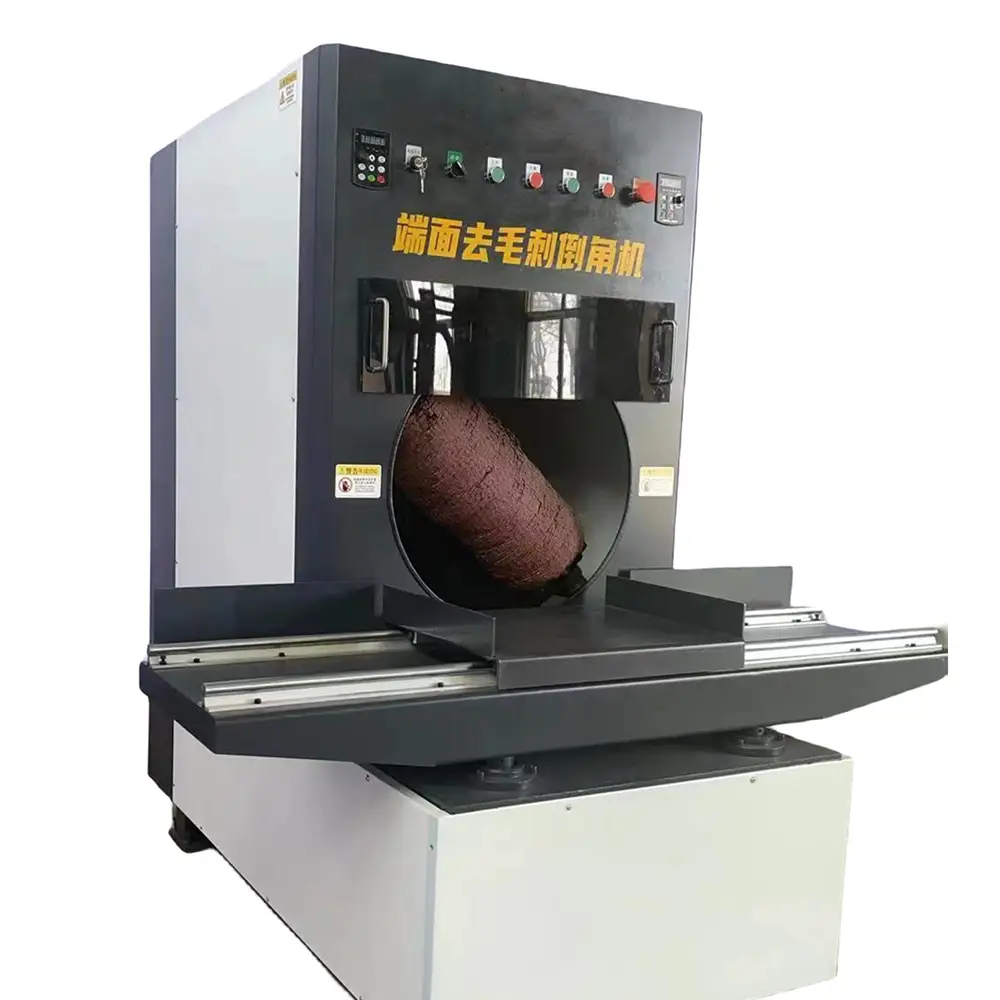
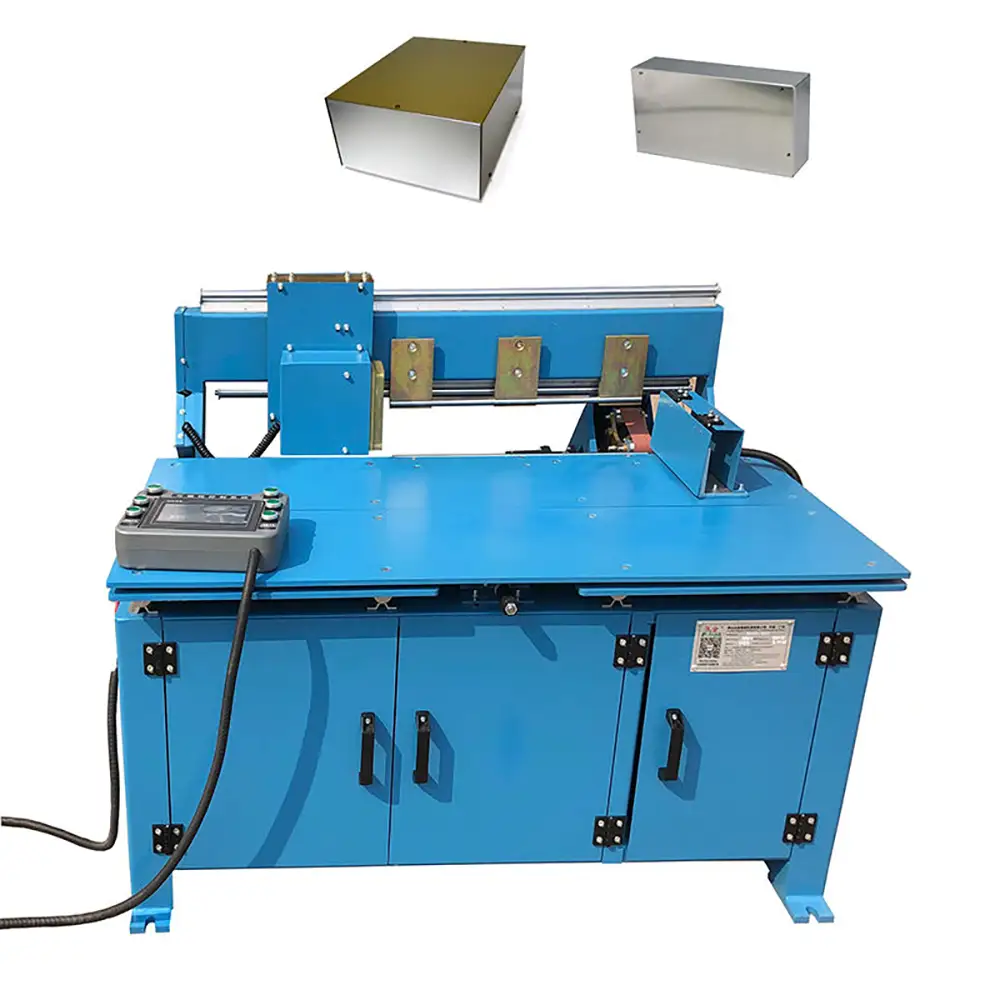
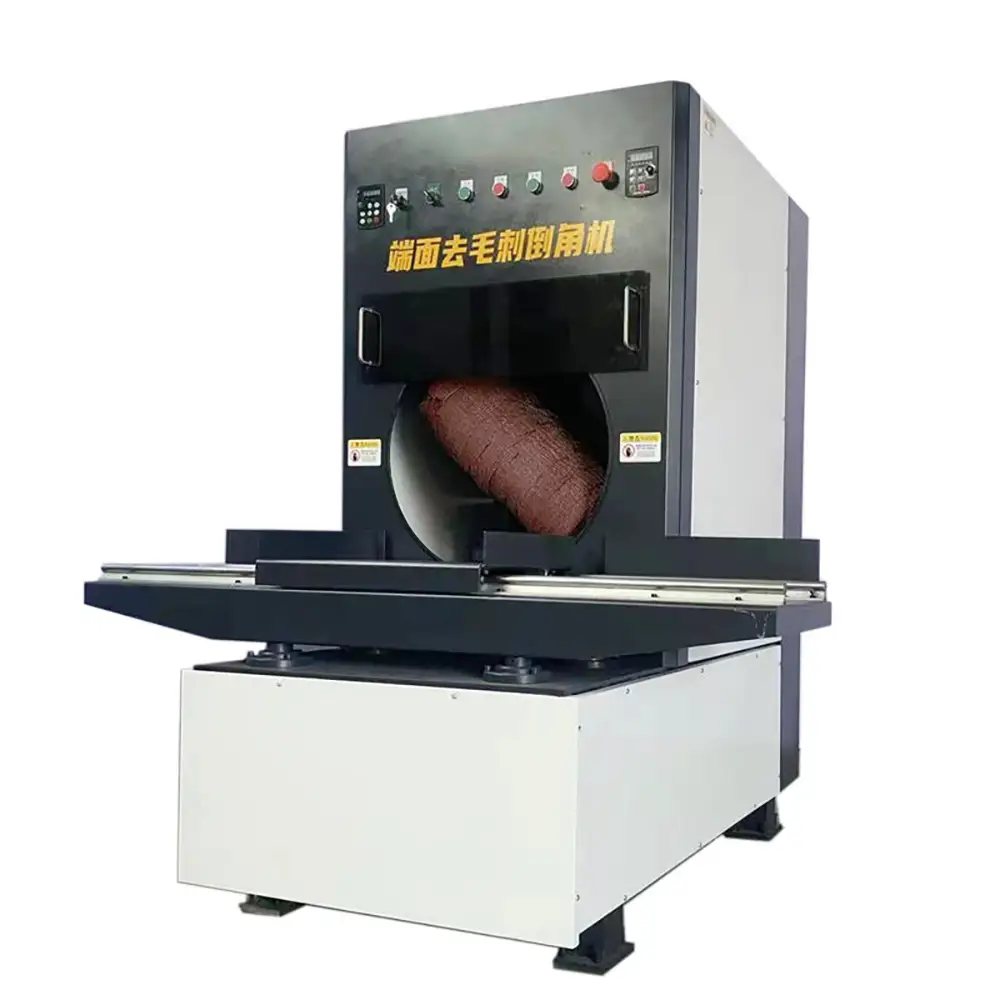
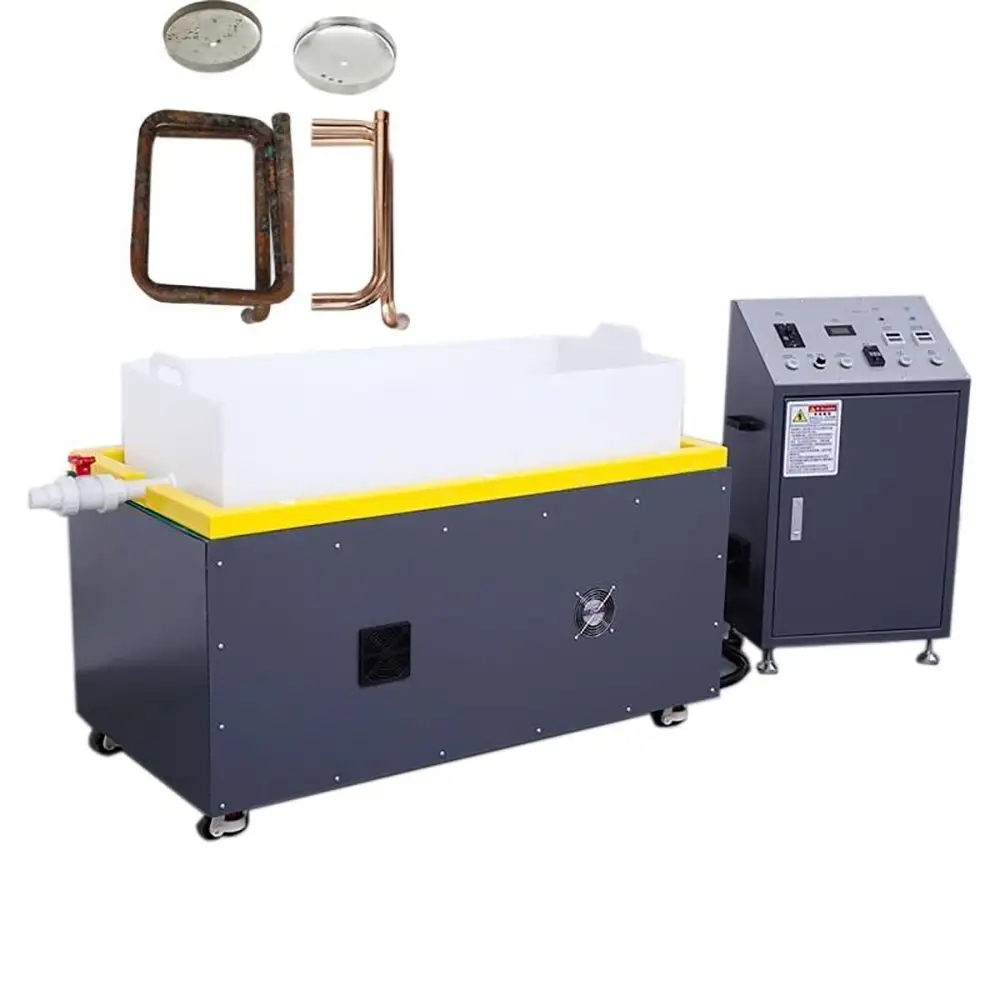
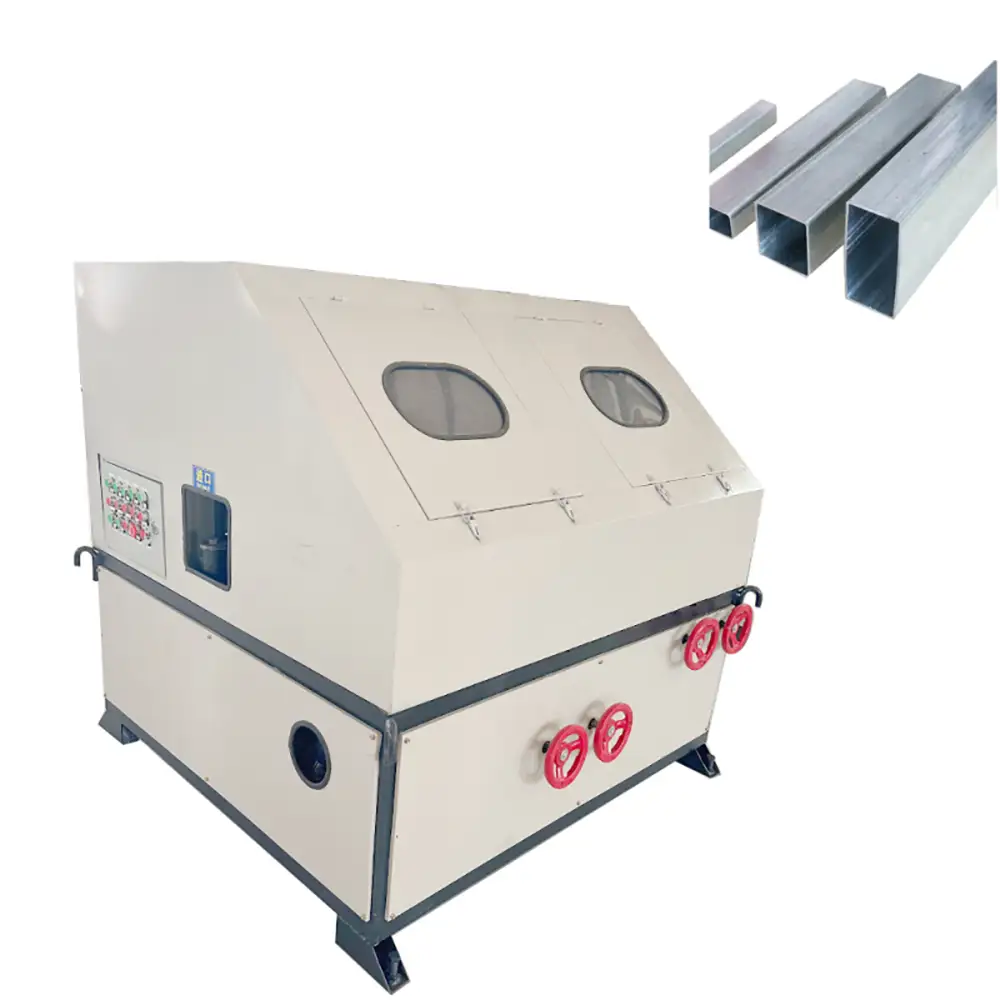
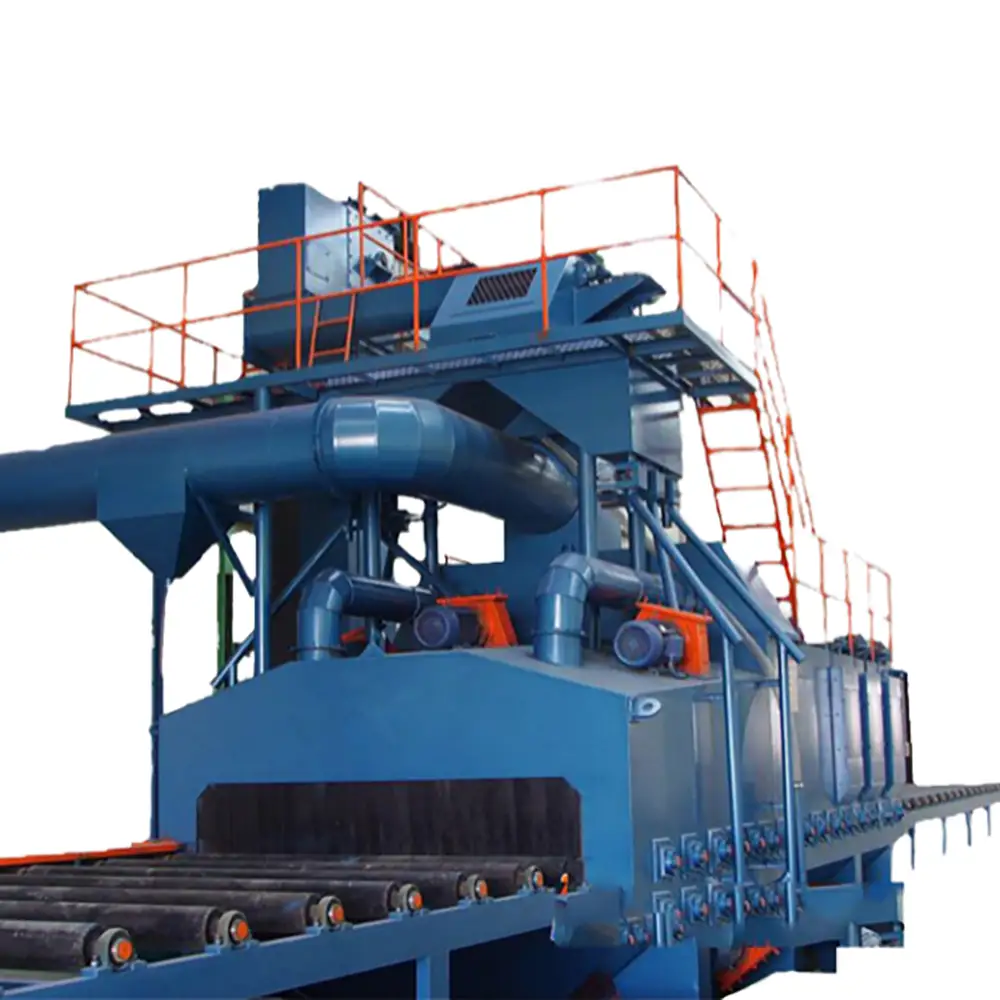
Three-dimensional vibration principle: using the world's advanced three-dimensional vibration principle, so that hardware workpieces and rolling and polishing abrasives grinding each other.
High efficiency: Suitable for large volume parts processing .Original shape: the processing process does not destroy the original size and shape of the parts.
Convenient operation: it can realize automatic and unmanned operation, easy to operate, and the processing of parts can be spot-checked at any time during the working process.
Wide range of application: Wide range of machining capacity available, easy to automate production. Products Description
|
Model |
Volume
(L) |
Thickness of liner
(mm) |
Net weigh
(kg) |
Motor power
(kw) |
Inner cavity size (mm)
LxWxH |
Dimension
(mm)
LxWxH |
|
XZG(B)500 |
500 |
22 |
1200 |
2x2.2 |
1170x690x680 |
2450x1000x955 |
|
XZG(B)700 |
700 |
22 |
1600 |
2x4.0 |
2200x730x645 |
3662x970x1080 |
|
KZG(B)1200 |
1200 |
22 |
2100 |
2x5.5 |
2000x750x854 |
3000x1050x1100 |
|
XZG(B)1800 |
1800 |
25 |
2800 |
2x5.5 |
2020x1120x940 |
3500x1336x1256 |
|
XZG(B)2800 |
2800 |
30 |
4000 |
2x9.0 |
1580x1510x1372 |
3300x1830x1740 |
Multifunction Vibratory Polishing Machine for Surface Finishing
The Multifunction Vibratory Polishing Machine is designed for efficient surface finishing, deburring, grinding, polishing, chamfering, and edge rounding of a wide range of metal and industrial parts. By using controlled vibration together with suitable finishing media, the machine can improve surface quality while helping maintain the original shape, profile, and dimensional characteristics of the workpieces.
This type of vibratory finishing machine is widely used for batch processing of metal components, hardware parts, precision components, automotive parts, machinery components, stainless steel products, aluminum parts, copper components, and other manufactured workpieces. It provides an economical solution for manufacturers looking to improve part appearance and remove unwanted burrs and sharp edges without requiring extensive manual polishing.
Surface Finishing While Maintaining Original Part Shape
One of the major advantages of a vibratory finishing process is its ability to process complex-shaped components without aggressively changing their basic geometry. Parts are placed inside the vibratory bowl or finishing chamber together with appropriate abrasive, ceramic, plastic, or polishing media.
As the machine vibrates, the parts and media move against each other. This controlled interaction produces gradual grinding, smoothing, polishing, and deburring action across the surface.
For manufacturers producing components with curved surfaces, irregular profiles, grooves, holes, edges, and other detailed features, selecting the correct finishing media and processing parameters can help achieve consistent surface treatment while preserving the original part shape.
Multifunctional Deburring and Polishing Performance
The machine can perform several finishing operations depending on the workpiece material, media, compound, and processing requirements.
Typical applications include:
Burr removal
Edge rounding
Chamfering
Surface smoothing
Grinding
Polishing
Oxide and scale removal
Flash removal
Light surface cleaning
Pre-polishing
Finishing before plating or coating
This multifunction capability makes the equipment suitable for manufacturers that process different types of components and need one flexible finishing solution for multiple production requirements.
Vibratory Finishing Process
The basic vibratory finishing process is straightforward. Workpieces are loaded into the machine together with the selected finishing media. The machine then generates controlled vibration, causing the parts and media to move continuously inside the working chamber.
The contact between the media and workpieces gradually removes burrs, smooths rough edges, and improves the surface condition.
Depending on the desired result, manufacturers can use different types and sizes of finishing media. Coarser media can provide stronger grinding and deburring action, while finer media can be used for smoother finishing and polishing.
Finishing compounds can also be used to support cleaning, brightening, corrosion protection, or other specific surface treatment requirements.
Suitable for Metal Parts With Complex Shapes
The original shape polishing concept is especially valuable for components where maintaining the basic geometry is important.
Traditional manual grinding may produce inconsistent results because operators apply different amounts of pressure to different areas. A vibratory finishing process provides a more uniform finishing action across batches of components.
The machine can process parts with:
Curved surfaces
Small holes
Grooves
Recesses
Rounded edges
Irregular profiles
Machined surfaces
Cast surfaces
Stamped edges
CNC-machined details
This makes vibratory finishing particularly useful for components that are difficult or time-consuming to finish manually.
Deburring and Edge Rounding
After machining, stamping, cutting, casting, or other manufacturing operations, metal parts commonly have sharp edges and unwanted burrs.
The vibratory deburring machine helps remove these unwanted features through repeated contact between the workpieces and finishing media.
Edge rounding can also improve part handling and reduce the risk associated with sharp edges. For components that require additional processing such as coating, plating, painting, or assembly, proper deburring can help provide a cleaner and more consistent surface.
Grinding and Surface Smoothing
In addition to deburring, the machine can be configured for grinding and surface smoothing.
Abrasive media gradually works against rough areas of the workpiece, helping reduce surface irregularities and machining marks. The appropriate finishing process depends on the original surface condition and the required final finish.
For applications requiring a higher-quality appearance, manufacturers can use multiple finishing stages, beginning with heavier grinding media and progressing to finer polishing media.
This staged approach can provide greater control over the final surface condition.
Polishing and Bright Finishing
With suitable fine media and finishing compounds, the equipment can also be used as a vibratory polishing machine.
Polishing applications may include stainless steel hardware, aluminum components, copper parts, decorative metal components, fittings, jewelry-related components, and other products where surface appearance is important.
The final result depends on material type, initial surface condition, media selection, compound, processing time, loading ratio, and machine configuration.
Applications Across Multiple Industries
The multifunction vibratory finishing machine can be used across many manufacturing industries.
Common applications include:
Automotive Parts:
For deburring, edge rounding, smoothing, and polishing automotive hardware and machined components.
Machinery Components:
Suitable for gears, brackets, fittings, shafts, connectors, and other industrial components.
Stainless Steel Products:
Used for smoothing and polishing stainless steel hardware and fabricated components.
Aluminum Parts:
Suitable for finishing lightweight aluminum components while helping maintain their original geometry.
Hardware Products:
Useful for screws, nuts, bolts, hinges, handles, fittings, and other hardware products.
CNC Machined Parts:
Helps remove machining burrs and improve surface consistency after CNC processing.
Cast and Stamped Parts:
Can assist with flash removal, edge smoothing, and general surface conditioning.
Batch Processing for Higher Productivity
Compared with manual finishing, vibratory processing allows manufacturers to finish multiple parts in one cycle. This can reduce repetitive manual labor and improve production consistency.
Batch processing is particularly beneficial for small and medium-sized components that are produced in large quantities.
Once the appropriate machine configuration, media, compound, loading quantity, and cycle time have been established, the finishing process can be repeated across production batches with greater consistency.
Choosing the Right Finishing Media
Media selection is an important factor in vibratory finishing performance.
Common media options include ceramic media, plastic media, steel media, abrasive media, and polishing media. The correct selection depends on the material, shape, size, surface condition, and desired finish of the workpiece.
For heavy deburring and grinding, more aggressive abrasive media may be appropriate. For delicate components or final polishing, finer media can provide a gentler finishing action.
Manufacturers should evaluate both the workpiece and desired final finish when selecting media.
Flexible Solution for Different Production Requirements
The machine can be used for different finishing objectives by changing the process parameters and consumables.
Depending on the machine design and application, important parameters may include:
Vibration intensity
Processing time
Media type
Media size
Compound selection
Workpiece-to-media ratio
Loading quantity
Finishing sequence
This flexibility allows manufacturers to develop finishing processes for different products without requiring a completely different machine for every application.
Easy Integration Into Manufacturing Operations
A vibratory finishing machine can be positioned as a standalone finishing station or integrated into a broader manufacturing workflow.
For example, a typical production sequence may include:
CNC Machining → Vibratory Deburring → Grinding → Polishing → Cleaning → Inspection → Packaging
This makes the equipment suitable for factories seeking to improve the consistency and efficiency of their post-machining finishing operations.
Professional Surface Finishing Solution
The Multifunction Surface Finishing Vibratory Polisher Finishing Vibration Machine provides manufacturers with a practical solution for deburring, grinding, smoothing, polishing, and general surface conditioning.
Its ability to process multiple parts in batches, work with different finishing media, and accommodate a variety of workpiece shapes makes it a flexible choice for industrial production.
For manufacturers processing metal parts with complex profiles or irregular shapes, the vibratory finishing process offers an efficient alternative to repetitive manual finishing. With proper media selection and process development, the machine can help improve surface quality, reduce burrs, create smoother edges, and achieve a more consistent appearance across production batches.
Why Choose Us
1. Multifunctional Finishing Capability
One machine can support deburring, chamfering, grinding, smoothing, polishing, and other surface finishing operations.
2. Suitable for Complex-Shaped Parts
The vibratory process can effectively finish curved, irregular, recessed, and detailed components while helping preserve their basic shape.
3. Batch Processing
Process multiple workpieces simultaneously to improve productivity compared with manual finishing.
4. Flexible Media Selection
Different ceramic, plastic, abrasive, and polishing media can be selected according to the workpiece and required finish.
5. Consistent Surface Treatment
Controlled vibratory movement helps provide more uniform finishing results across production batches.
6. Reduced Manual Labor
Automated vibratory processing can reduce repetitive manual deburring and polishing work.
7. Wide Material Compatibility
Suitable for many metal materials, including stainless steel, aluminum, copper, steel, and other industrial alloys.
8. Multiple Industrial Applications
The machine can be used for automotive, hardware, machinery, CNC machining, metal fabrication, and other manufacturing applications.
9. Customizable Finishing Process
Processing time, media, compounds, loading quantity, and other parameters can be adjusted according to different products.
10. B2B and OEM Support
We can provide equipment solutions according to production requirements, workpiece characteristics, finishing objectives, and factory application needs.
FAQs
1. What is a vibratory polishing machine?
A vibratory polishing machine uses controlled vibration and finishing media to deburr, grind, smooth, chamfer, and polish manufactured parts.
2. What materials can this machine process?
It can be used for many materials, including stainless steel, carbon steel, aluminum, copper, brass, and other suitable metal components.
3. Can it polish parts with irregular shapes?
Yes. Vibratory finishing is suitable for many irregular, curved, recessed, and complex-shaped parts.
4. Will vibratory finishing change the original shape of my parts?
When the correct media and process parameters are selected, the process is designed to improve the surface while minimizing unwanted changes to the basic part geometry.
5. Can the machine remove burrs?
Yes. Deburring is one of the most common applications of vibratory finishing equipment.
6. Can it perform chamfering and edge rounding?
Yes. Suitable media and processing conditions can help remove sharp edges and create smoother edge profiles.
7. What types of media can be used?
Depending on the application, ceramic, plastic, abrasive, steel, and polishing media may be used.
8. Can it polish stainless steel?
Yes. With suitable fine finishing media and compounds, the machine can be used for stainless steel polishing and surface finishing.
9. Is the machine suitable for CNC machined parts?
Yes. It is commonly used for post-machining deburring, edge rounding, smoothing, and surface finishing.
10. Can multiple parts be processed at the same time?
Yes. Vibratory finishing is designed for batch processing, although the recommended loading quantity depends on the machine and workpieces.
11. How long does a finishing cycle take?
Processing time varies according to the material, part geometry, initial surface condition, media, and desired finish. The actual cycle should be determined through process testing.
12. How do I select the right finishing media?
Media selection depends on the workpiece material, dimensions, geometry, burr condition, and required final surface finish.
13. Can you provide a finishing solution for my specific parts?
Yes. Manufacturers can provide equipment recommendations based on workpiece samples, material, dimensions, production volume, and required finishing results.
Prev:
Copper Aluminum Steel Sheet Polishing Machine
Next:
Multifunction Small Steel Flat Sheet Polishing Sanding Machine / Steel Sheet Sander Polishing Grinding Buffing Machine
TAG:
Metal Deburring Machine,
Stainless Steel Polishing Machine,
Metal Surface Finishing Machine,
Metal Edge Rounding Machine,
Edge Rounding Machine,
Surface Grinding Machine,
Industrial Finishing Machine,
Vibratory Finishing Equipment,
Aluminum Parts Polishing Machine,
Steel Parts Polishing Machine,
Vibratory Tumbler,
Deburring And Polishing Machine,
Grinding And Polishing Machine,
Surface Finishing Equipment,
Metal Parts Deburring,
Metal Parts Grinding,
Metal Parts Polishing,
Surface Polishing Machine,
Metal Surface Polishing,
Industrial Vibratory Tumbler,
Chamfering Finishing Machine,
CNC Parts Finishing,
CNC Parts Deburring,
CNC Metal Polishing,
Metal Component Finishing,
Precision Parts Finishing,
Complex Shape Parts Polishing,
Irregular Parts Finishing,
Original Shape Polishing,
Automatic Vibratory Finishing,
Related Category:
Multifunction Vibratory Polishing Machine, Surface Finishing Machine, Vibratory Polishing Machine, Vibratory Finishing M China, suppliers, manufacturers, factory, customized, wholesale, quotation, made in China