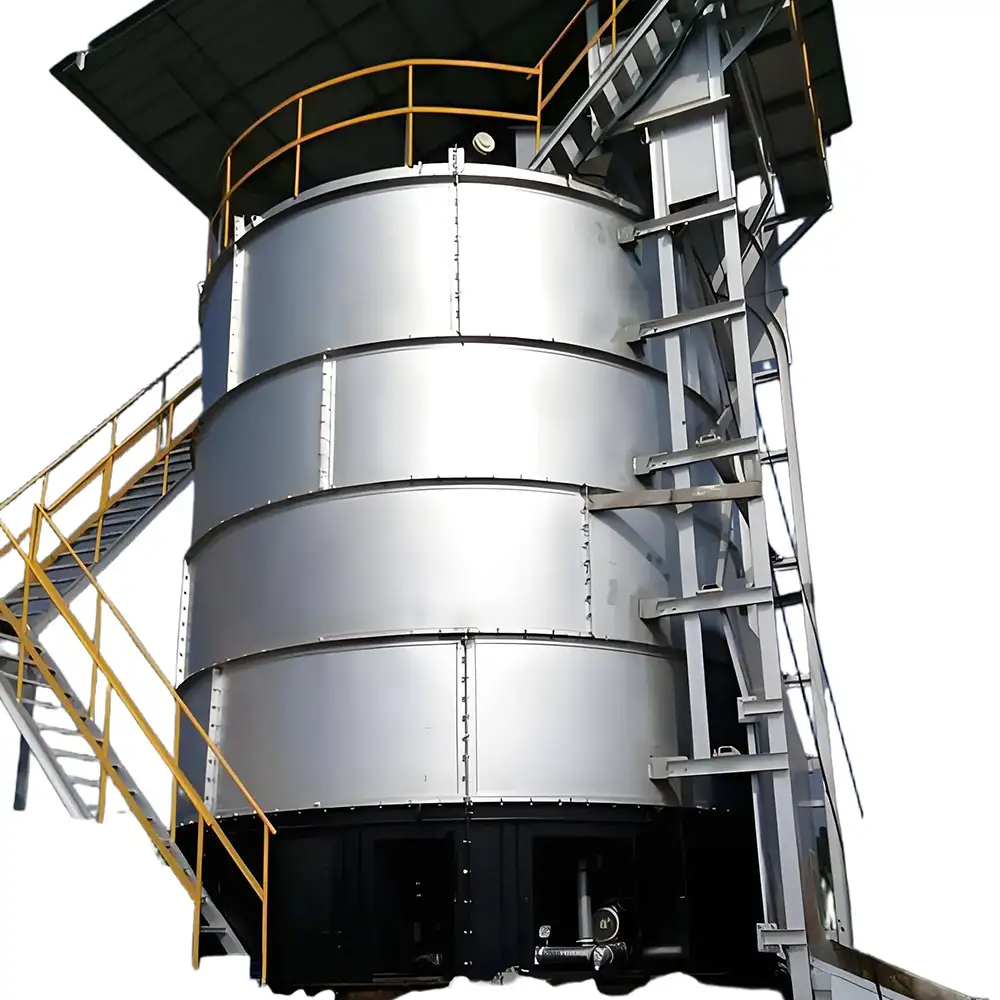
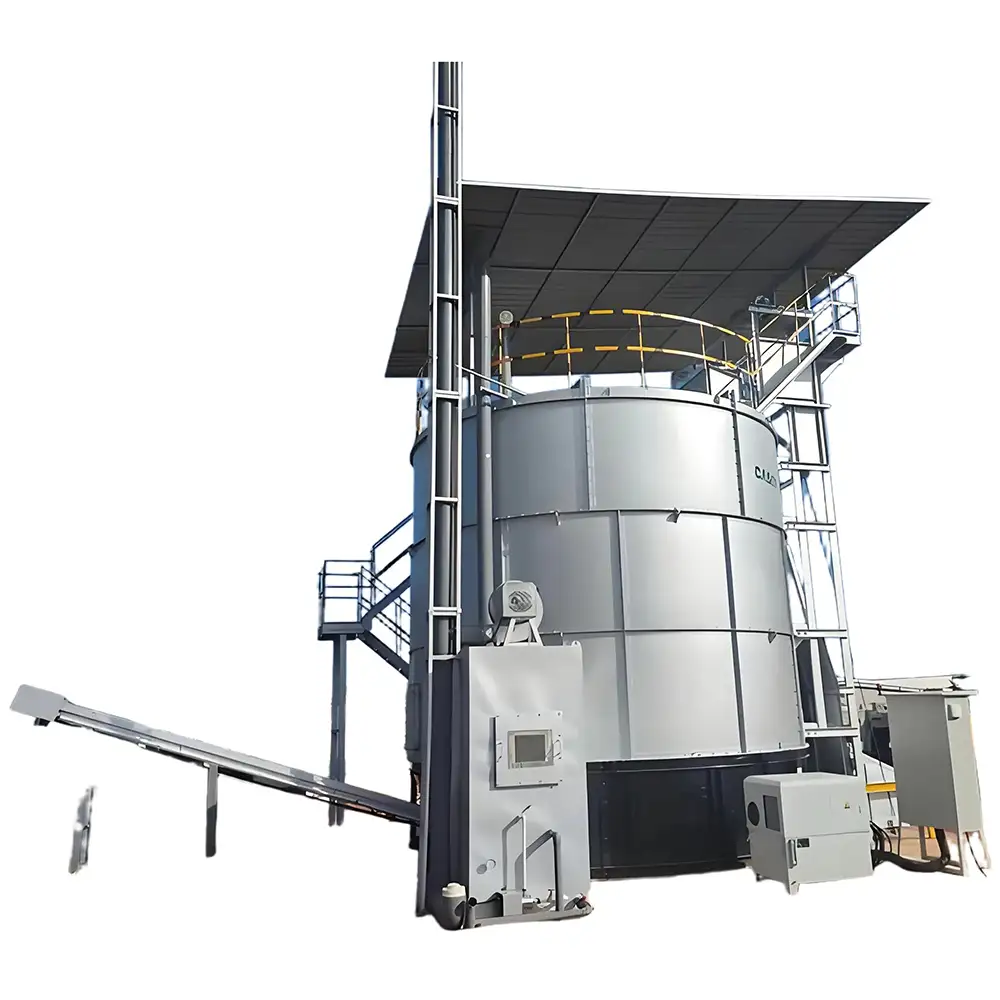
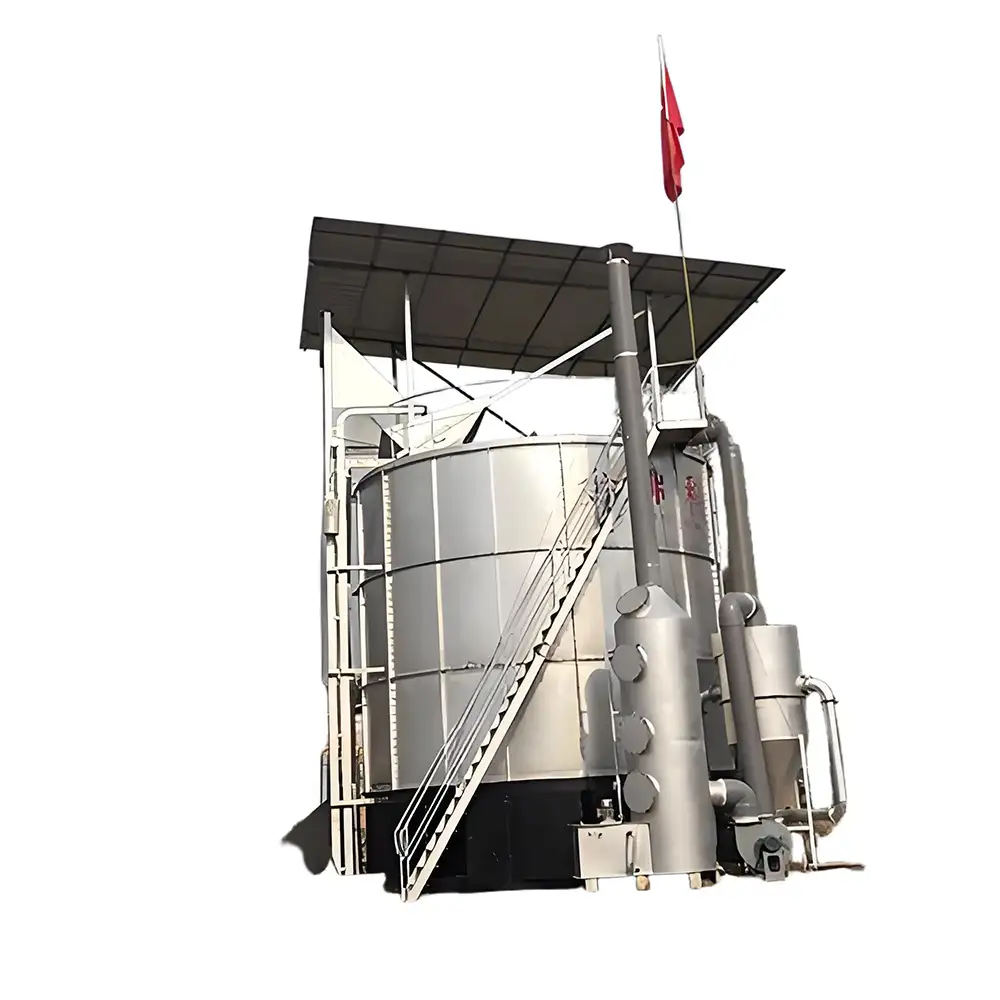
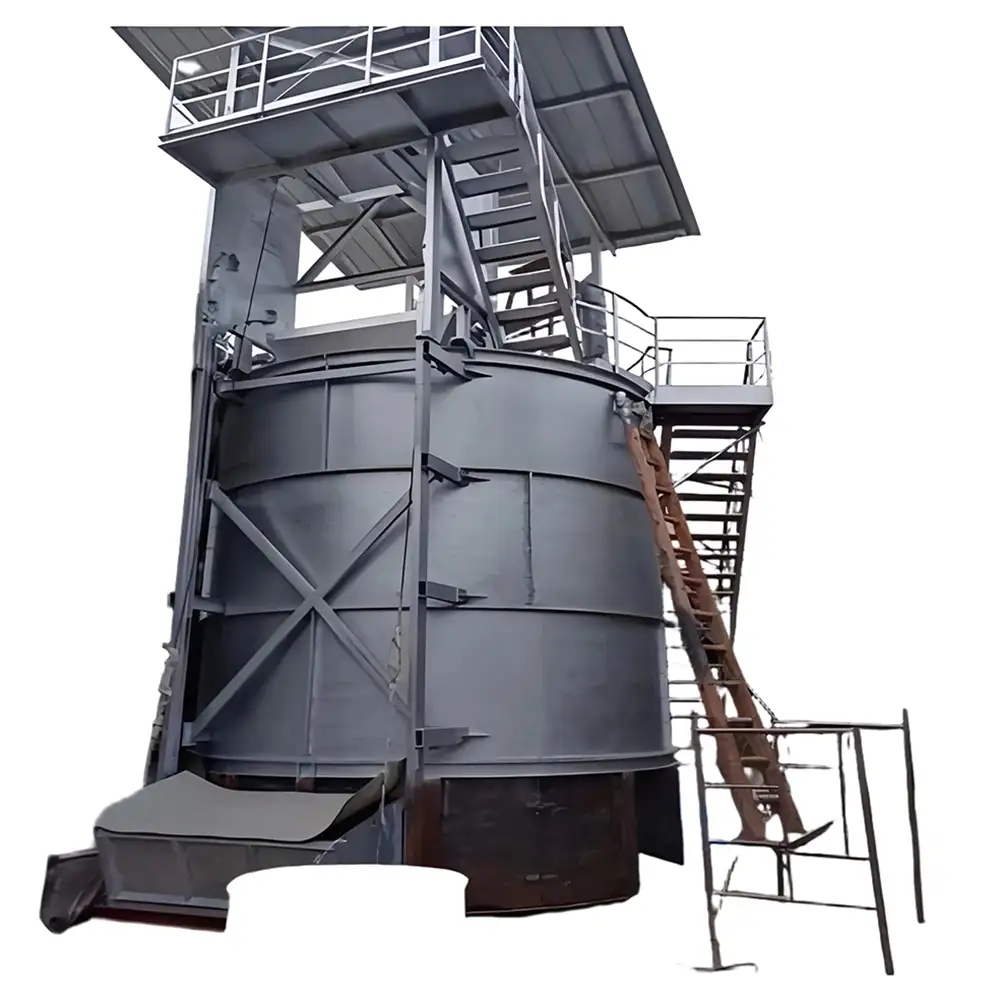
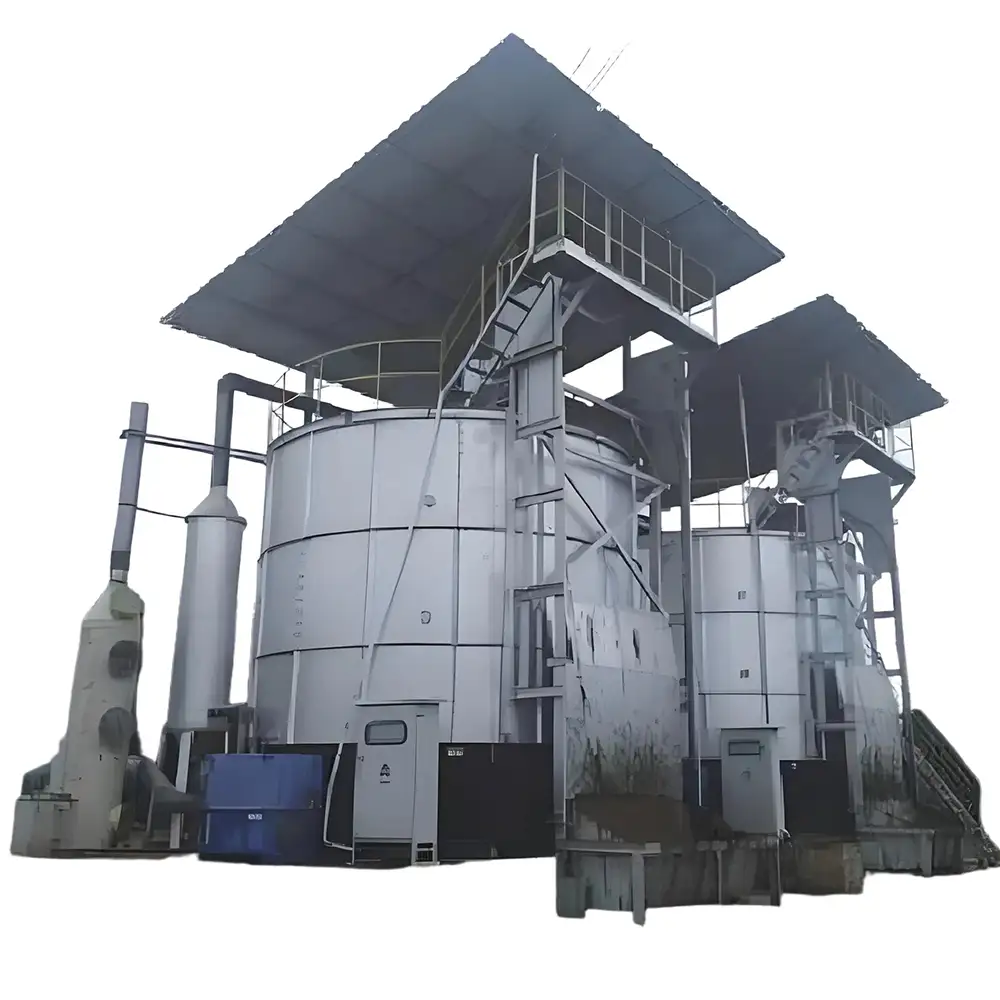
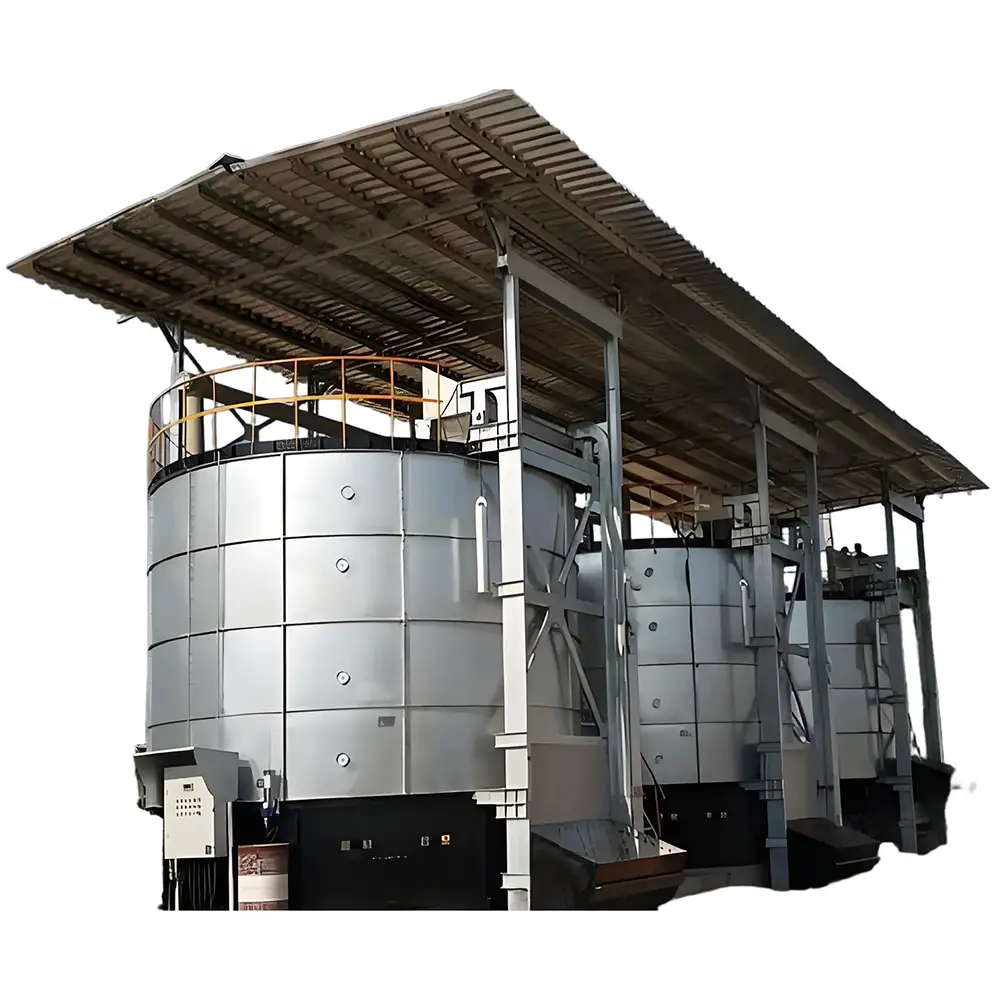
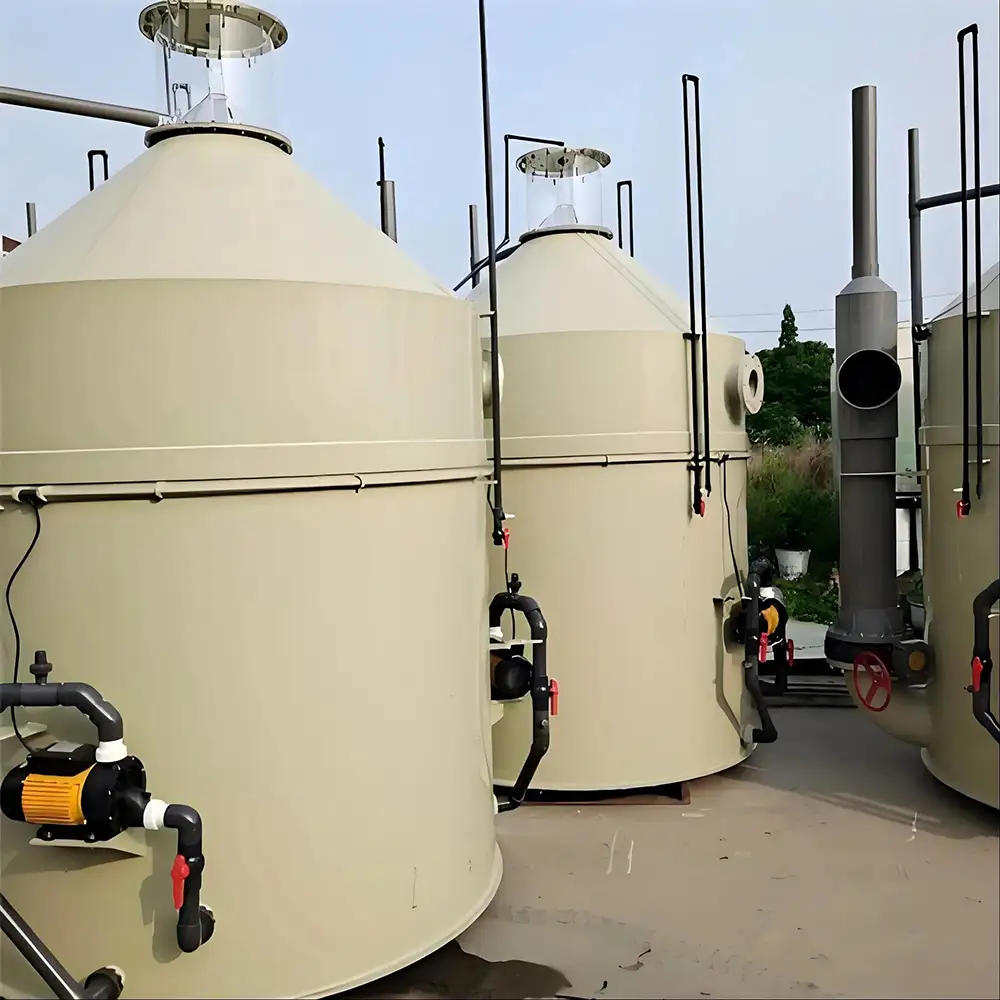
The Organic Fertilizer Aerobic Reactor Water Treatment Plant is an industrial biological treatment and fermentation solution designed for aerobic processing of suitable organic materials, wastewater-related organic residues, agricultural waste, and other biodegradable feedstocks. By providing controlled aeration, mixing, temperature management, and fermentation conditions, the system supports the aerobic decomposition and stabilization of organic materials.
The Aerobic Fermentation Tank for Organic Fertilizer Plant is particularly suitable for fertilizer production facilities that need a controlled fermentation environment rather than relying entirely on open-air composting. A closed or semi-closed reactor configuration can help improve process control, reduce dependence on weather conditions, and provide a more organized production workflow.
Aerobic Biological Treatment
Aerobic fermentation uses microorganisms that require oxygen to break down biodegradable organic matter. When suitable organic feedstock, moisture, oxygen, and temperature conditions are maintained, microbial activity can promote decomposition and stabilization.
The reactor provides a controlled environment for this biological process. Depending on the system configuration, it can include aeration equipment, mixing devices, temperature sensors, feeding systems, discharge mechanisms, and automated controls.
|
Take the technical parameters of 2 cubic livestock and poultry manure fermentation treatment machine as an example |
|
Serial number |
Technical Parameters |
standard |
power |
|
1 |
Control cabinet |
Manual/Intelligent 24V3A |
|
|
2 |
Unit size |
3.3m*2.3m*2.5m |
15kw |
|
3 |
Equipment area |
15m*10m*5m |
|
|
4 |
Voltage |
380v50HZ |
|
|
5 |
lift |
|
1.7kw |
|
6 |
Discharge port |
|
0.18kw |
|
7 |
Heating system |
25-100° |
4kw |
|
8 |
broken |
600r/min |
4kw |
|
9 |
Stirring volume |
2m3 |
|
|
10 |
Daily processing capacity |
10 cubic meters of manure/5 cans/day |
|
|
|
|
|
|
|
|
|
|
|
1. Working principle
Aerobic fermentation: Most fermentation tanks adopt the principle of aerobic fermentation, providing oxygen to microorganisms through forced ventilation or stirring system to promote their rapid decomposition of organic matter.
High temperature sterilization: The temperature can reach 50~70ºC during the fermentation process, killing pathogens, insect eggs and weed seeds.
Automated control: Real-time monitoring of temperature, humidity, pH value, oxygen content and other parameters through sensors to optimize fermentation conditions.
2. Main structural components
Tank:
Material: stainless steel or anti-corrosion carbon steel, corrosion-resistant and high-temperature resistant.
Shape: vertical (tower) or horizontal, some are equipped with insulation layer to improve energy efficiency.
Mixing system:
Spiral agitator or compost turning device to ensure uniform mixing and ventilation of materials.
Ventilation system:
Ventilation ducts or fans are arranged at the bottom to provide oxygen and adjust humidity.
Temperature control system:
Electric heating, steam heating or using fermentation to generate heat to maintain the optimal temperature.
Deodorization device:
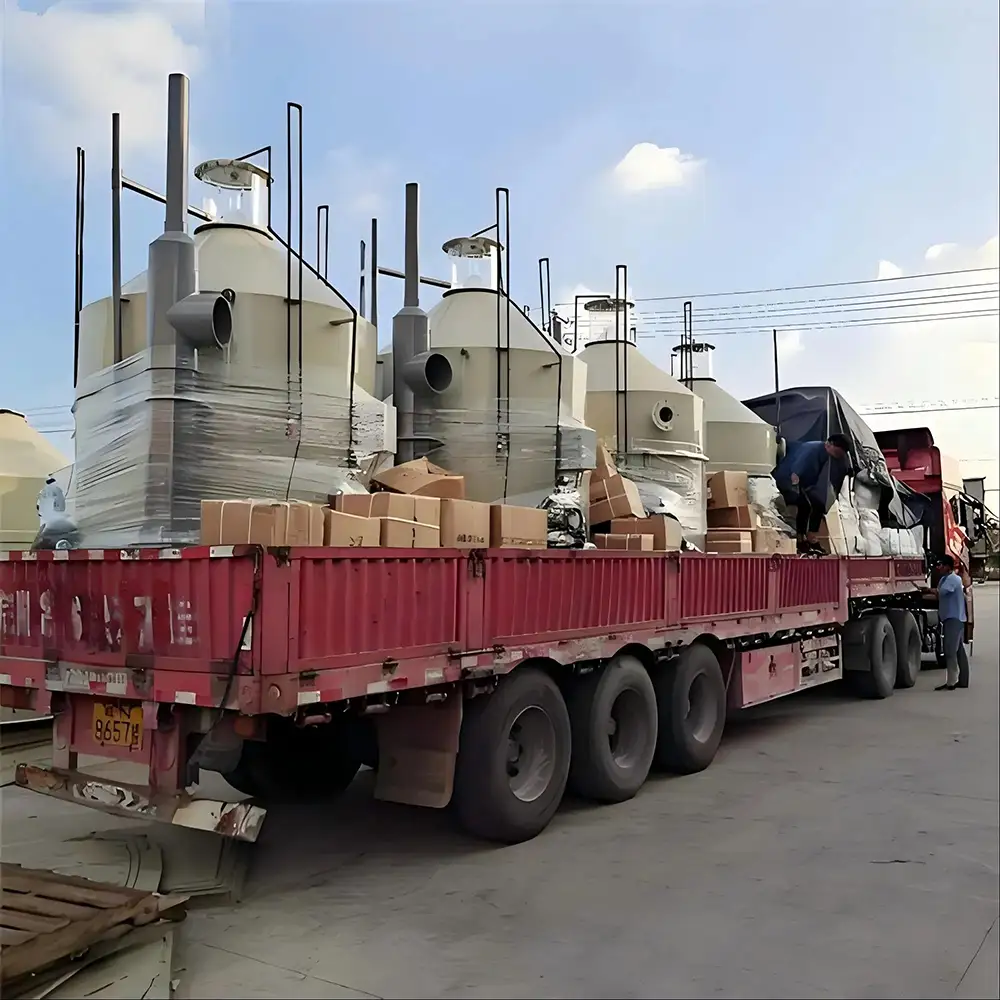
Integrated biofilter or chemical washing equipment to reduce odor emissions.
Intelligent control system:
PLC or IoT module to achieve remote monitoring and automated operation.
III. Fermentation tank type
Tower fermentation tank:
Vertical multi-layer design, materials ferment layer by layer from top to bottom, saving space, suitable for large-scale processing.
Horizontal fermentation tank:
Horizontal drum structure, through rotating stirring materials, suitable for small and medium-scale production.
Enclosed fermentation tank:
Fully enclosed design, reducing odor and pollution, suitable for cities or densely populated areas.
Continuous fermentation tank:
Material enters and exits continuously, achieving 24-hour uninterrupted production.
IV. Advantages
Efficient and fast:
Traditional composting takes 30 to 60 days, while fermentation tanks only take 7 to 15 days.
Environmentally friendly:
Reduce greenhouse gas emissions such as methane, control odor and sewage.
Resource utilization:
Converting waste into high-value organic fertilizer is in line with the concept of circular economy.
Strong adaptability:
Can handle a variety of organic waste (such as feces, sludge, kitchen waste, etc.).
Save manpower:
High degree of automation, reducing the cost of manual turning and monitoring.
V. Disadvantages
High initial investment:
The equipment purchase and installation costs are high, suitable for large-scale production.
Energy consumption issues:
Some models rely on electricity or steam heating, and operating costs need to be controlled.
Technical requirements:
Requires professional operation and maintenance to avoid insufficient microbial activity or equipment failure.
VI. Application scenarios
Farms: Treat livestock and poultry manure, reduce pollution and produce organic fertilizer.
Agricultural parks: Resource utilization of straw, fruit and vegetable waste.
Urban garbage treatment stations: Harmless treatment of kitchen waste and sludge.
Organic fertilizer processing plants: Large-scale production of commercial organic fertilizer.
VII. Selection recommendations
Processing capacity: Select the tank volume according to the daily processing capacity (such as 5 tons/day to 100 tons/day).
Raw material characteristics: high-humidity materials need to be equipped with dehydration equipment, and fiber materials need to be stirred intensively.
Environmental requirements: closed + deodorization system is preferred in densely populated areas.
Budget: small and medium-sized farms can choose horizontal fermentation tanks, and large enterprises can choose tower continuous fermentation systems.
Organic Fertilizer Aerobic Reactor
An Organic Fertilizer Aerobic Reactor is designed to support the fermentation stage of organic fertilizer production. Suitable feedstocks may include livestock manure, poultry manure, agricultural residues, food-processing organic waste, and other biodegradable materials after appropriate preparation.
The reactor helps organize the fermentation process inside a controlled vessel or treatment chamber. This can make the production process easier to monitor and manage compared with uncontrolled outdoor fermentation.
Aerobic Fermentation Tank
The Aerobic Fermentation Tank provides a dedicated space for biological treatment and organic material stabilization. Its internal configuration can be selected according to the physical properties of the feedstock and the required fermentation process.
Aeration and mixing are important because microorganisms need sufficient oxygen and suitable contact with the organic material. The equipment can therefore be configured with air distribution systems, mechanical mixing, circulation, or other suitable process technologies.
Organic Fertilizer Production
Organic fertilizer production generally involves several stages, including raw material preparation, mixing, aerobic fermentation, stabilization, screening, and subsequent processing. The aerobic reactor is primarily used in the biological fermentation stage.
After fermentation, the processed organic material may continue to drying, screening, granulation, packaging, or other downstream processes depending on the final fertilizer product.
Controlled Oxygen Supply
Oxygen availability is one of the key factors in aerobic fermentation. Insufficient oxygen may slow microbial activity and affect the consistency of the biological process.
The reactor can be equipped with an adjustable aeration system to introduce air into the material. Airflow can be controlled according to the feedstock characteristics, moisture level, temperature, and fermentation stage.
Temperature Monitoring
Microbial activity generates heat during aerobic decomposition. Monitoring temperature can therefore provide useful information about the fermentation process.
Temperature sensors and control systems can be incorporated into the reactor to help operators monitor process conditions. Depending on the equipment configuration, aeration and other operating parameters can be adjusted according to temperature changes.
Moisture And Feedstock Preparation
Organic materials with excessive moisture or insufficient moisture may not provide ideal fermentation conditions. Proper feedstock preparation is therefore important before the material enters the aerobic reactor.
Depending on the raw material, preparation may include crushing, mixing, dewatering, moisture adjustment, screening, or blending with suitable structural materials. The appropriate preparation process depends on the characteristics of the feedstock.
Organic Waste Treatment
The reactor can also be used as part of an Organic Waste Treatment System. Agricultural waste, livestock manure, food-processing residues, and other biodegradable materials can be treated aerobically when their composition is suitable.
Aerobic biological treatment can help convert unstable organic material into a more stabilized material that may be suitable for further processing or beneficial use, subject to the feedstock and applicable requirements.
Application In Water Treatment Plants
Organic matter generated by water treatment and wastewater treatment processes may require biological treatment before further handling. An aerobic reactor can be integrated into a broader Water Treatment Plant or organic waste management system where suitable biodegradable material is present.
The exact application depends on whether the feed is wastewater, sludge, organic solids, or another biodegradable stream. Feed analysis is important to determine whether aerobic fermentation is technically appropriate.
Mixing System
Effective mixing can help distribute moisture, oxygen, microorganisms, and organic material more evenly throughout the reactor. It may also reduce localized accumulation and improve process consistency.
Different mixing arrangements can be considered according to the feedstock's viscosity, particle size, moisture content, and tendency to agglomerate. Mechanical mixing, circulation, or other configurations may be selected based on the application.
Odor Management
Organic waste fermentation may generate odors, especially when the feedstock contains high levels of biodegradable organic matter. A controlled reactor can provide an opportunity to manage process gases more systematically.
Depending on the project, the reactor can be connected to ventilation, deodorization, biofiltration, washing, or other suitable odor-control equipment. The appropriate system should be selected according to the composition and quantity of process gases.
Automated Process Control
Modern aerobic fermentation systems can incorporate automated control for aeration, temperature monitoring, mixing, feeding, and discharge. Automation helps reduce repetitive manual operation and allows operators to monitor key fermentation parameters.
The control system can be configured according to the production process and degree of automation required by the fertilizer plant.
Closed And Modular Configuration
A closed or modular aerobic reactor can help optimize the use of factory space and establish a more organized production environment. Multiple reactor units can potentially be arranged according to the required production workflow.
The equipment layout can consider raw material feeding, fermentation, discharge, cleaning, maintenance, and connection with upstream and downstream machinery.
Reduced Manual Fermentation Work
Traditional composting or fermentation may require significant manual handling, turning, and monitoring. An automated aerobic reactor can reduce some of these repetitive tasks by integrating aeration, mixing, monitoring, and other functions.
This can help fertilizer plants establish a more standardized production process and improve operational efficiency.
Integration With Fertilizer Processing Equipment
The aerobic reactor can be integrated with other organic fertilizer production equipment. A typical production line may include raw material preparation, crushing, mixing, fermentation, screening, drying, granulation, cooling, and packaging.
The exact combination depends on the final fertilizer product and the characteristics of the raw materials.
Customized Aerobic Fermentation Solution
Organic materials differ significantly in moisture, particle size, density, organic content, fiber structure, and biodegradability. Therefore, reactor design should be based on the actual feedstock and production requirements.
Customization may include reactor size, aeration method, mixing system, temperature monitoring, feeding equipment, discharge system, odor treatment, automation, and integration with downstream fertilizer equipment.
B2B Organic Fertilizer Plant Solution
For organic fertilizer producers, agricultural waste treatment projects, livestock waste management facilities, food-processing plants, environmental engineering companies, and overseas fertilizer projects, the Aerobic Fermentation Tank for Organic Fertilizer Plant provides a controlled biological processing solution.
Customers can provide raw material type, moisture content, daily processing quantity, fermentation requirements, plant layout, and final product requirements for technical evaluation and equipment configuration.
Key Features
Controlled Aerobic Fermentation
Organic Fertilizer Production Application
Adjustable Aeration System
Temperature Monitoring
Integrated Mixing System
Automated Process Control
Organic Waste Treatment
Moisture Management
Odor Control Options
Modular Equipment Configuration
Easy Integration With Fertilizer Lines
Customized Fermentation Solution
Main Applications
Organic Fertilizer Plants
Organic Waste Treatment
Livestock Manure Treatment
Poultry Manure Composting
Agricultural Waste Treatment
Food Processing Waste Treatment
Compost Production
Organic Waste Fermentation
Agricultural Residue Treatment
Water Treatment Plants
Wastewater Sludge Treatment
Fertilizer Production Lines
FAQs
1. What Is An Organic Fertilizer Aerobic Reactor?
An Organic Fertilizer Aerobic Reactor is equipment designed to provide a controlled environment for aerobic biological fermentation of suitable organic materials used in fertilizer production.
2. What Is An Aerobic Fermentation Tank Used For?
It is used to support the controlled decomposition and stabilization of biodegradable organic materials under oxygen-rich conditions.
3. What Materials Can Be Processed?
Potential feedstocks include livestock manure, poultry manure, agricultural residues, food-processing organic waste, and other suitable biodegradable materials. Feedstock analysis should be conducted before equipment selection.
4. Does The Reactor Need An Aeration System?
Yes. Aerobic microorganisms require oxygen. An aeration system can introduce and distribute air through the material according to the reactor design and fermentation requirements.
5. Can The Fermentation Temperature Be Monitored?
Yes. Temperature sensors and control systems can be incorporated to monitor fermentation conditions and support process management.
6. Can It Be Used For Organic Fertilizer Production?
Yes. The reactor can be used for the aerobic fermentation stage of an organic fertilizer production process and can be connected with suitable downstream equipment.
7. Can It Treat Livestock Manure?
Yes. Suitable livestock and poultry manure can be processed after appropriate preparation, such as moisture adjustment, mixing, or other required pretreatment.
8. Can The Reactor Be Integrated With A Water Treatment Plant?
It can be integrated into suitable organic waste or sludge treatment processes within a broader water or wastewater treatment facility. The actual application depends on the characteristics of the waste stream.
9. Is The Aerobic Fermentation Tank Fully Automatic?
Automation level depends on the selected configuration. Systems can incorporate automatic aeration, temperature monitoring, mixing, feeding, discharge, and control functions.
10. What Information Is Needed For Equipment Selection?
Important information includes feedstock type, moisture content, daily processing volume, physical characteristics, fermentation requirements, available space, and desired downstream fertilizer process.
Why Choose Us
Specialized Fermentation Equipment
We provide industrial aerobic fermentation and organic waste treatment equipment designed around practical fertilizer production and biological treatment requirements.
Customized Reactor Configuration
Reactor dimensions, aeration, mixing, feeding, discharge, monitoring, and automation can be configured according to the customer's raw materials and production process.
Feedstock-Based Technical Support
Customers can provide raw material information, moisture content, processing quantity, and product requirements for technical evaluation before selecting the appropriate fermentation system.
Complete Fertilizer Production Integration
The aerobic reactor can be connected with crushing, mixing, screening, drying, granulation, cooling, and packaging equipment to create a coordinated organic fertilizer production line.
Factory-Direct B2B Service
We support international customers with technical communication, equipment configuration, production documentation, export packaging, shipping coordination, installation guidance, and after-sales service.
Practical Industrial Design
The system is designed for continuous industrial operation where appropriate, with attention to aeration, mixing, temperature monitoring, maintenance access, and integration with the customer's production workflow.
Prev:
Aquaculture Protein Separator / Supports 24-Hour Operation / Industrial Equipment
Next:
Acid and Alkali Resistant Water Treatment Incinerators Water Treatment Plant Incinerator
TAG:
Organic Waste Treatment Equipment,
Organic Waste Treatment Reactor,
Organic Fertilizer Production Equipment,
Organic Waste Treatment System,
Organic Waste Composting,
Organic Fertilizer Plant,
Organic Fertilizer Fermentation Equipment,
Organic Fertilizer Production Line,
Aerobic Fermentation Tank,
Organic Fertilizer Fermentation Tank,
Organic Waste Fermentation,
Organic Waste Composting Equipment,
Organic Fertilizer Processing Equipment,
Aerobic Composting Equipment,
Organic Waste Processing Equipment,
Water Treatment Plant,
Aerobic Biological Treatment,
Organic Waste Recycling Equipment,
Organic Waste Management Equipment,
Organic Waste Biological Treatment,
Aerobic Digestion System,
Organic Matter Treatment,
Organic Sludge Treatment,
Aerobic Sludge Treatment,
Aerobic Water Treatment,
Water Treatment Aerobic Reactor,
Wastewater Treatment Reactor,
Organic Sludge Fermentation,
Organic Sludge Treatment Equipment,
Industrial Aerobic Fermentation,
Related Category:
Organic Fertilizer Aerobic Reactor, Aerobic Fermentation Tank, Organic Fertilizer Plant, Organic Fertilizer Fermentation China, suppliers, manufacturers, factory, customized, wholesale, quotation, made in China