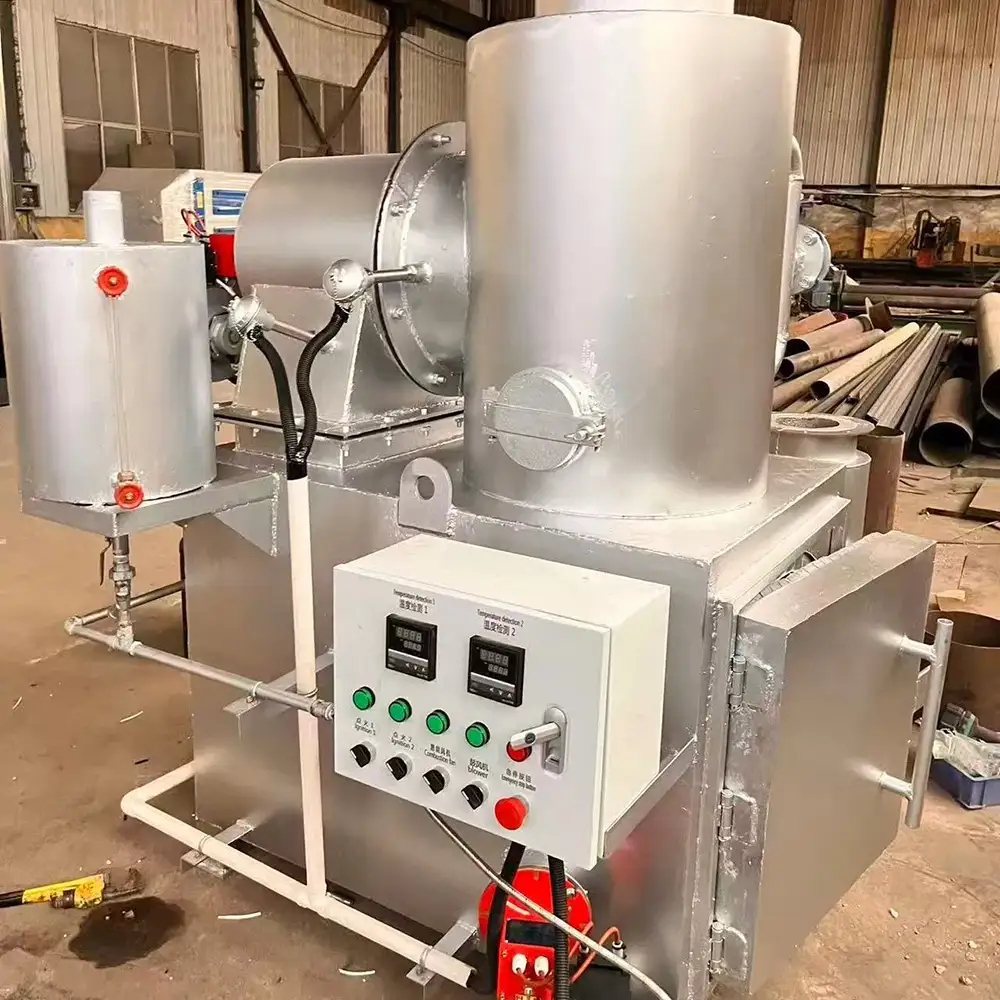
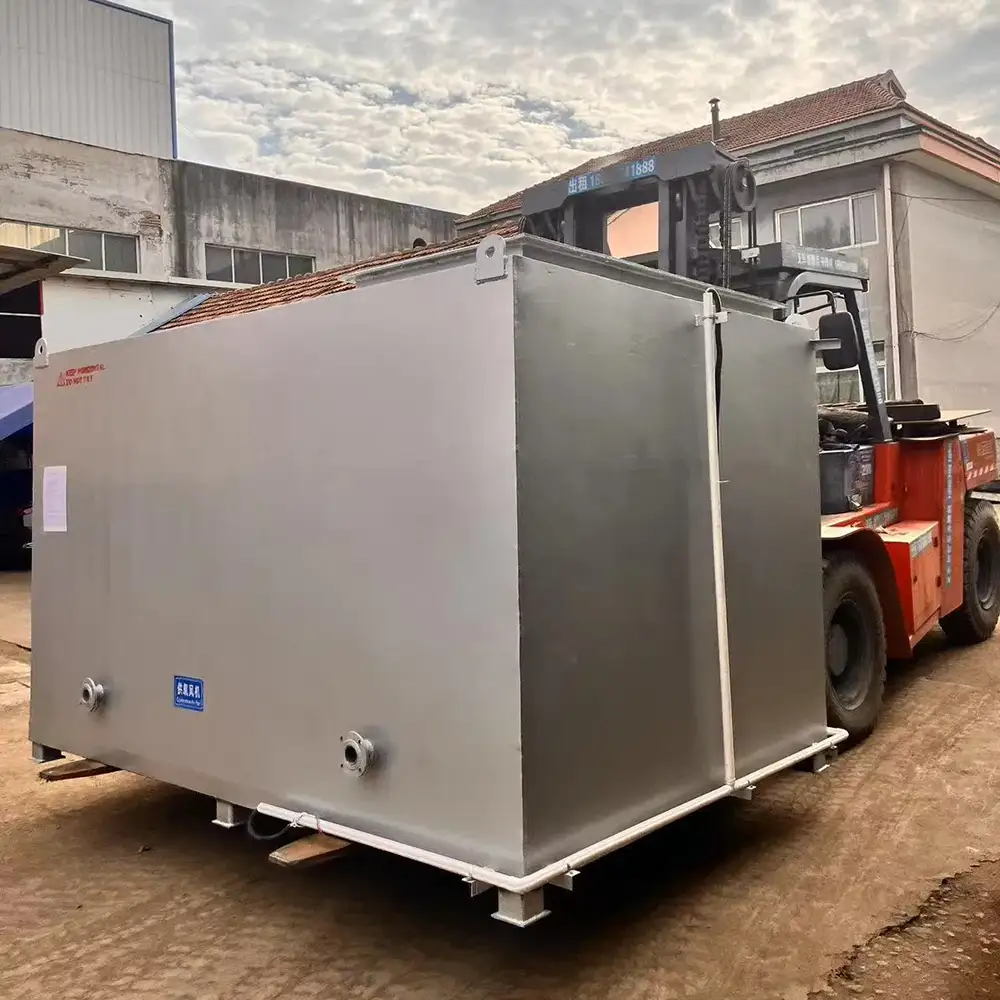
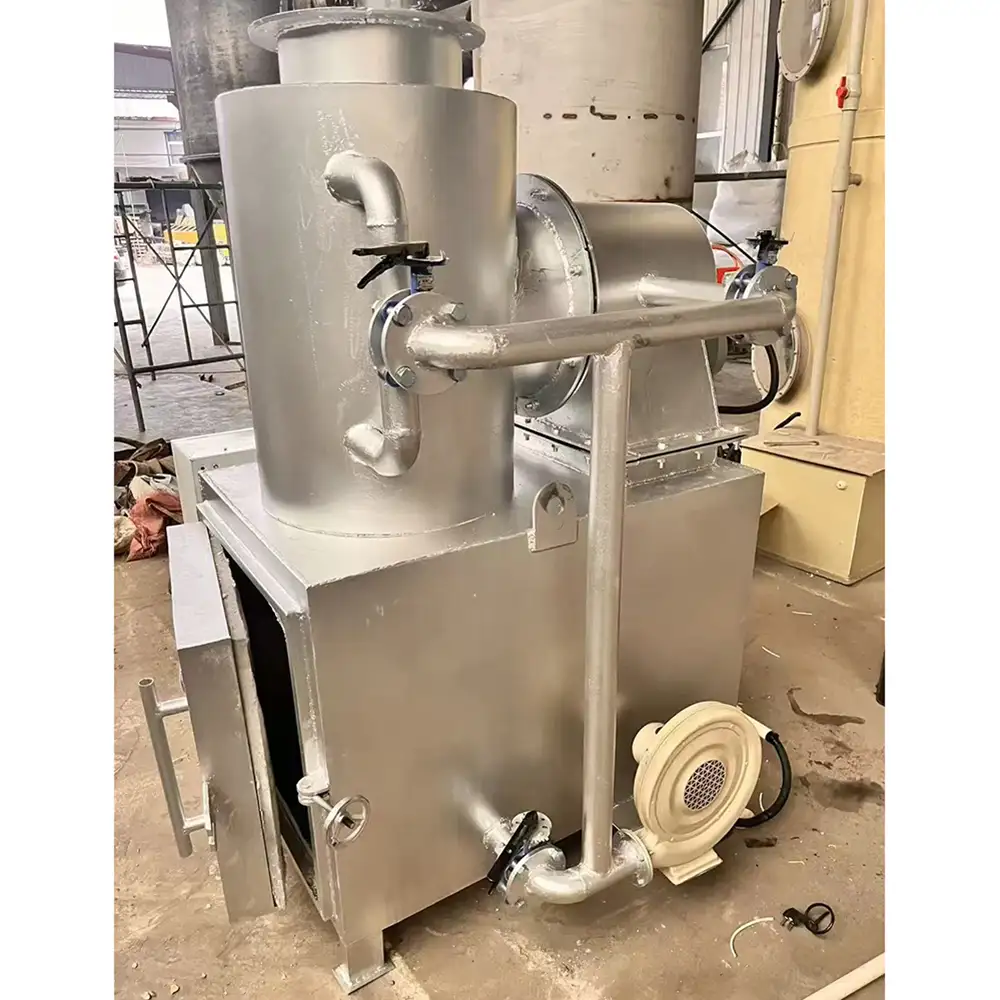
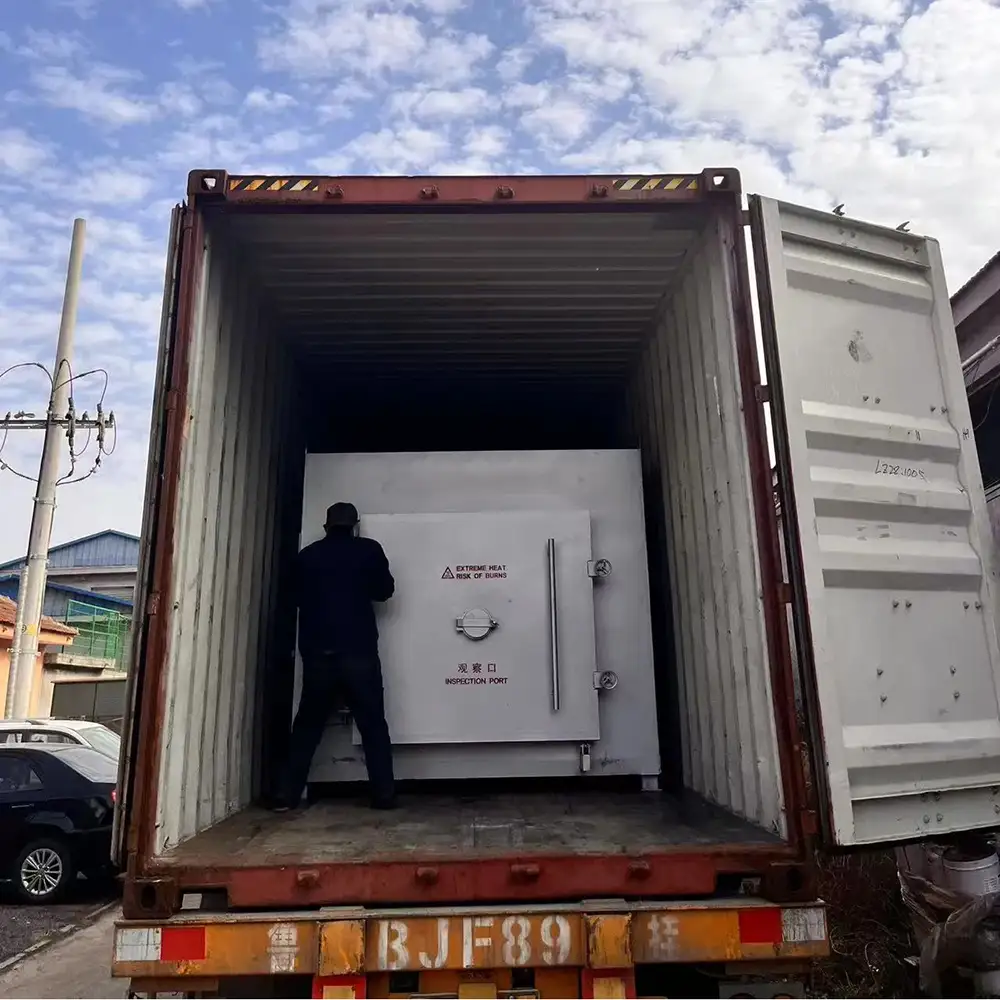
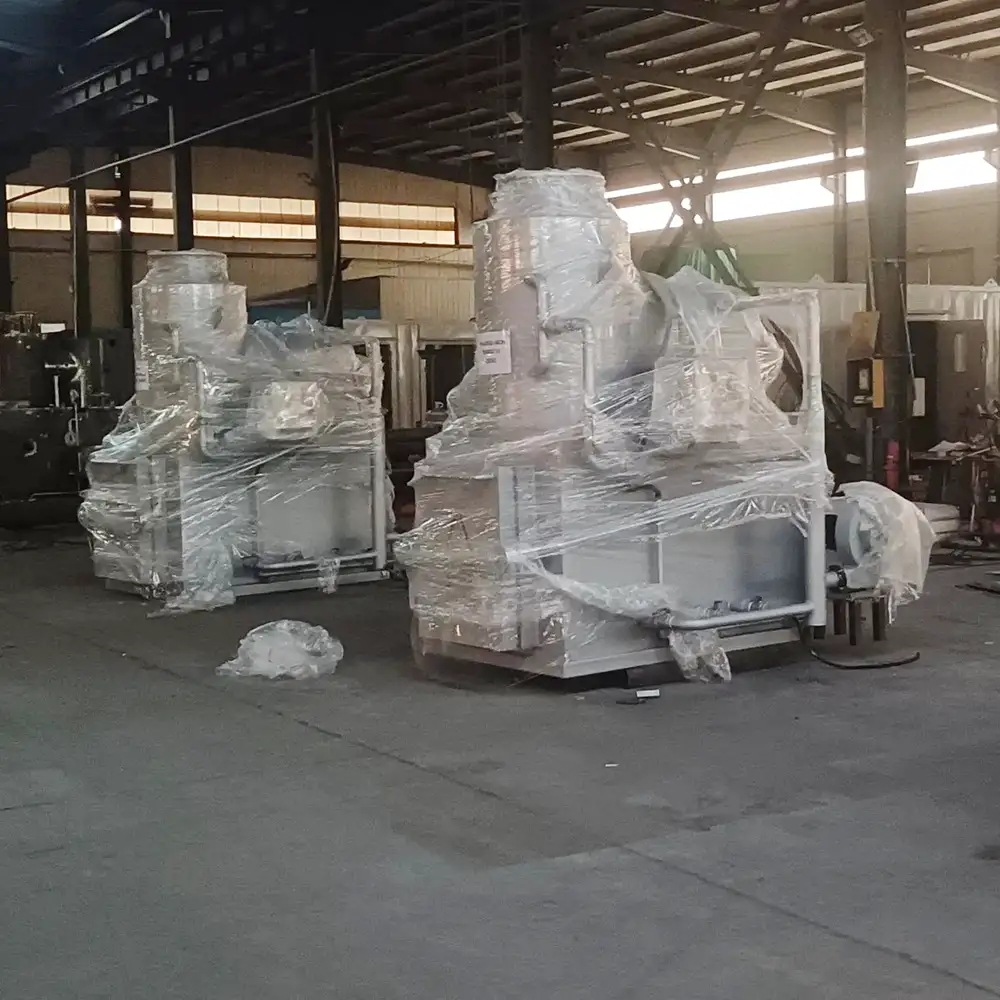
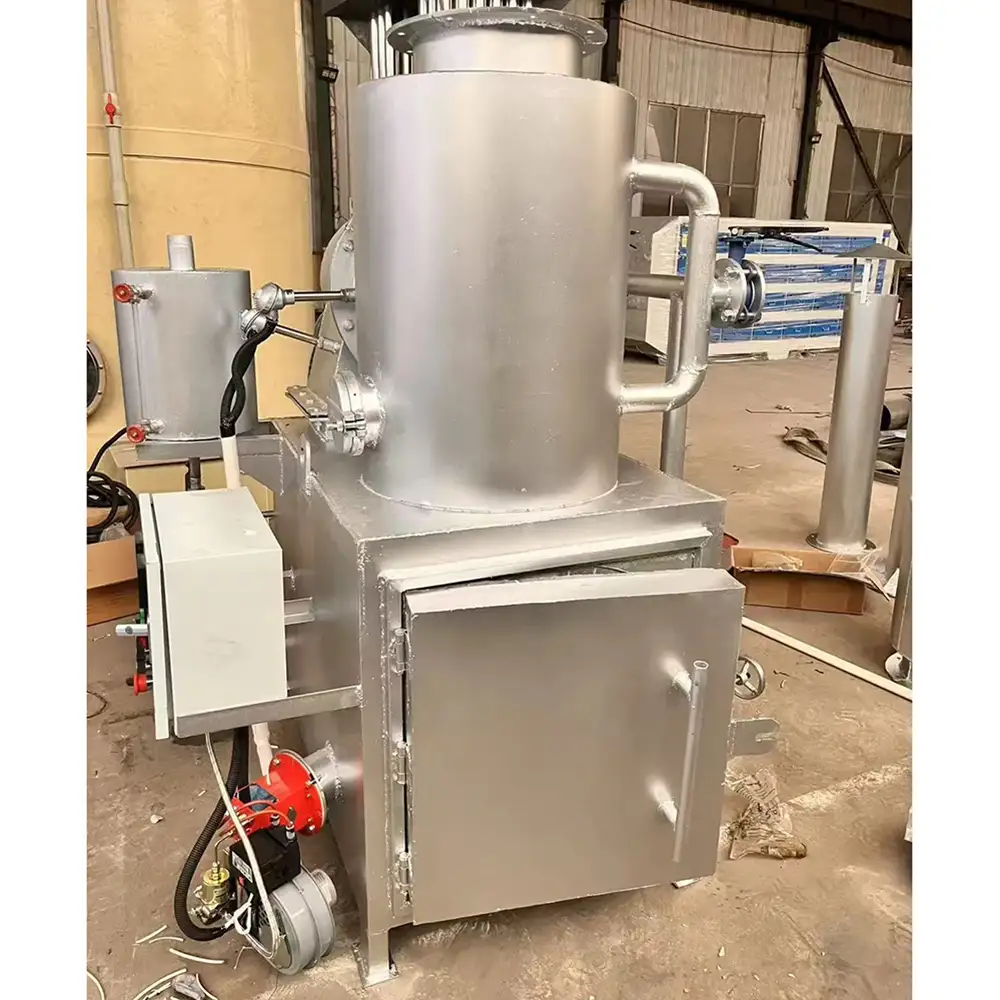
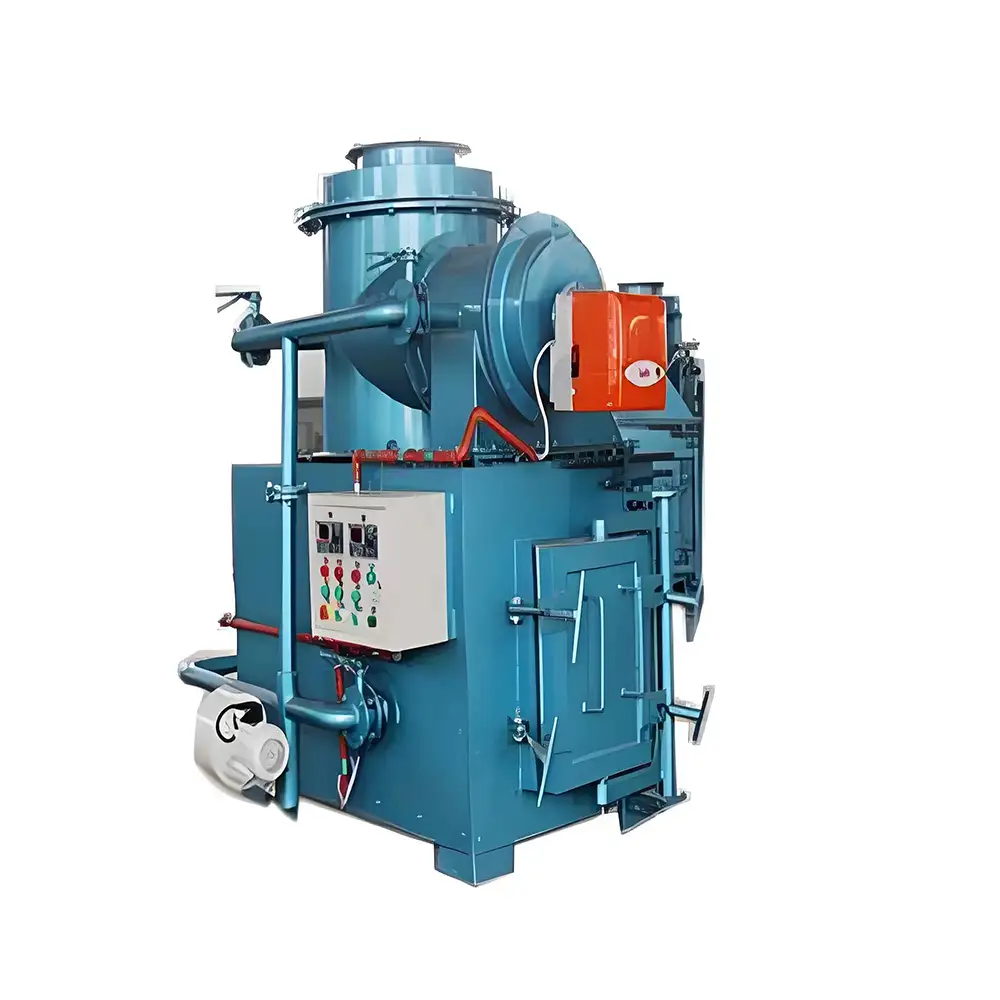
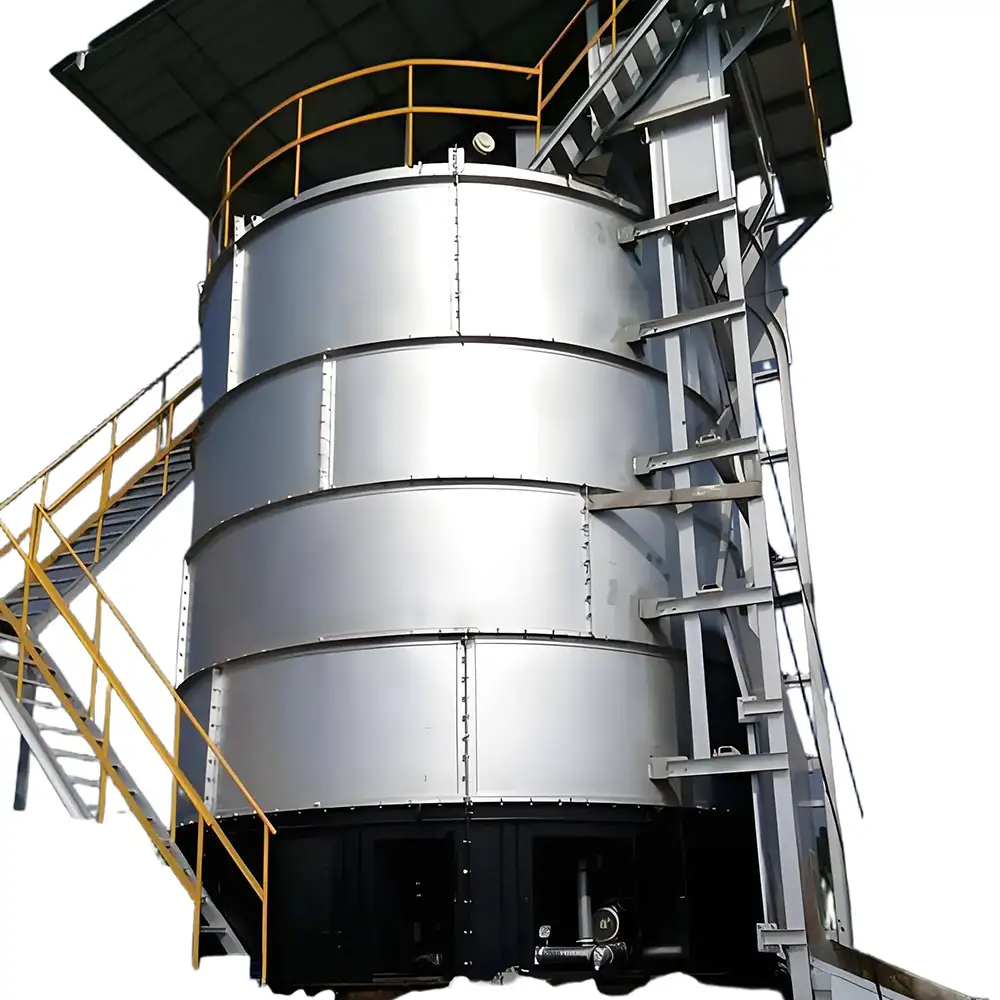
Incinerator is an environmental protection equipment that treats various types of waste (domestic waste, industrial hazardous waste, medical waste, etc.) through high-temperature oxidation. Its core goal is to convert organic waste into carbon dioxide and water, and at the same time achieve pollutant emission reduction and energy recovery through advanced technology. The following systematically introduces the incinerator from multiple dimensions:
1. Definition and core functions
Definition: Incinerator is a comprehensive treatment system that uses high-temperature (usually ≥850ºC) combustion technology, combined with physical, chemical and automatic control methods to achieve waste reduction, harmlessness and resource utilization.
Core functions:
Reduction: 90% reduction in volume and 70% reduction in weight.
Harmlessness: decomposition of dioxins, killing pathogens, and stabilizing heavy metals.
Resource utilization: waste heat power generation or heating to achieve energy recovery.
2. Working principle
High-temperature oxidation:
Organic matter is decomposed into CO, HO and heat in an oxygen-rich environment.
Pollutant control:
Dioxin: Synthesis is blocked by high temperature (≥850ºC) and sufficient residence time (≥2 seconds).
Acidic gases: lime slurry neutralizes SO and HCl.
Particles: Bag/electrostatic precipitator filtration.
3. Core component system
System module Main components Functional description
Pretreatment system Crusher, sorting equipment, garbage storage pit Crushing and classification to improve combustion uniformity
Combustion system Main combustion chamber, secondary combustion chamber, burner, grate/rotary kiln/fluidized bed High temperature decomposition of organic matter, complete incineration of harmful substances
Air supply and cooling Primary/secondary fan, air preheater, quenching tower Optimize combustion efficiency and prevent dioxin resynthesis
Emission control Bag filter, deacidification tower (dry/semi-dry/wet method), SCR/SNCR denitrification, activated carbon injection Remove particulate matter, acid gas, NOx and dioxin
Energy recovery Waste heat boiler, steam turbine generator set, heat exchanger Power generation or heating, improve energy utilization
Automation control PLC/DCS system, CEMS online monitoring, sensor network Real-time control of temperature, air volume, and emissions to ensure safe operation
Ash treatment Water-cooled slag discharger, fly ash solidification device Safe disposal of heavy metal residues
4. Main types and applicable scenarios
Type Structural features Applicable scenarios Advantages
Mechanical grate furnace Stepped grate pushes garbage Urban domestic waste, mixed waste Large processing capacity, suitable for complex components
Rotary kiln incinerator Inclined steel drum rotation (0.5-3 rpm) Hazardous waste, medical waste Fully mixed, good high temperature stability
Fluidized bed incinerator Sand layer fluidization, blast combustion Sludge, high calorific value industrial waste Uniform combustion, low temperature and low NOx emission
Plasma gasification furnace Plasma torch (>5000ºC) cracking waste Radioactive waste, extremely difficult to degrade substances Ultra-high temperature complete decomposition, no secondary pollution
V. Application field
Municipal field:
Treatment of urban domestic waste (average daily processing capacity of 100-3000 tons).
Case: Shanghai Laogang Incineration Plant (processing capacity of 6000 tons/day, power generation of 300 MW).
Industrial field:
Hazardous waste in the chemical and pharmaceutical industries (containing halogens and heavy metal waste).
Medical field:
High temperature sterilization of infectious medical waste (needles, pathological tissues, etc.).
Agricultural field:
Energy utilization of biomass waste such as animal carcasses and straw.
VI. Technical advantages and challenges
Advantages:
Rapid volume reduction: thousands of tons of waste can be processed per day, greatly reducing landfill pressure.
Energy regeneration: 1 ton of garbage generates about 300-600 kWh of electricity (equivalent to 0.3 tons of standard coal).
Strict environmental protection: The emission indicators of modern incineration plants are lower than the natural background value (such as dioxin concentration <0.1 ng TEQ/Nm³).
Challenges:
High investment cost: Construction cost is about 400,000-1 million yuan/ton of processing capacity (excluding land).
Operational complexity: Continuous monitoring of combustion parameters and pollutant emissions is required.
Public perception: "NIMBY effect" makes site selection difficult.
VII. Technical development trend
Ultra-low emission technology:
Coupling SCR+wet deacidification to achieve NOx<50 mg/Nm³ and SO<10 mg/Nm³.
Intelligent control:
AI algorithm optimizes combustion efficiency (such as predicting calorific value fluctuations and automatically adjusting air supply).
Low-carbon innovation:
Biomass coupled incineration (replacing fossil fuels), carbon capture and storage (CCS).
Small modular design:
Distributed treatment of medical or island waste (processing capacity 1-10 tons/day).
VIII. Typical process flow
Feeding: After crushing and sorting, the waste is sent into the furnace by a hydraulic push rod.
Combustion: Organic matter is decomposed in the main combustion zone (900ºC) → Secondary combustion chamber (1100ºC, 2 seconds) is completely oxidized.
Residue heat utilization: Flue gas is passed through the boiler to produce steam → Drive the steam turbine to generate electricity.
Purification and emission: Rapid cooling + deacidification + dust removal + denitrification → Clean gas is discharged through the chimney.
Residue treatment: Fly ash chelation and solidification, bottom ash is made into building materials or landfill.
Summary
As the core facility of modern waste management, the incinerator achieves a balance between pollution reduction and carbon reduction and energy recovery through high-temperature oxidation and multi-stage purification technology. Despite the challenges of cost and public acceptance, with the advancement of technology (such as near-zero emissions and intelligent operation and maintenance), its role in the global circular economy will continue to increase and become an important pillar of sustainable urban development.
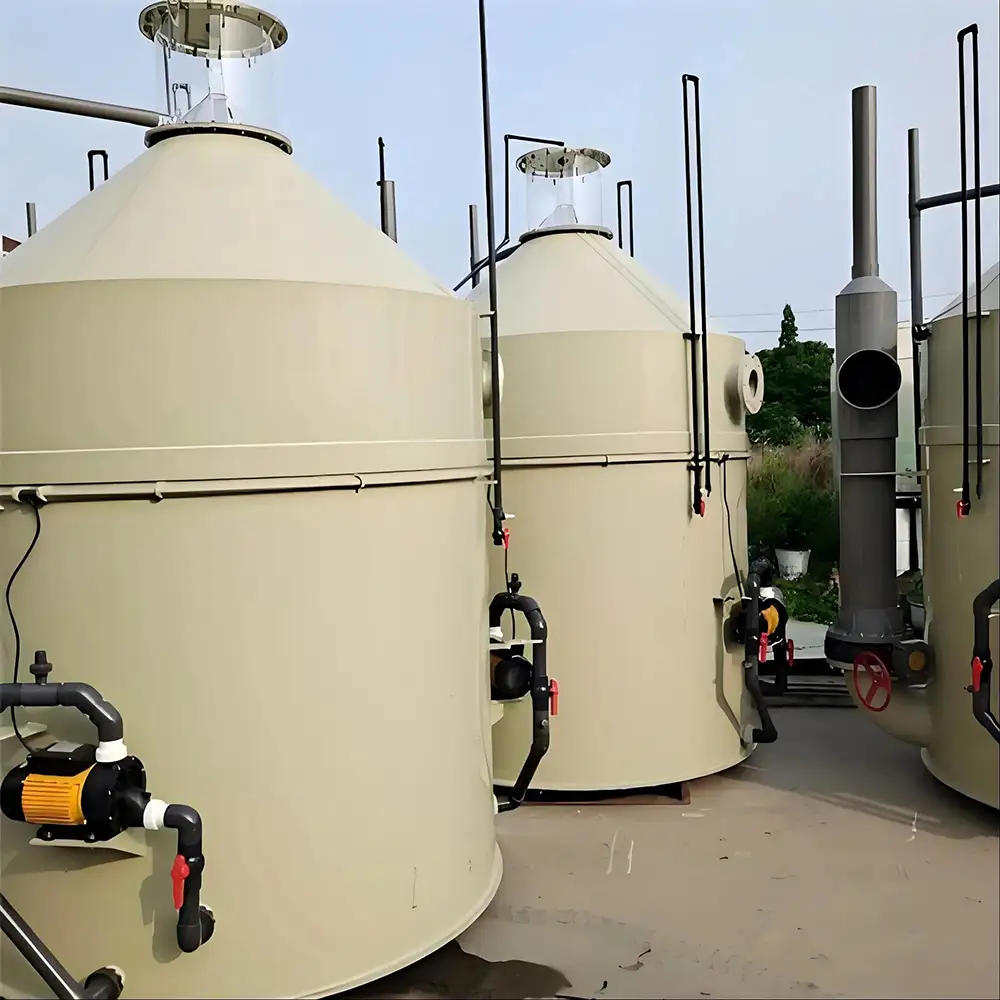
The Acid And Alkali Resistant Water Treatment Incinerator is an industrial thermal treatment system designed for suitable waste streams generated by water treatment plants, wastewater treatment facilities, industrial processes, and sludge handling operations. It is developed for applications where waste materials may contain acidic, alkaline, corrosive, or chemically aggressive components and require controlled thermal treatment.
Water treatment processes can generate different types of residual materials, including dewatered sludge, concentrated organic residues, contaminated solids, filter residues, and other process wastes. Depending on their composition, these materials may create challenges for conventional waste handling systems. An appropriately configured Water Treatment Plant Incinerator can provide a controlled method for reducing suitable combustible waste volume while supporting centralized industrial waste management.
Acid And Alkali Resistant Construction
Water treatment waste may contain acidic or alkaline substances that can accelerate corrosion of equipment surfaces. For this reason, material selection is an important consideration when designing an industrial incineration system for water treatment applications.
The incinerator can be configured with suitable corrosion-resistant materials, refractory linings, protective structures, and process components according to the characteristics of the waste. The final material selection should be determined by the actual chemical composition, temperature, moisture content, and operating conditions of the application.
Water Treatment Plant Incinerator
A Water Treatment Plant Incinerator can be integrated into an industrial waste treatment process where suitable residual waste requires thermal treatment. It can be used as part of a broader wastewater treatment and waste management system.
Depending on the plant design, the incineration system may receive properly prepared sludge or other compatible waste materials after processes such as filtration, thickening, dewatering, separation, or concentration. Pre-treatment helps stabilize the feed and improve the consistency of the thermal treatment process.
Wastewater Sludge Incineration
Wastewater treatment plants commonly generate sludge that contains a high percentage of moisture. Dewatering can reduce the water content before thermal treatment and improve handling characteristics.
A suitable Wastewater Sludge Incinerator can be configured for properly prepared sludge according to its moisture level, organic content, ash content, and calorific value. Because sludge characteristics vary significantly between industries, feed analysis is important when selecting the appropriate incineration technology.
Industrial Waste Thermal Treatment
The incinerator provides controlled high-temperature thermal treatment for compatible industrial waste materials. The process can convert combustible components into gaseous products and residual ash, while the overall waste volume can be significantly reduced depending on the feed composition and operating conditions.
Thermal treatment parameters can be adjusted according to the waste characteristics and system configuration. Proper combustion control, temperature management, residence time, and air supply are important factors in achieving stable operation.
Corrosion-Resistant Process Design
Acidic and alkaline substances can create demanding operating conditions for industrial equipment. The incinerator can therefore be designed with appropriate corrosion-resistant components in areas exposed to aggressive materials or process gases.
Refractory materials can also provide thermal protection for the combustion chamber and internal surfaces. The selection of refractory and structural materials should be based on the actual operating temperature and chemical environment.
Controlled Combustion Process
Stable combustion depends on several factors, including feed composition, moisture, particle size, organic content, calorific value, combustion temperature, and air distribution.
The system can incorporate controlled feeding, combustion air management, temperature monitoring, and other process controls to support stable operation. Depending on the configuration, automated controls can help operators monitor key operating parameters and maintain the desired thermal treatment conditions.
Waste Volume Reduction
One major application of industrial incineration is reducing the volume of suitable combustible waste. Water treatment sludge and industrial residues can contain significant amounts of organic or combustible material.
After controlled thermal treatment, the remaining ash volume is generally much lower than the original feed volume, although the actual reduction depends on the feed composition. Residual ash should be handled according to its characteristics and applicable disposal or reuse requirements.
Suitable For High-Moisture Waste
Water treatment sludge often contains substantial moisture, which can influence combustion stability and energy requirements. Proper dewatering and feed preparation are therefore important parts of the system design.
For high-moisture materials, the incinerator may be integrated with sludge dewatering equipment, drying systems, heat recovery components, or other upstream and downstream equipment where appropriate. The overall configuration depends on the feed characteristics and treatment objectives.
Industrial Wastewater Applications
The Industrial Wastewater Incinerator can be considered for industrial sectors where wastewater treatment generates residual sludge or compatible solid and semi-solid waste streams.
Potential applications include chemical processing, pharmaceutical production, food processing, textile manufacturing, metal processing, petrochemical operations, and other industrial facilities. Application suitability should always be confirmed through waste characterization and technical evaluation.
Waste Feed Preparation
Consistent feeding is important for reliable thermal treatment. Waste may require dewatering, shredding, mixing, screening, concentration, or other preparation before entering the incinerator.
A customized feeding system can be designed according to the physical characteristics of the waste. Suitable equipment may include screw feeders, pumps, conveyors, hoppers, or other material-handling components depending on the feed type.
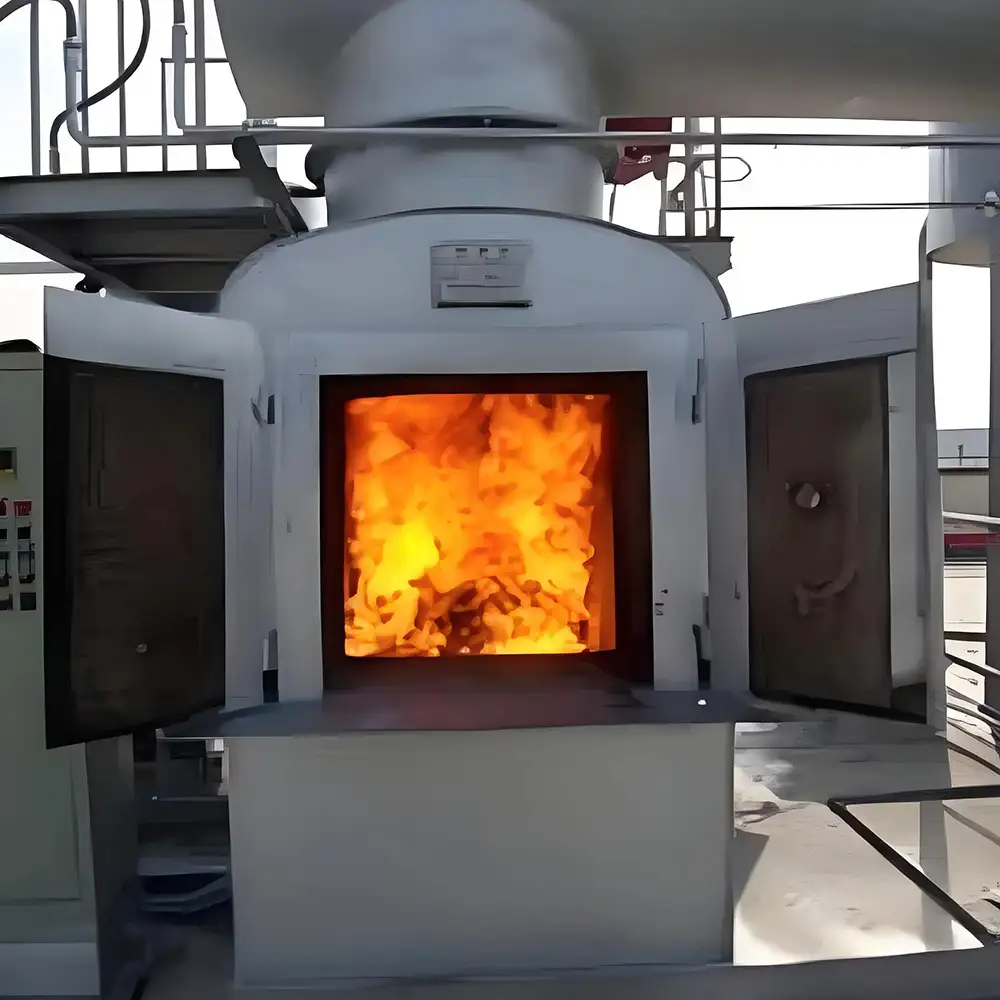
Combustion Chamber And Refractory Lining
The combustion chamber is a critical part of the incineration system. It provides the controlled environment required for thermal treatment and must withstand elevated temperatures and potentially corrosive gases.
Suitable refractory lining can help protect the chamber structure and maintain thermal stability. Different refractory materials and construction methods may be selected according to the waste composition and operating temperature.
Flue Gas Treatment Integration
Industrial incineration systems may require downstream flue gas treatment according to the feed material, combustion process, plant design, and applicable environmental requirements.
Depending on the application, the system can be integrated with equipment such as cyclones, scrubbers, dust collectors, heat exchangers, activated carbon systems, or other appropriate gas treatment technologies. The exact configuration should be determined through engineering evaluation and applicable local regulations.
Automated Monitoring And Control
Modern industrial incinerators can incorporate sensors and control systems for monitoring combustion temperature, feeding conditions, airflow, pressure, and other operating parameters.
Automated control helps operators maintain stable process conditions and provides useful information for plant management and maintenance. Control functions can be customized according to the overall water treatment plant configuration.
Energy And Heat Recovery Options
The thermal energy generated during incineration may provide opportunities for heat recovery depending on the waste composition, operating conditions, and plant requirements.
Possible applications include preheating combustion air, supporting sludge drying, heating process water, or other suitable thermal processes. Heat recovery should be evaluated based on the actual energy balance and system design.
Customized Industrial Incineration System
Different wastewater and industrial waste streams have different moisture levels, chemical compositions, calorific values, ash characteristics, and corrosive properties. Therefore, a standard incinerator configuration may not be appropriate for every application.
A customized solution can consider waste composition, daily processing quantity, moisture content, required operating temperature, feeding method, combustion technology, refractory materials, flue gas treatment, heat recovery, automation, and installation conditions.
B2B Water Treatment Solution
For wastewater treatment plants, industrial factories, engineering companies, environmental equipment integrators, and overseas project contractors, the Acid And Alkali Resistant Water Treatment Incinerator can serve as a thermal waste treatment solution within a broader industrial waste management system.
Customers can provide waste analysis, moisture content, chemical composition, calorific value, daily waste quantity, plant conditions, and desired treatment objectives for technical evaluation and system configuration.
Key Features
Acid And Alkali Resistant Construction
Industrial Water Treatment Application
Wastewater Sludge Thermal Treatment
Controlled Combustion Process
Corrosion-Resistant Material Options
High-Temperature Refractory Lining
Automated Temperature Monitoring
Customized Waste Feeding System
Waste Volume Reduction
Flue Gas Treatment Integration
Heat Recovery Options
Customized Industrial Configuration
Main Applications
Water Treatment Plants
Industrial Wastewater Treatment
Wastewater Sludge Treatment
Chemical Processing
Pharmaceutical Waste Treatment
Textile Industry Waste
Food Processing Waste
Metal Processing Waste
Petrochemical Waste
Industrial Sludge Treatment
Chemical Residue Treatment
Environmental Waste Management
FAQs
1. What Is A Water Treatment Plant Incinerator?
A Water Treatment Plant Incinerator is an industrial thermal treatment system designed for suitable waste streams generated by water treatment and wastewater treatment processes, including properly prepared sludge and compatible industrial residues.
2. Can It Handle Acidic And Alkaline Waste?
The system can be configured with suitable corrosion-resistant materials for applications involving acidic or alkaline waste. Actual compatibility depends on the chemical composition and operating conditions of the waste.
3. Can It Be Used For Wastewater Sludge?
Yes. It can be designed for suitable wastewater sludge applications. Sludge moisture, organic content, ash content, calorific value, and other characteristics should be evaluated before selecting the system.
4. Does The Sludge Need To Be Dewatered?
In many applications, dewatering is beneficial because reducing moisture can improve feed handling and thermal efficiency. The required preparation depends on the specific sludge characteristics and incinerator design.
5. What Types Of Industries Can Use This Incinerator?
Potential applications include chemical, pharmaceutical, textile, food processing, metal processing, petrochemical, and other industries that generate compatible wastewater sludge or industrial waste.
6. Is The Incinerator Corrosion Resistant?
Corrosion-resistant construction and refractory materials can be selected according to the chemical characteristics of the waste. Material selection should be based on actual feed analysis and operating conditions.
7. Can The System Include Flue Gas Treatment?
Yes. Depending on the waste composition and project requirements, the incinerator can be integrated with appropriate flue gas treatment equipment and monitoring systems.
8. Can Heat Be Recovered From The Incineration Process?
Potentially. Depending on the thermal balance and project requirements, recovered heat may be used for combustion air preheating, sludge drying, process heating, or other suitable applications.
9. Can The Incinerator Be Customized?
Yes. Feeding systems, combustion chambers, refractory materials, control systems, flue gas treatment, heat recovery, and other components can be configured according to the project requirements.
10. What Information Is Needed For Incinerator Selection?
Useful information includes waste type, chemical composition, moisture content, calorific value, ash content, daily processing quantity, feeding characteristics, operating requirements, and available installation space.
Why Choose Us
Industrial Thermal Treatment Experience
We focus on industrial thermal treatment and waste management equipment for demanding applications. Our solutions are developed around actual material characteristics and process requirements.
Corrosion-Resistant Configuration
For acidic and alkaline environments, suitable materials, refractory linings, and protective components can be selected according to the waste chemistry and operating conditions.
Customized System Engineering
Each wastewater treatment project can have different waste properties and processing requirements. We can help configure feeding, combustion, flue gas treatment, heat recovery, and control systems accordingly.
Sample And Waste Analysis Support
Customers can provide waste analysis reports, sludge samples, moisture information, calorific values, and processing quantities for technical evaluation before equipment selection.
Complete B2B Project Support
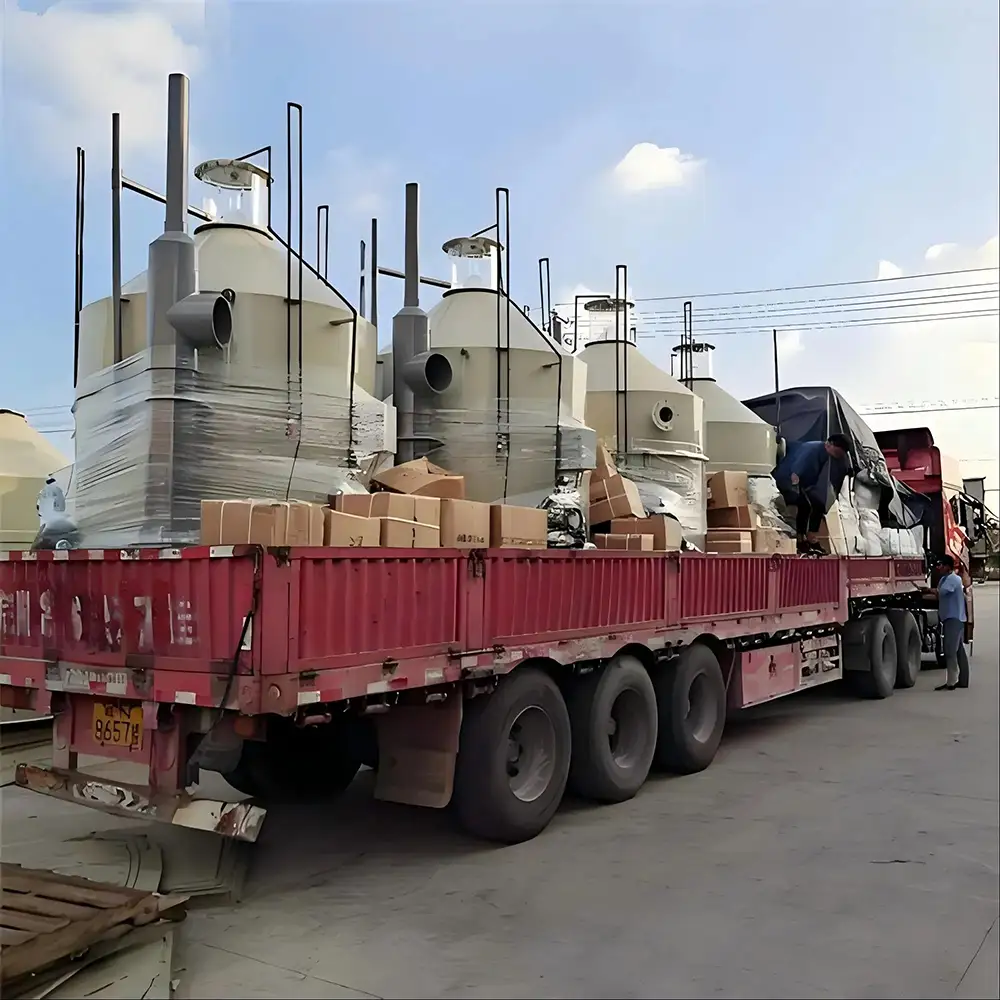
We can support overseas customers with technical communication, equipment configuration, drawings, documentation, export packaging, shipping coordination, installation guidance, and after-sales service.
Integrated Water Treatment Solution
The incinerator can be considered as part of a larger wastewater treatment and waste management system, allowing upstream dewatering, drying, thermal treatment, flue gas treatment, and residual handling processes to be coordinated.
Prev:
Organic Fertilizer Aerobic Reactor Water Treatment Plant, Aerobic Fermentation Tank for Organic Fertilizer Plant
Next:Sorry, no information
TAG:
Industrial Wastewater Treatment,
Wastewater Treatment Equipment,
Industrial Wastewater Sludge Treatment,
Sludge Treatment Equipment,
Wastewater Sludge Treatment,
Industrial Waste Treatment Equipment,
Industrial Sludge Incinerator,
Sludge Thermal Treatment,
Sludge Incineration System,
Sludge Incinerator,
Industrial Waste Combustion System,
Wastewater Treatment Incinerator,
Wastewater Sludge Incinerator,
Water Treatment Incinerator,
Water Treatment Plant Incinerator,
Industrial Waste Disposal Equipment,
Industrial Waste Treatment System,
Water Treatment Waste Incinerator,
Industrial Waste Incinerator,
Industrial Waste Incineration Equipment,
Industrial Waste Thermal Treatment,
Industrial Wastewater Management,
Industrial Waste Incinerator System,
Waste Incineration Plant,
Industrial Incineration Plant,
Water Treatment Equipment,
Wastewater Incinerator,
Water Treatment Sludge Treatment,
Wastewater Incineration Equipment,
Waste Thermal Treatment Equipment,
Related Category:
Acid And Alkali Resistant Water Treatment Incinerator, Water Treatment Plant Incinerator, Water Treatment Incinerator, I China, suppliers, manufacturers, factory, customized, wholesale, quotation, made in China