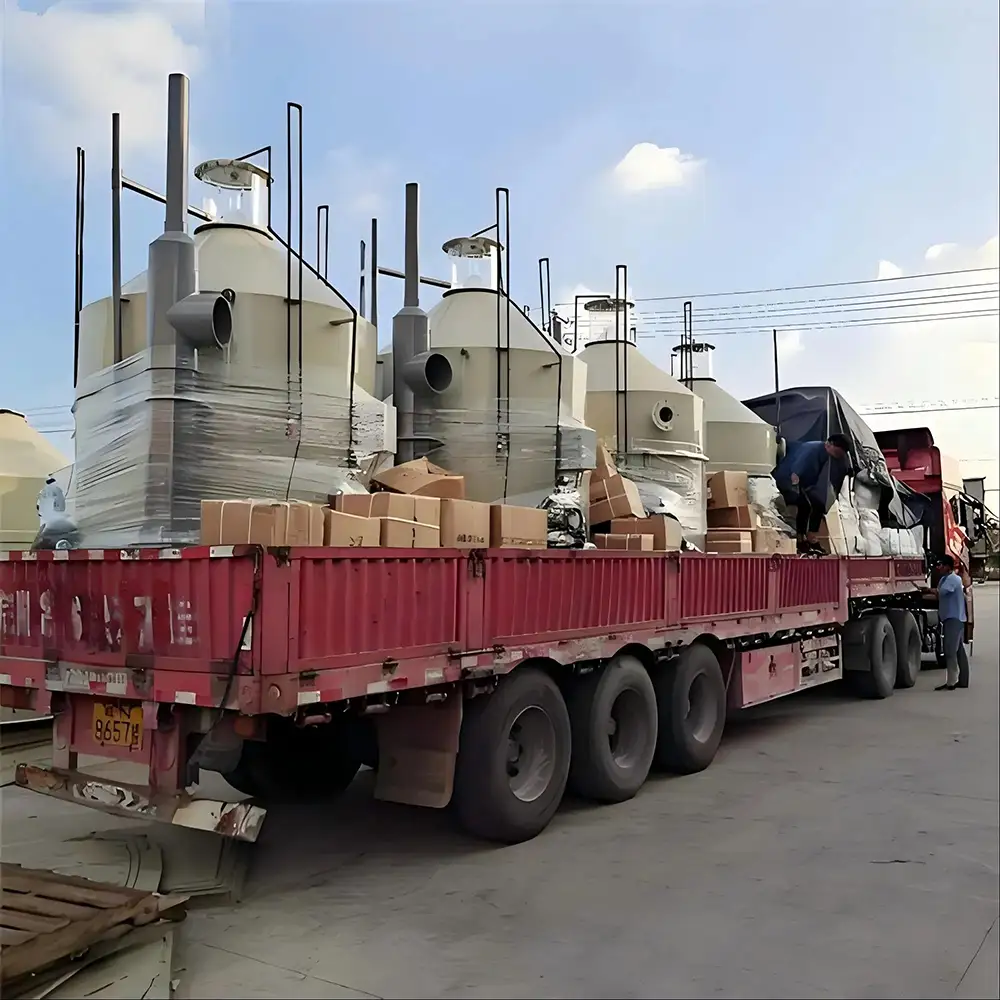
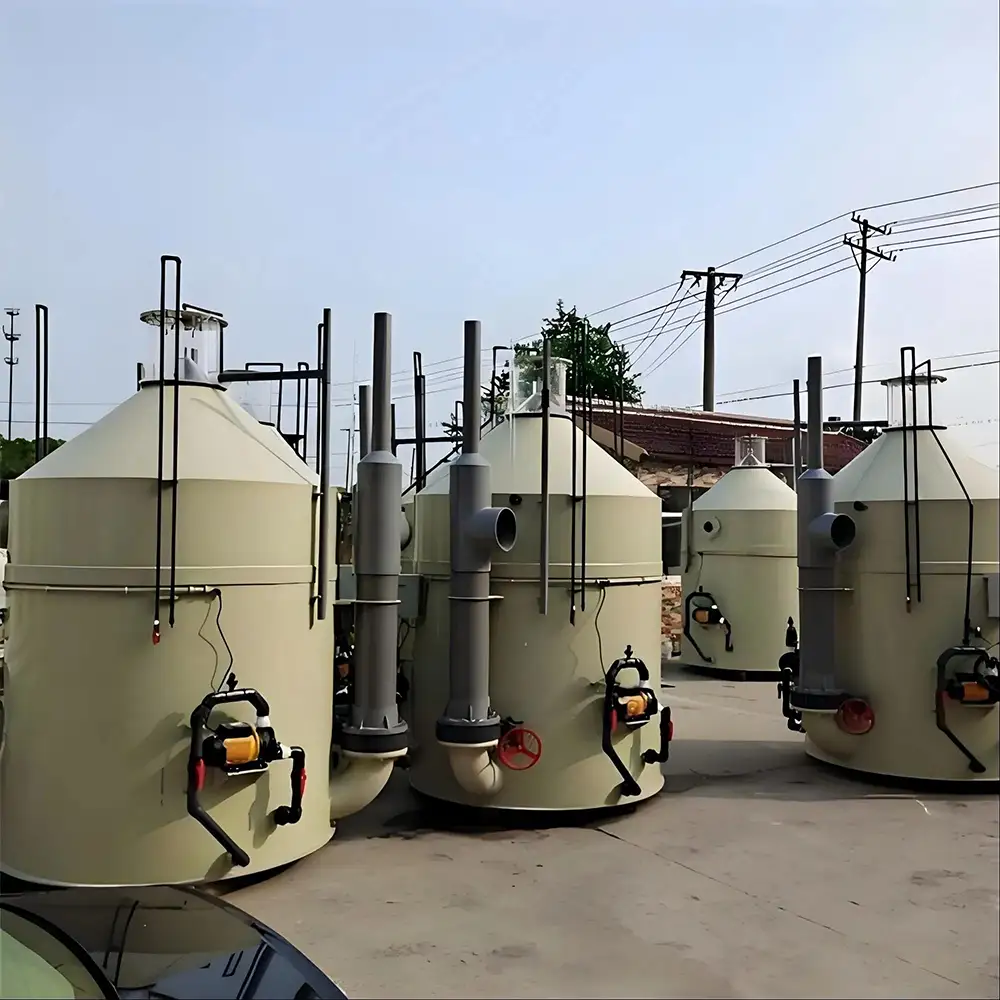
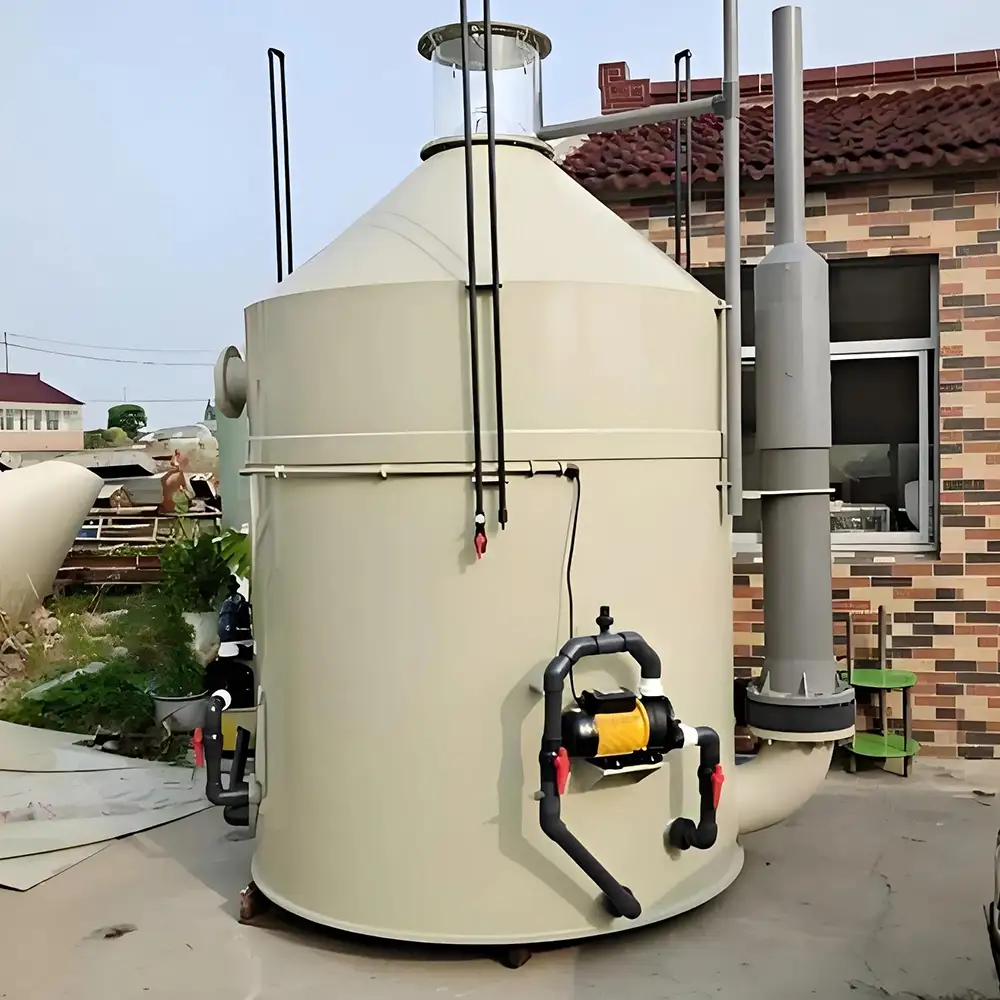
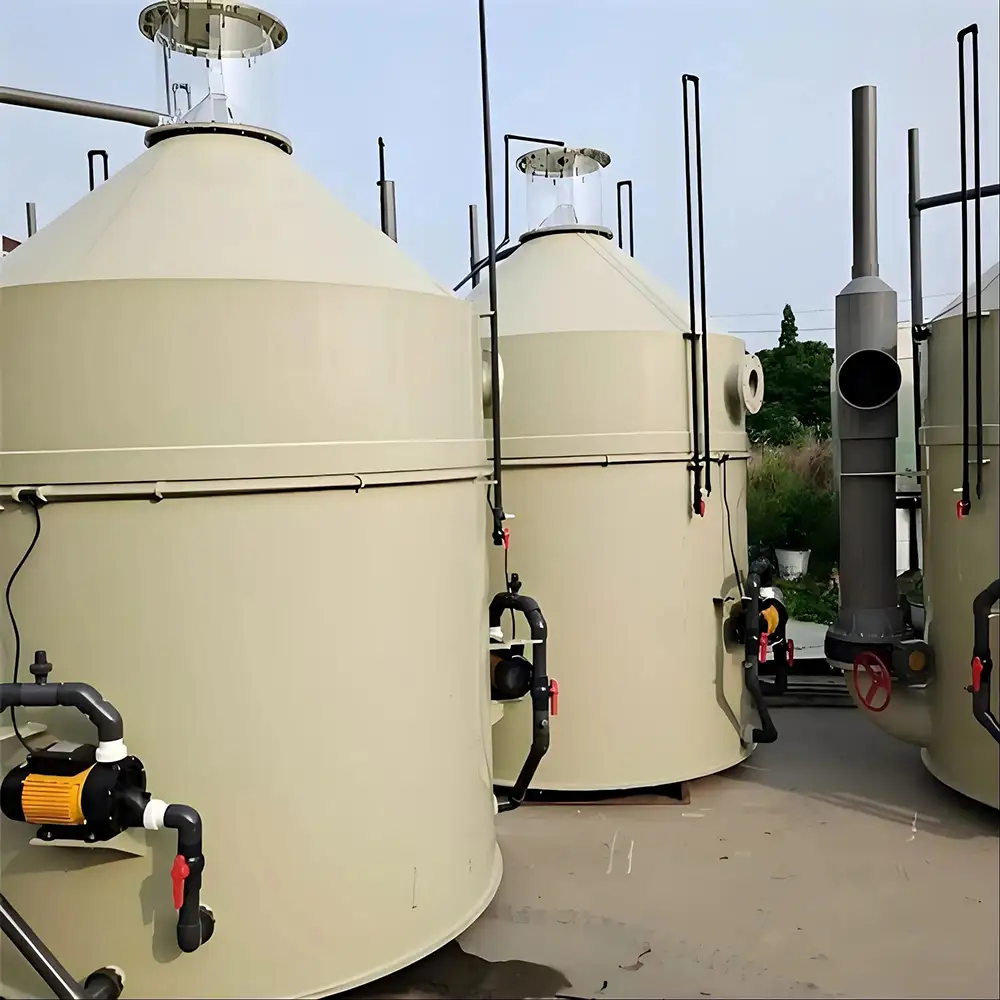
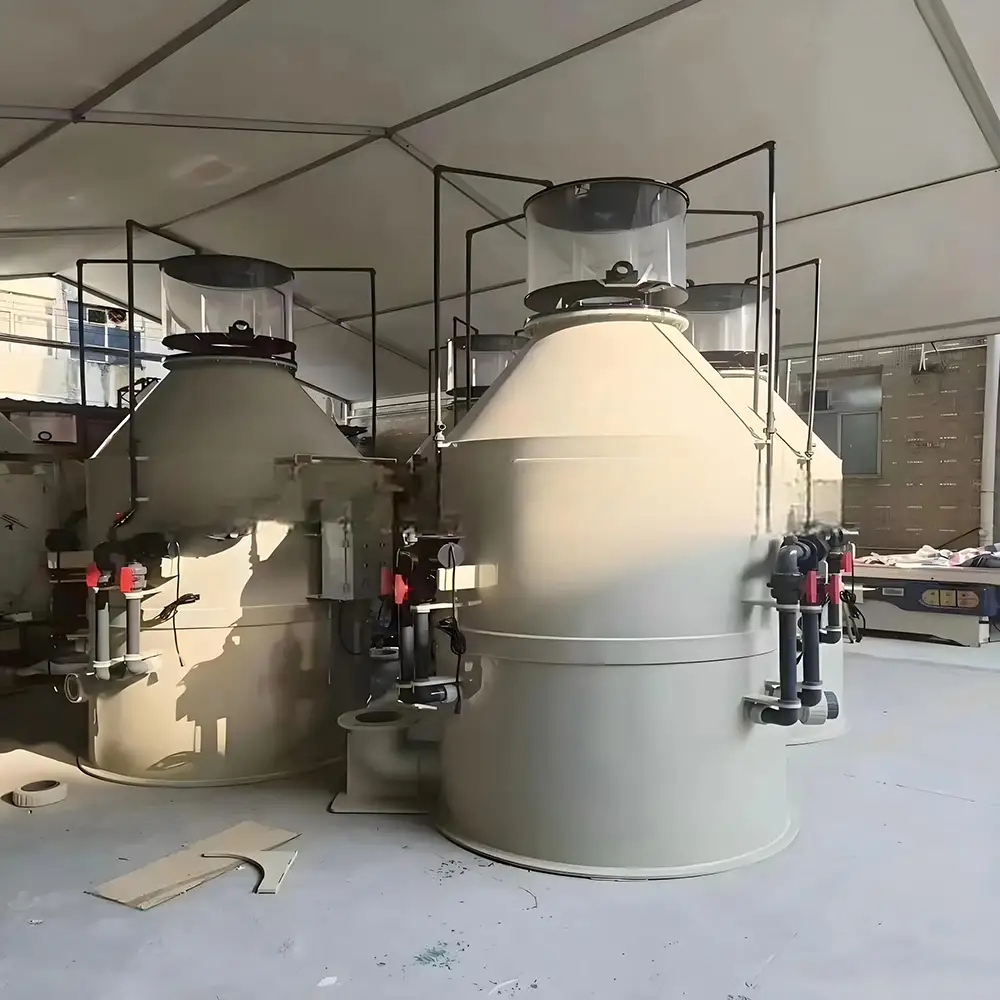
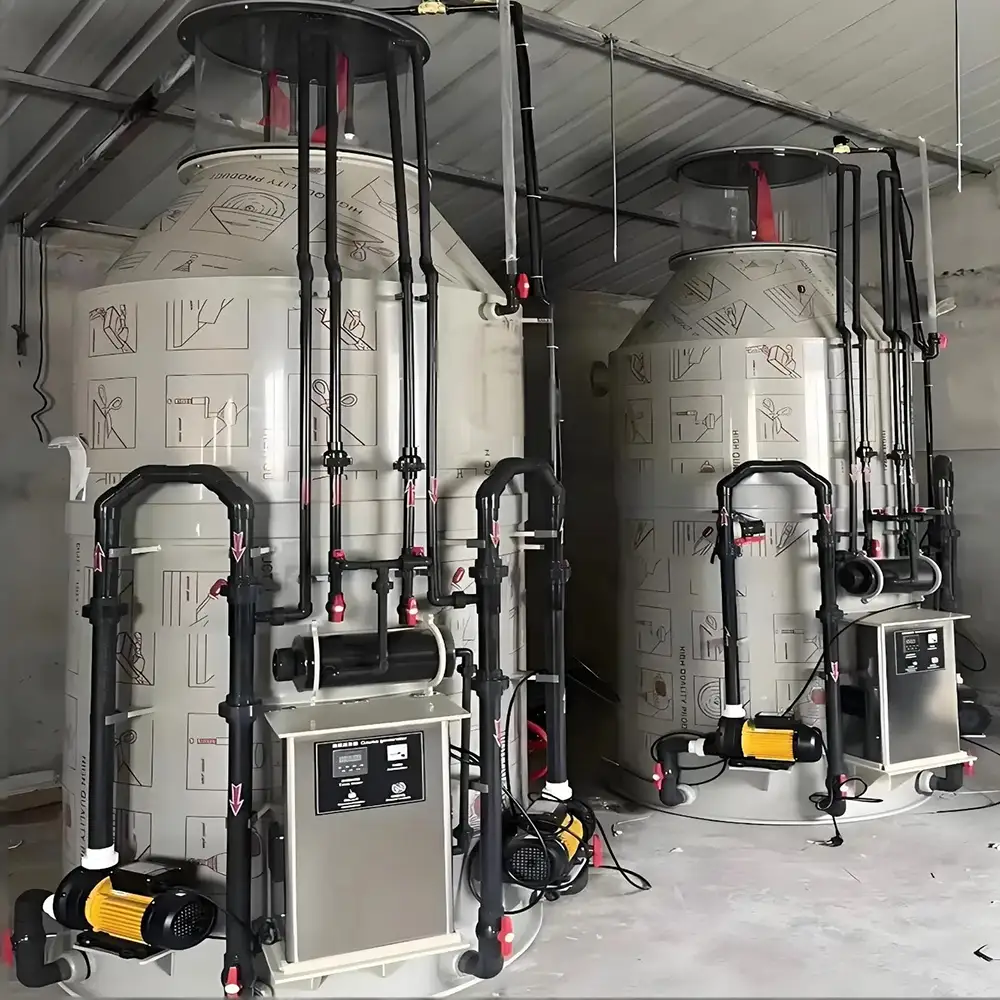
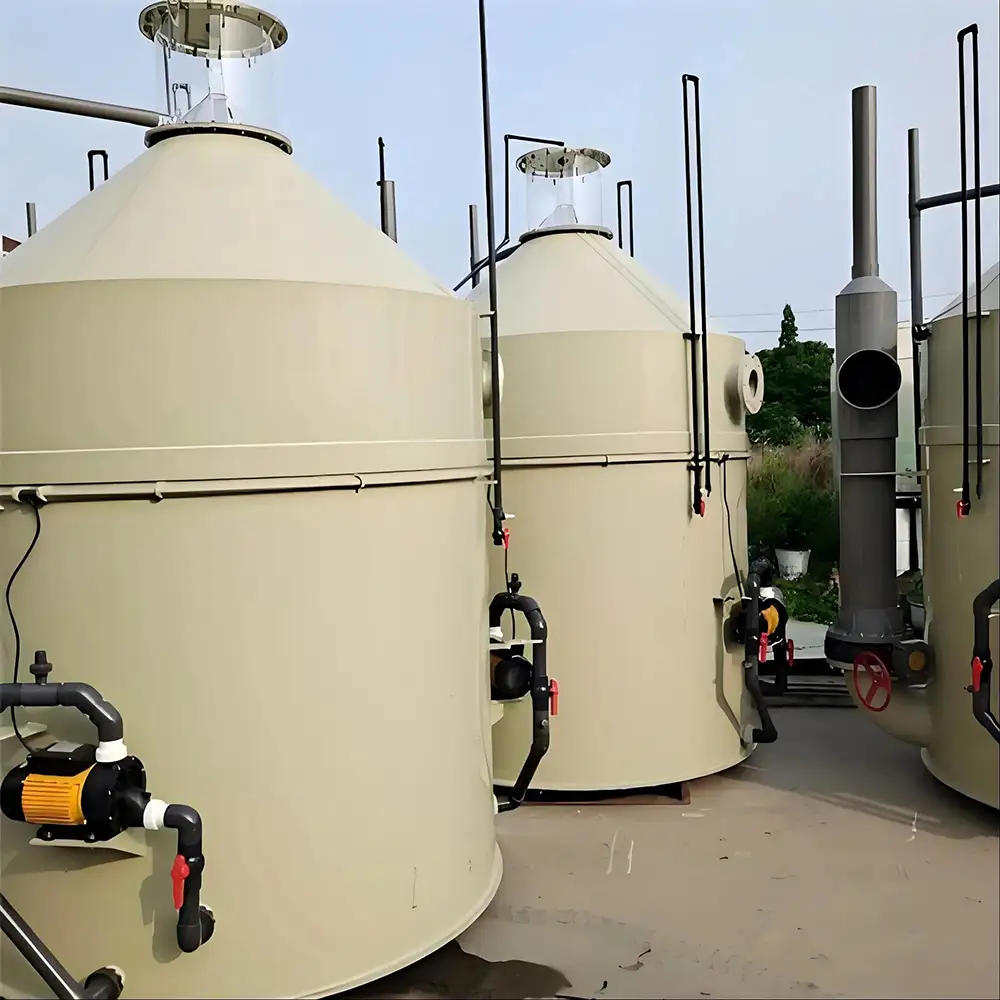
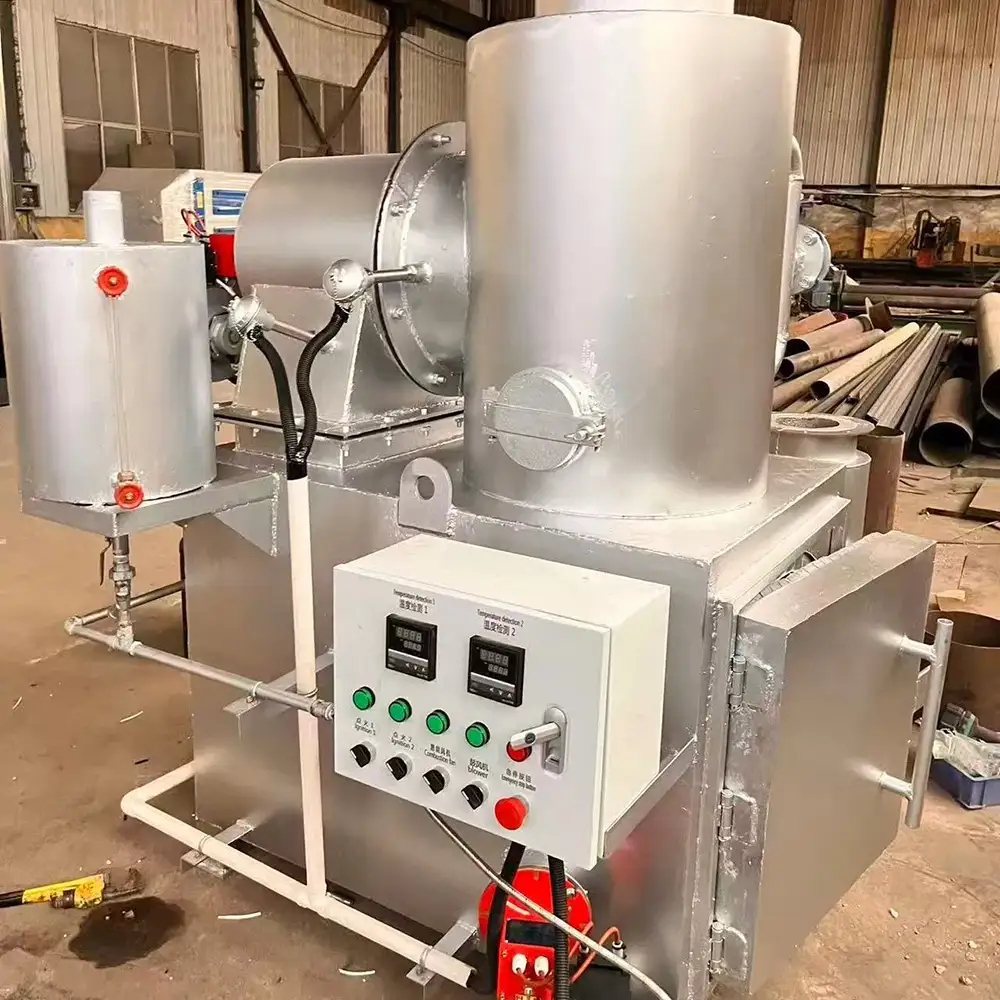
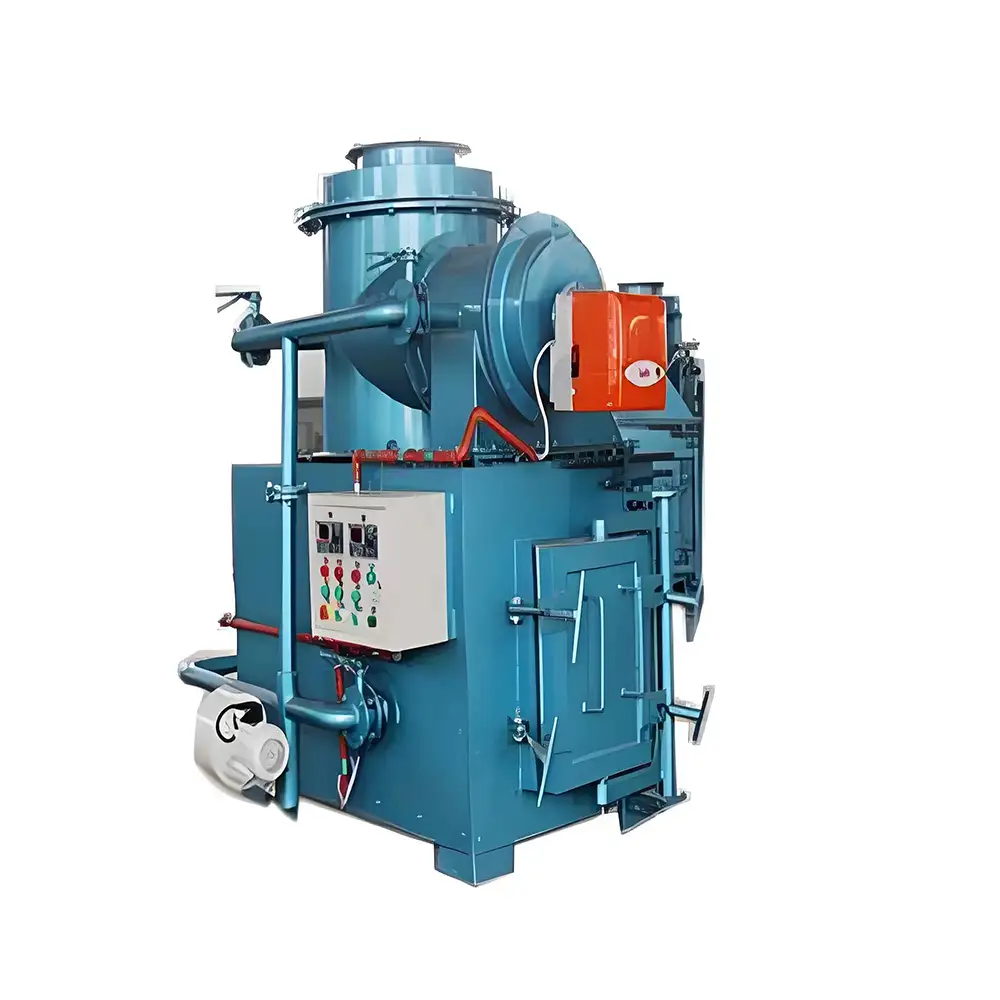
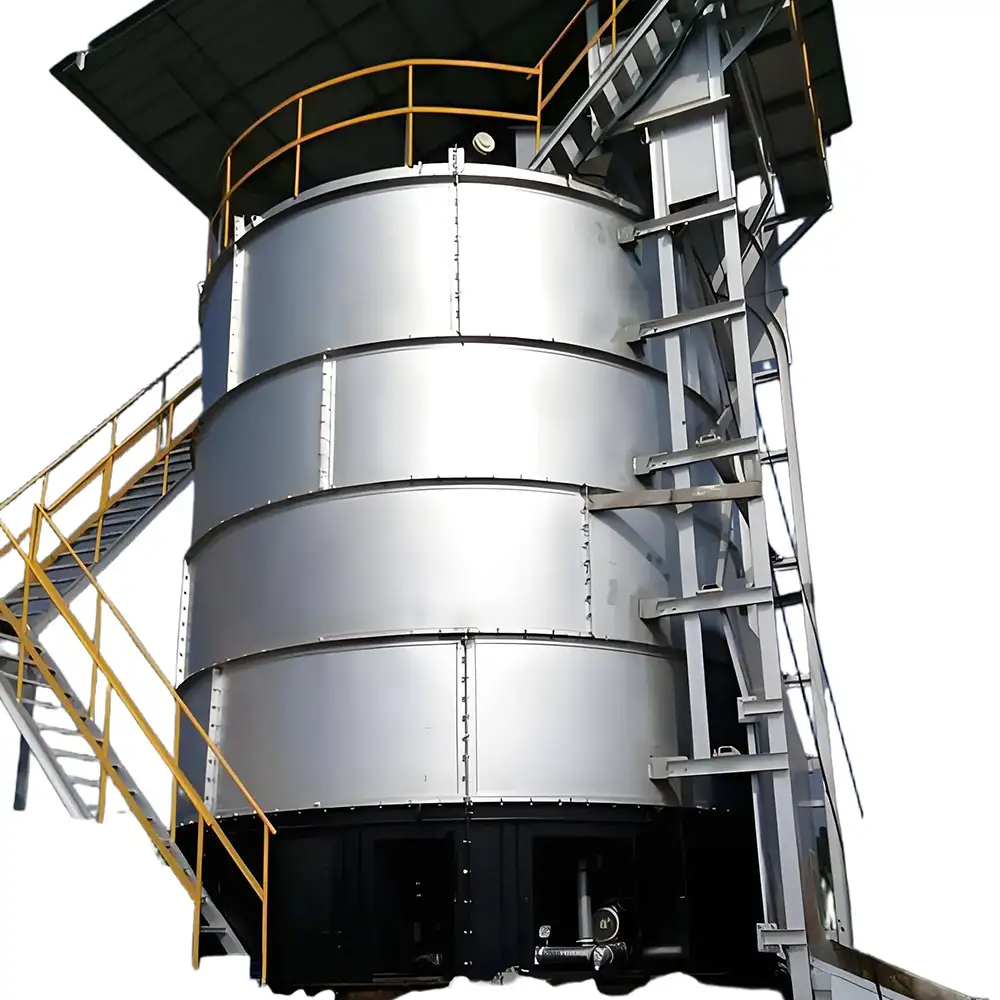
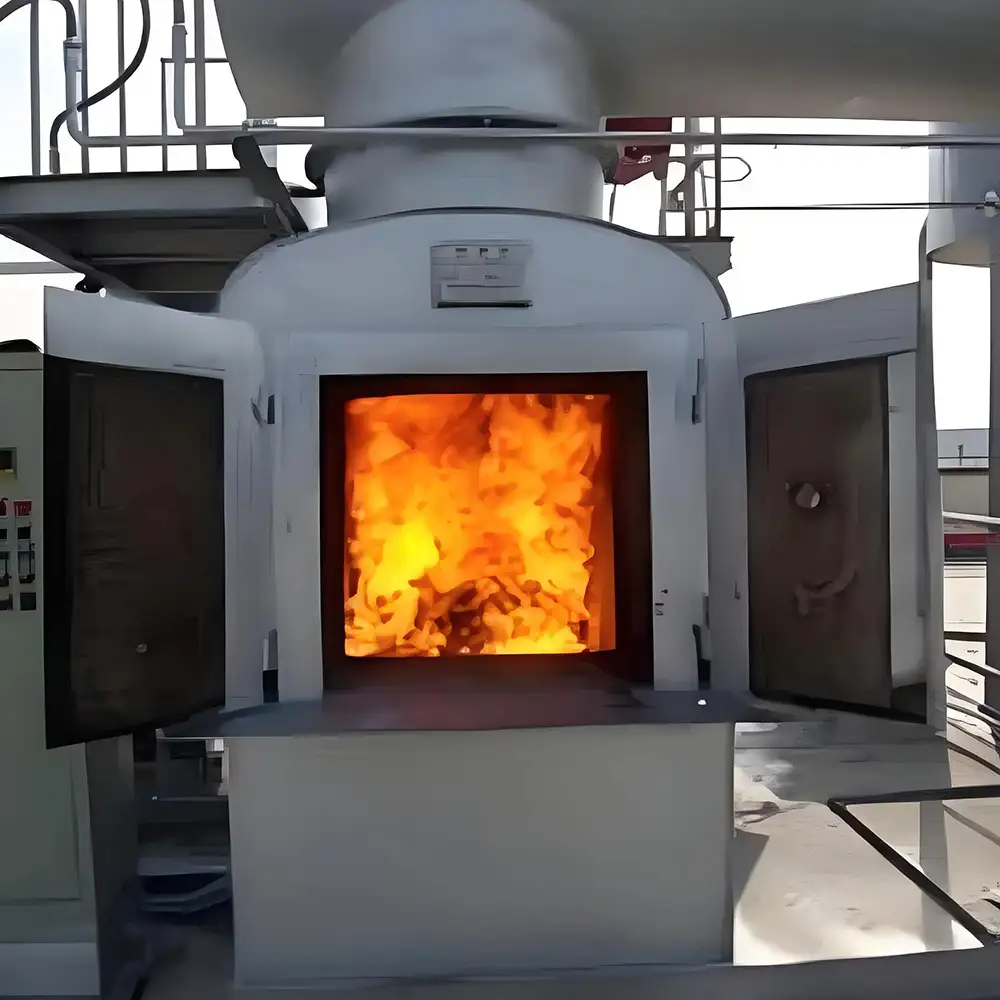
The Aquaculture Protein Separator / Industrial Equipment is an industrial separation system designed for aquaculture, fish processing, seafood production, and related organic waste treatment applications. It can be used to separate suitable protein-rich solids, suspended organic matter, fish residues, and liquid streams generated during aquaculture and seafood processing operations.
Aquaculture facilities and fish processing plants can generate wastewater and organic residues containing proteins, oils, suspended solids, fine particles, and other valuable or undesirable components. Efficient separation can help improve resource recovery, reduce the organic load entering downstream treatment processes, and support more organized waste management.
The Aquaculture Protein Separator can be configured according to the characteristics of the feed material, required separation performance, processing capacity, and downstream application.
Aquaculture Protein Separation
Protein-containing materials from fish and aquatic products may exist as suspended solids or fine organic particles in processing wastewater. A suitable separation system can concentrate these materials into a more manageable solid or semi-solid stream.
The separated material may potentially be directed toward fishmeal production, protein recovery, feed-related processing, fertilizer production, anaerobic digestion, or other appropriate downstream processes, depending on its composition and local requirements.
Fish Protein Separator
A Fish Protein Separator is suitable for applications where fish-processing streams contain recoverable organic solids and protein-rich material.
The equipment can help separate solids from liquid during processing operations such as fish cleaning, cutting, washing, processing, and waste handling. The exact separation method depends on the physical characteristics of the feedstock, including particle size, concentration, viscosity, oil content, and moisture level.
Solid-Liquid Separation
Solid-liquid separation is an important stage in many aquaculture and seafood processing systems. Removing suspended solids before downstream treatment can help reduce the load on biological treatment, filtration, flotation, or other wastewater processes.
The separator can be integrated into a complete treatment line where the incoming stream is screened, separated, concentrated, treated, and discharged or reused according to the overall process design.
Aquaculture Waste Treatment
Aquaculture operations can generate organic solids from uneaten feed, fish feces, dead biomass, cleaning processes, and other activities. These materials can contribute to suspended solids and organic loading if they are not properly managed.
An Aquaculture Waste Separation Equipment system can help collect and concentrate suitable organic solids before further treatment. This supports cleaner water management and can make subsequent waste handling more efficient.
Fish Processing Waste Separation
Fish and seafood processing facilities generate various by-products, including fish trimmings, fragments, suspended solids, protein-containing liquids, and process wastewater.
A suitable separation system can be positioned within the production line to recover compatible solid materials and reduce the amount of organic matter carried into the wastewater treatment process.
Protein Recovery
One advantage of separating organic material at an early stage is the possibility of recovering valuable components before they become highly diluted in wastewater.
Depending on the raw material and processing conditions, recovered protein-rich solids may be directed to additional processing. The final use depends on material quality, contamination control, regulatory requirements, and the customer's production process.
High Moisture Organic Material
Fish-processing residues and aquaculture waste can contain a high percentage of water. Separation equipment must therefore be selected according to the moisture content and physical properties of the feed.
Depending on the application, the separation line may include preliminary screening, dewatering, pressing, filtration, or concentration stages. Proper equipment selection helps improve the consistency of the recovered material.
A protein skimmer (also known as a protein separator or protein filter) is a physical water treatment device that efficiently removes dissolved organic matter (such as protein, fat, and mucus) and micron-sized suspended particles from water using foam separation technology. This maintains water quality, reduces the burden on biological filtration systems, and increases dissolved oxygen levels.
Working Principle and Core Function: The core principle of a protein skimmer is the adsorption effect of air bubbles. A large number of tiny air bubbles (usually generated by a water pump or air pump in conjunction with a venturi tube) are introduced into the water. These bubbles carry a negative charge and adsorb positively charged organic matter and suspended particles. As the bubbles rise and aggregate into a foam layer, the contaminants are concentrated at the surface and discharged through a foam collection cup. This quickly removes fish excrement, uneaten food, and other waste, reducing the accumulation of toxic substances such as ammonia and nitrite, and inhibiting the growth of pathogens.
Continuous Industrial Processing
For commercial aquaculture and fish processing plants, continuous processing can be important for maintaining stable production. An industrial protein separator can be integrated into a continuous material-handling system where appropriate.
Depending on the configuration, automated feeding, separation, discharge, and cleaning functions can reduce repetitive manual handling and support a more consistent production workflow.
Customized Separation Technology
Different aquaculture and fish-processing waste streams have different characteristics. Fish species, feed composition, processing methods, water quantity, particle size, oil content, and organic concentration can all affect separation performance.
For this reason, the equipment configuration should be selected according to the actual feed material. Customers can provide sample information, process flow, material concentration, expected throughput, and desired output characteristics for technical evaluation.
Integration With Aquaculture Wastewater Treatment
The separator can be used as a pretreatment or recovery stage within an Aquaculture Wastewater Treatment System.
A typical process may include screening, solid-liquid separation, protein or organic matter recovery, dissolved air flotation, biological treatment, filtration, disinfection, and water reuse, depending on the project requirements.
Removing larger and concentrated organic material early in the process can help reduce the organic and solids loading on downstream treatment equipment.
Fish Protein And Organic Matter Concentration
Concentrating protein-rich organic material can simplify transportation, storage, and further processing compared with handling highly diluted wastewater.
The separator can be configured to produce a more concentrated solid or semi-solid stream. The actual concentration level depends on the feed composition and selected separation technology.
Wastewater Load Reduction
Aquaculture and seafood processing wastewater can contain significant levels of suspended solids and biodegradable organic matter. Removing these components before biological or advanced treatment can help optimize the overall treatment process.
The separator is therefore useful not only for material recovery but also as part of an integrated wastewater management strategy.
Hygienic Industrial Applications
Aquaculture and seafood processing environments require attention to hygiene and cleaning. Equipment configuration can consider accessible surfaces, drainage, cleaning procedures, and material selection according to the application.
For food-related facilities, equipment materials and hygienic requirements should be evaluated according to the customer's production environment and applicable standards.
Stainless Steel Construction Options
Depending on the application, the separator can be manufactured with suitable corrosion-resistant materials. Stainless steel construction options may be considered for environments exposed to water, salt, cleaning chemicals, or fish-processing fluids.
The appropriate material grade should be selected according to the feed characteristics, cleaning chemicals, temperature, salinity, and operating environment.
Automated Operation
Industrial aquaculture separation systems can incorporate sensors, control panels, automatic feeding, motor control, discharge systems, and other automation functions.
Automation levels can be customized according to the customer's production requirements. A more automated configuration can help coordinate the separator with upstream processing equipment and downstream wastewater treatment systems.
Flexible Industrial Applications
The Aquaculture Protein Separator can be used in fish farms, seafood processing plants, aquaculture processing facilities, fishmeal production facilities, aquatic product factories, and industrial organic waste treatment projects.
It can also be evaluated for other industries where suitable protein-rich organic solids need to be separated from liquid streams.
B2B Aquaculture Equipment Solution
For aquaculture companies, seafood processors, fishmeal producers, environmental engineering companies, wastewater treatment contractors, and international industrial equipment buyers, the Aquaculture Protein Separator provides a practical separation solution for organic material recovery and wastewater pretreatment.
Customers can provide the raw material type, processing flow, solids concentration, moisture content, required capacity, and desired separation result so that an appropriate equipment configuration can be evaluated.
Key Features
Aquaculture Protein Separation
Fish Protein Recovery
Solid-Liquid Separation
Fish Processing Waste Treatment
Aquaculture Waste Separation
Organic Matter Recovery
Continuous Industrial Processing
High Moisture Material Handling
Stainless Steel Construction Options
Automated Feeding And Discharge
Wastewater Pretreatment Integration
Customized Separation Configuration
Main Applications
Aquaculture Farms
Fish Processing Plants
Seafood Processing
Fishmeal Production
Aquaculture Waste Treatment
Fish Processing Wastewater
Fish Protein Recovery
Aquaculture Wastewater Treatment
Seafood By-Product Processing
Organic Waste Separation
Fish Waste Management
Industrial Wastewater Pretreatment
FAQs
1. What Is An Aquaculture Protein Separator?
An Aquaculture Protein Separator is industrial equipment designed to separate suitable protein-rich organic solids and suspended materials from liquid streams generated by aquaculture and fish-processing operations.
2. What Materials Can Be Separated?
Potential materials include fish residues, protein-rich solids, suspended organic matter, aquaculture waste, and compatible fish-processing by-products. Actual suitability depends on the physical characteristics of the feed.
3. Can It Be Used For Fish Processing Wastewater?
Yes. It can be integrated into fish-processing wastewater treatment systems to separate suitable suspended solids and organic material before downstream treatment.
4. Can The Recovered Material Be Used For Fishmeal?
Potentially, depending on the quality and composition of the recovered material. Final use must be determined according to the material characteristics and applicable feed or processing requirements.
5. Can It Be Used In Aquaculture Farms?
Yes. The equipment can be evaluated for aquaculture waste streams containing suspended solids and organic material from fish farming and related operations.
6. Does The Separator Remove Liquid From Fish Waste?
The separation process can concentrate solids and reduce the amount of liquid associated with the recovered material. Actual dewatering performance depends on the feed properties and selected equipment configuration.
7. Can The Equipment Be Integrated With A Wastewater Treatment Plant?
Yes. It can serve as a pretreatment, solid recovery, or concentration stage within a broader aquaculture or industrial wastewater treatment system.
8. What Materials Are Used For The Equipment?
Suitable materials can be selected according to the application. Stainless steel options may be considered for wet, saline, corrosive, or hygienically demanding environments.
9. Can The Separator Be Customized?
Yes. Feeding, separation, discharge, automation, construction materials, and system integration can be configured according to the customer's feed material and production requirements.
10. What Information Is Needed For Equipment Selection?
Useful information includes material type, flow rate, solids concentration, particle size, moisture content, oil content, processing conditions, required capacity, and the desired characteristics of the separated material.
Why Choose Us
Specialized Aquaculture Separation Solutions
We provide industrial separation equipment for aquaculture, fish processing, seafood production, organic waste treatment, and related wastewater applications.
Customized Equipment Configuration
Different fish-processing and aquaculture waste streams require different separation approaches. We can configure feeding, separation, discharge, materials, and automation according to the application.
Sample-Based Technical Evaluation
Customers can provide feed samples, process data, solids concentration, flow information, and target output requirements for technical evaluation before equipment selection.
Integration With Complete Treatment Systems
The protein separator can be integrated with screening, dewatering, flotation, biological treatment, filtration, and other wastewater treatment equipment according to the complete process flow.
Industrial B2B Project Support
We support overseas customers with equipment configuration, technical documentation, drawings, export packaging, shipping coordination, installation guidance, and after-sales technical assistance.
Focus On Resource Recovery
Separating organic and protein-rich material before wastewater treatment can create opportunities for material recovery while helping reduce the solids and organic loading of downstream treatment processes.
Prev:
Marine Aquaculture Protein Separator / Fine Bubble Design / High Protein Removal Rate
Next:
Organic Fertilizer Aerobic Reactor Water Treatment Plant, Aerobic Fermentation Tank for Organic Fertilizer Plant
TAG:
Organic Waste Treatment Equipment,
Solid Liquid Separator,
Solid Liquid Separation Equipment,
Organic Waste Separator,
Wastewater Separation Equipment,
Industrial Solid Liquid Separator,
Organic Waste Separation Equipment,
Industrial Separation Equipment,
Aquaculture Wastewater Treatment,
Aquaculture Wastewater Treatment Equipment,
Aquaculture Protein Separator,
Fish Protein Separator,
Aquaculture Industrial Equipment,
Wastewater Solid Liquid Separation,
Fishmeal Processing Equipment,
Fishmeal Production Equipment,
Protein Recovery Equipment,
Protein Separation Equipment,
Industrial Protein Separator,
Aquaculture Protein Separation Equipment,
Fish Protein Separation Equipment,
Fish Protein Recovery Equipment,
Aquaculture Waste Separator,
Aquaculture Waste Separation Equipment,
Fish Waste Separator,
Fish Waste Separation Equipment,
Fish Processing Separation Equipment,
Fish Processing Waste Treatment Equipment,
Aquaculture Waste Treatment Equipment,
Fish Processing Wastewater Treatment,
Related Category:
Aquaculture Protein Separator, Aquaculture Protein Separation Equipment, Fish Protein Separator, Fish Protein Separation China, suppliers, manufacturers, factory, customized, wholesale, quotation, made in China