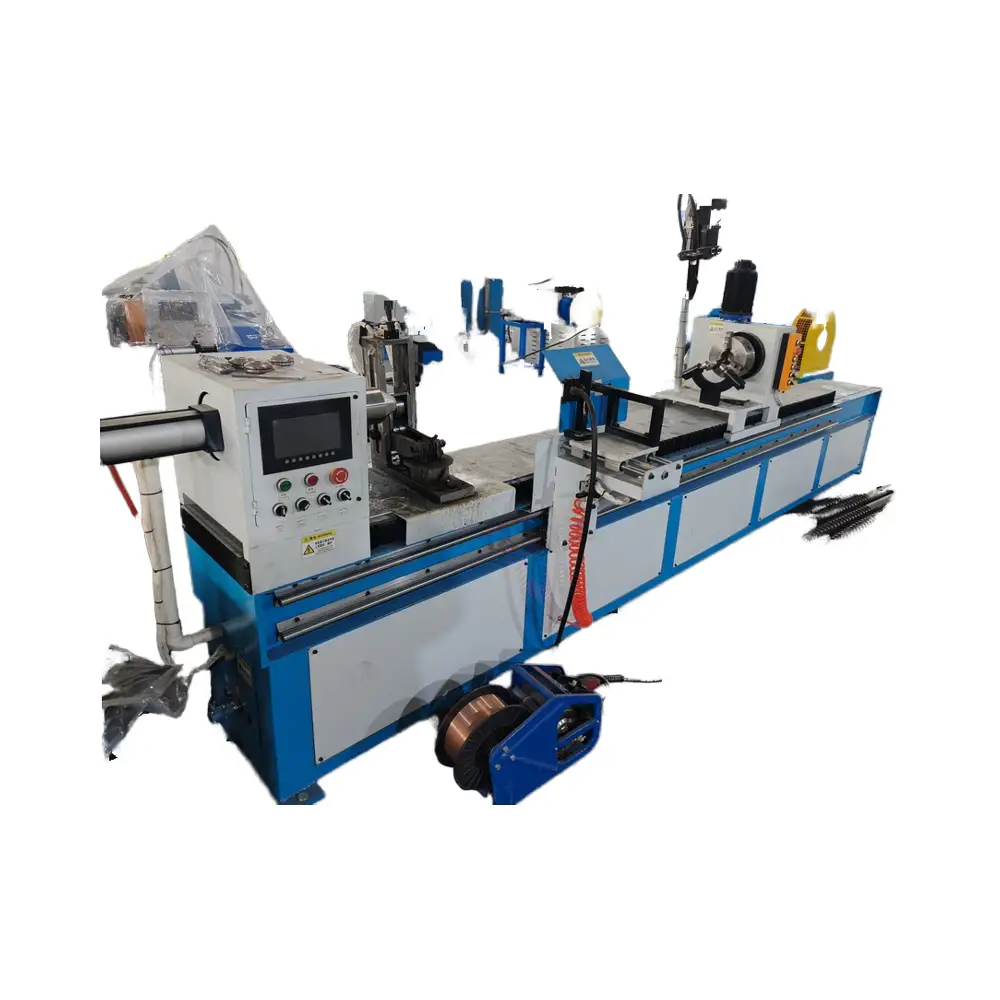
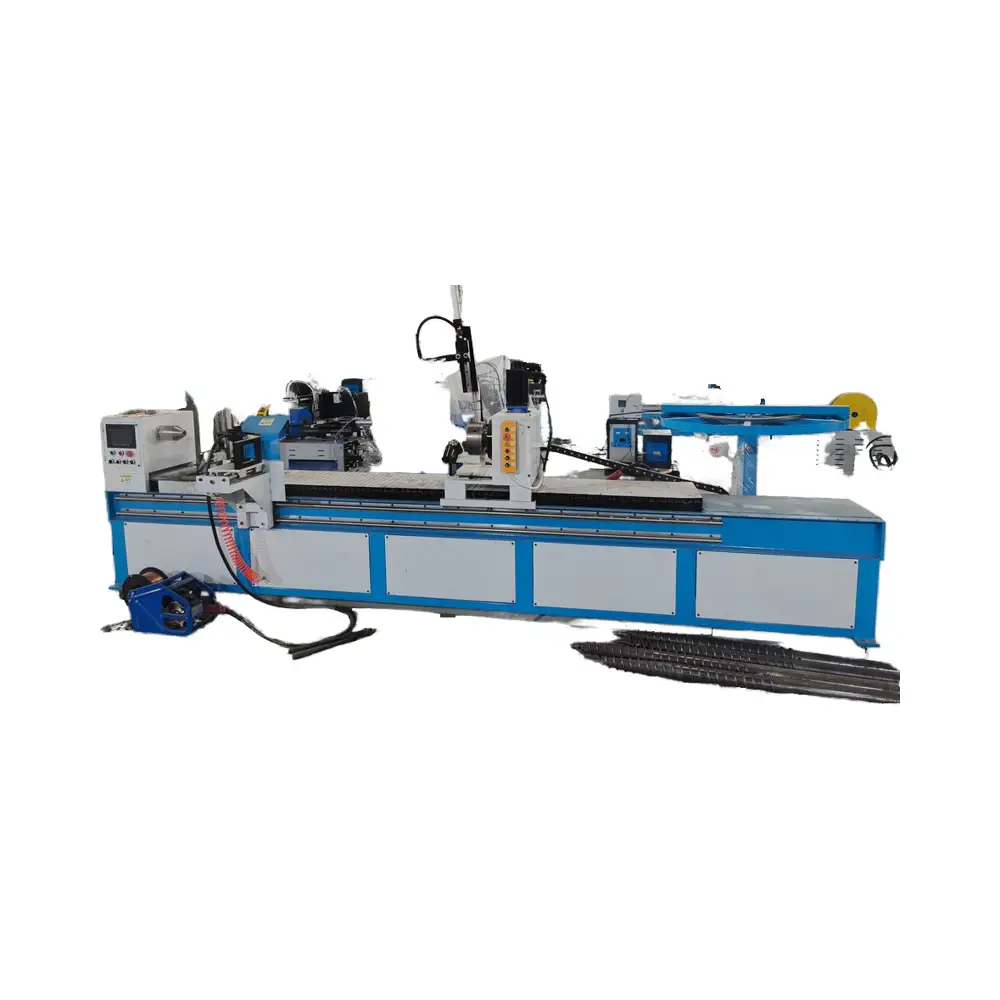
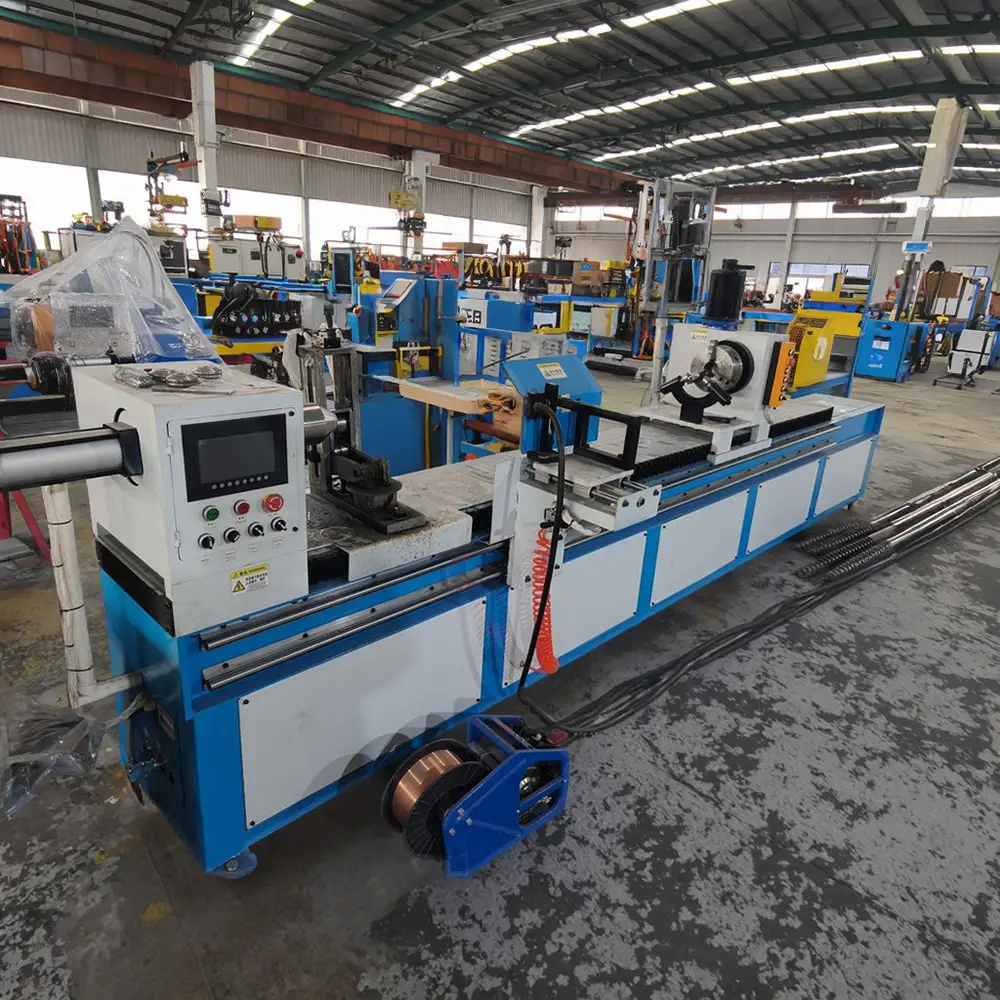
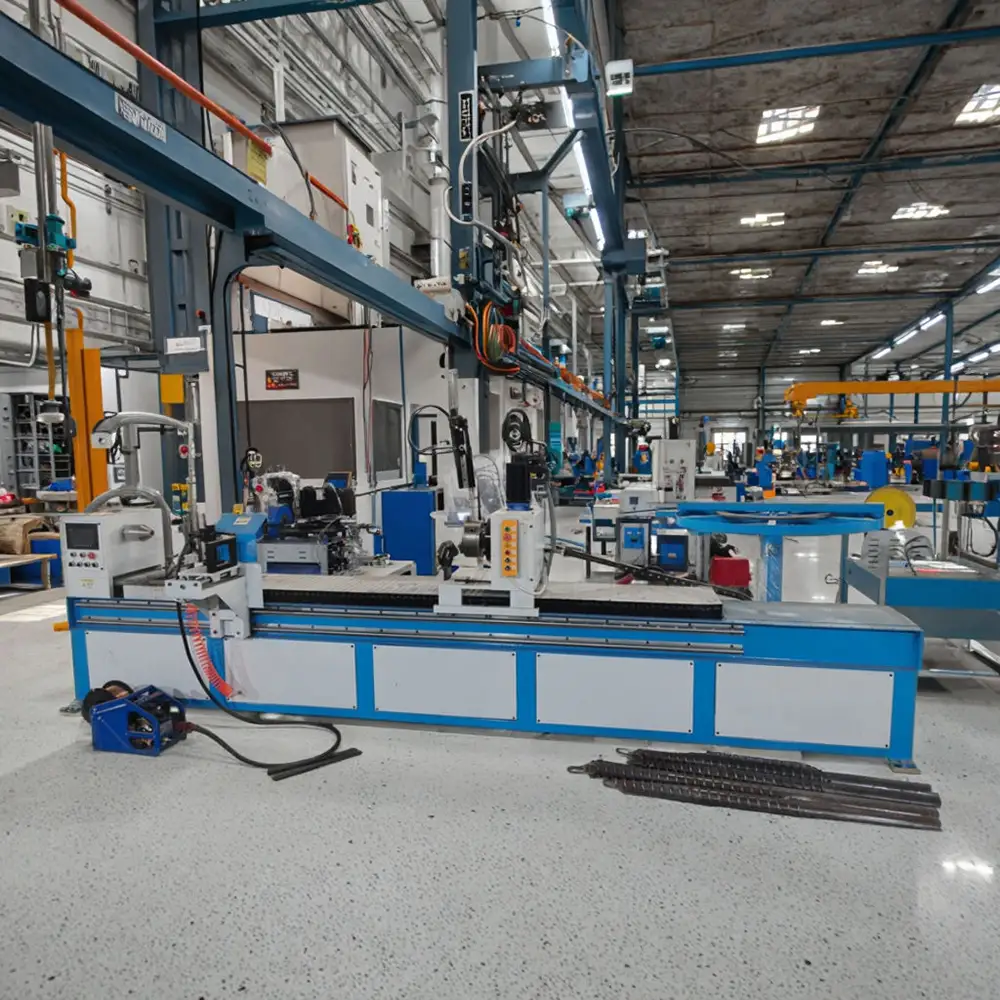
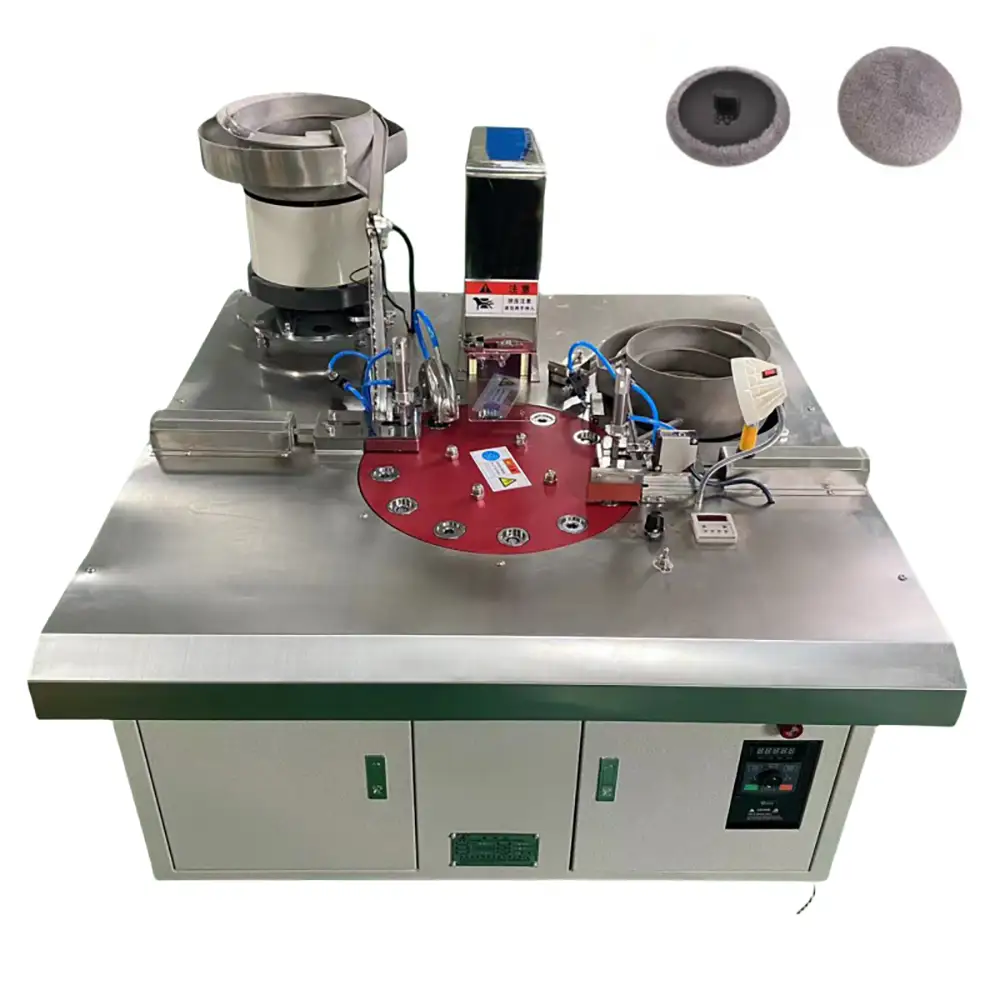
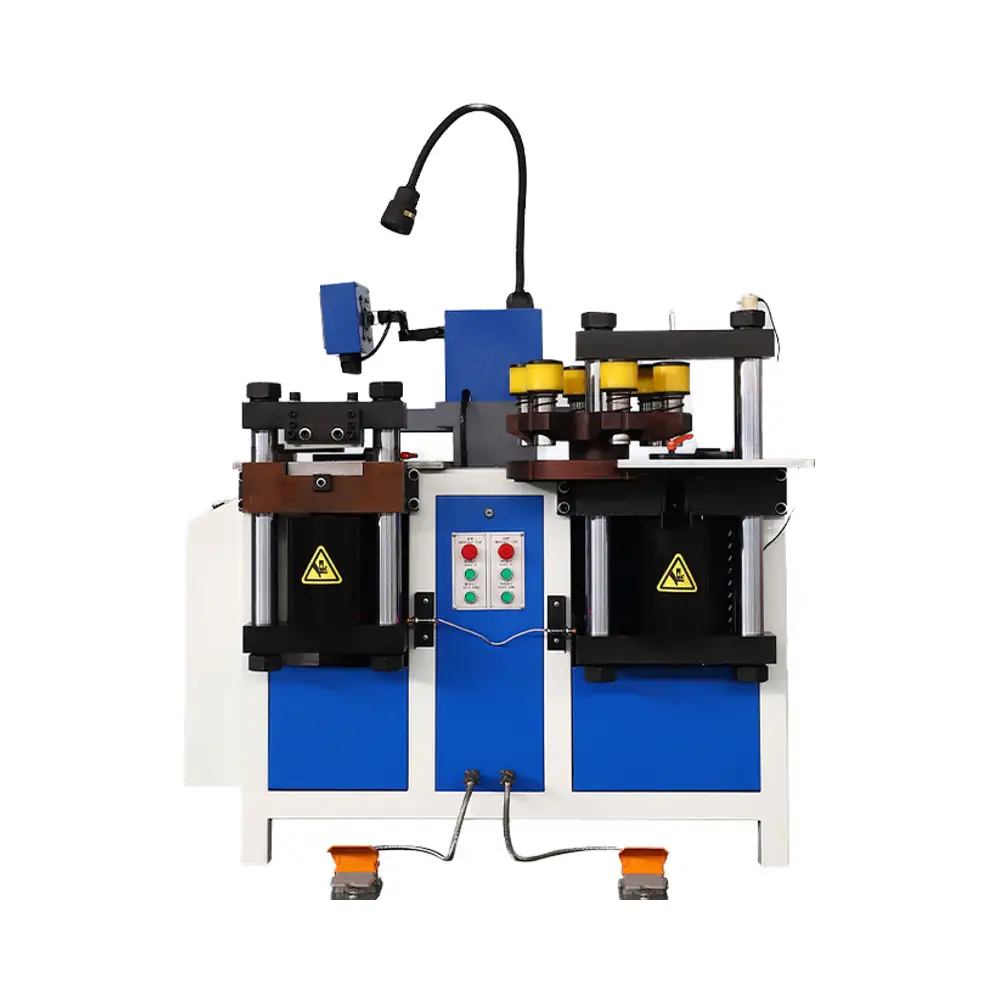
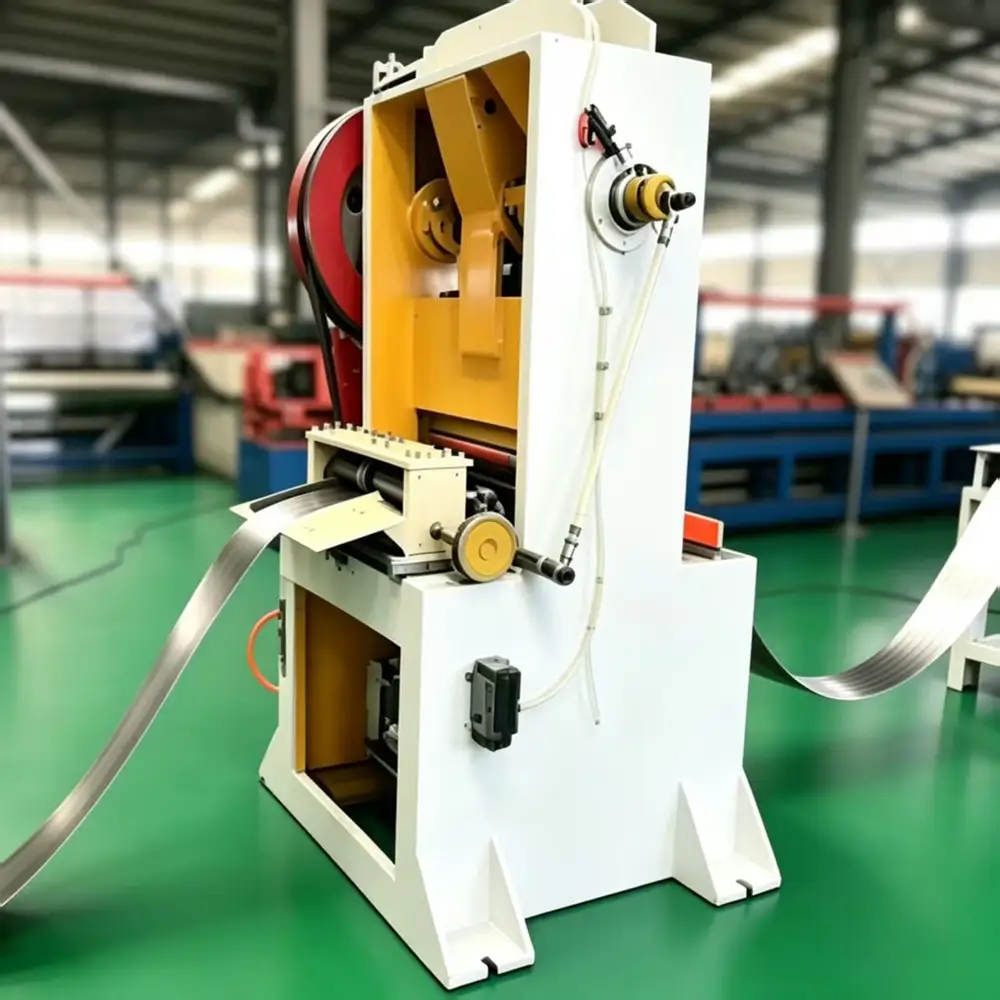
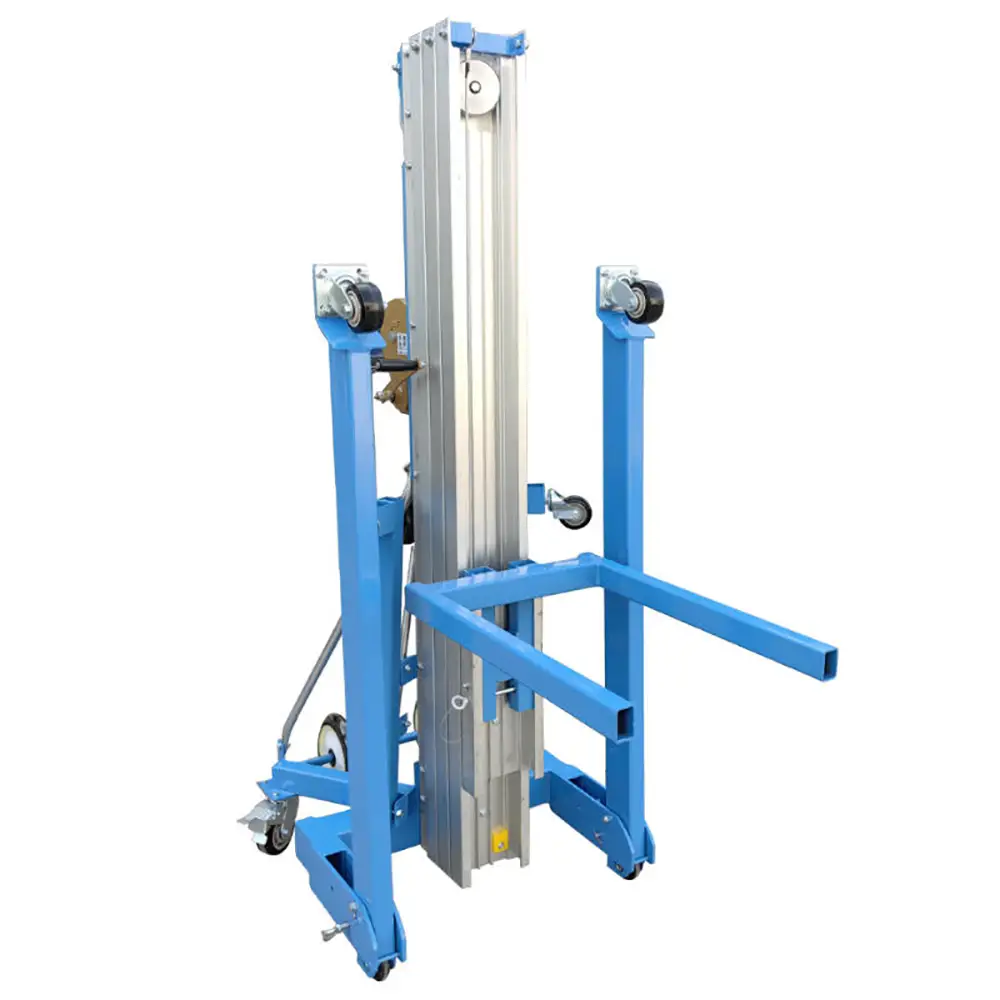
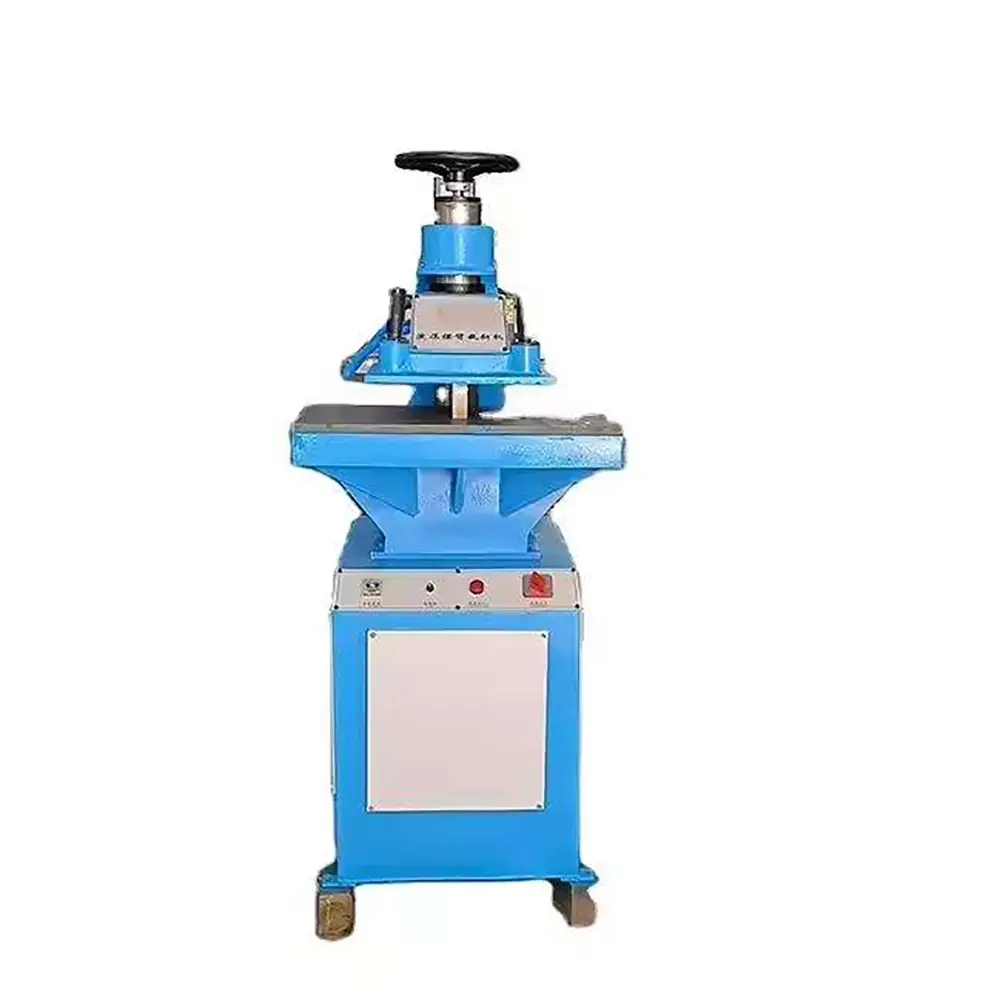
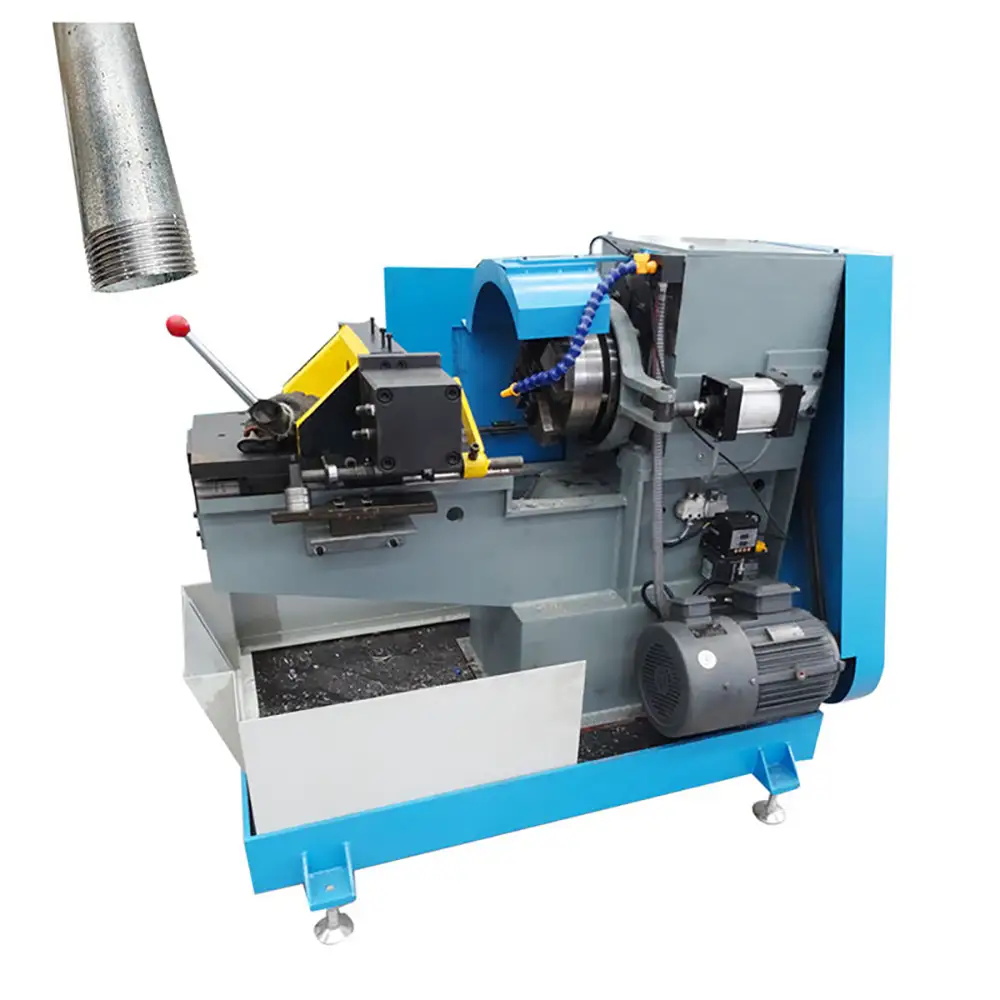
The welding machine represents a pinnacle of engineering precision in the field of industrial fabrication. This state-of-the-art orbital pipe welding machine is specifically engineered to automate and perfect the complex process of welding spiral flights (or screws) onto pipes and shafts. It is an indispensable solution for manufacturers of screw conveyors, augers, drilling tools, and various other helical components, where structural integrity, consistency, and production efficiency are paramount.
Key advantages:
Unmatched Weld Quality & Consistency: The automated orbital process eliminates variations, ensuring every weld is identical, with complete penetration and no defects like porosity or undercut, significantly enhancing the final product's durability and load-bearing capacity.
Dramatic Increase in Productivity: By automating one of the most time-consuming and skill-dependent steps in the production process, this system drastically reduces cycle times and operates continuously, leading to a substantial boost in output and a faster return on investment.
Superior Operator Safety & Ergonomics: Automating the welding process removes the operator from direct exposure to arc flash, fumes, and repetitive strain injuries, creating a safer and more modern workshop environment.
Significant Material Savings: The precision of the automated weld minimizes heat distortion and eliminates the costly rework often associated with manual welding, ensuring material is used efficiently and correctly the first time.
In essence, this Automatic Helical Flight Welding System is not merely a machine; it is a transformative manufacturing asset. It empowers businesses to achieve new standards of quality, scale their production capabilities, and strengthen their competitive edge in a demanding global market.
Orbital Pipe Welding Machine with Rotary Orbital Head
The Orbital Pipe Welding Machine is an automatic welding solution designed for applications that require controlled, repeatable welding around pipes, tubes, and helical flight assemblies. Combining an automatic welding system with a rotary orbital welding head, this equipment is designed to improve welding consistency, reduce manual intervention, and support continuous fabrication processes.
The system is particularly suitable for helical flight welding, spiral flight production, pipe fabrication, auger manufacturing, screw conveyor components, and other industrial applications where a welding head needs to follow a circular or helical path around a workpiece.
Compared with conventional manual welding, an automated orbital welding system can provide more consistent movement and help operators maintain a repeatable welding process. The actual welding parameters, torch configuration, rotation speed, and workpiece dimensions can be configured according to the application and production requirements.
Automatic Helical Flight Welding System
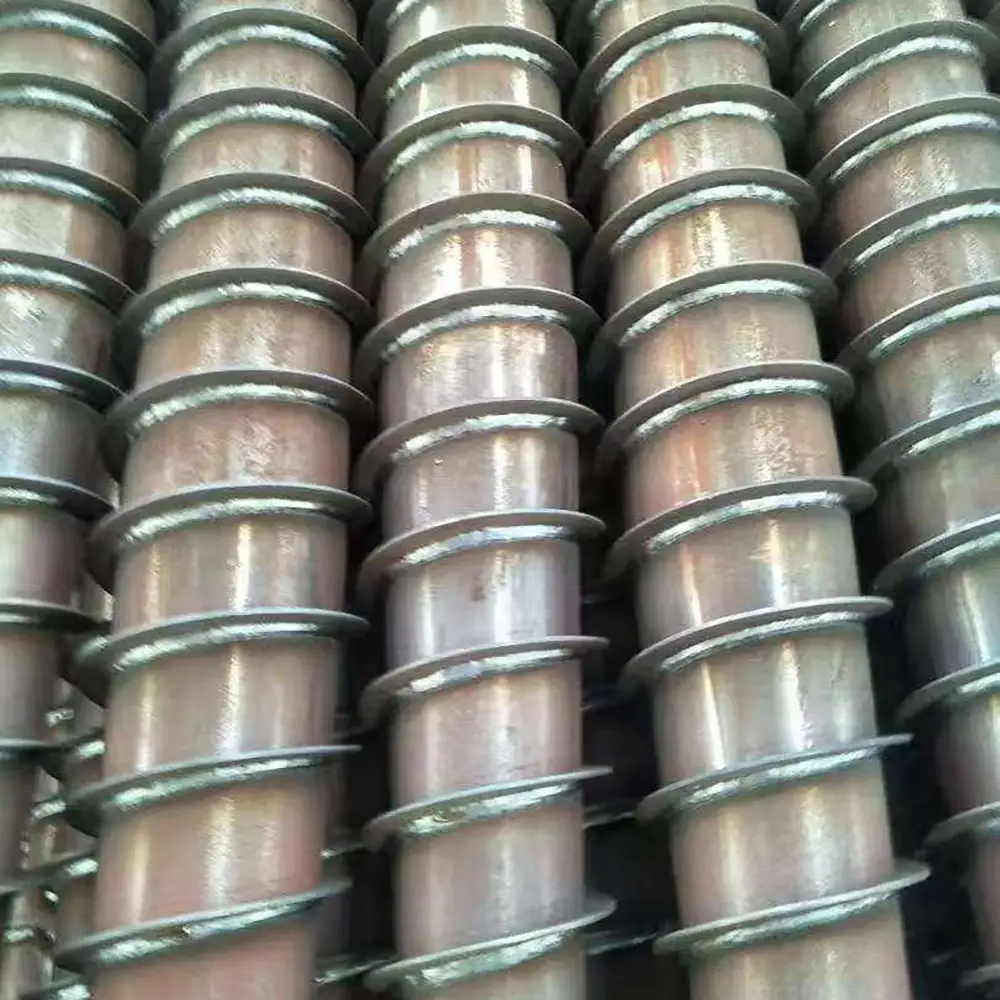
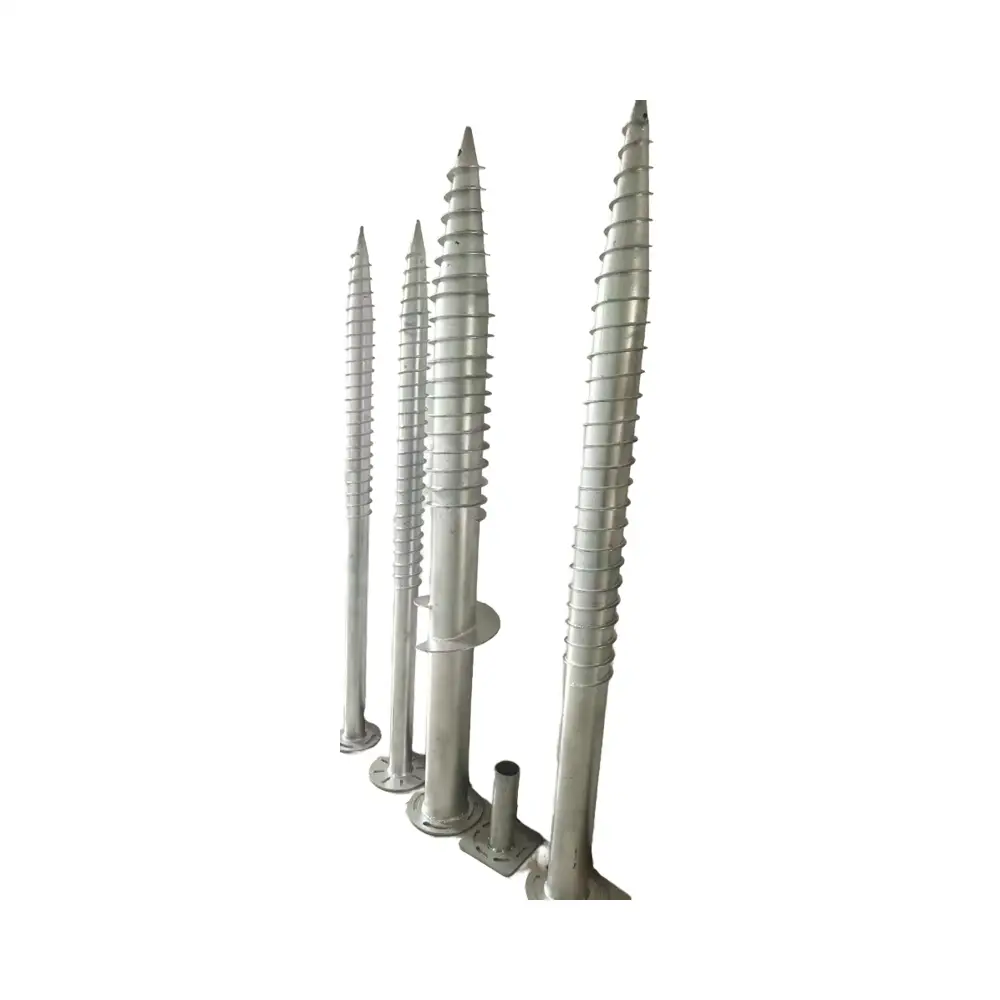
The Automatic Helical Flight Welding System is designed for manufacturers producing spiral flights, helical components, auger assemblies, and related pipe-based products.
Helical flights are widely used in screw conveyors, augers, drilling equipment, agricultural machinery, material handling systems, and industrial processing equipment. Welding the flight accurately to a central pipe or shaft is an important part of producing a durable and properly aligned assembly.
The automated system coordinates workpiece rotation and welding movement so that the welding head can follow the required welding path. This can reduce the amount of manual positioning required during production and create a more standardized manufacturing process.
For high-volume production, automation can also help improve workflow efficiency by reducing repeated setup and manual welding operations.
Rotary Orbital Welding Head
The rotary orbital head is a key component of the system. It allows the welding torch or welding assembly to travel around the workpiece according to the programmed or mechanically controlled movement of the machine.
Orbital welding technology is commonly used when a consistent weld path around a cylindrical component is required. By controlling the relative movement between the welding head and workpiece, the system can support repeatable welding operations.
For helical flight applications, the rotary movement works together with the workpiece positioning system to follow the spiral welding path. The exact movement method depends on the machine configuration and the geometry of the flight assembly.
Consistent Welding Performance
One of the primary benefits of automatic welding equipment is process repeatability. Manual welding quality can be affected by operator movement, welding position, fatigue, and production conditions. An automated welding system helps standardize the movement of the welding torch.
The operator can focus on workpiece loading, setup, parameter confirmation, inspection, and production monitoring while the machine performs the programmed welding movement.
Consistent welding is particularly important when multiple helical flight assemblies need to be manufactured to similar specifications. A standardized process can help reduce variations between production batches.
However, final weld quality depends on many factors, including material type, joint preparation, welding process, consumables, shielding conditions, welding parameters, and proper machine setup.
Applications for Helical Flight and Auger Production
The system is suitable for a wide range of industrial applications where spiral or helical components need to be welded to pipes or shafts.
Typical applications include:
Screw Conveyor Manufacturing
Auger Flight Welding
Helical Flight Production
Spiral Flight Fabrication
Agricultural Machinery
Drilling Equipment
Material Handling Equipment
Mining Equipment
Construction Machinery
Industrial Conveyors
Feed Processing Equipment
Grain Handling Equipment
Powder Handling Systems
Industrial Pipe Fabrication
For screw conveyor manufacturers, automated welding can be integrated into a broader production line that includes flight forming, shaft preparation, welding, finishing, inspection, and assembly.
Pipe and Tube Welding Applications
In addition to helical flight welding, the machine concept can be applied to selected pipe and tube welding operations where rotary movement and controlled torch positioning are required.
Pipe welding applications can include cylindrical assemblies, industrial components, fabricated pipe structures, and customized metal products.
Before selecting the machine, buyers should provide detailed information about pipe diameter, wall thickness, material grade, joint design, welding process, required weld position, production quantity, and desired automation level.
These details are important because different pipe sizes and welding configurations can require different fixtures, welding heads, power sources, and control systems.
Improved Production Efficiency
Automatic welding can help manufacturers establish a more efficient production workflow. Instead of manually controlling the welding torch around every workpiece, the operator can load the component, position the fixture, verify the settings, and initiate the automatic welding cycle.
For repetitive production, this can reduce unnecessary manual movement and allow operators to spend more time on material preparation, quality inspection, and production management.
The actual productivity of the system depends on welding speed, workpiece size, weld length, loading time, welding process, number of welding passes, and other production conditions.
Flexible Machine Configuration
Industrial welding requirements vary significantly between customers. For this reason, an orbital pipe welding machine may be configured according to the workpiece and production process.
Potential configuration considerations include workpiece diameter, workpiece length, welding head design, rotary positioning, fixture arrangement, welding power source, control system, welding process, and automation level.
For helical flight applications, the flight diameter, pipe or shaft diameter, pitch, material thickness, and welding requirements should be provided when requesting a quotation.
This allows the manufacturer to evaluate the application and recommend a suitable configuration rather than relying only on a general machine model.
Suitable Materials
The machine can be used for suitable metal welding applications depending on the selected welding process and configuration. Common industrial materials may include carbon steel and stainless steel, while other alloys may also be considered when the welding system and consumables are appropriate.
Material compatibility should always be confirmed before production. Welding parameters should be established according to the material, thickness, joint design, and selected welding process.
For customers producing multiple product types, discussing the full range of materials and workpiece dimensions with the manufacturer can help determine the appropriate configuration.
Easy Production Workflow
A typical production process can include:
Prepare the pipe, shaft, and helical flight.
Position the components in the machine fixture.
Align the workpiece and confirm the welding path.
Install and position the appropriate welding head.
Set welding and movement parameters.
Start the automatic welding cycle.
Monitor the welding operation.
Remove and inspect the completed assembly.
The actual sequence depends on the machine configuration and welding process.
Proper alignment is especially important for helical flight welding because incorrect positioning can affect flight pitch, concentricity, and final assembly geometry.
Maintenance and Operator Considerations
Regular maintenance helps maintain reliable operation. Operators should inspect the welding head, rotary mechanism, fixtures, electrical connections, cables, control components, and other moving parts according to the manufacturer's maintenance schedule.
Welding equipment should also be kept clean from excessive spatter, dust, and metal debris. Consumable components should be replaced when necessary.
Operators should receive appropriate training and follow applicable welding safety requirements. Adequate ventilation, personal protective equipment, electrical safety procedures, and fire-prevention measures should be used during welding operations.
OEM, ODM, and Custom Manufacturing
For machinery distributors, screw conveyor manufacturers, auger producers, and industrial equipment companies, the Orbital Pipe Welding Machine can be supplied for different production requirements.
OEM and ODM cooperation can be discussed for machine configuration, welding head arrangement, fixture design, control requirements, electrical specifications, labeling, packaging, documentation, and other project-specific requirements.
Customers can provide drawings, product dimensions, production targets, material information, and welding requirements for application evaluation.
FAQ
1. What is an Orbital Pipe Welding Machine?
An orbital pipe welding machine is an automated welding system designed to control welding movement around cylindrical workpieces such as pipes and tubes.
2. What is the Helical Flight Welding System used for?
It is designed for welding helical flights to pipes or shafts, making it suitable for augers, screw conveyors, spiral components, and related industrial products.
3. What is a rotary orbital welding head?
A rotary orbital welding head controls the movement of the welding torch around a cylindrical workpiece to create a controlled circular or orbital welding path.
4. Can this machine weld screw conveyor flights?
Yes. The system is suitable for selected screw conveyor and helical flight welding applications when the workpiece dimensions and machine configuration are compatible.
5. Can it be used for auger manufacturing?
Yes. Automatic helical flight welding is commonly applicable to auger and screw-type component production.
6. What materials can be welded?
Material compatibility depends on the selected welding process, power source, consumables, and machine configuration. Carbon steel and stainless steel are common industrial welding materials.
7. Can the machine handle different pipe sizes?
The applicable pipe diameter and workpiece dimensions depend on the machine configuration. Customers should provide their required diameter and length before ordering.
8. Can the welding system be customized?
Yes. Depending on the project, fixtures, welding head configuration, rotary system, control system, and other machine requirements can be customized.
9. What information is needed for a quotation?
Customers should provide pipe or shaft diameter, flight diameter, flight thickness, pitch, material, weld type, production quantity, welding process, and required automation level.
10. Is operator training required?
Operators should receive appropriate training in machine operation and welding procedures. They should also follow the manufacturer's operating instructions and applicable workplace safety requirements.
Why Choose Us
1. Automatic Welding Process
The system reduces repetitive manual welding movement and supports a more standardized production workflow.
2. Rotary Orbital Head
The rotary welding head is designed for controlled welding movement around cylindrical workpieces.
3. Helical Flight Application
The machine is suitable for spiral flight, auger, and screw conveyor manufacturing applications.
4. Industrial Production Support
It can be integrated into professional metal fabrication and industrial component production workflows.
5. Flexible Configuration
Machine specifications can be evaluated according to pipe diameter, flight dimensions, material, welding process, and production requirements.
6. Consistent Welding Movement
Automated torch movement helps create a repeatable welding process when the machine is correctly configured and operated.
7. OEM & ODM Support
Custom machine configurations, fixtures, electrical requirements, labeling, packaging, and documentation can be discussed for qualified projects.
8. B2B Machinery Supply
We support industrial manufacturers, machinery distributors, wholesalers, contractors, and equipment buyers with application-oriented machinery solutions.
Prev:
Six-Meter Square and Round Tube Laser Cutting Machine
Next:
Electric Pipe Bending Machine HHW-76B Portable Tube Bender Rolling Machine for Steel Pipe Roll Forming
TAG:
Pipe Fabrication Machine,
Tube Fabrication Machine,
Tube Fabrication Equipment,
Automatic Steel Pipe Welder,
Automatic Pipe Welding Machine,
Industrial Pipe Welding Machine,
Metal Pipe Welding Machine,
Steel Tube Welding Machine,
Steel Pipe Welding Machine,
Pipe Welding Equipment,
Tube Welding Equipment,
Pipe Welding Automation,
Automatic Pipe Welding System,
Pipe Welding Machine,
Pipe Fabrication Equipment,
Tube Welding Machine,
Auger Production Equipment,
Screw Conveyor Manufacturing Machine,
Auger Manufacturing Machine,
Automated Welding System,
Automatic Welding System,
Screw Conveyor Production Equipment,
Helical Flight Fabrication Machine,
Spiral Flight Fabrication Machine,
Automated Welding Machine,
Robotic Welding Equipment,
Orbital Welding Automation,
Welding Automation Equipment,
Auger Welding Equipment,
Flight Welding Machine,
Related Category:
Orbital Pipe Welding Machine,Automatic Pipe Welding Machine,Helical Flight Welding System China, suppliers, manufacturers, factory, customized, wholesale, quotation, made in China