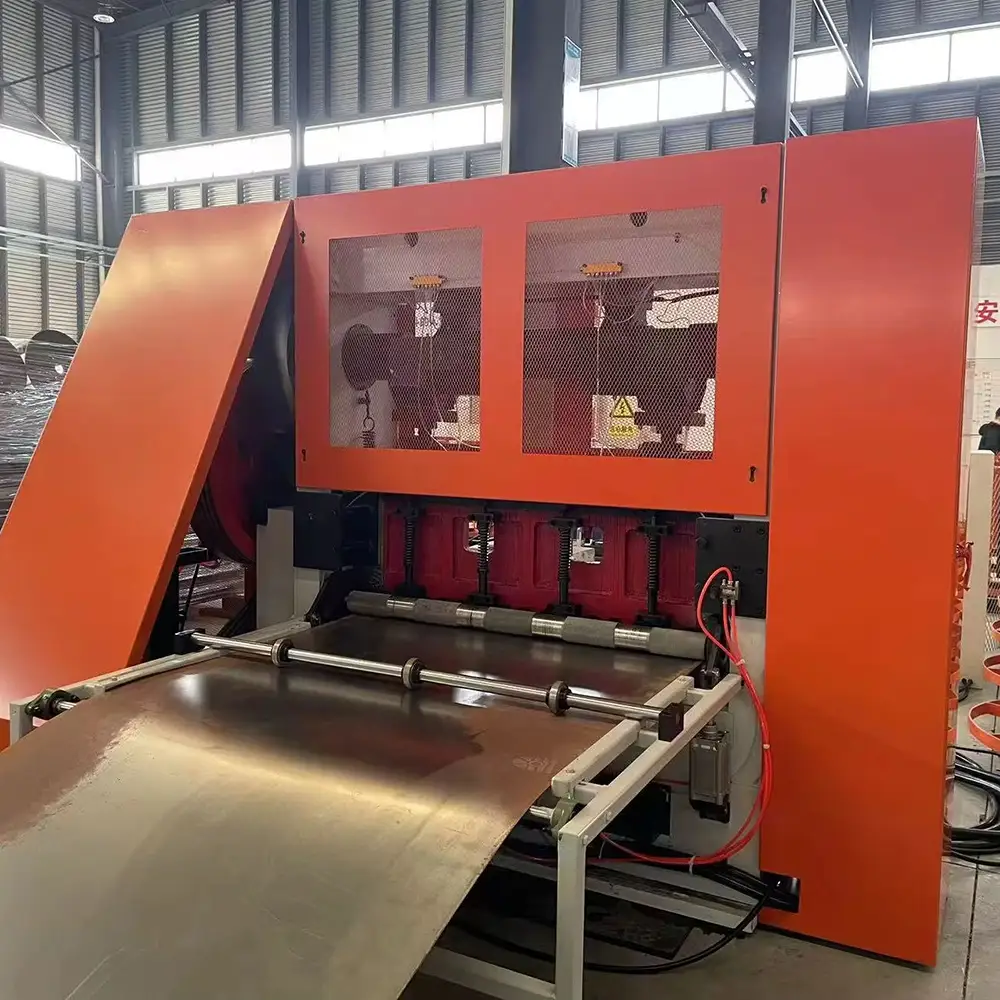
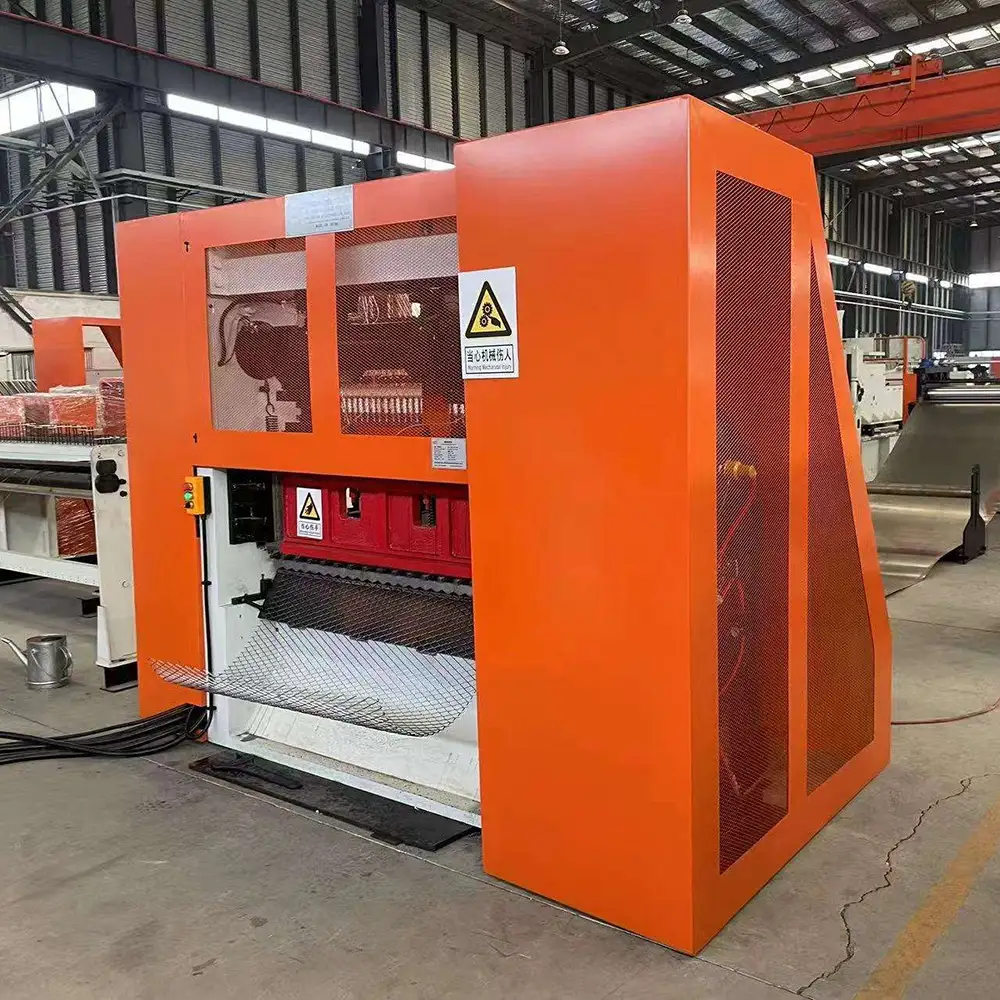
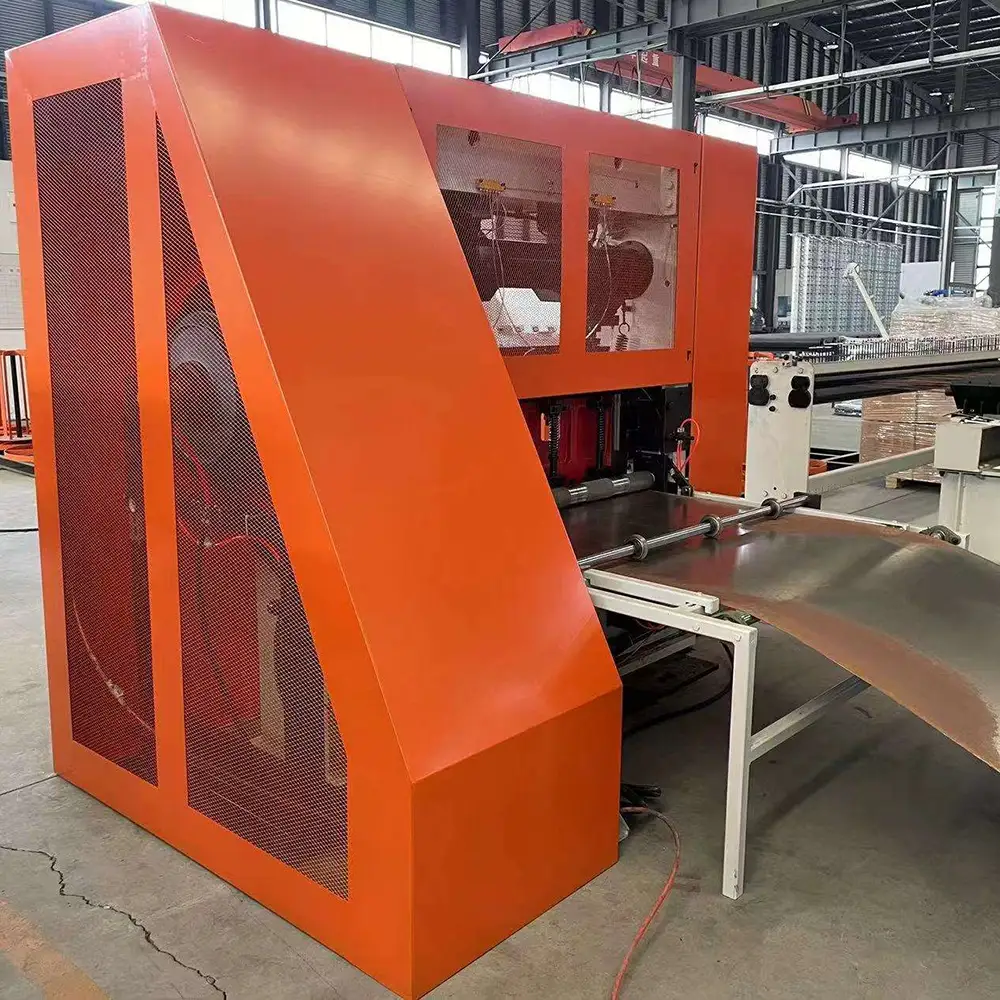
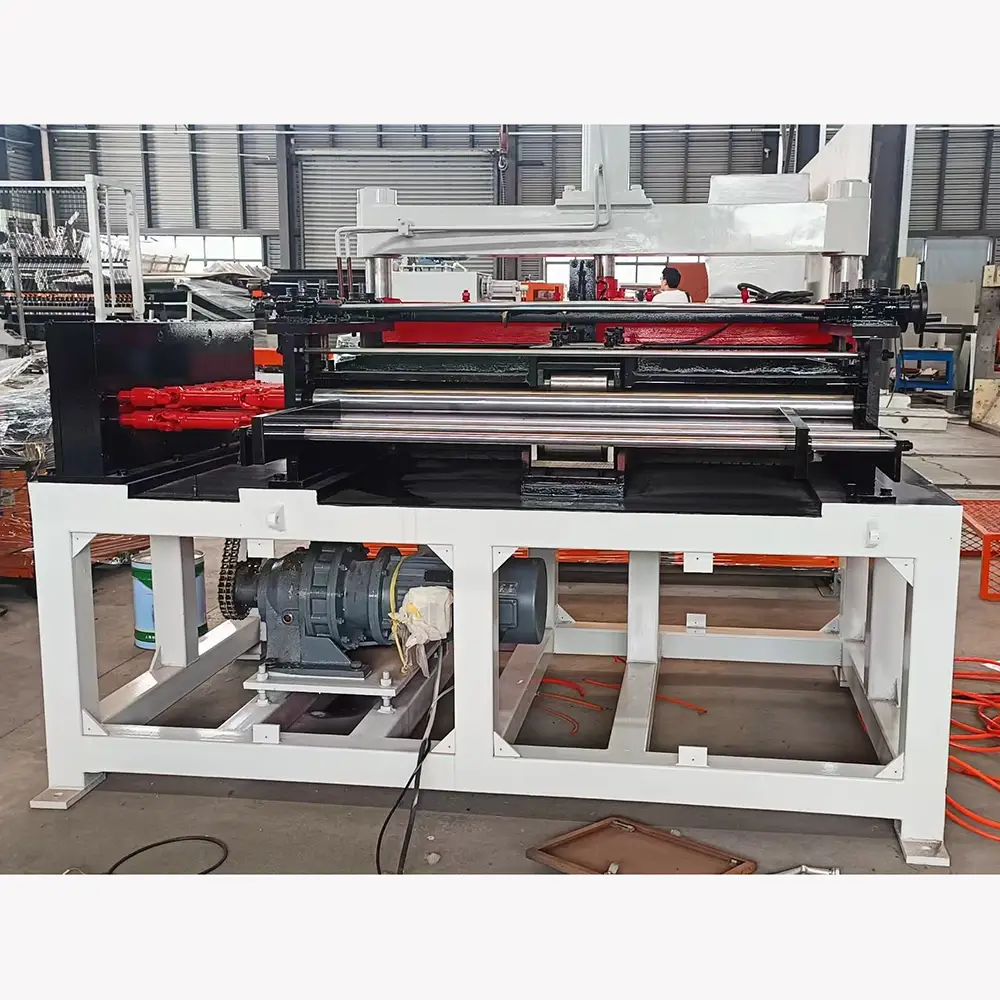
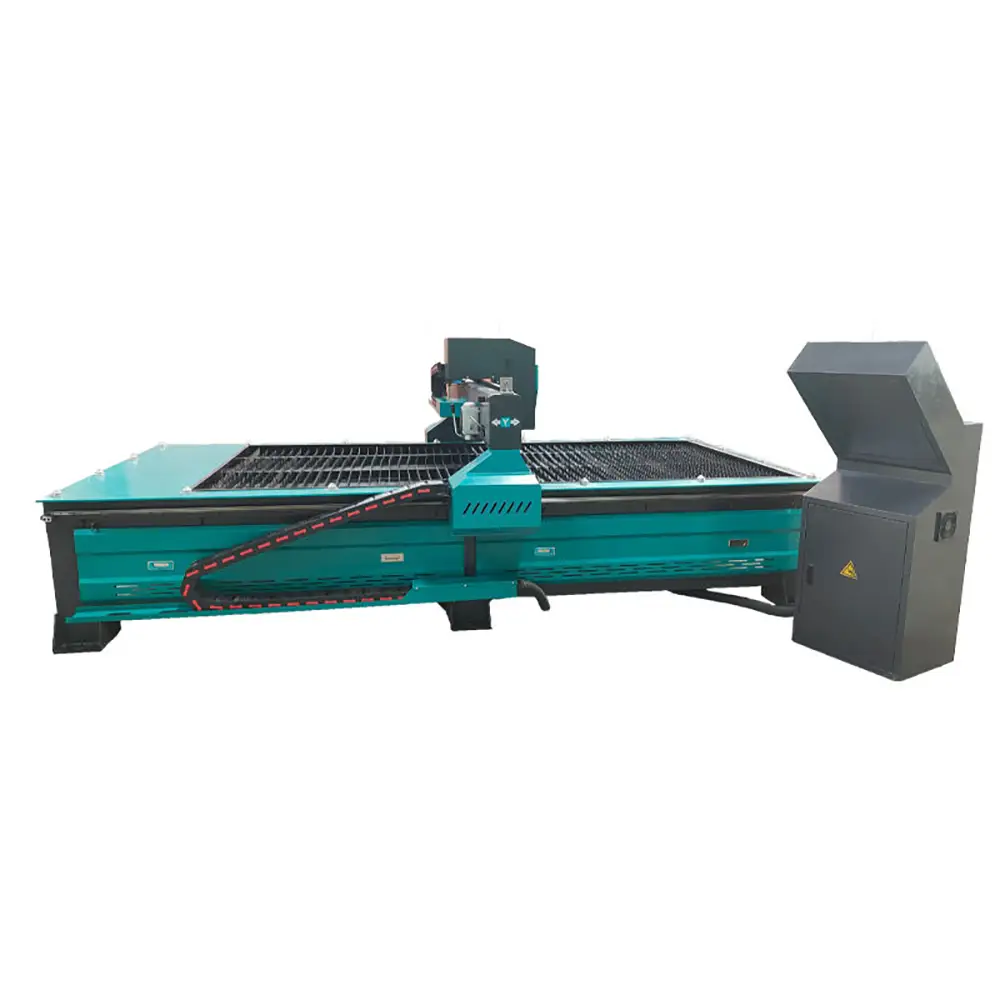
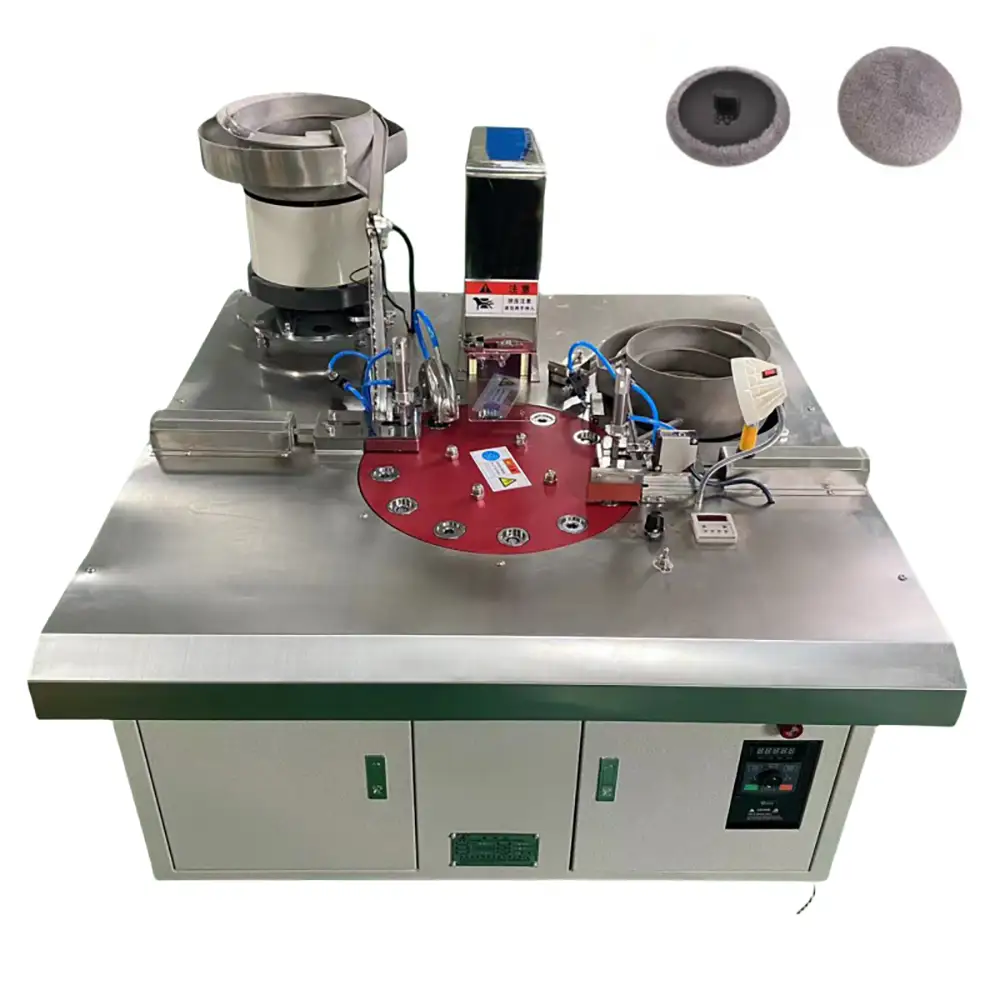
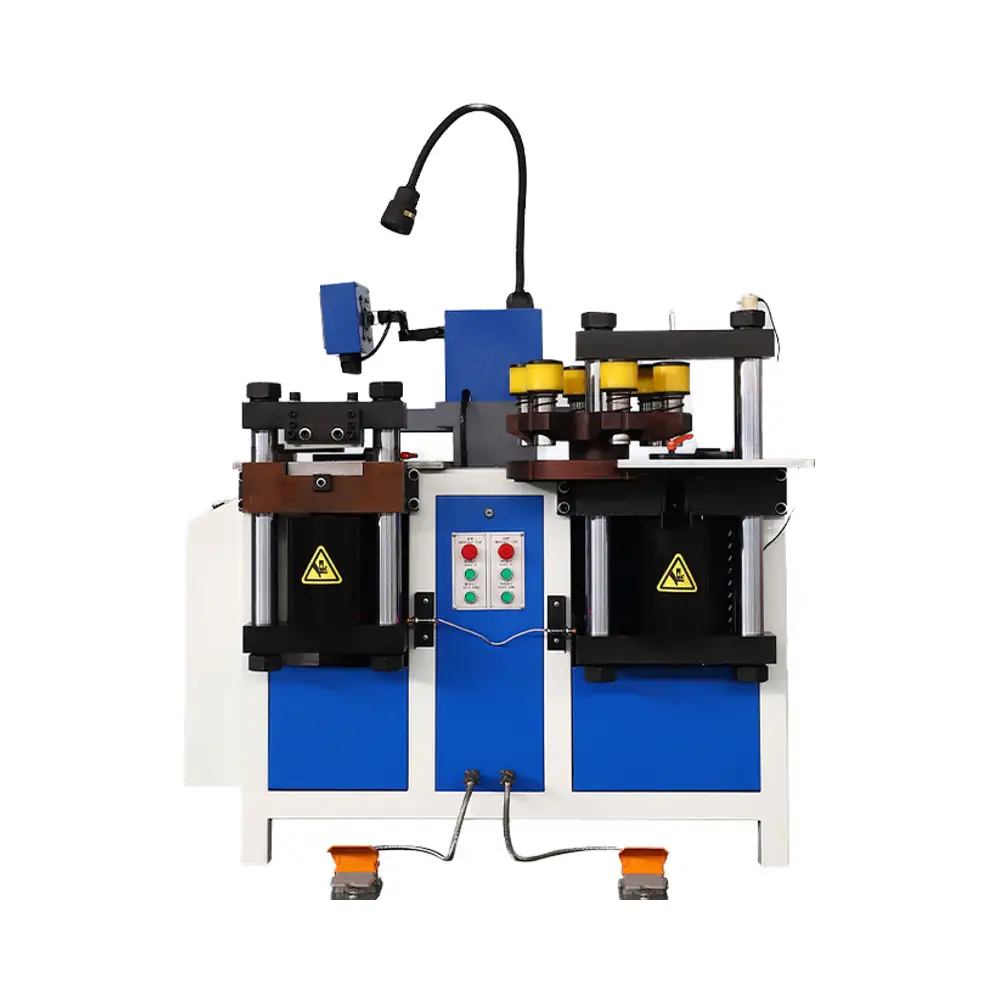
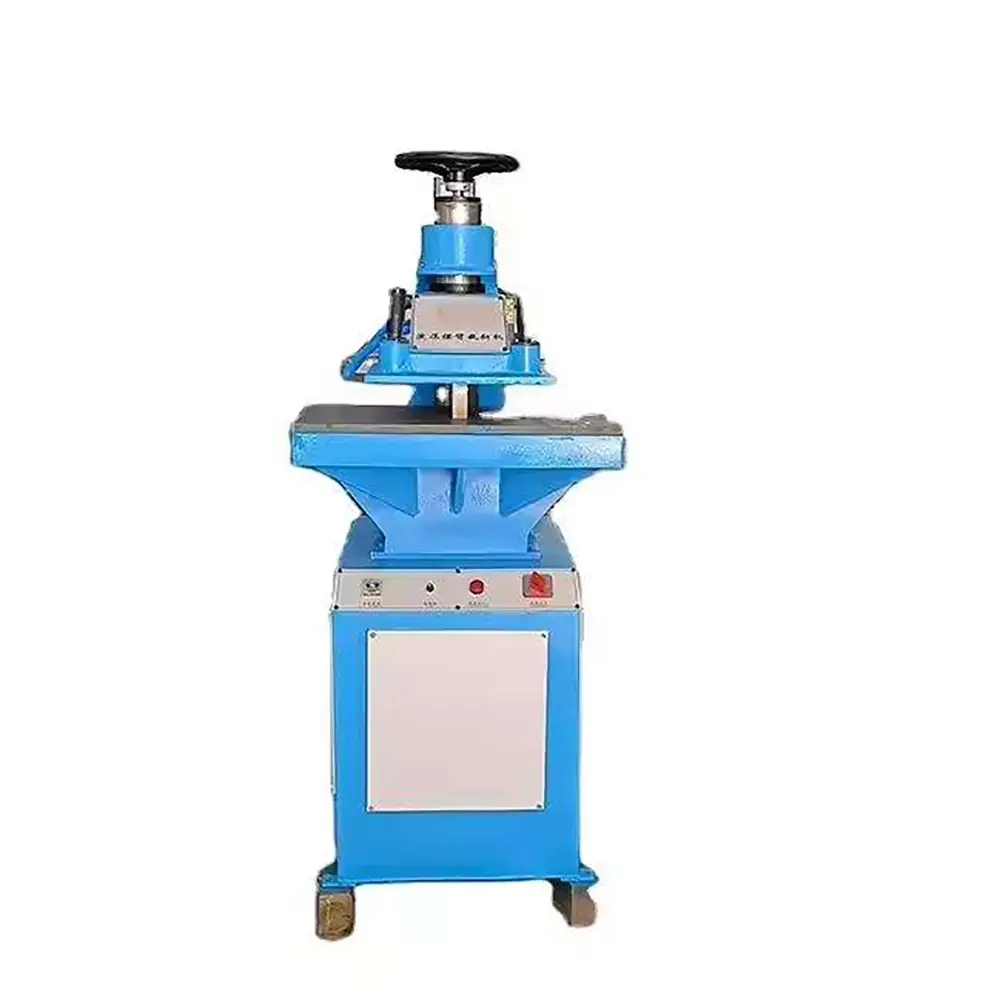
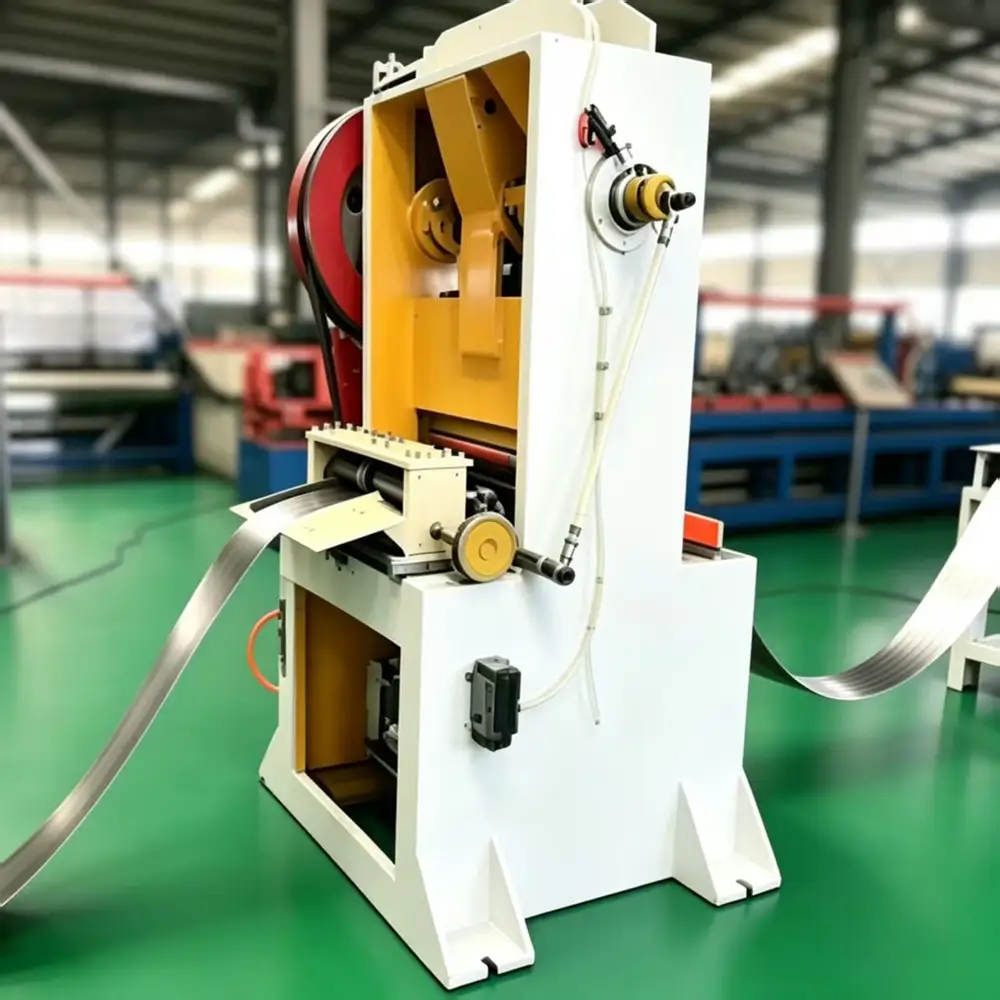
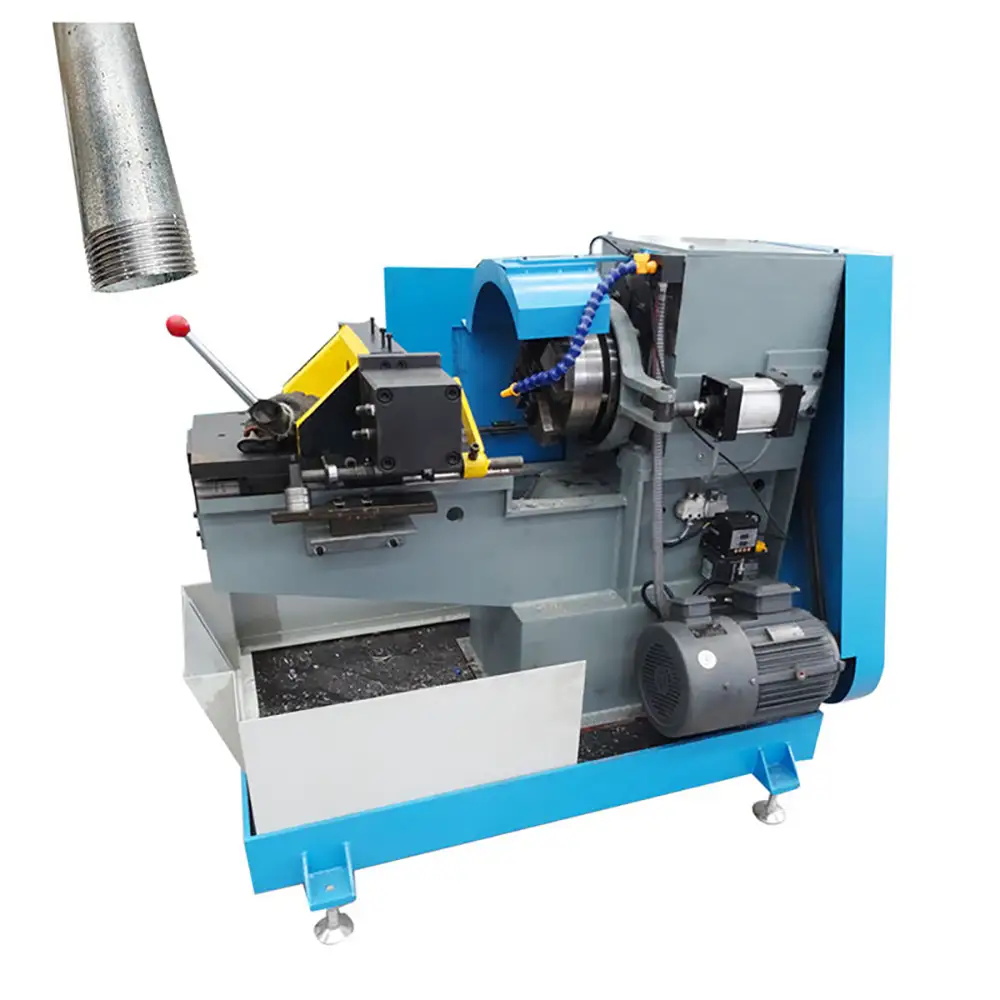
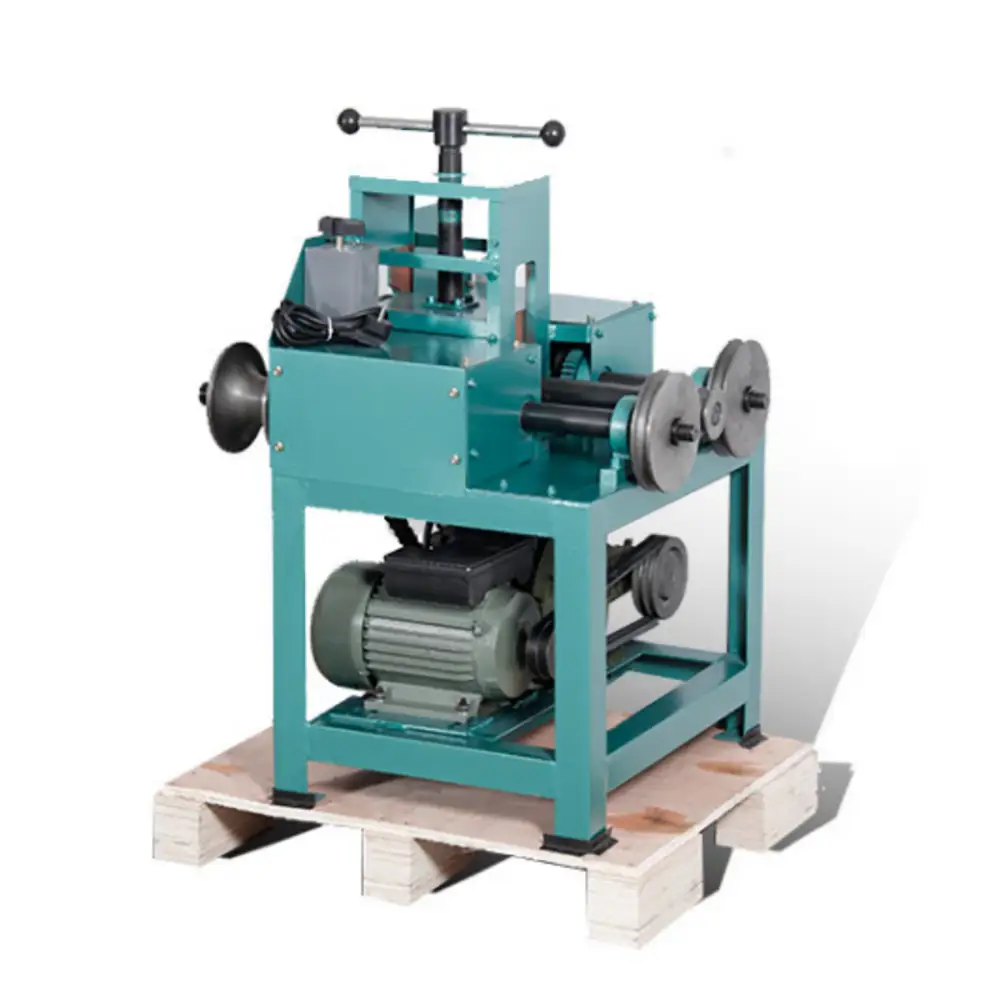
High Precision Expansion: Delivers accurate mesh expansion with every use.
3000mm Expandable Length: Extends your metal mesh projects efficiently.
Durable Construction: Built to withstand heavy-duty use in workshops.
1 Year Warranty: Ensures long-term reliability for your investment.
Flexible Manufacturing: Adapts to various industrial and commercial applications.
Expanded Metal Mesh Machine for Metal Fence and Curtain Wall
The Metal Mesh Fence Curtain Wall Making Expanded Metal Mesh Machine is designed for manufacturing expanded metal mesh used in fencing, curtain walls, architectural facades, partitions, security applications, industrial screens, and general metal fabrication.
Expanded metal mesh is produced by simultaneously cutting and stretching metal sheet to create a continuous open mesh structure. Unlike welded or woven mesh, expanded metal is manufactured from a single sheet, allowing the finished mesh to maintain a continuous connection between the strands.
A dedicated expanded metal mesh machine provides an efficient solution for manufacturers that need to convert metal sheets or coils into consistent mesh products for construction, architectural, security, and industrial applications.
Depending on machine configuration and tooling, manufacturers can produce different mesh patterns, opening sizes, strand widths, sheet dimensions, and material thicknesses.
Efficient Expanded Metal Mesh Production
The production process begins with feeding suitable metal sheet or strip material into the machine. The cutting and expanding mechanism then creates the required openings while simultaneously stretching the material.
This continuous process can transform flat metal sheet into a lightweight three-dimensional mesh structure without requiring separate welding operations.
A typical production workflow may include:
Raw material feeding
Sheet positioning
Slitting and expanding
Mesh forming
Flattening or leveling when required
Cutting to length
Product collection
Inspection and packaging
The exact process depends on the finished mesh design and machine configuration.
For manufacturers handling high-volume orders, continuous production can reduce repetitive manual processing and create a more standardized workflow.
Metal Mesh for Fence Applications
Expanded metal mesh is widely used for fencing because it combines an open structure with continuous metal strands. The mesh can be used for perimeter fencing, equipment enclosures, partitions, barriers, and other applications where controlled visibility and airflow are required.
Expanded metal fence panels can be manufactured in different opening patterns and dimensions depending on the application.
Potential applications include:
Security fencing
Industrial fencing
Garden fencing
Commercial property fencing
Equipment enclosures
Machine guards
Walkway barriers
Partition panels
Perimeter protection
The appropriate mesh specification should be selected according to the required strength, opening size, environmental conditions, and local project requirements.
Curtain Wall and Architectural Applications
Expanded metal mesh is also used as an architectural material for building facades and curtain wall systems. Its open structure can provide visual screening while allowing light and air to pass through.
Architects and facade manufacturers may use expanded metal as an exterior decorative layer, sun-screening element, ventilation panel, balcony treatment, or architectural feature.
Typical applications include:
Building curtain walls
Architectural facades
Decorative exterior panels
Sun-shading systems
Building screens
Interior partitions
Ceiling panels
Balcony screens
Retail displays
Architectural metalwork
The final architectural application depends on the building design, structural requirements, material selection, and applicable construction standards.
Continuous Sheet Metal Structure
One important characteristic of expanded metal mesh is that the strands remain connected because the mesh is created directly from the original sheet.
The absence of separate welded intersections can provide a visually continuous metal pattern. This makes expanded metal attractive for architectural and industrial applications where appearance and structural continuity are important considerations.
The finished product can be produced with different long-way and short-way opening dimensions according to the selected tooling and production settings.
Different Mesh Opening Patterns
Expanded metal mesh is available in many configurations. Mesh opening dimensions, strand width, strand thickness, sheet thickness, and overall panel size can all influence the finished appearance and performance.
The machine tooling should therefore be selected based on the desired finished product.
When requesting a machine quotation, customers should provide:
Raw material type
Sheet or coil thickness
Material width
Expanded mesh opening
Strand width
Finished mesh width
Finished length
Required production capacity
Surface treatment
Target application
A product drawing or sample is particularly useful for confirming the appropriate machine configuration.
Suitable Metal Materials
Depending on the machine model and tooling, expanded metal can be manufactured from suitable metal sheets or coils.
Potential materials may include:
Carbon steel
Galvanized steel
Stainless steel
Aluminum
Other compatible sheet metals
Material characteristics can affect cutting force, expansion behavior, tooling wear, production speed, and finished mesh quality.
For this reason, material thickness and grade should be confirmed before machine selection.
High-Efficiency Metal Mesh Manufacturing
For commercial production, automation can improve the efficiency of repetitive mesh-forming operations.
The machine can continuously process incoming material while maintaining a controlled cutting and expanding sequence. This reduces the need for operators to manually create each mesh opening.
Production efficiency depends on material specifications, mesh dimensions, machine model, tooling, operating speed, and production conditions.
Manufacturers should select a machine according to actual production requirements rather than focusing only on maximum theoretical speed.
Applications in Construction and Architecture
Expanded metal mesh has broad applications in the construction industry. It can function as a decorative surface, protective screen, ventilation layer, partition, or architectural feature.
In curtain wall and facade projects, expanded metal can be used as an outer screen in front of a building envelope. Its open structure can create changing visual effects depending on viewing angle, lighting, and installation position.
For construction projects, the expanded metal itself should not automatically be considered a complete structural curtain wall system. Its use should be evaluated and engineered according to the specific building design and applicable standards.
Industrial and Security Applications
In addition to architectural applications, expanded metal is used for industrial protection and equipment screening.
Manufacturers can produce mesh panels for machine guards, equipment enclosures, ventilation screens, storage areas, walkways, and industrial partitions.
The continuous mesh structure can provide a practical combination of visibility, airflow, and physical separation.
For security applications, the mesh opening and material thickness should be selected according to the required level of protection and the applicable project specifications.
Production Quality Control
Consistent mesh dimensions are important for both architectural appearance and industrial performance.
Quality control can include inspection of:
Mesh opening dimensions
Strand width
Sheet thickness
Mesh width
Mesh length
Cutting consistency
Surface condition
Flatness
Overall pattern uniformity
Operators should monitor material alignment and tooling condition throughout production.
Regular inspection of cutting and expanding components can help identify wear before it affects finished-product quality.
Machine Tooling and Adjustment
The cutting and expanding mechanism is central to expanded metal production. Tooling determines many of the characteristics of the finished mesh.
Different mesh designs may require different tooling or machine adjustments. If a manufacturer wants to produce multiple product specifications, the machine should be evaluated for tooling interchangeability and adjustment range.
Customers producing customized architectural mesh should provide drawings or physical samples so that the machine and tooling can be evaluated before purchase.
Easy Integration With Metal Processing
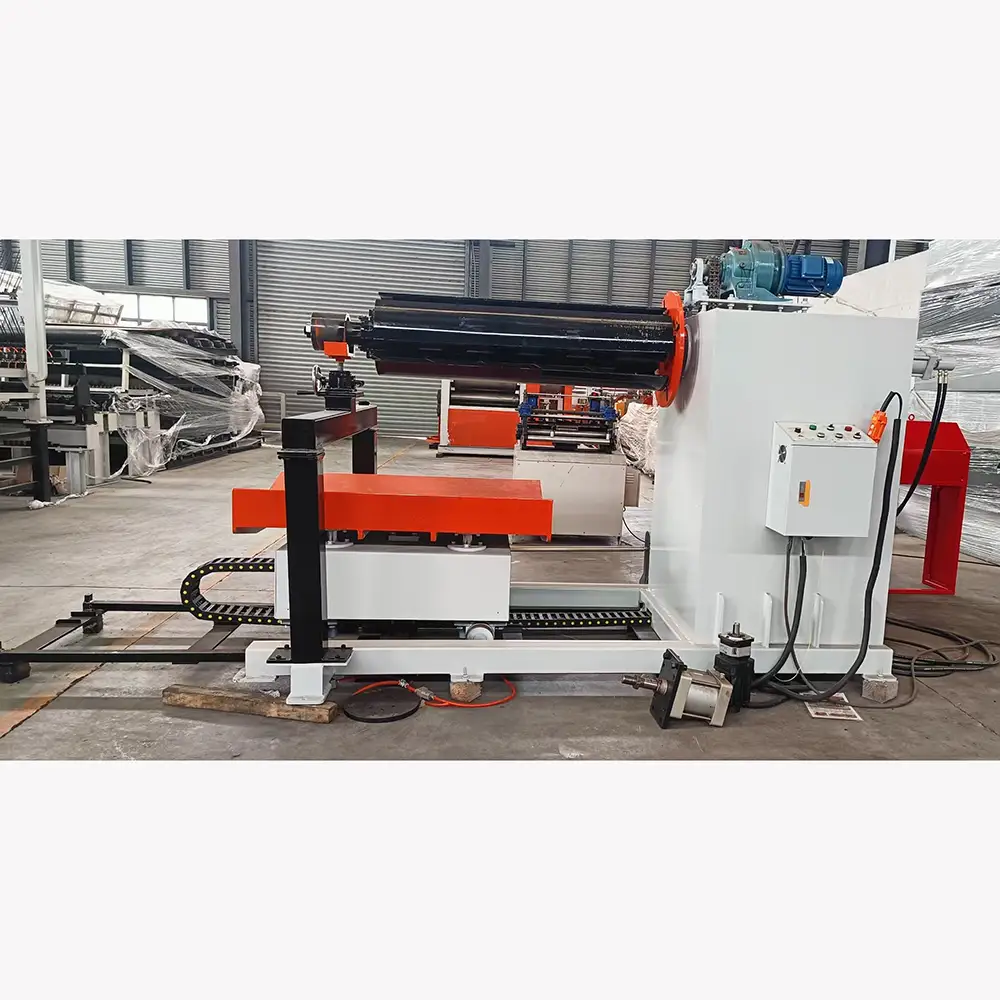
The expanded metal mesh machine can be used as an independent production unit or integrated into a broader metal-processing workflow.
Depending on the factory layout, auxiliary equipment may include coil handling equipment, straighteners, cutting systems, flattening equipment, conveyors, stacking systems, and packaging equipment.
For larger manufacturing facilities, integration can help reduce manual material movement and create a more continuous production process.
Maintenance and Operation
Regular maintenance is essential for stable expanded metal production. Operators should inspect cutting tools, forming components, transmission systems, bearings, fasteners, and material feeding mechanisms according to the manufacturer's maintenance schedule.
The working area should be kept clean to prevent metal debris from interfering with machine operation.
Cutting and forming tools are wear components and should be inspected regularly. Replacement intervals depend on material type, thickness, production volume, machine settings, and operating conditions.
Operators should be trained before using the equipment and should follow appropriate machine safety procedures.
OEM and ODM Expanded Metal Machine
Different markets may require different expanded metal mesh specifications. Architectural customers may also request customized opening patterns, panel sizes, and material finishes.
As an Expanded Metal Mesh Machine Manufacturer and Supplier, we can support OEM and ODM projects according to customer requirements.
Customization may involve:
Mesh opening dimensions
Sheet thickness
Machine working width
Tooling configuration
Production capacity
Electrical specifications
Automation level
Auxiliary equipment
Machine layout
Customers can provide samples, technical drawings, material information, and target production requirements for evaluation.
B2B Expanded Metal Mesh Manufacturing Solution
The Metal Mesh Fence Curtain Wall Making Expanded Metal Mesh Machine provides a specialized manufacturing solution for companies producing expanded metal products for construction, architecture, fencing, security, and industrial applications.
With continuous sheet processing, controlled mesh formation, flexible tooling options, and appropriate quality control, manufacturers can establish an efficient production process for different expanded metal mesh products.
For wholesalers, distributors, architectural metal suppliers, construction-material manufacturers, and international buyers, selecting the machine based on actual product specifications is essential for achieving reliable long-term production.
FAQs
1. What is an expanded metal mesh machine?
An expanded metal mesh machine cuts and stretches metal sheet to create an open mesh structure. It is used to manufacture expanded metal for fencing, construction, architecture, and industrial applications.
2. Can this machine make metal fence mesh?
Yes. Expanded metal produced by the machine can be used for suitable fencing, barriers, partitions, and equipment-enclosure applications.
3. Can it produce curtain wall mesh?
The machine can produce expanded metal mesh used in architectural facade and curtain wall-related applications. The finished mesh should be engineered according to the specific building project.
4. What materials can be processed?
Depending on the machine configuration, suitable carbon steel, galvanized steel, stainless steel, aluminum, and other compatible sheet metals may be processed.
5. Can the mesh opening size be customized?
Yes, mesh opening dimensions depend on the machine design and tooling. Customers should provide the required dimensions or a sample for confirmation.
6. Can different metal thicknesses be processed?
The supported thickness range depends on the machine model and configuration. Raw material thickness should be provided when selecting the machine.
7. Is expanded metal mesh welded?
No. Conventional expanded metal is created by cutting and stretching a single sheet, so the mesh strands remain connected rather than being joined through separate welded intersections.
8. What information is needed for a machine quotation?
Provide material type, sheet thickness, material width, mesh opening, strand dimensions, finished mesh size, required production capacity, and application.
9. Can the machine produce customized architectural mesh?
Yes. Customized tooling and configurations can be evaluated for specific mesh patterns, dimensions, and architectural applications.
10. Do you provide OEM and ODM service?
Yes. OEM and ODM solutions can be discussed for machine dimensions, tooling, automation, electrical requirements, production capacity, and auxiliary equipment.
Why Choose Us
Expanded Metal Expertise – We provide specialized equipment for expanded metal mesh manufacturing across construction, fencing, architectural, and industrial applications.
Flexible Mesh Production – Machine configurations can be evaluated for different opening sizes, material thicknesses, widths, and finished-product requirements.
Continuous Processing – Integrated cutting and expanding operations support efficient continuous metal mesh production.
Multiple Application Markets – The equipment can support manufacturers serving fencing, facade, curtain wall, security, industrial, and architectural markets.
Custom Tooling Support – Tooling can be evaluated according to customer mesh samples, drawings, dimensions, and material specifications.
OEM & ODM Service – Customized machine configurations can be discussed for specialized production requirements.
B2B Manufacturing Support – We work with manufacturers, distributors, wholesalers, architectural metal suppliers, and international equipment buyers.
Export Project Support – We provide support for machine production, inspection, packaging, documentation, and shipment preparation.
Prev:
Automatic 3M Width 60T Metal Expander Machine Expanded Mesh Forming Equipment
Next:
High Speed Rib Lath Expanded Metal Lath Production Line
TAG:
Metal Sheet Forming Machine,
Metal Fence Manufacturing Machine,
Metal Sheet Processing Machine,
Aluminum Expanded Metal Machine,
Carbon Steel Expanded Metal Machine,
Metal Fence Mesh Machine,
Expanded Metal Fence Machine,
Expanded Metal Fence Mesh Machine,
Security Mesh Making Machine,
Architectural Metal Mesh Machine,
Architectural Expanded Metal Machine,
Expanded Metal Curtain Wall Machine,
Expanded Metal Facade Machine,
Expanded Metal Screen Machine,
Metal Screen Making Machine,
Machine Guard Mesh Machine,
Galvanized Expanded Metal Machine,
Stainless Steel Expanded Metal Machine,
Automatic Metal Mesh Machine,
High Speed Expanded Metal Machine,
Expanded Metal Manufacturing Equipment,
Expanded Metal Sheet Machine,
Expanded Metal Sheet Making Machine,
Expanded Metal Sheet Production Line,
Automatic Expanded Metal Machine,
Metal Mesh Making Machine,
Metal Sheet Mesh Machine,
Metal Mesh Forming Machine,
Expanded Metal Mesh Machine,
Expanded Metal Mesh Production Line,
Related Category:
Expanded Metal Mesh Machine,Expanded Metal Mesh Making Machine,Metal Mesh Making Machine,Expanded Metal Machine China, suppliers, manufacturers, factory, customized, wholesale, quotation, made in China