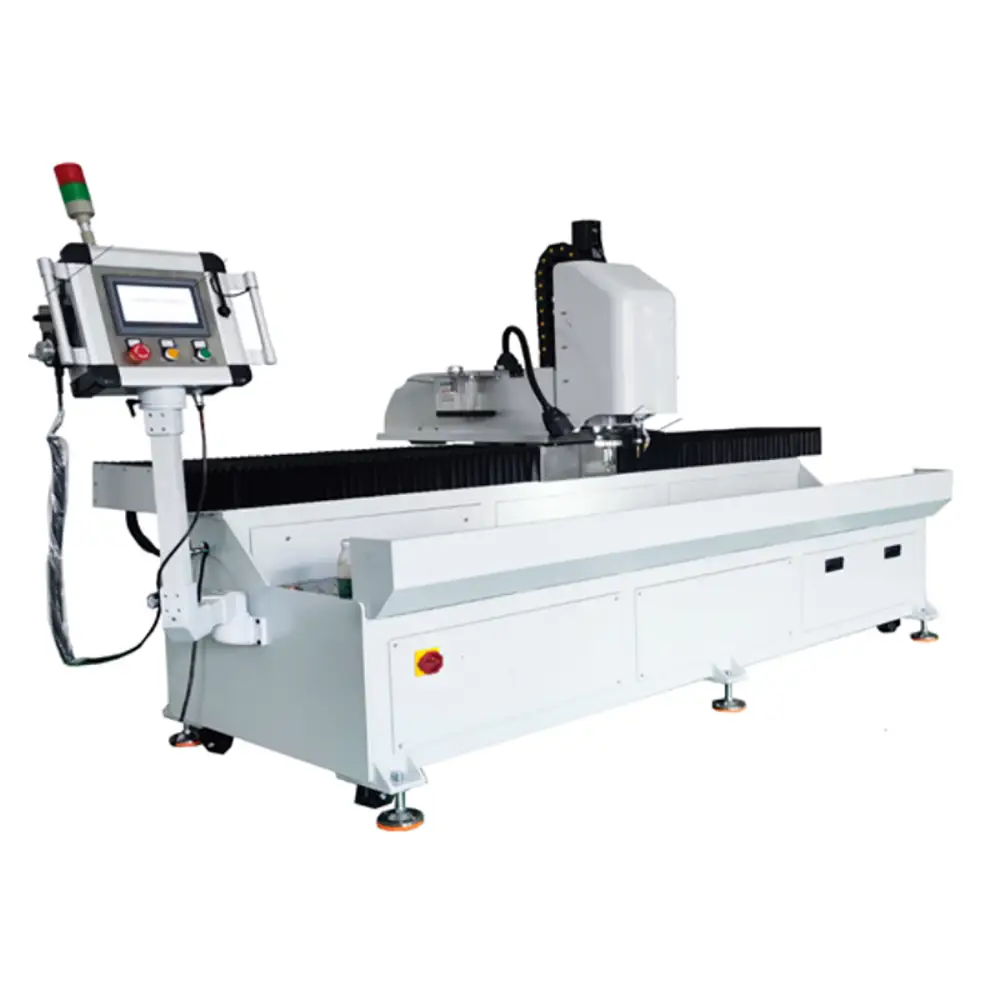
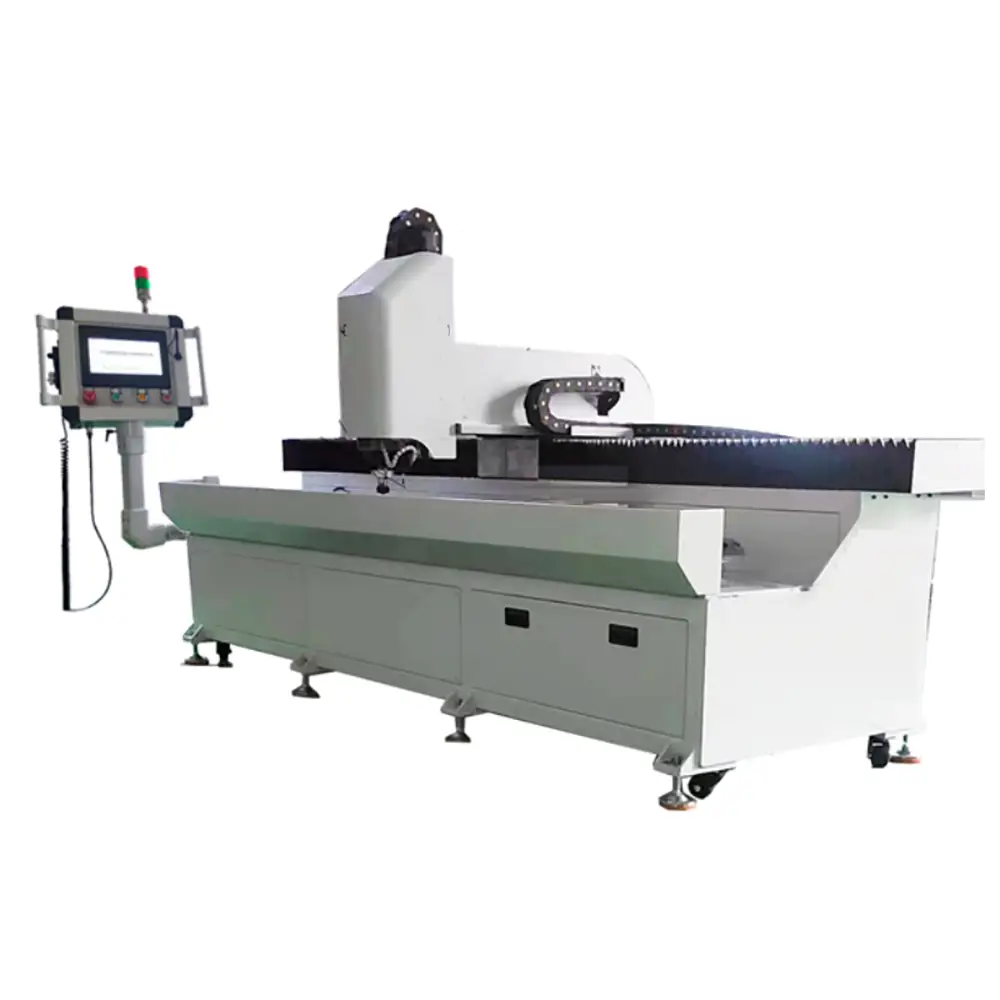
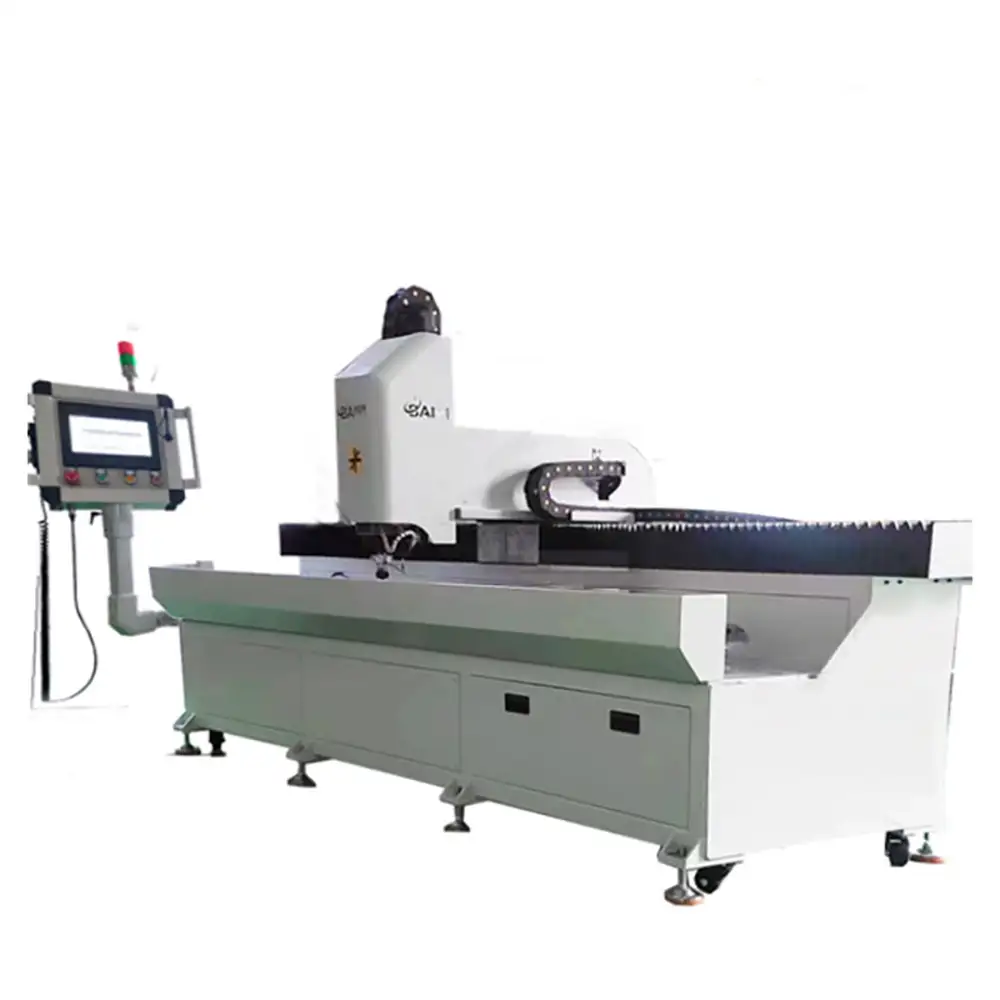
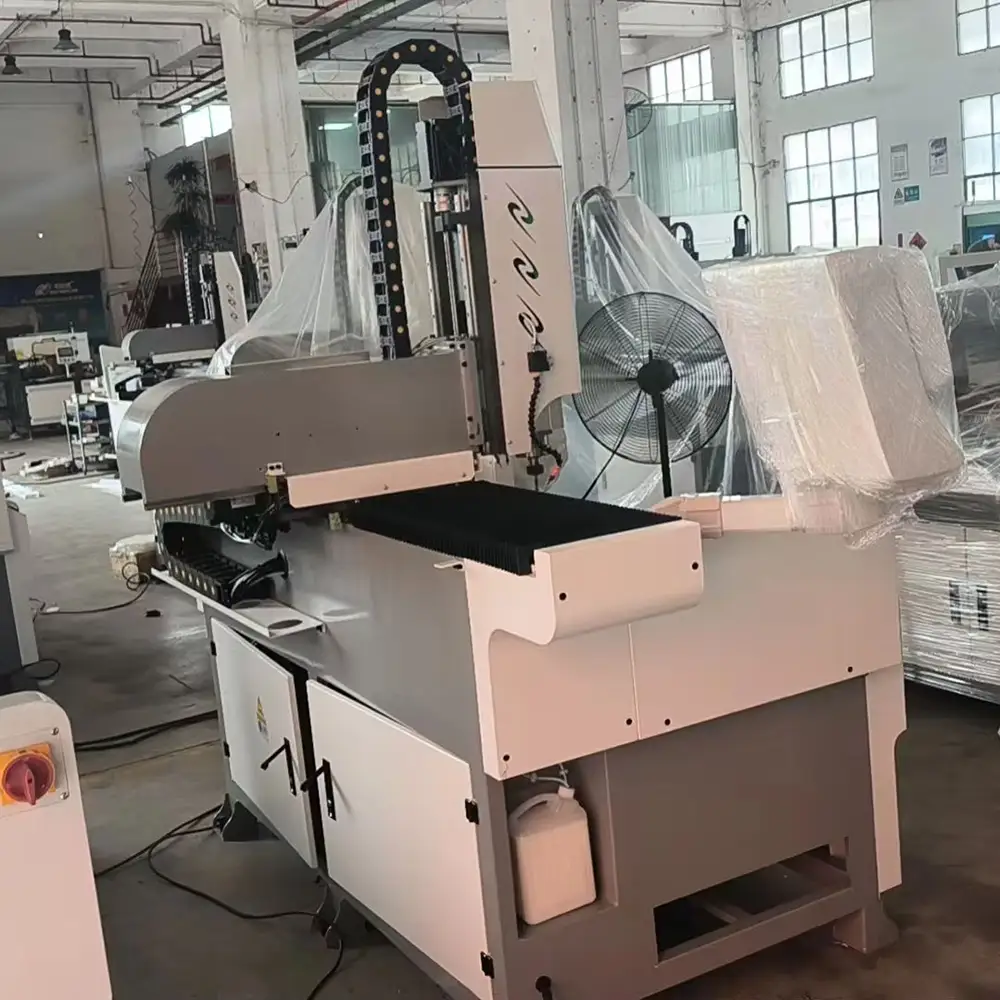
Hot-Melt Drilling and Tapping Machines for Metal Tubes and Sheets
Hot-Melt Drilling and Tapping Machines for Metal Tubes and Sheets are specialized metalworking machines designed to create reinforced holes and threaded connections in thin-wall metal tubes, pipes, profiles, and sheet metal components. Also known as flow drilling machines, thermal drilling machines, or friction drilling machines, these systems use controlled frictional heat to soften and displace metal rather than simply removing material.
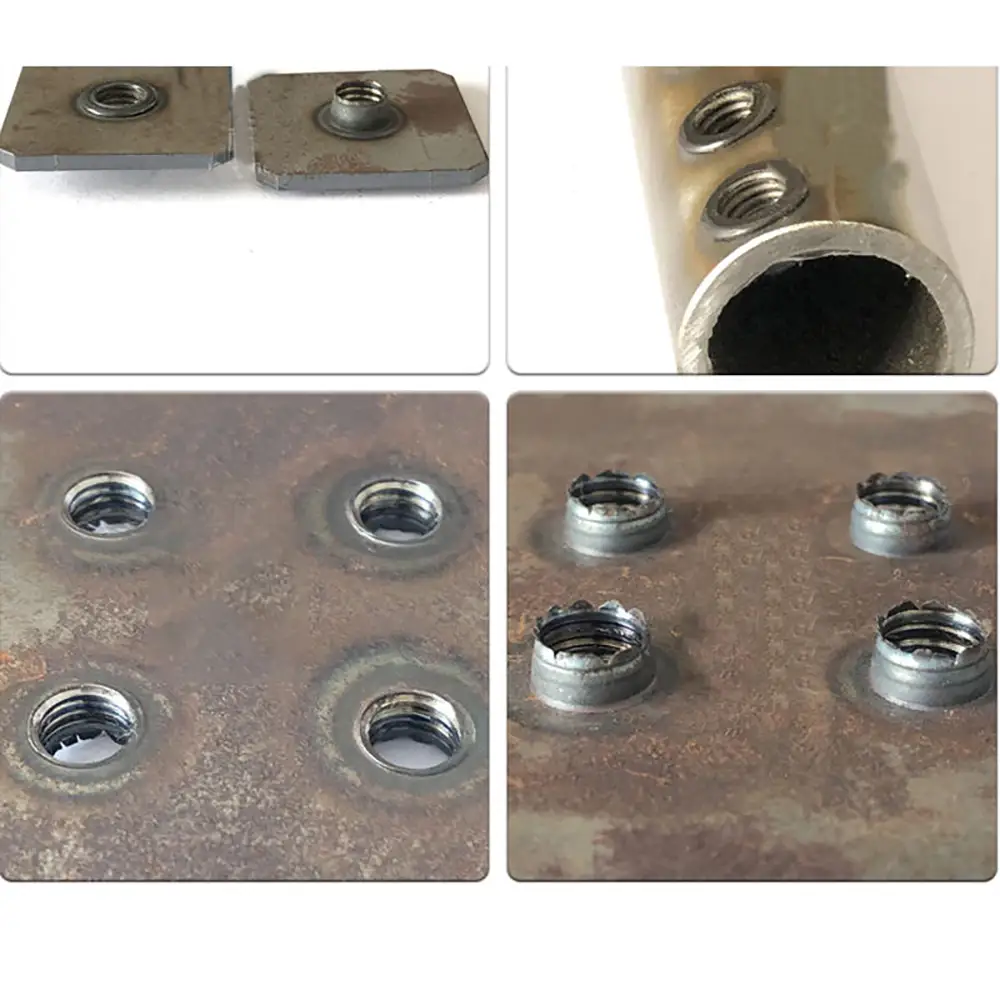
This technology is particularly valuable when conventional drilling and tapping cannot provide sufficient thread engagement because the workpiece is relatively thin. During the hot-melt drilling process, a specially designed rotating tool generates frictional heat against the workpiece. The softened material is displaced and formed around the hole, creating a bushing that provides additional material for subsequent tapping.
By combining hot-melt drilling and tapping in one production process, manufacturers can produce strong, repeatable threaded holes in metal tubes and sheets while reducing manual handling and improving production efficiency.
Advanced Hot-Melt Drilling Technology
The principle behind hot-melt drilling is based on frictional heat and controlled material forming. Instead of cutting away most of the material like a conventional drill, the specialized tool penetrates the workpiece while generating heat through high-speed rotation and controlled pressure.
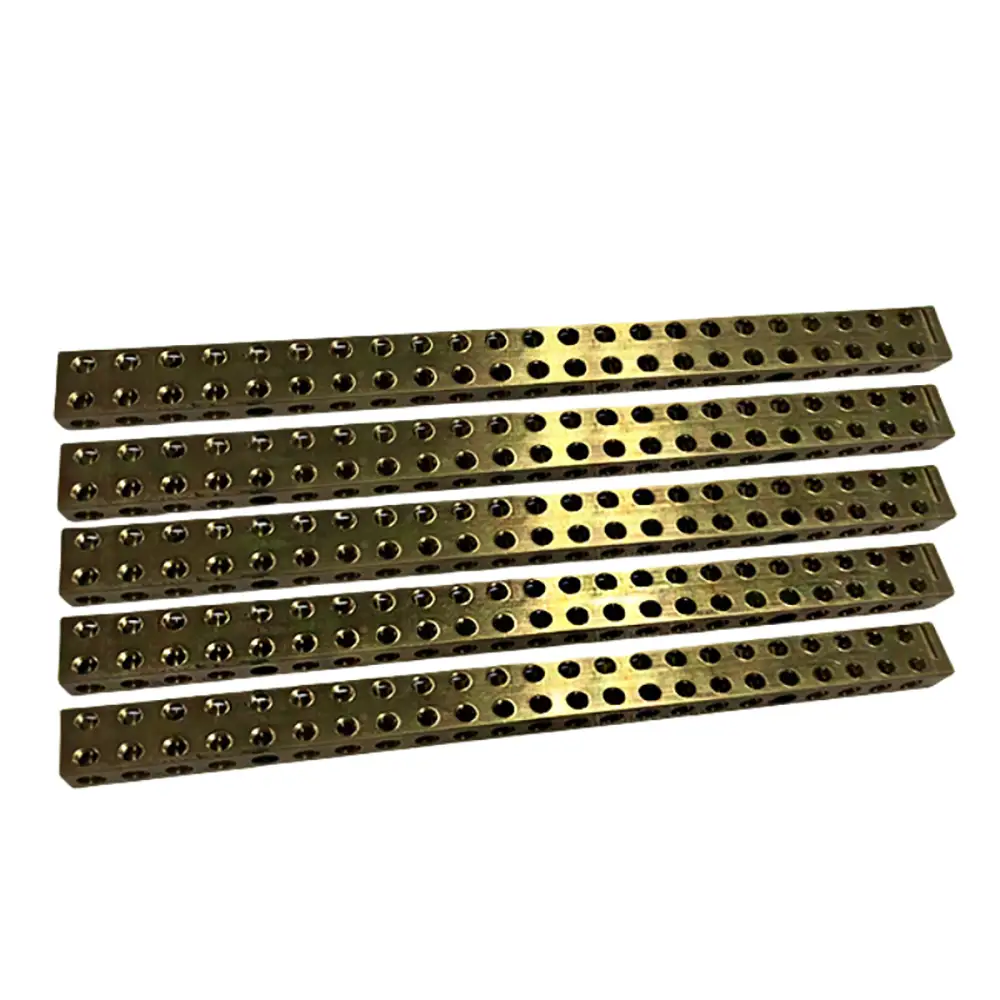
The softened metal flows around the tool and forms a sleeve or bushing around the hole. This formed section can provide substantially more material for threading than the original wall thickness alone.
After the forming operation, the hole can be tapped to create an internal thread suitable for bolts, screws, and other threaded fasteners.
This process makes hot-melt drilling and tapping machines particularly useful for applications where thin-wall materials need reliable threaded connections.
Processing stroke
(Stroke can be customized) |
X-axis |
2000mm |
|
Y-axis |
300mm |
|
Z-axis |
200mm |
Spindle |
1500~24000rpm(optional according to actual demand) |
1500~24000rpm(optional according to actual demand) |
|
0.55kw~3.0kw(optional according to actual demand) |
0.55kw~3.0kw(optional according to actual demand) |
|
ER20 |
ER20 |
Travel speed |
30m/min~60m/min |
30m/min~60m/min |
|
25m/min |
25m/min |
|
25m/min |
25m/min |
|
Machining capacity |
1~20mm |
1~20mm |
|
M2~M20 |
M2~M20 |
|
1~20mm |
1~20mm |
|
Tool Library |
Manual tool change |
|
Repeat Positioning Accuracy |
±0.02mm |
|
Table size |
2000mm*280mm |
|
T-slot size/number |
Upper width 13*Lower width 20*3 strips |
|
Programming method |
CDA drawing file import/computerized programming/teach-in programming/manual programming |
|
System program storage capacity |
Approx. 10000 pcs |
|
System external signal control |
Support |
|
Working Voltage |
AC220V/50HZ |
|
Floor space |
3500*1500*1700mm |
|
Machine weight |
Approx. 1600kg |
Designed for Metal Tubes and Sheets
These machines can be used to process a wide range of tubular and sheet metal components, depending on the machine model, tooling, material, and processing parameters.
Typical workpieces include:
Round Metal Tubes
Square Steel Tubes
Rectangular Tubes
Stainless Steel Tubes
Carbon Steel Pipes
Aluminum Profiles
Hollow Metal Sections
Thin-Wall Steel Tubing
Sheet Metal Components
Structural Profiles
Machinery Frames
Metal Brackets
The technology can be adapted to different production requirements by selecting appropriate tooling, spindle speeds, feed rates, fixtures, and tapping parameters.
Stronger Thread Engagement in Thin-Wall Materials
One of the main benefits of flow drilling is the ability to form additional material around the hole.
With conventional drilling and tapping, a thin tube wall may provide only a limited amount of thread engagement. This can restrict the strength and reliability of a direct threaded connection.
Hot-melt drilling forms a raised bushing around the hole, increasing the effective material available for tapping. The resulting longer thread engagement can be useful in applications where a conventional tapped hole would otherwise be too shallow.
Actual connection strength depends on the material, wall thickness, hole diameter, thread size, forming parameters, tooling, and application requirements.
Integrated Drilling and Tapping
Combining drilling and tapping operations can simplify the manufacturing process.
Instead of manually moving a workpiece between separate drilling and tapping machines, an integrated system can perform the required operations in a controlled sequence. This can reduce workpiece handling and help maintain consistent hole locations.
For manufacturers producing repeated batches of tubular or sheet metal components, an integrated hot-melt drilling and tapping machine can help create a more streamlined production workflow.
Typical processing steps may include:
Workpiece Loading
Workpiece Positioning
Hot-Melt Drilling
Bushing Formation
Hole Finishing
Thread Tapping
Workpiece Removal
The exact sequence depends on the machine design and application.
CNC Control for Repeatable Production
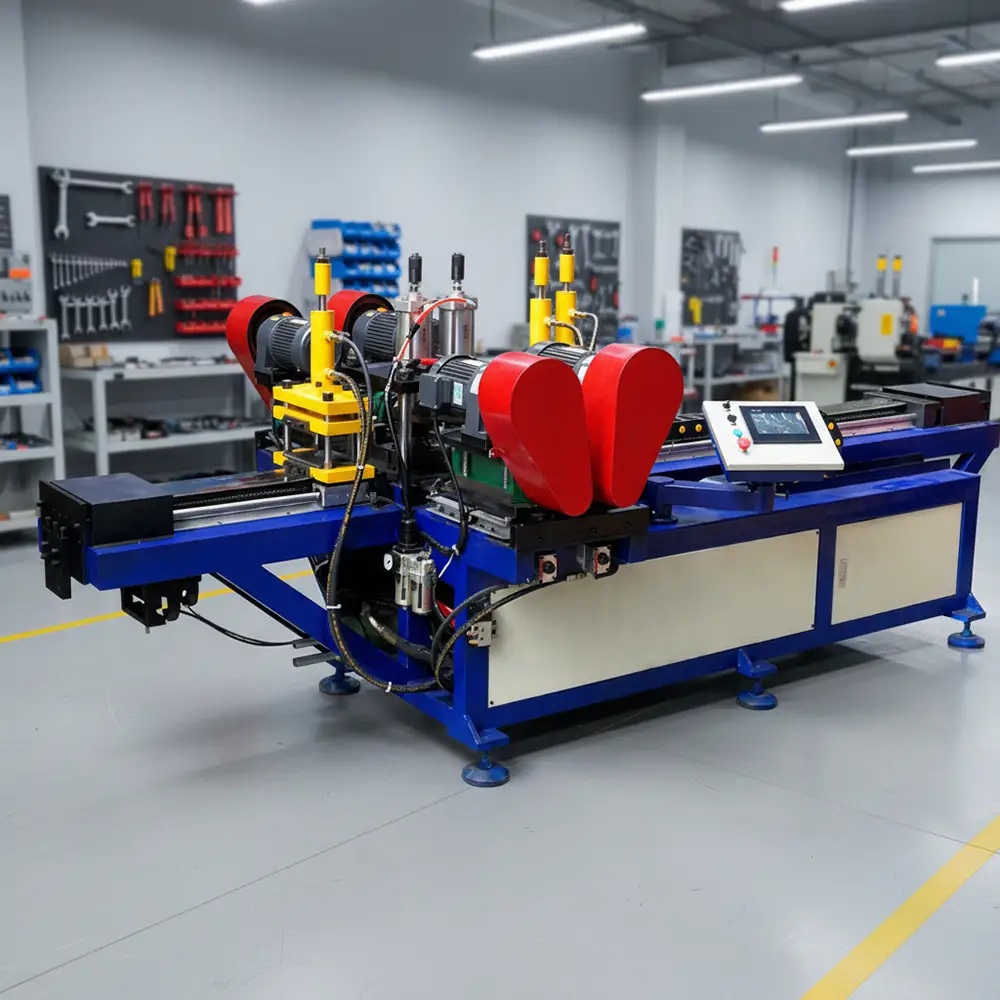
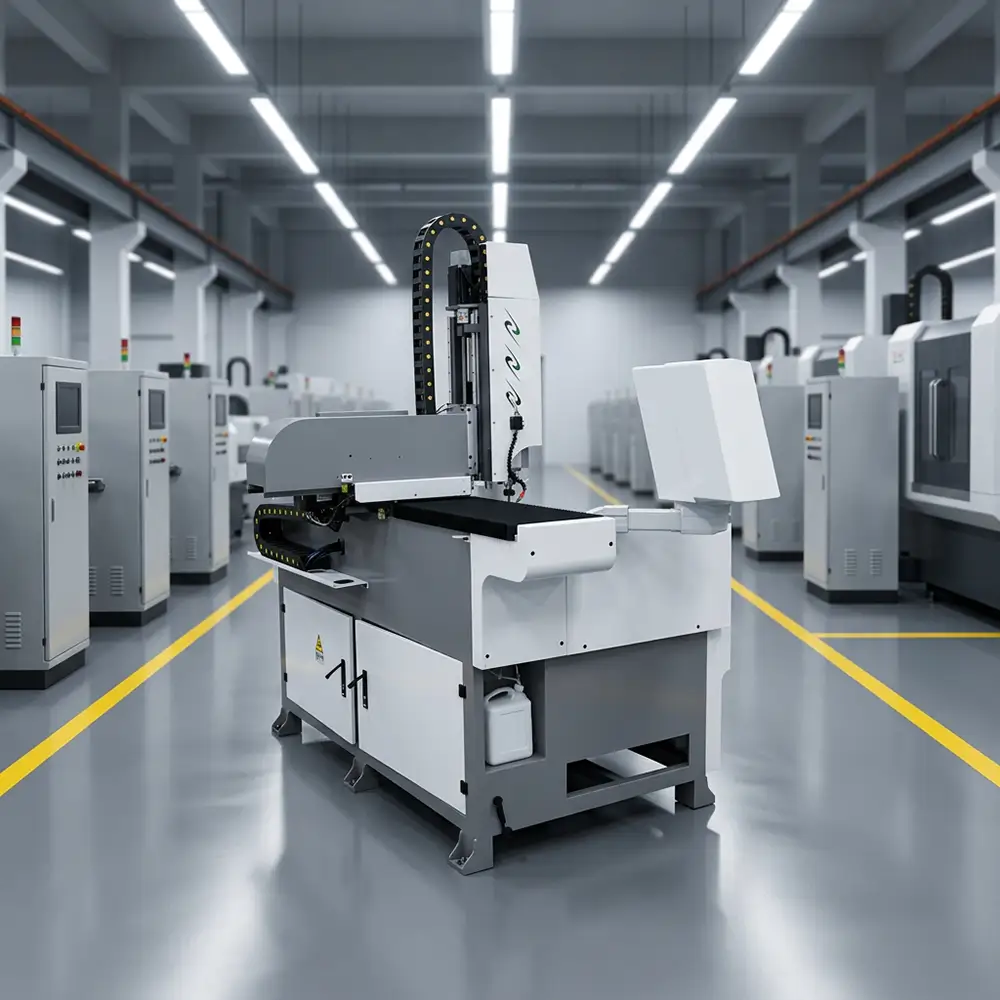
CNC-controlled models provide automated positioning and programmable machining sequences. This is especially useful when components contain multiple holes or when the same hole pattern must be reproduced across large production batches.
Once the appropriate machining parameters have been established, CNC control can help reduce variations caused by manual positioning.
For industrial manufacturers, repeatable positioning can improve consistency across components and simplify quality control.
CNC automation is particularly useful for applications involving:
Multiple Hole Locations
Repeated Tube Assemblies
Batch Production
Standardized Components
Complex Hole Patterns
OEM Manufacturing
Applications in Multiple Industries
Hot-melt drilling machines can be used across many industrial sectors.
In automotive manufacturing, the technology can be applied to tubular brackets, frames, supports, and other components requiring threaded connections.
In metal furniture manufacturing, it can be used for table frames, shelving structures, chair frames, and tubular assemblies.
In machinery manufacturing, hot-melt drilling can support the production of machine frames, guards, brackets, structural components, and equipment supports.
Other applications include agricultural machinery, construction equipment, HVAC systems, electrical cabinets, storage systems, industrial racks, steel structures, and general metal fabrication.
Suitable for OEM and Custom Production
B2B manufacturers often work with different materials, dimensions, thread sizes, and production volumes. For this reason, machine selection should be based on the actual application rather than simply the machine name.
Important parameters include:
Workpiece Material
Tube or Sheet Thickness
Tube Diameter
Profile Dimensions
Required Hole Diameter
Thread Specification
Number of Holes
Hole Location
Production Volume
Required Automation Level
Providing technical drawings or sample workpieces can help determine the appropriate tooling and machine configuration.
Efficient Alternative to Conventional Thin-Wall Tapping
Conventional tapping directly into a thin metal wall can provide limited thread depth. In applications requiring greater thread engagement, hot-melt drilling can create a formed bushing before tapping.
This makes the process particularly useful for tubular structures and thin-wall components where adding a separate welded nut or threaded insert may increase assembly steps.
Depending on the application, hot-melt drilling can therefore simplify component design and production while maintaining a direct threaded connection.
Why Choose Our Hot-Melt Drilling and Tapping Machines?
1. Designed for Thin-Wall Applications
The hot-melt process is especially suitable for metal tubes, hollow profiles, and sheet materials where conventional tapping may provide insufficient thread depth.
2. Drilling and Tapping Integration
Combining two operations in one production system can reduce workpiece transfers and simplify the manufacturing workflow.
3. Improved Thread Engagement
The formed bushing provides additional material around the hole for internal threading.
4. CNC Automation Available
CNC-controlled models can provide accurate positioning and repeatable machining cycles for batch production.
5. Broad Industrial Applications
The equipment can be used for automotive, machinery, agricultural equipment, furniture, construction, HVAC, and general metal fabrication.
6. Flexible Workpiece Processing
Different tube and profile configurations can be accommodated through appropriate fixtures and tooling.
7. Reduced Manual Handling
An integrated drilling and tapping process can reduce repeated loading, unloading, and repositioning between separate machines.
8. OEM-Friendly Solutions
Machine configuration and tooling can be selected according to material, workpiece dimensions, thread specifications, and production requirements.
Frequently Asked Questions
1. What Is Hot-Melt Drilling?
Hot-melt drilling is a friction-based metal forming process that uses heat generated by a rotating tool to soften and displace material around a hole, creating a formed bushing.
2. Is Hot-Melt Drilling the Same as Flow Drilling?
In industrial applications, hot-melt drilling is commonly referred to as flow drilling, thermal drilling, friction drilling, or flow drill technology. Different manufacturers may use different terminology.
3. Can Hot-Melt Drilling Be Used on Metal Tubes?
Yes. Metal tubes and hollow profiles are among the major applications because the process can create additional material around holes in thin-wall sections.
4. Can the Machine Process Sheet Metal?
Yes, depending on the machine configuration and material specifications. Sheet thickness, material grade, hole diameter, and tooling must be considered.
5. What Materials Can Be Processed?
Suitable materials may include carbon steel, mild steel, stainless steel, and aluminum. The exact material range depends on machine specifications and tooling.
6. Why Is a Bushing Formed During Drilling?
The bushing is formed because the heated material is displaced rather than simply removed. This creates additional material around the hole for subsequent threading.
7. Can the Machine Perform Tapping After Drilling?
Yes. Models designed for combined drilling and tapping can perform tapping after the hot-melt drilling operation to produce an internal threaded hole.
8. Is the Process Suitable for Mass Production?
Yes. CNC and semi-automatic configurations can be used for repetitive production. Actual production capacity depends on workpiece geometry, hole quantity, material, tooling, and cycle time.
9. Can Round, Square, and Rectangular Tubes Be Processed?
Yes, suitable fixtures and tooling can be configured for different tube profiles. The allowable dimensions depend on the specific machine model.
10. How Do I Select the Correct Machine?
Provide the tube or sheet material, wall thickness, workpiece dimensions, required hole diameter, thread size, hole quantity, and production volume. These details can be used to determine the appropriate machine and tooling configuration.
B2B Industrial Production Solution
For manufacturers working with thin-wall metal tubes and sheets, hot-melt drilling and tapping technology offers a practical way to create threaded holes with increased thread engagement. The process combines controlled frictional heating, material forming, drilling, and tapping into an efficient production workflow.
The technology is applicable to a wide range of industrial components, from steel frames and machinery structures to automotive parts, metal furniture, agricultural equipment, HVAC components, and custom fabricated products.
For OEM, wholesale, and industrial buyers, the most important step is matching the machine configuration to the actual workpiece. Material type, wall thickness, tube dimensions, thread specification, hole diameter, and production volume should all be considered before selecting the machine.
With the right tooling and processing parameters, a CNC Hot-Melt Drilling and Tapping Machine can provide repeatable hole positioning, efficient production, and reliable threaded connections for a wide range of metal fabrication applications.
Prev:Sorry, no information
Next:
15T Single Station Semi-automatic Angle Cutting Machine
TAG:
Related Category:
Hot-Melt Drilling and Tapping Machine, Hot Melt Drilling Machine, Flow Drilling Machine, Thermal Drilling Machine China, suppliers, manufacturers, factory, customized, wholesale, quotation, made in China