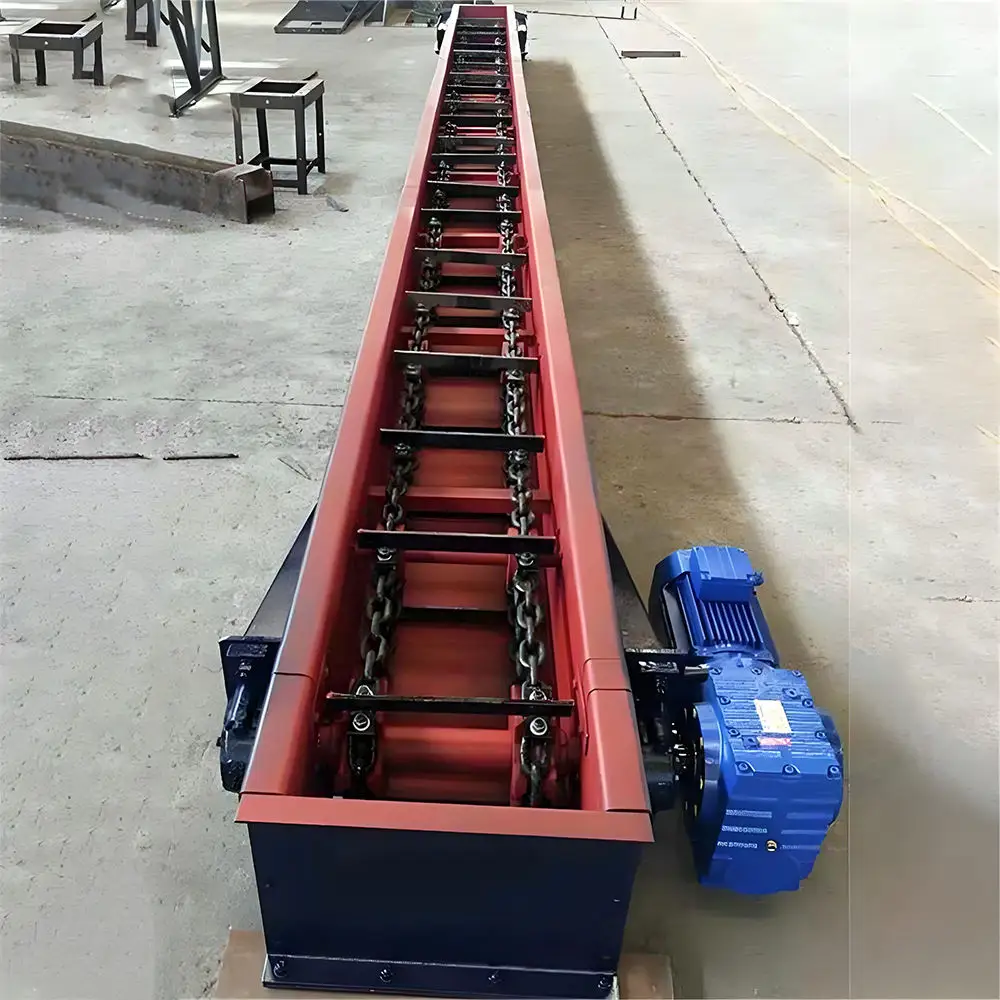
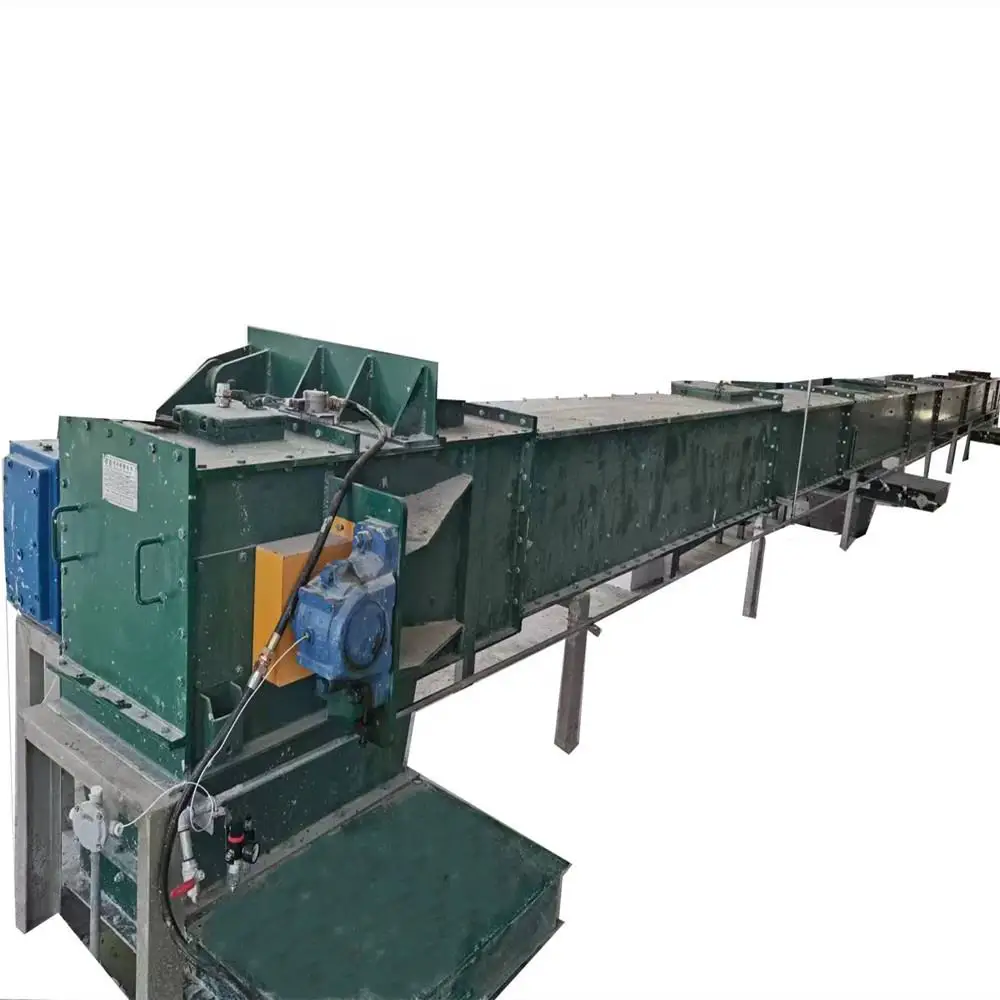
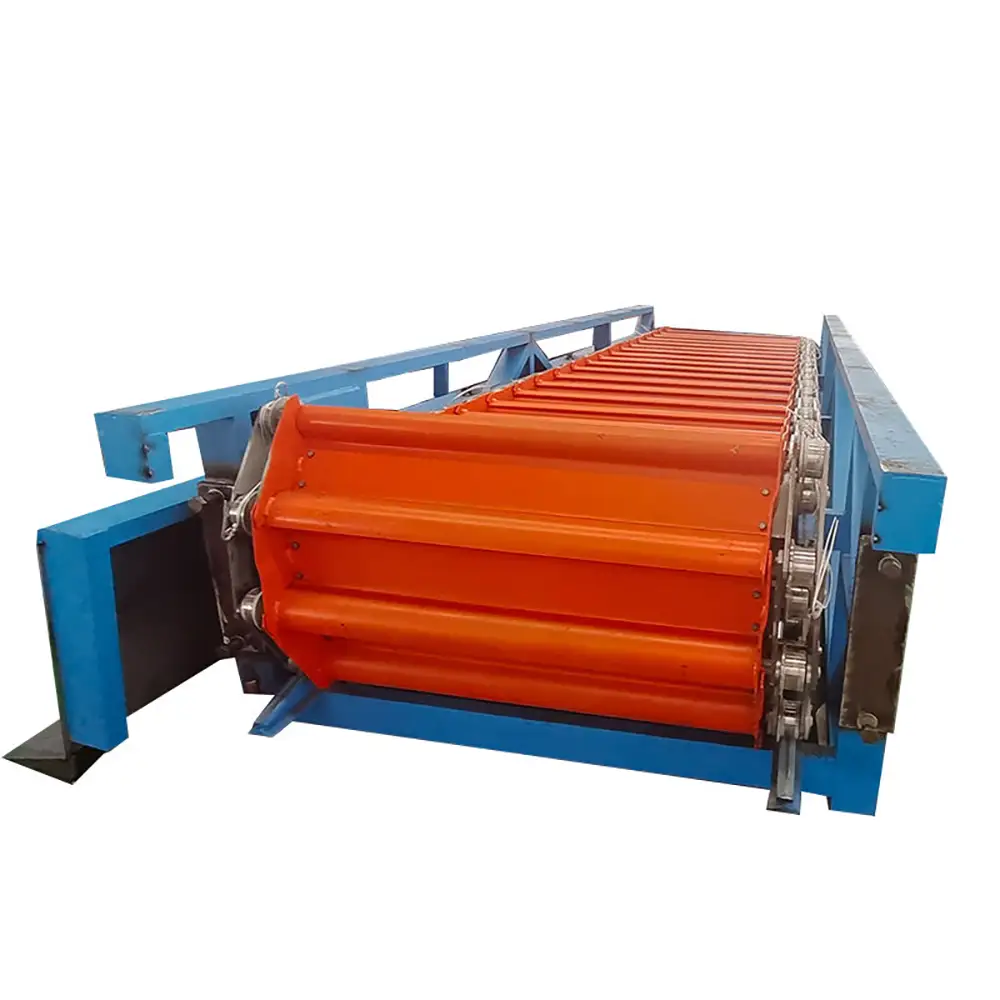
Portable Conveyor for Loading&Unloading is a constantly conveying equipment with high efficiency, sound usage and mobility, mainly used in places where charge ang discharge places are often changed, such as port, harbour, station, coal yard, building site, sand and stone field and farm for short delivery and charging and discharging scattered materials or whole piece goods whose piece weight is lower than 100kg. DY series Portable Conveyor for Loading&Unloading is divided into rise-and-fall and non rise-and-fall conveyors. The belt running is driven by electric pulley, rising &falling and running of whole machine are all nonmobile.
Portable Conveyor for Loading & Unloading is applied in short delivery and charge & discharge operation on scattered materials or whole piece goods. With steel tube construction, leggiere, beautiful and sound mobility. Its rotating equipment is electric pulley and it is equiped with pneunatic tyre and steel wheel. The inclined angle above 10m machine length can be adjusted.
The main features:
1. High precision, high loading capacity with hard mask gear(2 to 3 times more than soft mask gear);
2. Long life ( reach 10 years);
3. Compact construction and small floor space (reduce above 50%);
4. Light weight and small volume (reduce 50%);
5. Specially vertical driving construction, more used in mining delivery machinery under coal mine well.
Notice of choosing type:
Belt speed, belt width, conveying distance, quantity delivered, inclined angle, materials property, working circumstance and angle of move etc. Otherwise, select parallel conveyor when conveying box or bag goods as chemical fertilizer and parcel and select groove belt conveyor when delivering scattered materials as grain, coal mine and sand stone.
Technical Parameter:
|
Model |
Belt width (mm) |
Belt length (m) |
Belt speed (m/s) |
Capacity (m³ /h) |
|
DY50 |
500 |
10
15
20 |
1.6 |
160 |
|
DY65 |
650 |
10
15
20 |
1.6 |
220 |
|
DY80 |
800 |
10
15
20 |
1.6 |
260 |
|
DY45 |
500 |
10
15
20 |
1.6 |
120 |
GX Screw Conveyor
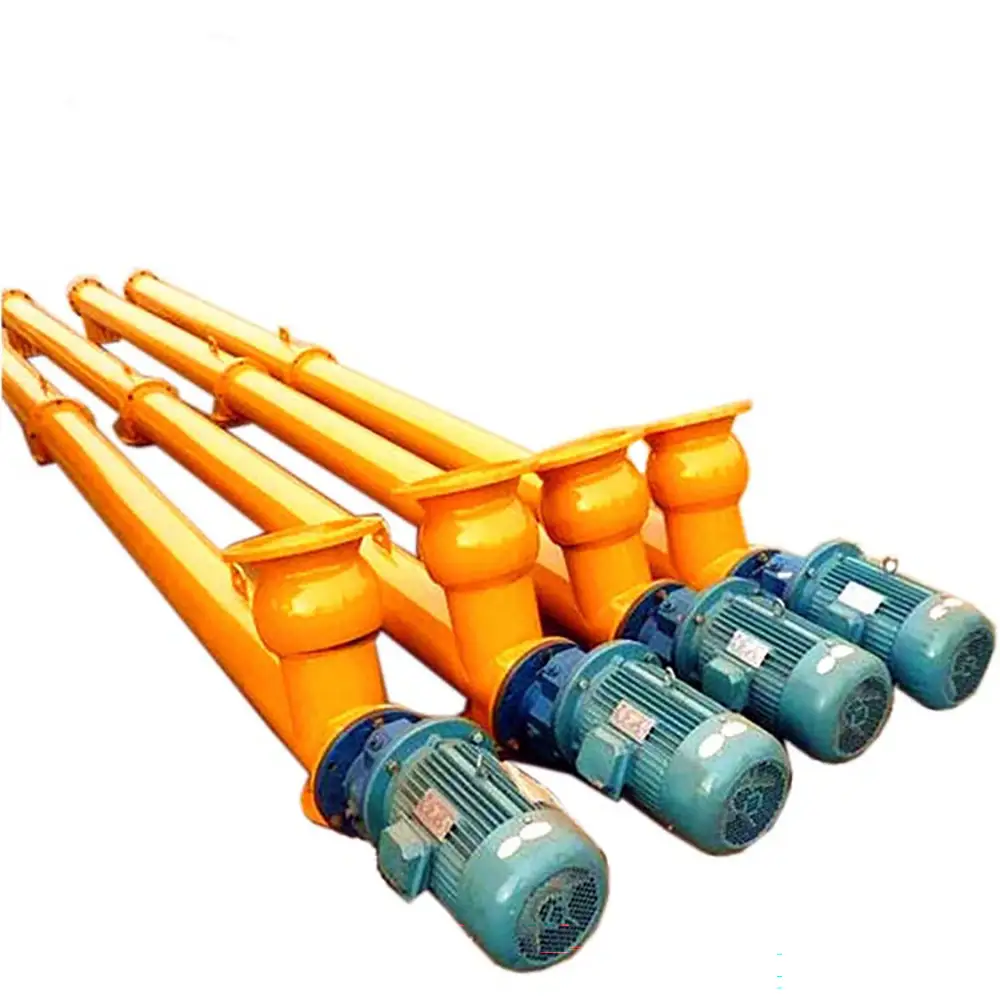
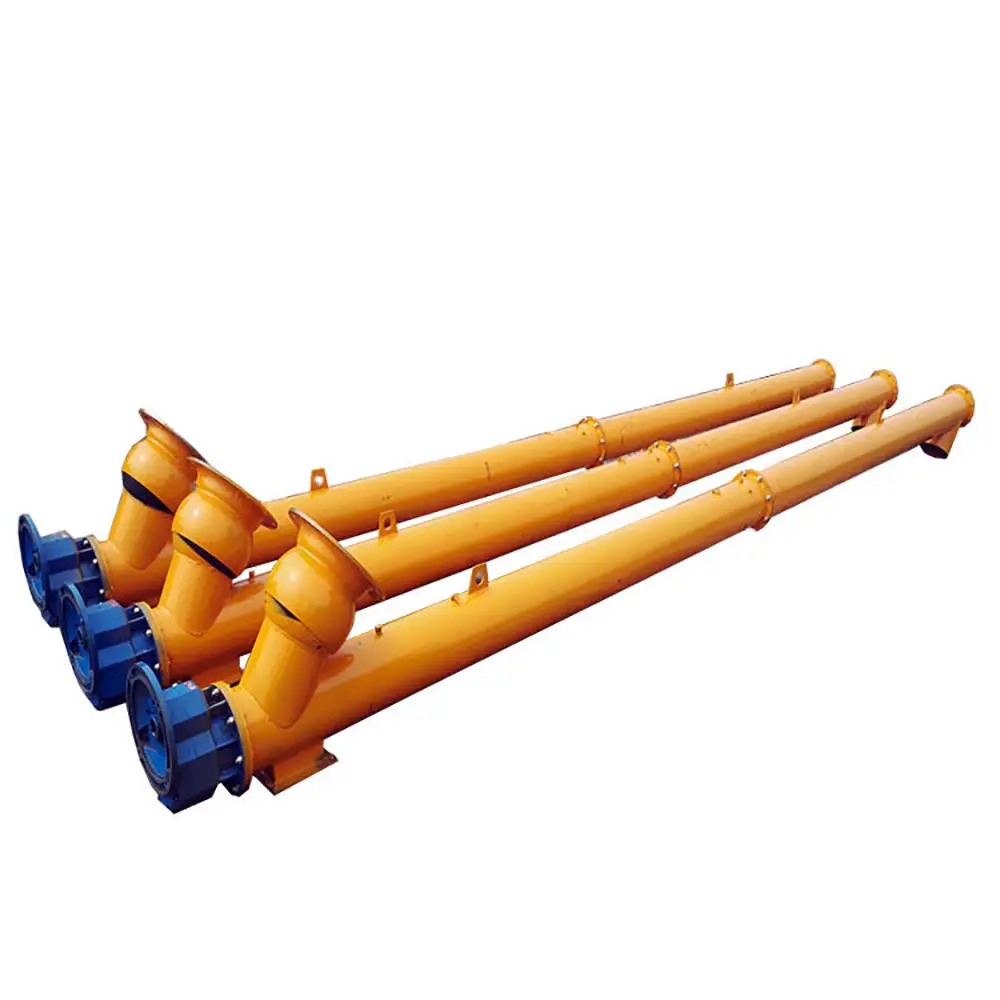
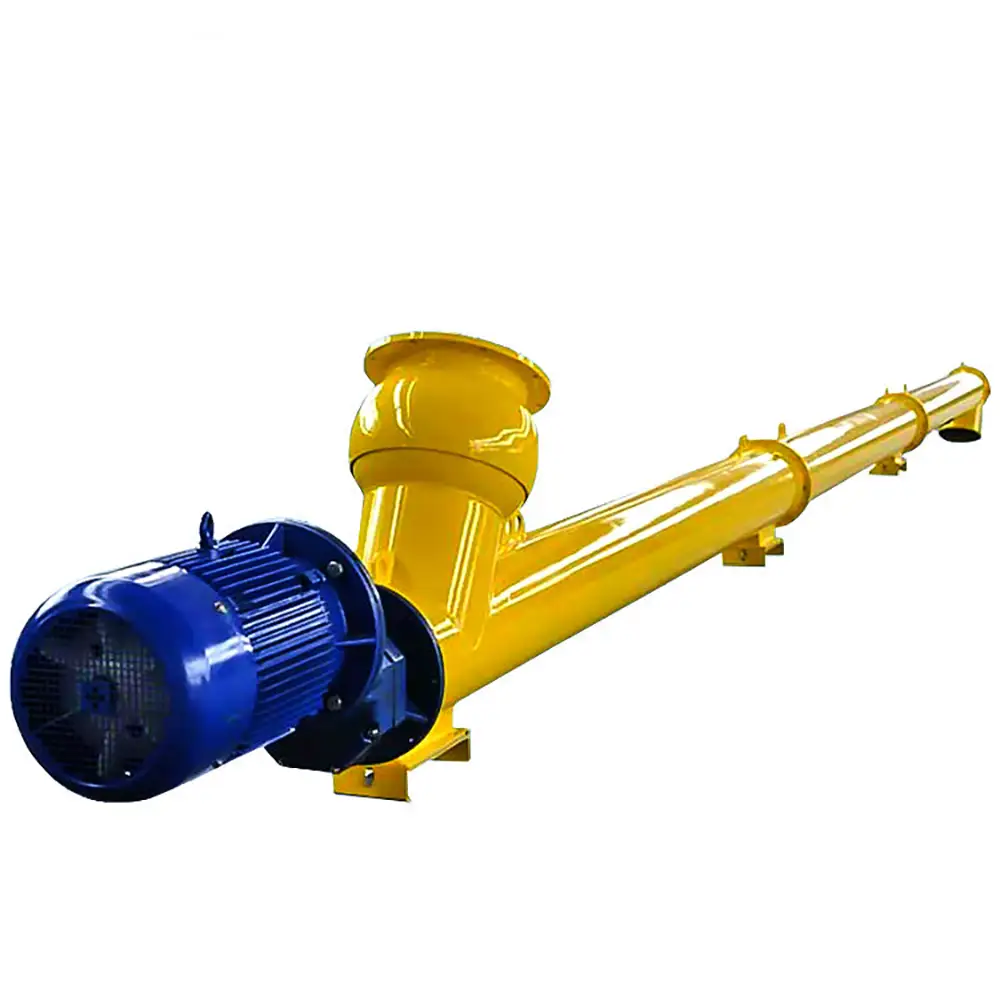
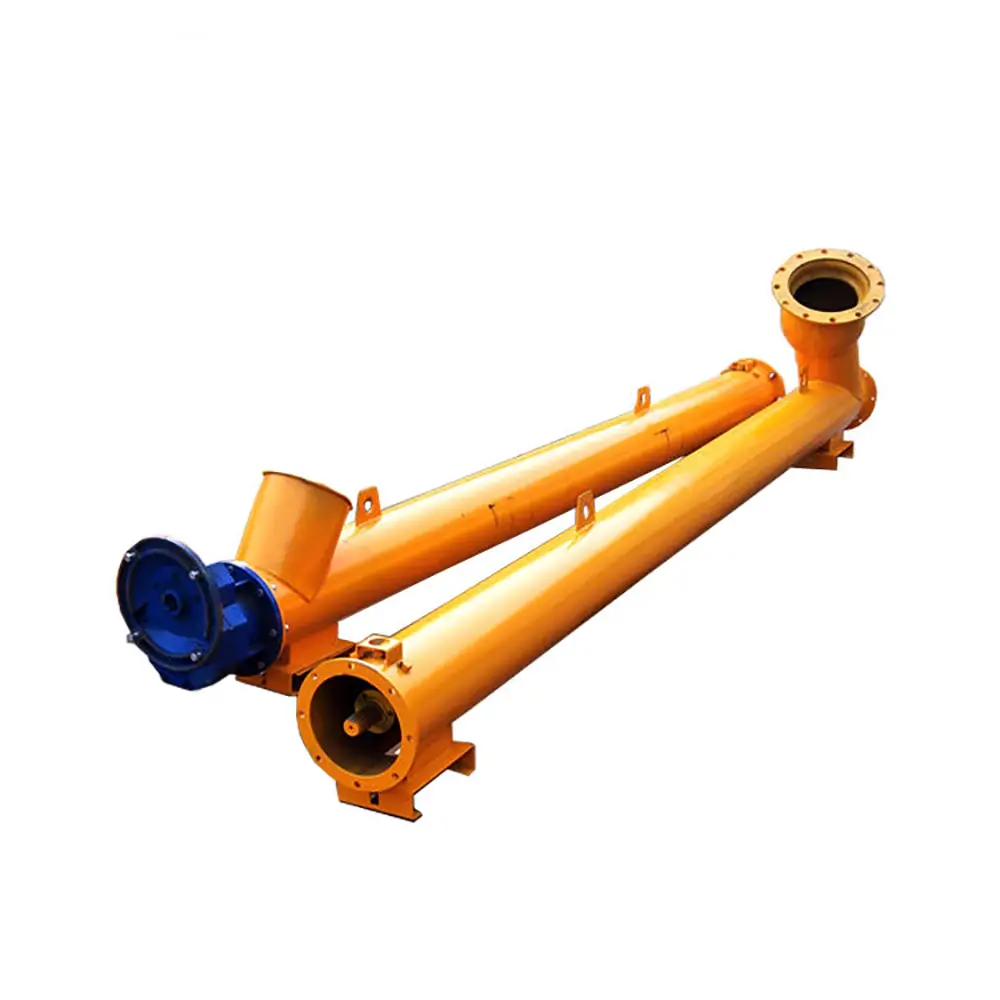
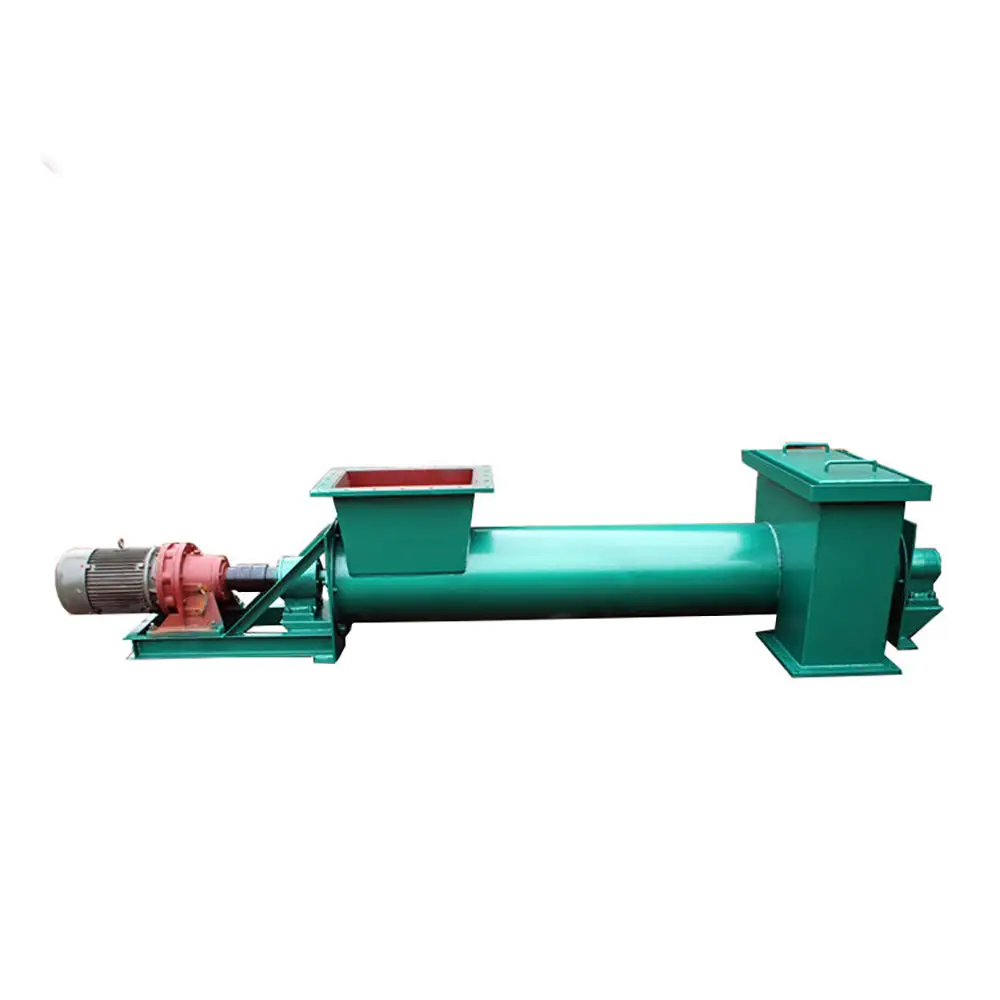
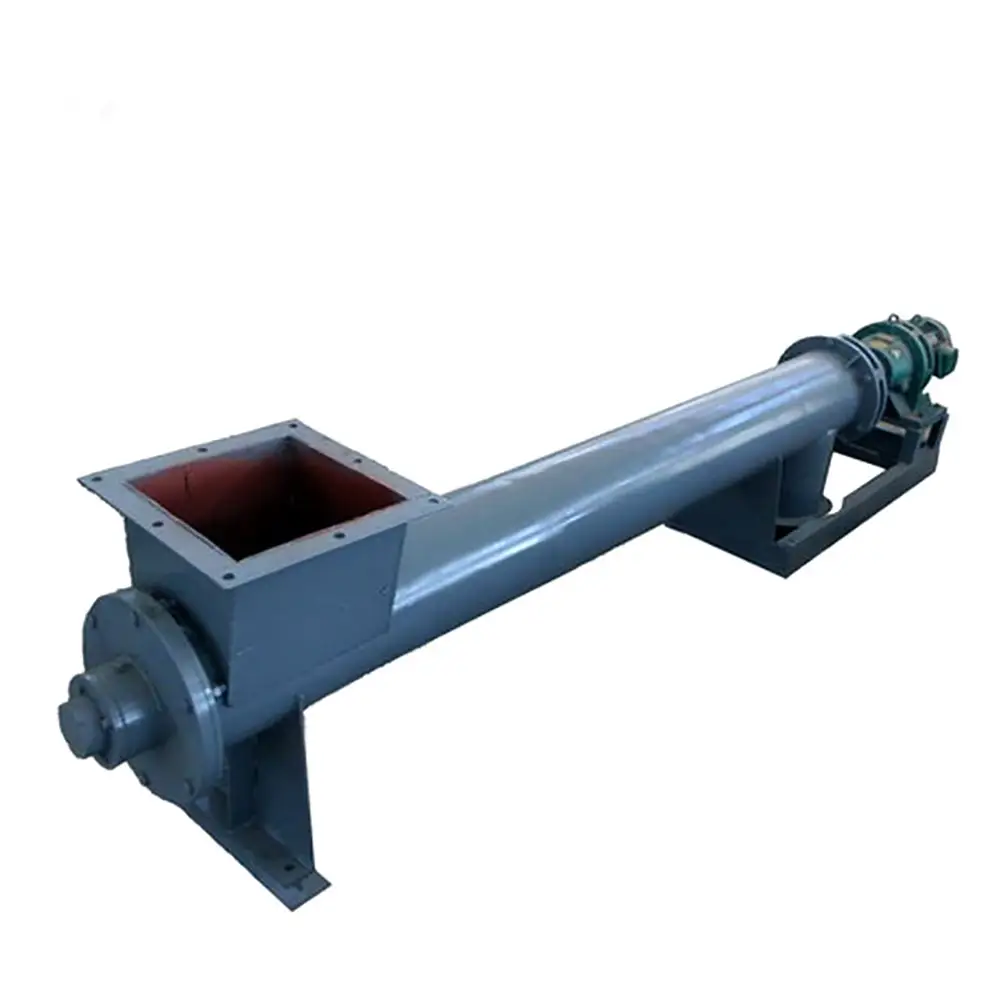
The GX Screw Conveyor is a continuous mechanical conveying machine designed to transport powders, granules, small particles, and other bulk materials through a rotating screw flight. With a compact structure and enclosed conveying design, it provides a practical solution for moving materials horizontally or at a suitable incline between storage, processing, and discharge points.
GX screw conveyors are widely used in cement plants, mining operations, chemical processing, power plants, grain handling, fertilizer production, construction materials, food processing, and general industrial material handling. They can be used as standalone conveying equipment or integrated with feeders, silos, hoppers, crushers, mixers, dryers, filters, and packaging systems.
The screw conveyor can be customized according to conveying capacity, conveyor length, material characteristics, installation angle, inlet and outlet arrangement, and working environment.
What Is a GX Screw Conveyor?
A GX Screw Conveyor uses a rotating helical screw, also called a screw flight or auger, inside a trough or cylindrical housing. When the screw rotates, the flight pushes material continuously from the inlet toward the discharge outlet.
Unlike a belt conveyor, the material does not travel on a moving belt. Instead, the rotating screw directly conveys the bulk material through the enclosed conveying chamber.
This operating principle makes screw conveyors particularly suitable for:
Powder
Cement
Fly ash
Coal
Limestone powder
Sand
Gravel fines
Fertilizer
Grain
Flour
Feed
Chemical powders
Biomass
Wood particles
Industrial additives
Other dry bulk materials
The enclosed structure can also help reduce dust dispersion and material loss during transportation.
GX Screw Conveyor Construction
The main working component is the screw shaft fitted with a continuous helical flight. The shaft rotates inside the conveyor housing and transfers material from the feeding point to the discharge point.
A typical GX Screw Conveyor includes:
Screw flight
Screw shaft
Conveyor housing
Inlet
Discharge outlet
Drive motor
Gearbox or reducer
Coupling
Bearings
End supports
Intermediate hanger bearings where required
Inspection covers
Supporting structure
The configuration can be selected according to conveyor length and material characteristics.
For longer screw conveyors, intermediate hanger bearings may be used to support the screw shaft and maintain proper operation. The exact bearing arrangement depends on conveyor dimensions and engineering requirements.
How Does a Screw Conveyor Work?
The working principle is simple and reliable.
Bulk material enters the conveyor through the inlet. When the electric motor starts, power is transmitted through the gearbox or reducer to the screw shaft.
As the screw shaft rotates, the helical flight pushes the material forward along the conveyor housing.
The material continues moving as the screw rotates until it reaches the discharge opening. It then exits the conveyor and enters a hopper, storage bin, mixer, processing machine, packaging system, or another conveyor.
Because the conveying process takes place inside the housing, the system can provide controlled material transfer with reduced exposure to the surrounding environment.
Horizontal and Inclined Conveying
GX screw conveyors are commonly used for horizontal material transportation, but suitable inclined configurations can also be designed.
Horizontal conveying generally provides efficient material movement with relatively low power requirements.
When the conveyor is installed at an angle, gravity affects material movement and conveying capacity. As the inclination increases, the required drive power and conveying characteristics may change.
Therefore, the screw diameter, pitch, rotational speed, motor power, and installation angle should be selected together according to the material and operating conditions.
For applications requiring long-distance or steep-angle conveying, another conveyor type may sometimes provide a more appropriate solution.
Main Components
Screw Flight
The screw flight is responsible for pushing the material through the conveyor. Different flight geometries can be selected for different materials and conveying requirements.
Screw Shaft
The central shaft supports the screw flight and transfers torque from the drive system.
Conveyor Housing
The housing surrounds the screw and provides a controlled conveying path. Depending on the application, it may be manufactured in different structural materials.
Drive System
An electric motor and gearbox provide the rotational power required to move the screw and material.
Drive power depends on material density, conveying capacity, conveyor length, screw diameter, rotational speed, and installation angle.
Bearings
Bearings support the screw shaft and allow stable rotation. Longer conveyors may require additional intermediate support bearings.
Feed and Discharge Openings
The inlet controls material entry, while the discharge opening determines where the conveyed material exits.
Multiple inlet or discharge points can be considered for specialized material handling systems.
Applications
Cement Industry
GX screw conveyors are widely applicable to cement, fly ash, limestone powder, additives, and other powdered construction materials.
They can transfer material between silos, hoppers, mixers, weighing systems, and packaging equipment.
Mining and Mineral Processing
Screw conveyors can handle mineral powders, fine aggregates, coal fines, and other suitable materials in mining and processing facilities.
Chemical Industry
Powders and granular chemical materials can be transferred through enclosed screw conveying systems when the conveyor materials and configuration are compatible with the application.
Agriculture and Grain Handling
Suitable configurations can transport grain, feed, seed, fertilizer, and other agricultural bulk materials.
Power Plants
Screw conveyors can be used for fly ash, coal-related materials, and other suitable bulk products in material handling systems.
Food Processing
With appropriate sanitary materials and design, screw conveyors can transport flour, grain, powders, and other food-processing materials.
Waste and Recycling
The equipment can also be used to move suitable processed waste, biomass, and recyclable materials between different processing stages.
Key Advantages
Enclosed Material Conveying
The housing helps contain the transported material and can reduce dust dispersion compared with open conveying arrangements.
Compact Structure
A screw conveyor generally requires less installation space than some other continuous conveying systems.
Continuous Operation
The rotating screw provides continuous material transportation for automated production lines.
Controlled Material Flow
Screw speed and conveyor configuration can be selected to achieve the required material transfer rate.
Wide Material Compatibility
The equipment can handle many powders, granules, and small bulk particles.
Easy System Integration
GX screw conveyors can be connected with hoppers, silos, mixers, feeders, crushers, filters, dryers, and packaging equipment.
Flexible Configuration
Screw diameter, conveyor length, pitch, drive arrangement, inlet and outlet positions, and construction materials can be customized.
GX Screw Conveyor Selection Guide
Choosing the correct screw conveyor requires careful consideration of several parameters.
Material Type: Specify whether the material is powder, granule, fine aggregate, sticky material, abrasive material, or another bulk product.
Bulk Density: Material density directly affects conveying capacity and drive requirements.
Particle Size: Particle size influences screw design, housing configuration, and feeding arrangement.
Capacity: Provide the required throughput, such as tons per hour or cubic meters per hour.
Conveyor Length: Longer conveyors may require additional shaft support and increased drive power.
Installation Angle: Horizontal and inclined conveyors have different operating characteristics.
Screw Diameter: The screw diameter affects conveying capacity and material volume.
Screw Speed: Rotational speed should be selected according to the material and required throughput.
Temperature and Environment: High-temperature, corrosive, wet, or abrasive materials may require specialized materials and components.
Maintenance
Routine maintenance helps ensure stable GX Screw Conveyor operation.
Operators should regularly inspect the screw flight, shaft, bearings, gearbox, motor, housing, fasteners, and discharge openings.
Material buildup should be removed when necessary, especially when handling materials that may become compacted or sticky.
Bearings should be lubricated according to the manufacturer's recommended maintenance schedule. The gearbox should also be checked for appropriate lubrication and abnormal noise or vibration.
Operators should monitor the screw conveyor for unusual vibration, overheating, abnormal noise, reduced capacity, or motor overload.
Before opening inspection covers or performing maintenance, the conveyor should be completely stopped and isolated according to appropriate safety procedures.
OEM and Custom Screw Conveyor Solutions
Different production lines require different conveying capacities and installation arrangements. We can provide customized GX Screw Conveyor solutions according to material characteristics, throughput, conveyor length, installation angle, screw diameter, discharge height, and plant layout.
Available configurations may include different screw pitches, shaft designs, housing structures, drive systems, inlet arrangements, discharge outlets, inspection covers, support structures, and material options.
For complete production systems, screw conveyors can be integrated with silos, hoppers, feeders, weighing systems, mixers, crushers, dust collectors, dryers, and packaging equipment.
Why Choose Us?
We provide GX Screw Conveyor solutions for cement, mining, chemical, agriculture, power generation, construction materials, food processing, recycling, and general industrial applications.
GX Screw Conveyor Equipment
Continuous Bulk Material Conveying
Enclosed Material Handling
Customized Screw Diameter and Length
Multiple Screw Flight Configurations
Reliable Motor and Gearbox Systems
Suitable for Powder and Granular Materials
Horizontal and Suitable Inclined Designs
Professional Conveyor System Design
OEM and Custom Manufacturing
Factory Direct Supply
Technical Support and After-Sales Service
Our goal is to match the screw conveyor design with the customer's material characteristics, conveying capacity, installation conditions, and complete production process.
FAQs
1. What is a GX Screw Conveyor?
A GX Screw Conveyor is a continuous conveying machine that uses a rotating helical screw to transport powders, granules, and other bulk materials.
2. What materials can a GX screw conveyor handle?
It can handle cement, fly ash, limestone powder, fertilizer, grain, coal fines, chemical powders, feed, biomass, and many other suitable bulk materials.
3. Is a screw conveyor suitable for cement?
Yes. Screw conveyors are commonly used for transporting cement, fly ash, additives, and other powdered construction materials.
4. Can the GX Screw Conveyor transport wet materials?
Some wet or sticky materials can be handled with an appropriate screw design, but material moisture and adhesion characteristics should be evaluated before selection.
5. Can the conveyor be installed at an incline?
Yes. Suitable inclined configurations can be designed, although conveying capacity and power requirements change as the installation angle increases.
6. Can the screw conveyor length be customized?
Yes. Conveyor length can be customized according to the conveying distance and plant layout.
7. How is screw conveyor capacity determined?
Capacity depends on screw diameter, pitch, rotational speed, material bulk density, filling ratio, conveyor angle, and material characteristics.
8. What type of drive does it use?
An electric motor combined with a gearbox or reducer is commonly used to provide the required rotational torque.
9. Can the inlet and outlet positions be customized?
Yes. Inlet and discharge positions can be configured according to the connection requirements of hoppers, silos, mixers, and other equipment.
10. What information is needed for a quotation?
Please provide the material name, bulk density, particle size, required capacity, conveyor length, installation angle, feeding height, discharge height, operating temperature, and power supply. A layout drawing is helpful for customized system design.
Prev:
FU Chain Conveyor, Flat Top Conveyor Chain Conveyor
Next:Sorry, no information
TAG:
Bulk Material Conveyor,
Cement Screw Conveyor,
Mining Screw Conveyor,
Screw Conveyor,
Industrial Screw Conveyor,
Screw Conveyor Machine,
Automatic Screw Conveyor,
Continuous Screw Conveyor,
Auger Conveyor,
Heavy Duty Screw Conveyor,
Coal Screw Conveyor,
Fly Ash Screw Conveyor,
Fertilizer Screw Conveyor,
Grain Screw Conveyor,
Powder Conveyor,
Granular Material Conveyor,
Horizontal Screw Conveyor,
Helical Screw Conveyor,
Inclined Screw Conveyor,
Industrial Auger Conveyor,
Screw Conveyor System,
Material Handling Conveyor,
Industrial Conveyor Equipment,
Enclosed Screw Conveyor,
Horizontal Auger Conveyor,
Bulk Material Handling,
GX Screw Conveyor,
GX Screw Conveyor Machine,
GX Screw Conveyor Equipment,
Related Category:
GX Screw Conveyor, GX Screw Conveyor Machine, GX Screw Conveyor Equipment, Screw Conveyor, Industrial Screw Conveyor China, suppliers, manufacturers, factory, customized, wholesale, quotation, made in China