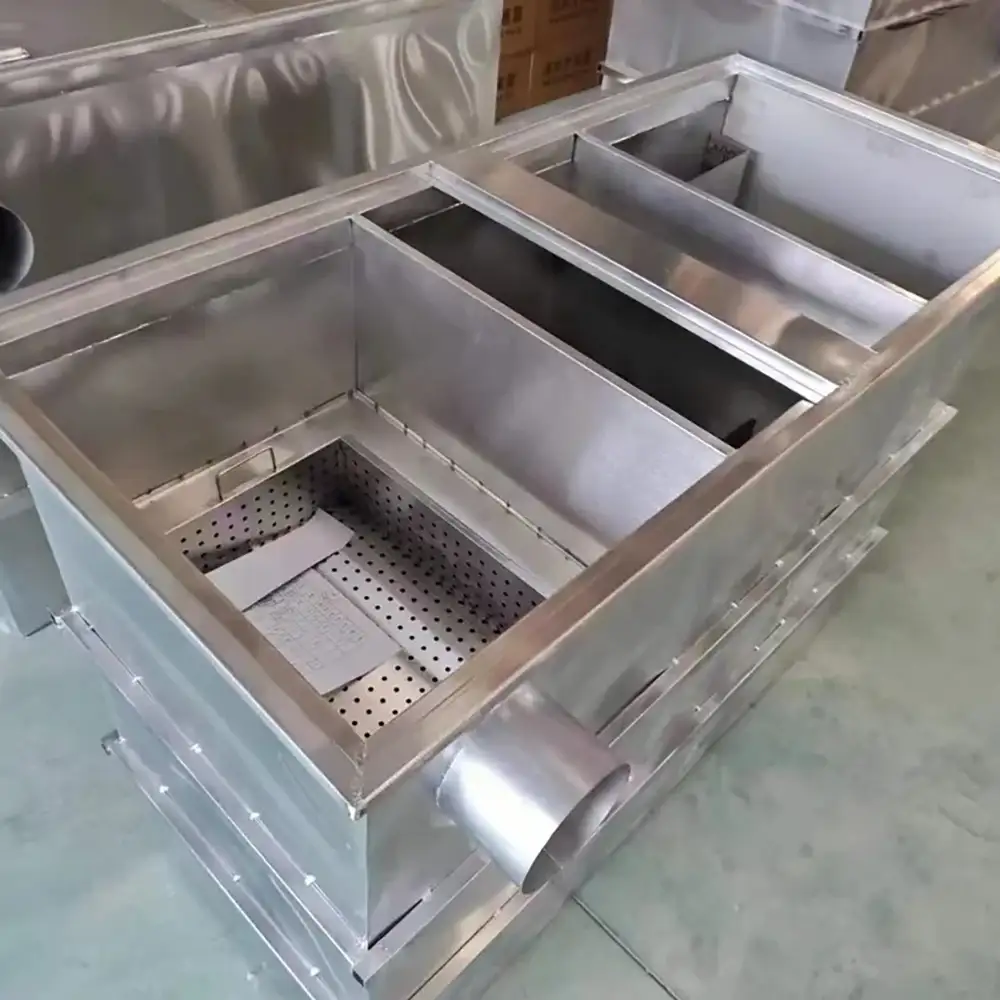
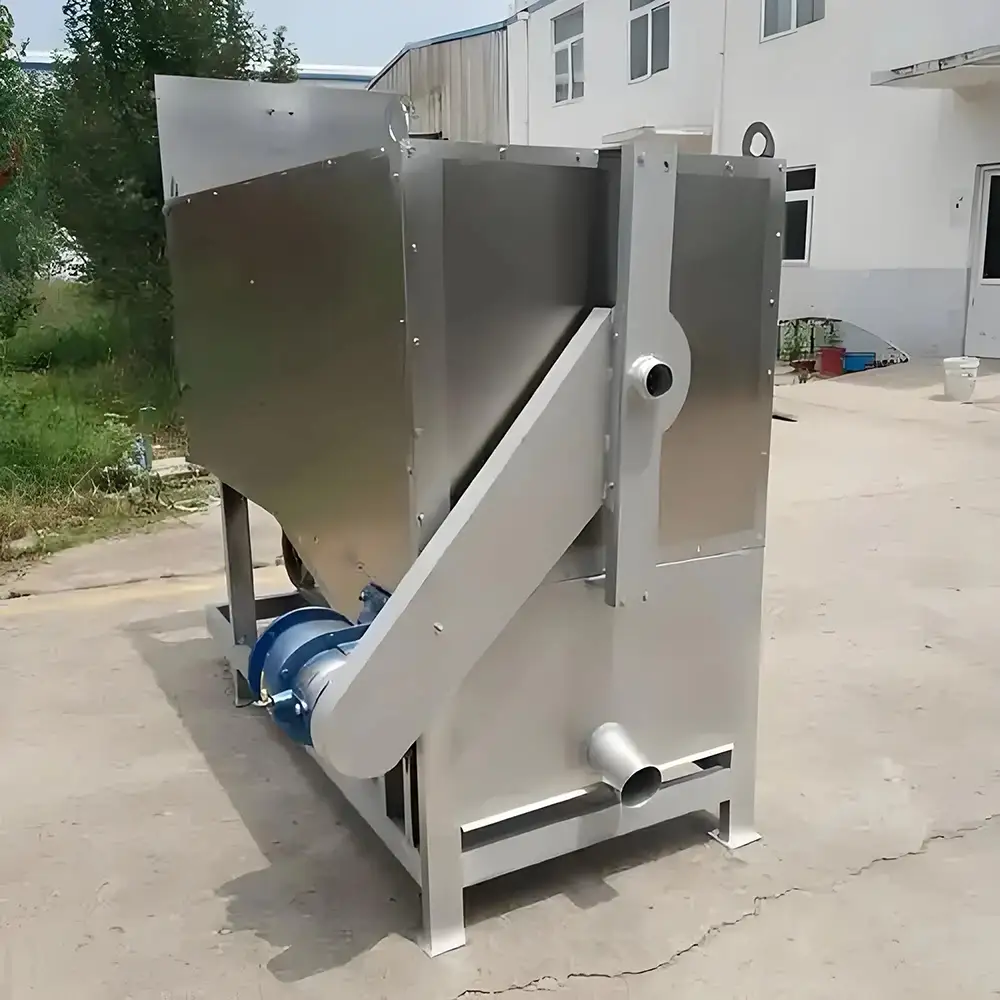
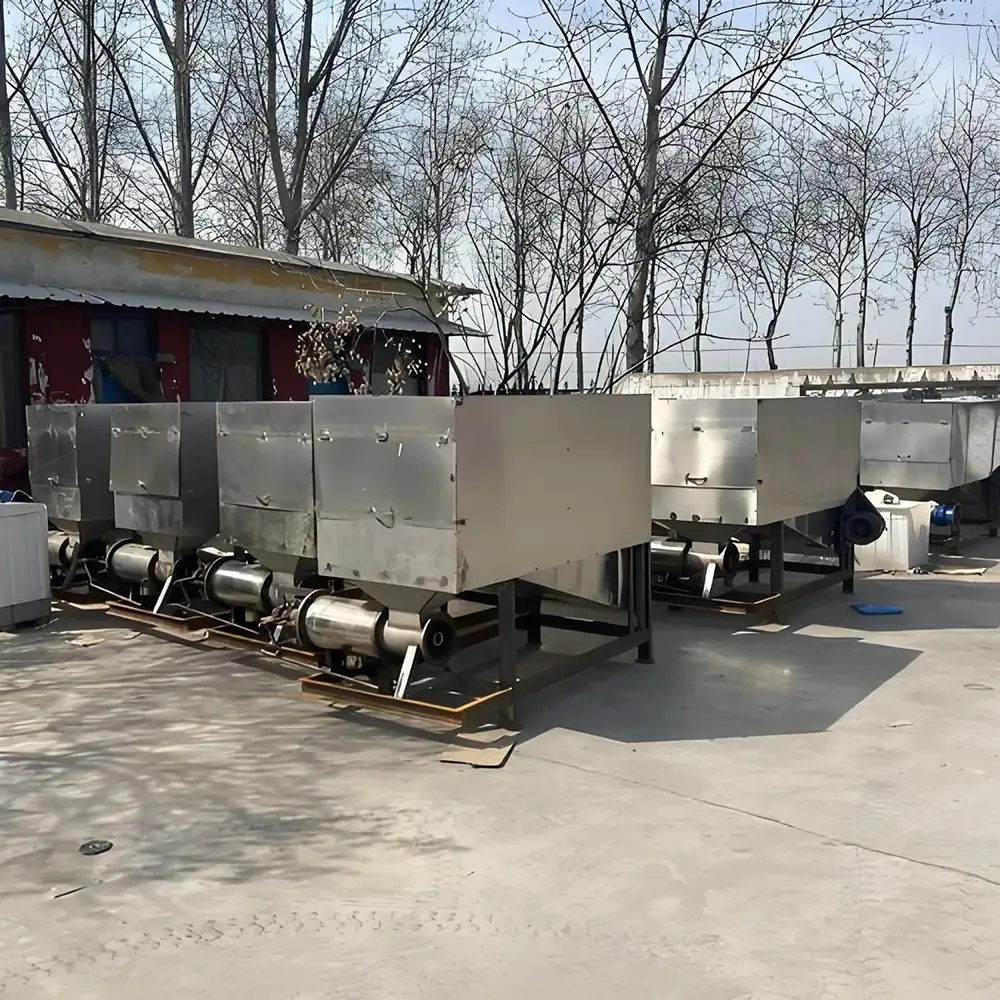
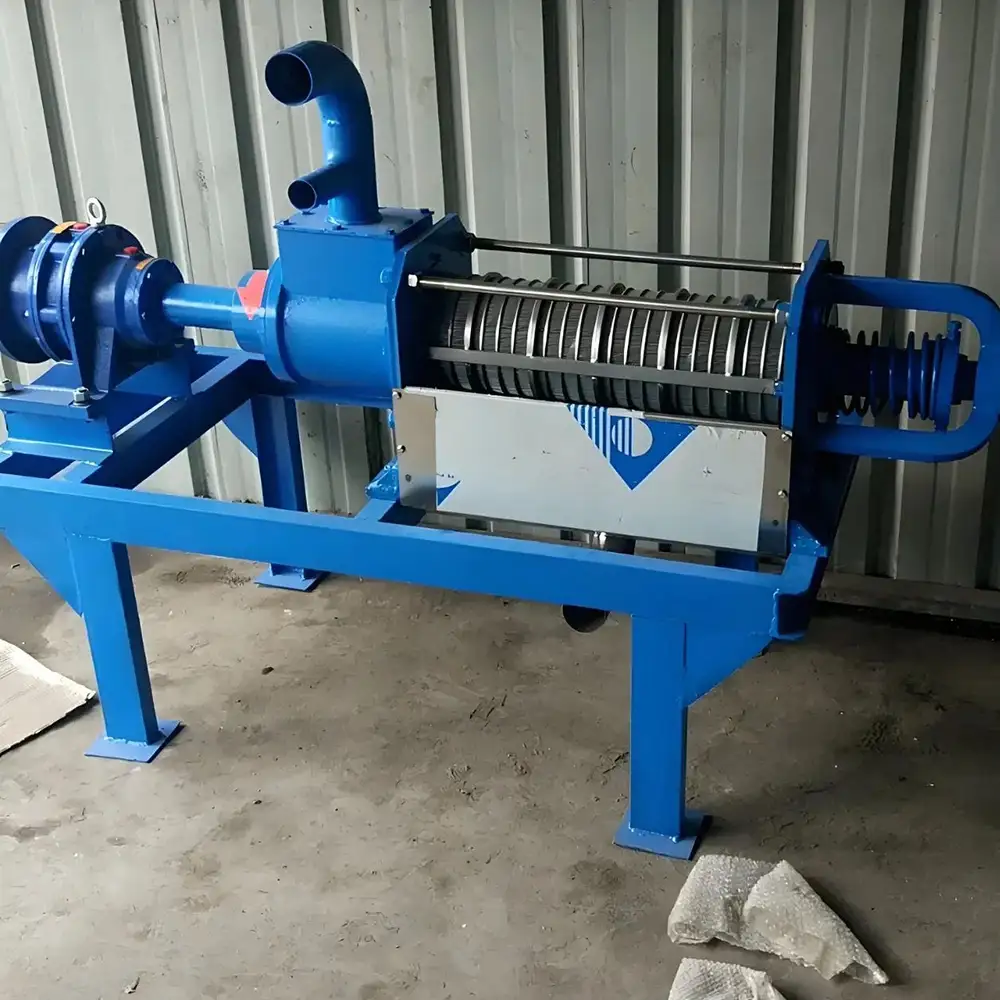
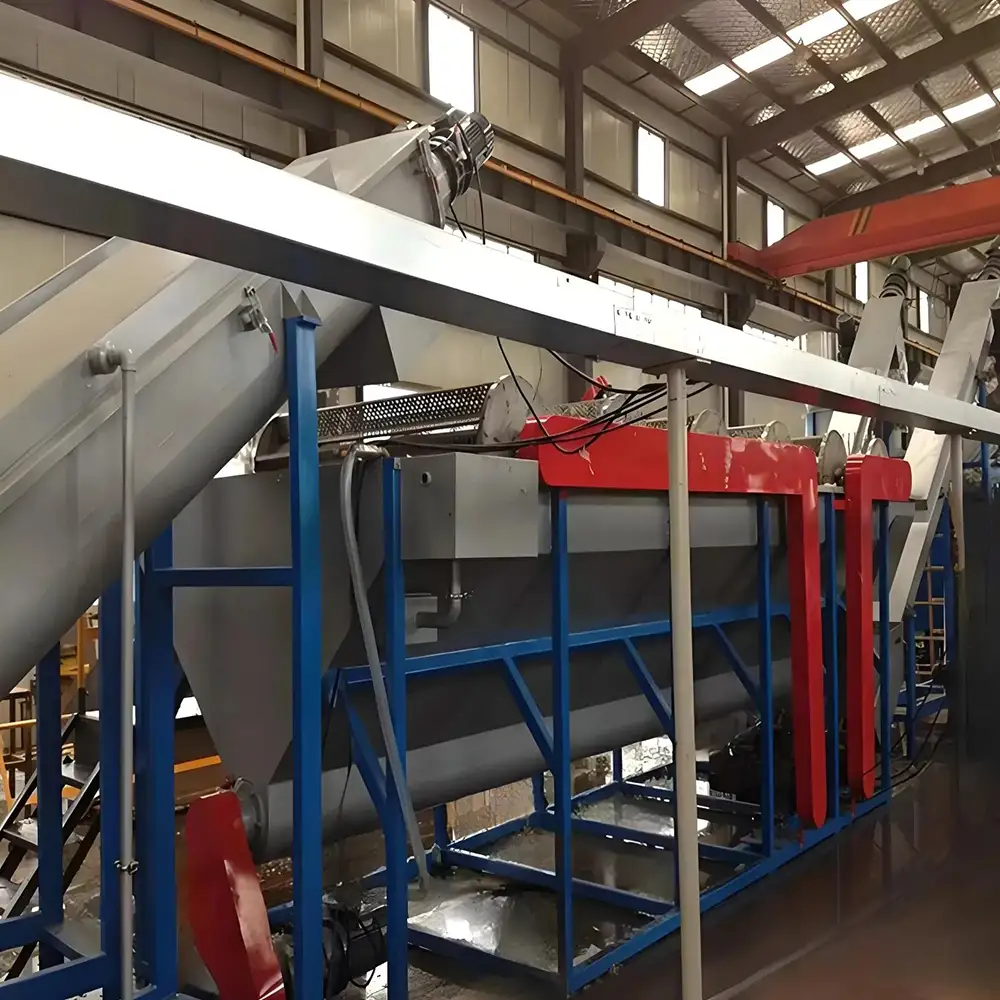
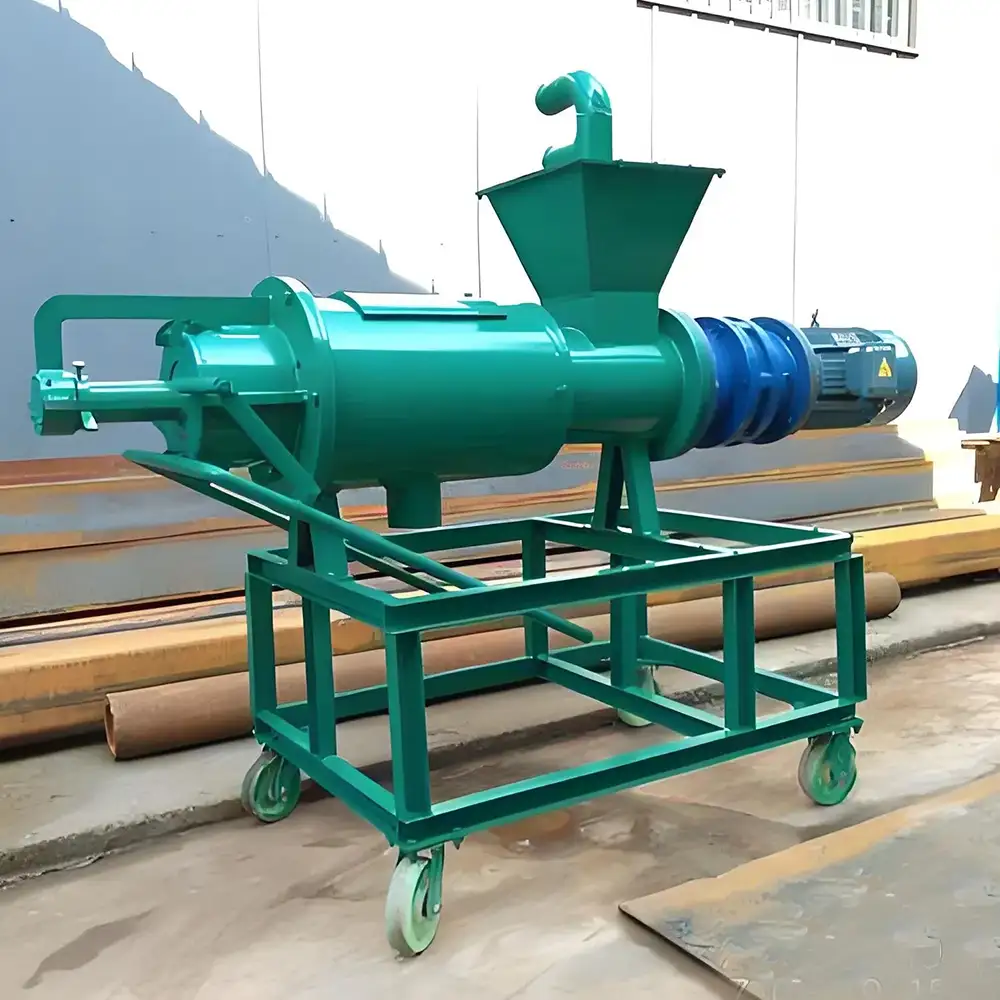
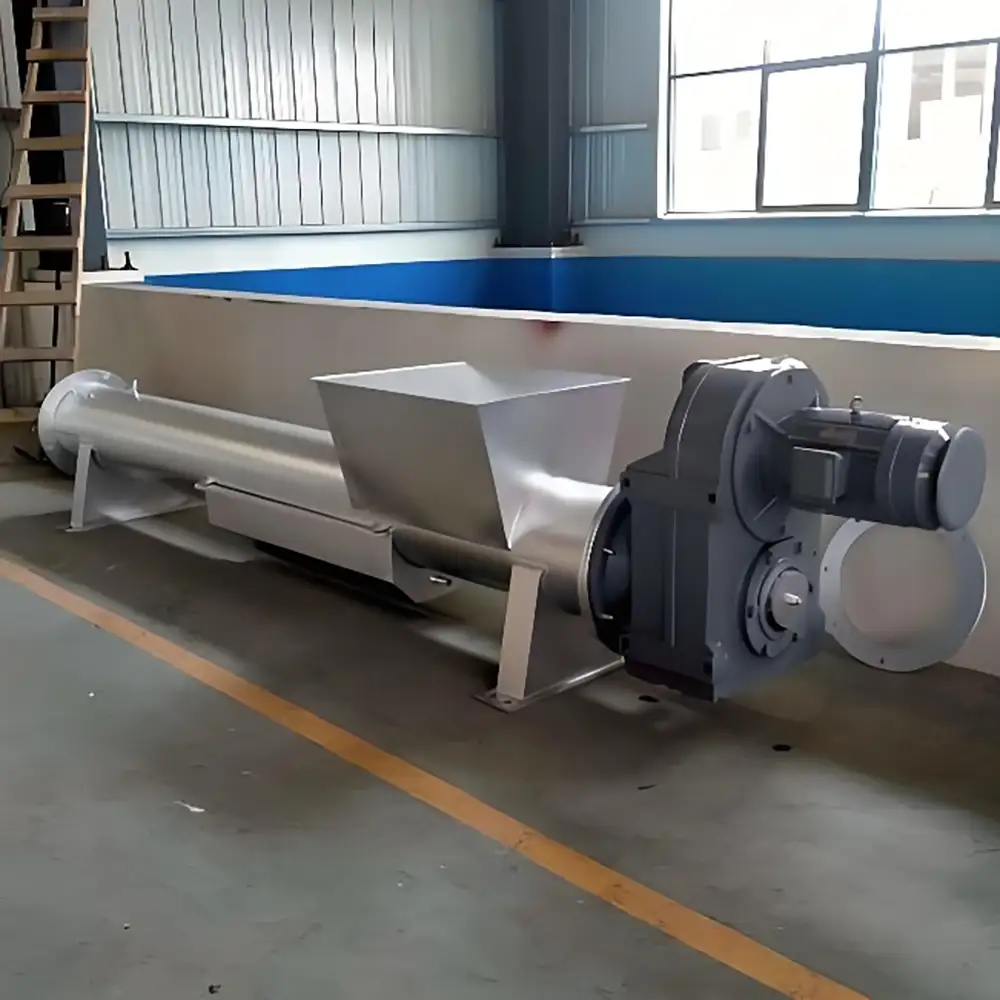
The oil trap is a wastewater pretreatment structure that uses the density difference between oil droplets and water to produce a floating effect to remove floating oil substances in oily wastewater. The structure of the grease trap mostly adopts the advection type. The oily wastewater enters the rectangular grease trap through the water distribution tank and flows slowly in the horizontal direction. During the flow, the oil floats on the water surface and is pushed by the oil collection pipe or the oil scraper installed on the pool surface. into the oil collecting pipe and flows into the dehydration tank. The heavy oil and other impurities precipitated in the grease trap accumulate in the sludge hopper at the bottom of the tank and enter the sludge pipe through the sludge discharge pipe. The wastewater treated by oil separation overflows into the drainage channel and drains out of the pool, and is subject to subsequent treatment to remove emulsified oil and other pollutants.
|
Whether to support processing customization |
yes |
Layout form |
rectangle |
Material |
Stainless steel |
|
operating pressure |
0.1Pa |
processing power |
10 tons/hour |
Processing water volume |
50m²/day |
|
Motor Power |
3KW |
Rated speed |
2900RPM |
Operating temperature |
36ºC |
|
work pressure |
0.1MPa |
Nominal diameter |
1500mm |
Specification |
2000mm |
|
Filtration accuracy |
80% |
structure and separation beg |
80% |
Feed particle size |
10cm |
|
type |
FOOD |
Sieve hole size |
0.5mm |
Number of screen layers |
3-4 floors |
|
Screen material |
stainless steel filter |
production capacity |
100 units |
Suitable |
Catering wastewater |
|
Scope of application |
Catering oil and water |
Wire mesh type |
304 stainless steel |
Tower diameter |
2m |
|
Extract gas state |
none |
Dimensions |
custom mademm |
Net block thickness |
1.5mm |
|
Material movement track |
automatic |
model |
wxya |
performance |
Stablize |
|
style |
cuboid |
Application areas |
Shopping malls, supermarkets, hotels, restaurants, etc. |
Scope of use |
Various kitchens |
|
Types of oil-water separation equipment |
Catering oil and water |
Effective filter area |
2m² |
principle |
Gravity separation method |
|
weight |
200kgkg |
Drum diameter |
100mm |
Drum speed |
2900RPM |
|
Installed capacity |
1m² |
Loading limit |
0-500kg |
degree of automation |
high |
|
Product Features |
Environmental friendly |
Processing oil and water volume |
1-50m³/h |
water inlet and outlet |
DN150 |
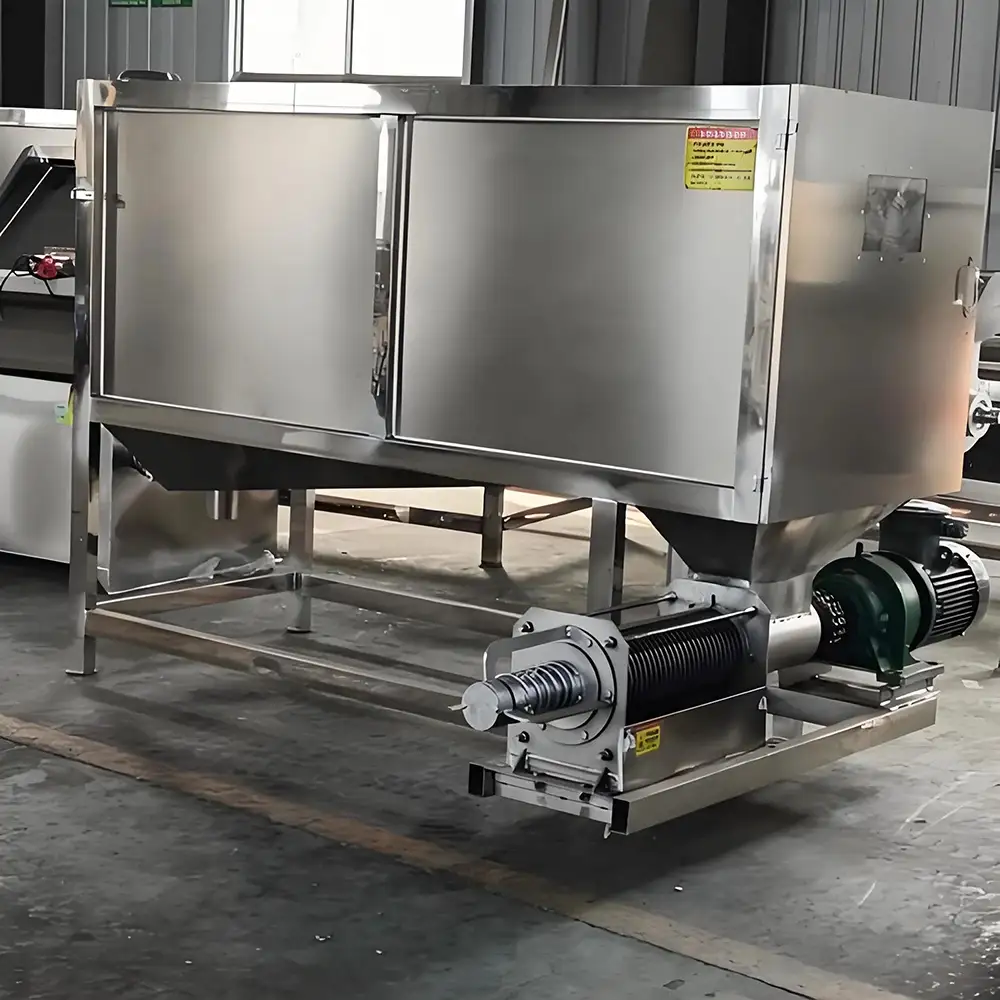
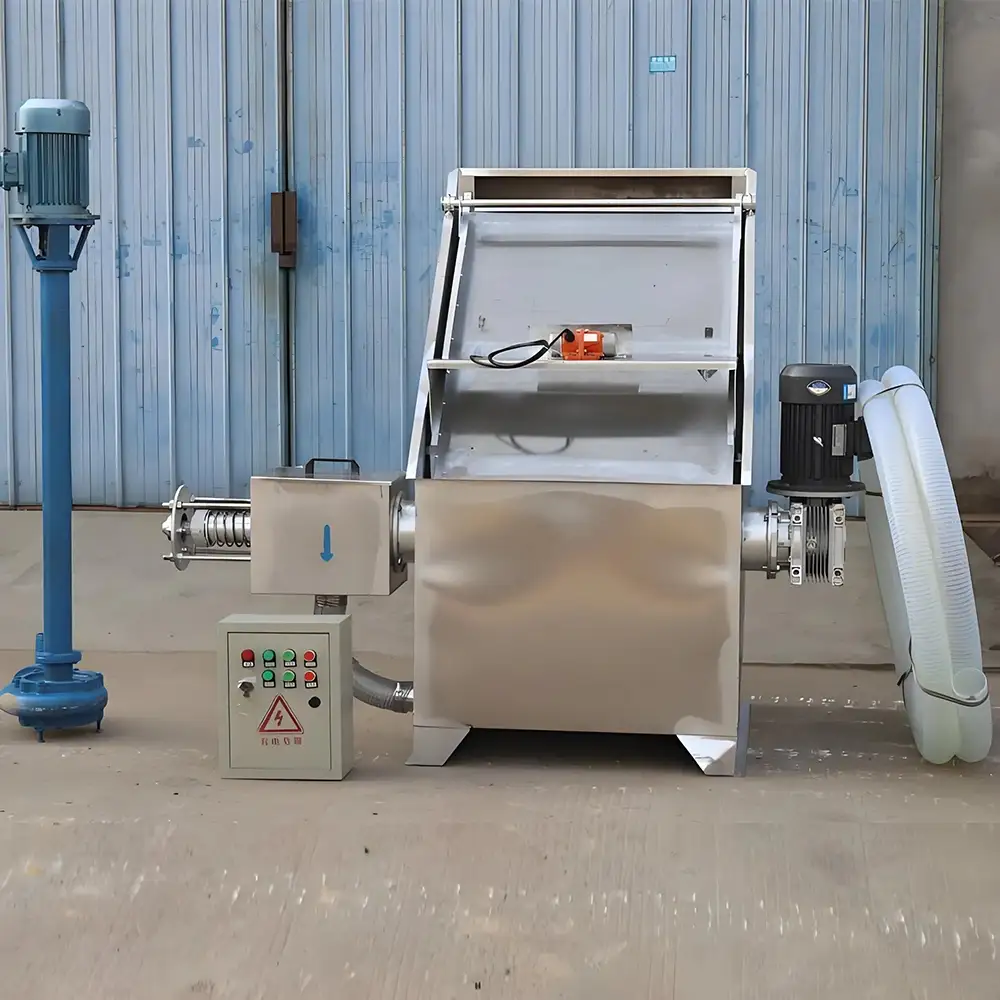
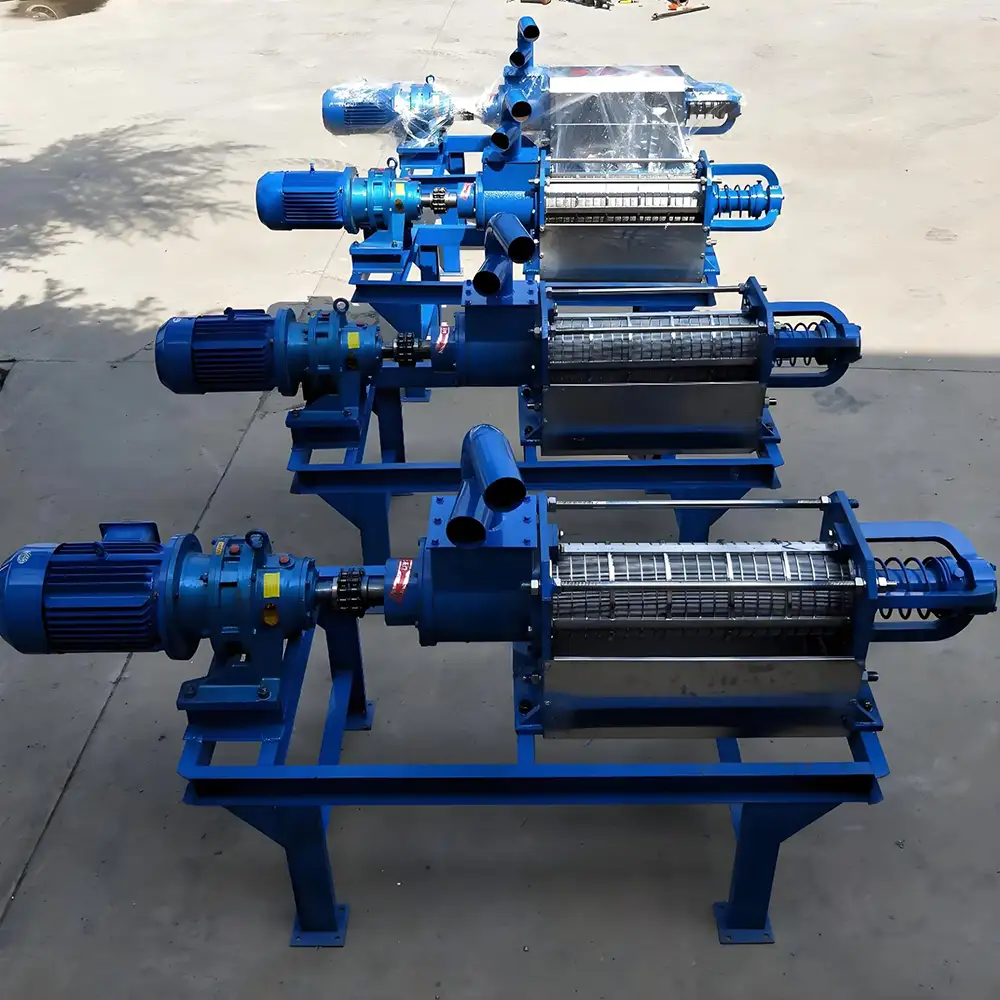
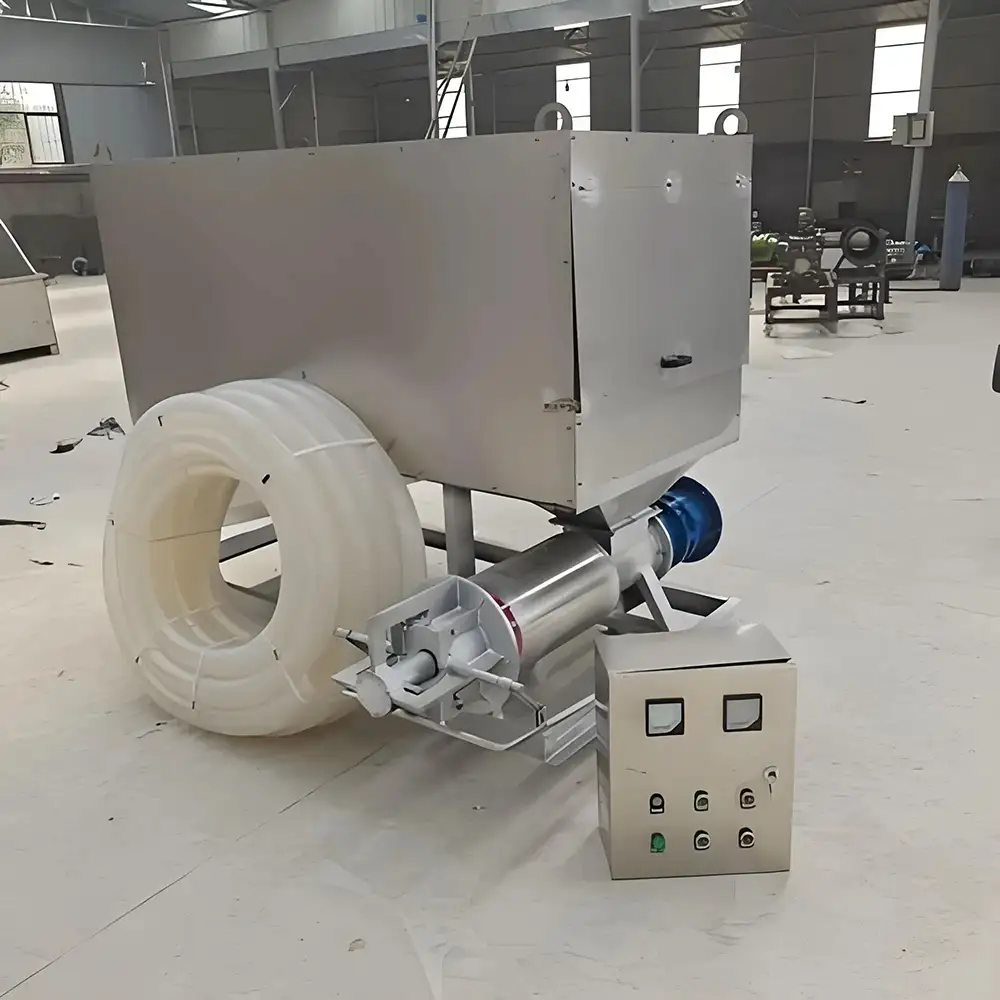
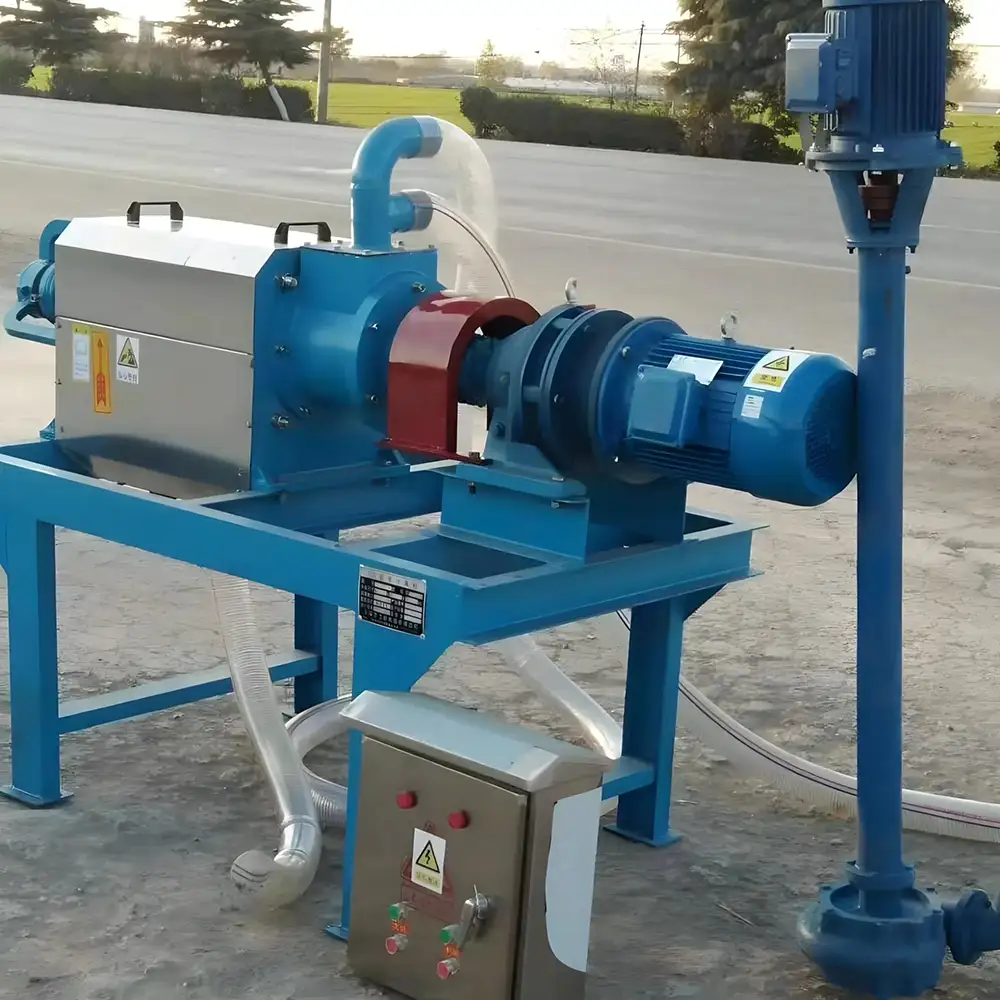
The Drum Microfiltration Dry And Wet Separator Machine is an industrial separation and filtration system designed for continuous removal of fine solids, suspended particles, fibers, organic matter, and other separable materials from wet or dry process streams. Combining drum-type screening with microfiltration principles, the machine provides a practical solution for wastewater treatment, industrial solid-liquid separation, material recovery, food processing, aquaculture, agricultural processing, and other applications where efficient particle separation is required.
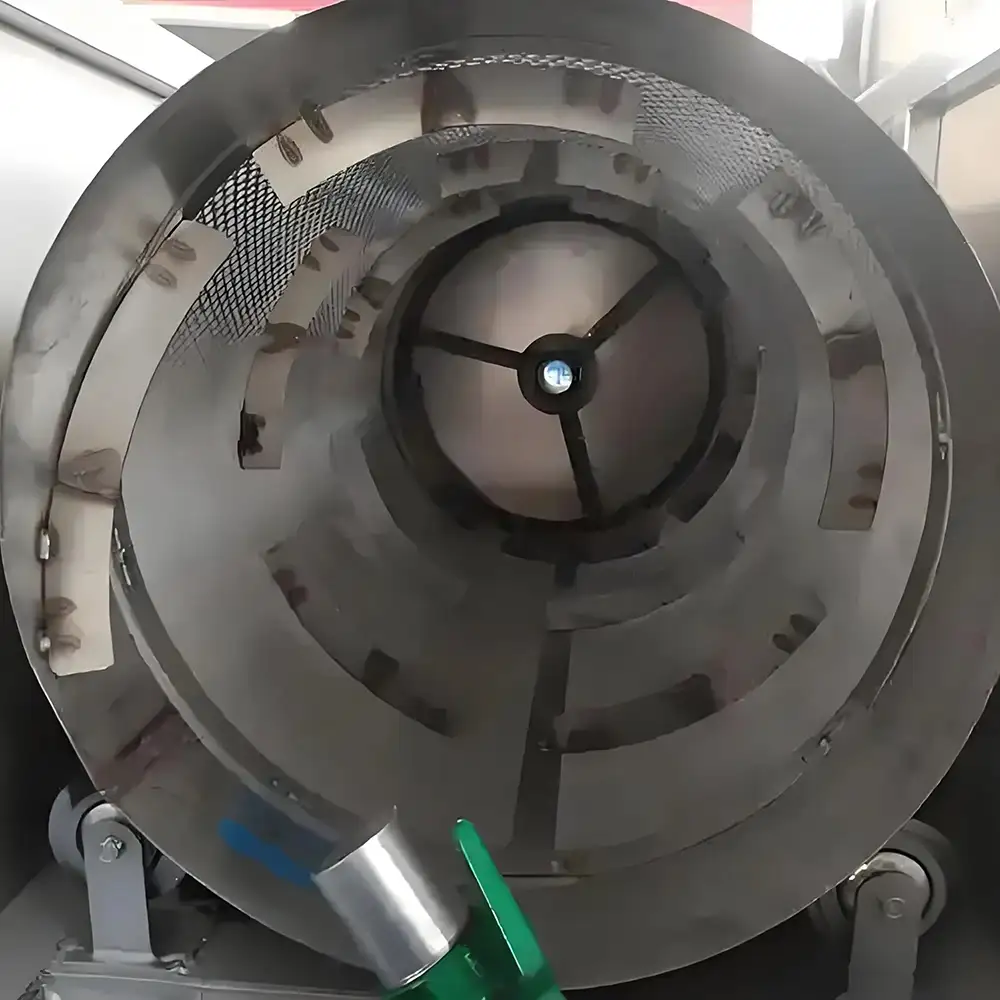
Unlike conventional static screens, a rotary drum filtration system uses a rotating cylindrical screen to continuously present a clean screening surface to the incoming material. This rotating action can improve material distribution, reduce screen blockage, and support continuous separation. Depending on the machine configuration and screen specification, the equipment can be adapted for different particle sizes and process conditions.
Advanced Drum Microfiltration
The core of the machine is a cylindrical filtration drum fitted with a suitable microfiltration screen or perforated screening surface. As the drum rotates, incoming material or wastewater passes across the screening surface while particles larger than the selected opening are retained and transported toward the discharge section.
The filtration opening, drum diameter, rotation speed, spray system, and feed arrangement can be selected according to the characteristics of the application. This allows the equipment to serve different solid-liquid separation requirements without relying on a single standard configuration.
Dry And Wet Separation
The Dry And Wet Separator Machine is designed for applications involving either wet materials or relatively dry process solids, depending on the selected configuration. In wet separation applications, liquid carries suspended solids toward the rotating drum, where the screen retains the target particles while allowing the liquid fraction to pass through.
For suitable dry or semi-dry materials, the rotating screening structure can be used to separate particles according to size and physical characteristics. The exact separation result depends on material composition, moisture content, particle size distribution, screen opening, feeding conditions, and machine configuration.
Efficient Solid Liquid Separation
Solid-liquid separation is an important step in many industrial treatment processes. Removing suspended solids before downstream treatment can help reduce the solids load on subsequent equipment and improve overall process management.
The drum microfiltration system provides continuous screening without requiring frequent manual removal of retained material. Separated solids can be directed to a collection point, conveyor, screw discharge system, or other downstream handling equipment according to the process layout.
Continuous Rotary Drum Filtration
The rotating drum provides a continuously moving filtration surface. As material accumulates on the screen, the drum movement helps transport retained solids toward the discharge area.
This continuous operation is particularly useful for industrial facilities that process a steady flow of wastewater or materials. Compared with manually cleaned static screens, automated drum filtration can reduce repetitive cleaning work and provide a more stable operating process.
Fine Particle Screening
Microfiltration applications often require smaller screening openings than conventional coarse screening systems. The machine can be equipped with an appropriate filtration mesh or screen according to the required particle separation range.
Fine screening can be useful for removing suspended solids, fibers, organic particles, food residues, biological solids, and other particles from process water. The actual filtration performance depends on screen characteristics and the physical properties of the feed material.
Self-Cleaning And Anti-Clogging Design
Screen blockage can reduce filtration efficiency and increase maintenance requirements. A rotary drum configuration helps continuously move retained solids away from the active screening surface.
Depending on the design, a spray cleaning system can also be incorporated to wash the drum screen during operation. High-pressure or controlled water spraying can help remove accumulated particles and maintain a relatively clean filtration surface.
The cleaning method should be selected according to the screen material, particle characteristics, water quality, and operating conditions.
Wastewater Treatment Applications
The Drum Microfiltration Machine can be used as a screening or pretreatment stage in industrial wastewater treatment systems. It can remove suspended solids and larger fine particles before processes such as biological treatment, dissolved air flotation, filtration, membrane treatment, or sludge processing.
Typical applications may include food processing wastewater, livestock wastewater, aquaculture water treatment, agricultural processing wastewater, municipal pretreatment, and industrial process water.
Food Processing And Organic Waste Separation
Food and agricultural processing industries often generate wastewater containing fibers, pulp, food particles, organic residues, and suspended solids. A rotary drum microfiltration system can provide continuous separation of these materials.
The separated solids may be collected for further processing, recycling, disposal, or organic waste treatment depending on the application. Equipment materials and hygienic considerations can be selected according to the processed material and operating environment.
Aquaculture And Fish Processing
Aquaculture and seafood processing systems can generate water containing fish waste, suspended solids, organic particles, feed residues, and other contaminants. Drum filtration can help remove these solids before water enters downstream treatment or recirculation equipment.
For aquaculture systems, screen opening and hydraulic capacity should be selected according to water flow, fish species, suspended solids concentration, and overall system design.
Industrial Material Screening
Beyond wastewater applications, the machine can be used for certain dry, wet, or semi-wet material screening processes. Suitable applications may include agricultural products, organic residues, biomass materials, food processing by-products, mineral-related materials, and other bulk solids.
Because different materials behave differently during screening, testing with representative material samples is recommended when selecting screen specifications and machine configuration.
Corrosion-Resistant Construction
Industrial separation equipment may operate in environments containing moisture, organic matter, salts, chemicals, or corrosive process liquids. Depending on the application, the machine can be configured with suitable stainless steel or other corrosion-resistant components.
Material selection should be based on feed composition, pH, temperature, salinity, chemical exposure, and cleaning requirements. This helps ensure that the equipment is appropriately matched to the working environment.
Automated Operation
The Drum Microfiltration Dry And Wet Separator Machine can be integrated with automatic feeding, drum rotation, spray cleaning, solids discharge, level control, and other process functions depending on the system configuration.
Automation can reduce manual intervention and help operators monitor the separation process more efficiently. Electrical controls and sensors can also be integrated into larger wastewater or material-processing lines where required.
Flexible Screen Configuration
Different separation applications require different filtration openings. The machine can therefore be configured with different screen meshes, perforated panels, or filtration surfaces according to the target particle size.
Selecting the appropriate screen is important because excessively fine filtration may increase cleaning requirements or affect flow capacity, while excessively large openings may allow unwanted particles to pass through.
Easy Maintenance
The rotating drum structure provides convenient access to the screening surface and major operating components. Routine inspection should include the screen, bearings, drive system, spray nozzles, seals, discharge section, and other wear components.
Regular cleaning and maintenance can help prevent excessive material buildup and support stable long-term operation.
Integration With Complete Treatment Systems
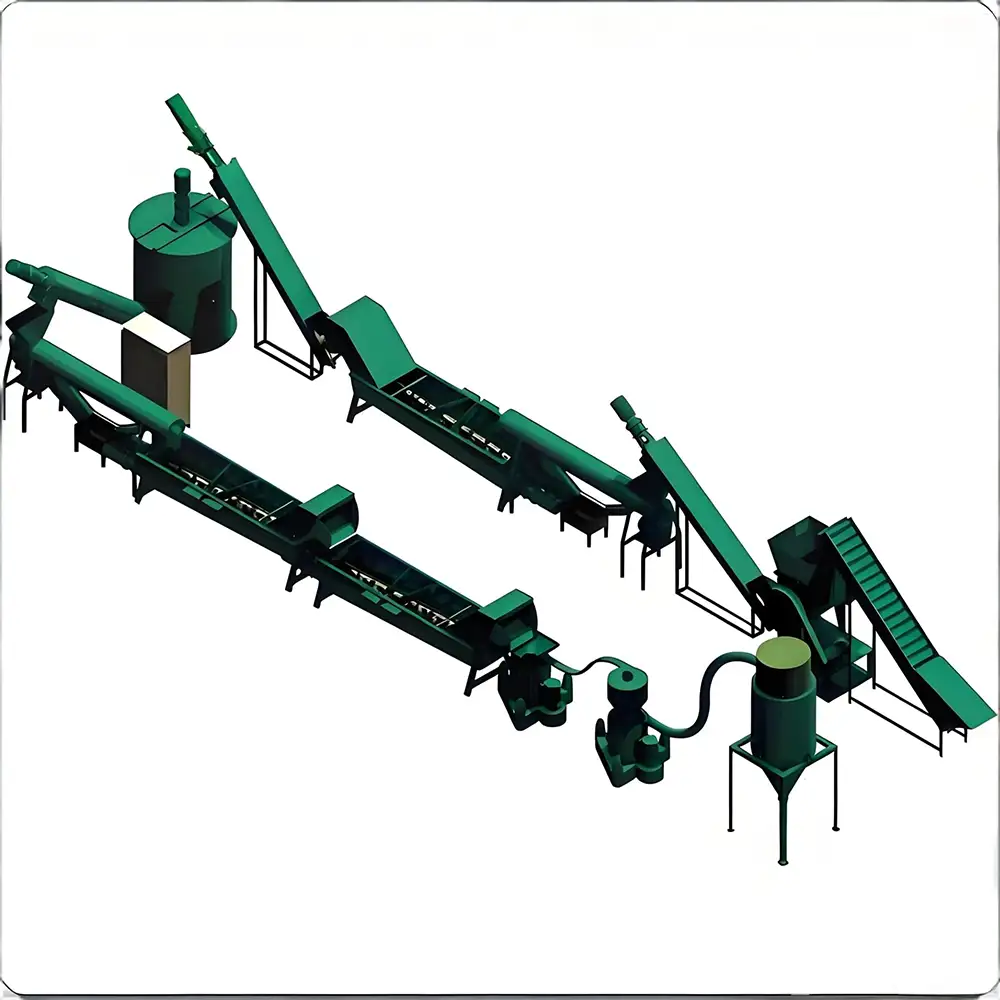
The drum microfiltration separator can operate as an independent screening machine or as part of a complete industrial treatment system. It can be connected with pumps, conveyors, sludge handling equipment, dissolved air flotation systems, biological treatment units, membrane systems, or other downstream equipment.
For turnkey B2B projects, the system configuration can be evaluated according to flow rate, solids loading, particle size, material characteristics, installation space, and desired treatment process.
Customized Industrial Separation Solution
Every separation application has different operating conditions. Feed concentration, particle size, moisture content, temperature, flow rate, screen opening, and required separation efficiency can all influence machine selection.
Customers can provide material samples, wastewater analysis, flow information, particle size requirements, and application details. Based on these parameters, suitable drum dimensions, screening surfaces, drive systems, cleaning arrangements, and discharge configurations can be evaluated.
Key Features
Drum Microfiltration Separation
Dry And Wet Material Separation
Continuous Rotary Drum Filtration
Solid Liquid Separation
Fine Particle Screening
Automatic Solids Discharge
Optional Spray Cleaning System
Reduced Screen Clogging
Corrosion Resistant Construction Options
Flexible Screen Opening Selection
Automated Operation Available
Easy Maintenance
Industrial Wastewater Applications
Customized Separation Configuration
Main Applications
Industrial Wastewater Treatment
Food Processing Wastewater
Aquaculture Water Treatment
Fish Processing
Agricultural Processing
Organic Waste Separation
Solid Liquid Separation
Process Water Filtration
Industrial Material Screening
Biomass Screening
Food Residue Separation
Wastewater Pretreatment
Suspended Solids Removal
Sludge Screening
FAQs
1. What Is A Drum Microfiltration Dry And Wet Separator Machine?
It is an industrial rotary drum separation machine designed to screen and separate fine solids, suspended particles, and other materials from wet, dry, or semi-wet process streams depending on the machine configuration.
2. How Does The Rotary Drum Microfiltration Machine Work?
Material enters the rotating cylindrical drum and contacts the filtration screen. Particles larger than the selected screen opening are retained and transported toward the solids discharge area, while suitable smaller particles or liquid pass through the screening surface.
3. Can It Be Used For Wastewater Treatment?
Yes. It can be used as a screening or pretreatment unit for suitable industrial wastewater, aquaculture water, food processing wastewater, agricultural wastewater, and other applications containing suspended solids.
4. Can The Machine Handle Dry Materials?
Certain dry and semi-dry materials can be processed when the drum, screen, feeding system, and discharge arrangement are properly configured. Material testing is recommended for specific dry separation applications.
5. What Size Particles Can It Separate?
The separation range depends mainly on the selected screen opening, material characteristics, feed concentration, and operating conditions. Different screen specifications can be evaluated for different particle sizes.
6. Does The Drum Have A Cleaning System?
A spray cleaning system can be incorporated into suitable configurations. The cleaning method and spray arrangement depend on the screen type, material characteristics, and process requirements.
7. What Materials Can Be Used For The Machine?
Carbon steel, stainless steel, and other suitable materials can be considered depending on the application. Material selection should take into account corrosion, pH, temperature, salinity, and chemical exposure.
8. Can The Separator Be Integrated Into A Complete Treatment Line?
Yes. The machine can be integrated with pumps, conveyors, sludge handling systems, biological treatment equipment, dissolved air flotation, membrane treatment, and other process equipment.
9. How Do I Select The Right Drum Microfiltration Machine?
Provide the material or wastewater type, flow rate, solids concentration, particle size, moisture content, desired separation result, installation conditions, and operating requirements. These parameters help determine suitable drum dimensions and screen specifications.
10. Can The Machine Be Customized?
Yes. Drum dimensions, screen type, filtration opening, feeding system, spray cleaning, solids discharge, materials, controls, and other components can be configured according to the application.
Why Choose Us
Industrial Separation Equipment Experience
We provide industrial screening and separation equipment designed for wastewater treatment, solid-liquid separation, material recovery, and process filtration applications.
Customized Drum And Screen Configuration
Different materials require different screening solutions. We can evaluate drum dimensions, screen openings, cleaning systems, feeding arrangements, and discharge configurations according to customer requirements.
Application-Based Technical Support
Customers can provide wastewater analysis, material samples, flow information, particle size, moisture content, and process requirements for technical evaluation and equipment selection.
Factory Direct B2B Supply
We support international industrial customers with equipment configuration, technical communication, documentation, export packaging, shipping coordination, and after-sales service.
Flexible System Integration
The drum microfiltration separator can be incorporated into larger wastewater treatment, aquaculture, food processing, agricultural processing, and industrial separation systems.
Reliable Continuous Operation
The rotary drum design supports continuous screening and solids transport, helping reduce repetitive manual cleaning and supporting stable industrial processing.
Prev:Sorry, no information
Next:
Screw Press Separator Dewatering Equipment
TAG:
Industrial Wastewater Treatment Equipment,
Solid Liquid Separator,
Solid Liquid Separation Equipment,
Solid Liquid Separation Machine,
Wastewater Filtration Equipment,
Organic Waste Separator,
Suspended Solids Removal Equipment,
Suspended Solids Separator,
Wastewater Filtration Machine,
Industrial Filtration Equipment,
Industrial Solid Liquid Separator,
Rotary Screen Filter,
Rotary Screen Separator,
Wastewater Pretreatment Equipment,
Organic Waste Separation Equipment,
Aquaculture Drum Filter,
Aquaculture Filtration Equipment,
Fish Farm Drum Filter,
Fish Processing Wastewater Equipment,
Food Processing Wastewater Equipment,
Industrial Screening Machine,
Industrial Screening Equipment,
Fine Screening Equipment,
Wastewater Separator,
Industrial Wastewater Separator,
Rotary Drum Wastewater Filter,
Rotary Drum Wastewater Separator,
Drum Screen Wastewater Treatment,
Fine Screen Filtration Equipment,
Fine Particle Screening Machine,
Related Category:
Drum Microfiltration Dry And Wet Separator Machine, Drum Microfiltration Machine, Dry And Wet Separator Machine, Rotary China, suppliers, manufacturers, factory, customized, wholesale, quotation, made in China