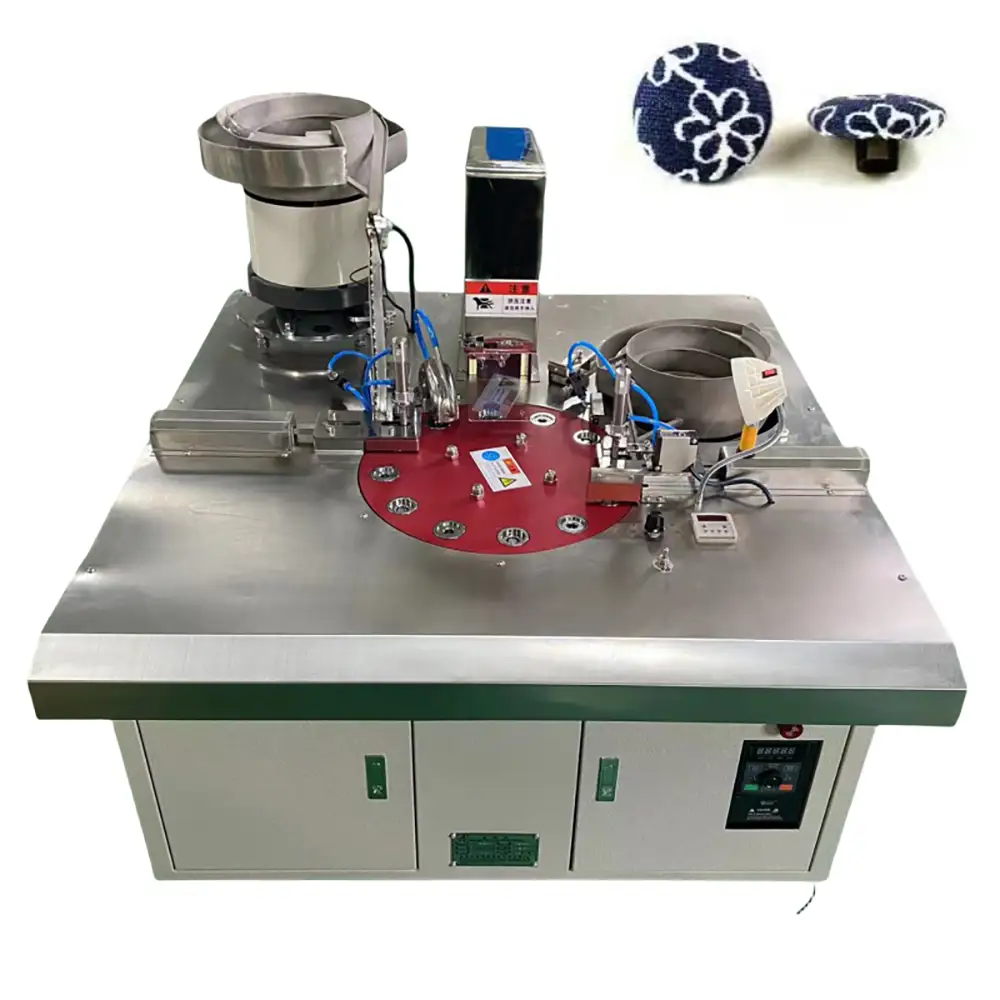
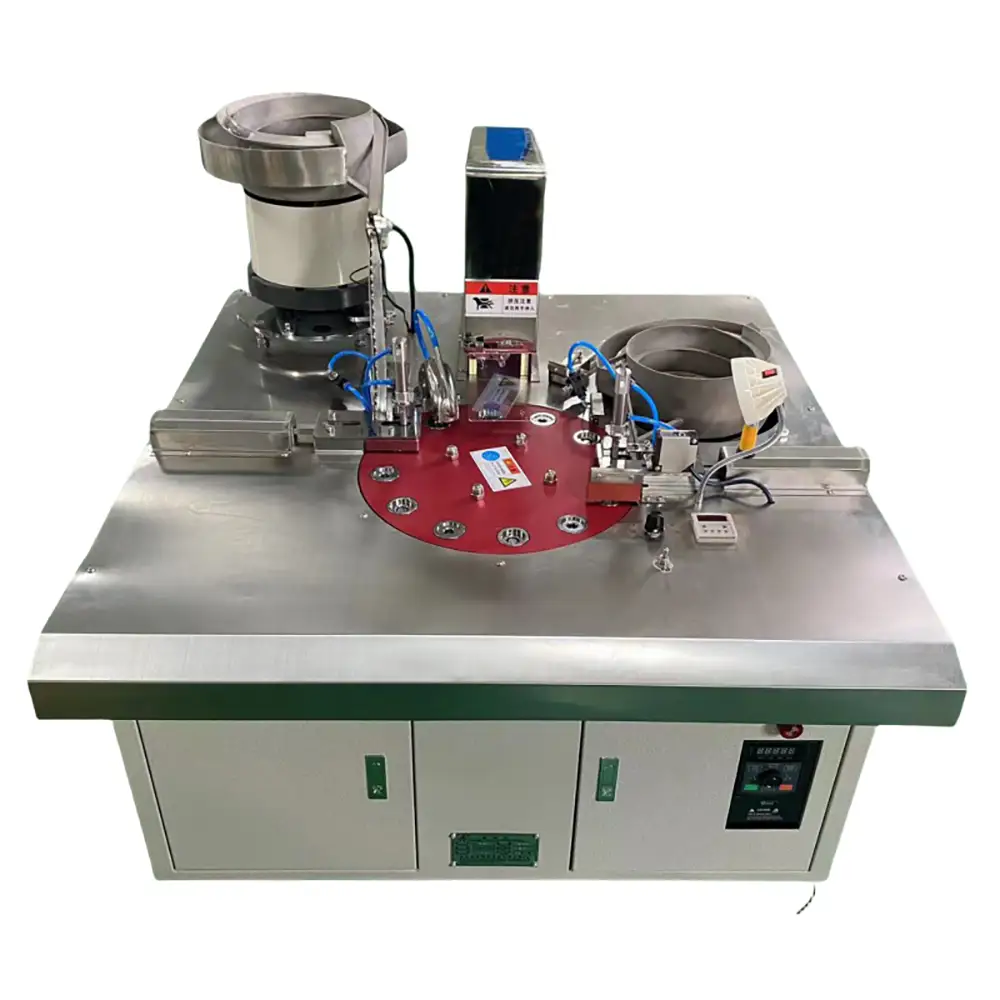
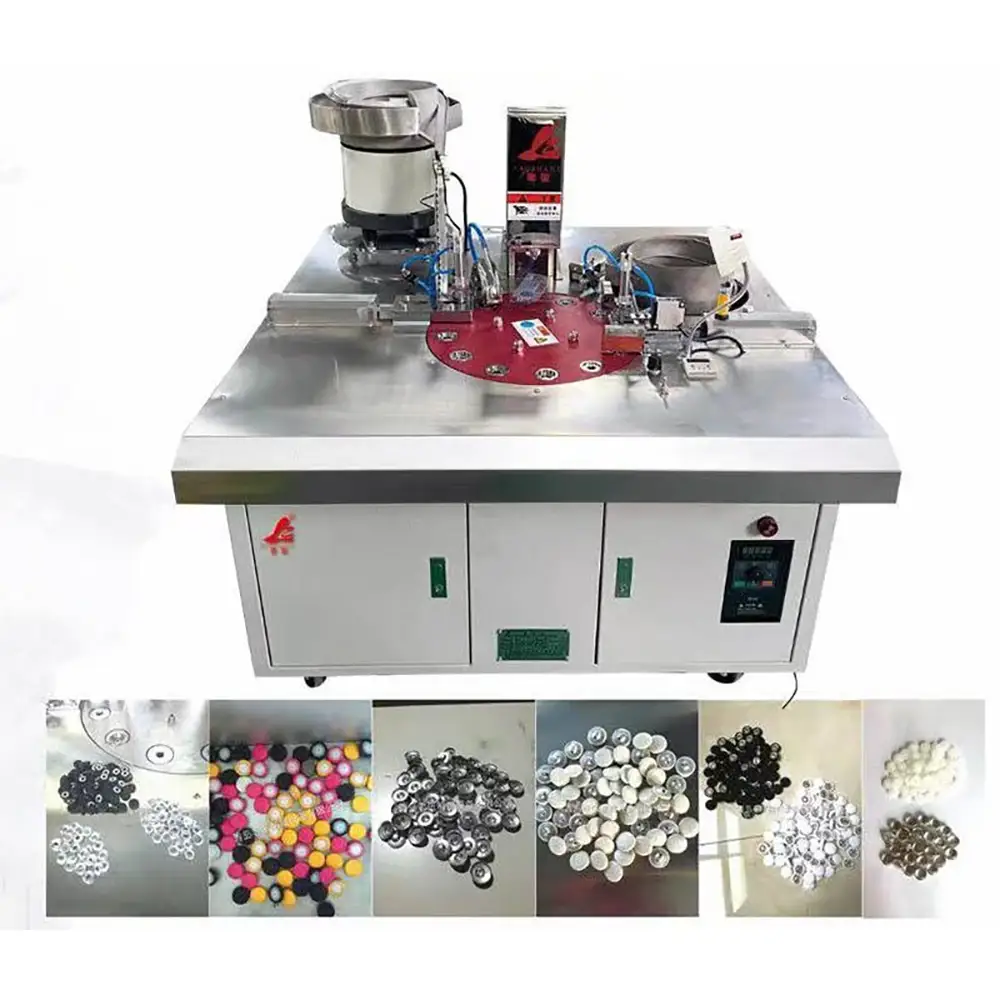
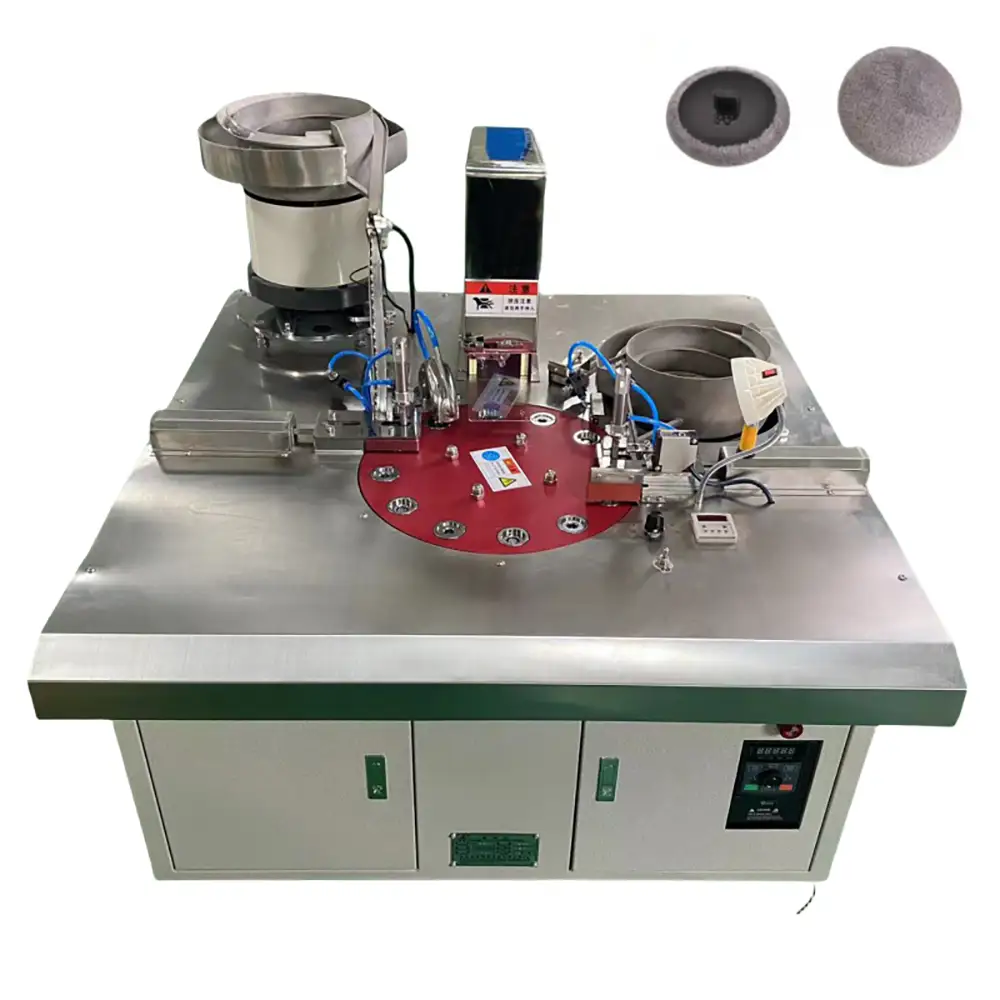
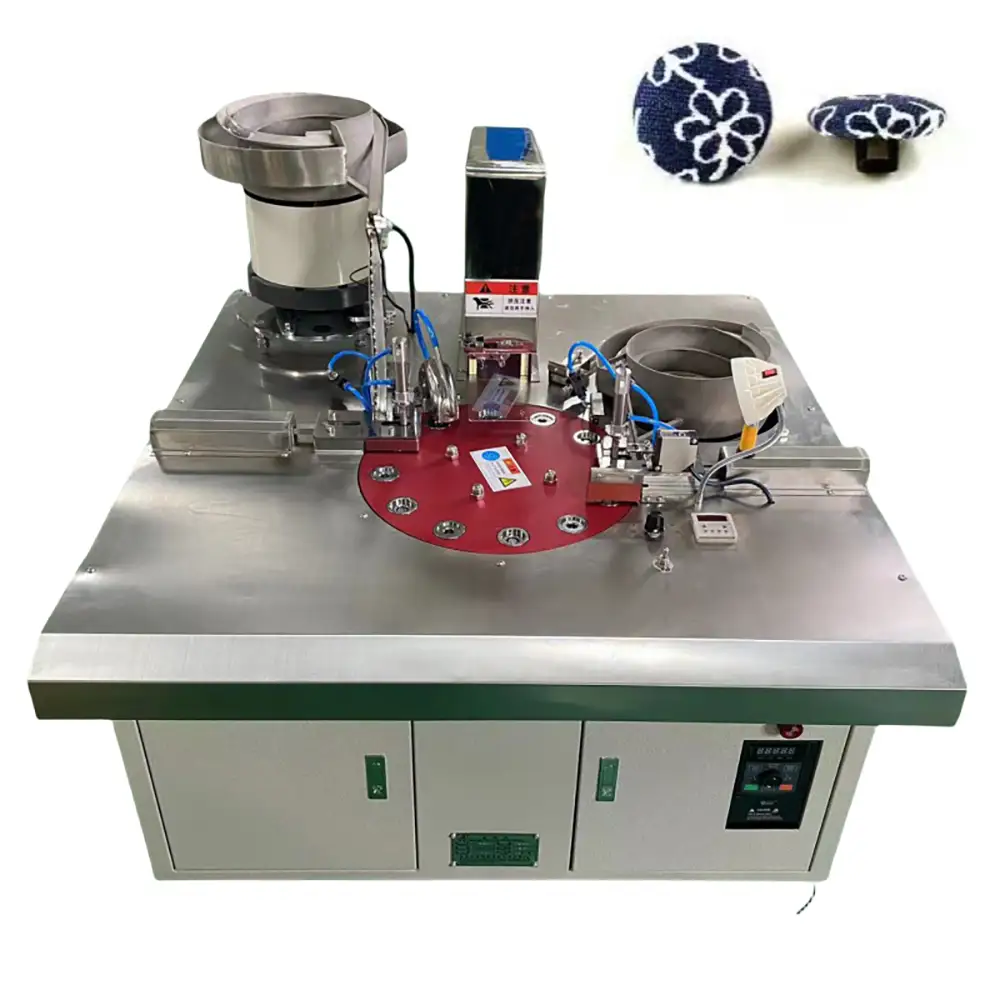
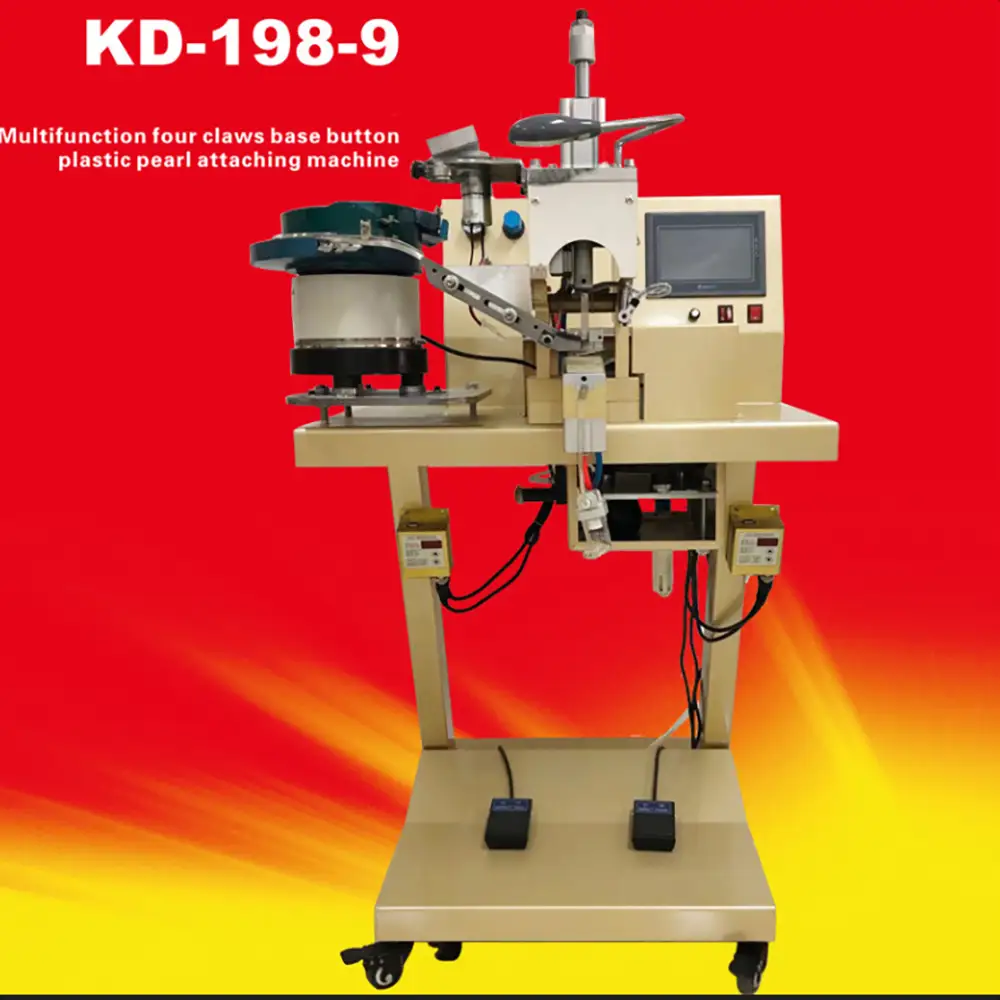
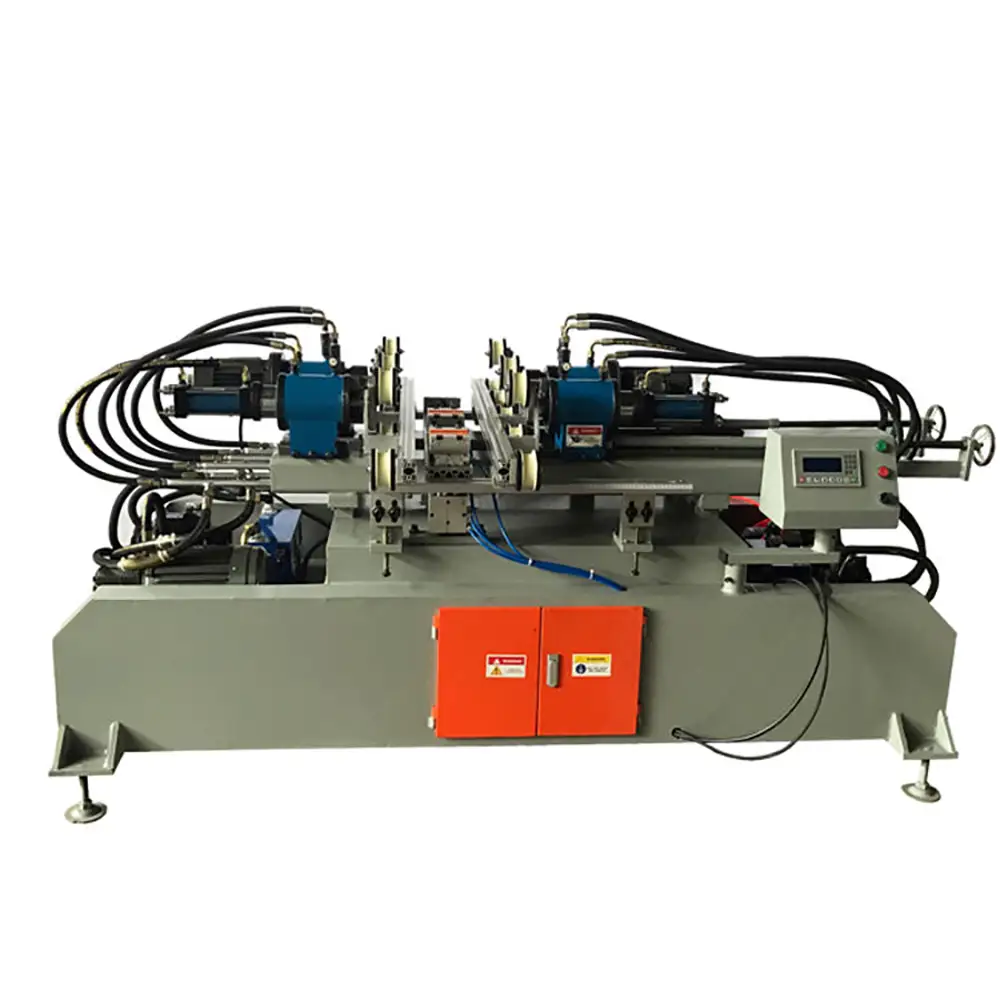
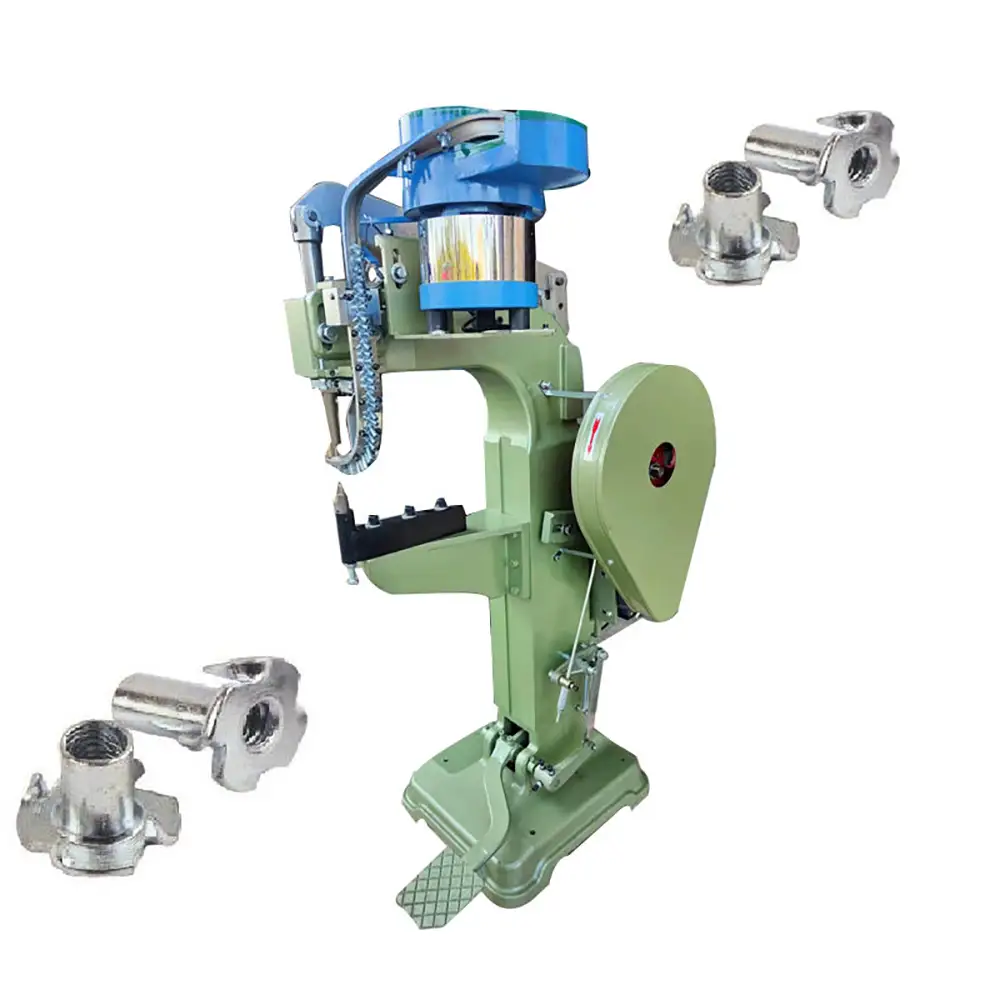
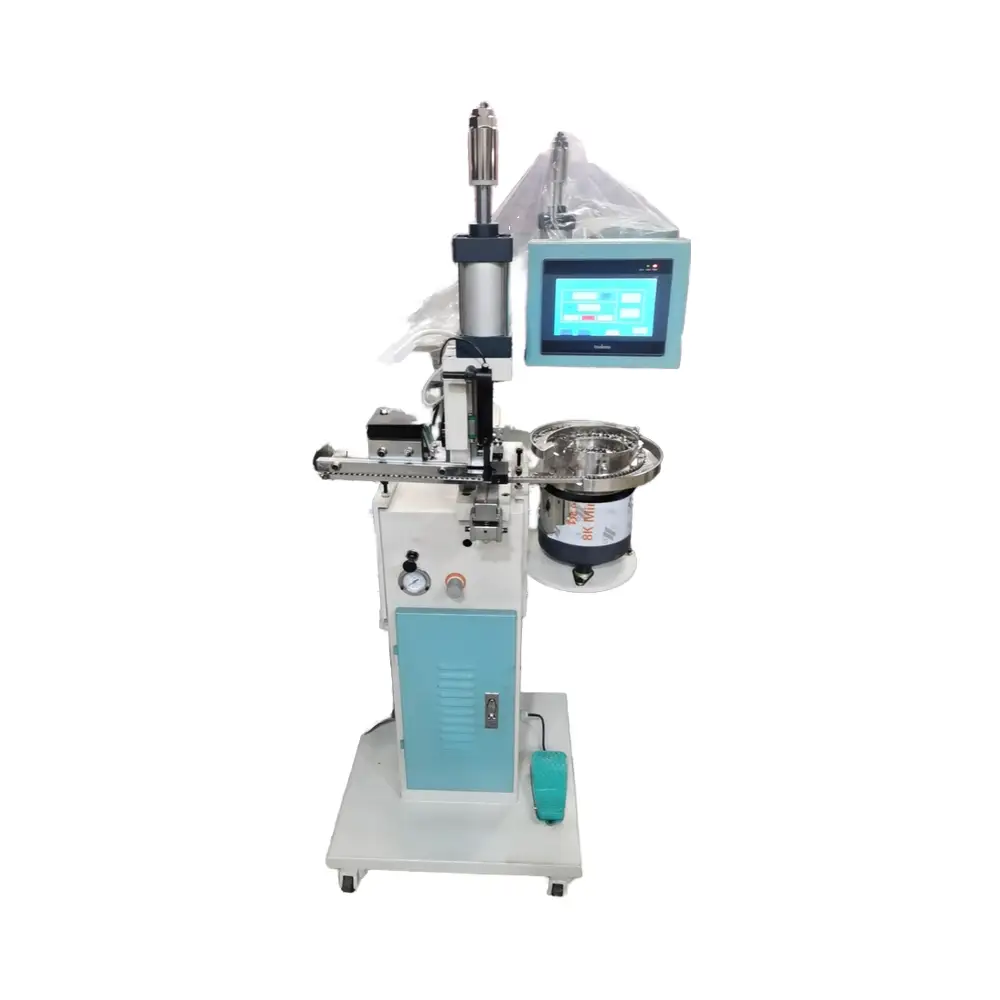
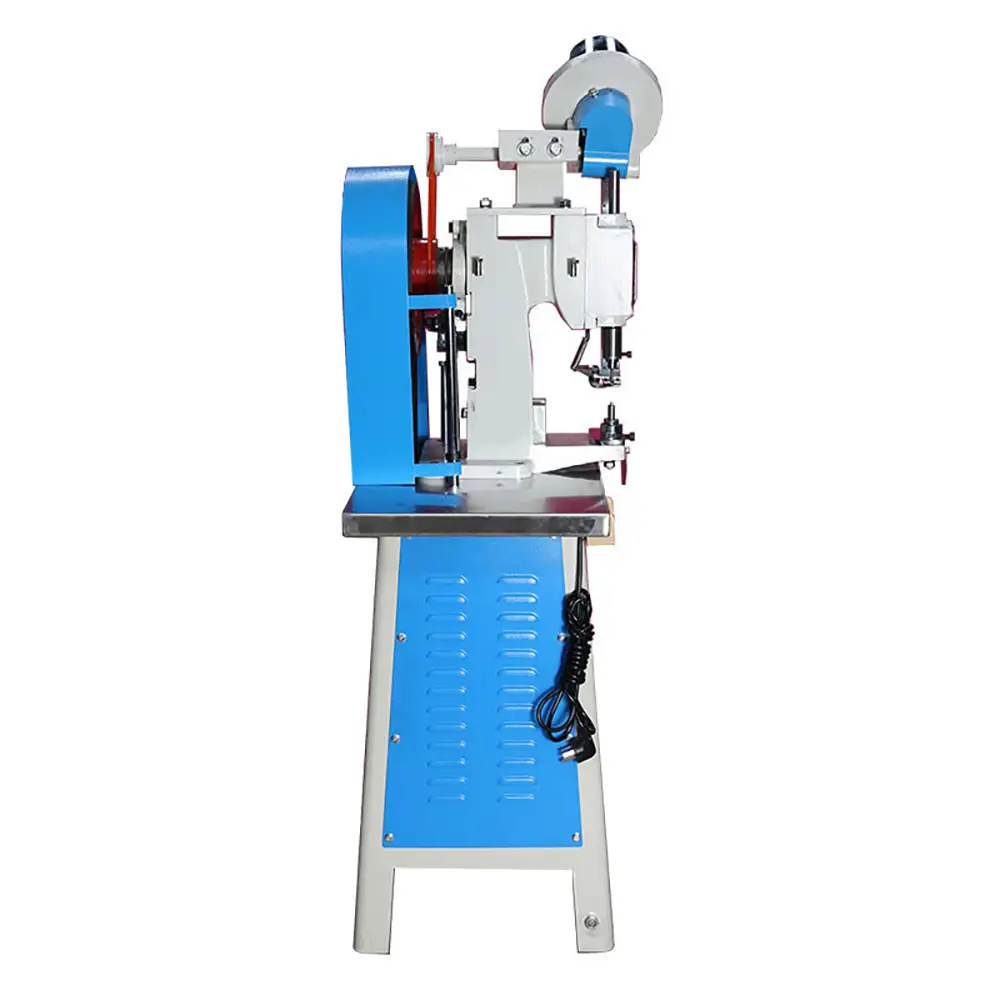
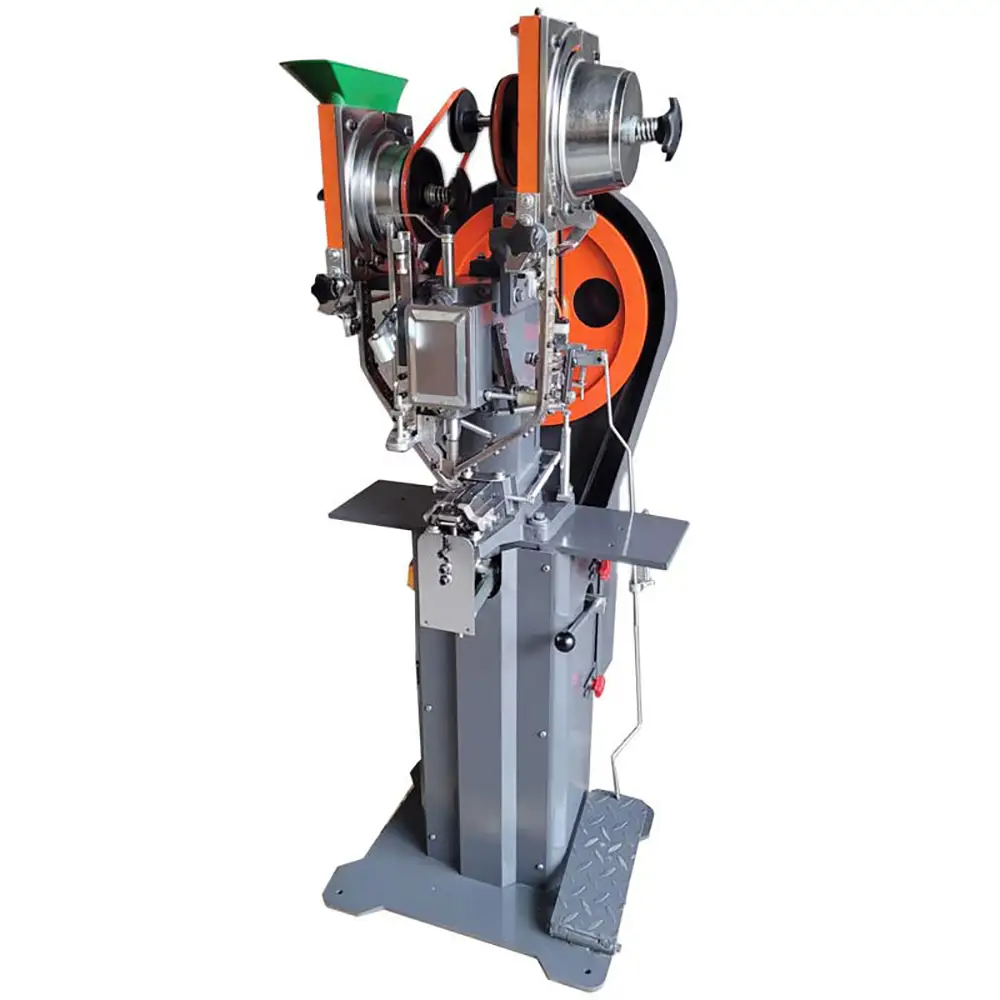
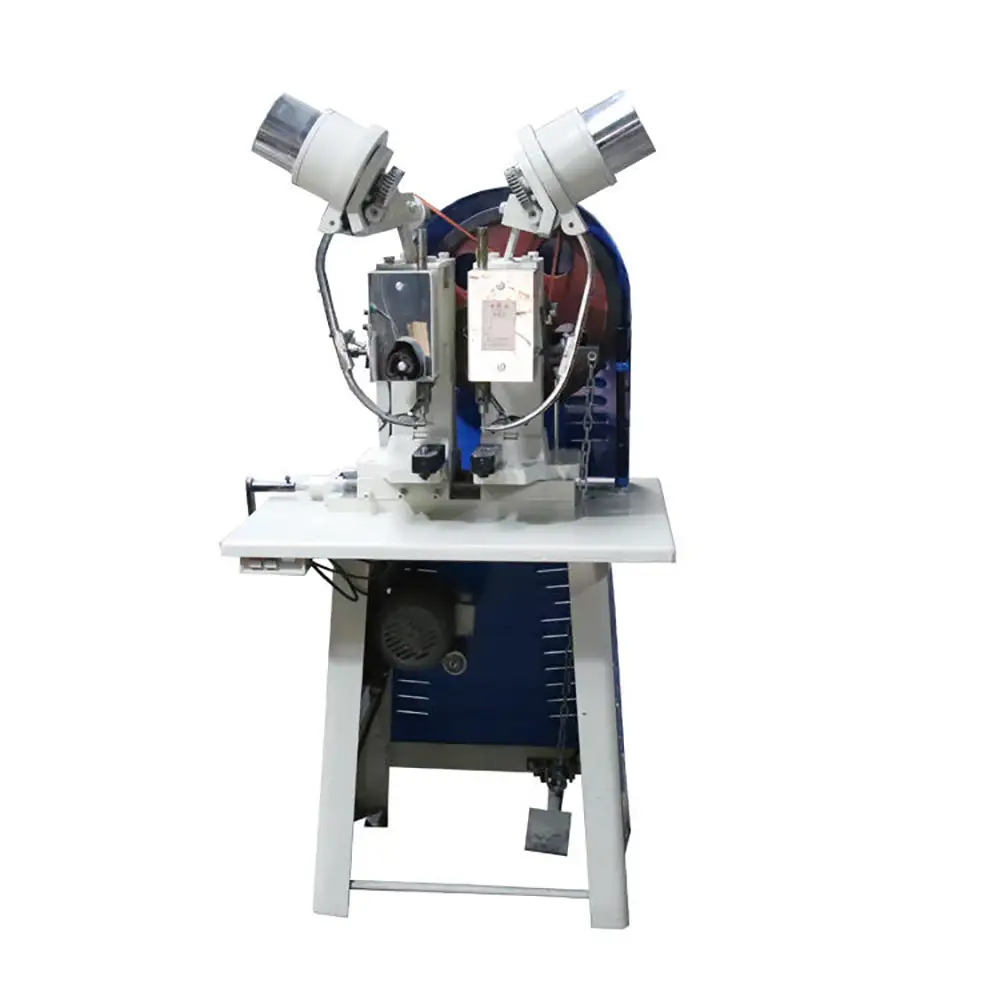
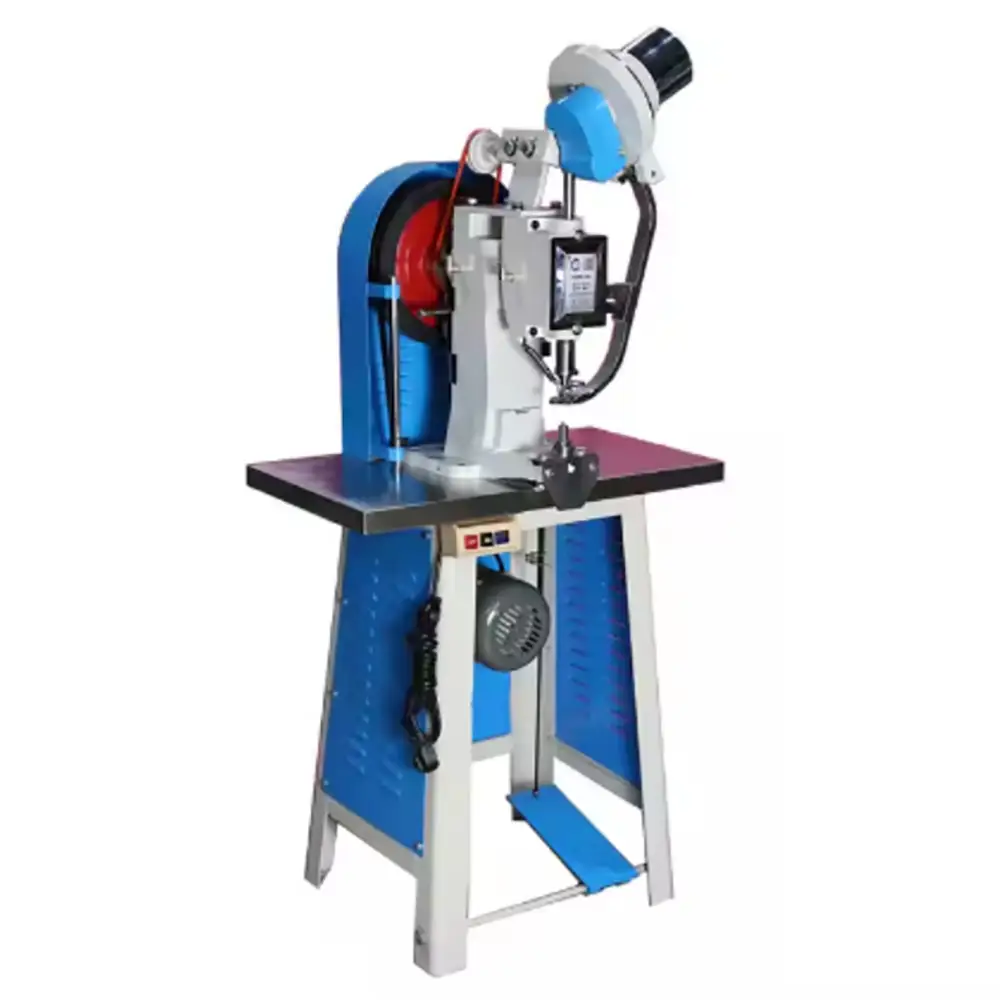
this machine can cover the buttons automatically.
4) Upper metal and bottom metal are feed automatically.
Decorative Button Covering Machine
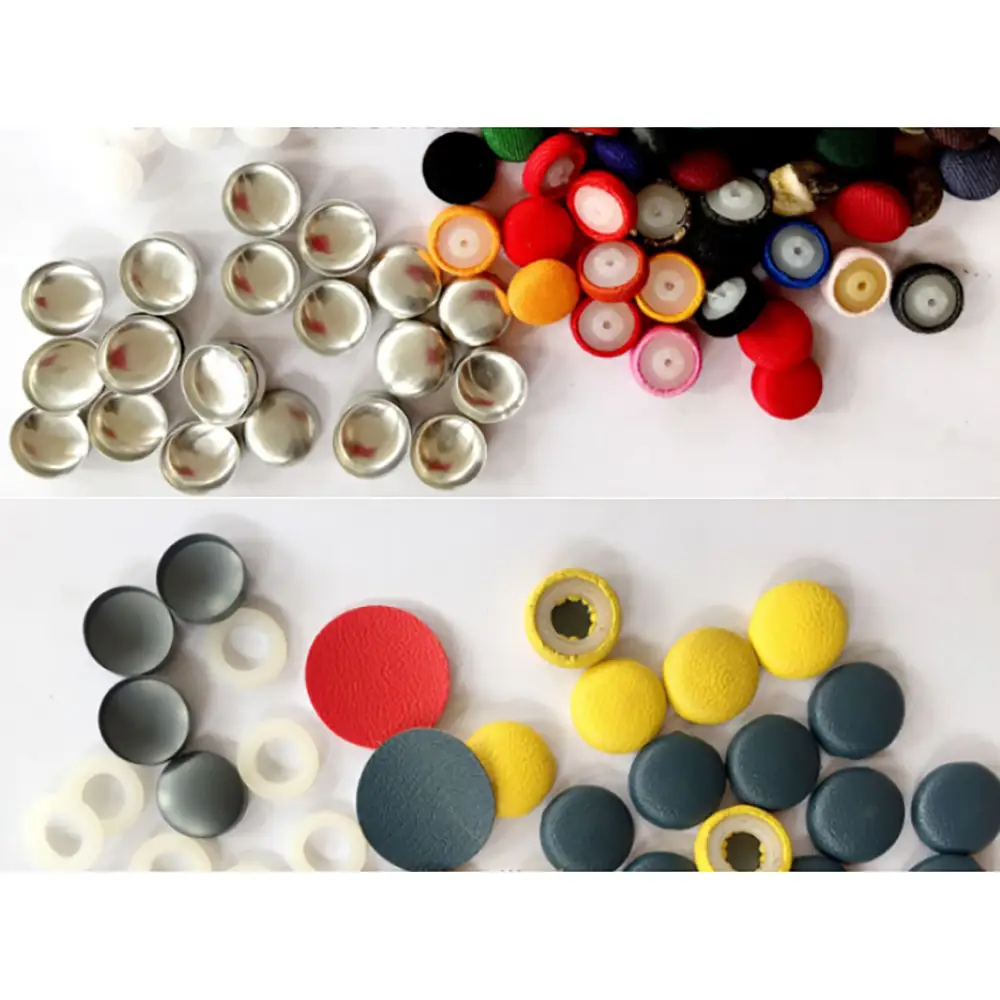
The decorative button covering machine is designed to cover a button shell with fabric or another suitable textile material. The fabric is positioned over the shell and formed around the button component through controlled pressing.
The resulting covered button can provide a clean and coordinated appearance for fashion and textile products.
Compared with purely manual button assembly, machine-assisted production can help standardize positioning and forming. This is particularly useful when manufacturers need to produce repeated batches of similar decorative buttons.
The exact production process depends on the button structure, covering material, fastener type, and tooling configuration.
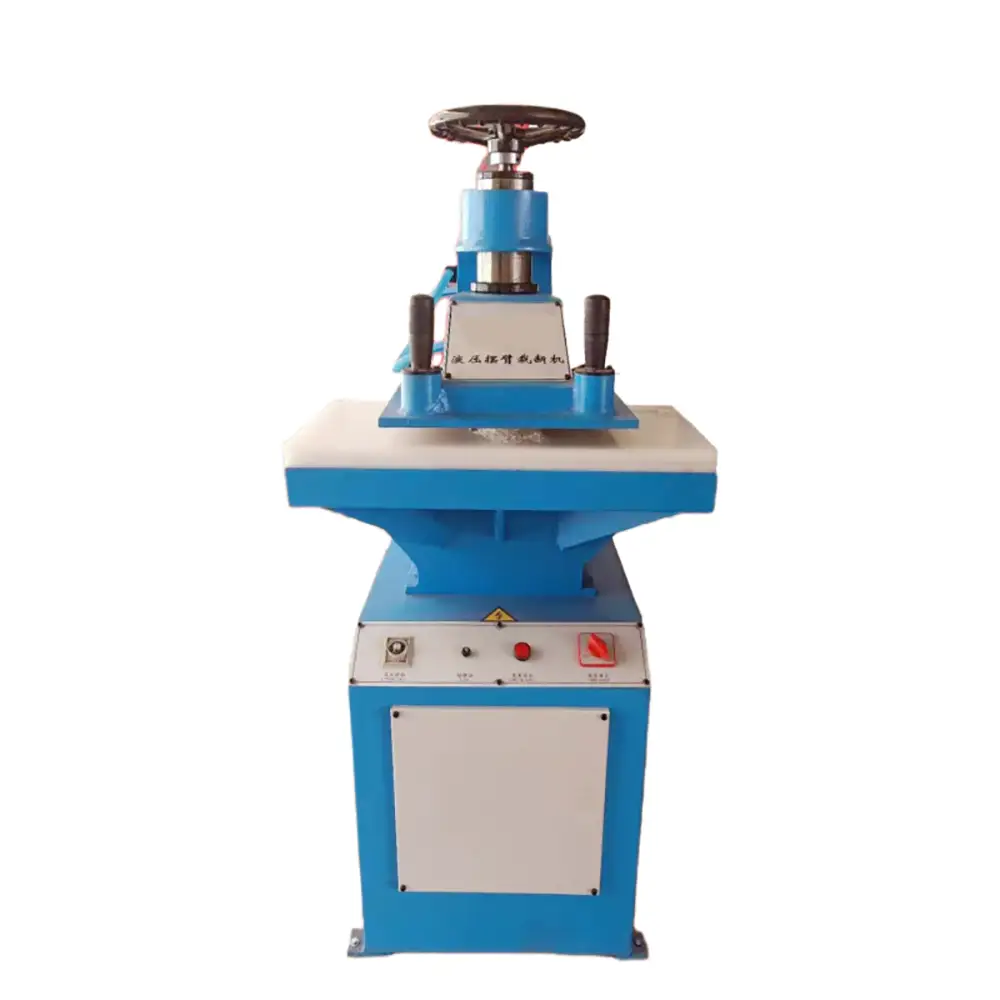
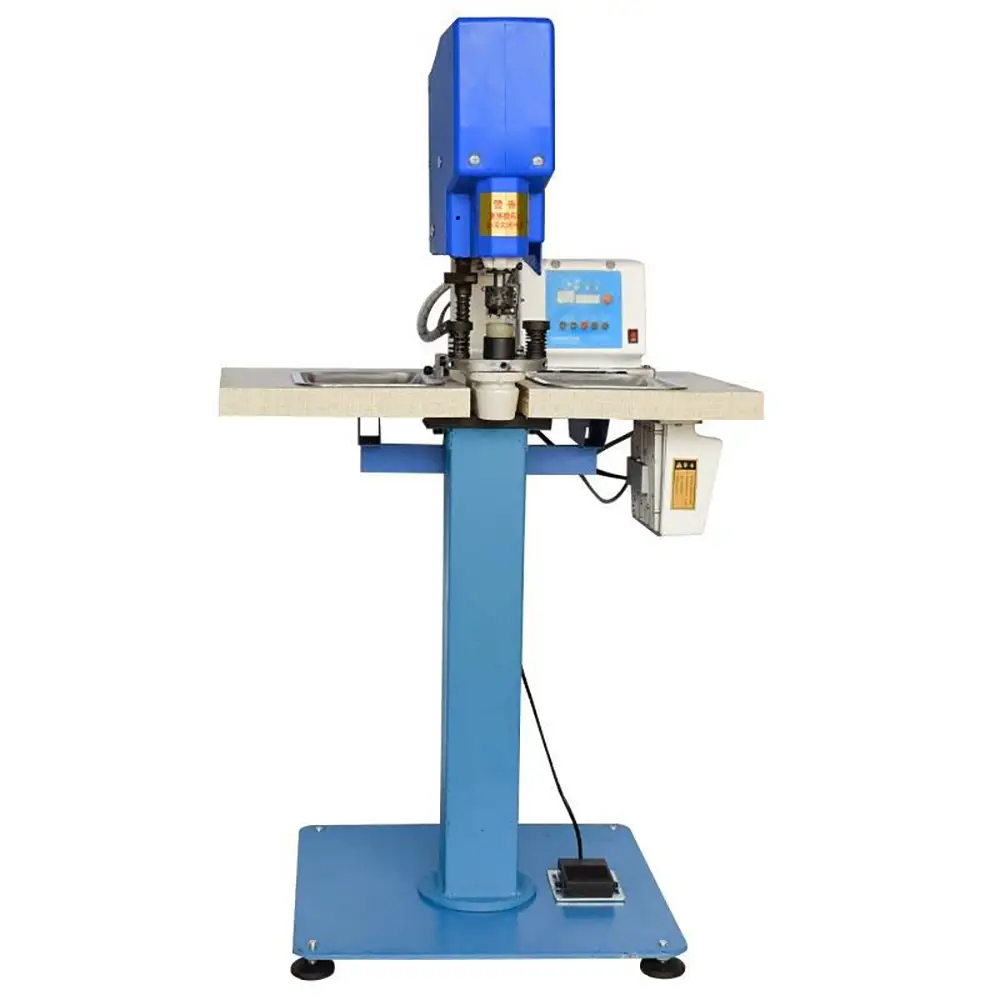
Cloth Cutting Machine
|
Electrical spec |
220V 50/60hz |
|
Type |
Hydraulic |
|
Work method |
Manual |
|
Pressure |
3T |
|
Power |
2.2 |
|
Weight |
38g |
|
Dimension |
650X550x1650mm |
Button Cover Machine
A button cover machine is used to transform basic button shells and fabric pieces into finished covered button components. The machine can be used in garment accessory production, custom fashion manufacturing, upholstery, and textile product manufacturing.
Different fabrics have different characteristics. Cotton, polyester, satin, velvet, printed fabrics, and other textiles may require different handling depending on their thickness, elasticity, surface texture, and flexibility.
Before large-scale production, manufacturers should test the actual fabric and button components to determine suitable tooling and operating conditions.
Button Cover Fastener Attaching Machine
In addition to covering the button surface, the production process may involve attaching a suitable fastener component to the finished button.
Fastener attachment is important because the completed button must be compatible with the garment or product assembly process. Depending on the button design, the fastener may be positioned on the back of the covered button.
The machine configuration and tooling should be selected according to the actual fastener structure and button components.
This approach can help manufacturers create a more streamlined workflow by combining related button production operations.
Decorative Button Making Machine
Decorative button manufacturing requires both appearance and dimensional consistency. The fabric should cover the button shell evenly, while the completed button should maintain the intended shape.
A dedicated decorative button machine can support repeatable production when properly equipped with compatible tooling.
Typical decorative button applications include:
Fashion Garments
Dresses
Shirts
Jackets
Coats
Uniforms
Handbags
Accessories
Home Textiles
Upholstery
Furniture Decoration
The machine can be used for both functional buttons and buttons intended primarily for decorative purposes.
Fabric Covered Button Production
Fabric-covered buttons allow manufacturers to coordinate the button with the main product fabric. This is particularly valuable in fashion manufacturing where color, pattern, and texture are important design elements.
Manufacturers can use matching fabric for an integrated appearance or contrasting fabric for a decorative effect.
Suitable materials may include cotton, polyester, satin, velvet, woven textiles, printed fabrics, and other compatible materials.
Fabric thickness and flexibility should be evaluated before production because they can influence the covering process.
Fastener Attaching Process
A fastener attaching machine is designed to provide a controlled method for connecting a fastener component to a button or other product component.
For button production, the fastener needs to be correctly aligned with the covered button assembly. Incorrect positioning can affect subsequent garment assembly.
Using appropriate fixtures and tooling can help improve repeatability and reduce variation between finished products.
For OEM production, the fastener attachment process can be evaluated using actual product samples and technical drawings.
Garment Button Production
Decorative covered buttons are widely used in garment manufacturing. They can provide a functional closure while also contributing to the overall appearance of the clothing.
Typical garment applications include:
Dresses
Blouses
Shirts
Jackets
Coats
Uniforms
Children's Clothing
Fashion Clothing
Custom Apparel
Traditional Clothing
For garment factories, consistent button production can help maintain a uniform appearance across a production batch.
Upholstery and Furniture Applications
Covered buttons are also used in upholstery and furniture decoration. Matching upholstery fabric can be formed around button shells to create decorative elements for sofas, chairs, cushions, ottomans, and headboards.
Thicker upholstery fabrics may require different tooling or production conditions compared with lightweight apparel fabrics.
Manufacturers should test the actual material and button components before establishing a production process.
Button Covering and Fastener Assembly Efficiency
Manual production of covered buttons can require multiple repetitive steps, including fabric positioning, button shell placement, pressing, and fastener installation.
A dedicated machine can help organize these operations into a more controlled workflow. Depending on the configuration, manual, semi-automatic, or automatic production methods can be considered.
For small-batch manufacturers, a simpler configuration may provide sufficient flexibility. For larger factories, automatic feeding and production systems may help improve throughput.
Consistent Button Quality
Consistent quality is essential for garment and accessory manufacturers. Common quality factors include:
Fabric Coverage
Button Shape
Fabric Position
Fastener Alignment
Button Diameter
Surface Appearance
Fastener Security
Overall Assembly Quality
Proper tooling, material preparation, operator training, and process inspection can help maintain consistent production quality.
Flexible Tooling for Different Buttons
Button products can vary in diameter, shell shape, fabric type, and fastener design. The machine should therefore be selected according to the specific production requirements.
Different button sizes may require different molds, dies, or pressing components. If a factory produces multiple button sizes, interchangeable tooling can provide additional production flexibility.
Custom tooling can also be evaluated for special button designs or OEM requirements.
Improve Production Efficiency
For manufacturers producing large quantities of decorative buttons, reducing repetitive manual operations can improve overall production workflow.
A button covering and fastener attaching machine can help standardize production steps and reduce unnecessary handling. Operators can focus more on material preparation, quality inspection, tooling changes, and production monitoring.
This makes the equipment suitable for garment accessory manufacturers, textile suppliers, fashion brands, upholstery companies, and OEM button producers.
OEM and Custom Button Solutions
Custom button production often requires special fabrics, unusual button sizes, customized shells, or specific fastener components.
An OEM solution can be developed around the actual product requirements. Customers can provide button samples, fastener samples, fabric samples, drawings, dimensions, and production volume for machine evaluation.
Customized dies, molds, fixtures, and positioning components may be considered according to the product design.
Why Choose Our Decorative Button Covering Machine?
1. Designed for Decorative Button Production
The machine is suitable for fabric-covered, cloth-covered, and decorative button manufacturing.
2. Button Covering and Fastener Applications
It can support button covering and compatible fastener attaching processes according to the machine configuration.
3. Consistent Production
Controlled positioning and pressing can help improve consistency between finished button components.
4. Wide Fabric Compatibility
Suitable fabric types can include cotton, polyester, satin, velvet, woven textiles, and other compatible materials.
5. Flexible Tooling
Different button sizes and designs can be supported with appropriate dies, molds, and fixtures.
6. Suitable for Multiple Industries
Applications include apparel, fashion accessories, textiles, upholstery, furniture, and custom products.
7. OEM and Custom Support
Custom tooling and machine configurations can be evaluated according to customer button samples and production requirements.
Main Applications
Decorative Button Manufacturing
Fabric Covered Button Production
Cloth Covered Button Making
Garment Button Manufacturing
Fashion Button Production
Clothing Accessory Production
Button Fastener Attaching
Textile Button Production
Upholstery Button Manufacturing
Furniture Decorative Button Production
Sofa Button Production
Chair Button Production
Cushion Button Manufacturing
Custom Button Production
OEM Button Manufacturing
How to Choose the Right Button Covering Machine?
First, identify the button shell type and diameter. Different button sizes may require different tooling.
Next, determine the fabric type, thickness, and flexibility. These factors can influence the covering process and tooling selection.
Then confirm the fastener type and attachment method required for the finished button.
Consider the production volume and desired automation level. Manual or semi-automatic systems may be suitable for smaller production runs, while automatic configurations can be considered for higher-volume manufacturing.
Finally, provide actual button, fabric, and fastener samples whenever possible. This allows the machine configuration and tooling requirements to be evaluated more accurately.
FAQS
1. What is a decorative button covering machine?
It is a machine designed to cover button shells with fabric or other suitable materials and form finished decorative or functional covered buttons.
2. Can the machine attach button fasteners?
Depending on the configuration, it can support compatible fastener attaching processes. The actual fastener and tooling should be evaluated before production.
3. What fabrics can be used?
Suitable materials may include cotton, polyester, satin, velvet, woven fabrics, printed textiles, and other compatible materials.
4. Can it produce garment buttons?
Yes. The machine can be used for covered buttons for dresses, shirts, jackets, coats, uniforms, and other apparel.
5. Can it be used for upholstery?
Yes. Covered buttons can be produced using suitable upholstery fabrics for sofas, chairs, cushions, headboards, and other furniture products.
6. Can different button sizes be produced?
Yes, but different button sizes may require corresponding dies, molds, or tooling.
7. Is the machine automatic?
The automation level depends on the specific configuration. Manual, semi-automatic, and automatic production solutions can be considered.
8. Can customized buttons be produced?
Yes. Custom button sizes, fabrics, shell designs, and compatible fasteners can be evaluated for OEM production.
9. How can I confirm machine compatibility?
Provide button samples, fabric samples, fastener samples, product dimensions, and production requirements for evaluation.
10. Is OEM tooling available?
Customized dies, molds, fixtures, and positioning components can be considered according to the customer's product requirements.
Decorative Button Covering Machine, Decoration Button Covering Machine, Button Covering Machine, Button Cover Machine, D China, suppliers, manufacturers, factory, customized, wholesale, quotation, made in China