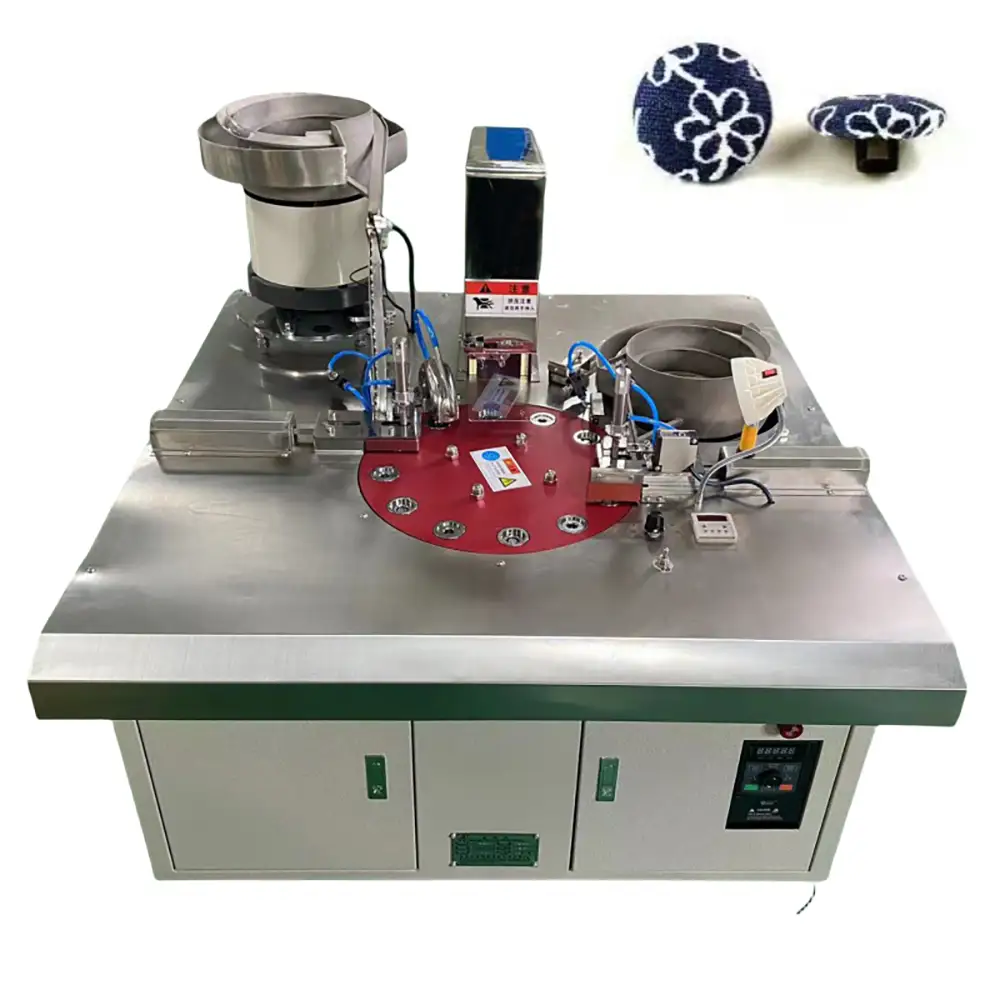
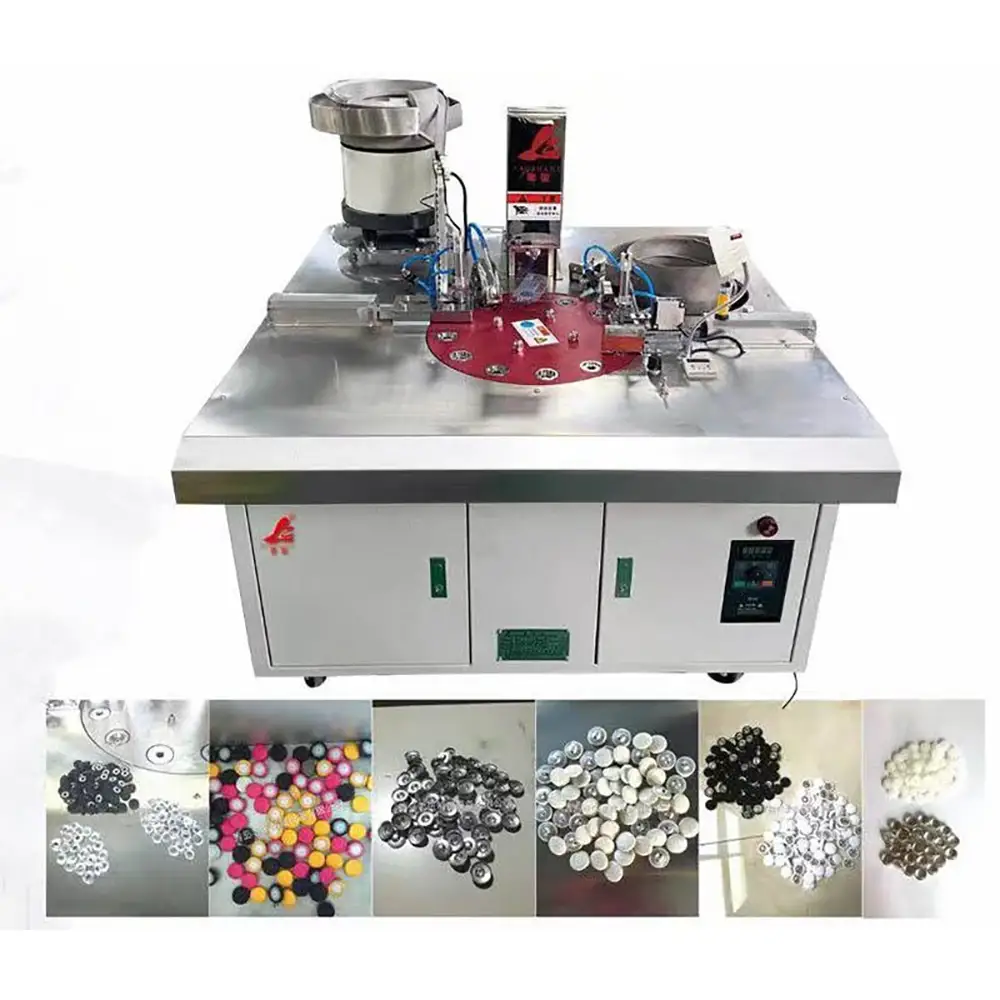
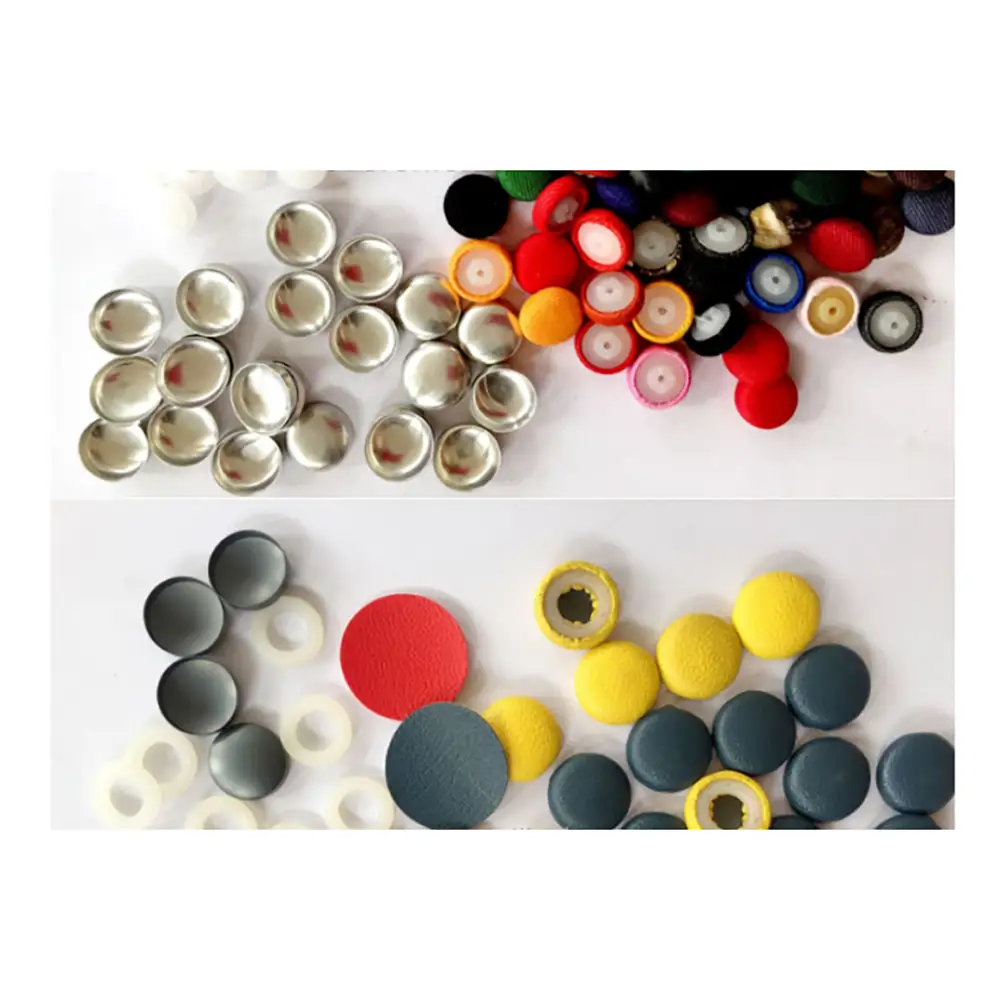
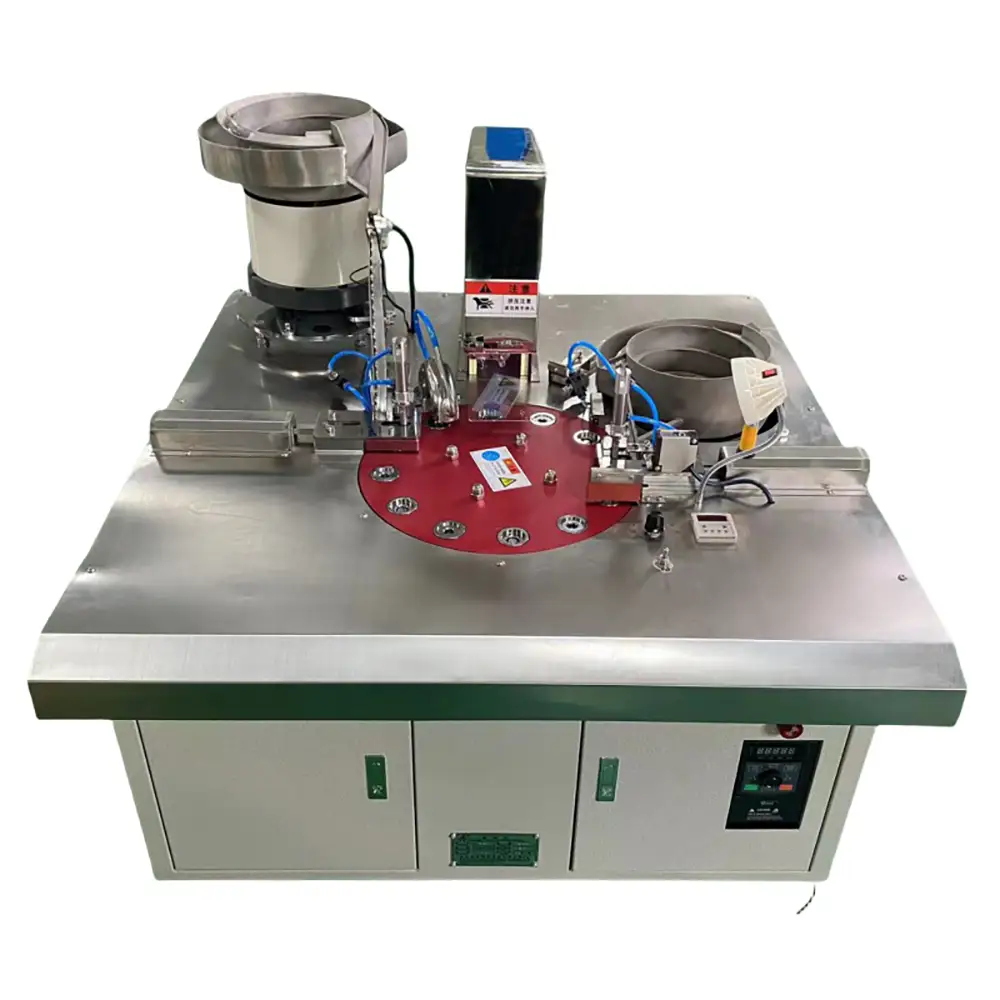
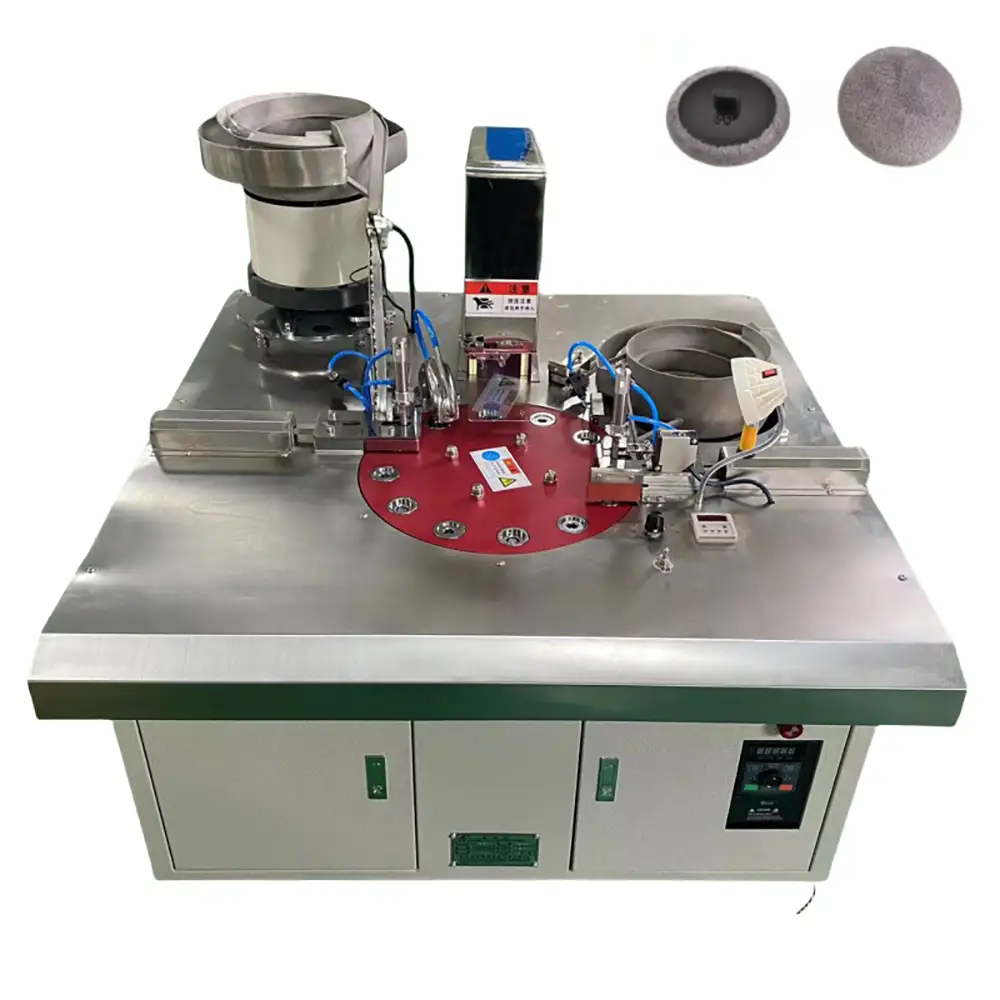
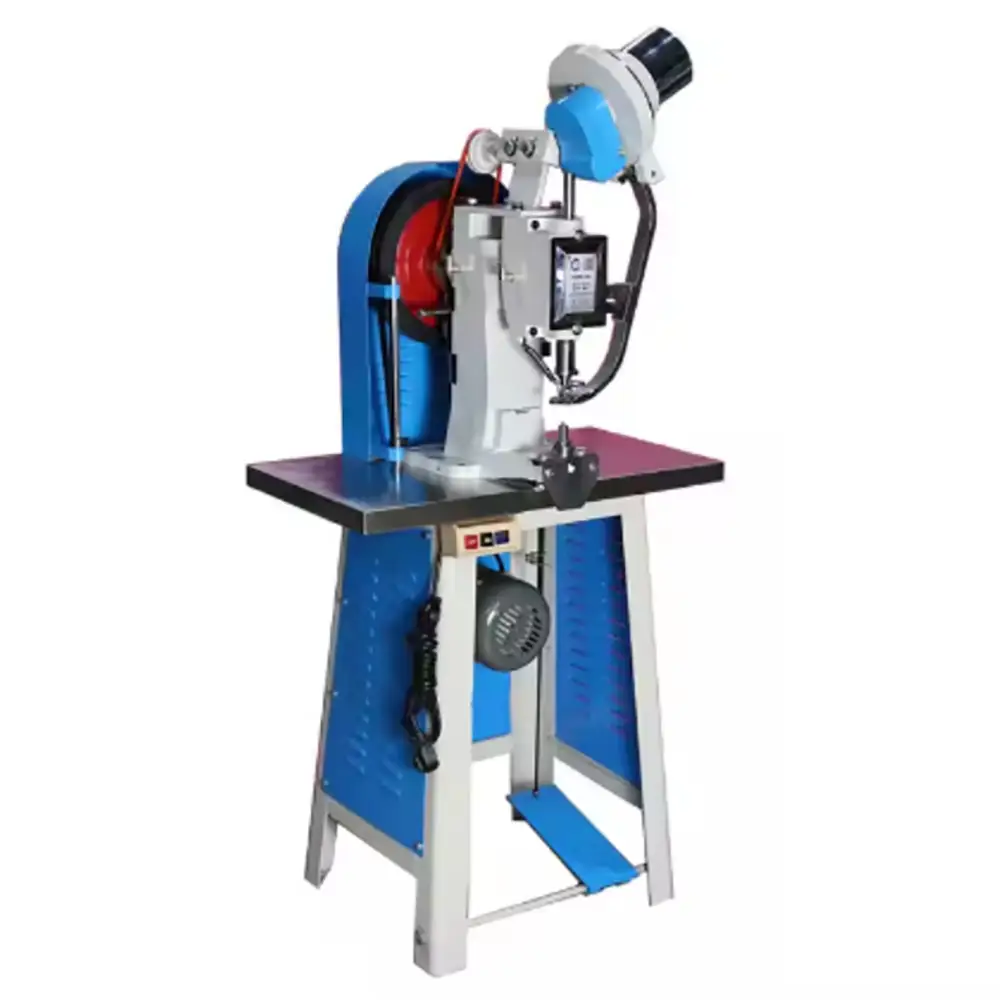
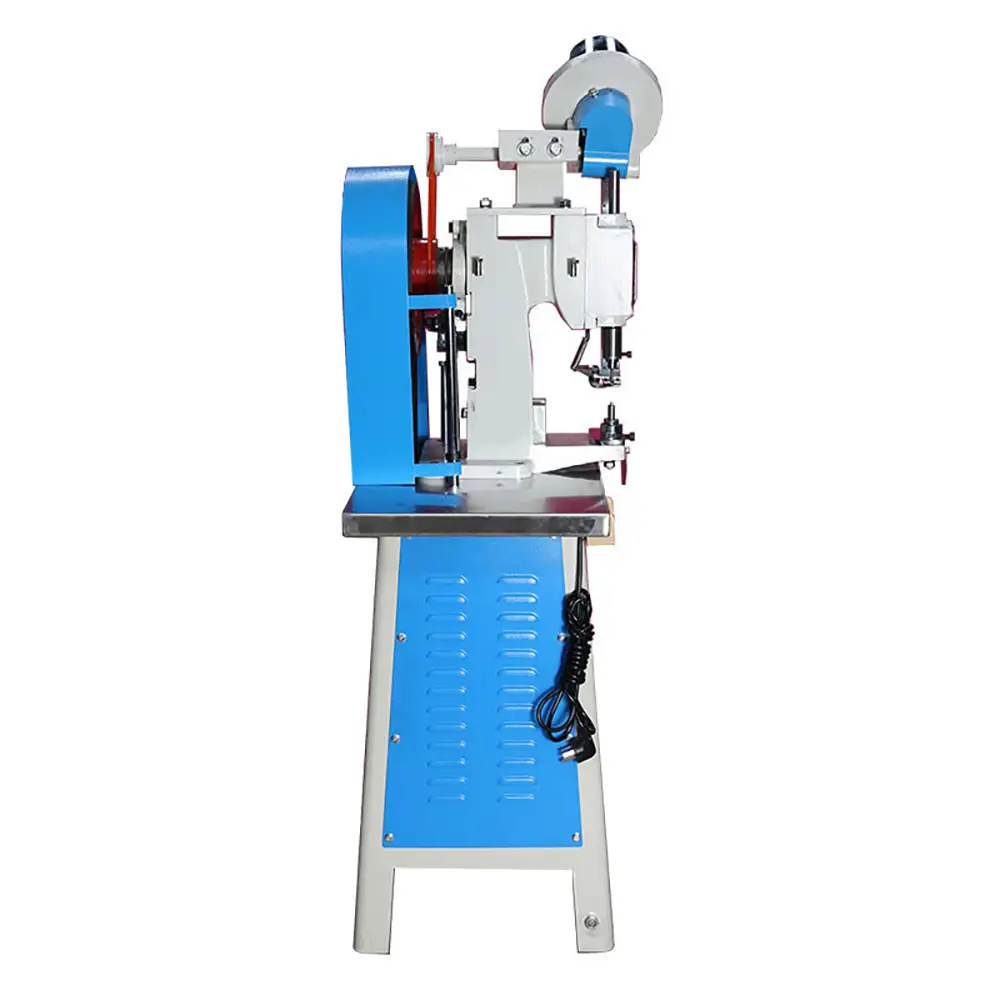
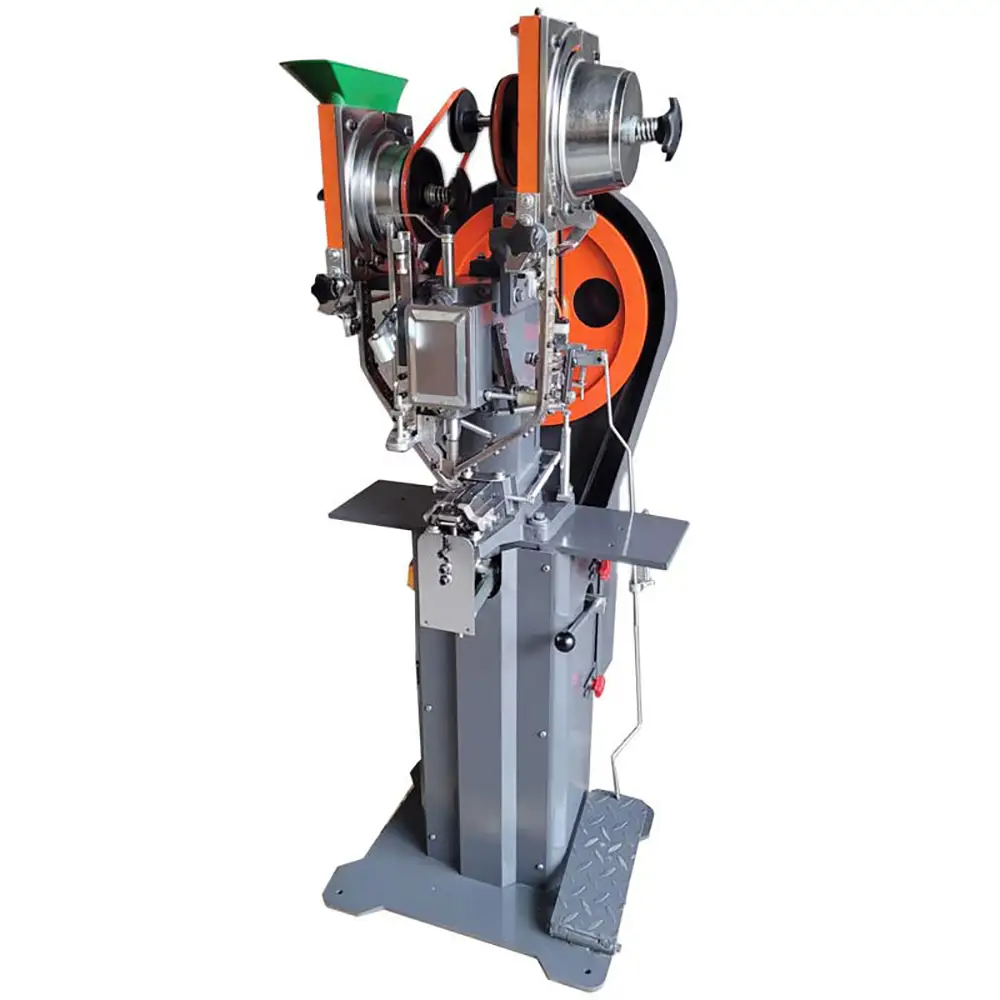
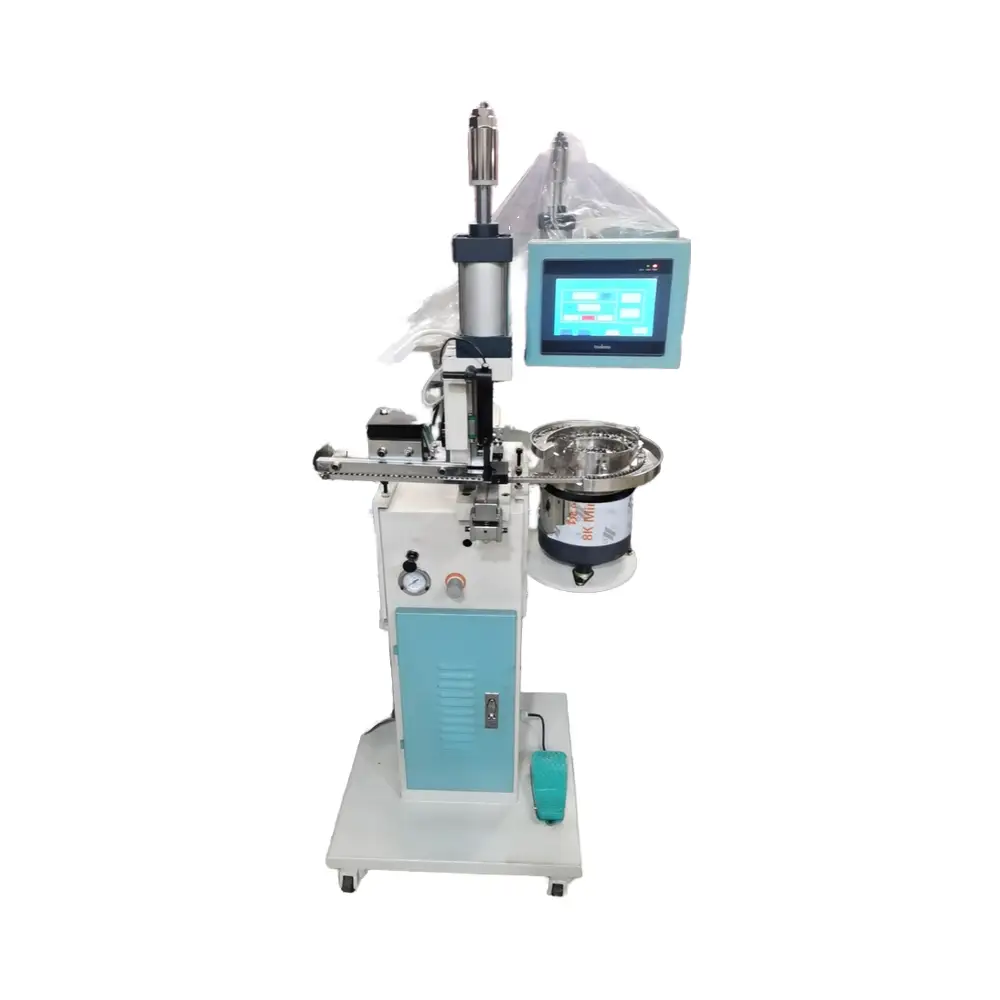
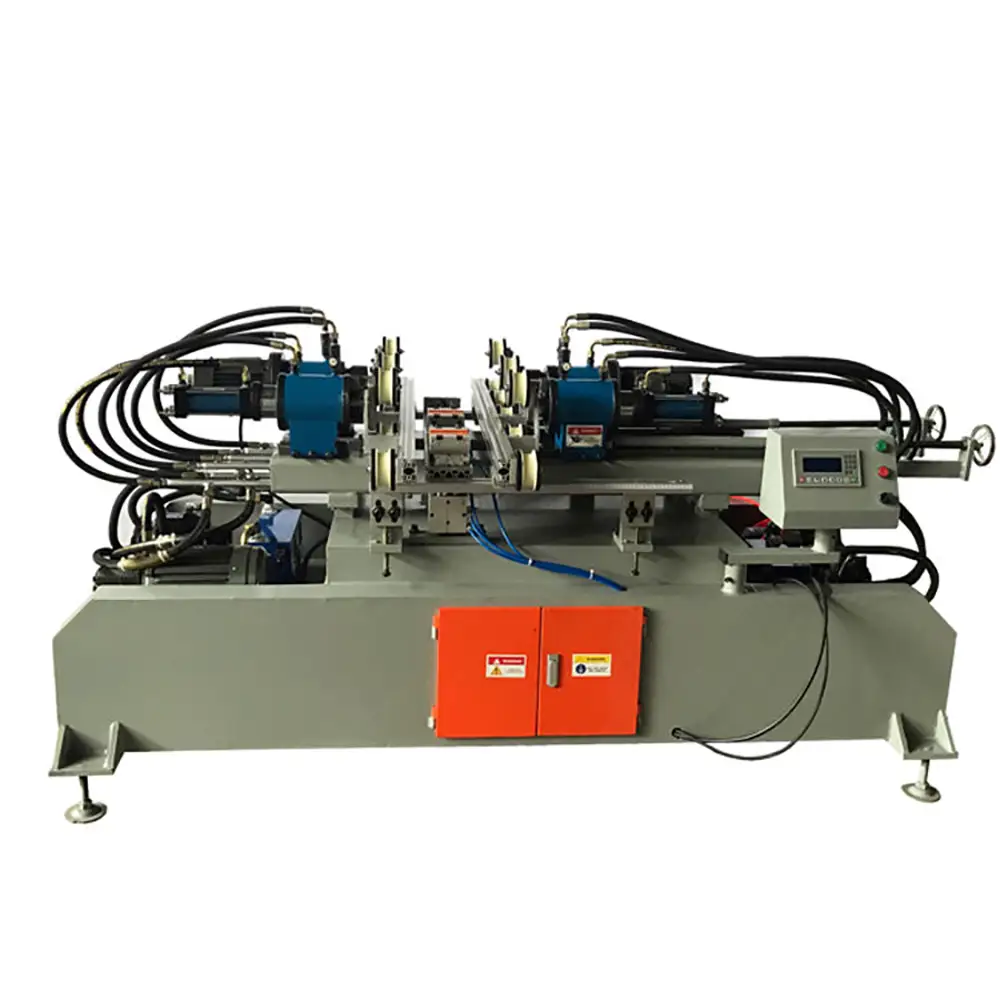
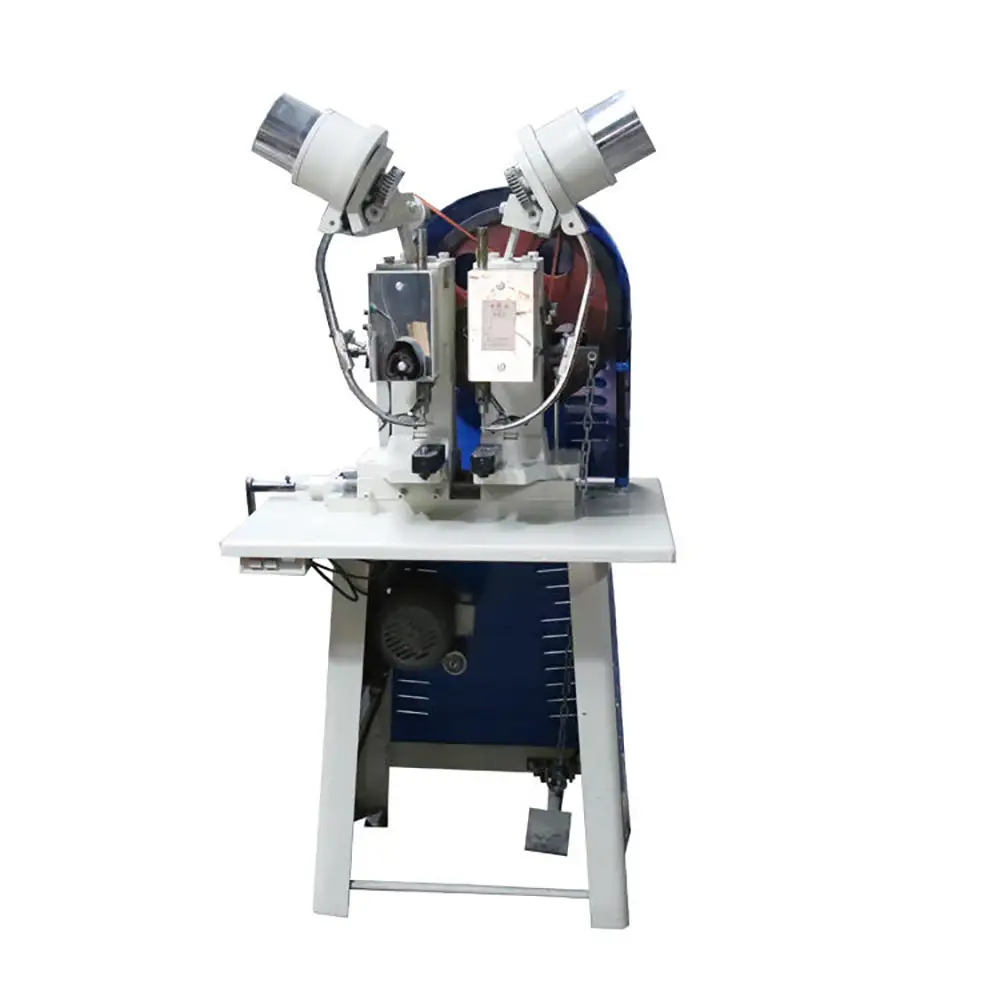
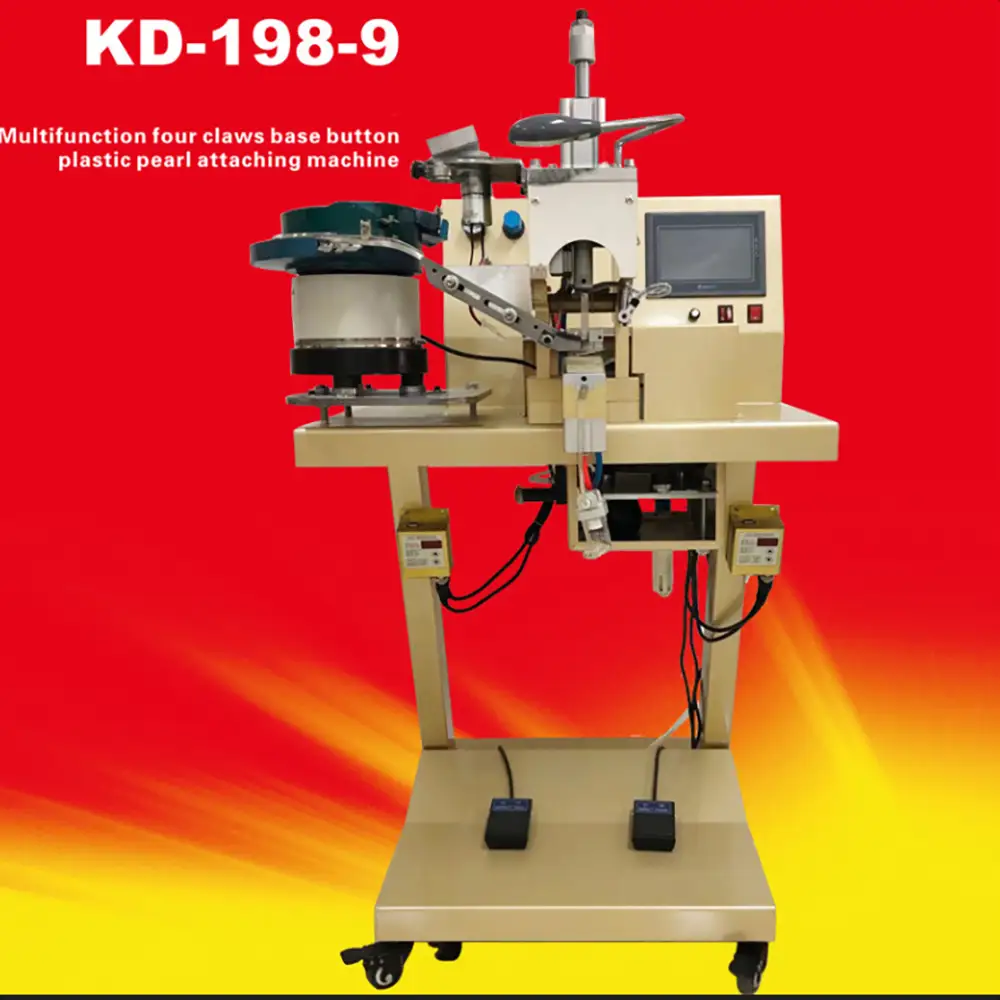
this machine can cover the buttons automatically.
4) Upper metal and bottom metal are feed automatically.
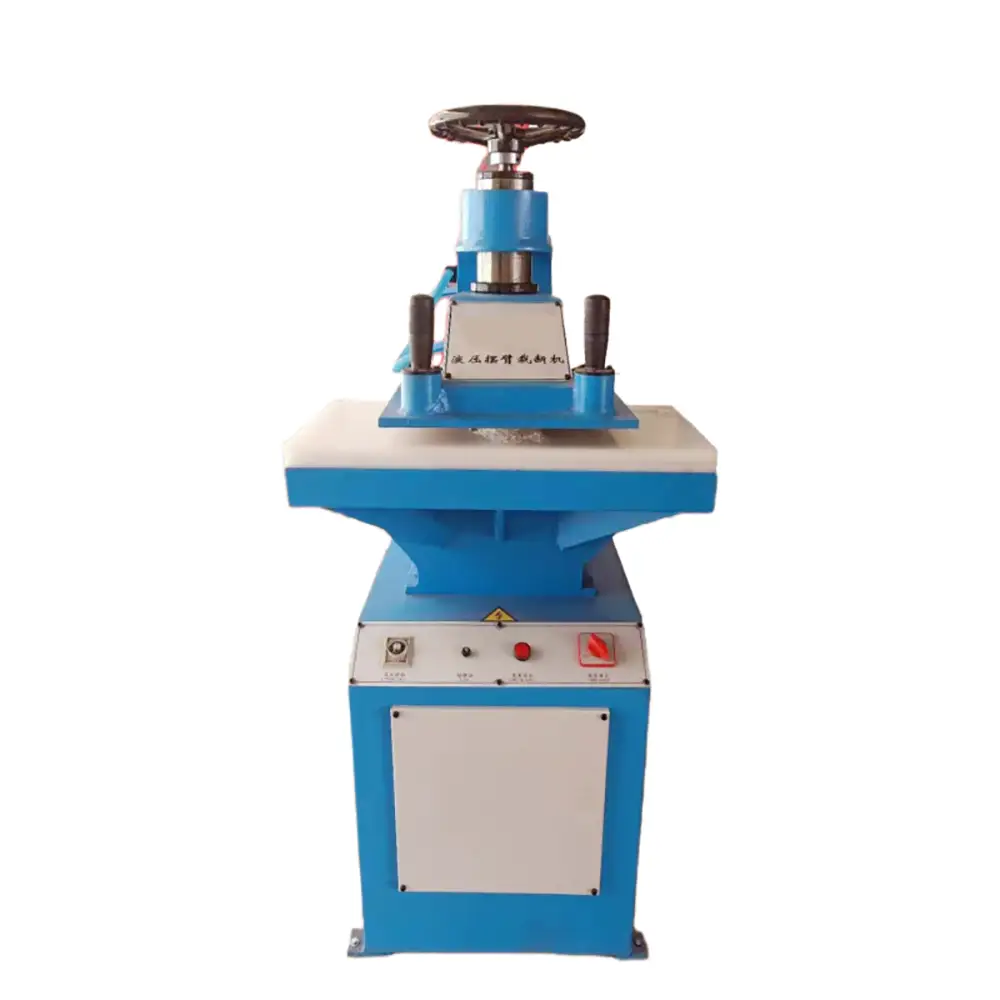
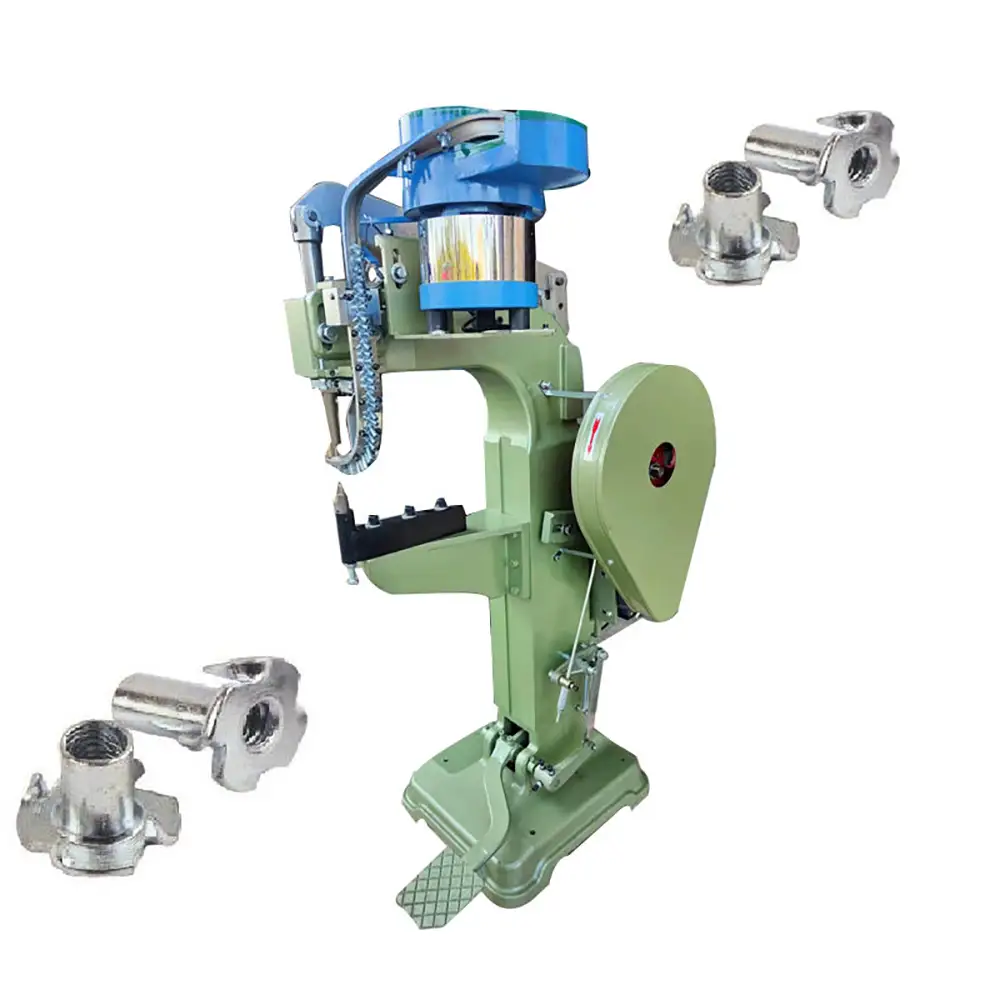
Cloth Cutting Machine
|
Electrical spec |
220V 50/60hz |
|
Type |
Hydraulic |
|
Work method |
Manual |
|
Pressure |
3T |
|
Power |
2.2 |
|
Weight |
38g |
|
Dimension |
650X550x1650mm |
Automatic Fabric Cloth Button Cover Button Covering Machine
The Automatic Fabric Cloth Button Cover Button Covering Machine is designed for efficient production of fabric-covered buttons, cloth-covered buttons, and textile-covered button components. It provides a practical manufacturing solution for garment factories, apparel accessory manufacturers, tailoring suppliers, fashion brands, upholstery companies, and OEM button producers.
Covered buttons are widely used in clothing, uniforms, dresses, coats, jackets, handbags, shoes, home textiles, upholstery, and decorative products. A fabric-covered button combines a metal, plastic, or other suitable button base with fabric wrapped around the surface to create a coordinated decorative appearance.
For manufacturers producing covered buttons in large quantities, an automatic button covering machine can help standardize the fabric wrapping and button assembly process. Compared with fully manual production, machine-assisted covering provides a more repeatable workflow and can reduce repetitive labor.
The exact production method and applicable button sizes depend on the machine configuration, button components, fabric type, tooling, and production requirements.
Automatic Button Covering Machine
The automatic button covering machine is developed to streamline the process of placing fabric over a button component and forming the covered button. Depending on the configuration, fabric and button parts can be positioned and processed through a controlled operating cycle.
Consistent positioning is important because the fabric needs to cover the button surface evenly. Wrinkles, uneven tension, fabric displacement, and incomplete wrapping can affect the final appearance.
A dedicated button covering machine helps create a standardized production process, making it suitable for factories that need repeatable results across large production batches.
Fabric Button Covering Machine
Fabric-covered buttons are often selected when manufacturers want the button to match the garment or textile material. The fabric can coordinate with the color, pattern, texture, or overall design of the finished product.
The fabric button covering machine can be used with suitable woven fabrics, cotton, polyester, satin, velvet, printed fabrics, and other textile materials, depending on their thickness, flexibility, surface characteristics, and compatibility with the button components.
Before mass production, testing the actual fabric and button material is recommended to determine suitable tooling and operating conditions.
Cloth Covered Button Machine
The cloth covered button machine is suitable for producing decorative buttons with fabric wrapped around the button surface. This allows manufacturers to create buttons that visually integrate with dresses, shirts, jackets, uniforms, handbags, furniture fabrics, and other textile products.
Different fabric constructions behave differently during covering. Lightweight fabrics may require different handling from thick upholstery materials. Stretch fabrics may also require appropriate processing conditions to achieve consistent results.
Tooling selection should therefore consider both the button dimensions and the fabric characteristics.
Covered Button Making Machine
A covered button making machine can form the fabric and button components into a finished covered button. The production process generally involves preparing the fabric, positioning the fabric and button components, wrapping or forming the fabric around the button, and securing the assembly.
Depending on the machine design, some operations may be manual, semi-automatic, or automatic.
For high-volume production, automation can help reduce repetitive work and maintain a consistent production cycle.
Fabric Covered Button Production
Fabric-covered buttons are used in many industries because they combine functionality with decorative design. In apparel manufacturing, they can be matched with the garment fabric to create a coordinated appearance.
In furniture and upholstery applications, covered buttons can be produced using the same or complementary upholstery material. They may be used on sofas, chairs, cushions, headboards, and other decorative surfaces.
The machine can therefore support both fashion accessory production and textile-related industrial applications.
Garment Button Manufacturing
The garment industry uses a wide variety of buttons, including plastic buttons, metal buttons, snap buttons, decorative buttons, and fabric-covered buttons.
Fabric-covered buttons are particularly useful for fashion products where visual coordination is important. Manufacturers can use matching or contrasting fabrics to create different design effects.
The button covering machine helps factories produce these components in a controlled and repeatable manner.
Typical garment applications include:
Dresses
Shirts
Jackets
Coats
Uniforms
Children's Clothing
Fashion Accessories
Traditional Clothing
Custom Garments
Textile Accessories
Automatic Fabric Feeding and Button Assembly
Depending on the machine configuration, automation can be introduced into fabric positioning and button assembly processes. Automatic or semi-automatic operation can help reduce manual handling and improve production consistency.
The feeding and positioning system should be matched to the actual fabric and button components. Factors such as fabric thickness, elasticity, surface texture, button diameter, and component shape can affect feeding performance.
For specialized applications, customized fixtures or feeding solutions may be considered.
Consistent Fabric Wrapping
The appearance of a covered button depends heavily on how evenly the fabric is positioned and wrapped around the button.
A controlled production process can help reduce common issues such as:
Uneven Fabric Positioning
Wrinkles
Loose Fabric
Excessive Fabric
Misaligned Button Components
Incomplete Covering
Inconsistent Button Appearance
Consistent tooling and standardized operating procedures can help improve batch-to-batch production quality.
Different Button Sizes and Designs
Covered buttons are available in different diameters and designs. The correct machine and tooling should be selected according to the button size and component structure.
Different button sizes may require corresponding molds, dies, punches, or positioning fixtures. Manufacturers producing multiple button sizes should evaluate whether interchangeable tooling is available for their production requirements.
For custom button designs, samples or technical drawings can be used to evaluate the appropriate configuration.
Improve Button Production Efficiency
Manual covered button production can become labor-intensive when large quantities are required. An automatic or semi-automatic machine can streamline repetitive production steps and provide a more standardized workflow.
For factories supplying garment manufacturers, wholesalers, fashion brands, and OEM customers, production efficiency can be an important factor in meeting delivery schedules.
Automation also allows operators to spend more time on quality inspection, material preparation, machine setup, and production monitoring.
OEM and Custom Button Covering Solutions
Custom button production often involves special fabrics, unusual button shapes, customized sizes, or specific appearance requirements.
An OEM button covering solution can be evaluated according to the customer's actual button components and fabric materials. Tooling and fixtures can be developed or selected according to the production requirements.
Customers can provide button samples, fabric samples, product dimensions, drawings, and expected production volume for machine evaluation.
Suitable Materials
Depending on the machine and tooling configuration, suitable covering materials may include:
Cotton Fabric
Polyester Fabric
Satin
Velvet
Woven Fabric
Printed Textile
Fashion Fabric
Upholstery Fabric
Decorative Textile
Material compatibility should always be confirmed through testing because different fabrics have different thickness, elasticity, friction, and deformation characteristics.
Why Choose Our Automatic Fabric Button Covering Machine?
1. Designed for Covered Button Production
The machine is specifically intended for fabric-covered and cloth-covered button manufacturing applications.
2. Improved Production Consistency
Controlled positioning and forming help create a more standardized production process.
3. Suitable for Garment Factories
The equipment can support apparel and textile accessory manufacturers producing covered buttons in batches.
4. Flexible Fabric Applications
It can be evaluated for various suitable fabrics according to material thickness, flexibility, and surface characteristics.
5. Reduced Repetitive Labor
Automation can reduce repetitive manual button-covering operations and improve production workflow.
6. Flexible Tooling
Different button sizes and designs can require corresponding tooling, allowing the machine to be adapted to specific production requirements.
7. OEM and Custom Manufacturing
Customized tooling, fixtures, and production configurations can be considered for specialized button designs.
Main Applications
Fabric Covered Button Manufacturing
Cloth Covered Button Production
Garment Button Production
Fashion Button Manufacturing
Clothing Accessories
Dress Button Production
Jacket Button Production
Uniform Button Manufacturing
Handbag Button Production
Upholstery Button Production
Sofa Decorative Buttons
Cushion Buttons
Furniture Fabric Buttons
Textile Accessory Manufacturing
How to Choose the Right Button Covering Machine?
Start by identifying the button diameter and construction. Different button sizes and component designs may require different tooling.
Next, provide the fabric type and thickness. Cotton, polyester, satin, velvet, and upholstery fabrics can behave differently during covering.
Consider your production volume. Small workshops may prefer a simpler configuration, while high-volume factories may benefit from automatic feeding and continuous operation.
You should also evaluate the number of button sizes you need to produce. If multiple sizes are required, interchangeable tooling can be an important consideration.
Finally, consider your desired level of automation, available workspace, operator workflow, and future product requirements.
FAQS
1. What is a button covering machine?
A button covering machine is equipment used to wrap fabric or cloth around a button component and form a finished covered button.
2. What types of buttons can it produce?
It is primarily designed for fabric-covered and cloth-covered buttons. The exact button types depend on the machine configuration and tooling.
3. What fabrics can be used?
Suitable materials may include cotton, polyester, satin, velvet, woven fabrics, printed textiles, and some upholstery fabrics. Compatibility should be confirmed by testing.
4. Can it produce buttons for clothing?
Yes. Covered buttons are commonly used for dresses, shirts, jackets, coats, uniforms, and other garments.
5. Can it be used for upholstery?
Yes. Suitable covered buttons can be produced for sofas, chairs, cushions, headboards, and other upholstery applications.
6. Can different button sizes be produced?
Different button sizes may require different molds or tooling. Interchangeable tooling can be considered according to the machine design.
7. Is the machine fully automatic?
The automation level depends on the specific machine configuration. Automatic, semi-automatic, and manual-assisted production arrangements may be available.
8. Can custom fabrics be used?
Yes, suitable custom fabrics can be evaluated. Fabric thickness, flexibility, texture, and other properties should be checked before production.
9. Can the machine be customized?
Yes. Tooling, fixtures, and production configurations can be evaluated for special button designs and OEM requirements.
10. What information should I provide before purchasing?
Provide the button sample or drawing, button diameter, button components, fabric sample, fabric thickness, required output, and desired automation level.
Automatic Button Covering Machine, Fabric Button Covering Machine, Cloth Button Covering Machine, Fabric Covered Button China, suppliers, manufacturers, factory, customized, wholesale, quotation, made in China