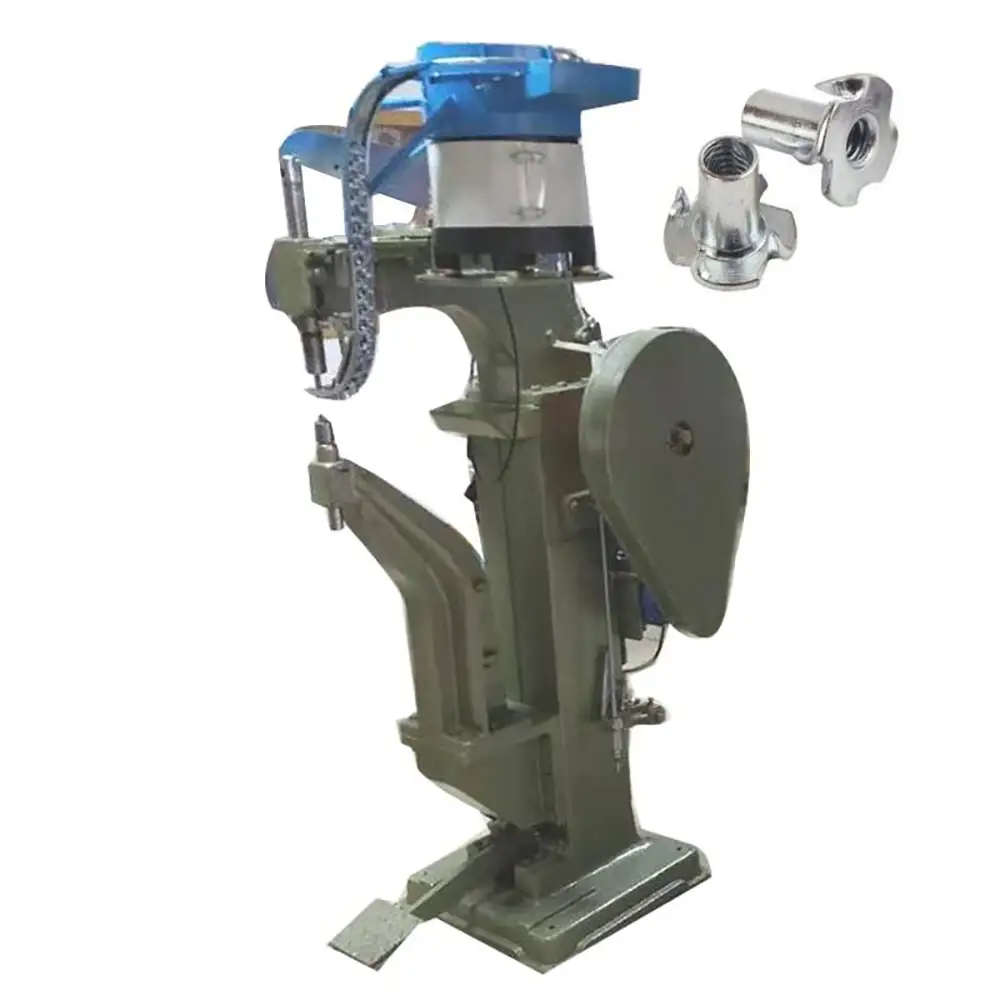
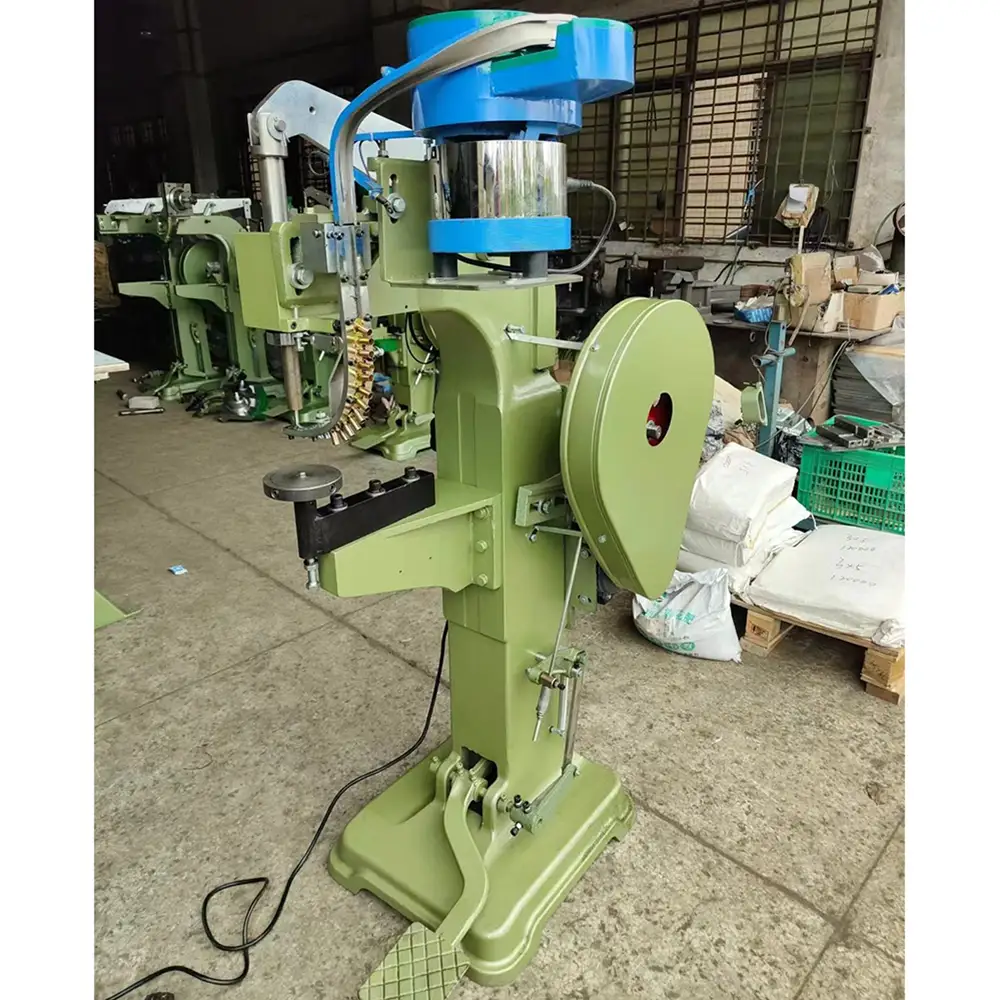
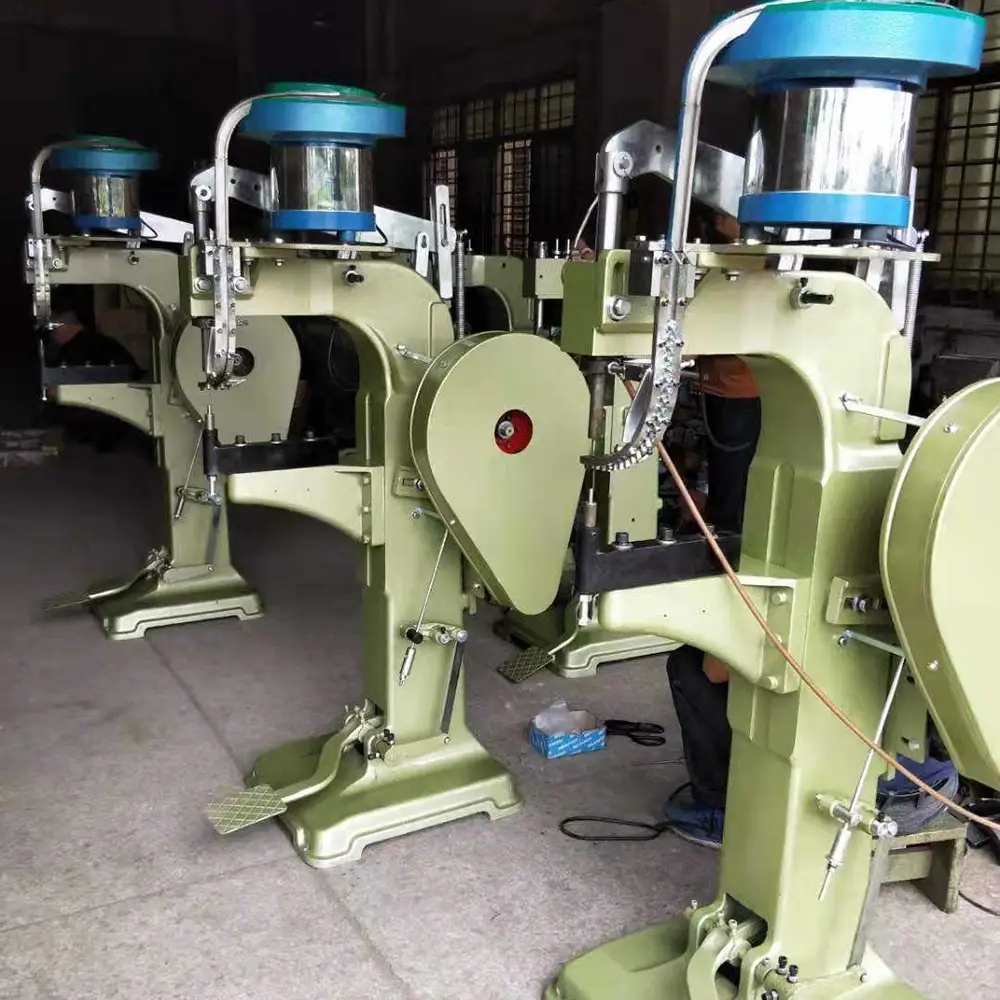
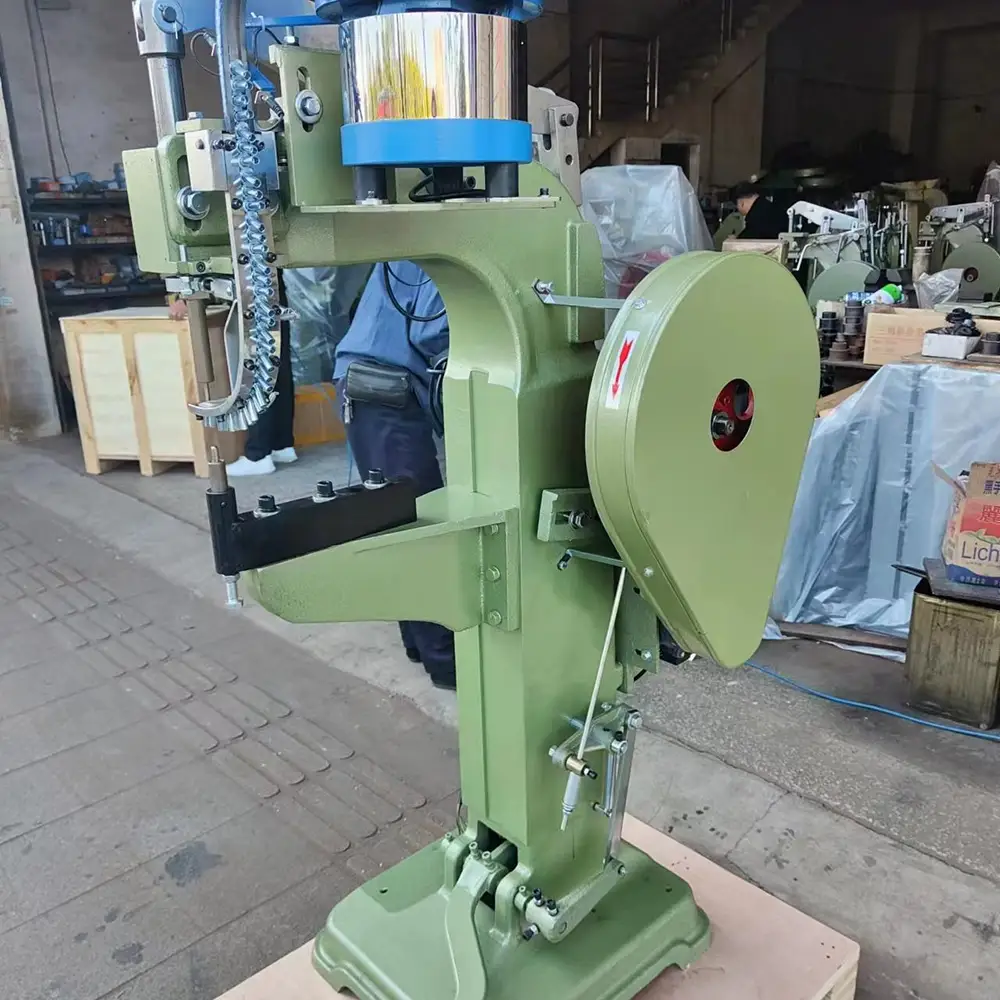
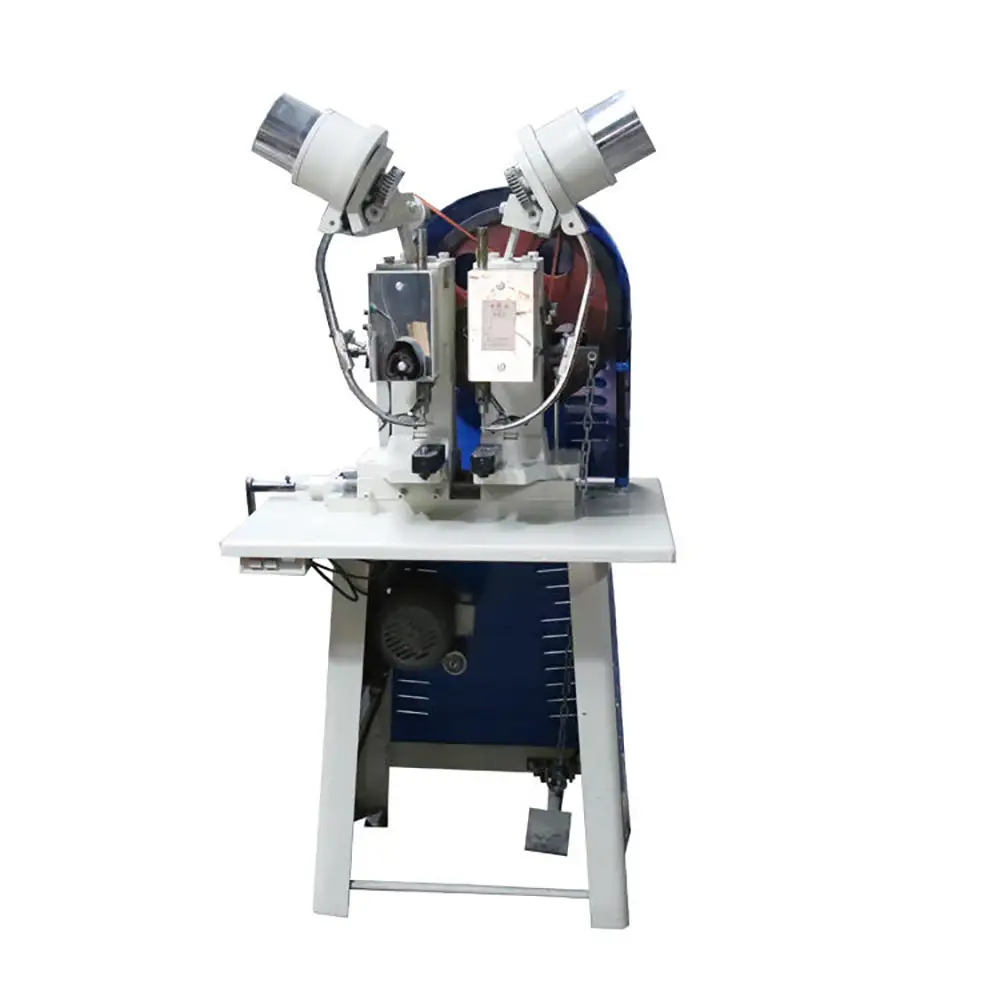
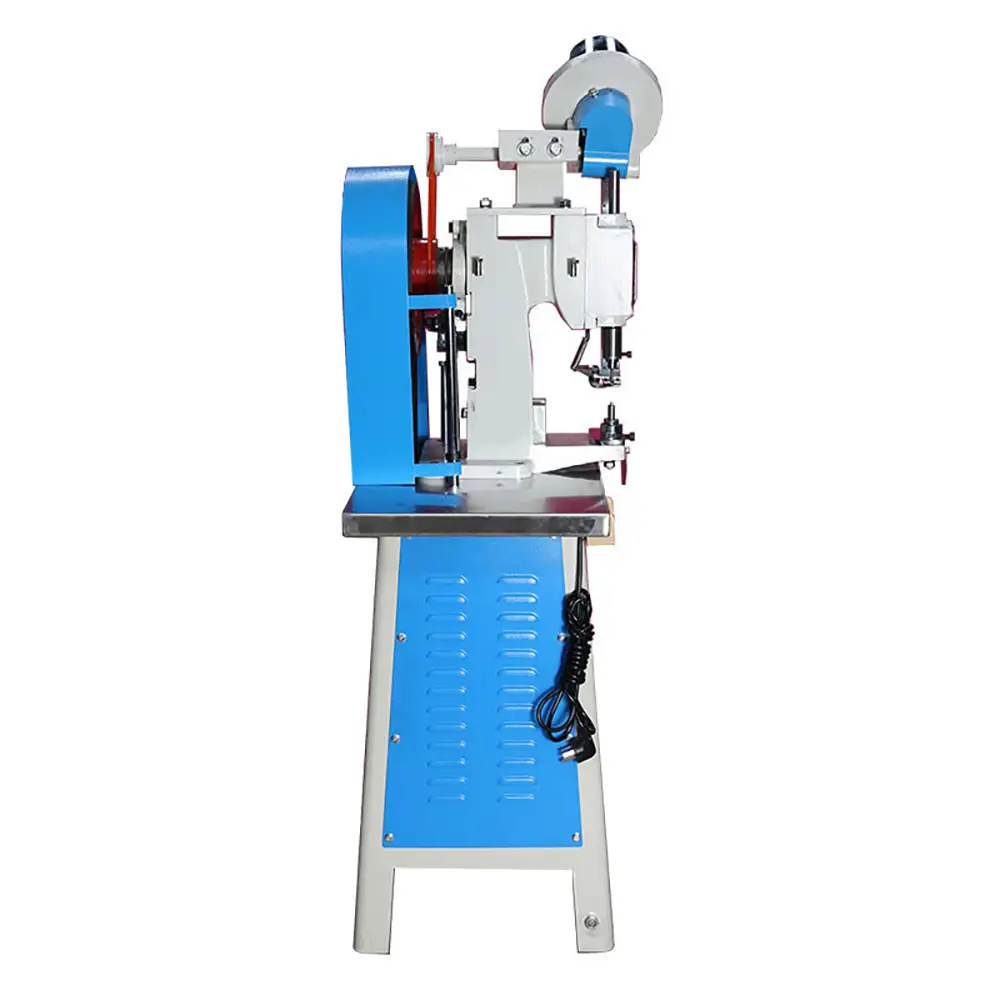
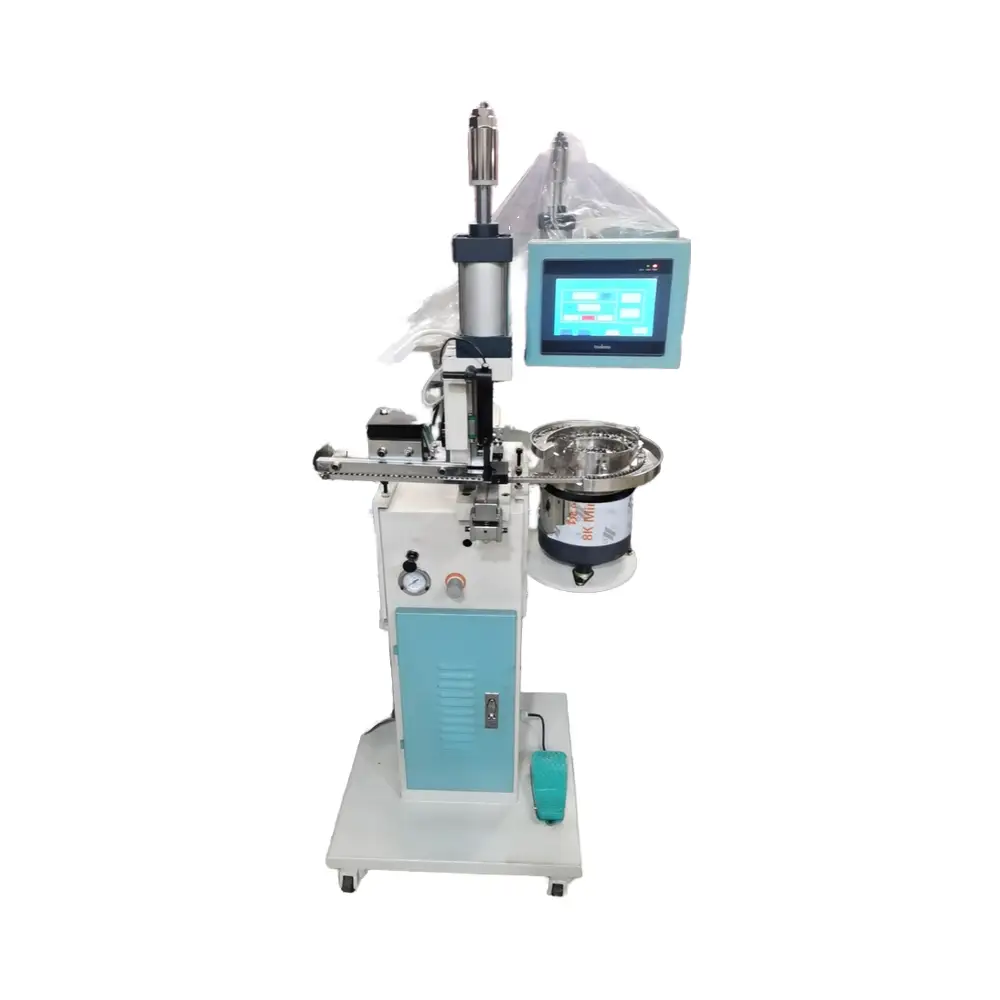
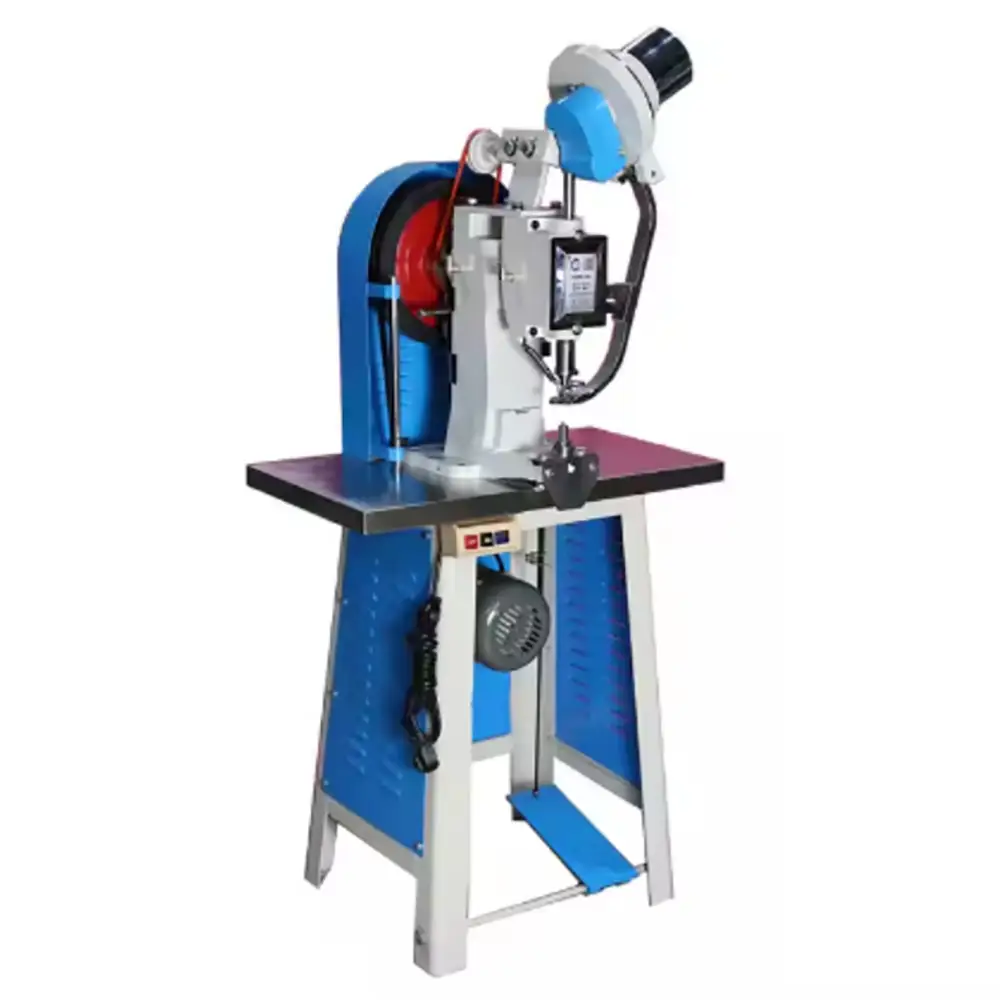
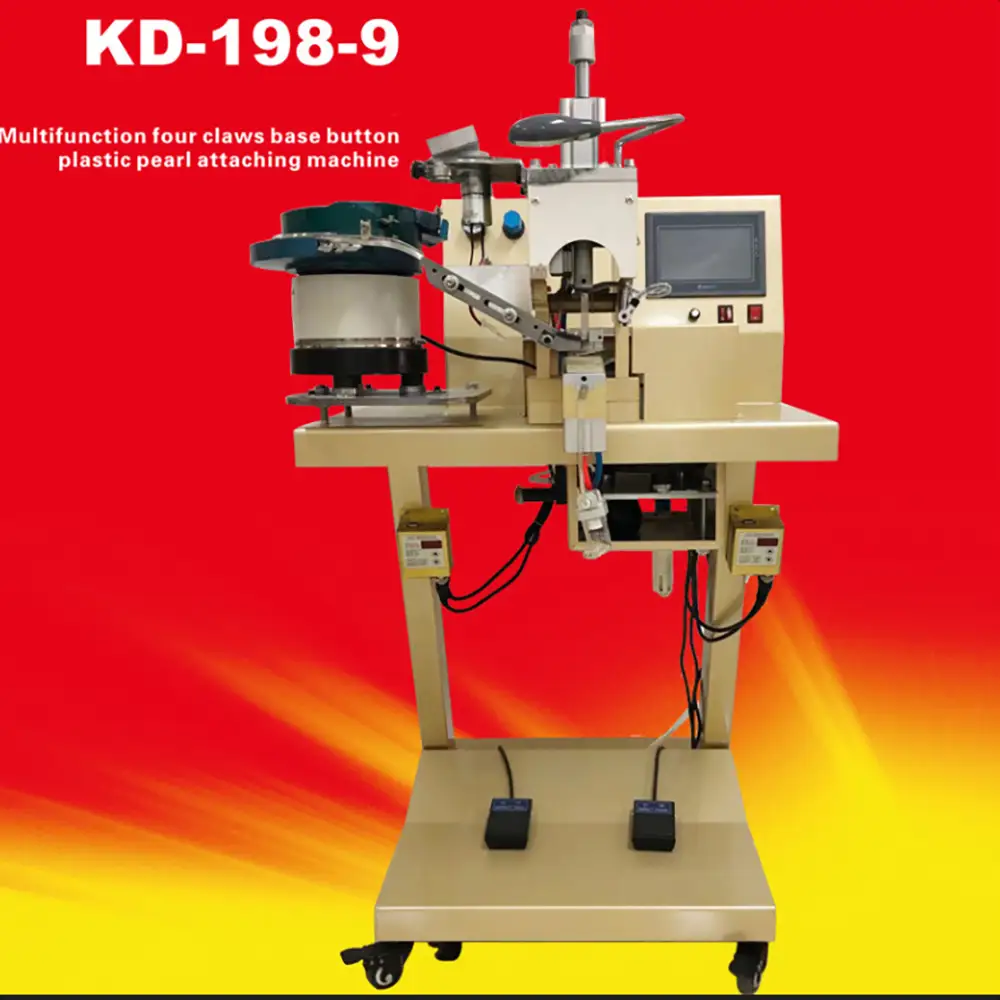
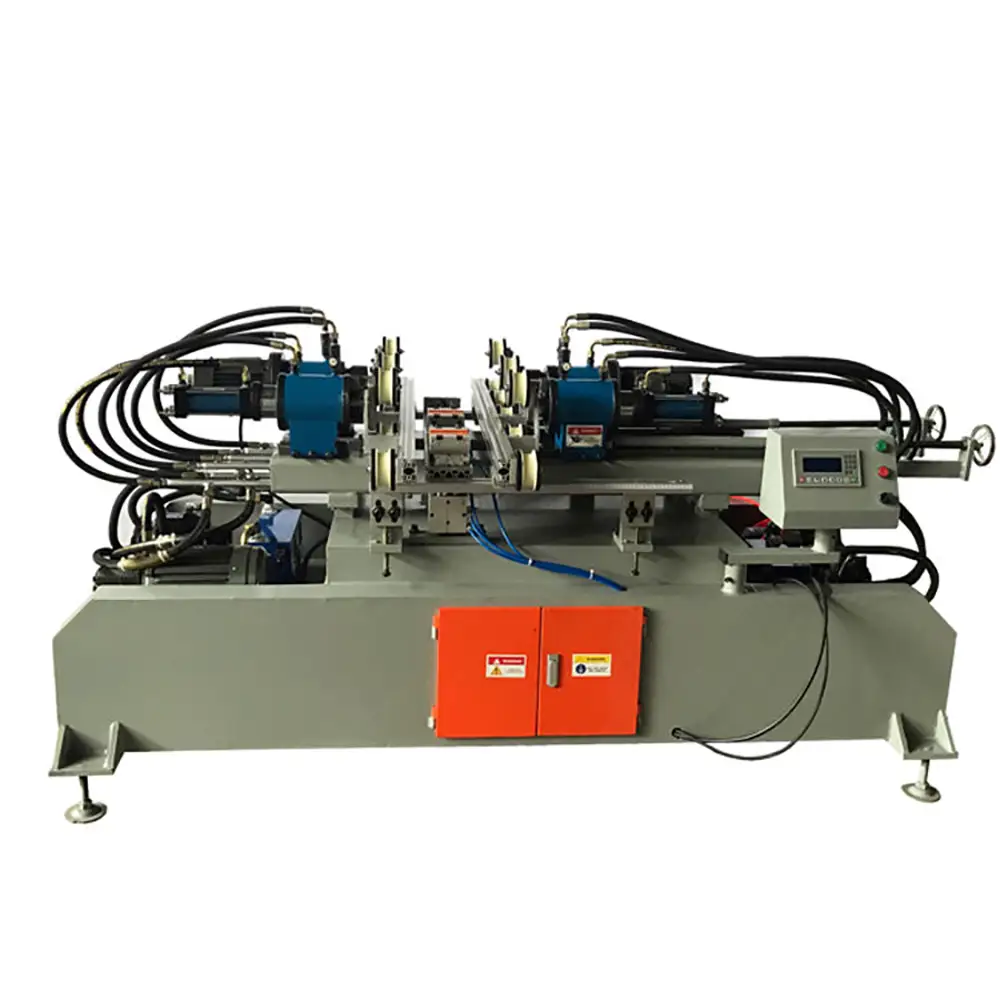
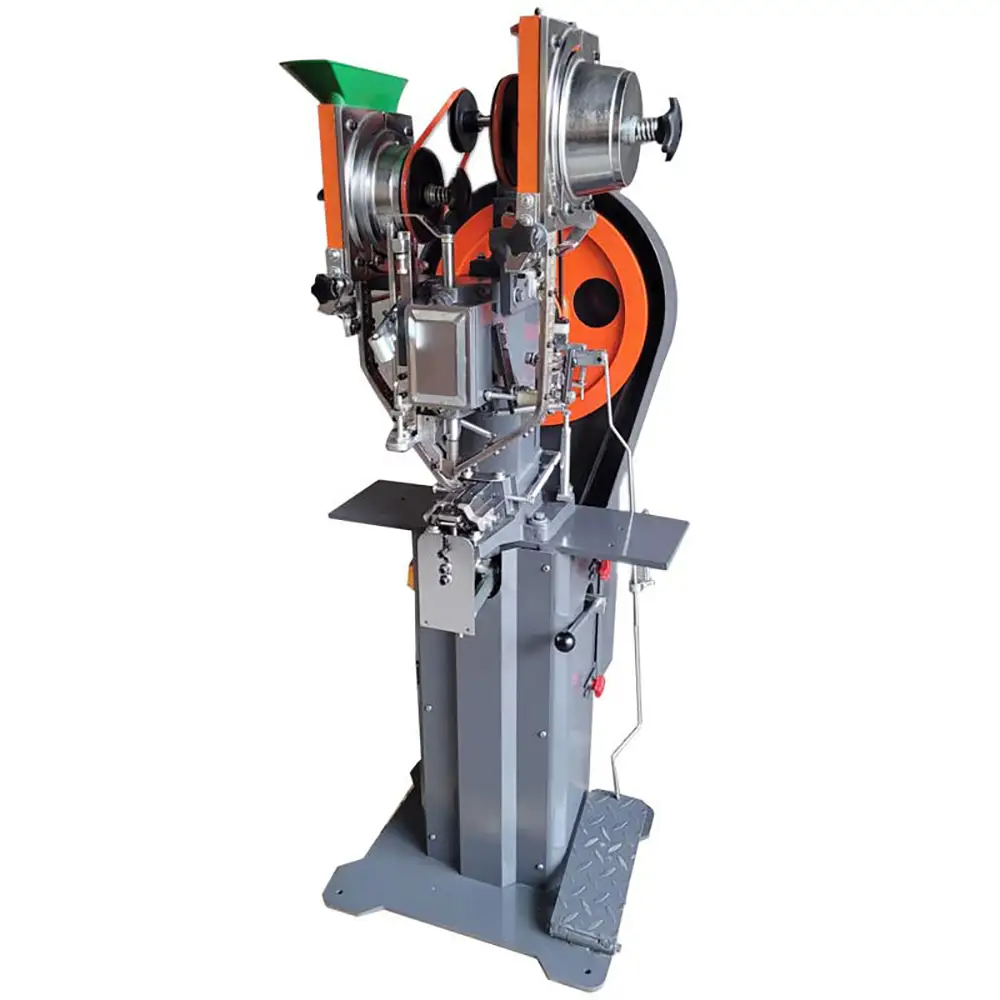
Furniture Hit Nut Riveter T Nut Four Claw Automatic Feeding Riveting Machine
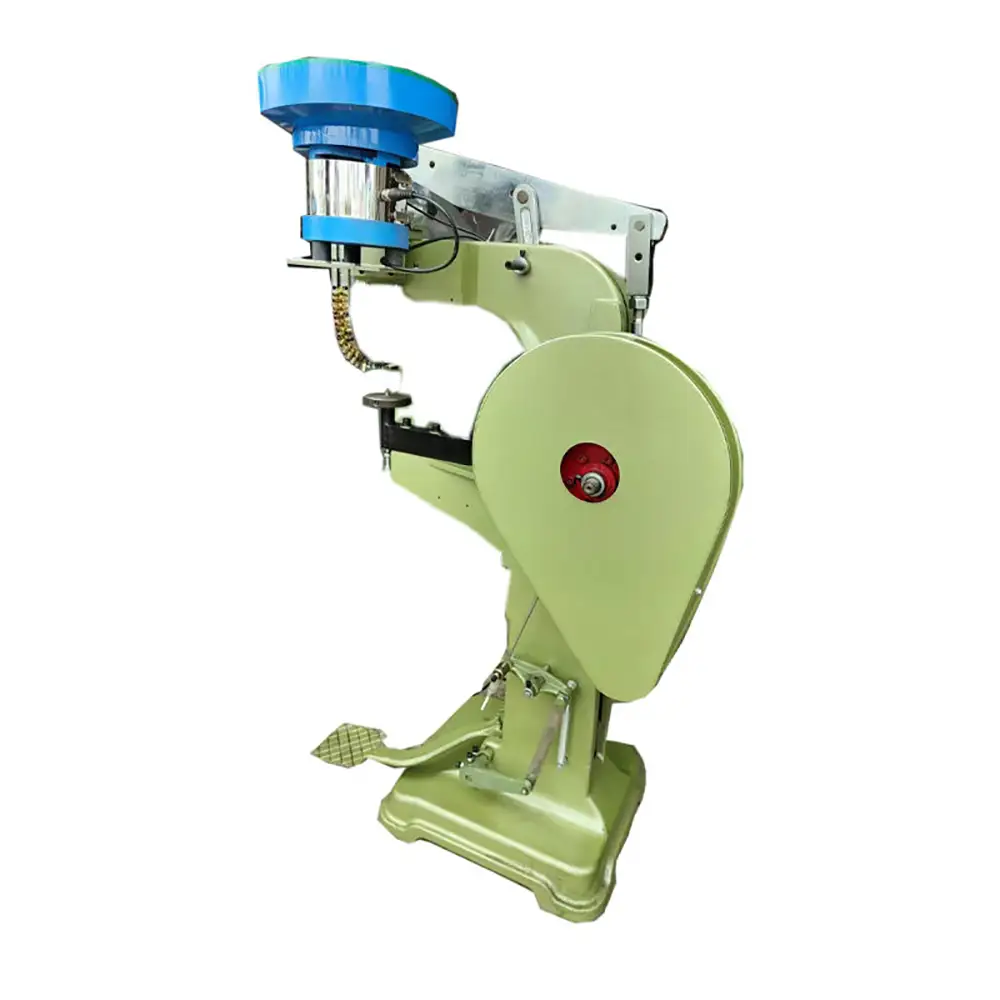
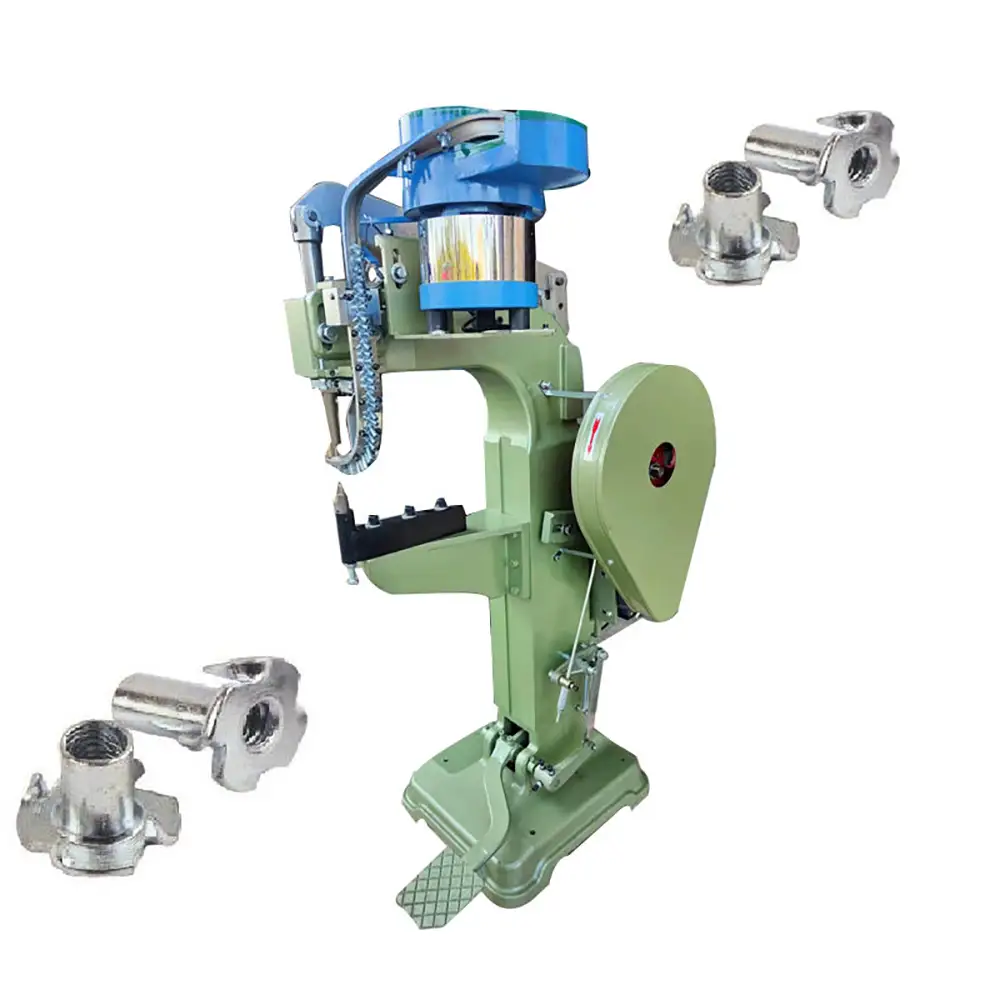
The Furniture Hit Nut Riveter T Nut Four Claw Automatic Feeding Riveting Machine is designed for efficient installation of T nuts, four claw nuts, claw T-Nuts, and compatible furniture fasteners. It provides a practical automated solution for furniture manufacturers producing chairs, tables, cabinets, beds, stools, sofas, and other wood-based products.
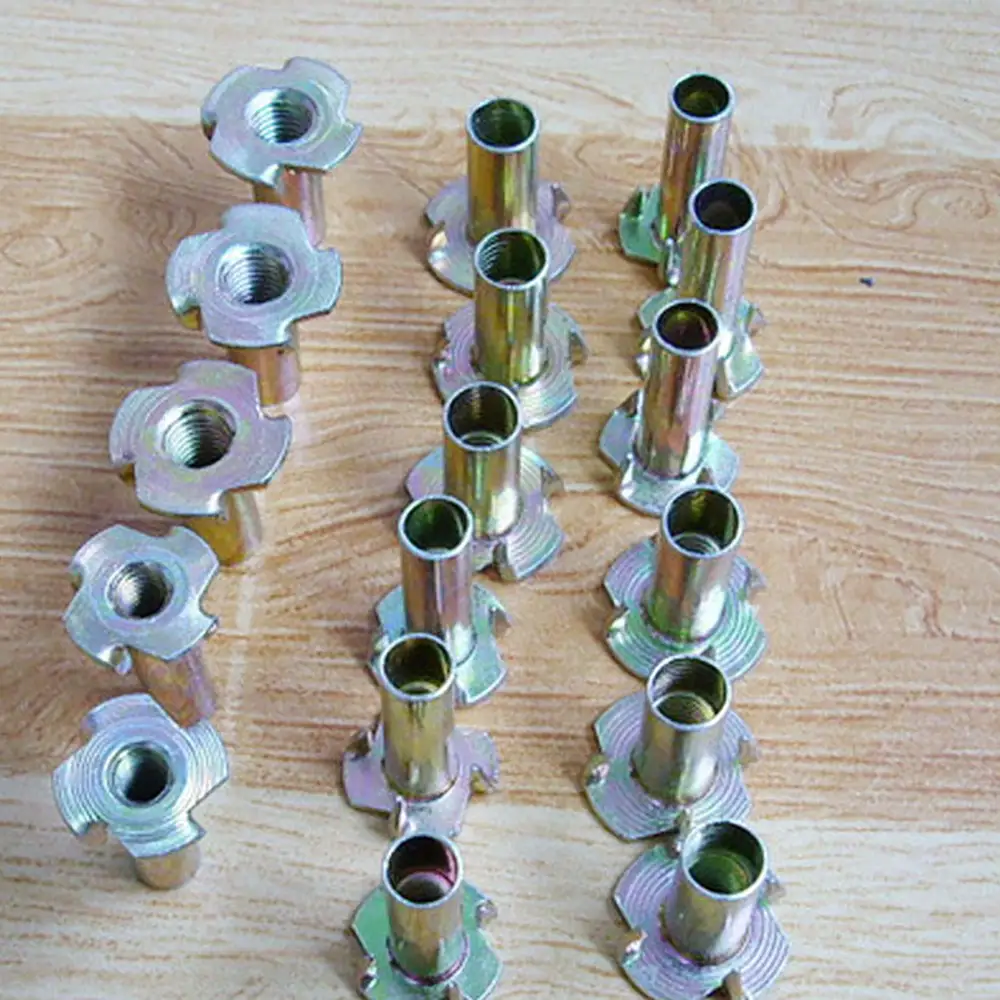
T nuts are commonly used in furniture manufacturing because they provide a threaded fastening point inside wood and engineered wood panels. Four claw T nuts use gripping claws to secure the fastener in the material, creating a stable threaded connection for subsequent assembly.
For factories handling repetitive furniture hardware installation, an automatic feeding riveting machine can help reduce manual fastener handling and create a more standardized production process. The automatic feeding system can continuously supply compatible fasteners to the riveting or pressing position, depending on the machine configuration.
The actual machine setup should be selected according to the T Nut design, fastener dimensions, furniture material, panel thickness, installation position, and required production volume.
Product Features
1. Each product is strictly in accordance with the design requirements, process flow,process testing, to ensure reliable quality.
2. Excellent workmanship, beautiful appearance, energy saving and environmentalprotection, high efficiency. 3. Can be customized according to customer requirements, convenientafter-sales maintenance. 4. Suitable for riveting t-nut with four claws on furniture and chair. 5. Single grain riveting,automatic feeding rivets. Products Description
|
Model |
10RPC |
|
riveting diameter |
Φ1-12mm for claw nuts |
|
riveting length |
10-25mm |
|
Machine throat depth |
385mm |
|
Power |
3/4HP |
|
Machine size |
1050x600x1680mm |
|
N W |
350kg |
|
G W |
380kg |
Automatic T Nut Riveting Machine
The automatic T Nut riveting machine is designed to streamline the installation of furniture T nuts. Instead of manually positioning each nut and applying force individually, the machine can combine fastener feeding, positioning, and pressing operations into a controlled production cycle.
Automatic operation is particularly useful when a factory produces large quantities of furniture components with repeated fastening positions.
The machine can be equipped with suitable dies, punches, guides, and fixtures to ensure that the T Nut is correctly aligned before installation.
Four Claw T Nut Riveting Machine
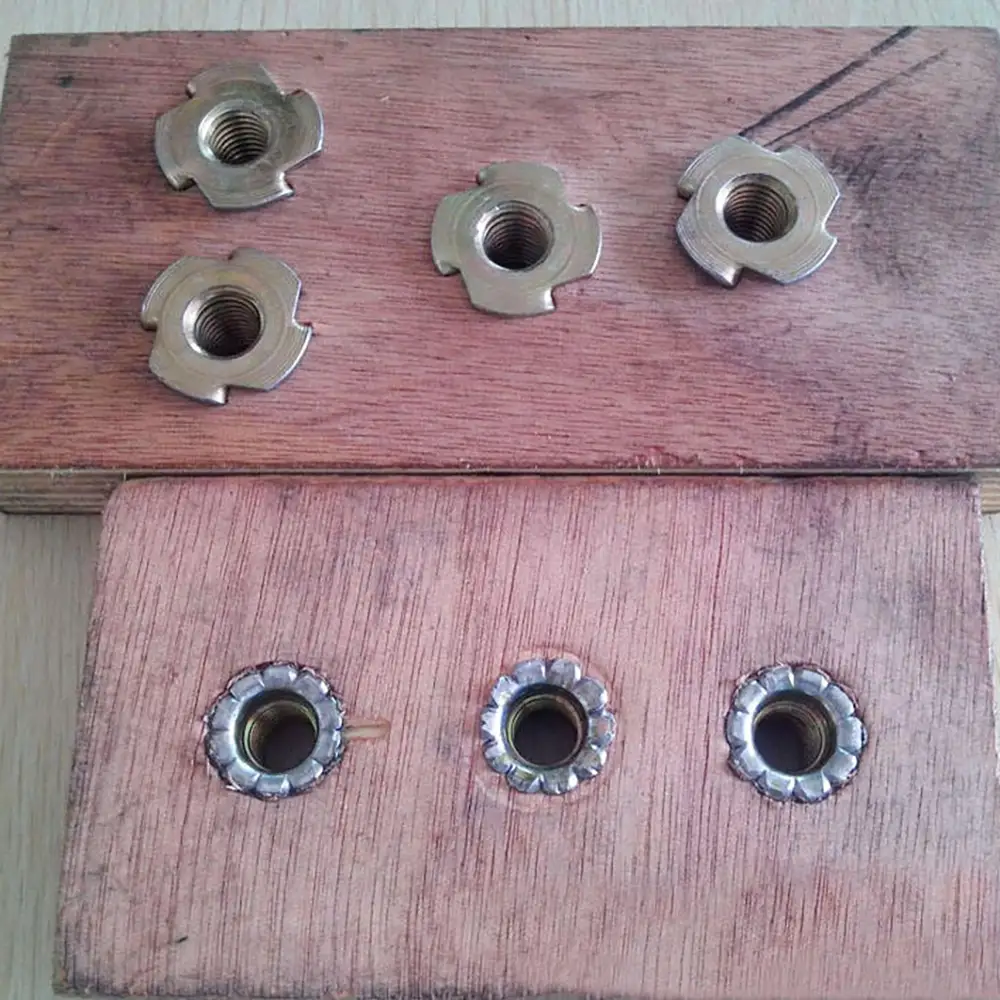
The four claw T Nut riveting machine is designed for T nuts featuring four gripping claws. During installation, controlled pressing force drives the claws into the supporting material.
This type of furniture fastener can be used where a threaded connection is required without installing a conventional nut from the rear side of the panel.
Correct installation depends on the relationship between the T Nut, prepared hole, board material, and pressing force. Appropriate tooling helps maintain the intended position and seating depth.
Furniture Claw Nut Machine
Furniture claw nuts are commonly used in wood furniture and engineered wood products. The claws help anchor the nut to the panel while the threaded center provides a connection point for bolts or screws.
A dedicated claw nut machine can improve the repeatability of this process. For furniture factories, consistent nut installation can simplify downstream assembly and help reduce problems caused by misplaced or poorly seated fasteners.
The machine can be adapted to different furniture components through suitable workholding fixtures.
Automatic Feeding T Nut Machine
Automatic feeding is an important feature for high-volume production. Instead of requiring the operator to manually pick and position every T Nut, a compatible feeding system can supply fasteners to the working position.
The feeder should be selected according to the size, shape, weight, orientation, and surface characteristics of the T Nuts.
Proper feeding can help maintain a stable production cycle and reduce repetitive handling. Depending on the machine design, automatic feeding may be combined with positioning and pressing operations.
T Nut Riveter for Furniture
A T Nut riveter is used to install threaded furniture fasteners into suitable materials. The pressing or riveting operation should provide sufficient force to seat the fastener without unnecessarily damaging the workpiece.
Furniture manufacturers may use T Nut riveters for chair legs, seat frames, table components, cabinet panels, bed frames, and other products.
Custom fixtures can help position irregularly shaped furniture components accurately during the installation process.
Chair T Nut Installation
Chairs often contain multiple fastening points. T nuts can be used in chair frames, seat components, legs, armrests, brackets, and other structural or assembly areas.
An automatic T Nut riveting machine can help standardize installation across repeated chair components.
For production lines manufacturing large quantities of similar chairs, dedicated fixtures can be designed to position the component and align each T Nut installation point.
Table and Cabinet Hardware
T nuts are also useful for tables, cabinets, shelves, and storage furniture. Depending on the construction method, they can provide threaded mounting points for removable or assembled components.
The machine can be used for compatible MDF, plywood, particle board, solid wood, and other furniture materials, subject to testing.
Different materials have different mechanical characteristics, so the correct fastener and installation process should be established through testing.
Furniture Fastener Riveting Machine
Furniture production involves many types of hardware, including T nuts, claw nuts, threaded inserts, bolts, screws, brackets, hinges, and other fasteners.
A dedicated fastener riveting machine can help automate repetitive nut installation operations.
For high-volume production, automation can reduce repetitive manual work and improve production flow. It can also make the fastening procedure easier to standardize across operators and production shifts.
Consistent T Nut Positioning
Correct positioning is critical to furniture assembly. If a T Nut is installed at the wrong angle or location, the corresponding bolt may not align correctly during final assembly.
The use of fixtures, positioning guides, and dedicated tooling can help maintain repeatable installation locations.
Quality control can include checking:
T Nut Position
Nut Alignment
Installation Depth
Claw Engagement
Thread Condition
Panel Surface
Fastener Stability
These checks help ensure that furniture components are ready for subsequent assembly.
Automatic T Nut Feeding and Production Efficiency
Automatic feeding can reduce the amount of repetitive fastener handling required from operators. This can be especially valuable for factories producing large batches of chairs, tables, cabinets, and other furniture products.
A stable feeding system can help keep the fastener supply consistent. When combined with automatic pressing and workpiece positioning, the machine can support a more streamlined production process.
Production capacity should be evaluated according to the actual T Nut, material, tooling, cycle requirements, and machine configuration.
Flexible Tooling and Fixtures
Different furniture products may require different T Nut positions and installation methods. Tooling and fixtures therefore play an important role in machine flexibility.
Customized fixtures can be developed around chair legs, panels, table frames, cabinet components, or other furniture parts.
Different T Nut sizes may also require different dies or pressing components.
For OEM production, customers can provide product drawings, furniture component samples, T Nut samples, and production requirements for tooling evaluation.
Suitable Furniture Materials
The machine may be evaluated for use with:
Solid Wood
Plywood
MDF
Particle Board
Engineered Wood
Composite Furniture Panels
Other Suitable Wood-Based Materials
Material compatibility should be confirmed through testing because board density, thickness, surface condition, and hole dimensions can affect fastener installation.
OEM and Custom Furniture Hardware Solutions
Furniture manufacturers often produce multiple product designs and may require specialized fastening positions or custom fixtures.
An OEM solution can be developed around specific T Nut dimensions, furniture components, production volume, and automation requirements.
Customized feeding systems, dies, punches, guides, and fixtures may be considered according to the production process.
Why Choose Our Automatic Furniture T Nut Riveting Machine?
1. Designed for Furniture T Nuts
The machine is suitable for installing compatible T nuts, four claw nuts, and claw furniture fasteners.
2. Automatic Feeding
An automatic feeding system can reduce repetitive manual fastener handling and support continuous production.
3. Consistent Installation
Controlled pressing and positioning help maintain repeatable fastener installation.
4. Suitable for Four Claw T Nuts
The machine can be configured with appropriate tooling for compatible four claw and claw T-Nut designs.
5. Flexible Furniture Applications
It can be used for chairs, tables, cabinets, beds, stools, sofas, and other furniture components.
6. Custom Fixtures
Workholding fixtures can be designed around specific furniture components and installation locations.
7. OEM and Custom Support
Machine configuration, tooling, and feeding systems can be evaluated according to customer requirements.
Main Applications
Furniture T Nut Installation
Four Claw T Nut Riveting
Claw Nut Installation
Chair T Nut Installation
Chair Fastener Production
Table T Nut Installation
Cabinet Hardware Installation
Bed Frame Fastener Installation
Sofa Frame Fastening
Stool Manufacturing
Folding Chair Production
Wooden Furniture Manufacturing
MDF Furniture Fastening
Plywood Furniture Fastening
Particle Board Furniture Production
How to Choose the Right T Nut Riveting Machine?
First, identify the T Nut or claw nut design, including dimensions, shape, claw configuration, and thread size.
Next, provide the furniture material and thickness. Solid wood, MDF, plywood, and particle board can have different installation characteristics.
Then determine the installation location. Irregular components may require custom fixtures or positioning guides.
Consider your production volume and whether automatic feeding is required. High-volume production may benefit from automated feeding and pressing.
Finally, evaluate the number of T Nut sizes and furniture models you need to produce. Interchangeable tooling and customized fixtures can provide additional flexibility.
Providing actual T Nut samples and furniture component drawings is recommended for accurate machine evaluation.
FAQS
1. What is a furniture T Nut riveting machine?
It is a machine designed to install T nuts, four claw nuts, and compatible threaded furniture fasteners into suitable wood or composite materials.
2. Can it install four claw T Nuts?
Yes. The machine can be configured with suitable tooling for compatible four claw T Nut designs.
3. What furniture products can use the machine?
Typical applications include chairs, tables, cabinets, beds, stools, sofas, shelves, and other furniture products.
4. Does it have automatic T Nut feeding?
This machine configuration is designed around automatic feeding. The feeding system should be matched to the specific T Nut dimensions and shape.
5. What materials can be processed?
Potential materials include solid wood, MDF, plywood, particle board, and other suitable engineered wood materials, subject to testing.
6. Can it be used for chair production?
Yes. Chair components can be equipped with suitable fixtures for repeated T Nut installation.
7. Can different T Nut sizes be installed?
Different T Nut sizes may require corresponding dies, guides, or tooling. Compatibility should be confirmed for each fastener specification.
8. Can the fixture be customized?
Yes. Customized fixtures can be developed according to the furniture component shape and T Nut installation position.
9. How do I select the correct machine?
Provide T Nut samples, furniture component drawings, material information, fastener dimensions, installation locations, and required production volume.
10. Is OEM customization available?
Yes. OEM and custom solutions can include tooling, fixtures, feeding systems, and machine configurations according to production requirements.
Prev:
Three-Head Riveting Machine for Fan Blade Riveting with Efficiency, Precision, and Durability
Next:
Decoration Button Cover Fastener Attaching Button Covering Machine
TAG:
Furniture Hardware Machine,
Claw Nut Setting Machine,
Furniture Hardware Installation Machine,
Automatic Furniture Riveting Machine,
Threaded Nut Insertion Machine,
Automatic Nut Setting Machine,
Threaded Insert Installation Machine,
Furniture Fastener Riveting Machine,
Furniture Hardware Riveting Machine,
Automatic Furniture Hardware Machine,
Automatic Fastener Setting Machine,
Automatic Nut Insertion Machine,
Furniture Threaded Insert Machine,
Threaded Fastener Machine,
Industrial Furniture Fastener Machine,
Industrial Furniture Hardware Equipment,
Automatic Fastener Insertion Machine,
Automatic Furniture Fastening Equipment,
Industrial T Nut Riveting Machine,
Industrial T Nut Riveter,
Automatic Claw Nut Machine,
Automatic Claw Nut Riveter,
Automatic Four Claw Nut Machine,
Automatic Four Claw T Nut Machine,
Threaded Insert Machine,
Wood Panel T Nut Machine,
MDF T Nut Machine,
Particle Board T Nut Machine,
Plywood T Nut Machine,
Stool Fastener Machine,
Related Category:
Furniture T Nut Riveting Machine, Automatic T Nut Riveter, Four Claw T Nut Riveting Machine, Furniture Claw Nut Machine, China, suppliers, manufacturers, factory, customized, wholesale, quotation, made in China