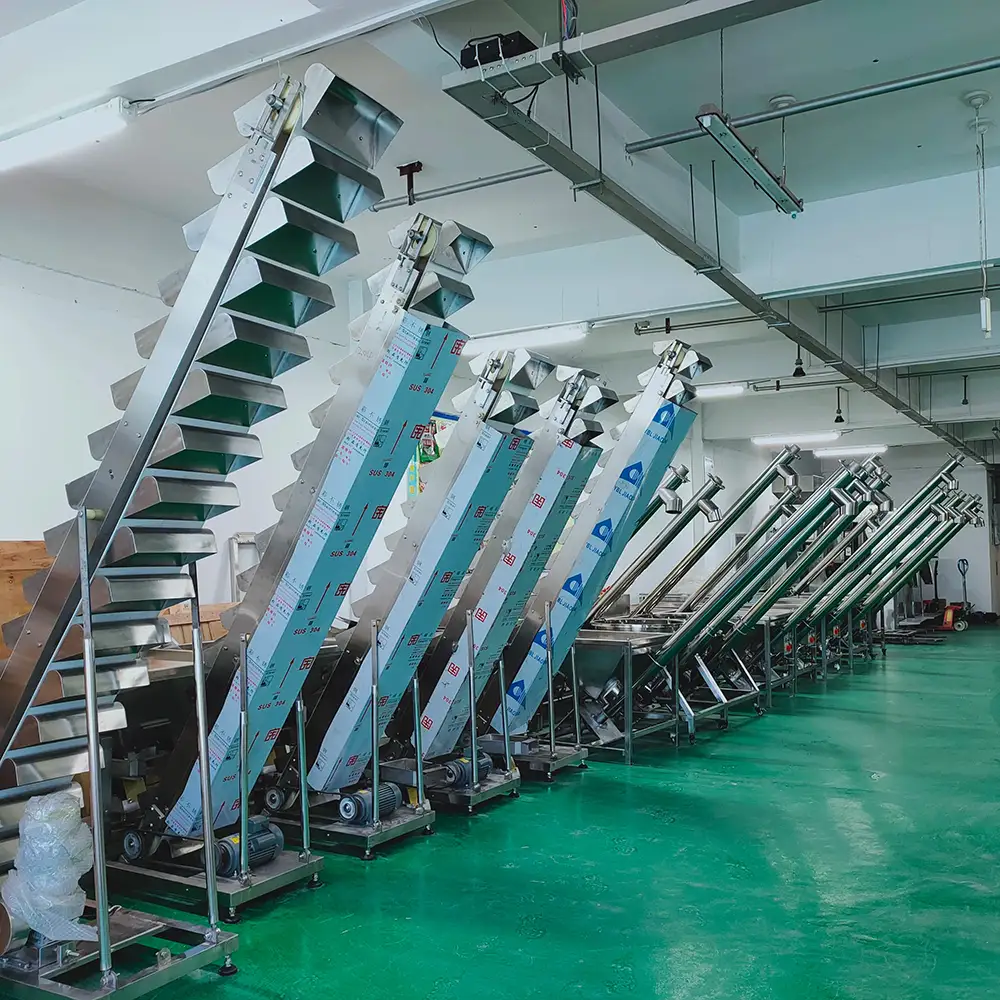
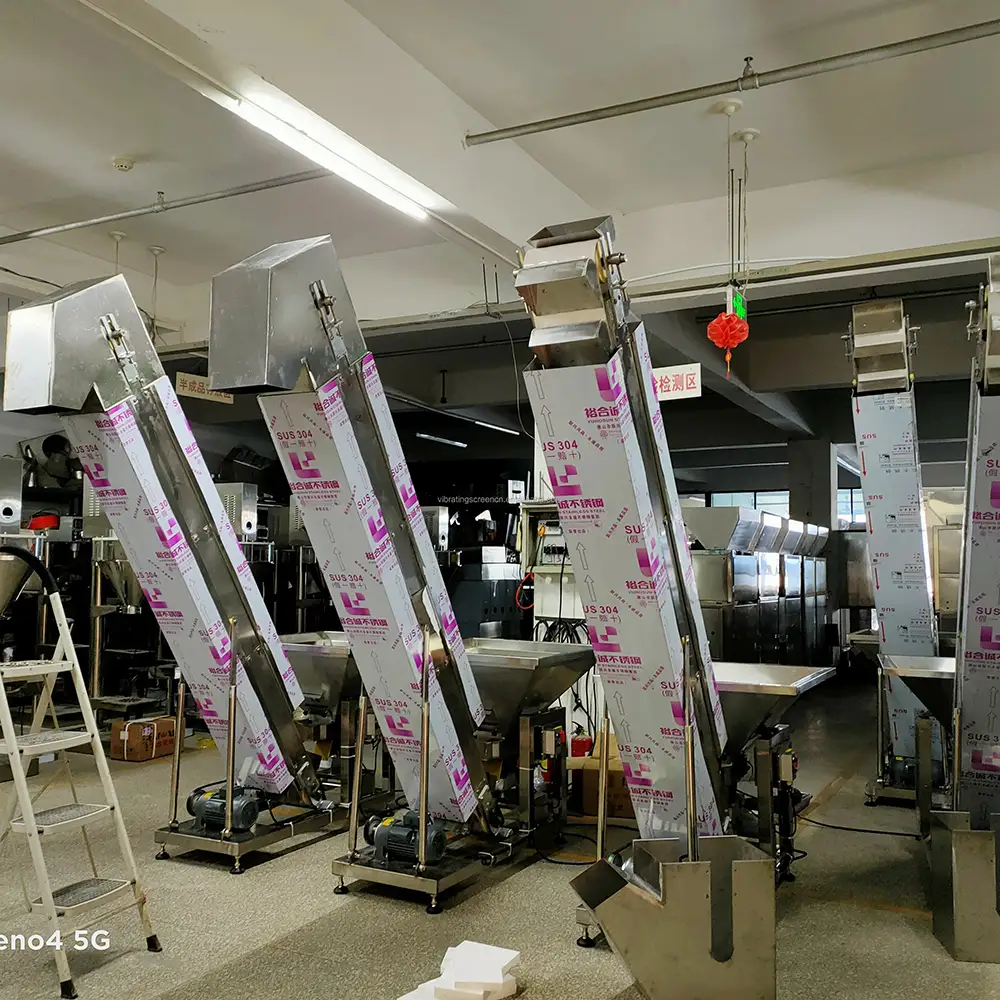
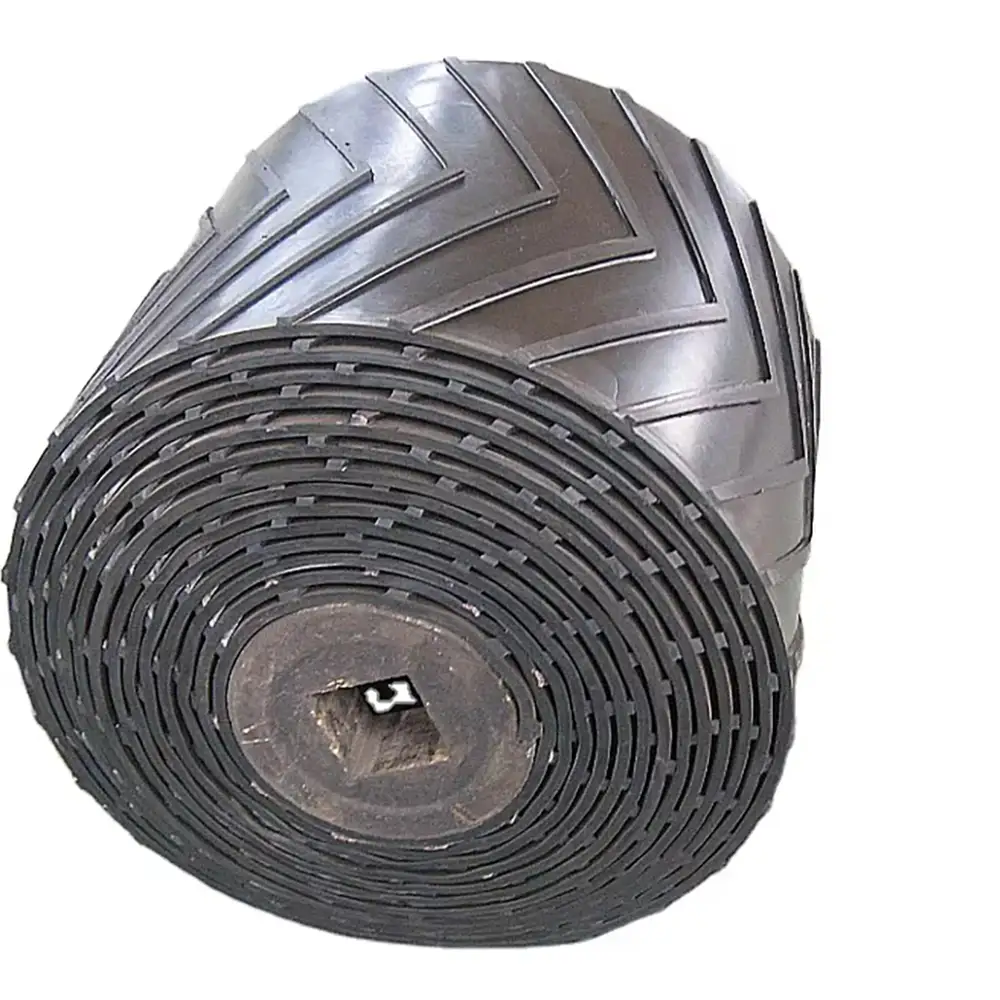
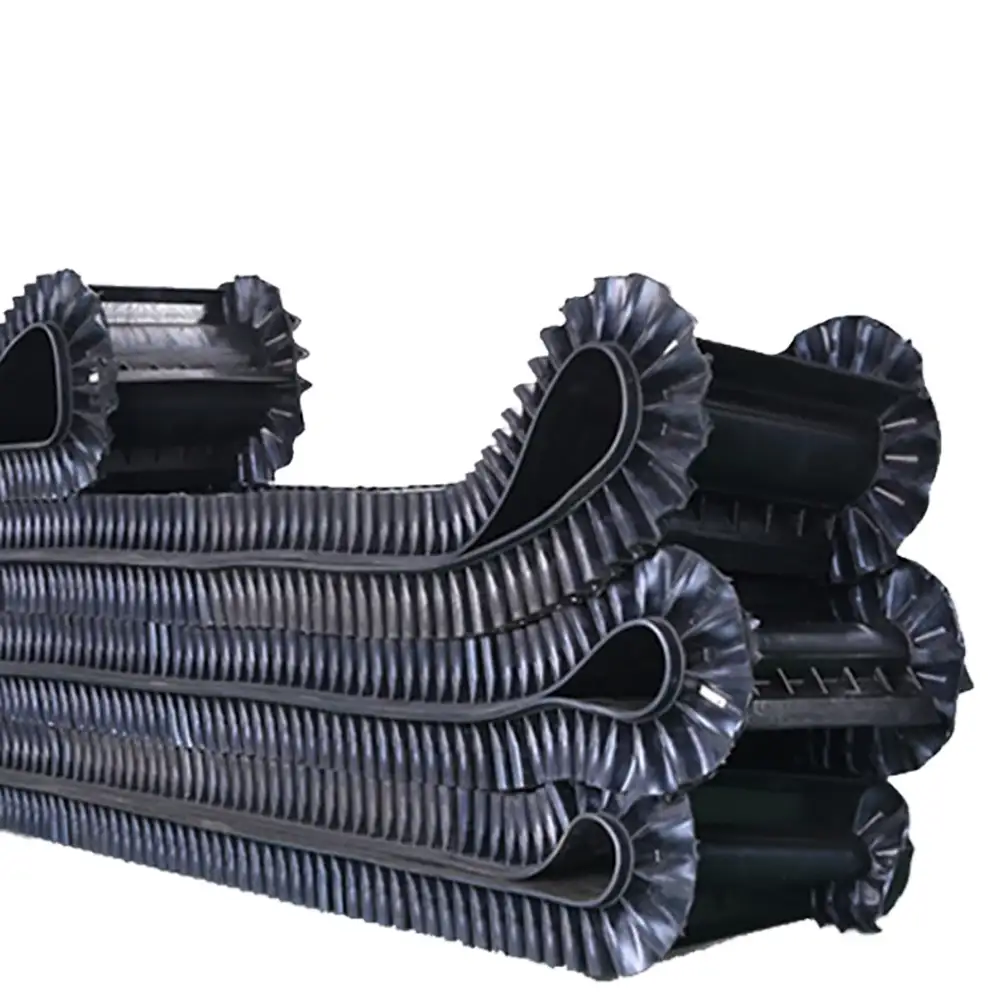
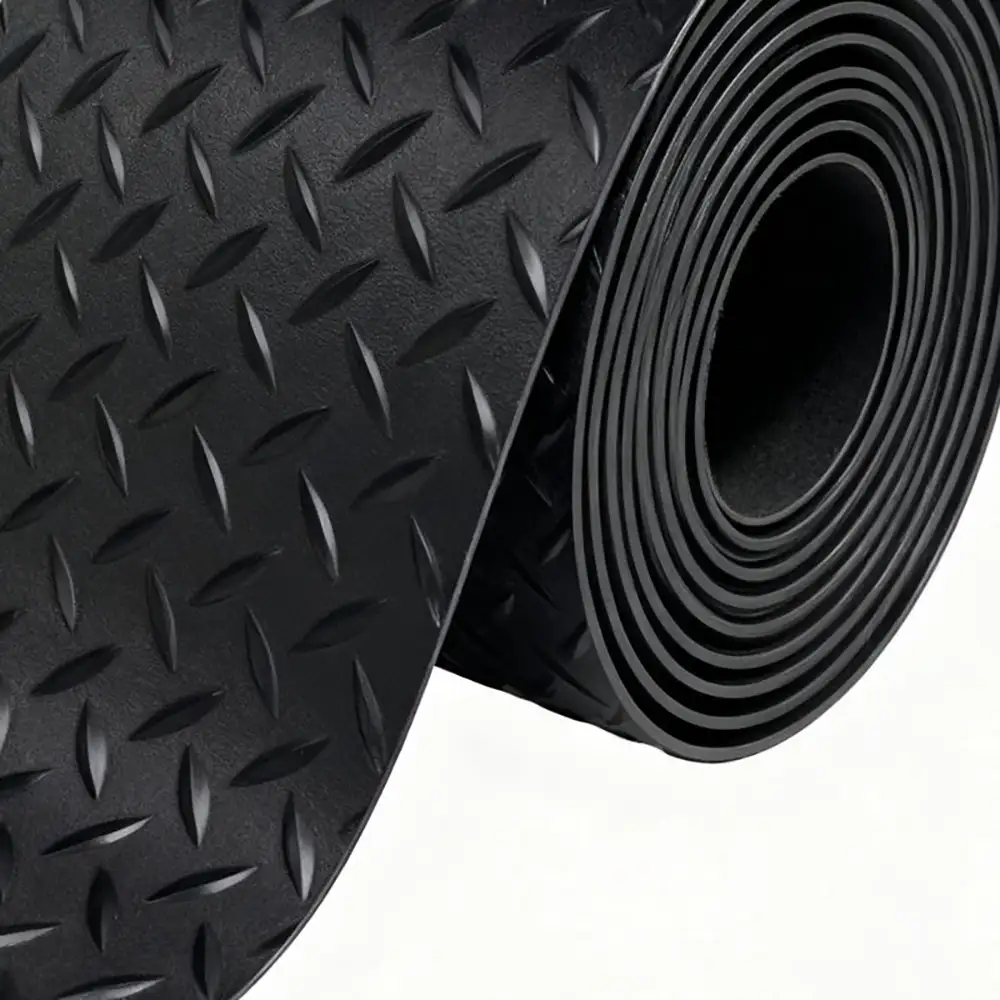
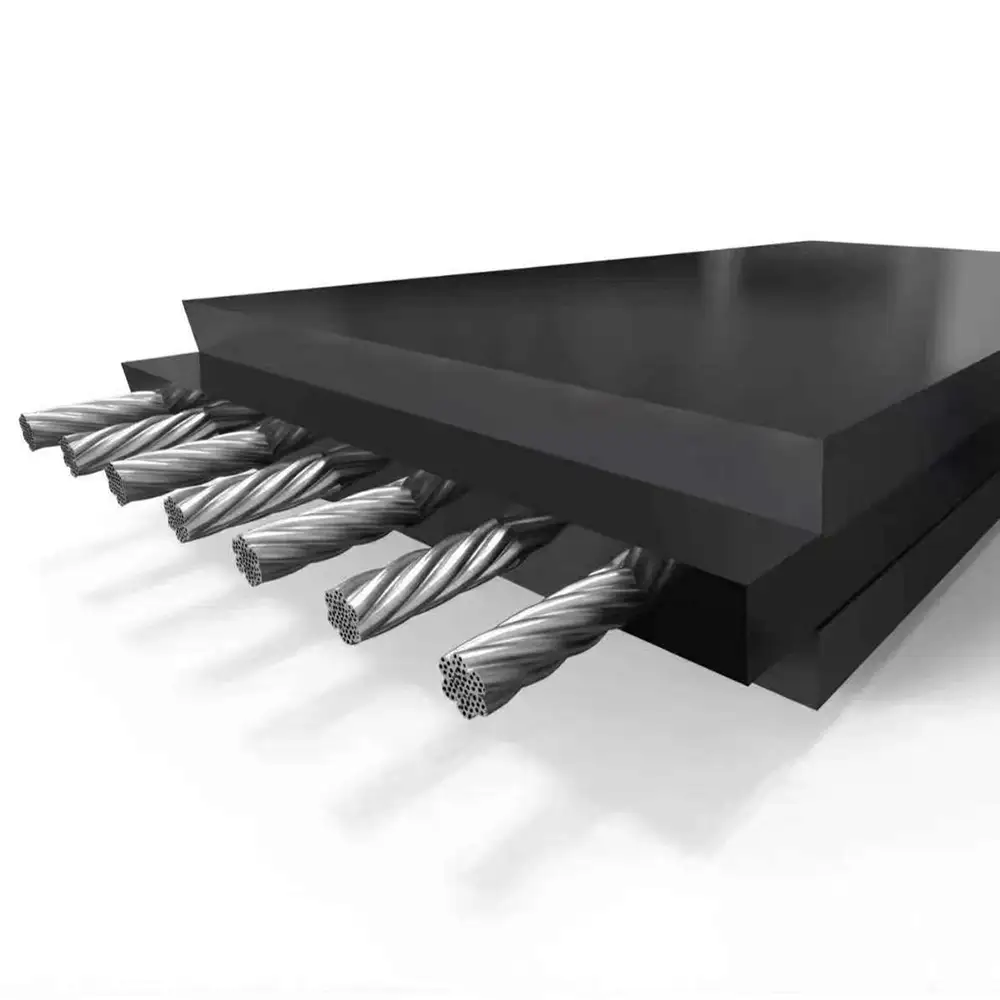
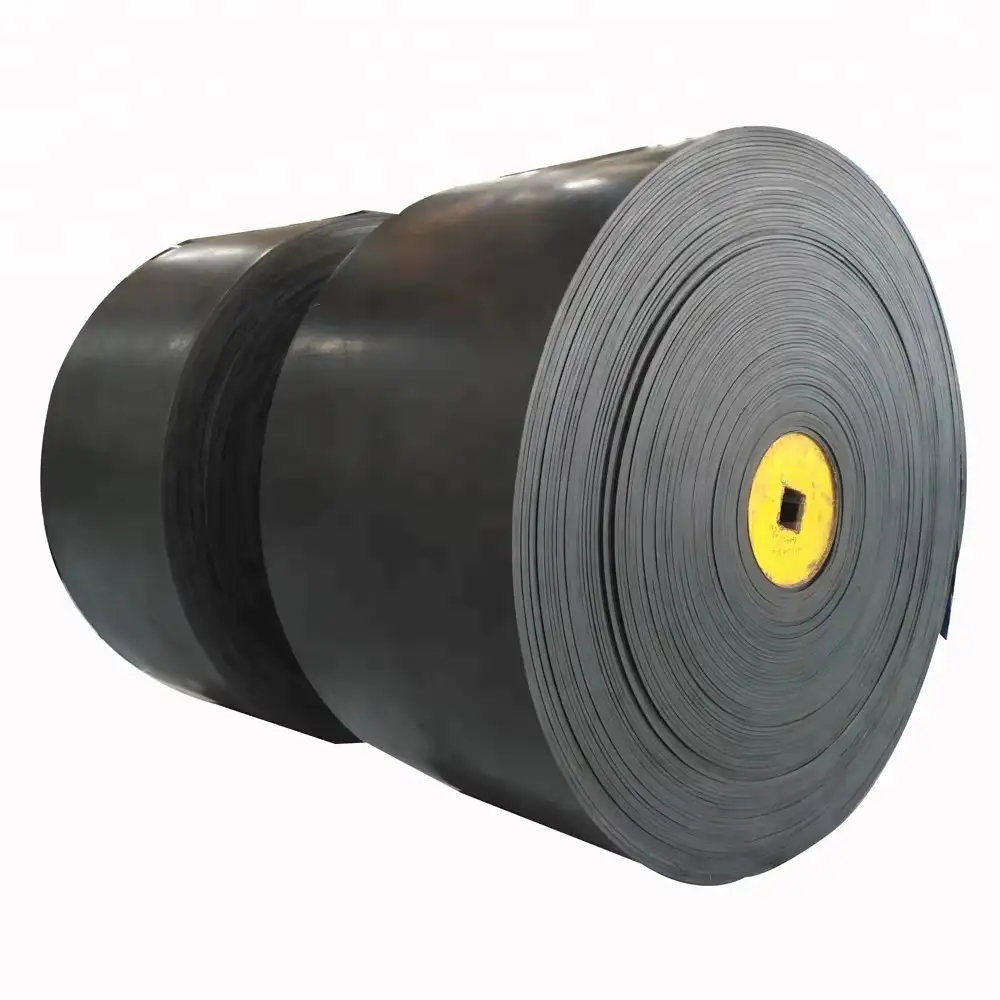
Bucket Elevator Conveyor Belt is designed for application in all areas of the belted-type elevators.Using a special strengthening tear resistant polyester canvas or wire tear resistant layer, with small elongation, large conveying capacity, stable operation, and convenient maintenance. It is suitable for conveying bulk material vertically, widely used in cement, concrete plants, sand, gravel and stone industry, dock, ship loading and unloading, heating stations, power stations, garbage incineration plants, etc.
Features
1. Suitable for conveying material vertically
2. High working tensions
3. Convenient maintenance
4. Great conveying capacity
5. Steady running
Specification
|
Belt type |
Carcass type |
Carcass type |
Cover thickness(mm) |
Belt width(mm) |
|
Top cover |
Bottom cover |
|
Conventional |
EP belt |
EP100~EP400 |
1.5
3.0
4.5
6.0 |
1.5
3.0
4.5
6.0 |
400~2200 |
|
Nylon belt |
NN100~NN400 |
|
Cotton belt |
CC56 |
|
Reinforcement |
EP belt |
EP100~EP400 |
|
Nylon belt |
NN100~NN400 |
|
Cotton belt |
CC56 |
|
Steel cord belt |
ST630~ST5000 |
Bucket Elevator Conveyor Belt, High Working Tensions Bucket Elevator Conveyor Belting
A Bucket Elevator Conveyor Belt is a specialized high-strength belt designed for vertical or steep-angle transportation of bulk materials. Unlike a conventional horizontal conveyor belt, bucket elevator belting works together with a series of buckets attached along the belt to lift material from a lower loading point to an elevated discharge point.
Because the belt must continuously carry the weight of the buckets and conveyed material while operating around the head and boot pulleys, bucket elevator belts require an appropriate combination of tensile strength, flexibility, low elongation, tear resistance, and bucket attachment strength. Depending on the elevator design and load requirements, the belt carcass can use multi-ply fabric, reinforced polyester construction, or steel cord reinforcement.
As a professional Bucket Elevator Conveyor Belt Manufacturer and Supplier, we can provide high-tension elevator belting for cement plants, mining operations, grain handling, fertilizer production, power plants, ports, aggregate processing, and other bulk material industries.
What Is a Bucket Elevator Conveyor Belt?
A bucket elevator conveyor belt is a continuous loop of belting fitted with buckets that carry bulk material vertically. The belt travels around a drive or head pulley at the top and a boot pulley at the bottom. Material is loaded into the buckets near the bottom of the elevator, transported upward, and discharged at the head section.
The belt typically requires cover protection on both sides because one side carries the buckets and material while the opposite side runs against the pulley system. Precise bucket mounting holes are also required to match the bucket dimensions, bolt configuration, and pitch.
This construction makes bucket elevator belting fundamentally different from ordinary flat conveyor belting. The belt must withstand repeated bending, vertical tension, bucket loads, impact from loading, and continuous cyclic operation.
High Working Tension Construction
High working tension is one of the most important characteristics of a heavy-duty bucket elevator belt.
The reinforcement carries the primary tensile load generated as the belt lifts buckets and material. Polyester fabric, multi-ply carcasses, straight-warp constructions, and steel cord reinforcement can be selected depending on the elevator height, capacity, belt speed, and required operating tension.
For high-power or particularly demanding elevators, steel cord reinforcement can provide very high tensile strength and low elongation. Steel cord bucket elevator belts are available for high-tension vertical conveying applications.
The actual belt construction should always be matched to the complete elevator design rather than selecting a belt only by nominal tensile strength.
Key Features of Bucket Elevator Belting
1. High Tensile Strength
The belt is engineered to withstand the continuous tensile forces generated by vertical lifting. High-strength reinforcement helps support heavy buckets and large material loads.
2. Low Elongation
Low elongation helps maintain appropriate bucket positioning and belt tension during operation. Reduced stretch can also decrease the frequency of tension adjustments.
3. Strong Bucket Attachment
Bucket elevator belts contain accurately positioned mounting holes for bucket bolts. The hole spacing and pattern must correspond precisely with the bucket design to provide secure attachment and stable operation.
4. High Tear Resistance
Vertical elevators can experience concentrated stresses around bucket attachment points. Reinforced carcass structures and suitable cover compounds can improve resistance to tearing and mechanical damage.
5. Abrasion-Resistant Cover
Bulk materials such as clinker, limestone, gravel, fertilizer, minerals, and grain can impose different wear conditions. Rubber cover compounds can be selected according to the conveyed material and operating environment.
6. Flexible Around Pulleys
Despite high tensile strength, the belt must remain sufficiently flexible to pass repeatedly around the head and boot pulleys. Correct belt construction and pulley diameter are therefore important to long-term performance.
7. Special Rubber Options
Depending on the application, available compound options may include abrasion-resistant, heat-resistant, oil-resistant, acid/alkali-resistant, flame-resistant, and anti-static formulations. The correct compound should be selected according to actual operating conditions.
Applications of Bucket Elevator Conveyor Belts
Cement Plants
Bucket elevators are widely used to vertically transport cement, clinker, limestone, raw materials, and other bulk materials. High-temperature and abrasion-resistant belt constructions can be considered where process conditions require them.
Mining
Mining applications may involve ore, minerals, crushed rock, and other heavy bulk materials. High-tension belts with reinforced carcasses can be used for demanding vertical material lifting.
Grain Handling
Bucket elevators are common in grain storage and processing systems for vertically transferring grains and other agricultural materials. Belt construction and rubber compound should be selected according to the material and applicable safety requirements.
Fertilizer Plants
Fertilizer products can be abrasive or chemically active, making material compatibility important. Specialized rubber compounds can be considered for fertilizer conveying applications.
Power Plants
Coal, ash, limestone, and other bulk materials can be transported vertically using bucket elevators. For certain environments, flame-resistant or heat-resistant belt constructions may be required.
Steel and Metallurgical Industries
High-capacity bucket elevators can handle raw materials and processed bulk products in demanding industrial environments.
Ports and Bulk Terminals
Vertical lifting equipment is used to transfer bulk cargo between conveyors, storage systems, ships, and processing equipment. Bucket elevator belts can be designed for continuous industrial operation.
Bucket Attachment and Hole Punching
Bucket attachment is a critical part of elevator belt performance.
The mounting holes must match the bucket bolt pattern and spacing. Centered and staggered configurations may be used depending on the elevator design. Custom hole patterns can also be manufactured for specific bucket configurations.
Poorly matched hole spacing can create installation difficulties and uneven loads around the attachment points. For this reason, customers should provide bucket drawings, existing belt dimensions, hole spacing, bolt specifications, and other relevant information when ordering replacement or OEM elevator belting.
Steel Cord Bucket Elevator Conveyor Belt
For high-tension and high-power applications, a Steel Cord Bucket Elevator Conveyor Belt can provide a high-strength reinforcement structure.
Steel cord belts use longitudinal steel cords as reinforcement. ISO 15236-1 specifies construction and mechanical requirements for conveyor belts reinforced with longitudinal steel cords, while ISO 15236-2 defines preferred steel cord belt types.
Steel cord reinforcement can be considered when the elevator requires high tensile capacity and low elongation. However, the belt must still be designed for the required pulley diameters, bucket attachment configuration, flexing conditions, and complete elevator system.
How to Select the Right Bucket Elevator Belt
Elevator Height:
Higher lifting heights can generate greater belt tension and may require a stronger carcass.
Bucket Capacity:
Larger buckets can carry more material but also increase the load transmitted to the belt and attachment system.
Material Characteristics:
Consider particle size, density, abrasiveness, temperature, moisture, oil content, and chemical properties.
Working Tension:
Calculate the operating tension based on belt weight, bucket weight, material load, elevator height, acceleration, friction, and drive conditions.
Belt Width:
The belt width should correspond to bucket width and elevator capacity.
Belt Thickness:
Cover thickness and total belt thickness should be selected according to belt construction, bucket attachment, wear conditions, and pulley requirements.
Pulley Diameter:
The belt construction should be compatible with the head and boot pulley diameters to avoid excessive bending stress.
Bucket Hole Pattern:
Provide accurate bucket dimensions and bolt-hole spacing before production.
Maintenance of Bucket Elevator Conveyor Belting
Regular inspection helps maintain reliable elevator operation.
Inspect the belt for longitudinal cracks, edge damage, cover wear, abnormal elongation, and damage around bucket bolt holes. Check bucket bolts and attachment hardware for loosening or deformation.
Belt tracking should also be monitored. Misalignment can cause edge damage and uneven bucket loading. Head and boot pulleys, bearings, take-up systems, and belt cleaners should be inspected as part of the complete elevator maintenance program.
For heat-resistant applications, operating temperature should remain within the selected compound's rated range. Excessive temperature can accelerate rubber aging and reduce belt flexibility.
Why Choose Us?
High-Tension Elevator Belting:
We supply bucket elevator conveyor belts designed for vertical bulk material handling and demanding working tensions.
Multiple Carcass Options:
Depending on the application, we can provide multi-ply fabric, reinforced polyester, and steel cord constructions.
Custom Bucket Hole Patterns:
We can manufacture belt mounting holes according to customer drawings, bucket dimensions, bolt spacing, and installation requirements.
Special Rubber Compounds:
Options can be selected for abrasion, heat, oil, chemicals, flame resistance, and other operating conditions.
OEM Manufacturing:
We support customized belt width, thickness, tensile strength, cover specifications, hole patterns, roll length, and packaging for international customers.
Heavy Industry Experience:
Our bucket elevator belting is suitable for cement, mining, grain, fertilizer, power, steel, ports, and bulk material handling applications.
Export-Oriented Supply:
We support international distributors, conveyor equipment manufacturers, engineering companies, replacement-belt buyers, and industrial project customers.
FAQs
1. What Is a Bucket Elevator Conveyor Belt?
It is a continuous belt fitted with buckets that lifts bulk materials vertically or at a steep angle inside a bucket elevator.
2. Why Does a Bucket Elevator Belt Need High Working Tension?
The belt must support the weight of the belt itself, buckets, and conveyed material while continuously lifting the load. Higher-capacity or taller elevators can therefore require higher-strength belting.
3. What Materials Can Bucket Elevator Belts Handle?
Applications include cement, clinker, limestone, coal, minerals, grain, fertilizer, aggregates, chemicals, and other bulk materials. The belt compound should be selected according to the material characteristics.
4. Can Bucket Elevator Belts Use Steel Cord Reinforcement?
Yes. Steel cord reinforcement can be used for high-tension and high-power bucket elevator applications where high tensile capacity and low elongation are required.
5. Can You Punch Bucket Mounting Holes?
Yes. Bucket mounting holes can be produced according to the required hole spacing, bolt configuration, bucket dimensions, and elevator design.
6. What Rubber Compounds Are Available?
Depending on the application, options can include abrasion-resistant, heat-resistant, oil-resistant, flame-resistant, anti-static, and acid/alkali-resistant rubber compounds.
7. Can Bucket Elevator Belts Handle High Temperatures?
Special heat-resistant compounds can be used for suitable applications. The actual belt selection should be based on continuous material temperature, peak temperature, exposure duration, and the complete elevator operating conditions.
8. What Is the Difference Between a Fabric and Steel Cord Elevator Belt?
Fabric belts use textile reinforcement and are available in different multi-ply constructions. Steel cord belts use longitudinal steel cords and are generally selected for applications requiring higher tensile strength and low elongation.
9. How Do I Choose the Correct Bucket Elevator Belt?
Provide the elevator height, belt width, bucket size, bucket spacing, material type, capacity, belt speed, pulley diameter, working tension, temperature, and required hole pattern. These parameters allow the belt construction to be matched to the elevator.
10. Can You Provide OEM Bucket Elevator Conveyor Belts?
Yes. We can manufacture customized bucket elevator belting according to belt dimensions, tensile strength, carcass construction, rubber compound, cover thickness, bucket hole pattern, and other project specifications.
Prev:
Chevron Conveyor Belt, V, L, F, Y, A, H Type Industrial Chevron Conveyor Belting
Next:
Steel Cord Conveyor Belt, High Tensile Strength Steel Cord Conveyor Belting
TAG:
Vertical Conveyor Belt,
Bucket Elevator Conveyor Belting,
High Tension Bucket Elevator Belt,
High Working Tension Belt,
High Tensile Bucket Elevator Belt,
Heavy Duty Bucket Elevator Belt,
Industrial Bucket Elevator Belt,
Vertical Elevator Belt,
Rubber Bucket Elevator Belt,
Steel Cord Bucket Elevator Belt,
Steel Cord Elevator Belt,
High Strength Elevator Belt,
Heavy Duty Elevator Belting,
Industrial Elevator Belting,
Mining Bucket Elevator Belt,
Cement Bucket Elevator Belt,
Grain Bucket Elevator Belt,
Fertilizer Elevator Belt,
Coal Bucket Elevator Belt,
Heat Resistant Elevator Belt,
Abrasion Resistant Elevator Belt,
Oil Resistant Elevator Belt,
Flame Resistant Elevator Belt,
Anti Static Elevator Belt,
Low Elongation Elevator Belt,
Bucket Conveyor Belt,
Bucket Elevator Rubber Belt,
Bucket Elevator Conveyor Belt,
Bucket Elevator Belt,
Bucket Elevator Belting,
Related Category:
Bucket Elevator Conveyor Belt,High Working Tensions Bucket Elevator Conveyor Belting,Bucket Elevator Belt China, suppliers, manufacturers, factory, customized, wholesale, quotation, made in China