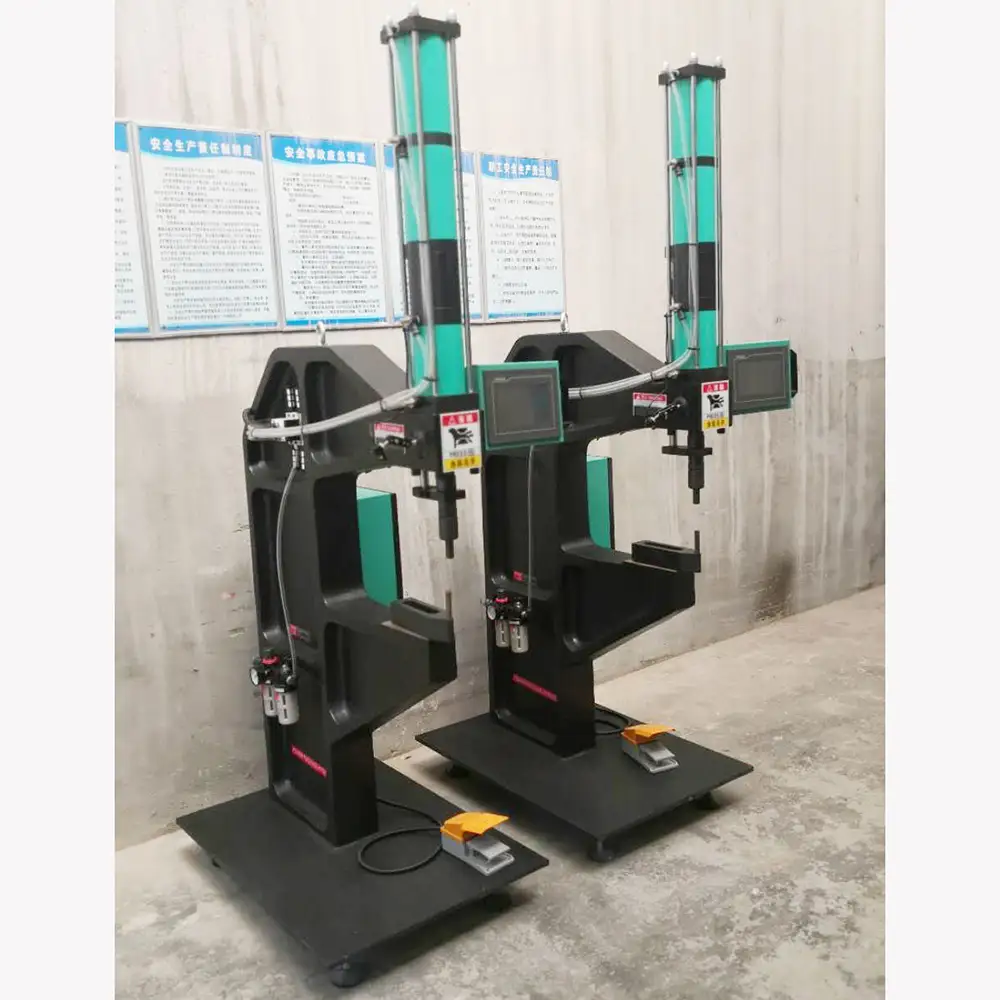
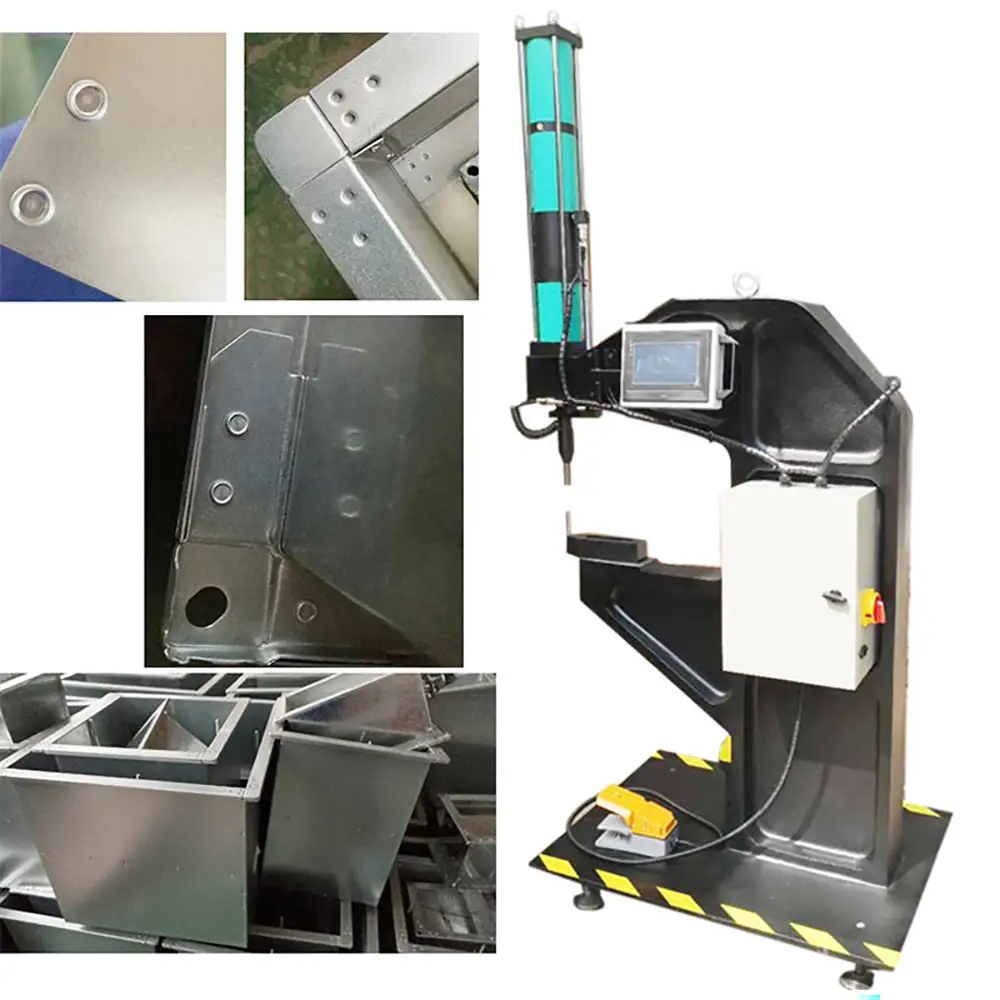
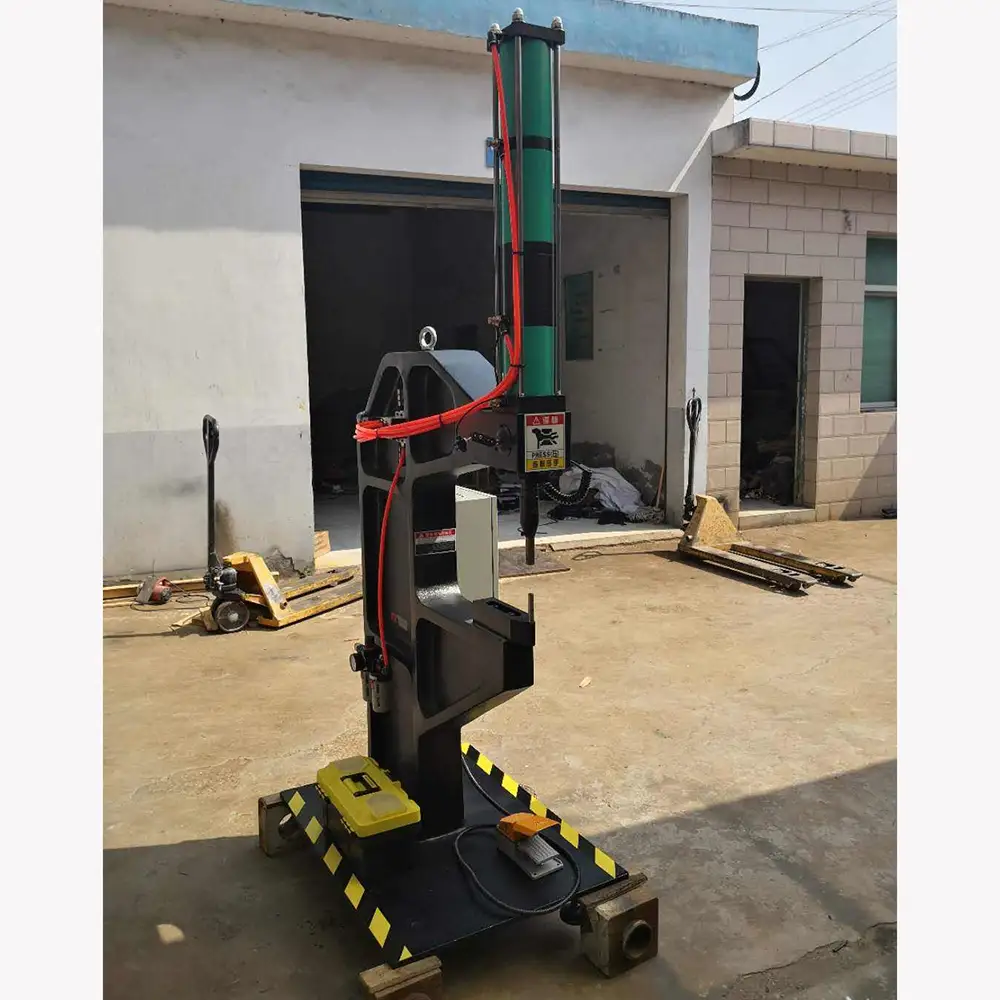
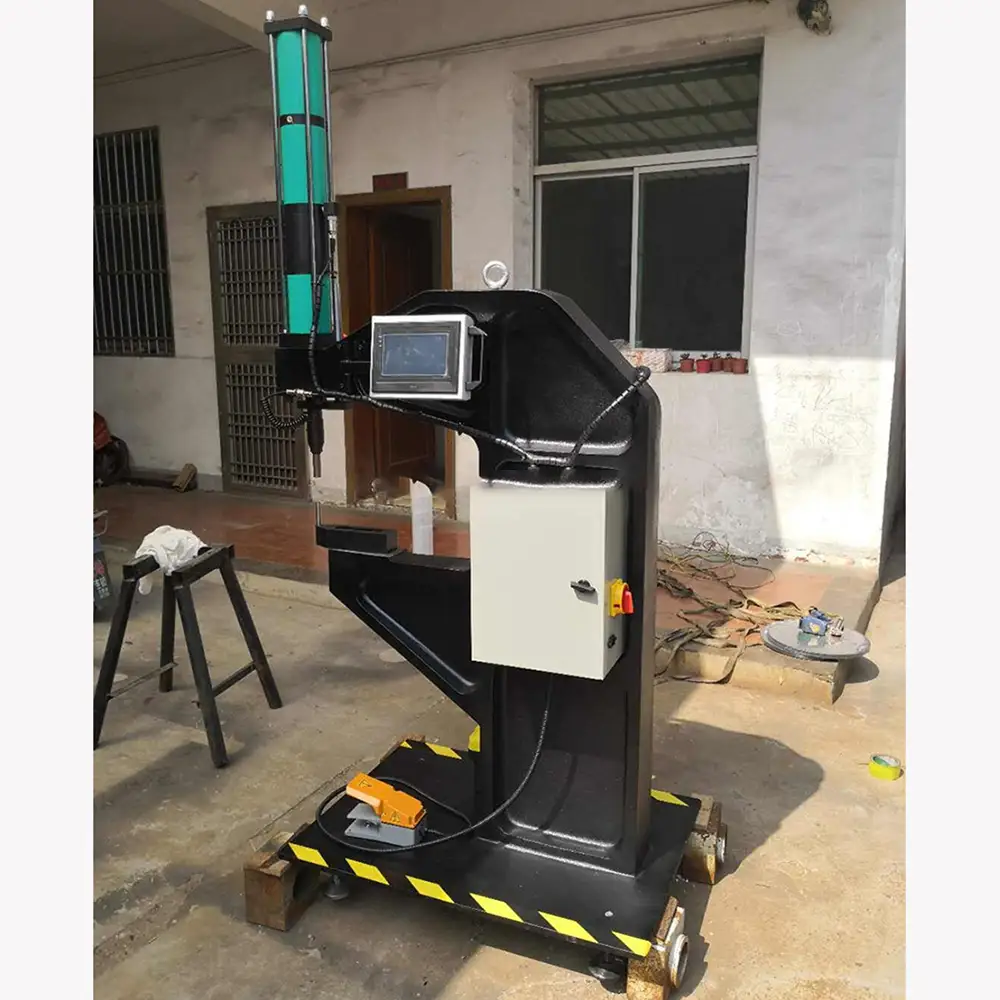
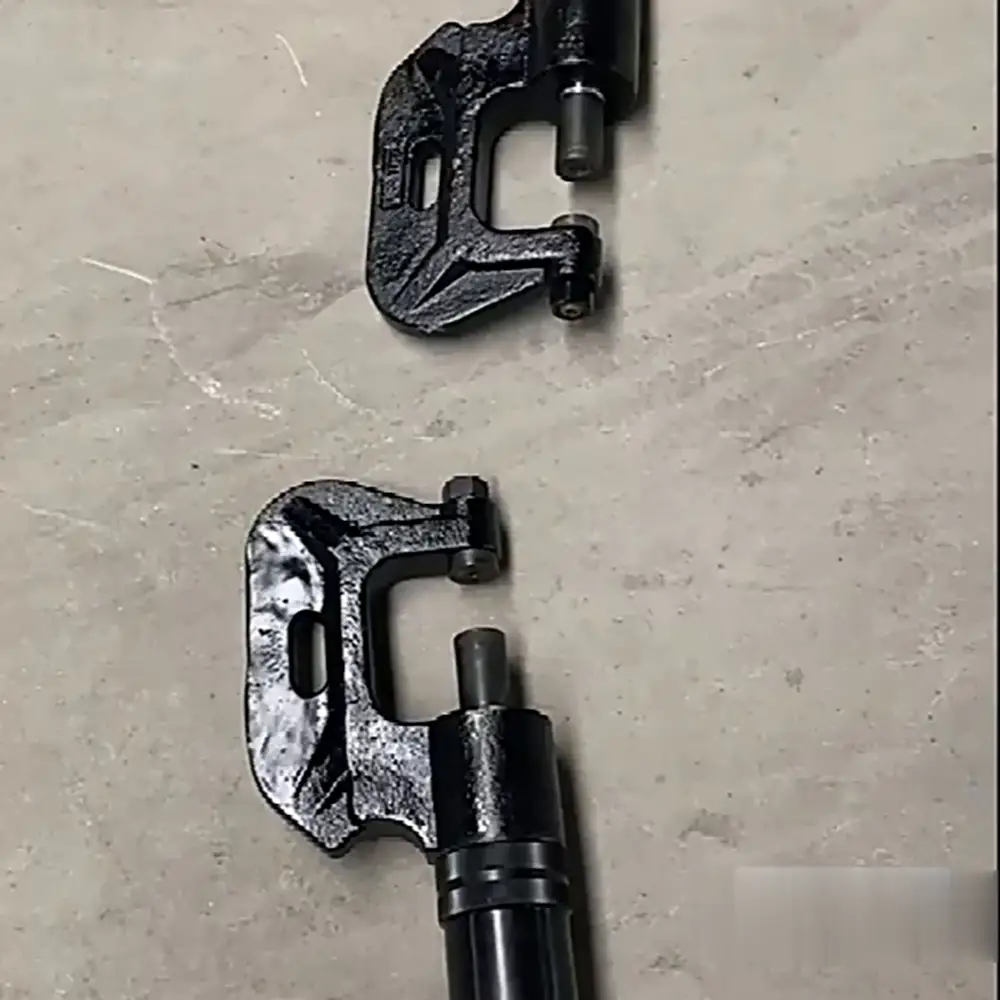
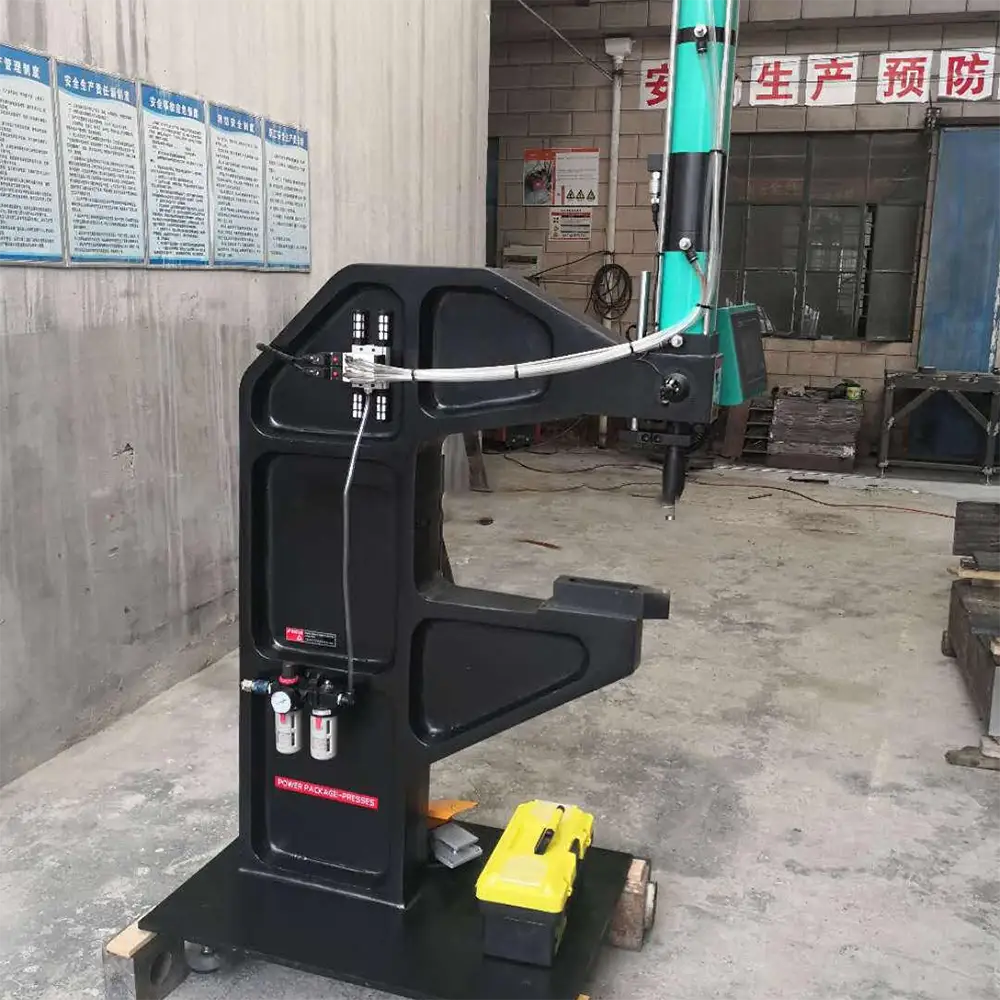
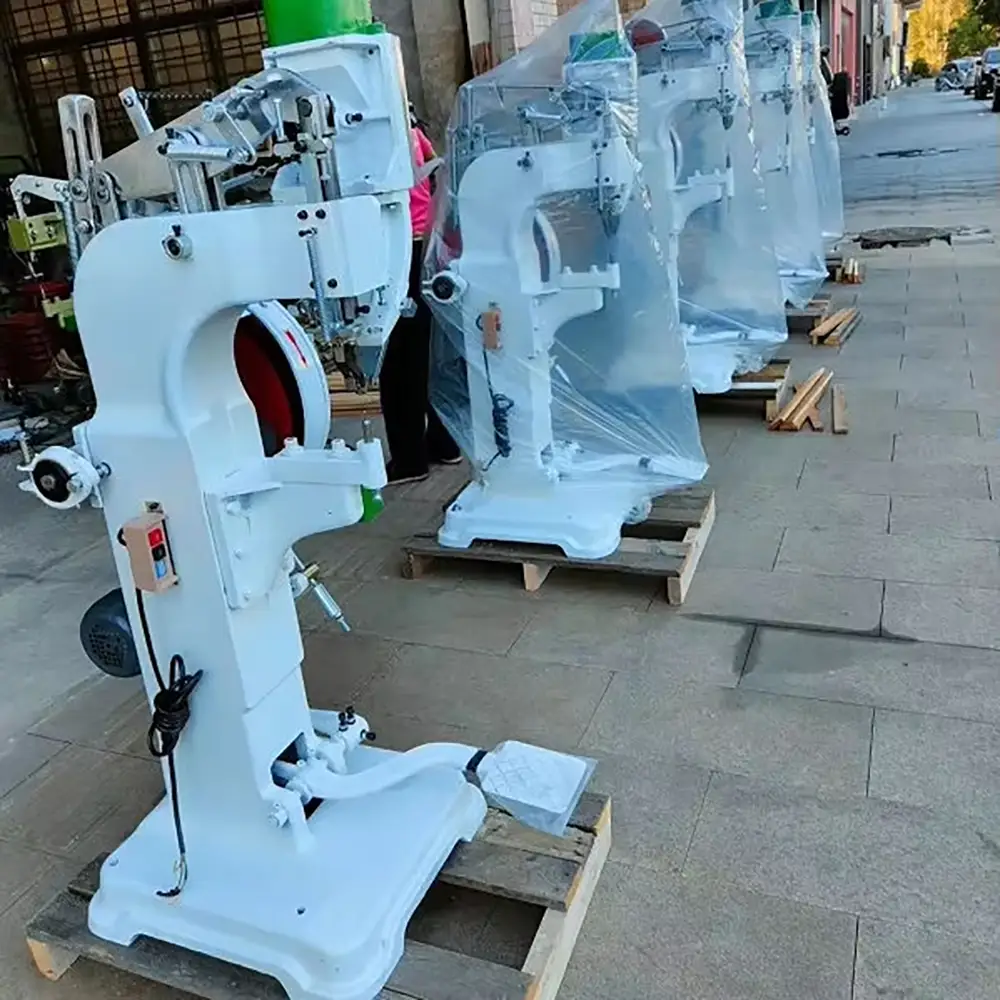
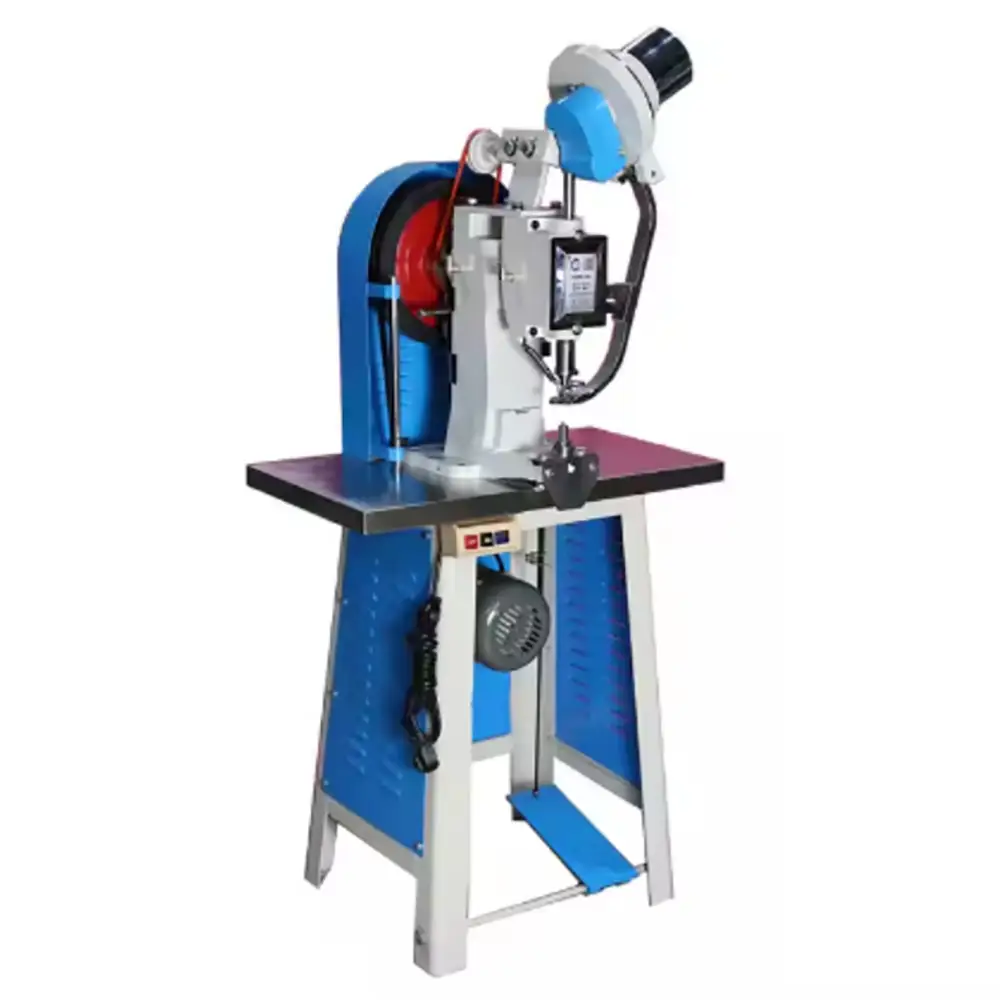
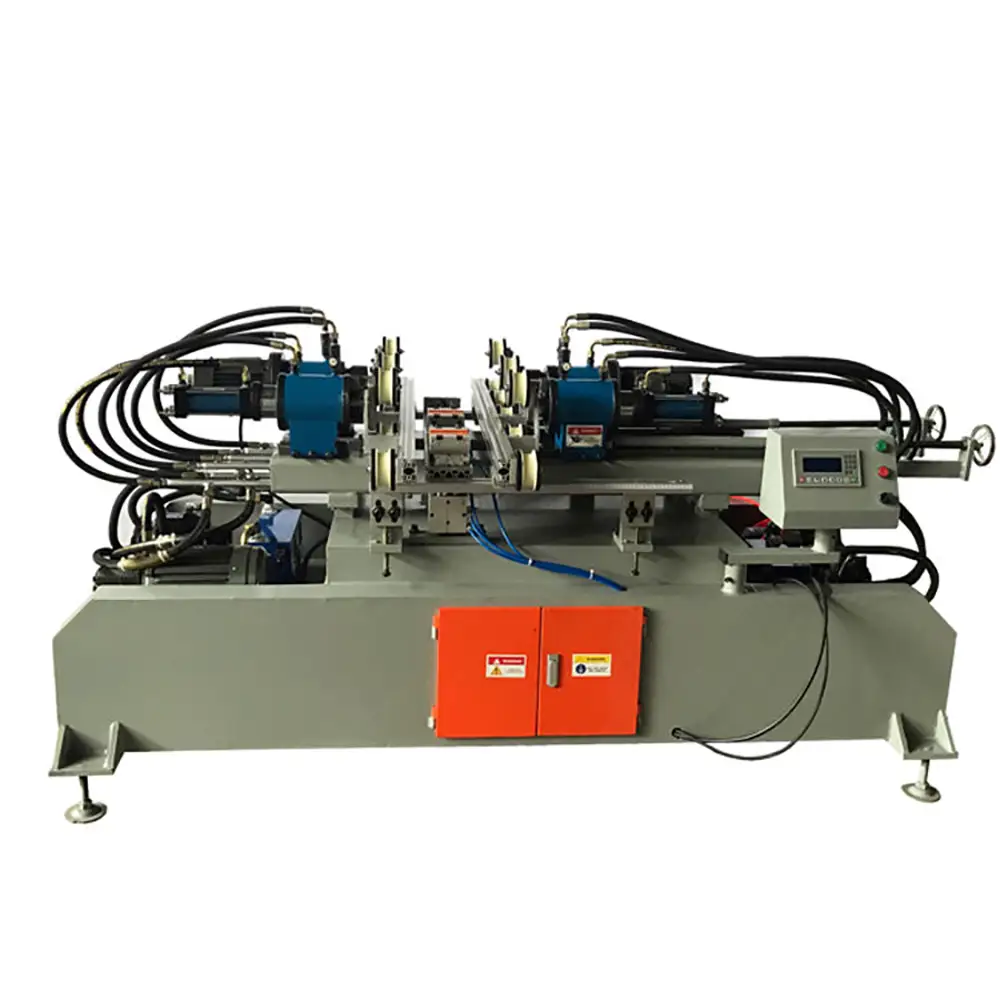
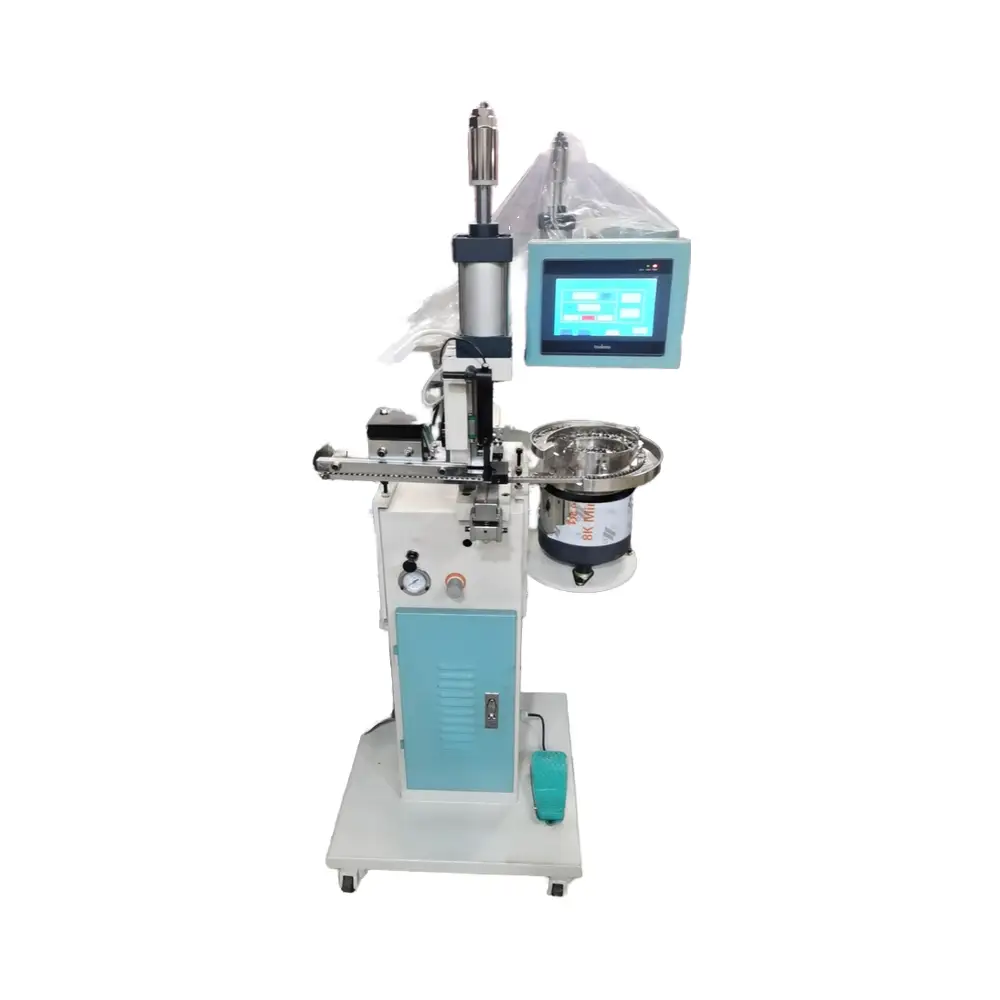
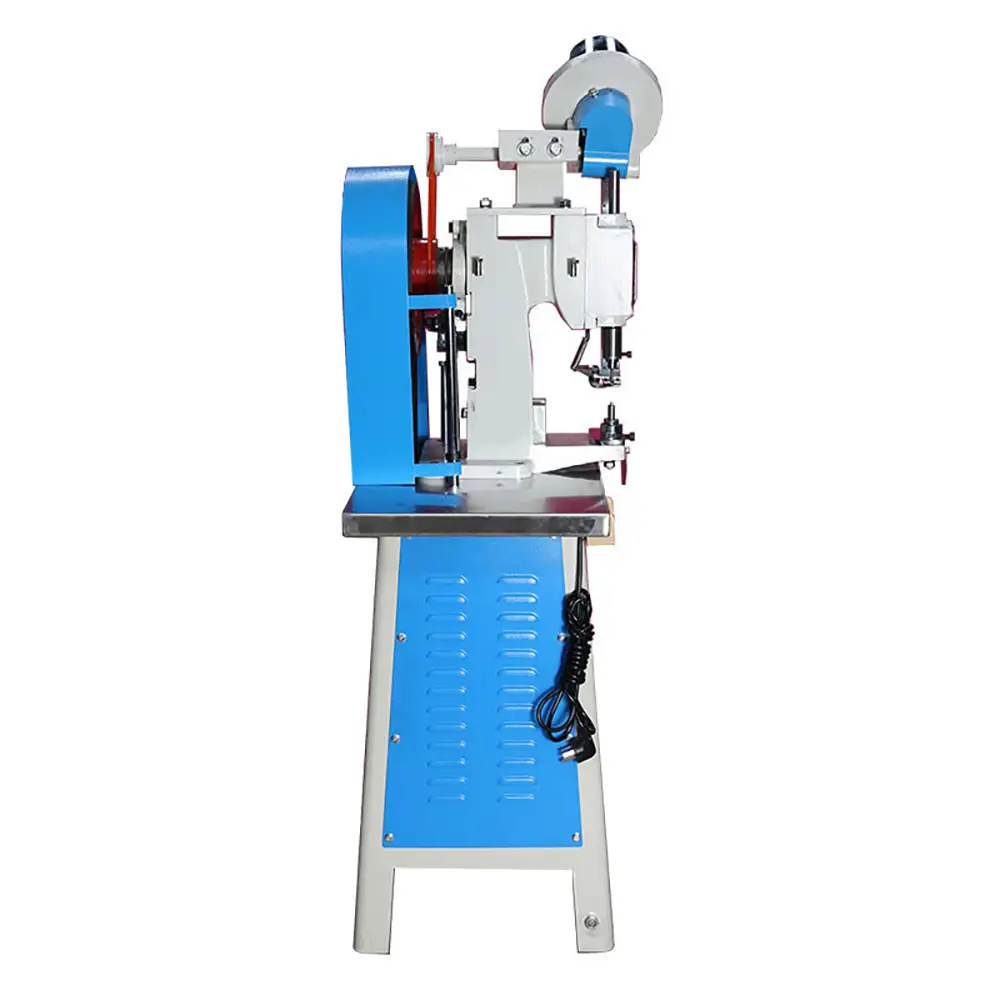
Application field
It is widely used in the solid connection between the cabinets and cabinets, electrical products, LCD monitor brackets,self-service payment terminals, logistics equipment, communication product casings and computer casings. It has extremely high anti-ejection force and anti-rotation torque, and can be applied to steel copper, copper, aluminum and aluminum alloy rice pieces.
Machine performance profile
1.The machine uses a touch screen as data input. The data shows that high-quality load cells are used as pressure acquisition signals. The system can calculate pressure signals and displacement signals at a rate of 500 times per second to make various alarms and curve descriptions.
2.The machine pre-sets the upper and lower limit curves of displacement and pressure to compare with the current press-fit value,enter any press-fit positioning, and then you can get the interference resistance of the position in the last press-fit.
Products Description
|
Model |
3A |
5A, |
8A |
|
Red light location |
Option |
Option |
Option |
|
Stroke |
100mm |
100mm |
100mm |
|
Force stroke |
6mm |
8mm |
8mm |
|
Intake air source |
3-6BAR |
3-6BAR |
3-6BAR |
|
voltage |
AC220V |
AC220V |
AC220V |
|
usage frequency |
1 time/s |
1 time/s |
1 time/s |
|
Pressure output range |
0 tons -3 tons steplessly adjustable |
0 tons -5 tons steplessly adjustable |
0 tons -8 tons steplessly adjustable |
|
Throat height |
400mm |
400mm |
400mm |
|
Throat depth |
500mm |
500mm |
500mm |
|
Non-rivet riveting capacity |
1.2mm+1.2mm |
2.2mm+2.2mm |
3.5mm+2.5mm |
|
Press riveting capacity |
Nut M10, stud M6 |
Nut M16, stud M10 |
Nut M25, stud M20 |
|
Press riveting capacity(SS) |
Nut M6, stud M5 |
Nut M14, stud M8 |
Nut M22, stud M16 |
|
Weight |
450KG |
520kg |
520KG |
Weldless Beam Assisted Semi-Automatic Pneumatic Power Riveting Machine
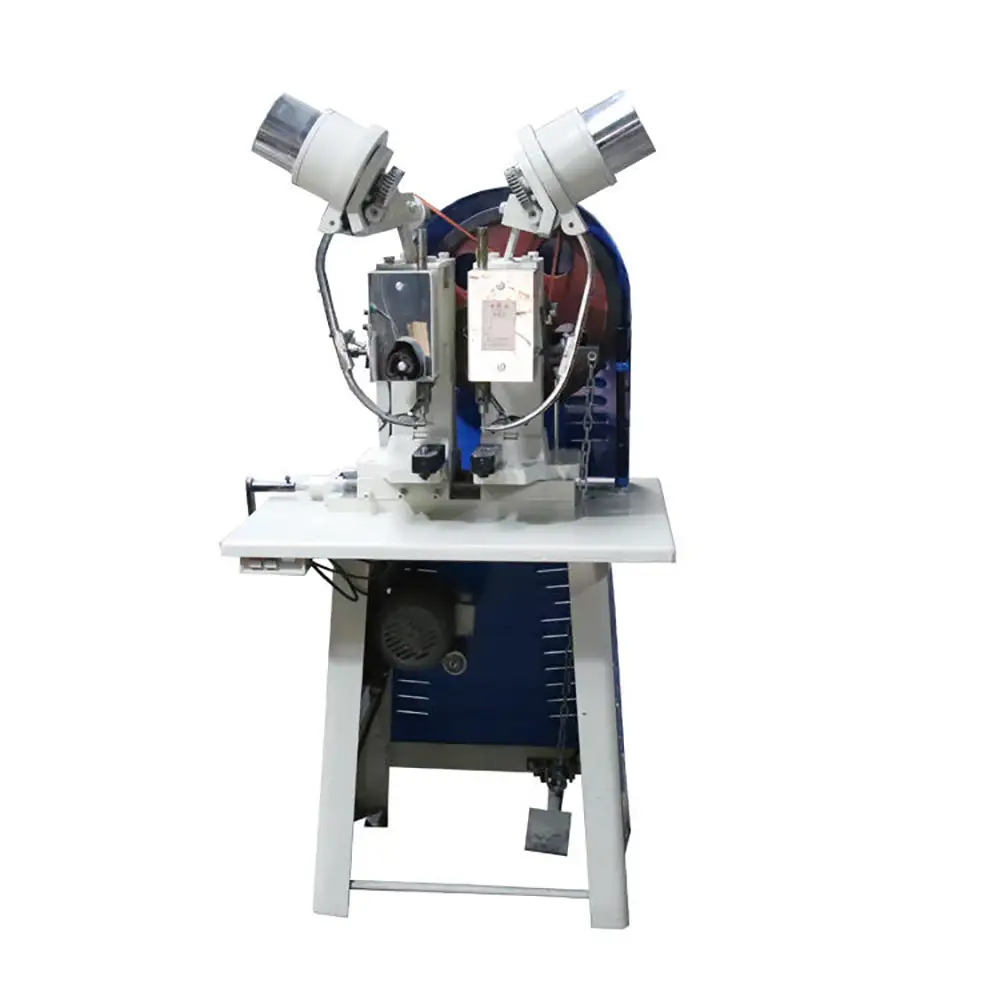
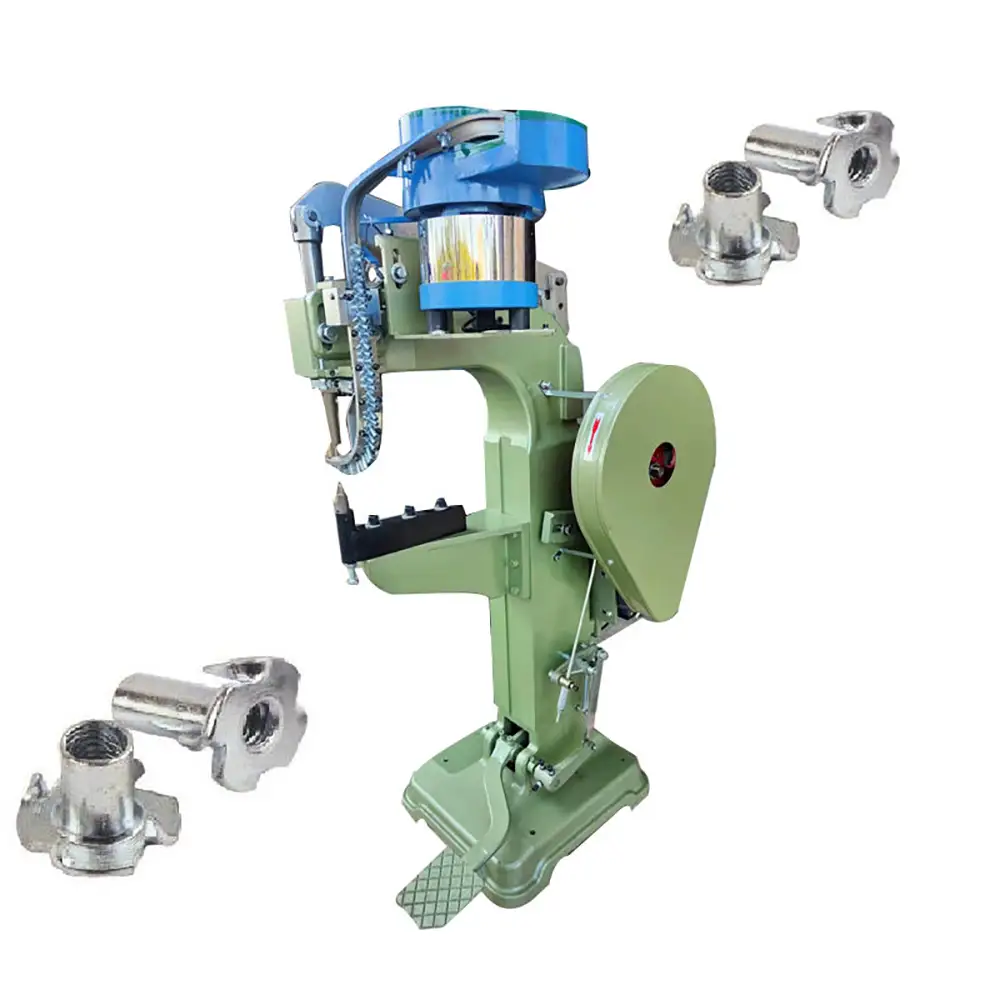
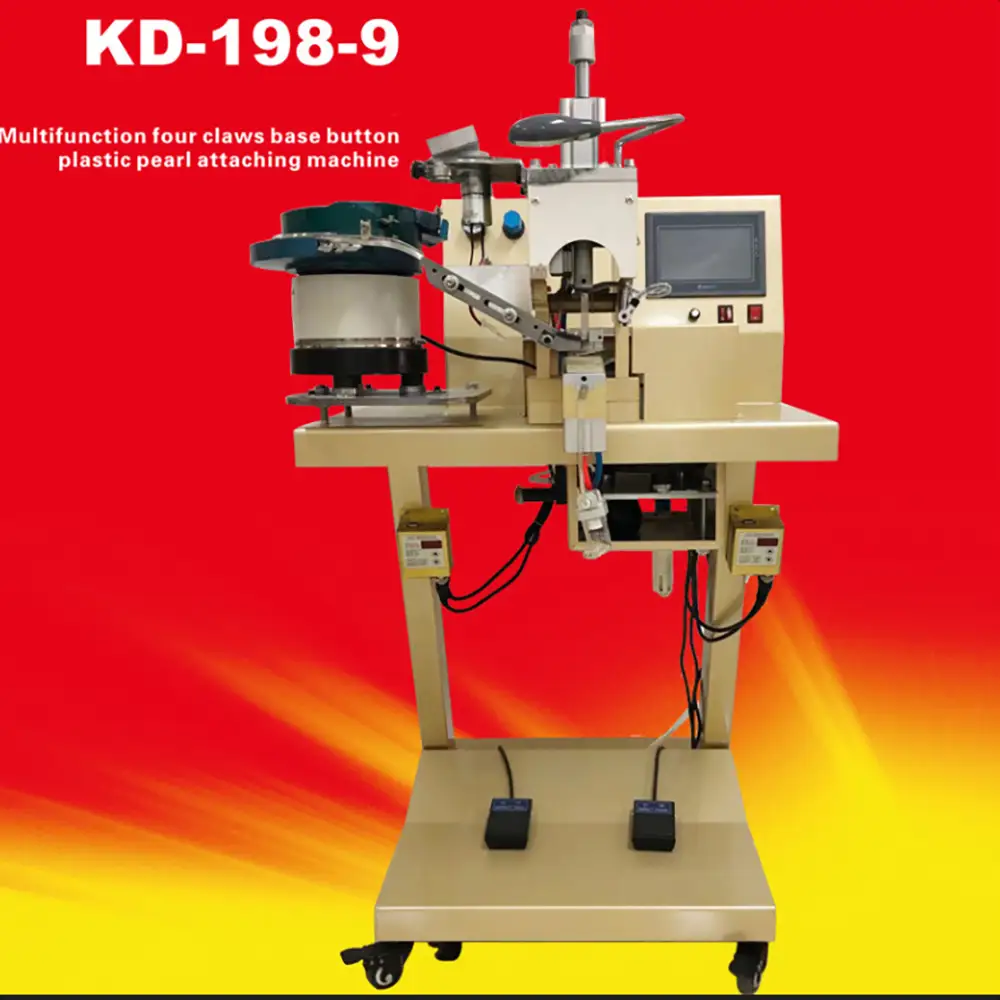
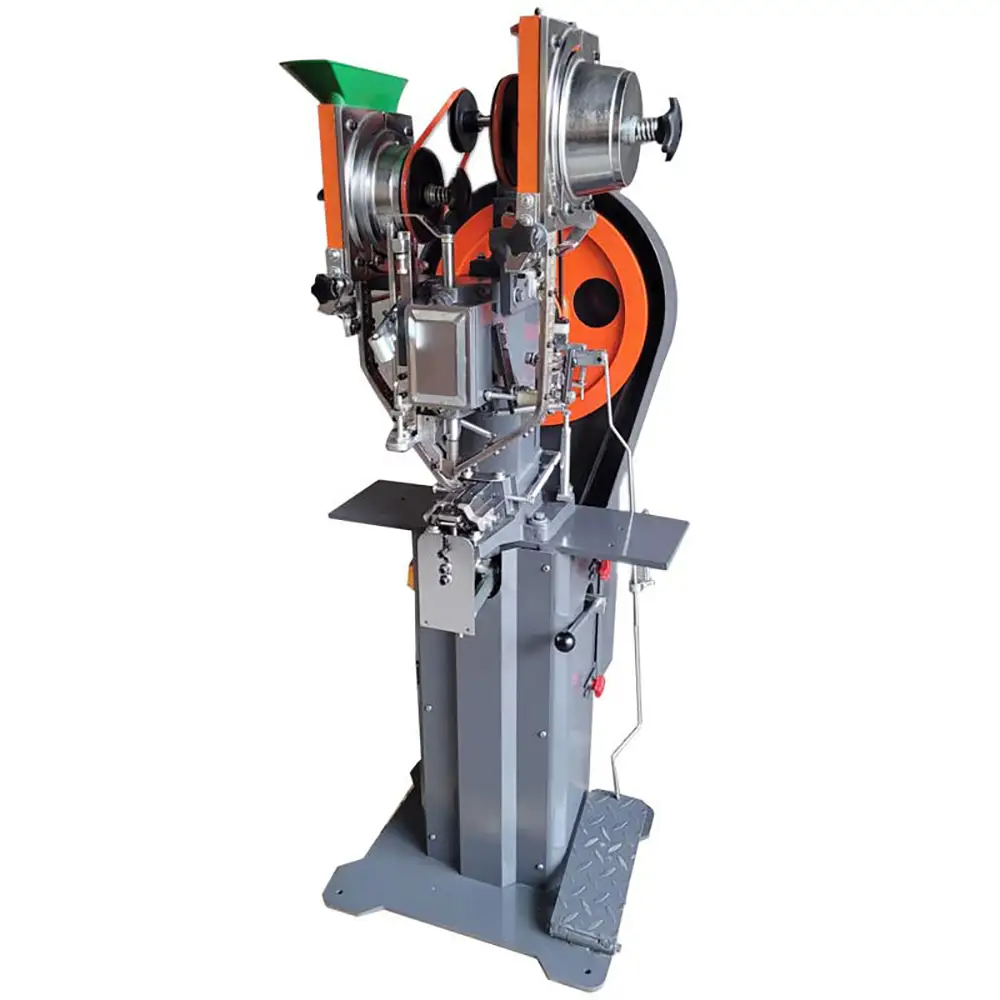
The Weldless Beam Assisted Semi-Automatic Pneumatic Power Riveting Machine is an industrial fastening solution designed for manufacturers that require strong, repeatable, and efficient mechanical joining of metal beams and compatible structural components without relying on conventional welding processes.
Mechanical riveting can provide an alternative joining method for applications where manufacturers want to reduce heat input, minimize thermal distortion, or create a serviceable mechanical connection. With pneumatic power assistance and a beam-supported operating structure, this type of machine can provide controlled riveting force while improving operator efficiency.
The semi-automatic design is suitable for production environments where repeated riveting operations are required but full robotic automation is not necessary. It can combine operator-controlled positioning with powered riveting, creating a practical balance between flexibility, productivity, and process consistency.
Weldless Beam Joining
One of the key characteristics of the machine is its suitability for weldless mechanical joining.
Instead of permanently joining metal components through heat-based welding, compatible components can be mechanically connected using rivets and controlled forming force.
This approach can be useful when manufacturers need to avoid welding-related heat effects or when the product design benefits from a mechanical fastening system.
The final connection depends on the selected rivet, material thickness, joint structure, riveting force, and tooling.
Beam Assisted Riveting
The beam-assisted structure provides support around the riveting operation and can help position the riveting equipment relative to larger or longer workpieces.
For structural or fabricated metal components, stable support is important because movement during riveting can affect alignment and joint quality.
Depending on the machine design, the beam or support structure can provide a working platform for positioning the riveter and maintaining a repeatable riveting location.
This configuration can be especially useful for large metal assemblies that would be difficult to process efficiently using a small portable riveting tool.
Pneumatic Power Riveting
Pneumatic power is used to generate the mechanical force required for the riveting process.
Compared with purely manual riveting tools, pneumatic equipment can reduce operator effort and provide a more consistent operating cycle.
A typical pneumatic riveting process involves positioning the rivet and workpiece, activating the riveting mechanism, applying controlled force, and forming or securing the rivet.
The required pneumatic pressure and riveting force depend on the rivet size, material, workpiece thickness, and joint design.
Semi-Automatic Operation
The semi-automatic operating structure provides a practical solution for factories that need increased production efficiency while maintaining operator flexibility.
The operator can position the workpiece and initiate the riveting cycle, while the pneumatic power system performs the main riveting operation.
This reduces repetitive physical effort while allowing operators to work with different product shapes and fastening positions.
Semi-automatic riveting is often useful for medium-volume manufacturing, customized metal products, and production environments where complete automation would be unnecessarily complex.
Heavy-Duty Metal Riveting
The machine can be configured for compatible heavy-duty metal riveting applications.
Potential workpieces may include:
Steel Beams
Aluminum Beams
Metal Profiles
Structural Components
Metal Frames
Support Brackets
Industrial Panels
Fabricated Metal Assemblies
The actual material range and maximum riveting capability depend on the machine model, pneumatic system, tooling, rivet type, and workpiece structure.
Applications Without Welding
Mechanical riveting can be useful for selected applications where welding is undesirable or impractical.
Potential advantages of weldless mechanical joining include reduced thermal influence, no welding fumes at the joint, and a mechanical connection that can be evaluated through conventional fastening inspection methods.
However, riveting is not automatically a replacement for welding in every structural application. The joint design, load requirements, material properties, applicable standards, and engineering requirements should always be considered.
Stable Workpiece Positioning
Proper positioning is essential for achieving consistent riveting results.
A stable support structure or customized fixture can help prevent the workpiece from shifting during the riveting cycle.
For long beams and large metal components, appropriate workholding can also make the operator's job easier and reduce repeated manual adjustments.
Fixtures can be designed according to the workpiece profile, riveting locations, dimensions, and production requirements.
Consistent Riveting Quality
A controlled pneumatic riveting operation can help reduce variation associated with manually operated riveting tools.
Consistent riveting depends on several factors, including:
Rivet Diameter
Rivet Material
Rivet Length
Workpiece Thickness
Pneumatic Pressure
Tooling Condition
Workpiece Alignment
Fixture Stability
Operator Technique
Manufacturers should establish appropriate process parameters and inspection procedures based on the specific application.
Production Efficiency
The semi-automatic pneumatic system can improve production efficiency by reducing the amount of manual force required for each riveting cycle.
For repetitive production, operators can spend less time performing physically demanding riveting operations and more time on loading, positioning, inspection, and material handling.
This can be particularly useful when a product contains multiple riveted joints or when large metal components require repeated fastening.
Actual production speed depends on product geometry, riveting locations, rivet specifications, operator workflow, and machine configuration.
Flexible Riveting Positions
Unlike dedicated multi-head machines designed for one fixed product pattern, a beam-assisted pneumatic riveter can offer greater flexibility for products with different riveting locations.
The operator can position the machine or workpiece according to the required fastening point.
This makes the equipment potentially suitable for customized metal fabrication, small-batch production, repair operations, and products with changing designs.
Industrial Applications
The machine can be considered for various industrial applications involving compatible metal components.
Metal Fabrication: Riveting of fabricated frames, brackets, profiles, and structural components.
Beam Assembly: Mechanical fastening of compatible metal beam assemblies where weldless joining is appropriate.
Equipment Manufacturing: Riveting of panels, frames, covers, brackets, and support structures.
Transportation Components: Selected metal assemblies requiring mechanical fastening.
Industrial Structures: Compatible frames and fabricated assemblies with repetitive riveted joints.
Custom Manufacturing: Flexible riveting for products with changing fastening locations.
Production Line Integration
The pneumatic riveting machine can operate as a standalone workstation or be incorporated into a semi-automated production line.
Upstream processes may include cutting, punching, drilling, bending, forming, and surface treatment.
The riveting station can then join prepared components before inspection, assembly, coating, packaging, or final shipment.
Additional fixtures, positioning tables, pneumatic controls, safety systems, or material handling equipment can be considered according to the production environment.
How to Select the Right Pneumatic Riveting Machine
Before selecting a machine, manufacturers should evaluate:
Rivet Type
Rivet Diameter
Rivet Length
Rivet Material
Workpiece Material
Workpiece Thickness
Required Riveting Force
Beam Dimensions
Riveting Location
Production Volume
Pneumatic Air Supply
Fixture Requirements
Required Automation Level
Providing samples, drawings, rivet specifications, and production requirements can help determine the correct machine configuration.
Why Choose Our Semi-Automatic Pneumatic Power Riveting Machine?
Pneumatic Power Assistance: Reduces manual physical effort and provides powered riveting force.
Semi-Automatic Operation: Combines operator flexibility with a controlled riveting cycle.
Beam-Assisted Design: Provides a practical support structure for larger metal workpieces and beam-related applications.
Weldless Joining: Suitable for compatible mechanical joining applications where welding is not preferred.
Stable Riveting: Proper tooling and workholding help improve repeatability.
Heavy-Duty Applications: Suitable for compatible metal beams, profiles, brackets, frames, and fabricated components.
Flexible Positioning: Allows riveting at different locations according to product requirements.
Production Efficiency: Reduces repetitive manual riveting work.
Custom Fixtures: Workholding systems can be designed around different product shapes and dimensions.
OEM Customization: Machine structure, pneumatic system, tooling, fixtures, and working configuration can be customized according to customer requirements.
Main Applications
Weldless Beam Joining
Pneumatic Beam Riveting
Semi-Automatic Metal Riveting
Heavy-Duty Metal Riveting
Steel Beam Riveting
Aluminum Beam Riveting
Metal Profile Riveting
Structural Component Riveting
Metal Frame Assembly
Industrial Bracket Riveting
Fabricated Metal Riveting
Pneumatic Rivet Installation
Industrial Mechanical Joining
FAQS
1. What is a pneumatic power riveting machine?
A pneumatic power riveting machine uses compressed air to generate the mechanical force required to install and form compatible rivets.
2. What does weldless beam joining mean?
Weldless beam joining refers to mechanically connecting compatible beam components using rivets or other fasteners rather than using a welded joint.
3. Is this machine fully automatic?
This machine is described as semi-automatic. The operator generally handles workpiece positioning while the pneumatic system performs the powered riveting operation.
4. Can it replace welding?
It can be used as an alternative joining method for selected applications, but it should not be considered a universal replacement for welding. Joint design, loads, materials, standards, and engineering requirements must be evaluated.
5. Can the machine rivet steel beams?
It can potentially be configured for compatible steel beam applications. The appropriate machine force and tooling depend on the beam thickness and rivet specifications.
6. Can it process aluminum beams?
Yes, compatible aluminum beam applications can be considered when the riveting force, tooling, rivets, and material thickness are suitable.
7. What are the advantages of pneumatic riveting?
Pneumatic power reduces operator effort and can provide a more consistent riveting operation compared with purely manual riveting.
8. Can the riveting position be changed?
Yes. The beam-assisted and semi-automatic structure can provide flexibility for different riveting positions, depending on the machine configuration.
9. What materials can be riveted?
Potential materials include compatible steel, aluminum, metal profiles, brackets, frames, and other fabricated metal components.
10. Is the machine suitable for large workpieces?
It can be suitable for larger workpieces when the support structure, working range, tooling, and fixture are properly configured.
11. What determines riveting quality?
Rivet dimensions, material thickness, pneumatic pressure, tooling, workpiece alignment, fixture stability, and process parameters all influence riveting quality.
12. What information is needed for machine selection?
Useful information includes workpiece drawings, material and thickness, rivet samples or specifications, riveting locations, production volume, and required operating method.
13. Can you provide customized OEM pneumatic riveting solutions?
Yes. Customized machine structures, pneumatic systems, riveting tooling, beam supports, fixtures, positioning systems, and semi-automatic production configurations can be developed according to customer requirements.
Prev:
Professional Button Production Machine
Next:
Eight Head Automatic Ladder Riveting Machine - Stable Riveting for Metal Parts
TAG:
Industrial Riveting Machine,
Industrial Riveting Equipment,
Industrial Rivet Press,
Heavy Duty Riveting Machine,
Pneumatic Rivet Press,
Pneumatic Riveting Equipment,
Pneumatic Rivet Machine,
Automatic Pneumatic Riveting Machine,
Metal Component Riveting Machine,
Mechanical Riveting Machine,
Semi-Automatic Riveting Machine,
Structural Riveting Machine,
Pneumatic Metal Riveting Machine,
Industrial Pneumatic Riveter,
Automatic Metal Riveter,
Pneumatic Power Riveting Machine,
Beam Assisted Riveting Machine,
Weldless Beam Riveting Machine,
Pneumatic Riveter Machine,
Metal Beam Riveting Machine,
Power Riveting Machine,
Beam Riveting Machine,
Steel Beam Riveting Machine,
Aluminum Beam Riveting Machine,
Metal Profile Riveting Machine,
Heavy Duty Metal Riveter,
Semi-Automatic Metal Riveter,
Weldless Metal Joining Machine,
Beam Joining Machine,
Power Riveting Equipment,
Related Category:
Pneumatic Power Riveting Machine, Semi-Automatic Riveting Machine, Beam Assisted Riveting Machine China, suppliers, manufacturers, factory, customized, wholesale, quotation, made in China