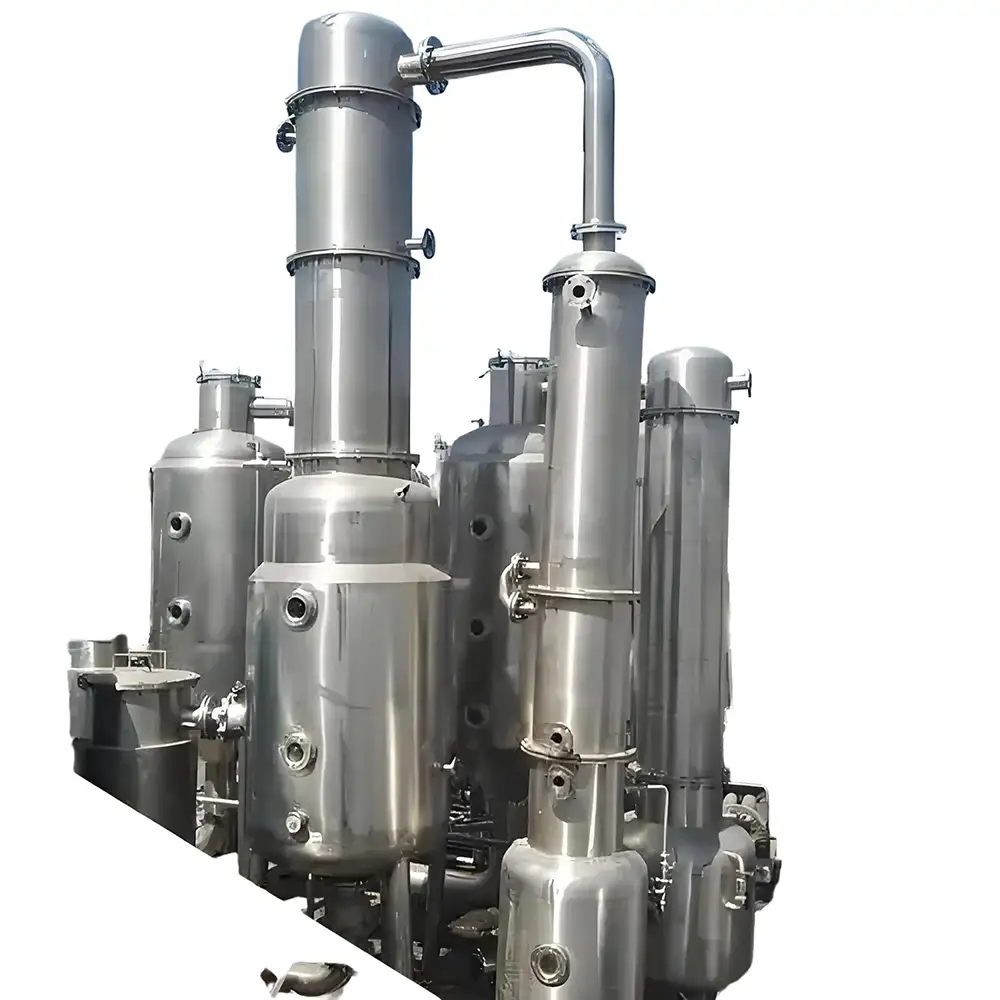
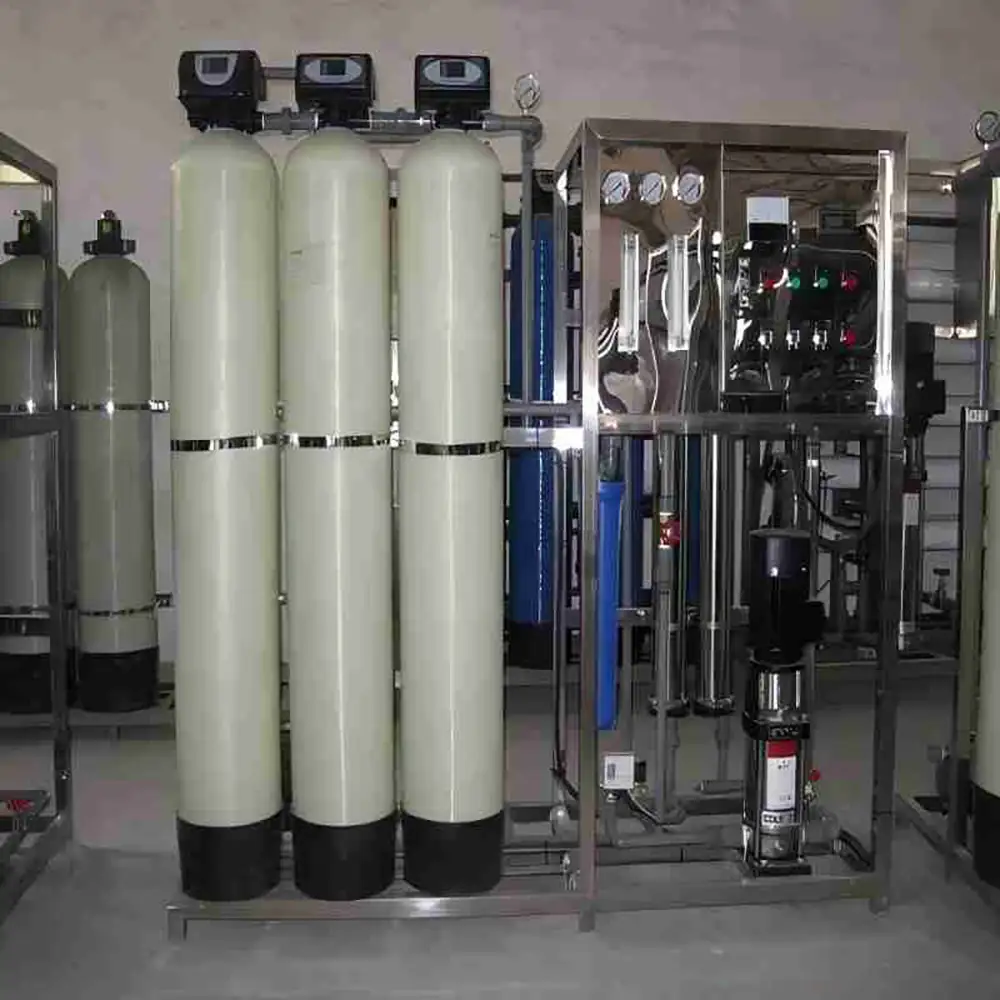
Water Treatment Equipment RO Water Purifier Reverse Osmosis System
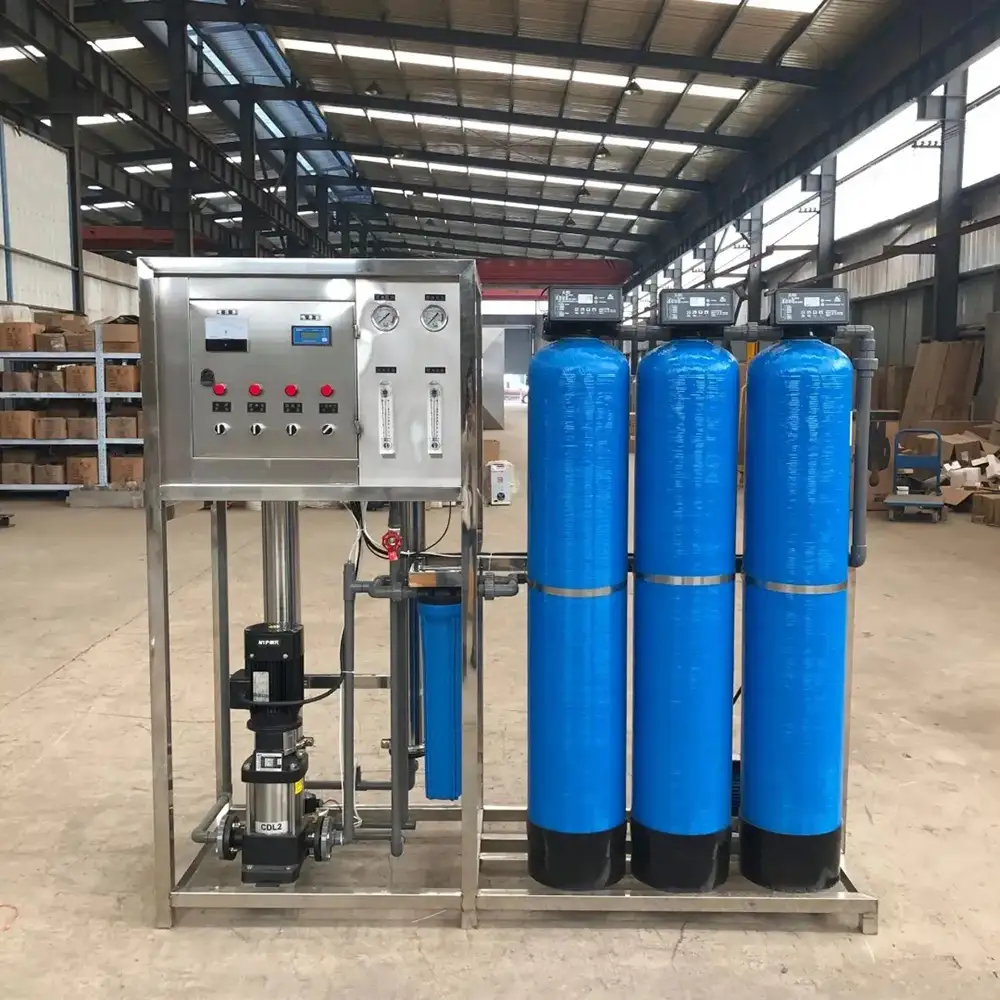
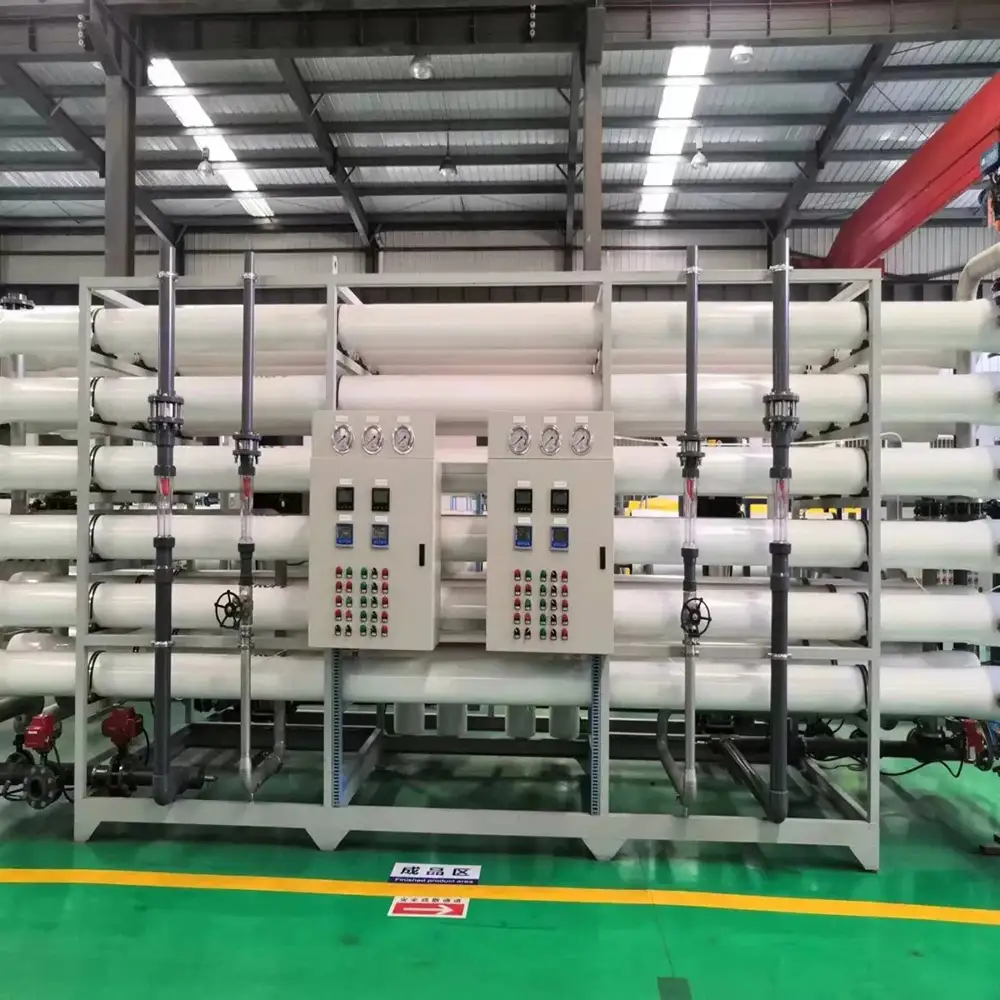
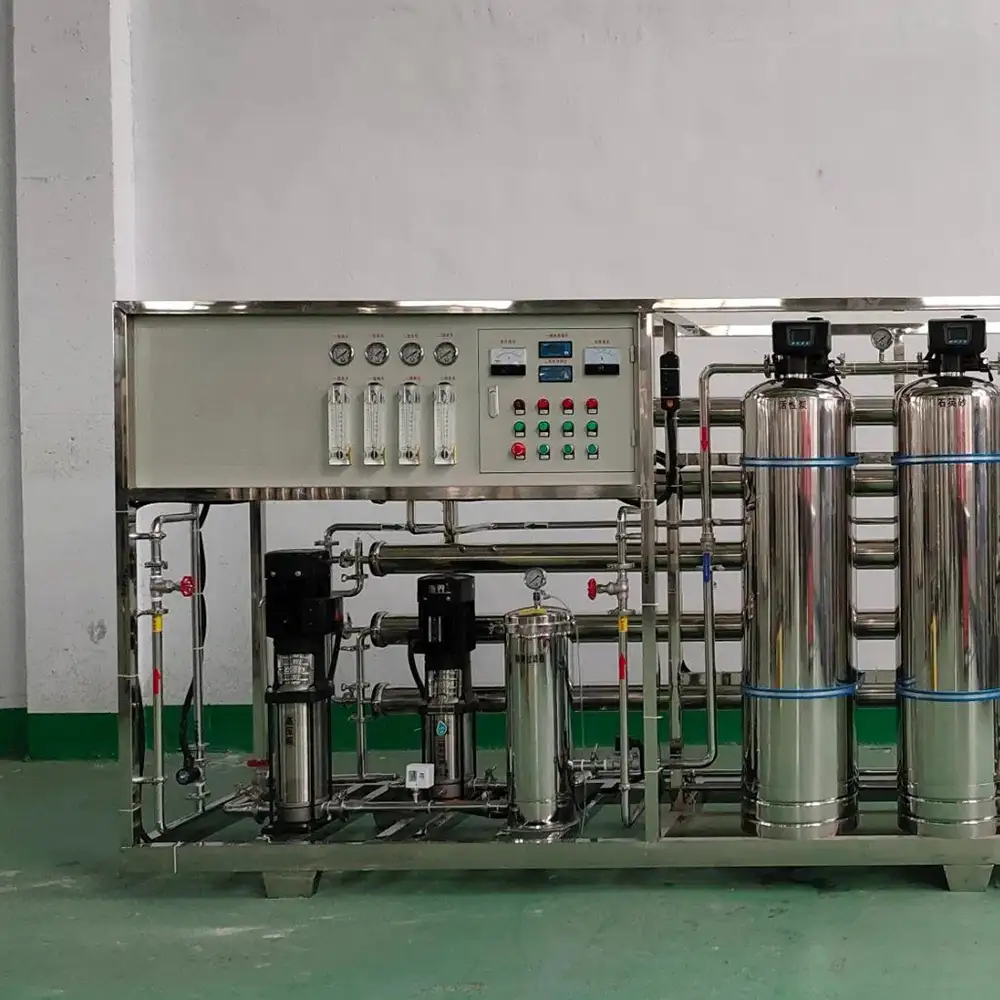
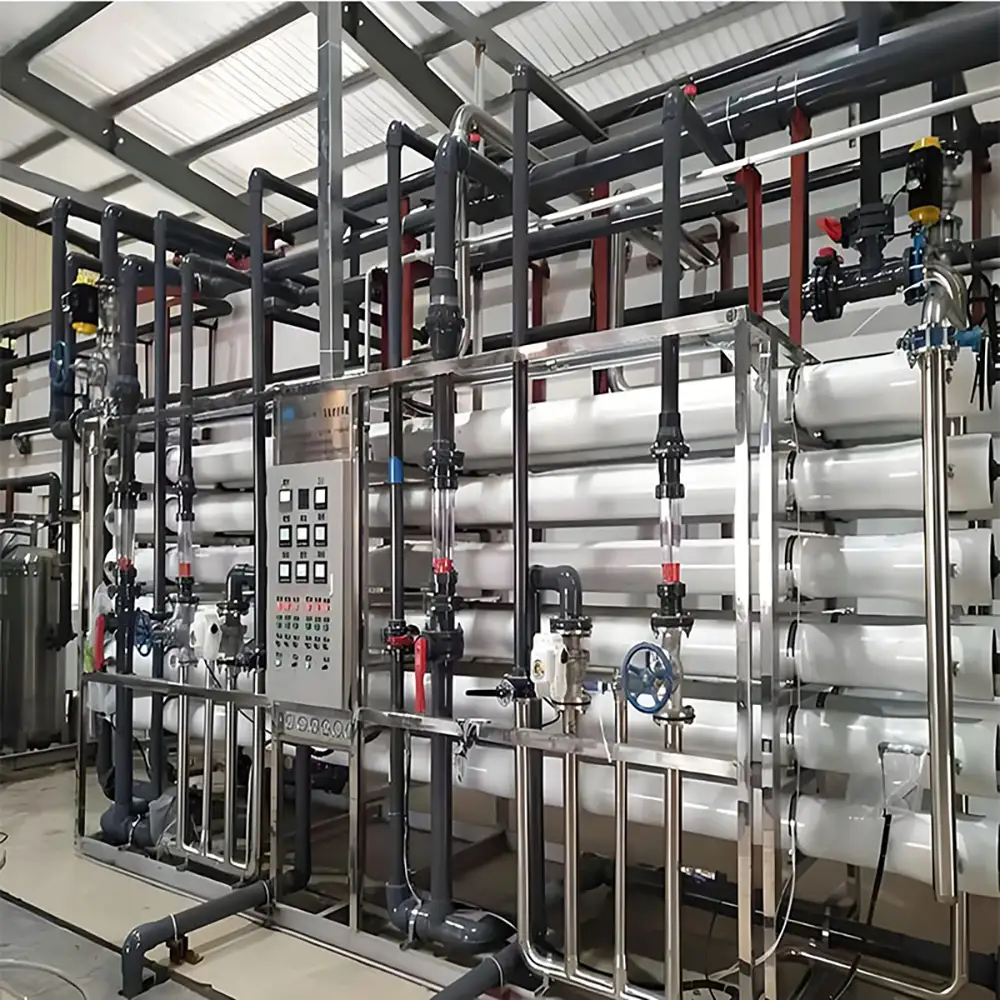
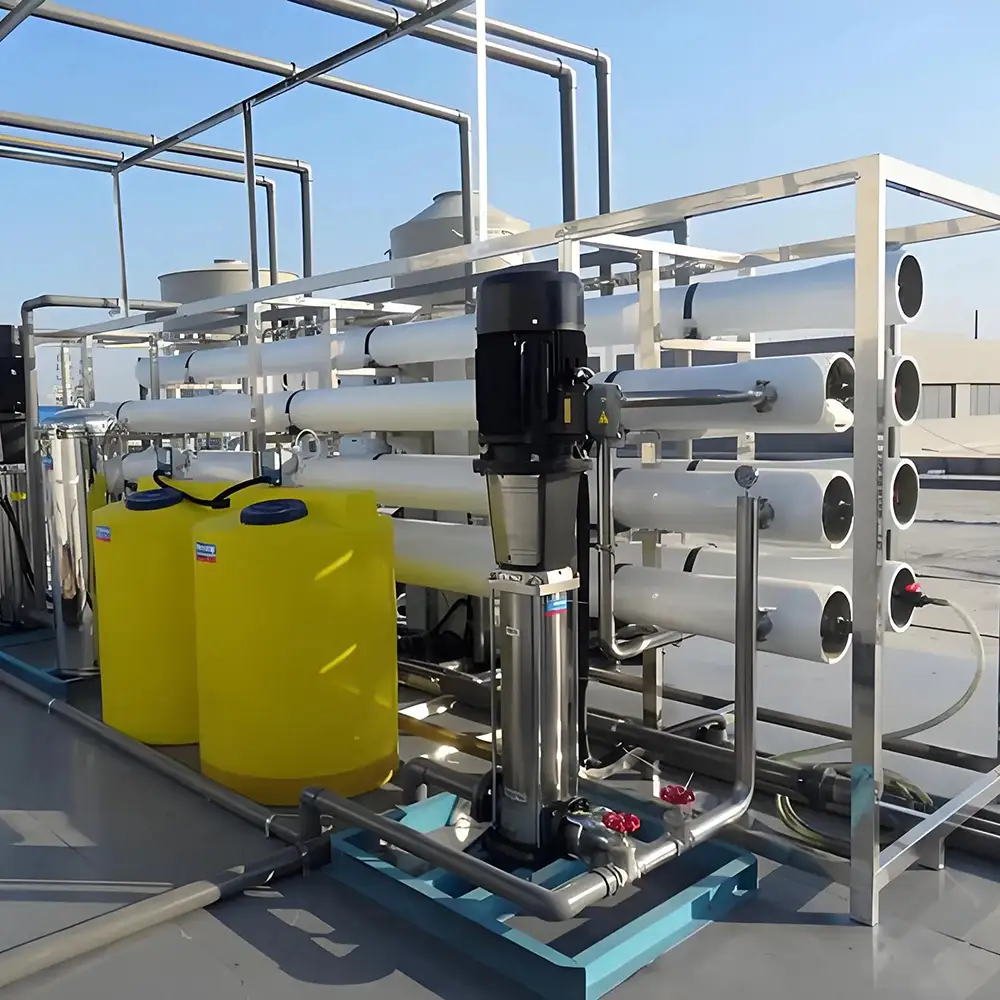
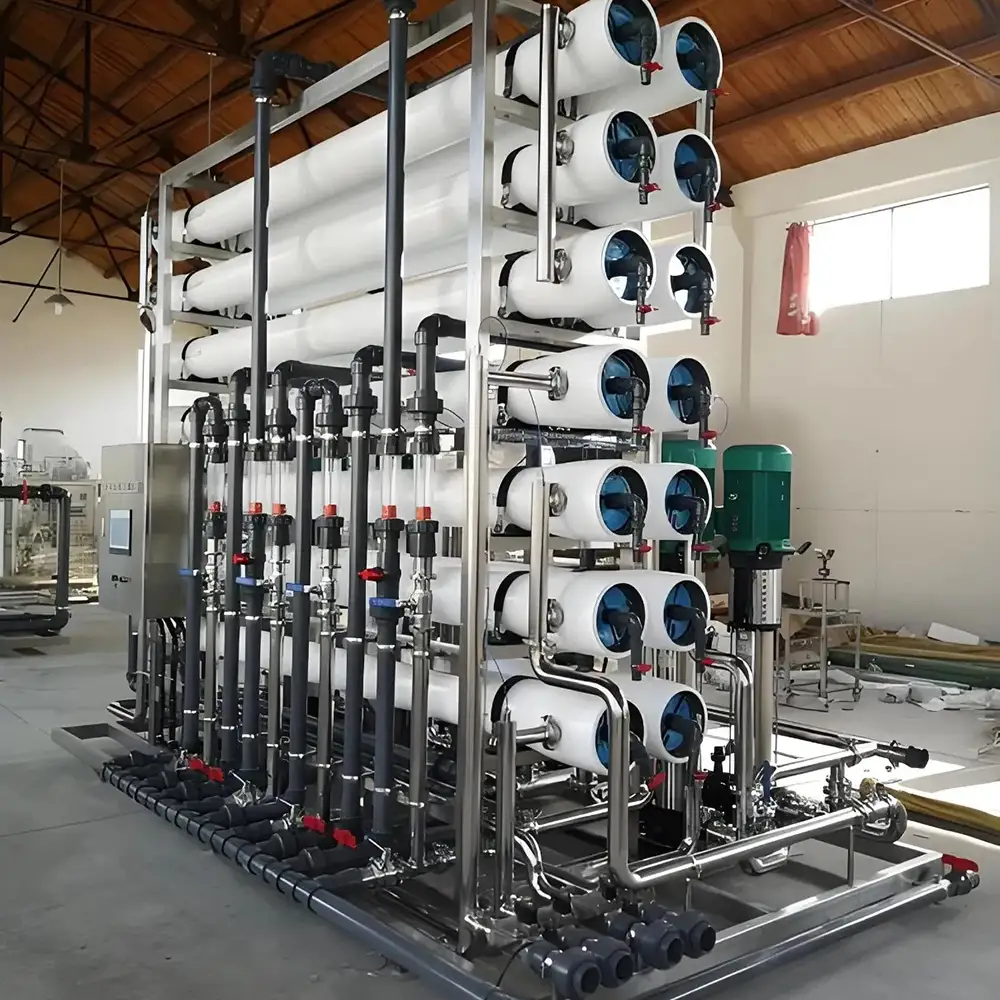
Water Treatment Equipment with an RO Water Purifier and Reverse Osmosis System provides an efficient membrane-based solution for producing purified water from municipal water, groundwater, surface water, brackish water, and other suitable feedwater sources. The system combines pretreatment, high-pressure pumping, reverse osmosis membrane separation, water collection, and optional post-treatment into a complete water purification process.
Reverse osmosis is widely used because it can reduce dissolved salts, minerals, suspended impurities, and many other contaminants that conventional mechanical filtration cannot effectively remove. The RO Water Purifier can be configured for commercial, industrial, institutional, and specialized water treatment applications.
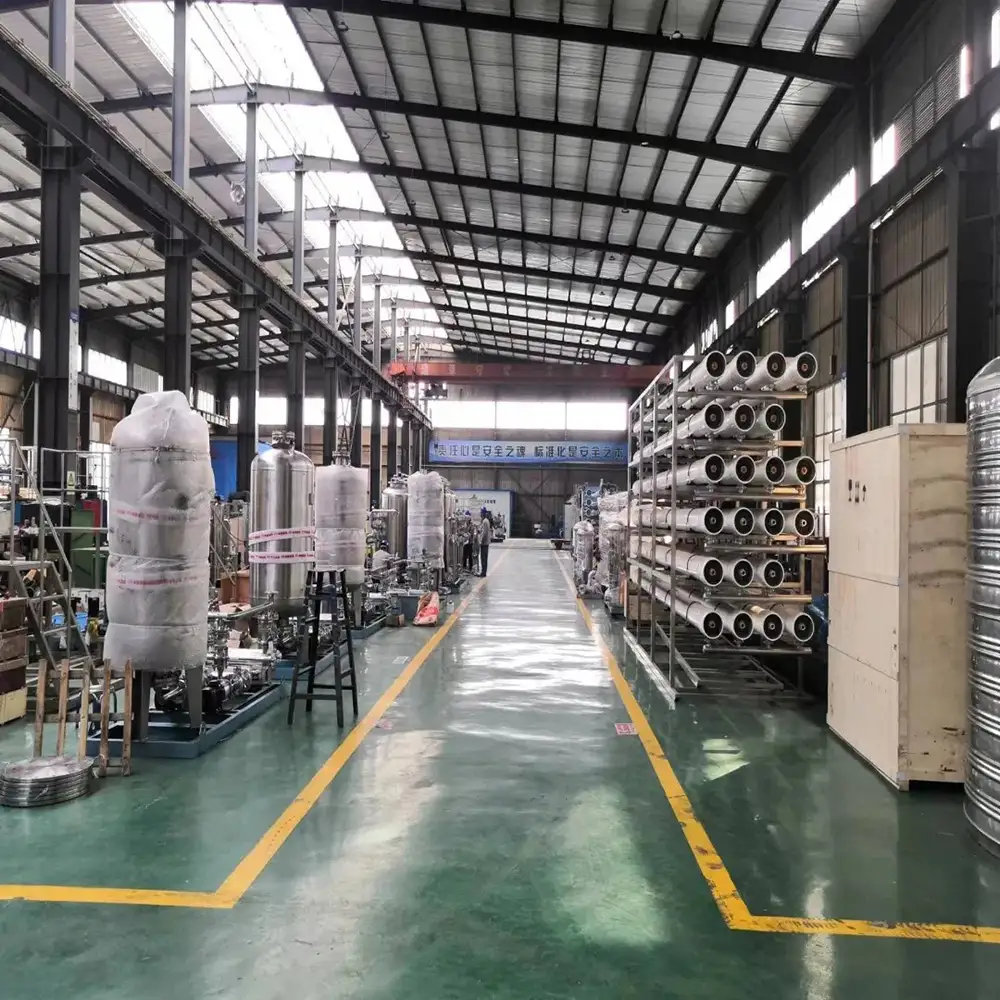
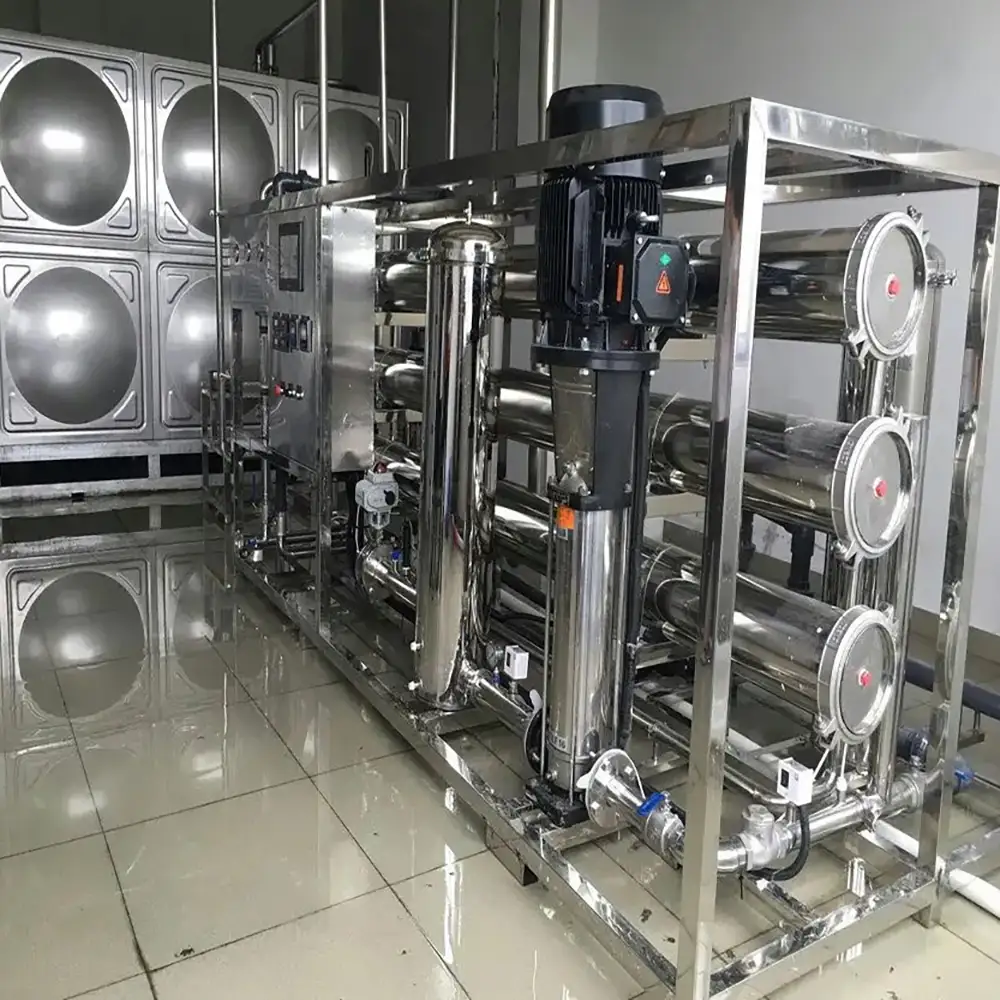
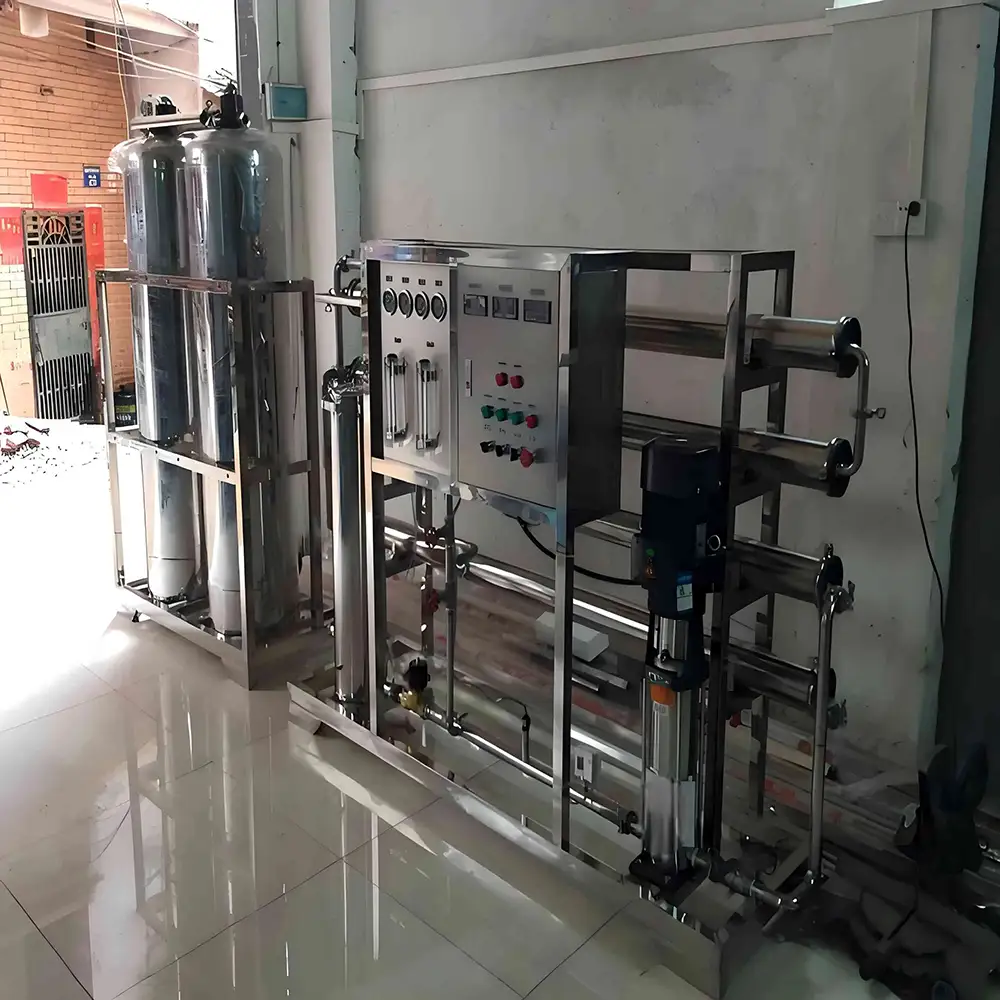
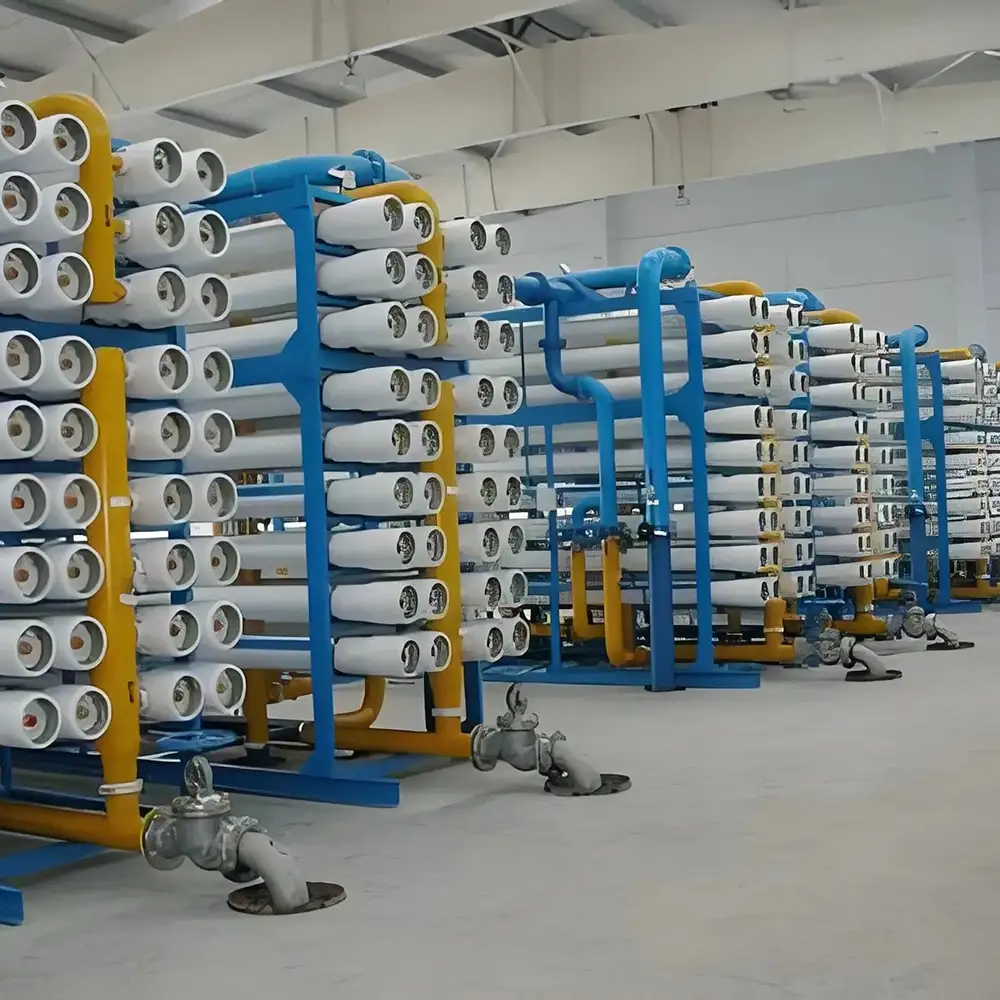
Depending on the feedwater quality and final water requirements, the system can be supplied as a compact water purifier, skid-mounted RO unit, containerized treatment system, or larger centralized water treatment plant.
Advanced Reverse Osmosis Water Treatment
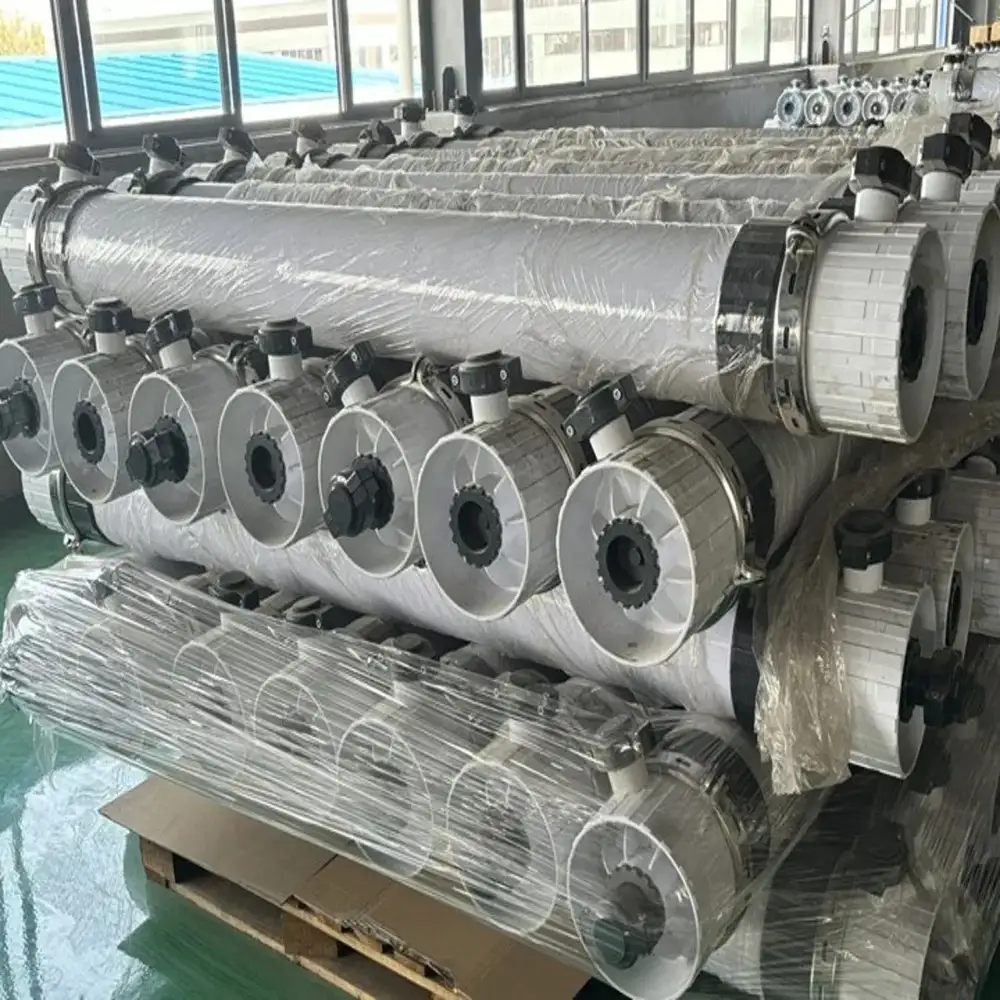
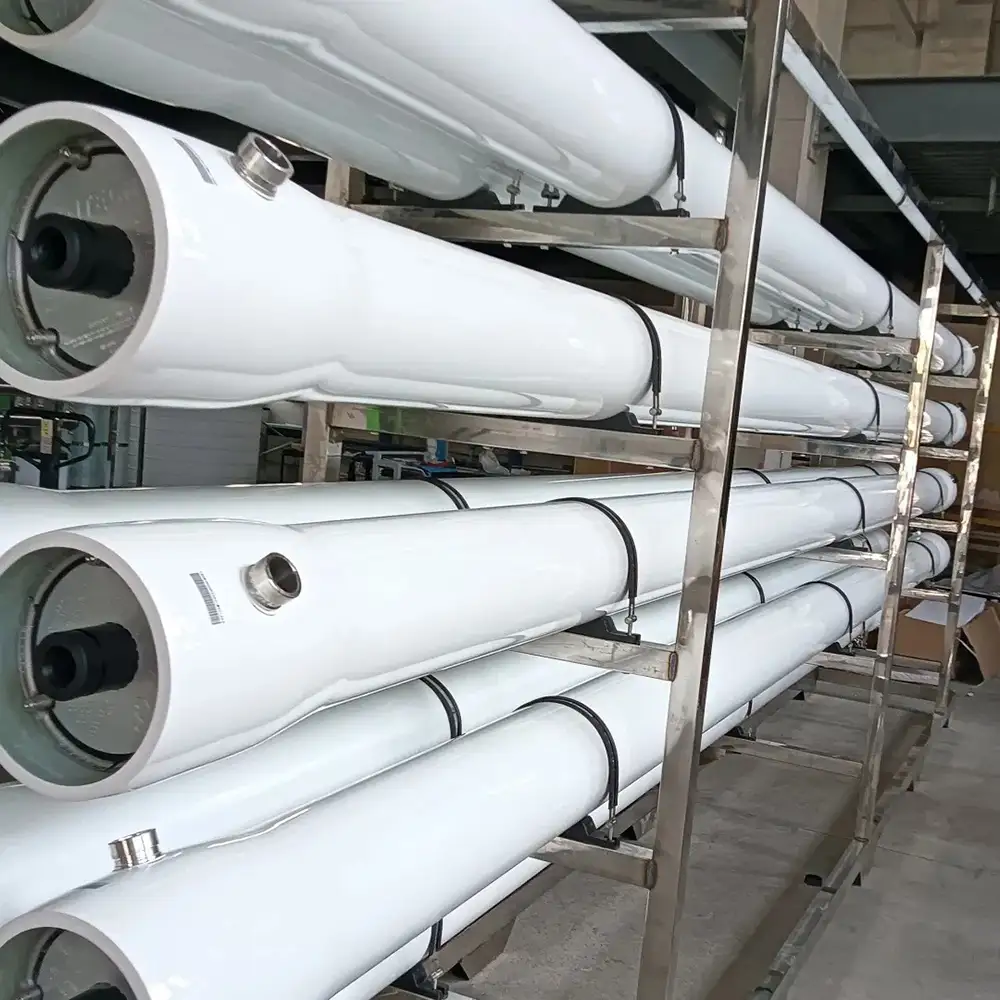
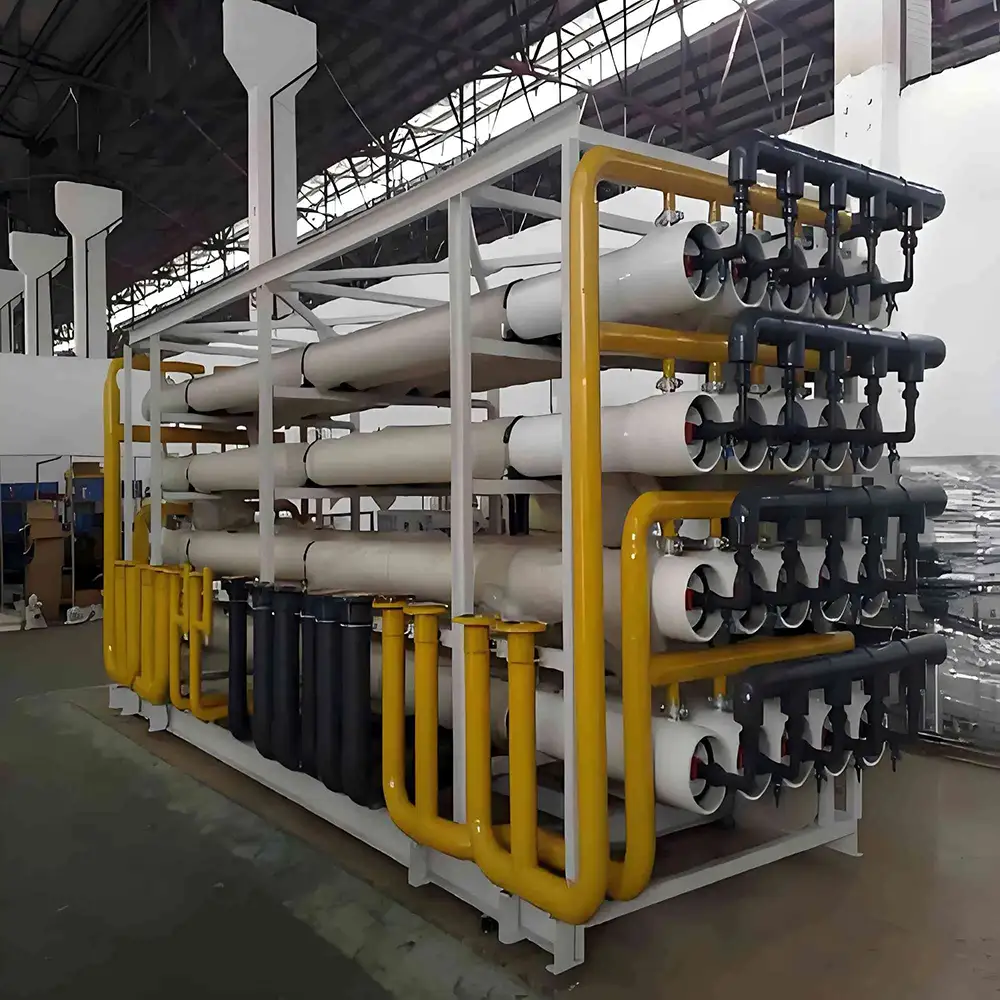
Reverse osmosis uses a semipermeable membrane and pressure-driven separation process. During operation, feedwater is pressurized and delivered to the RO membrane vessels.
Water molecules can pass through the membrane under pressure, while a large percentage of dissolved salts and other rejected substances remain in the concentrate stream. The purified water is collected as permeate and can be stored or sent directly to the next treatment stage.
The performance of an RO system depends on feedwater quality, temperature, pressure, membrane selection, recovery rate, pretreatment, and operating conditions.
For different water sources, membrane types and system configurations can be selected according to the required treatment performance.
Complete Water Treatment Equipment
A complete Water Treatment Equipment system normally includes several treatment stages rather than relying on the RO membrane alone.
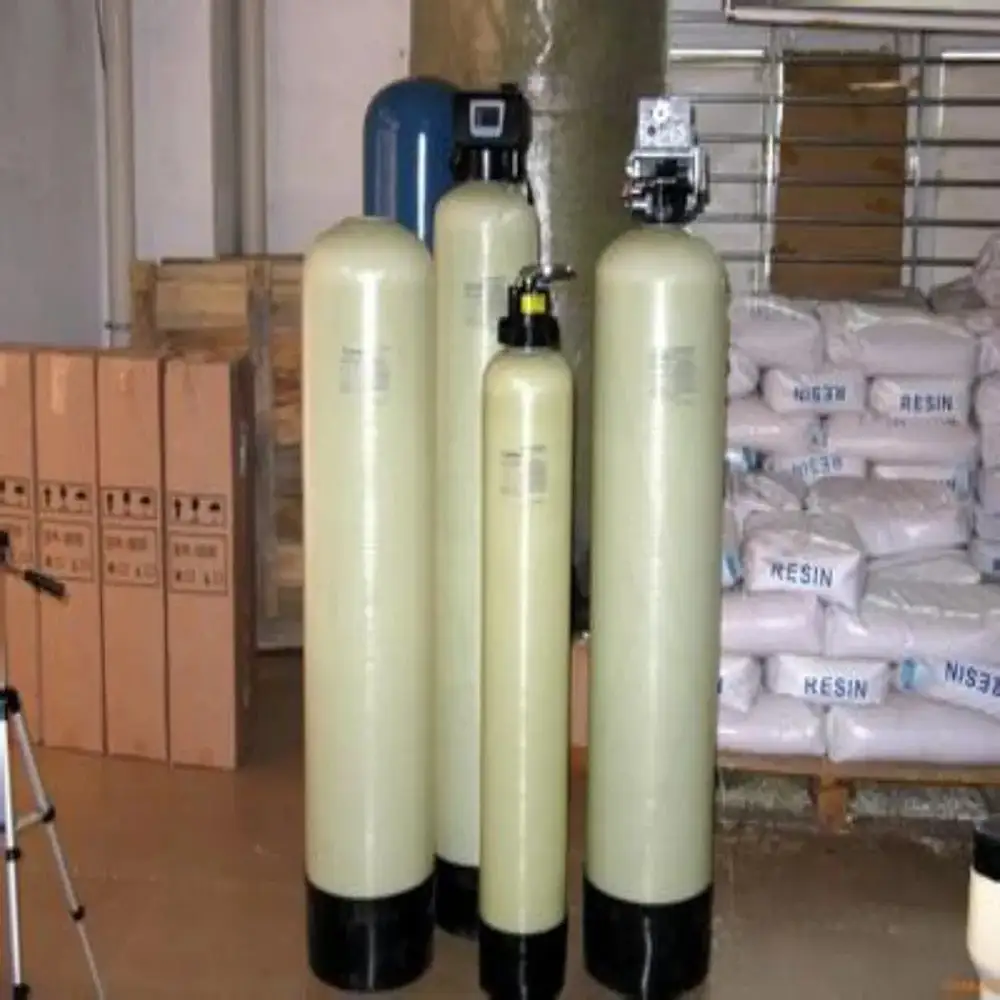
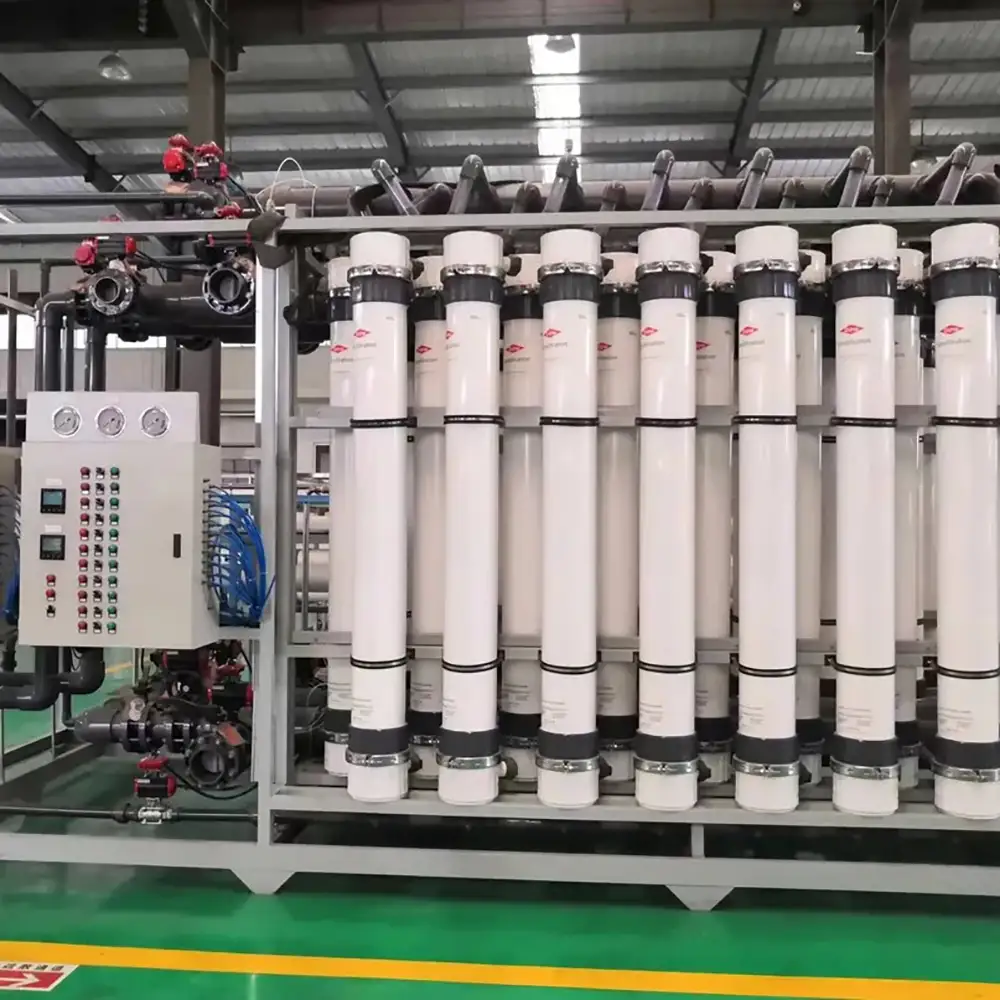
Pretreatment can include multimedia filtration, sand filtration, activated carbon filtration, cartridge filtration, ultrafiltration, water softening, antiscalant dosing, pH adjustment, or other suitable processes.
Sediment filtration helps reduce suspended particles and turbidity. Activated carbon can reduce chlorine and certain organic substances. Softening or antiscalant dosing can help control hardness-related scaling.
After pretreatment, the water enters the high-pressure RO stage. The RO membrane performs the main dissolved-solids separation and produces purified permeate.
Depending on the final application, post-treatment can include UV disinfection, ozone, remineralization, polishing filtration, or other purification processes.
The reverse osmosis equipment passes the raw water through fine filters, granular activated carbon filters, compressed activated carbon filters, etc., and then pressurizes it through a pump, utilizing a pore size of 1/10000 μ The reverse osmosis membrane (RO membrane) of m (equivalent to 1/6000 of the size of Escherichia coli and 1/300 of the size of the virus) separates high concentration water into extremely low concentration water (i.e. pure water) and higher concentration water. Low concentration water is used, and high concentration water is discharged or reused as resources
RO Water Purifier for Different Water Sources
The RO Water Purifier can be designed to treat various types of feedwater.
For municipal tap water, RO can provide an additional purification stage for applications requiring lower TDS and improved water quality.
For groundwater, pretreatment may be required to address hardness, iron, manganese, suspended solids, or other source-specific contaminants.
For brackish water, specialized RO membranes and suitable operating pressure can be used to reduce dissolved salts and produce freshwater.
For seawater, high-pressure seawater RO membranes and appropriate pretreatment are required because of the high salinity and osmotic pressure.
Water analysis is therefore an important step in selecting the appropriate RO equipment.
Industrial Reverse Osmosis System
Industrial RO Water Treatment Equipment can provide a reliable source of purified water for manufacturing and process applications.
Industries commonly use RO systems for boiler feedwater, cooling water, process water, cleaning water, food and beverage production, pharmaceutical processes, electronics manufacturing, chemical processing, laboratory applications, and other operations requiring controlled water quality.
RO can also be used as a pretreatment stage for more advanced purification technologies such as ion exchange, electrodeionization, or ultrapure water systems.
For wastewater reuse applications, appropriately pretreated wastewater can potentially be processed through RO to recover usable water and reduce freshwater consumption.
Efficient Membrane Filtration
RO membrane filtration provides separation at the molecular level compared with conventional particle filtration.
The system can significantly reduce total dissolved solids and many dissolved contaminants. Permeate conductivity or TDS can be monitored to evaluate water quality and membrane performance.
The actual removal rate varies depending on the membrane type, feedwater chemistry, operating pressure, temperature, and contaminant characteristics.
For applications requiring specific water quality targets, additional treatment stages can be integrated with the RO system.
Automatic Operation and Control
Modern Reverse Osmosis Systems can be equipped with automatic control panels and PLC-based operating systems.
Sensors can monitor feed pressure, RO pressure, permeate flow, concentrate flow, water level, conductivity, temperature, and other important operating parameters.
Automatic functions may include startup and shutdown, membrane flushing, tank level control, pump protection, high-pressure protection, low-water protection, and alarm management.
A touchscreen interface can provide operators with real-time information and simplify daily system operation.
For larger facilities, the RO system can be integrated with centralized water treatment controls and remote monitoring systems.
Energy-Efficient Water Purification
Reverse osmosis does not normally require the water to be boiled, making it an energy-efficient option compared with many thermal purification technologies.
Energy consumption is influenced by feedwater pressure, membrane characteristics, system capacity, recovery rate, pump efficiency, temperature, and water quality.
Proper system sizing, optimized operating pressure, high-efficiency pumps, suitable membranes, and effective pretreatment can help reduce unnecessary energy consumption.
For seawater and high-pressure RO applications, energy recovery equipment can also be incorporated to improve overall energy efficiency.
RO Membrane Protection and Maintenance
RO membranes are sensitive to fouling and scaling, so effective pretreatment and regular maintenance are essential.
Suspended solids, organic matter, hardness, iron, manganese, and other substances may accumulate on membrane surfaces if pretreatment is insufficient.
Operators should monitor pressure differential, permeate flow, conductivity, and other performance indicators. Changes in these parameters may indicate fouling, scaling, membrane deterioration, or other operating problems.
Regular filter replacement, membrane flushing, equipment inspection, and periodic chemical cleaning can help maintain stable performance.
The actual maintenance schedule should be determined according to feedwater quality, operating hours, membrane performance, and system conditions.
Flexible RO Water Treatment Configuration
The Reverse Osmosis System can be configured for different water treatment capacities.
Compact systems are suitable for offices, restaurants, laboratories, small commercial facilities, and other applications with moderate water demand.
Larger systems can be designed for factories, hotels, hospitals, schools, food processing plants, industrial facilities, and centralized water purification applications.
The equipment can also be integrated with storage tanks, booster pumps, UV sterilizers, ozone systems, softeners, ultrafiltration systems, and other treatment equipment.
This modular design allows the water purification process to be adapted to specific feedwater and final water requirements.
Applications
Water Treatment Equipment with RO Water Purification can be used in:
Municipal Tap Water Purification
Commercial Water Treatment
Industrial Water Purification
Drinking Water Production
Brackish Water Treatment
Seawater Desalination
Food And Beverage Processing
Pharmaceutical Water Treatment
Electronics Industry Water Treatment
Boiler Feedwater Treatment
Process Water Production
Laboratory Water Purification
Hotel And Hospitality Water Treatment
Industrial Water Reuse
The appropriate RO configuration depends on the source water, required capacity, and final water quality.
Why Choose Us?
We focus on practical reverse osmosis and water treatment solutions designed around actual water quality and application requirements.
The RO Water Purifier can be configured according to feedwater analysis, daily water demand, peak flow, TDS level, hardness, turbidity, required permeate quality, recovery rate, installation conditions, and available utilities.
Our water treatment solutions emphasize stable membrane operation, efficient purification, automatic control, convenient maintenance, flexible system integration, and reliable long-term performance.
The system can also be combined with pretreatment and post-treatment technologies to create a complete water purification process rather than relying on a single filtration stage.
For industrial and commercial projects, correct system sizing and water analysis help achieve the required treatment results while avoiding unnecessary equipment capacity and operating costs.
Frequently Asked Questions
1. What is an RO Water Purifier?
An RO Water Purifier uses reverse osmosis membranes to reduce dissolved salts, minerals, and many other contaminants from feedwater and produce purified water.
2. What does reverse osmosis remove?
RO can significantly reduce dissolved salts, minerals, many heavy metals, microorganisms, and other contaminants. Actual removal performance depends on the membrane and feedwater conditions.
3. Can RO treat tap water?
Yes. RO systems are widely used to further purify municipal and commercial tap water when lower TDS or additional contaminant reduction is required.
4. Can RO treat groundwater?
Yes. Groundwater can be treated with RO when the feedwater is appropriately pretreated. Water analysis should be performed to determine the required pretreatment.
5. Does an RO system need pretreatment?
Most systems benefit from appropriate pretreatment. Filtration, activated carbon, softening, antiscalant dosing, or other processes may be necessary depending on feedwater quality.
6. Can RO equipment produce drinking water?
Yes. RO can be an important stage in drinking water production. Additional disinfection or remineralization may be used depending on the source water and final requirements.
7. How long do RO membranes last?
Membrane service life varies according to feedwater quality, pretreatment, operating conditions, cleaning practices, and system maintenance. Proper operation can significantly extend membrane performance.
8. Can RO be used for industrial water reuse?
Yes. Properly pretreated industrial wastewater can potentially be treated with RO for water recovery and reuse, depending on the contaminants and required water quality.
9. Can the RO system operate automatically?
Yes. Automatic RO systems can include PLC controls, automatic flushing, tank-level control, pump protection, pressure protection, and alarm functions.
10. How do I choose the right RO Water Treatment Equipment?
Important information includes feedwater source, water analysis, TDS, hardness, turbidity, flow rate, daily water demand, desired purified water quality, recovery target, and installation conditions.
Prev:
RO Reverse Osmosis Equipment for Commercial Tap Water Purification Production
Next:
Seawater Desalination, Brackish Water, Reverse Osmosis, Water Treatment Plant
TAG:
Water Purification Equipment,
Reverse Osmosis Water Treatment,
Industrial Water Treatment,
Water Filtration System,
Water Treatment Plant,
Water Treatment Equipment,
Industrial Water Purification,
Industrial RO Water Treatment,
Brackish Water RO System,
Brackish Water Treatment,
Water Recovery System,
Seawater RO System,
Industrial RO System,
Seawater Desalination,
Industrial Water Reuse,
Industrial Water Filtration,
Commercial RO System,
Commercial Water Purification,
Drinking Water Purification,
Drinking Water Treatment,
Water Treatment System,
RO Membrane System,
RO Membrane Filtration,
RO Filtration System,
RO Membrane Water Purification,
Reverse Osmosis Water Purification,
Reverse Osmosis Filtration,
RO Water Purification,
RO Water Treatment,
Reverse Osmosis System,
Related Category:
Water Treatment Equipment,RO Water Purifier,Reverse Osmosis System,RO Water Treatment,Reverse Osmosis Water Purification China, suppliers, manufacturers, factory, customized, wholesale, quotation, made in China