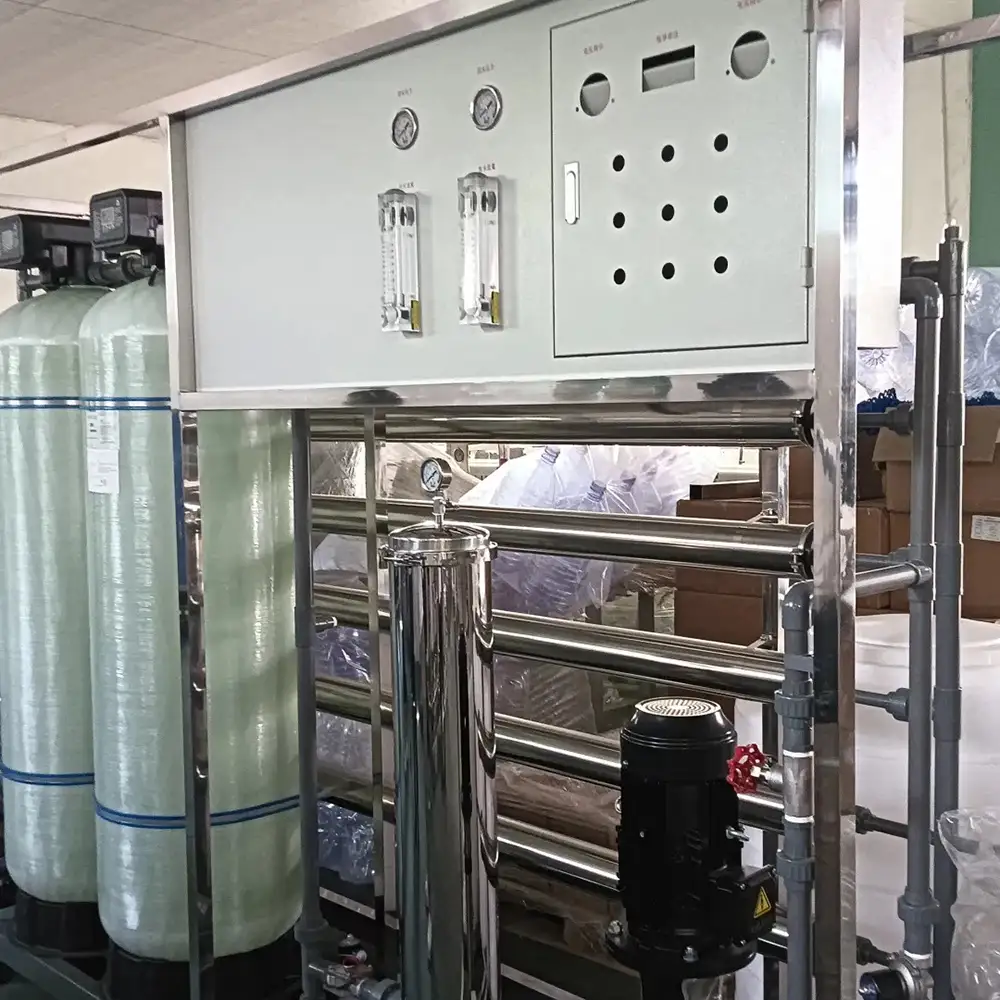
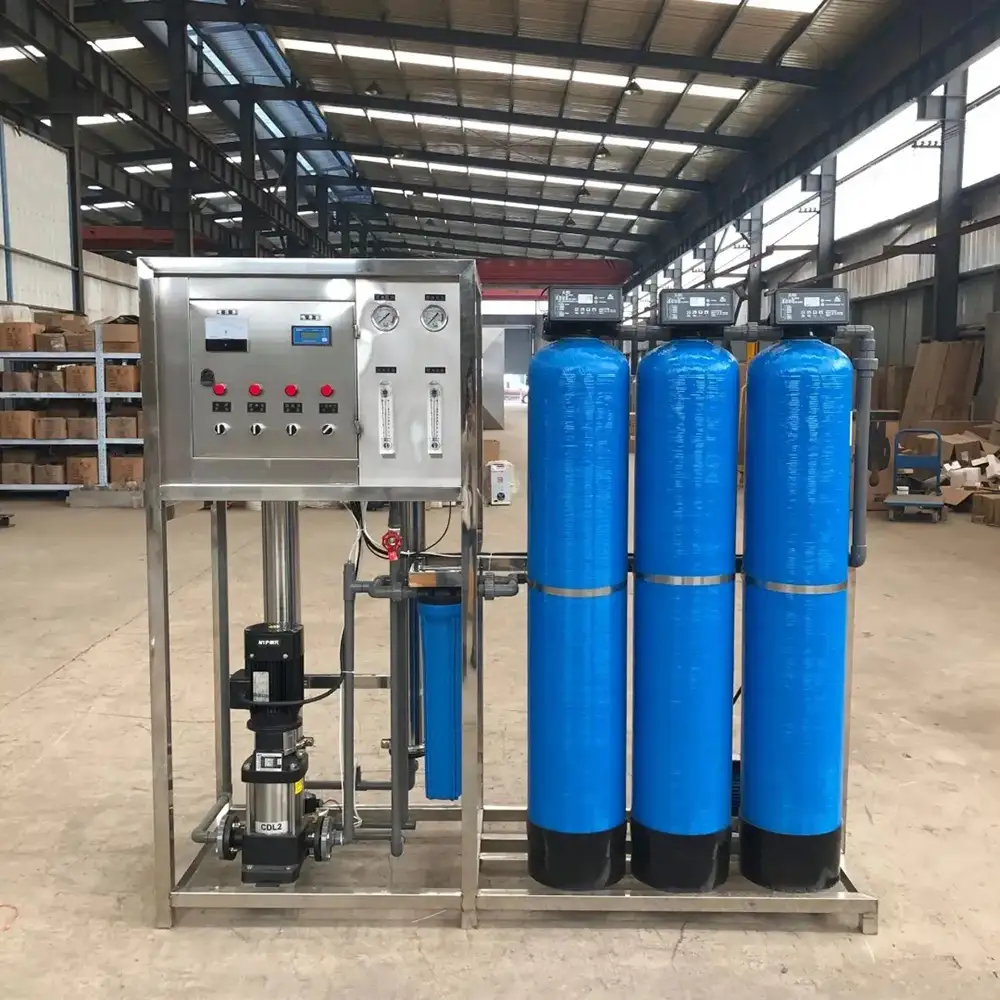
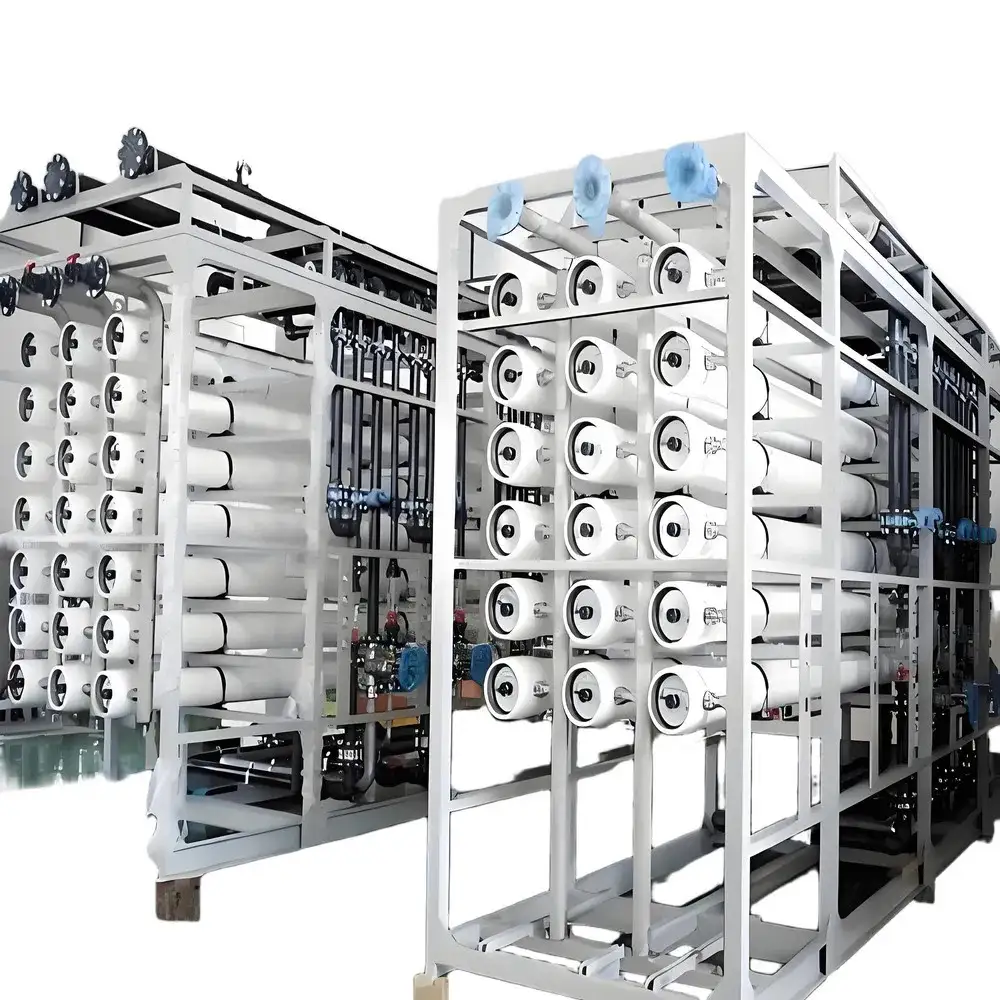
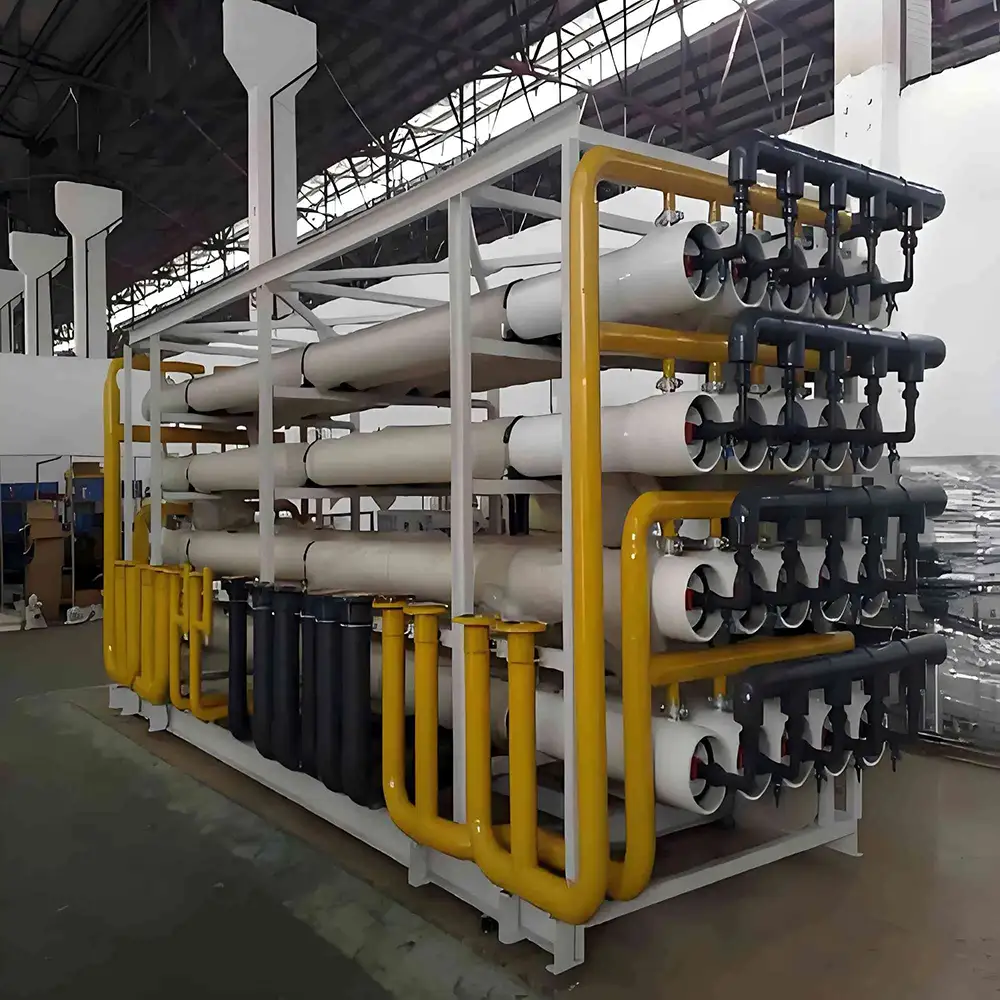
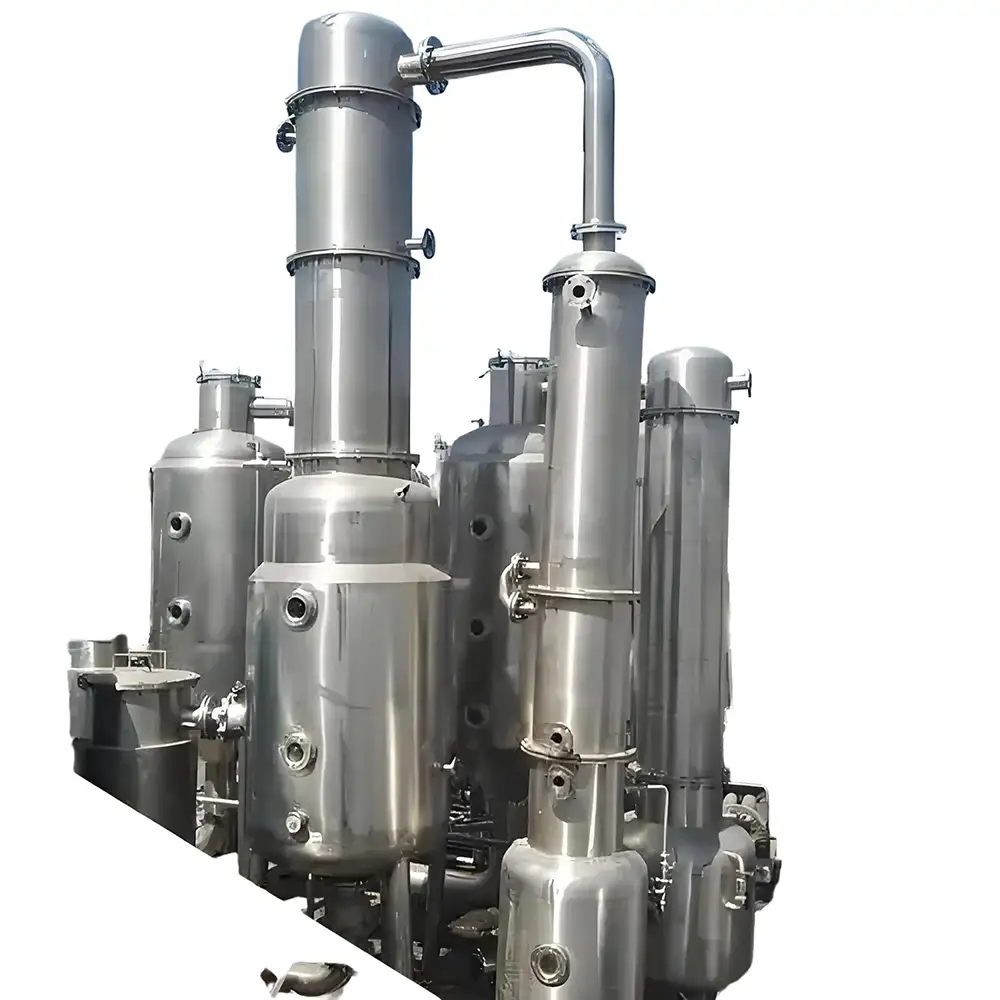
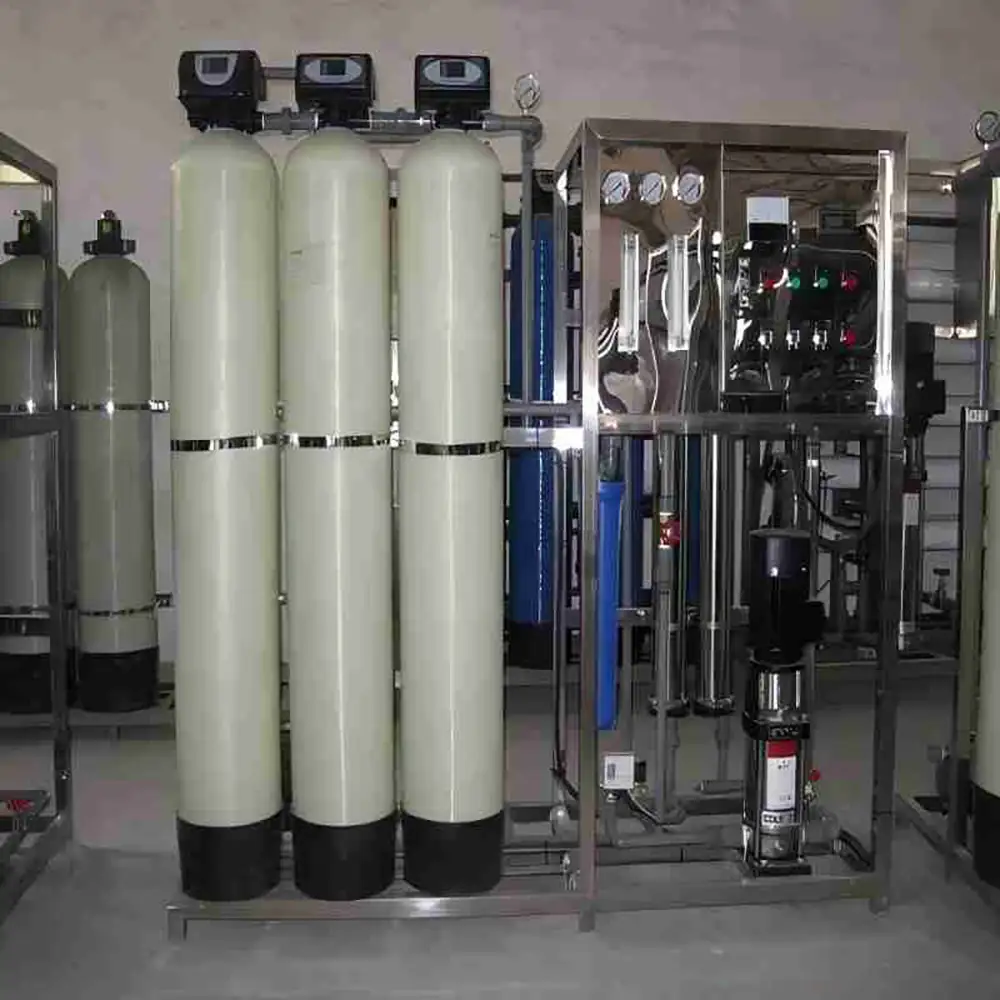
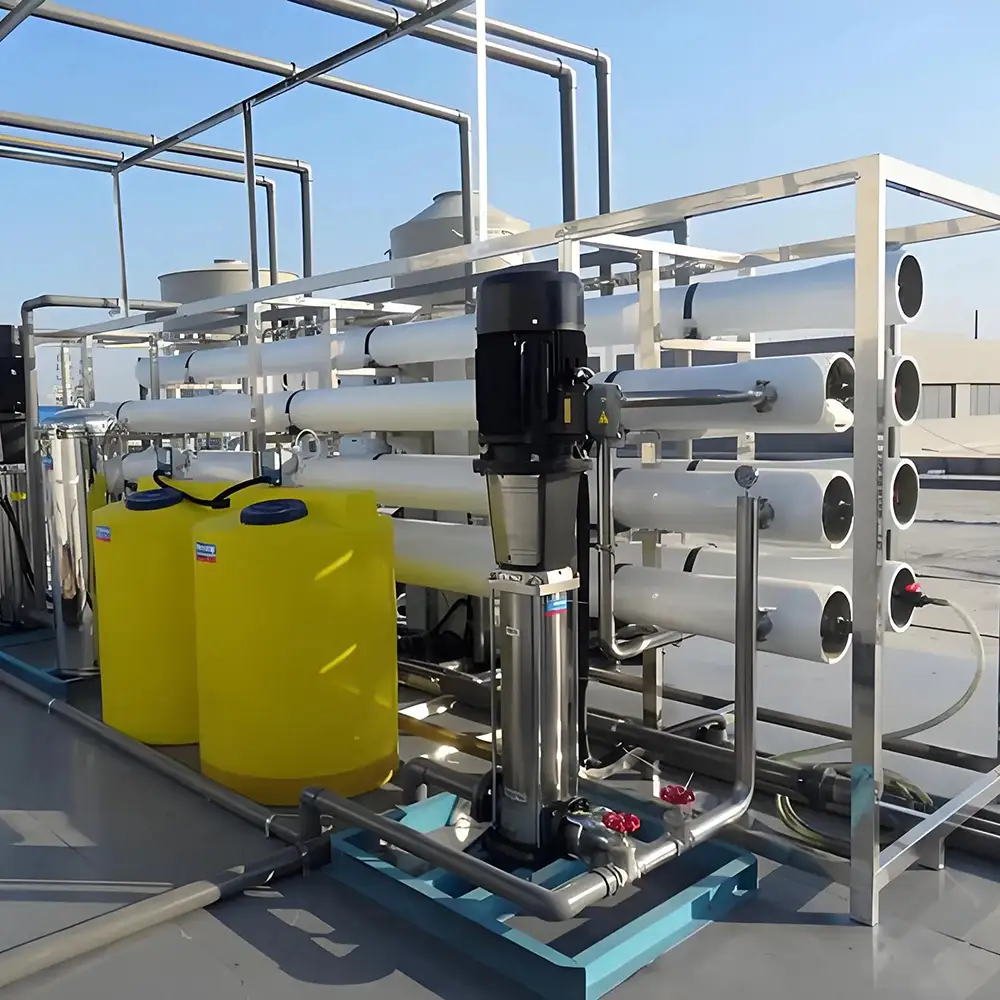
220V/380V RO Treatment Plant Purifier Water Dispenser Drinking Machine
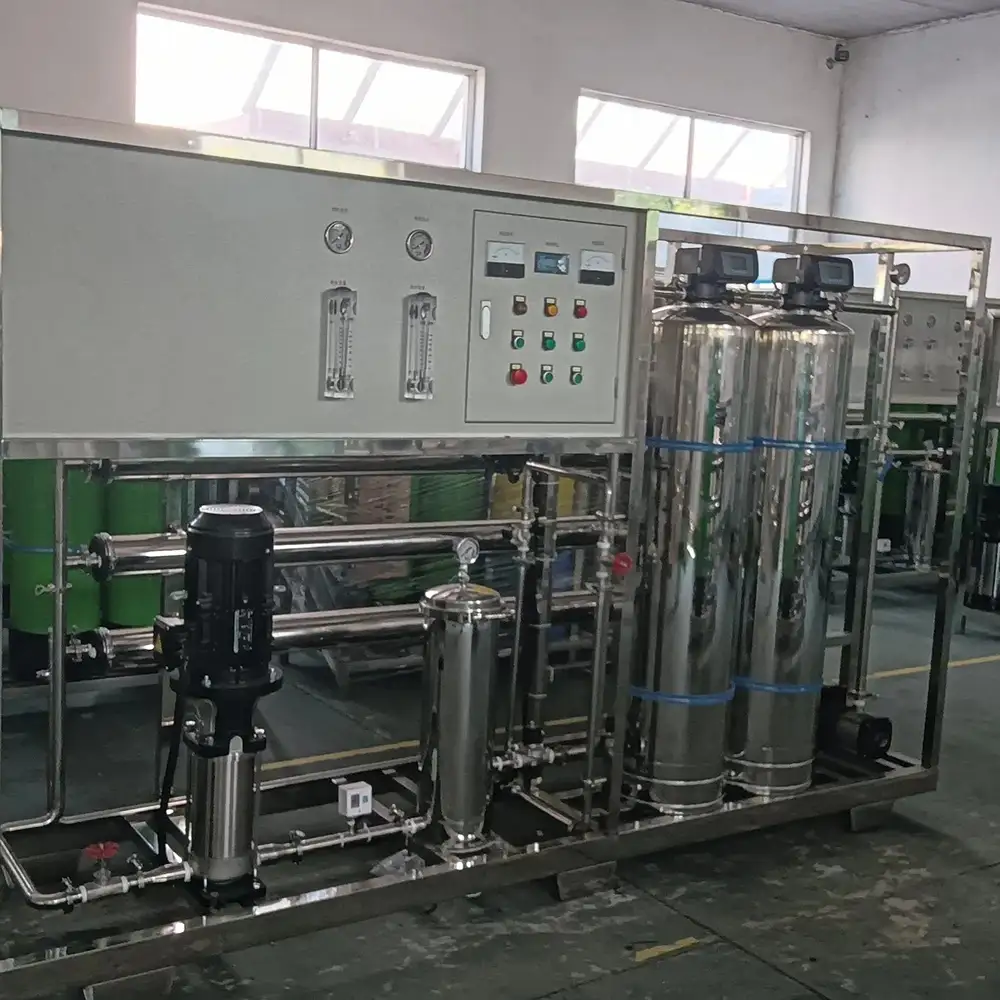
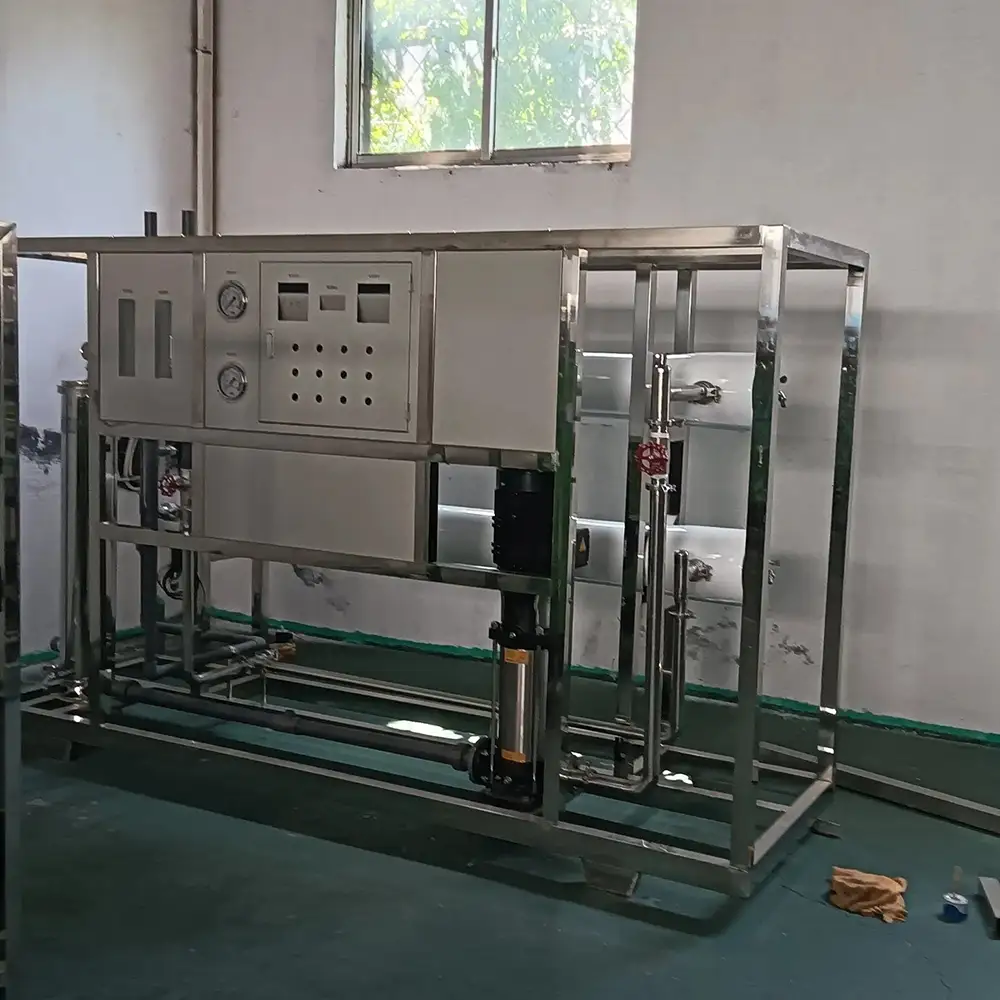
The 220V/380V RO Treatment Plant Purifier Water Dispenser Drinking Machine is an integrated water purification solution designed to provide reliable and convenient access to purified drinking water. Combining reverse osmosis technology, multi-stage filtration, water purification, and dispensing functions, the system is suitable for commercial facilities, factories, schools, offices, hotels, hospitals, restaurants, and other locations with regular drinking-water requirements.
Available in 220V and 380V electrical configurations, the equipment can be selected according to local power infrastructure and system capacity. The RO treatment plant can be designed as a compact purification and dispensing unit or as a larger centralized drinking-water treatment system.
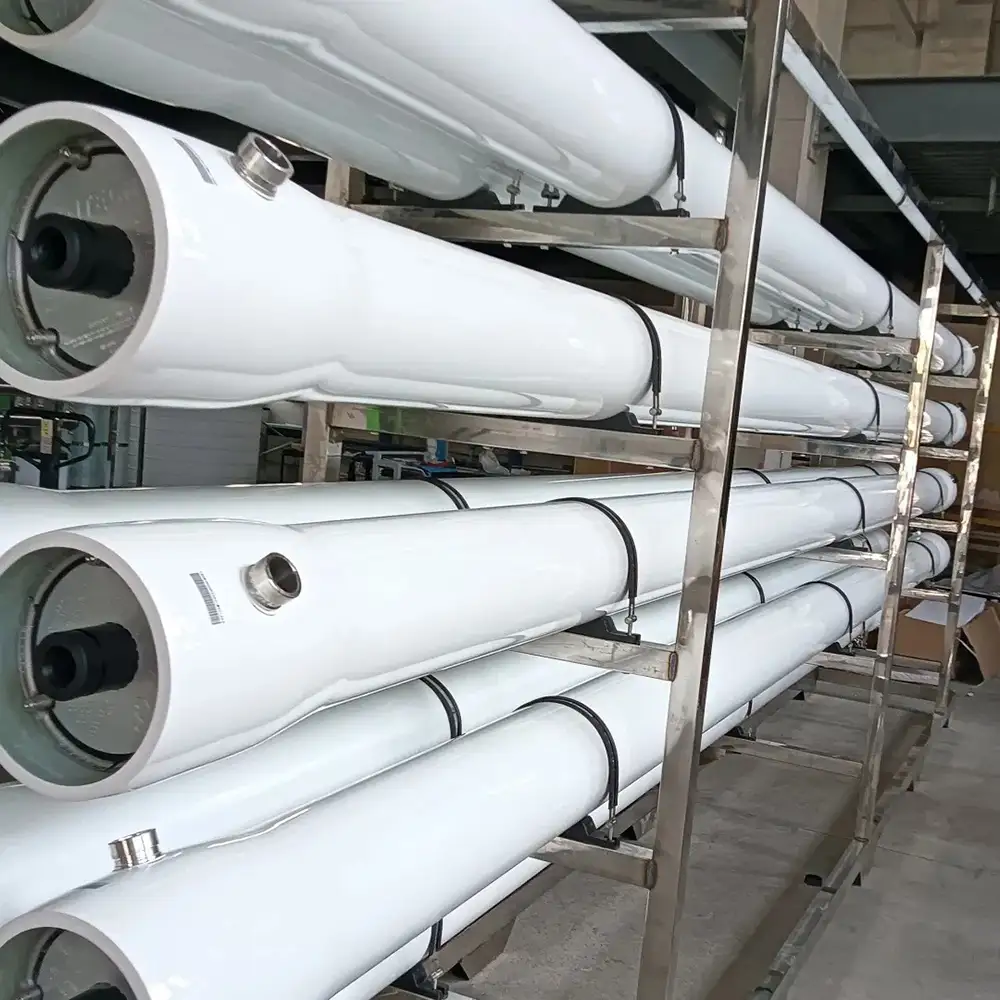
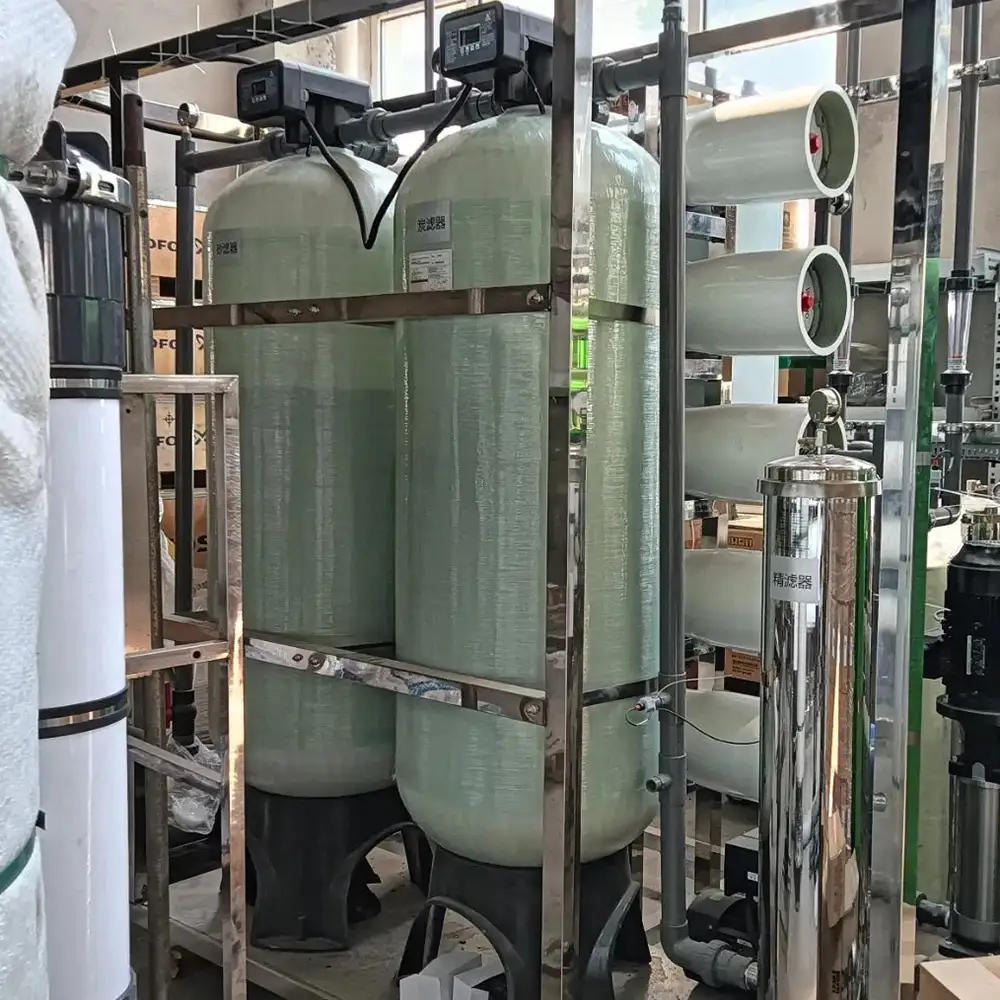
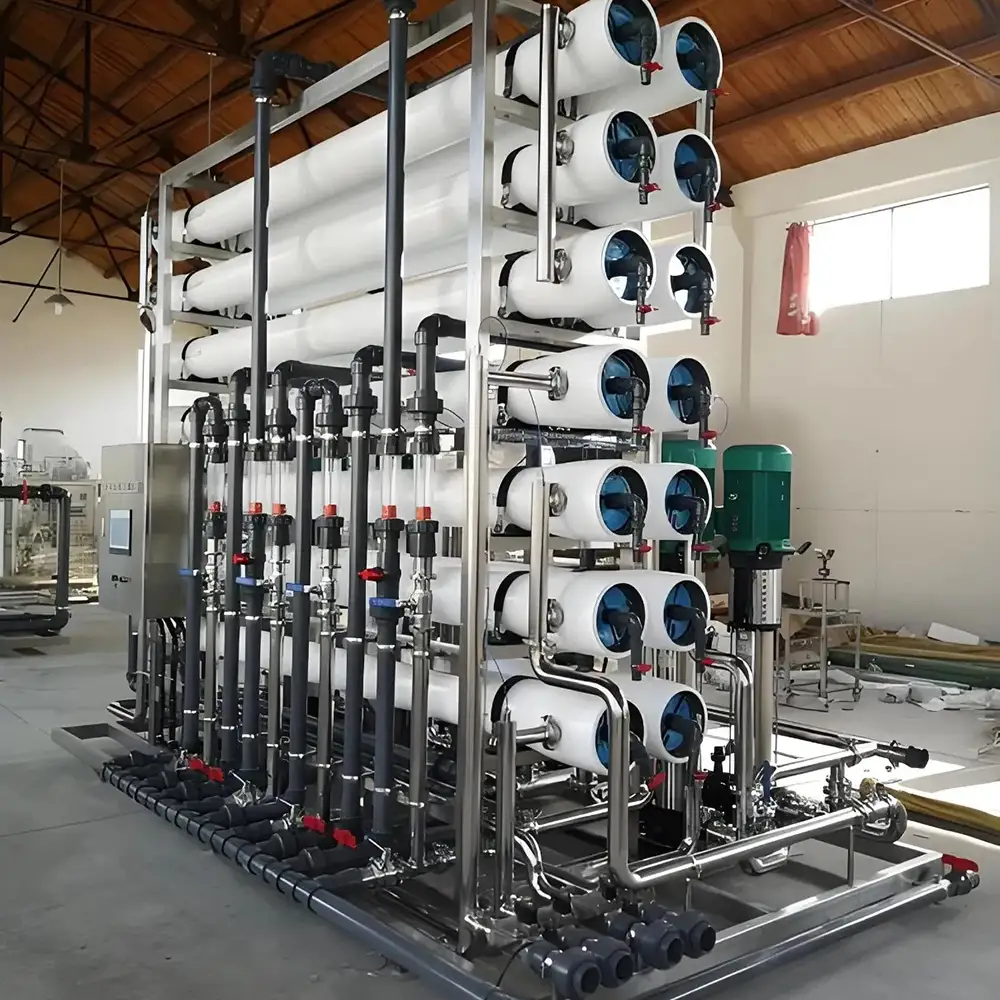
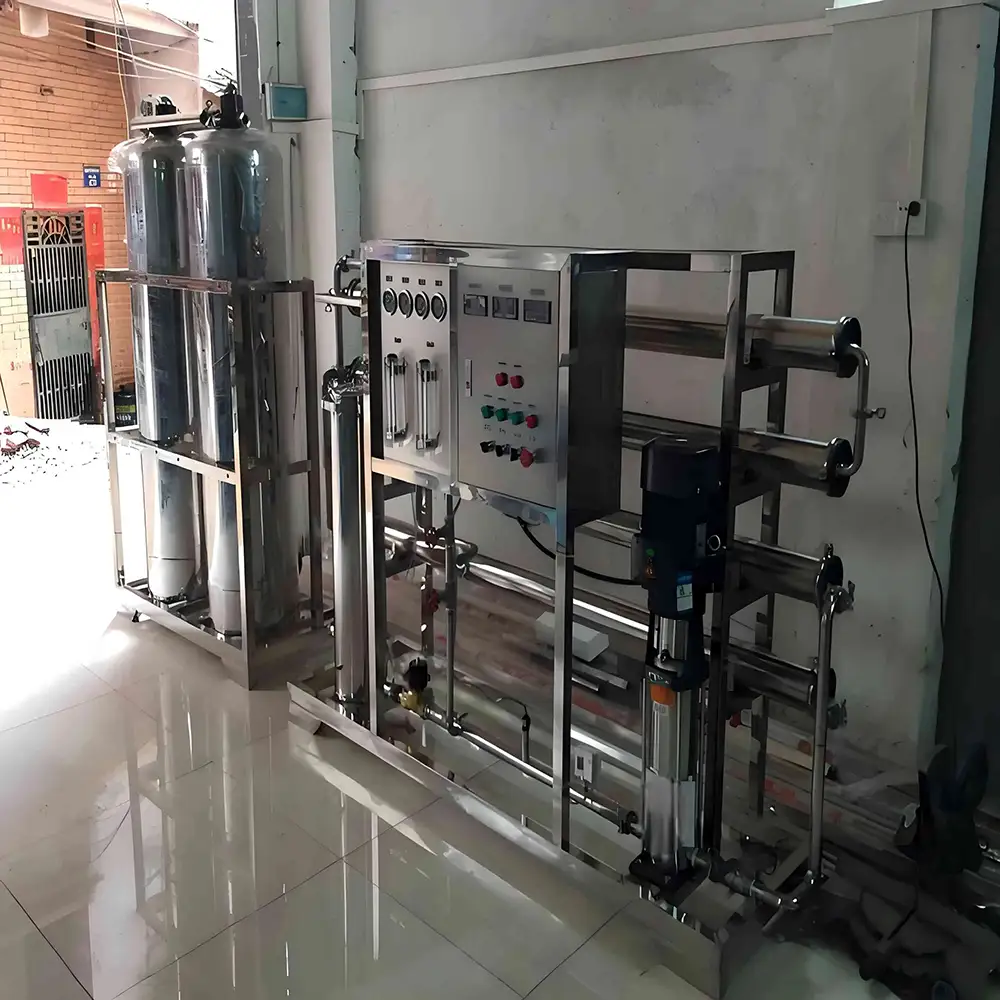
The reverse osmosis equipment passes the raw water through fine filters, granular activated carbon filters, compressed activated carbon filters, etc., and then pressurizes it through a pump, utilizing a pore size of 1/10000 μ The reverse osmosis membrane (RO membrane) of m (equivalent to 1/6000 of the size of Escherichia coli and 1/300 of the size of the virus) separates high concentration water into extremely low concentration water (i.e. pure water) and higher concentration water. Low concentration water is used, and high concentration water is discharged or reused as resources
Advanced RO Water Purification Technology
Reverse osmosis is a pressure-driven membrane filtration technology used to reduce dissolved salts, minerals, total dissolved solids, and many other unwanted substances in water.
During operation, feed water passes through pretreatment filters before entering the RO membrane stage. A high-pressure pump provides the pressure required for membrane separation. Water molecules pass through the semipermeable membrane, while a significant portion of dissolved contaminants is rejected.
The purified water can then be stored in a sanitary water tank and supplied to the drinking-water dispenser or other points of use.
220V and 380V Electrical Options
The availability of both 220V and 380V configurations provides flexibility for different installation environments.
A 220V configuration can be suitable for smaller commercial facilities, offices, schools, restaurants, and locations where standard single-phase electrical power is available.
A 380V configuration can be suitable for larger RO treatment systems with higher processing capacity and more powerful pumps. Industrial facilities and centralized drinking-water production systems may benefit from three-phase electrical power.
Electrical specifications should be selected according to local power standards, equipment capacity, pump requirements, and project conditions.
Multi-Stage Drinking Water Treatment
A complete RO Treatment Plant generally uses multiple filtration stages before and after the reverse osmosis membrane.
The pretreatment process may include sediment filtration, activated carbon filtration, water softening, and cartridge filtration.
Sediment filtration helps remove suspended particles such as sand, rust, dirt, and other physical impurities. Activated carbon filtration can reduce chlorine, odors, organic compounds, and substances that may affect water taste.
Water softening can reduce hardness minerals that contribute to scaling, helping protect the RO membrane. Fine cartridge filtration provides additional particle protection before the high-pressure RO stage.
After reverse osmosis, optional post-treatment such as UV sterilization, ozone treatment, mineral adjustment, or polishing filtration can be added according to application requirements.
RO Treatment Plant for Drinking Water
The RO Treatment Plant can be designed to produce purified water continuously according to daily consumption requirements.
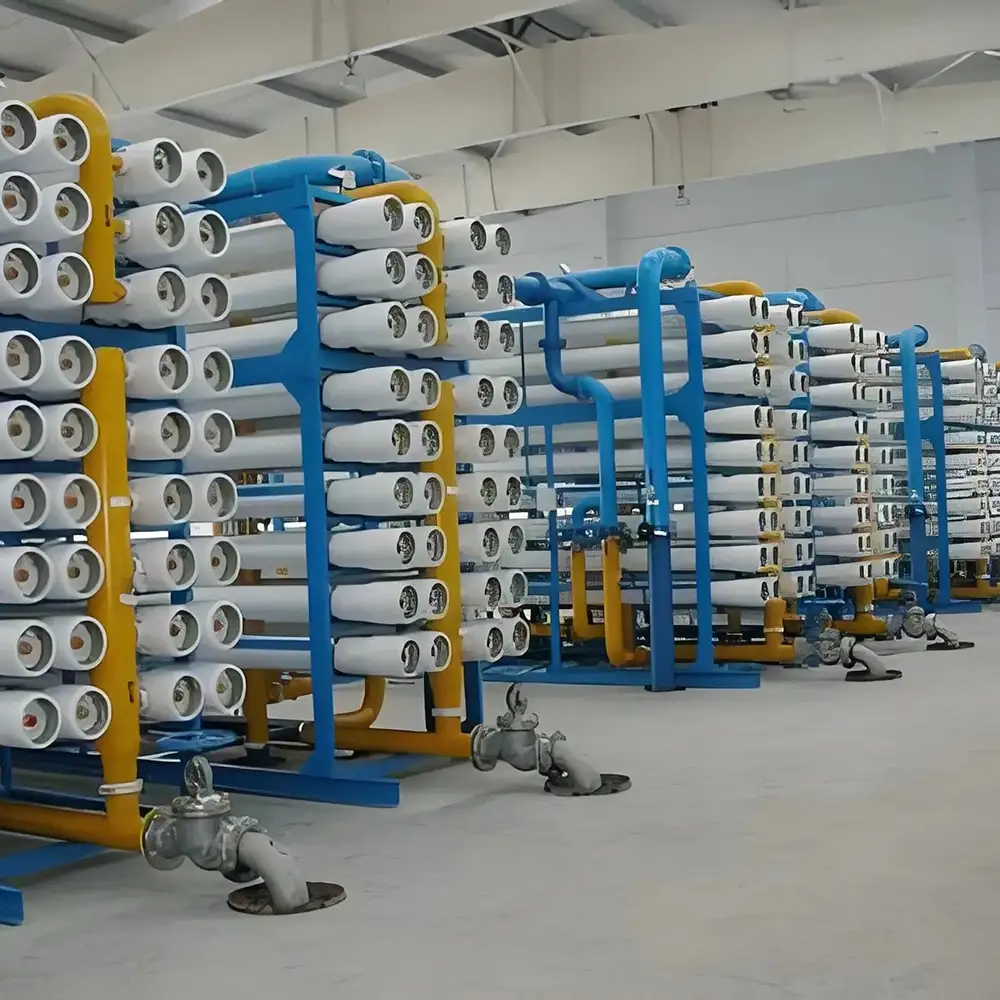
For schools, factories, hotels, hospitals, and commercial buildings, centralized RO purification can provide treated water to multiple drinking points. A purified-water storage tank can balance production and consumption, allowing the system to operate efficiently during periods of varying demand.
For smaller applications, a compact RO Water Purifier and Drinking Machine can integrate filtration and dispensing into one convenient system.
The treatment capacity can be selected according to hourly flow rate, daily water consumption, source-water quality, and peak demand.
Water Purifier and Drinking Machine
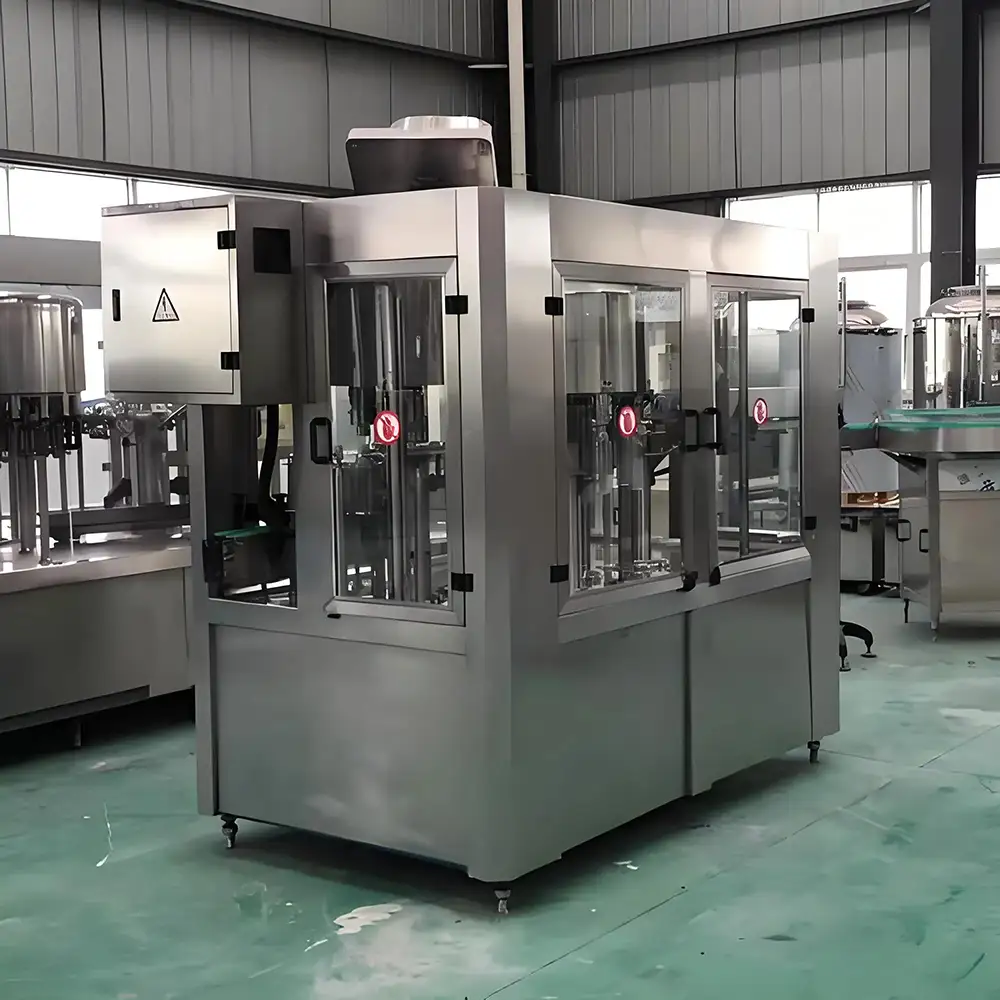
The integrated Water Dispenser Drinking Machine provides a convenient way to deliver purified water after the treatment process.
Depending on the configuration, the dispensing unit can provide ambient, cold, or hot purified water. The system may also include water-level sensors, automatic filling, temperature control, filtration indicators, and other convenient functions.
This design is useful for locations where users need direct access to purified water without handling bottled-water containers.
For commercial facilities, centralized purified-water production combined with dispensing stations can simplify drinking-water management.
Automatic Operation and Control
Modern RO water treatment systems can be equipped with programmable controllers, automatic valves, pressure sensors, flow meters, conductivity meters, water-level sensors, and automatic pump controls.
These components allow the equipment to monitor important operating parameters and automatically control different stages of the purification process.
Automatic water-level control can regulate tank filling, while conductivity monitoring can provide information about RO permeate quality. High-pressure pump protection and low-water protection can help reduce equipment damage caused by abnormal operating conditions.
Automation also reduces manual intervention and makes daily system operation more convenient.
Efficient Reverse Osmosis Filtration
RO membrane performance depends on feed-water quality, pressure, temperature, recovery rate, pretreatment, and membrane condition.
Effective pretreatment is particularly important because suspended solids, chlorine, hardness, and other contaminants can affect membrane performance.
A properly designed system can achieve stable purified-water production while helping reduce unnecessary water and energy consumption. High-efficiency pumps and optimized membrane configurations can also contribute to lower operating costs.
For larger systems, water recovery and concentrate management can be optimized according to the source-water characteristics and project requirements.
Applications
The 220V/380V RO Treatment Plant Purifier Water Dispenser Drinking Machine can be used in many applications, including:
Factory Drinking Water Systems
School Drinking Water Purification
Office Water Purification
Hotel Drinking Water Treatment
Hospital Water Purification
Restaurant Drinking Water Systems
Commercial Water Purification
Industrial Process Water Treatment
Public Drinking Water Stations
Institutional Water Treatment
Bottled Water Production
Centralized Drinking Water Systems
The system can be configured as a standalone drinking-water machine or integrated into a larger water treatment plant.
Easy Maintenance and Reliable Operation
Routine maintenance is essential for maintaining stable RO system performance. Sediment filters, activated carbon filters, cartridge filters, and other consumable components should be replaced according to actual operating conditions.
RO membranes should be monitored through permeate flow, pressure, conductivity, and other operating parameters. Cleaning may be required when fouling or scaling causes performance to decline.
Regular inspection of pumps, valves, electrical components, water tanks, pipelines, and dispensing equipment can help reduce unexpected downtime.
A well-designed pretreatment system combined with proper operation and maintenance can help extend membrane life and maintain consistent purified-water production.
Why Choose Us?
The right RO Treatment Plant should match the site's water source, electrical supply, treatment capacity, water-quality requirements, and installation environment.
Our solutions provide:
220V and 380V electrical configurations
Advanced RO reverse osmosis technology
Multi-stage drinking-water filtration
Integrated water purification and dispensing
Automatic operation and monitoring
Flexible treatment capacity
Efficient RO membrane filtration
Optional UV and ozone disinfection
Easy filter and membrane maintenance
Solutions for commercial, institutional, and industrial applications
The system can be configured according to raw-water quality, required production capacity, daily drinking-water consumption, available installation space, and local electrical conditions.
FAQs
1. What is a 220V/380V RO Treatment Plant?
It is a reverse osmosis water treatment system available with different electrical configurations for producing purified water for drinking and other applications.
2. What is the difference between 220V and 380V?
220V is commonly suitable for smaller systems and standard electrical installations, while 380V three-phase power is often selected for larger systems with higher-capacity pumps and greater processing requirements.
3. Can the system produce drinking water?
Yes. The system can be designed for purified drinking-water production with appropriate filtration, post-treatment, and disinfection according to the application.
4. What filters are used before the RO membrane?
Typical pretreatment may include sediment filters, activated carbon filters, water softeners, and cartridge filters.
5. Can the machine dispense hot and cold water?
Depending on the configuration, the drinking machine can be equipped with hot, cold, and ambient purified-water dispensing functions.
6. Can the RO system operate automatically?
Yes. Automatic valves, sensors, pumps, water-level controls, conductivity monitoring, and programmable controllers can be integrated.
7. Is the equipment suitable for factories?
Yes. The system can be designed for factory drinking-water stations, centralized purified-water systems, and industrial water treatment applications.
8. How often should RO membranes be replaced?
Membrane service life depends on feed-water quality, pretreatment, operating conditions, maintenance, and cleaning frequency. Regular monitoring helps determine replacement requirements.
9. Can UV sterilization be added?
Yes. UV, ozone, or other post-treatment technologies can be integrated when additional microbial control is required.
10. Can the RO Treatment Plant capacity be customized?
Yes. Treatment capacity, membrane configuration, storage volume, electrical configuration, filtration stages, and dispensing functions can be selected according to project requirements.
Prev:
Physical Filtration Water Dispenser RO Reverse Osmosis, RO Treatment Plant System Filter Water Purifier Drinking
Next:
RO/ UF / Pure Water Purification Equipment / Water Resource Purification Equipment
TAG:
Drinking Water Purification System,
Water Purification Equipment,
Reverse Osmosis Water Treatment,
Industrial Water Treatment Plant,
Industrial Water Treatment,
Water Filtration Equipment,
Water Treatment Plant,
Water Treatment Equipment,
Industrial Water Purification,
Water Purification System,
Industrial RO Water Treatment,
RO Water Treatment Plant,
Brackish Water RO System,
Industrial RO System,
Industrial Water Filtration,
Automatic Water Purification System,
Commercial RO System,
Commercial Water Purification,
Drinking Water Purification,
Drinking Water Filtration,
Drinking Water Treatment,
Industrial RO Water Purification,
Water Treatment System,
RO Membrane System,
RO Membrane Filtration,
RO Filtration System,
RO Membrane Water Purification,
Reverse Osmosis Water Purification,
Reverse Osmosis Filtration,
RO Water Purification,
Related Category:
220V 380V RO Treatment Plant,RO Water Purifier,Water Dispenser Drinking Machine,Reverse Osmosis Water Treatment,RO Drink China, suppliers, manufacturers, factory, customized, wholesale, quotation, made in China