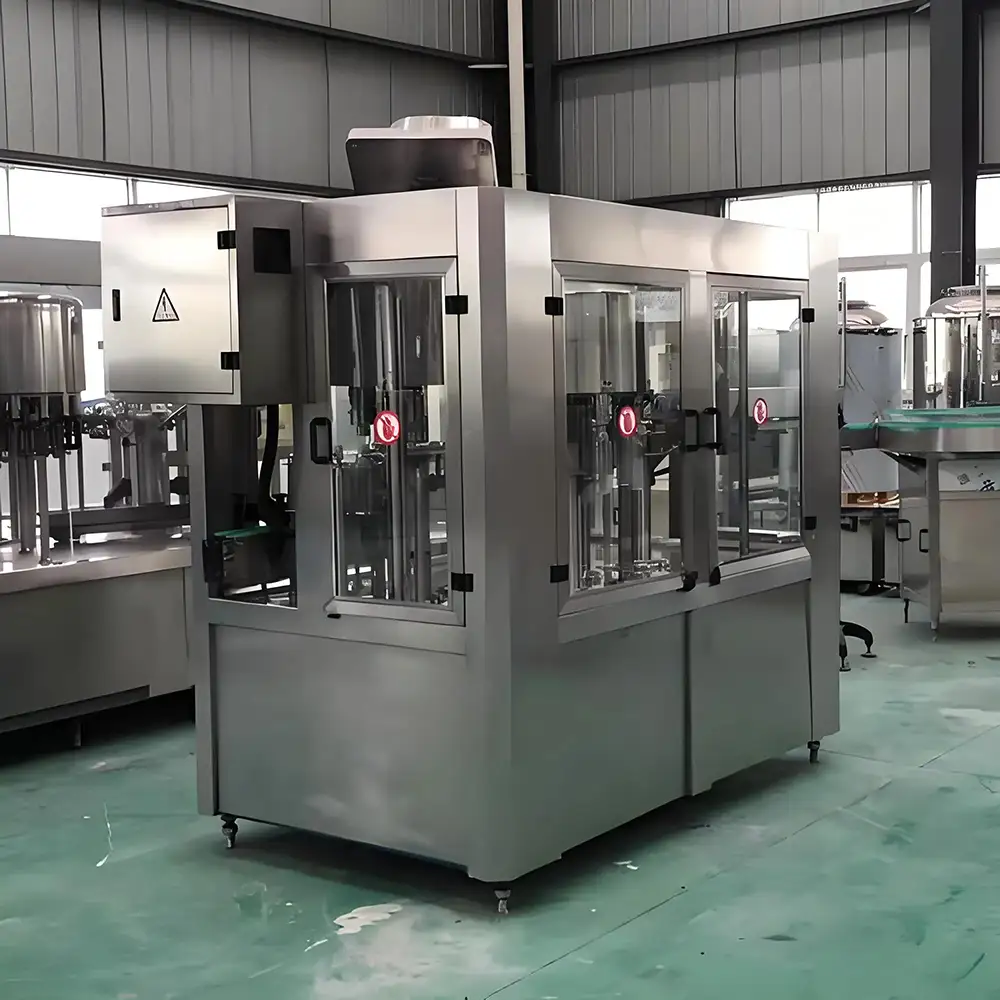
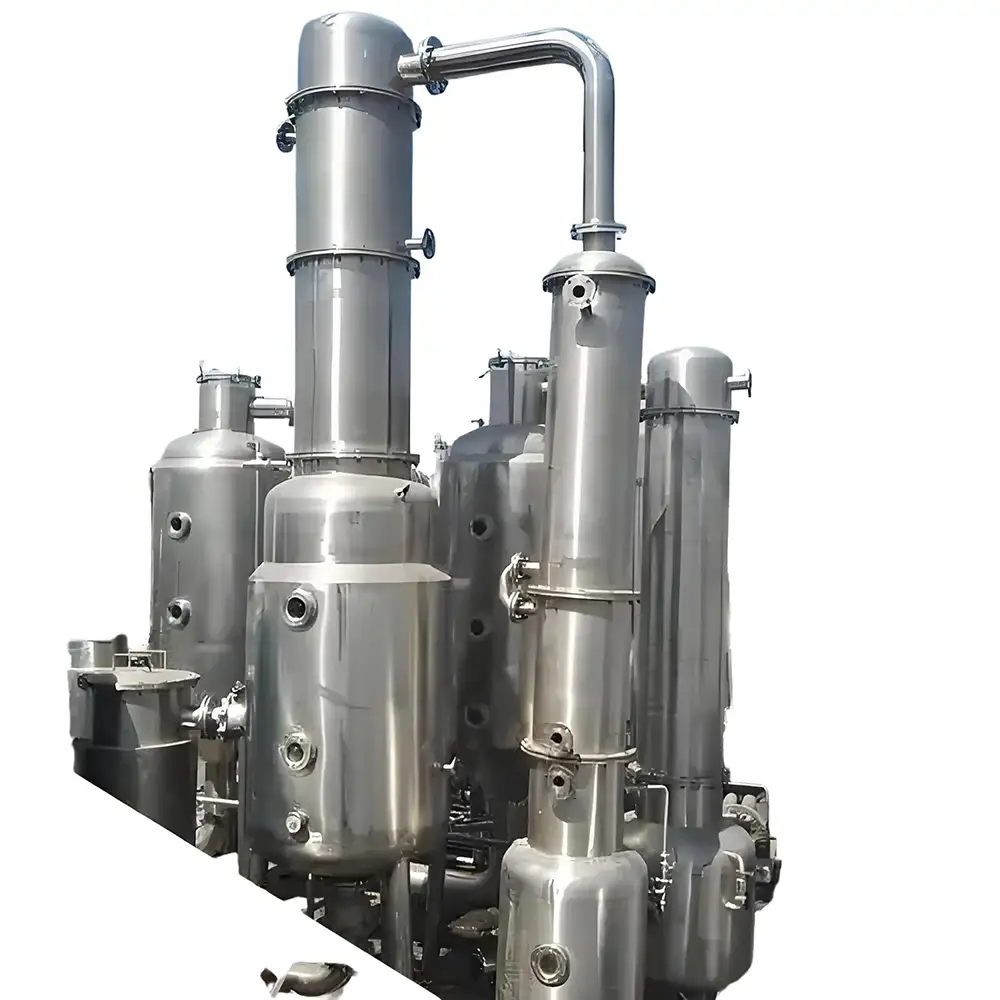
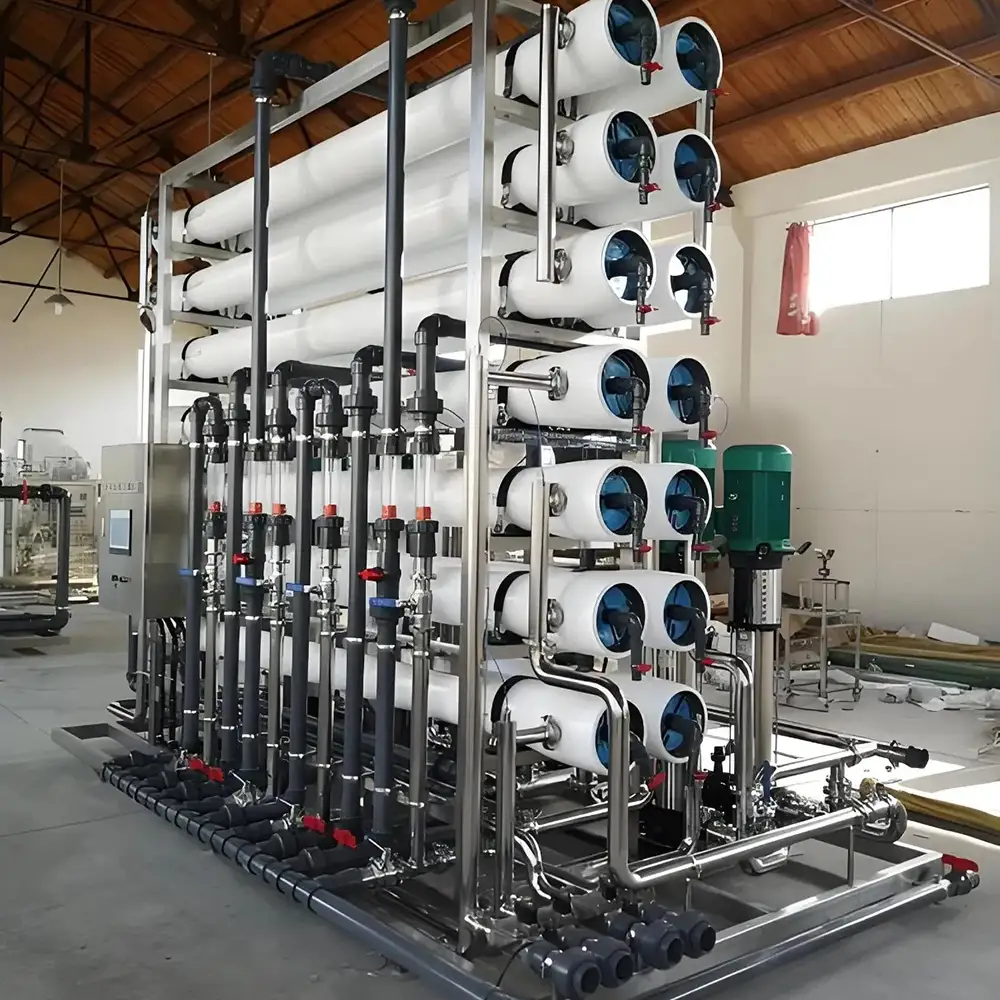
The Water filter can be directly connected to the tap water pipe to effectively remove small impurities, organics, heavy metal ions, viruses, bacteria and other harmful substances in the water. It not only retains water molecules and dissolved oxygen, but also retains trace elements needed by the human body.
The purified water produced is pure, pure, and sweet, and can be consumed directly or used in large quantities for cooking. Completely solving the secondary pollution of water quality, it is currently the safest, most economical, and most hygienic drinking water solution for people to drink clean water.
Seawater Desalination RO Reverse Osmosis Water Treatment System
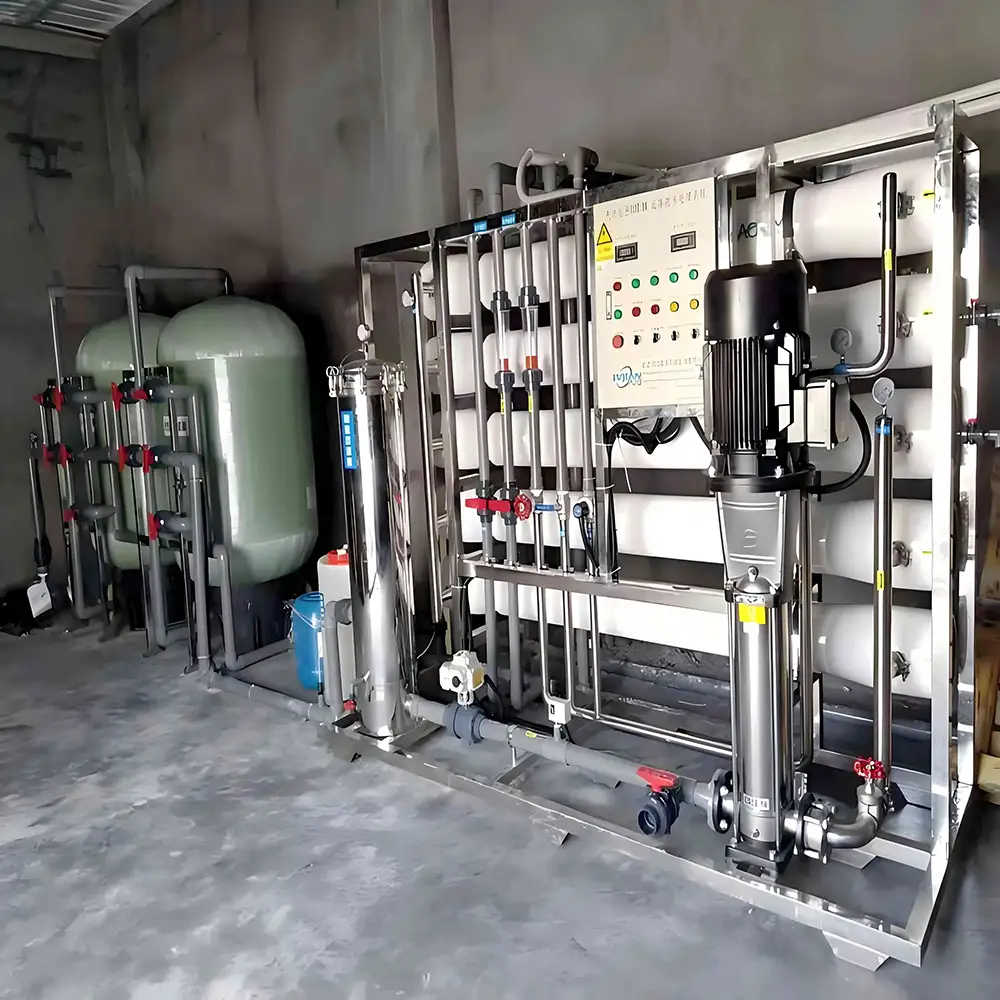
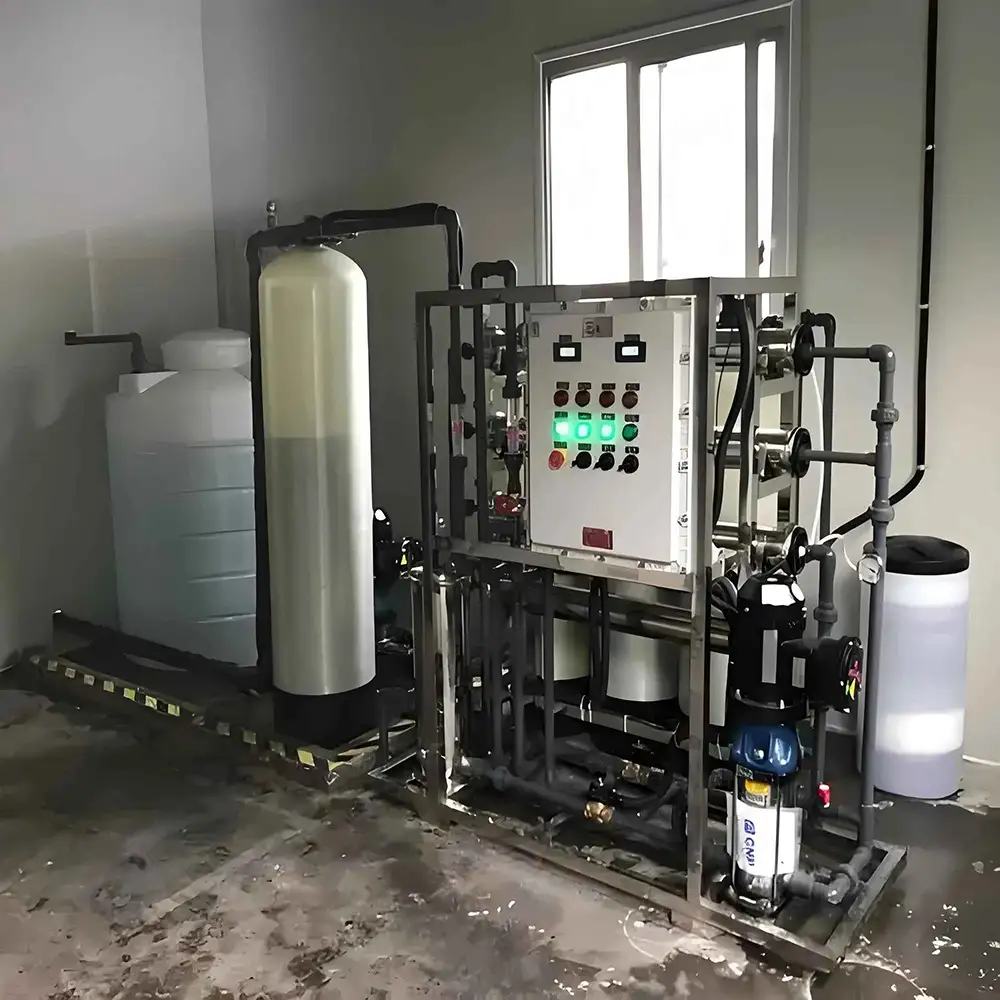
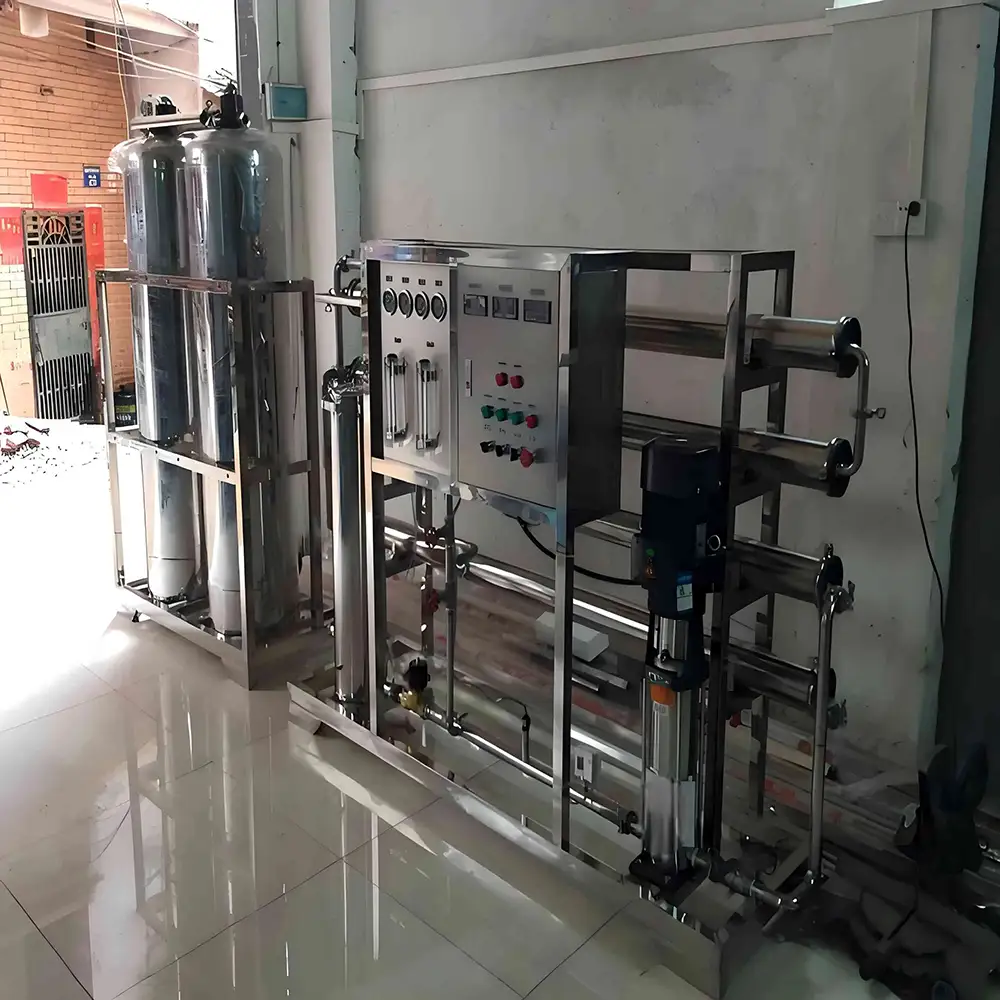
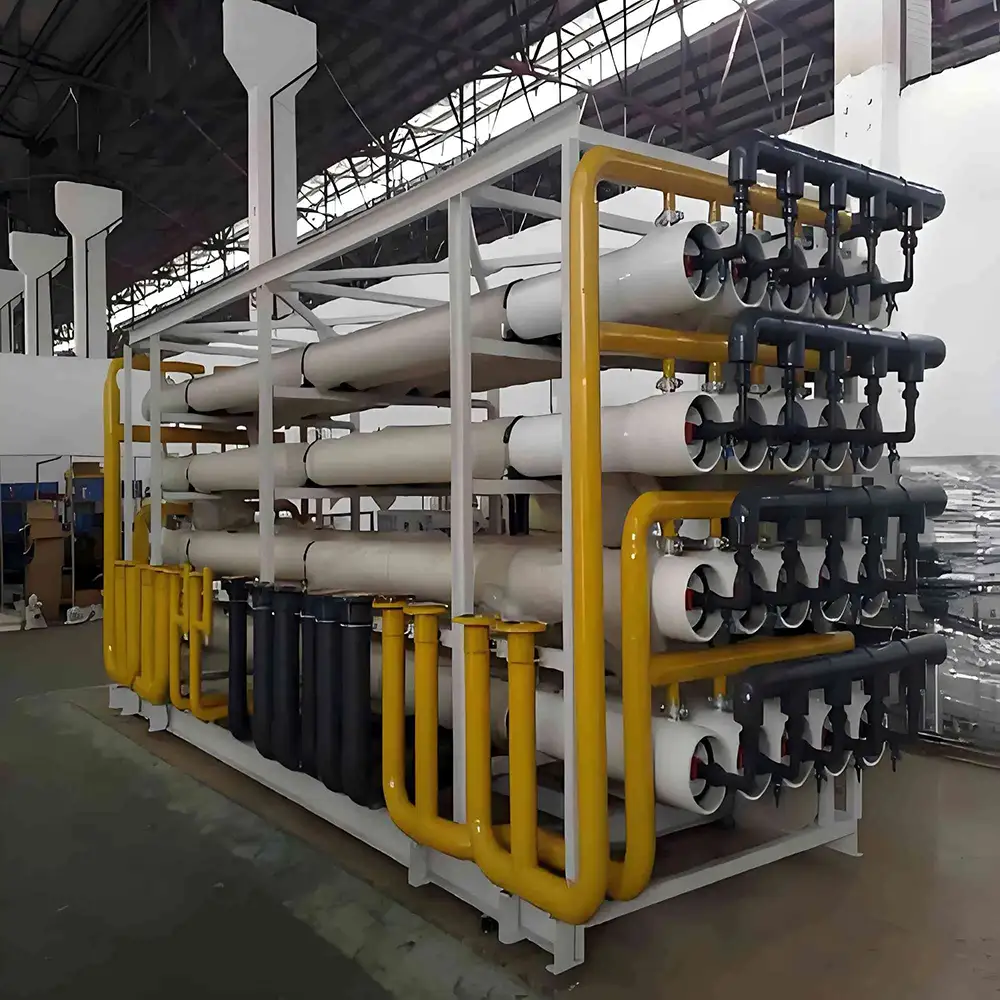
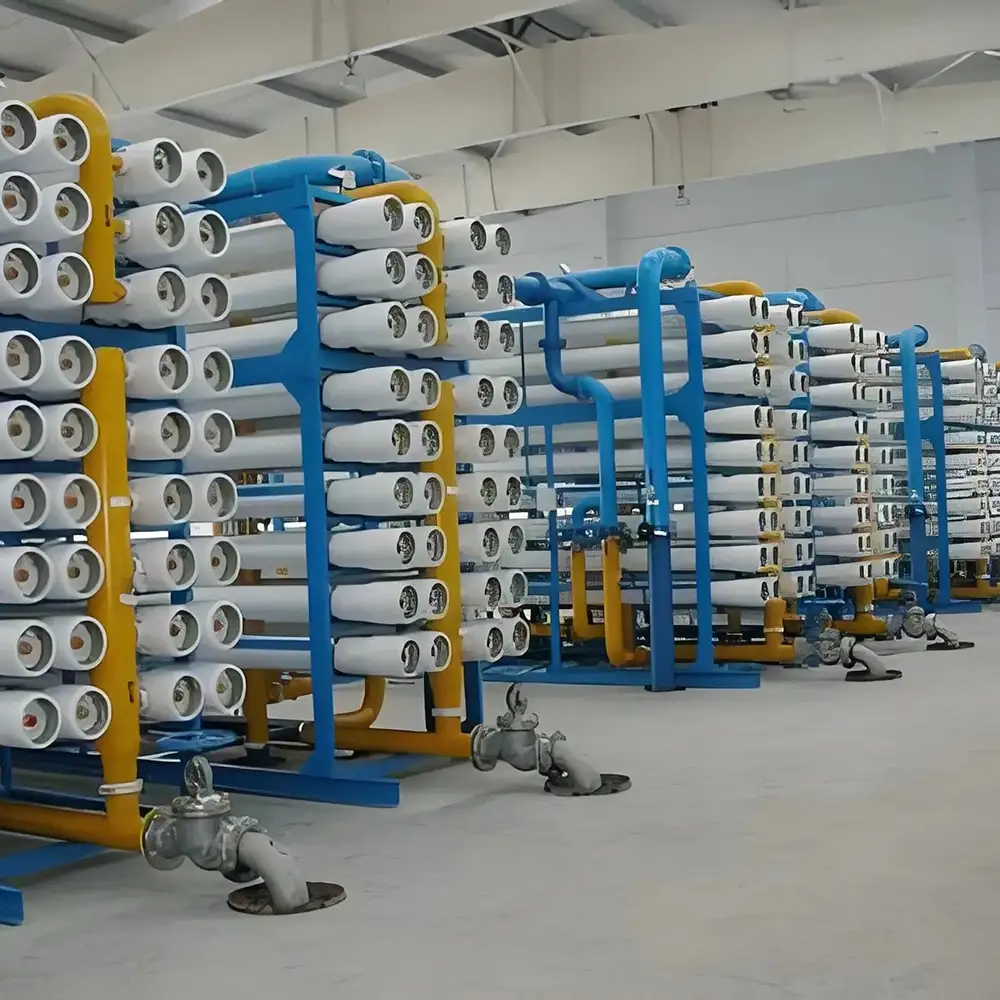
Seawater Desalination RO Reverse Osmosis Water Treatment System is an advanced membrane-based solution designed to convert seawater into high-quality freshwater. Using specialized seawater reverse osmosis membranes and high-pressure filtration technology, the system can effectively reduce dissolved salts, total dissolved solids, suspended particles, and many other contaminants present in seawater.
Seawater is an abundant water resource, but its high salinity makes it unsuitable for most direct drinking, industrial, and agricultural applications. Reverse osmosis desalination provides an efficient method of separating freshwater from concentrated seawater. With appropriate pretreatment, high-pressure pumping, RO membrane treatment, and post-treatment, the system can provide a dependable freshwater source for locations with limited access to conventional freshwater resources.
Advanced Seawater Reverse Osmosis Technology
Seawater reverse osmosis, commonly abbreviated as SWRO, works by applying pressure to seawater and forcing it through a semipermeable membrane. The membrane allows water molecules to pass through while rejecting most dissolved salts and other unwanted substances.
Because seawater has a much higher osmotic pressure than freshwater, SWRO systems operate at higher pressure than standard freshwater RO systems. The equipment therefore uses specialized high-pressure pumps, seawater-resistant components, pressure vessels, and RO membranes designed specifically for desalination applications.
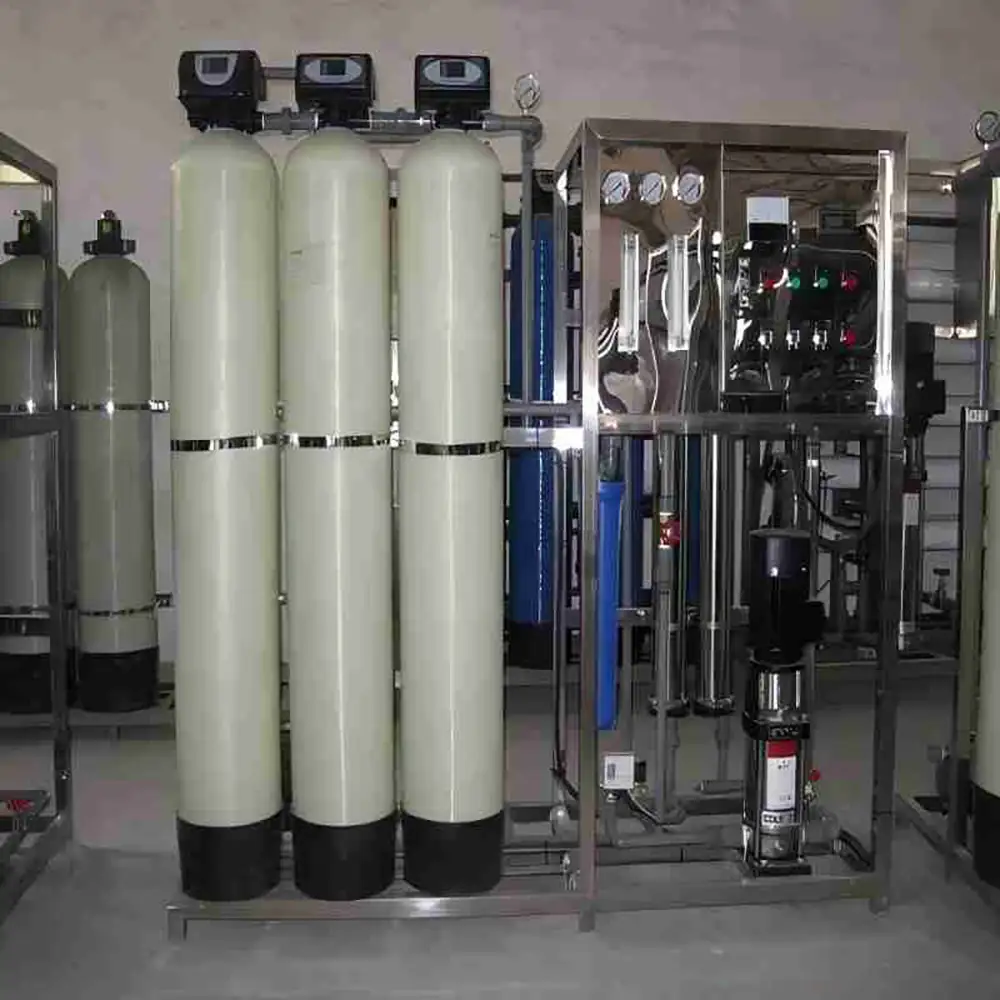
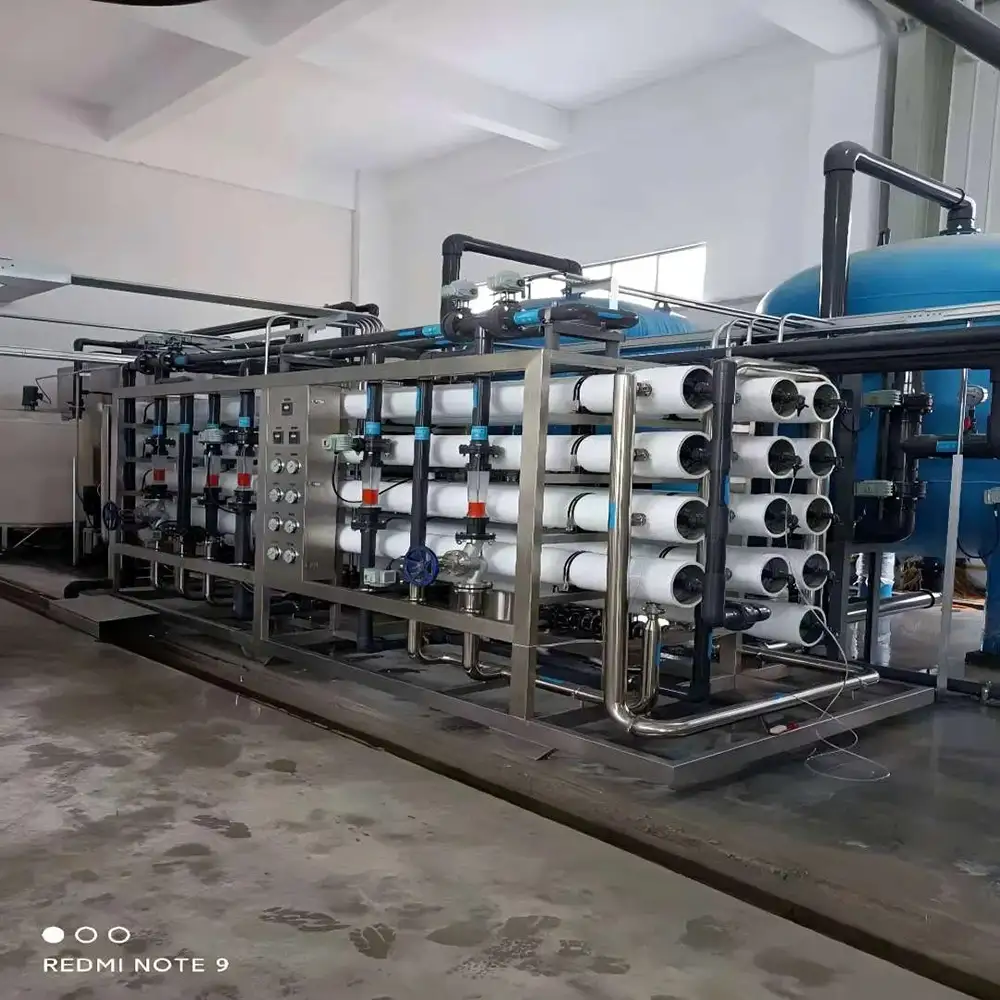
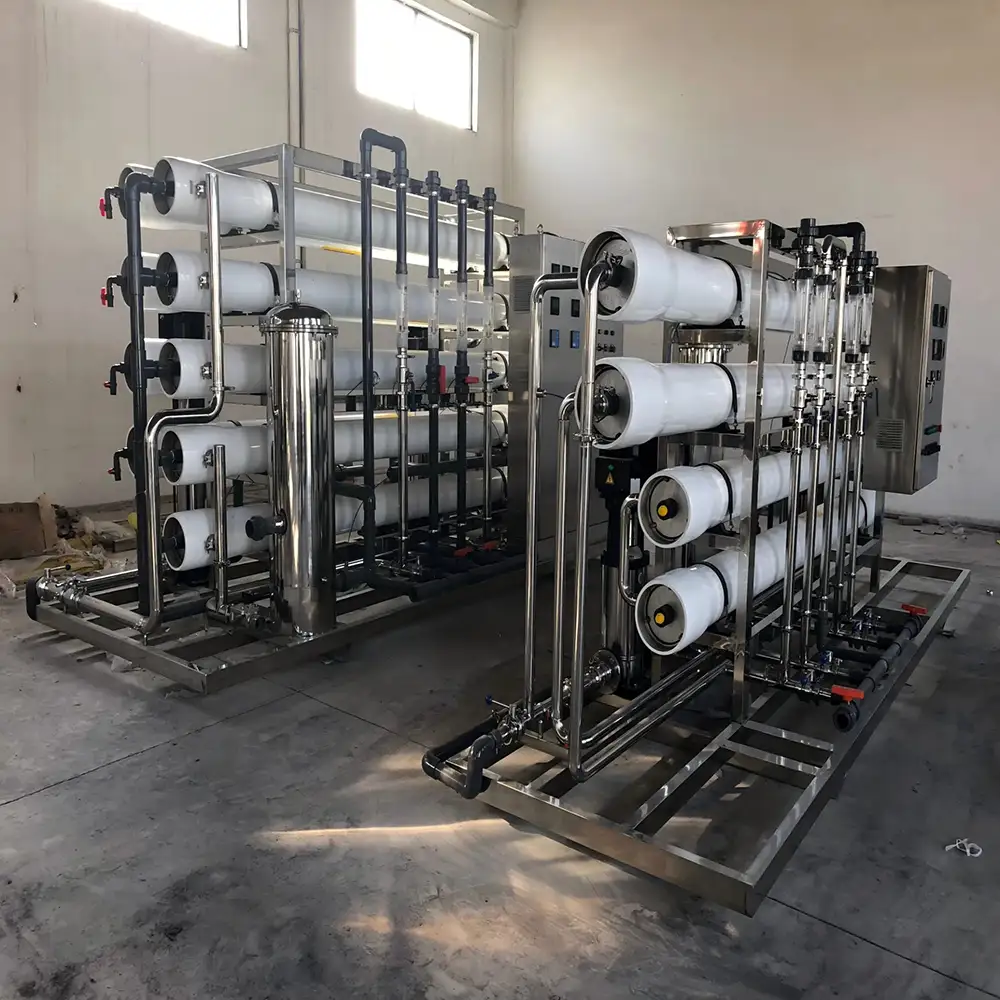
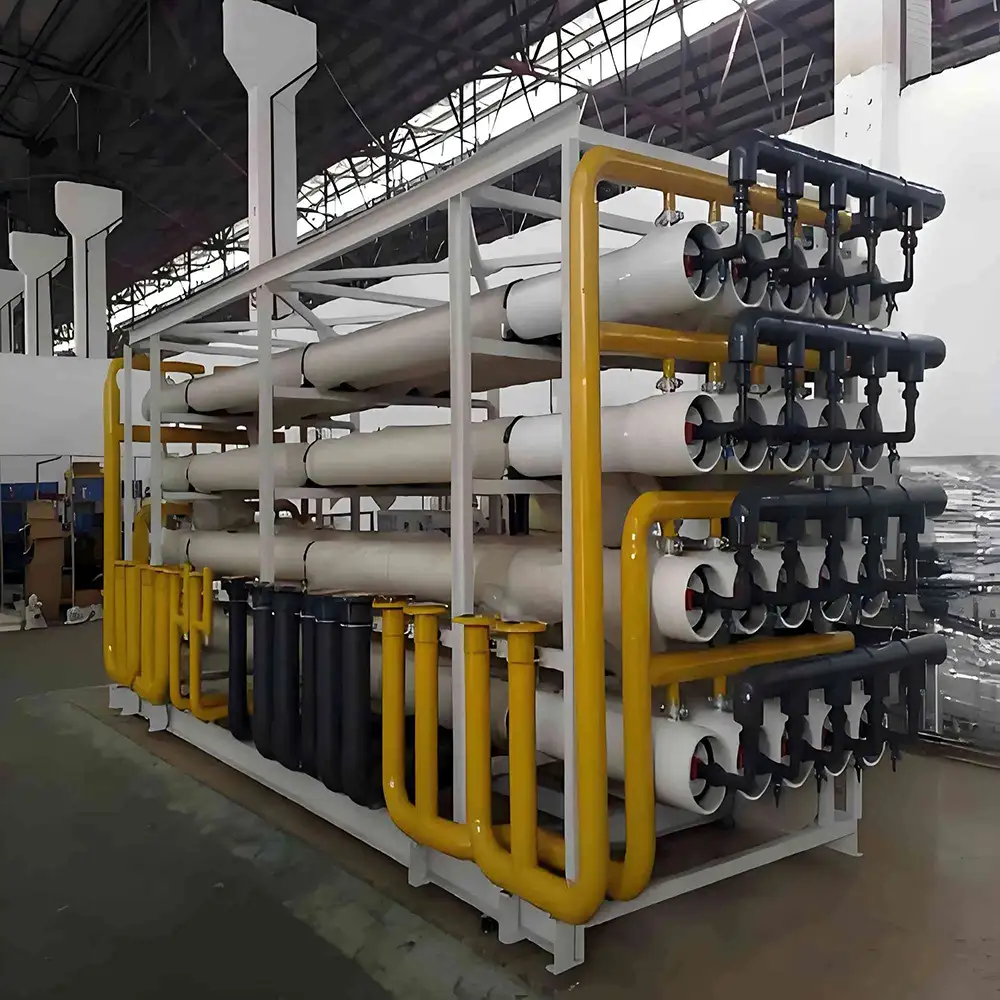
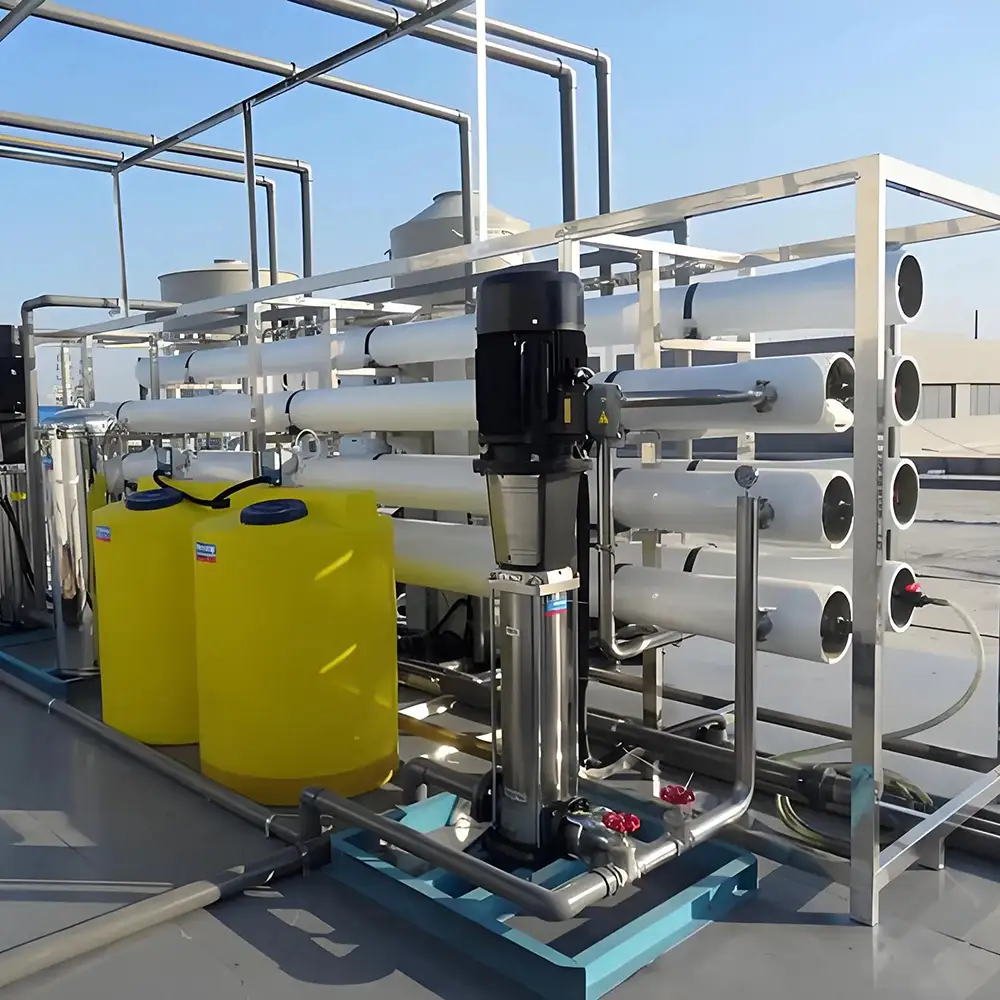
A typical seawater RO treatment system consists of a seawater intake, pretreatment equipment, cartridge filtration, high-pressure pump, RO membrane modules, pressure vessels, control system, freshwater storage, and optional post-treatment equipment.
Effective Pretreatment
Pretreatment is one of the most important stages in seawater desalination. Seawater may contain sand, suspended solids, algae, microorganisms, organic matter, and other substances that can cause membrane fouling.
Depending on the source water quality, the pretreatment process may include coarse screening, multimedia filtration, ultrafiltration, microfiltration, cartridge filtration, activated carbon treatment, or chemical dosing.
Proper pretreatment reduces the contaminant load entering the RO membranes. This helps maintain stable membrane performance, reduce fouling and scaling, extend membrane service life, and minimize the frequency of chemical cleaning.
The actual pretreatment configuration should be selected based on seawater analysis and seasonal variations in feedwater conditions.
High-Pressure RO Desalination
After pretreatment, seawater enters the high-pressure RO section. The high-pressure pump provides the driving force required to overcome seawater's natural osmotic pressure and push water through the membrane.
The RO membrane separates the feedwater into two streams: purified permeate and concentrated reject water. The permeate becomes the main freshwater product, while the concentrate contains a higher concentration of rejected salts and contaminants.
For larger desalination plants, energy recovery devices can be integrated into the system. These devices recover energy from the high-pressure concentrate stream and transfer part of that energy back into the desalination process, helping reduce overall power consumption.
High-Quality Freshwater Production
The primary objective of a seawater RO system is to produce freshwater with significantly reduced salinity and dissolved solids. Depending on the intended application, the RO permeate may receive additional post-treatment.
Remineralization can be used to adjust mineral content and improve water characteristics. UV disinfection or other treatment technologies can be added when additional microbial control is required.
For potable water applications, the complete treatment system should be designed and operated according to applicable drinking water standards and local regulations.
Wide Range of Applications
Seawater Desalination RO Water Treatment Systems are suitable for a broad range of applications.
Coastal Communities: Desalination can supplement local freshwater resources in coastal areas where conventional water supplies are insufficient.
Island Water Supply: Islands can use SWRO systems to produce freshwater directly from surrounding seawater, reducing dependence on water transported from mainland locations.
Hotels and Resorts: Resorts, coastal hotels, and recreational facilities can use desalinated water for drinking water, kitchens, guest facilities, cleaning, and other applications.
Marine Applications: Ships, offshore platforms, ports, and marine facilities can use compact seawater RO systems to produce freshwater onboard or at remote operating locations.
Industrial Applications: Factories and industrial plants can use desalinated water for process water, equipment cleaning, cooling systems, boiler feedwater pretreatment, and other applications.
Flexible Capacity and Modular Design
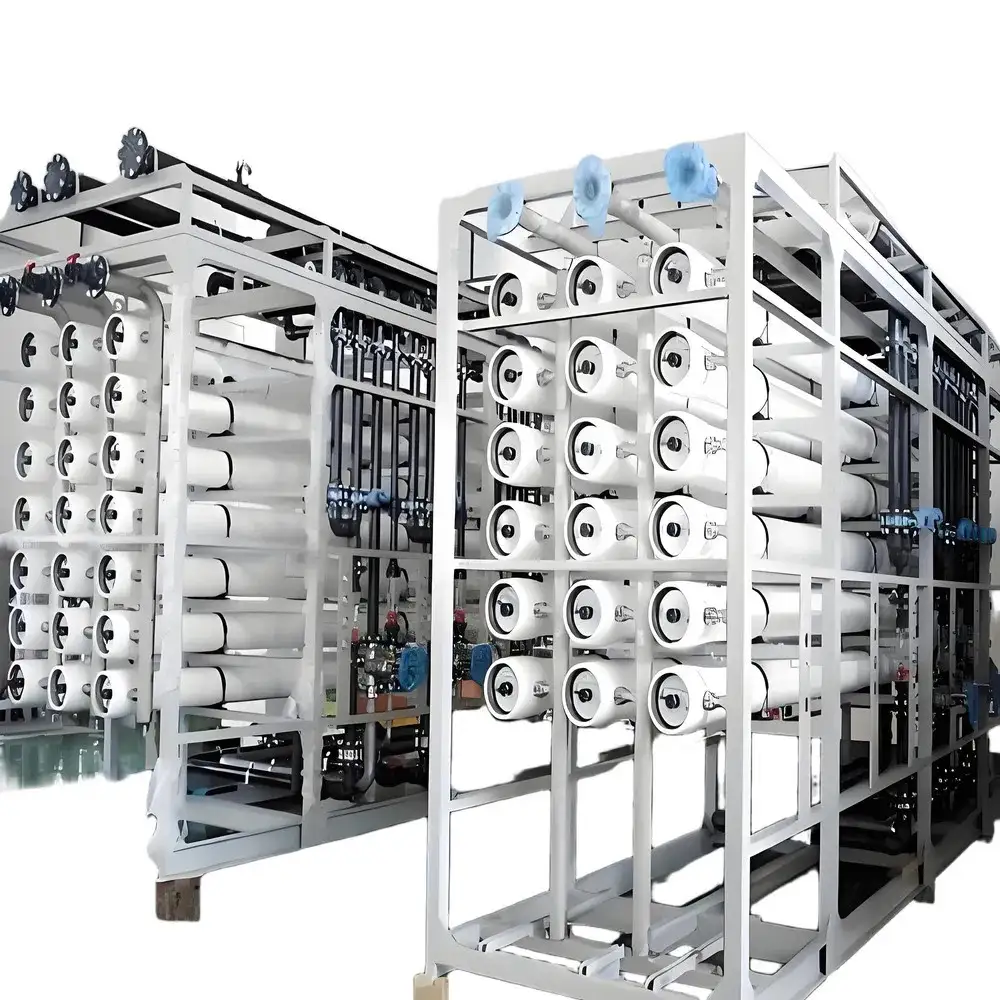
The system can be configured for different freshwater production capacities. Compact skid-mounted systems are suitable for small and medium-scale projects, while larger modular systems can be combined to meet higher water demand.
Modular construction can simplify transportation, installation, commissioning, and future capacity expansion. The system can also be integrated with seawater intake pipelines, pretreatment equipment, chemical dosing units, freshwater storage tanks, control cabinets, and distribution systems.
Automatic controls can monitor important operating parameters such as feed pressure, high-pressure pump pressure, permeate flow, concentrate flow, conductivity, water level, and system status.
Efficient and Reliable Operation
Energy efficiency is an important consideration in seawater desalination. High-pressure pumping normally represents a major part of system energy consumption, so optimized pump selection, membrane configuration, operating pressure, and energy recovery can improve overall efficiency.
Regular monitoring also helps identify changes in membrane performance. Tracking flow rate, pressure, conductivity, and salt rejection can provide useful information about membrane condition and pretreatment performance.
Proper maintenance includes filter replacement, pump inspection, valve inspection, membrane cleaning when necessary, instrument calibration, and periodic checks of electrical and control components.
Why Choose Us?
A reliable seawater desalination system requires careful integration of pretreatment, high-pressure pumping, RO membranes, energy management, control systems, and post-treatment. Selecting equipment based only on nominal capacity may not provide the best long-term performance.
Our Seawater Desalination RO Reverse Osmosis Water Treatment System is designed around the actual characteristics of the seawater source and the required freshwater application. System configuration can take into account salinity, temperature, turbidity, water demand, operating hours, installation conditions, and final water quality requirements.
We focus on practical system design, stable desalination performance, efficient operation, convenient maintenance, and long-term reliability. From compact marine desalination units to larger industrial and coastal water treatment plants, the system can be configured to meet different freshwater production requirements.
Frequently Asked Questions
1. What is a seawater RO water treatment system?
It is a desalination system that uses high-pressure reverse osmosis membranes to separate freshwater from seawater and reduce dissolved salts and other contaminants.
2. What does SWRO mean?
SWRO stands for Seawater Reverse Osmosis. It refers specifically to reverse osmosis systems designed to desalinate seawater.
3. Why does seawater RO require high pressure?
Seawater has high osmotic pressure because of its high dissolved salt concentration. Higher operating pressure is therefore required to drive water through the RO membrane.
4. Can seawater RO produce drinking water?
Yes. With suitable pretreatment and post-treatment, an SWRO system can produce water for potable applications when the complete system meets applicable water quality requirements.
5. What pretreatment is needed before seawater RO?
Depending on seawater quality, pretreatment may include screening, multimedia filtration, ultrafiltration, microfiltration, cartridge filtration, and chemical treatment.
6. How does the system reduce energy consumption?
Energy-efficient high-pressure pumps, optimized membrane configurations, proper operating conditions, and energy recovery devices can help reduce overall energy consumption.
7. Can this system be used on ships?
Yes. Compact seawater RO systems can be designed for ships, offshore platforms, yachts, ports, and other marine facilities.
8. Can the system treat seawater for industrial use?
Yes. Desalinated water can be used for various industrial processes, cleaning, cooling, and pretreatment applications depending on the required water quality.
9. How often should RO membranes be cleaned?
Cleaning frequency depends on feedwater quality, pretreatment effectiveness, operating conditions, and membrane fouling. System performance should be monitored to determine when cleaning is necessary.
10. What information is required to select an SWRO system?
Important factors include seawater salinity, temperature, turbidity, required freshwater capacity, final water quality, operating hours, available power, installation conditions, and applicable regulations.
Prev:
Seawater Desalination RO Reverse Osmosis Equipment Water Purifier
Next:
Pure Water Drinking Seawater Desalination RO Reverse Osmosis Equipment
TAG:
Reverse Osmosis Water Treatment,
Industrial Desalination System,
Desalination RO System,
Water Desalination System,
Seawater Desalination Equipment,
Seawater RO System,
Seawater Reverse Osmosis,
Seawater Desalination,
RO Water Treatment System,
RO Water Purification,
RO Desalination Plant,
Seawater Water Treatment,
Seawater Treatment System,
Reverse Osmosis Desalination,
SWRO Desalination,
Marine Water Purification,
Island Water Desalination,
Seawater Purifier,
Seawater Desalination Plant,
Freshwater From Seawater,
Desalination Water Treatment,
Industrial Seawater RO,
Seawater Purification System,
Marine RO System,
Marine Desalination System,
Seawater RO Equipment,
Drinking Water Desalination,
Coastal Desalination System,
Seawater Filtration System,
SWRO Water Treatment,
Related Category:
Seawater Desalination RO System,Seawater Reverse Osmosis System,SWRO Water Treatment System,Seawater Desalination Equipm China, suppliers, manufacturers, factory, customized, wholesale, quotation, made in China