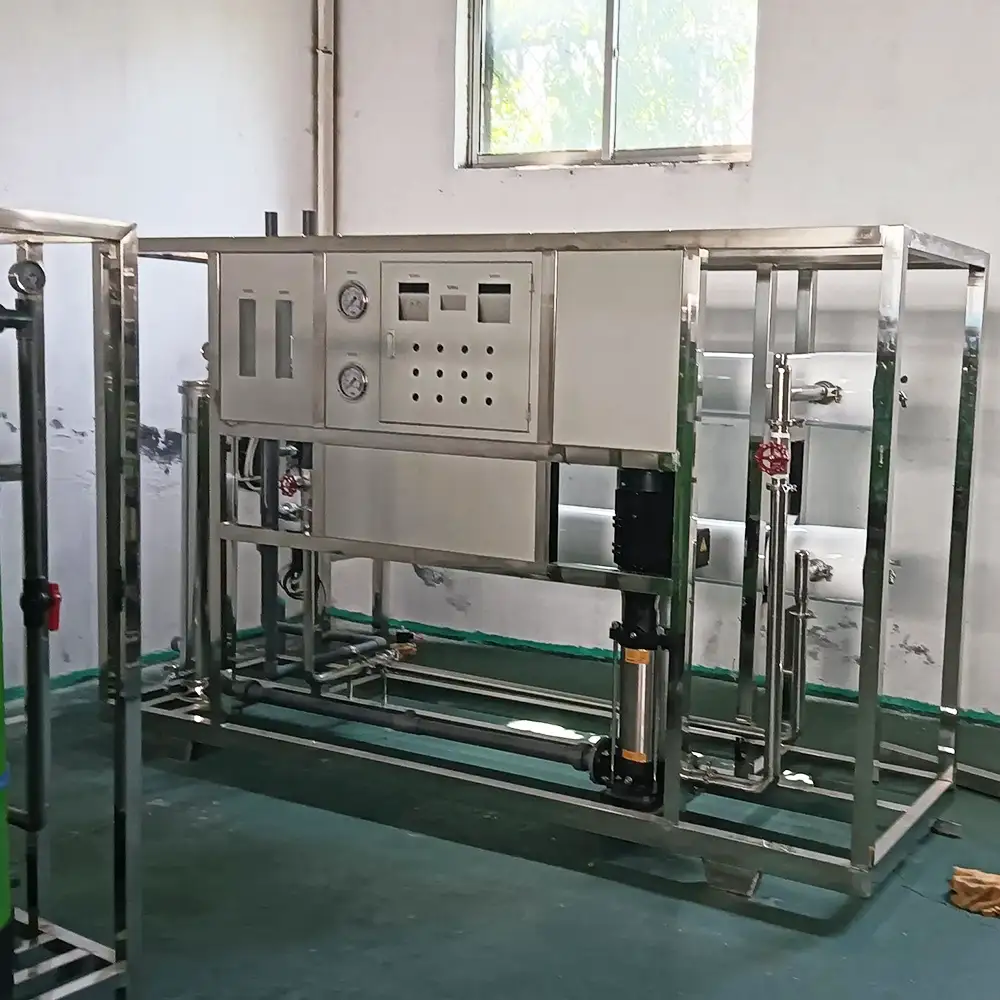
Physical Filtration Water Dispenser RO Reverse Osmosis Water Purification System
A Physical Filtration Water Dispenser combined with RO Reverse Osmosis technology provides an efficient solution for producing clean, purified drinking water. By integrating multiple physical filtration stages with advanced reverse osmosis membrane treatment, the system can reduce suspended particles, sediment, dissolved salts, unpleasant odors, and many other unwanted substances from water.
Clean drinking water is essential for homes, offices, schools, hospitals, hotels, restaurants, factories, and public facilities. Depending on the quality of the incoming water, a basic filter may not be sufficient to achieve the desired purification level. An RO Water Purification System combines pretreatment and membrane filtration to provide a more comprehensive approach to drinking-water treatment.
The equipment can be configured as a compact water dispenser, standalone RO purifier, or larger RO Treatment Plant System according to water demand and installation requirements.
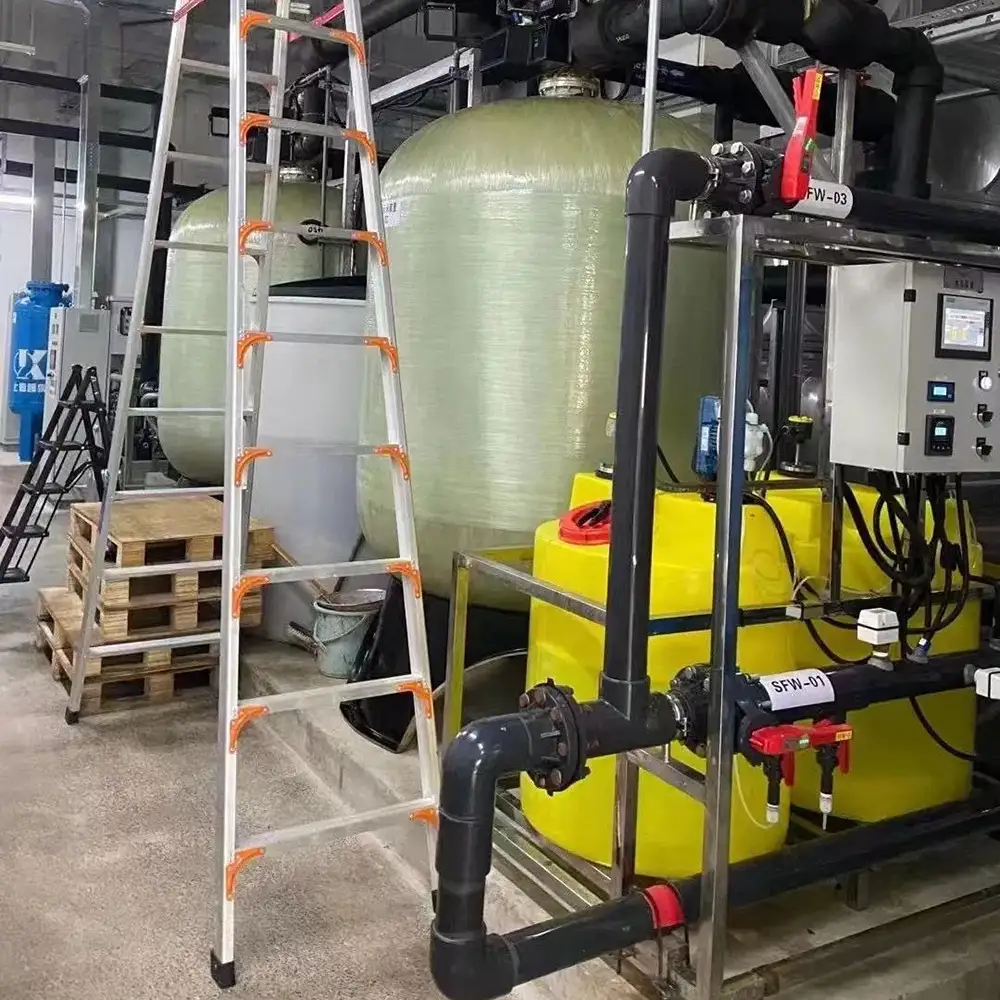
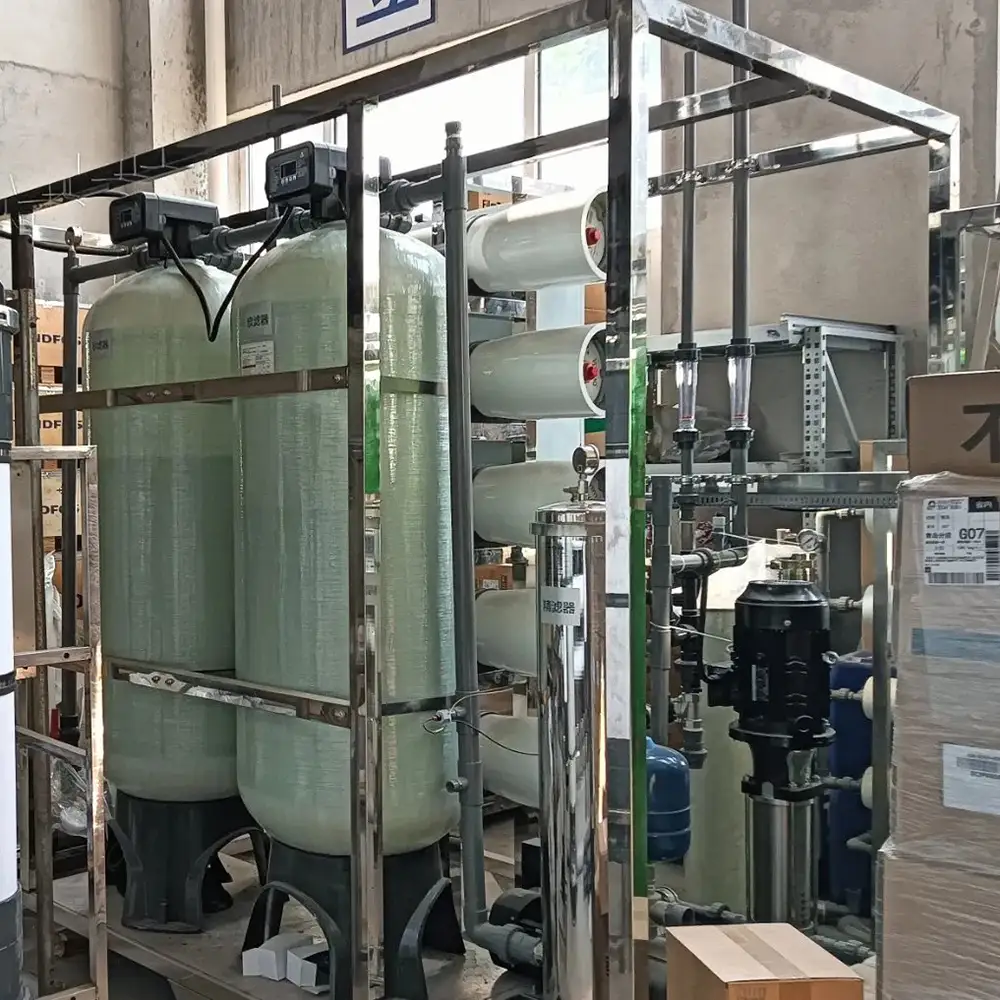
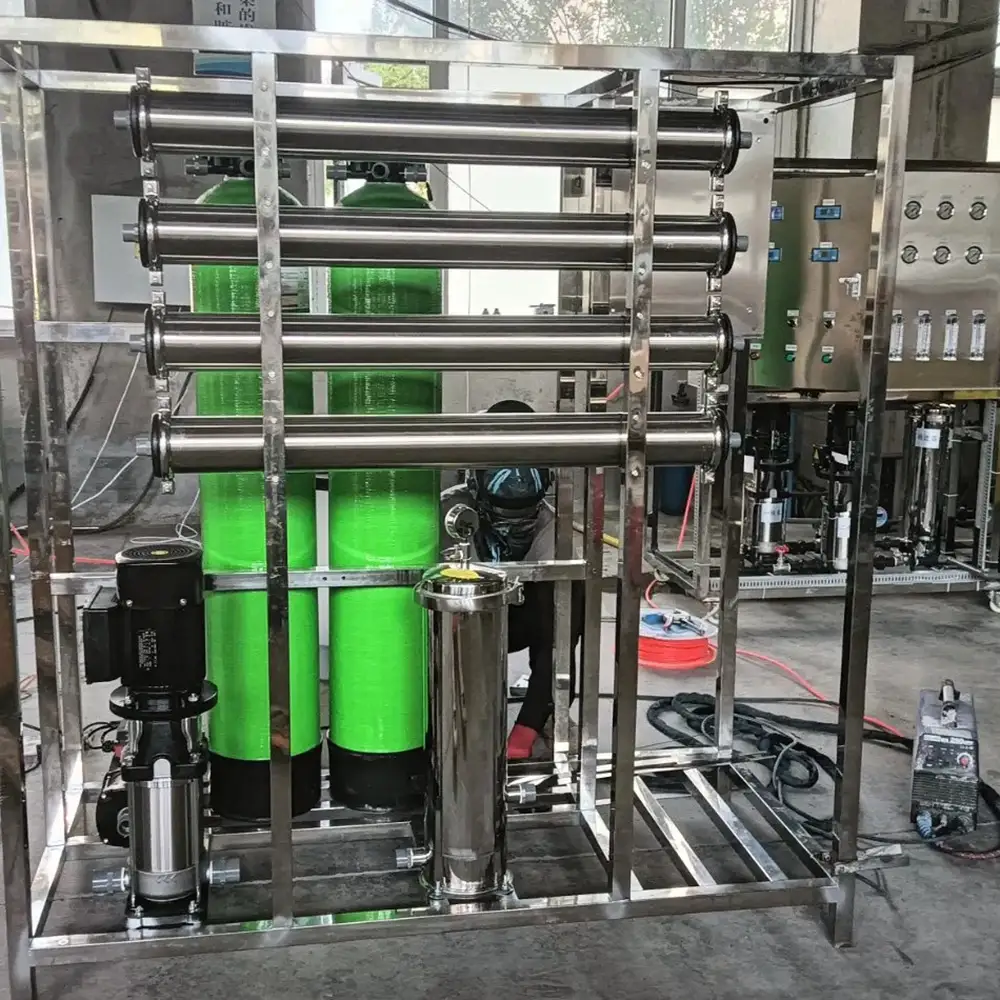
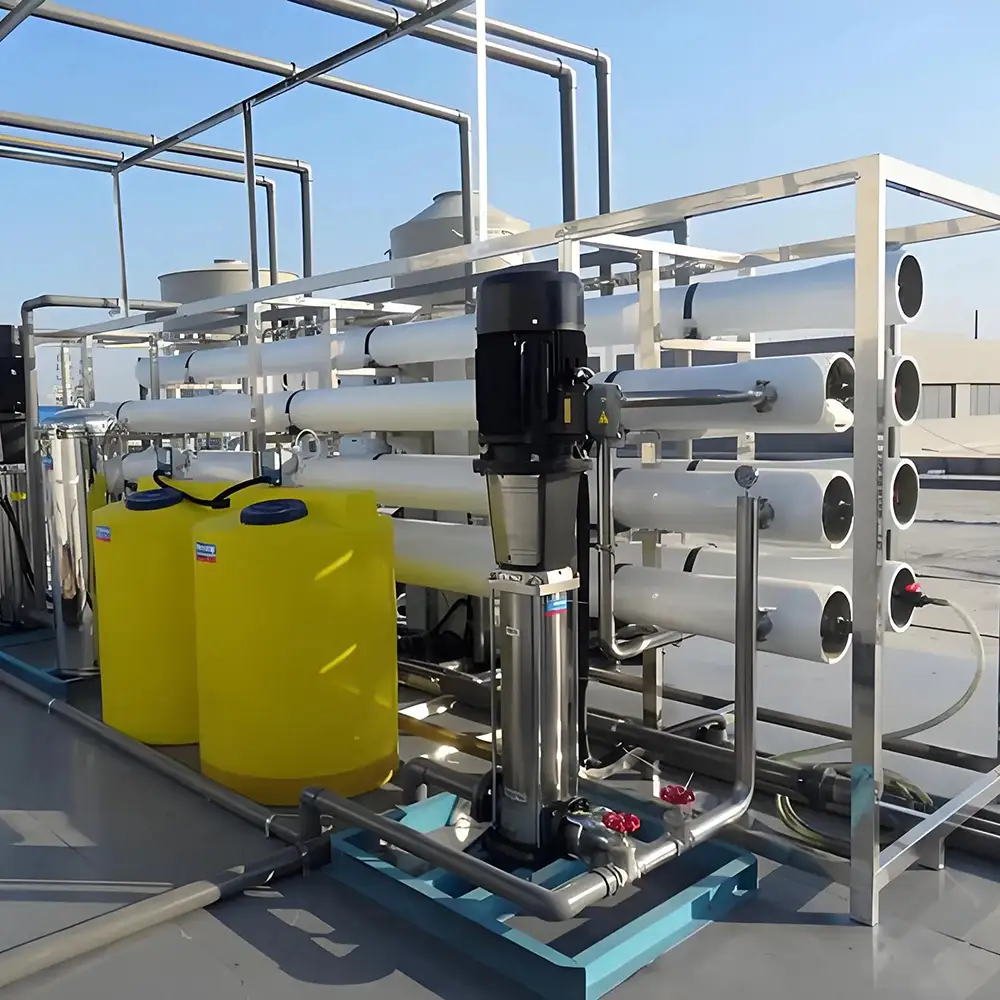
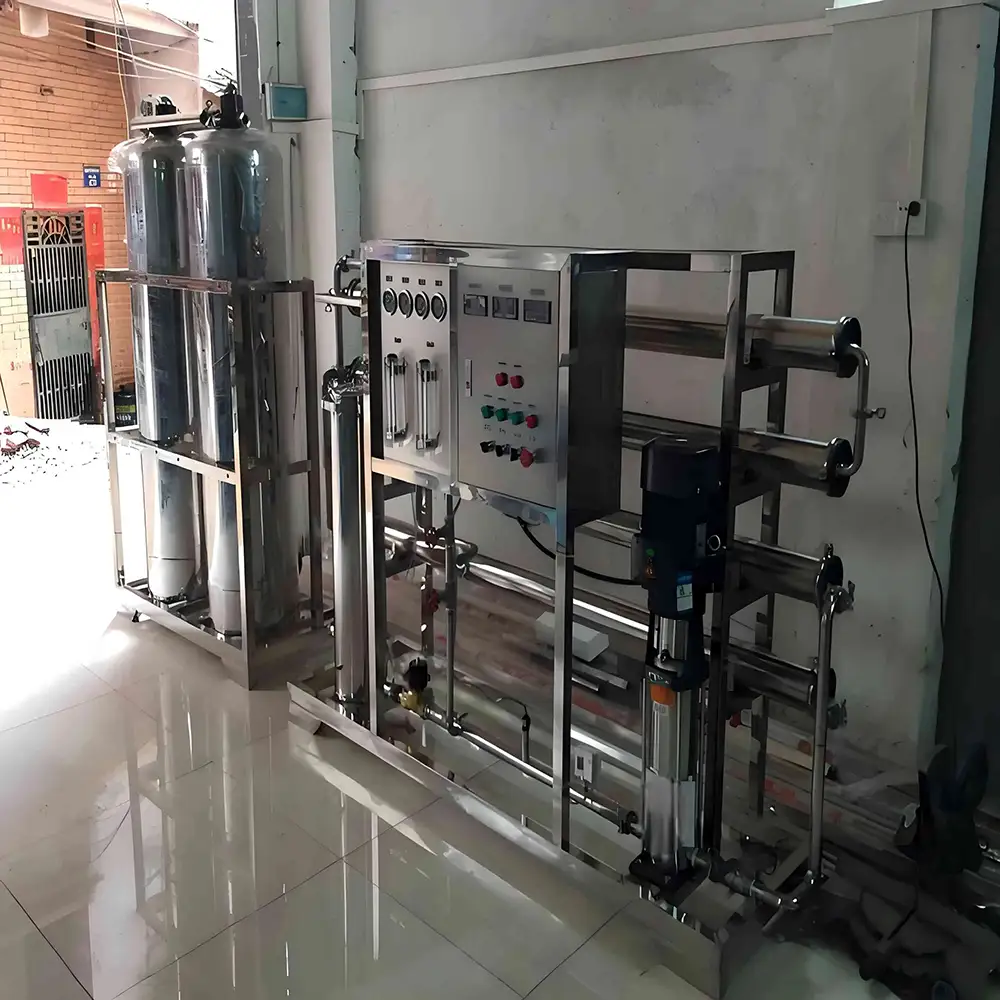
The reverse osmosis equipment passes the raw water through fine filters, granular activated carbon filters, compressed activated carbon filters, etc., and then pressurizes it through a pump, utilizing a pore size of 1/10000 μ The reverse osmosis membrane (RO membrane) of m (equivalent to 1/6000 of the size of Escherichia coli and 1/300 of the size of the virus) separates high concentration water into extremely low concentration water (i.e. pure water) and higher concentration water. Low concentration water is used, and high concentration water is discharged or reused as resources
Physical Filtration and RO Reverse Osmosis
Physical filtration is an important first stage in the water purification process. Sediment filters can capture larger suspended particles such as sand, rust, dirt, and other physical impurities. Additional filtration stages can be used to improve the quality of feed water before it reaches the RO membrane.
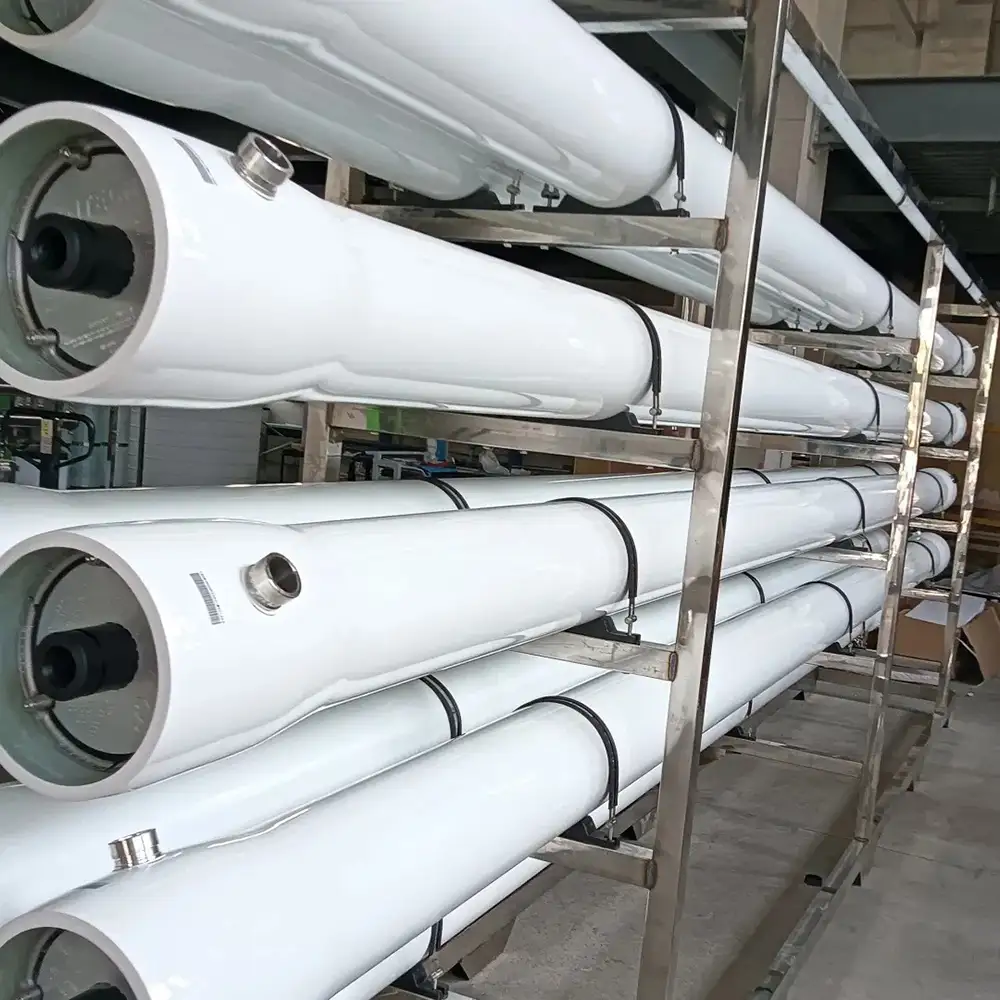
Reverse osmosis then provides advanced membrane separation. Under pressure, water passes through a semipermeable RO membrane while many dissolved salts, minerals, total dissolved solids, and other contaminants are rejected.
Combining physical filtration with reverse osmosis creates a multi-stage purification process that can provide cleaner and more consistent drinking water.
Multi-Stage Drinking Water Purification
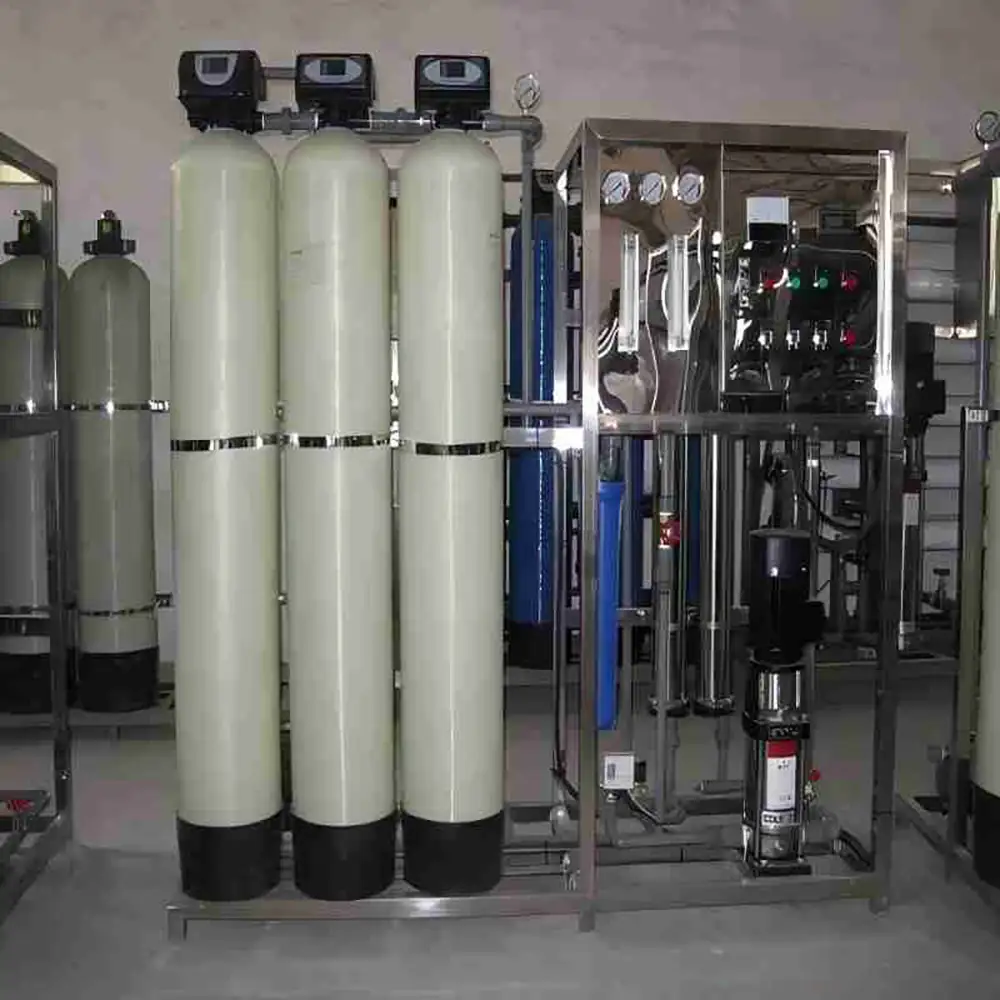
A complete RO Drinking Water Purifier can contain several treatment stages. A typical configuration may include a sediment filter, activated carbon filter, fine cartridge filter, RO membrane, post-carbon filter, and optional sterilization equipment.
The sediment filtration stage helps protect downstream components by reducing suspended particles. Activated carbon can help reduce chlorine, odors, organic compounds, and unpleasant tastes.
The RO membrane provides the main purification process by reducing dissolved contaminants and total dissolved solids. A post-treatment filter can then improve taste and provide additional polishing before the purified water reaches the dispenser or storage tank.
The exact filtration configuration can be selected according to the incoming water quality and desired drinking-water characteristics.
RO Treatment Plant System
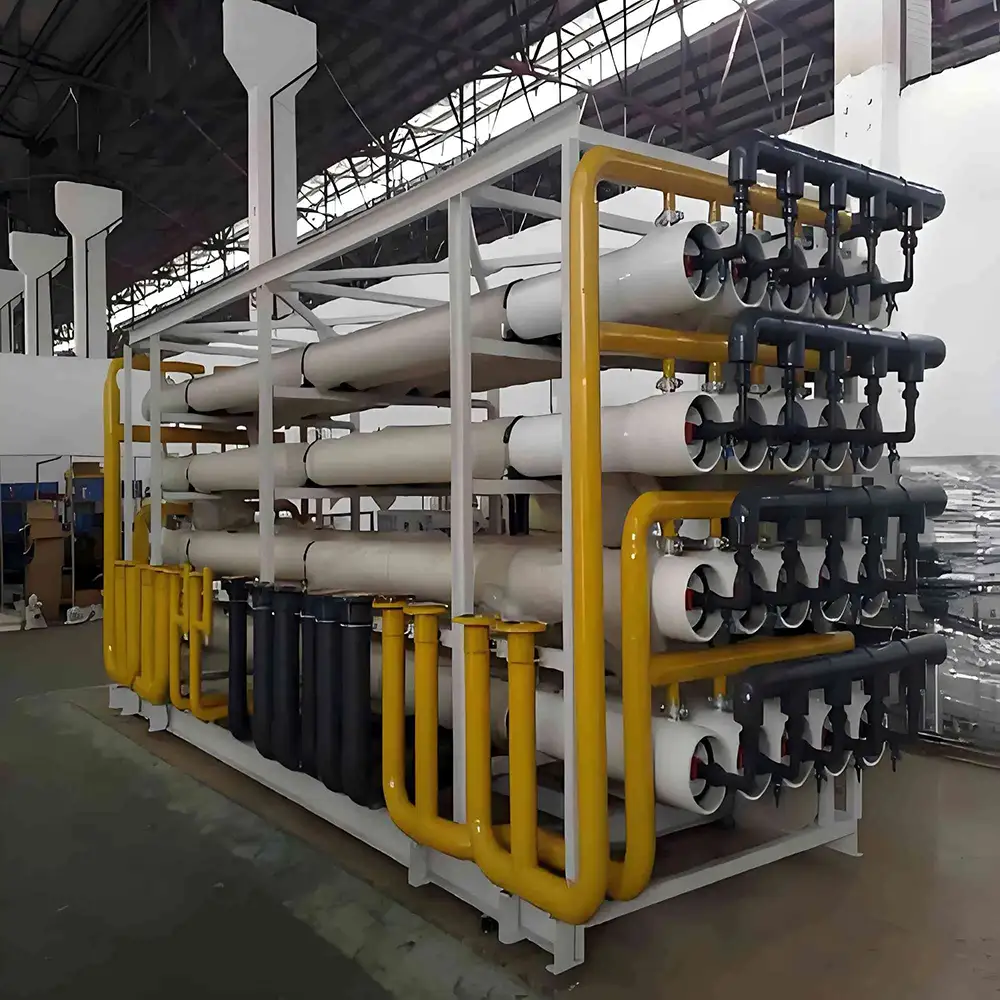
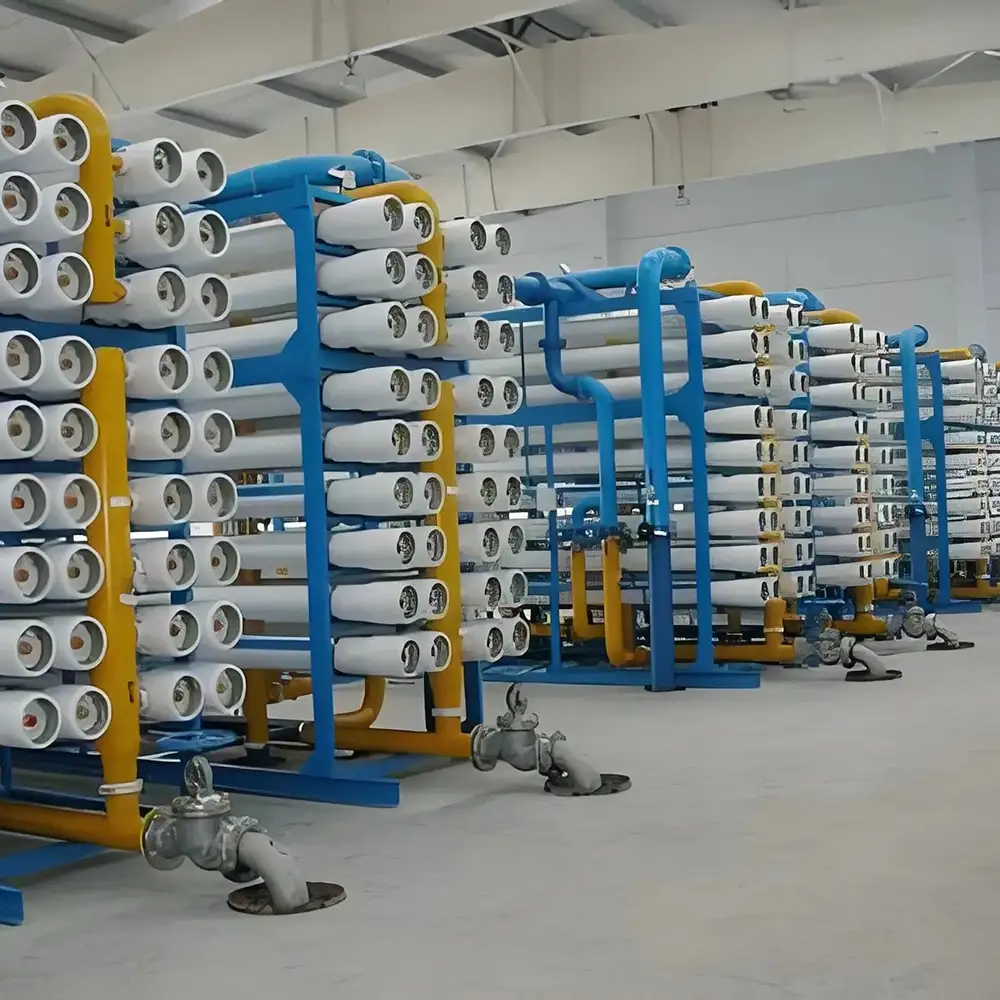
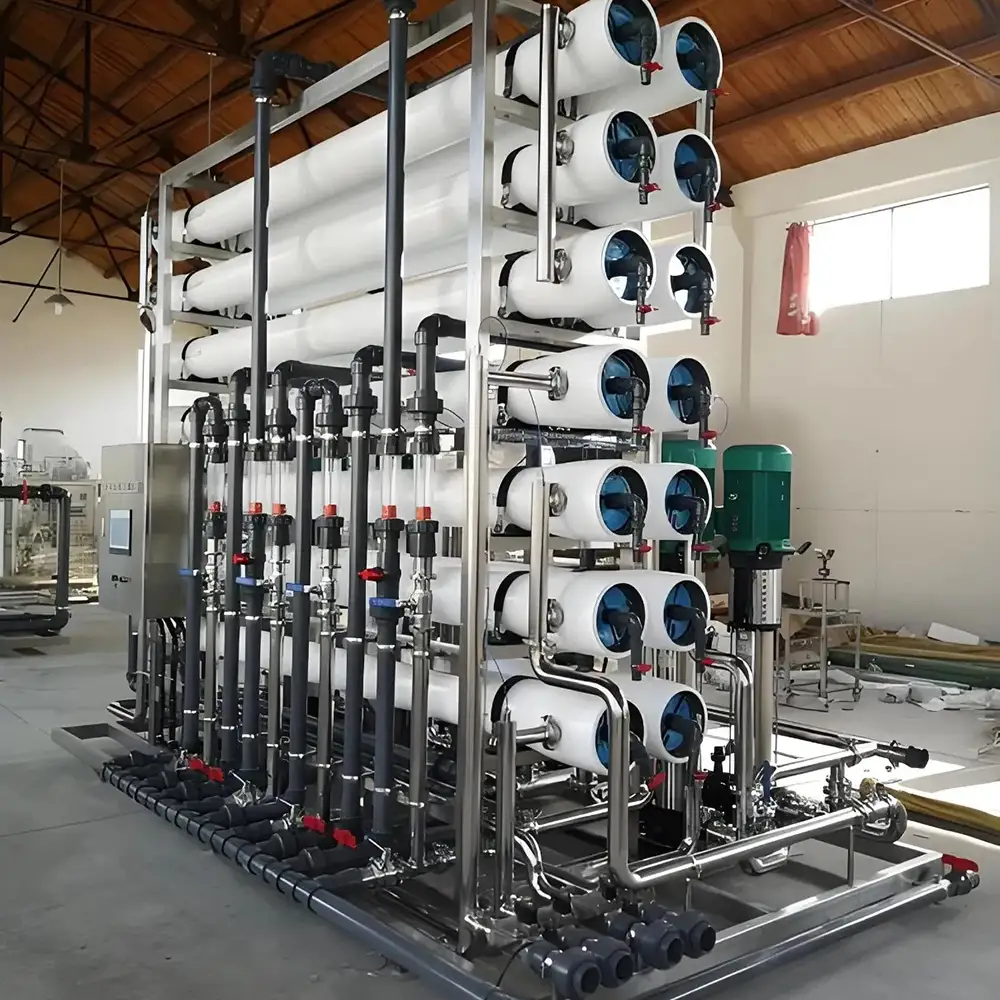
For larger drinking-water requirements, the same basic RO technology can be expanded into an RO Treatment Plant System. Larger systems can provide continuous purified-water production for commercial facilities, institutions, factories, restaurants, hotels, schools, and public drinking-water stations.
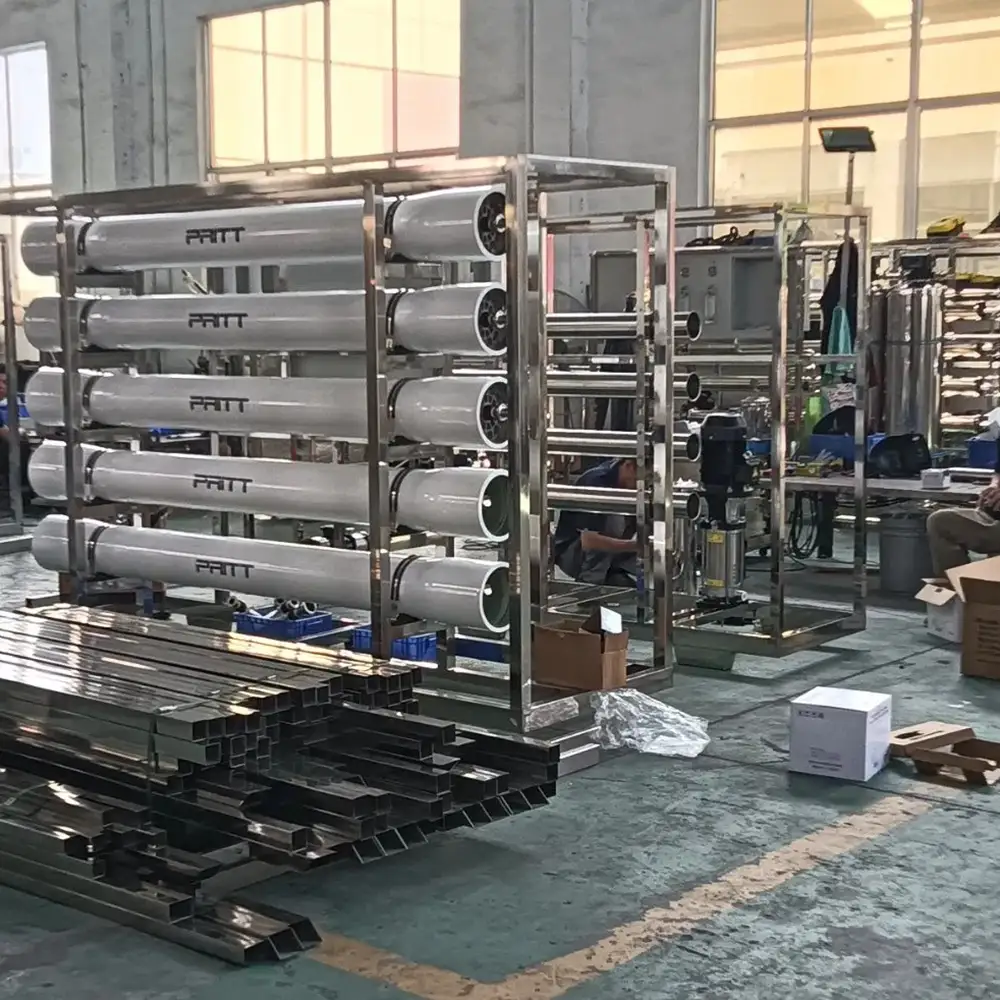
An RO treatment plant can include raw-water storage, pretreatment filters, high-pressure pumps, RO membrane housings, purified-water tanks, automatic control systems, pipelines, valves, monitoring instruments, and final disinfection.
Different capacities can be configured according to daily water consumption and peak demand.
Efficient RO Water Filtration
RO membranes provide fine filtration at the molecular separation level. Unlike conventional physical filters that primarily remove particles, reverse osmosis can significantly reduce dissolved salts and total dissolved solids.
This makes RO technology suitable for applications where improved water purity is required. Feed water can come from municipal supplies, groundwater, or other suitable sources after appropriate pretreatment.
RO system performance depends on feed-water quality, pressure, temperature, membrane condition, recovery rate, and pretreatment efficiency. Proper system design is therefore essential for achieving stable purification performance.
Water Dispenser and Drinking Water Applications
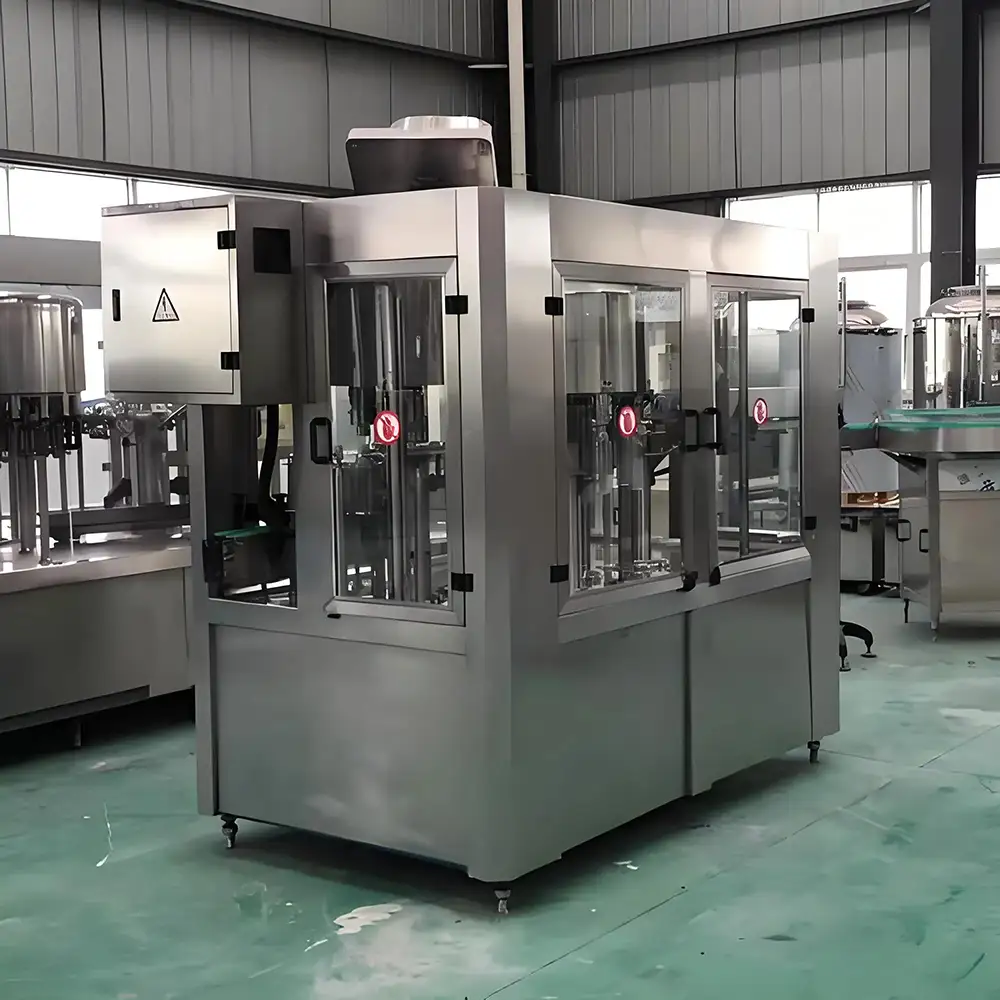
A compact RO Water Dispenser can integrate filtration, purified-water storage, dispensing, and optional heating or cooling functions into a convenient unit.
Such systems are suitable for offices, schools, hotels, restaurants, hospitals, factories, residential buildings, and other locations where convenient access to purified drinking water is required.
Depending on the design, users can obtain purified water directly from the dispenser without relying on bottled water. This can help reduce storage requirements and simplify daily drinking-water management.
For high-demand applications, the dispenser can be connected to a centralized RO purification system.
Automatic Operation and Monitoring
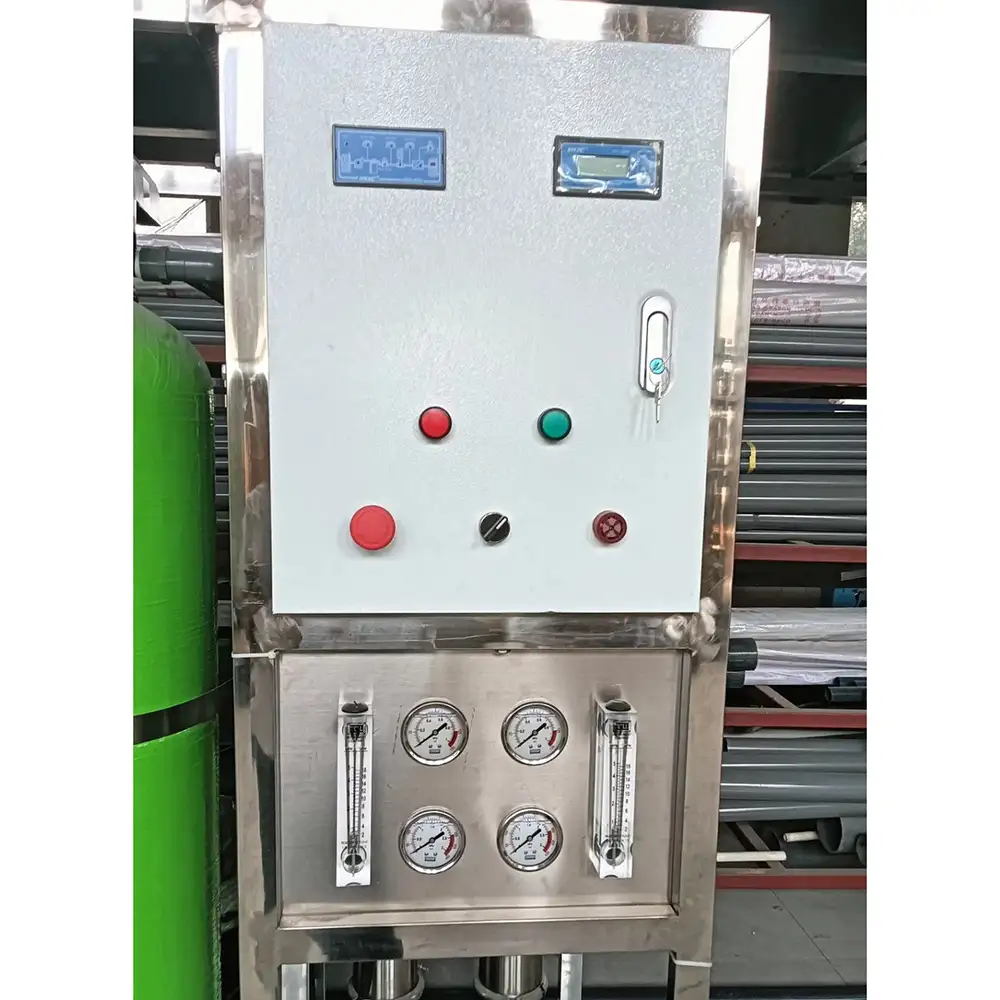
Modern RO water purification equipment can use automatic valves, pressure sensors, flow meters, conductivity monitoring, water-level sensors, and programmable control panels.
Automatic controls can manage filtration cycles, pump operation, tank filling, system shutdown, and other operating functions. Water-level sensors can help prevent pumps from operating without sufficient feed water, while conductivity monitoring can provide information about purified-water quality.
Automation reduces manual operation and helps provide stable water production.
Safe and Reliable Drinking Water Treatment
Drinking-water treatment requires appropriate filtration and hygienic equipment design. The filtration stages should be selected based on the source-water characteristics and the intended application.
RO systems can be combined with UV sterilization, ozone treatment, ultraviolet disinfection, or other technologies when additional microbial control is required.
Storage tanks, pipes, valves, and dispensing components should also be maintained regularly to preserve water quality after purification.
Easy Maintenance
Regular maintenance is important for maintaining the performance of a Physical Filtration Water Dispenser and RO Reverse Osmosis System.
Sediment and carbon filters should be replaced according to actual operating conditions and manufacturer recommendations. RO membranes should be monitored for changes in permeate flow, operating pressure, and conductivity.
When membrane fouling or scaling occurs, appropriate cleaning procedures can help restore performance. Routine inspection of pumps, valves, pipelines, electrical controls, and storage tanks can also help reduce unexpected downtime.
Flexible RO Water Purification Solutions
The system can be configured for different water sources, capacities, and installation environments. Compact units are suitable for offices and smaller facilities, while larger RO Treatment Plants can support continuous commercial or industrial drinking-water production.
Possible configurations include:
Compact RO Water Dispenser
Commercial RO Water Purifier
Industrial RO Treatment Plant
Drinking Water Purification System
Centralized RO Water Filtration System
Automatic Reverse Osmosis Water Plant
RO Water Production System
Multi-Stage Drinking Water Treatment System
This flexibility allows the equipment to support both small-scale and high-capacity purified-water applications.
Why Choose Us?
Choosing a suitable RO Reverse Osmosis Water Purification System requires consideration of water quality, treatment capacity, filtration stages, installation conditions, and final water requirements.
Our solutions focus on:
Advanced RO reverse osmosis technology
Multi-stage physical filtration
Efficient dissolved solids reduction
Stable drinking-water purification
Automatic system control
Flexible treatment capacity
Compact and centralized configurations
Easy filter and membrane maintenance
Optional UV or ozone disinfection
Solutions for commercial and institutional applications
The complete system can be configured according to source-water quality, daily water demand, required purification level, installation space, and application conditions.
FAQs
1. What is a Physical Filtration Water Dispenser?
It is a drinking-water purification system that uses physical filtration stages, often combined with reverse osmosis, to remove particles and other unwanted substances from water.
2. What does RO reverse osmosis do?
Reverse osmosis uses pressure and a semipermeable membrane to reduce dissolved salts, minerals, total dissolved solids, and many other contaminants.
3. Is physical filtration necessary before RO?
Yes. Pretreatment helps reduce suspended particles and other contaminants that could otherwise cause premature fouling or damage to RO membranes.
4. Can an RO system produce drinking water?
Yes. When properly designed, operated, maintained, and combined with appropriate post-treatment or disinfection, an RO system can be used for purified drinking-water production.
5. What filters are commonly used in an RO water purifier?
Common stages include sediment filtration, activated carbon filtration, fine cartridge filtration, RO membrane filtration, and post-carbon filtration.
6. Can the RO Treatment Plant be used in schools and factories?
Yes. RO treatment systems can be designed for schools, factories, hotels, hospitals, restaurants, offices, and other facilities with regular purified-water demand.
7. Can the water dispenser include hot and cold water?
Depending on the configuration, a purified-water dispenser can be integrated with heating, cooling, or ambient-water dispensing functions.
8. How often should RO filters be replaced?
Replacement intervals depend on source-water quality, daily usage, filter type, and operating conditions. Regular monitoring helps determine the appropriate replacement schedule.
9. Can UV disinfection be added to the RO system?
Yes. UV disinfection can be integrated as an additional treatment stage when microbial control is required.
10. Can the RO water purification system be customized for different capacities?
Yes. Compact dispensers and larger centralized RO Treatment Plant Systems can be configured according to daily water demand and installation requirements.
Prev:
304 Stainless Steel RO Water Treatment Equipment Reverse Osmosis
Next:
220V/380V RO Treatment Plant Purifier Water Dispenser Drinking Machine
TAG:
Industrial Water Purification System,
Drinking Water Purification System,
Water Purification Equipment,
Industrial Water Treatment Plant,
Industrial Water Treatment,
Water Filtration Equipment,
Water Filtration System,
Water Treatment Plant,
Water Treatment Equipment,
Industrial Water Purification,
Water Purification System,
Industrial RO Water Treatment,
Brackish Water RO System,
Industrial RO System,
RO Water Treatment System,
Industrial Water Filtration,
Automatic Water Purification System,
Commercial RO System,
Commercial Water Purification,
Drinking Water Purification,
Drinking Water Filtration,
Drinking Water Treatment,
Industrial RO Water Purification,
Water Treatment System,
RO Membrane System,
RO Membrane Filtration,
RO Membrane Water Treatment,
RO Membrane Water Purification,
Reverse Osmosis Water Purification,
Reverse Osmosis Filtration,
Related Category:
Physical Filtration Water Dispenser,RO Reverse Osmosis Water Purifier,RO Treatment Plant,Reverse Osmosis Water Treatment China, suppliers, manufacturers, factory, customized, wholesale, quotation, made in China