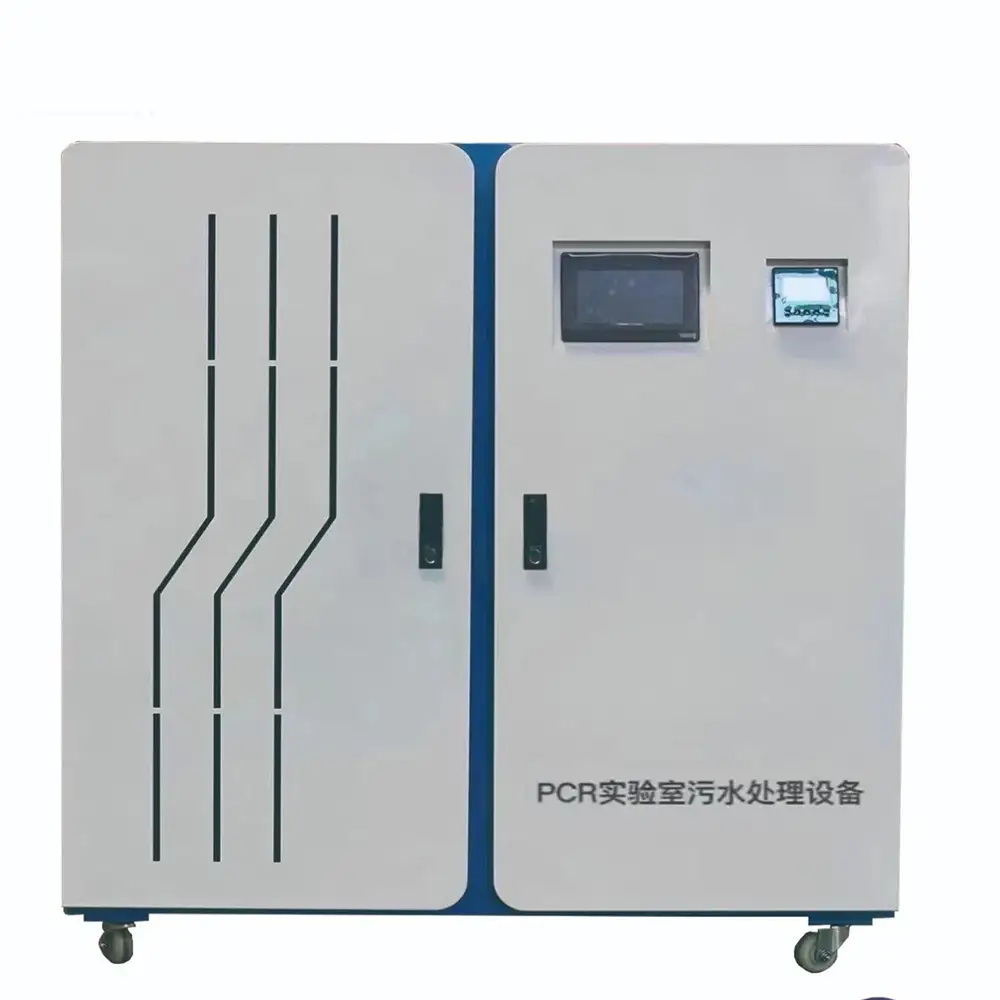
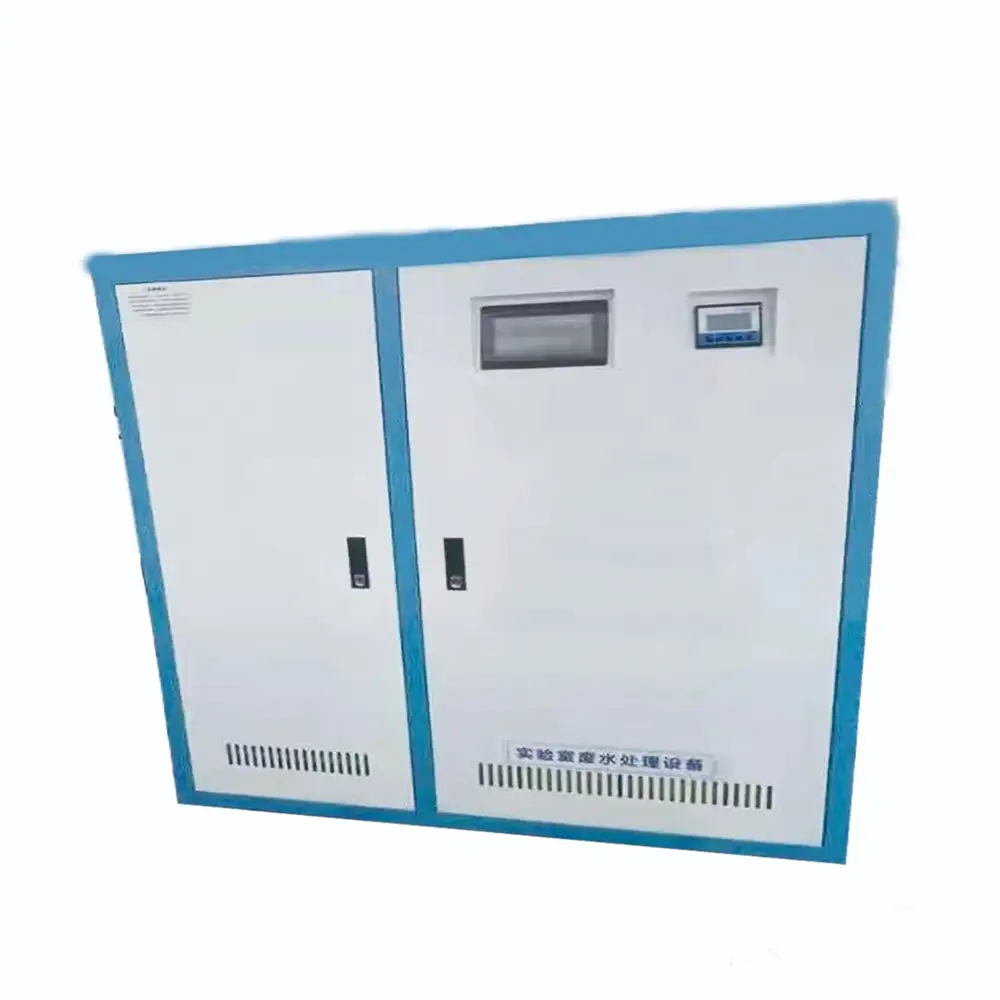
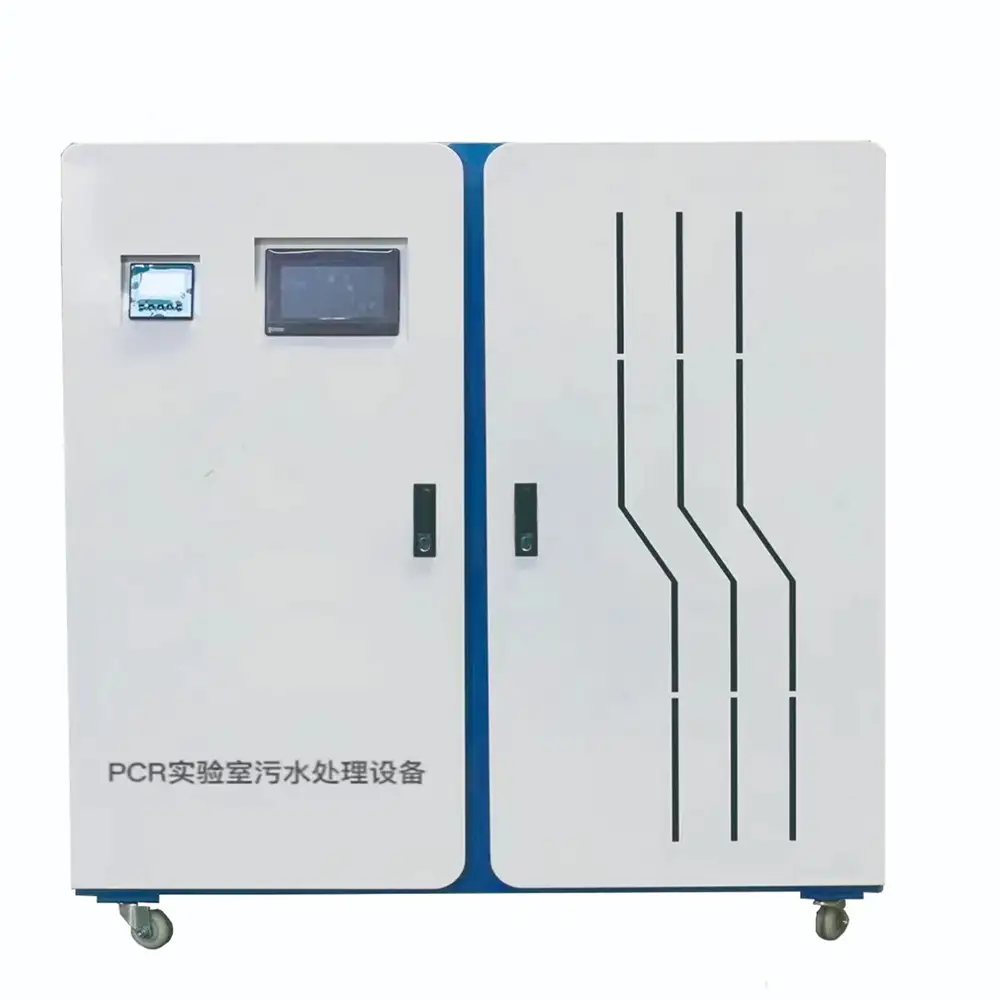
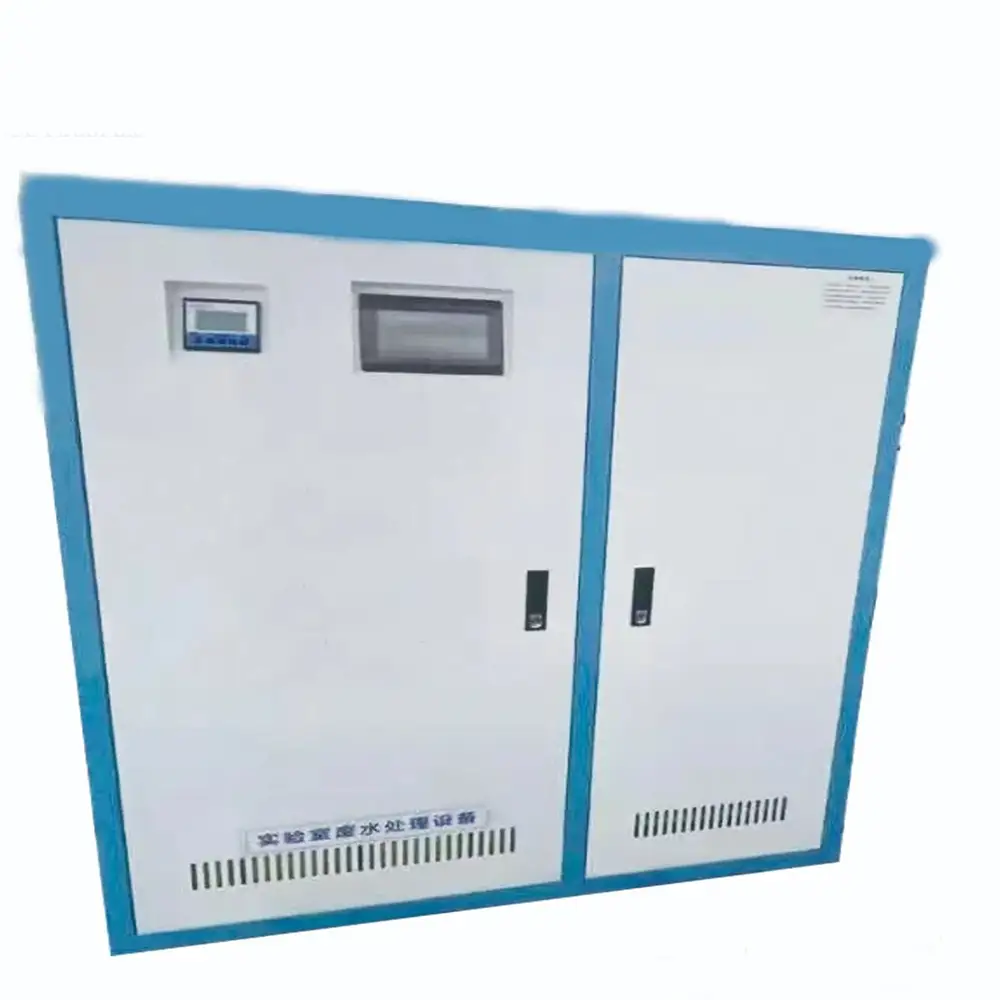
Wastewater Treatment Equipment for Hospitals, Clinics, Dental Hospitals and Family Hospitals
Wastewater generated by hospitals, clinics, dental hospitals and family hospitals requires appropriate collection, treatment and disinfection before final discharge or reuse. Healthcare wastewater can contain conventional pollutants such as suspended solids and biodegradable organic matter, as well as microorganisms, pharmaceuticals, disinfectant residues and other substances associated with medical activities.
The composition of healthcare wastewater varies according to the size and function of the facility. A large general hospital may generate wastewater from wards, laboratories, operating rooms, kitchens, laundry areas and treatment departments, while a dental clinic or family hospital may have a smaller and more specialized wastewater stream. WHO guidance emphasizes that wastewater management is an important component of water, sanitation and hygiene services in healthcare facilities.
Hospital wastewater treatment equipment can therefore be configured as a compact package system for small facilities or as a multi-stage treatment plant for larger hospitals and healthcare complexes.
Hospital Wastewater Treatment
Hospital wastewater can contain suspended solids, organic matter, nutrients, microorganisms and residues associated with healthcare activities. Depending on the facility, pharmaceuticals, laboratory chemicals and other specific contaminants may also require consideration.
A typical hospital wastewater treatment system may include:
Screening → Equalization → Pretreatment → Biological Treatment → Sedimentation → Filtration → Disinfection → Final Discharge
Additional treatment stages can be added when required by wastewater characteristics and local regulations.
WHO materials describe healthcare wastewater treatment using combinations of primary, secondary and tertiary treatment, with disinfection such as chlorine or UV included as a tertiary stage in suitable configurations.
Wastewater Treatment Equipment for Clinics
Clinics generally produce lower wastewater volumes than large hospitals, but their wastewater may still originate from examination rooms, treatment rooms, laboratories, toilets, cleaning activities and other healthcare operations.
A compact clinic wastewater treatment system can integrate collection, equalization, biological treatment, clarification and disinfection in a relatively small footprint.
For clinics without access to a suitable centralized sewer system, decentralized wastewater treatment can provide an onsite treatment solution. Where a municipal sewer is available, pretreatment and discharge arrangements should be evaluated according to local requirements.
Dental Hospital Wastewater Treatment
Dental hospitals and dental clinics generate wastewater from dental treatment rooms, sterilization areas, laboratories, sinks and equipment cleaning.
Dental wastewater may contain suspended solids and materials associated with dental procedures. Depending on the activities performed, specialized pretreatment may be required before the wastewater enters the main biological treatment system.
A dental hospital wastewater treatment system can include screening, sedimentation, equalization, biological treatment, filtration and disinfection. The process can be adapted according to the actual wastewater composition and applicable discharge standards.
Family Hospital Wastewater Treatment
Family hospitals and small private healthcare facilities often require compact and easy-to-operate wastewater treatment systems.
A packaged wastewater treatment plant can combine several treatment processes within a modular structure. This can reduce installation requirements while providing controlled treatment for domestic-type sewage mixed with healthcare wastewater.
For smaller facilities, compact MBBR, SBR or integrated biological treatment systems can be considered. The final process selection should be based on wastewater flow, pollutant concentration, available space and required effluent quality.
Medical Wastewater Disinfection
Disinfection is an important stage of many healthcare wastewater treatment systems. It is normally positioned after sufficient removal of suspended solids and organic matter so that the selected disinfection technology can operate effectively.
Depending on the application, possible disinfection technologies include chlorine-based systems, chlorine dioxide, UV, ozone and other validated methods.
The correct technology depends on wastewater quality, suspended solids, organic loading, contact conditions, target microorganisms, residual requirements and local regulations. Disinfection should be designed as part of the complete treatment train rather than as an isolated process.
WHO guidance also emphasizes that healthcare wastewater should be safely managed throughout containment, collection, transport, treatment and disposal.
Biological Treatment for Hospital Sewage
Biological treatment can be used to reduce biodegradable organic pollutants in hospital sewage. Depending on the application, technologies such as activated sludge, MBBR, SBR, contact oxidation and other aerobic biological processes can be incorporated.
An equalization tank can help stabilize variations in flow and pollutant loading before biological treatment. This is particularly useful for hospitals where wastewater generation changes during different periods of the day.
Biological treatment performance depends on factors including temperature, pH, dissolved oxygen, hydraulic retention time, organic loading and the characteristics of the incoming wastewater.
Pretreatment for Medical Wastewater
Pretreatment can improve the stability of downstream treatment equipment.
Mechanical screens can remove larger solids, while grit removal or sedimentation can reduce heavier particles. Equalization can balance variations in flow and pollutant concentration.
Certain laboratory wastewater streams may require separate management or pretreatment rather than being mixed directly into the general wastewater stream. WHO guidance recommends appropriate assessment and pretreatment for wastewater streams from medical laboratories and emphasizes separate handling of hazardous chemical and pharmaceutical liquid wastes where necessary.
Advanced Treatment for Healthcare Wastewater
Some healthcare facilities may require treatment beyond conventional biological treatment. Depending on the wastewater analysis and discharge or reuse objective, advanced processes may include activated carbon, membrane filtration, ultrafiltration, reverse osmosis, ozone or advanced oxidation.
These technologies can be considered when specific contaminants or stringent effluent-quality requirements justify additional treatment.
Not every hospital requires advanced treatment. A properly designed treatment system should use the minimum practical process combination capable of meeting the project's applicable requirements.
Sludge Treatment and Management
Hospital wastewater treatment produces sludge from sedimentation and biological processes. Sludge handling may include thickening, dewatering, storage and appropriate final disposal.
The sludge management strategy should consider its characteristics and the applicable healthcare waste and environmental regulations. WHO emphasizes that healthcare waste management should address the risks associated with infectious, chemical and other hazardous materials.
Compact and Modular Hospital Wastewater Treatment Plant
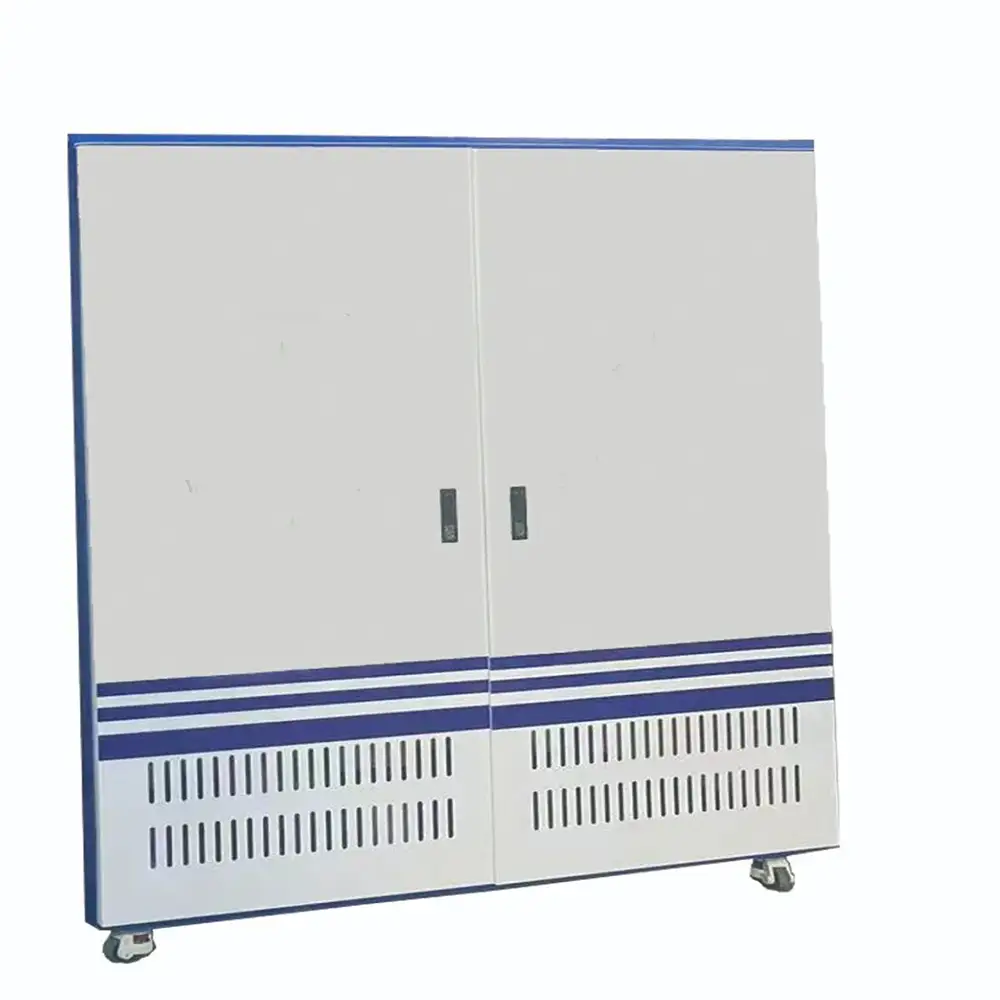
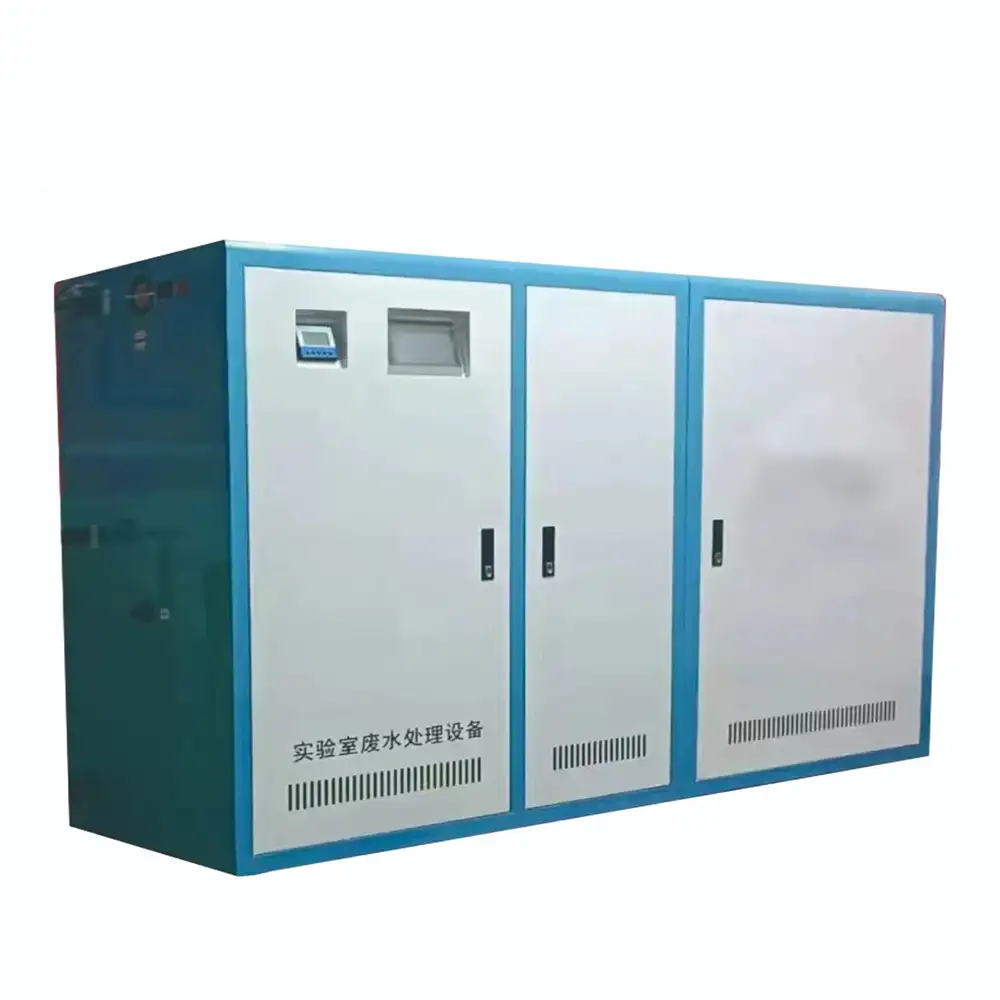
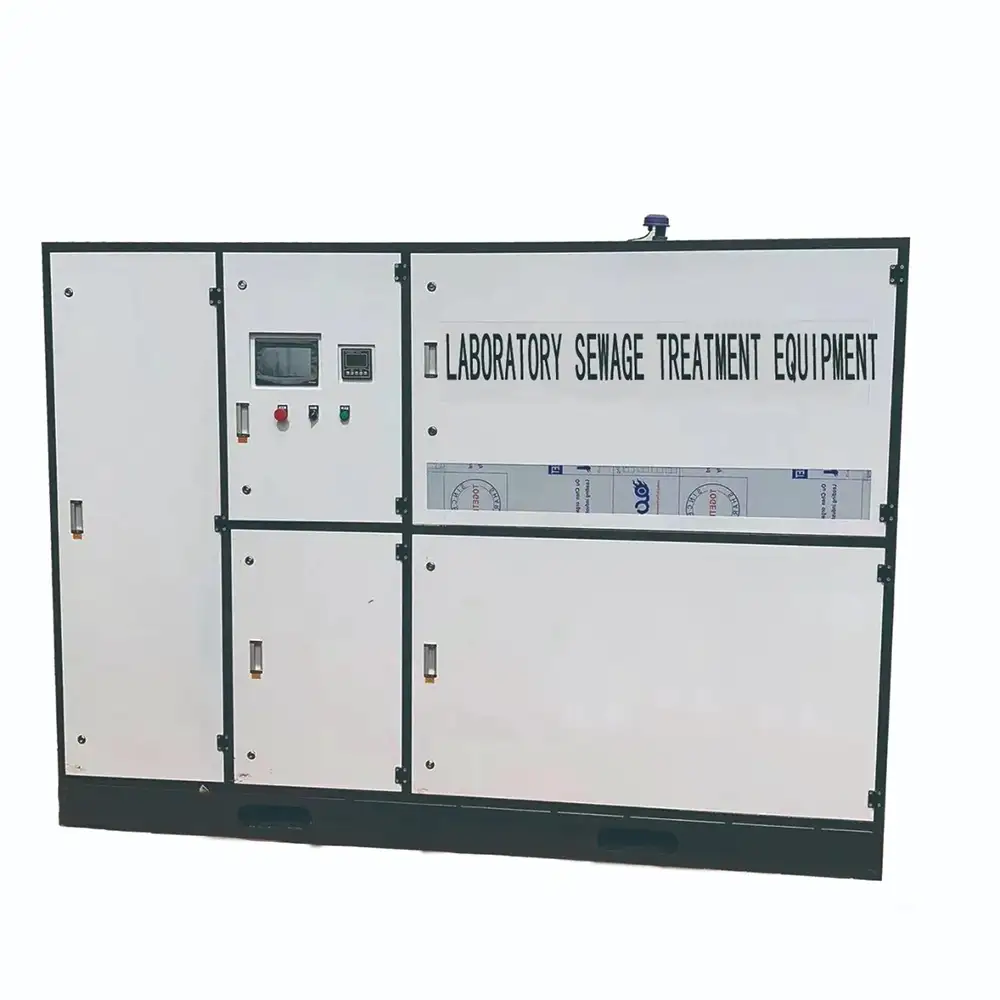
For small hospitals, clinics, dental hospitals and family hospitals, compact wastewater treatment equipment can integrate tanks, pumps, aeration equipment, clarifiers, filtration and disinfection into a modular system.
For larger hospitals, individual treatment units can be arranged into a centralized wastewater treatment plant.
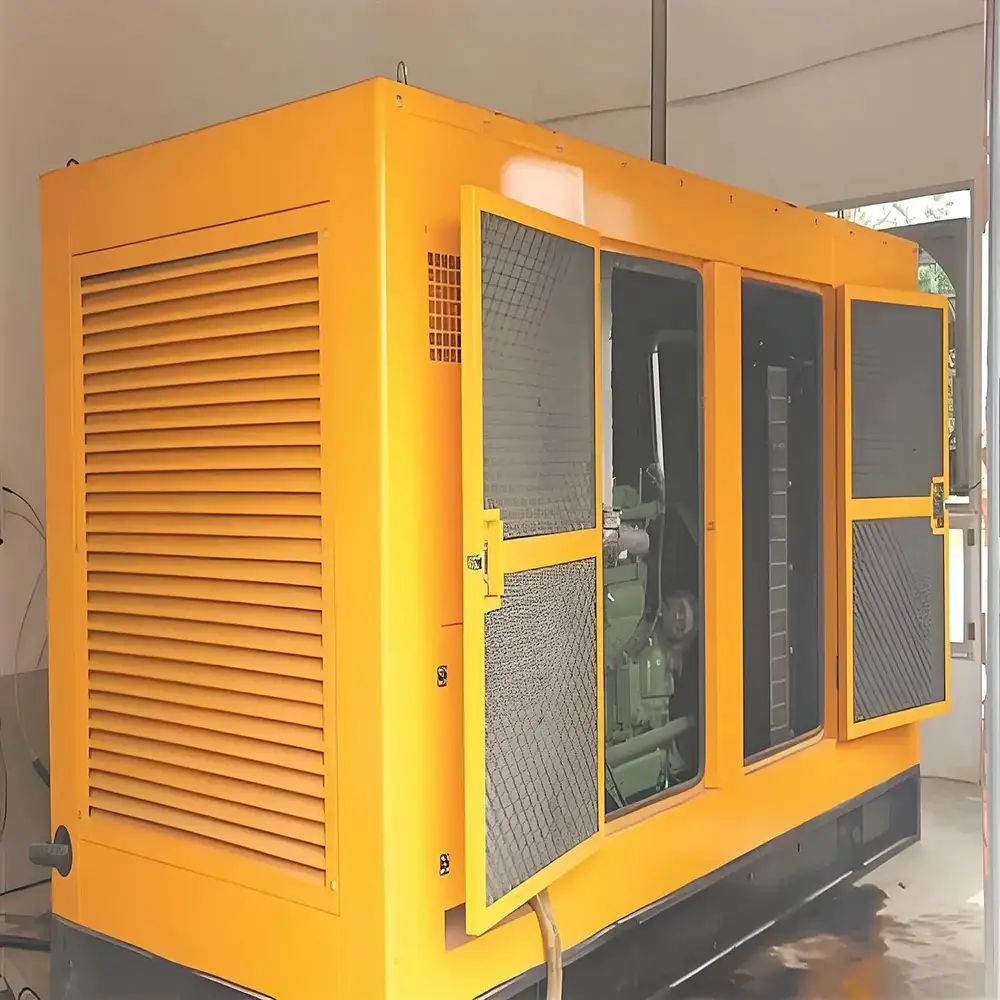
Equipment can be installed above ground, underground or in other configurations depending on the site conditions. Modular equipment can also simplify transportation, installation and future expansion.
Automation and Operation
Modern hospital wastewater treatment equipment can incorporate an automatic control panel for pumps, blowers, dosing systems, water levels and other process equipment.
Monitoring instruments can be selected according to the treatment process. Parameters such as pH, dissolved oxygen, flow and tank level may be monitored to help maintain stable operation.
Routine maintenance remains essential. Screens, pumps, blowers, dosing systems, filters, disinfection equipment and other components should be inspected and maintained according to operating requirements.
Why Choose Us
We provide wastewater treatment solutions for hospitals, clinics, dental hospitals, family hospitals and other healthcare facilities.
Our systems can be configured around the actual wastewater source rather than applying one standard process to every medical facility. Available technologies include screening, equalization, biological treatment, sedimentation, filtration, membrane treatment and disinfection.
For small healthcare facilities, compact and integrated systems can help reduce installation space and simplify operation. For larger hospitals, modular treatment units can be combined into a complete centralized wastewater treatment plant.
We also consider wastewater flow, pollutant characteristics, installation space, automation requirements and applicable discharge standards when developing a treatment configuration.
For wastewater containing pharmaceuticals, laboratory chemicals or other specialized contaminants, additional pretreatment or advanced treatment may be evaluated based on wastewater testing and project requirements.
FAQs
1. What is hospital wastewater treatment equipment?
Hospital wastewater treatment equipment is a system designed to treat sewage and wastewater generated by hospitals and healthcare facilities through processes such as screening, biological treatment, clarification, filtration and disinfection.
2. Can this equipment be used for clinics?
Yes. Compact wastewater treatment systems can be configured for clinics, outpatient centers and other small healthcare facilities.
3. Is it suitable for dental hospitals?
Yes. Dental hospital wastewater treatment systems can be designed according to the wastewater generated by dental treatment, cleaning and laboratory activities.
4. Can family hospitals use this wastewater treatment system?
Yes. Compact package wastewater treatment equipment can be suitable for family hospitals and small private healthcare facilities.
5. Does hospital wastewater treatment equipment disinfect wastewater?
A disinfection stage can be incorporated using technologies such as chlorine-based disinfection, chlorine dioxide, UV or ozone, depending on project requirements.
6. Can the system remove microorganisms?
The treatment process can incorporate a dedicated disinfection stage intended to reduce microorganisms. Actual performance depends on the selected process, operating conditions, target organisms and required validation.
7. Can hospital wastewater contain pharmaceuticals?
Yes. Healthcare wastewater can contain pharmaceutical residues and other substances associated with medical activities. Specific treatment requirements depend on the facility and wastewater characteristics.
8. What biological treatment technologies can be used?
Depending on the project, activated sludge, MBBR, SBR, contact oxidation and other biological processes can be considered.
9. Can the system be installed in a small clinic?
Yes. Compact and packaged systems can be designed for locations with limited installation space.
10. Can treated hospital wastewater be reused?
Potentially. Additional filtration, membrane treatment and disinfection may be required depending on the intended reuse application and applicable water-quality requirements.
11. How do I choose the right hospital wastewater treatment system?
Important factors include wastewater flow, peak flow, COD, BOD, TSS, pH, nitrogen, phosphorus, pharmaceutical residues, laboratory wastewater characteristics, discharge requirements and available installation space.
12. Can the hospital wastewater treatment plant be customized?
Yes. Treatment capacity, process configuration, tank arrangement, disinfection technology, automation level and installation format can be configured according to the healthcare facility's requirements.
Prev:
Integrated Sewage Treatment Domestic Buried Sewage
Next:
Animal Epidemic Prevention Station Pathogenic Microorganisms Wastewater Treatment Equipment
TAG:
Wastewater Disinfection System,
Hospital Wastewater Disinfection,
Medical Wastewater Disinfection,
Wastewater Disinfection Equipment,
Healthcare Effluent Treatment,
Hospital Effluent Treatment System,
Hospital Effluent Treatment,
Medical Effluent Treatment,
Hospital MBBR Wastewater Treatment,
Hospital Disinfection System,
Medical Wastewater Treatment Plant Equipment,
Hospital Biological Wastewater Treatment,
Biological Hospital Wastewater Treatment,
Hospital SBR Wastewater Treatment,
Hospital Wastewater Filtration,
Hospital Wastewater Treatment System Equipment,
Hospital Wastewater Treatment Plant Equipment,
Package Hospital Wastewater Treatment Plant,
Compact Hospital Wastewater Treatment System,
Decentralized Hospital Wastewater Treatment,
Onsite Hospital Wastewater Treatment,
Hospital Wastewater Treatment Equipment Plant,
Healthcare Facility Wastewater Treatment,
Healthcare Facility Sewage Treatment,
Healthcare Wastewater Disinfection,
Private Hospital Wastewater Treatment,
Private Hospital Sewage Treatment,
Medical Facility Wastewater Treatment,
Medical Facility Sewage Treatment,
Hospital Sewage Disinfection,
Related Category:
Hospital Wastewater Treatment Equipment,Hospital Sewage Treatment Equipment,Medical Wastewater Treatment China, suppliers, manufacturers, factory, customized, wholesale, quotation, made in China