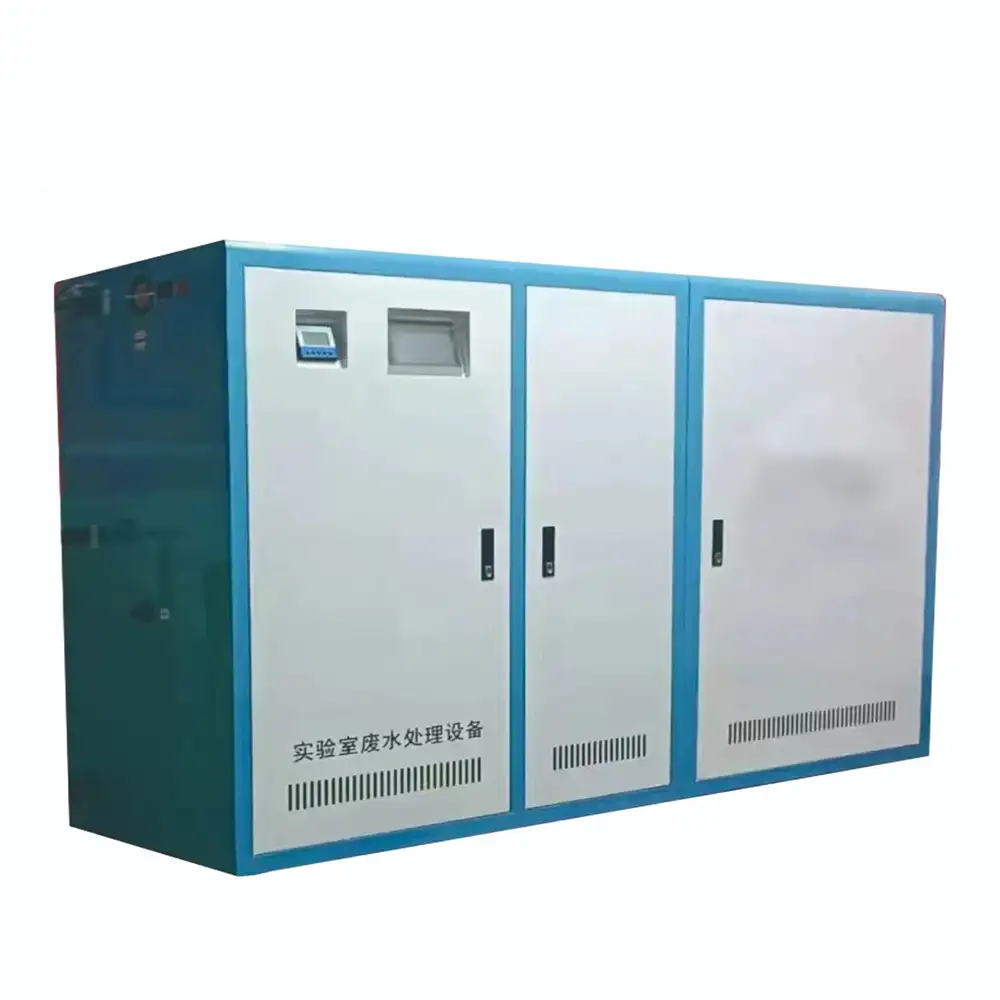
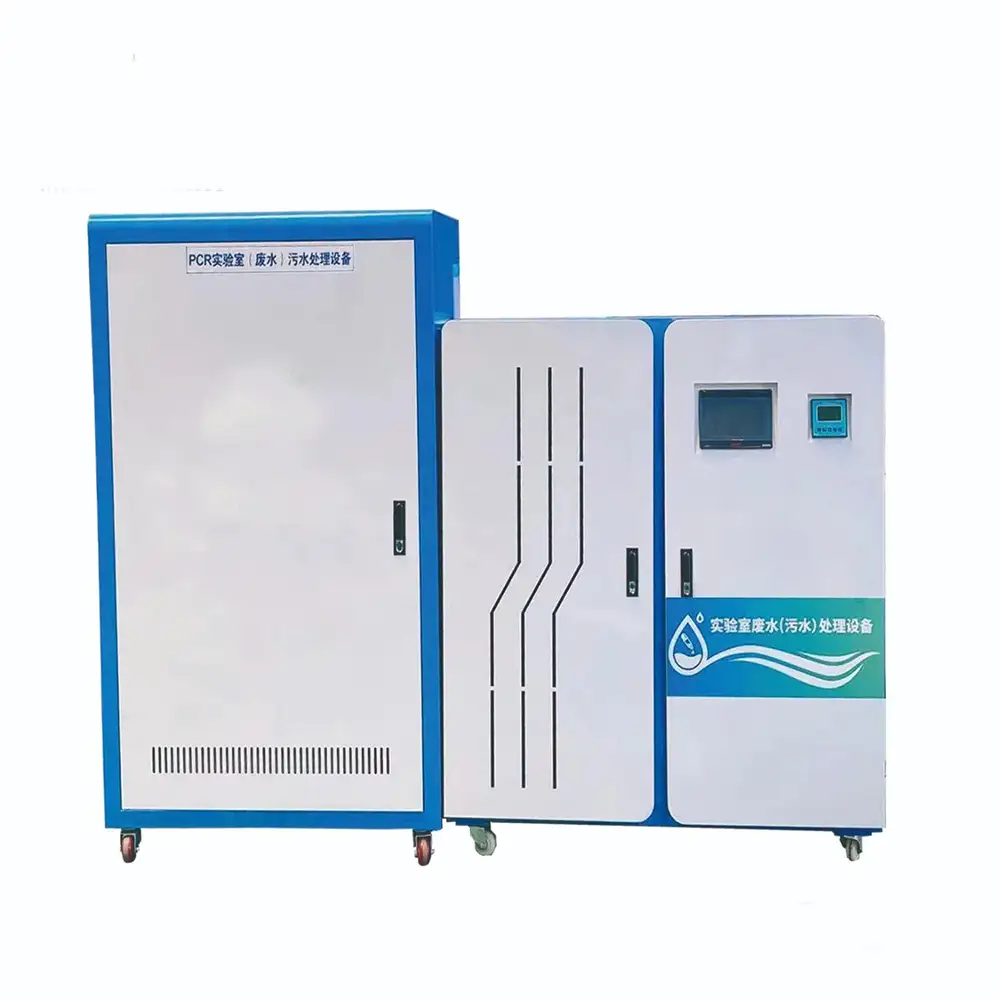
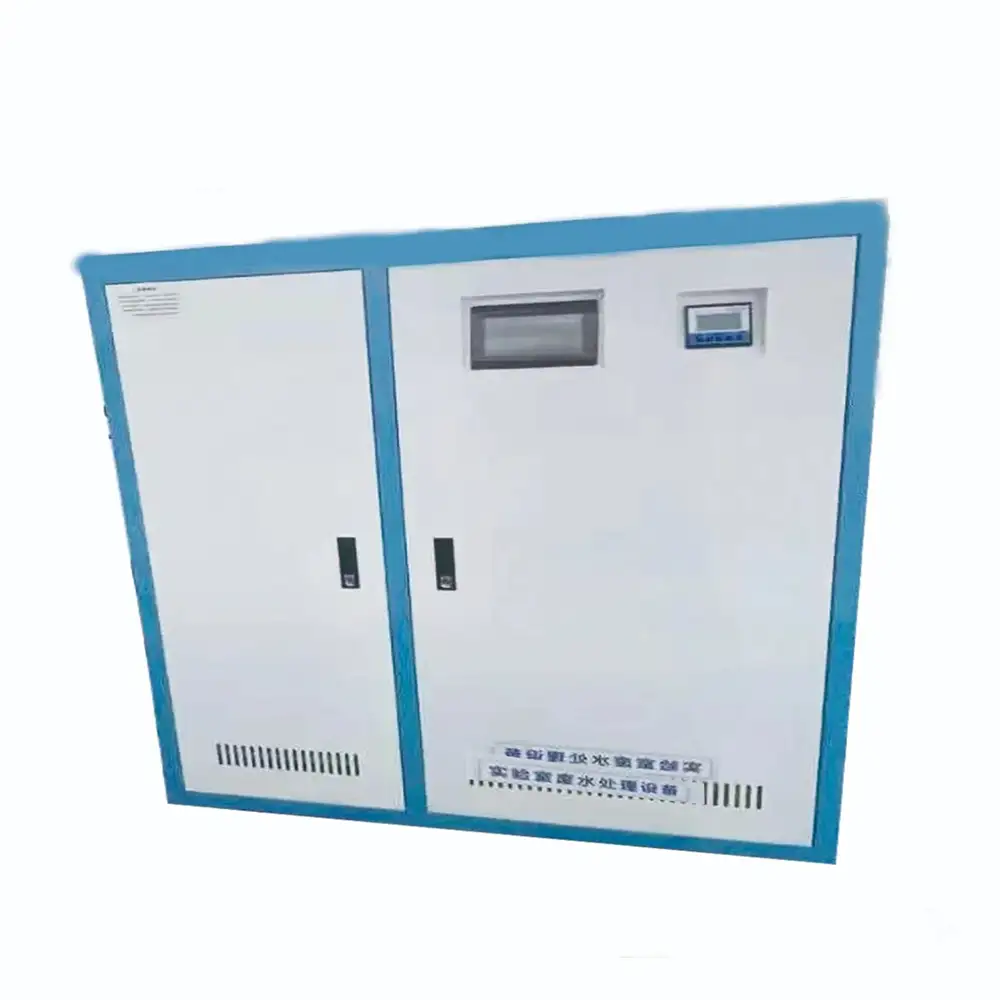
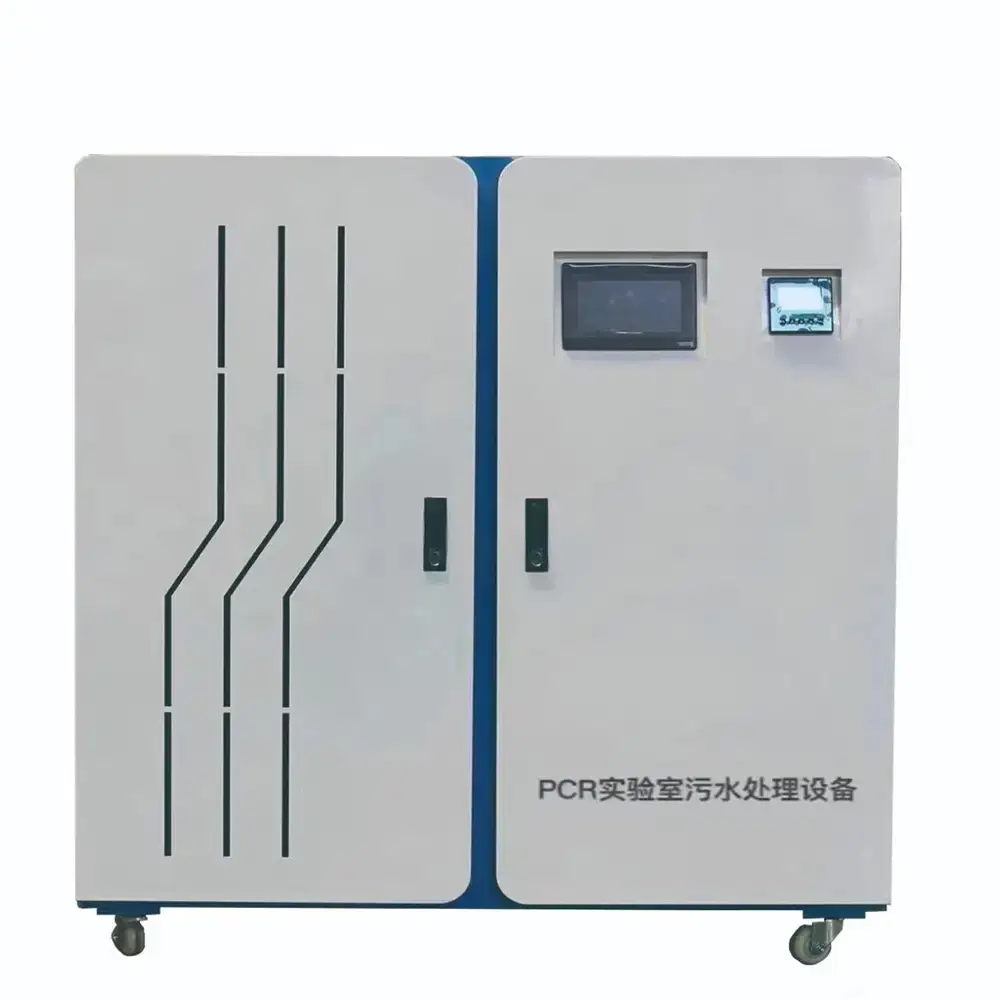
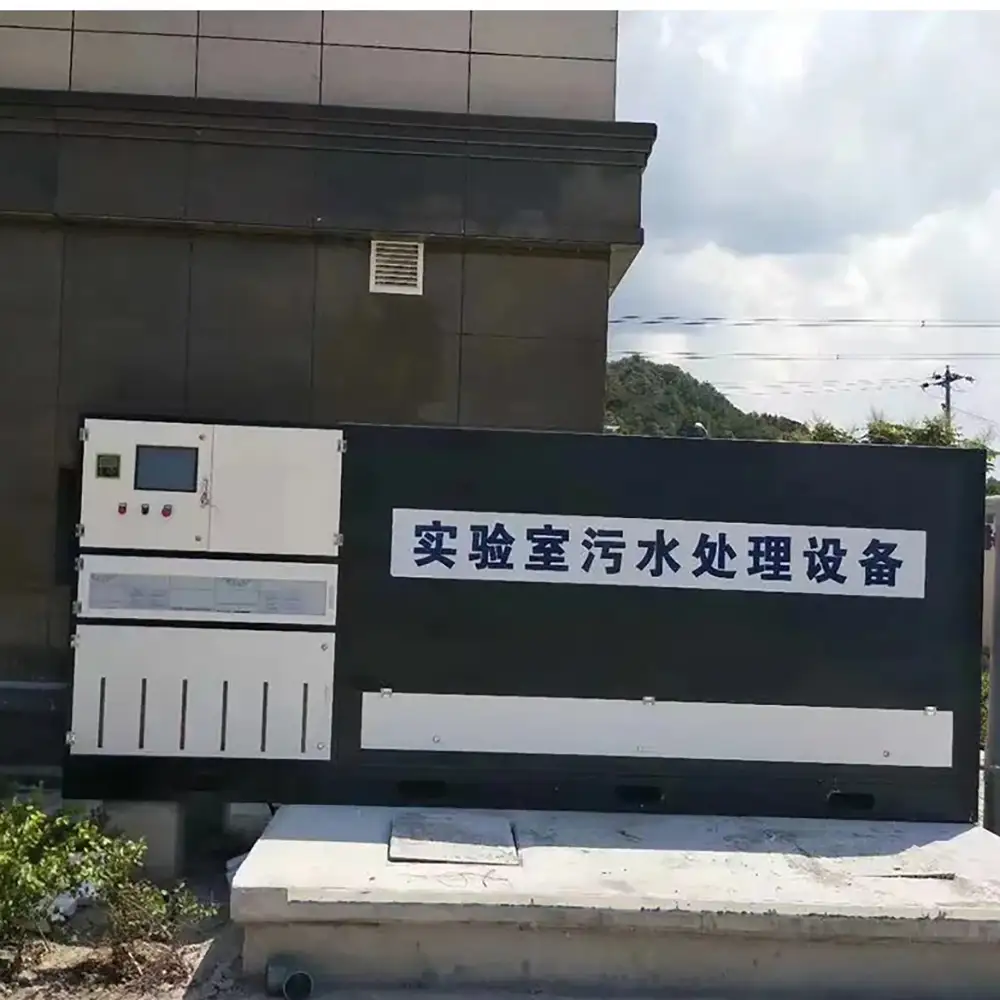
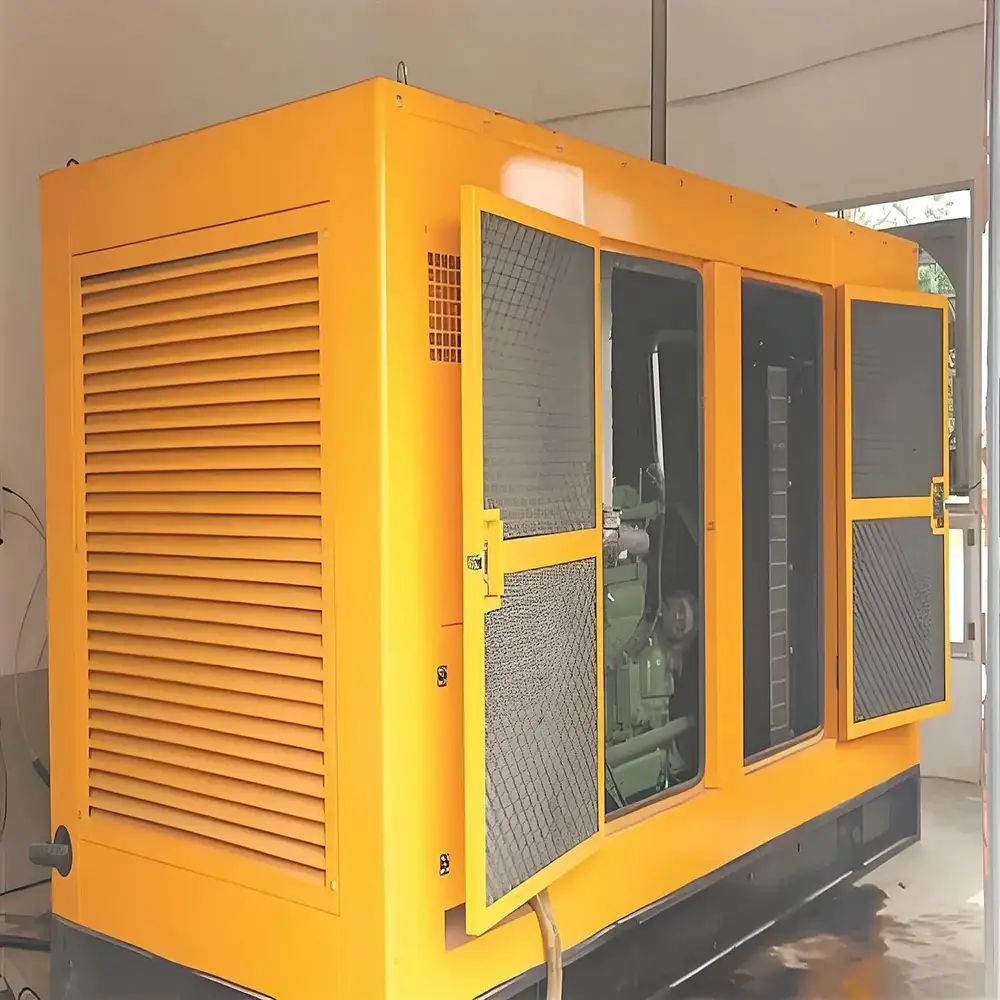
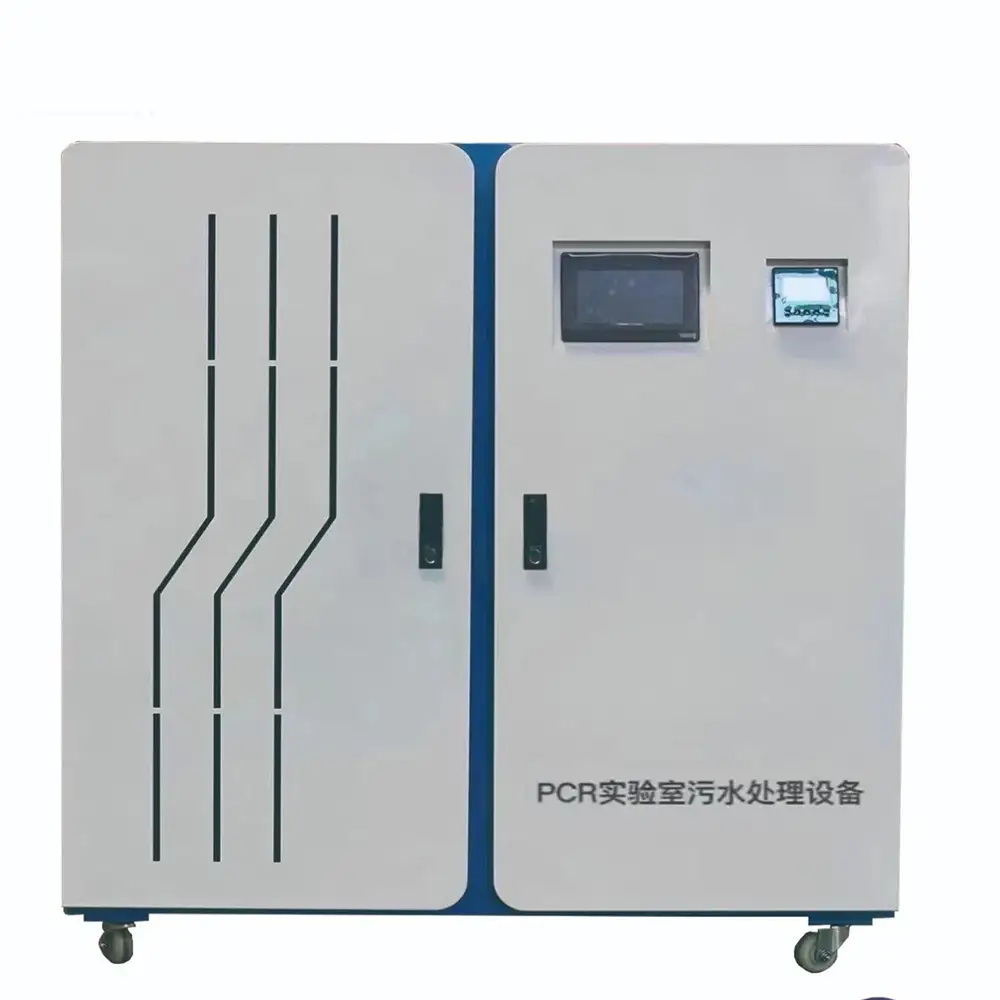
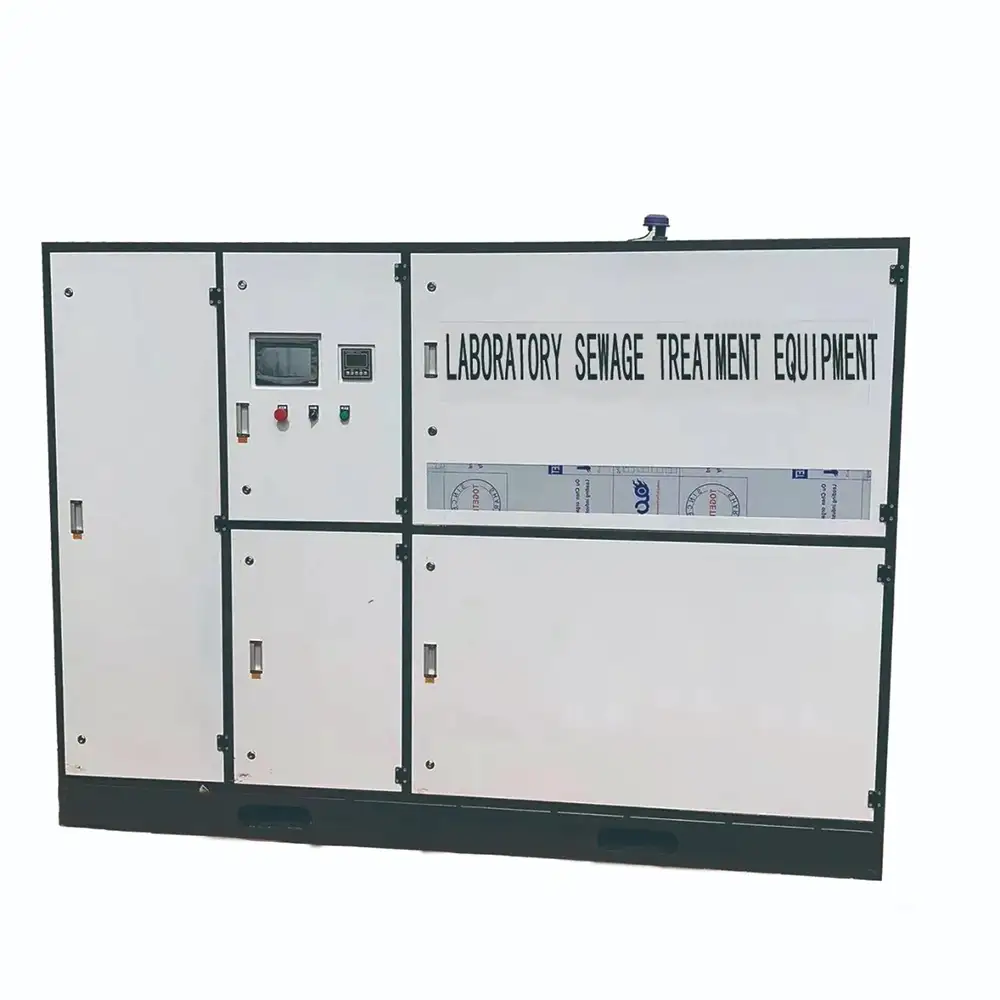
Sewage Treatment Equipment for Biopharmaceutical Factories, Industrial, Home, Agriculture, Hospital and Urban Applications
Sewage treatment equipment is essential for treating wastewater generated by biopharmaceutical factories, industrial facilities, homes, agricultural operations, hospitals, commercial buildings and urban communities. Different wastewater sources contain different concentrations of suspended solids, organic matter, nutrients, microorganisms, chemicals and other contaminants, so an effective sewage treatment system should be selected according to the actual wastewater characteristics, flow rate and required effluent quality.
Modern wastewater treatment systems can combine screening, grit removal, equalization, biological treatment, sedimentation, filtration, disinfection, membrane treatment and other processes. Municipal wastewater treatment commonly includes physical separation, biological treatment and disinfection, while industrial wastewater may require additional pretreatment or advanced treatment depending on the pollutants involved.
Biopharmaceutical Factory Wastewater Treatment
Biopharmaceutical and pharmaceutical manufacturing wastewater can vary significantly according to fermentation, extraction, synthesis, formulation, cleaning and other production processes. EPA information identifies multiple pharmaceutical manufacturing categories and recognizes that treatment requirements can differ between production processes.
A biopharmaceutical wastewater treatment system may include collection and equalization, pH adjustment, solid-liquid separation, biological treatment, clarification, advanced oxidation, activated carbon, membrane filtration or disinfection. Equalization can help reduce fluctuations in flow and pollutant concentration before downstream treatment.
For wastewater containing biodegradable organic matter, aerobic biological treatment can be an important treatment stage. Where wastewater contains more difficult-to-degrade compounds, additional physicochemical or advanced treatment processes may be incorporated. EPA technical documents describe biological treatment for pharmaceutical wastewater as a method used for BOD, COD, TSS and various organic constituents.
Industrial Sewage Treatment Equipment
Industrial wastewater treatment requirements depend strongly on the manufacturing process. Food processing, chemical production, textile processing, metalworking, machinery manufacturing and other industries can generate wastewater with substantially different pollutant characteristics.
An industrial sewage treatment plant may use screening, oil separation, dissolved air flotation, coagulation and flocculation, sedimentation, biological treatment, filtration, activated carbon, membrane separation or advanced oxidation. The treatment train can be configured according to wastewater analysis and discharge or reuse requirements.
Industrial wastewater treatment should not rely on a single universal process. Proper system selection normally considers flow rate, pH, COD, BOD, TSS, ammonia, nitrogen, phosphorus, oil and grease, salinity, toxicity and other relevant parameters.
Home and Domestic Sewage Treatment
Domestic wastewater from homes generally contains wastewater from toilets, kitchens, bathrooms and laundry. For locations without access to centralized sewer networks, decentralized or onsite wastewater treatment systems can provide localized treatment.
Compact sewage treatment equipment may combine pretreatment, biological oxidation, clarification and disinfection in one integrated package. These systems can be suitable for residential communities, rural properties, worker accommodations, hotels and other decentralized applications.
EPA notes that decentralized wastewater systems are used for homes and small communities that are not served by public centralized sewer systems.
Agricultural Wastewater Treatment
Agricultural wastewater may originate from livestock operations, agricultural processing, farm facilities and related activities. Depending on the source, wastewater can contain suspended solids, organic matter, nutrients and other contaminants.
Treatment equipment for agricultural applications may include screening, solid-liquid separation, equalization, biological treatment, sedimentation, filtration and disinfection. When treated wastewater is intended for reuse, additional treatment and monitoring may be required according to the intended application and local requirements.
Wastewater reuse for agricultural irrigation is an increasingly important consideration in areas affected by water scarcity, although treatment quality, salinity, pathogens and other constituents need to be evaluated before reuse.
Hospital Wastewater Treatment
Hospital wastewater requires careful treatment because it may contain suspended solids, organic pollutants, nutrients, microorganisms, pharmaceutical residues and other substances associated with healthcare activities.
A hospital wastewater treatment system can combine screening, equalization, biological treatment, clarification, filtration and disinfection. Depending on the wastewater characteristics and regulatory requirements, advanced oxidation, activated carbon or membrane filtration may also be considered.
Disinfection is particularly important when treated effluent requires controlled discharge or reuse. The appropriate disinfection technology may include chlorine-based systems, ultraviolet treatment or other validated processes.
Urban and Municipal Sewage Treatment
Urban wastewater treatment plants receive sewage from residential areas, commercial facilities and, in some cases, industrial sources connected to the municipal sewer network. Municipal wastewater treatment generally focuses on removing conventional pollutants and producing effluent suitable for permitted discharge or reuse.
A typical urban sewage treatment process may include coarse and fine screening, grit removal, primary clarification, biological treatment, secondary clarification, filtration and disinfection. Nutrient removal or advanced treatment can be added when required by the discharge or reuse objectives.
EPA describes municipal wastewater treatment as an important component of public health and clean-water protection, with sewage collected and transported to wastewater treatment facilities for treatment before discharge or reuse.
Integrated Wastewater Treatment Process
A complete sewage treatment system can be configured as a process train rather than a single piece of equipment. A representative configuration may include:
Screening → Equalization → pH Adjustment → Primary Treatment → Biological Treatment → Secondary Clarification → Filtration → Disinfection → Advanced Treatment or Reuse
Not every project requires every stage. Industrial and biopharmaceutical facilities may require additional pretreatment, while residential applications may use a more compact configuration.
Treatment technology can also be selected according to specific pollutants. EPA's Industrial Wastewater Treatment Technology Database categorizes individual treatment units and provides technology performance information for industrial wastewater applications.
Equipment Design and Customization
Sewage treatment equipment can be supplied in compact package configurations, skid-mounted systems, containerized plants, modular treatment systems or larger civil-engineering installations. Equipment selection may consider daily flow, peak flow, wastewater composition, available installation area, climate, automation requirements and discharge standards.
Common equipment may include mechanical screens, pumps, tanks, aeration systems, biological reactors, clarifiers, sludge handling equipment, dosing systems, filters, UV systems, chlorination equipment and membrane units.
For larger projects, automated control systems can monitor flow, pH, dissolved oxygen, pressure, water level and other operating parameters. This can help operators maintain stable process conditions and simplify daily operation.
Operation, Maintenance and Sludge Management
Regular maintenance is important for reliable sewage treatment performance. Screens should be inspected and cleaned, pumps should be checked, aeration equipment should be maintained, and sludge should be removed or processed according to the system design.
Chemical dosing systems require appropriate calibration and storage procedures. Membrane systems require cleaning and monitoring when used. Biological systems also require stable operating conditions because sudden changes in hydraulic loading or pollutant concentration can affect biological performance.
Why Choose Us
We provide sewage and wastewater treatment equipment for diverse applications, including biopharmaceutical factories, industrial facilities, homes, agricultural operations, hospitals and urban wastewater treatment projects.
Our approach focuses on matching treatment technology with actual wastewater characteristics instead of applying a single standard process to every project. Available solutions can include pretreatment, biological treatment, clarification, filtration, disinfection, membrane treatment and advanced oxidation.
We can support projects from equipment selection and process configuration to system integration and customized equipment design. For industrial and pharmaceutical wastewater, laboratory or pilot testing can be considered when wastewater composition is complex or difficult to treat.
FAQs
1. What types of wastewater can this sewage treatment equipment handle?
The equipment can be configured for domestic, municipal, industrial, hospital, agricultural and biopharmaceutical wastewater, depending on the wastewater characteristics.
2. Can the system be used for biopharmaceutical factories?
Yes. Treatment systems can be configured for pharmaceutical and biopharmaceutical wastewater, with process selection based on production processes, pollutant loading and discharge requirements.
3. Can this equipment treat hospital wastewater?
Yes. Hospital wastewater systems can combine biological treatment with clarification, filtration and disinfection, with additional treatment when required.
4. Is it suitable for domestic sewage?
Yes. Compact and decentralized systems can be designed for homes, rural properties, small communities, hotels and similar applications.
5. Can the system treat industrial wastewater?
Yes. Industrial wastewater treatment systems can be customized with physical, chemical, biological and advanced treatment processes according to the wastewater analysis.
6. What is the typical treatment process?
A typical process may include screening, equalization, biological treatment, clarification, filtration and disinfection. The actual process depends on the project.
7. Can treated water be reused?
Potentially. Additional filtration, membrane treatment, disinfection or other advanced treatment may be required depending on the intended reuse application and water quality requirements.
8. Does the system remove COD and BOD?
Biological treatment and other treatment stages can be designed to reduce biodegradable organic pollutants measured by BOD and COD. Actual removal depends on wastewater characteristics and process design.
9. Does sewage treatment equipment remove suspended solids?
Yes. Screening, sedimentation, clarification, flotation and filtration can be incorporated to remove suspended solids.
10. Can the equipment include automatic controls?
Yes. Depending on the project, automatic control panels and monitoring instruments can be integrated for pumps, aeration, dosing, water level and other operating parameters.
11. How do I select the right wastewater treatment system?
Important factors include wastewater source, daily and peak flow, pH, COD, BOD, TSS, nitrogen, phosphorus, oil and grease, toxic compounds, discharge requirements and intended reuse.
12. Can the treatment plant be customized?
Yes. Treatment capacity, process configuration, equipment arrangement, materials, automation and installation format can be configured according to project requirements.
Prev:
Animal Epidemic Prevention Station Pathogenic Microorganisms Wastewater Treatment Equipment
Next:Sorry, no information
TAG:
Wastewater Disinfection System,
Industrial Wastewater Treatment Equipment,
Integrated Wastewater Treatment System,
Agricultural Wastewater Treatment,
Industrial Wastewater Treatment System,
Industrial Wastewater Treatment,
Farm Wastewater Treatment,
Sewage Treatment Plant,
Industrial Sewage Treatment,
Wastewater Treatment Equipment,
Wastewater Treatment Plant,
Wastewater Treatment System,
Pharmaceutical Wastewater Treatment,
Industrial Sewage Treatment Plant,
Sewage Treatment Equipment,
Sewage Treatment System,
Decentralized Wastewater Treatment,
Onsite Wastewater Treatment,
Advanced Wastewater Treatment,
Wastewater Biological Treatment,
Biological Wastewater Treatment,
Package Sewage Treatment Plant,
Integrated Sewage Treatment System,
Sewage Disinfection System,
Decentralized Sewage Treatment,
Onsite Sewage Treatment,
Residential Wastewater Treatment,
Biological Sewage Treatment,
Domestic Sewage Treatment,
Compact Wastewater Treatment System,
Related Category:
Sewage Treatment Equipment,Wastewater Treatment Equipment,Sewage Treatment System,Industrial Wastewater Treatment China, suppliers, manufacturers, factory, customized, wholesale, quotation, made in China