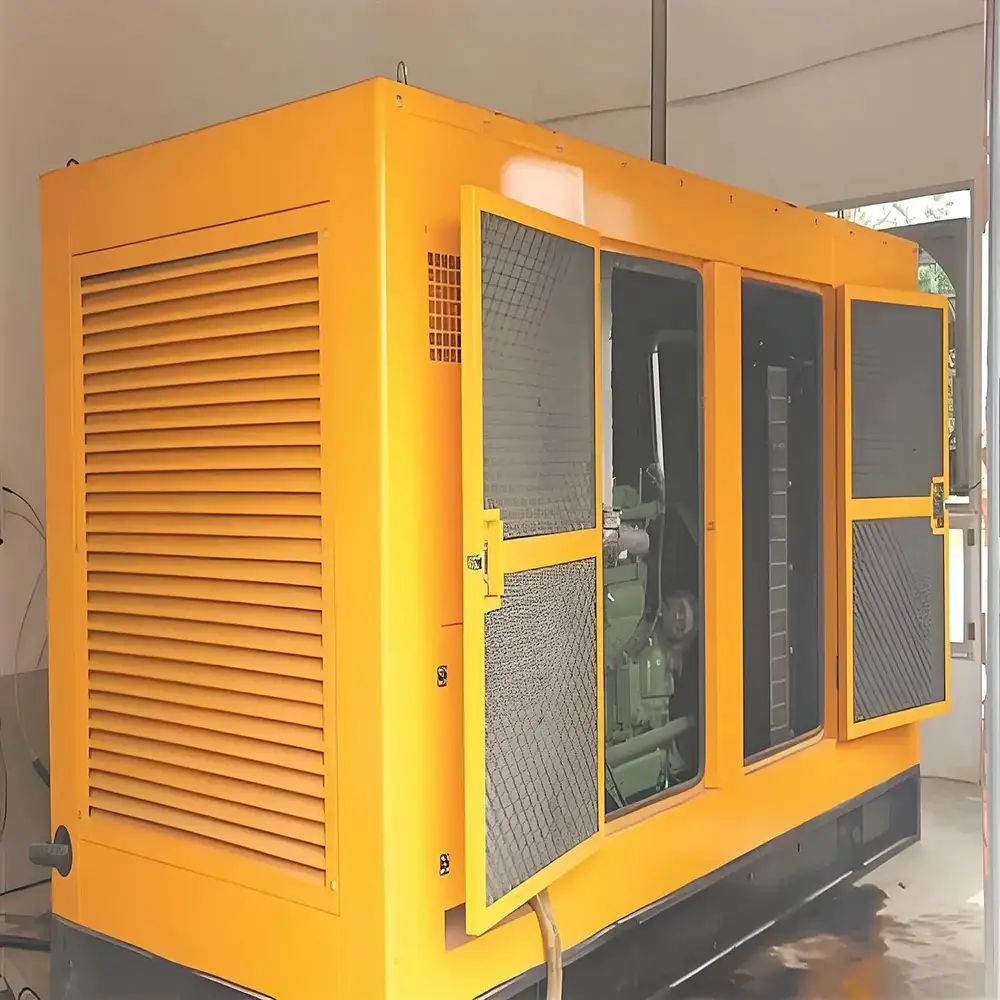
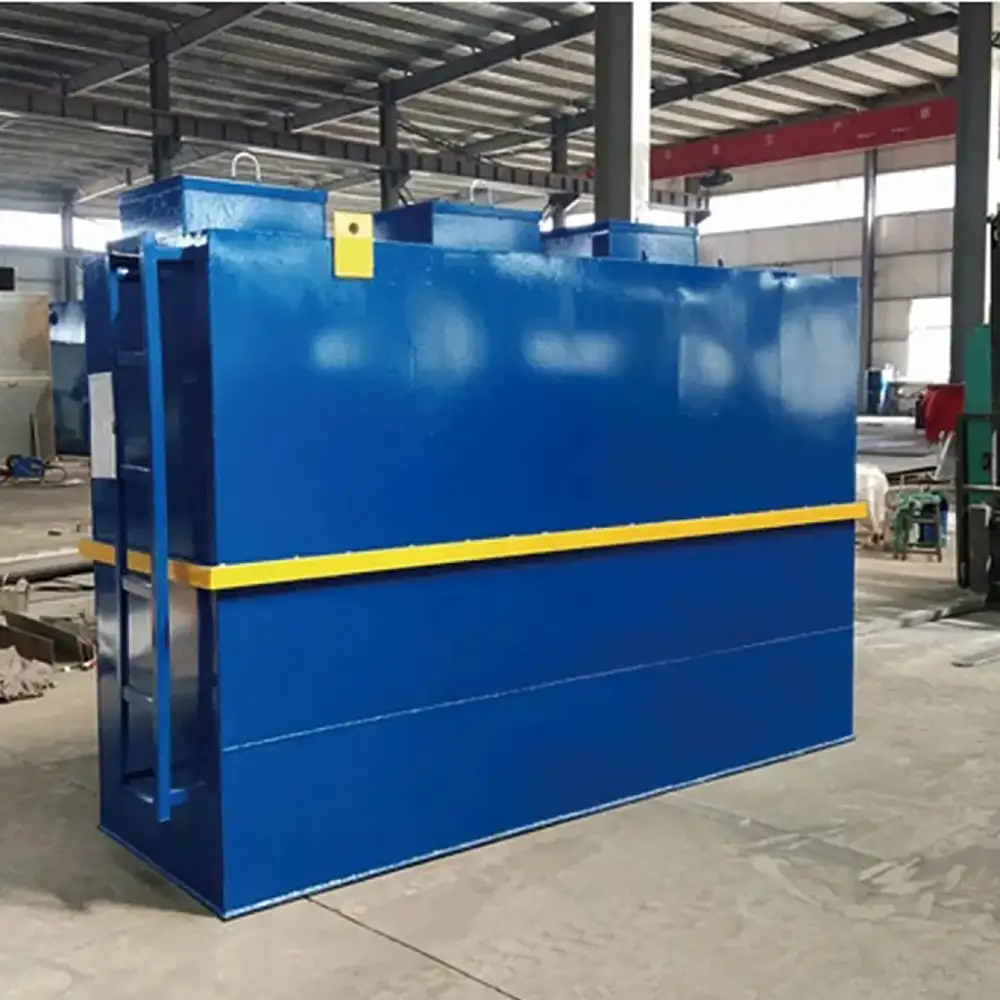
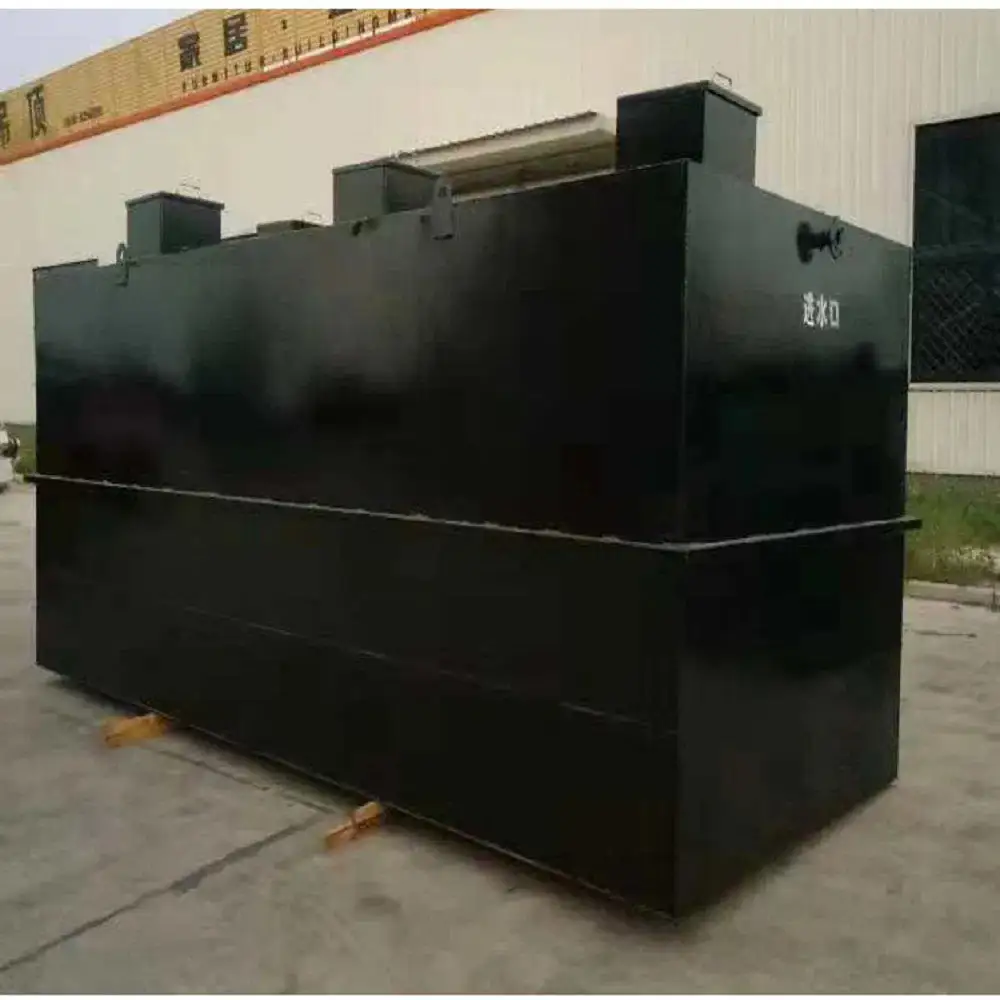
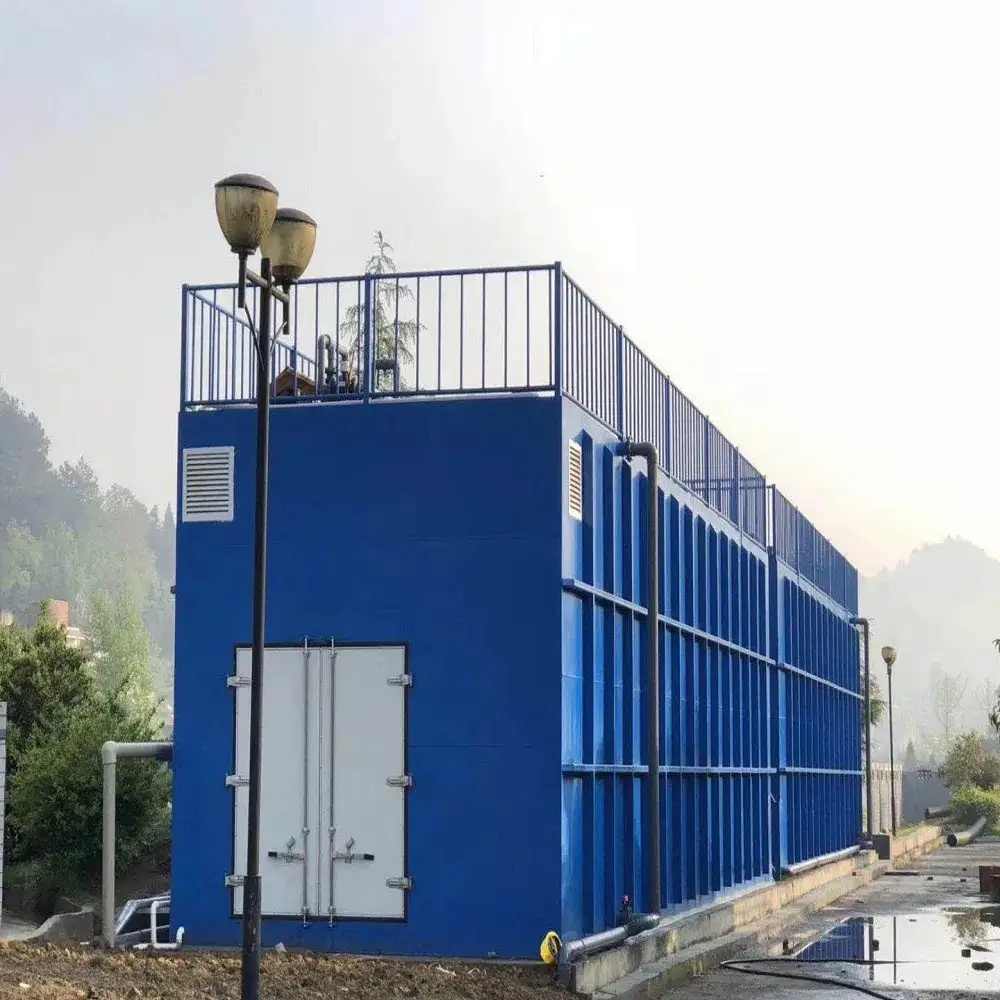
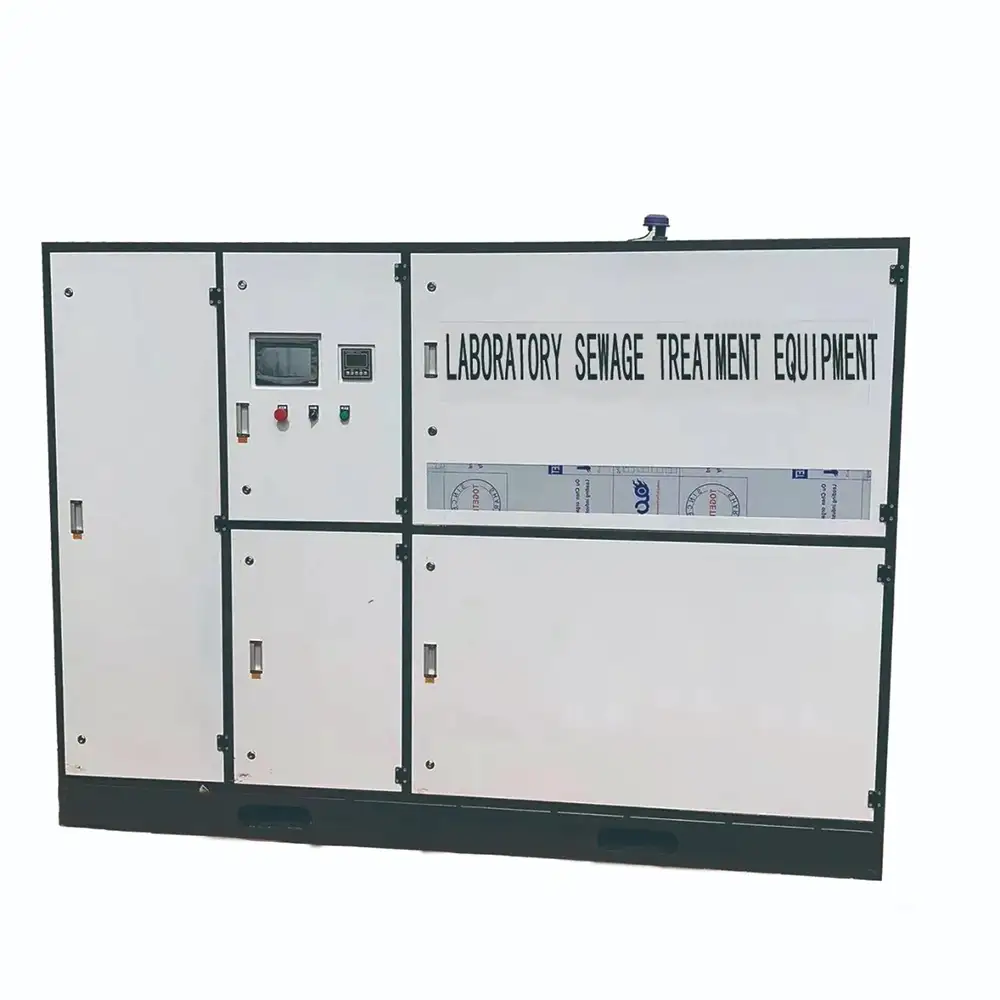
Integrated Buried Sewage Treatment Equipment for Domestic Wastewater
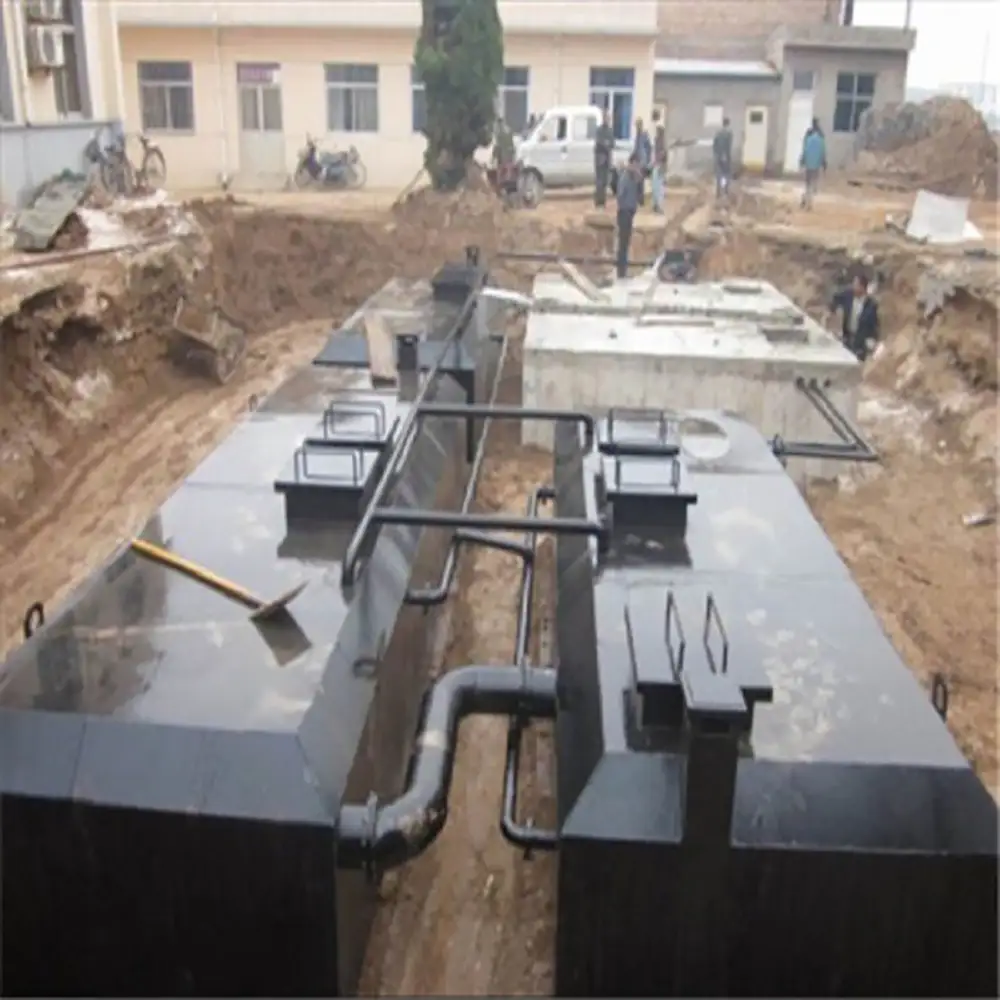
Integrated buried sewage treatment equipment is designed to provide a compact solution for domestic sewage and decentralized wastewater treatment. By integrating multiple treatment stages into a single underground or buried system, this type of equipment can reduce above-ground equipment requirements while making efficient use of limited installation space.
Buried sewage treatment systems are commonly considered for residential properties, rural communities, hotels, schools, worker accommodations, small commercial facilities, scenic areas and other locations without convenient access to centralized municipal sewer infrastructure.
The basic concept is consistent with decentralized or onsite wastewater treatment, where wastewater is treated close to where it is generated rather than being transported through a large centralized sewer network. The U.S. EPA recognizes decentralized systems as treatment solutions serving individual dwellings, businesses, clusters of homes and small communities.
|
Usage |
Industrial, Home, Agriculture, Hospital, Urban |
Trademark |
|
|
Types |
Package, Compact, Small, Mini |
Features |
Disinfection and purification of water |
|
Craft |
chemical removal |
Operation |
Automatic |
|
Service Life |
10 Years |
Function |
Disinfection and purification of water |
|
Raw material thickness |
>4mm |
Facility Type |
aboveground |
|
Voltage |
220V/ 380V/ Customerized |
Use for |
Hospitals, clinics, dental hospitals, family hospitals |
|
Colour |
White customization |
Certificate |
SGS, ISO |
|
Material |
PP PVC |
Specification |
customized |
|
Transport Package |
Container Standard Packing |
Origin |
China |
What Is an Integrated Buried Sewage Treatment System?
An integrated buried sewage treatment system combines several wastewater treatment functions into one engineered unit. Depending on the design, the equipment may incorporate pretreatment, biological treatment, sedimentation, clarification, disinfection and other treatment stages.
A representative process can be:
Domestic Sewage → Screening → Equalization → Biological Treatment → Sedimentation → Disinfection → Treated Effluent
The exact configuration depends on wastewater flow, pollutant loading, local discharge requirements and the intended final use of the treated water.
Unlike a simple septic tank, an integrated treatment plant can incorporate active biological treatment and additional treatment stages. EPA notes that advanced decentralized systems can include treatment components in addition to a septic tank to provide higher levels of wastewater treatment.
Domestic Sewage Treatment Applications
Domestic wastewater generally comes from toilets, bathrooms, showers, kitchens and laundry activities. It typically contains suspended solids, biodegradable organic matter, nutrients, grease and microorganisms.
An integrated domestic sewage treatment system can be designed for:
Rural Houses
Residential Communities
Villas
Hotels
Guesthouses
Schools
Worker Dormitories
Construction Camps
Scenic Areas
Small Commercial Buildings
Remote Facilities
For locations without centralized sewer service, an onsite treatment system can provide treatment near the source. EPA describes decentralized systems as particularly useful where homes or businesses are not served by centralized sewer systems.
Buried and Underground Installation
One of the major characteristics of this equipment is its ability to be installed below ground. Buried installation can help preserve above-ground space and may reduce the visual impact of wastewater treatment equipment.
An underground sewage treatment system can be installed beneath landscaping, open areas or other suitable locations, subject to engineering, soil, groundwater, loading and access conditions.
However, buried installation should not simply be treated as a matter of placing a tank underground. The system should be properly designed for structural loading, watertightness, groundwater conditions, ventilation, inspection access, maintenance and equipment servicing.
EPA technical guidance identifies watertight construction and appropriate structural design as important considerations for underground wastewater tanks.
Biological Treatment Process
Biological treatment is an important component of many integrated domestic wastewater treatment systems.
After preliminary screening and equalization, wastewater can enter an aerobic biological treatment section. Microorganisms use biodegradable organic matter as a substrate, helping reduce pollutants such as BOD and a portion of COD.
Depending on the equipment design, biological treatment may use technologies such as:
MBBR
Contact Oxidation
Activated Sludge
SBR
Aerobic Biofilm Treatment
MBBR-based systems are particularly useful when compact equipment is required because biological carriers provide protected surface area for microorganisms within the reactor.
The selected biological process should be matched to the expected wastewater flow, organic loading, temperature and required effluent quality.
Sedimentation and Solid-Liquid Separation
After biological treatment, the wastewater normally requires solid-liquid separation. A sedimentation chamber or secondary clarifier allows biological solids to settle before the treated water proceeds to the final treatment stage.
Proper hydraulic design helps reduce short-circuiting and improves separation efficiency.
Depending on the equipment configuration, sludge can be returned to the biological process or removed for further handling. Sludge production and management should be considered during system design.
Disinfection of Domestic Sewage
Disinfection may be included as the final treatment stage when required by the discharge or reuse objective.
Potential disinfection technologies include chlorine-based disinfection, chlorine dioxide, ultraviolet treatment and other suitable processes.
The appropriate disinfection method depends on suspended solids, organic loading, target microorganisms, contact conditions, discharge requirements and operating conditions.
For decentralized wastewater systems, the final effluent management method is also important. EPA explains that decentralized systems may disperse treated wastewater through soil systems or, for some systems, discharge treated effluent to surface waters subject to applicable requirements.
Compact Design for Limited Space
An integrated buried sewage treatment plant can be useful where available land is limited.
By combining multiple treatment chambers into one system, the equipment can reduce the footprint compared with multiple above-ground treatment units.
The system can also be designed with underground pipelines and limited above-ground structures. This can make it suitable for residential properties, hotels, rural facilities and landscaped locations where appearance and land utilization are important.
However, the actual footprint depends on treatment capacity, hydraulic retention time, equipment configuration and local installation requirements.
Decentralized Wastewater Treatment
Decentralized wastewater treatment provides an alternative to centralized sewer systems in locations where connecting to a municipal treatment plant may be impractical.
EPA describes decentralized wastewater systems as onsite or clustered systems that collect, treat and disperse or reclaim wastewater from small communities or service areas.
An integrated buried sewage treatment plant can therefore be used as part of a decentralized wastewater strategy for individual properties, residential developments or small communities.
Rural and Residential Applications
Rural homes and small communities are common applications for onsite wastewater treatment.
Where centralized sewer infrastructure is unavailable, an integrated domestic sewage treatment system can provide localized wastewater treatment. The system can be designed according to the number of residents, daily wastewater production and required effluent quality.
For residential applications, equipment selection should also consider seasonal occupancy. Vacation properties, rural guesthouses and seasonal facilities may experience large variations in wastewater flow.
Operation and Maintenance
Although buried equipment reduces above-ground infrastructure, regular maintenance remains necessary.
Operators should inspect pumps, blowers, aeration equipment, dosing systems and electrical controls. Sludge accumulation should be monitored, and tanks should be inspected according to the maintenance schedule.
Access covers should remain accessible for inspection and servicing. Ventilation should also be properly designed.
EPA emphasizes that proper installation, siting and maintenance are important to the performance of decentralized wastewater treatment systems and their ability to protect public health and water resources.
Automation and Control
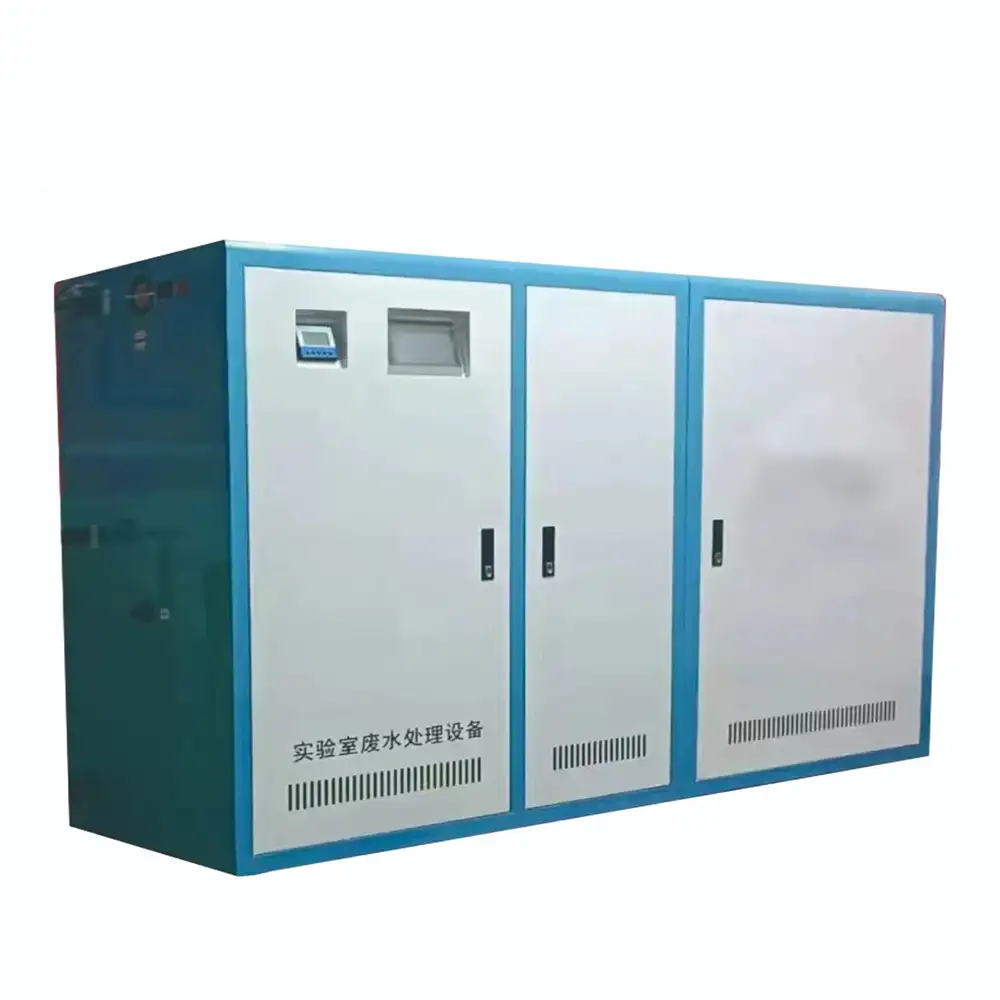
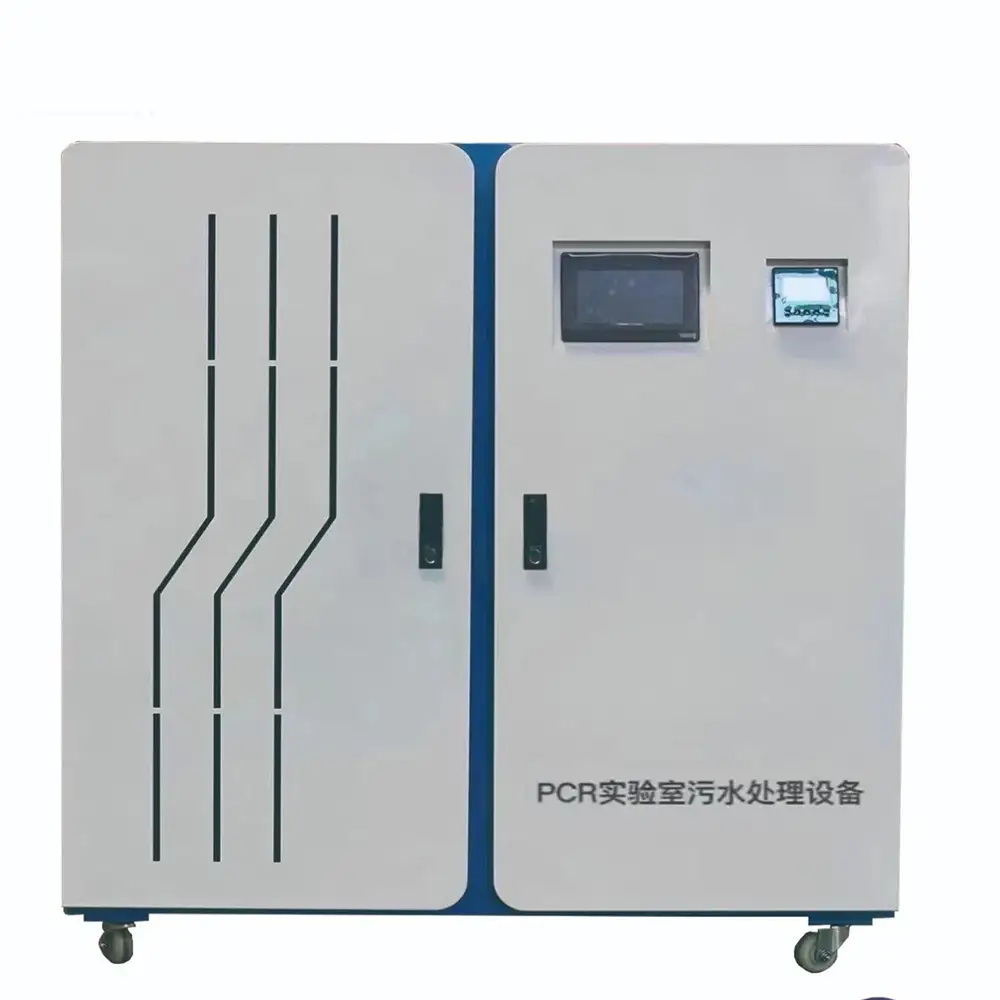
An integrated sewage treatment system can be equipped with an automatic control panel to manage pumps, blowers, aeration equipment, disinfection systems and alarms.
Depending on the project, monitoring instruments may include:
Water Level Sensors
Flow Meters
pH Sensors
Dissolved Oxygen Sensors
Pressure Sensors
Pump Status Monitoring
Automation can reduce routine operating work and help maintain stable process conditions.
Why Choose Us
Our integrated buried sewage treatment equipment is designed for domestic and decentralized wastewater treatment applications where compact installation and practical operation are important.
We can configure treatment systems for residential communities, rural properties, hotels, schools, worker accommodations, scenic areas, camps and small commercial facilities.
The equipment can integrate pretreatment, biological treatment, sedimentation, disinfection and other treatment processes according to project requirements.
Buried installation can help save above-ground space and reduce the visual impact of the treatment plant, while modular construction can simplify transportation and installation.
We also consider wastewater flow, pollutant loading, installation conditions, discharge requirements, maintenance access and automation requirements when developing a treatment configuration.
For projects with specific discharge or water-reuse requirements, wastewater testing and site evaluation should be completed before final equipment selection.
FAQs
1. What is an integrated buried sewage treatment system?
It is a compact wastewater treatment system that combines multiple domestic sewage treatment processes within an integrated unit designed for underground or buried installation.
2. Can this system treat residential sewage?
Yes. It can be designed for domestic wastewater generated by homes, villas, residential communities and other similar facilities.
3. Is this the same as a septic tank?
Not necessarily. A septic tank primarily provides settling and preliminary treatment, while an integrated treatment plant can include additional biological treatment, clarification and disinfection stages.
4. Can the equipment be installed completely underground?
It can be designed for buried installation, but the installation method must be determined according to structural loading, soil conditions, groundwater, access and local engineering requirements.
5. What biological process can be used?
Depending on the project, MBBR, contact oxidation, activated sludge, SBR and other biological treatment technologies can be considered.
6. Can the system remove BOD and COD?
Biological treatment can reduce biodegradable organic matter and associated BOD and COD. Actual treatment performance depends on wastewater characteristics and system design.
7. Does the buried sewage treatment plant require electricity?
If the system uses mechanical pumps, blowers, aeration or automatic controls, electrical power will normally be required. Passive systems may have different requirements.
8. Can treated water be reused?
Potentially. Additional filtration, disinfection or advanced treatment may be required depending on the intended reuse application and applicable water-quality requirements.
9. What capacity can the system handle?
Capacity can be configured according to the expected wastewater flow, population served and pollutant loading. Accurate sizing should be based on actual project data.
10. Is buried sewage treatment suitable for rural areas?
Yes. Decentralized and onsite wastewater treatment systems are commonly considered for properties and communities that are not connected to centralized sewer infrastructure.
11. How often does the system require maintenance?
Maintenance frequency depends on the process configuration and operating conditions. Pumps, blowers, screens, sludge levels, controls and disinfection equipment should be inspected according to the equipment maintenance schedule.
12. Can the integrated sewage treatment system be customized?
Yes. Treatment capacity, biological process, tank configuration, buried installation arrangement, disinfection method, automation and other components can be configured according to the project requirements.
Prev:Sorry, no information
Next:
Wastewater Treatment Equipment for Hospitals, Clinics, Dental Hospitals, Family Hospitals
TAG:
Integrated Wastewater Treatment System,
Sewage Treatment Plant,
Decentralized Wastewater Treatment,
Onsite Wastewater Treatment,
Compact Wastewater Treatment Plant,
MBBR Wastewater Treatment,
Biological Wastewater Treatment,
Package Sewage Treatment Plant,
Decentralized Sewage Treatment System,
Onsite Wastewater Treatment System,
Integrated Wastewater Treatment Equipment,
Integrated Sewage Treatment System,
Integrated Sewage Treatment Equipment,
SBR Wastewater Treatment,
MBBR Sewage Treatment,
MBBR Wastewater Treatment System,
MBBR Sewage Treatment System,
Decentralized Wastewater Treatment System,
Decentralized Sewage Treatment,
Onsite Sewage Treatment System,
Rural Sewage Treatment,
Rural Wastewater Treatment,
Onsite Sewage Treatment,
Rural Sewage Treatment System,
Rural Wastewater Treatment System,
Residential Wastewater Treatment Equipment,
Domestic Sewage Treatment Plant,
Domestic Wastewater Treatment Plant,
Domestic Wastewater Treatment System,
Residential Wastewater Treatment,
Related Category:
Integrated Sewage Treatment Equipment,Buried Sewage Treatment Equipment,Domestic Sewage Treatment,Integrated Sewage Trea China, suppliers, manufacturers, factory, customized, wholesale, quotation, made in China