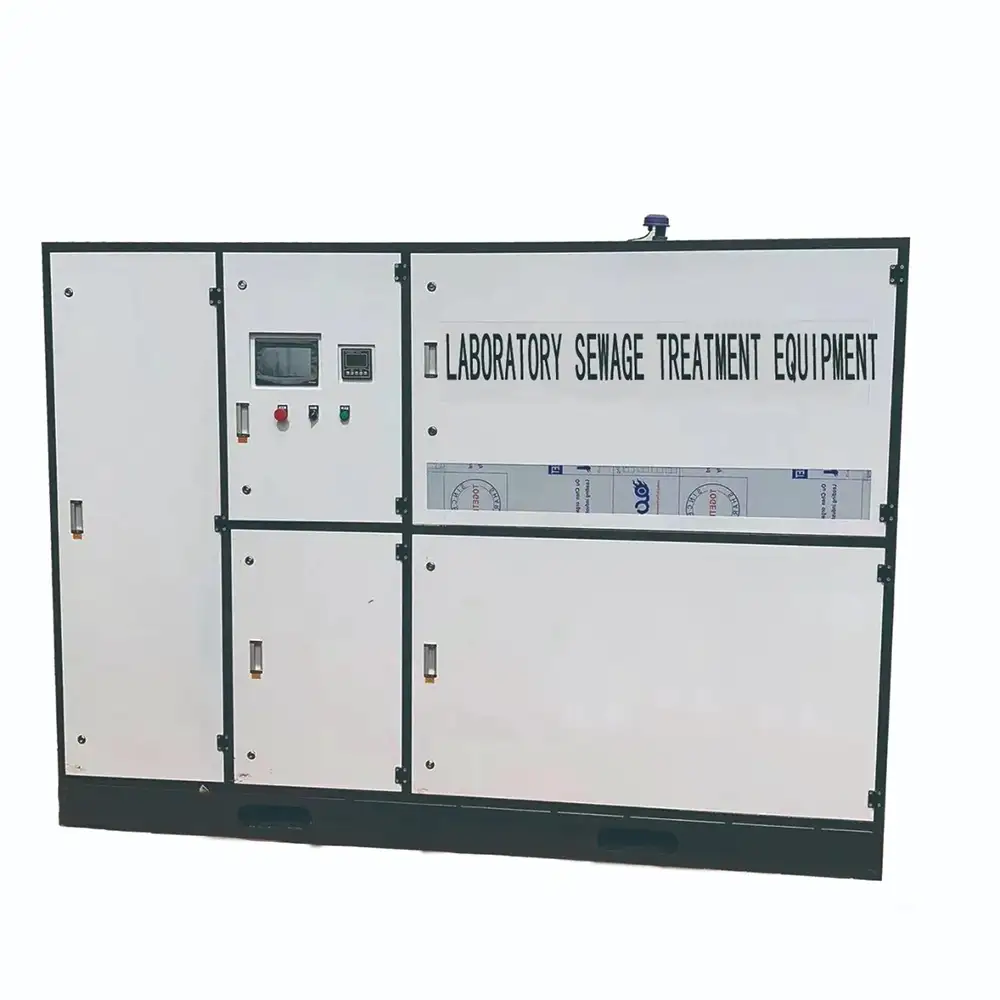
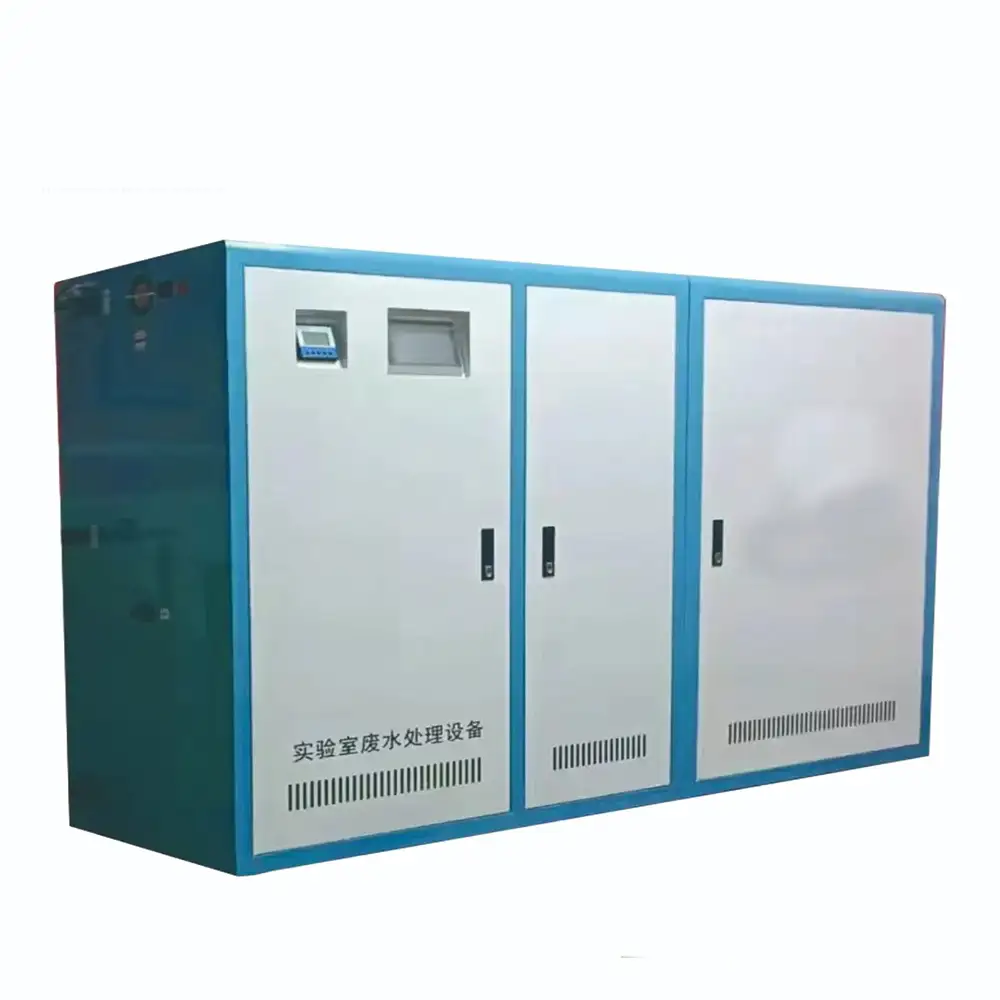
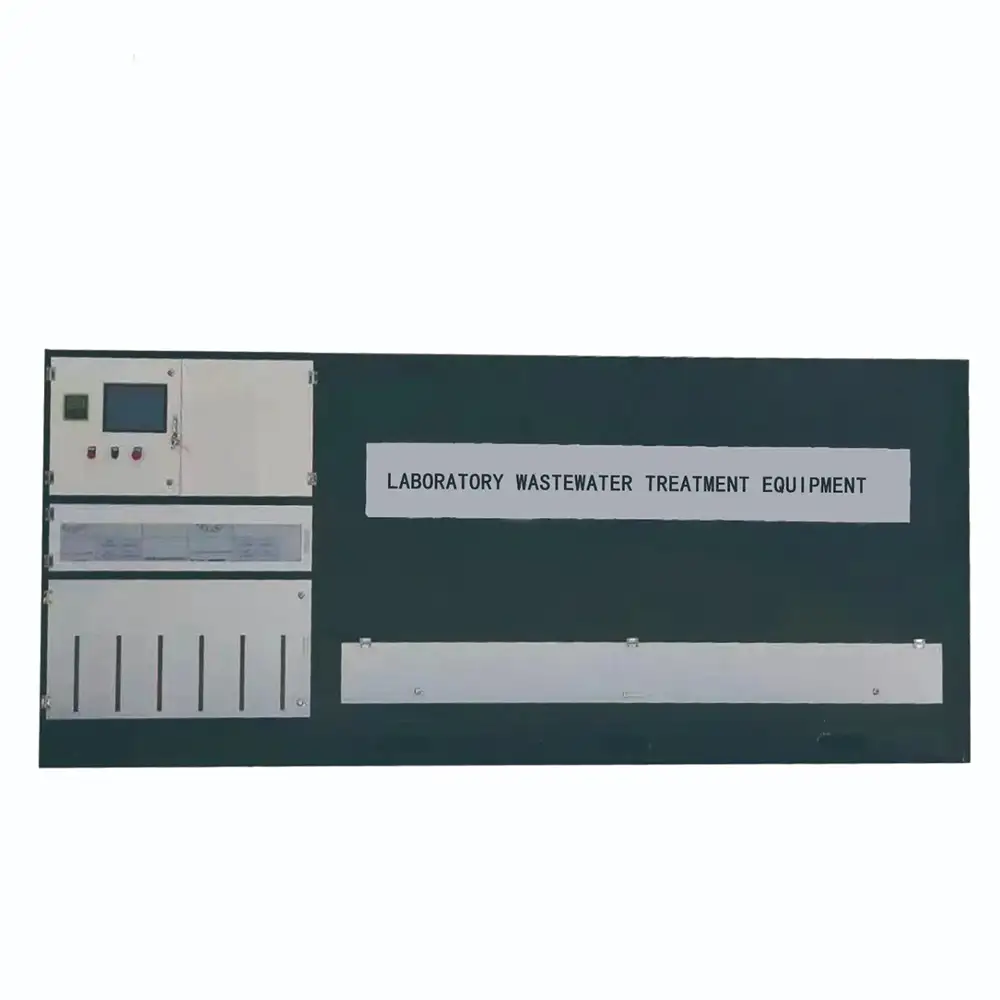
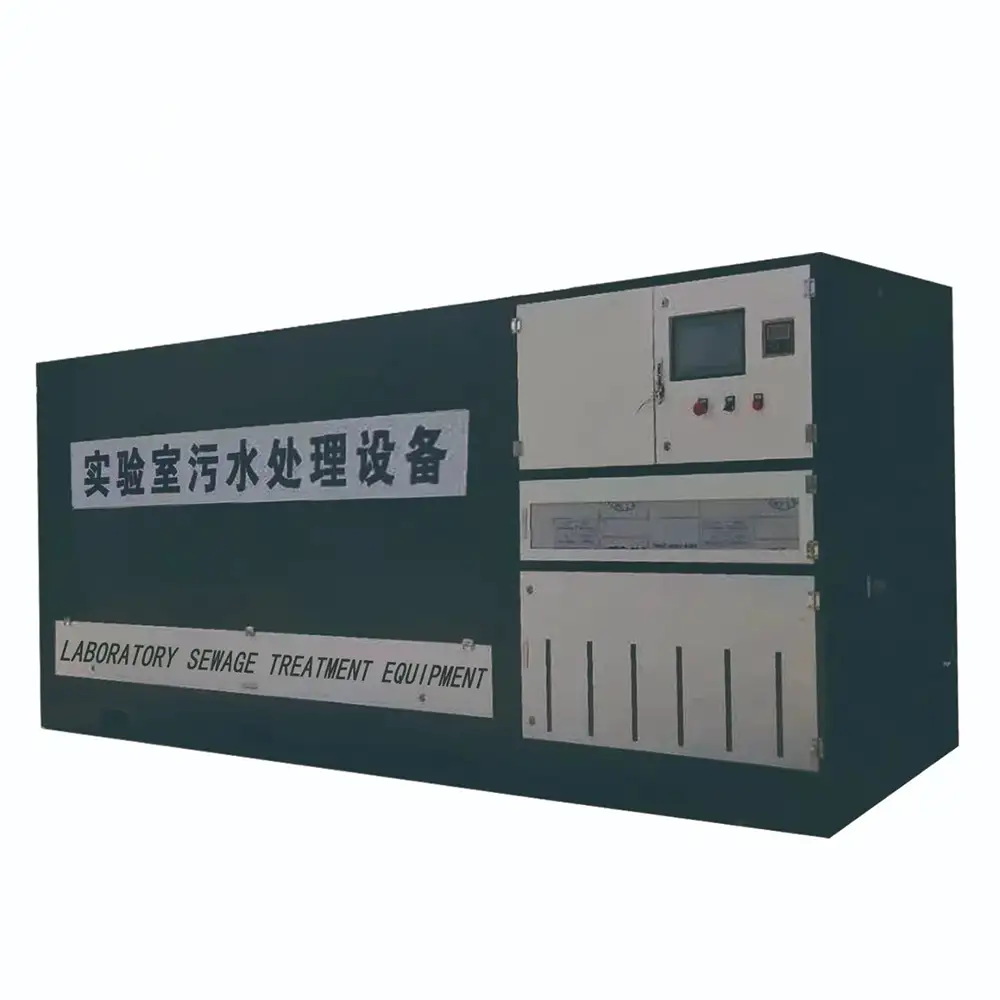
Pathogenic Microorganisms Wastewater Treatment Equipment for Animal Epidemic Prevention Stations
Animal epidemic prevention stations, veterinary diagnostic laboratories and animal disease control facilities may generate wastewater containing microorganisms, organic matter, suspended solids, disinfectant residues, laboratory chemicals and other contaminants. Because wastewater from these facilities may have biological risks in addition to conventional wastewater pollutants, a specialized treatment system should combine appropriate wastewater treatment with effective disinfection and controlled effluent management.
Pathogenic microorganisms wastewater treatment equipment is designed for facilities such as animal epidemic prevention stations, veterinary laboratories, animal disease diagnostic centers, animal hospitals, livestock disease control facilities, research institutions and related public health facilities. The treatment process can be configured according to wastewater flow, pollutant characteristics, biological risk assessment, discharge requirements and local regulations.
CDC/NIH biosafety guidance emphasizes risk assessment, containment and appropriate decontamination of potentially infectious materials and waste in animal and diagnostic laboratory environments. It also notes that animal-facility drainage effluent should be evaluated to determine whether it can be safely discharged or requires collection and disinfection before disposal.
Wastewater Sources at Animal Epidemic Prevention Stations
Wastewater generated at an animal epidemic prevention station can come from animal examination rooms, diagnostic laboratories, veterinary treatment areas, washing and cleaning operations, equipment cleaning, laboratory sinks and other facility areas.
Depending on the facility, wastewater may contain suspended solids, animal-derived organic matter, blood or body-fluid residues, nutrients, microorganisms, disinfectant chemicals and laboratory contaminants.
The actual wastewater composition can vary substantially between facilities. For this reason, treatment equipment should be selected based on wastewater testing, flow characteristics and the specific activities performed at the facility.
Pathogenic Microorganism Wastewater Treatment
The primary objective of a pathogenic microorganism wastewater treatment system is to reduce conventional wastewater pollutants while incorporating a suitable disinfection or decontamination stage.
A representative treatment process may include:
Collection → Screening → Equalization → Pretreatment → Biological Treatment → Solid-Liquid Separation → Disinfection → Final Treatment → Controlled Discharge
Not every facility requires all of these processes. Smaller stations may use compact integrated systems, while larger animal disease prevention centers may require multiple treatment units and more comprehensive monitoring.
The disinfection stage is particularly important when wastewater may contain infectious biological material. CDC guidance for animal and diagnostic laboratories stresses appropriate containment and decontamination practices for infectious materials and laboratory waste.
Wastewater Disinfection System
Disinfection can be incorporated as a dedicated stage after biological or physicochemical treatment. Depending on the project, possible technologies include sodium hypochlorite or other chlorine-based systems, chlorine dioxide, ultraviolet disinfection, ozone and other validated treatment methods.
The appropriate technology depends on wastewater quality, organic loading, suspended solids, contact time, target microorganisms, residual requirements and applicable regulations.
Pretreatment is important because high suspended solids or organic loading can interfere with some disinfection processes. A properly designed treatment train therefore considers pollutant removal and microbial inactivation together rather than treating disinfection as an isolated process.
Chemical compatibility is also important. CDC laboratory guidance warns that disinfectants such as chlorine compounds should not be mixed with incompatible chemicals because hazardous reactions may occur.
Biological Treatment for Animal Facility Wastewater
Animal facility wastewater can contain biodegradable organic matter. Depending on wastewater characteristics, biological treatment may be incorporated to reduce BOD, COD and other biodegradable pollutants.
Possible biological processes include activated sludge, MBBR, contact oxidation, SBR and other aerobic treatment technologies.
For facilities with fluctuating wastewater production, an equalization tank can help stabilize hydraulic and pollutant loading before biological treatment. This can improve process stability and reduce sudden changes in operating conditions.
Biological treatment should be selected according to actual wastewater characteristics rather than assuming that all animal facility wastewater has the same composition.
Laboratory and Veterinary Diagnostic Wastewater
Veterinary diagnostic laboratories require additional attention because samples and laboratory processes may involve potentially infectious materials. CDC guidance specifically addresses the biosafety requirements of animal diagnostic laboratories and recognizes that diagnostic specimens can potentially contain infectious agents.
A wastewater treatment system for a veterinary diagnostic facility may therefore include dedicated collection, closed transfer, pretreatment, biological treatment, disinfection and monitoring.
Where wastewater contains hazardous chemicals or disinfectant residues, chemical compatibility and treatment sequencing should be evaluated before wastewater enters the biological treatment system.
Animal Hospital Wastewater Treatment
Animal hospitals and veterinary clinics can generate wastewater from examination rooms, operating areas, kennels, laboratory areas and cleaning operations.
A veterinary hospital wastewater treatment system may combine screening, equalization, biological treatment, sedimentation, filtration and disinfection.
Depending on the facility, additional treatment may be required for pharmaceuticals, chemicals, high-strength organic matter or other specific contaminants.
Equipment Configuration
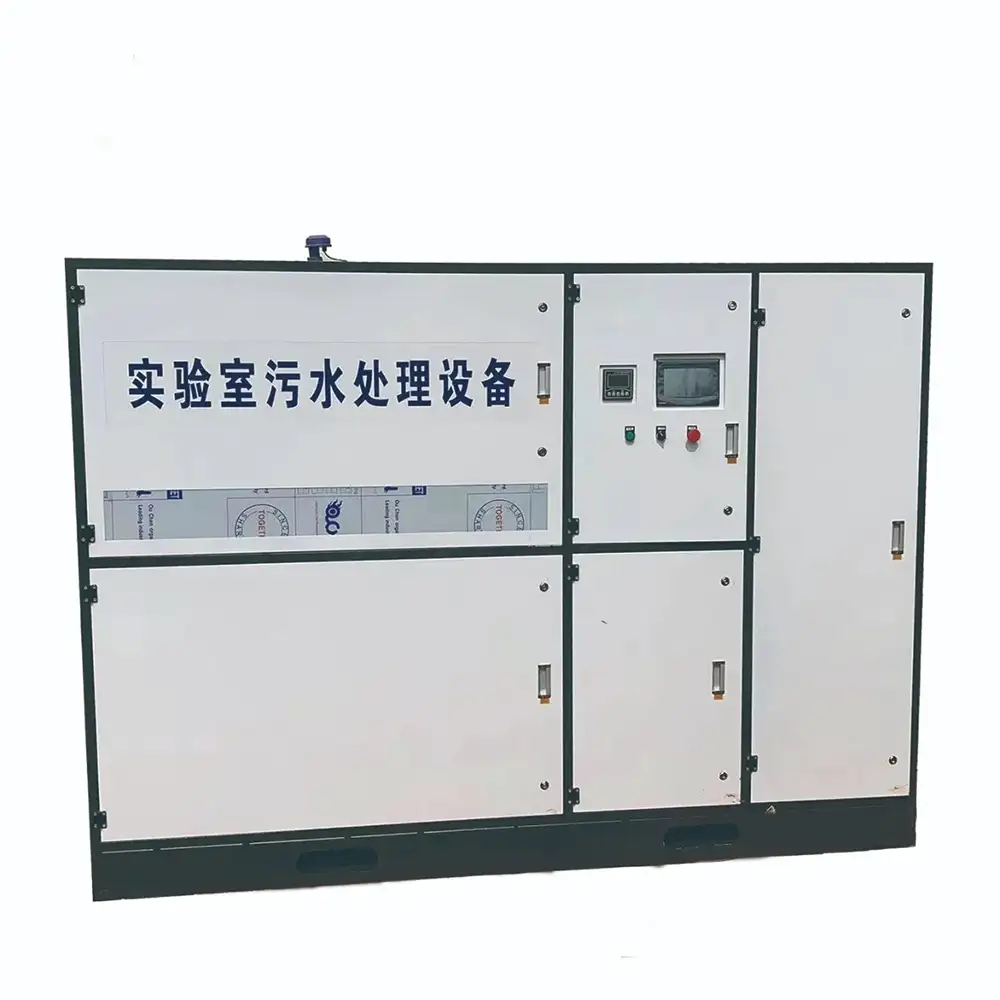
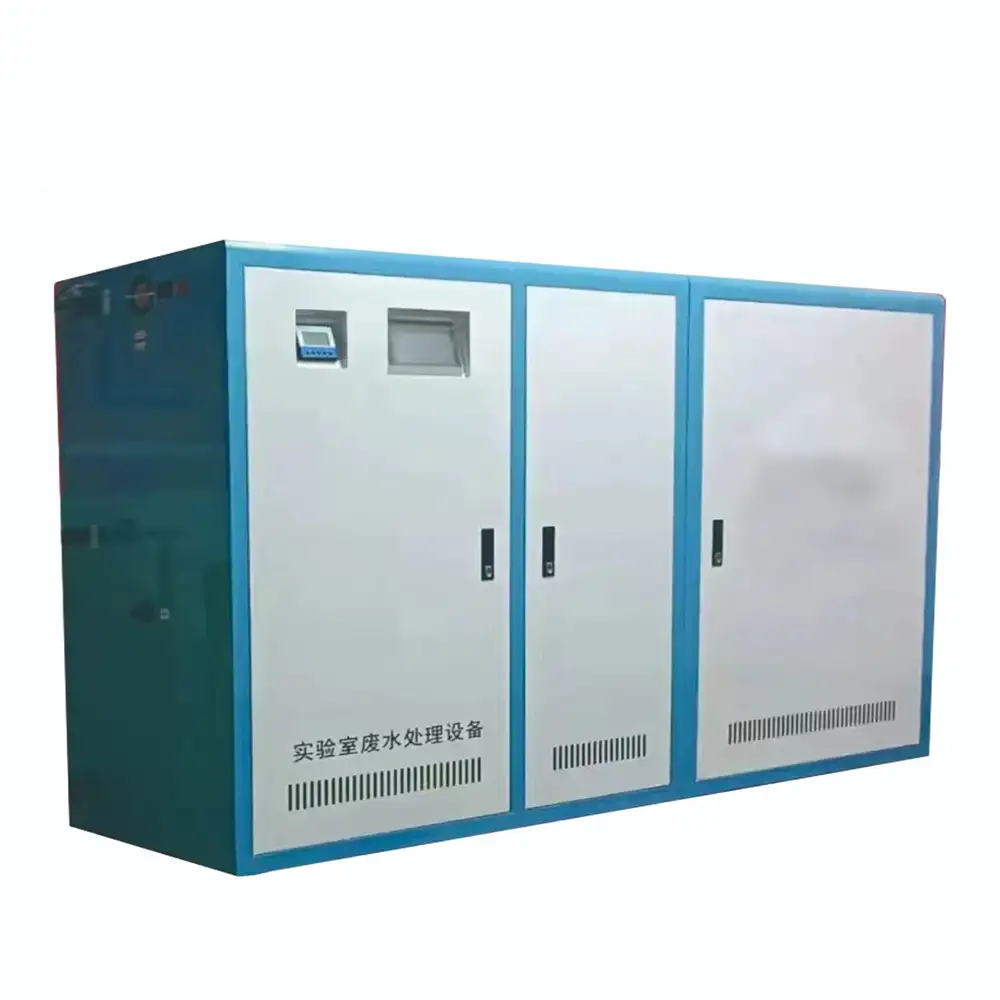
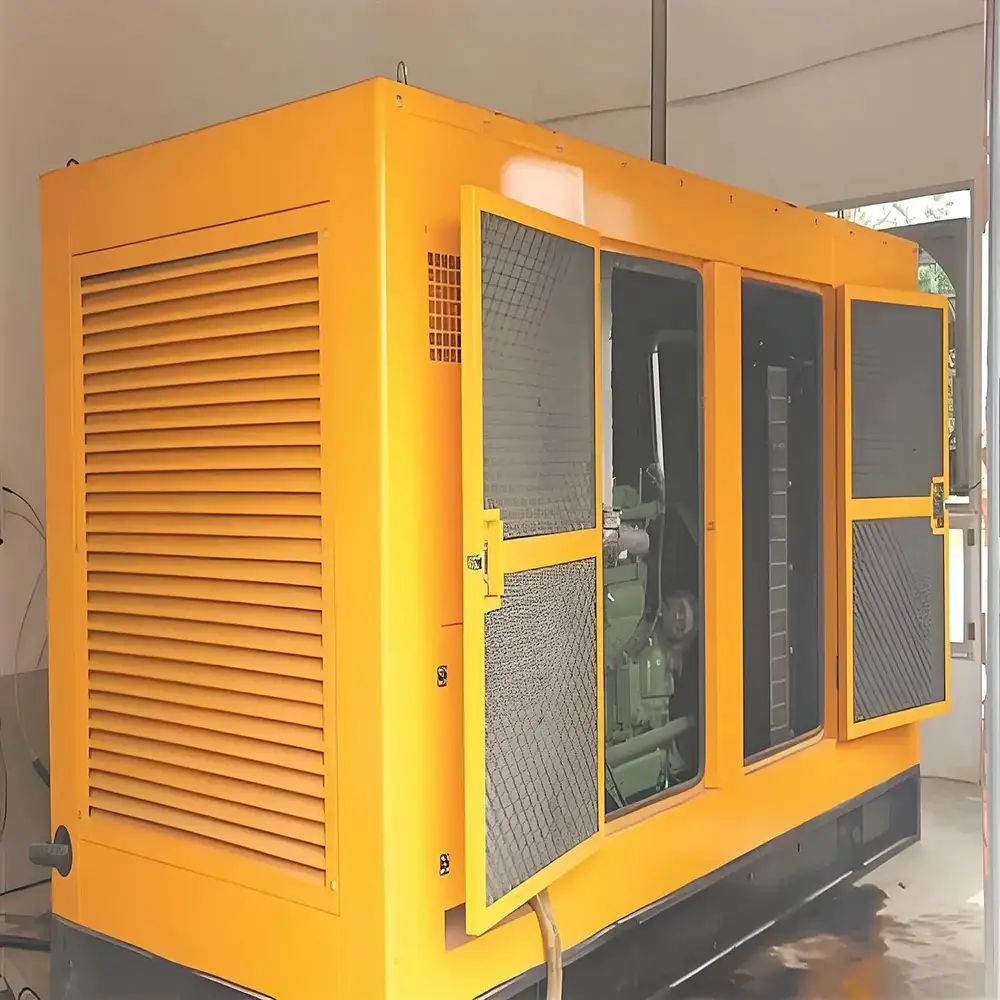
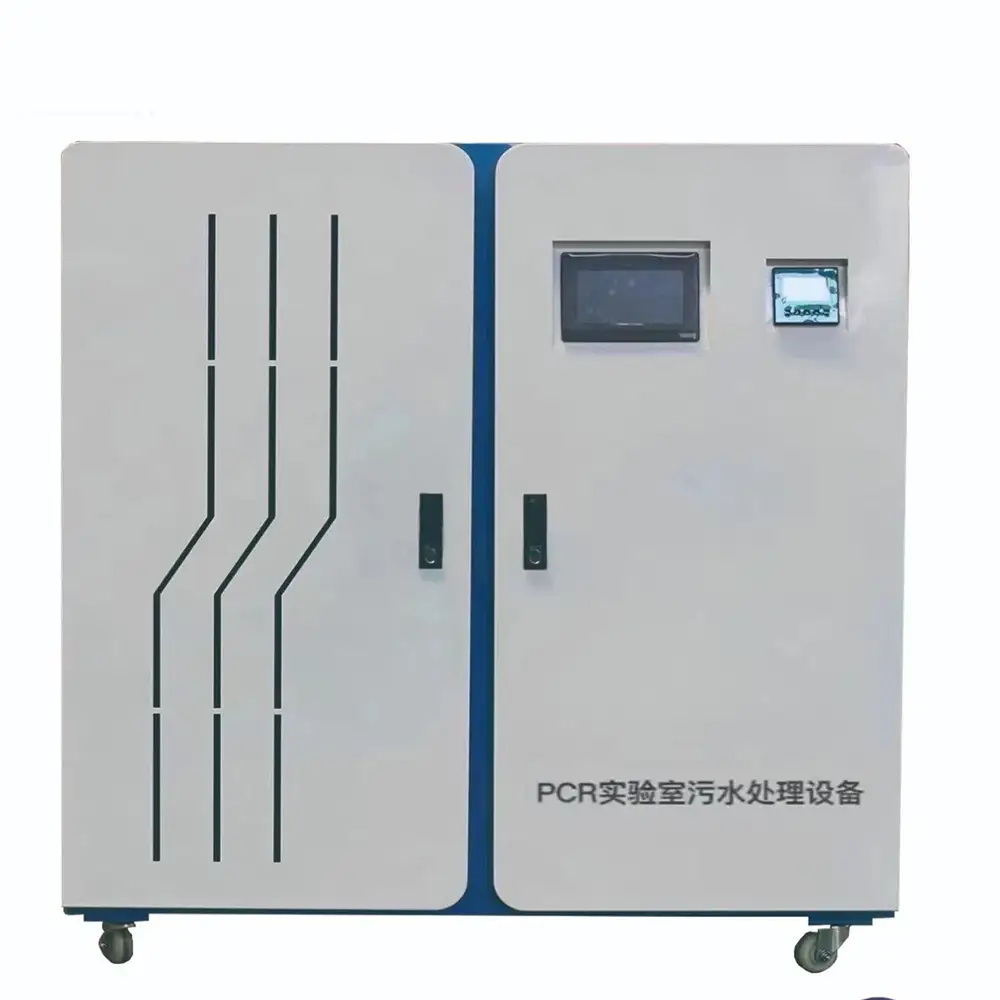
A complete system can be supplied as a compact integrated treatment unit or as a multi-stage wastewater treatment plant.
Typical equipment may include:
Mechanical Screens
Collection and Equalization Tanks
Wastewater Pumps
pH Adjustment Systems
Biological Reactors
MBBR or SBR Systems
Sedimentation Tanks
Filtration Units
Disinfection Systems
Chemical Dosing Equipment
Sludge Handling Equipment
Control Panels and Monitoring Instruments
The equipment arrangement can be adapted to available installation space, wastewater flow, treatment requirements and facility layout.
Safe Effluent Management
Safe effluent management is an important part of wastewater treatment at animal epidemic prevention facilities. Treatment performance should be verified according to the applicable discharge requirements, and the disinfection process should be appropriately validated for the intended application.
CDC/NIH BMBL guidance states that decontamination methods should be validated and that local risk assessment should determine whether animal-facility drainage can be safely discharged or needs collection and disinfection before disposal.
For facilities handling higher-risk biological materials, wastewater treatment should be coordinated with the facility's biosafety procedures, containment design, waste-management plan and applicable regulatory requirements.
Compact and Centralized Treatment Solutions
Small animal epidemic prevention stations may benefit from compact package wastewater treatment equipment with integrated tanks, pumps, aeration, disinfection and controls.
Larger animal disease control centers may require centralized treatment systems with separate pretreatment, biological treatment, clarification, disinfection and sludge management stages.
Modular construction can allow treatment capacity and process units to be expanded as wastewater volumes change.
Operation and Maintenance
Regular inspection and maintenance are important for reliable wastewater treatment performance. Screens should be cleaned, pumps inspected, aeration systems maintained and dosing equipment calibrated.
Disinfection equipment should be monitored to ensure that operating conditions remain within the design range. UV systems require appropriate lamp and sleeve maintenance, while chemical disinfection systems require controlled dosing and safe chemical handling.
Sludge generated during treatment should be managed according to applicable regulations and the facility's biosafety and waste-management procedures.
Why Choose Us
Our wastewater treatment solutions are designed for specialized facilities where conventional sewage treatment alone may not be sufficient.
We can configure treatment systems for animal epidemic prevention stations, veterinary diagnostic laboratories, animal hospitals, livestock disease control centers, research facilities and related institutions.
The treatment process can combine pretreatment, biological treatment, solid-liquid separation and disinfection according to actual wastewater characteristics.
We focus on practical system integration, compact equipment layouts, automated operation and reliable wastewater management. For projects involving pathogenic microorganisms or higher biological risks, process selection should be coordinated with the facility's biosafety assessment, applicable regulations and validated decontamination procedures.
FAQs
1. What is pathogenic microorganism wastewater treatment equipment?
It is wastewater treatment equipment designed for facilities where wastewater may contain microorganisms or other biological contaminants, such as animal epidemic prevention stations, veterinary laboratories and animal disease control facilities.
2. Can this system be used at animal epidemic prevention stations?
Yes. The system can be configured for animal epidemic prevention stations according to wastewater flow, biological risk, pollutant characteristics and local discharge requirements.
3. Can it treat veterinary laboratory wastewater?
Yes. Treatment systems can be designed for veterinary diagnostic laboratories, including collection, pretreatment, biological treatment and disinfection stages.
4. Does the system disinfect wastewater?
A dedicated disinfection stage can be integrated. Possible technologies include chemical disinfection, UV, ozone or other validated processes depending on the application.
5. Can it remove pathogenic microorganisms?
The system can incorporate a disinfection or decontamination process intended to reduce or inactivate microorganisms. Actual performance depends on the selected technology, operating conditions and target organisms, and should be validated for the intended application.
6. What wastewater can enter the system?
Potential sources include animal examination wastewater, veterinary laboratory wastewater, animal hospital wastewater, cleaning wastewater and other wastewater streams approved by the treatment design.
7. Can the equipment remove COD and BOD?
Yes. Biological treatment can be incorporated to reduce biodegradable organic matter and associated COD and BOD loads when suitable for the wastewater characteristics.
8. Can it treat animal hospital wastewater?
Yes. The system can be configured for veterinary hospitals and animal clinics, with treatment stages selected according to wastewater composition.
9. Does the system require an equalization tank?
An equalization tank is often useful when wastewater flow or pollutant concentrations fluctuate. Its necessity depends on the specific project.
10. Can the equipment be customized for different capacities?
Yes. Treatment capacity, tank configuration, disinfection method, automation level and equipment arrangement can be designed according to the facility's requirements.
Prev:
Wastewater Treatment Equipment for Hospitals, Clinics, Dental Hospitals, Family Hospitals
Next:
Sewage Treatment Equipment for Biopharmaceutical Factories,Industrial, Home, Agriculture, Hospital, Urban
TAG:
Wastewater Disinfection System,
Integrated Wastewater Treatment System,
Industrial Wastewater Treatment,
Biological Wastewater Treatment,
Wastewater Sterilization System,
Wastewater Disinfection Plant,
Wastewater Disinfection Equipment,
Compact Wastewater Treatment System,
Medical Wastewater Treatment,
Hospital Wastewater Treatment,
Microorganism Wastewater Treatment,
Microbial Wastewater Disinfection,
Microbial Wastewater Treatment,
Animal Disease Control Facility Wastewater Treatment,
Animal Disease Prevention Station Wastewater Treatment,
Animal Epidemic Control Wastewater Treatment,
Animal Epidemic Prevention Sewage Treatment,
Veterinary Sewage Disinfection,
High Risk Wastewater Treatment,
Biohazard Wastewater Treatment,
Animal Wastewater Treatment,
Animal Wastewater Treatment System,
Animal Wastewater Treatment Equipment,
Animal Sewage Treatment System,
Infectious Wastewater Treatment System,
Laboratory Wastewater Disinfection,
Diagnostic Laboratory Wastewater Treatment,
Veterinary Sewage Treatment,
Veterinary Sewage Treatment Equipment,
Veterinary Sewage Treatment System,
Related Category:
Pathogenic Microorganisms Wastewater Treatment Equipment,Animal Epidemic Prevention Station Wastewater Treatment China, suppliers, manufacturers, factory, customized, wholesale, quotation, made in China