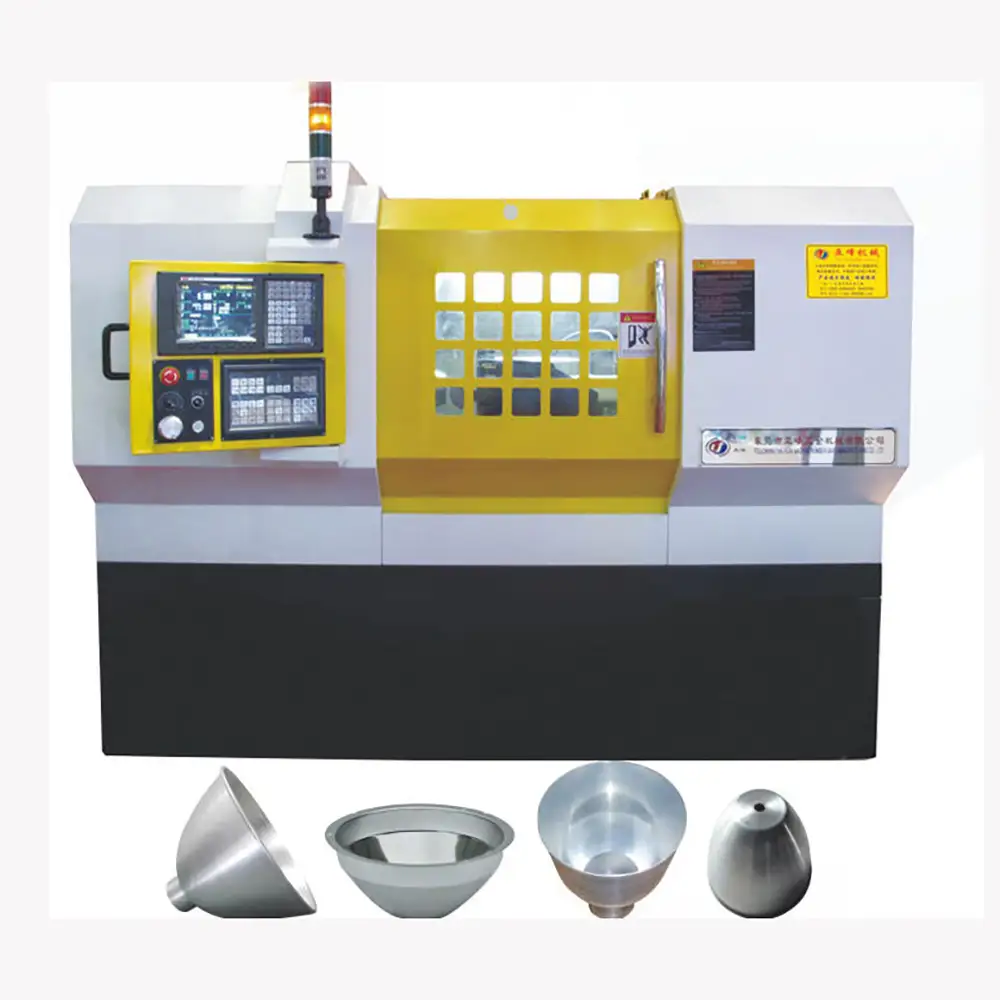
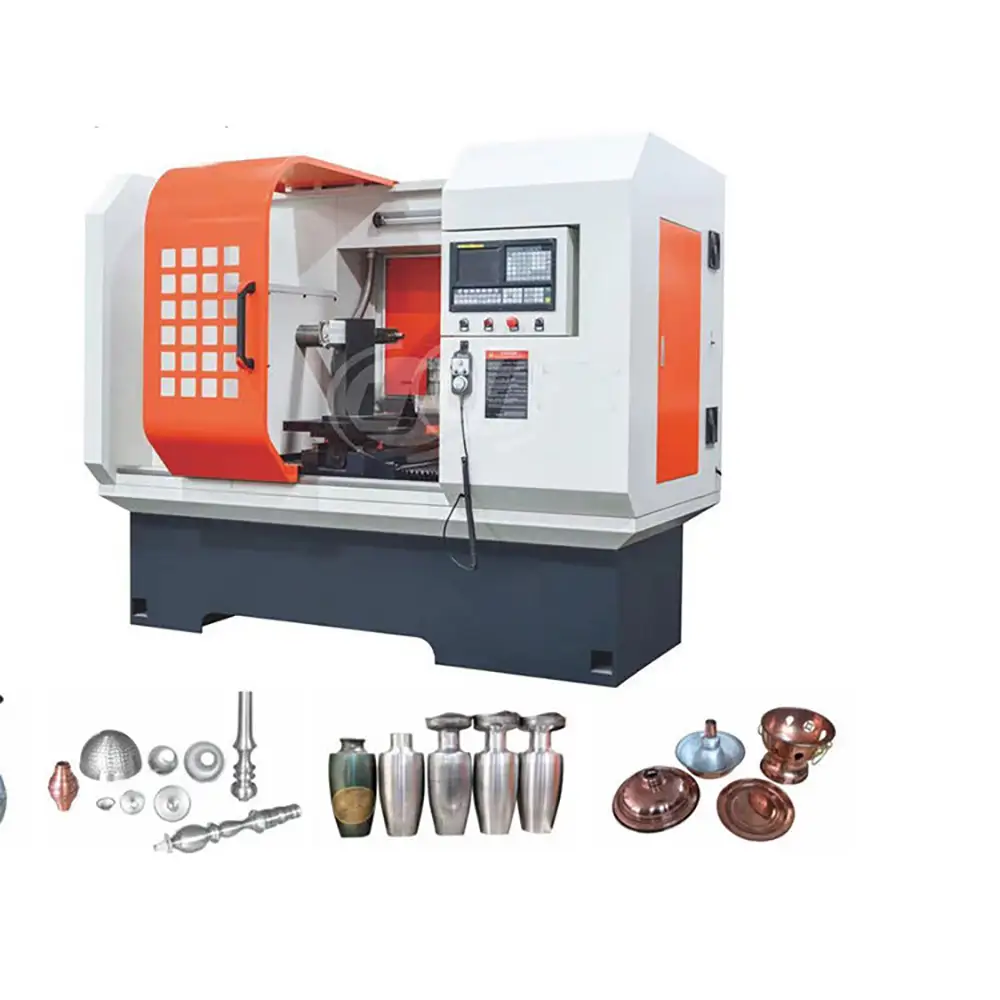
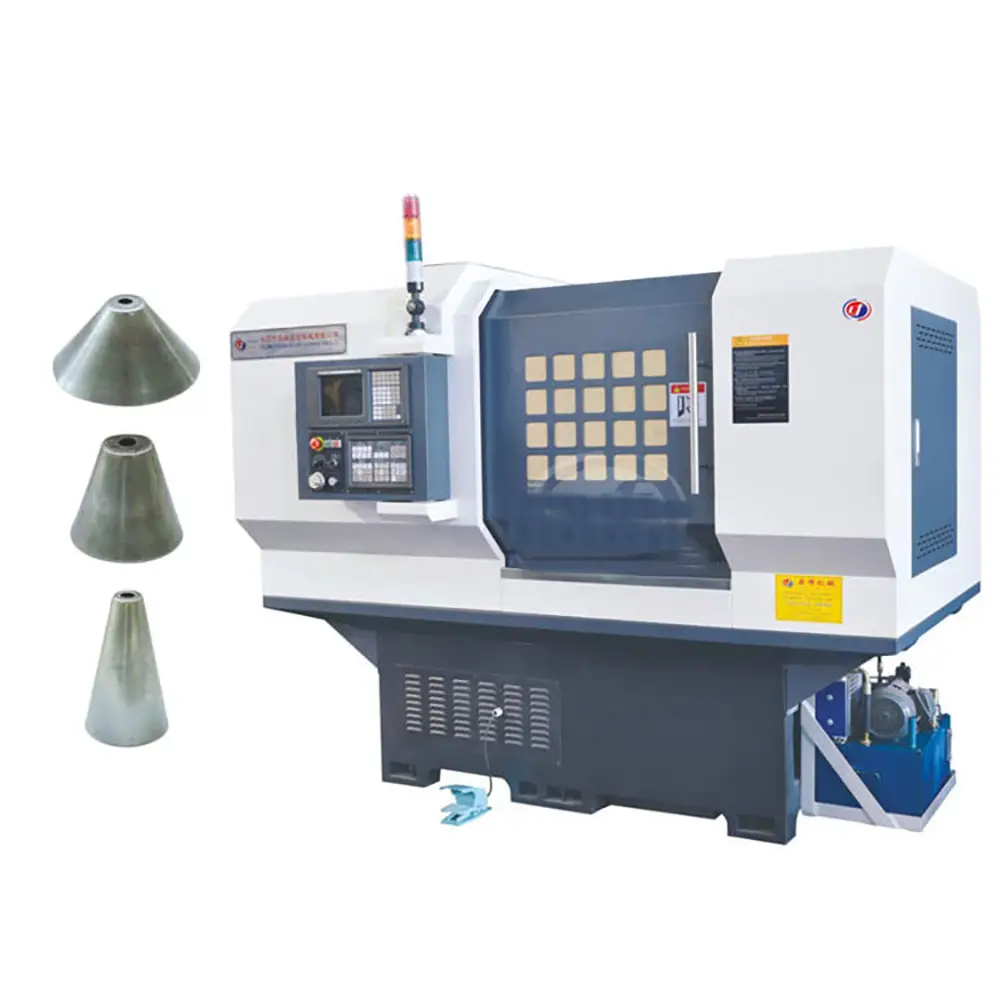
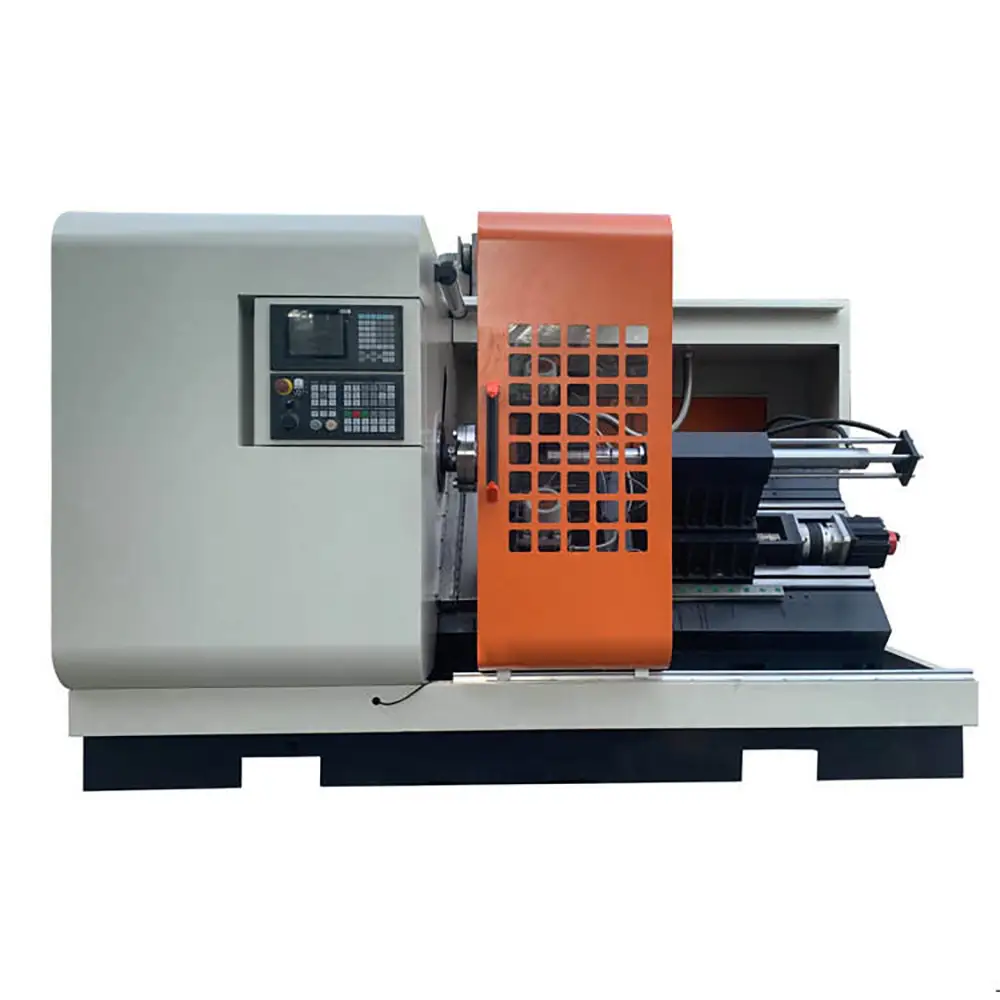
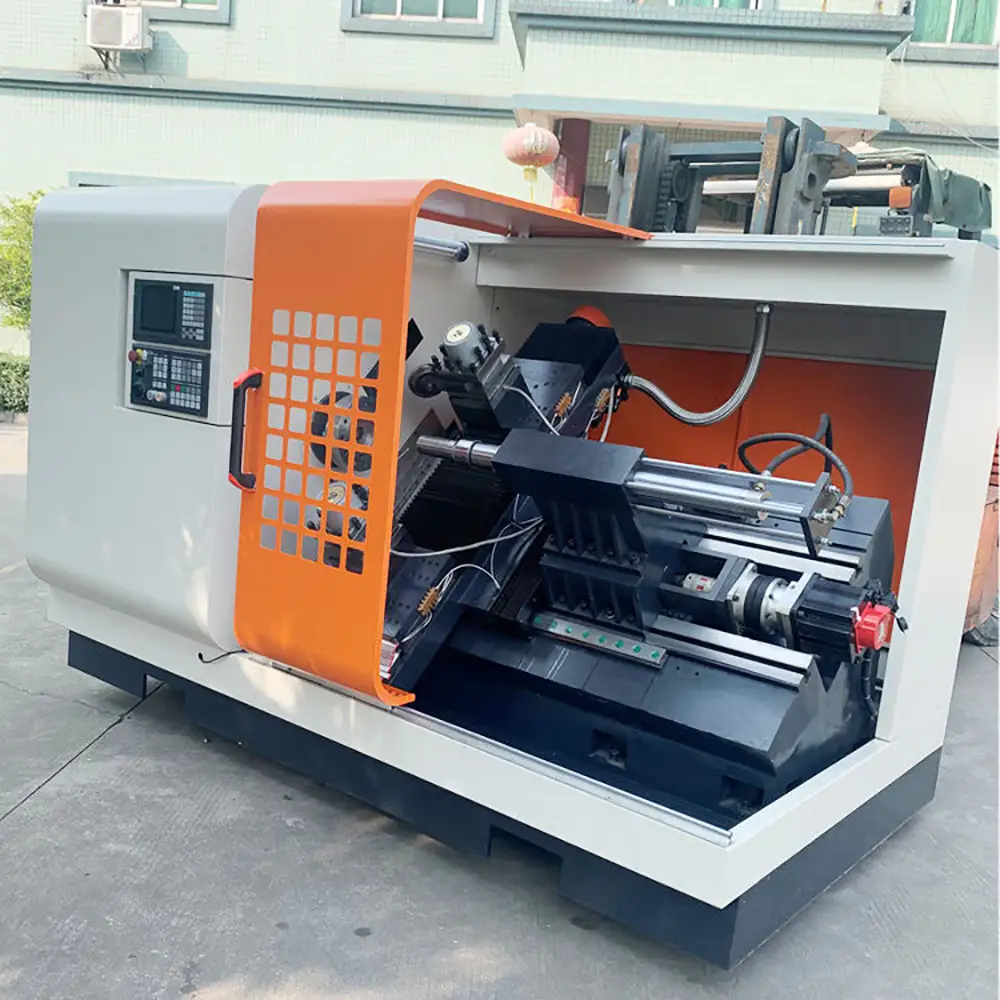
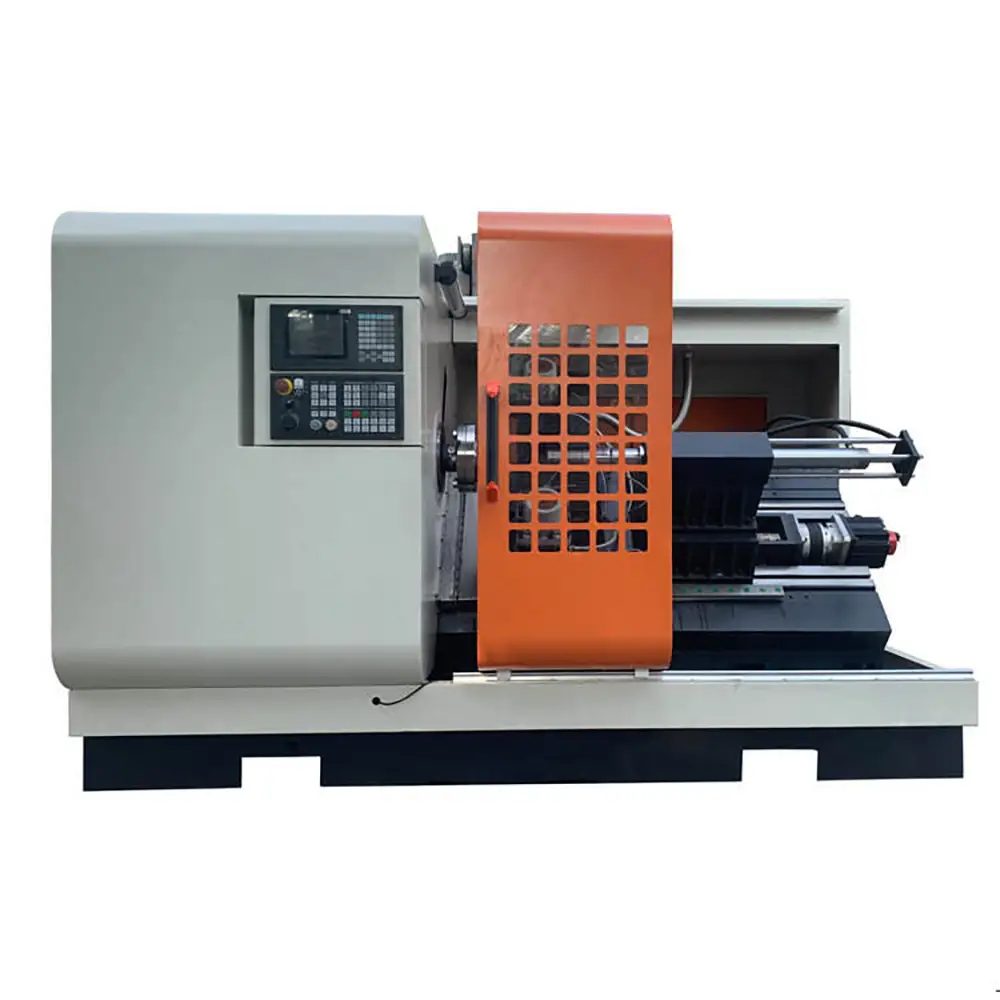
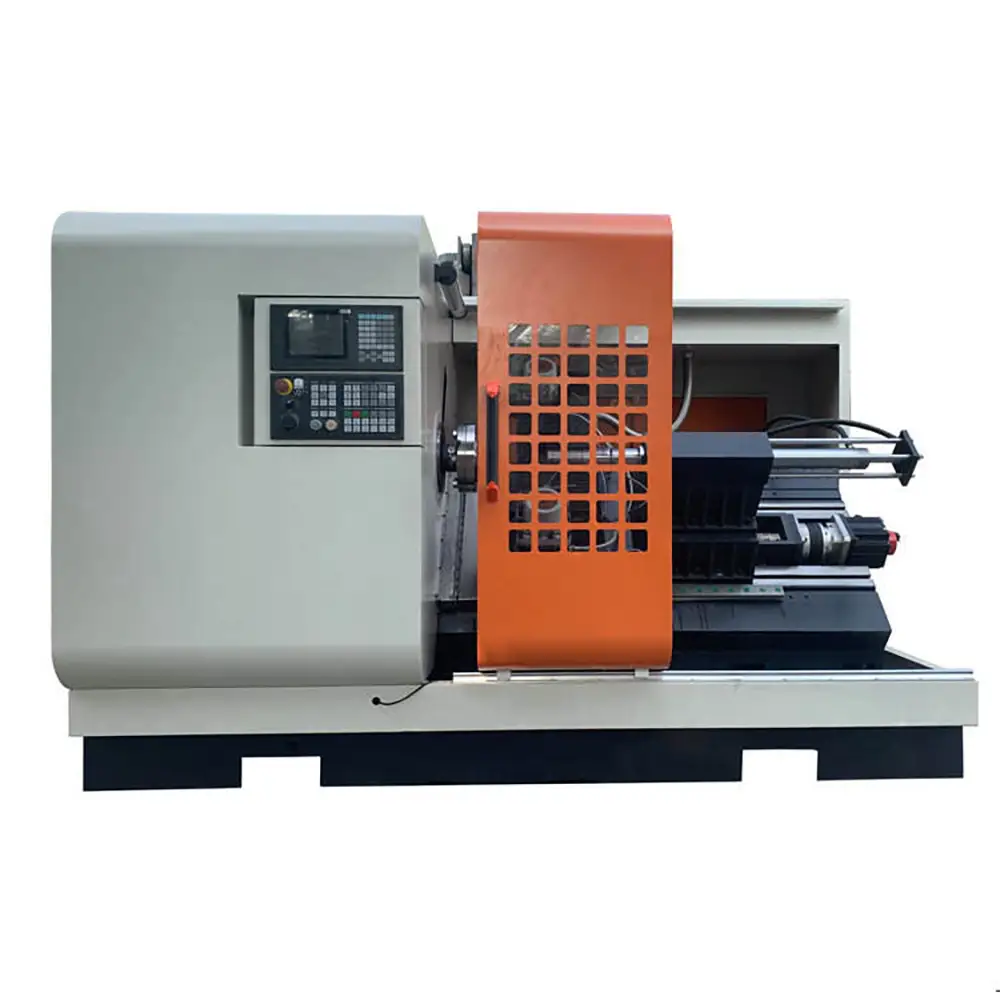
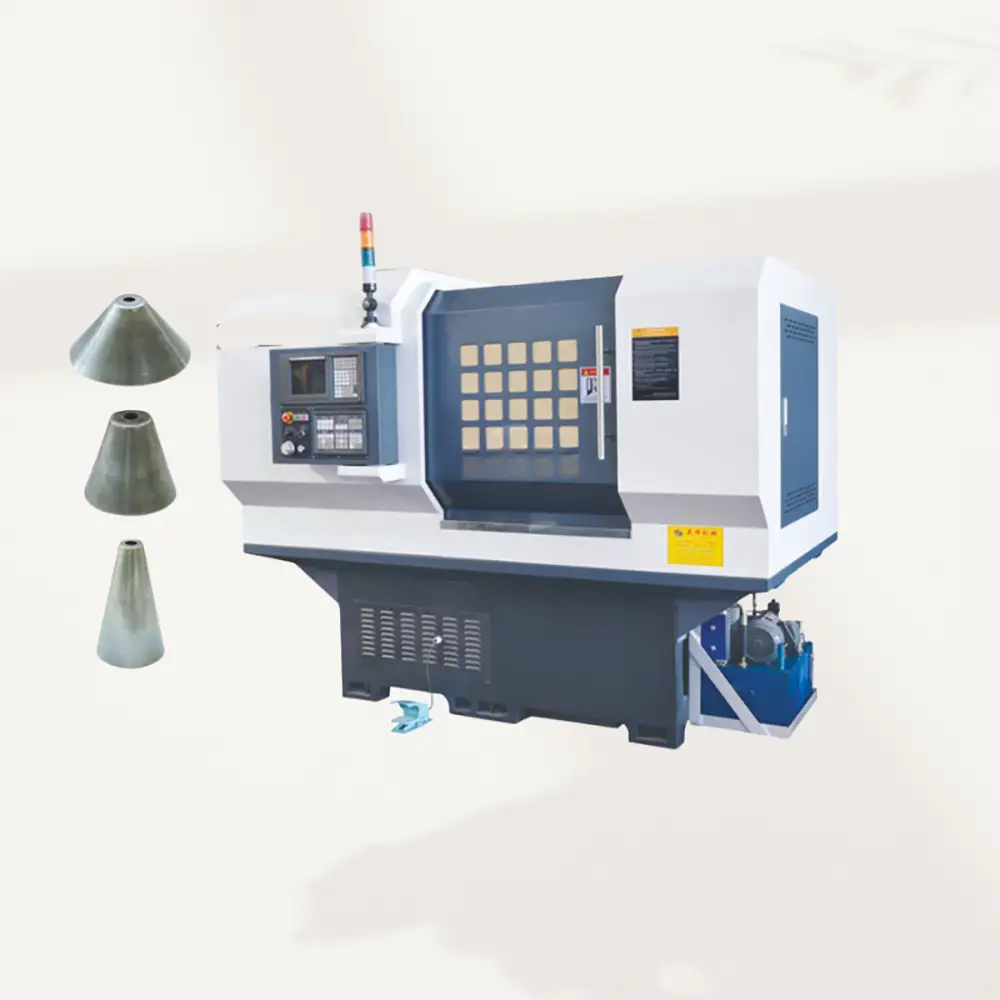
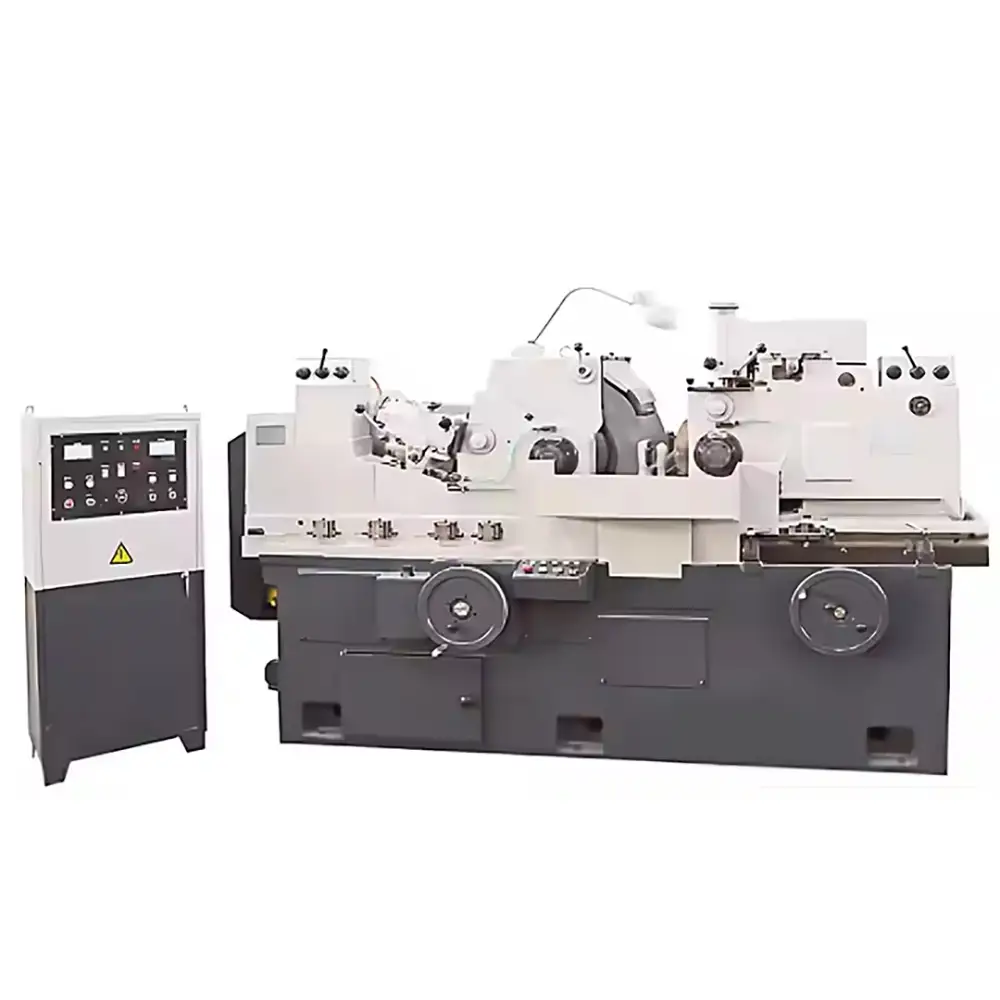
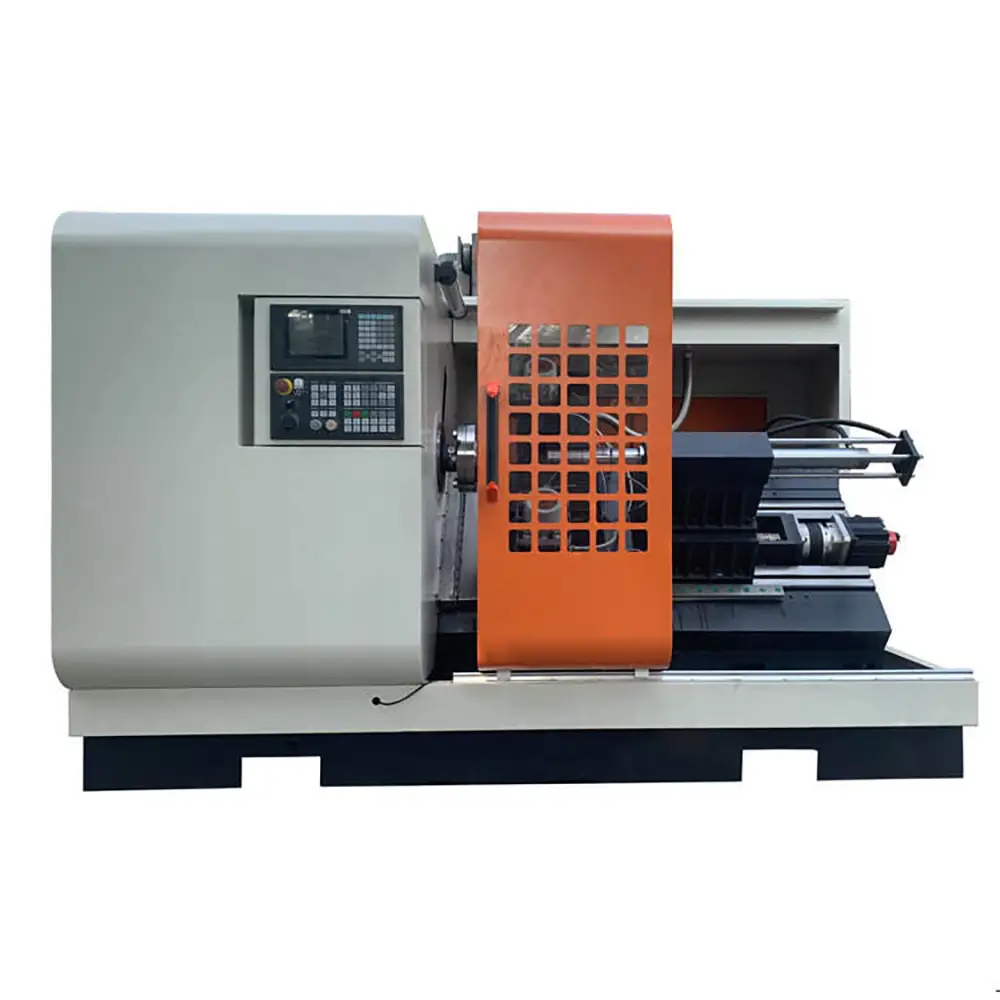
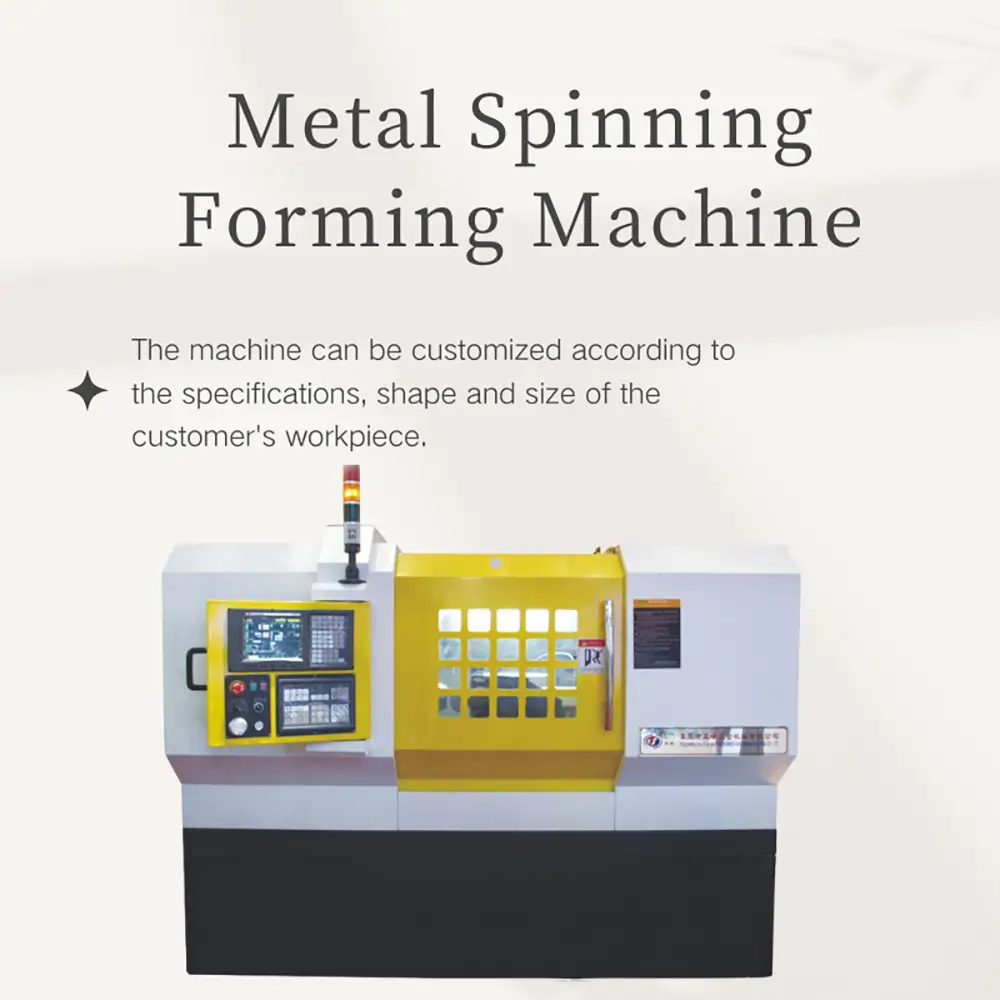
High-Speed CNC Spinning: Achieves precision and efficiency in metal forming processes.
Multi-Axis Control: Offers precise control over X and Z-axis movements for accurate workpiece handling.
Durable Design: Built with robust materials for long-lasting performance.
User-Friendly Interface: Easy-to-operate panel simplifies complex operations.
Wide Range of Applications: Suitable for various metal forming tasks including flanging, crimping, closing, and sealing.
Rotational Molding Machines for Metal Forming, Flanging, Crimping, Closing and Sealing
The Rotational Molding Machine is a specialized metal forming solution designed for shaping, finishing, flanging, crimping, closing, and sealing rotational metal components. It is suitable for manufacturers that need to process cylindrical, round, tubular, and other rotational workpieces with consistent forming results.
Unlike conventional machining methods that remove material through cutting, rotational metal forming uses controlled mechanical force to reshape the edge or body of a metal component. Depending on the tooling and machine configuration, the process can be used to form flanges, create crimps, close open ends, and produce sealed or finished edges.
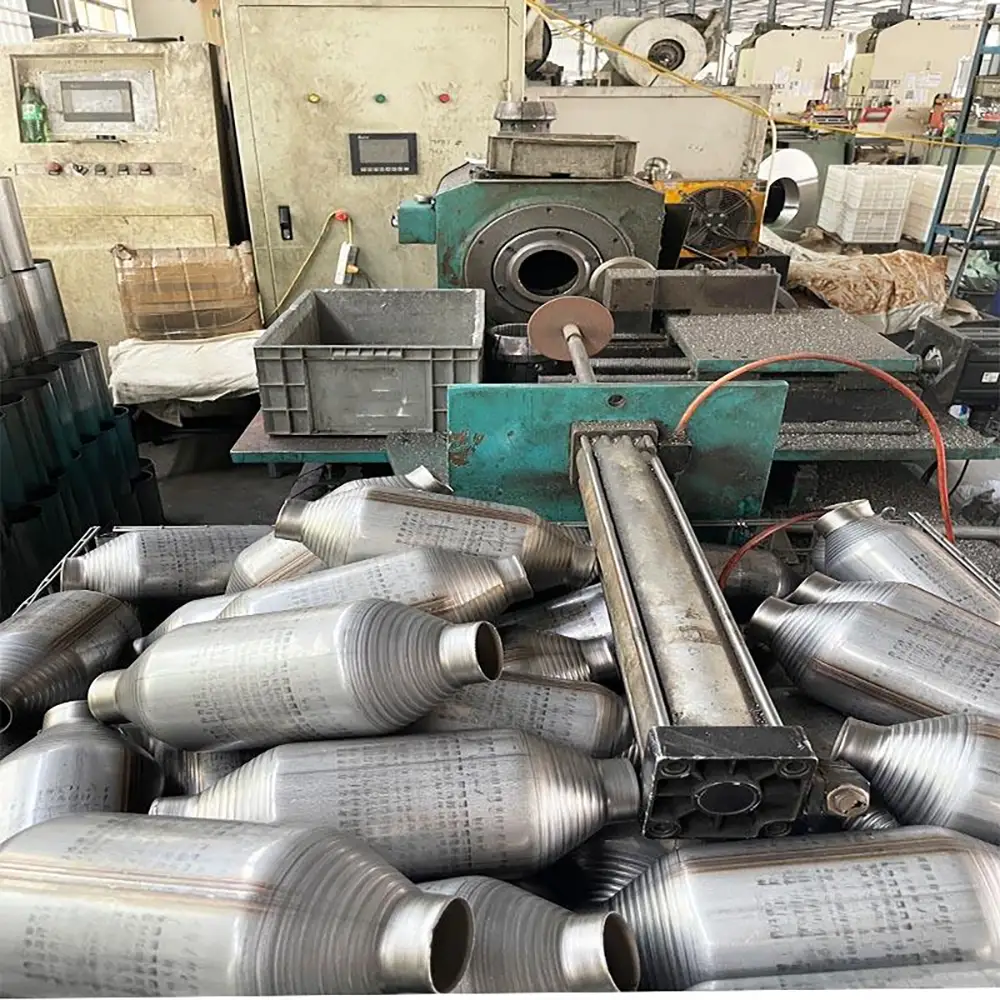
This type of equipment is widely applicable to metal containers, cans, drums, cylinders, lighting components, ducts, housings, filters, automotive components, and other products requiring controlled edge forming.
Versatile Metal Forming Capability
The machine can perform multiple metal forming operations depending on the selected tooling and configuration. These may include:
Flanging
Crimping
Closing
Sealing
Edge Forming
Rim Forming
Curling
Necking
End Closing
Metal Shaping
Combining several operations on one machine can help manufacturers reduce workpiece handling and streamline production.
The exact capabilities depend on the machine model, tooling arrangement, workpiece dimensions, material properties, and required forming process.
Metal Flanging
Flanging is an important application for rotational metal forming. It involves forming or bending the edge of a cylindrical or rotational workpiece to create a flange.
Flanges may be used for joining components, reinforcing an edge, improving structural rigidity, or preparing a component for subsequent assembly.
The machine can be configured with suitable forming tools according to the required flange diameter, angle, width, and profile.
Typical applications include metal containers, ducts, cylinders, housings, automotive components, and industrial fabricated parts.
Metal Crimping
The machine can also perform metal crimping, where controlled pressure is applied to deform an edge or section of a metal component.
Crimping can be used to mechanically join, retain, reinforce, or finish two compatible components.
For container and cylindrical-product manufacturing, controlled crimping can help create consistent edges and improve assembly efficiency.
The appropriate tooling and forming force should be selected according to material type, thickness, component dimensions, and required crimp profile.
Metal Closing
Metal closing refers to forming and reducing an open end of a rotational component to create a closed or partially closed structure.
This operation can be used in the production of containers, cylinders, housings, and other components where an open end needs to be mechanically formed.
The closing process can be configured according to the required final diameter, shape, material thickness, and product geometry.
Metal Sealing
For applications requiring a closed or sealed edge, the machine can perform suitable metal sealing and edge-forming operations.
Depending on the product design, sealing may involve folding, crimping, closing, or mechanically joining metal edges. The final sealing method depends on the required product specifications and whether additional sealing materials or processes are used.
For industrial containers and similar products, controlled edge formation can help achieve consistent geometry and reliable assembly.
Rotational Workpiece Processing
The machine is designed for rotationally symmetrical workpieces. This makes it particularly useful for products with circular or cylindrical geometries.
Typical workpieces may include:
Metal Cans
Metal Containers
Cylinders
Drums
Tubes
Housings
Ducts
Filter Components
Lighting Components
Automotive Parts
Industrial Covers
Circular Metal Components
The maximum workpiece diameter, height, wall thickness, and other dimensions depend on the specific machine configuration.
Suitable Metal Materials
Depending on the machine specification and forming process, suitable materials may include:
Aluminum
Stainless Steel
Carbon Steel
Mild Steel
Galvanized Steel
Copper
Brass
Other Formable Metal Alloys
Material properties have a direct influence on forming performance. Thickness, hardness, ductility, tensile strength, and work-hardening characteristics should be considered when selecting the machine and tooling.
Consistent Forming Results
For industrial production, consistent edge geometry is important for downstream assembly and product quality.
A properly configured rotational metal forming machine can provide controlled movement and forming force to produce repeatable flanges, crimps, closures, and formed edges.
Production consistency depends on machine rigidity, tooling precision, material characteristics, workpiece positioning, forming parameters, and operator setup.
Flexible Tooling
Tooling is one of the most important components of a metal forming machine. Different products require different forming profiles and tooling arrangements.
Custom tooling can be developed for specific:
Flange Profiles
Crimp Profiles
Closing Diameters
Sealing Edges
Rim Shapes
Container Dimensions
Material Thicknesses
For OEM applications, customers can provide product drawings, samples, CAD files, or detailed dimensions to help determine the appropriate tooling solution.
Efficient Production Workflow
Rotational metal forming can help reduce the number of separate operations required to finish a cylindrical component.
For example, a suitable machine configuration may perform edge forming and closing operations without requiring the workpiece to be transferred between multiple machines.
Reducing workpiece handling can help improve production efficiency, simplify production layouts, and reduce setup time.
For repetitive production, semi-automatic or automatic operation can further improve consistency and productivity.
Automatic and Semi-Automatic Options
Depending on the machine model, different levels of automation may be available.
A semi-automatic configuration can allow the operator to load and position the workpiece before initiating the forming cycle.
An automatic configuration may integrate additional functions such as workpiece feeding, clamping, forming, unloading, and other production processes.
The appropriate automation level should be selected according to production volume, workpiece design, labor requirements, and investment budget.
Applications in Metal Container Manufacturing
One of the important applications is metal container manufacturing.
Containers, cans, drums, cylinders, and similar products often require controlled edge forming, closing, crimping, or sealing operations.
The machine can be configured according to the specific container design and production process.
For manufacturers producing different container sizes, interchangeable tooling may provide additional production flexibility.
Applications in Lighting Manufacturing
Rotational metal forming is also useful in lighting manufacturing.
Metal lampshades, reflectors, housings, and other circular lighting components may require edge forming or finishing operations after spinning or forming.
The machine can be incorporated into a larger production line together with metal spinning, trimming, polishing, painting, and assembly processes.
Industrial Applications
The machine can be used across various industries, including:
Metal Container Manufacturing: Cans, drums, cylinders, and containers.
Lighting: Lampshades, reflectors, housings, and circular lighting components.
HVAC: Duct components, transition pieces, and cylindrical fittings.
Automotive: Housings, covers, ducts, and formed metal components.
Industrial Equipment: Cylinders, covers, housings, and mechanical components.
General Fabrication: Custom rotational parts and OEM metal forming applications.
OEM and Custom Manufacturing
The Rotational Molding Machine can be customized for different production requirements.
Customization may include machine capacity, forming tooling, workpiece dimensions, automation level, motor specifications, control system, electrical configuration, safety guarding, and other features.
For B2B customers, providing detailed product drawings and forming requirements allows the machine configuration to be evaluated more accurately.
How to Choose the Right Machine
Before purchasing a metal forming machine, buyers should consider:
Workpiece Diameter
Workpiece Height
Material Type
Material Thickness
Required Flange Profile
Crimping Requirements
Closing Diameter
Sealing Method
Production Volume
Required Automation Level
With flexible tooling and multiple forming capabilities, this Rotational Molding Machine provides a practical solution for manufacturers requiring flanging, crimping, closing, sealing, and other rotational metal forming operations.
5. Why Choose Our Rotational Metal Forming Machine?
1. Multiple Forming Operations
One machine can be configured for flanging, crimping, closing, sealing, and other edge-forming processes.
2. Rotational Workpiece Processing
Designed for cylindrical, tubular, circular, and other rotational metal components.
3. Custom Tooling
Tooling can be configured according to different workpiece dimensions, edge profiles, and forming requirements.
4. Consistent Forming
Controlled forming movement and properly selected tooling help achieve repeatable production results.
5. Wide Material Compatibility
Suitable for various formable metals, including aluminum, stainless steel, carbon steel, copper, brass, and more.
6. Flexible Automation
Semi-automatic and automatic configurations can be considered according to production requirements.
7. Wide Industrial Applications
Suitable for metal containers, drums, cylinders, lighting products, HVAC components, automotive parts, and industrial equipment.
8. OEM & B2B Support
Suitable for manufacturers, distributors, machinery importers, and OEM customers requiring customized metal forming solutions.
6. Main Applications
Rotational Metal Forming Machine can be used for:
Metal Container Manufacturing
Can Manufacturing
Drum Manufacturing
Cylinder Forming
Metal Flanging
Metal Crimping
Metal Closing
Metal Sealing
Edge Forming
Rim Forming
Lampshade Manufacturing
Lighting Reflector Production
HVAC Components
Automotive Metal Parts
Industrial Metal Housings
7. FAQ
Q1: What is a rotational metal forming machine?
A rotational metal forming machine is equipment designed to reshape cylindrical or rotational metal components through controlled mechanical forming operations.
Q2: What operations can this machine perform?
Depending on the configuration, it can perform flanging, crimping, closing, sealing, curling, rim forming, edge forming, and other rotational metal forming operations.
Q3: What is metal flanging?
Metal flanging is the process of forming the edge of a metal component into a flange. It can be used for joining, reinforcement, assembly, or edge finishing.
Q4: Can the machine perform crimping?
Yes. Suitable tooling can be used to crimp or mechanically deform the edge of rotational metal components.
Q5: Can it close metal containers?
Yes. The machine can be configured for suitable end-closing applications involving cylindrical and rotational metal containers.
Q6: Can it perform metal sealing?
It can perform suitable mechanical sealing and edge-forming operations. The exact sealing method depends on the product design and required sealing specification.
Q7: What materials can be processed?
Depending on the machine configuration, materials may include aluminum, stainless steel, mild steel, carbon steel, galvanized steel, copper, brass, and other suitable formable metals.
Q8: Can custom tooling be supplied?
Yes. Custom flanging, crimping, closing, and sealing tooling can be developed according to product drawings and dimensions.
Q9: Is the machine automatic?
Automatic or semi-automatic configurations may be available depending on the machine model and production requirements.
Q10: What products can be made with this machine?
Typical products include metal cans, containers, drums, cylinders, housings, ducts, lampshades, reflectors, and other rotational components.
Q11: Can the machine be used for OEM production?
Yes. OEM configurations can be discussed according to workpiece dimensions, material, forming process, production quantity, automation requirements, and tooling.
Q12: What information is required for a quotation?
Provide the workpiece drawing or dimensions, material, thickness, diameter, height, required forming operation, edge profile, production quantity, and desired automation level.
Prev:
CNC Metal-forming Flow-forming Spinning Machine Metal
Next:
Semi - Automatic Plunge - Grinding Cycle Centerless Grinding Machine for Cylindrical, Conical and Annular Parts
TAG:
Metal Edge Forming Machine,
Sheet Metal Forming Machine,
Automatic Metal Forming Machine,
Industrial Metal Forming Machine,
Metal Forming Equipment,
Cylindrical Metal Forming Machine,
Metal Forming Machine,
Metal Flanging Machine,
Metal Spinning Machine,
Automatic Flanging Machine,
Metal Drum Forming Machine,
Metal Cylinder Forming Machine,
Metal Container Manufacturing Machine,
Rotational Metal Forming Machine,
Metal Forming Machinery,
Precision Metal Forming Machine,
Metal Spinning Forming Machine,
Metal Container Forming Machine,
Rotational Molding Machine,
Rotational Molding Machines,
Metal Crimping Machine,
Metal Closing Machine,
Metal Sealing Machine,
Flanging Machine,
Crimping Machine,
Closing Machine,
Sealing Machine,
Metal Rim Forming Machine,
Metal End Forming Machine,
Metal Container Closing Machine,
Related Category:
Rotational Molding Machine, Rotational Molding Machines, Metal Forming Machine China, suppliers, manufacturers, factory, customized, wholesale, quotation, made in China