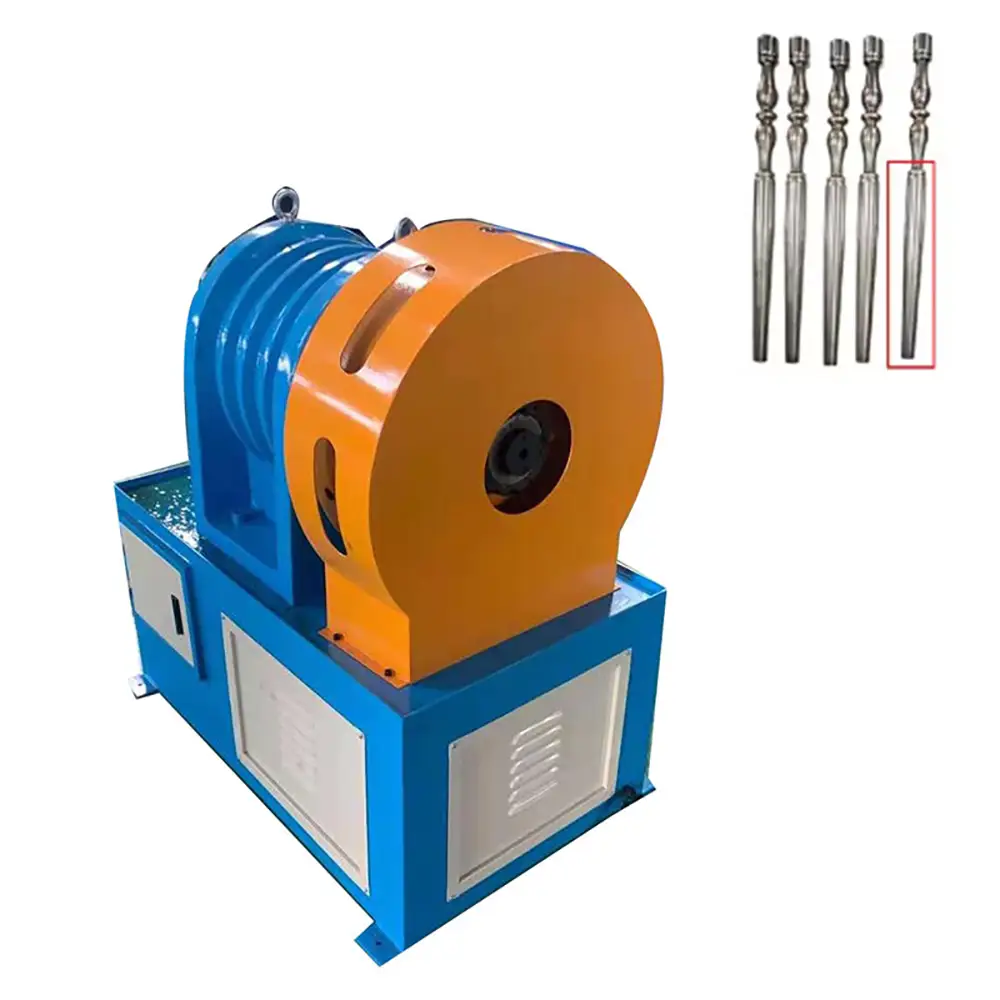
Suitable for furniture tubes, table legs, chair legs and decorative handrails.
Works on carbon steel and stainless steel tubes for multi-scene processing.
Compact small body, lightweight, easy to move and store.
Stable forming effect, smooth tube end without burrs.
Matched replaceable molds for different tube diameters.
Simple structure, low failure rate, easy maintenance.
Low purchase cost, cost-effective for small processing workshops.
No complicated installation, put into use right after unpacking.
Thickened solid frame, wear-resistant and long service life.
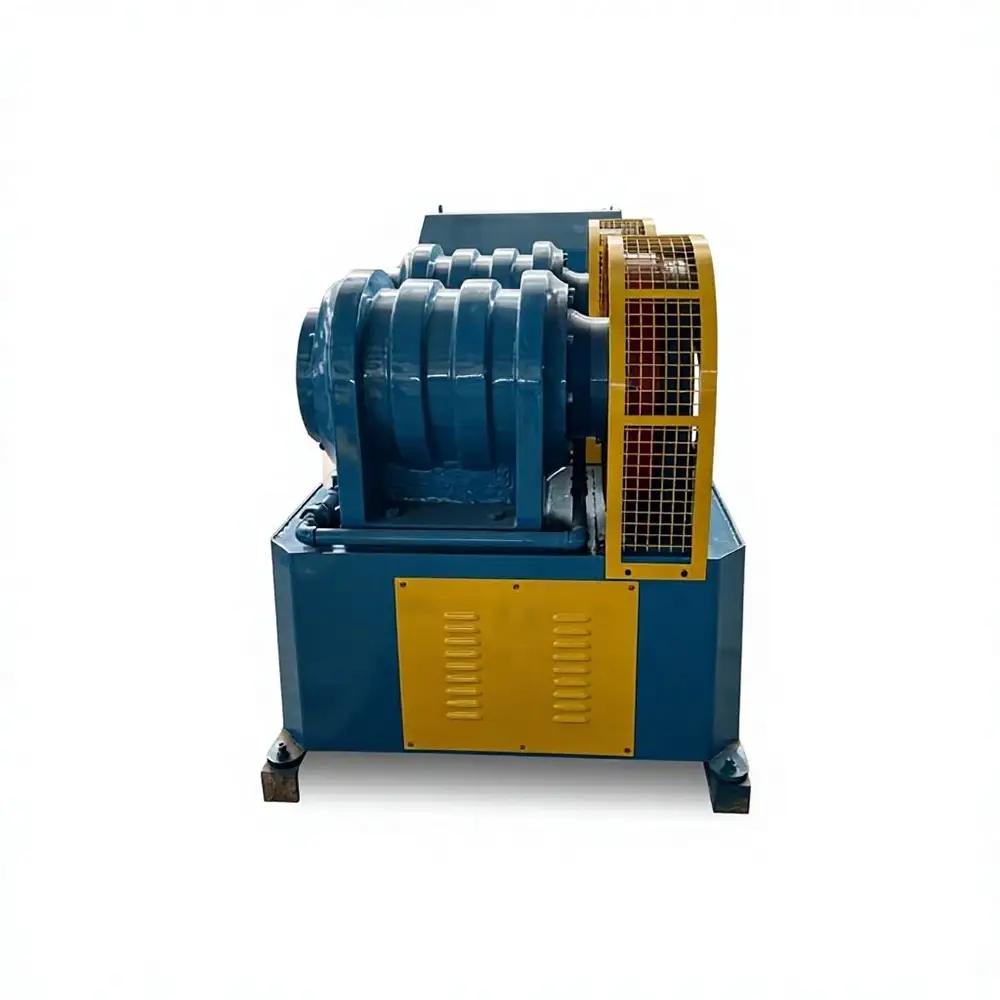
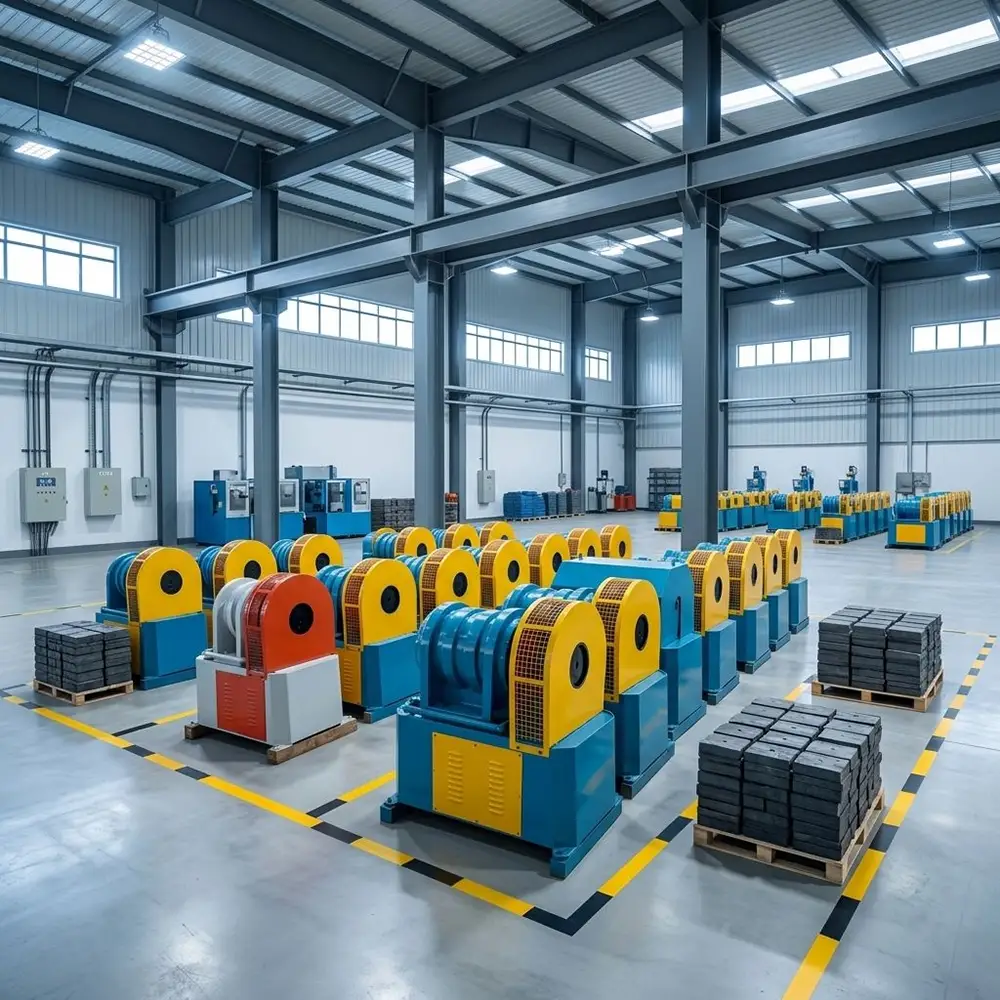
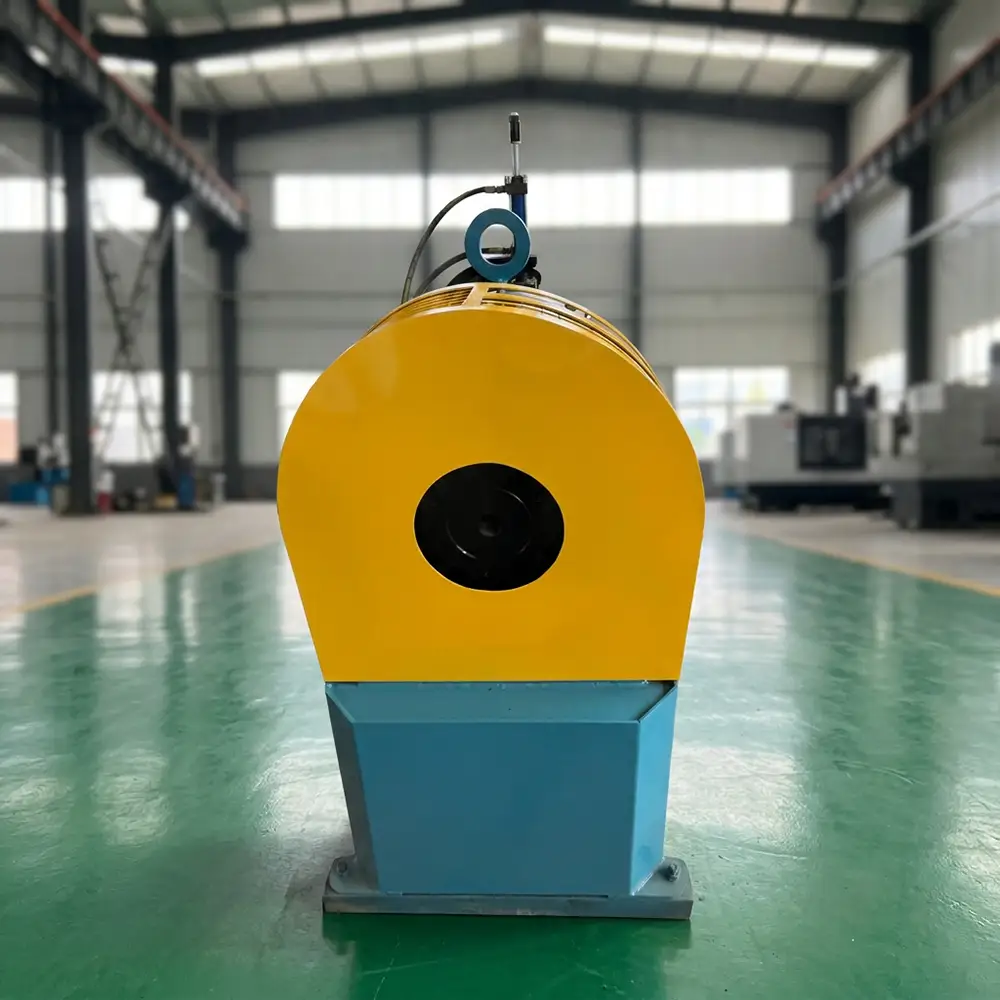
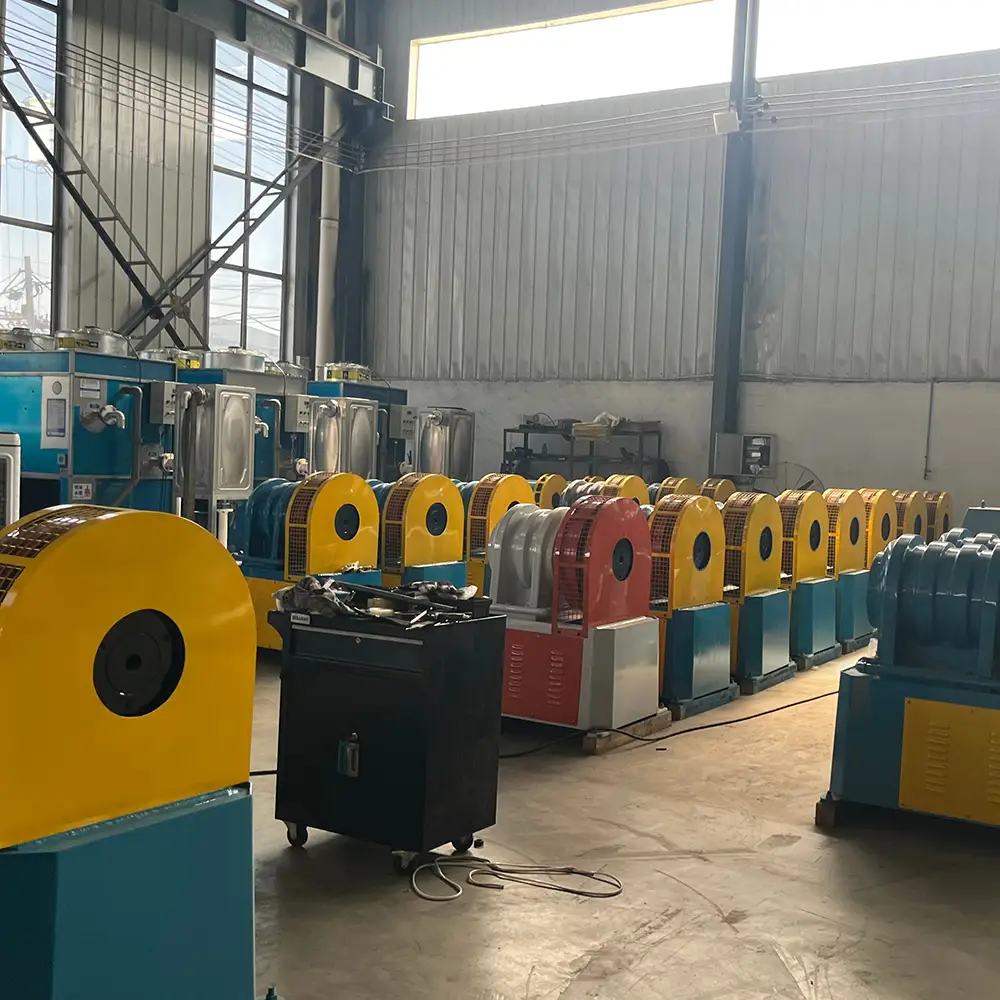
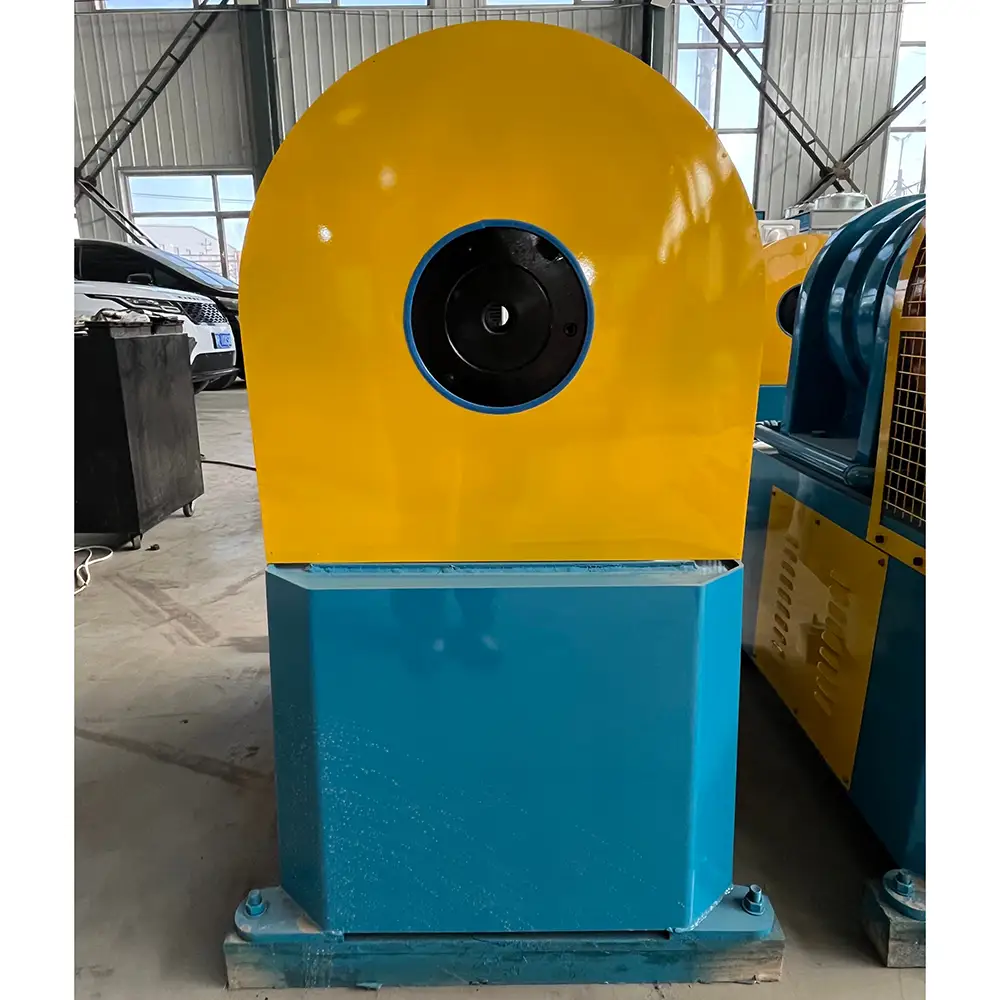
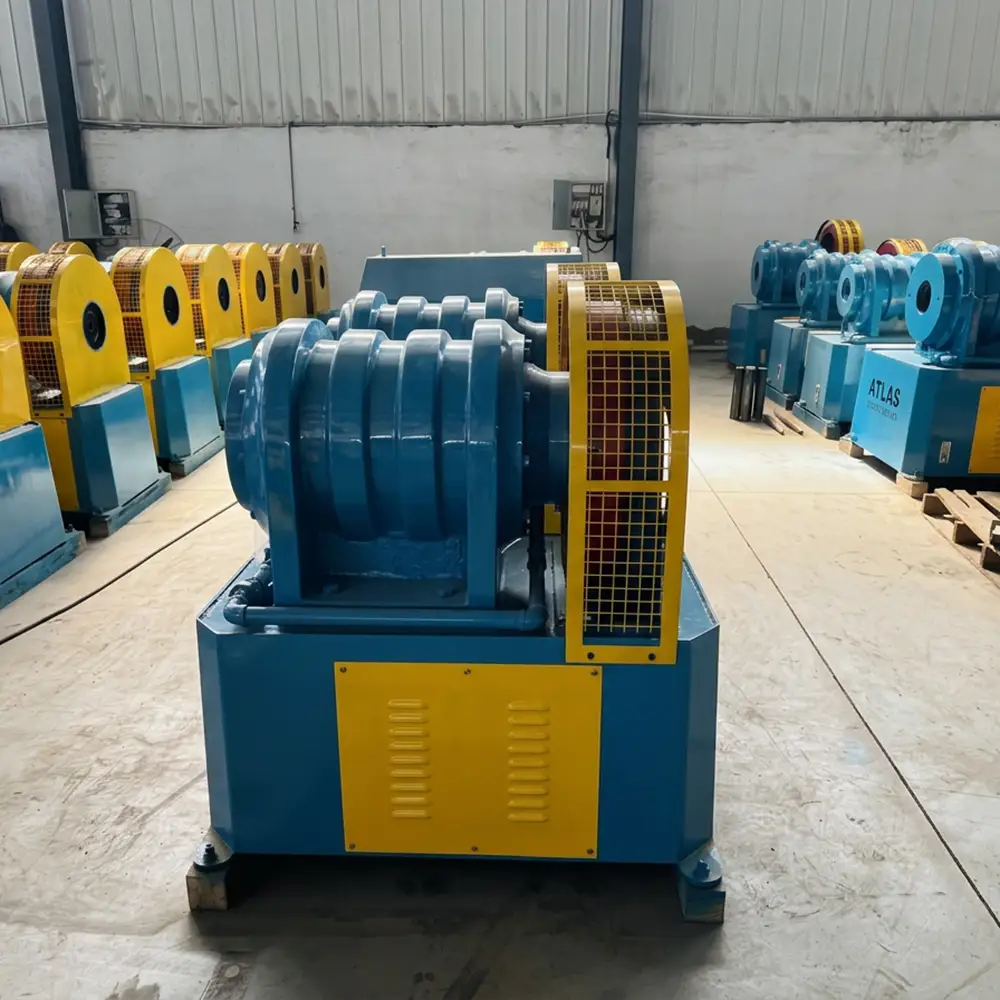
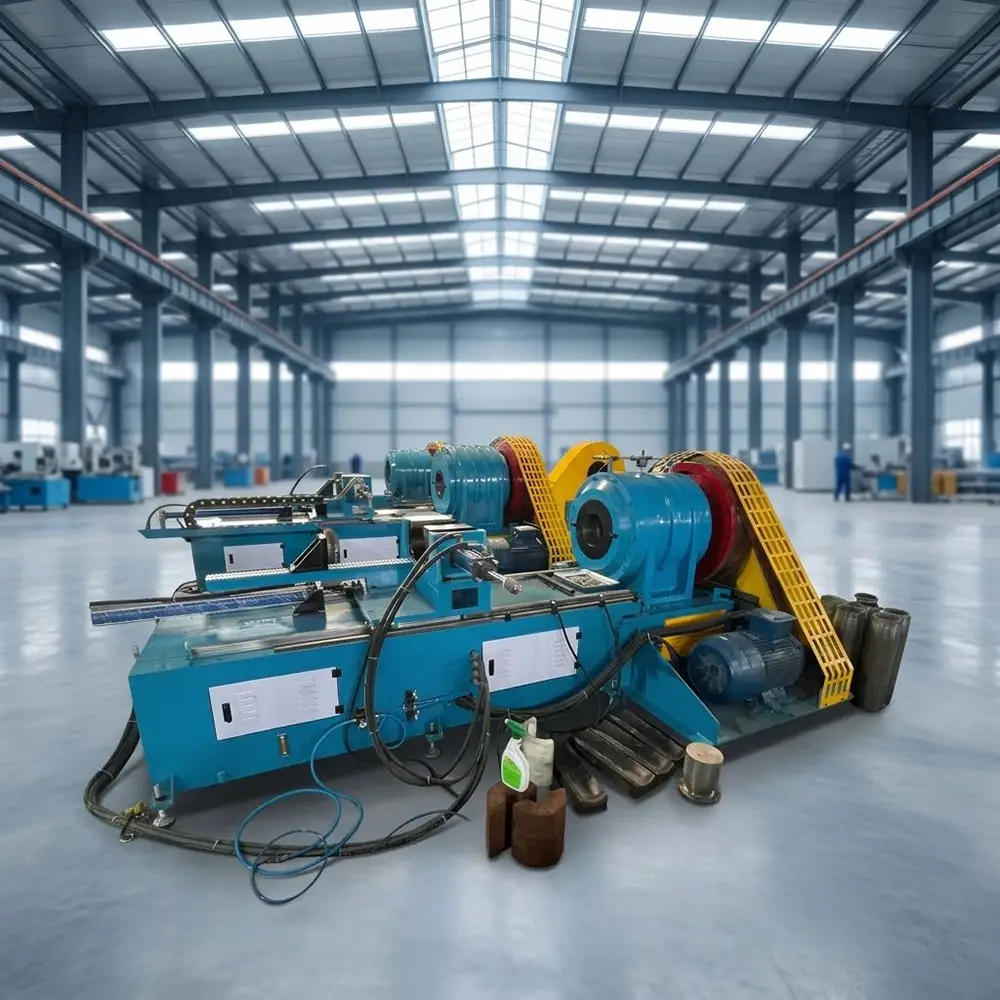
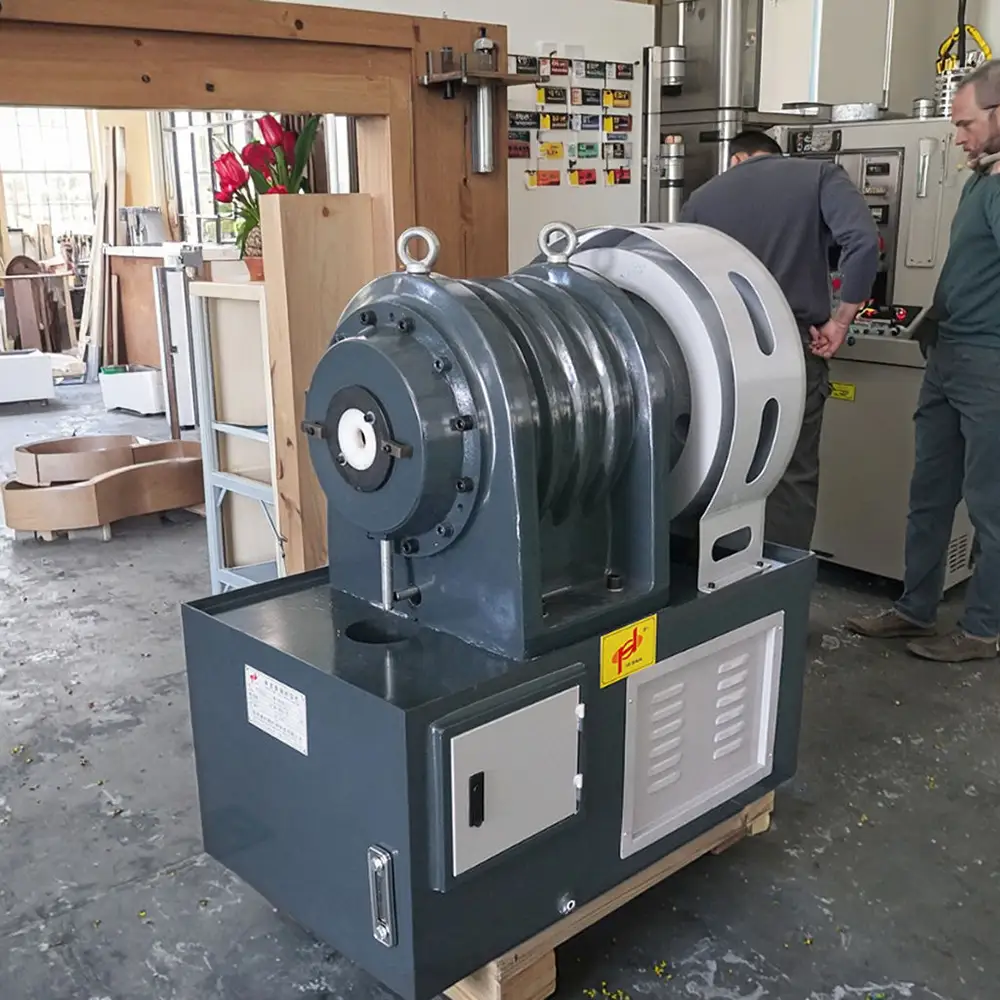
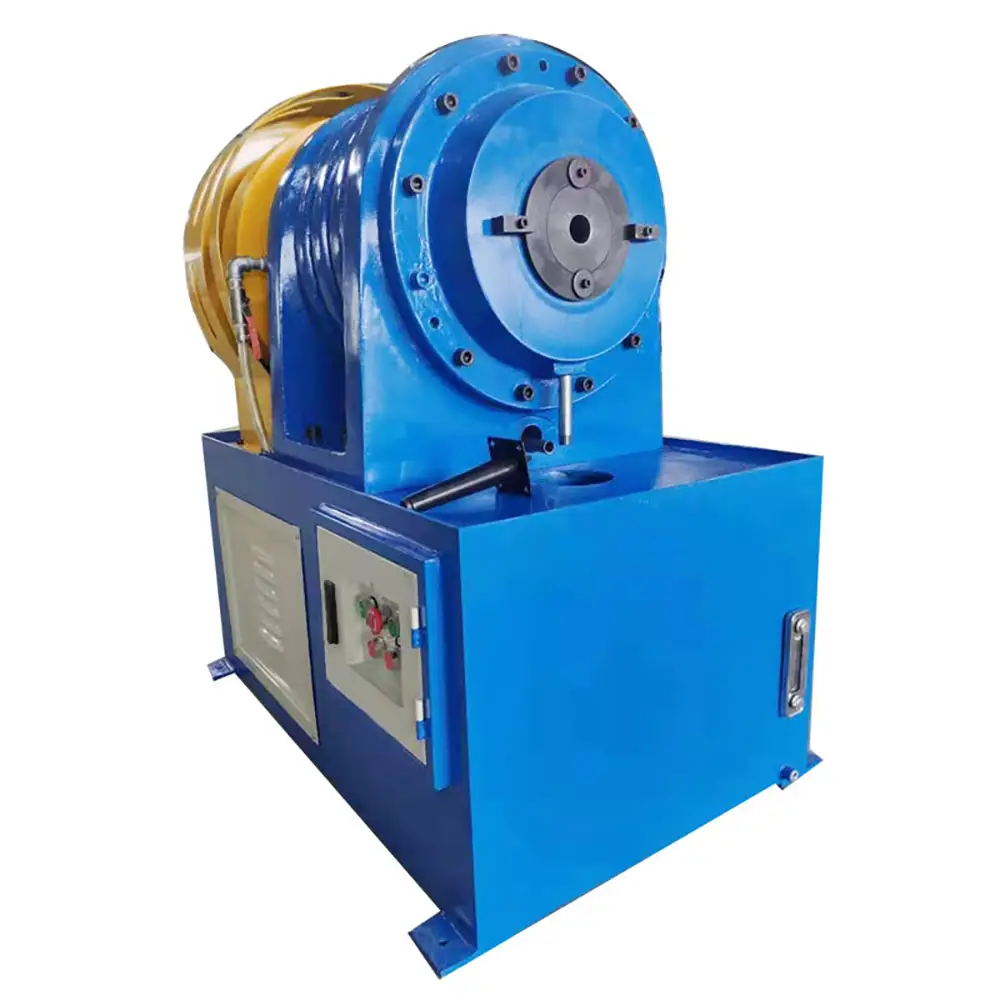
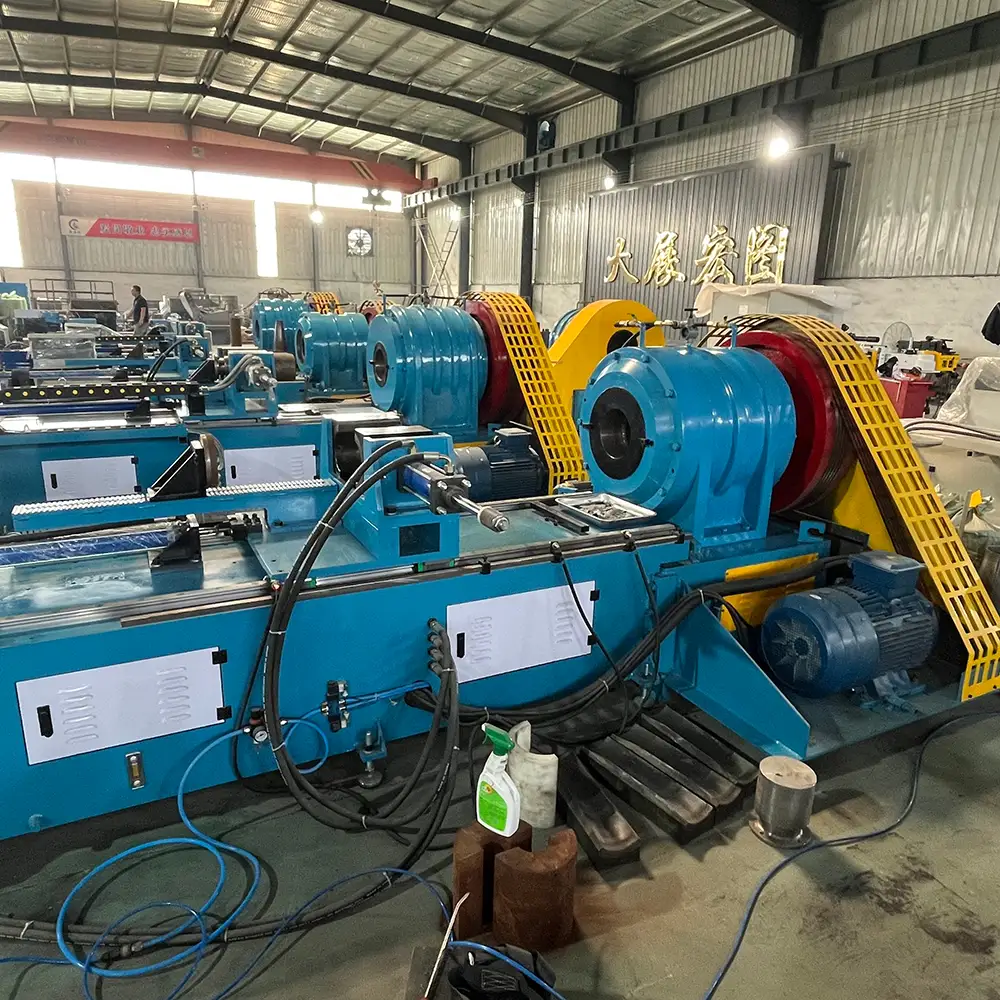
Rotary Pipe Shrinking Machine for Furniture and Decorative Metal Tube Forming
The Rotary Pipe Shrinking Machine Tube End Tapering Swaging Machine is a specialized metal tube forming solution designed for furniture manufacturers,metal fabrication companies,and producers of decorative tubular components. The machine is particularly suitable for forming table legs,chair legs,furniture frames,and other decorative metal tube products that require tapered,reduced,shrunk,or swaged tube ends.
By combining rotary shrinking,tube end tapering,and swaging operations,the machine can reshape selected sections of a metal tube without relying on conventional chip-removal cutting. The forming process uses dedicated dies and controlled mechanical force to gradually reduce the tube diameter and create the required end geometry.
This equipment can be configured for different tube materials,sizes,and finished shapes. The actual forming capability depends on the tube outside diameter,wall thickness,material properties,required reduction,and tooling configuration.
Rotary Pipe Shrinking Technology
Rotary shrinking is a mechanical forming process used to reduce the diameter of a selected section of a metal tube or pipe. During processing,forming dies apply controlled radial force around the workpiece.
The rotary action allows the material to be progressively reshaped rather than relying on a single large deformation. This can be useful for producing reduced ends,tapered sections,and customized furniture tube geometries.
For furniture manufacturing,the process can create tube ends that fit into other components or provide a visual transition between different sections of a chair or table leg.
The exact reduction ratio and forming sequence should be established according to the tube material,diameter,wall thickness,and finished product requirements.
Tube End Tapering
Tube end tapering creates a gradual reduction from the original tube diameter to a smaller diameter. This is especially useful for furniture components where the tube end needs to create a decorative or functional transition.
Tapered tube ends may be used in:
Metal Table Legs
Chair Legs
Furniture Frames
Stool Legs
Decorative Supports
Bed Frames
Display Stands
Shelving Systems
Retail Fixtures
Architectural Metal Products
The taper profile is determined by the forming die. Different taper angles and end diameters require different tooling configurations.
For custom furniture products,customers should provide finished-part drawings or samples so the taper geometry can be matched to the intended application.
Tube Swaging Process
Swaging is a metal forming method that changes the cross-sectional dimensions of a tube through controlled mechanical pressure. For tube-end applications,it can be used to reduce the diameter,create a smaller connection section,or produce a specific decorative profile.
The swaging process can be particularly useful for furniture tubes because the finished end may need to fit into another tube,connector,bracket,or furniture component.
Compared with manually grinding or cutting the tube end,the controlled forming process can provide a more repeatable geometry when suitable tooling and machine settings are used.
Swaging can also help create a smooth transition between different tube diameters,depending on the selected tooling.
Furniture Table Leg Tube Forming
Furniture manufacturing is one of the key applications for this type of tube-forming machine.
Metal table legs often require tapered or reduced ends for visual design,assembly,and connection with feet or other components. Rotary tube shrinking can create these reduced sections using dedicated forming dies.
Applications may include:
Dining Table Legs
Coffee Table Legs
Office Table Legs
Conference Table Legs
Side Table Legs
Bar Table Legs
Metal Desk Frames
Folding Furniture Components
For furniture manufacturers producing multiple designs,the machine can be equipped with different tooling sets to process different tube sizes and end geometries.
Chair Leg Tube Forming
Chair legs are another common application. Metal chair legs may use round tubes that require end reduction,tapering,or swaging before assembly.
A formed chair-leg end can be designed to connect with feet,brackets,frame sections,or other furniture components.
The machine can be used for suitable steel,stainless steel,aluminum,and other metal tubes depending on the machine configuration.
The final appearance is influenced by the tube material,forming die,surface condition,and process parameters. Decorative furniture applications may require additional finishing such as polishing,brushing,painting,or powder coating after forming.
Decorative Metal Tube Processing
Decorative metal tubes are widely used in modern furniture,architectural products,and interior fixtures. Tube-end forming can help manufacturers create distinctive shapes without relying entirely on welding or additional fabricated components.
Possible decorative applications include:
Decorative Furniture Legs
Metal Chair Frames
Table Bases
Display Racks
Decorative Railings
Interior Fixtures
Retail Displays
Hotel Furniture
Restaurant Furniture
Custom Metal Furniture
Tapered and reduced tube ends can provide a cleaner transition between components and can contribute to the overall visual design of the finished product.
Material Compatibility
The machine can be configured for different metal tube materials depending on the forming system and tooling.
Potential materials include:
Carbon Steel
Mild Steel
Stainless Steel
Aluminum
Brass
Copper
Alloy Steel
Each material has different mechanical properties. Stainless steel may require different forming conditions from mild steel,while aluminum may require careful control of deformation to avoid surface damage or excessive distortion.
Customers should provide the exact material grade and tube dimensions before selecting the machine.
Tooling and Forming Dies
Tooling plays a major role in rotary tube shrinking and swaging.
The forming die determines the final tube-end geometry and influences the surface finish and dimensional consistency. Different furniture products may require different dies.
Tooling can be designed for:
Tube End Shrinking
Diameter Reduction
Tube End Tapering
Conical Forming
Swaging
Necking
Step Reduction
Decorative End Forming
Custom Tube Profiles
For manufacturers with multiple furniture product lines,additional die sets can allow the same machine platform to process different tube specifications.
Production Efficiency
Rotary tube forming can help improve production efficiency by replacing some manual tube-end shaping operations with a controlled mechanical process.
Once suitable tooling and machine parameters have been established,the same forming sequence can be repeated for batches of identical components.
Actual production output depends on tube size,material,forming ratio,loading method,tooling,operator workflow,and the complexity of the finished shape.
For larger furniture production facilities,the machine can be combined with tube cutting,feeding,drilling,welding,and finishing equipment as part of a complete manufacturing process.
Forming Quality and Appearance
Furniture components often require both dimensional consistency and good visual appearance. The forming process should therefore be controlled to minimize unwanted deformation,surface marks,and dimensional variation.
Proper workpiece positioning and suitable die design are important for maintaining the required tube geometry.
After forming,the tube can undergo additional processes such as polishing,brushing,painting,powder coating,or welding depending on the furniture design.
For visible decorative components,customers should communicate surface requirements before tooling is manufactured.
Maintenance and Safety
Rotary pipe shrinking and swaging equipment contains moving forming components and generates significant mechanical force. Operators should follow the manufacturer's instructions and applicable workplace safety requirements.
Routine maintenance may include checking forming dies,drive components,fasteners,lubrication points,and workholding systems. Metal debris should be removed regularly from the machine.
Forming dies should be inspected for wear because damaged tooling can affect tube dimensions and surface quality.
Operators should keep hands away from moving components and use appropriate protective equipment during operation.
OEM and Custom Furniture Tube Forming
Furniture manufacturers often have unique tube shapes and product designs. The machine can therefore be configured for specific production requirements.
OEM and ODM options may include customized dies,fixtures,workpiece supports,feeding systems,controls,and forming mechanisms.
Customers should provide the tube material,outside diameter,wall thickness,tube length,required taper angle,final end diameter,and finished product drawings or samples.
This information helps determine the appropriate machine configuration and tooling for table legs,chair legs,and other decorative metal tube components.
Why Choose Us
Rotary Tube Shrinking Technology
Provides controlled radial forming for reducing and reshaping suitable metal tube sections.
Tube End Tapering
Supports tapered and conical tube ends for furniture and decorative metal applications.
Swaging And Diameter Reduction
Suitable for creating reduced tube ends and connection sections according to tooling requirements.
Furniture Manufacturing Applications
Designed for table legs,chair legs,furniture frames,stools,and decorative tubular components.
Flexible Material Options
Can be configured for suitable carbon steel,stainless steel,aluminum,copper,brass,and alloy steel tubes.
Custom Forming Dies
Dedicated tooling can be developed for different tube diameters,end shapes,and furniture designs.
Repeatable Batch Production
Controlled forming parameters can support consistent tube-end geometry for repeated production.
OEM And ODM Support
Machine configuration and tooling can be customized for furniture manufacturers,metal fabricators,and industrial buyers.
FAQs
1. What is a rotary pipe shrinking machine?
A rotary pipe shrinking machine uses controlled radial forming action to reduce the diameter of a selected section of a metal pipe or tube.
2. Can it taper furniture table legs?
Yes. With suitable forming dies,the machine can create tapered or reduced sections on metal table legs.
3. Can it process chair legs?
Yes. Suitable round metal tubes used for chair legs can be processed through shrinking,tapering,or swaging operations.
4. What is tube swaging?
Tube swaging is a mechanical forming process that changes the diameter or profile of a tube through controlled forming pressure.
5. Can the machine make decorative tube ends?
Yes. Custom tooling can be developed for decorative,reduced,tapered,or specially shaped tube ends.
6. What materials can be processed?
Depending on the machine configuration,it can process suitable carbon steel,mild steel,stainless steel,aluminum,copper,brass,and alloy steel tubes.
7. Can stainless steel furniture tubes be formed?
Yes,when the machine and tooling are correctly configured for the stainless steel grade,tube diameter,and wall thickness.
8. Can aluminum tubes be processed?
Suitable aluminum tubes can be processed depending on the alloy,dimensions,required reduction,and forming configuration.
9. Does each tube size require different tooling?
Different tube sizes and finished shapes generally require appropriately designed forming dies. A machine may use interchangeable tooling for multiple products.
10. Can the machine reduce the tube diameter?
Yes. Tube end shrinking and diameter reduction are primary applications of rotary swaging and related forming processes.
11. What affects the finished tube shape?
Material properties,tube diameter,wall thickness,reduction ratio,die design,forming parameters,workpiece alignment,and machine configuration all affect the finished shape.
12. What information should I provide for a quotation?
Provide tube material and grade,outside diameter,wall thickness,tube length,required end diameter,taper angle,finished shape,production volume,and product drawings or samples.
Prev:
Semi-Automatic Round Tube End Pointing Tapering Machine for Solar Ground Screw Helical Pile Processing
Next:
Rotary Swaging Tube End Tapering Shrinking Machine
TAG:
Pipe Diameter Reducing Machine,
Tube Diameter Reducing Machine,
Pipe End Processing Machine,
Automatic Tube End Forming Machine,
Tube End Processing Machine,
Chair Leg Tube Forming Machine,
Table Leg Tube Forming Machine,
Furniture Leg Tube Forming Machine,
Stainless Steel Tube Forming Machine,
Pipe End Reducing Machine,
Tube Swaging Machine,
Pipe Swaging Machine,
Pipe Necking Machine,
Tube Necking Machine,
Tube End Tapering Machine,
Pipe End Tapering Machine,
Tube Tapering Machine,
Tube End Reducing Machine,
Pipe Reducing Machine,
Pipe Shrinking Machine,
Tube Shrinking Machine,
Tube Reducing Machine,
Tube End Shrinking Machine,
Pipe End Shrinking Machine,
Tube End Forming Machine,
Pipe End Forming Machine,
Hydraulic Tube End Forming Machine,
Automatic Tube Swaging Machine,
Hydraulic Tube Swaging Machine,
Industrial Tube Forming Machine,
Related Category:
Rotary Pipe Shrinking Machine,Tube End Tapering Machine,Tube Swaging Machine,Furniture Tube End Forming Machine,Table Le China, suppliers, manufacturers, factory, customized, wholesale, quotation, made in China