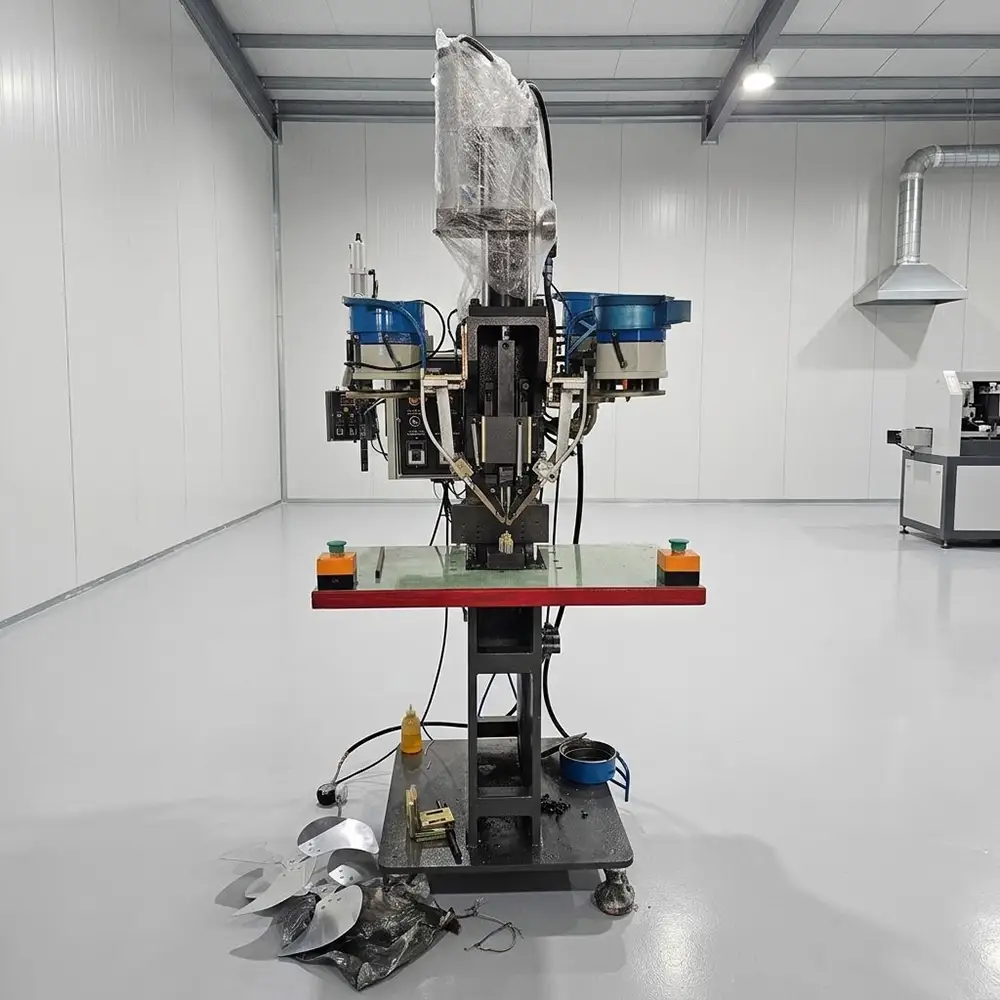
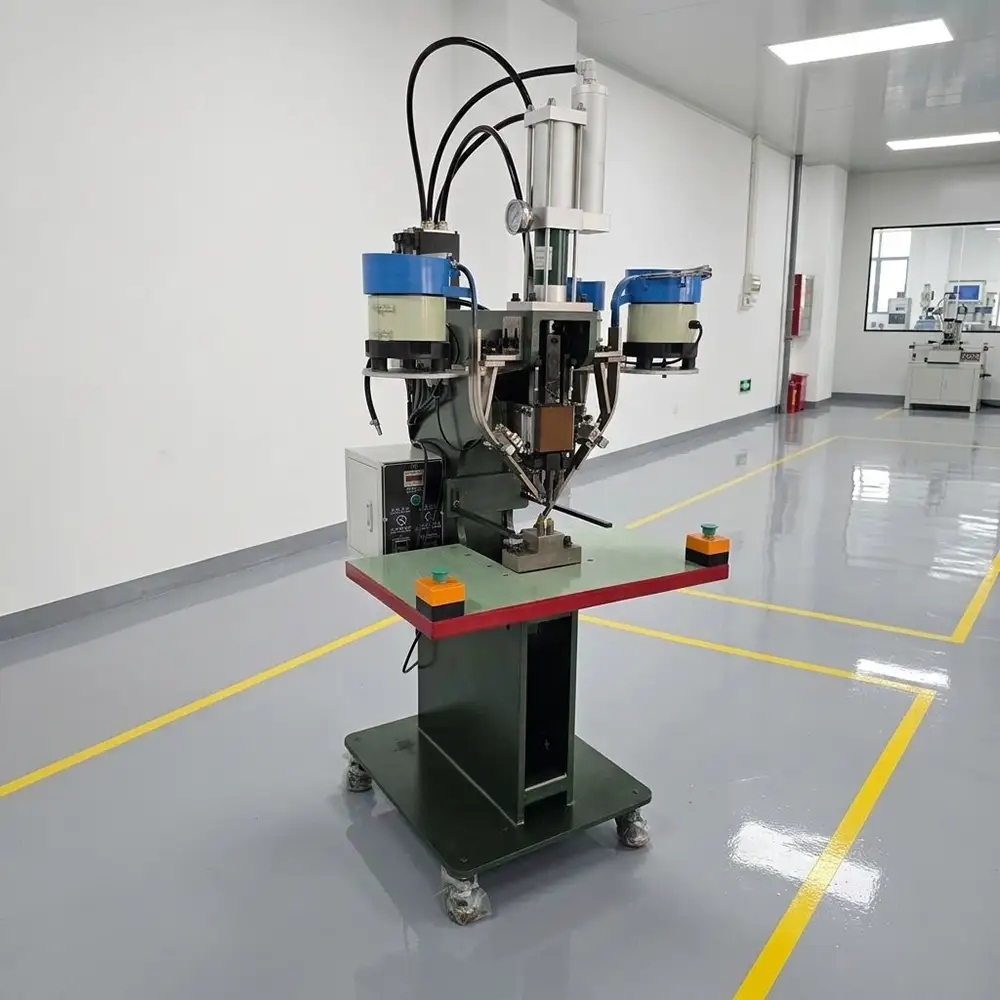
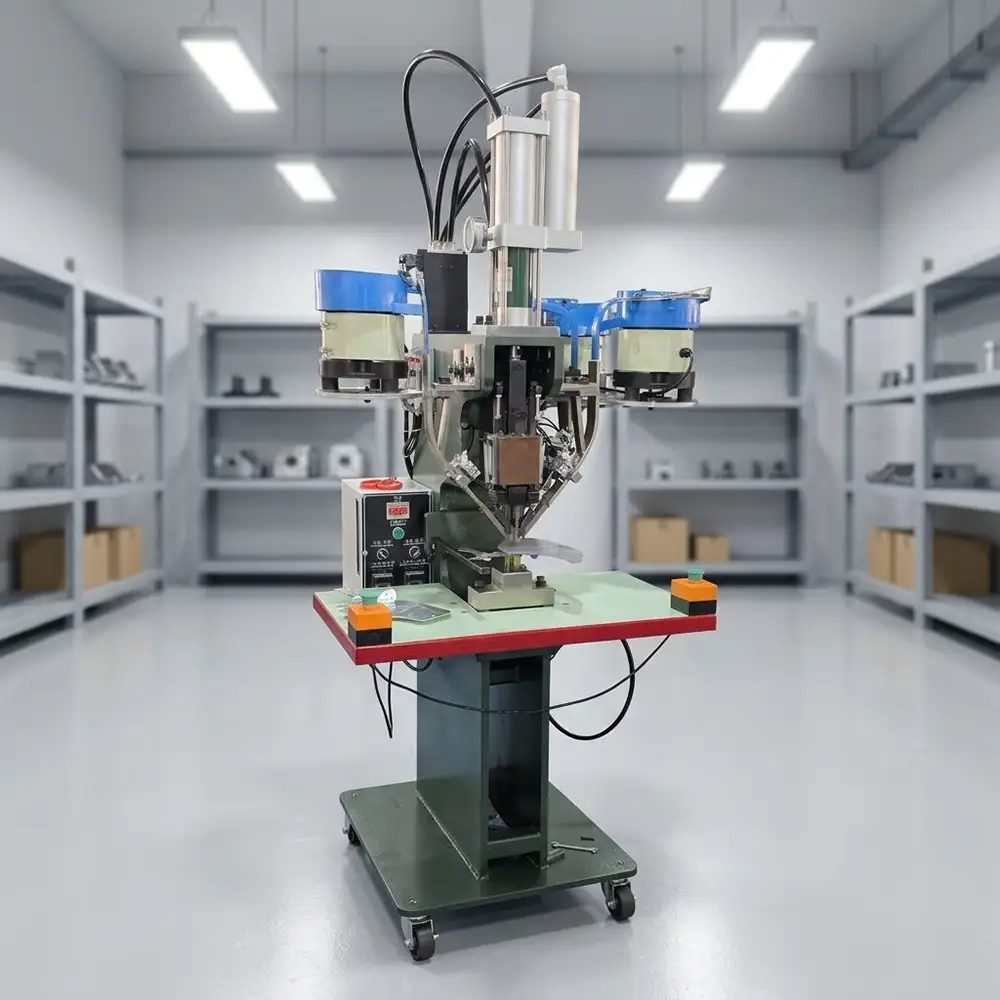
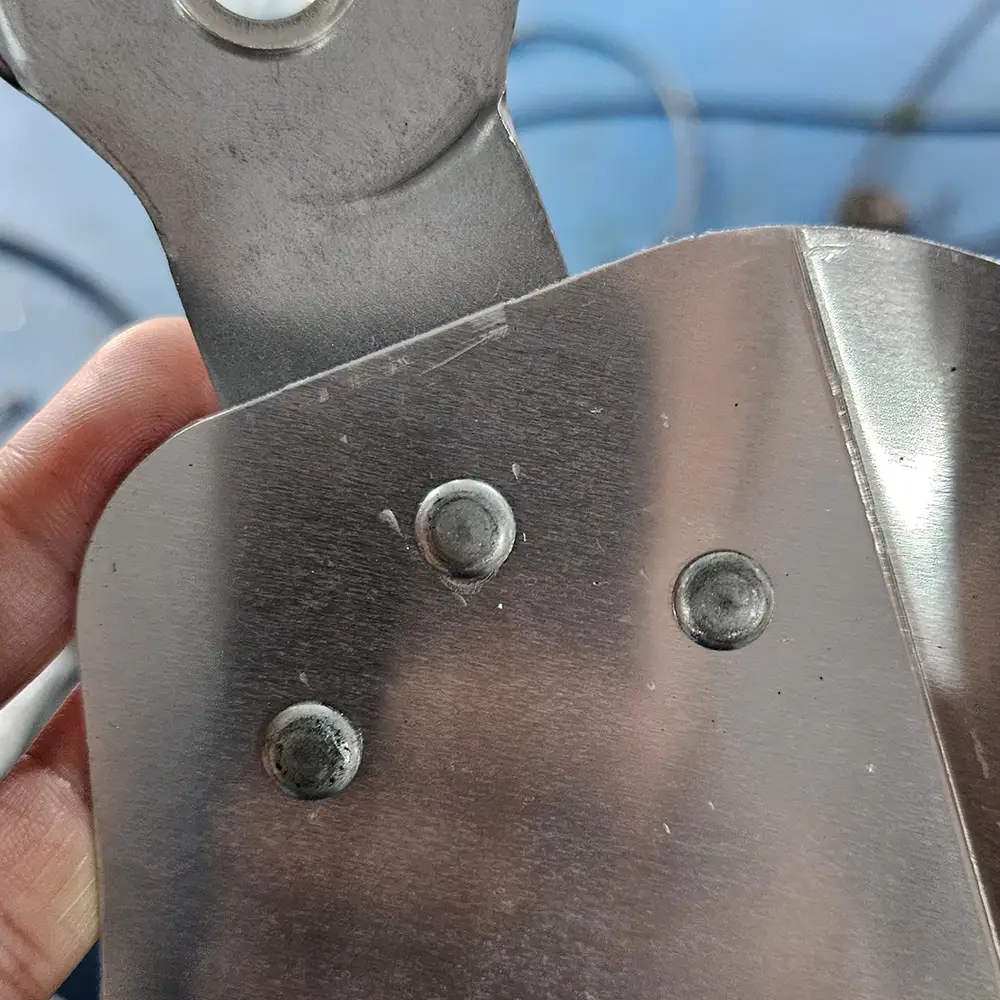
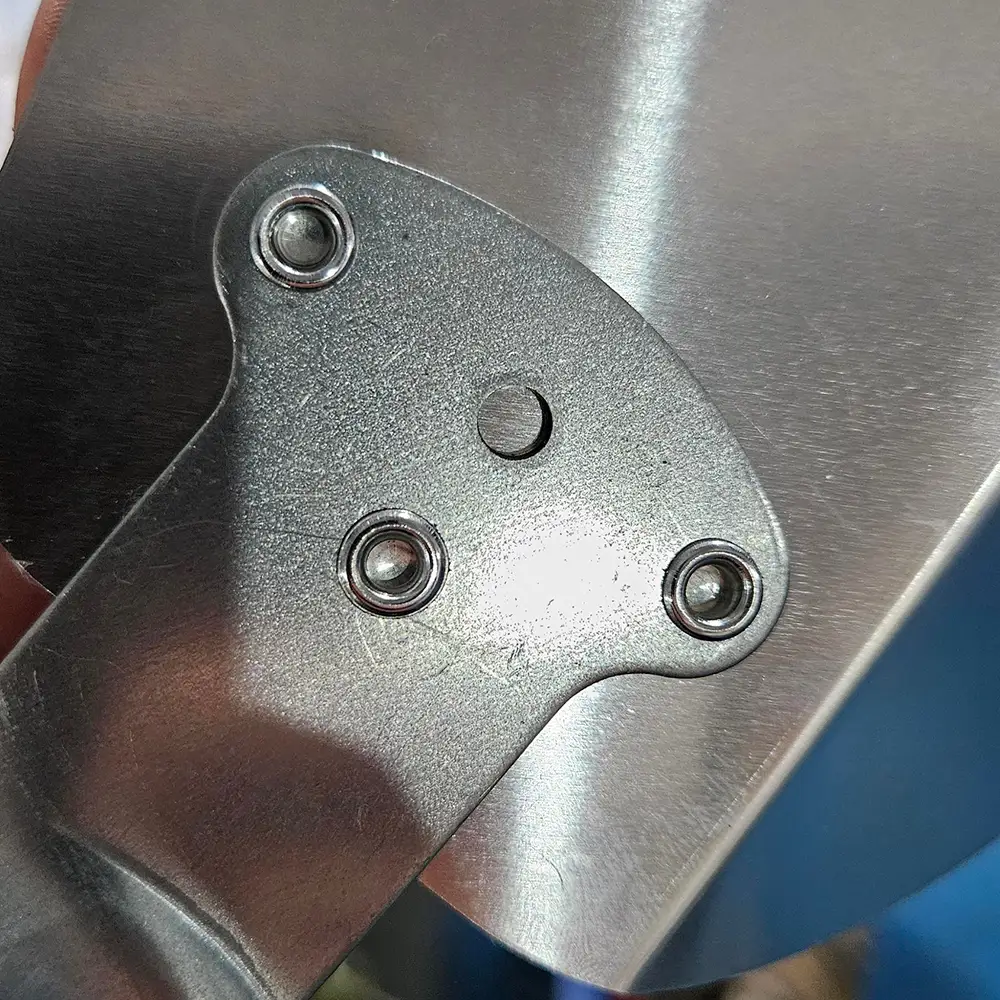
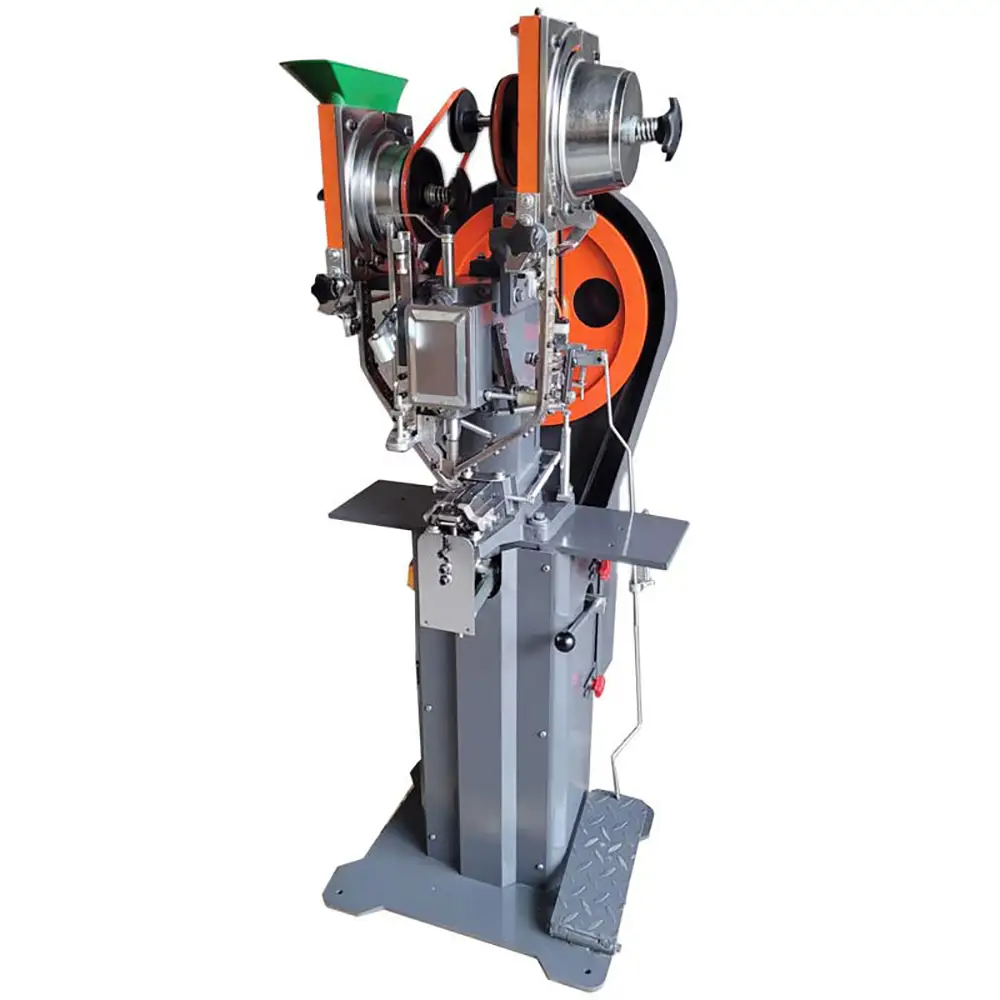
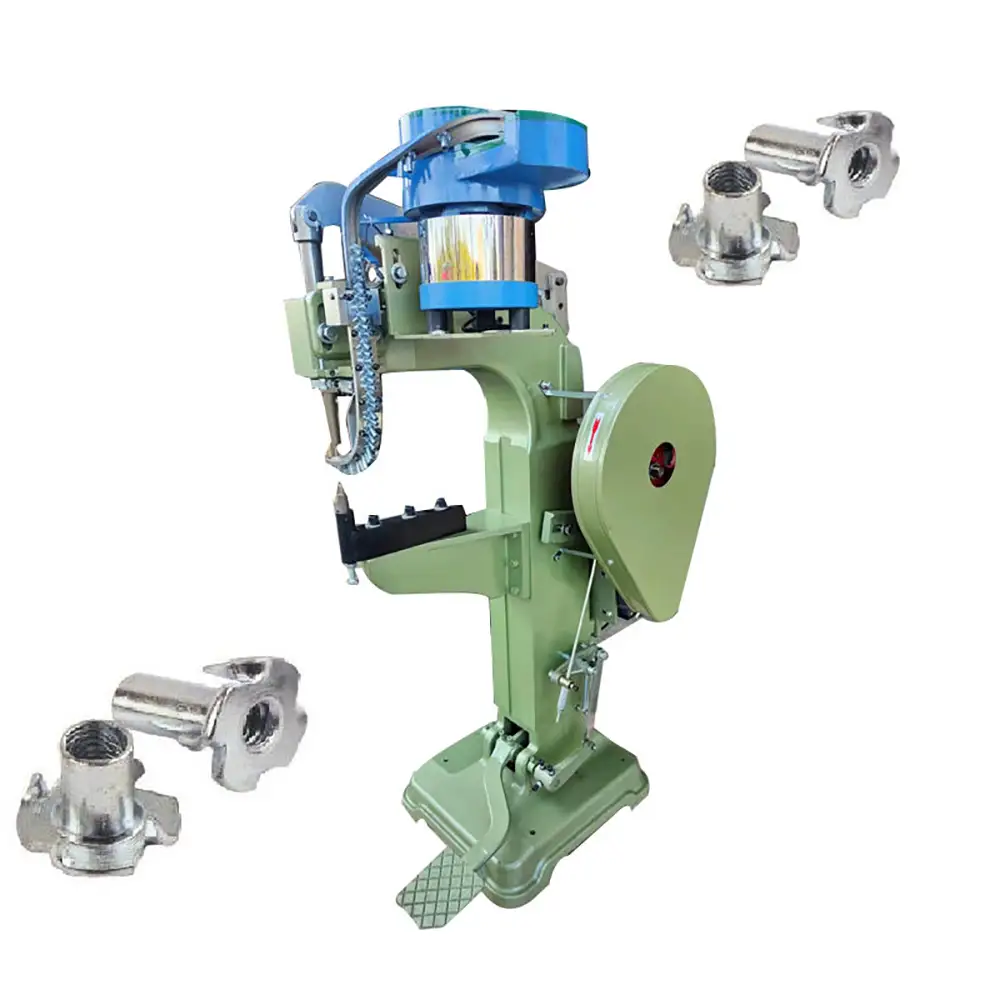
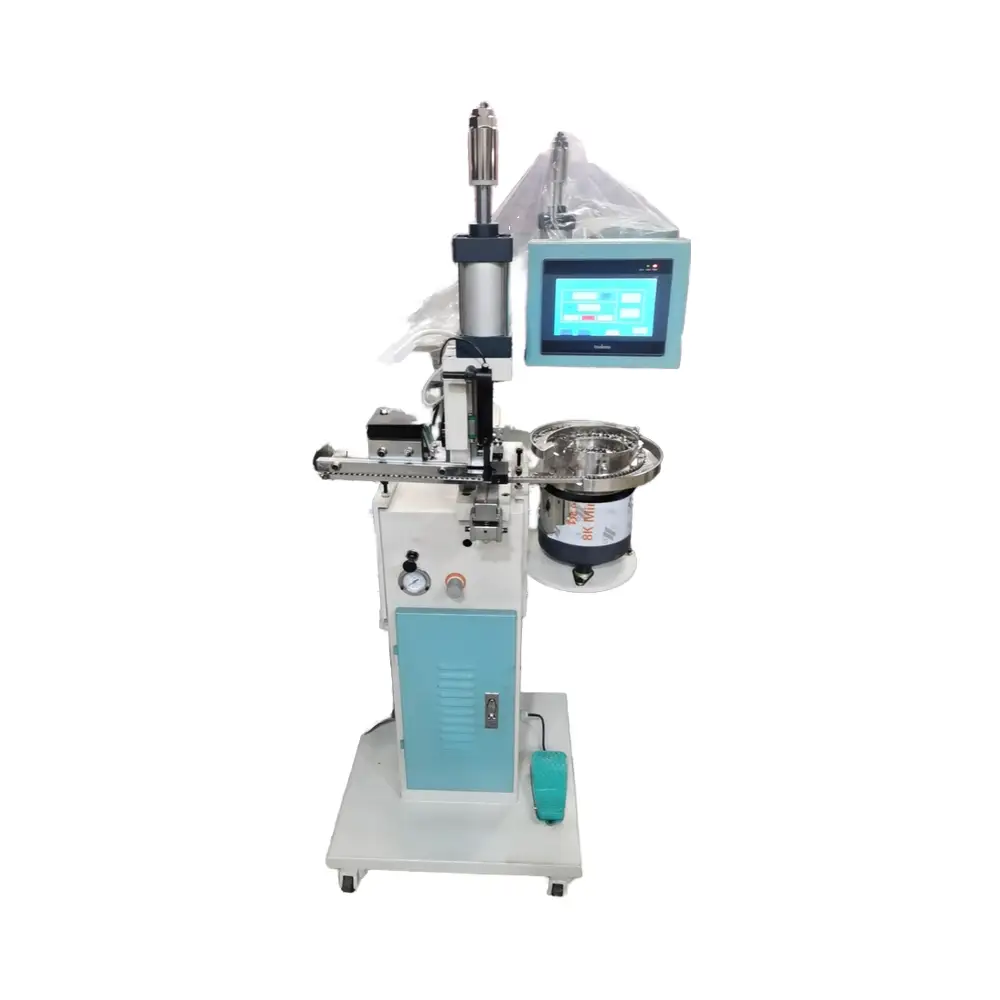
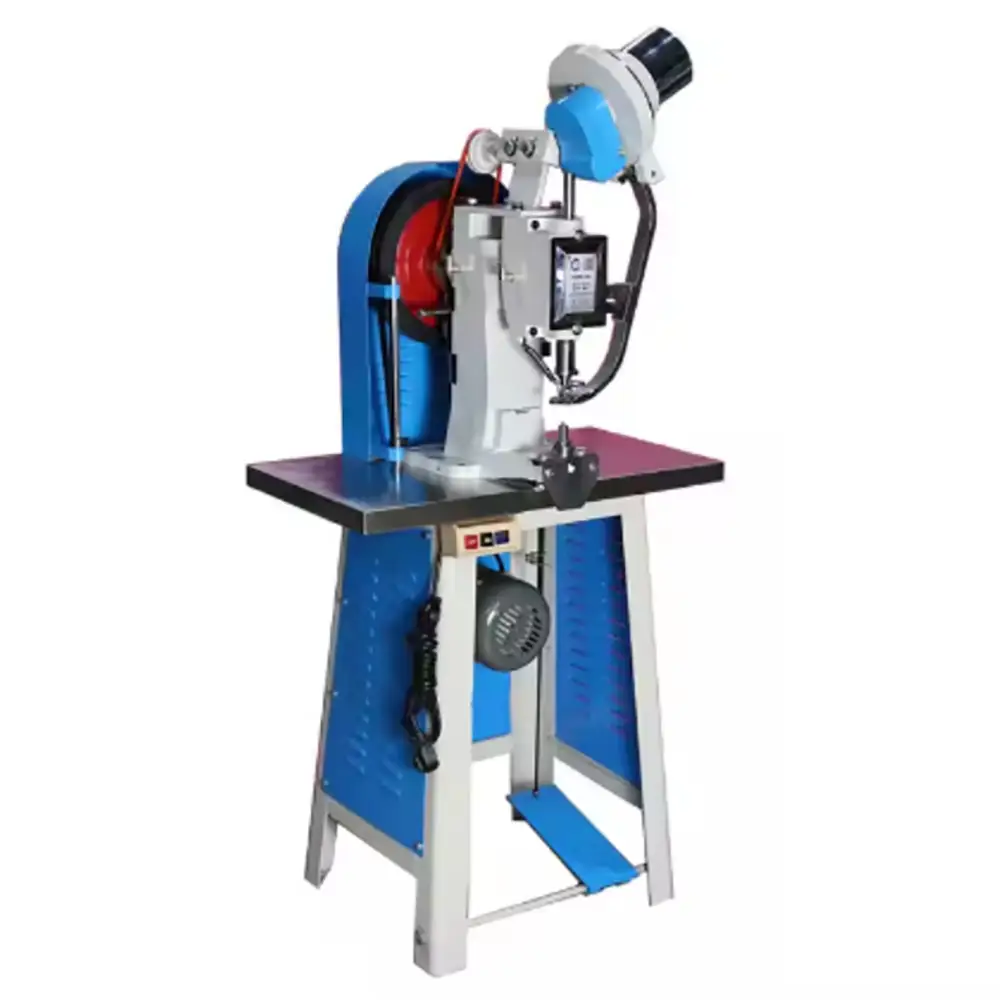
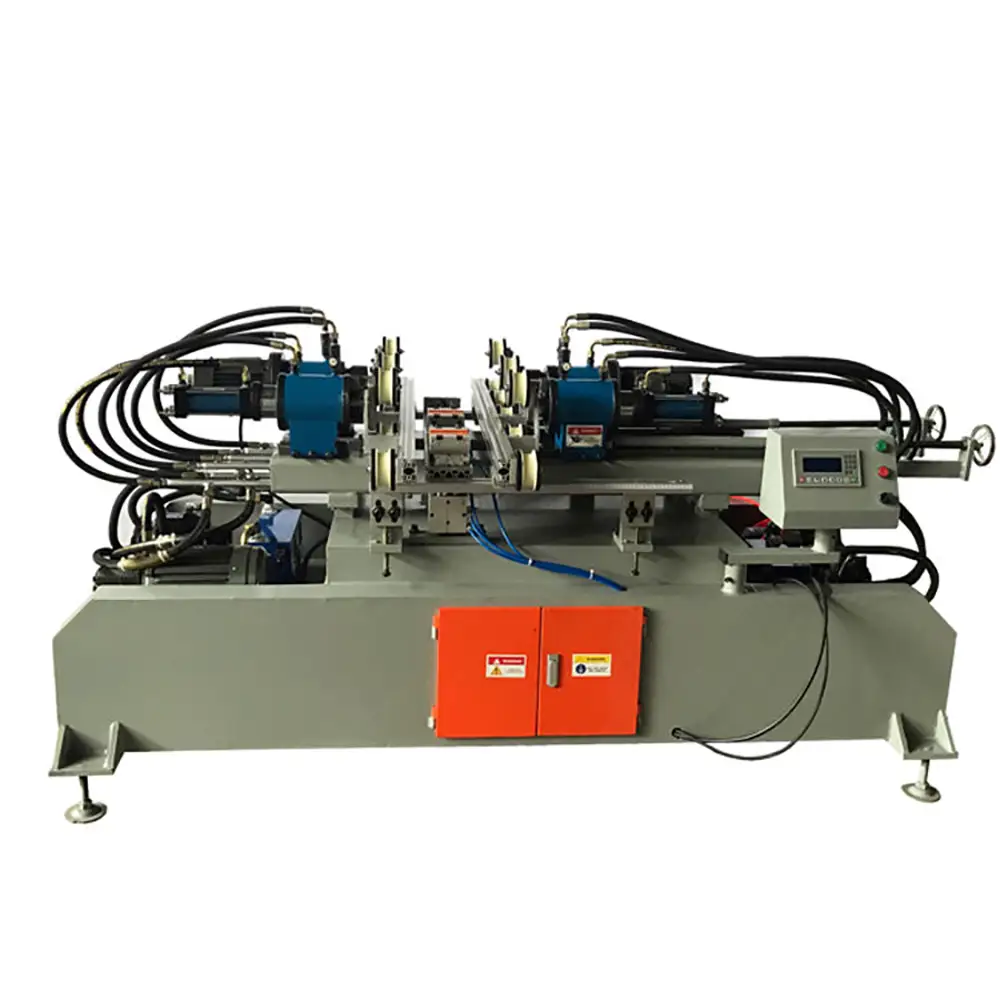
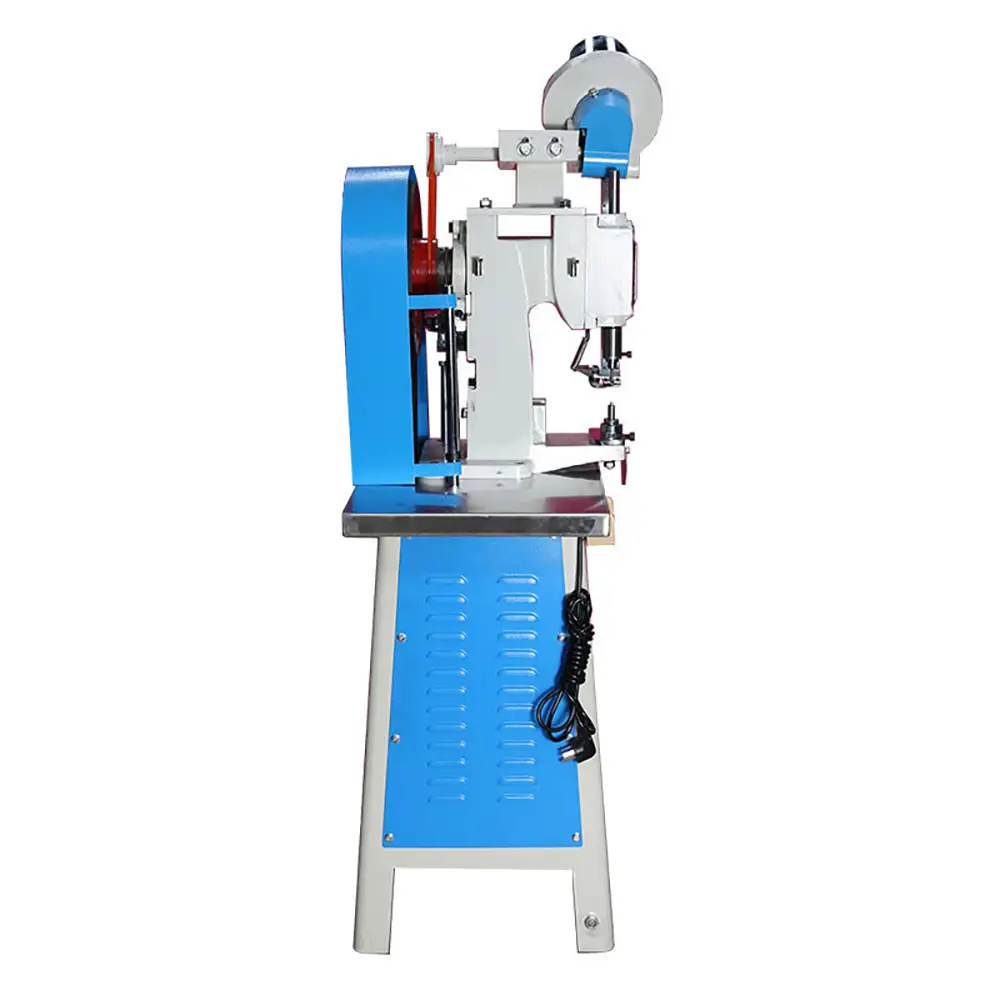
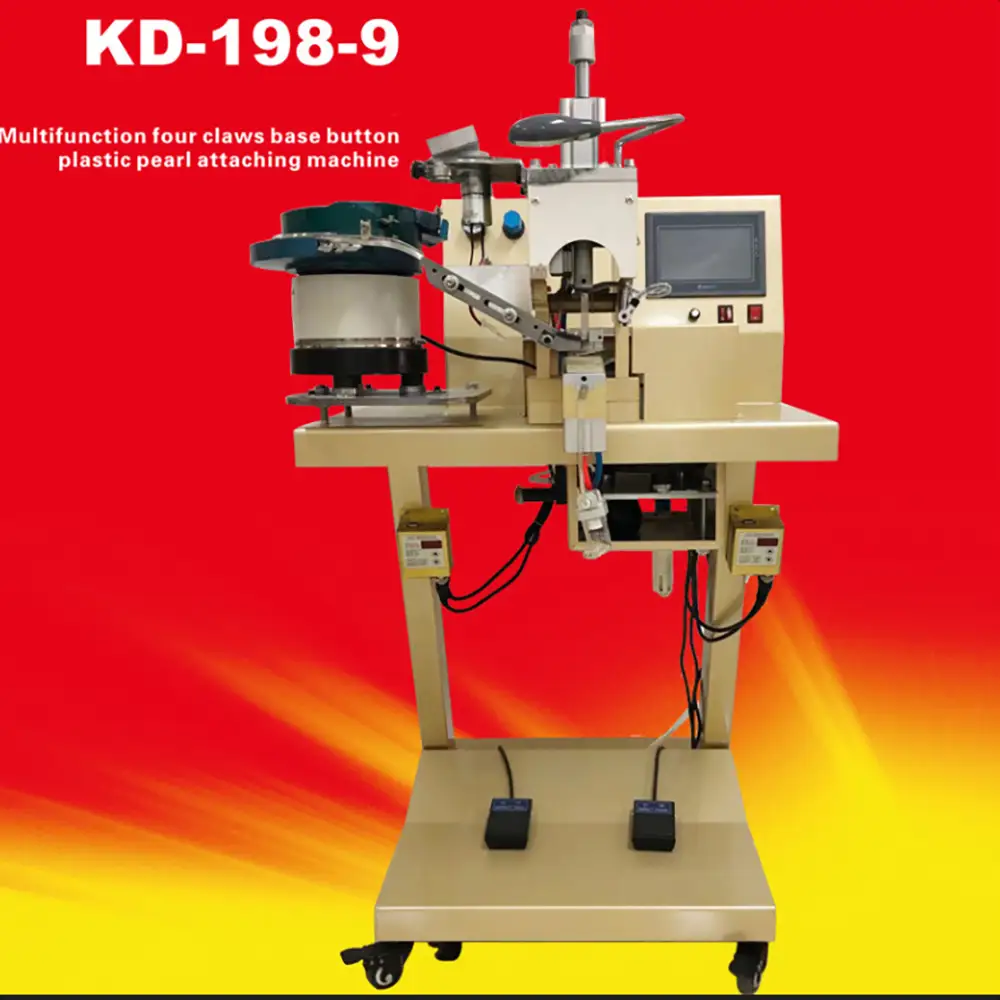
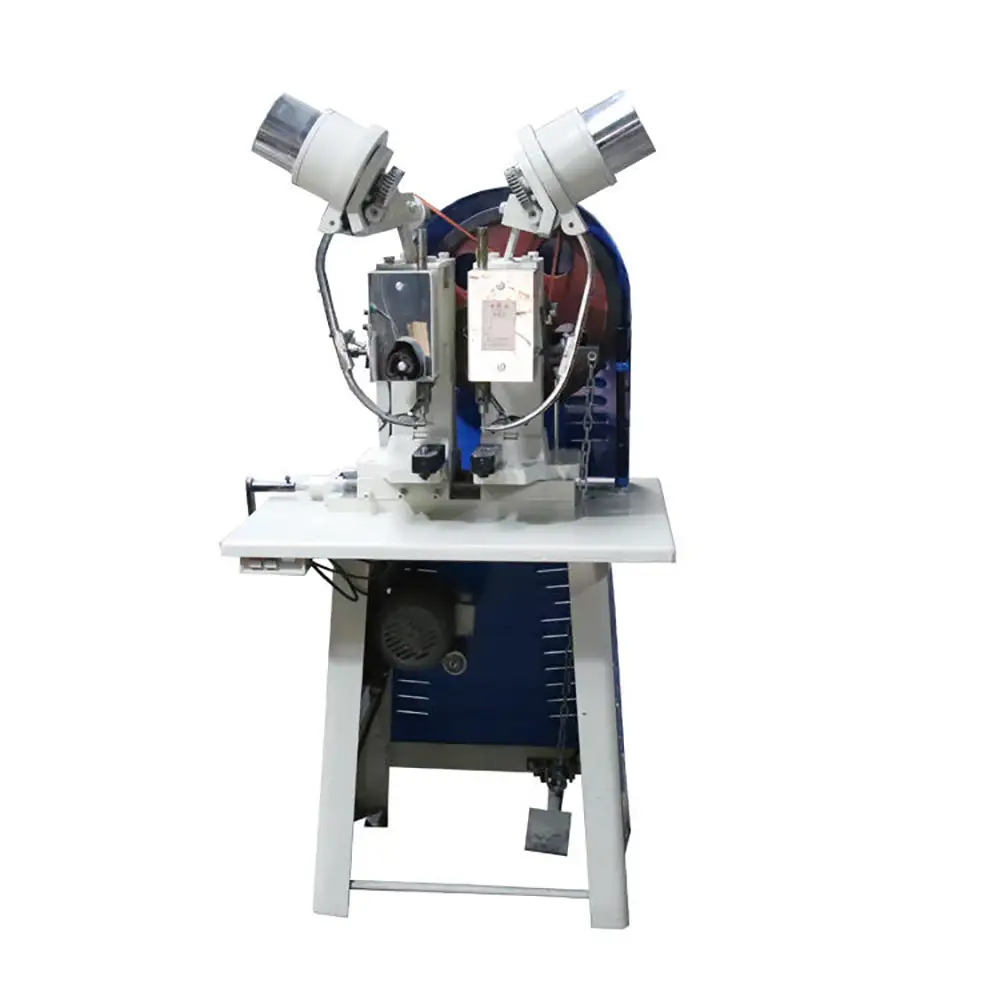
The Pneumatic 3-Station Riveting Machine with 3-Head Auto Riveter is an industrial assembly solution designed to improve production efficiency for fan manufacturing and other products requiring multiple riveted connections. With three pneumatic riveting stations or riveting heads arranged for coordinated operation, the machine can reduce repetitive manual riveting and help manufacturers establish a faster, more consistent assembly process.
Riveting is widely used in electric fan manufacturing, ventilation equipment, appliance production, sheet metal fabrication, motor-related assemblies, brackets, housings and various industrial components. When a product requires multiple rivets in fixed positions, manually completing each riveting operation can increase cycle time and create unnecessary operator movement.
A dedicated 3-station pneumatic riveting machine provides a more streamlined approach. By positioning multiple riveting points around the workpiece, the equipment can help reduce repeated repositioning and improve the efficiency of the assembly workstation.
The exact riveting sequence can be configured according to the product structure, rivet positions, fixture design and machine control system.
3-Station Pneumatic Riveting Design
The main feature of this machine is its three-station riveting configuration.
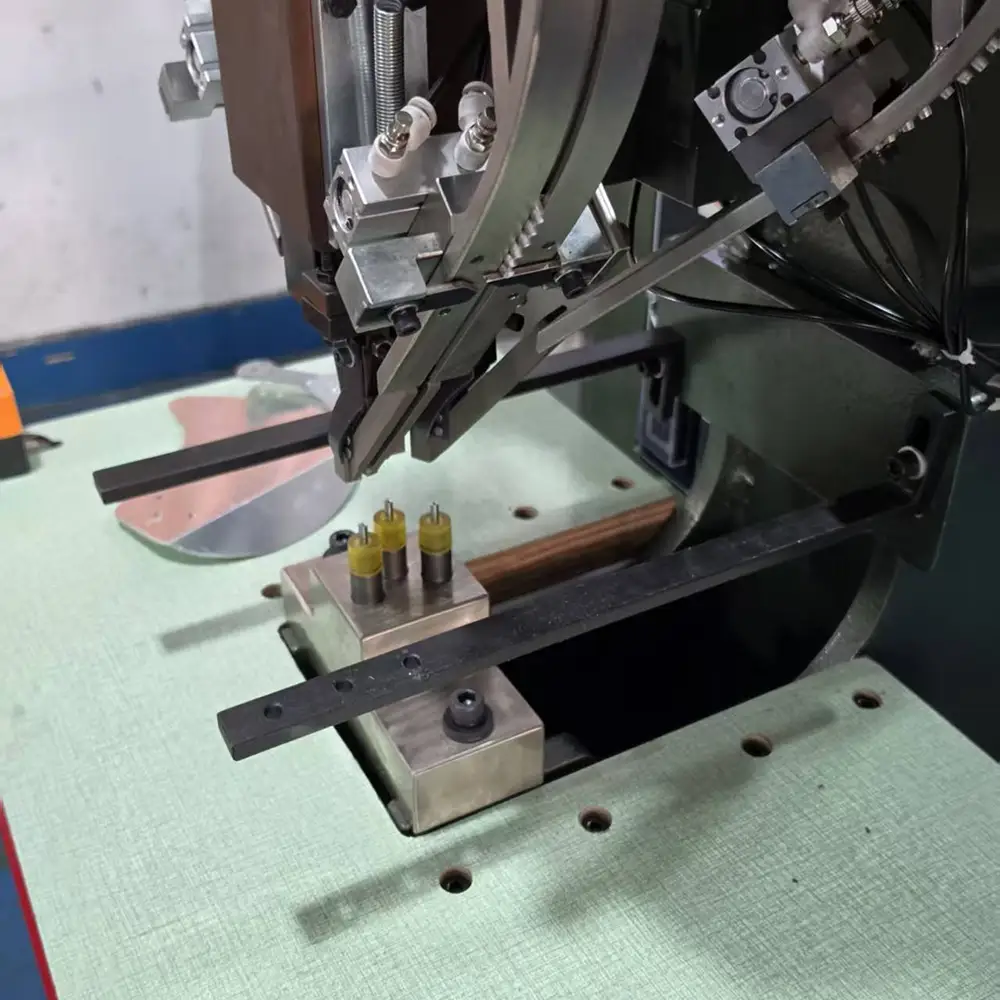
Three pneumatic riveting heads or stations can be arranged according to the required product geometry. This design is particularly useful when several rivets must be installed during the same assembly process.
Instead of using a single riveting tool repeatedly, the operator can position the workpiece in a dedicated fixture and complete multiple riveting operations through a coordinated machine cycle.
Potential applications include:
Electric fan assembly
Industrial fan assembly
Ventilation equipment
Exhaust fan production
Fan guard assembly
Sheet metal components
Appliance components
Metal brackets
Electrical housings
Industrial assemblies
The actual arrangement of the three stations should be determined according to the product drawing and required rivet positions.
3-Head Auto Riveter for Fan Assembly
The 3-head auto riveter is especially suitable for fan assembly applications where several rivets are positioned around a component.
Fan products can contain metal guards, brackets, supports, housings and other components that require mechanical fastening. A dedicated riveting system can make these repetitive assembly operations more efficient.
Depending on the product design, the three riveting heads can be positioned to match predetermined rivet locations.
This can provide several potential benefits:
Reduced operator movement
Shorter riveting cycle time
More consistent rivet positioning
Reduced repetitive manual work
Improved workstation organization
Better production repeatability
Higher potential assembly output
Actual production capacity depends on the rivet specifications, product dimensions, fixture, pneumatic system, operator workflow and machine configuration.
Pneumatic Riveting Technology
The machine uses compressed air to generate the operating force for riveting.
Pneumatic riveting is widely used in industrial assembly because pneumatic actuators can provide rapid movement and repeatable operation. The system can be designed for repetitive production where the same riveting operation must be performed many times.
The riveting process typically involves positioning the workpiece, placing or feeding the rivet, activating the riveting mechanism and completing the fastening operation.
The required pneumatic pressure and riveting force depend on the rivet type, rivet diameter, material and workpiece thickness.
For this reason, manufacturers should provide detailed rivet specifications when selecting equipment.
Improve Fan Assembly Production Efficiency
Production efficiency is not determined by one machine alone. However, reducing the cycle time of repetitive operations can contribute to higher overall output.
A three-station riveting machine can help streamline the fastening stage by reducing the number of separate manual operations.
For fan manufacturers producing large quantities of similar products, this can be especially useful. A dedicated fixture can hold the component in a repeatable position, while the three riveting stations perform the required operations according to the defined process.
The result can be a more standardized assembly workflow compared with using multiple handheld riveting tools.
Consistent Riveting Quality
Riveting quality is important for fan and mechanical assemblies because the connection needs to remain secure during product operation.
A pneumatic riveting system provides controlled mechanical movement, while dedicated fixtures help position the workpiece.
Consistent results depend on several factors, including:
Rivet material
Rivet diameter
Rivet length
Workpiece material
Material thickness
Pneumatic pressure
Riveting force
Tooling design
Fixture accuracy
Riveting head configuration
For production applications, sample testing is recommended to confirm the appropriate riveting parameters and tooling.
Fan Manufacturing Applications
The machine is well suited to fan assembly environments.
Possible applications include:
Electric Fans: Riveting of suitable fan components and sheet metal assemblies.
Industrial Fans: Assembly of structural and protective components used in industrial ventilation equipment.
Exhaust Fans: Fastening compatible housings, guards and brackets.
Ventilation Equipment: Assembly of metal components used in air movement and ventilation systems.
Fan Guards: Riveting of suitable wire or sheet metal guard structures, depending on product design.
Motor-Related Assemblies: Fastening compatible brackets and supporting components.
The machine configuration should always be matched to the actual product structure.
Suitable for Sheet Metal Components
Many fan components are manufactured from thin or medium-gauge sheet metal.
Depending on the rivet and tooling specifications, pneumatic riveting equipment can be used with suitable aluminum, carbon steel, stainless steel, galvanized steel and other metal components.
Common components may include:
Brackets
Covers
Frames
Guards
Housings
Supports
Mounting plates
Sheet metal panels
The machine should be tested with the actual workpiece and rivet combination to determine the appropriate riveting parameters.
Production Line Integration
The pneumatic 3-station riveting machine can be used as a standalone assembly workstation or incorporated into a larger manufacturing process.
Depending on production requirements, it can potentially be combined with:
Component feeding systems
Assembly fixtures
Conveyors
Automatic loading systems
Automatic unloading systems
Inspection stations
Screw fastening equipment
Pressing equipment
Other fan assembly machines
For high-volume manufacturing, integrating the riveting process into an organized production line can help improve material flow and reduce unnecessary handling.
Flexible Tooling and Fixtures
The fixture is an important component of a multi-station riveting machine.
A properly designed fixture holds the workpiece in the correct position and helps maintain consistent riveting locations.
For fan manufacturers producing different models, customized fixtures can be considered for different product dimensions.
Depending on machine design, manufacturers may also use replaceable or interchangeable tooling to support multiple products.
When requesting a customized machine, buyers should provide product drawings, sample components, rivet specifications and required production capacity.
Applications Beyond Fan Assembly
Although fan assembly is a major application, the machine can also be used for other products requiring compatible multi-point riveting.
Potential industries include:
HVAC equipment
Household appliances
Electrical equipment
Metal enclosures
Sheet metal fabrication
Automotive components
Lighting equipment
Industrial machinery
Ventilation systems
Metal brackets and assemblies
The actual suitability depends on the rivet type, component geometry and required riveting force.
How to Choose a 3-Station Riveting Machine
Before purchasing, buyers should identify the number and location of rivets required for each product.
A three-head configuration can be particularly advantageous when three rivet positions can be processed within a coordinated assembly cycle.
Other important considerations include rivet diameter, rivet length, rivet material, workpiece material, sheet thickness, required riveting force, production volume and desired automation level.
The available compressed-air supply should also meet the machine's requirements.
For fan assembly projects, providing a product drawing or sample can help determine the most suitable fixture and riveting-head arrangement.
Why Choose Us
3-Station Configuration: Designed for multi-point riveting applications.
3-Head Auto Riveter: Helps streamline repetitive fastening operations.
Pneumatic Operation: Provides rapid and repeatable riveting movement.
Fan Assembly Focus: Suitable for electric fan, industrial fan and ventilation equipment production.
Improved Production Efficiency: Helps reduce repeated positioning and manual riveting operations.
Dedicated Fixtures: Supports stable and repeatable workpiece positioning.
Flexible Tooling: Riveting tools can be matched to specific rivet and product requirements.
Production Line Integration: Can be incorporated into a larger automated assembly workflow.
Custom Engineering: Machine configuration can be developed around product dimensions and riveting positions.
OEM/B2B Support: Suitable for manufacturers, distributors and industrial assembly projects.
Main Applications
The Pneumatic 3-Station Riveting Machine is suitable for electric fan assembly, industrial fan production, ventilation equipment, exhaust fan manufacturing, fan guard assembly, HVAC components, sheet metal assemblies, appliance manufacturing, electrical enclosures, metal brackets, industrial equipment and other products requiring multiple riveted joints.
FAQS
1. What is a pneumatic 3-station riveting machine?
It is an industrial riveting machine using pneumatic power and three riveting stations or heads to perform multiple fastening operations in a coordinated production process.
2. What is the difference between a 3-station and 3-head riveting machine?
The terminology can describe similar multi-point configurations, but the exact meaning depends on the machine design. Some systems use three heads operating around one workstation, while others define three separate operating stations.
3. Is this machine suitable for fan assembly?
Yes. Fan assembly is a key application because many fan products require repetitive multi-point riveting of metal components.
4. Can the three riveting heads work simultaneously?
This depends on the machine's mechanical and control configuration. The heads may be designed for simultaneous or sequential operation according to the required assembly process.
5. Can the riveting positions be customized?
Yes. Riveting head positions and fixtures can be designed according to the product geometry and rivet locations, subject to engineering evaluation.
6. What types of rivets can be used?
The machine should be configured according to the rivet type, diameter, length and material. These specifications should be provided before machine selection.
7. Does the machine require compressed air?
Yes. As a pneumatic machine, it requires a suitable compressed-air supply. Exact pressure and air consumption depend on the machine configuration.
8. Can it rivet aluminum components?
It can be suitable for compatible aluminum components when the rivet and tooling are properly selected. Actual materials should be tested before production.
9. Can stainless steel sheet metal be riveted?
Potentially, depending on the rivet type, material thickness and required riveting force. The machine should be configured for the specific application.
10. Can this machine be integrated into a fan production line?
Yes. Depending on the design, it can be integrated with feeding, conveying, assembly, inspection and other production equipment.
11. Can one machine support different fan models?
It can potentially support multiple models when appropriate fixtures or tooling are provided. Product dimensions and rivet positions determine the required configuration.
12. How can this machine improve production efficiency?
By coordinating multiple riveting operations and reducing repeated manual positioning, it can help shorten assembly cycles and increase workstation efficiency.
13. What information is needed to customize the machine?
Provide the fan or component drawing, rivet type and dimensions, number and location of rivets, material and thickness, desired cycle time and expected production volume. This information helps determine the appropriate machine configuration.
Prev:
Automatic Beret Eyelet Riveting Machine Mesh Grommet Fixing Machine for Wool Berret Hat Vent Hole Eyeleting Processing
Next:
High-Speed 3-Head Pneumatic Riveting Machine, Boost Fan Assembly Output
TAG:
Related Category:
Pneumatic 3-Station Riveting Machine, 3-Head Auto Riveter, Three Station Riveting Machine China, suppliers, manufacturers, factory, customized, wholesale, quotation, made in China