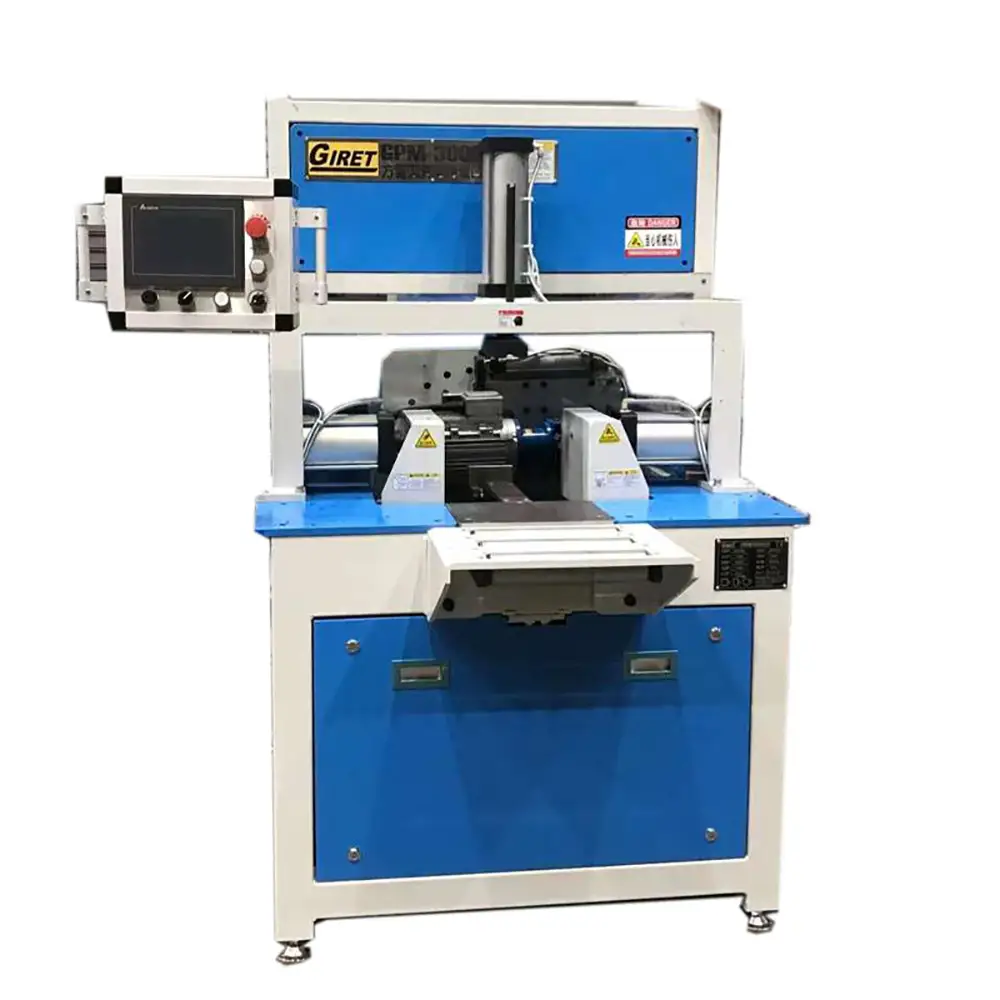
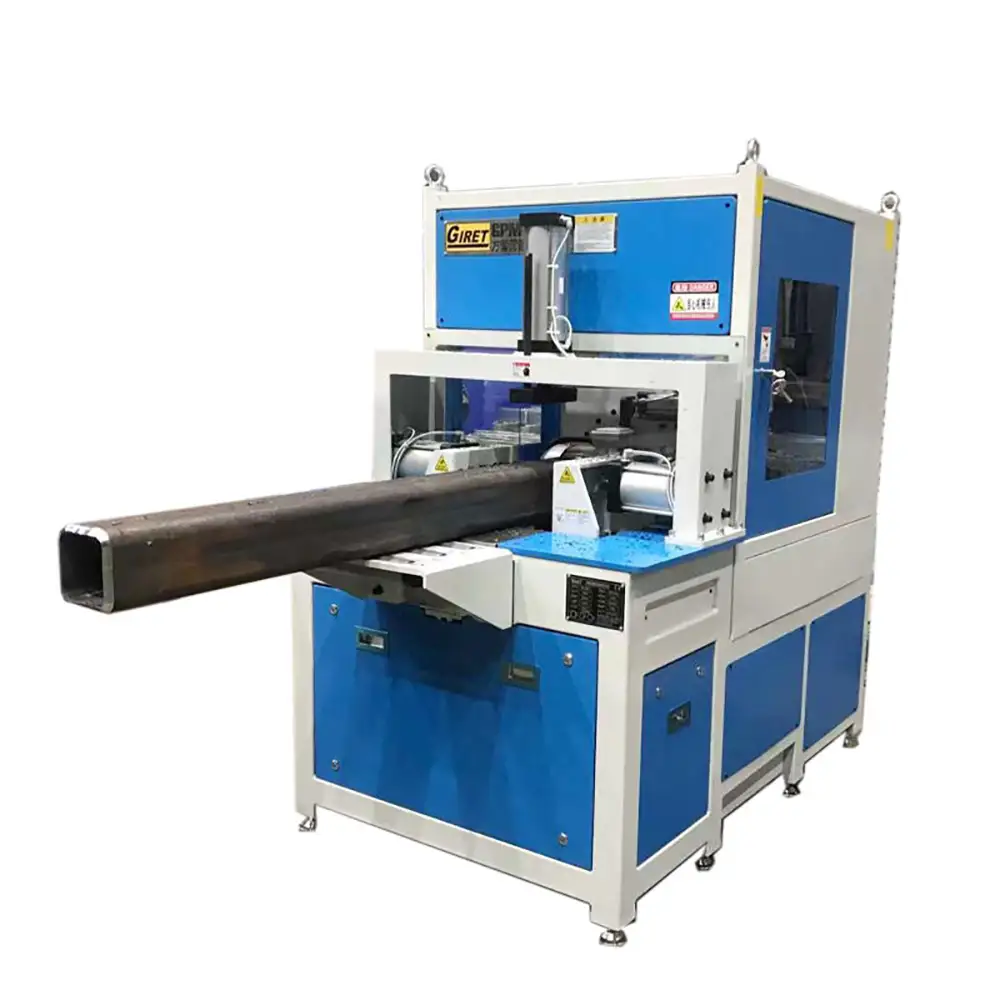
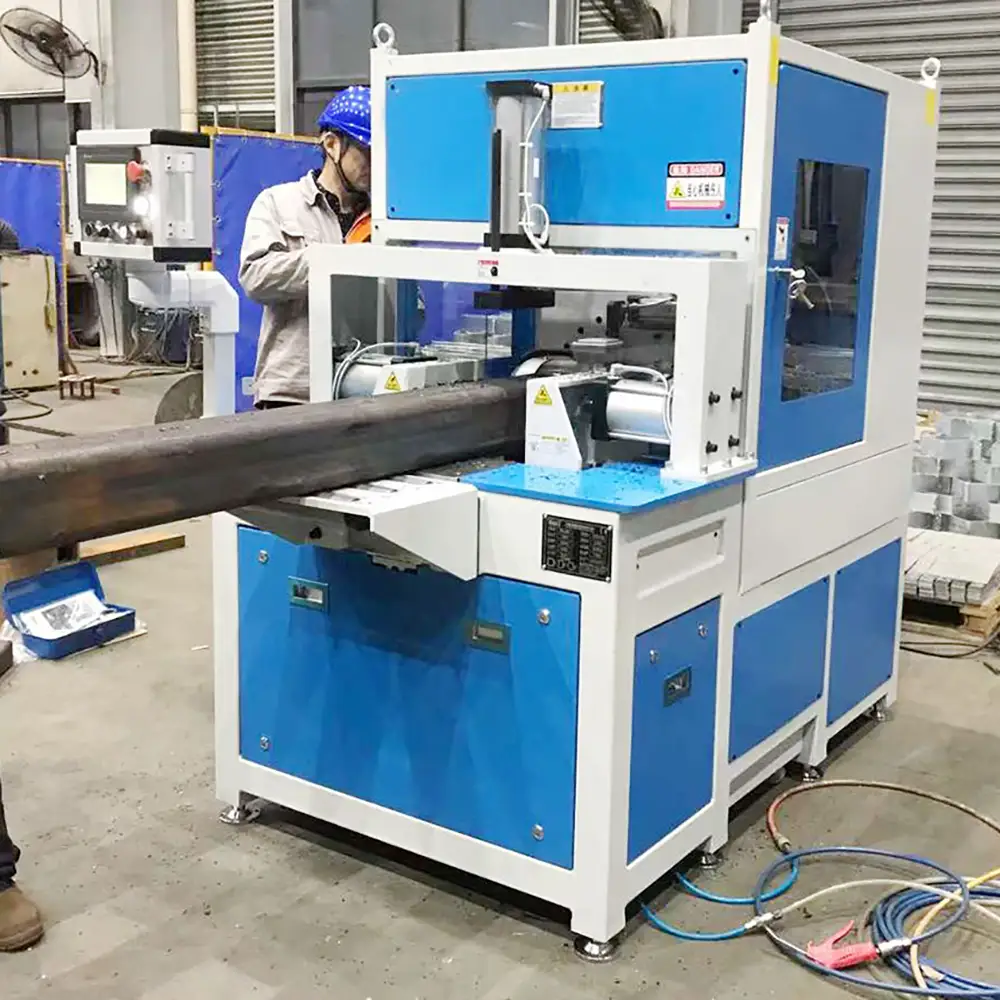
Automatic Pipe and Tube Chamfering Machine for Round, Square and Rectangle Bars
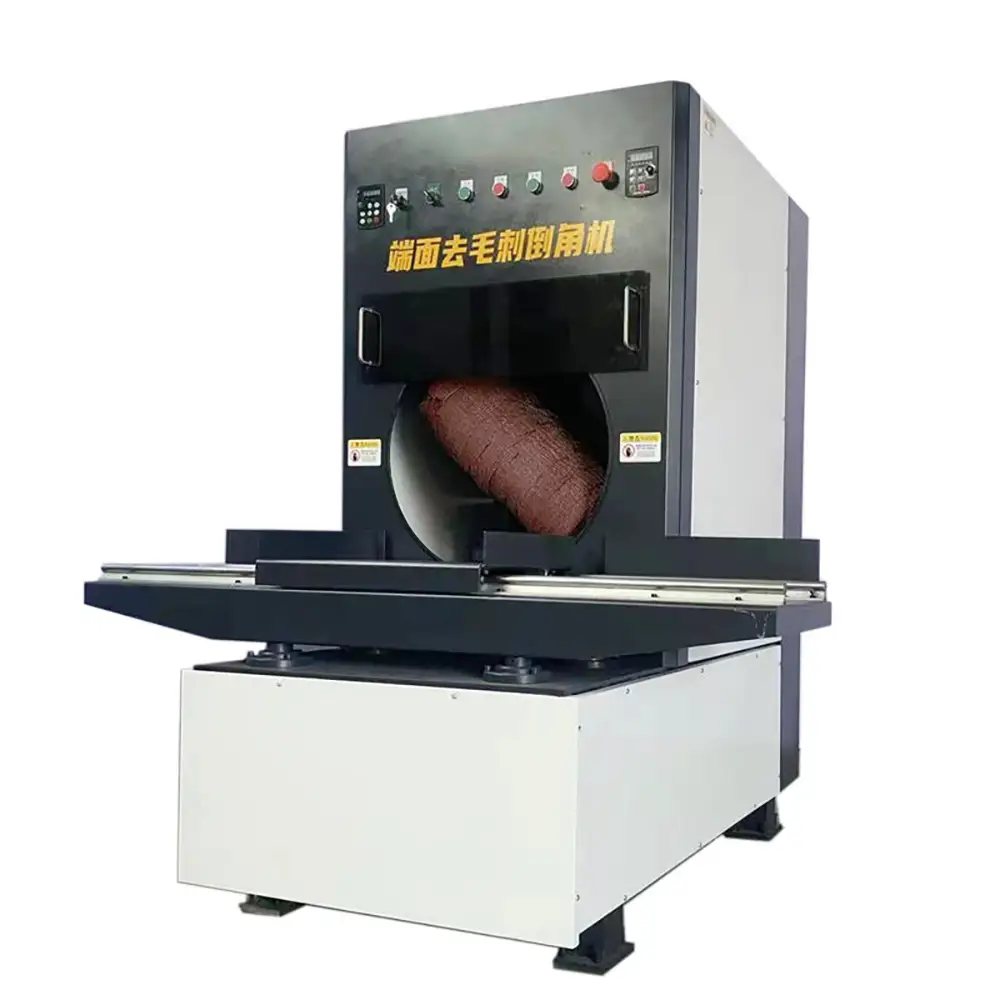
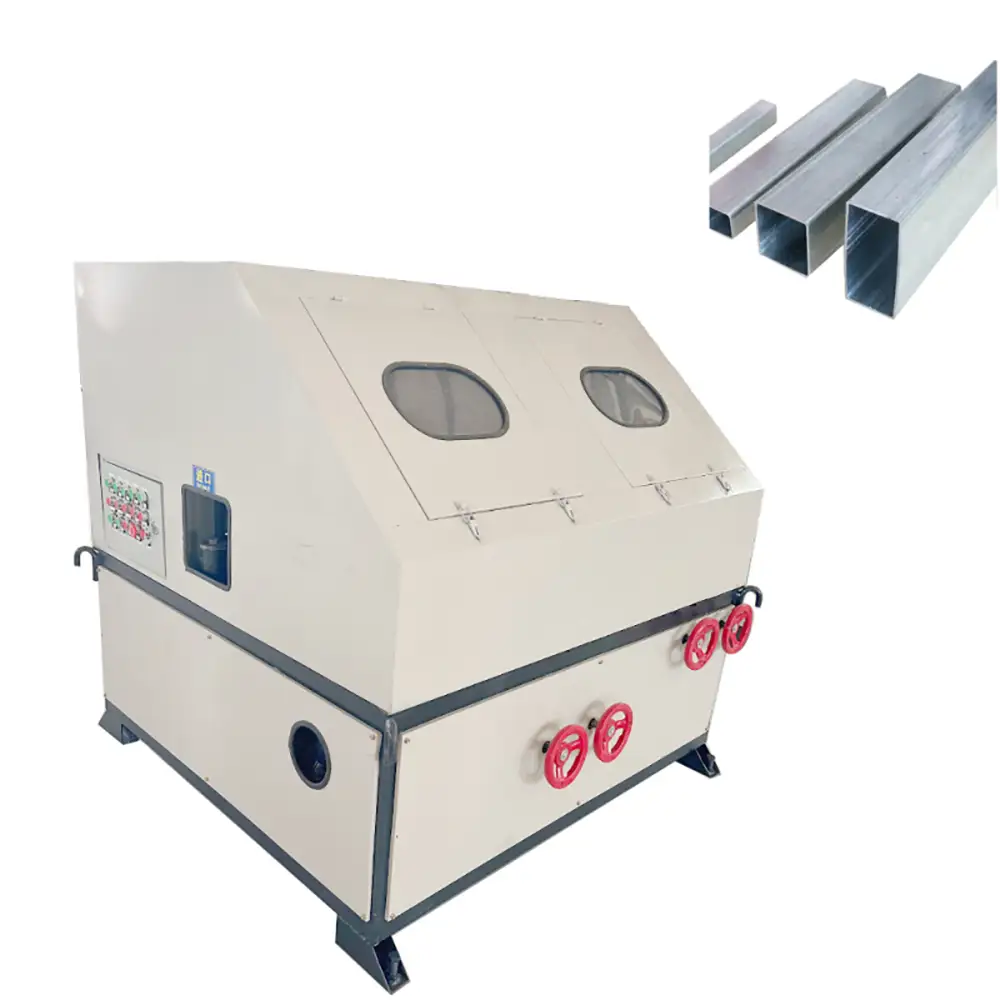
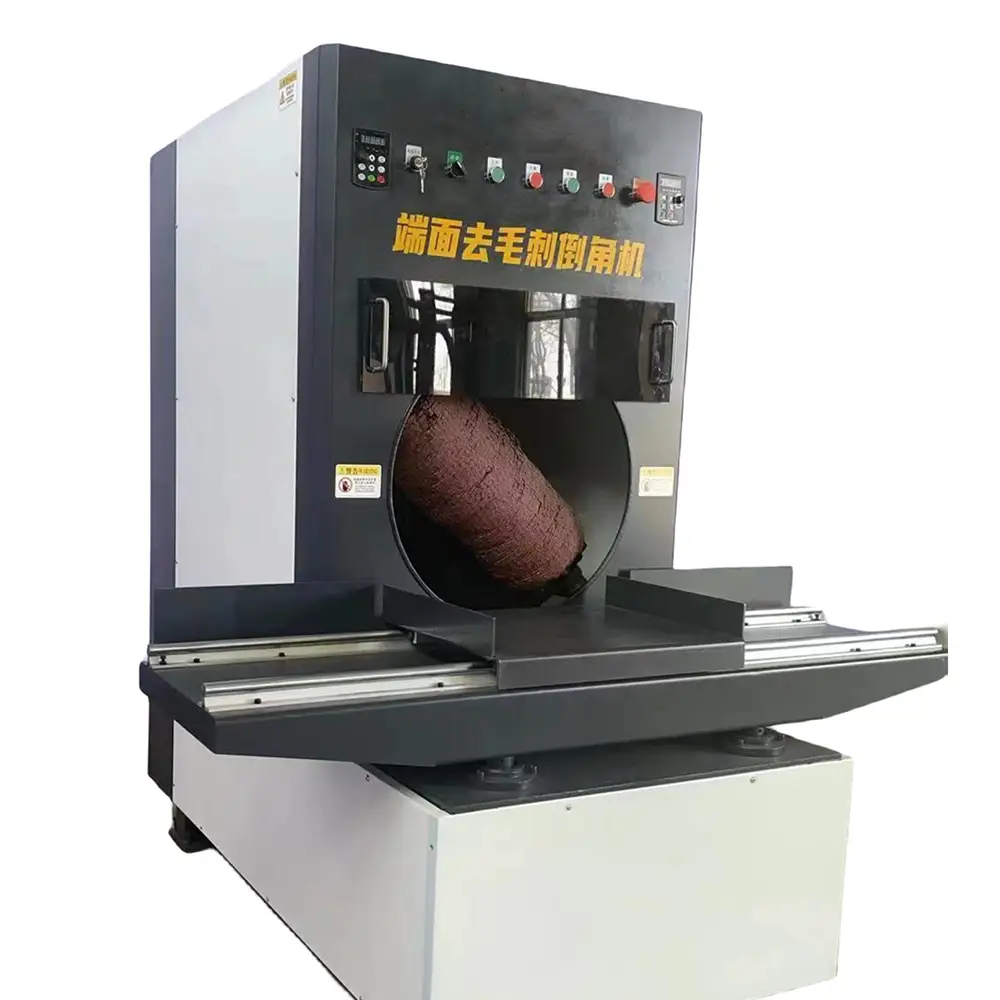
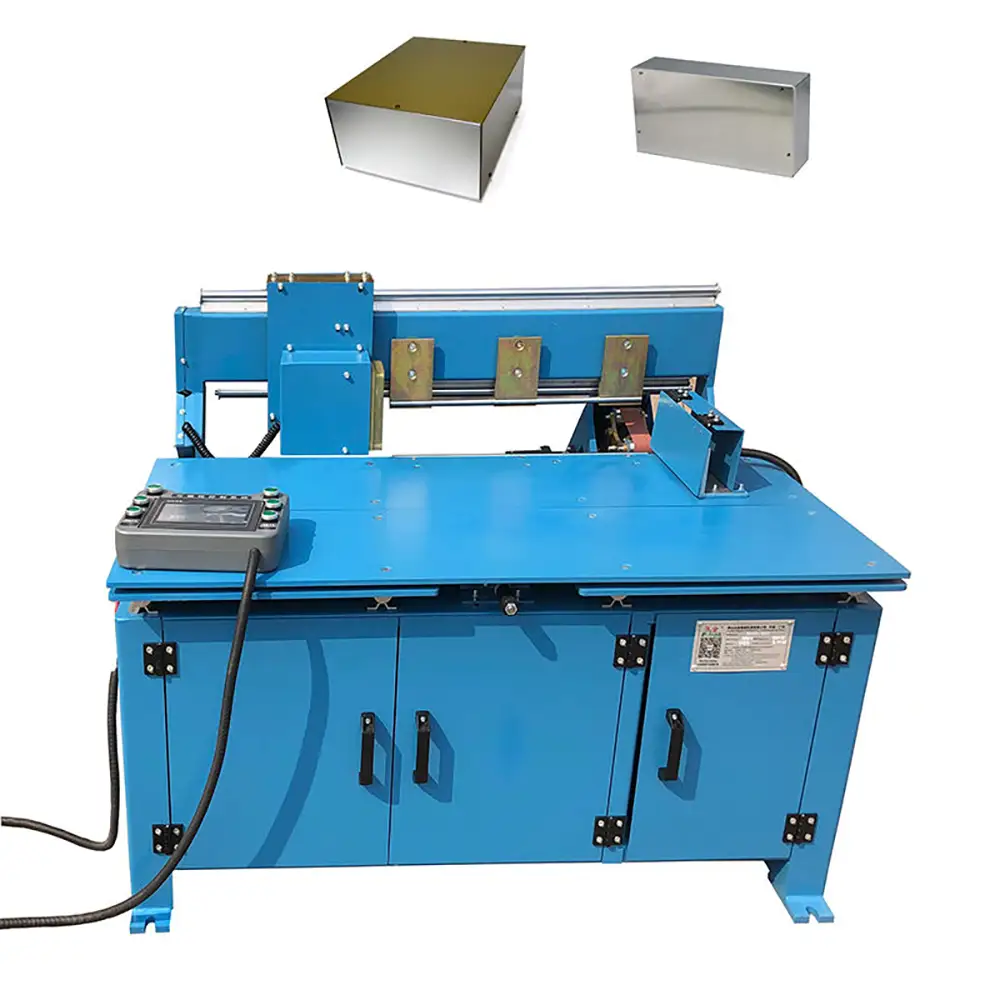
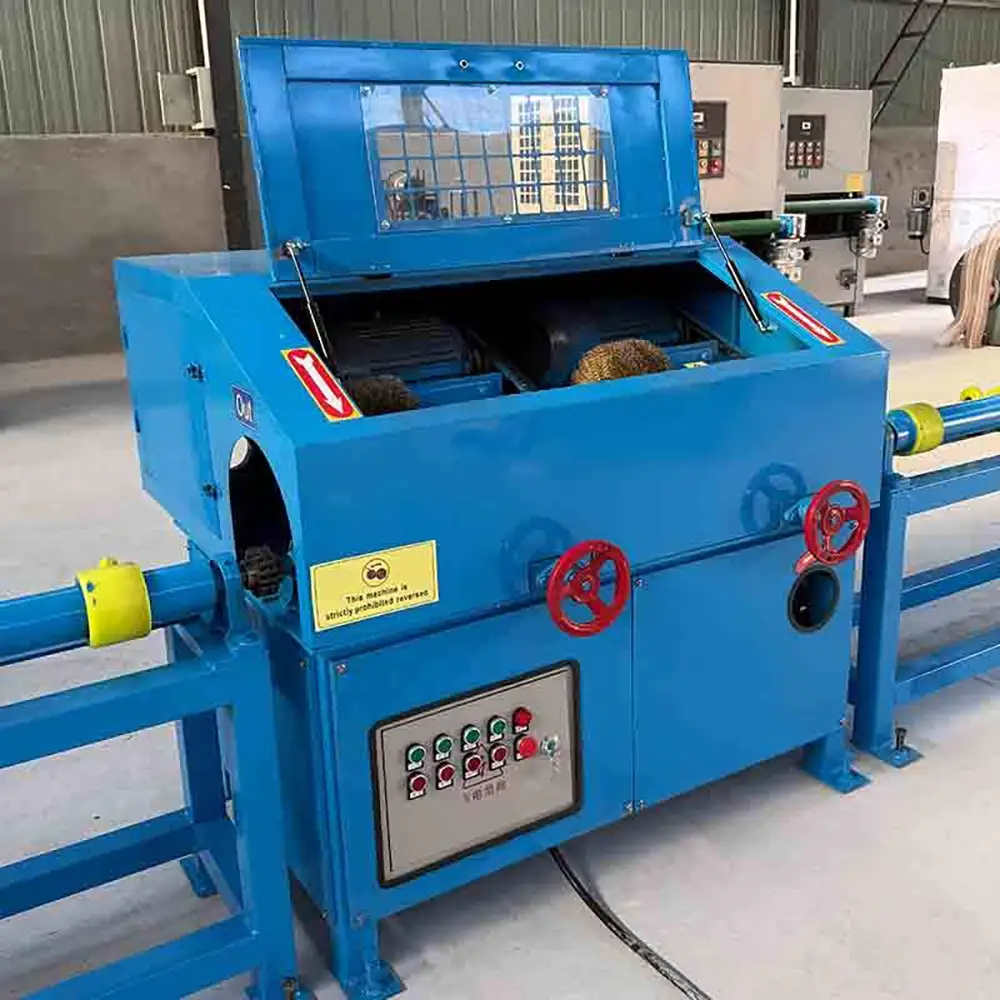
The Multifunction Automatic Round Pipe Square Tube and Rectangle Bar Chamfering Machine is an efficient metalworking solution designed to chamfer, bevel, and finish the edges of different metal profiles. With a multifunctional configuration, the machine can be adapted for round pipes, square tubes, rectangular tubes, and rectangle metal bars, making it suitable for manufacturers that process multiple profiles in their production operations.
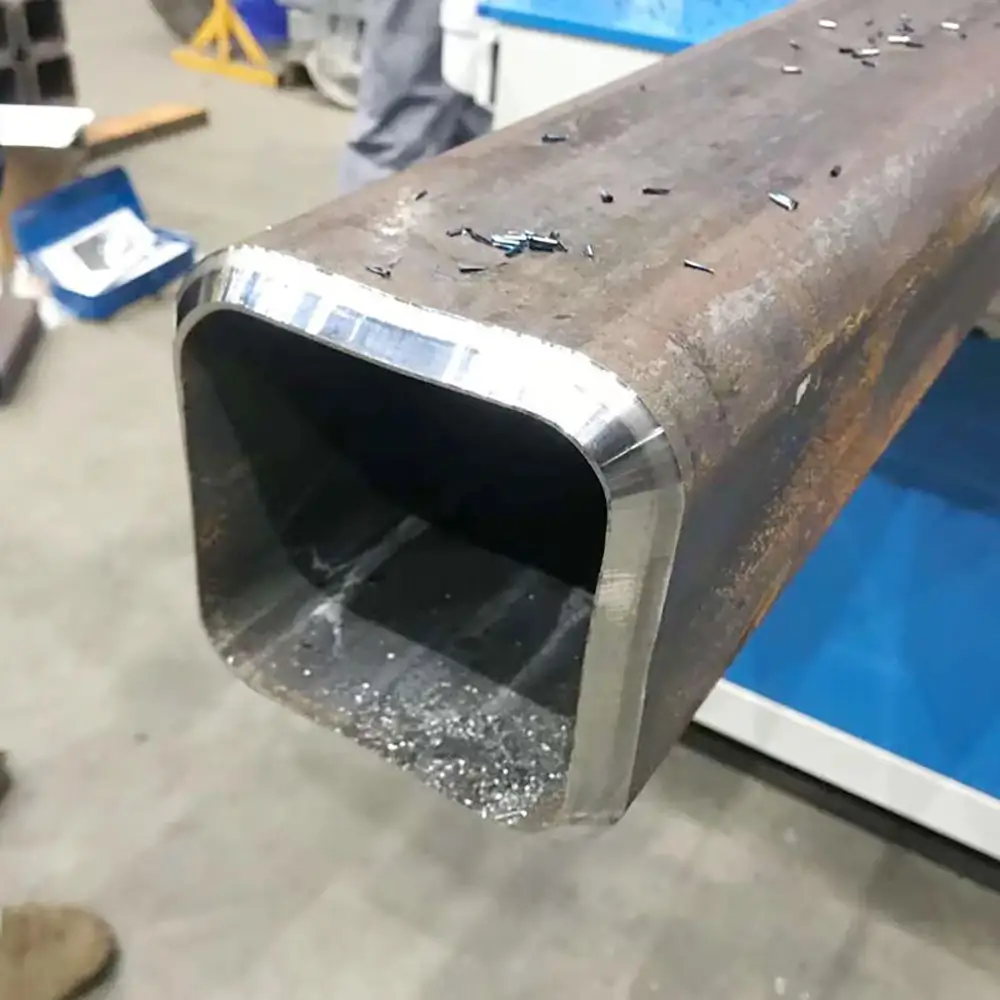
Chamfering is an important preparation process in metal fabrication and machining. Sharp edges left after cutting, sawing, shearing, or machining can affect assembly, welding, coating, handling, and the overall appearance of finished products. By removing sharp edges and creating a controlled bevel, an automatic chamfering machine can improve edge quality and provide more consistent results.
Unlike manual grinding, an automated chamfering process can reduce repetitive labor and help standardize edge preparation. This makes the machine suitable for production environments where consistent processing, efficiency, and repeatability are important.
Multifunction Chamfering for Different Metal Profiles
A major advantage of this machine is its ability to accommodate different cross-sectional profiles.
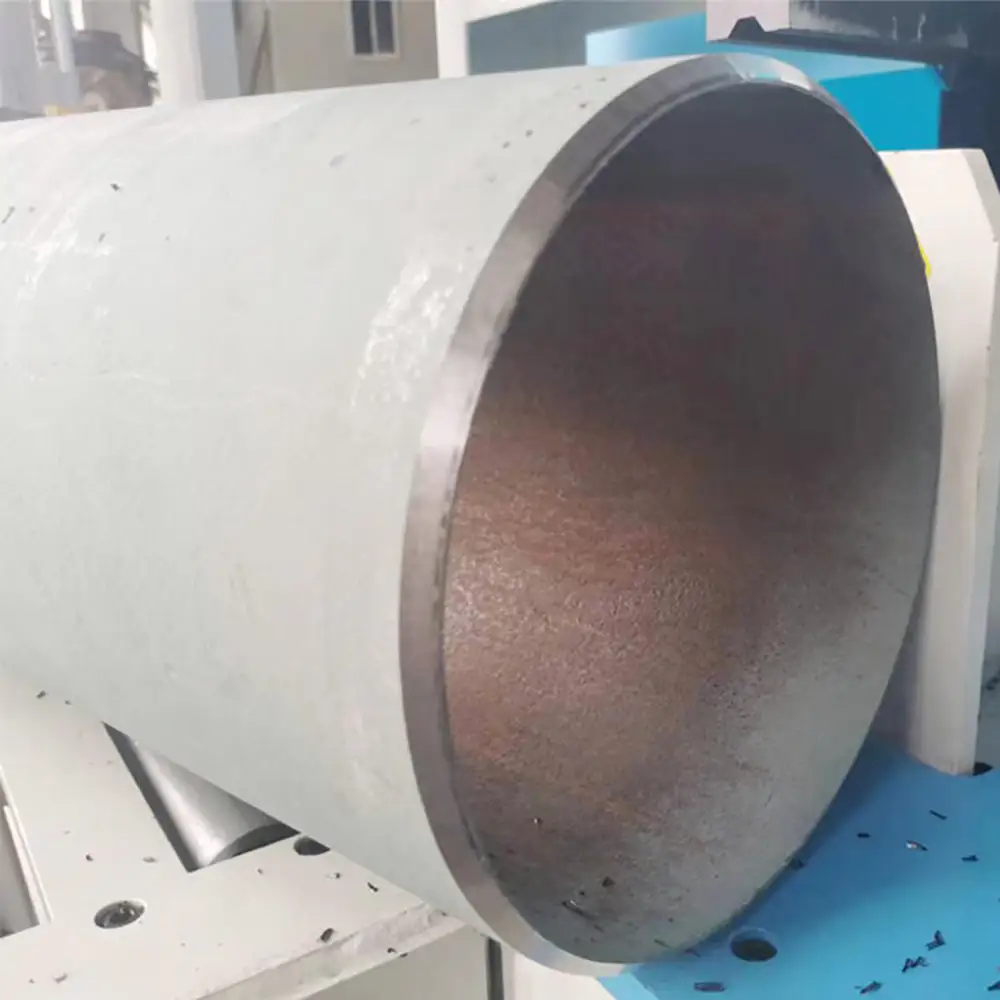
Round Pipe Chamfering
Round pipes and tubes are commonly used in construction, furniture, automotive manufacturing, machinery, railings, and general fabrication.
After cutting, the ends of round pipes may contain sharp edges, burrs, or uneven surfaces. A dedicated round pipe chamfering machine can process the pipe ends to create a smoother and more controlled edge.
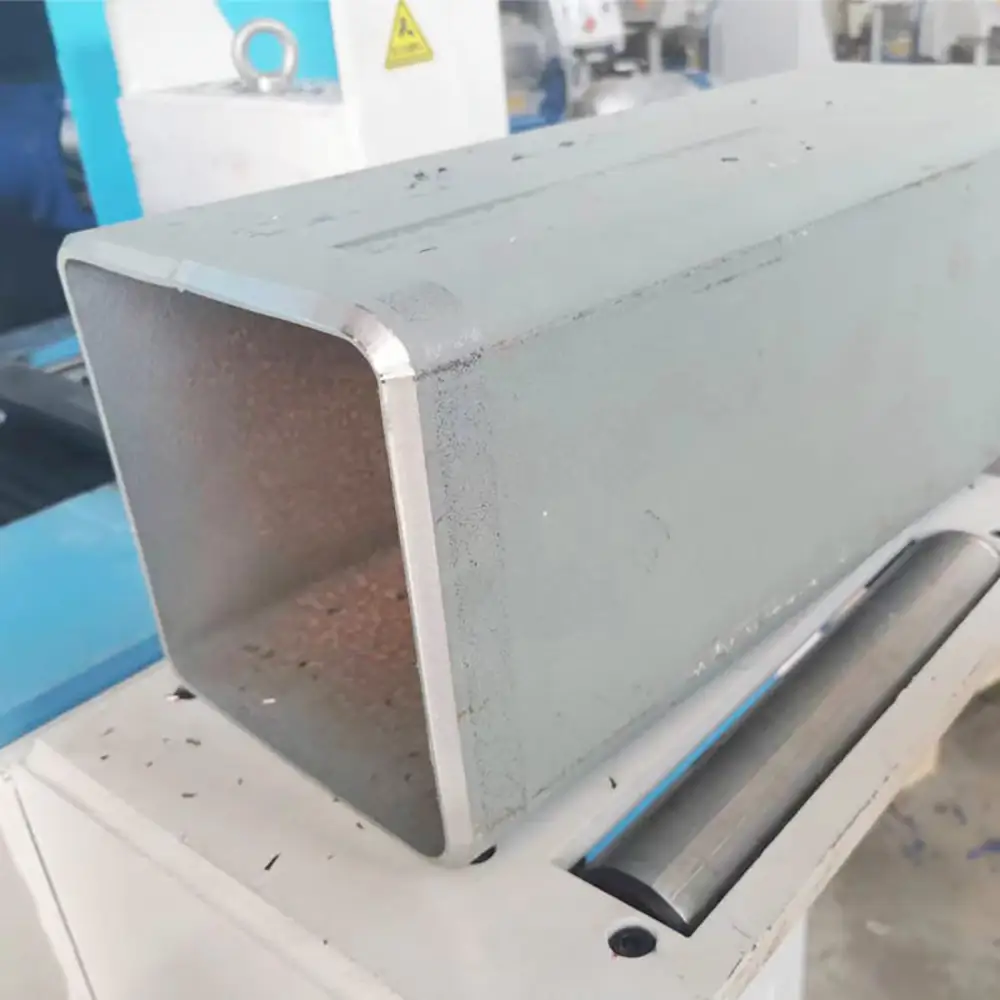
Square Tube Chamfering
Square tubes require tooling and positioning suitable for their four-sided profile. A square tube chamfering machine can be used to prepare the edges of cut square tubing for welding, assembly, or further fabrication.
Rectangle Tube and Bar Chamfering
Rectangular tubes and flat-sided bars may require different contact and positioning compared with round tubes. The multifunctional configuration allows suitable tooling to be used for rectangular profiles.
This makes the equipment practical for manufacturers handling several types of metal stock.
Automatic Metal Edge Chamfering
The automatic design helps simplify repetitive chamfering operations.
Once the workpiece is correctly positioned and the appropriate tooling is installed, the machine can perform the chamfering process with reduced manual intervention.
The operator can load the workpiece, initiate the processing cycle, and inspect the finished edge after machining.
Depending on the configuration, automation can also be integrated with feeding, positioning, clamping, and discharge functions to improve production flow.
Automation is particularly valuable for manufacturers processing large quantities of similar pipes and tubes.
Clean and Consistent Edge Preparation
The primary objective of chamfering is to create a controlled edge condition.
A properly chamfered pipe or tube can provide several benefits:
Reduced Sharp Edges
Improved Handling Safety
Better Welding Preparation
Improved Assembly
More Consistent Edge Geometry
Reduced Burrs
Better Surface Appearance
Easier Subsequent Processing
For welding applications, chamfering can help prepare the pipe or tube end for subsequent joining processes. The exact bevel geometry required depends on the welding method, material thickness, joint design, and applicable production specifications.
Suitable Materials
The machine can be configured for suitable metal materials such as:
Carbon Steel
Stainless Steel
Mild Steel
Alloy Steel
Aluminum
Brass
Copper
Other Suitable Metal Profiles
Different materials have different cutting characteristics. Stainless steel and harder alloys may require different cutting tools and machining parameters compared with mild steel or aluminum.
Tool selection should therefore be based on the workpiece material, profile dimensions, wall thickness, and required chamfer geometry.
Applications of Pipe Chamfering Machines
Automatic pipe and tube chamfering machines are used across many manufacturing sectors.
Steel Pipe Manufacturing
Used for preparing pipe ends after cutting and processing.
Metal Furniture
Suitable for preparing tube ends used in furniture frames, tables, chairs, shelving, and other fabricated products.
Automotive Components
Can be used for edge preparation of suitable pipes and tubes used in automotive manufacturing.
Construction
Useful for processing metal tubes and profiles used in structures, handrails, frames, and fabrication projects.
Machinery Manufacturing
Helps prepare metal tubes and bars before welding, assembly, or additional machining.
HVAC and Plumbing
Suitable for edge preparation of compatible metal tubes and pipes used in industrial systems.
General Metal Fabrication
Provides automated edge finishing for manufacturers handling different metal profiles.
Pipe Chamfering Before Welding
Chamfering is frequently used as a preparation step before welding.
When a pipe or tube is cut, the resulting edge may contain burrs or sharp corners. Depending on the welding process and joint design, the edge may need to be beveled to achieve the required joint geometry.
An automatic chamfering machine can provide a more repeatable preparation process than manual grinding.
The exact chamfer angle and depth should be determined according to the material thickness, welding process, joint configuration, and applicable engineering requirements.
Pipe Cutting and Chamfering Workflow
In many production environments, chamfering is performed after pipe or tube cutting.
A typical workflow can include:
Step 1 — Cutting: The pipe, tube, or bar is cut to the required length.
Step 2 — Loading: The workpiece is positioned in the chamfering machine.
Step 3 — Clamping: The workpiece is securely held in the appropriate position.
Step 4 — Chamfering: The cutting tool removes the required amount of material from the edge.
Step 5 — Inspection: The finished chamfer is checked for geometry, surface quality, and burr condition.
Step 6 — Further Processing: The component can move to welding, coating, assembly, machining, or other production stages.
Integrating chamfering into the production workflow can help reduce manual grinding and improve overall process consistency.
Advantages of Automatic Chamfering
High Production Efficiency
Automated processing can reduce the time required for repetitive edge preparation.
Consistent Results
Controlled tooling and positioning help provide more consistent chamfer dimensions from part to part.
Reduced Manual Grinding
The machine can reduce the amount of repetitive manual grinding and edge finishing.
Multifunctional Profile Processing
One machine can support different profiles, including round pipes, square tubes, rectangular tubes, and suitable bars.
Improved Production Flow
Automatic clamping and processing can simplify the workflow for high-volume applications.
Better Edge Quality
Controlled cutting can provide a cleaner and more uniform edge compared with inconsistent manual grinding.
Round, Square and Rectangle Profile Compatibility
Different metal profiles require different approaches to positioning and cutting.
For round pipes, the workpiece is typically supported and clamped around its cylindrical surface.
For square tubes, the tooling must properly locate the four-sided profile.
For rectangular tubes and bars, the machine needs to accommodate the width-to-height ratio and provide stable positioning.
Because profile dimensions vary between applications, customers should provide the exact outer dimensions, wall thickness, material, and required chamfer specification when selecting a machine.
Tooling and Cutting Parameters
Cutting tools are critical to chamfering performance.
The correct tool should be selected according to:
Workpiece Material
Tube Diameter
Tube Width And Height
Wall Thickness
Chamfer Angle
Chamfer Depth
Required Production Speed
Surface Finish
Cutting speed and feed rate should also be adjusted according to the material and tool characteristics.
Using appropriate tooling and maintaining the cutting system can help improve edge quality and extend tool life.
How to Choose the Right Chamfering Machine
Before purchasing an automatic pipe chamfering machine, manufacturers should determine the complete range of profiles they need to process.
Important specifications include:
Profile Type: Round, square, rectangular, or other special shapes.
Outside Dimensions: Maximum and minimum diameter or width/height.
Wall Thickness: Important for selecting suitable cutting parameters and tooling.
Material: Steel, stainless steel, aluminum, brass, or another metal.
Chamfer Requirements: Angle, width, depth, and final edge condition.
Production Volume: Determines the required level of automation and processing speed.
Workpiece Length: May influence loading and support requirements.
For special profiles or demanding applications, sample testing is recommended.
Why Choose Us
Multifunctional Profile Processing
Our chamfering solutions can be configured for suitable round pipes, square tubes, rectangular tubes, and metal bars.
Automatic Operation
The automatic processing design helps reduce repetitive manual grinding and improve production efficiency.
Consistent Chamfering
Controlled positioning and cutting help manufacturers achieve more repeatable edge preparation.
Multiple Material Options
The machine can be configured for suitable carbon steel, stainless steel, aluminum, brass, alloy steel, and other metal materials.
Production-Oriented Design
The equipment is intended for industrial manufacturing environments where stable operation and consistent output are important.
Flexible Tooling
Cutting tools and fixtures can be selected according to workpiece dimensions, material, and chamfer requirements.
B2B and OEM Support
We support manufacturers, distributors, importers, metal fabricators, and industrial buyers with pipe and tube chamfering solutions.
Customized Solutions
For special profiles, non-standard dimensions, or specific chamfer requirements, customized tooling and machine configurations can be discussed based on drawings or samples.
FAQ
What is an automatic pipe chamfering machine?
An automatic pipe chamfering machine is industrial equipment designed to remove material from the edge or end of pipes and tubes to create a controlled chamfer or bevel.
Can this machine process round pipes?
Yes. The machine can be configured for suitable round pipes and tubes within its specified working range.
Can it chamfer square tubes?
Yes. With suitable fixtures and tooling, square tubes can be processed for edge chamfering.
Can rectangular tubes be chamfered?
Yes. Rectangular tubes and suitable rectangular bars can be processed when the machine is configured for the required profile dimensions.
What materials can be chamfered?
Suitable materials may include carbon steel, mild steel, stainless steel, alloy steel, aluminum, brass, and copper. The actual material range depends on machine configuration and cutting tools.
Why is pipe chamfering necessary?
Chamfering can remove sharp edges and burrs while creating a controlled edge geometry. It can also help prepare pipe ends for welding, assembly, coating, or additional machining.
Can the machine be used before welding?
Yes. Pipe and tube chamfering is commonly used as an edge-preparation process before welding. The required chamfer geometry should be determined by the welding process and joint design.
Is chamfering better than manual grinding?
Automatic chamfering can provide more consistent processing and reduce repetitive manual labor. The suitability depends on production volume, part geometry, and required edge specifications.
Can stainless steel pipes be processed?
Yes. Stainless steel can be chamfered with appropriate cutting tools and machining parameters.
Can aluminum tubes be chamfered?
Yes. Aluminum tubes can be processed with suitable tooling and controlled cutting parameters.
What is the difference between chamfering and deburring?
Deburring primarily removes unwanted burrs and sharp material left after cutting or machining. Chamfering intentionally removes material to create a defined angled edge.
Can one machine process different tube sizes?
Depending on the machine design, a defined range of pipe and tube sizes can be processed. The maximum and minimum dimensions should be confirmed before purchasing.
Can custom tooling be provided?
Yes. Custom fixtures, guides, or cutting configurations may be considered for special profiles and non-standard workpieces.
What information is needed for a machine quotation?
Provide the material, round pipe diameter or tube width/height, wall thickness, workpiece length, production quantity, chamfer angle, chamfer size, and required automation level.
Prev:
Metal Special-shaped Pipe Cylindrical Sanding Machine Bend Pipe Polishing Machine
Next:
Stable Rectangle Steel and hexagon straightening irregular Metal Bar Straightening Machine
TAG:
Pipe Edge Chamfering Machine,
Pipe End Finishing Machine,
Tube End Finishing Machine,
Automatic Pipe End Finishing Machine,
Tube Deburring Machine,
Pipe Deburring Machine,
Pipe End Chamfering Machine,
Tube End Chamfering Machine,
Steel Tube Chamfering Machine,
Stainless Steel Tube Chamfering Machine,
CNC Pipe Chamfering Machine,
CNC Tube Chamfering Machine,
Metal Tube Chamfering Machine,
Steel Pipe Chamfering Machine,
Stainless Steel Pipe Chamfering Machine,
Automatic Pipe Chamfering Machine,
Automatic Tube Chamfering Machine,
Automatic Metal Chamfering Machine,
Pipe Cutting And Chamfering Machine,
Metal Bar Chamfering Machine,
Steel Bar Chamfering Machine,
Pipe Beveling Machine,
Industrial Chamfering Machine,
Automatic Chamfering Machine,
Pipe Chamfering Equipment,
Tube Chamfering Equipment,
Tube Beveling Machine,
Round Pipe Chamfering Machine,
Round Tube Chamfering Machine,
Pipe Chamfering Machine,
Related Category:
Automatic Chamfering Machine, Pipe Chamfering Machine, Tube Chamfering Machine, Round Pipe Chamfering Machine China, suppliers, manufacturers, factory, customized, wholesale, quotation, made in China