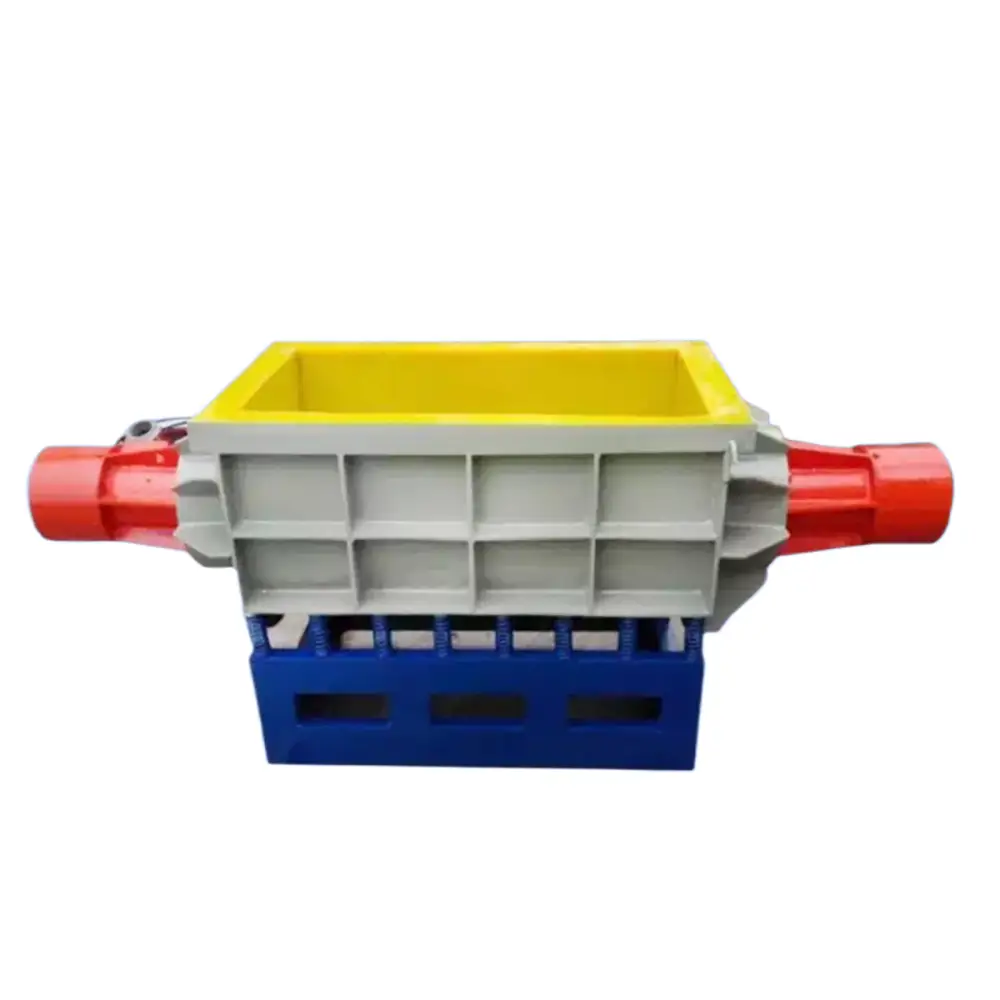
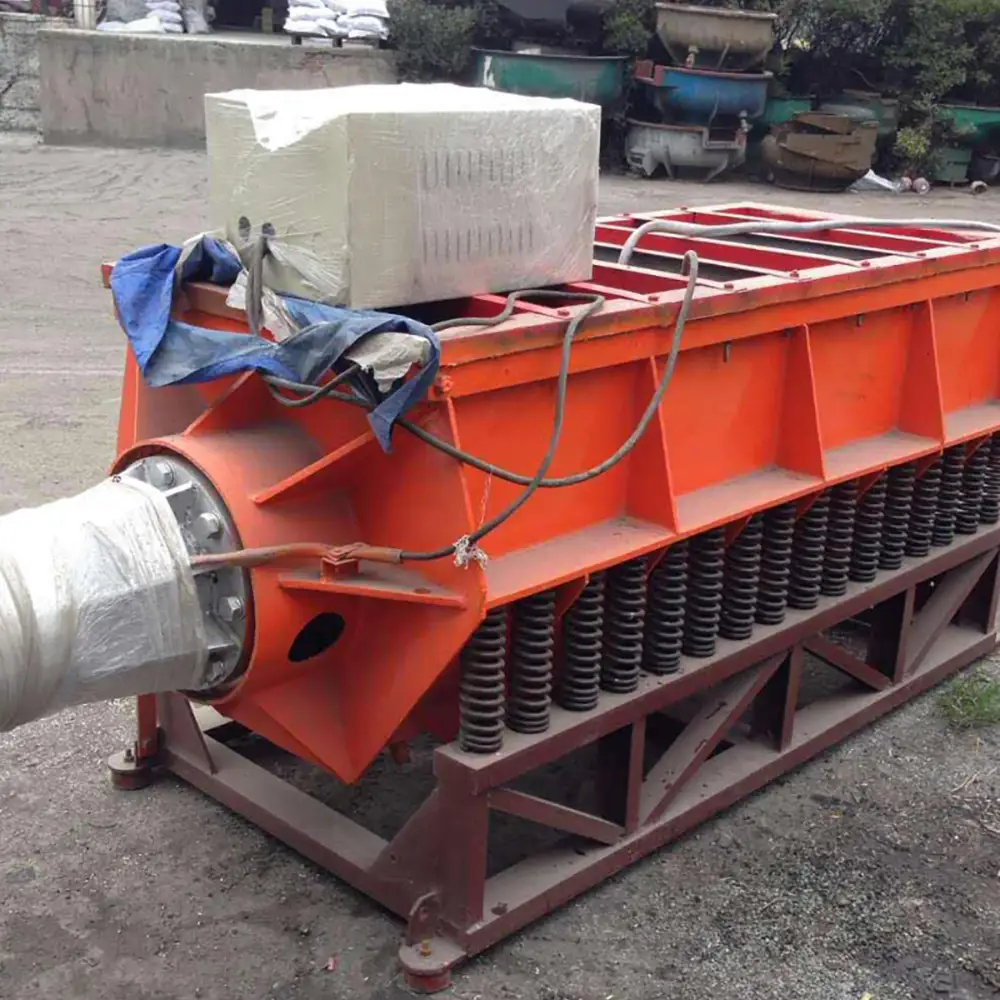
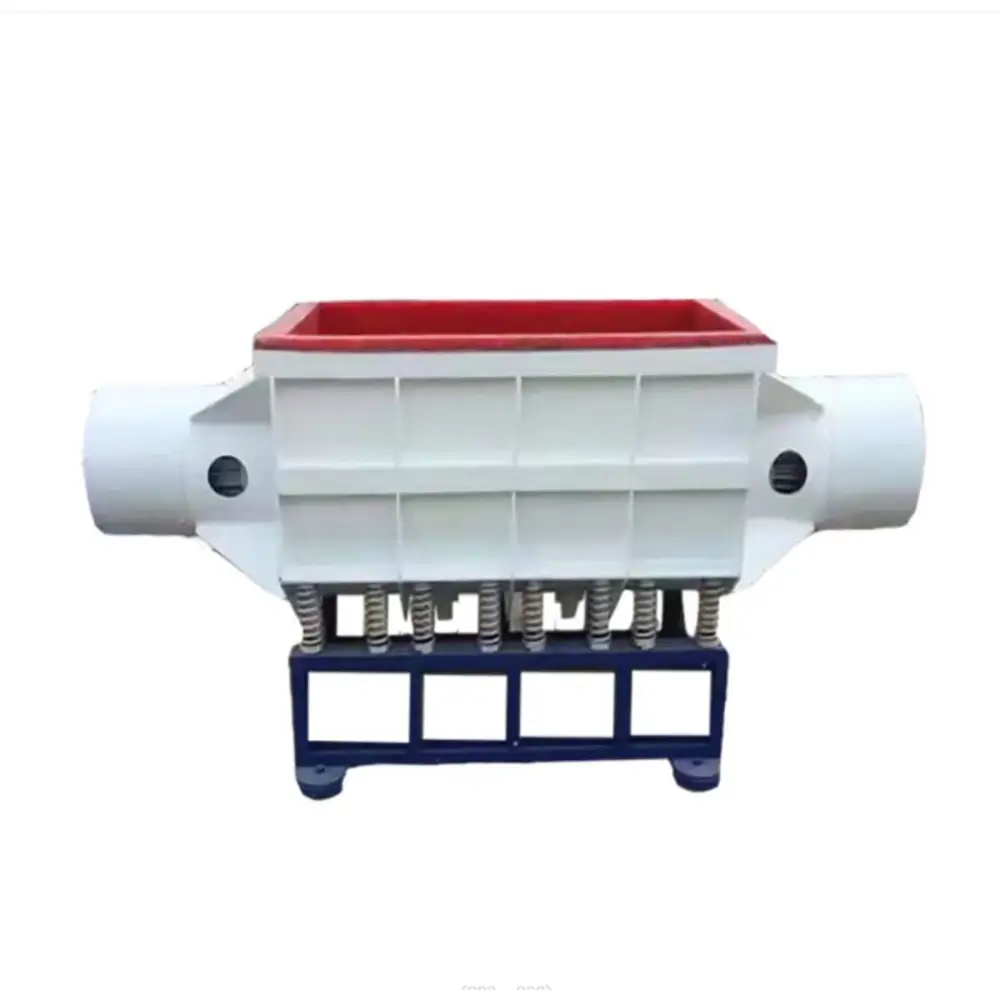
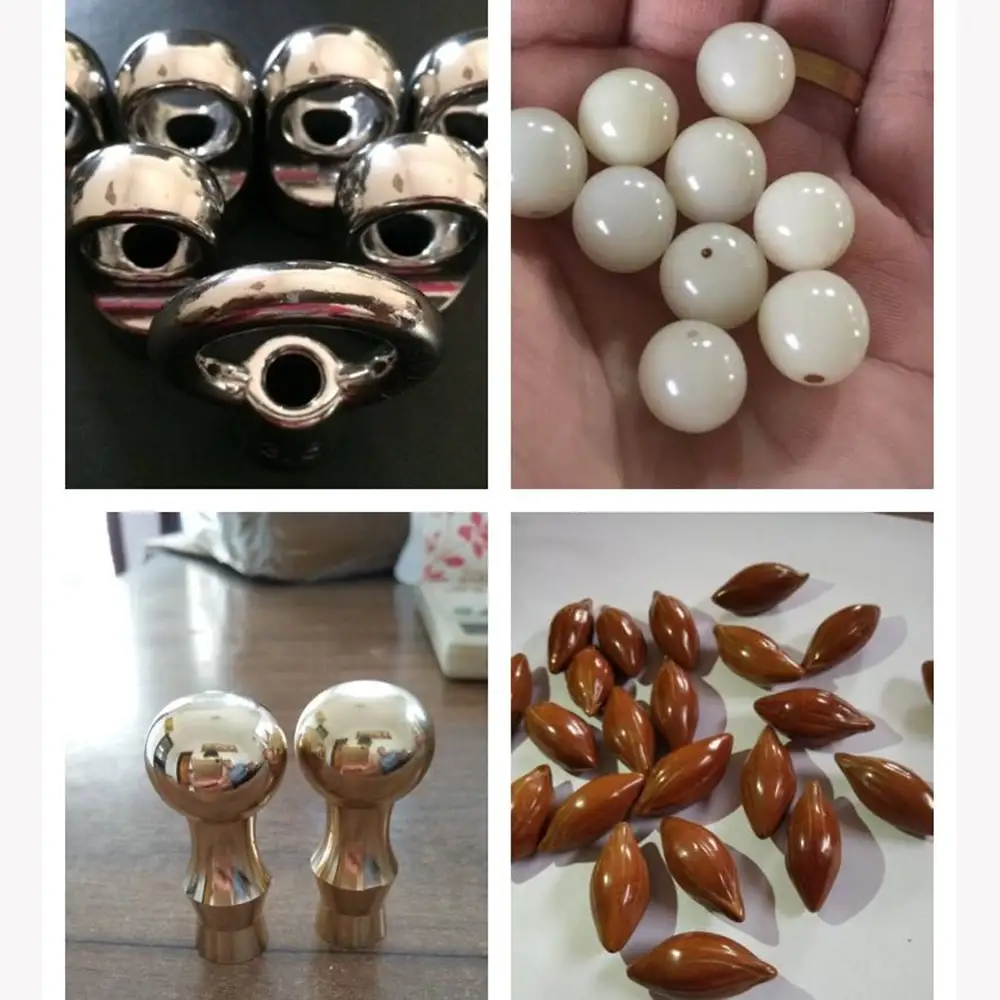
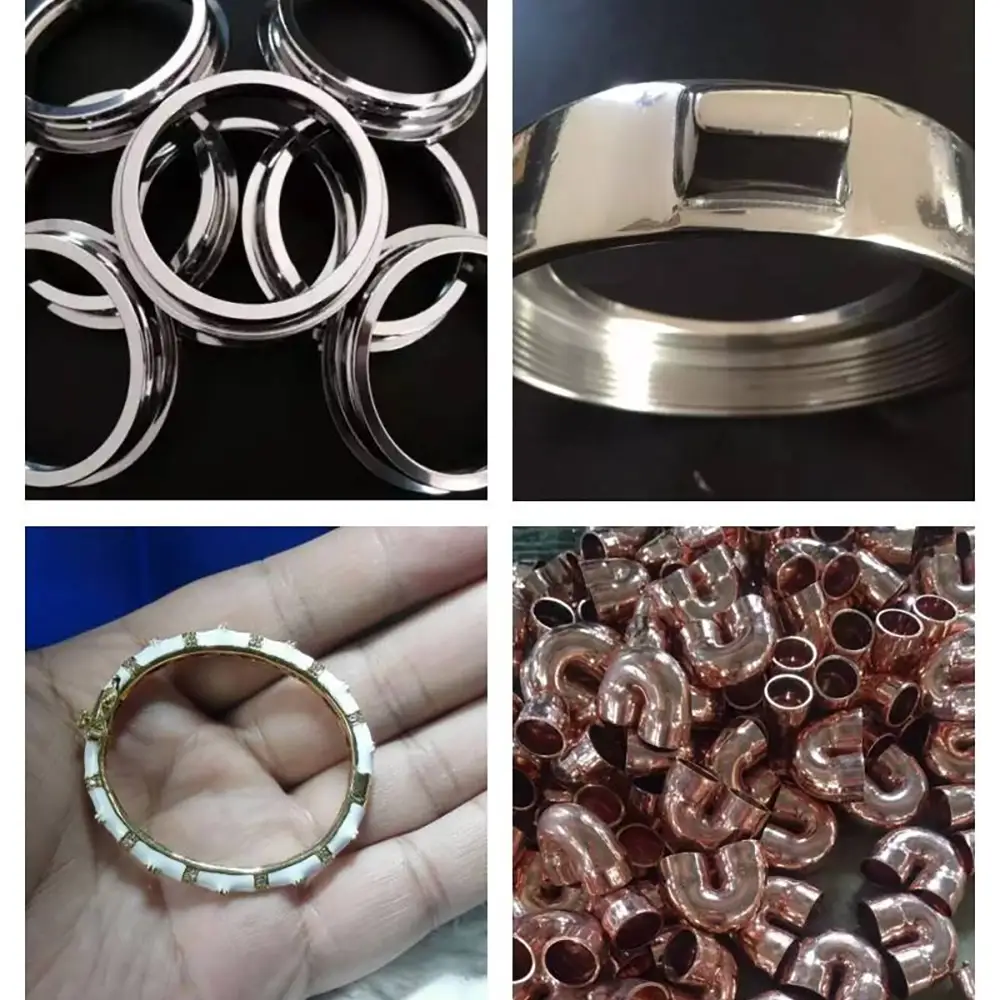
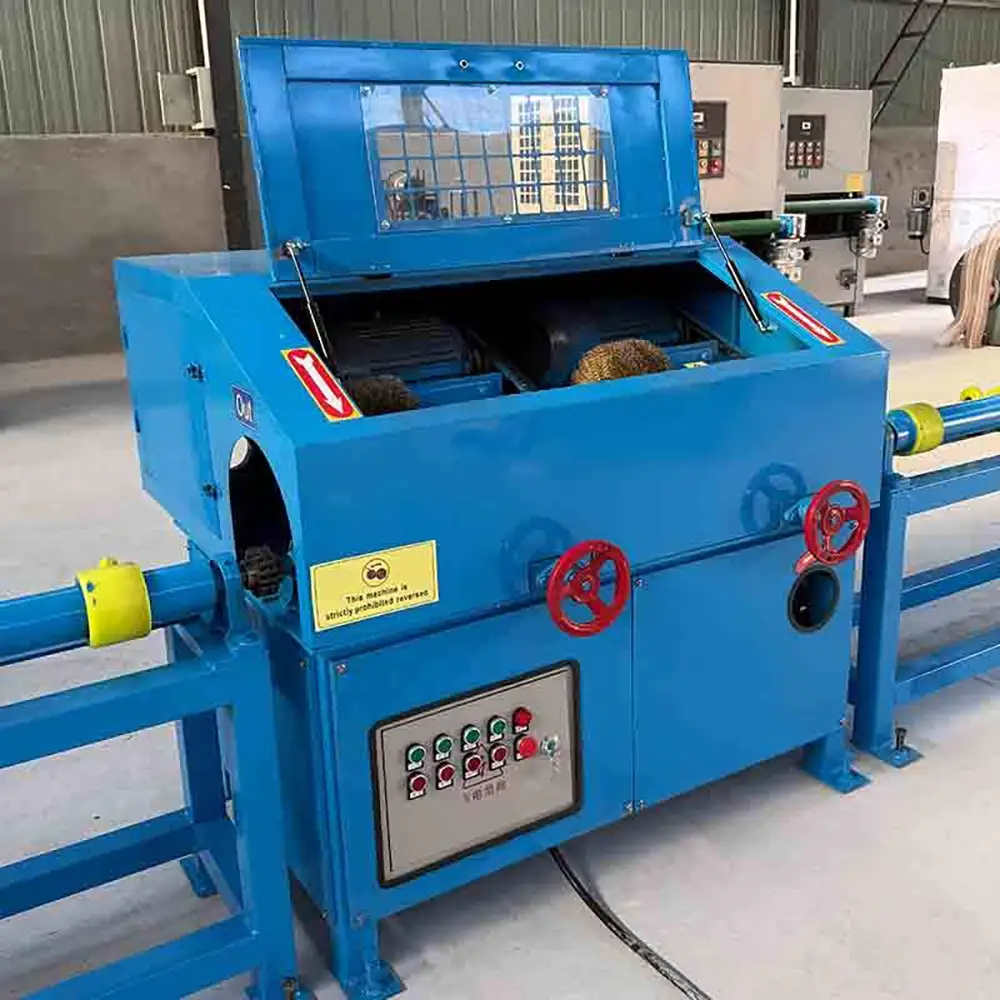
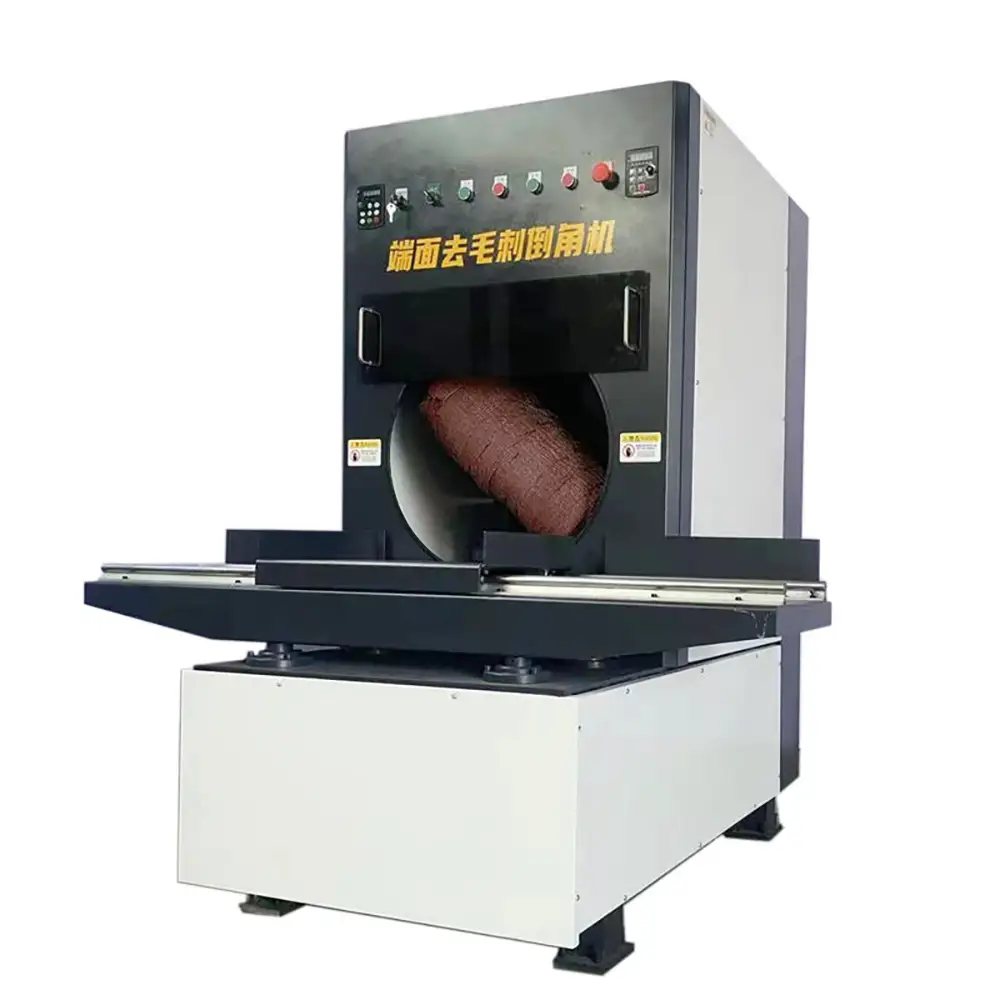
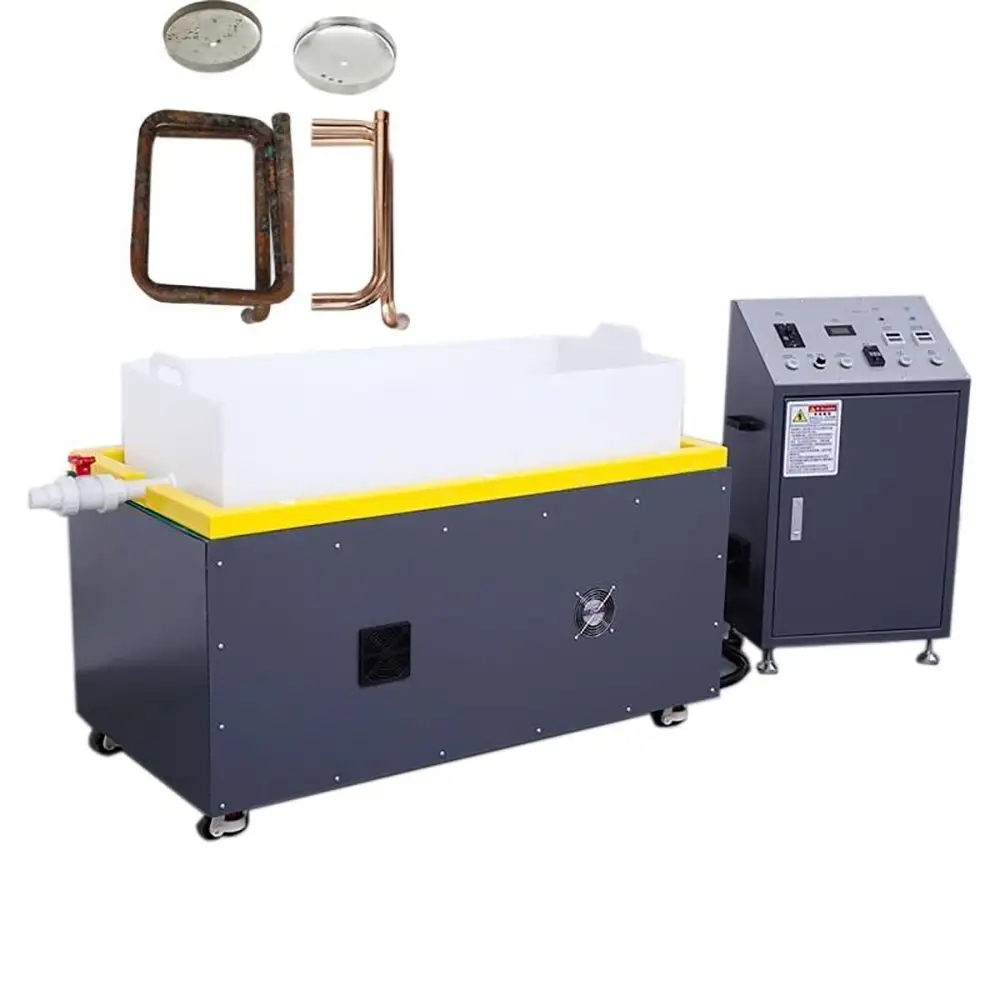
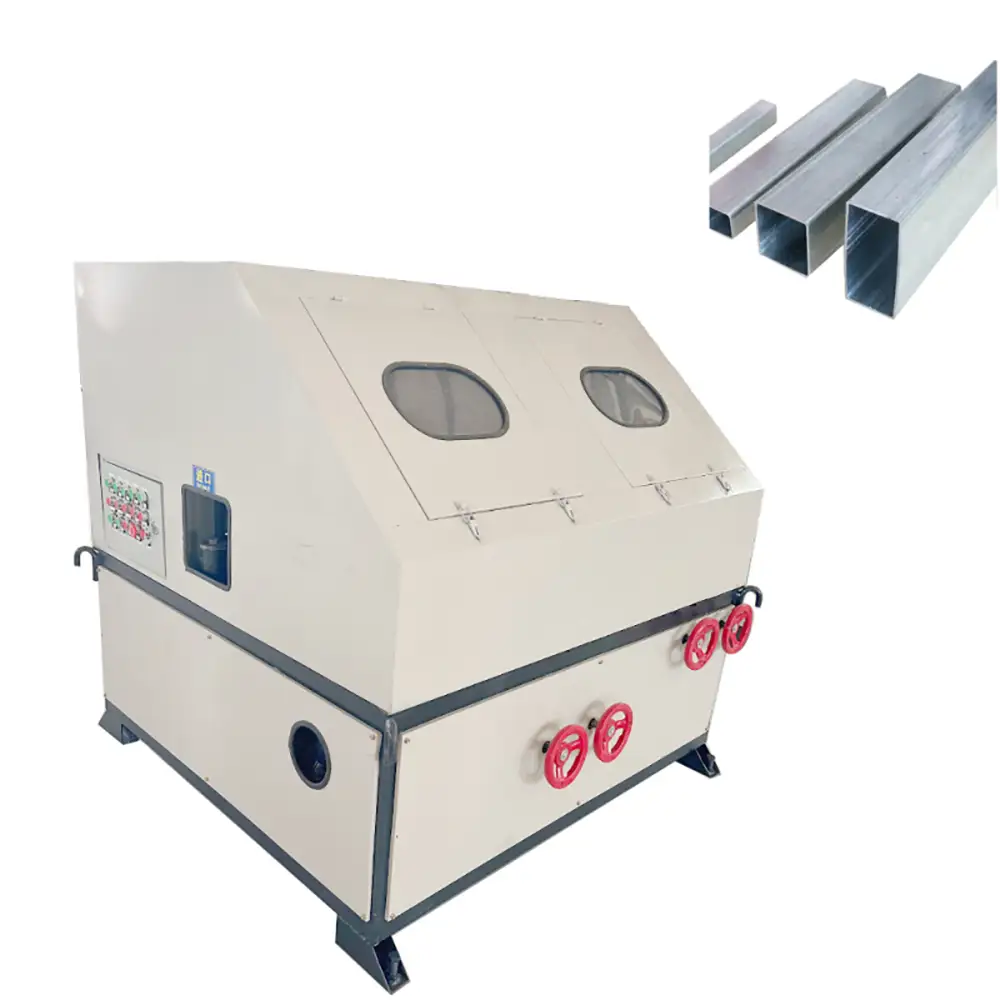
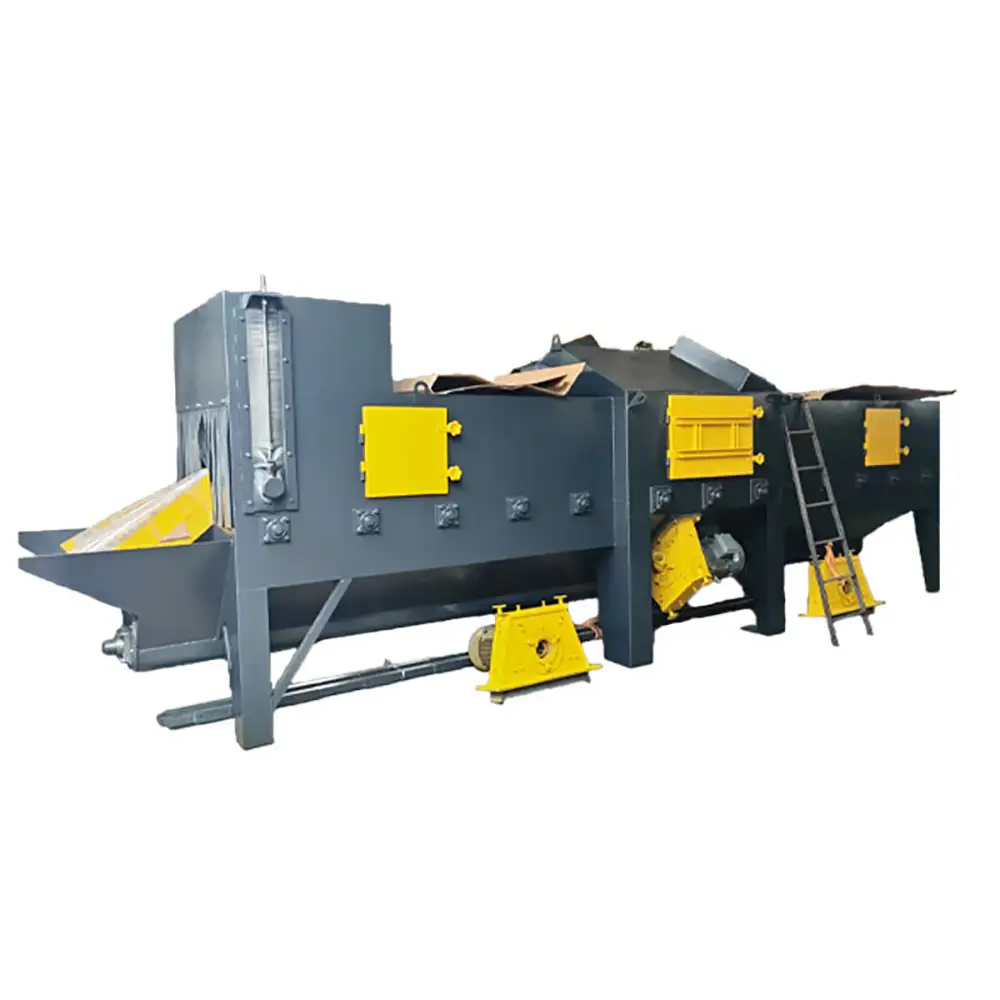
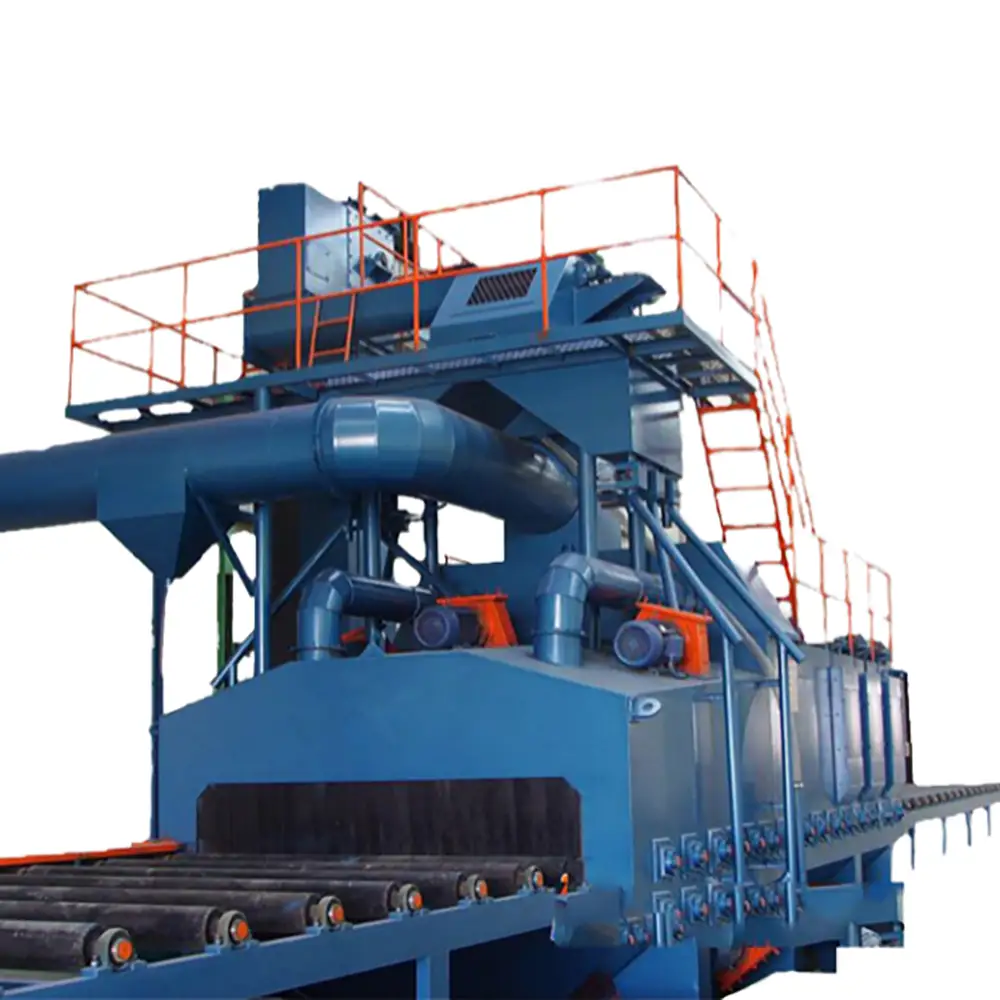
Three-dimensional vibration principle: using the world's advanced three-dimensional vibration principle, so that hardware workpieces and rolling and polishing abrasives grinding each other.
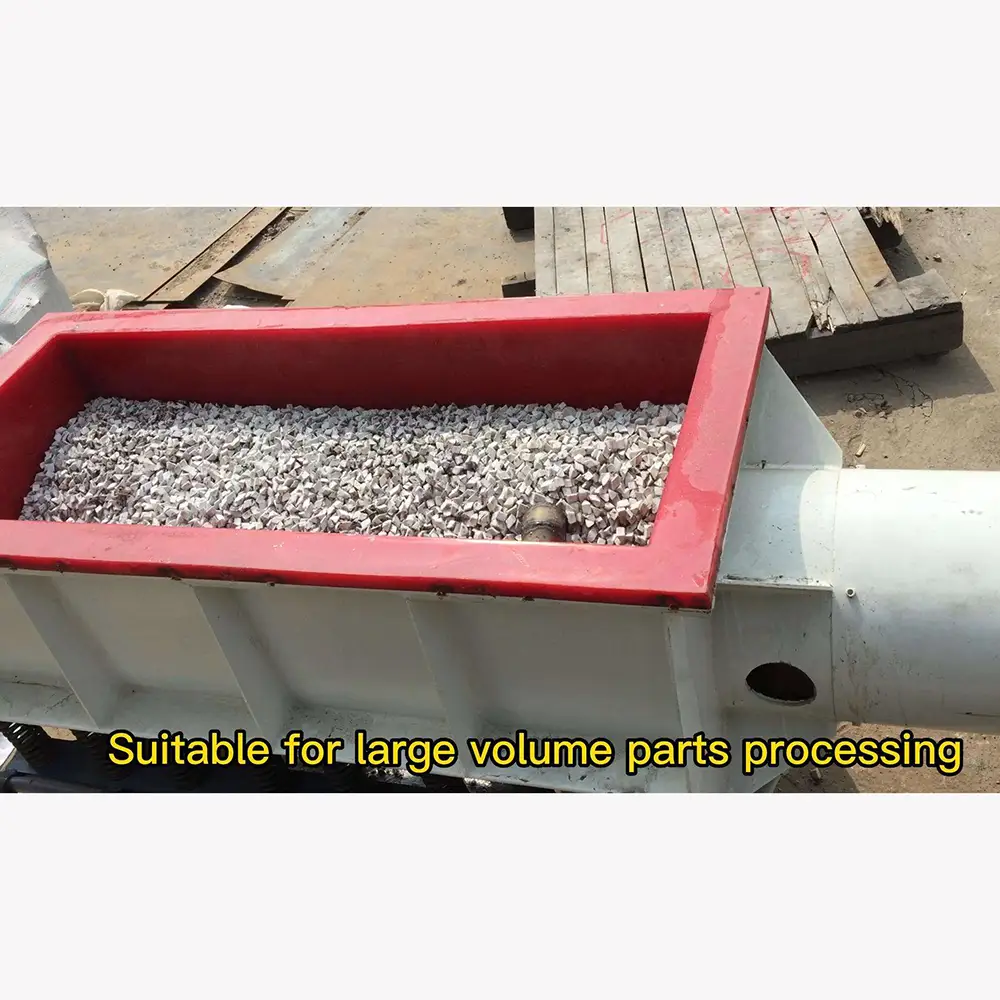
High efficiency: Suitable for large volume parts processing .Original shape: the processing process does not destroy the original size and shape of the parts.
Convenient operation: it can realize automatic and unmanned operation, easy to operate, and the processing of parts can be spot-checked at any time during the working process.
Wide range of application: Wide range of machining capacity available, easy to automate production. Products Description
|
Model |
Volume
(L) |
Thickness of liner
(mm) |
Net weigh
(kg) |
Motor power
(kw) |
Inner cavity size (mm)
LxWxH |
Dimension
(mm)
LxWxH |
|
XZG(B)500 |
500 |
22 |
1200 |
2x2.2 |
1170x690x680 |
2450x1000x955 |
|
XZG(B)700 |
700 |
22 |
1600 |
2x4.0 |
2200x730x645 |
3662x970x1080 |
|
KZG(B)1200 |
1200 |
22 |
2100 |
2x5.5 |
2000x750x854 |
3000x1050x1100 |
|
XZG(B)1800 |
1800 |
25 |
2800 |
2x5.5 |
2020x1120x940 |
3500x1336x1256 |
|
XZG(B)2800 |
2800 |
30 |
4000 |
2x9.0 |
1580x1510x1372 |
3300x1830x1740 |
Multi-Functional Vibratory Tumbling Deburring and Finishing Machine
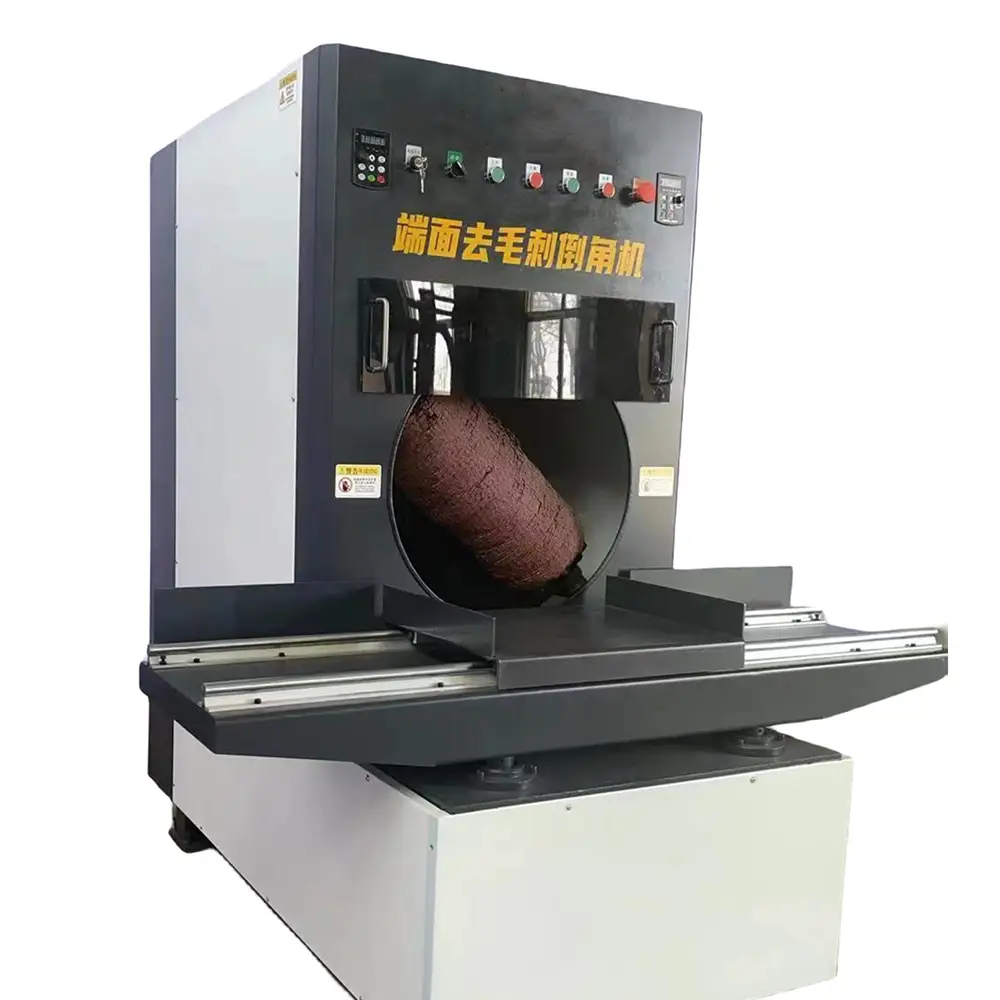
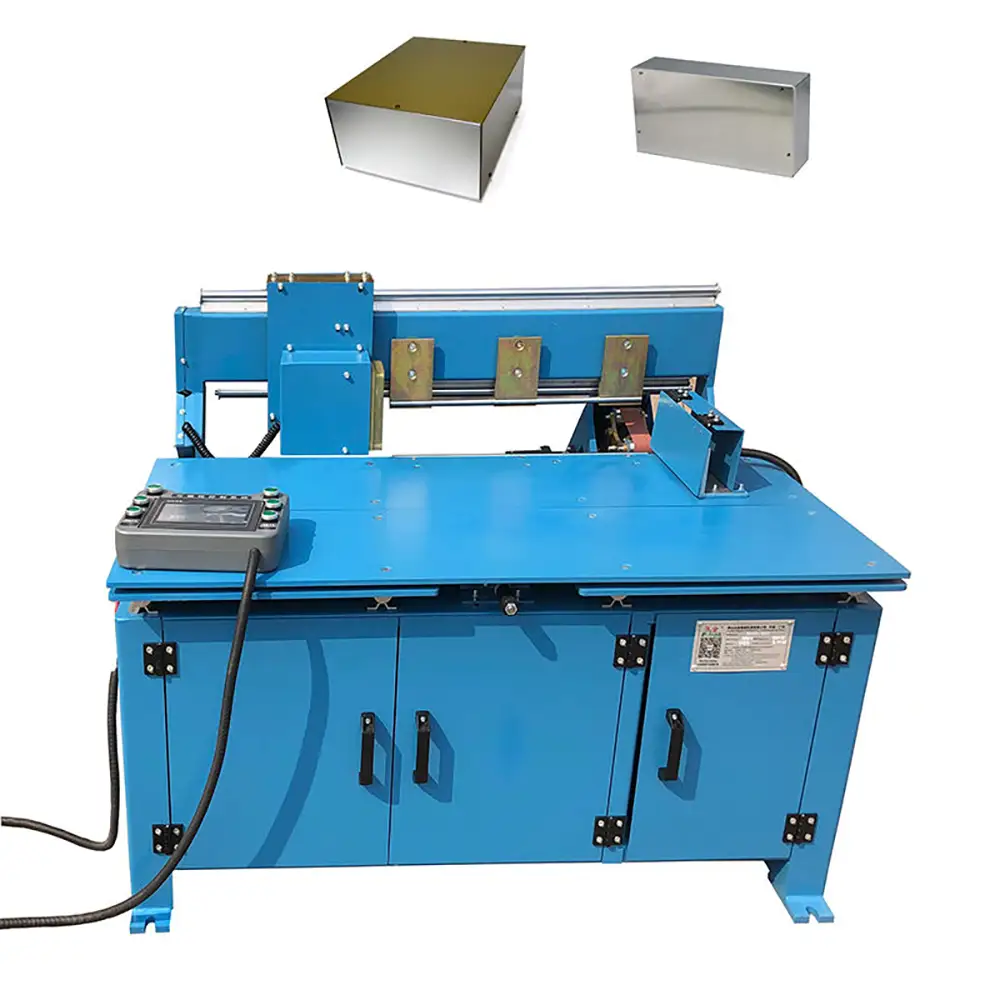
The Multi-Functional Vibratory Tumbling Machine Deburring Machine Chamfering Vibratory Finishing Machine is an efficient mass finishing solution designed for deburring, chamfering, grinding, smoothing, cleaning, polishing, and surface finishing of metal and other suitable industrial components. By combining vibratory motion with finishing media, the machine can process multiple workpieces simultaneously, making it an effective solution for batch production and repetitive surface treatment applications.
Vibratory finishing is widely used when manufacturers need to remove sharp edges, burrs, machining marks, oxidation, and minor surface imperfections from large quantities of parts. Compared with completely manual finishing, vibratory processing can reduce repetitive labor while helping achieve a more consistent surface condition.
The machine can be used with different types of finishing media according to the specific application. Ceramic media, plastic media, polishing media, and other suitable compounds can be selected for different stages of deburring, grinding, chamfering, cleaning, and polishing.
Multi-Functional Surface Finishing
One of the major advantages of a multi-functional vibratory finishing machine is its ability to perform several related surface treatment operations using one processing system.
Depending on the selected media, compound, processing time, and machine configuration, typical operations include:
Deburring
Edge rounding
Chamfering
Grinding
Smoothing
Polishing
Cleaning
Descaling
Oxide removal
Surface refinement
Brightening
General mass finishing
This flexibility makes the equipment suitable for manufacturers that process different types of components and require multiple finishing results.
Efficient Vibratory Tumbling Process
During operation, the workpieces and finishing media are placed inside the vibratory working chamber. The machine generates controlled vibration, causing the media and components to move against each other.
This repeated contact creates a mechanical finishing action across the accessible surfaces of the workpieces. Depending on the media and process parameters, the action can remove burrs, smooth edges, reduce machining marks, and improve the overall surface condition.
Because many components can be processed together, vibratory tumbling is particularly useful for small and medium-sized parts that would otherwise require considerable manual finishing time.
Deburring of Metal Parts
Machining, milling, drilling, turning, stamping, cutting, and casting can leave unwanted burrs on metal components. These sharp edges may interfere with assembly, handling, coating, or subsequent production processes.
The vibratory deburring function provides an efficient way to reduce these burrs in batch quantities. The workpieces tumble with appropriate abrasive media, allowing the media to contact edges and surfaces repeatedly.
The actual deburring result depends on the part geometry, material, burr size, media shape, media hardness, processing time, and machine settings.
Chamfering and Edge Rounding
Sharp edges can be undesirable for both functional and safety reasons. Chamfering and edge rounding can help create smoother transitions on machined components.
With suitable finishing media and process parameters, the vibratory machine can remove sharp edges and create a more uniform edge condition across multiple parts.
This can be useful for machined metal components, stamped parts, castings, hardware, fasteners, and other small industrial products.
Vibratory finishing is generally most effective when the required chamfer or edge radius is relatively small and the part geometry is compatible with tumbling.
Grinding and Smoothing
Vibratory finishing can also be used for light grinding and surface smoothing. Coarser ceramic media can provide stronger cutting action for removing machining marks and minor surface imperfections.
After the initial grinding stage, finer media can be used to produce a smoother surface. Manufacturers can therefore create a multi-stage finishing process based on the desired final result.
For parts requiring a highly controlled dimensional finish, testing is recommended before establishing production parameters because vibratory processing removes material and can affect edges and dimensions to some degree.
Vibratory Polishing
For applications requiring a cleaner or brighter surface, suitable polishing media can be used after deburring and grinding.
Fine polishing media and appropriate compounds can gradually improve the surface appearance of compatible metal components.
Vibratory polishing is commonly used for metal hardware, precision components, decorative parts, fittings, and other products where a smoother visual surface is required.
The final finish depends on the base material, starting surface, media, compound, processing time, and process sequence.
Wide Range of Metal Applications
The machine can be used for many types of metal parts, including:
Stainless steel components
Carbon steel parts
Aluminum parts
Brass components
Copper parts
Zinc alloy parts
Die-cast components
Machined parts
Stamped parts
Forged components
Small hardware
Fasteners
Automotive components
General industrial parts
Different materials require different media and finishing processes. Proper media selection is important for achieving the desired result without damaging the workpiece.
Ceramic and Plastic Finishing Media
Finishing media is an important part of the vibratory finishing process.
Ceramic media is commonly used for stronger cutting, grinding, deburring, and edge finishing. Plastic media can provide a gentler finishing action and may be suitable for applications where surface protection is more important.
Other media options may be used for polishing or specialized finishing applications.
Media shape and size should also be considered. Smaller media can reach some narrow areas more effectively, while larger media may provide stronger finishing action on larger components.
Batch Processing Capability
Unlike manual finishing, where operators typically work on individual parts, vibratory tumbling allows multiple components to be processed at the same time.
This makes the machine particularly useful for batch production. Components with similar materials, geometry, and finishing requirements can be loaded into the machine together.
Batch processing can help reduce repetitive manual handling and create a more standardized production workflow.
However, parts with very different sizes, materials, or surface requirements may need to be processed separately to avoid part-to-part contact damage or inconsistent results.
Applications in Machining and Manufacturing
CNC machining operations often produce components with burrs and sharp edges. A vibratory deburring machine can be positioned after machining to provide a secondary finishing process.
For example, a production workflow may include CNC turning, CNC milling, drilling, inspection, vibratory deburring, washing, drying, and final inspection.
This can help manufacturers establish a repeatable post-machining finishing process.
Suitable for Automotive and Hardware Components
Automotive components often require reliable edge finishing and surface preparation. Small brackets, fittings, machined components, and hardware can potentially be processed using suitable vibratory media.
The same principle applies to general hardware manufacturing, where large quantities of small metal components require deburring and edge smoothing before assembly or packaging.
Reduced Manual Finishing Work
Manual deburring and polishing can require significant labor, particularly when parts have multiple edges or complex surfaces.
A vibratory finishing machine automates much of the repetitive tumbling action. Operators primarily load the work chamber, select the appropriate media and compound, set the processing conditions, and inspect the finished parts.
This can reduce repetitive hand-finishing work and help improve production efficiency.
Surface Cleaning and Oxide Removal
In addition to deburring and polishing, vibratory finishing can help clean components by removing loose contamination, light oxidation, machining residues, and other surface deposits.
Suitable compounds can be added to the process when cleaning is required.
For heavily rusted, deeply oxidized, or heavily contaminated parts, a dedicated pretreatment may be necessary before vibratory finishing.
Easy Integration Into Production
The machine can be integrated into various industrial finishing workflows. A typical process may include:
Load the workpieces into the vibratory chamber.
Add the appropriate finishing media.
Add compound or processing solution if required.
Set the appropriate processing time.
Start the vibratory finishing cycle.
Monitor the process according to the selected application.
Separate the parts from the finishing media.
Clean and dry the finished components.
Inspect the final surface and edges.
The exact process should be established through testing because different parts require different media, loading ratios, and processing times.
Why Choose Us
1. Multi-Functional Finishing
One machine can support deburring, chamfering, grinding, smoothing, polishing, cleaning, and other finishing operations.
2. Efficient Batch Processing
Multiple components can be processed simultaneously, making the machine suitable for repetitive production.
3. Reduced Manual Labor
Vibratory processing can reduce repetitive hand deburring, grinding, and polishing operations.
4. Flexible Media Selection
Ceramic, plastic, polishing, and other suitable media can be selected according to the finishing objective.
5. Wide Material Compatibility
The machine can be configured for stainless steel, steel, aluminum, copper, brass, zinc alloys, and other suitable materials.
6. Consistent Finishing
Controlled processing parameters can help manufacturers achieve more repeatable results across production batches.
7. Suitable for Small Components
Vibratory finishing is particularly useful for small and medium-sized parts that are difficult or inefficient to finish manually.
8. B2B Industrial Applications
The machine is suitable for machining factories, hardware manufacturers, automotive suppliers, metal component manufacturers, and general industrial production.
9. Flexible Process Configuration
Media type, compound, processing time, and finishing sequence can be selected according to the specific workpiece.
10. Export-Oriented Service
We provide technical communication, machine configuration support, application guidance, and assistance for international B2B customers.
Frequently Asked Questions
1. What is a vibratory finishing machine?
A vibratory finishing machine uses controlled vibration to move workpieces and finishing media against each other. This mechanical action can deburr, smooth, grind, polish, and clean compatible components.
2. What can this machine be used for?
It can be used for deburring, chamfering, edge rounding, grinding, smoothing, polishing, cleaning, and general mass finishing.
3. Can it remove burrs from CNC machined parts?
Yes. Vibratory deburring is commonly used as a post-machining process for removing burrs and smoothing edges on suitable CNC machined components.
4. Can it chamfer metal parts?
It can reduce sharp edges and create a small rounded or chamfered edge depending on the part geometry, finishing media, and processing conditions.
5. What materials can be processed?
Suitable materials may include stainless steel, carbon steel, aluminum, brass, copper, zinc alloys, and other compatible metals.
6. What type of media should I use?
Ceramic media is commonly selected for stronger cutting and deburring, while plastic media can provide a gentler finishing action. Polishing media can be used for finishing applications.
7. Can it polish stainless steel?
Yes. With suitable polishing media, compounds, and processing parameters, the machine can polish compatible stainless steel components.
8. Is vibratory finishing suitable for small parts?
Yes. Small metal components, hardware, machined parts, fittings, and other batch-produced components are common applications.
9. Can different parts be processed together?
Parts with similar materials, geometry, and finishing requirements can often be processed together. Parts with significantly different characteristics may need separate processing.
10. How long does vibratory finishing take?
Processing time varies according to the material, part geometry, burr condition, media, loading ratio, and required finish. A production trial is recommended to determine the appropriate cycle time.
11. Does vibratory finishing change part dimensions?
Some material removal can occur, particularly during aggressive grinding or long processing cycles. Precision-critical parts should be tested to establish suitable process parameters.
12. Can the machine remove rust?
It can help remove light rust, oxidation, and surface contamination with suitable abrasive media. Heavy corrosion may require a separate pretreatment process.
13. How do I choose the right machine?
Consider the part dimensions, material, batch size, required finishing result, burr condition, media type, and production volume. These factors determine the appropriate machine capacity and configuration.
Prev:
Aluminium Profiles Metal Cut Face Processing Deburring Chamfer Grinding Polishing Deburring Machine
Next:
Stainless Steel Square Tube Derusting Drawing Grinding Tube Pipe Polishing Machine for Rust Removal
TAG:
Metal Edge Finishing Machine,
Metal Deburring Machine,
Small Parts Deburring Machine,
Stainless Steel Polishing Machine,
Stainless Steel Deburring Machine,
Metal Chamfering Machine,
Metal Polishing Machine,
Industrial Deburring Machine,
Automatic Deburring Machine,
Industrial Grinding Machine,
Metal Grinding Machine,
Metal Surface Grinding Machine,
Metal Finishing Machine,
Metal Surface Polishing Machine,
Metal Surface Finishing Machine,
Metal Edge Rounding Machine,
Vibratory Finishing Equipment,
Surface Finishing Equipment,
Industrial Polishing Machine,
Vibratory Polishing Machine,
Vibratory Finishing Machine,
Vibratory Deburring Machine,
Metal Parts Polishing Machine,
Vibratory Tumbler Machine,
Metal Parts Finishing Machine,
Vibratory Grinding Machine,
Mass Finishing Machine,
Parts Polishing Machine,
Parts Grinding Machine,
Mass Finishing Equipment,
Related Category:
Multi-Functional Vibratory Finishing Machine, Vibratory Tumbling Machine, Vibratory Deburring Machine China, suppliers, manufacturers, factory, customized, wholesale, quotation, made in China