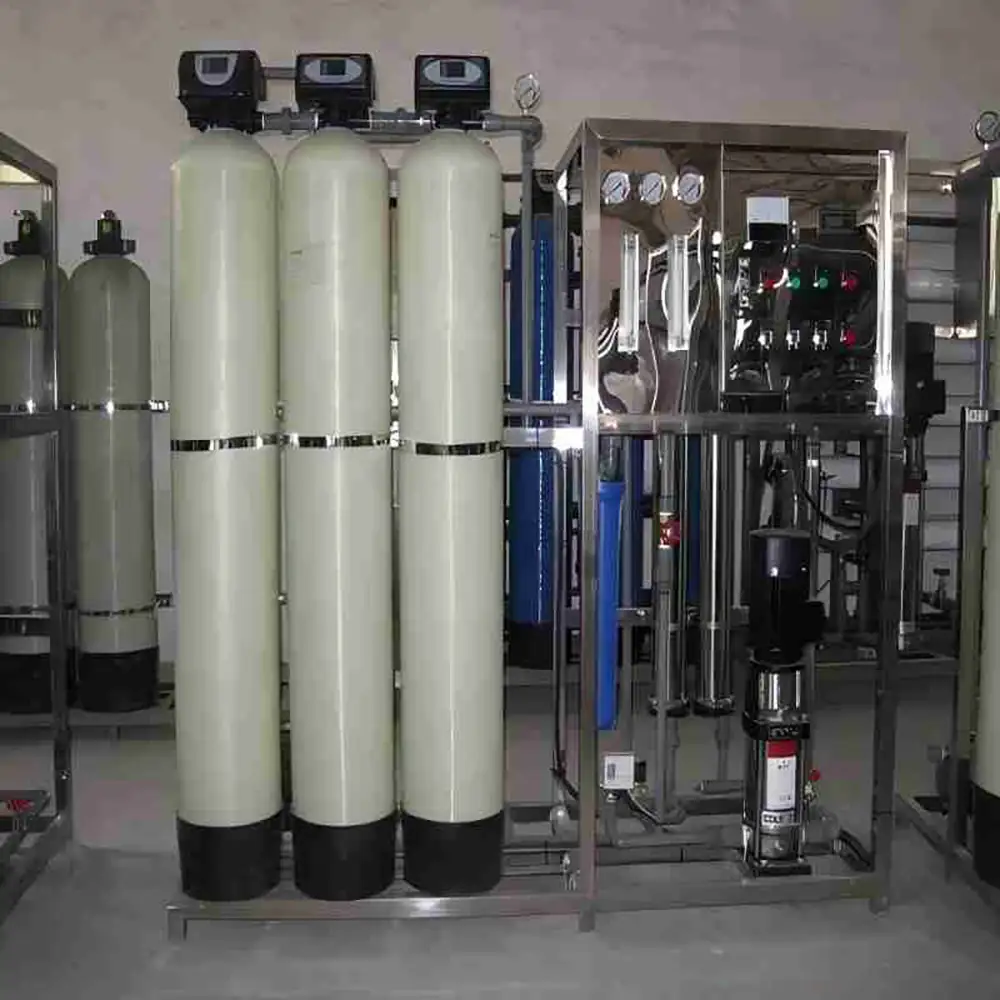
Fully Automatic Reverse Osmosis Equipment for Food Manufacturers
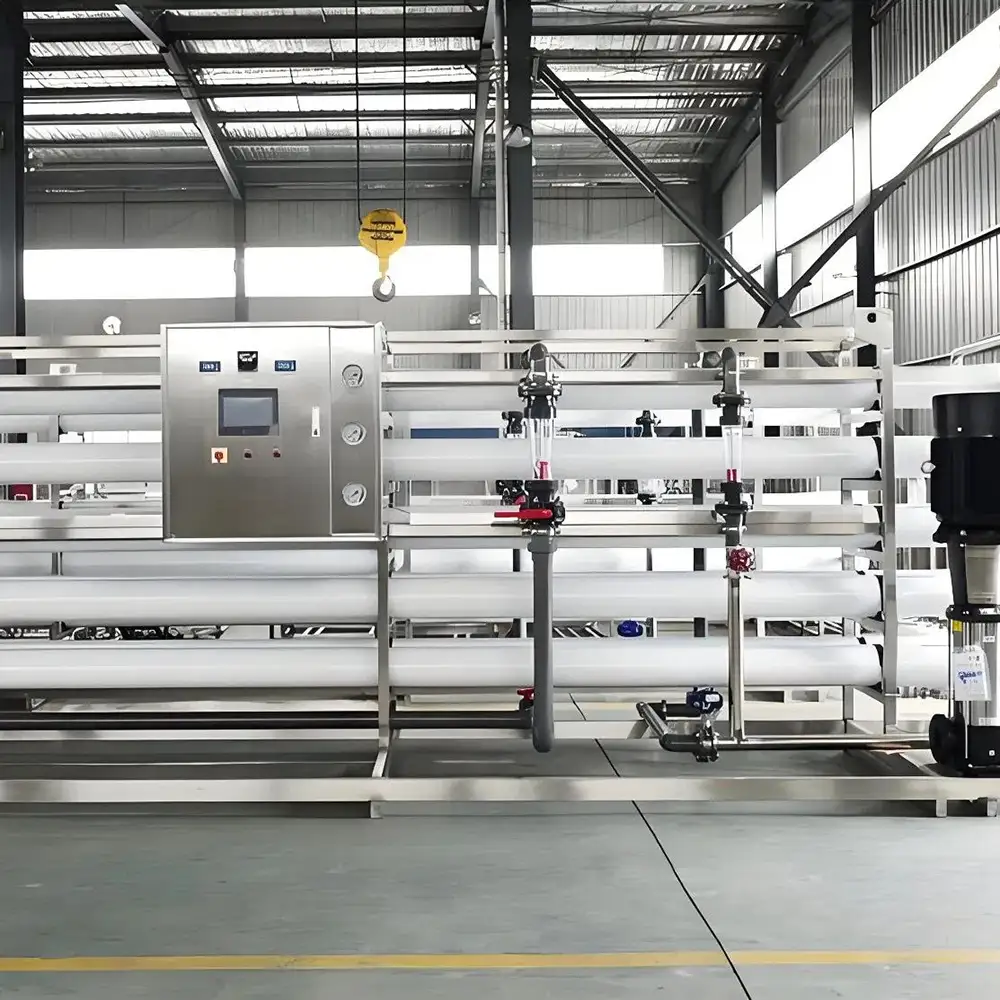
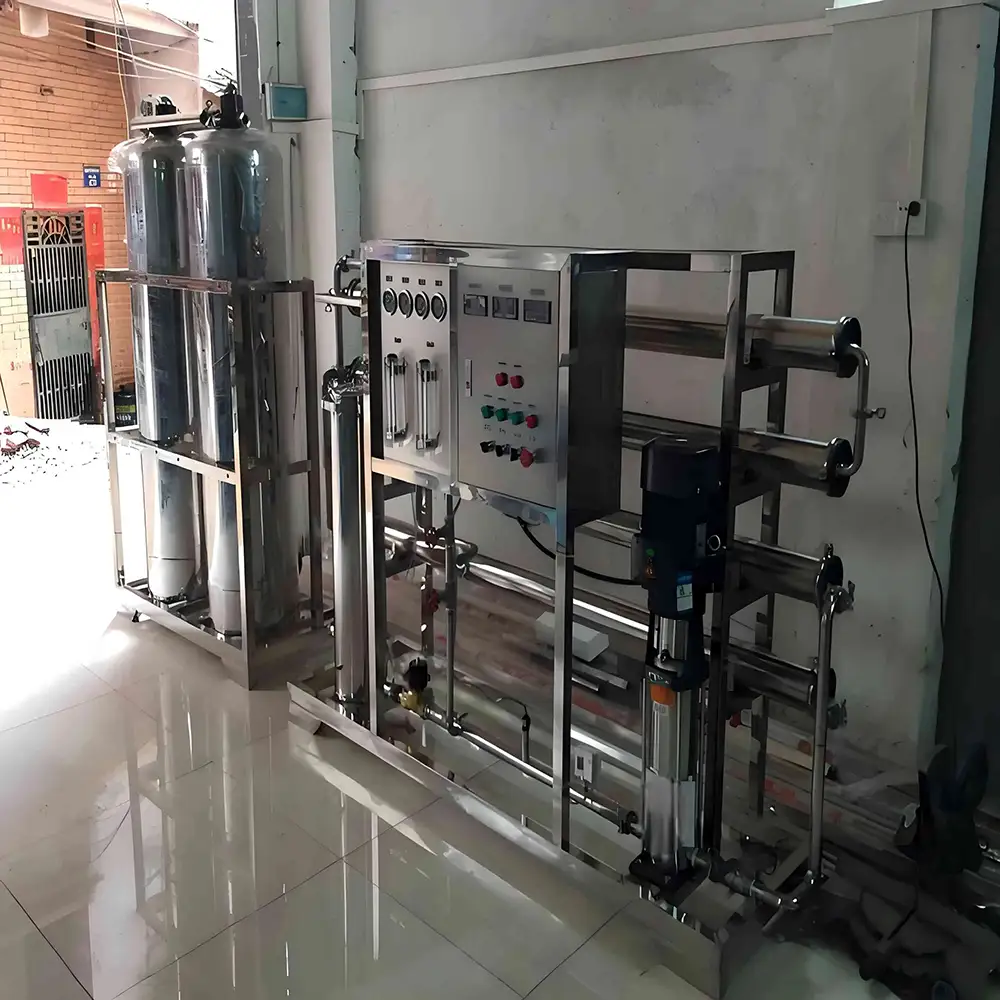
Fully Automatic Reverse Osmosis Equipment for Food Manufacturers is an advanced water purification solution designed for food processing plants, beverage production facilities, commercial kitchens, ingredient preparation, and other industrial applications where consistent water quality is essential.
Water is an important processing resource throughout the food manufacturing industry. It may be used as an ingredient, for equipment cleaning, steam generation, cooling, washing, beverage production, and other production processes. Variations in raw water quality can affect product consistency, equipment performance, and overall production efficiency.
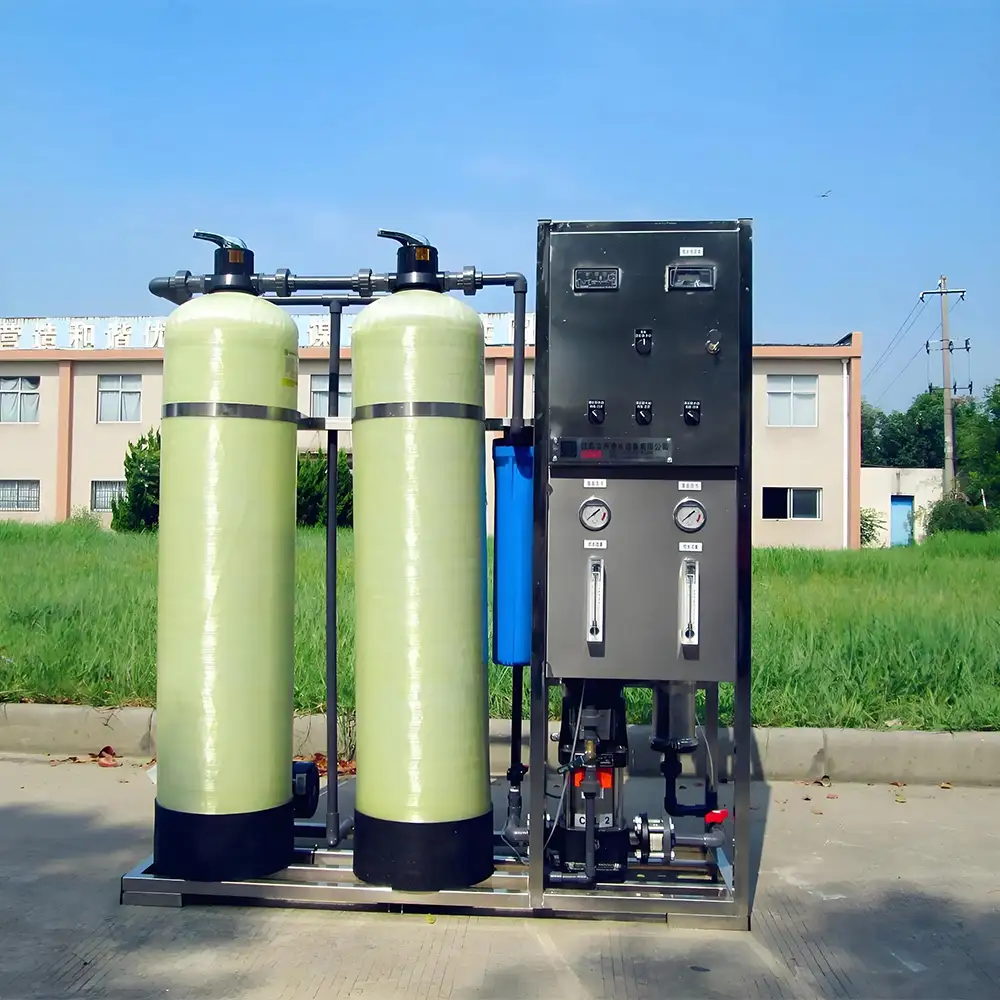
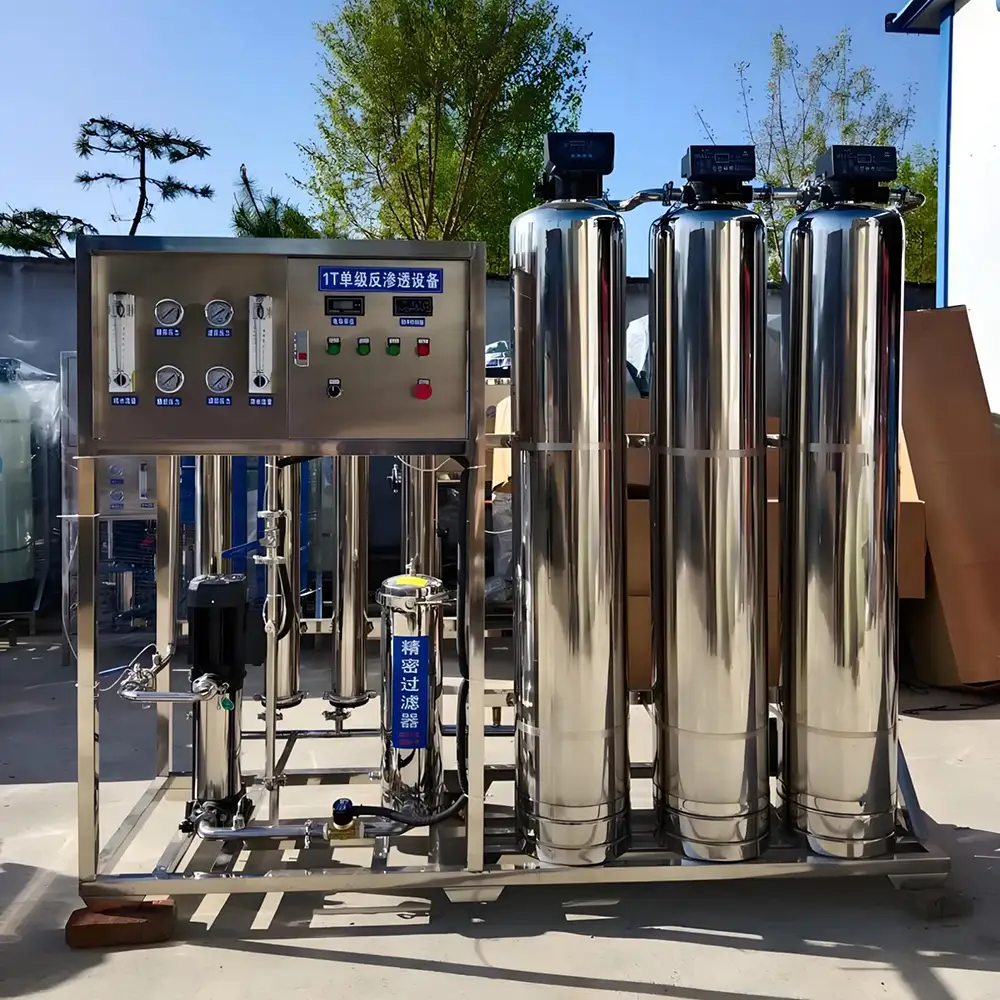
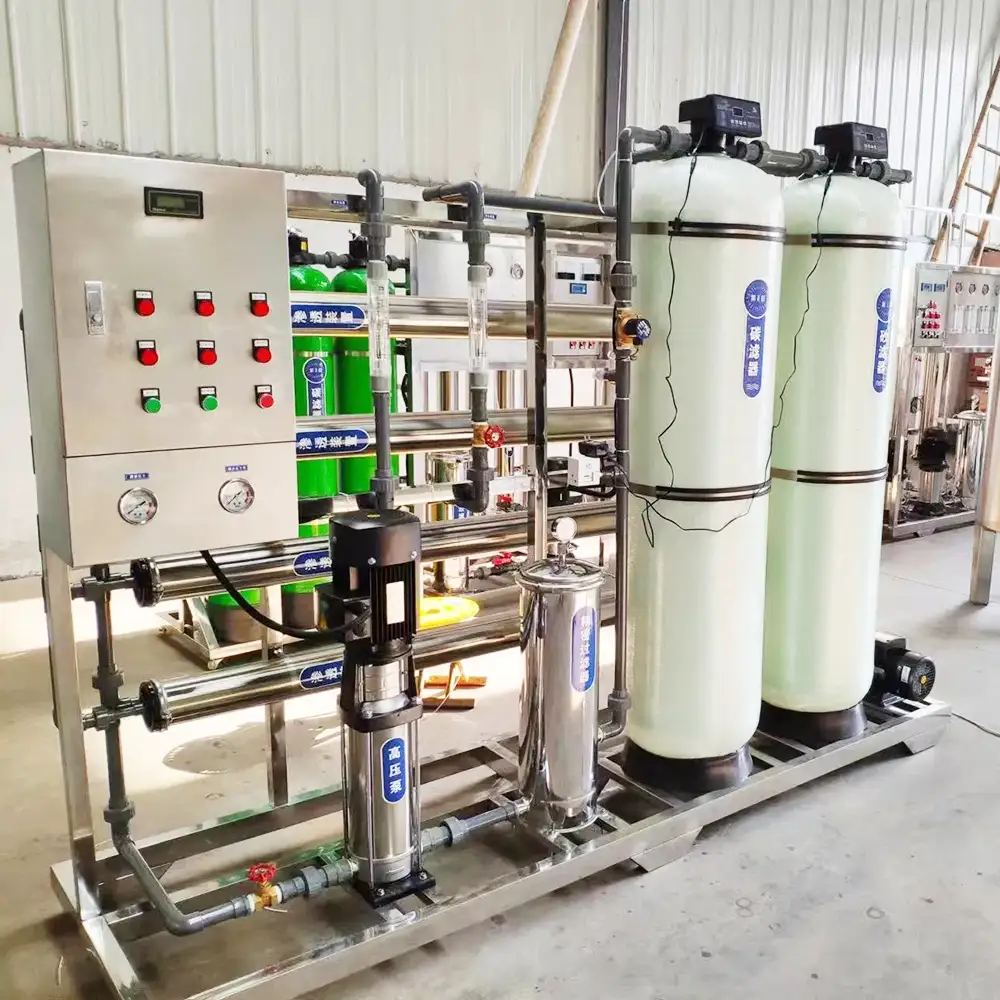
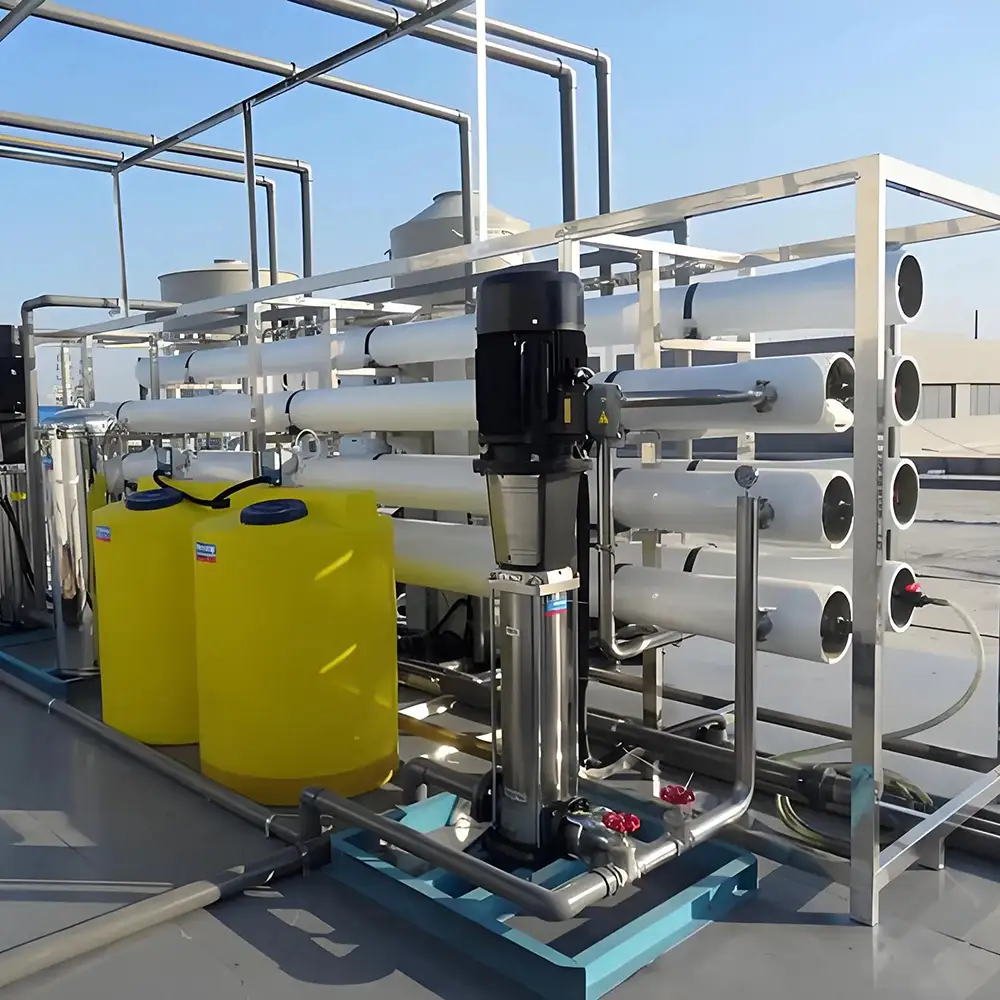
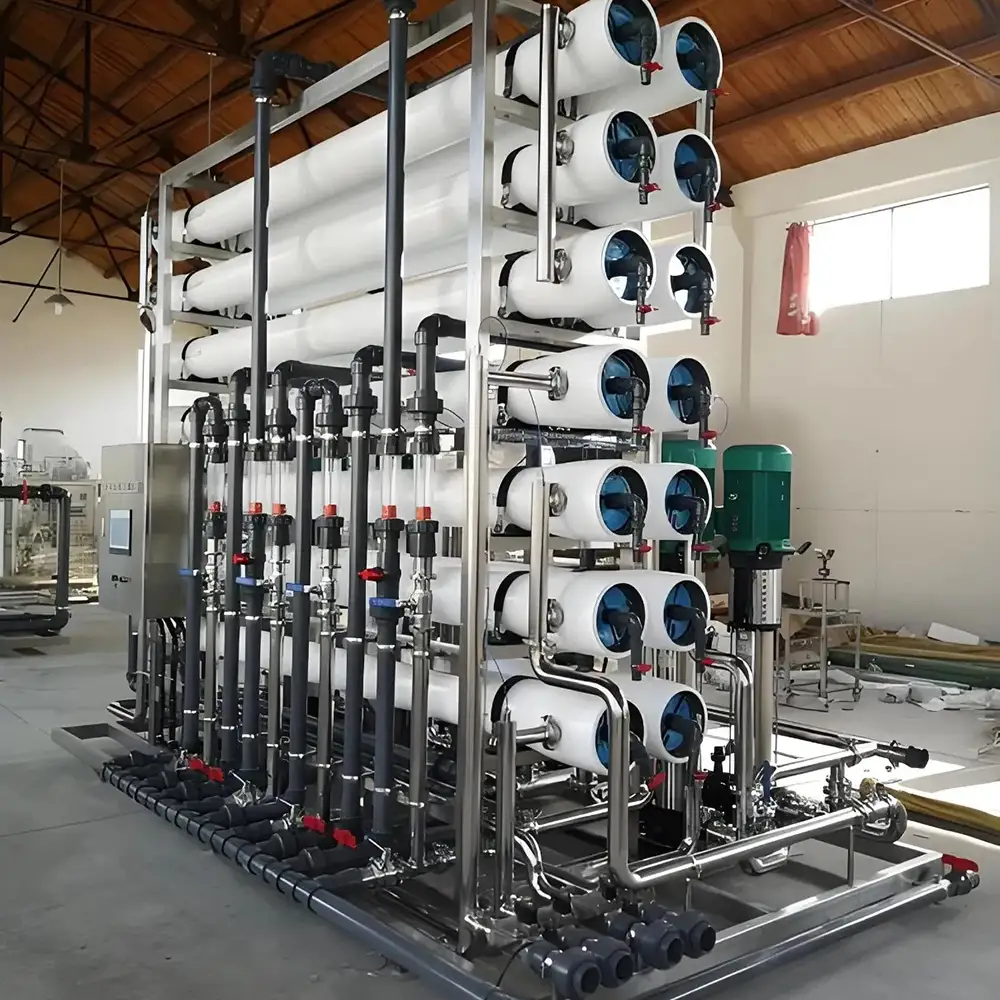
The RO Reverse Osmosis system uses multi-stage pretreatment and semipermeable membrane technology to reduce dissolved salts, suspended particles, microorganisms, minerals, heavy metals, and other unwanted contaminants. The fully automatic configuration simplifies operation and allows the system to continuously monitor and control important treatment parameters.
Advanced RO Reverse Osmosis Technology
Reverse osmosis is a pressure-driven membrane purification process. Feed water passes through pretreatment filters before entering the high-pressure RO membrane section.
The high-pressure pump forces water through the semipermeable membrane. Water molecules can pass through the membrane, while a large proportion of dissolved salts, minerals, microorganisms, and other contaminants are rejected.
The purified permeate can then be supplied to food processing operations or transferred to additional post-treatment equipment, depending on the required water quality.
RO technology is particularly useful for food manufacturers because it can provide a more consistent water quality than conventional filtration methods alone.
The reverse osmosis equipment passes the raw water through fine filters, granular activated carbon filters, compressed activated carbon filters, etc., and then pressurizes it through a pump, utilizing a pore size of 1/10000 μ The reverse osmosis membrane (RO membrane) of m (equivalent to 1/6000 of the size of Escherichia coli and 1/300 of the size of the virus) separates high concentration water into extremely low concentration water (i.e. pure water) and higher concentration water. Low concentration water is used, and high concentration water is discharged or reused as resources
Multi-Stage Water Treatment for Food Processing
A complete Food Industry RO System normally includes several treatment stages designed to protect the RO membrane and improve overall purification performance.
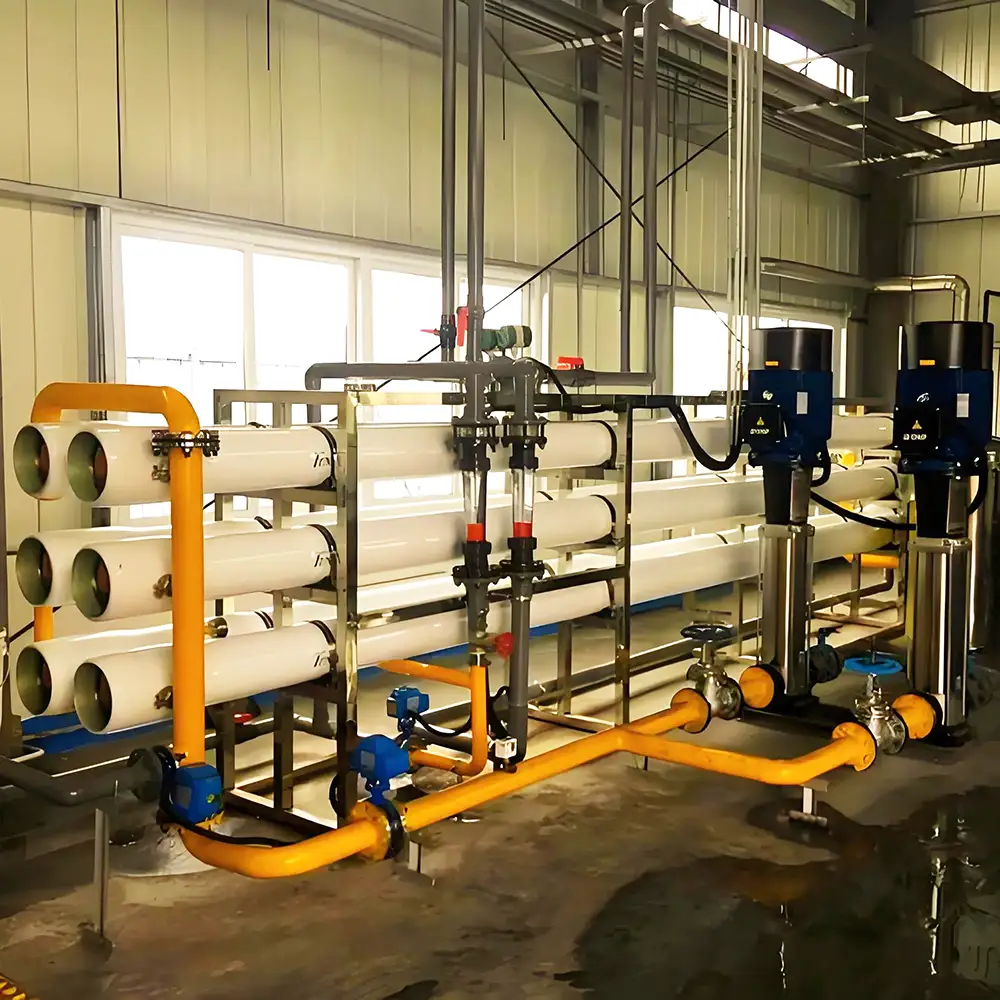
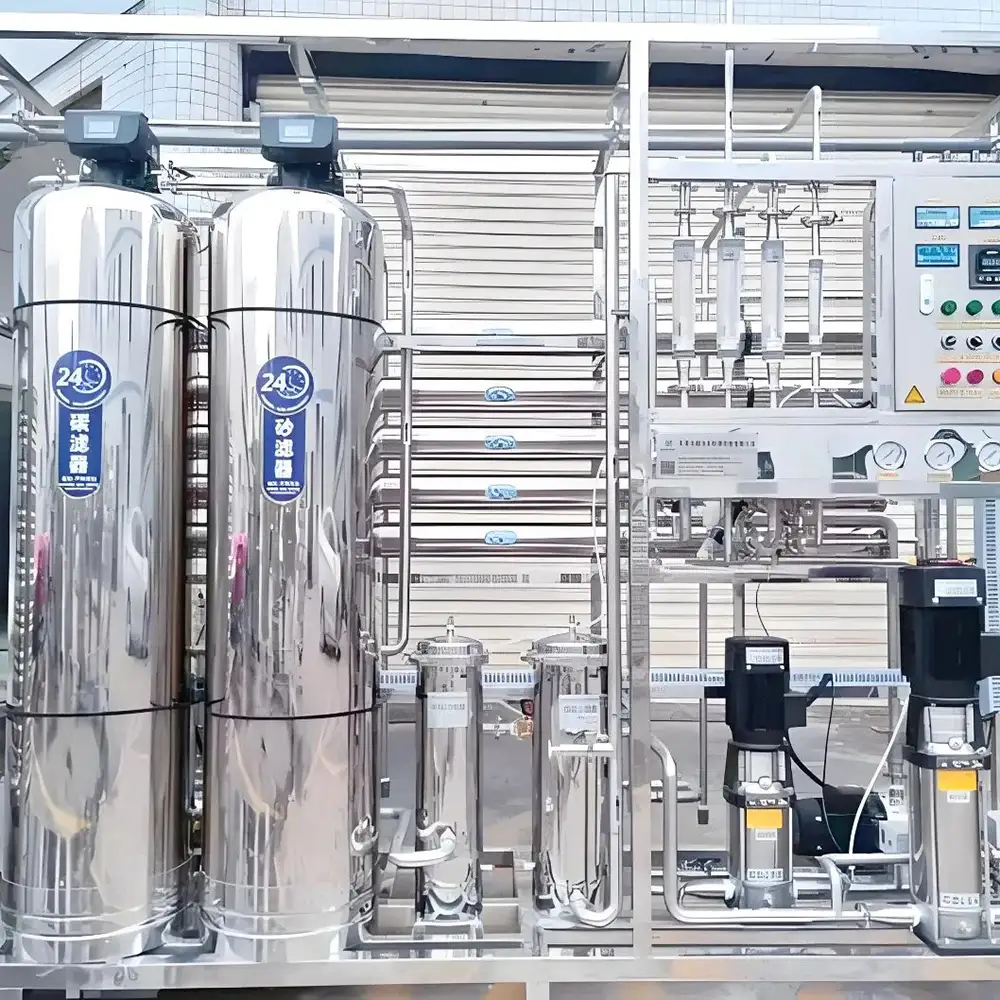
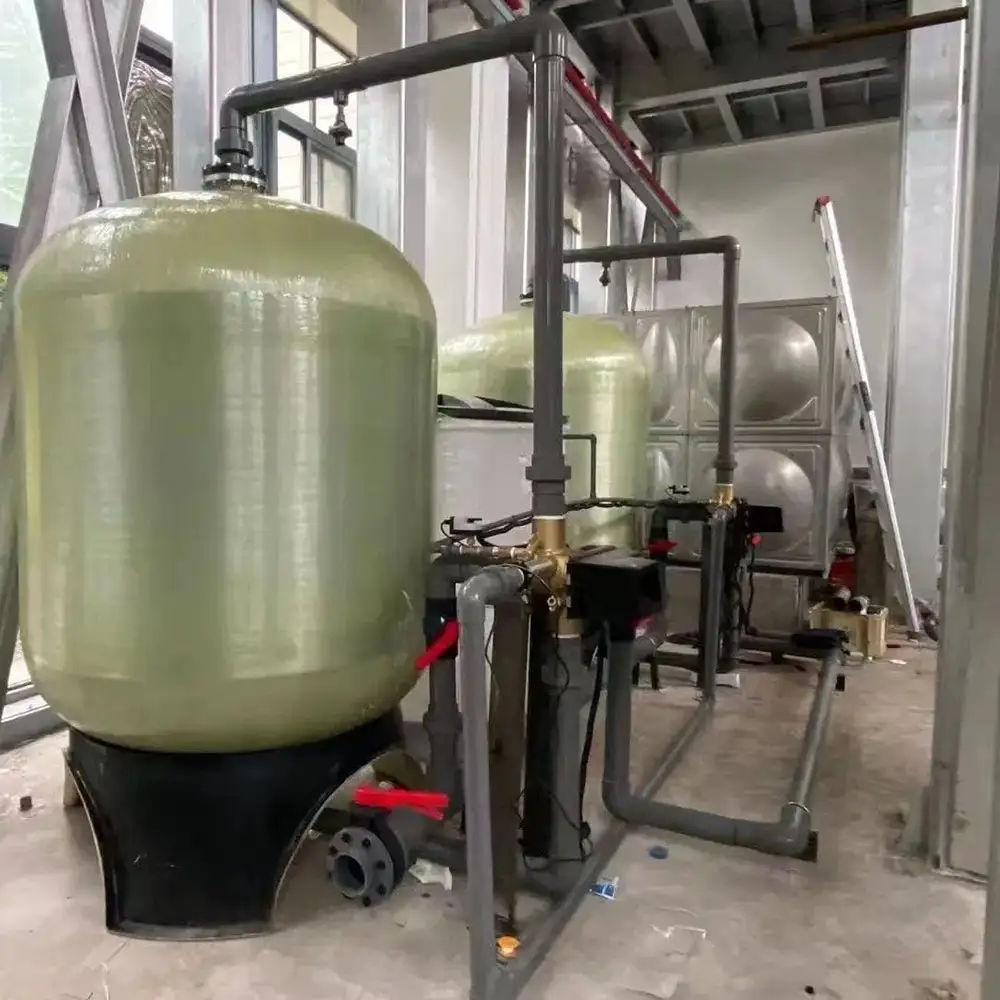
Depending on raw water conditions, pretreatment may include a multimedia filter for suspended solids, an activated carbon filter for chlorine and organic compounds, a water softener or antiscalant dosing system for scale control, and a cartridge filter for fine particle removal.
After pretreatment, the high-pressure pump delivers water to the RO membrane system. The membrane performs the main dissolved-solids reduction.
Depending on the food manufacturing process, additional treatment such as UV sterilization, ozone disinfection, remineralization, or other polishing processes can be integrated into the system.
The exact configuration should be selected according to the raw water analysis and applicable water quality requirements.
Fully Automatic Operation
One of the key advantages of Fully Automatic Reverse Osmosis Equipment is simplified operation. An automatic control system can coordinate pumps, valves, flushing, protection functions, and water production according to programmed operating conditions.
The control system may monitor feed pressure, RO pressure, permeate flow, reject flow, conductivity, water level, and other important parameters.
Automatic flushing can help reduce the accumulation of contaminants on membrane surfaces. High- and low-pressure protection can help protect pumps and membranes from abnormal operating conditions.
For food manufacturing facilities operating long production schedules, automatic operation can reduce manual intervention and provide more consistent water treatment performance.
Reliable Water Quality for Food Manufacturers
Food production requires reliable process water. Depending on the specific manufacturing process, purified water may be used in beverage production, sauces, dairy processing, bakery products, food ingredients, canned foods, frozen foods, meat and seafood processing, and other applications.
RO-treated water can help reduce variations in dissolved mineral content and other water characteristics. This can be particularly important where water is directly incorporated into products or where water quality affects the performance of production equipment.
The required purification level depends on the final application. Some processes may require standard RO water, while others may require additional disinfection or polishing treatment.
Industrial Food Processing Applications
The Food Processing Water Filtration System can be applied to many production environments.
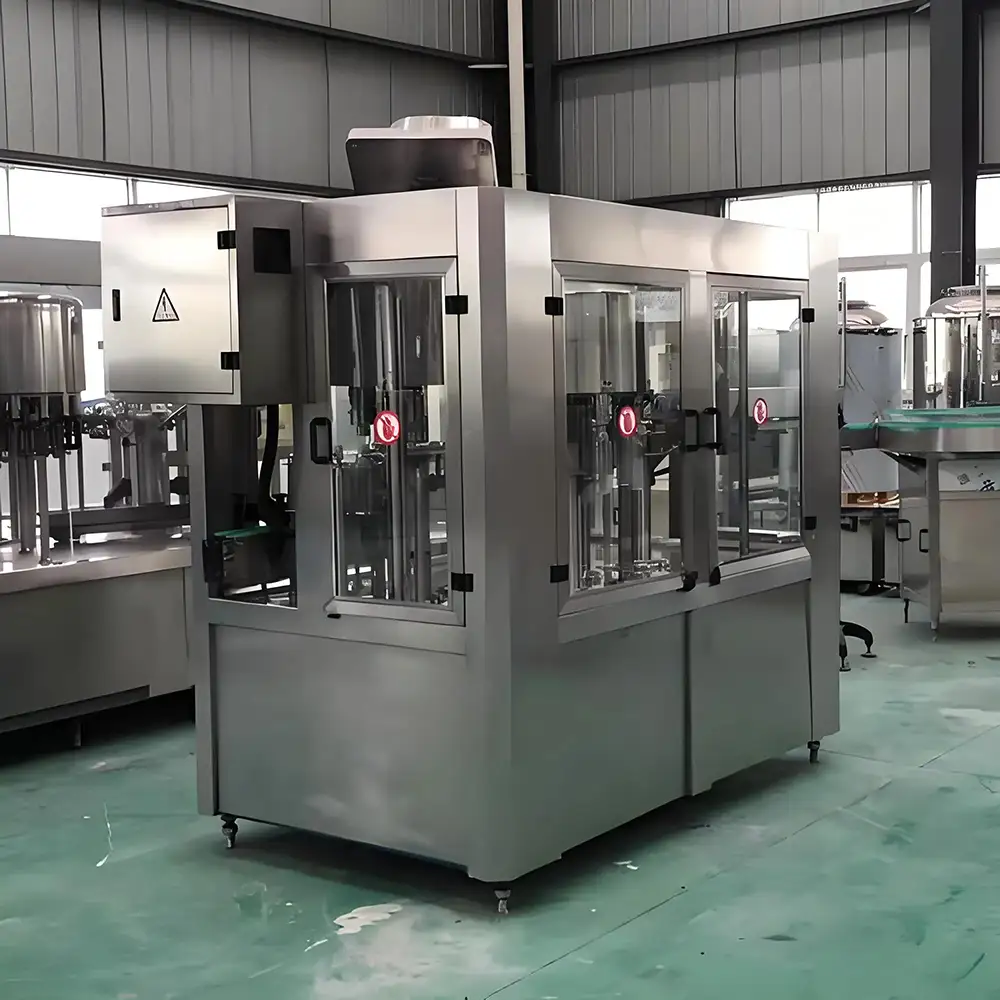
In beverage manufacturing, purified water can be used as a major ingredient or for cleaning and processing. In dairy plants, RO treatment may support process water and other utility applications. Bakeries can use purified water for dough preparation, ingredient mixing, and equipment cleaning.
Food plants can also use RO water for steam boilers, cooling systems, washing operations, and general production utilities.
The system capacity can be selected according to daily water consumption, peak demand, operating hours, and production requirements.
Efficient and Flexible System Configuration
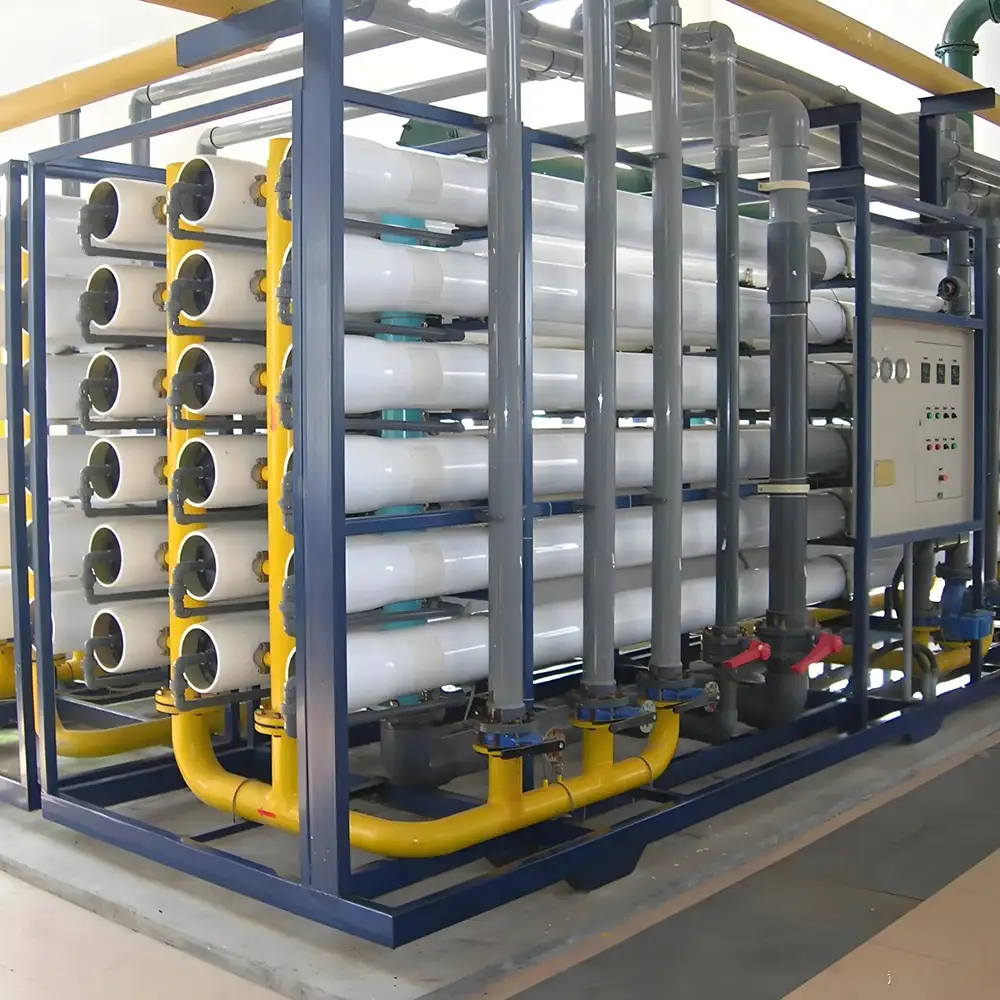
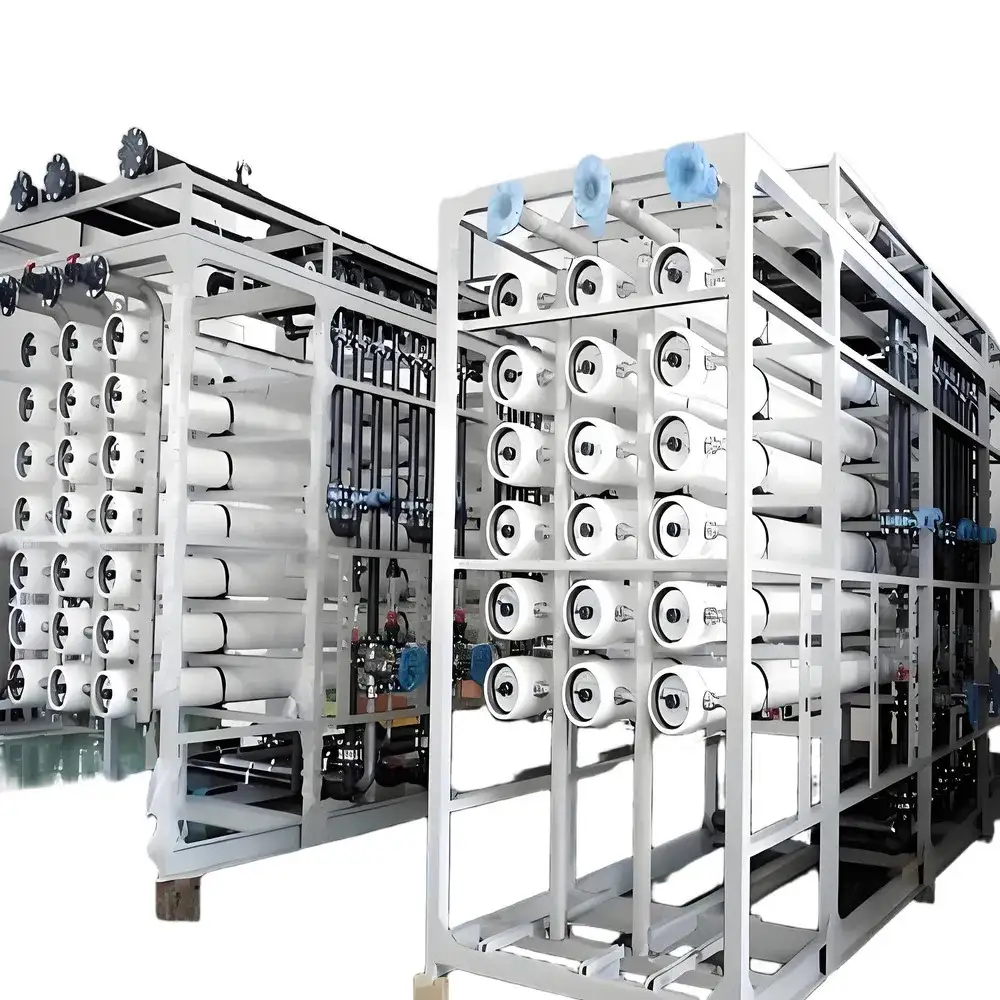
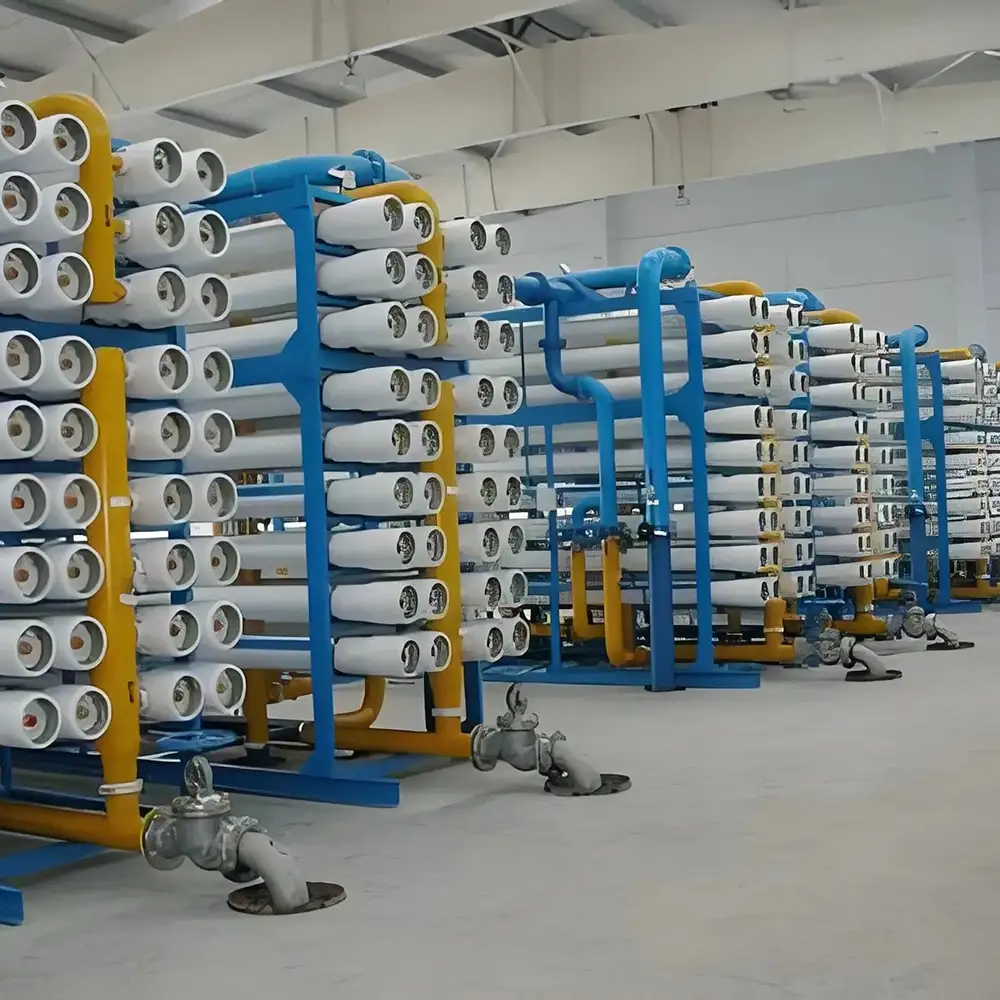
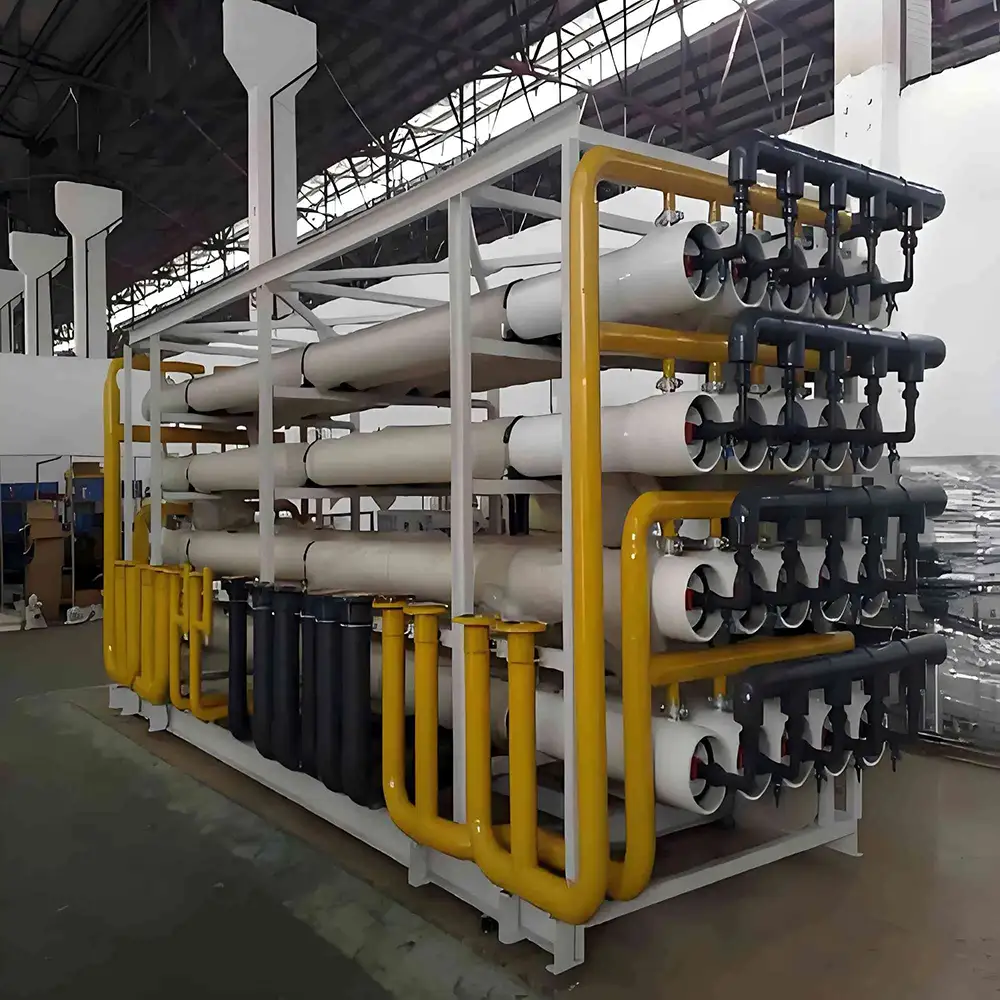
Industrial RO Water Treatment Equipment can be configured for different production capacities. Smaller food processing facilities may use compact skid-mounted systems, while large manufacturing plants can use multiple RO membrane housings or parallel treatment trains.
The system can also be integrated with raw water tanks, pure water storage tanks, CIP systems, UV sterilization, ozone equipment, and other water treatment components.
A modular configuration makes it easier to install the equipment into existing production facilities and allows future capacity expansion when water demand increases.
Automatic Monitoring and Safety Protection
A modern automatic RO system can include a PLC-based control system, touch-screen interface, pressure sensors, flow meters, conductivity meters, automatic valves, alarms, and pump protection.
The conductivity meter can provide useful information about permeate water quality. Flow monitoring can help identify changes in membrane performance or production conditions.
Safety functions can include low-water protection, high-pressure protection, pump overload protection, and automatic shutdown under abnormal operating conditions.
These features help improve operational reliability and make the system easier for production personnel to manage.
Maintenance and Membrane Protection
Although the system is fully automatic, regular maintenance remains important. Pretreatment filters should be inspected and serviced according to actual operating conditions. Cartridge filters should be replaced when pressure drop indicates that replacement is required.
RO membranes should be monitored for changes in permeate flow, pressure, and conductivity. Cleaning may be required when membrane fouling or scaling causes a significant decline in performance.
Good pretreatment is essential for protecting RO membranes. Proper control of hardness, suspended solids, chlorine, iron, and other potential membrane-fouling substances can help extend membrane service life.
Why Choose Us?
We focus on practical automatic RO water treatment solutions for food manufacturing and industrial applications. Our systems can be configured according to raw water quality, required production capacity, target water quality, operating schedule, and installation conditions.
For food manufacturers, the equipment can be designed around the specific role of water in the production process, whether it is used as an ingredient, process water, cleaning water, boiler feed water, or utility water.
The system can integrate pretreatment, RO membranes, high-pressure pumps, automatic controls, monitoring instruments, storage tanks, and post-treatment equipment into a complete water purification solution.
Our approach emphasizes stable operation, automatic control, practical maintenance, flexible capacity, and consistent purification performance for demanding industrial environments.
Frequently Asked Questions
1. What is Fully Automatic Reverse Osmosis Equipment?
It is an RO water purification system equipped with automatic controls for pumps, valves, flushing, monitoring, alarms, and protective functions, reducing the need for continuous manual operation.
2. Why is RO water treatment useful for food manufacturers?
RO can reduce dissolved salts, minerals, suspended contaminants, and other unwanted substances, helping food manufacturers maintain more consistent process water quality.
3. Can RO water be used as a food ingredient?
It can be used in food and beverage processes when the complete treatment system and final water quality meet the applicable requirements for the intended application.
4. What pretreatment does a food industry RO system need?
Pretreatment depends on raw water quality and may include multimedia filtration, activated carbon, softening, antiscalant dosing, iron removal, and cartridge filtration.
5. Can the RO system run continuously?
Yes. The system can be designed for extended operating schedules, subject to appropriate capacity, feed water conditions, maintenance, and system configuration.
6. Can the system produce high-purity water?
Yes. RO can be combined with additional treatment such as UV, ozone, deionization, or other polishing technologies when higher water purity is required.
7. How does automatic membrane flushing work?
The control system can open designated valves and operate pumps according to programmed conditions to flush contaminants from the membrane system.
8. How often should RO membranes be cleaned?
Cleaning frequency depends on feed water quality, pretreatment performance, operating conditions, and membrane fouling. Performance monitoring should be used to determine the appropriate cleaning schedule.
9. Can the system be integrated into an existing food plant?
Yes. Skid-mounted and modular configurations can be integrated with existing raw water systems, storage tanks, production lines, and post-treatment equipment.
10. What information is needed to select the equipment?
Important information includes raw water source and analysis, required daily water capacity, peak demand, target water quality, operating hours, installation conditions, and the intended use of the treated water.
Prev:
RO Reverse Osmosis Filtration Equipment for Purified Water Filtration and Groundwater
Next:
School Factory Reverse Osmosis Filtration Equipment Purifies Water Quality
TAG:
Food Processing Water Treatment,
Pure Water Treatment System,
High Purity Water System,
Automatic Water Filtration System,
Industrial Water Purification,
Industrial RO Water Treatment,
Industrial Reverse Osmosis System,
RO Water Treatment System,
Automatic Water Purification System,
RO Membrane Water Treatment,
Reverse Osmosis Water Purification,
RO Water Purification Equipment,
Automatic RO System,
RO Reverse Osmosis Equipment,
RO Water Purifier,
RO Water Filtration System,
Commercial RO Water Treatment,
Reverse Osmosis Filtration Equipment,
Food Production Water Treatment,
Food Plant Water Treatment,
Food Industry Water Purification,
Food Processing RO Equipment,
Food Grade Water Treatment,
Food Industry RO System,
Fully Automatic Reverse Osmosis,
Food Manufacturing Water Treatment,
Food Processing Water Filtration,
Food Factory RO System,
Related Category:
Fully Automatic Reverse Osmosis Equipment,RO Reverse Osmosis Equipment,Food Manufacturing Water Treatment,Food Industry China, suppliers, manufacturers, factory, customized, wholesale, quotation, made in China