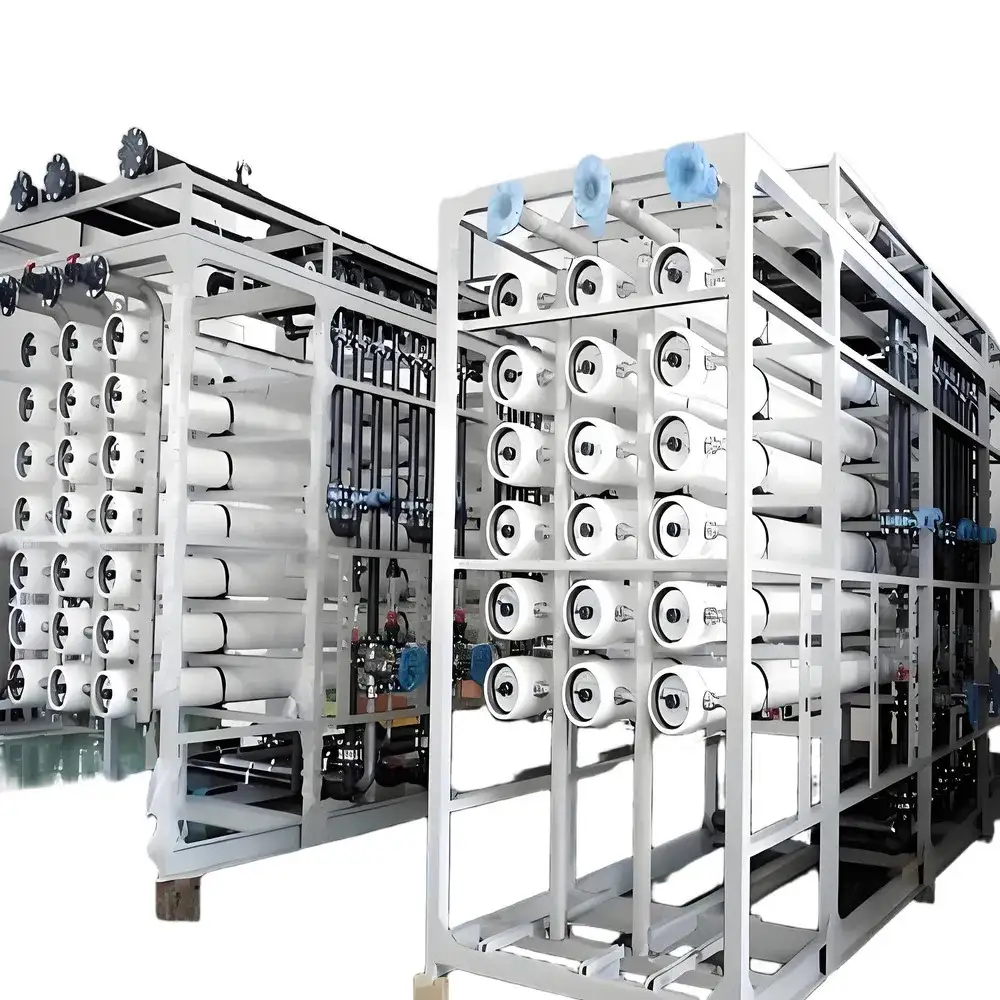
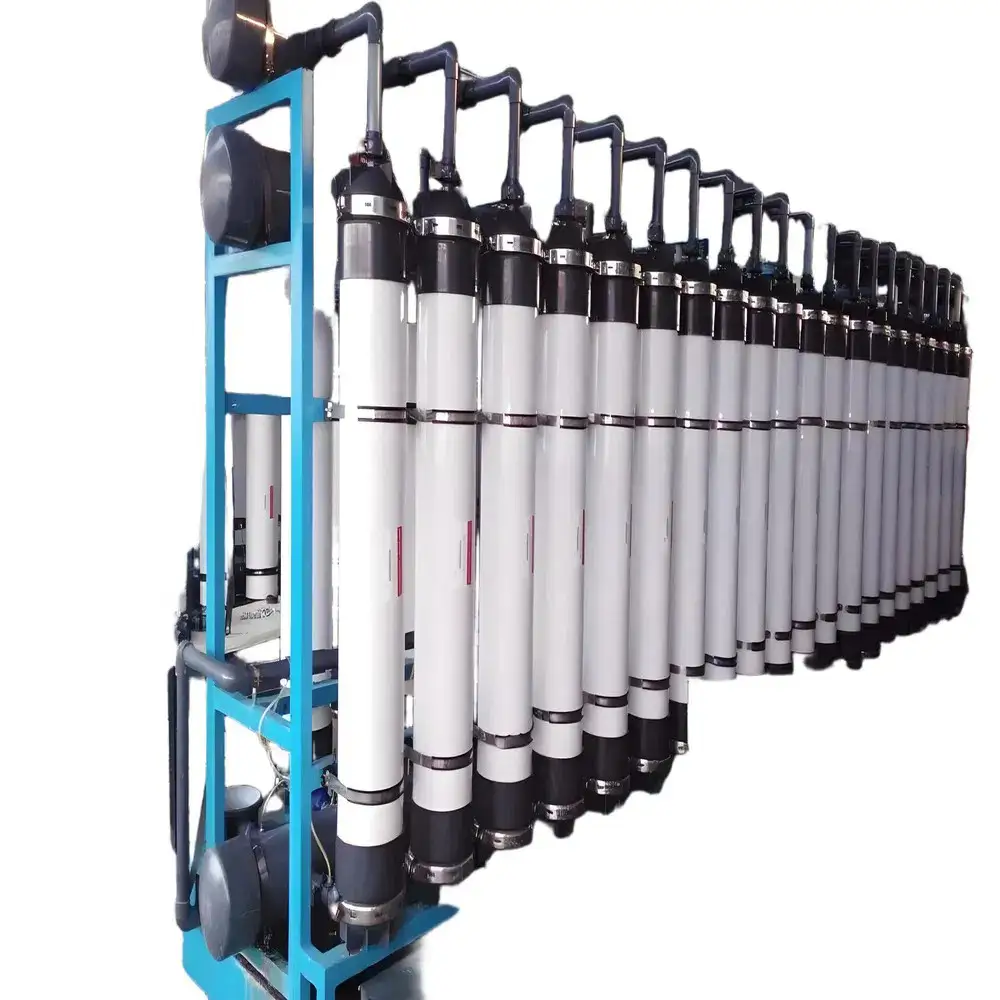
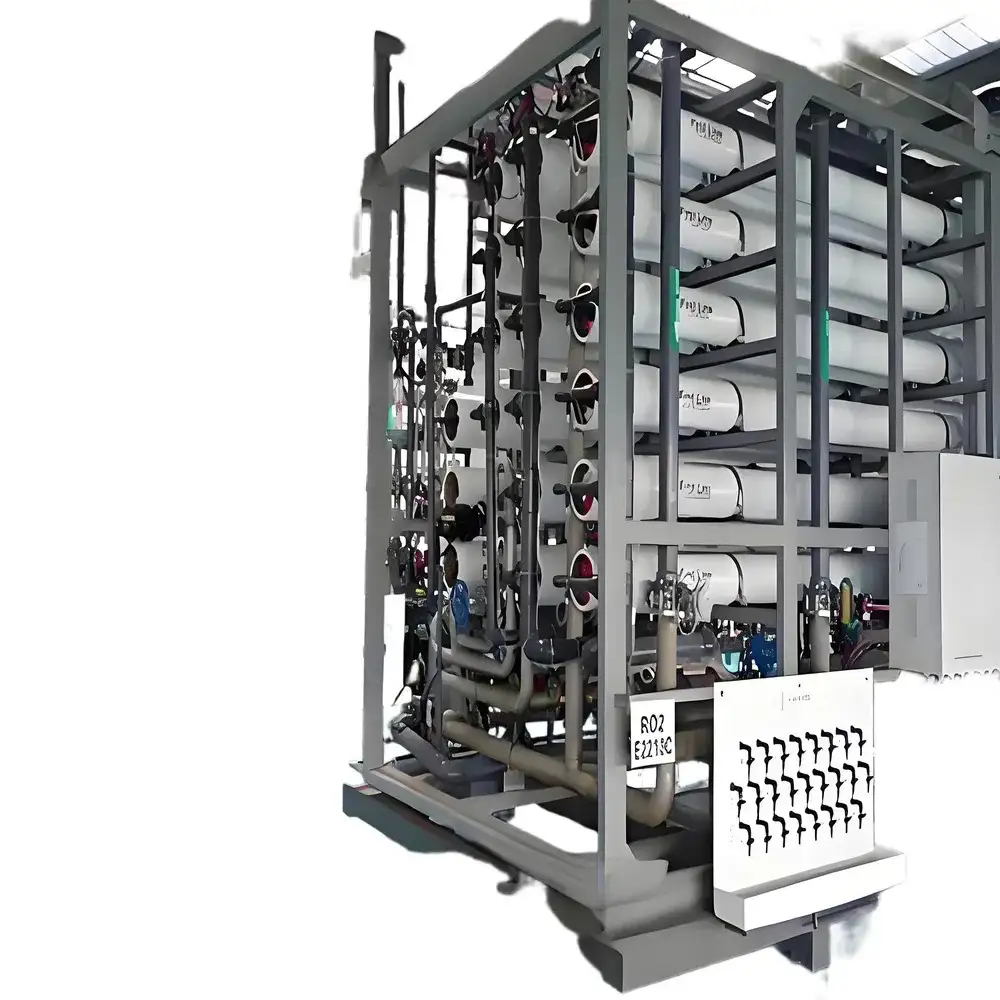
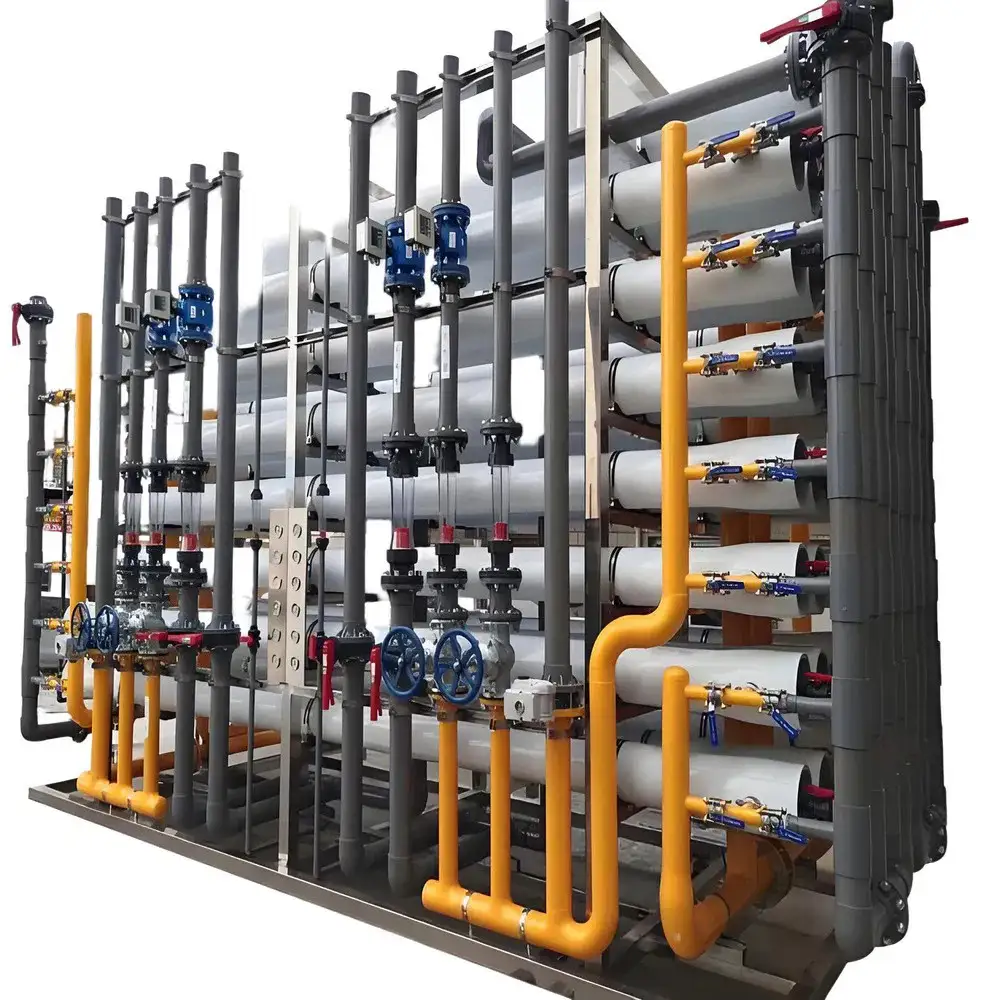
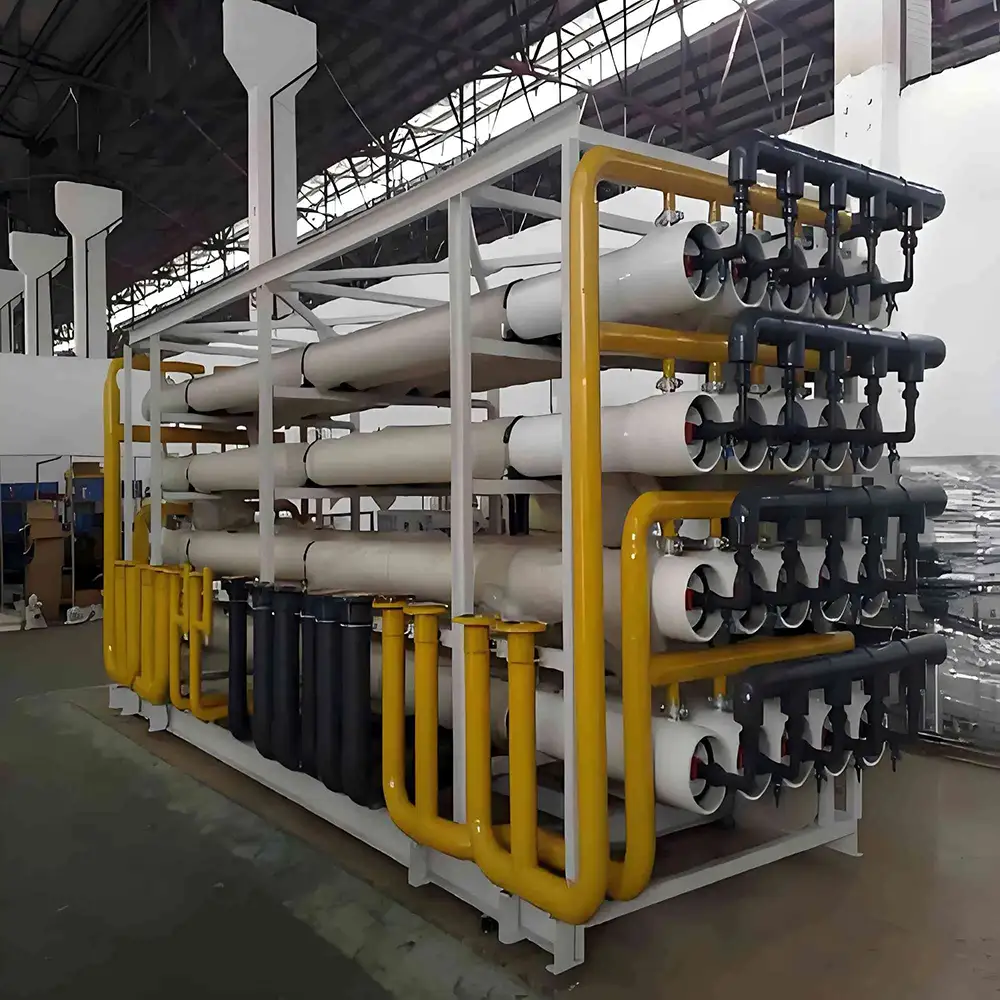
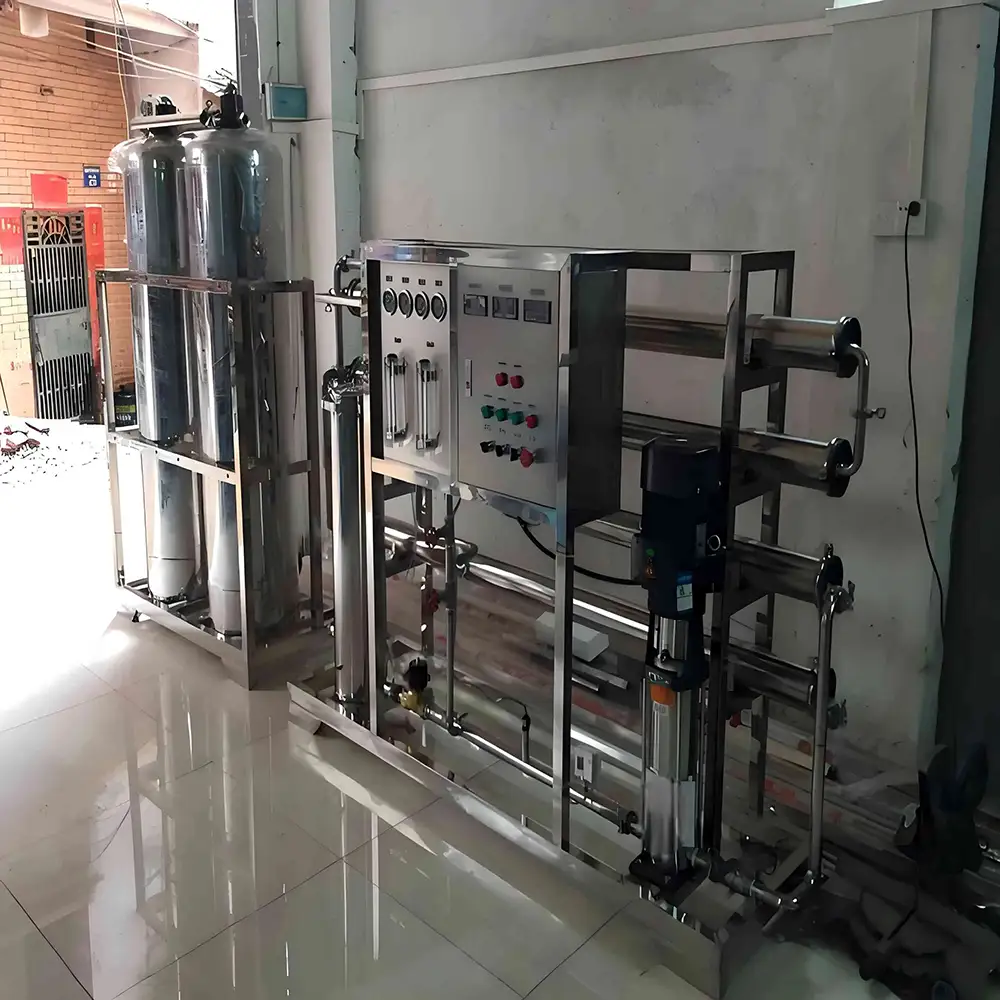
Hypermarket Water Purification and Seawater Desalination RO Reverse Osmosis Equipment
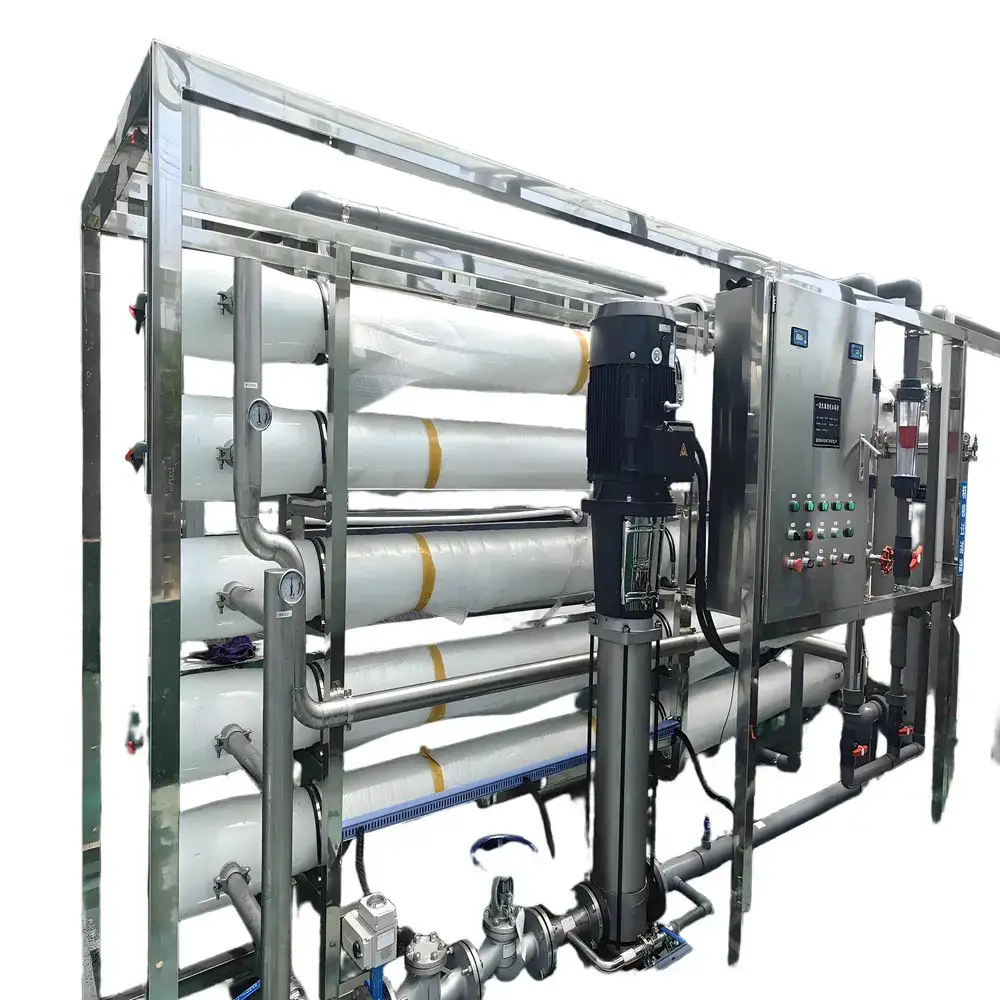
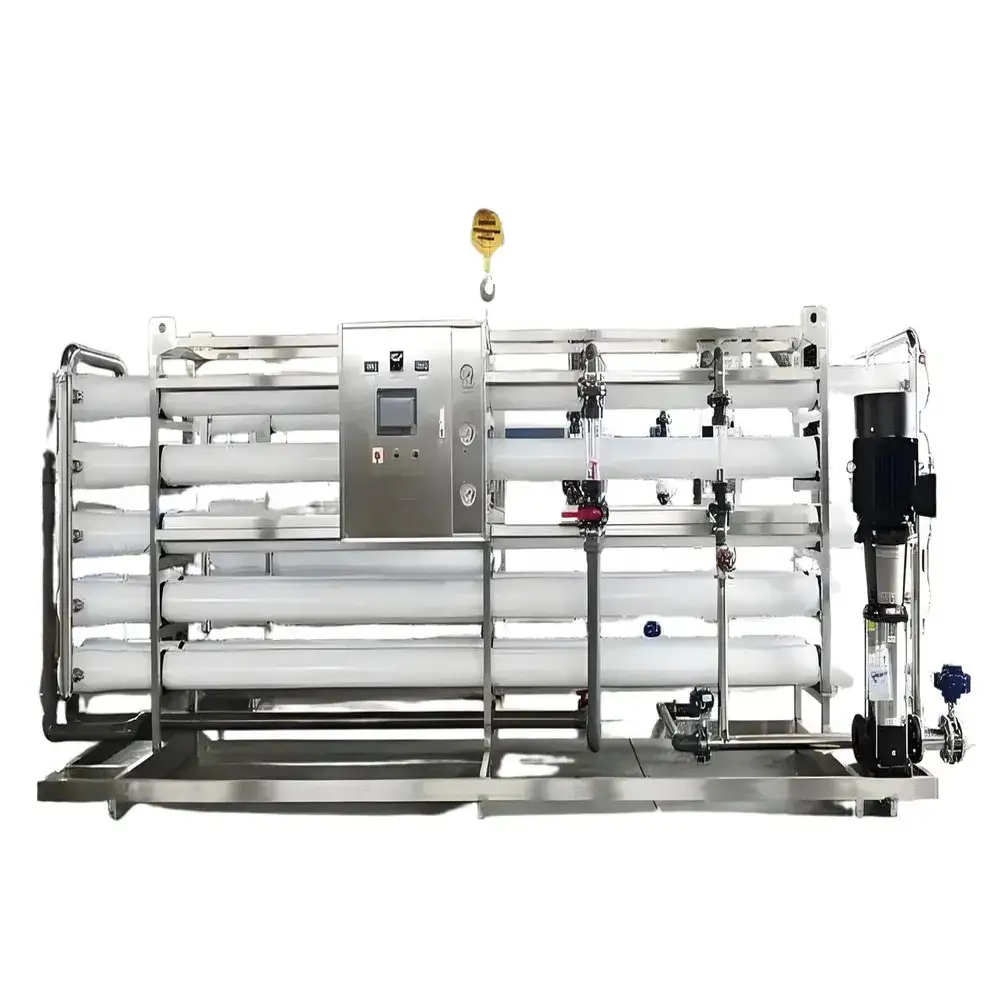
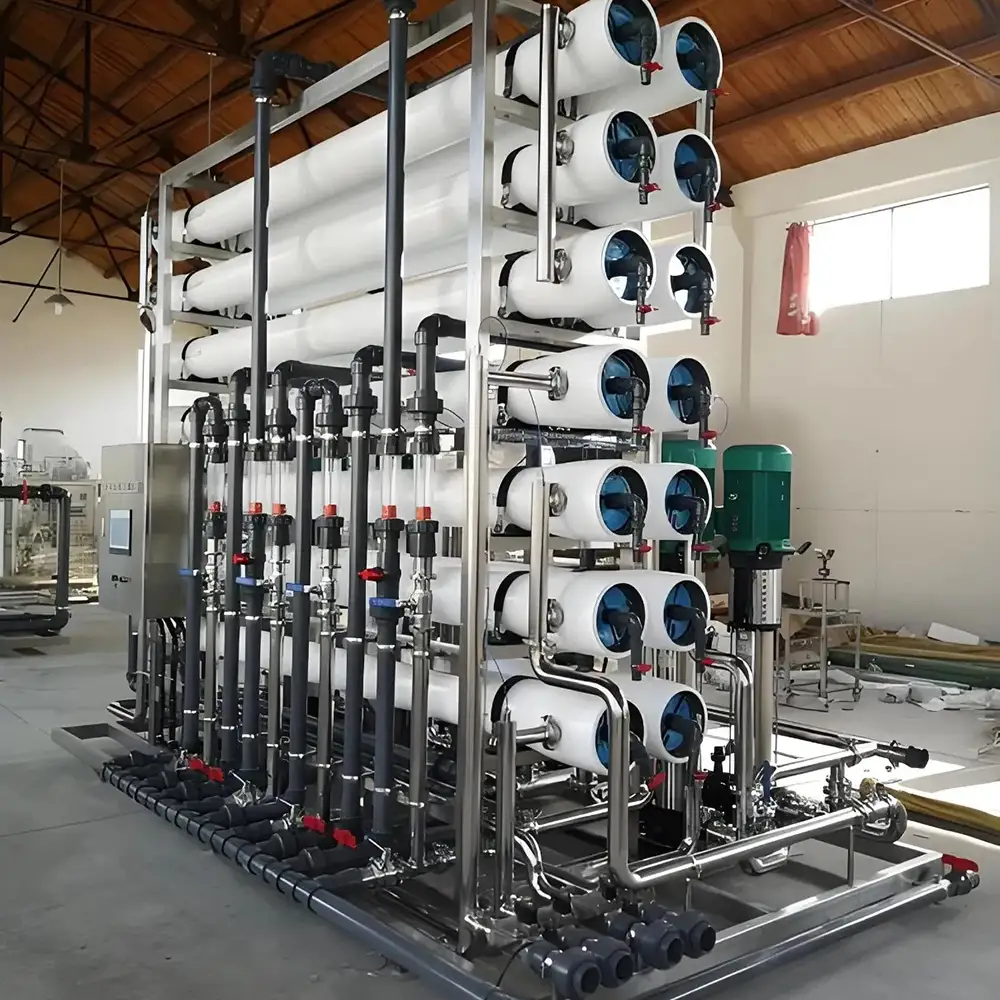
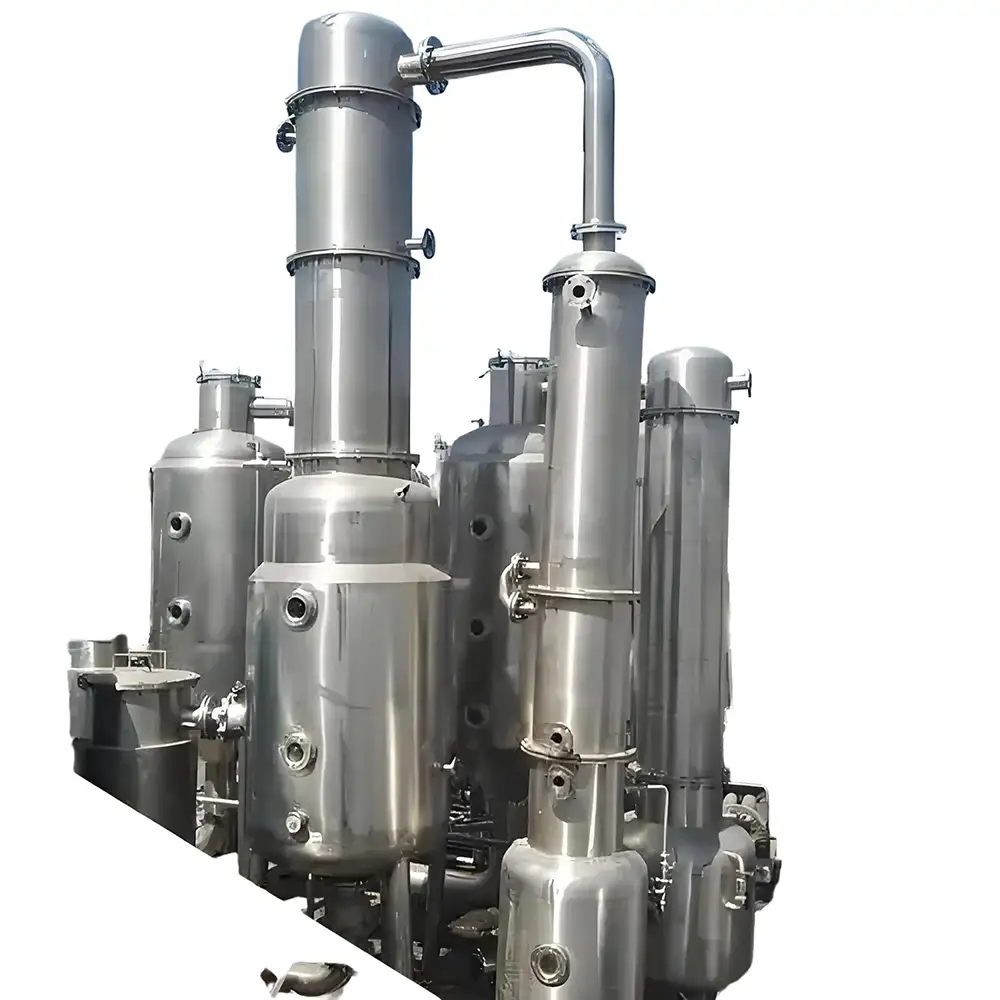
Hypermarket Purification and Pure Water Seawater Desalination RO Reverse Osmosis Equipment is a versatile water treatment solution designed to provide reliable purified water for large commercial facilities, supermarkets, hypermarkets, food service operations, drinking water stations, industrial facilities, and seawater desalination projects.
The system combines pretreatment filtration, high-pressure pumping, and reverse osmosis membrane technology to reduce dissolved salts, suspended solids, microorganisms, organic contaminants, and other unwanted substances. Depending on the raw water source and final water requirements, the equipment can be configured for municipal water purification, groundwater treatment, brackish water treatment, or seawater desalination.
With a modular configuration and flexible capacity options, the system can be adapted to different water consumption requirements and installation environments.
Hypermarket Purification/Container Reverse Osmosis/Desalination Equipment
The Water filter can be directly connected to the tap water pipe to effectively remove small impurities, organics, heavy metal ions, viruses, bacteria and other harmful substances in the water. It not only retains water molecules and dissolved oxygen, but also retains trace elements needed by the human body.
Advanced Reverse Osmosis Water Purification
Reverse osmosis is a highly effective membrane-based water purification technology. During operation, feed water is first processed through a pretreatment system before entering the RO membrane section.
The high-pressure pump provides the pressure required to force water through the semipermeable RO membrane. Water molecules can pass through the membrane, while a large proportion of dissolved salts, minerals, heavy metals, microorganisms, and other contaminants are rejected.
For hypermarkets and commercial facilities, this process can provide purified water for drinking, food preparation, cleaning, ice production, beverage applications, and other operations where improved water quality is required.
Seawater Desalination Capability
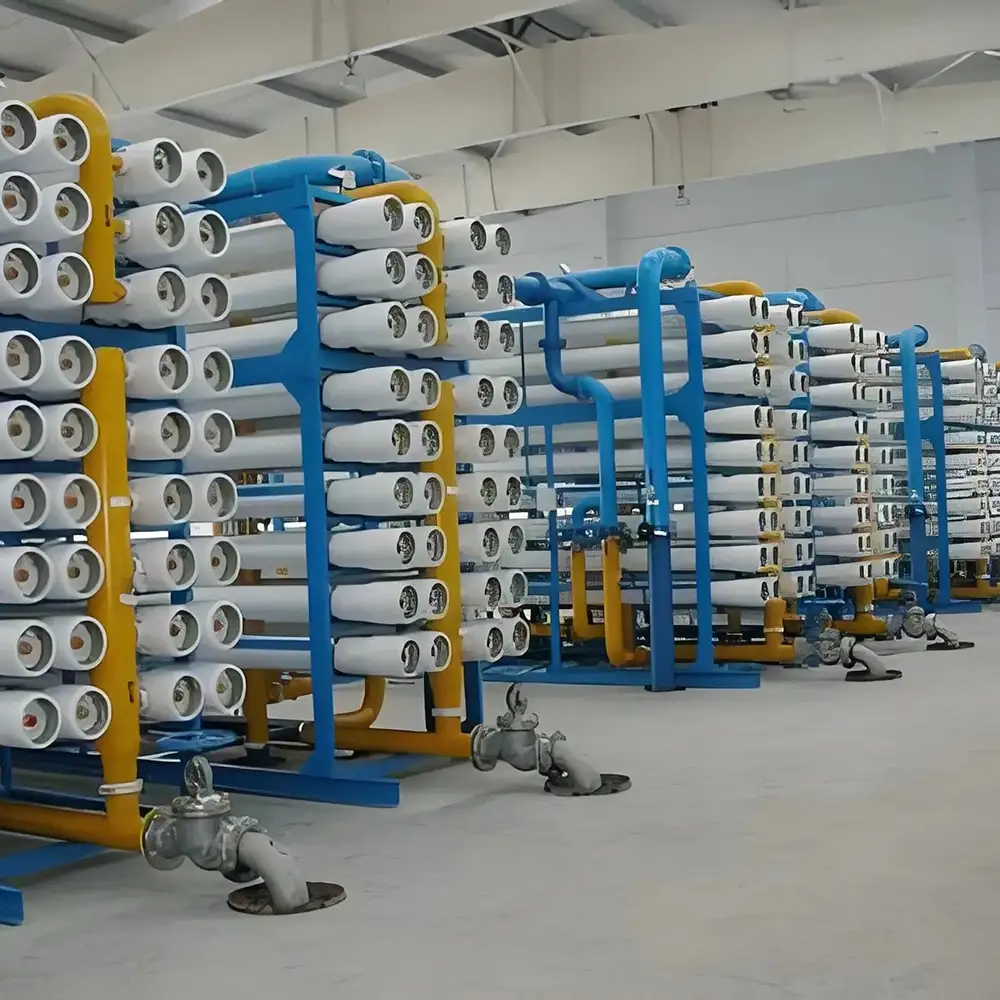
For coastal facilities and locations with limited freshwater resources, Seawater Desalination RO Equipment provides an effective method for converting seawater into usable fresh water.
Seawater contains a much higher concentration of dissolved salts than ordinary freshwater, so seawater RO systems require specialized pretreatment, high-pressure pumping, corrosion-resistant components, and membranes designed for desalination applications.
The system can reduce the salinity of seawater and produce desalinated water suitable for further treatment or appropriate end uses. Depending on project requirements, additional disinfection, remineralization, storage, or polishing treatment can be integrated after the RO process.
Multi-Stage Water Treatment Process
A complete RO Water Purification System normally consists of multiple treatment stages.
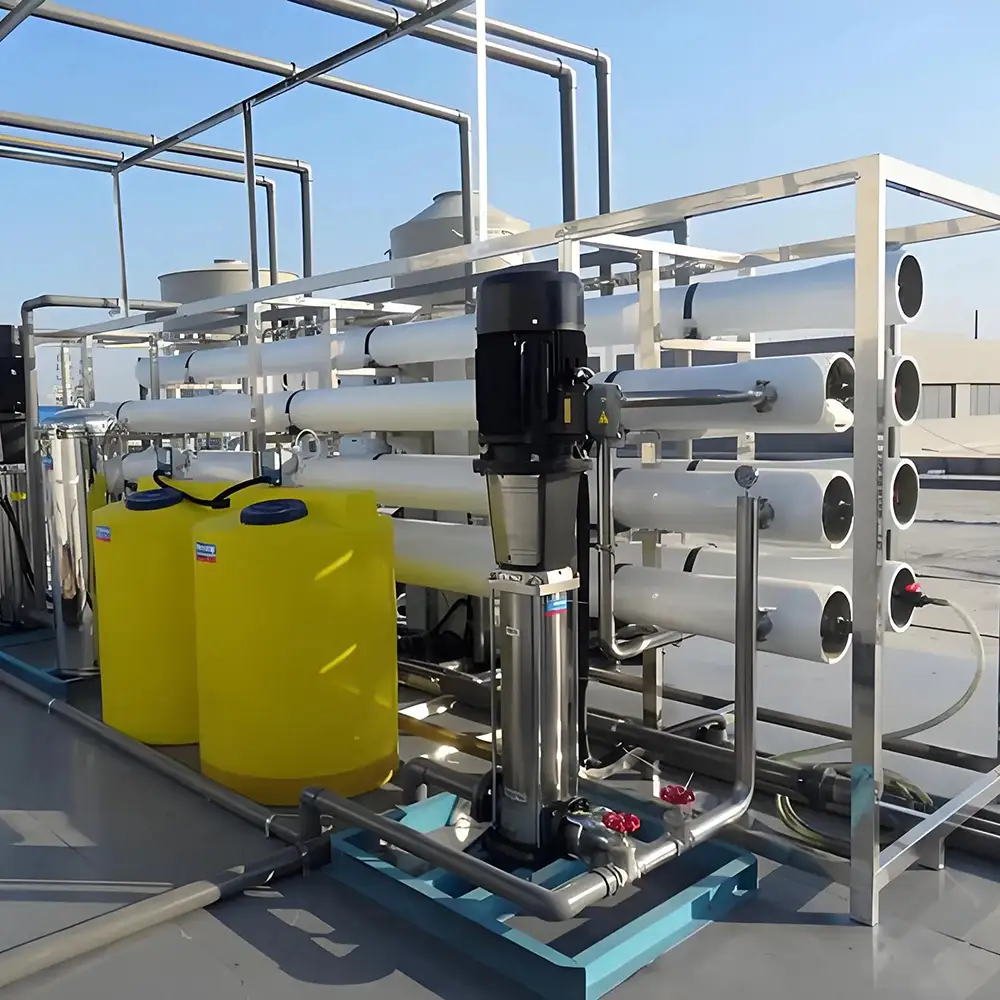
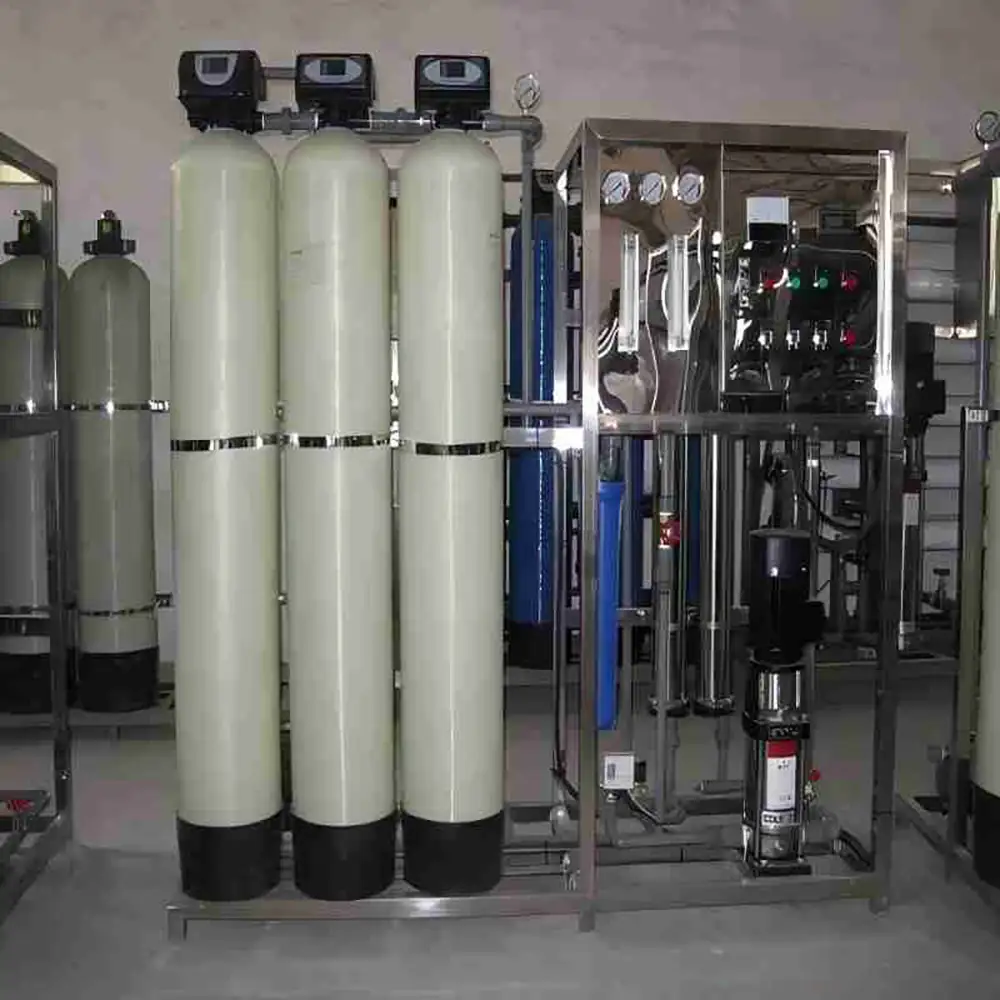
The first stage is raw water pretreatment, which may include a multimedia filter for suspended solids, an activated carbon filter for chlorine and organic compounds, a softener or antiscalant dosing system for scale control, and a cartridge filter for fine particle removal.
After pretreatment, the high-pressure pump sends water to the reverse osmosis membrane system. The RO membranes perform the primary desalination and purification process.
The purified permeate can then be stored in a pure water tank or sent to additional post-treatment equipment. UV sterilization, ozone treatment, remineralization, or other polishing processes may be added according to the intended application.
Designed for Hypermarkets and Large Commercial Facilities
Hypermarkets can have significant and continuous water consumption. Water may be required for drinking water stations, food processing, produce washing, kitchens, restaurants, cleaning, beverage preparation, ice machines, and other daily operations.
A centralized commercial water purification system can help provide a stable source of treated water for these applications. The capacity can be selected according to daily consumption, peak demand, operating hours, and required water quality.
For larger facilities, multiple RO units can be installed in parallel to increase production capacity or provide operational redundancy.
Pure Water Production for Different Applications
The final water quality can be adjusted according to the intended use. For general commercial applications, standard RO purification may be sufficient. For applications requiring higher purity, additional polishing systems can be installed after the RO stage.
The equipment can be used for drinking water treatment, food and beverage processing, commercial kitchens, ice production, industrial process water, cleaning operations, and other applications requiring purified water.
The system can also serve as a pretreatment or primary purification stage for more advanced water treatment processes.
Automatic Operation and Monitoring
The RO Reverse Osmosis Equipment can be equipped with automatic control components to simplify daily operation. Depending on the configuration, the system may include automatic valves, pressure gauges, flow meters, conductivity monitoring, high- and low-pressure protection, pump controls, alarms, and automatic flushing functions.
Monitoring conductivity and flow conditions helps operators evaluate membrane performance and identify potential changes in water quality or system operation.
Automatic control can also reduce the need for continuous manual operation, making the equipment suitable for commercial facilities where stable and predictable water treatment is important.
Energy-Efficient Water Desalination
Reverse osmosis is a pressure-driven process, so energy consumption is influenced by feed water quality, system capacity, operating pressure, recovery rate, temperature, and membrane configuration.
Modern RO systems can be engineered with efficient high-pressure pumps and optimized membrane arrangements to balance water production, purification performance, and operating costs.
For seawater desalination, energy requirements are generally higher than for freshwater or brackish-water RO because of the higher osmotic pressure of seawater. Proper system design and regular maintenance are therefore important for maintaining efficient operation.
Easy Installation and Flexible Configuration
Hypermarket Water Purification Equipment can be designed as skid-mounted systems or integrated into dedicated water treatment rooms. Containerized configurations are also available for projects requiring rapid deployment, remote installation, or easier transportation.
The equipment layout can be adapted according to available space, water source, electrical conditions, storage requirements, and treatment capacity.
Modular components also make it easier to expand the system when future water demand increases.
Maintenance and Long-Term Operation
Regular maintenance is important for keeping the RO system operating efficiently. Operators should monitor feed pressure, RO pressure, permeate conductivity, flow rate, recovery rate, and other key parameters.
Pretreatment filters should be serviced or replaced according to actual operating conditions. RO membranes may require periodic cleaning when fouling or scaling affects performance.
Proper pretreatment, regular inspections, correct operating pressure, and timely membrane cleaning can help extend equipment service life and maintain stable purified water production.
Why Choose Us?
We focus on practical RO water purification and desalination solutions for commercial and industrial applications. The system configuration can be selected according to raw water quality, required production capacity, target water quality, installation conditions, and final application.
For hypermarkets and large commercial facilities, the equipment can be configured around daily and peak water consumption requirements. For coastal projects, specialized seawater RO configurations can be developed with suitable pretreatment, high-pressure pumping, membrane technology, and corrosion-resistant components.
The complete system can also integrate automatic controls, monitoring instruments, storage tanks, disinfection equipment, and post-treatment units to create a complete water purification solution.
Our goal is to provide stable operation, practical maintenance, flexible capacity, efficient purification, and long-term usability for different water treatment projects.
Frequently Asked Questions
1. What is Hypermarket Water Purification Equipment?
It is a commercial water treatment system designed to provide purified water for hypermarkets and other large facilities, including drinking water, food preparation, cleaning, kitchens, and beverage applications.
2. Can this RO system desalinate seawater?
Yes. A specially configured seawater RO system can remove dissolved salts from seawater and produce desalinated water. Seawater applications require suitable pretreatment, high-pressure equipment, and seawater-rated RO membranes.
3. What is the difference between seawater RO and freshwater RO?
Seawater has significantly higher salinity and osmotic pressure. Therefore, seawater RO generally requires higher operating pressure, specialized membranes, and suitable corrosion-resistant components.
4. Can the equipment produce drinking water?
Yes. When properly designed and combined with appropriate post-treatment and disinfection, RO equipment can be used for drinking water purification.
5. What pretreatment is required?
Depending on the raw water, pretreatment may include multimedia filtration, activated carbon filtration, cartridge filtration, softening, antiscalant dosing, or other processes.
6. Can the system treat brackish water?
Yes. RO technology is widely used for brackish-water desalination. The exact system configuration depends on feed water salinity and other water quality parameters.
7. Can the system operate automatically?
Yes. Automatic versions can include automatic valves, pump controls, pressure protection, conductivity monitoring, alarms, and automatic flushing.
8. How often should RO membranes be cleaned?
Cleaning frequency depends on feed water quality, pretreatment performance, operating conditions, and membrane fouling. Membrane performance should be monitored to determine the appropriate cleaning schedule.
9. Can the capacity be expanded?
Yes. Larger capacities can be achieved through additional membrane elements, multiple RO trains, or parallel system configurations, depending on the engineering design.
10. What information is needed to select the right RO system?
Important information includes the water source, water analysis, required daily production, peak demand, target water quality, operating schedule, installation space, and final application.
Prev:
Water Filter Reverse Osmosis Equipment/Reverse Osmosis Water Purification Equipment
Next:
RO Reverse Osmosis Filtration Equipment for Purified Water Filtration and Groundwater
TAG:
Industrial Water Purification System,
RO Water Purification System,
Industrial Water Treatment,
Brackish Water RO System,
Water Desalination System,
Seawater Desalination Equipment,
Seawater RO System,
Industrial RO System,
Seawater Desalination,
RO Water Treatment System,
Commercial RO System,
Commercial Water Purification,
Drinking Water Purification,
Pure Water Treatment Equipment,
RO Membrane System,
Reverse Osmosis Water Purification,
Water Purification Plant,
Reverse Osmosis Equipment,
RO Water Purifier,
Drinking Water RO System,
RO Desalination Plant,
Reverse Osmosis Desalination,
Commercial Water Treatment Equipment,
Seawater Water Purification,
Pure Water RO System,
Hypermarket Water Purification,
Hypermarket Water Treatment,
Hypermarket RO System,
Related Category:
Hypermarket Water Purification Equipment,Seawater Desalination RO Equipment,Pure Water Reverse Osmosis System China, suppliers, manufacturers, factory, customized, wholesale, quotation, made in China